
Biome
Plants of the Atlantic Forest biome
A humid biome of varied terrain and enormous diversity — and home to much of Brazil's experience with syntropic agriculture. The list runs from fast pioneers to climax timber, which leaves room to design complete successions. Each species' relation to the biome is on its profile.
284 species in the catalog · Refine this list in the catalog
-
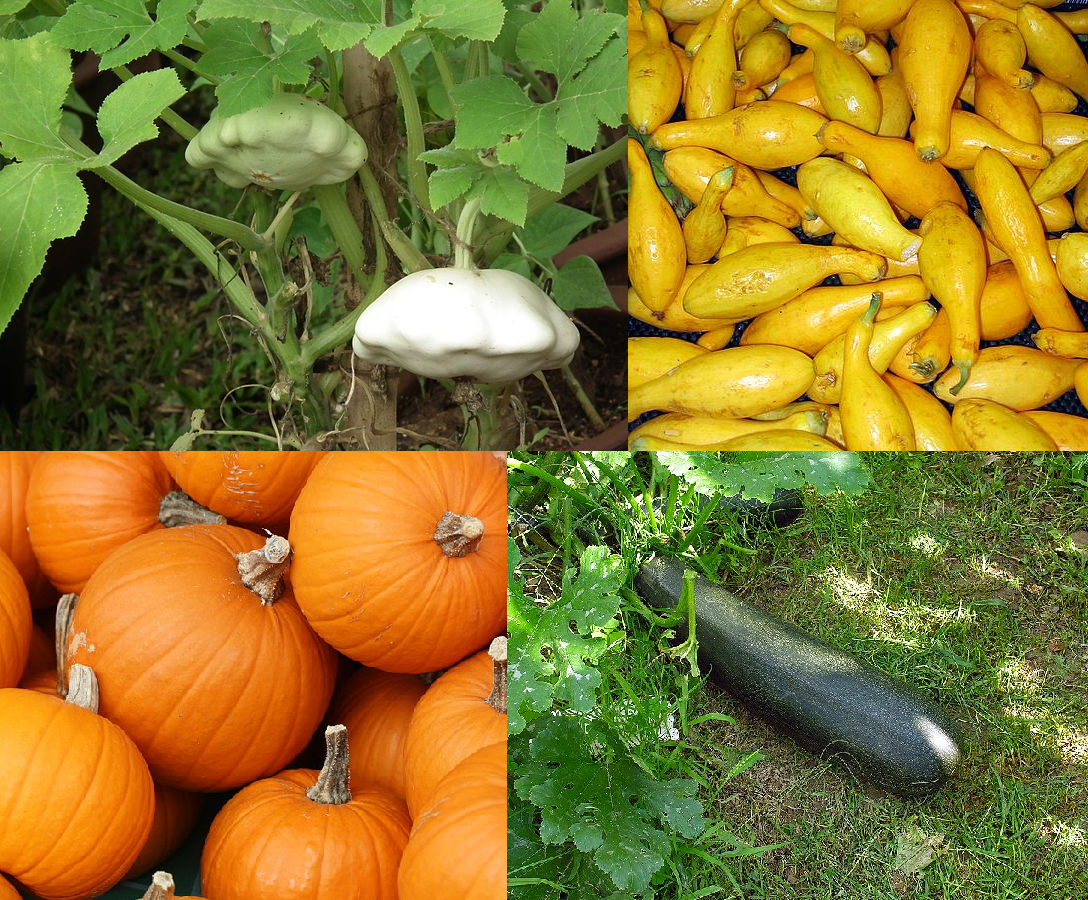
zucchini
Cucurbita pepo
Placenta I Ground cover No biomass productionAnnual cucurbit grown for its immature green fruit. Pasini lists it in the medium stratum of Tabela 3 (occupies the low stratum during growth). 60–...
-
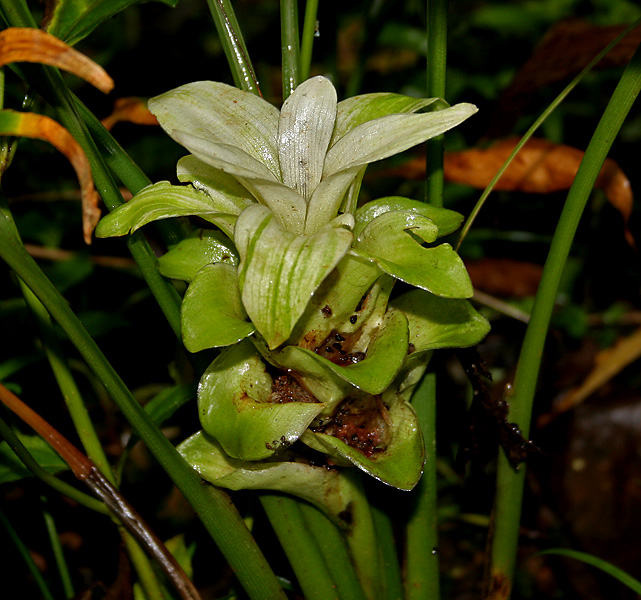
turmeric
Curcuma longa
Placenta I Low No biomass productionAromatic tropical orange-yellow rhizome. Pasini lists it in the low stratum of Tabela 3 and in the '3 to 10 years' phase of Tabela 4 (low stratum)....
-
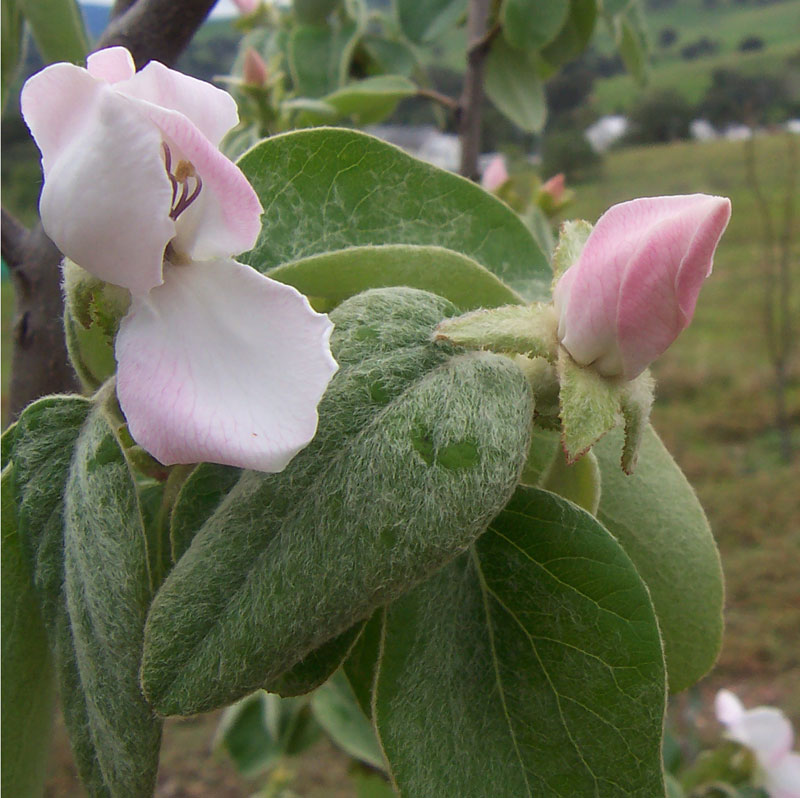
quince
Cydonia oblonga
Secondary I Medium No biomass productionQuince, a small deciduous fruit tree of the Rosaceae family, exotic to Brazil and suited to temperate-climate regions. It needs a cool period (temp...
-
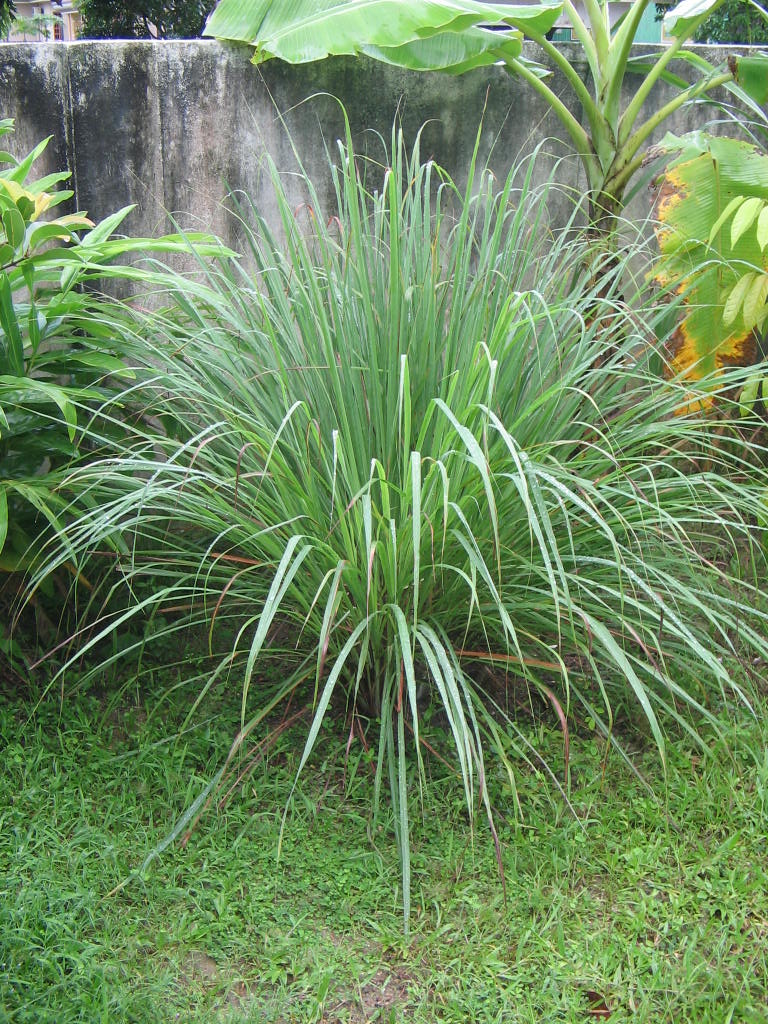
lemongrass
Cymbopogon citratus
Placenta I Low Mulch biomassPerennial aromatic grass (1–1.5 m) forming dense clumps. Lemon-scented leaves (citral). Permanent cover between tree rows in syntropic systems, mos...
-
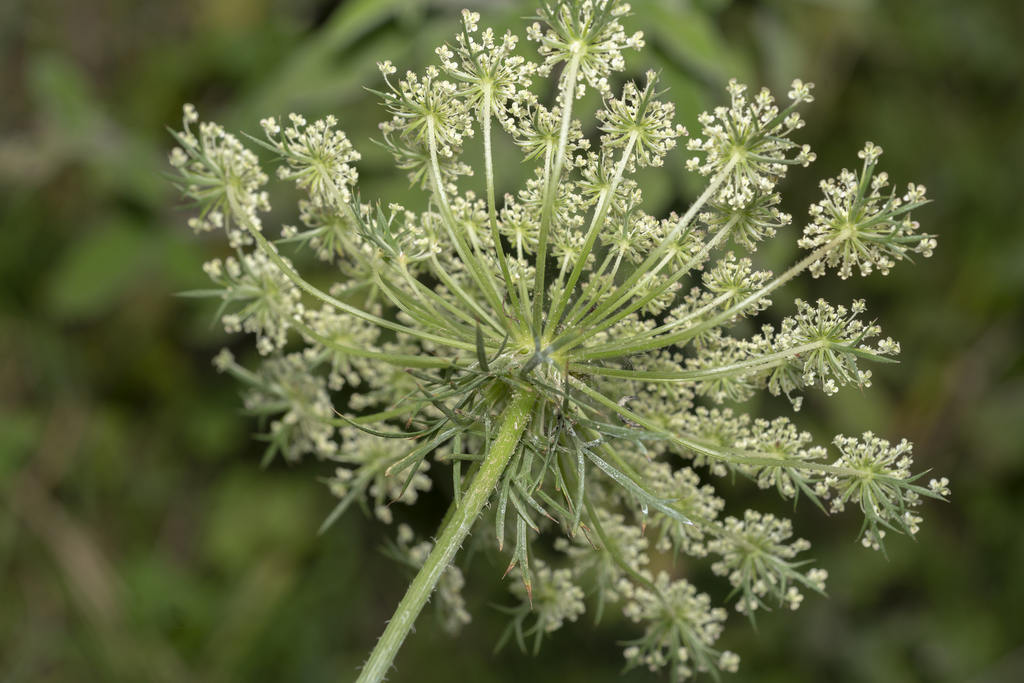
carrot
Daucus carota
Placenta I Low No biomass productionAnnual apiaceous plant with an orange tuberous root. Pasini lists it in the medium stratum of Tabela 3 (low stratum for most of the cycle). 80–110 ...
-
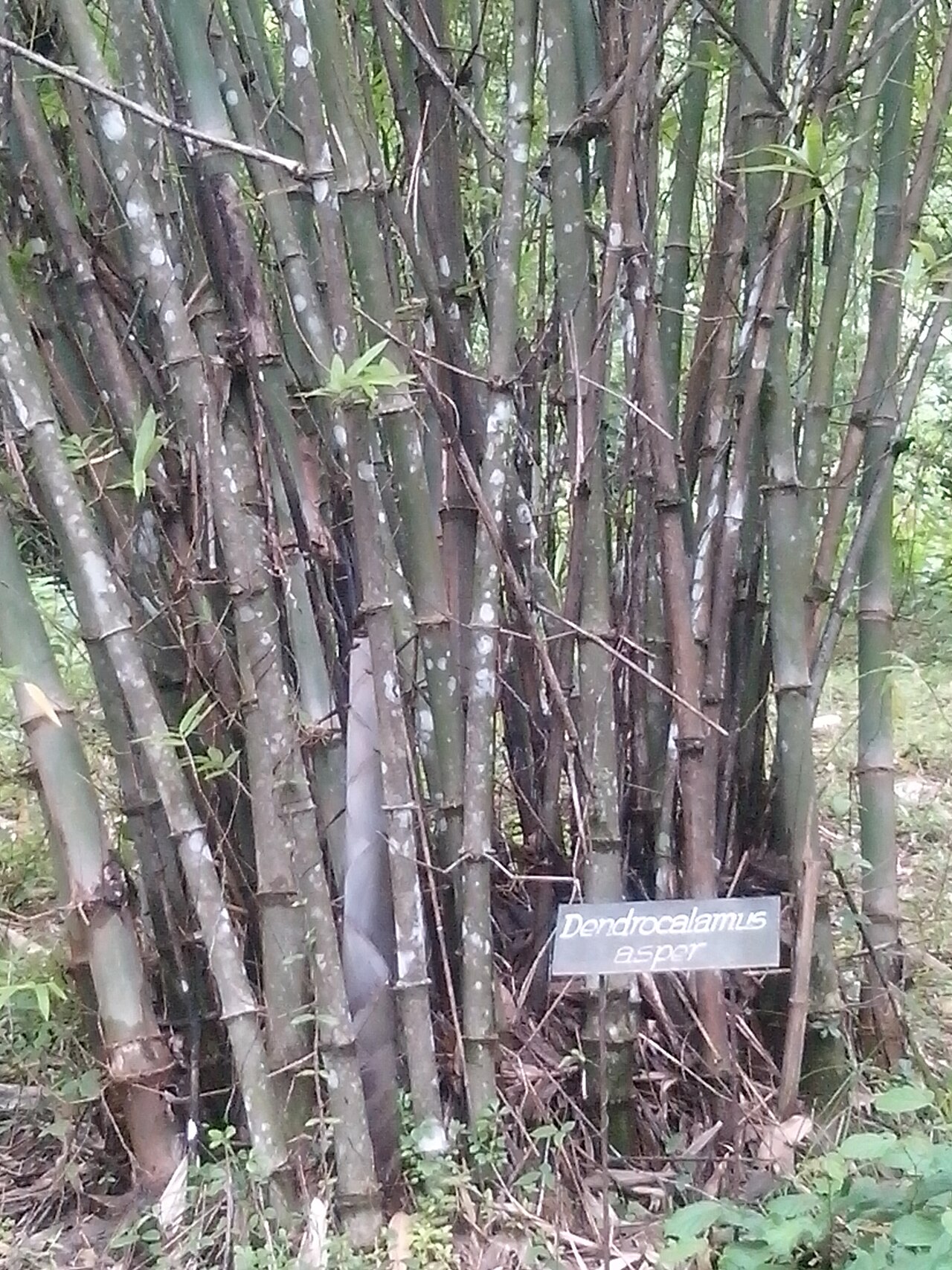
giant bamboo
Dendrocalamus asper
Secondary I Emergent Mulch biomassOne of the most economically important giant bamboos, a clumping species native to Southeast Asia, with culms 15–20 m tall and up to 20 cm in diame...
-
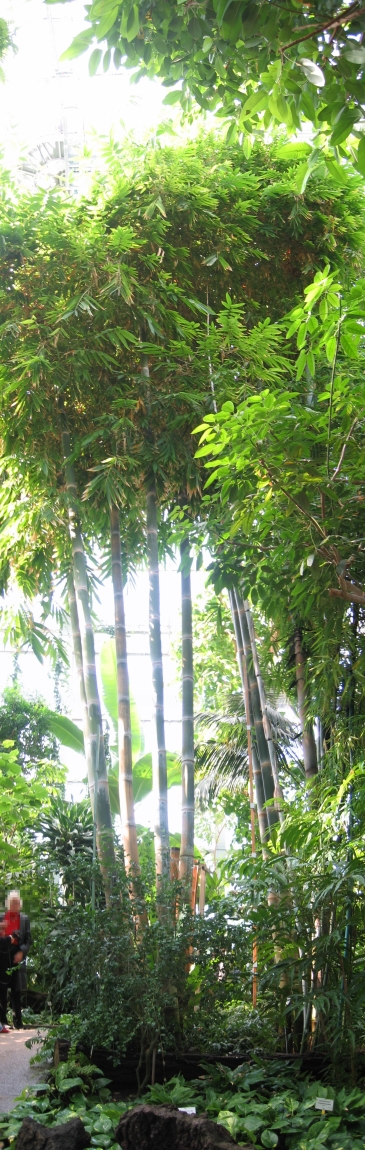
giant bamboo
Dendrocalamus giganteus
Secondary I Emergent Mulch biomassOne of the largest bamboos in the world, a clumping species native to India, Myanmar, Thailand and southern China, with culms commonly reaching 30 ...
-
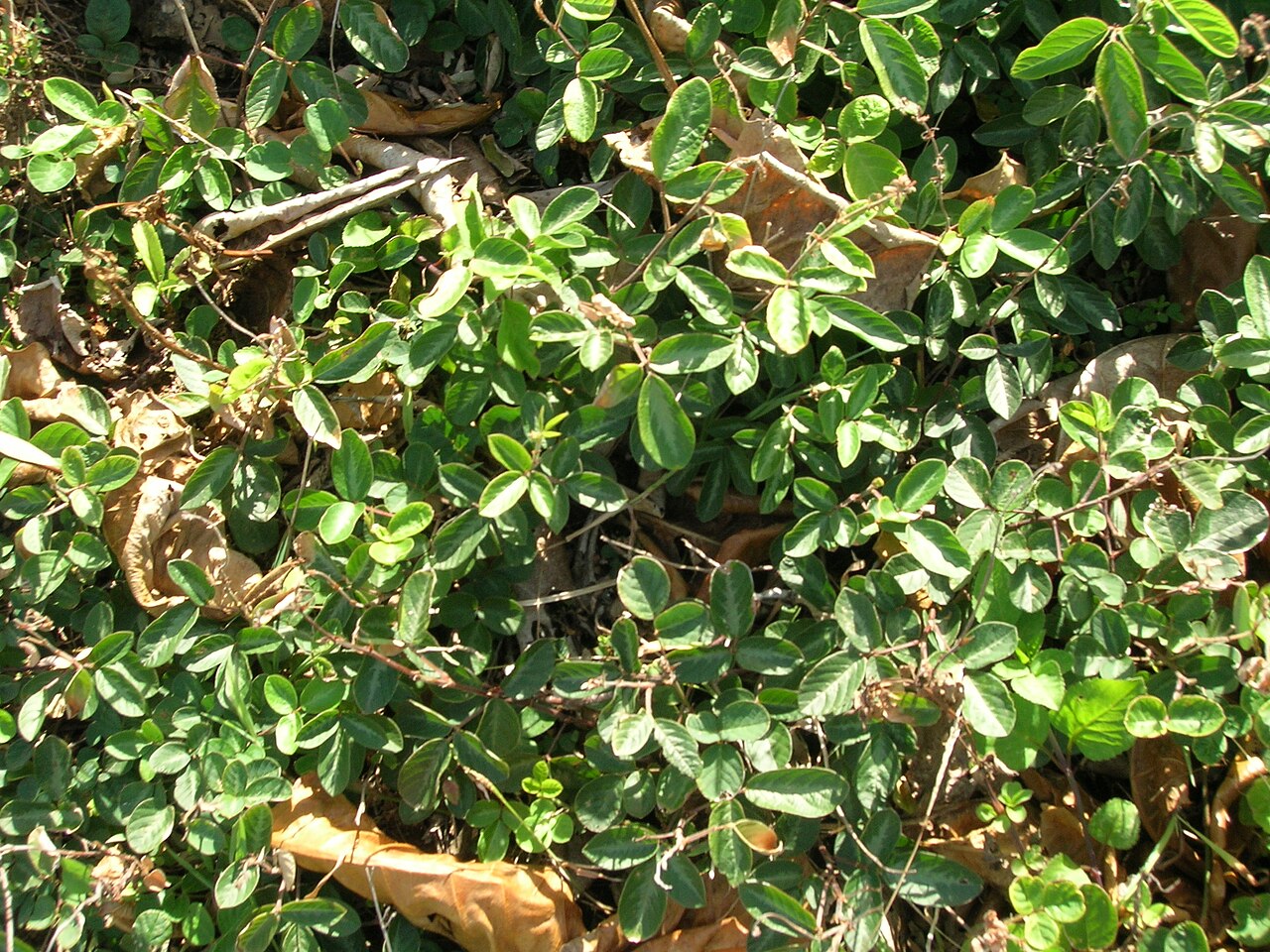
creeping beggarweed
Desmodium incanum
Placenta I Ground cover Fertilizer biomass 🌱 Nitrogen fixerA perennial creeping herbaceous legume native to tropical and subtropical America (including the grasslands of southern Brazil), with an aggressive...
-
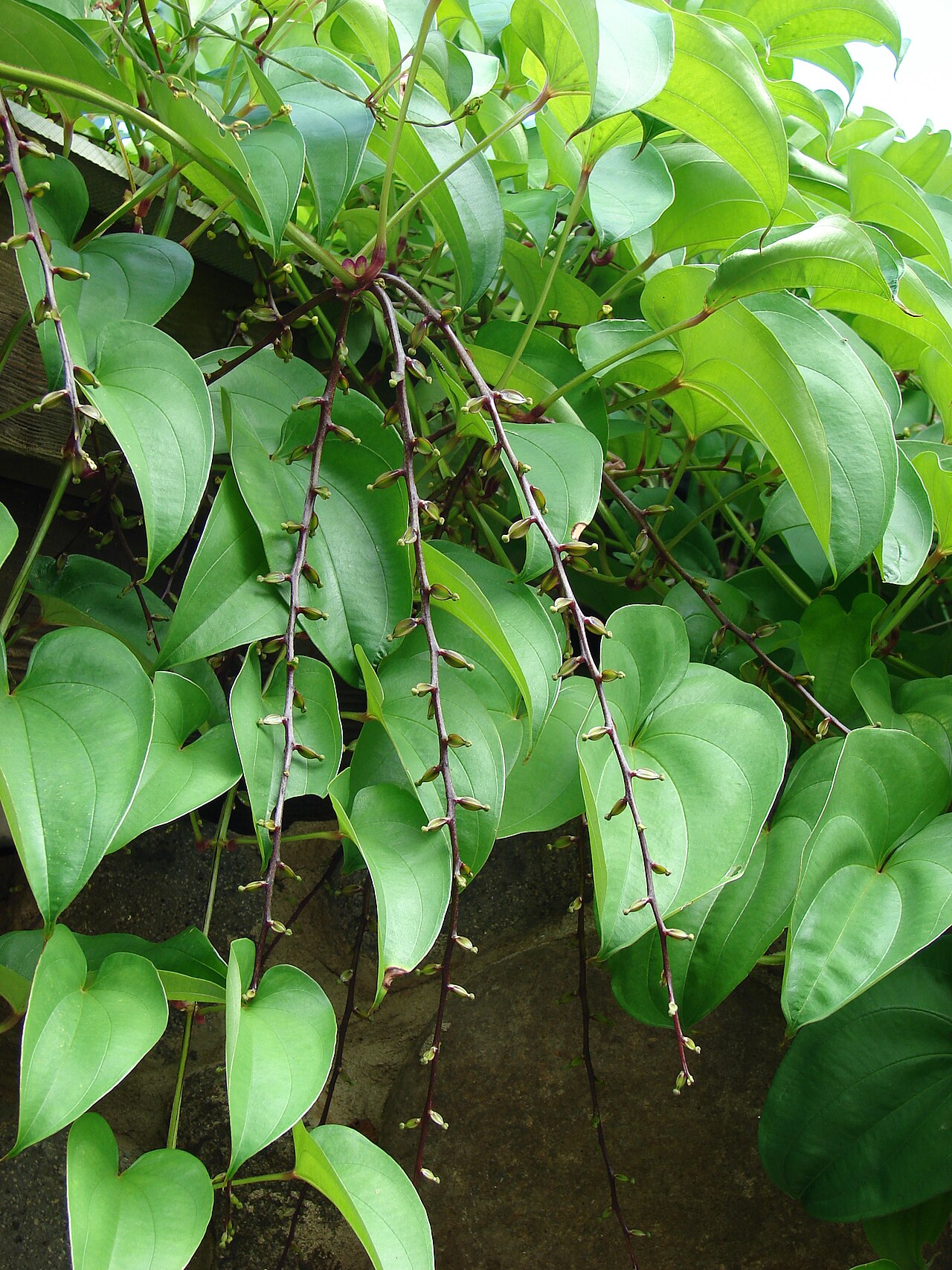
water yam
Dioscorea alata
Placenta II Low Fertilizer biomassAsian-origin yam naturalized throughout tropical Brazil. Vigorous vine with winged stems, large tubers (up to 5 kg). More productive than purple ya...
-
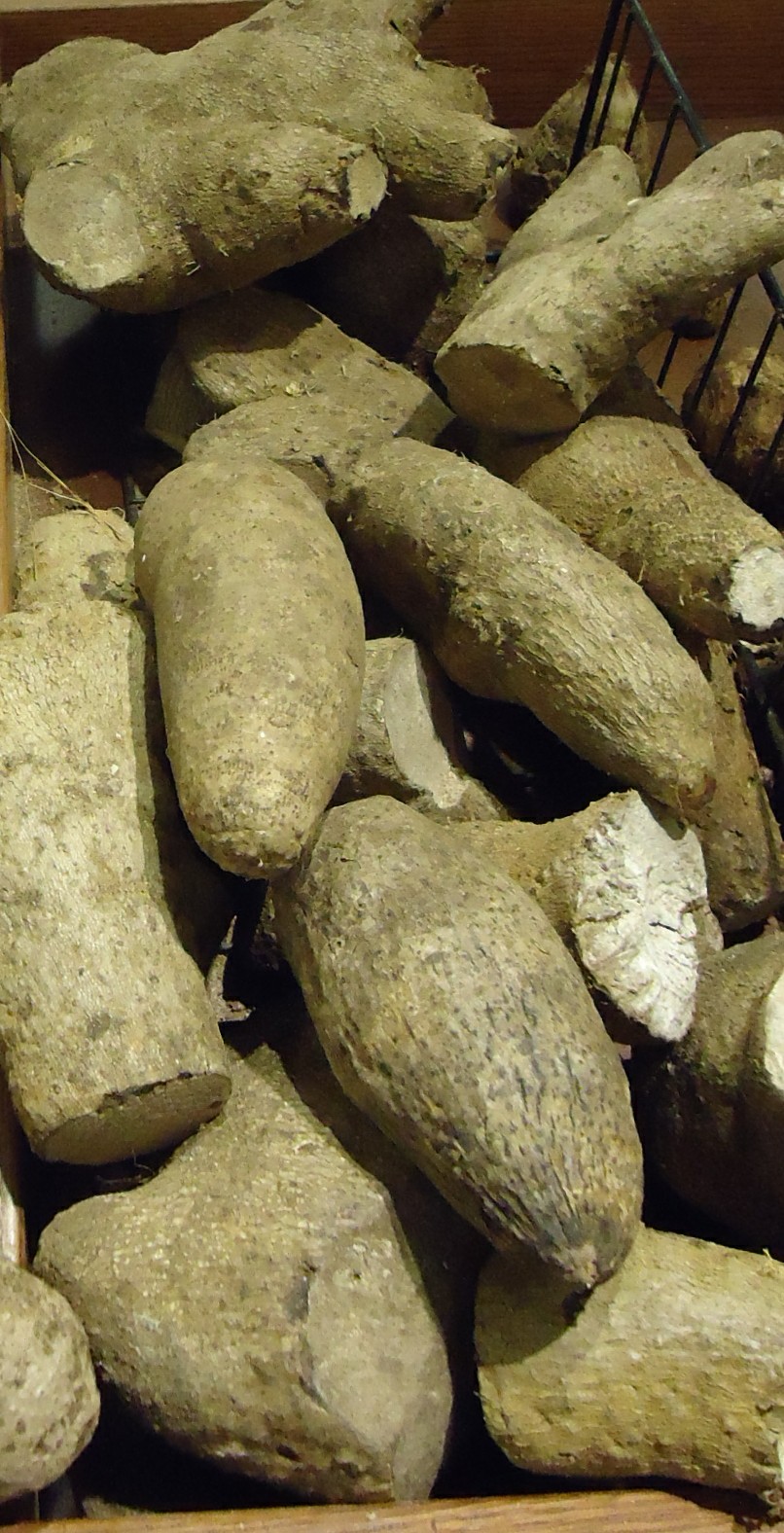
yellow yam
Dioscorea cayennensis
Placenta II Medium No biomass productionTuber-bearing climber cultivated in the medium stratum of syntropic systems. Pasini lists yam in the medium stratum of Tabela 3 and in the '1 to 3 ...
-
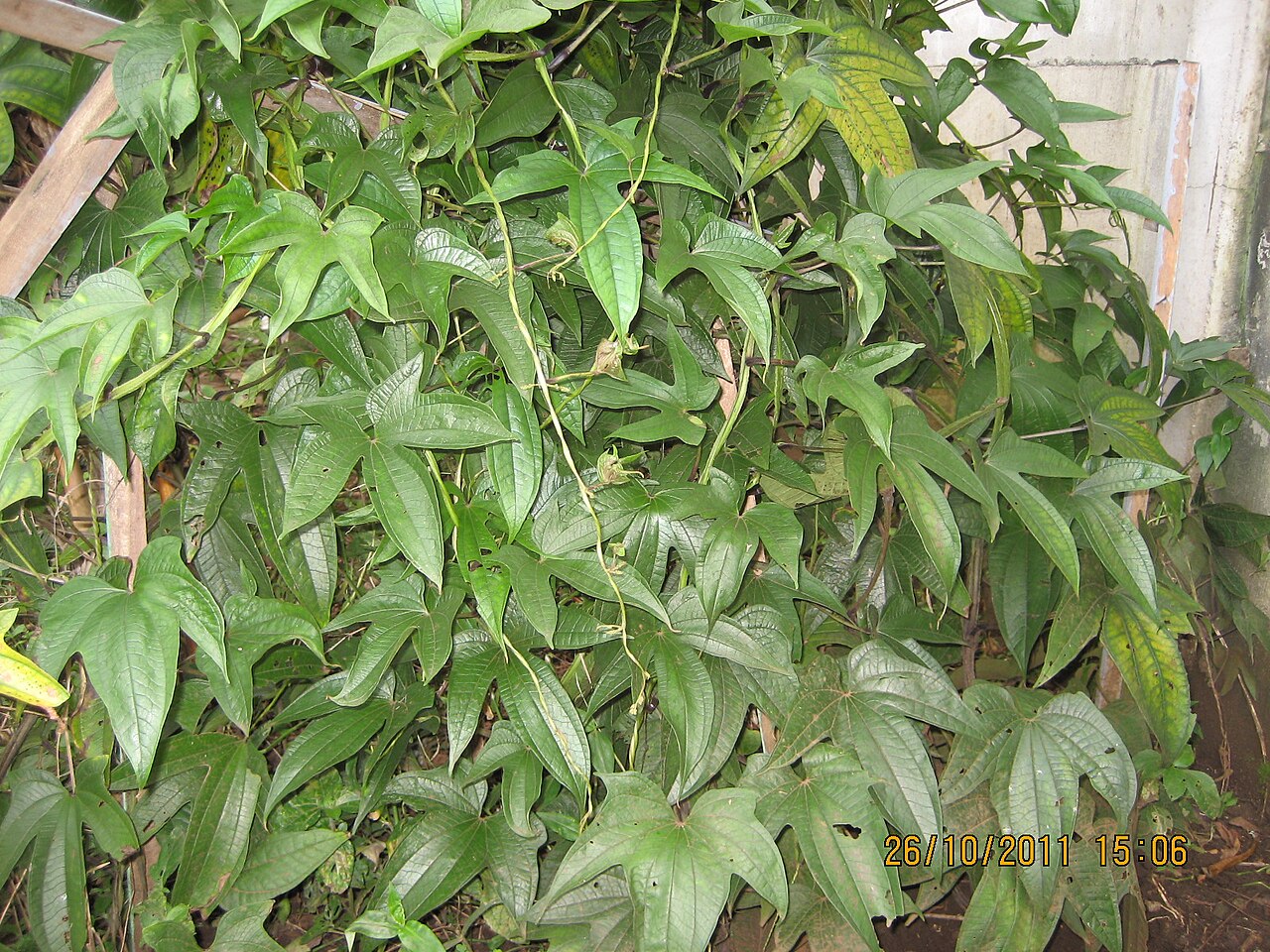
cush-cush yam
Dioscorea trifida
Placenta II Low Fertilizer biomassNative Amazonian yam, tuberous vine with purple-skinned tubers and colored flesh. Delicate flavor, prized in regional cuisine. Highly productive ev...
-
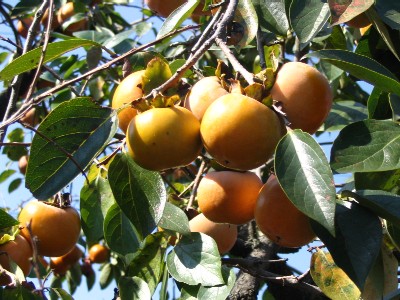
persimmon
Diospyros kaki
Secondary II High No biomass productionAsian subtropical fruit tree, popular in southern and southeastern Brazil. EcoAgri lists it in the high stratum of the 'up to 50 years' bin. Tolera...
-
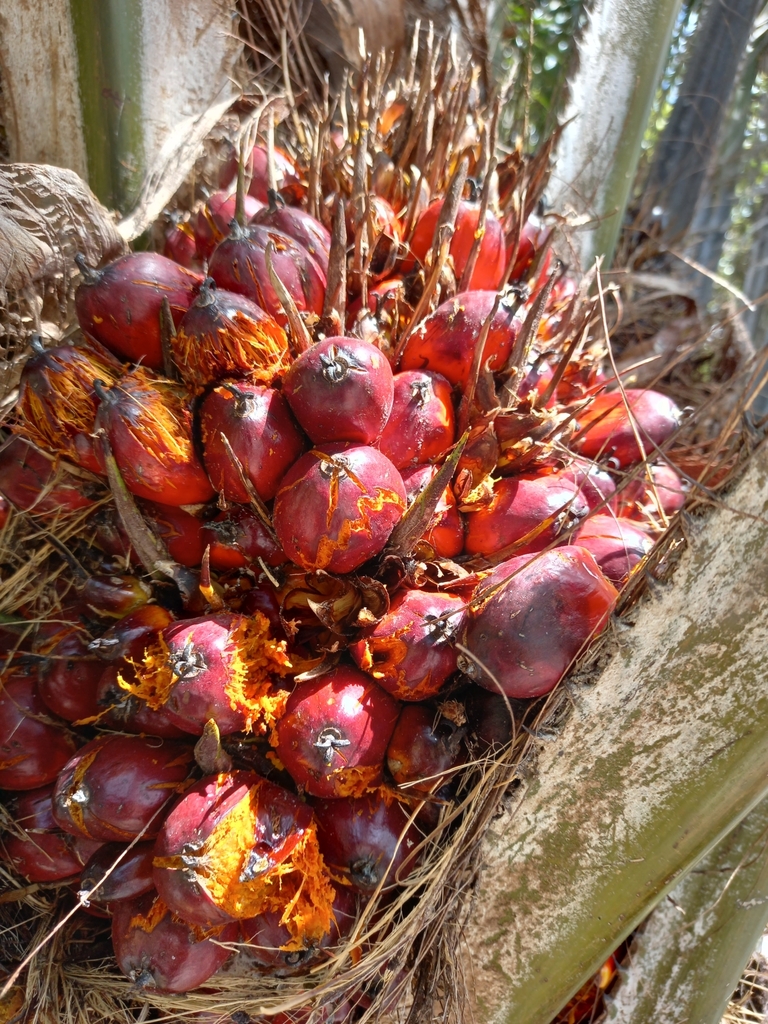
African oil palm
Elaeis guineensis
Secondary II Emergent No biomass productionAfrican palm cultivated mainly for oil (palm oil). Rebello & Sakamoto (2019) report Götsch testing oil palm in multi-strata silvopastoral systems a...
-
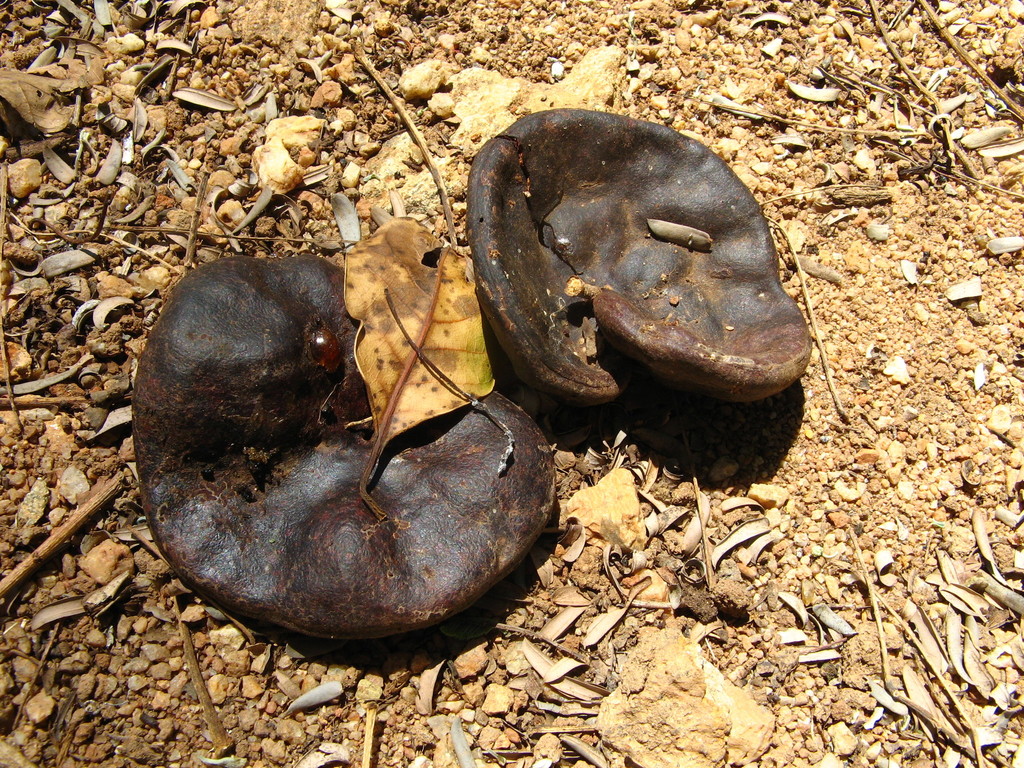
earpod tree
Enterolobium contortisiliquum
Climax Emergent Fertilizer biomass 🌱 Nitrogen fixerLarge nitrogen-fixing leguminous tree native to the Atlantic Forest and Cerrado. EcoAgri lists it in the emergent stratum of the '> 50 years' bin. ...
-
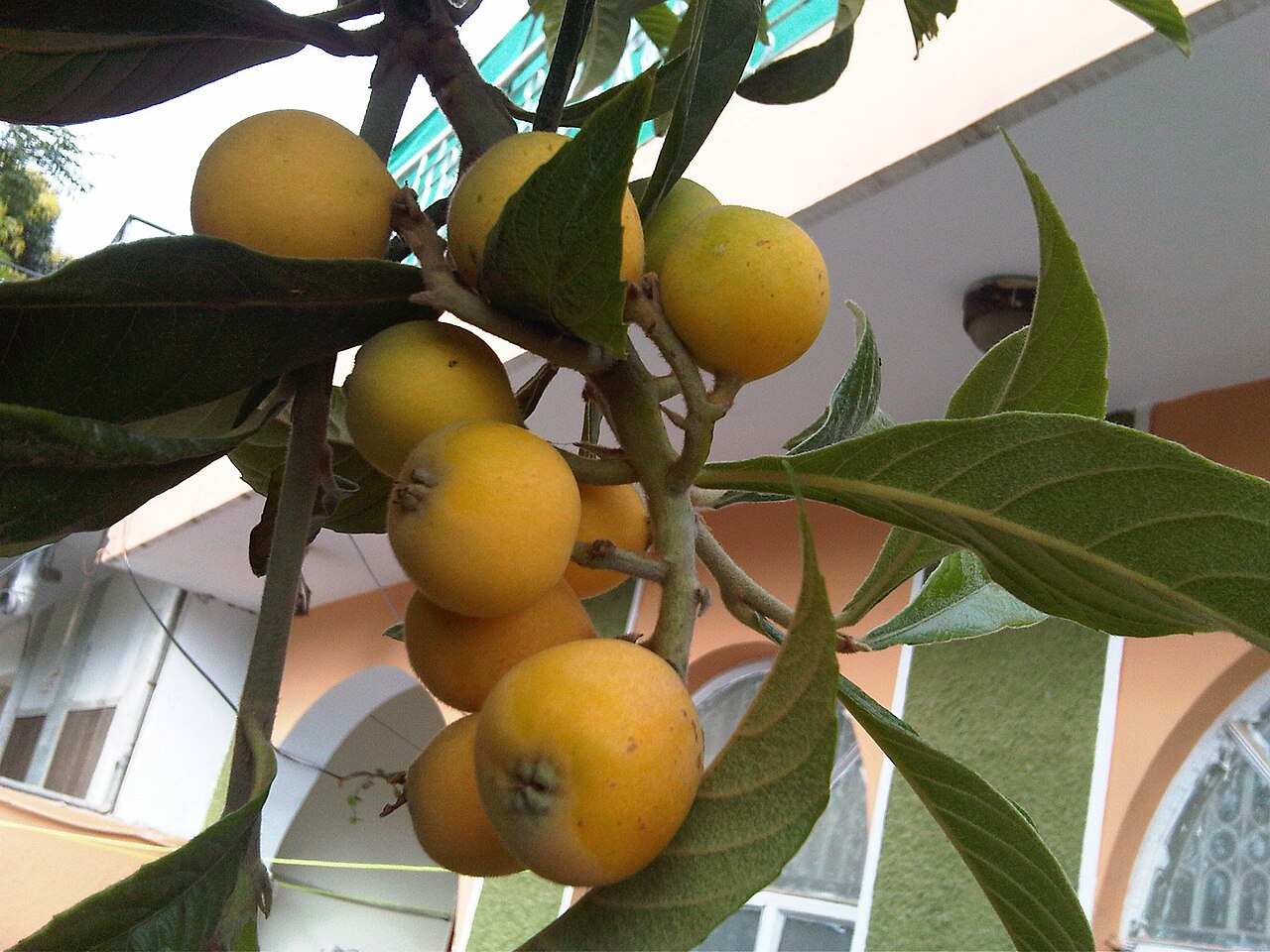
loquat
Eriobotrya japonica
Secondary II High No biomass productionAsian fruit tree naturalized in highland regions of Brazil. EcoAgri lists it in the high stratum of the 'up to 50 years' bin. Flowers in winter, fr...
-
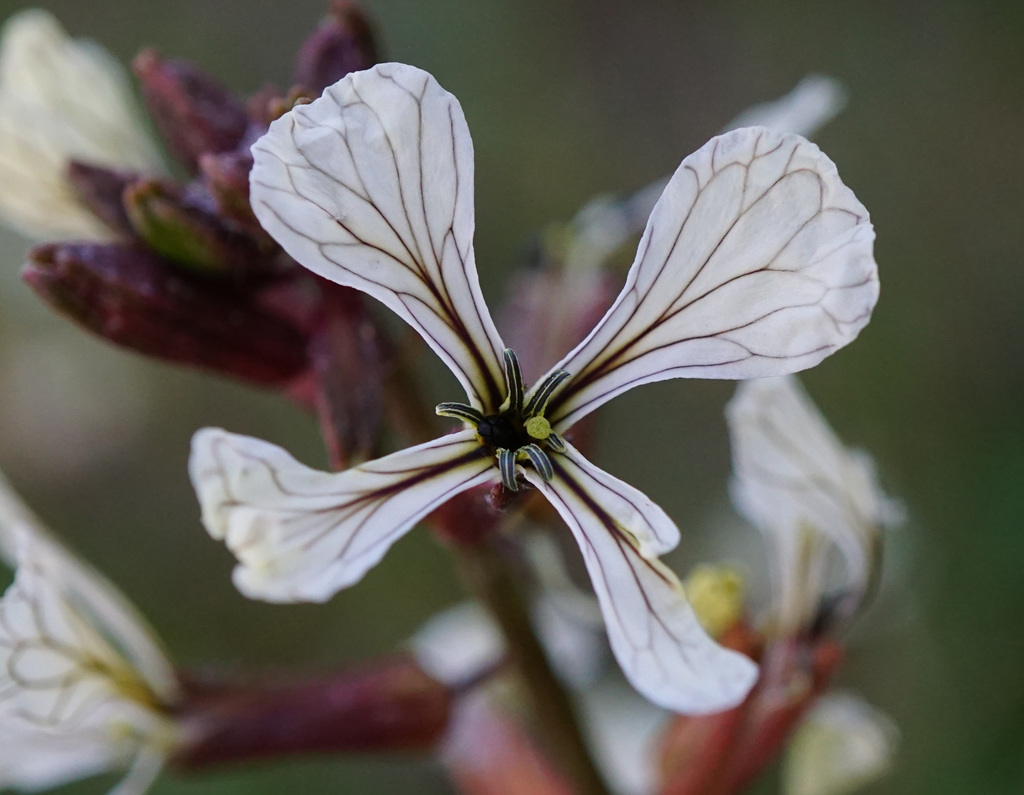
arugula
Eruca vesicaria
Placenta I Low No biomass productionSpicy short-cycle leafy green. Pasini lists it in the medium stratum of Tabela 3. Ideal in consortium with brassicas and lettuce in the early bed; ...
-
cockspur coral tree
Erythrina crista-galli
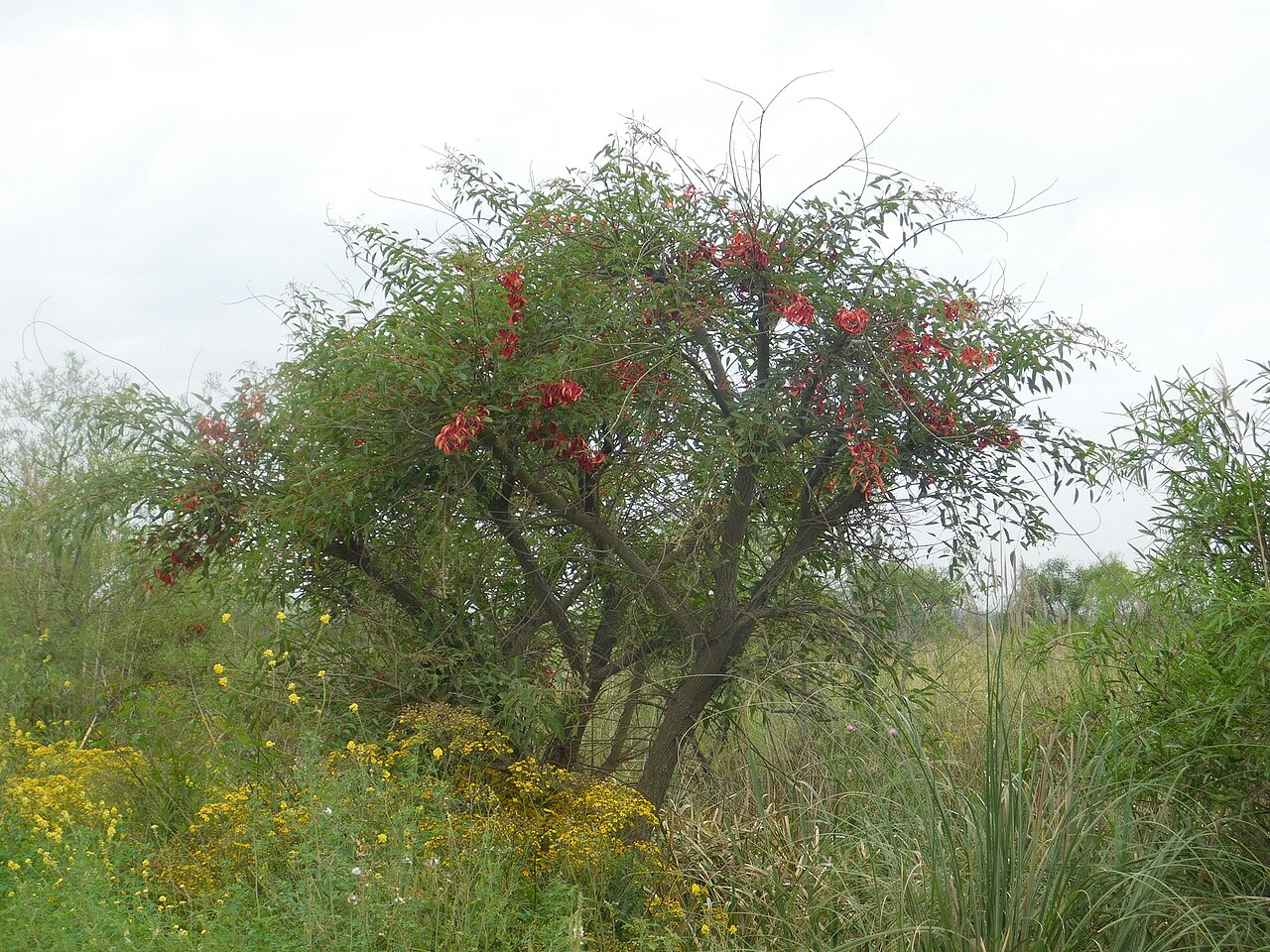
Secondary I Medium Fertilizer biomass 🌱 Nitrogen fixerA deciduous, sun-loving leguminous small tree or tree up to 10-15 m, native to southern Brazil and the rest of southern South America. It inhabits ...
-
mulungu
Erythrina velutina
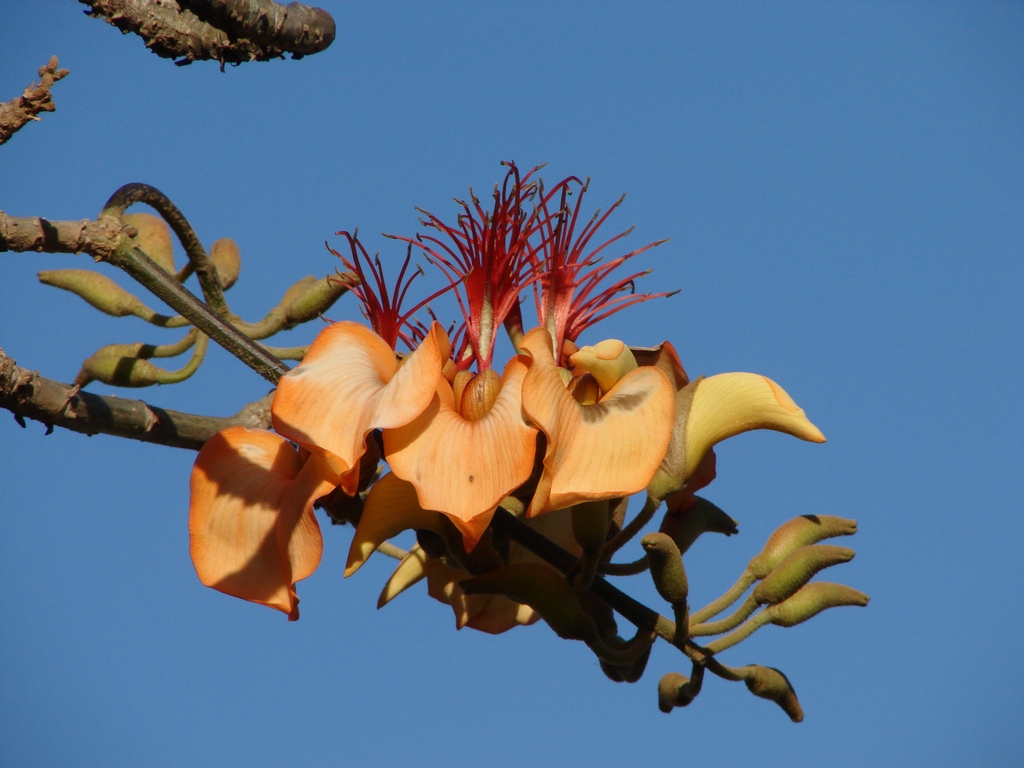
Secondary I High Fertilizer biomass 🌱 Nitrogen fixerBrazilian-native nitrogen-fixing tree legume; propagates easily by cuttings and produces abundant fertilizer biomass. Cited by Pasini among tree-fo...
-
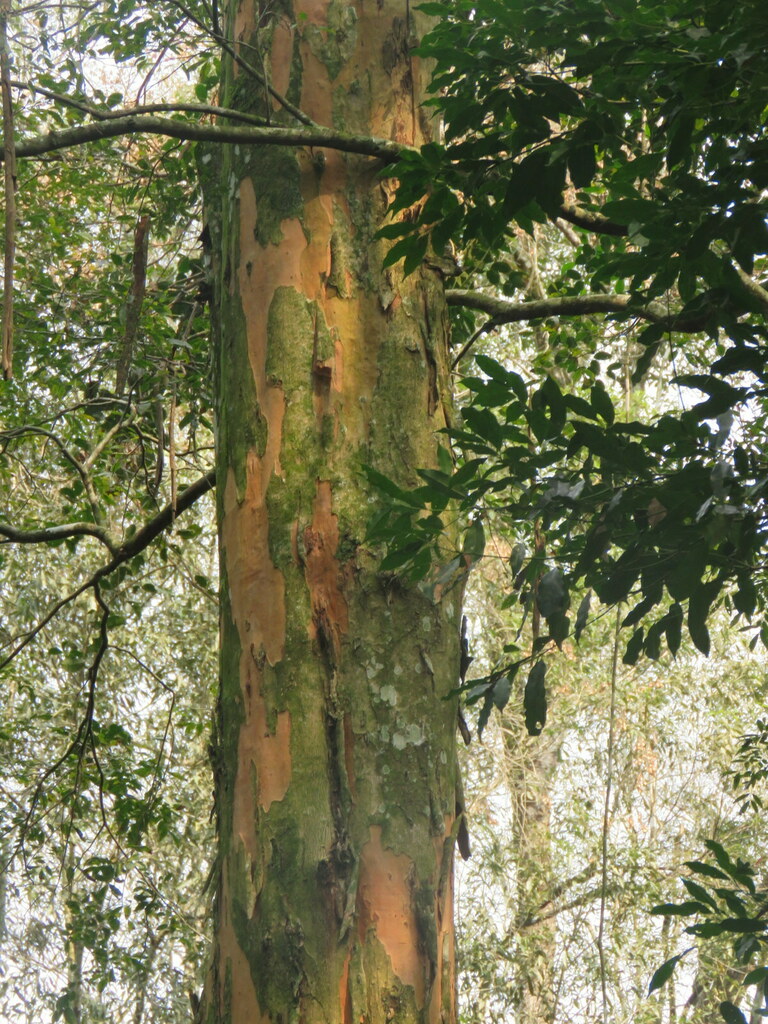
rose gum
Eucalyptus grandis
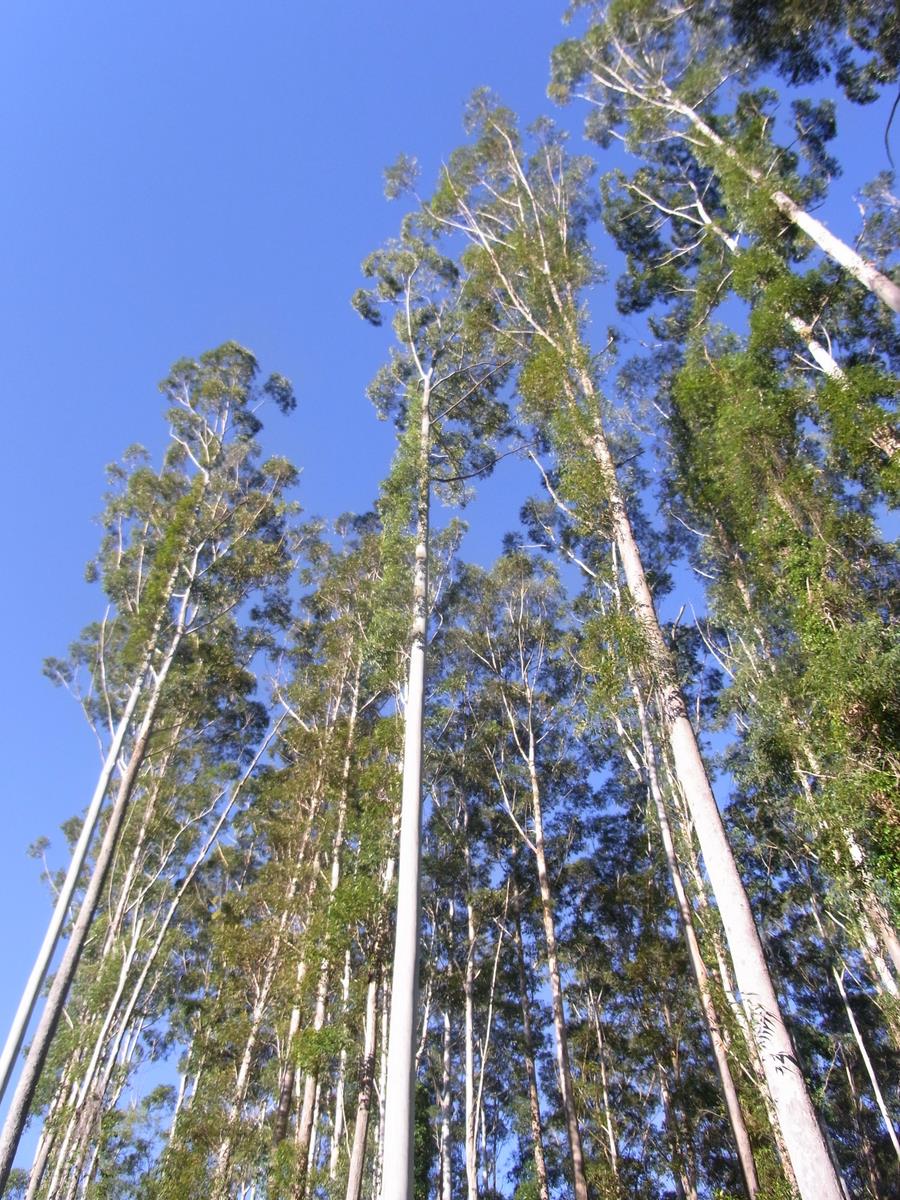
Secondary I Emergent Mulch biomassTypical accumulation species in syntropic systems: cover biomass, timber in 15 years. Non-native but widely used in Brazilian SAFs.
-
grumichama
Eugenia brasiliensis
Climax Medium No biomass productionAtlantic Forest native fruit tree, with small purple fruits resembling cherries. EcoAgri lists it in the medium stratum of the '> 50 years' bin. Mo...
-
uvaia
Eugenia pyriformis
Secondary I Medium No biomass productionAtlantic Forest native, listed by Pasini in the medium stratum of Tabela 3. Aromatic yellow fruit similar to a small guava. Tolerant of subtropical...
-
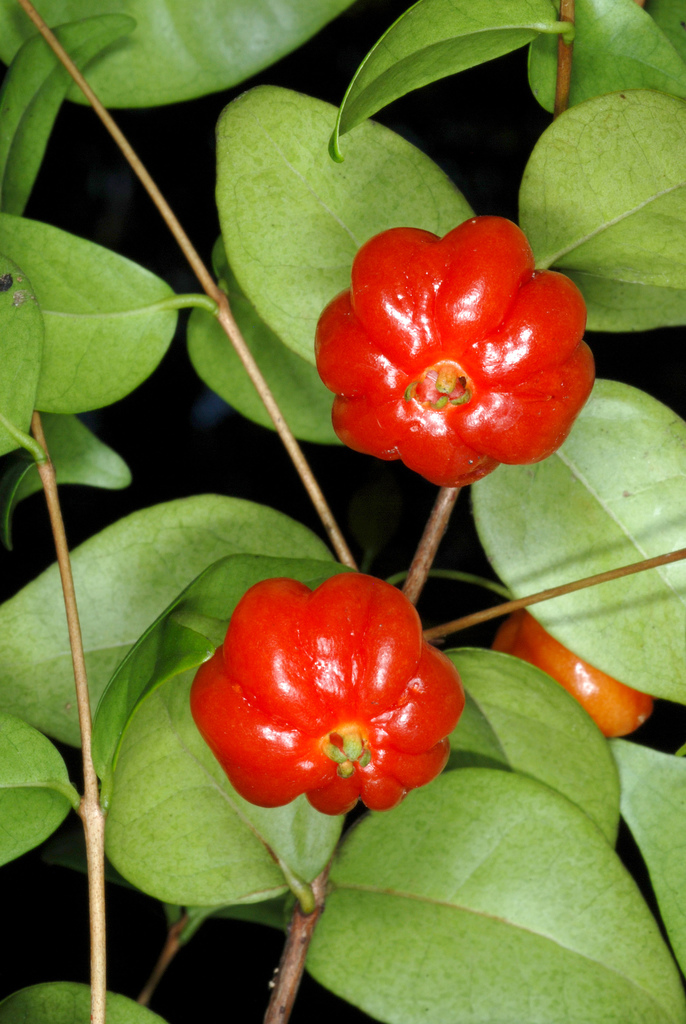
Surinam cherry
Eugenia uniflora
Secondary I Medium No biomass productionSmall native fruit tree of the Atlantic Forest. Pasini lists it in the medium stratum of Tabela 4 (3–10 year phase). Cherry-red bittersweet fruit, ...
-
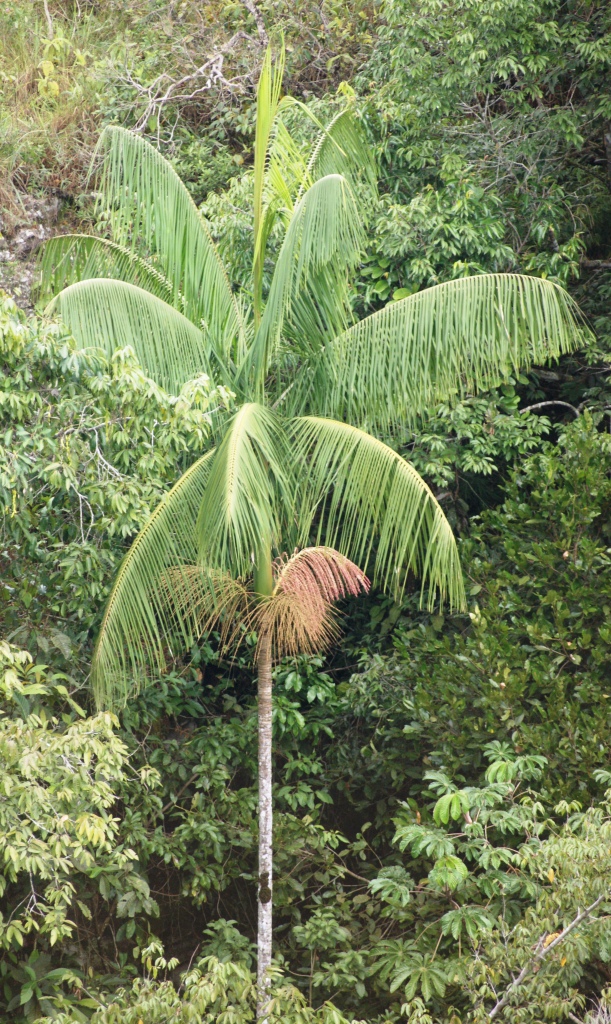
juçara palm
Euterpe edulis
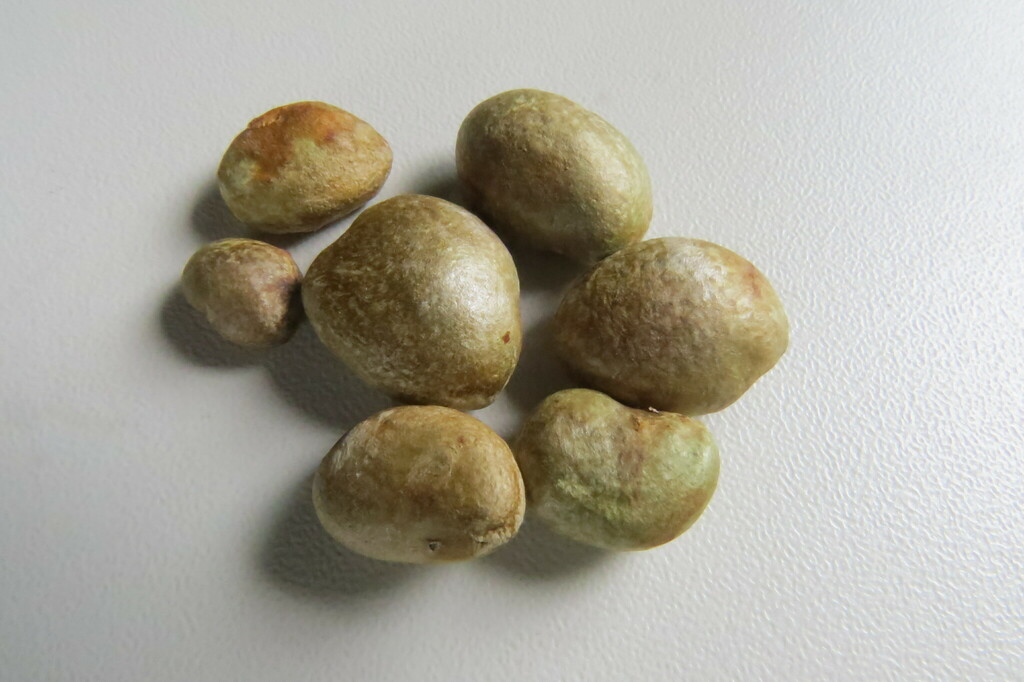
Climax High No biomass productionAtlantic Forest native palm with long-cycle climax behavior; high-quality palm heart. Endangered under extractivism, abundant in well-managed syntr...
-
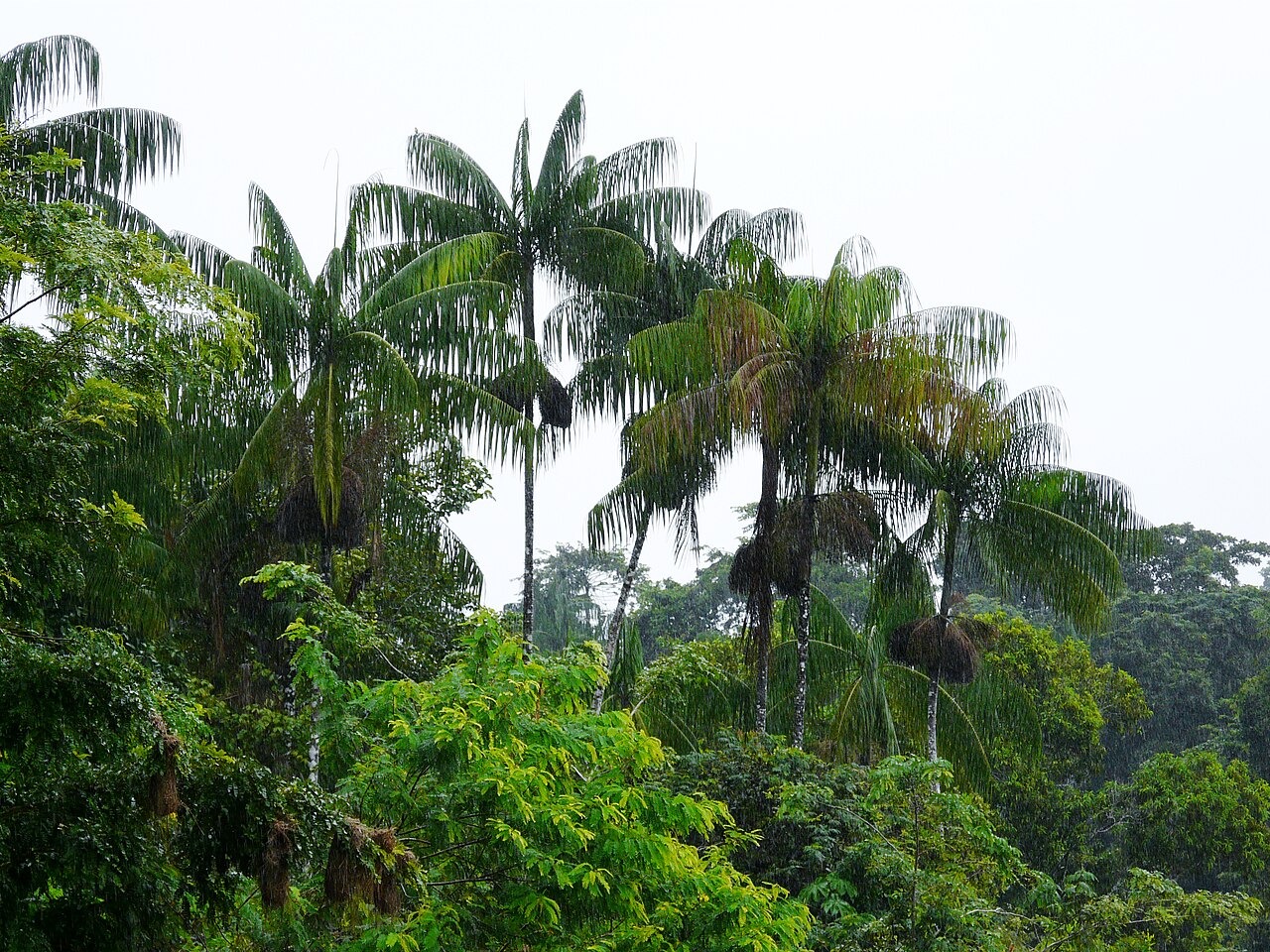
açaí palm
Euterpe oleracea
Secondary II High No biomass productionAmazonian native multi-stemmed palm. Pasini lists it in the high stratum of Tabela 3 and cites it explicitly among Abundance-system species. Fruit ...
❓ Frequently asked questions
What characterizes the Atlantic Forest biome?
Humid tropical forest that once covered Brazil's entire east coast. Less than 12% of original cover remains — restoring it is one of the central goals of Brazilian syntropic agriculture. High diversity of fruit, timber, and pioneer species adapted to a tropical-highland climate.
Which plants does the catalog suggest for the Atlantic Forest biome?
The catalog holds 284 species, among them zucchini, turmeric, quince. Each profile shows stratum, succession stage, and the management data, with sources cited.