
Climate
Plants for the Tropical monsoon (Am) climate
Tropical monsoon: hot year-round, abundant rain with one short dry spell. Planting follows the rains; the brief dry period is crossed with mulch kept up to date.
141 species in the catalog · Refine this list in the catalog
-
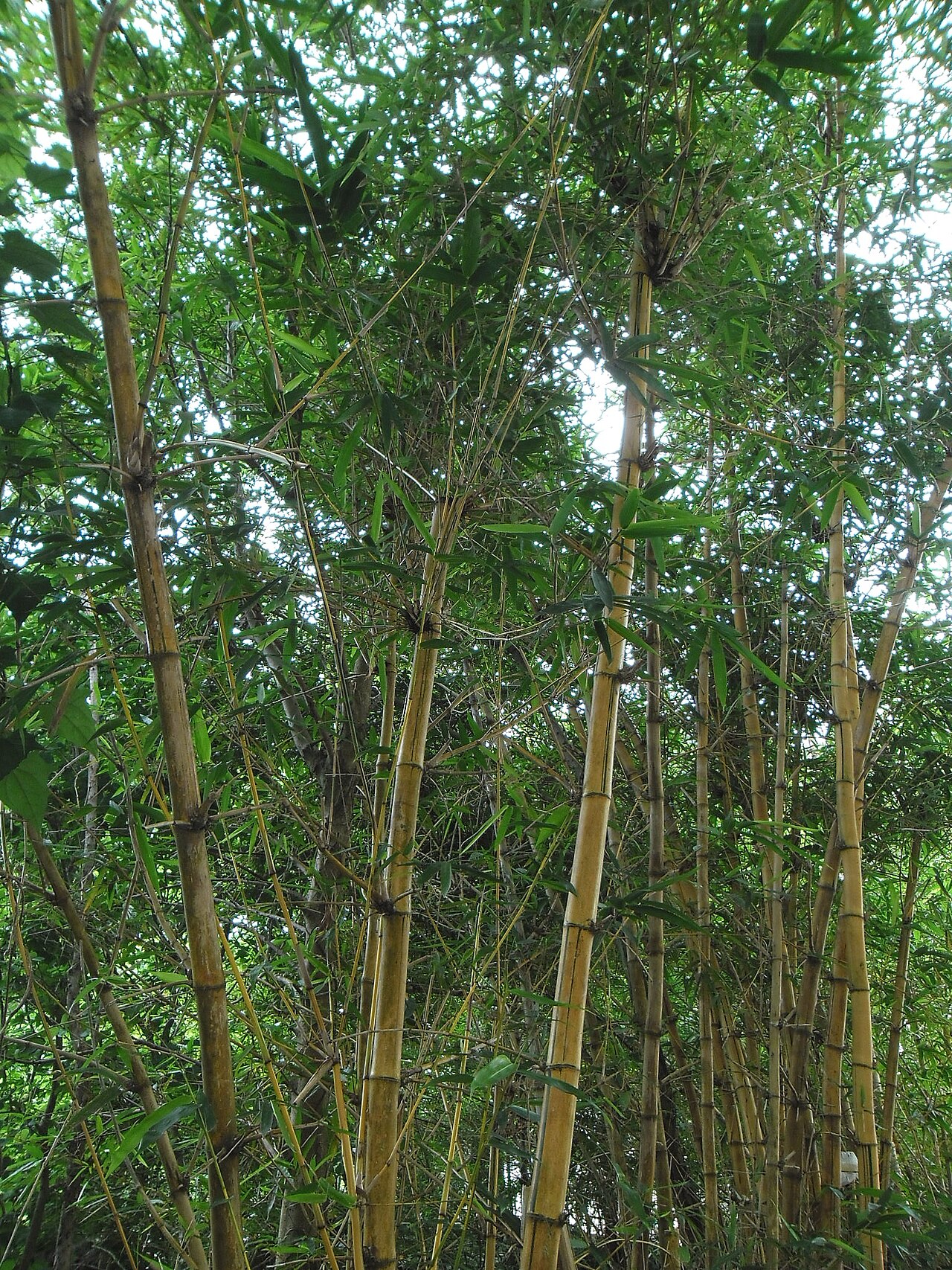
common bamboo
Bambusa vulgaris
Secondary I High Mulch biomassA clumping (non-running) bamboo native to Southeast Asia and one of the most widely cultivated bamboos in the tropics. It forms dense clumps with c...
-
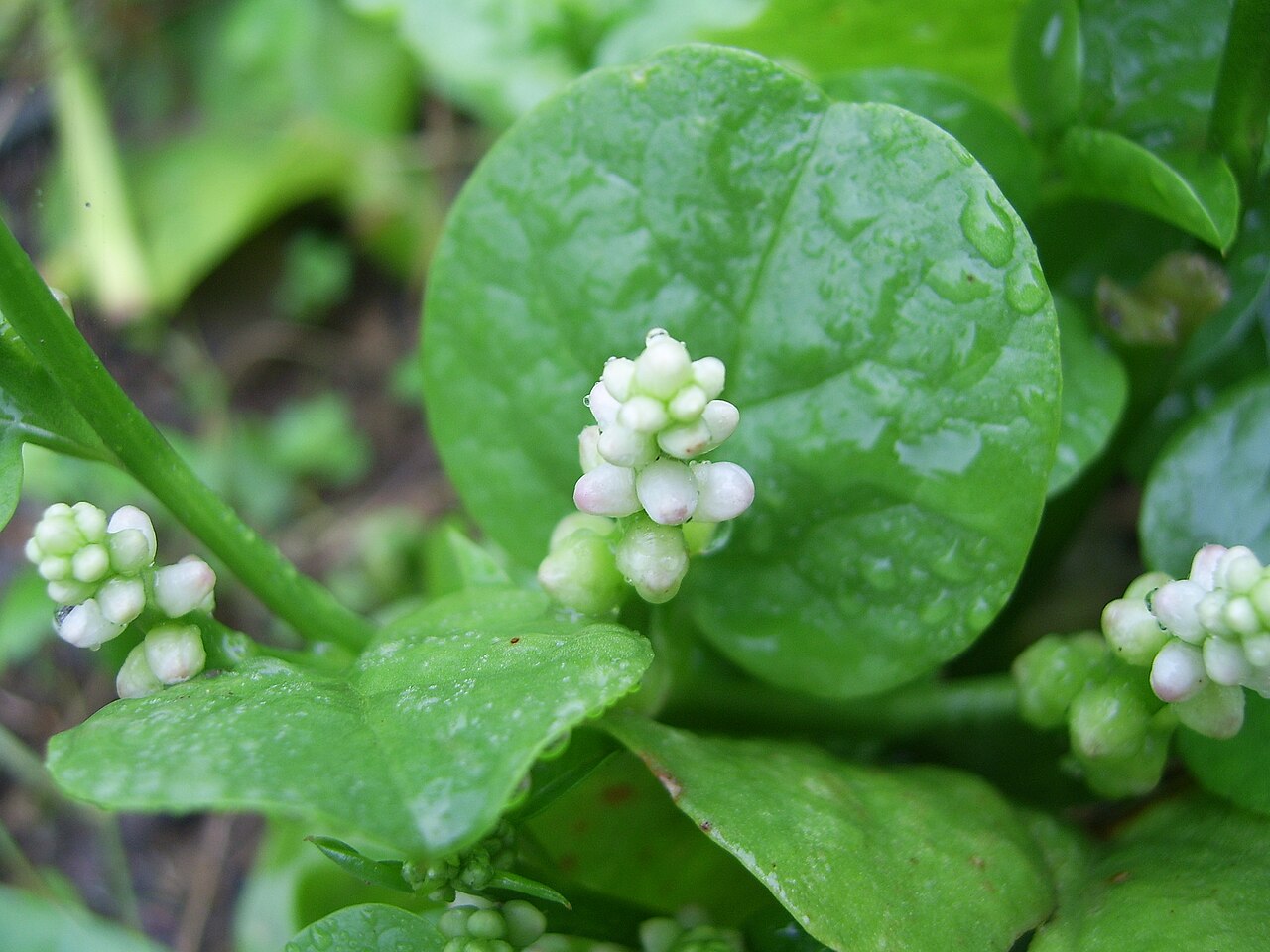
Malabar spinach
Basella alba
Placenta I Low No biomass productionA vigorous perennial soft-stemmed climbing vine grown as an annual, native to tropical Asia and widely naturalized in Brazil. Its thick, mucilagino...
-
Brazil nut
Bertholletia excelsa
Climax Emergent Mulch biomassAmazonian emergent giant reaching 50 m. Pasini lists it in the emergent stratum of Tabela 3 and cites 'castanheiras' among Abundance-system species...
-
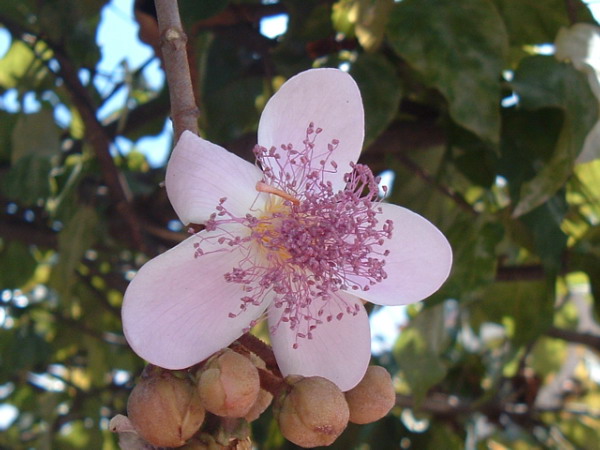
annatto
Bixa orellana
Secondary I Medium No biomass productionTropical American native dye-producing shrub. Pasini lists it in the medium stratum of Tabela 3 and in the 3–10 year phase of Tabela 4. Seeds yield...
-
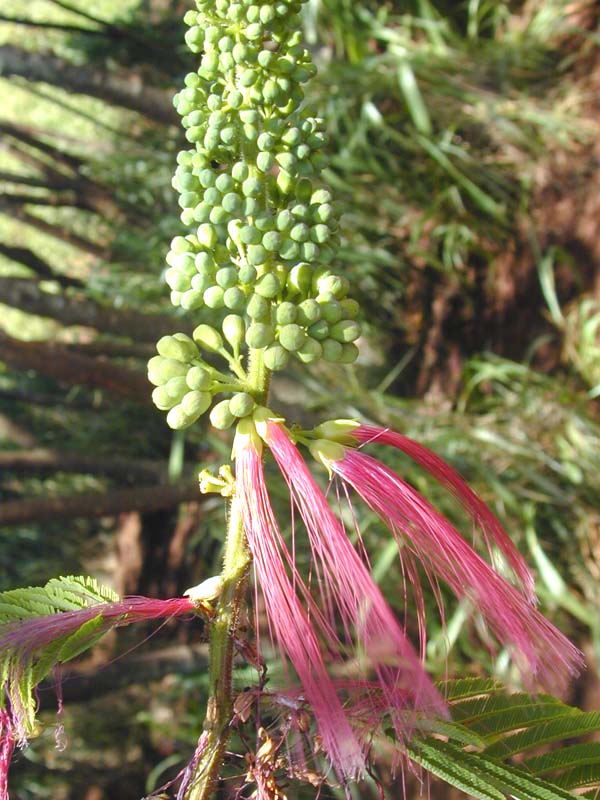
calliandra
Calliandra calothyrsus
Placenta II Medium Fertilizer biomass 🌱 Nitrogen fixerA very fast-growing leguminous shrub or small tree, usually 4-6 m tall, native to Central America. A nitrogen fixer that coppices vigorously after ...
-
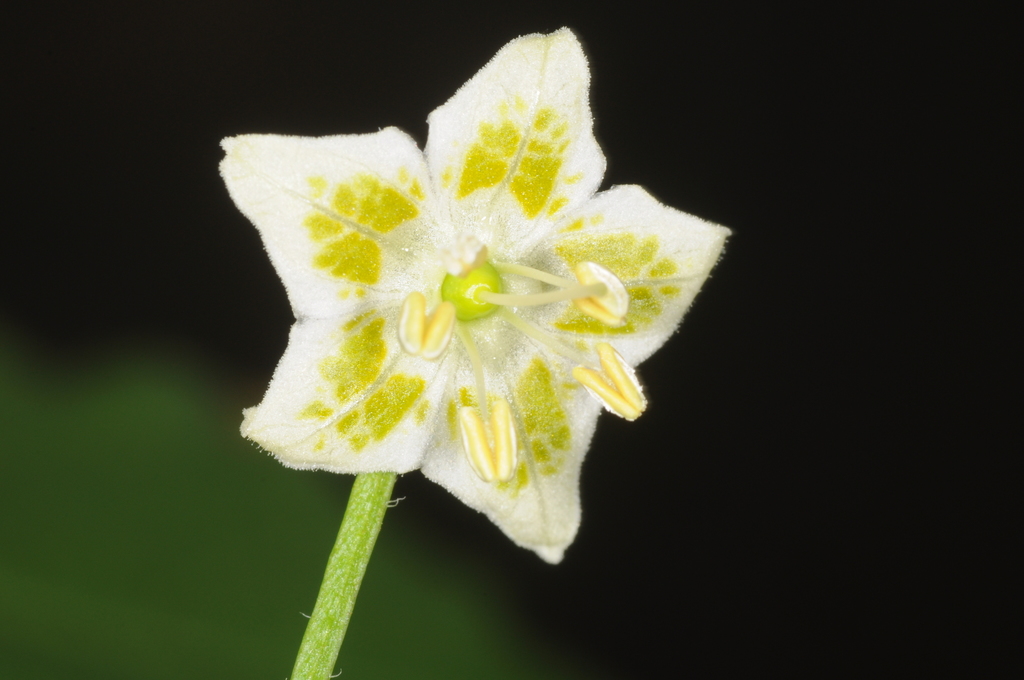
cumari pepper
Capsicum baccatum
Placenta II Low No biomass productionNative Brazilian forest pepper, small (~1 cm) very pungent fruits (30,000–100,000 SHU). Tolerates partial shade — riparian forest understory and ho...
-
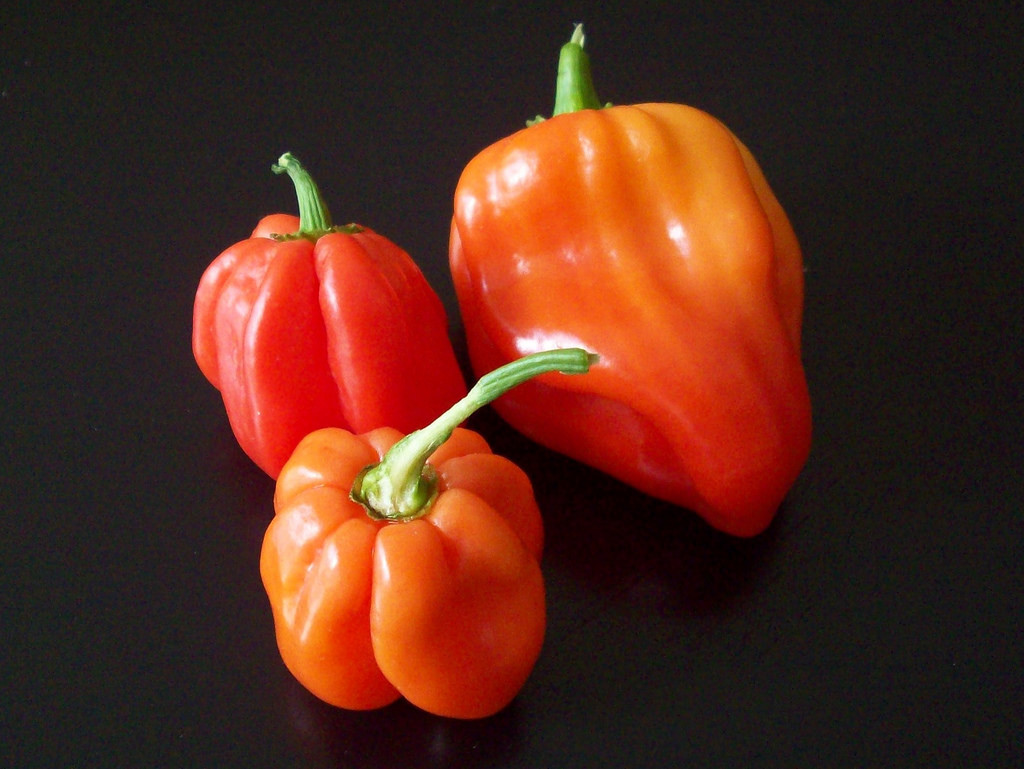
pimenta de cheiro
Capsicum chinense
Placenta II Low No biomass productionBrazilian C. chinense pepper with low pungency (0–500 SHU) and very intense aroma. Round yellow/green/red fruits. Foundation of Pará and Amazon cui...
-
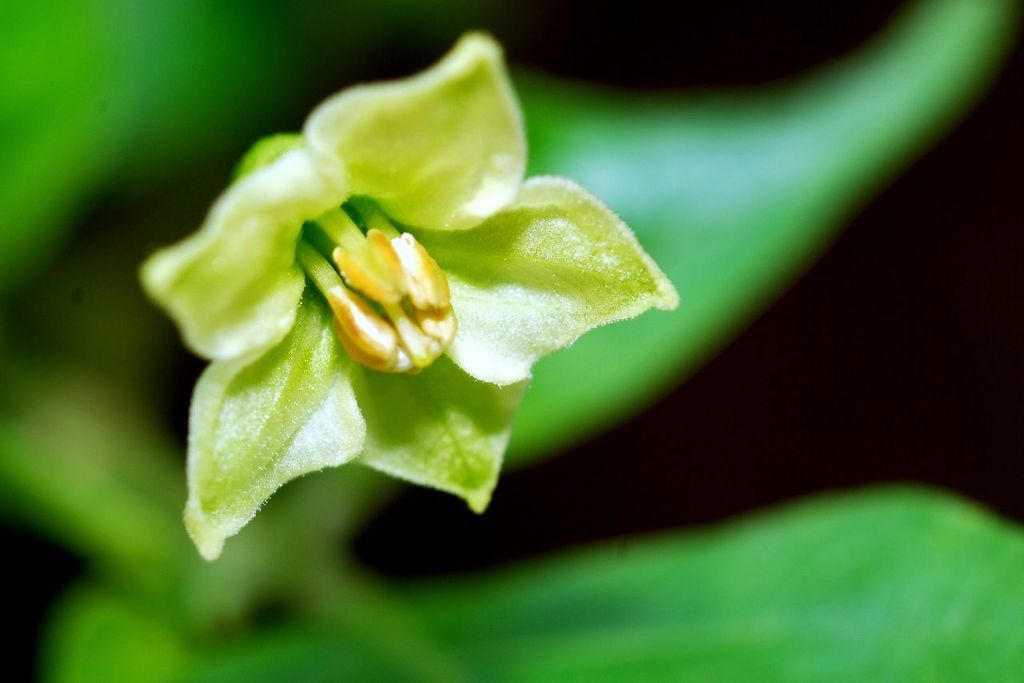
malagueta pepper
Capsicum frutescens
Placenta II Low No biomass productionVery pungent Brazilian pepper (60,000–100,000 SHU), small upright red fruits. Perennial in tropical zones (3–5 years). Tolerates light shade. Widel...
-
andiroba
Carapa guianensis
Climax Emergent Mulch biomassAmazonian premium-timber tree (luxury furniture) producing medicinal seed oil that repels insects. Pasini lists it in the emergent stratum of Tabel...
-
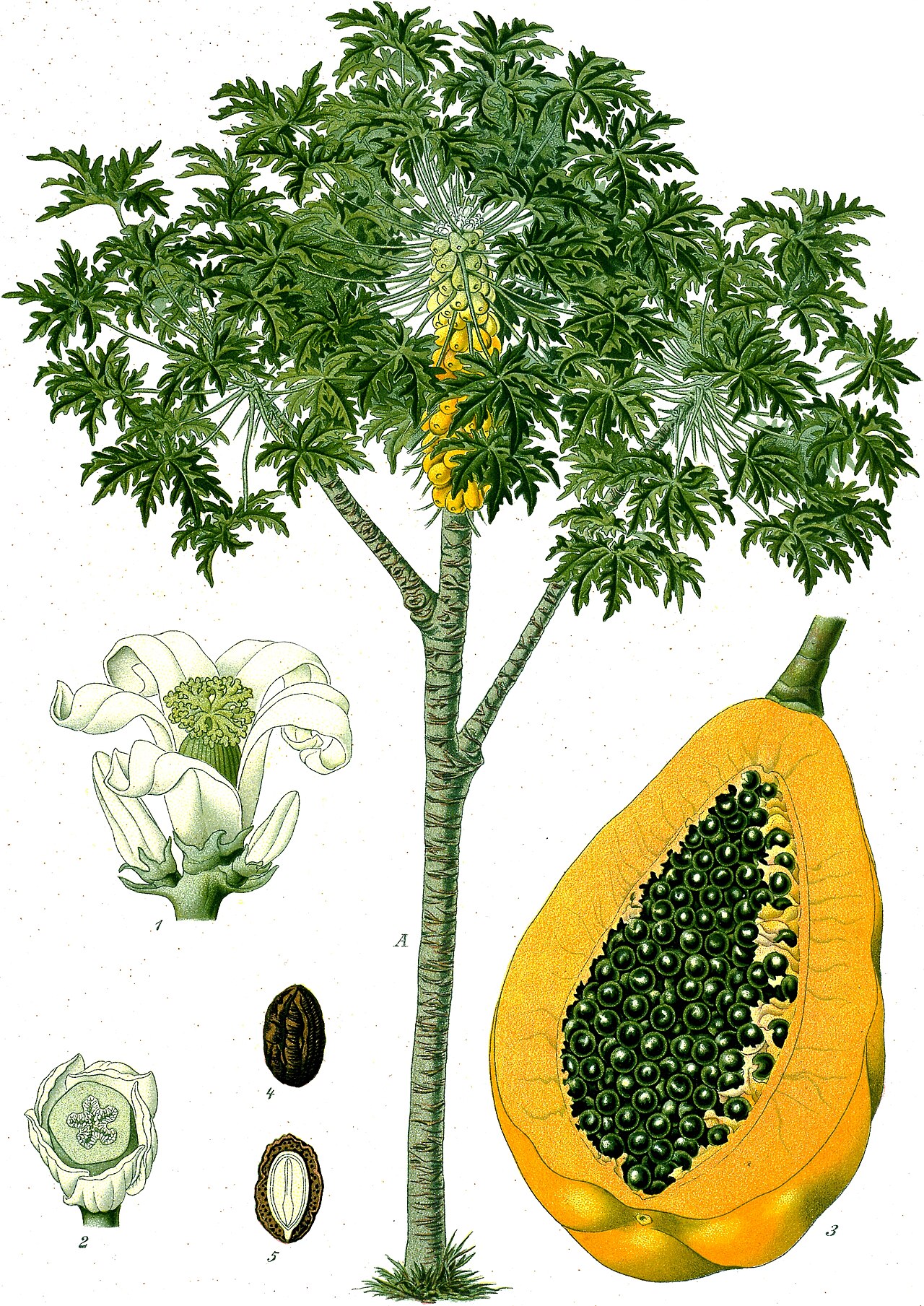
papaya
Carica papaya
Placenta II High Mulch biomassShort-cycle Placenta II species occupying the high stratum for 2–4 years. Fruits 9–12 months after planting.
-
jequitibá
Cariniana legalis
Climax EmergentEmergent giant of the Atlantic Forest; climax species forming the uppermost canopy stratum of dense ombrophilous forest. Can exceed 60 m at maturit...
-
pequiá
Caryocar villosum
Climax Emergent Mulch biomassGiant Amazonian emergent tree, cited by Rebello (EcoAgri) alongside Brazil-nut, kapok, dandá, jequitibá, sea-coconut and araucária as representativ...
-
trumpet tree
Cecropia pachystachya
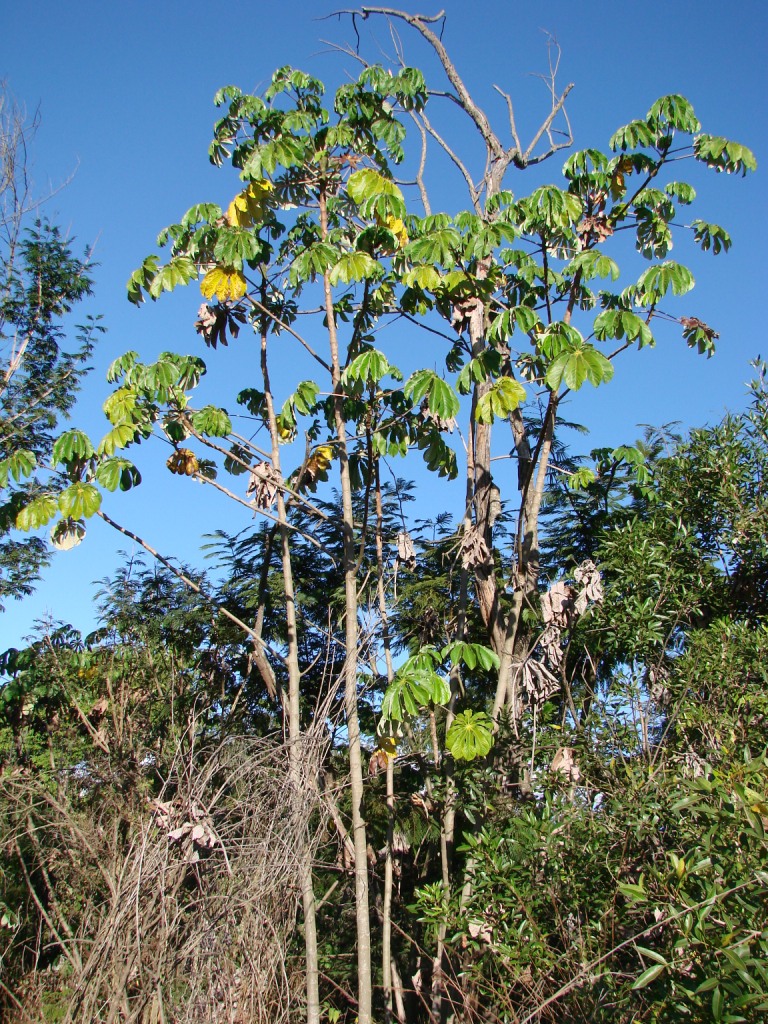
Placenta II Medium Mulch biomassFast-growing, short-lived (~20 years) pioneer tree that colonizes edges and gaps in all Brazilian biomes. Fruits eaten by birds and primates; symbi...
-
Spanish cedar
Cedrela fissilis
Secondary II High Mulch biomassPremium native timber of the Atlantic Forest, Cerrado, and Amazonia. Pasini lists it in the high stratum of Tabela 3 and cites it as a premium timb...
-
Spanish cedar
Cedrela odorata
Climax Emergent Mulch biomassPremium tropical timber of Mesoamerica and northern South America, distinct from Brazilian cedro-rosa (Cedrela fissilis). The Bosque de Niebla Guid...
-
kapok tree
Ceiba pentandra
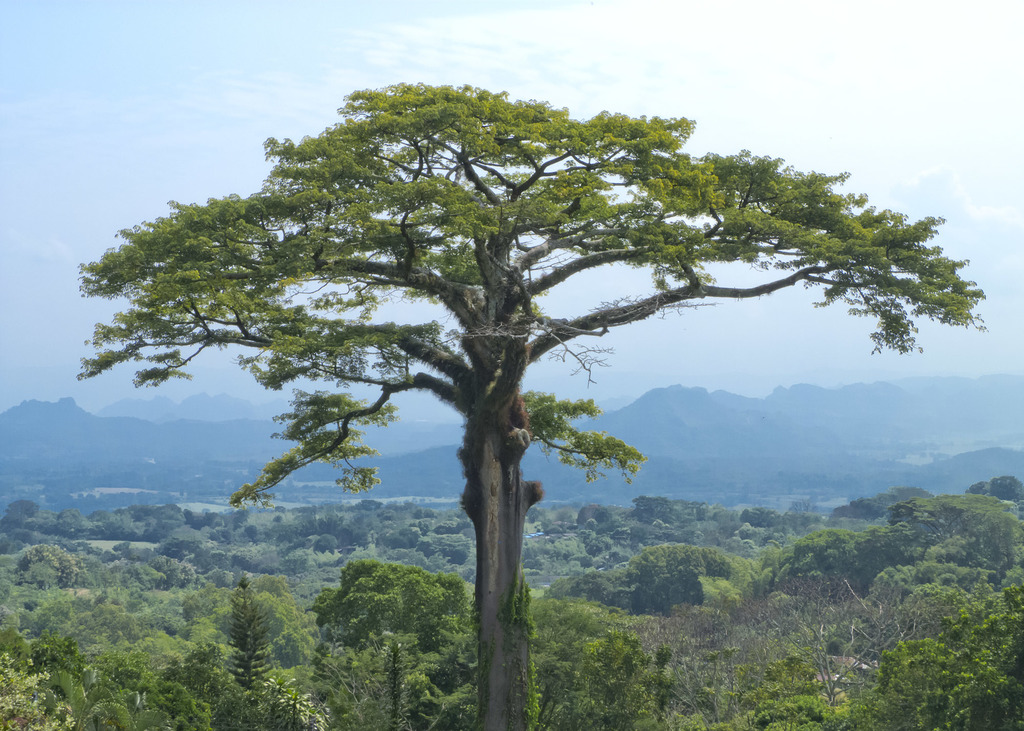
Climax Emergent Mulch biomassAmazonian emergent giant reaching 70 m — one of the tallest trees of the American tropics. Pasini lists it in the emergent stratum of Tabela 3. Sac...
-
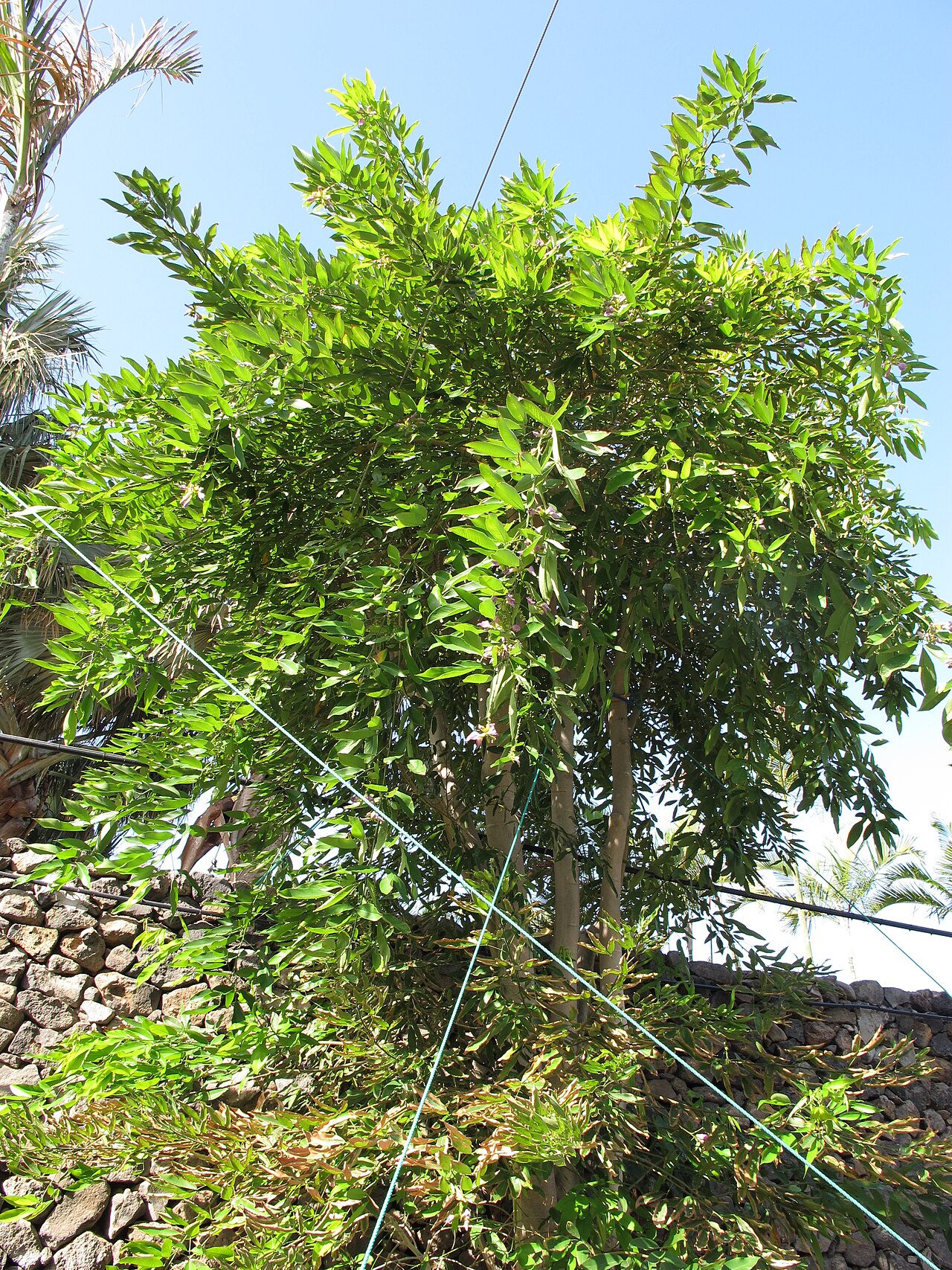
fairchild's clitoria
Clitoria fairchildiana
Secondary I High Fertilizer biomass 🌱 Nitrogen fixerA leguminous tree native to Brazil (Amazonian domain), 6-12 m tall, with a broad crown and violet flowers in pendulous inflorescences. It nodulates...
-
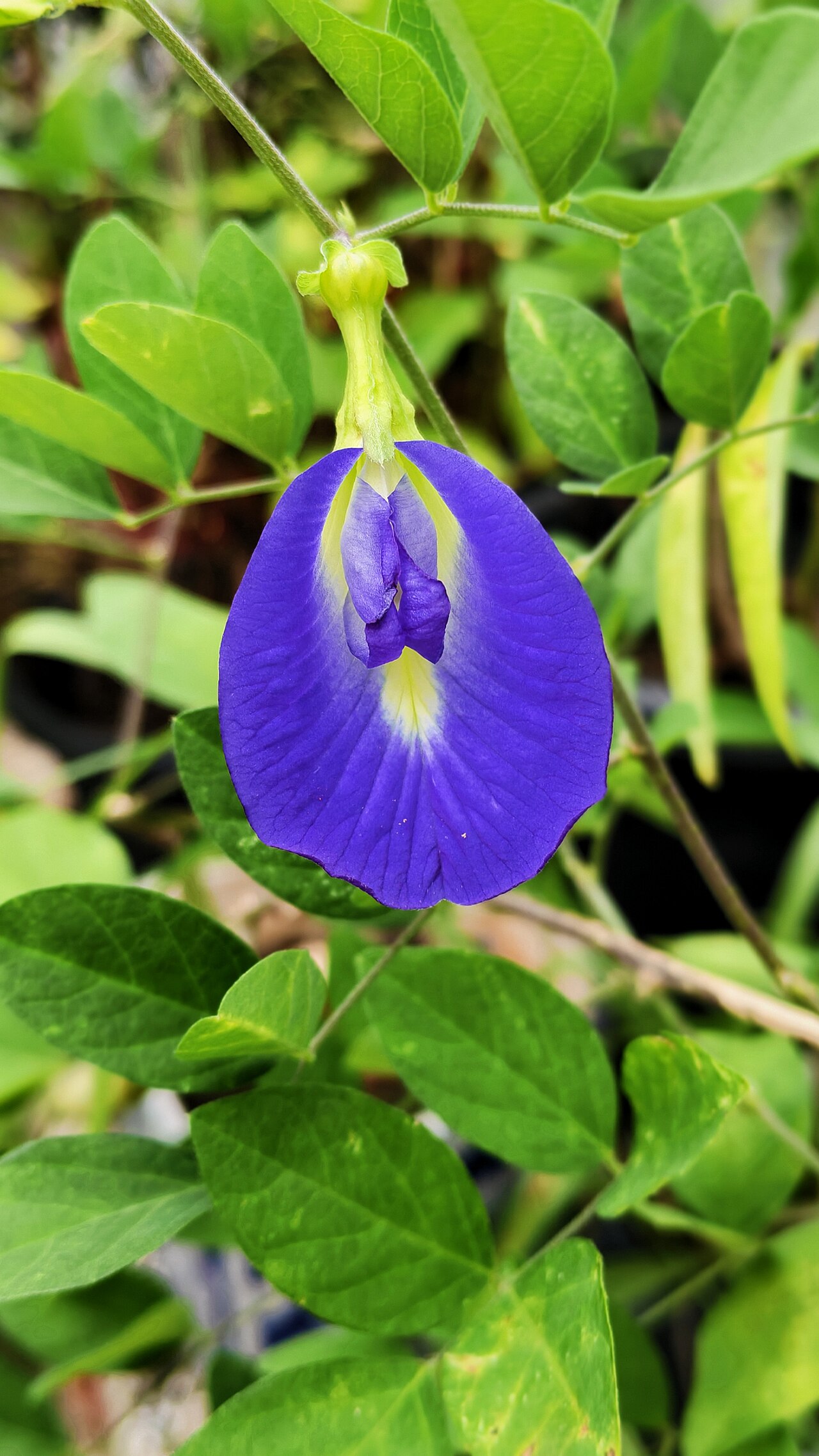
butterfly pea
Clitoria ternatea
Placenta I Ground cover Fertilizer biomass 🌱 Nitrogen fixerA perennial herbaceous climbing legume able to fix up to 100 kg N per hectare per year in symbiosis with Rhizobium. Used as a high-value forage (pr...
-
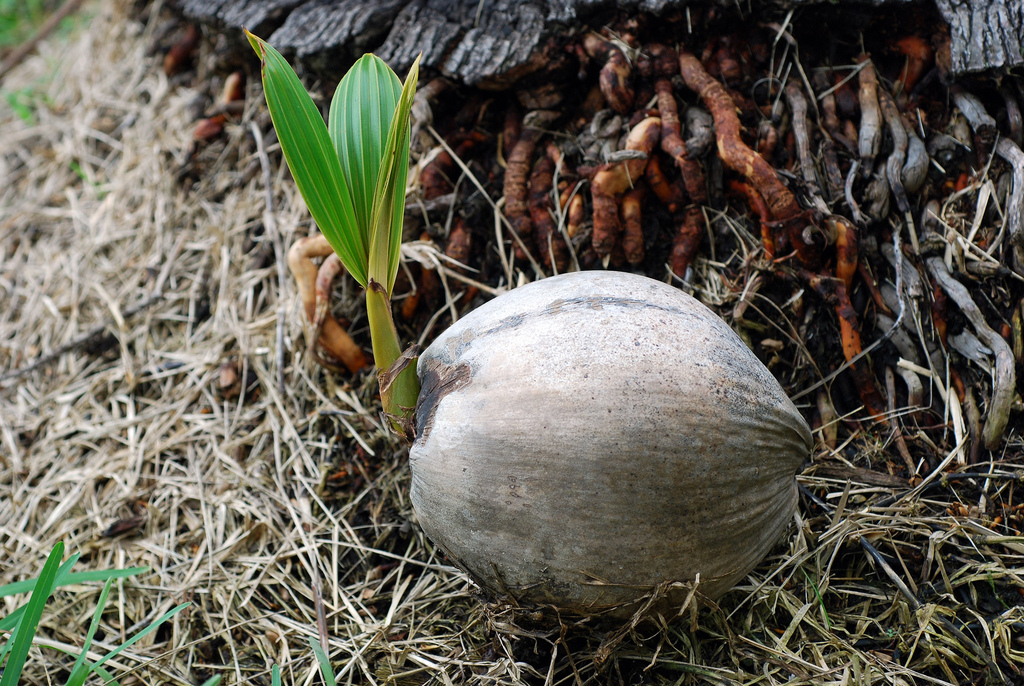
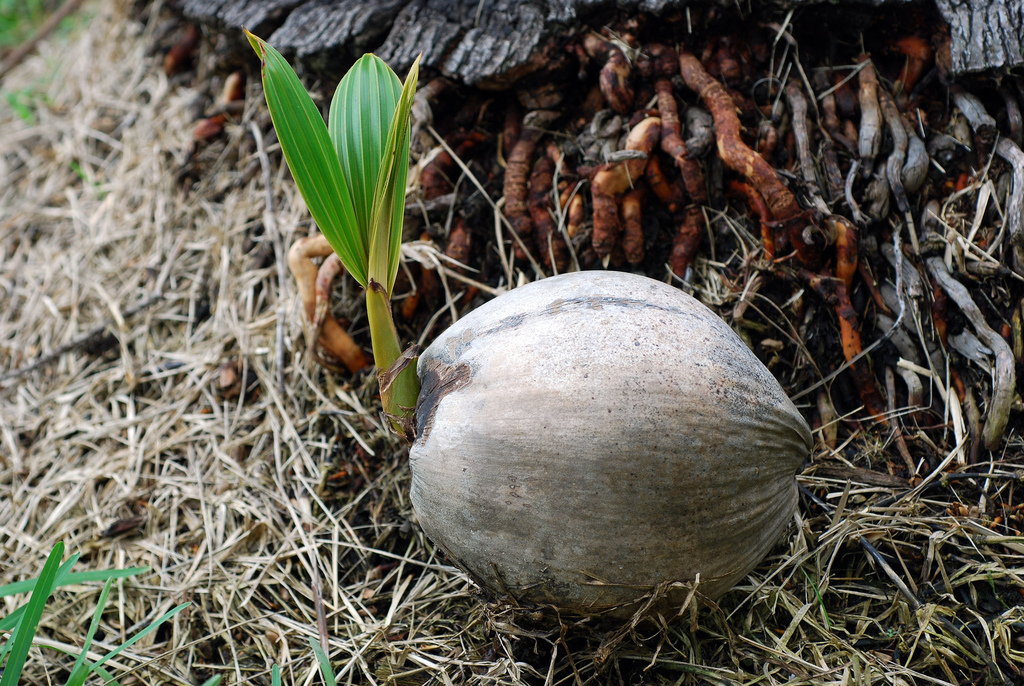
yellow dwarf coconut
Cocos nucifera
Secondary II High No biomass productionYellow Dwarf cultivar. Height and cycle similar to Green Dwarf (8–12 m, first harvest at 2–3 years). Slightly larger yellow fruits. Better toleranc...
-
green dwarf coconut
Cocos nucifera
Secondary II High No biomass productionGreen Dwarf cultivar — Brazil's commercial mainstay for coconut water. 8–12 m tall, 30–40 year economic life, first harvest at 2–3 years. Yields 15...
-
tall coconut
Cocos nucifera
Secondary II Emergent No biomass productionTall variety — emergent (20–30 m), 60–70 year lifespan, first flowering at 5–7 years. 60–80 large fruits per plant per year for copra, oil, and fib...
-
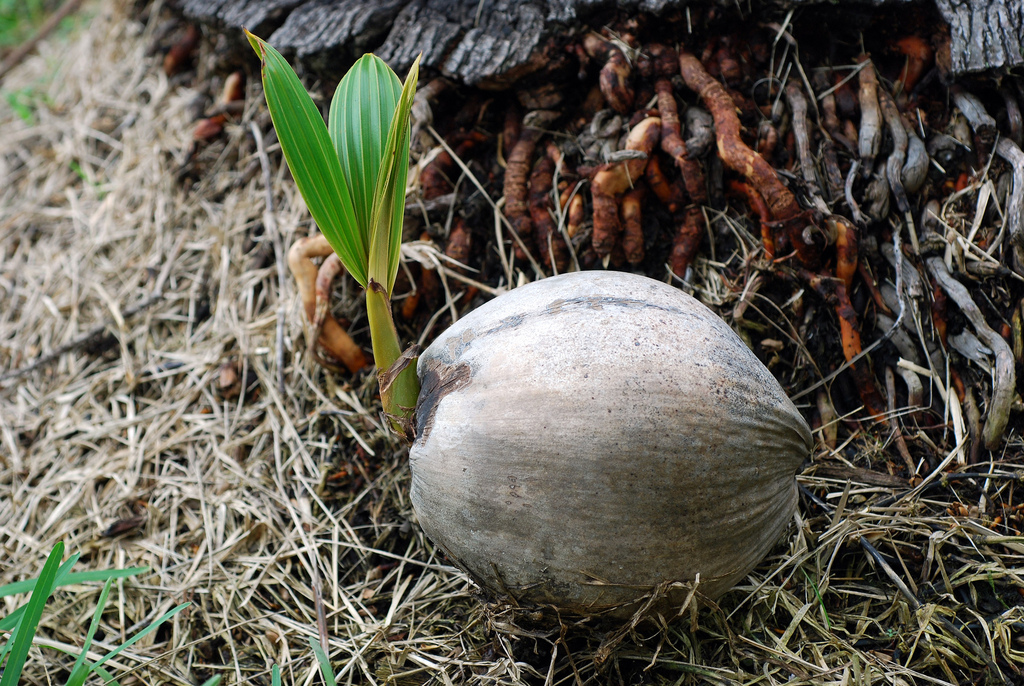
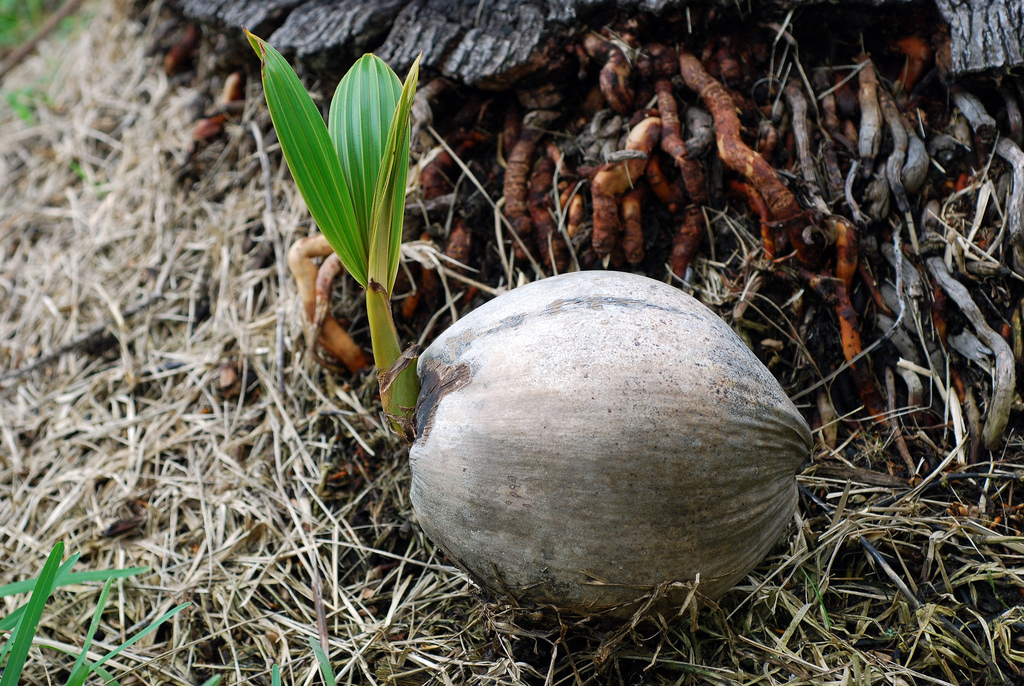
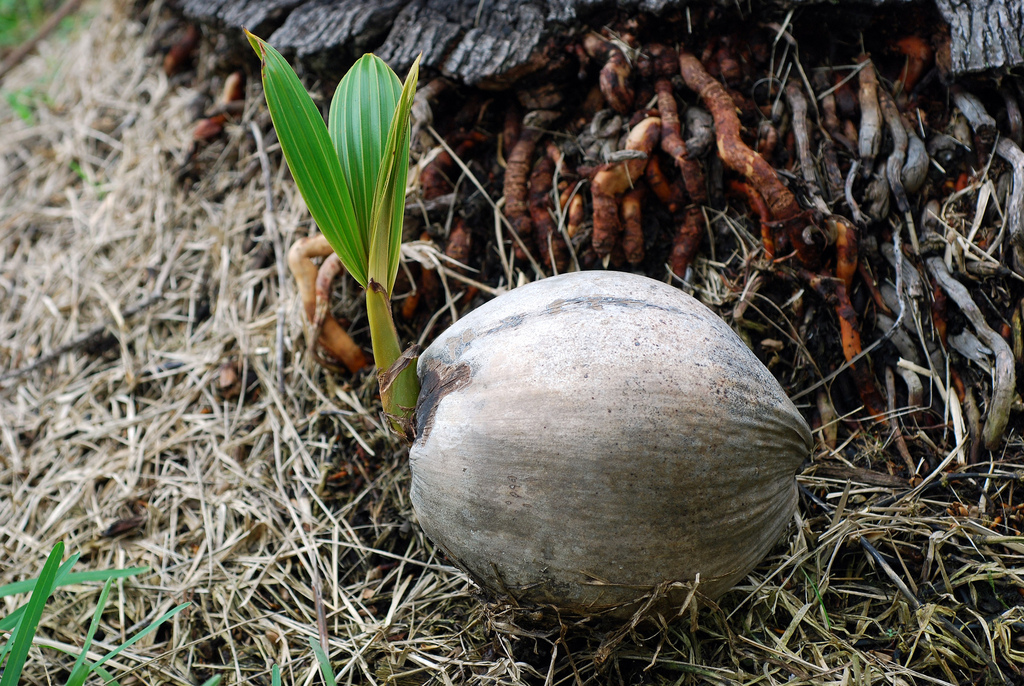
coconut palm
Cocos nucifera
Secondary II Emergent No biomass productionHigh-value palm naturalized along Brazilian coastlines. Pasini lists it in the emergent stratum of Tabela 3. Tolerates salinity and coastal winds; ...
-
hybrid coconut
Cocos nucifera
Secondary II High No biomass productionDwarf × Tall hybrids registered by Embrapa (BRS 001, 002, 003). Intermediate height (15–20 m), early bearing (4 years), medium fruits. Combine Tall...
-
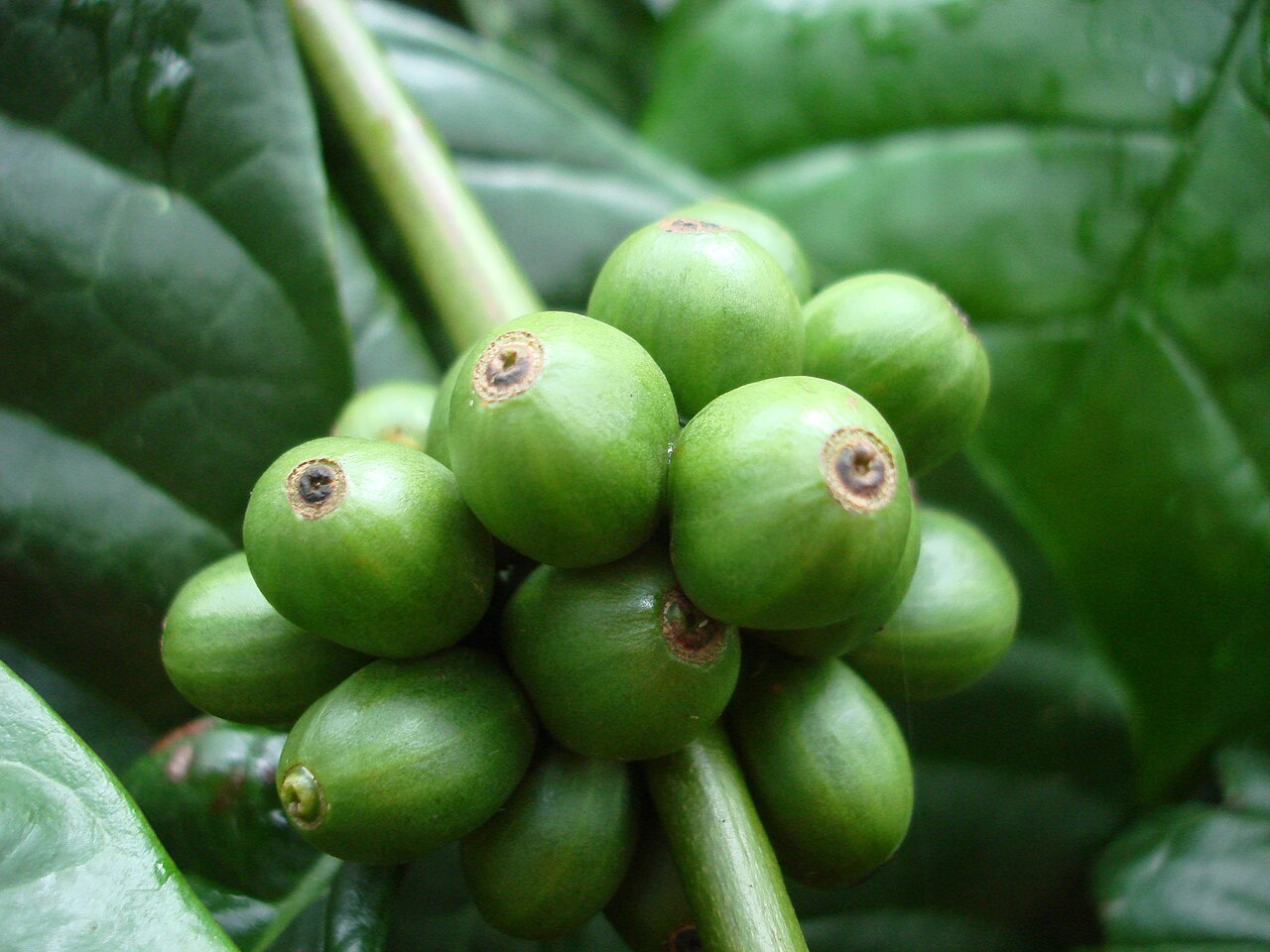
robusta coffee
Coffea canephora
Secondary I Medium No biomass productionDistinct coffee species from arabica — more vigorous, adapted to lowland (0–800 m) and hot climate (22–26°C). Brazil's dominant species in Espírito...
❓ Frequently asked questions
What is the Tropical monsoon (Am) climate?
Hot year-round, with a short drier season offset by high annual rainfall. Common in parts of the eastern Amazon and the humid northeastern coast.
Which plants does the catalog suggest for the Tropical monsoon (Am) climate?
The catalog holds 141 species, among them common bamboo, Malabar spinach, Brazil nut. Each profile shows stratum, succession stage, and the management data, with sources cited.