
Climate
Plants for the Tropical monsoon (Am) climate
Tropical monsoon: hot year-round, abundant rain with one short dry spell. Planting follows the rains; the brief dry period is crossed with mulch kept up to date.
141 species in the catalog · Refine this list in the catalog
-
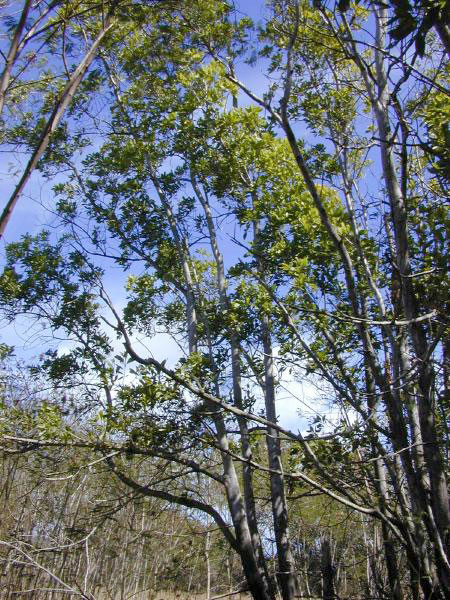
mangium
Acacia mangium
Secondary I Emergent Fertilizer & mulch 🌱 Nitrogen fixerExtremely fast-growing nitrogen-fixing legume, central in syntropic systems as a producer of both cover and fertilizer biomass. Pasini classifies i...
-
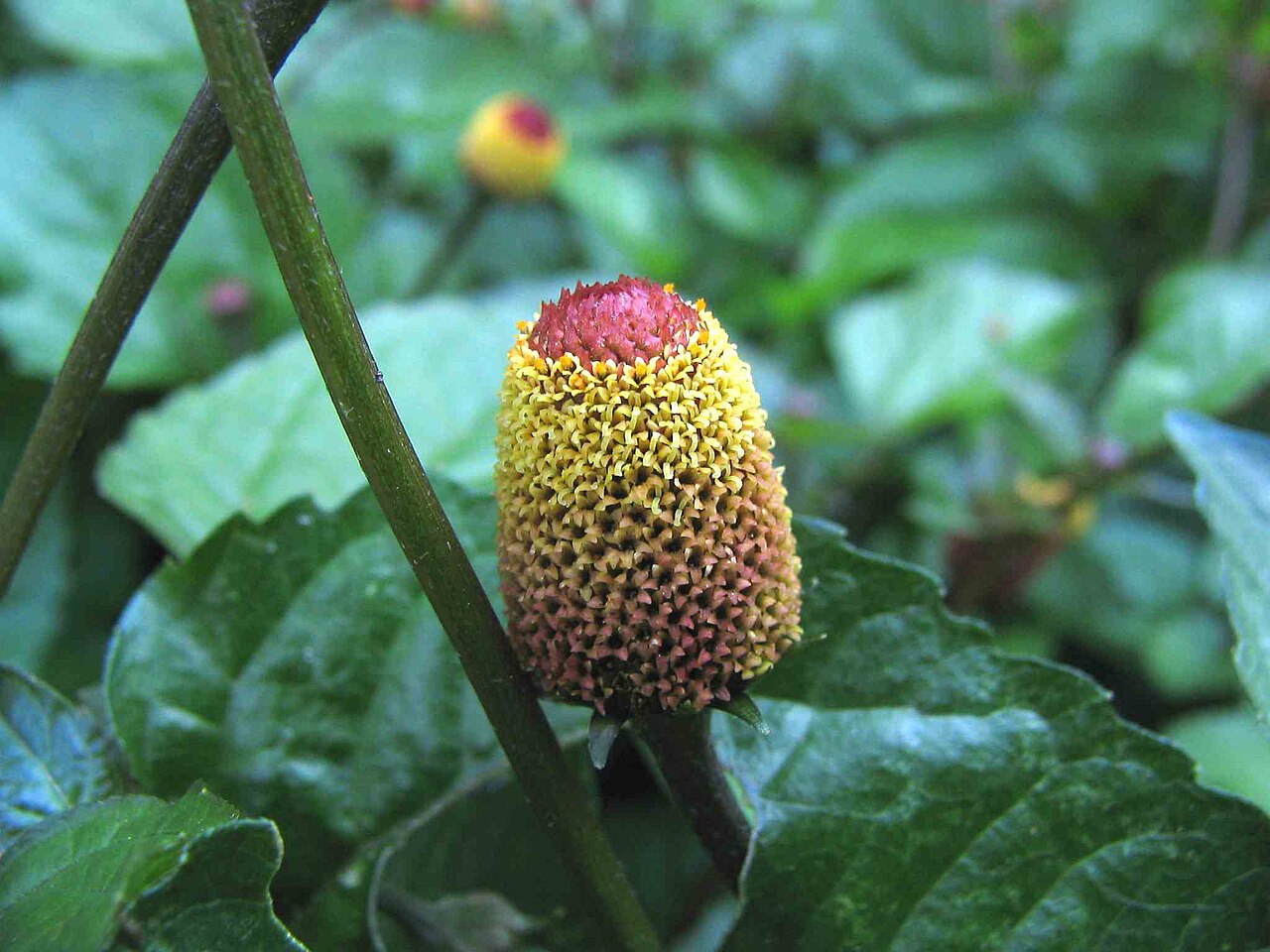
toothache plant
Acmella oleracea
Placenta I Ground cover No biomass productionA low-growing annual or short-lived perennial herb of Amazonian origin, with edible leaves and yellow inflorescences that produce a characteristic ...
-
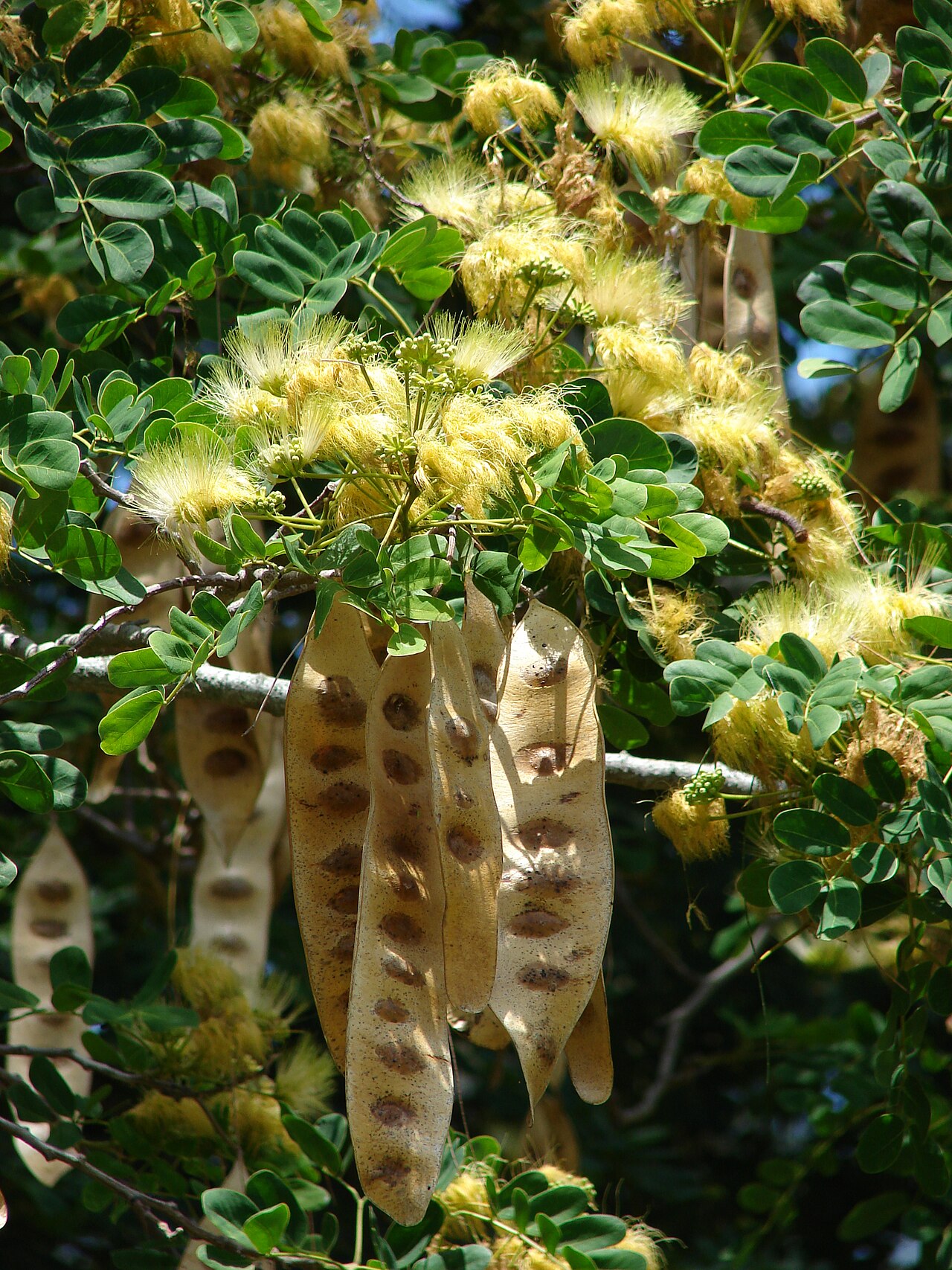
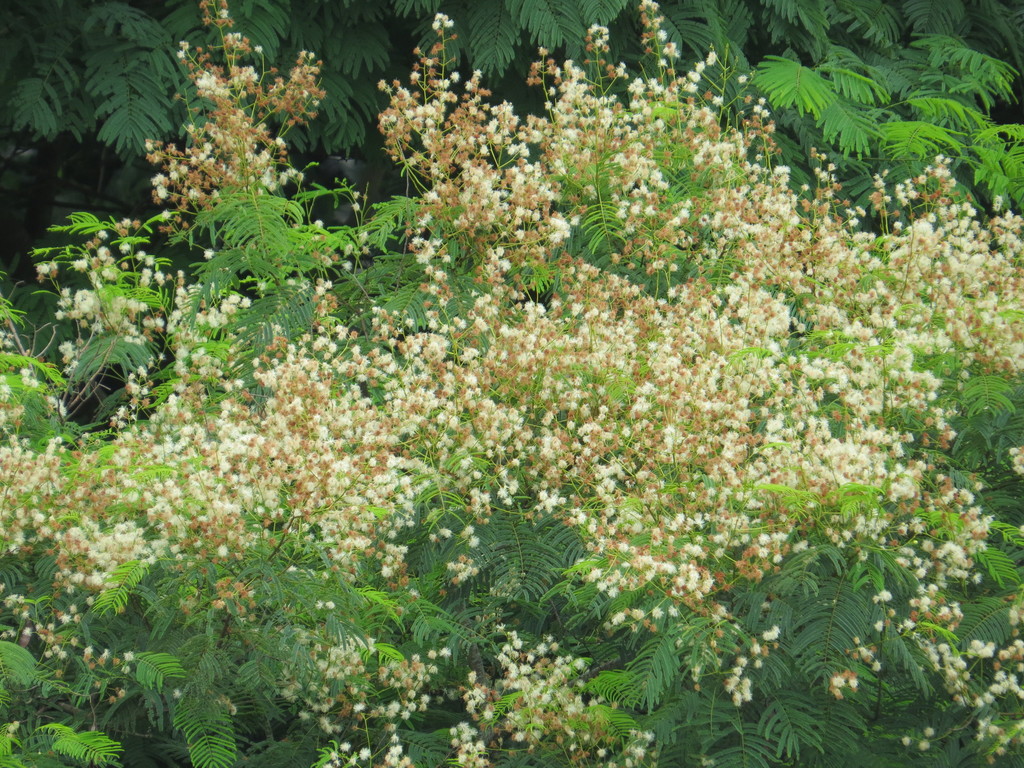
siris tree
Albizia lebbeck
Secondary II High Fertilizer biomass 🌱 Nitrogen fixerA fast-growing, drought-tolerant leguminous tree of 18-30 m, native to tropical Asia and now pantropical. It fixes nitrogen readily and coppices ex...
-
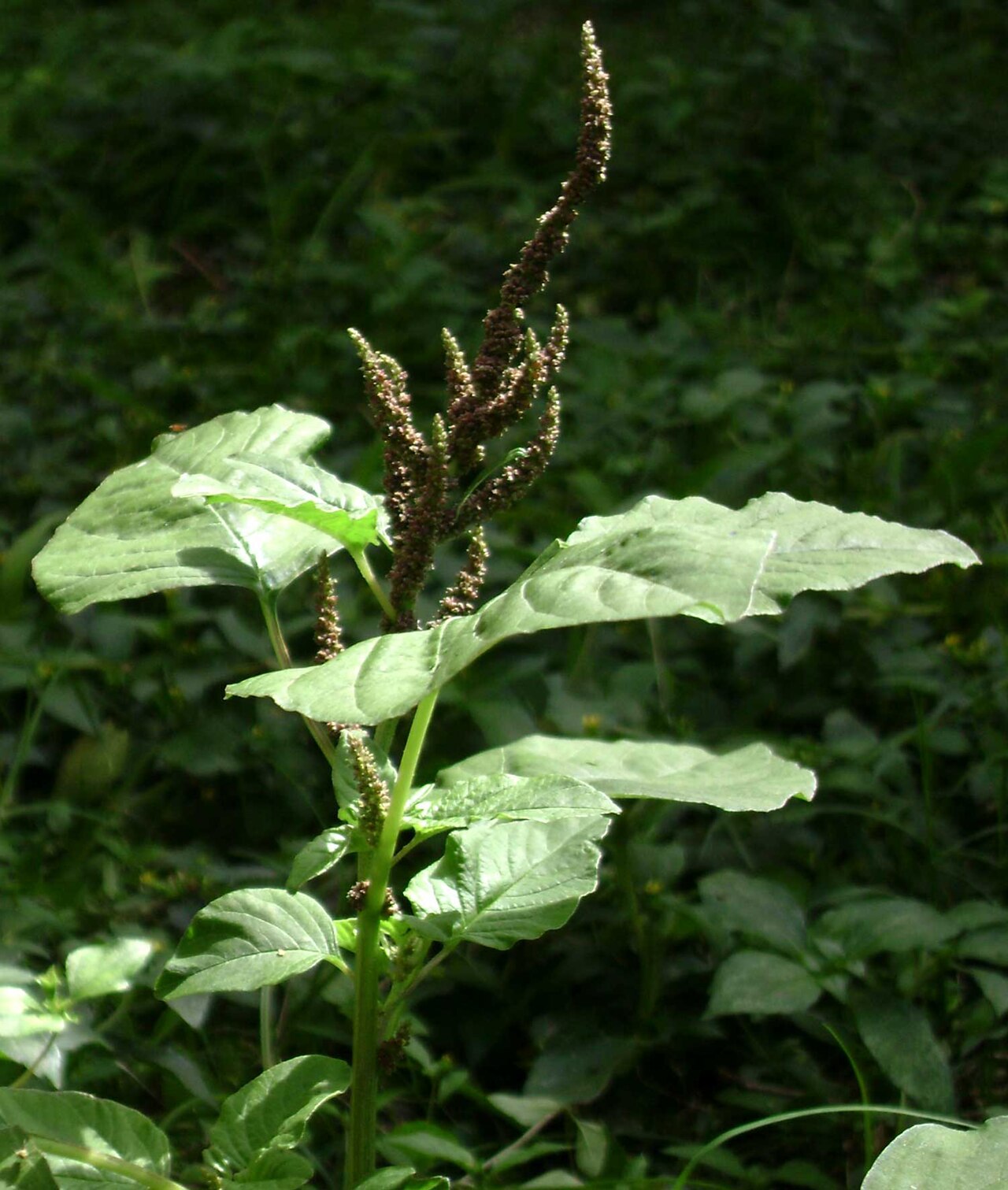
slender amaranth
Amaranthus viridis
Placenta I Low Mulch biomassAn erect annual herb in the Amaranthaceae, widely distributed in the American tropics and cosmopolitan as a volunteer. It grows about 0.3–0.8 m tal...
-
dwarf early-bearing cashew
Anacardium occidentale
Secondary II High No biomass productionEmbrapa dwarf early-bearing cashew clones — 4–6 m height vs. 8–15 m of common cashew. First fruits at 18–24 months (vs. 4 years for the common cash...
-
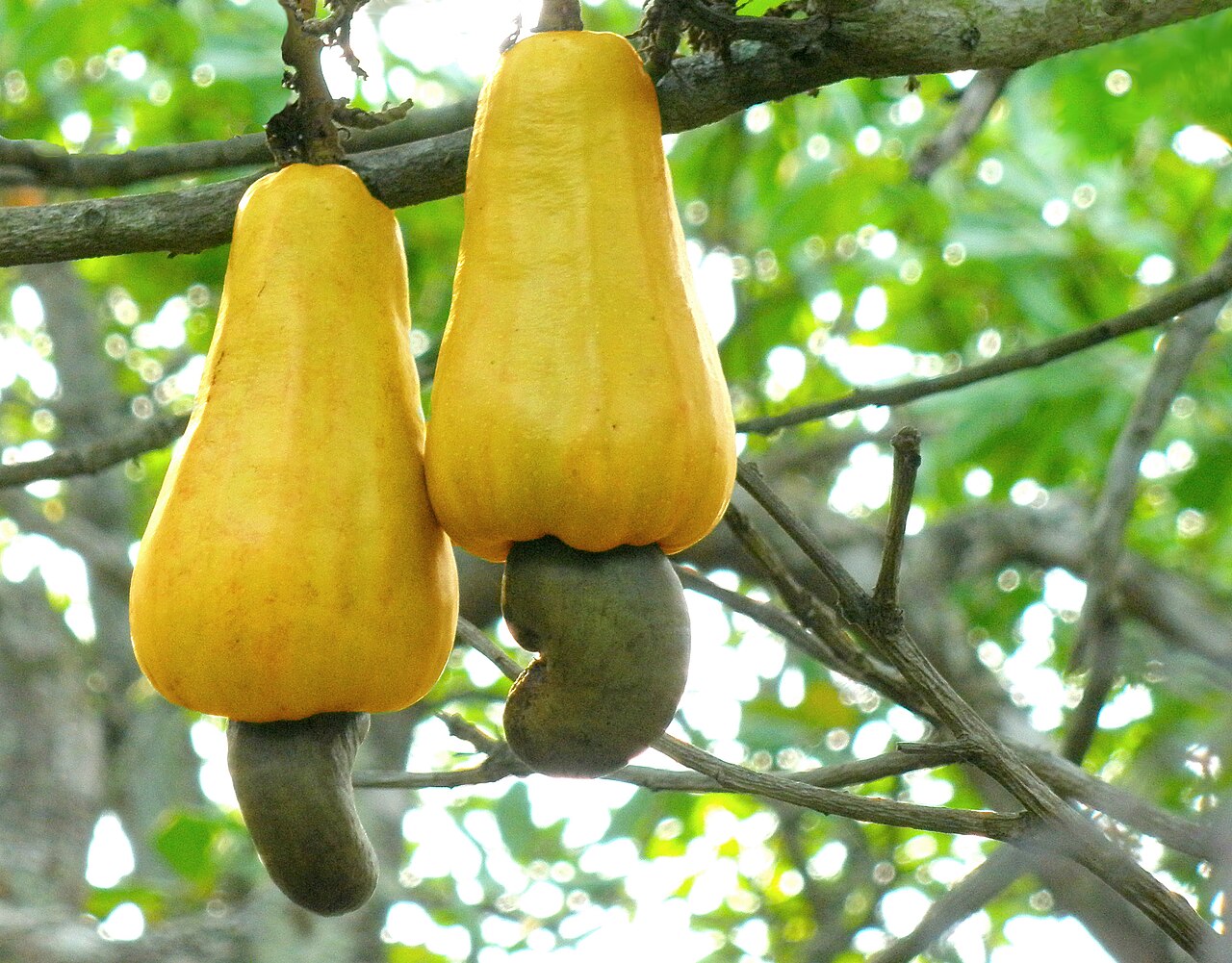
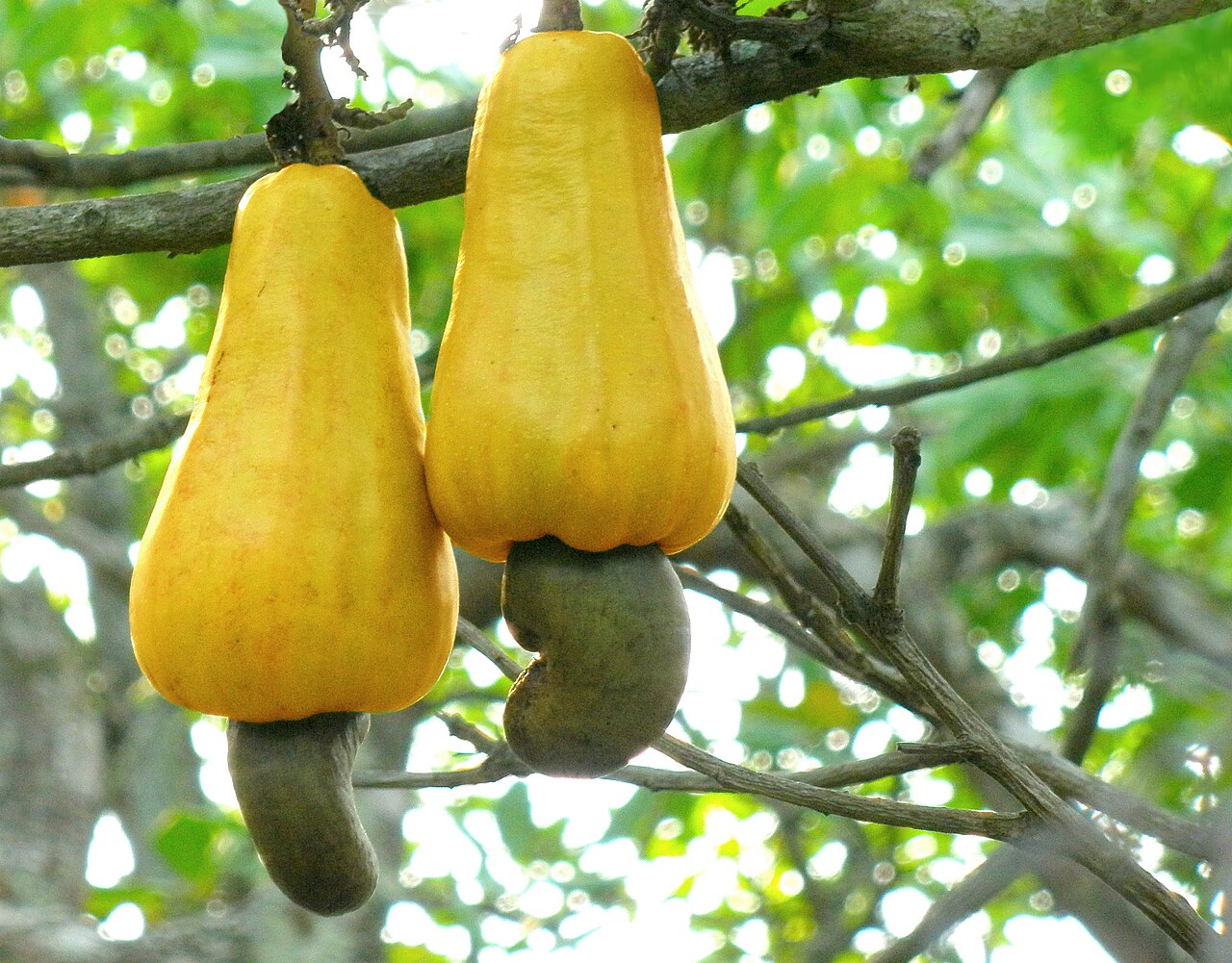
cashew
Anacardium occidentale
Secondary II High No biomass productionNative fruit tree of the Cerrado and Caatinga; produces a pseudofruit (the cashew apple) and the true cashew nut. Pasini lists it in the emergent s...
-
cebil
Anadenanthera colubrina
Secondary I High Fertilizer biomass 🌱 Nitrogen fixerFast-growing pioneer legume, nitrogen fixer. Adapted to poor and degraded soils; widely used in restoration of degraded areas across Caatinga, Cerr...
-
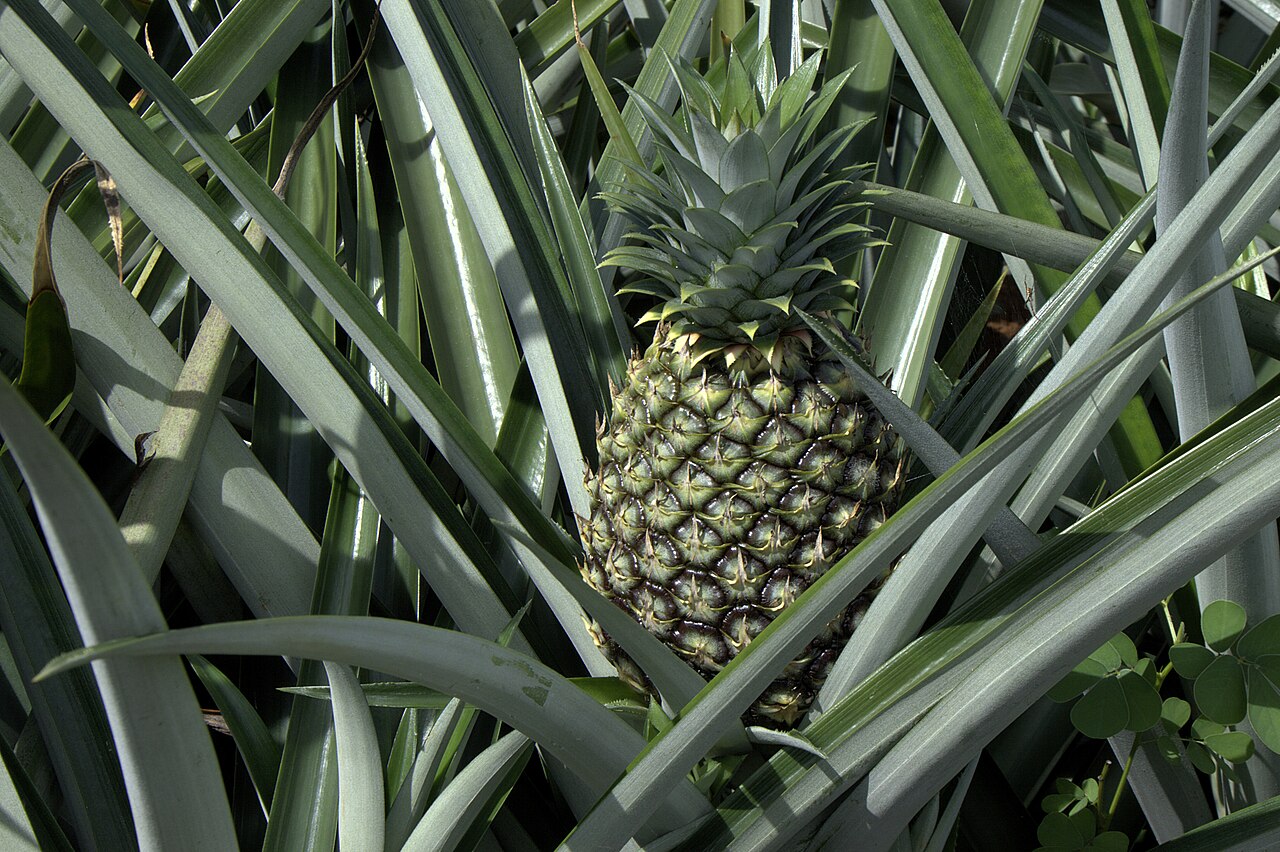
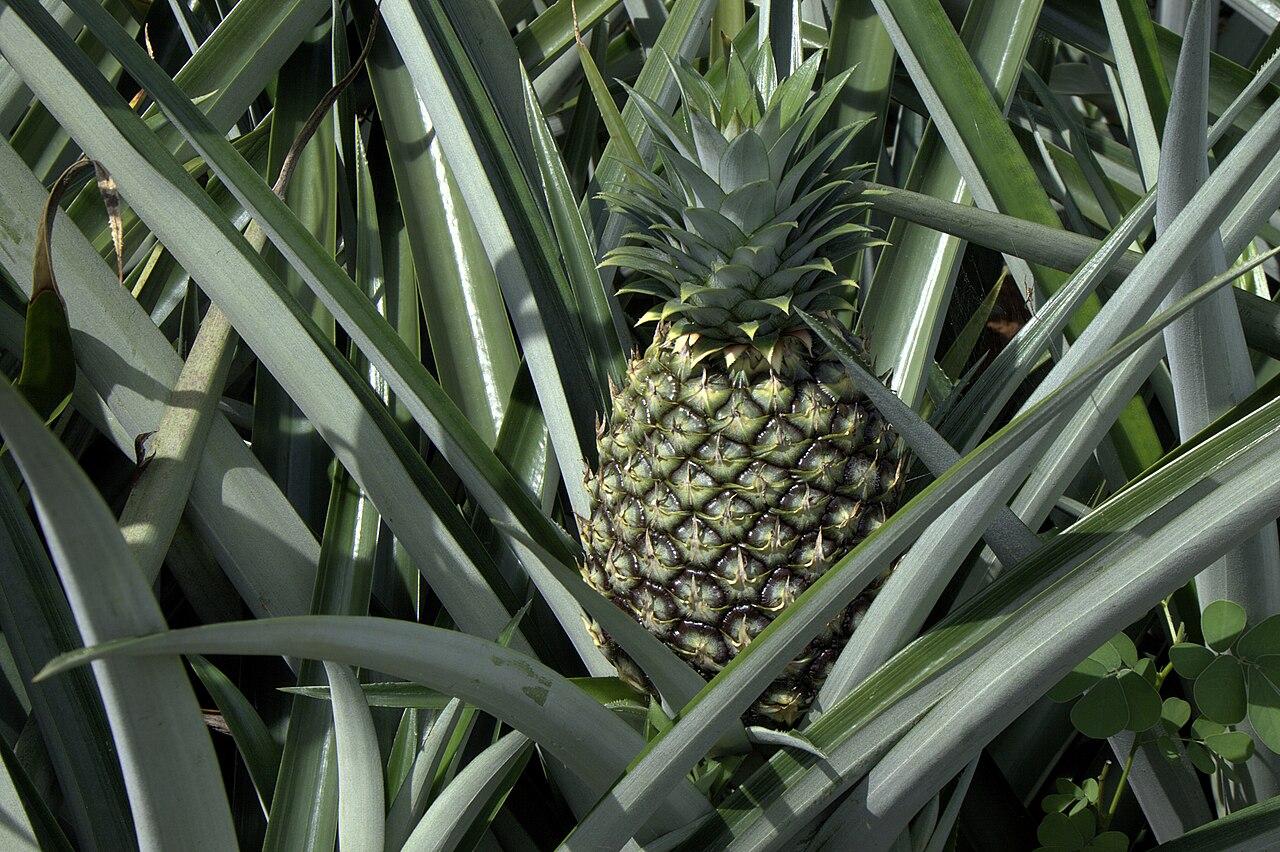
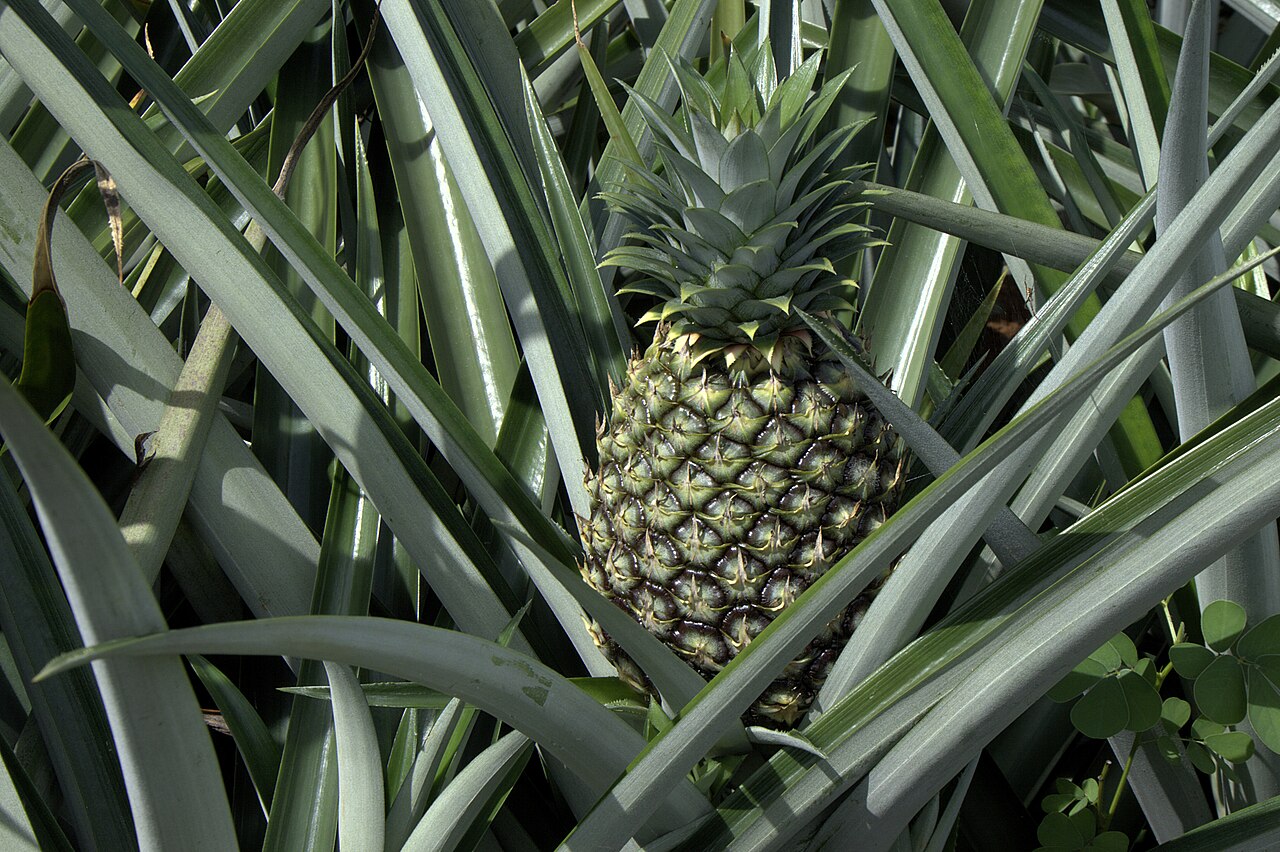
pineapple
Ananas comosus
Placenta II Low No biomass productionPerennial bromeliad cultivated in the low stratum of syntropic systems. Pasini lists it in the low stratum of Tabela 3. Fruits in ~22–24 months; re...
-
pérola pineapple
Ananas comosus
Placenta II Ground cover No biomass productionDominant cultivar in Brazil's domestic market. Erect plants with long spiny leaves, long peduncle, conical fruits weighing 1.0–1.5 kg, aromatic whi...
-
smooth cayenne pineapple
Ananas comosus
Placenta II Ground cover No biomass productionWorld's export leader until MD-2 arrived. Leaves nearly spineless. Cylindrical fruits 1.5–2.0 kg, yellow-orange skin, firm yellow flesh rich in sug...
-
biriba
Annona mucosa
Secondary I High No biomass productionAmazonian fruit of the Annonaceae (cousin of pinha and graviola). Pasini lists it in the high stratum of Tabela 3. Creamy white pulp highly prized;...
-
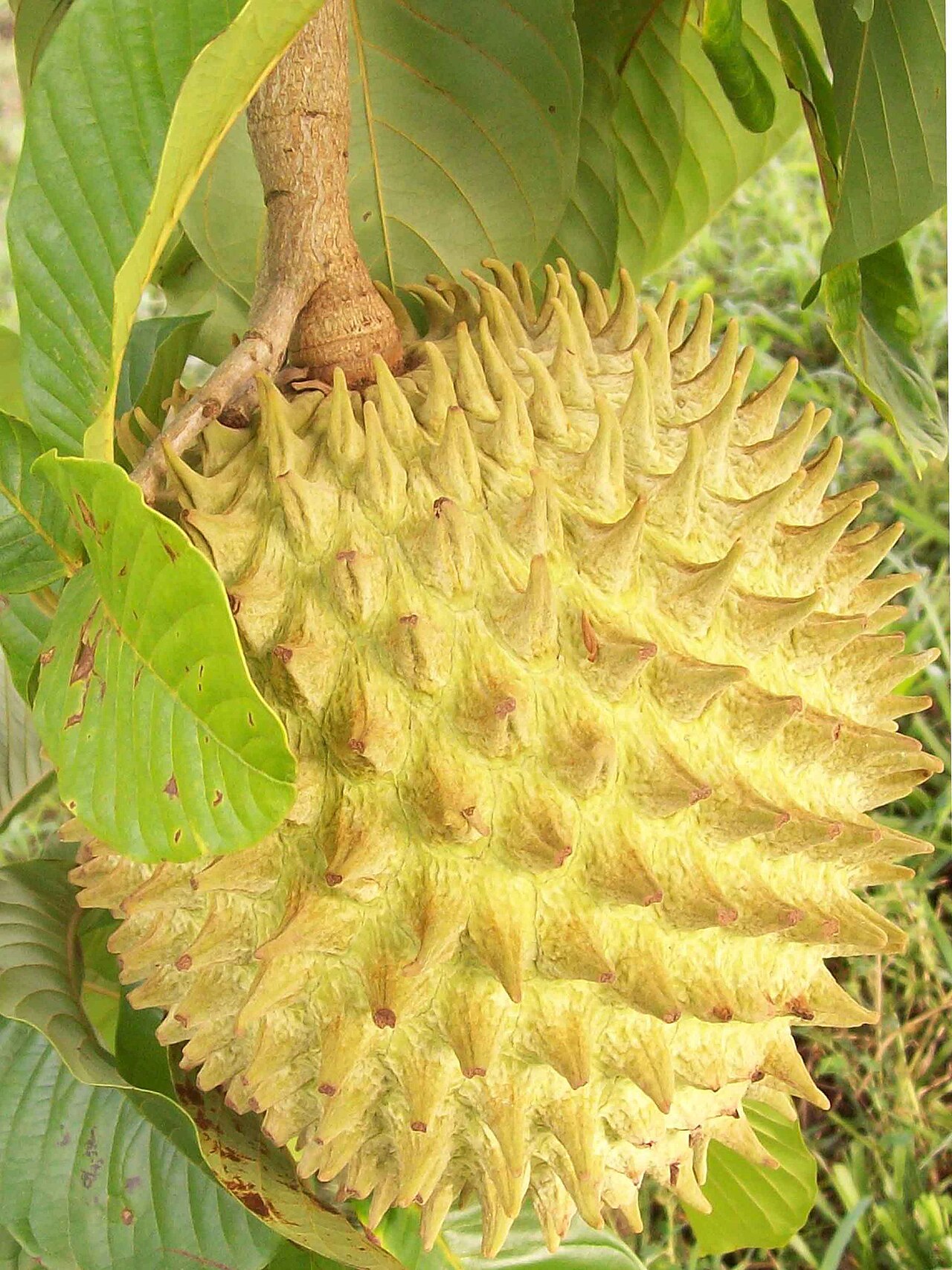
soursop
Annona muricata
Secondary I High No biomass productionTropical fruit with sweet-tart white pulp and well-documented medicinal properties. Pasini lists it in the high stratum of Tabela 3. Native to Amaz...
-
sugar apple
Annona squamosa
Secondary I High No biomass productionSmall tropical fruit tree, same family as graviola. Pasini lists it in the high stratum of Tabela 3. Tolerates poor soils and drought; traditional ...
-
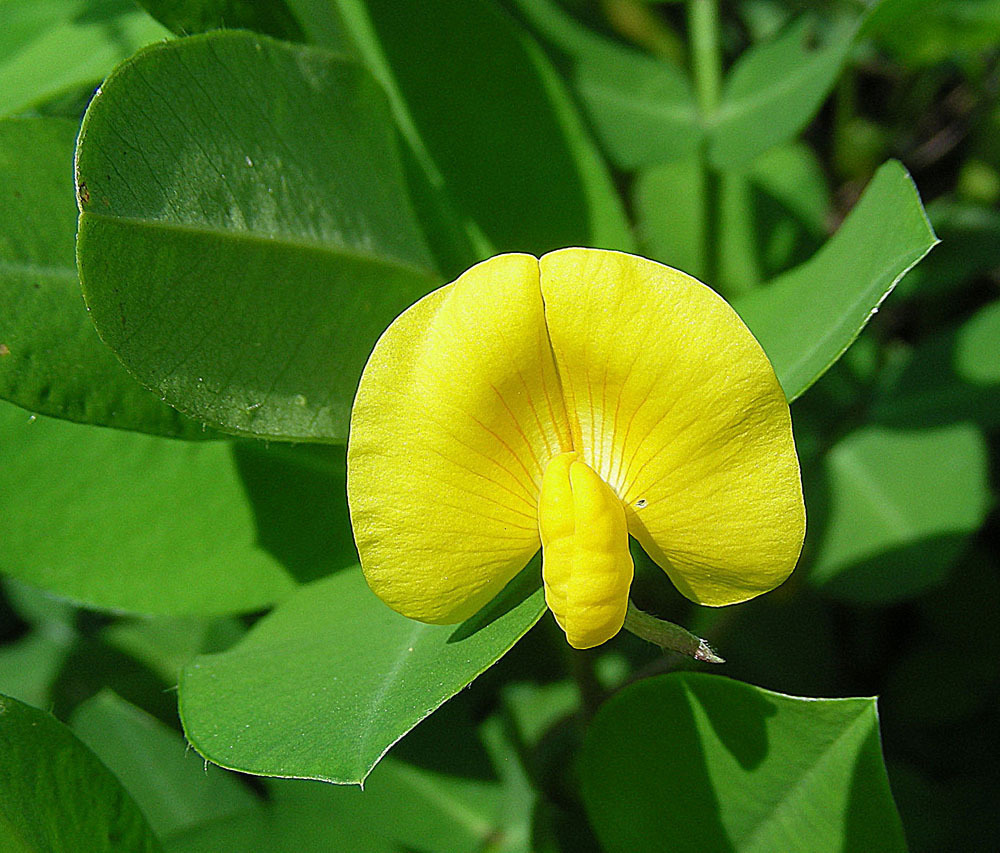
pinto peanut
Arachis pintoi
Placenta I Ground cover Fertilizer biomass 🌱 Nitrogen fixerPerennial creeping legume with stolons, 20–40 cm tall. Permanent living mulch, persists under 70% shade. Fixes nitrogen, produces 5–13 t/ha/year of...
-
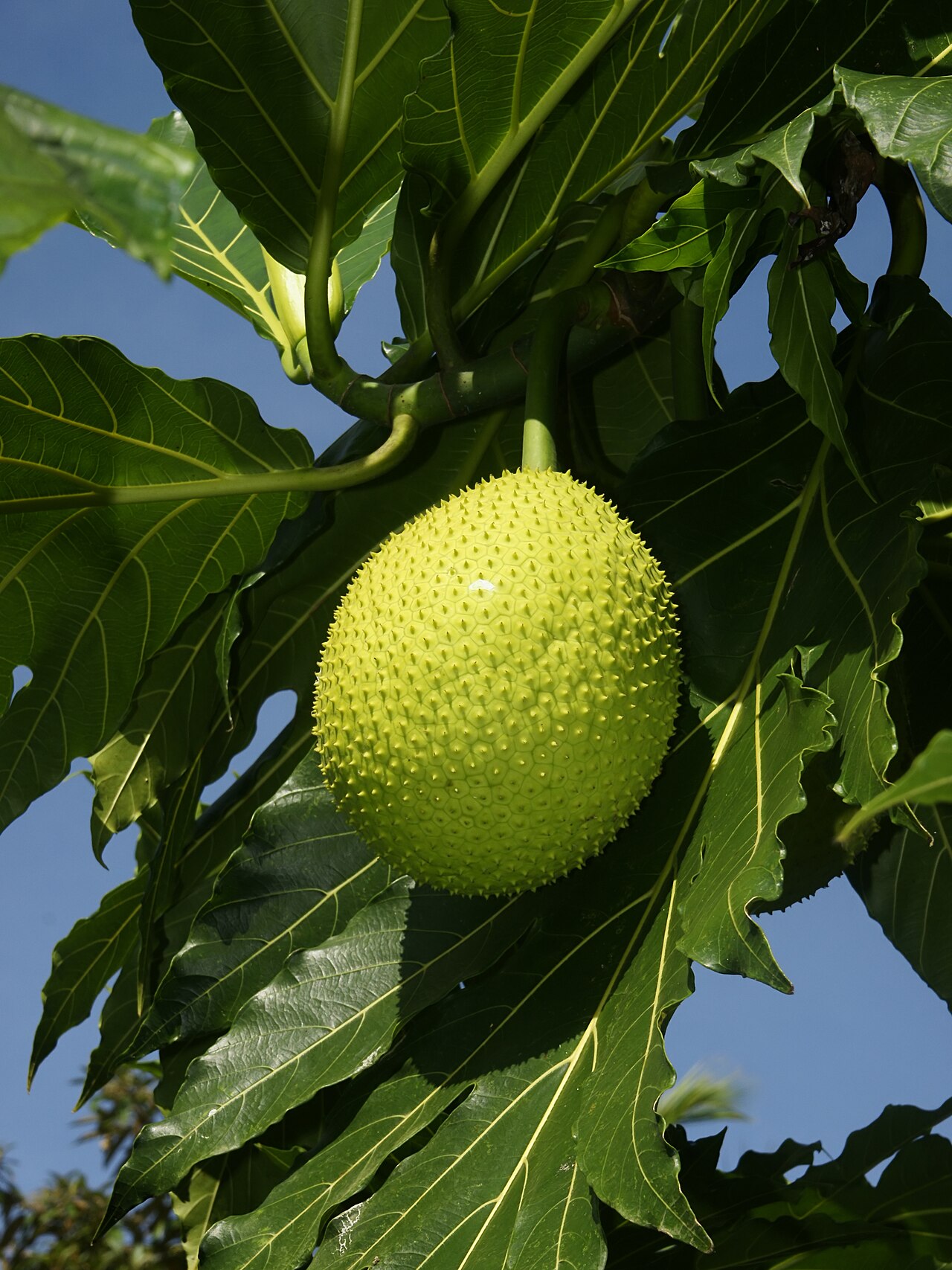
breadfruit
Artocarpus altilis
Climax High No biomass productionPacific fruit tree naturalized in Brazilian coastal and Amazonian regions. EcoAgri lists it in the high stratum of the '> 50 years' bin. Starchy fr...
-
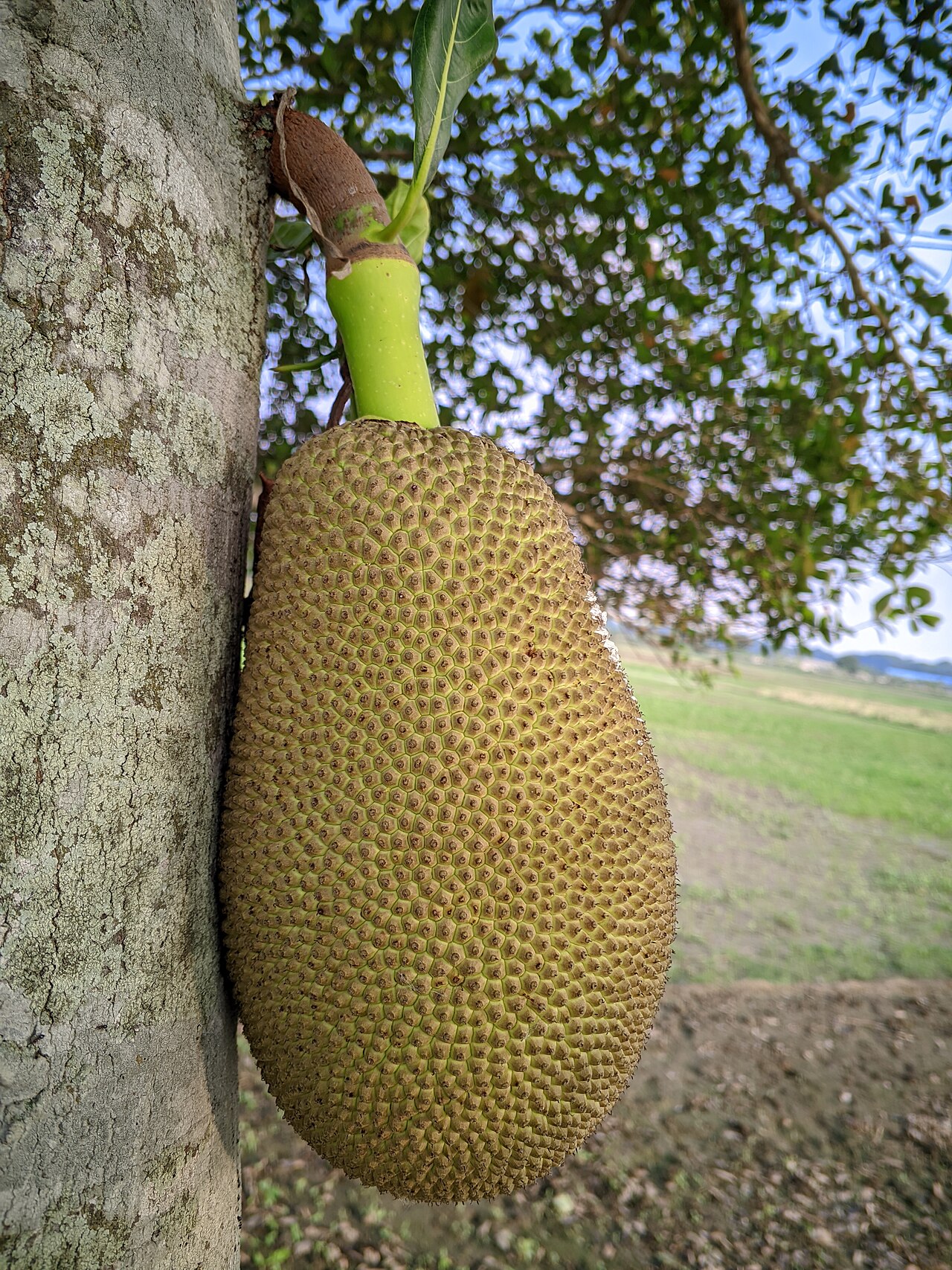
jackfruit
Artocarpus heterophyllus
Secondary II High No biomass productionAsian fruit tree naturalized in the Brazilian Atlantic Forest. Pasini lists it in the high stratum of Tabela 3 and in the 5–18 year phase of the co...
-
tucumã palm
Astrocaryum vulgare
Secondary II High No biomass productionAmazonian high-stratum spiny palm, listed by Embrapa among native fruit species for Amazonian SAFs. Orange fruits very rich in beta-carotene and oi...
-
babassu palm
Attalea speciosa
Climax Emergent Mulch biomassNative palm of the transition zones between the Amazon, Cerrado, and Caatinga — strongly present in Maranhão, Piauí, Tocantins, and northern Goiás....
-
bilimbi
Averrhoa bilimbi
Secondary I Medium No biomass productionSmall tropical tree (5–10 m), close relative of carambola (Averrhoa carambola, already in canon). Small green cylindrical very acidic fruits — used...
-
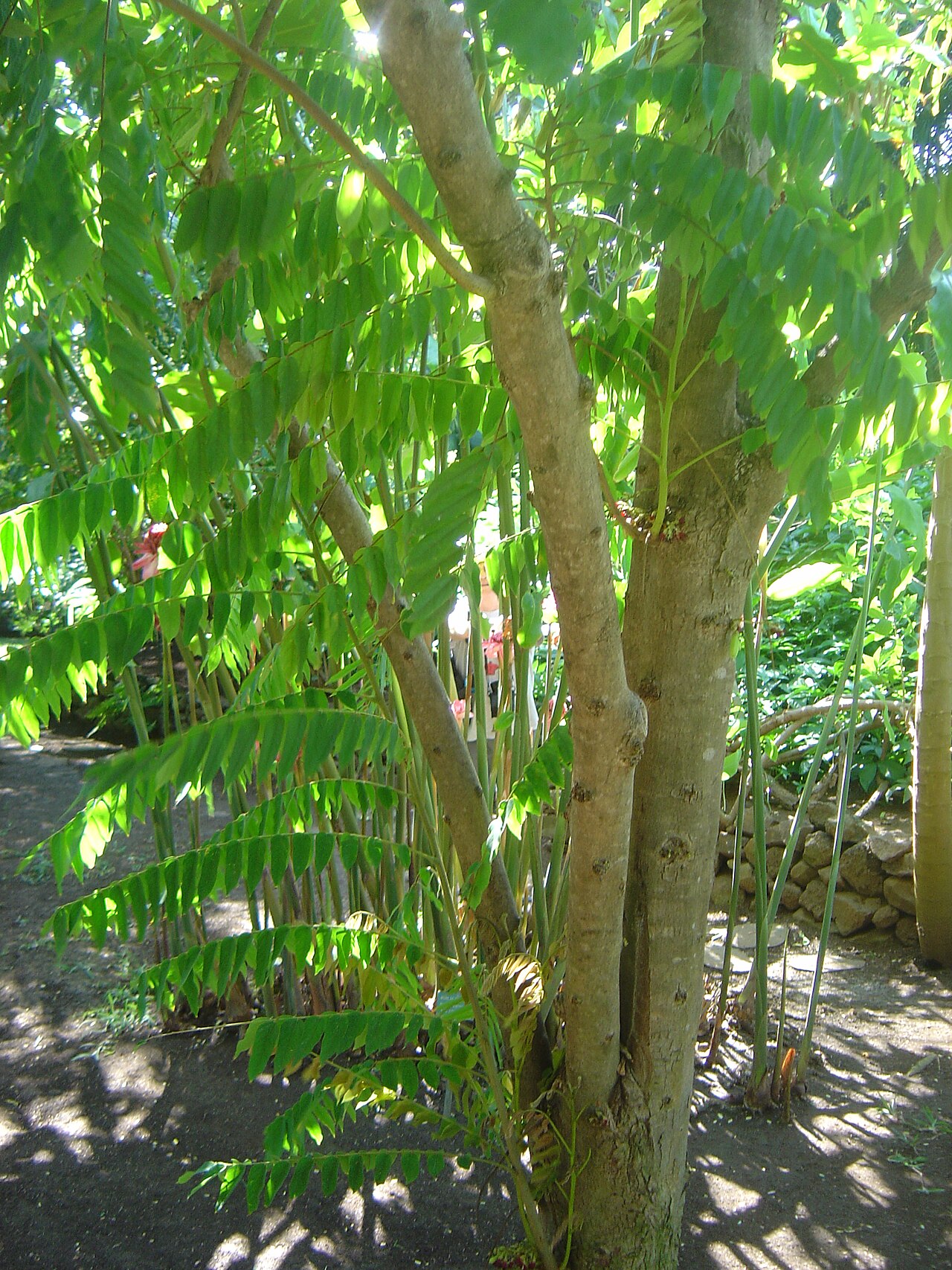
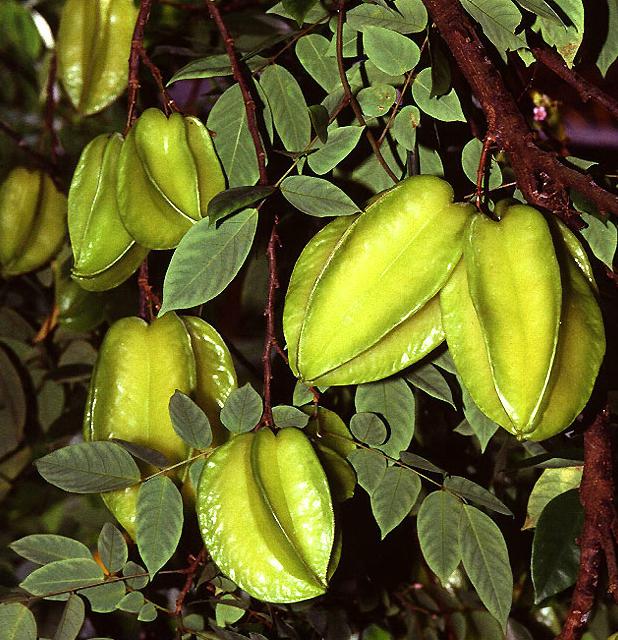
starfruit
Averrhoa carambola
Secondary II Medium No biomass productionAsian fruit tree naturalized in Brazil, with the characteristic star-shape when sliced. EcoAgri lists it in the medium stratum of the 'up to 50 yea...
-
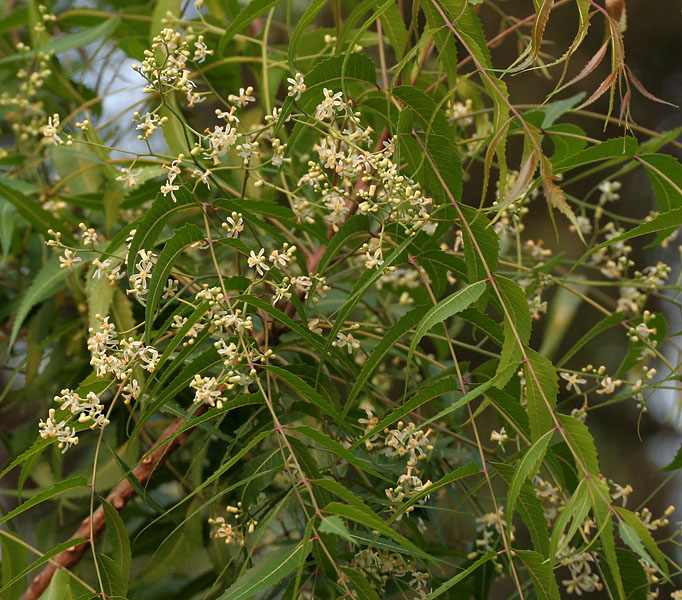
neem
Azadirachta indica
Secondary I High Mulch biomassIndian-origin tree adapted to Brazil, the biopesticide species of the Embrapa Vitrine SAF. Leaves and seed oil (azadirachtin) repel more than 200 i...
-
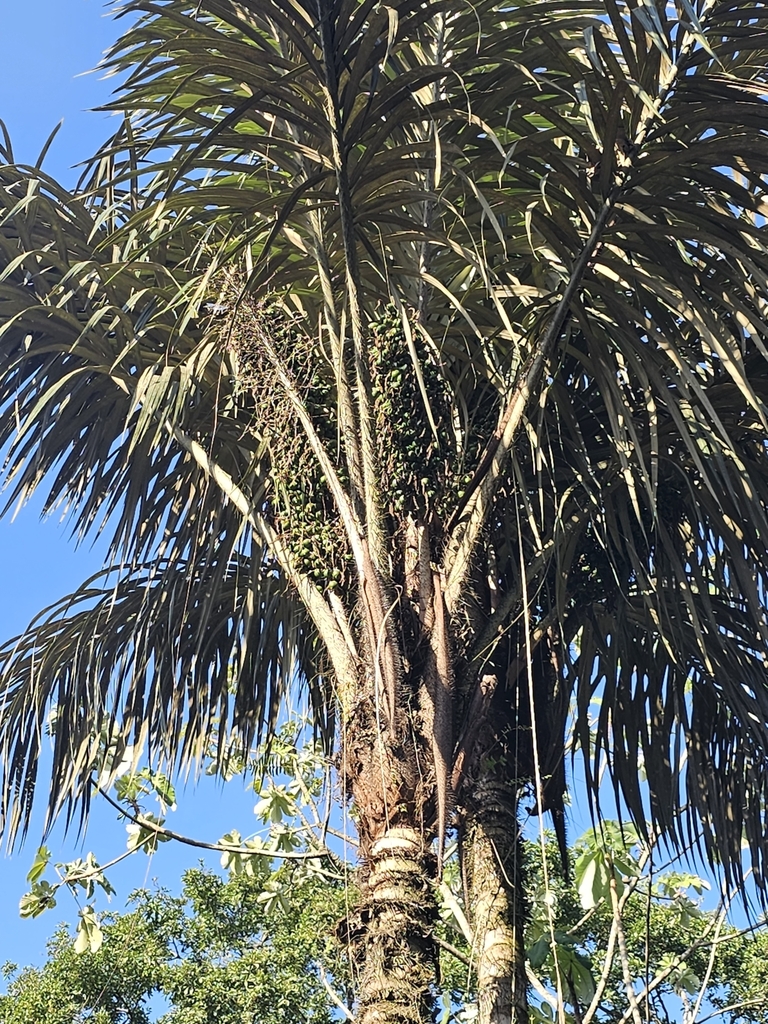
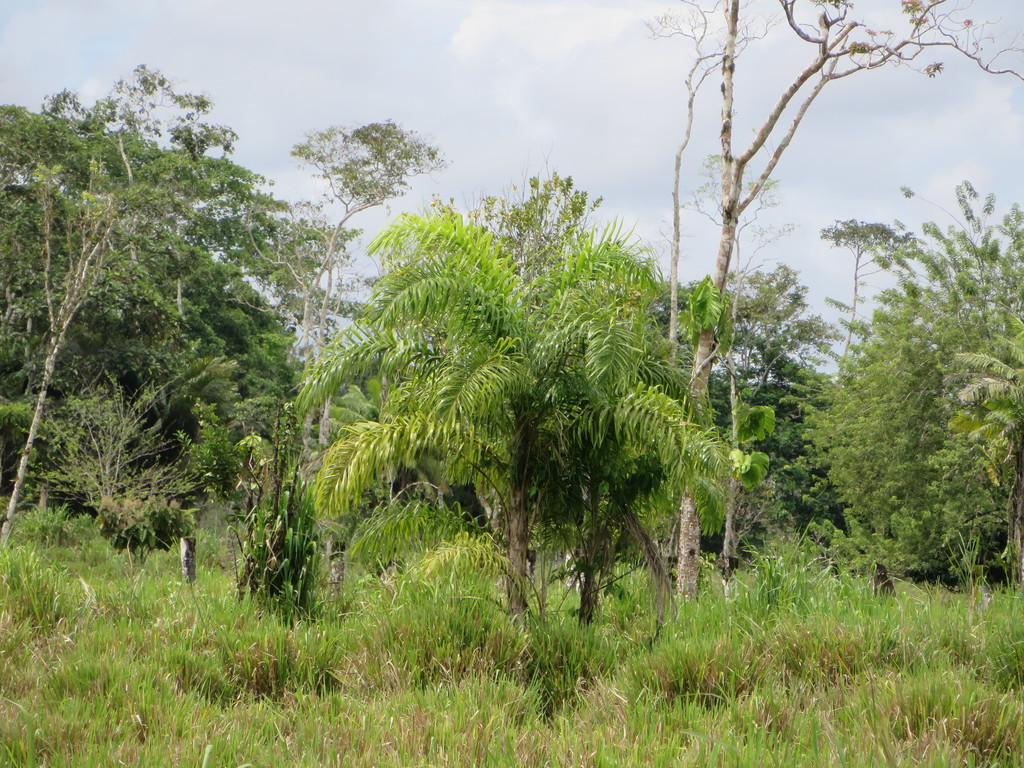
peach palm
Bactris gasipaes
Secondary II Emergent No biomass productionAmazonian multi-stemmed palm; produces heart of palm in ~3 years and edible fruit in ~5 years. Pasini lists it in the emergent stratum of Tabela 3 ...
-
balcooa bamboo
Bambusa balcooa
Secondary I Emergent Mulch biomassA large clumping bamboo native to the Indian subcontinent and Indochina, with thick culms up to 25 m and thick walls. It is highly valued for const...
-
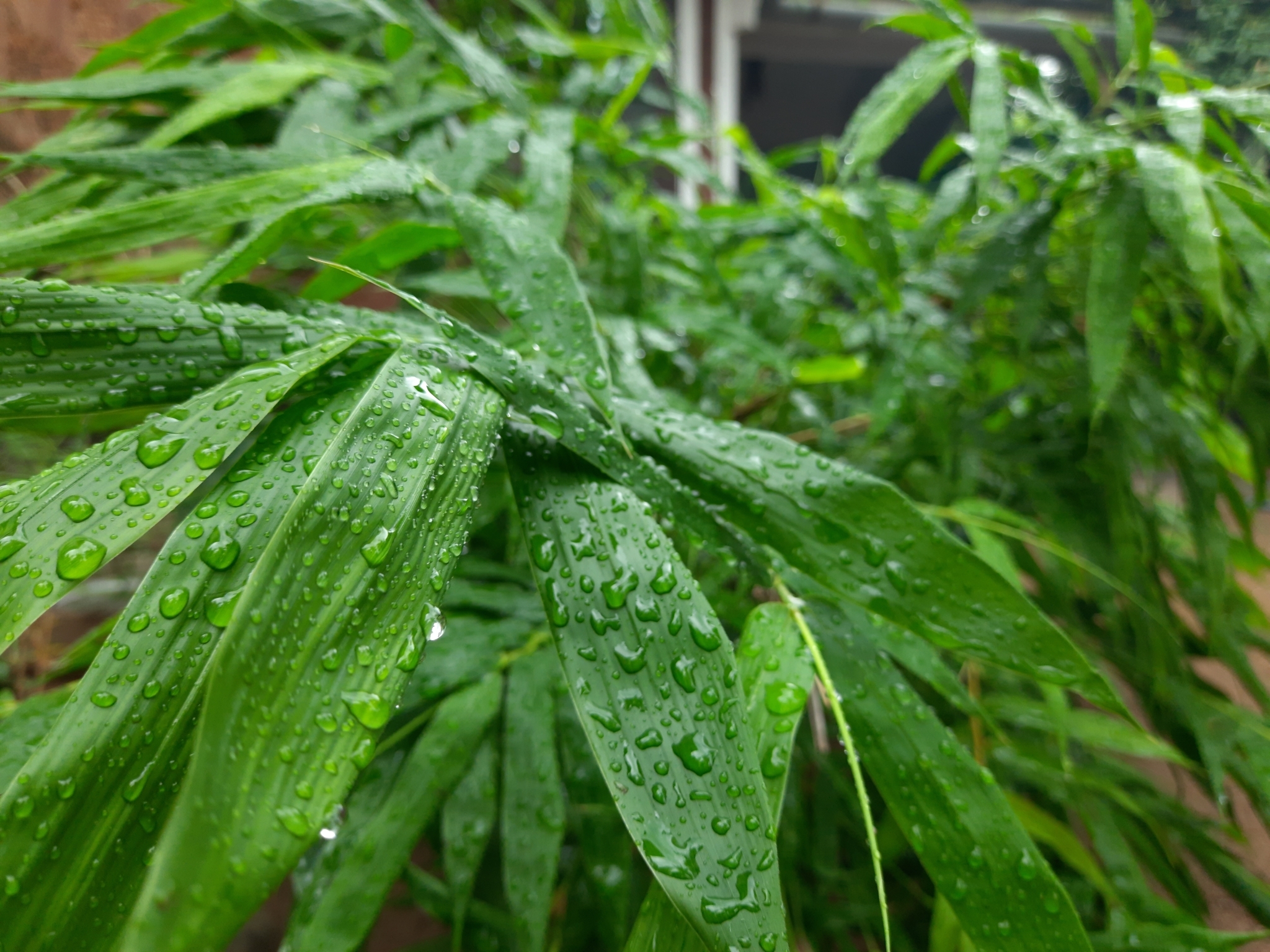
punting pole bamboo
Bambusa tuldoides
Secondary I High Mulch biomassA clumping bamboo native to southern China, with straight, relatively slender culms 6–12 m tall, widely used as poles, in light construction and cr...
❓ Frequently asked questions
What is the Tropical monsoon (Am) climate?
Hot year-round, with a short drier season offset by high annual rainfall. Common in parts of the eastern Amazon and the humid northeastern coast.
Which plants does the catalog suggest for the Tropical monsoon (Am) climate?
The catalog holds 141 species, among them mangium, toothache plant, siris tree. Each profile shows stratum, succession stage, and the management data, with sources cited.