
Climate
Plants for the Tropical monsoon (Am) climate
Tropical monsoon: hot year-round, abundant rain with one short dry spell. Planting follows the rains; the brief dry period is crossed with mulch kept up to date.
141 species in the catalog · Refine this list in the catalog
-
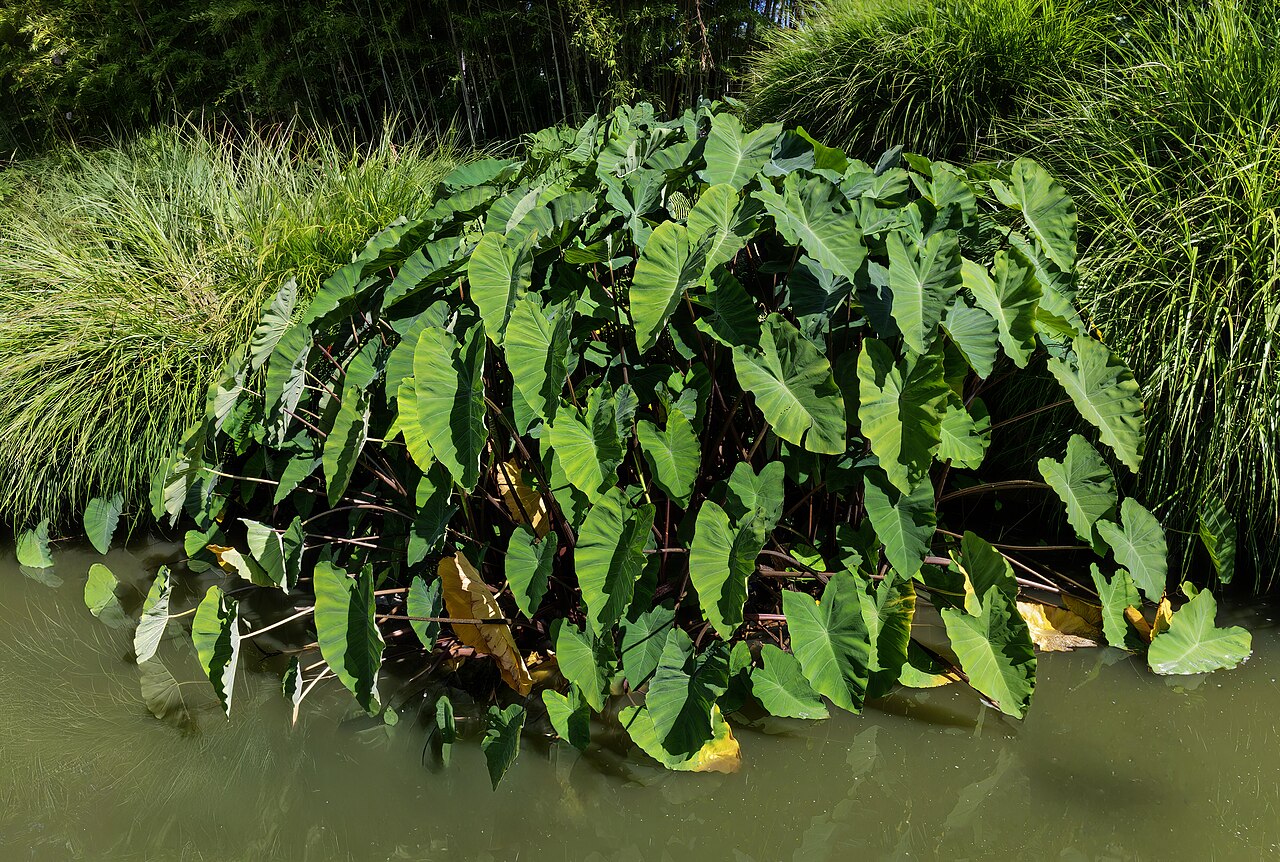
taro
Colocasia esculenta
Placenta I Low Fertilizer biomassDistinct from taioba (Xanthosoma sagittifolium, already in canon, native species) and from yam (Dioscorea spp.). Introduced Asian species cultivate...
-
diesel tree
Copaifera langsdorffii
Climax High Mulch biomassClimax Cerrado and Atlantic Forest legume; produces medicinal oil from trunk exudates. Pasini lists it in the high stratum of Tabela 3 and in the '...
-
freijo
Cordia goeldiana
Secondary II Emergent Mulch biomassAmazonian emergent tree, listed by Embrapa Amazônia Oriental among key timber species for SAFs with fruit trees. Mahogany-grade timber — sliced and...
-
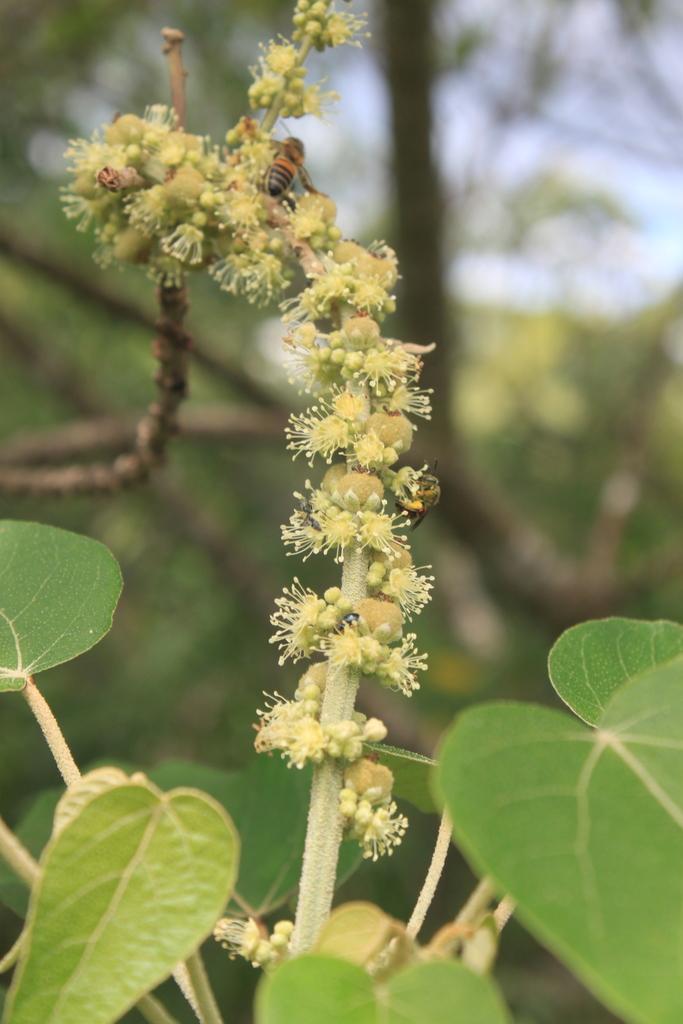
dragon's blood tree
Croton urucurana
Secondary I Medium Mulch biomassHeliophyte pioneer tree typical of riparian forests and humid terrain across the Amazon, Cerrado, and Atlantic Forest. Reaches 7–14 m and produces ...
-
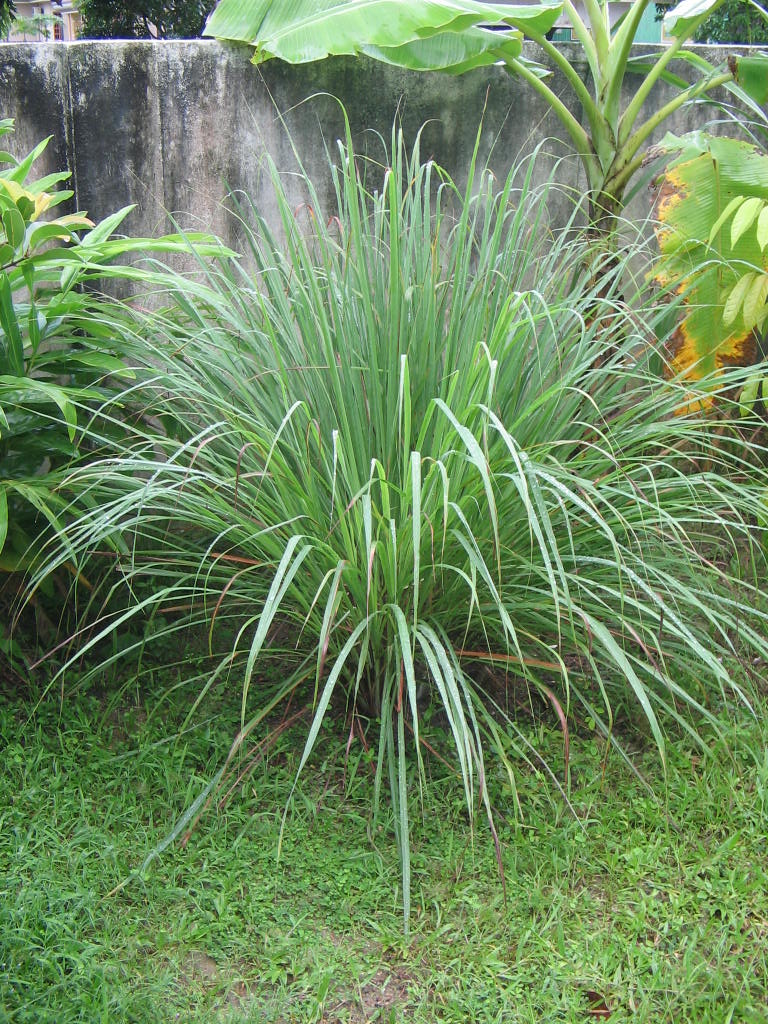
lemongrass
Cymbopogon citratus
Placenta I Low Mulch biomassPerennial aromatic grass (1–1.5 m) forming dense clumps. Lemon-scented leaves (citral). Permanent cover between tree rows in syntropic systems, mos...
-
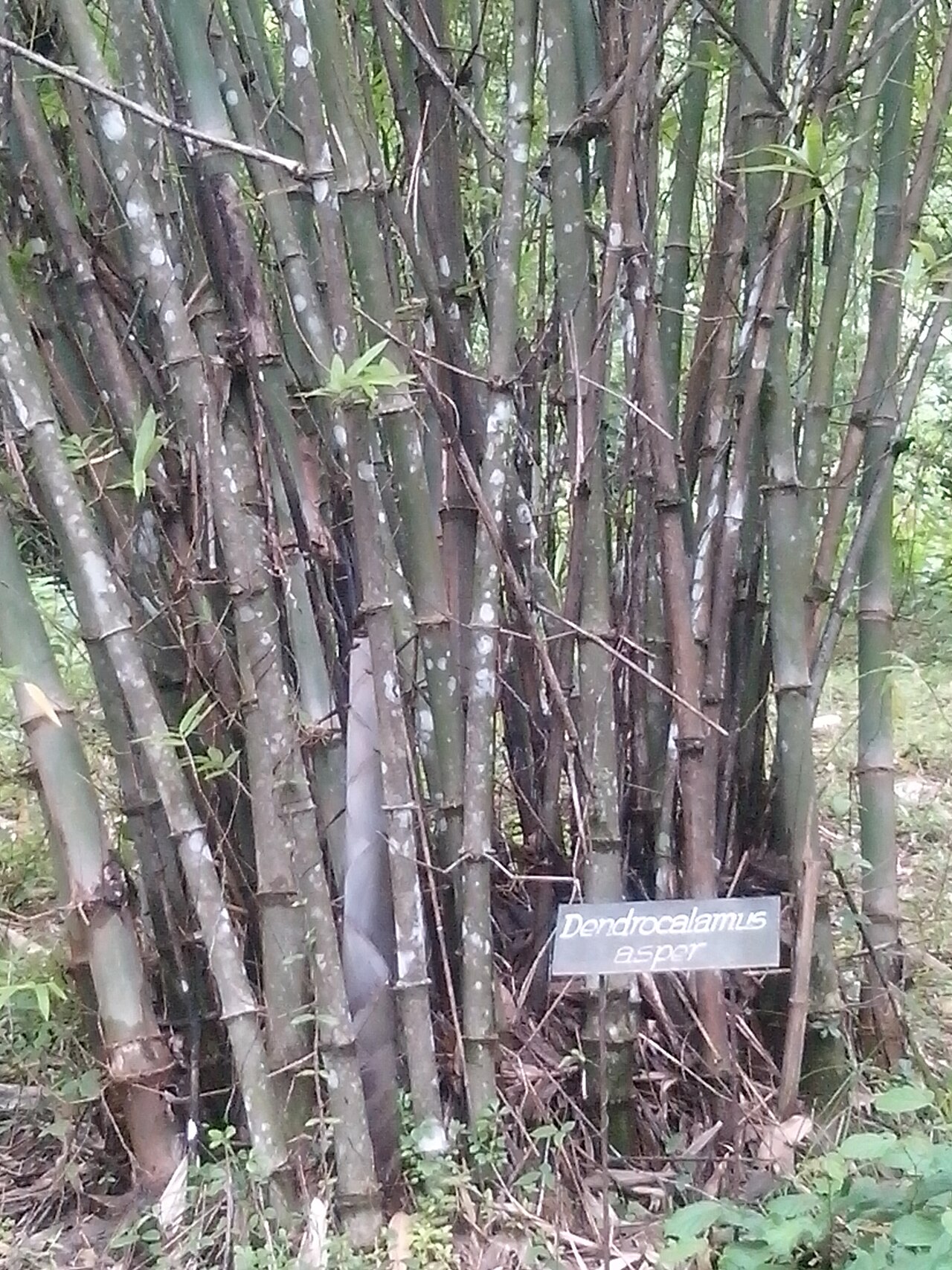
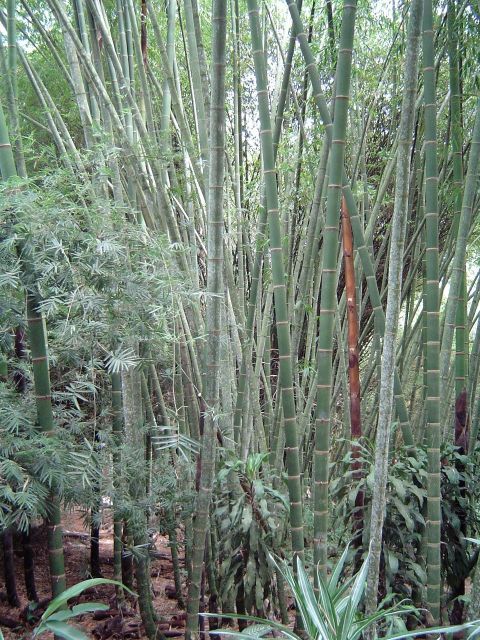
giant bamboo
Dendrocalamus asper
Secondary I Emergent Mulch biomassOne of the most economically important giant bamboos, a clumping species native to Southeast Asia, with culms 15–20 m tall and up to 20 cm in diame...
-
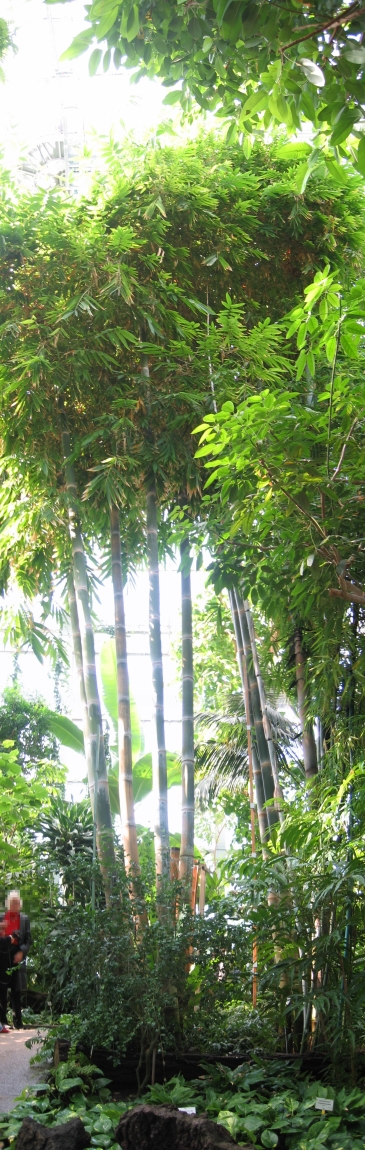
giant bamboo
Dendrocalamus giganteus
Secondary I Emergent Mulch biomassOne of the largest bamboos in the world, a clumping species native to India, Myanmar, Thailand and southern China, with culms commonly reaching 30 ...
-
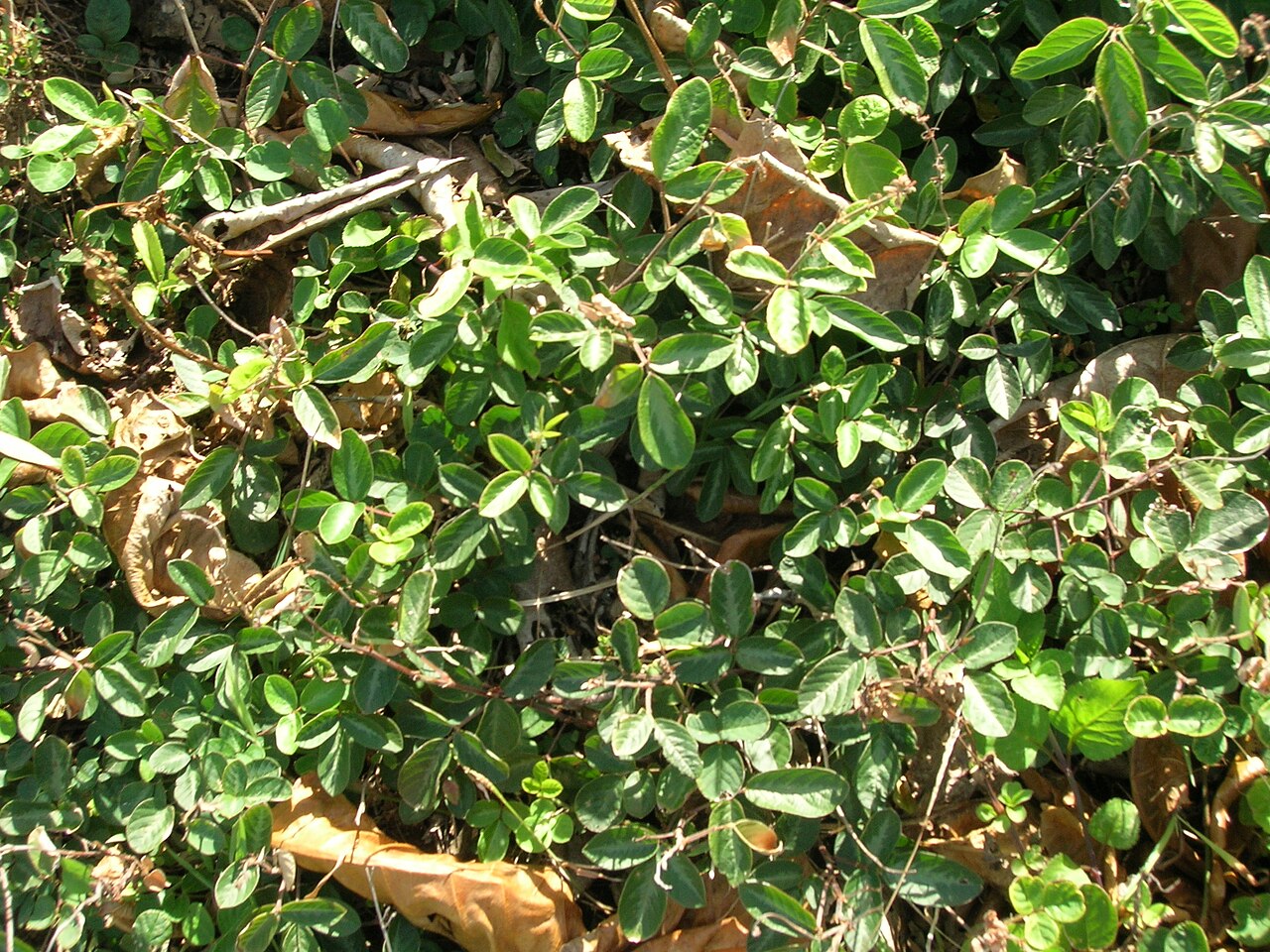
creeping beggarweed
Desmodium incanum
Placenta I Ground cover Fertilizer biomass 🌱 Nitrogen fixerA perennial creeping herbaceous legume native to tropical and subtropical America (including the grasslands of southern Brazil), with an aggressive...
-
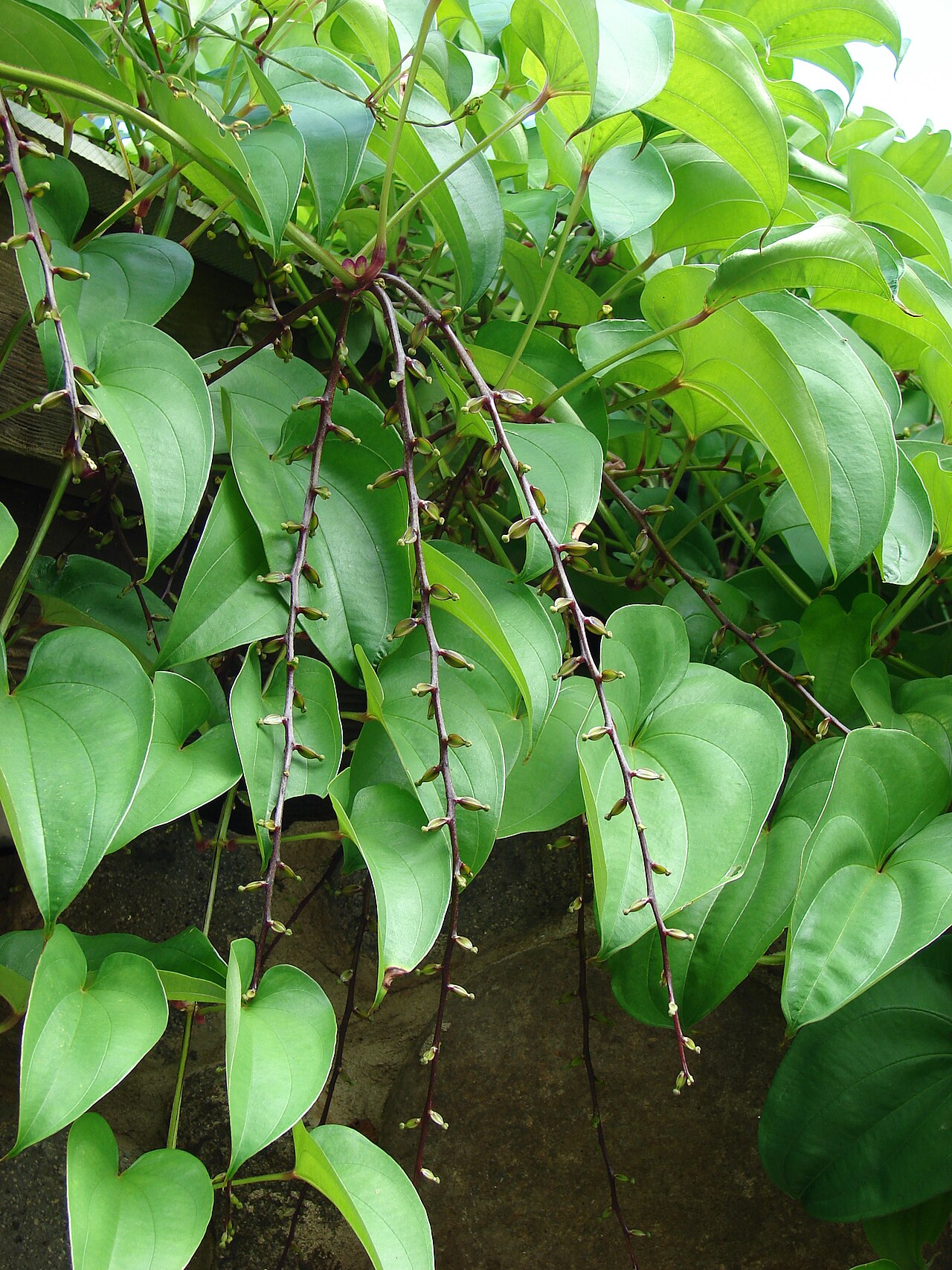
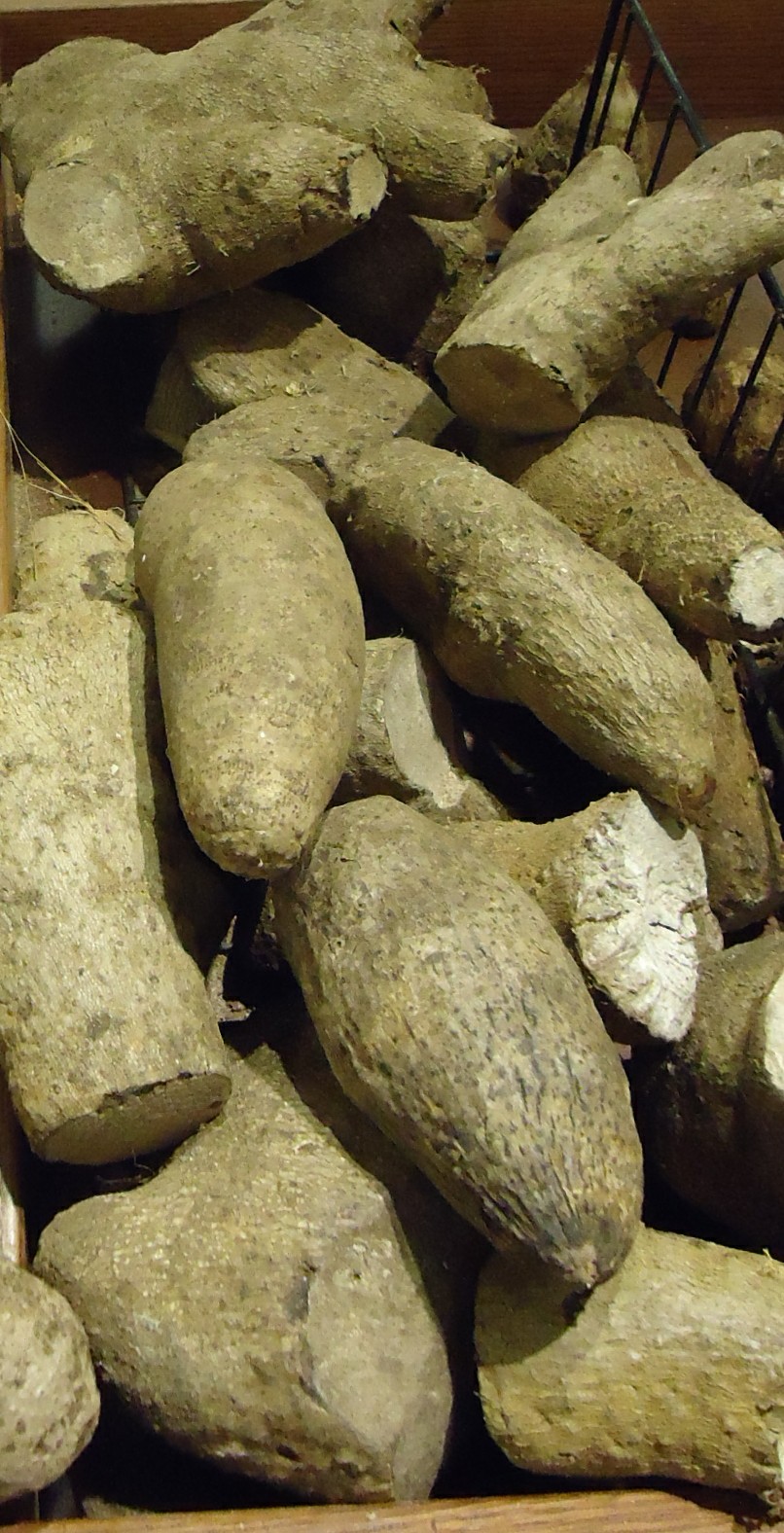
water yam
Dioscorea alata
Placenta II Low Fertilizer biomassAsian-origin yam naturalized throughout tropical Brazil. Vigorous vine with winged stems, large tubers (up to 5 kg). More productive than purple ya...
-
yellow yam
Dioscorea cayennensis
Placenta II Medium No biomass productionTuber-bearing climber cultivated in the medium stratum of syntropic systems. Pasini lists yam in the medium stratum of Tabela 3 and in the '1 to 3 ...
-
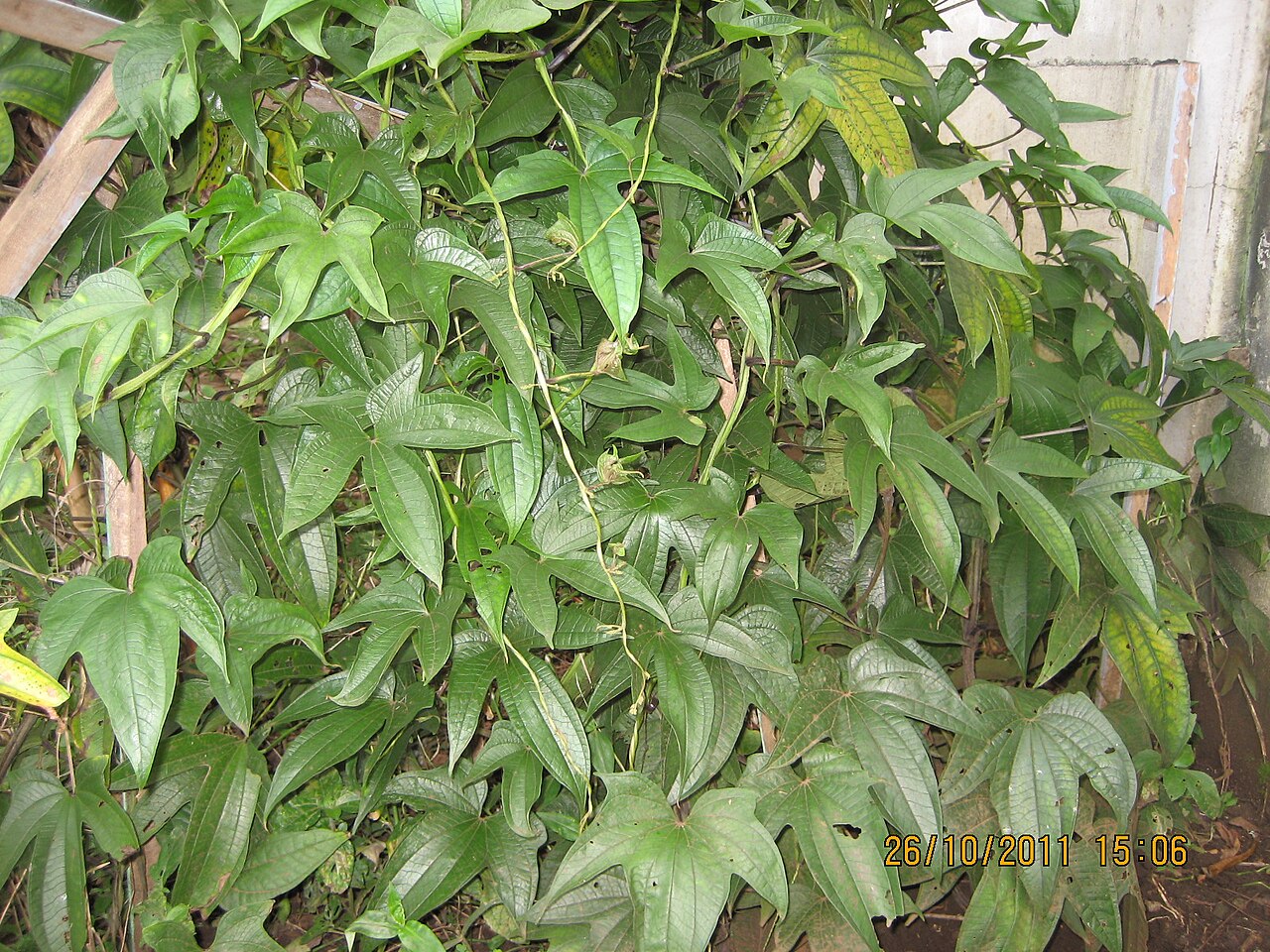
cush-cush yam
Dioscorea trifida
Placenta II Low Fertilizer biomassNative Amazonian yam, tuberous vine with purple-skinned tubers and colored flesh. Delicate flavor, prized in regional cuisine. Highly productive ev...
-
tonka bean
Dipteryx odorata
Climax Emergent Mulch biomass 🌱 Nitrogen fixerEmergent Amazonian tree (15–30 m), relative of baru (Dipteryx alata, already in canon but Cerrado). Seeds (beans) with intense vanilla-coumarin aro...
-
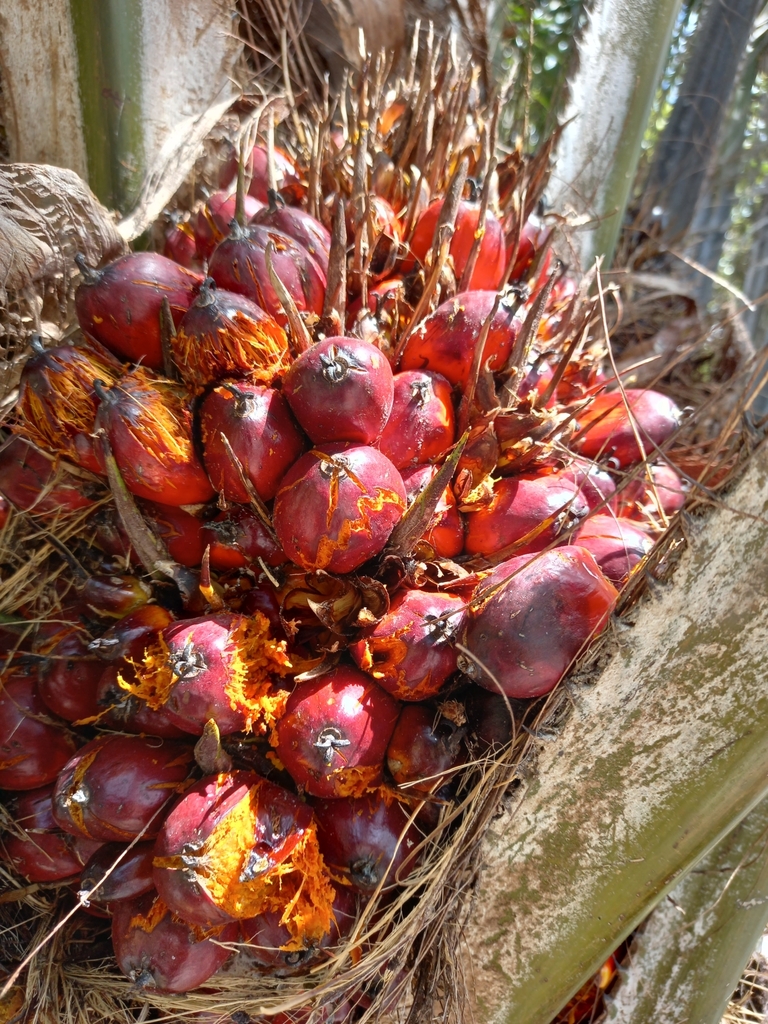
African oil palm
Elaeis guineensis
Secondary II Emergent No biomass productionAfrican palm cultivated mainly for oil (palm oil). Rebello & Sakamoto (2019) report Götsch testing oil palm in multi-strata silvopastoral systems a...
-
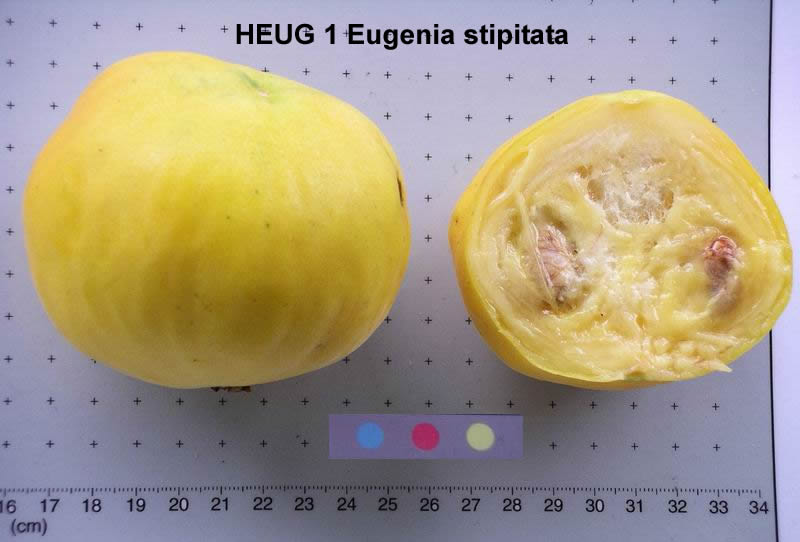
araza
Eugenia stipitata
Secondary II Medium No biomass productionAmazonian native fruit with very acidic, aromatic orange-yellow pulp (high vitamin C), excellent for juices, ice creams, and jams. EcoAgri lists it...
-
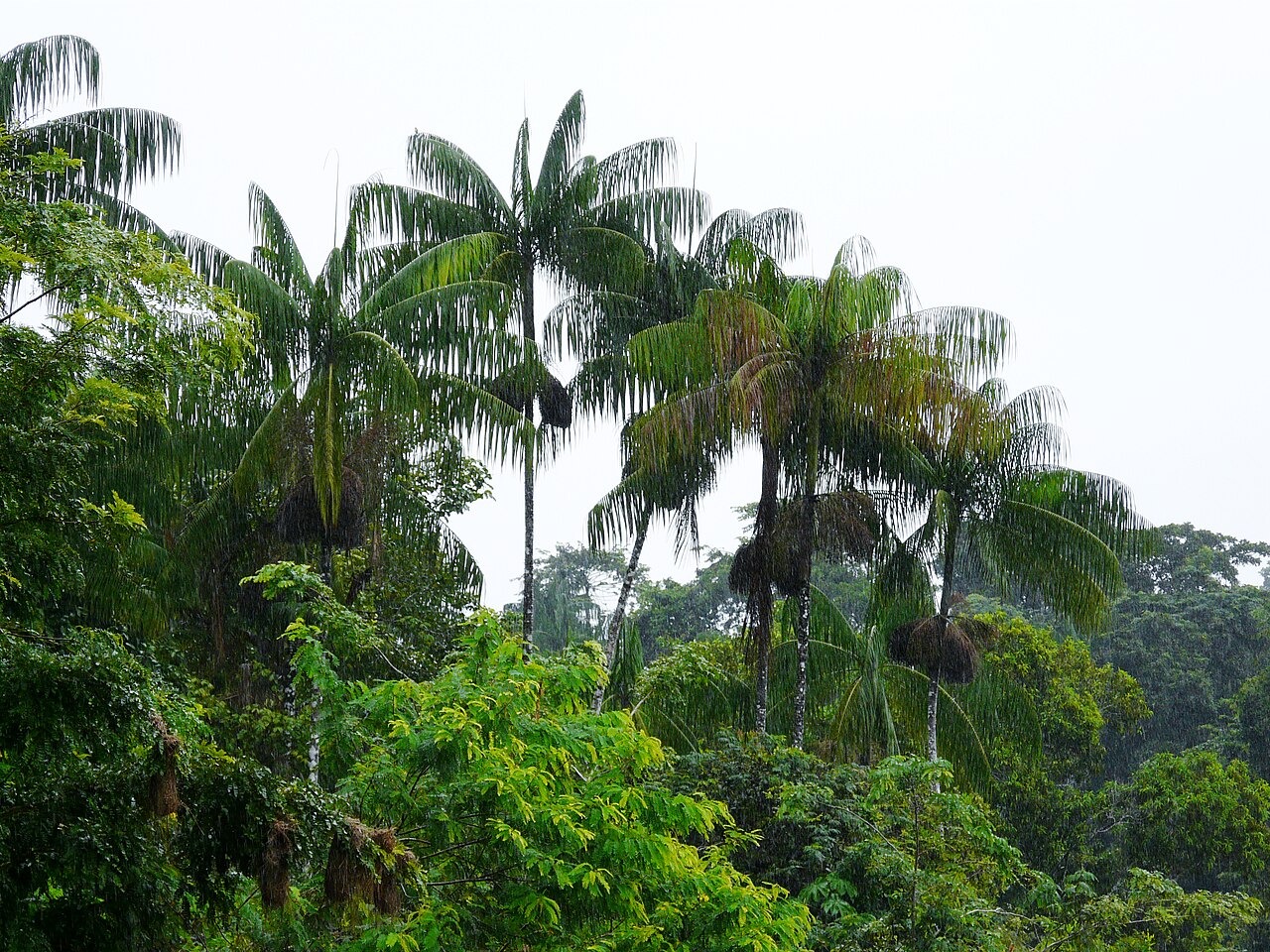
açaí palm
Euterpe oleracea
Secondary II High No biomass productionAmazonian native multi-stemmed palm. Pasini lists it in the high stratum of Tabela 3 and cites it explicitly among Abundance-system species. Fruit ...
-
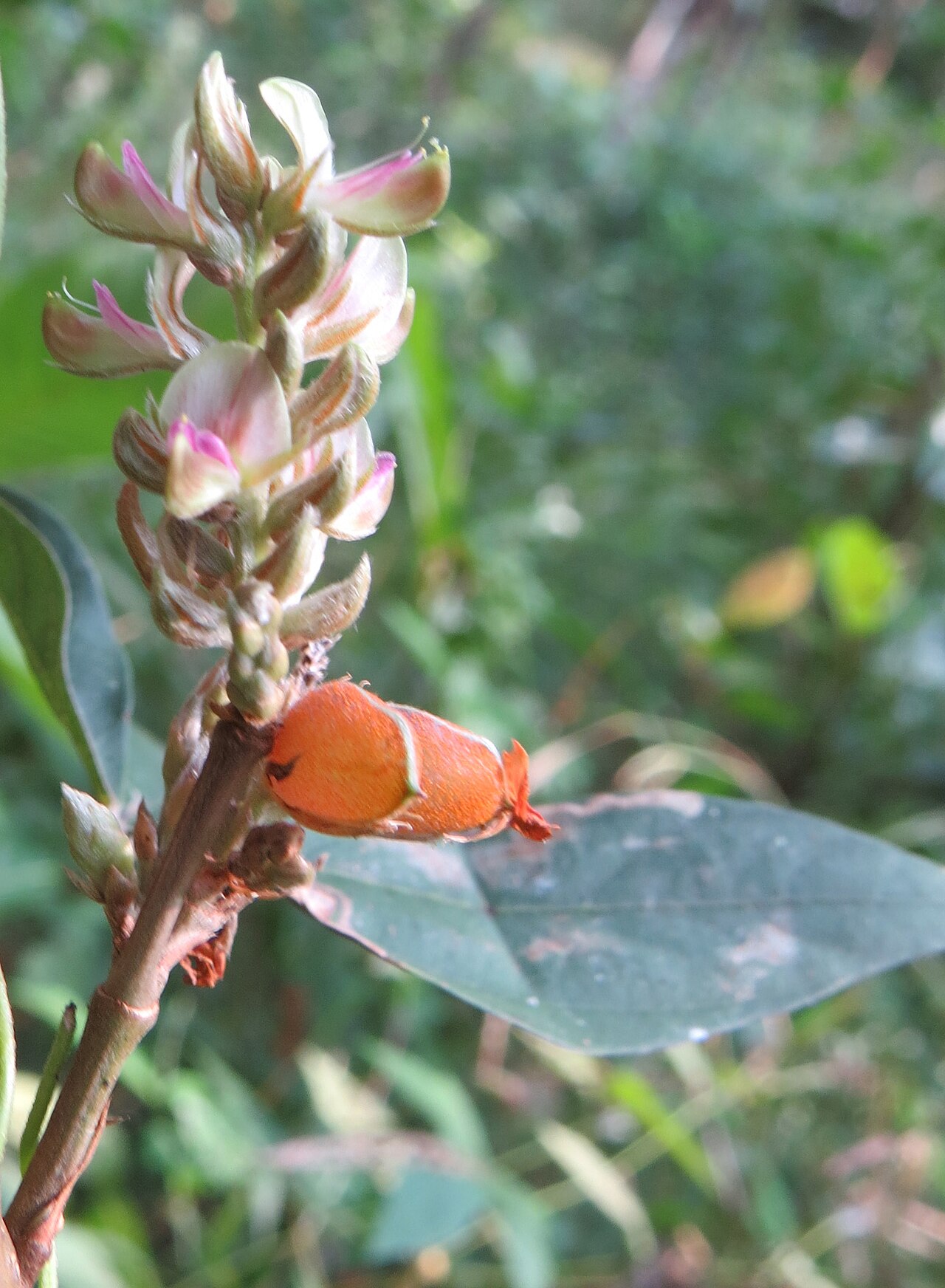
flemingia
Flemingia macrophylla
Placenta II Low Mulch biomass 🌱 Nitrogen fixerA perennial, woody, deep-rooted leguminous shrub up to 2.5 m tall, native to the humid tropics of Asia. It fixes nitrogen and is widely used in con...
-
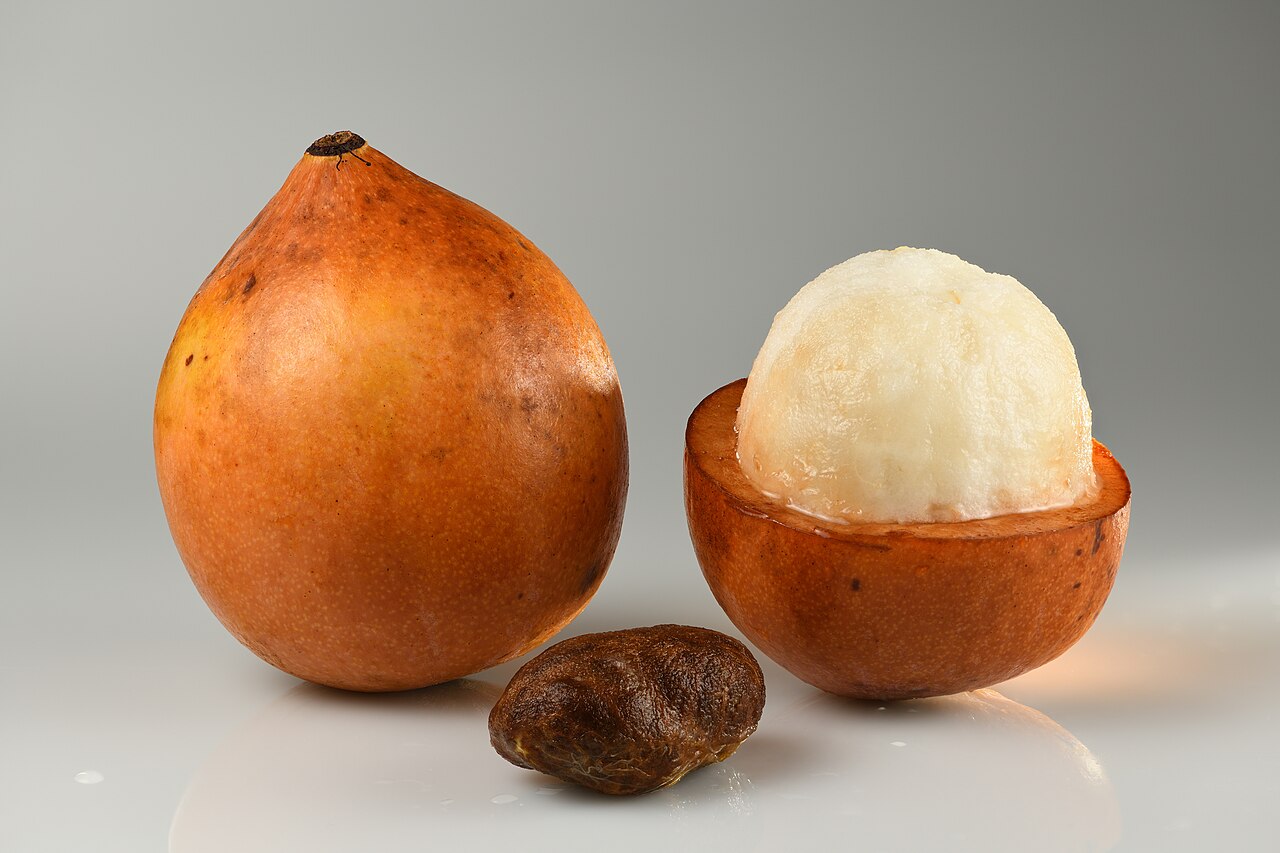
achacha
Garcinia humilis
Secondary II Medium No biomass productionAmazonian fruit tree of Bolivian origin, related to bacuri and mangosteen. Medium small tree (4–8 m), dense columnar canopy, glossy leaves. Orange ...
-
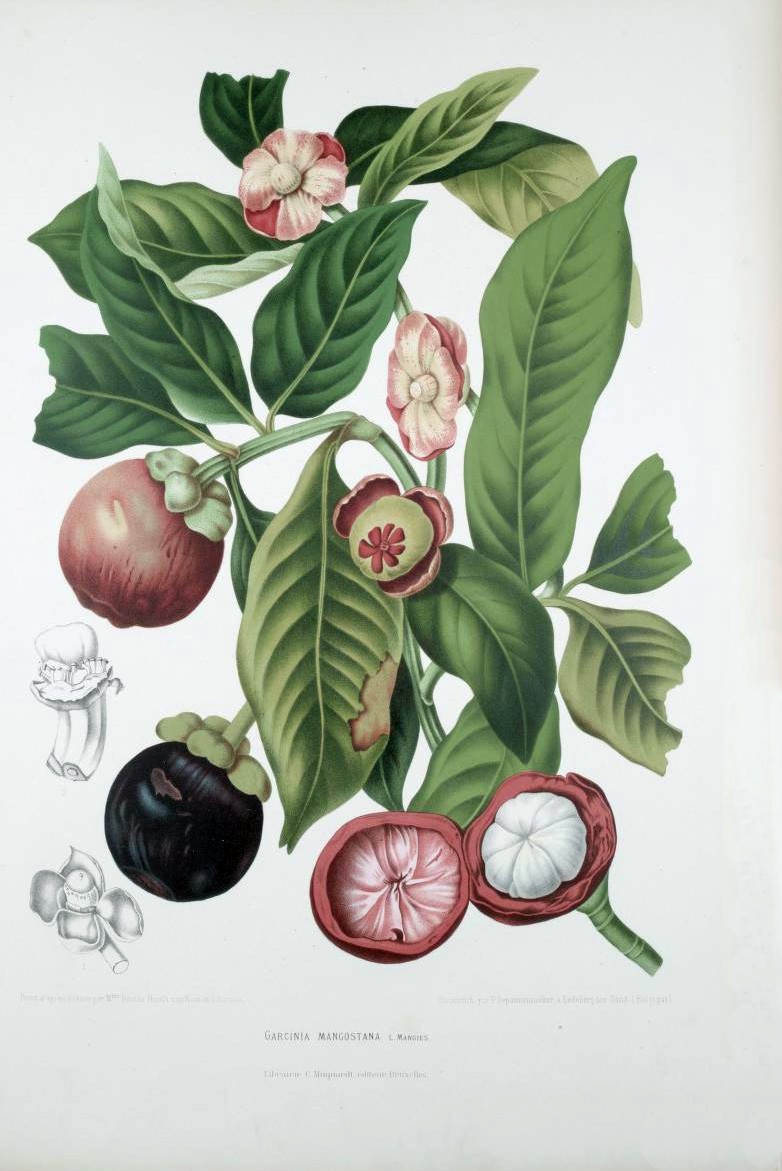
mangosteen
Garcinia mangostana
Secondary II Medium No biomass productionAsian tropical fruit introduced to Brazil, known as the 'queen of fruits' for the flavor of its white pulp. Pasini lists it in the medium stratum o...
-
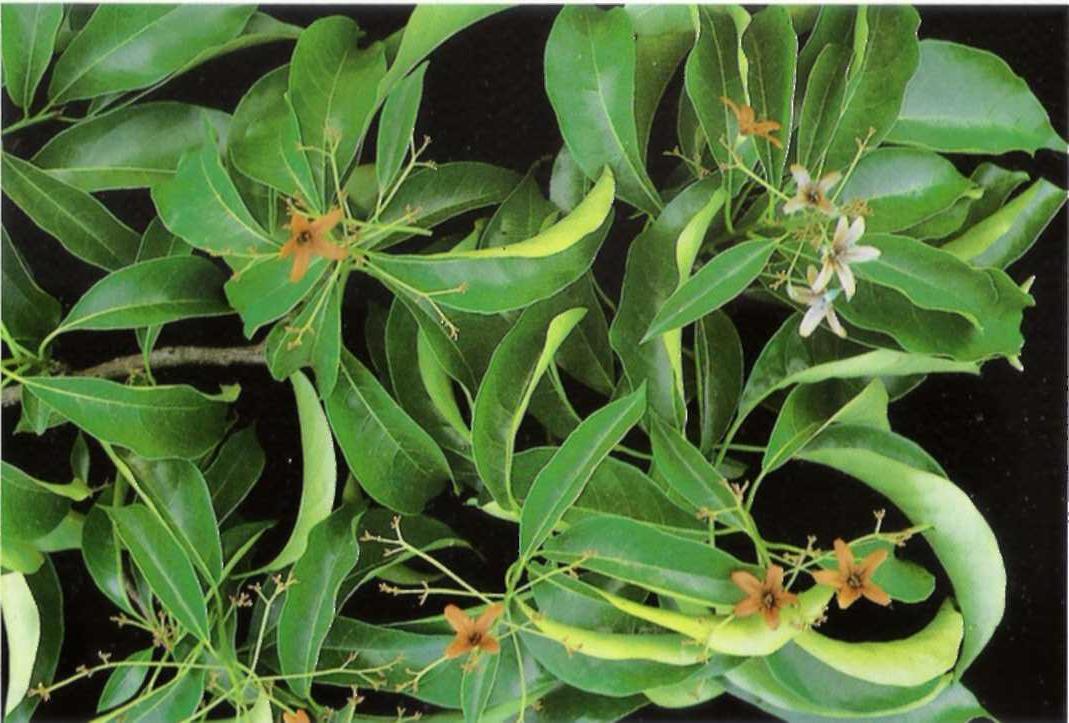
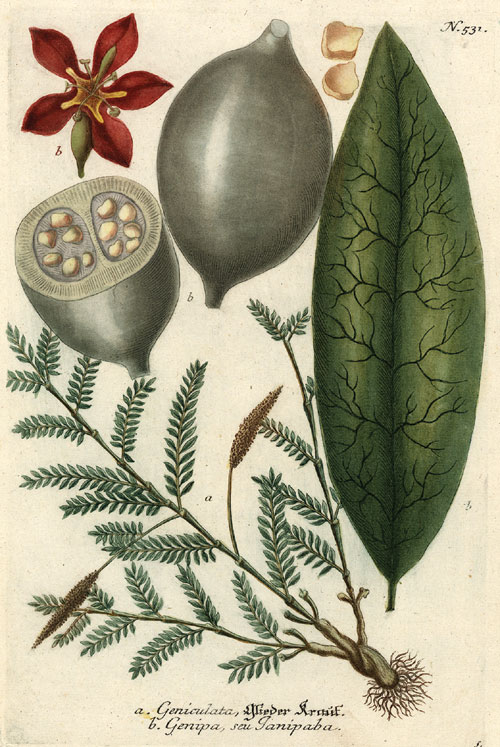
genipa
Genipa americana
Climax High No biomass productionPan-Brazilian native fruit (Cerrado, MA, Amazonia, Pantanal). EcoAgri lists it in the high stratum of the '> 50 years' bin. Edible fruit and source...
-
guadua
Guadua angustifolia
Secondary I Emergent Mulch biomassA woody clumping bamboo native to Central and South America, regarded as the finest structural bamboo of the Americas. It forms straight, strong cu...
-
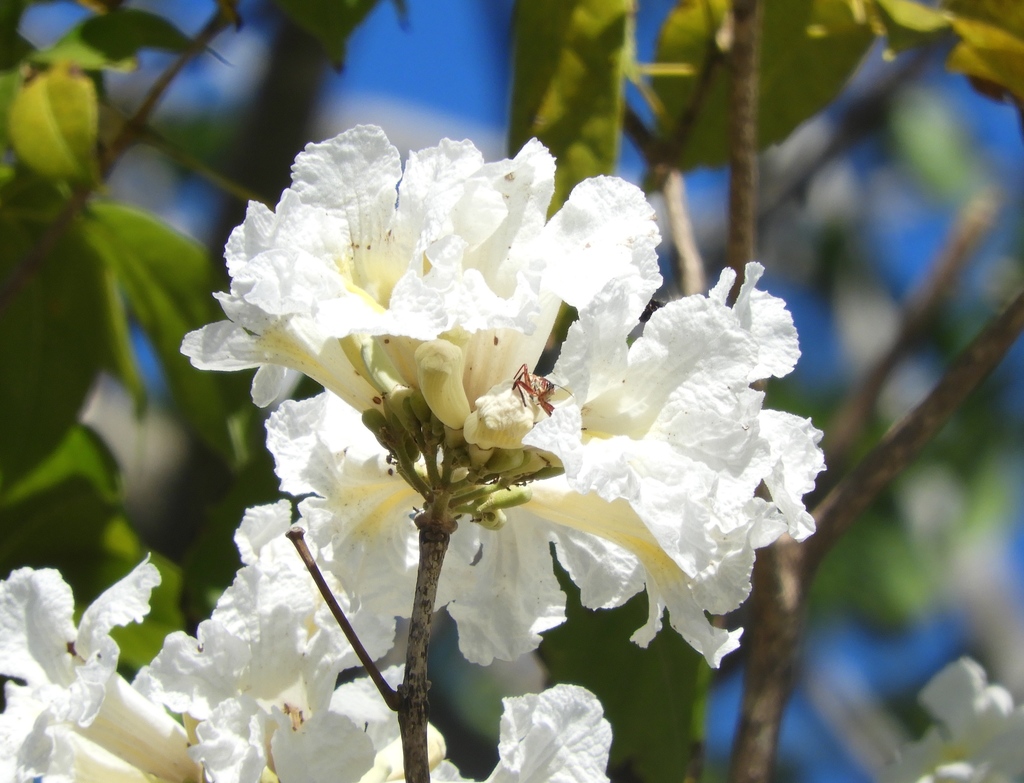
pink lapacho
Handroanthus impetiginosus
Climax Emergent Mulch biomassEmergent tree native to Cerrado, Atlantic Forest, Caatinga, Amazon, and Pantanal. Reaches 20–35 m in the wild, 8–12 m in cultivation. Vivid magenta...
-
rubber tree
Hevea brasiliensis
Secondary II High Mulch biomassAmazonian latex (natural rubber) tree. Pasini lists it in the high stratum of Tabela 3 and cites it explicitly among the 40-year phase species of t...
-
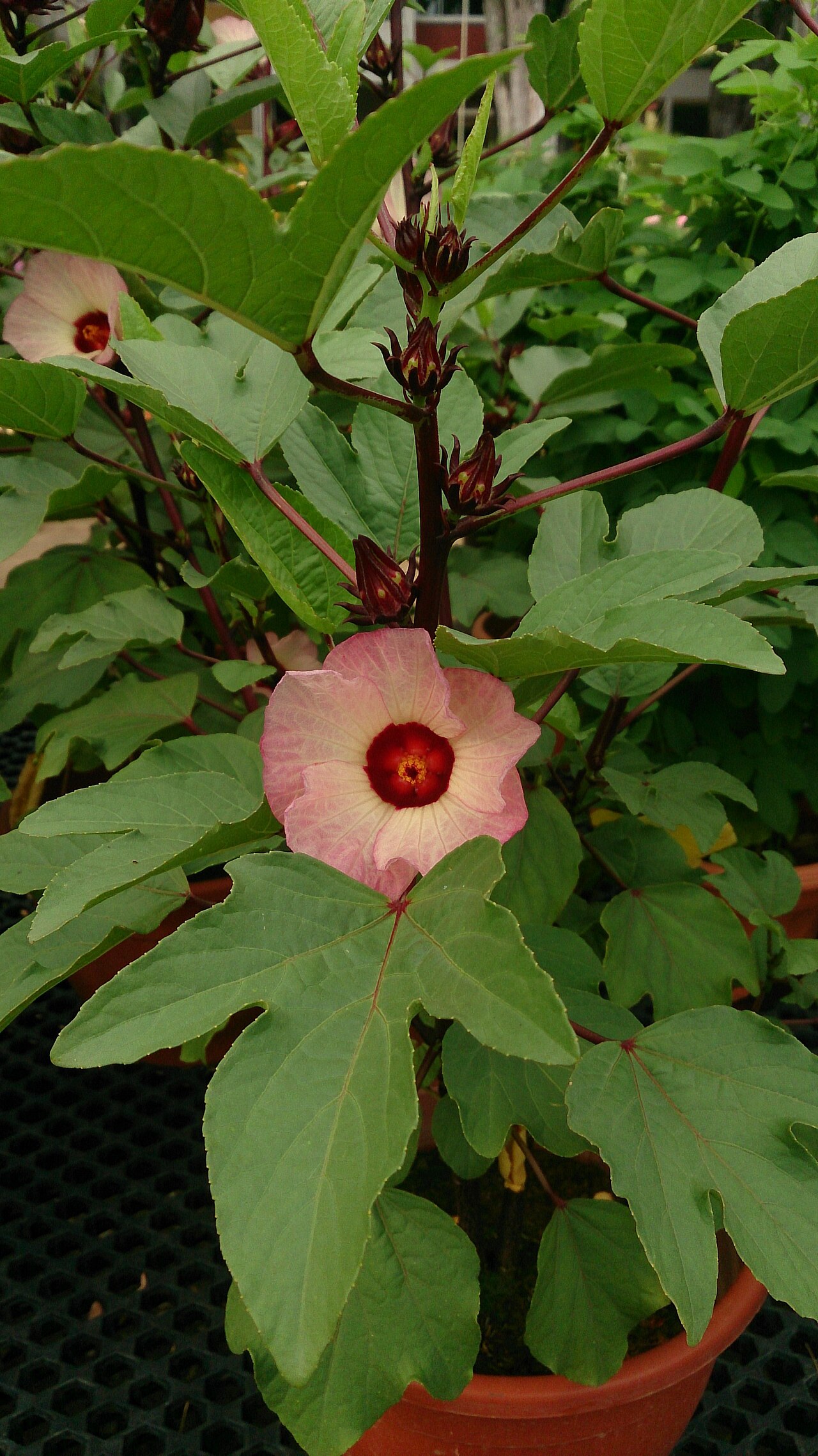
roselle
Hibiscus sabdariffa
Placenta II Medium Mulch biomassAn annual or short-lived subshrub in the Malvaceae, native to Africa and cultivated throughout the tropics. The fleshy red calyces are used to make...
-
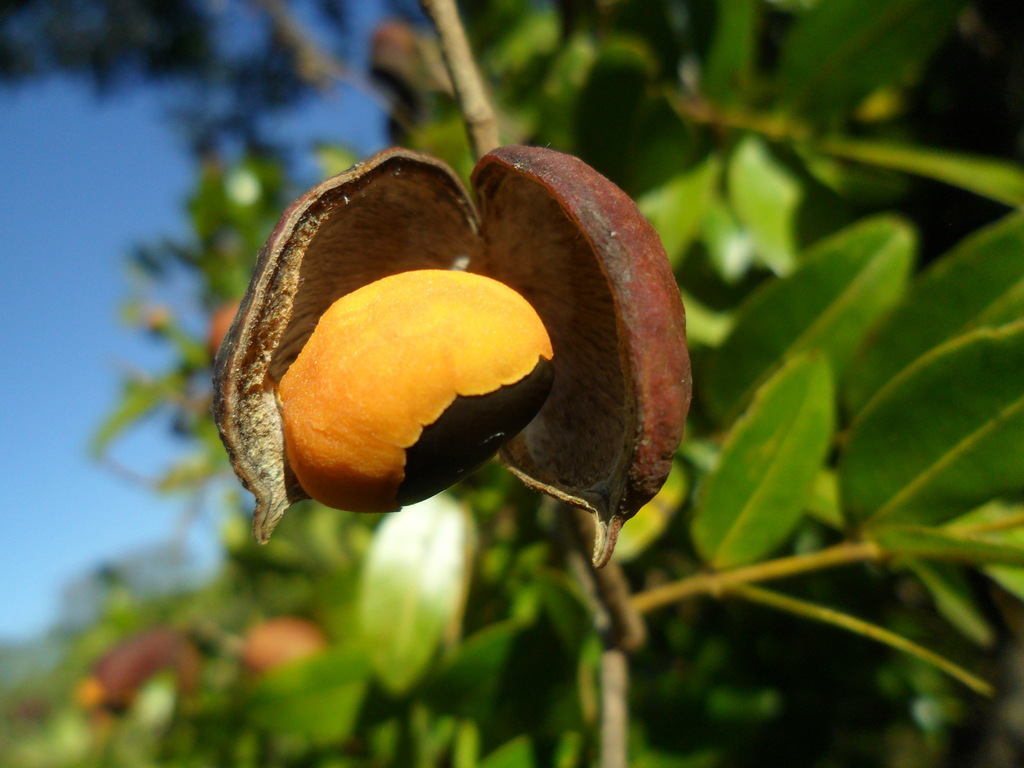
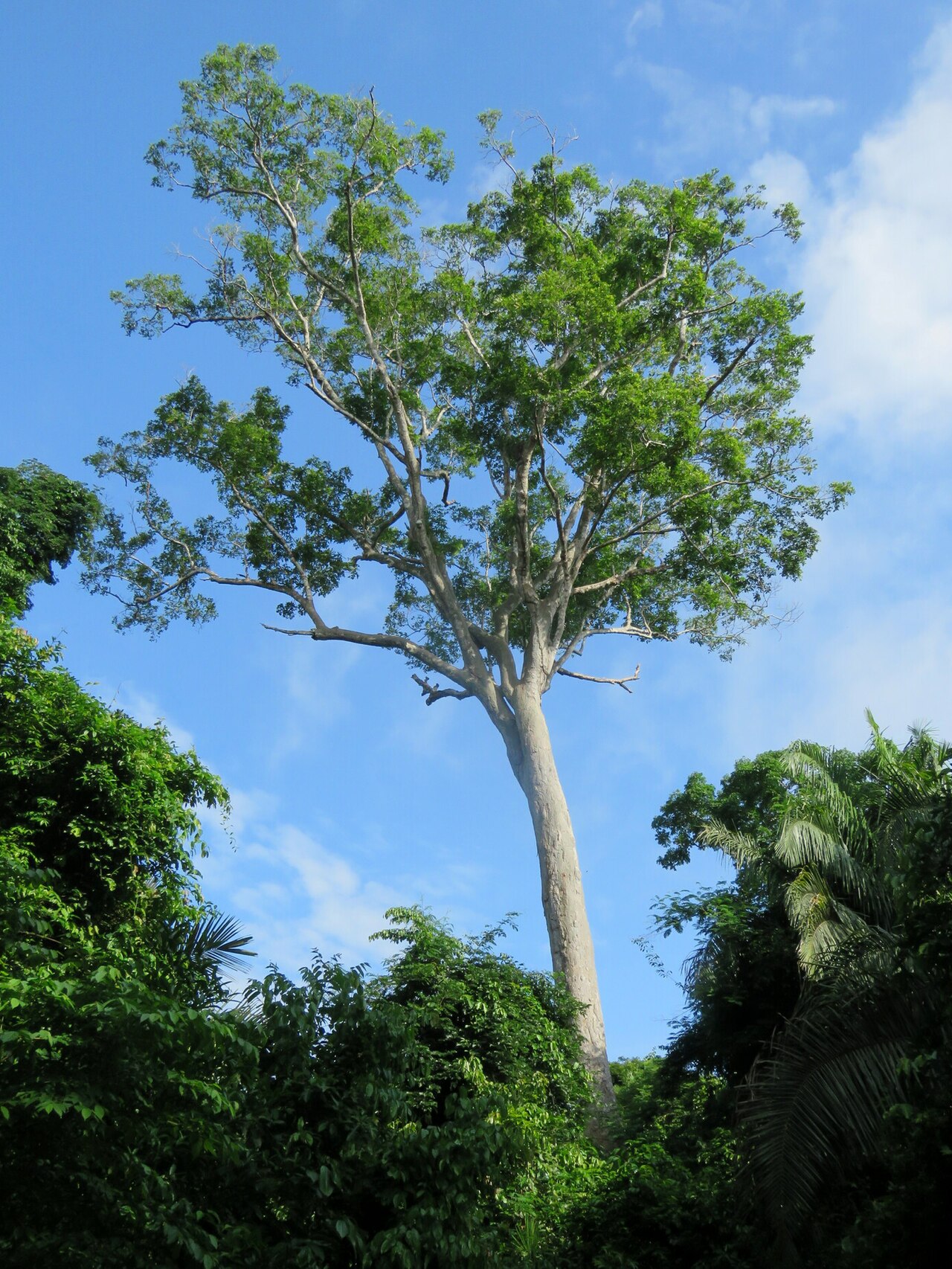
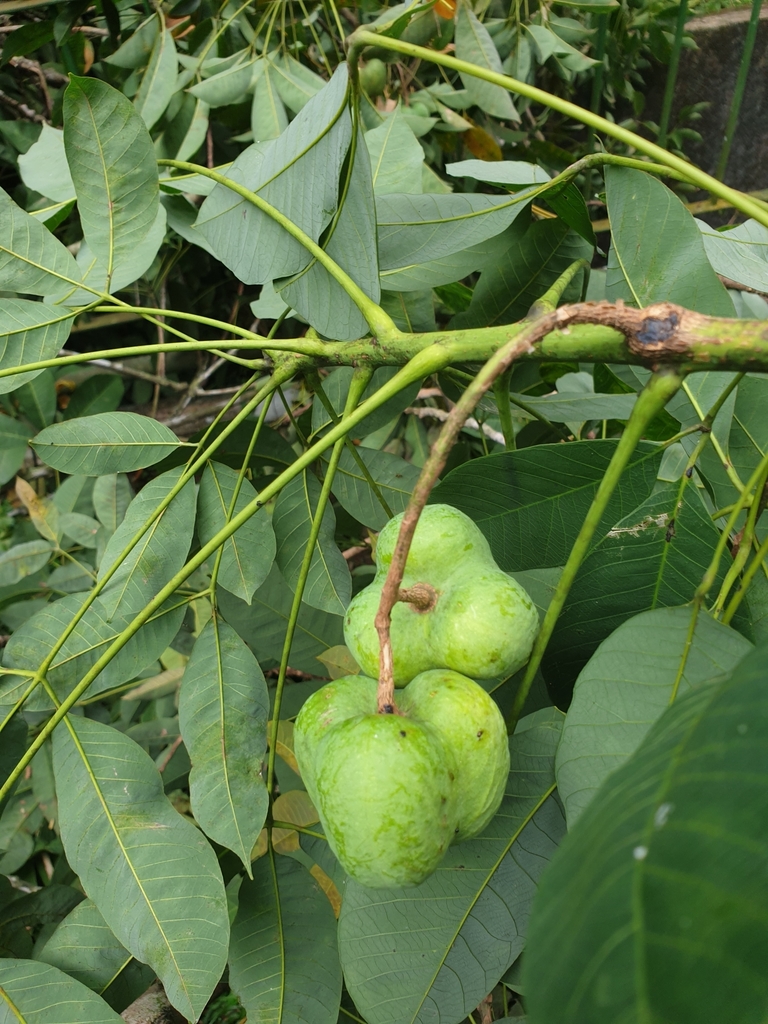
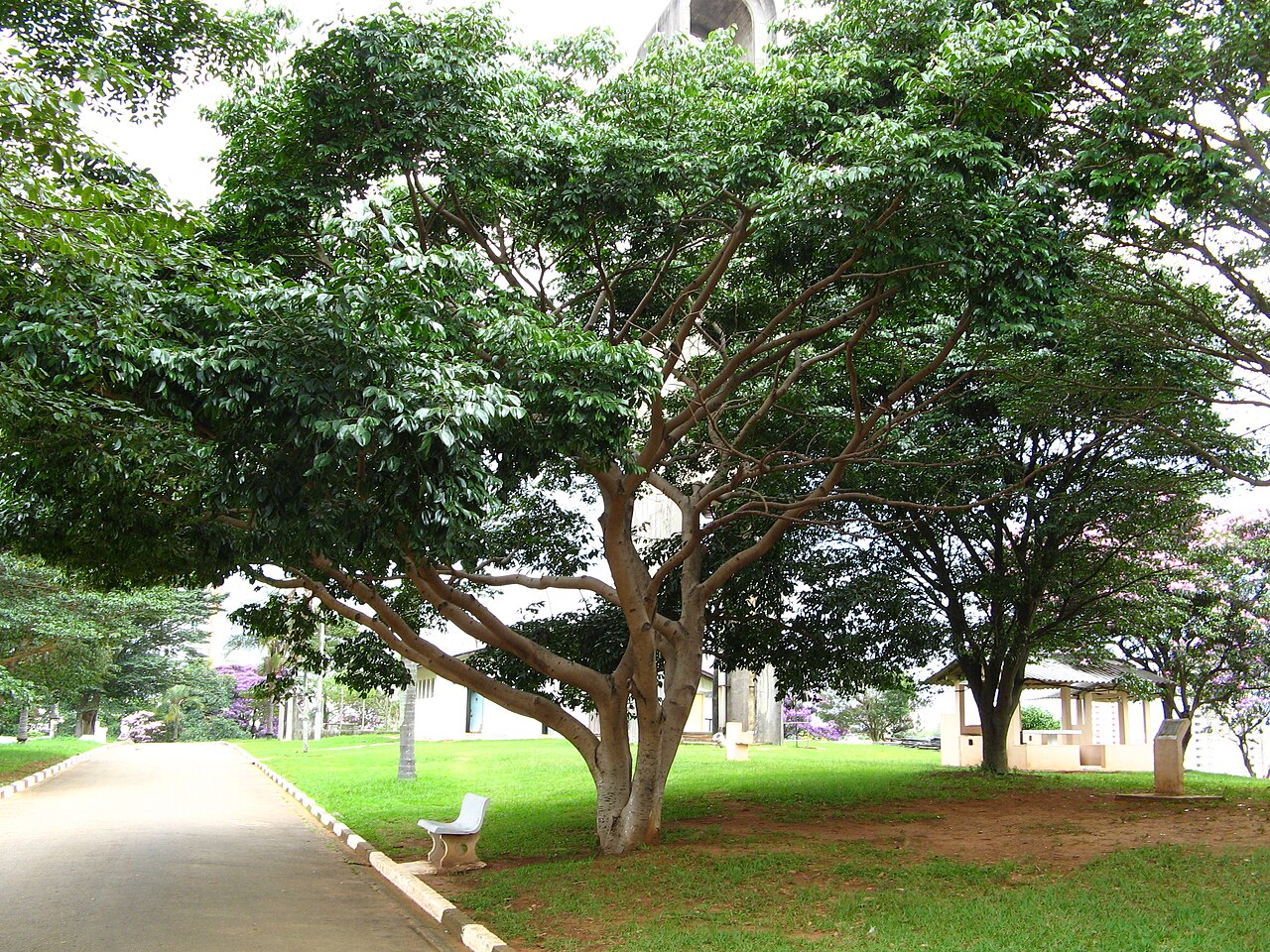
jatoba
Hymenaea courbaril
Climax Emergent Mulch biomassTropical climax with extremely dense timber; fruit pulp is edible. Common in syntropic abundance systems.
❓ Frequently asked questions
What is the Tropical monsoon (Am) climate?
Hot year-round, with a short drier season offset by high annual rainfall. Common in parts of the eastern Amazon and the humid northeastern coast.
Which plants does the catalog suggest for the Tropical monsoon (Am) climate?
The catalog holds 141 species, among them taro, diesel tree, freijo. Each profile shows stratum, succession stage, and the management data, with sources cited.