
Function
Aromatic — species for syntropic systems
Aromatics season the kitchen and work in the system: their oils confuse pests and their flowers draw pollinators. They do well on edges and access beds.
28 species in the catalog · Refine this list in the catalog
-
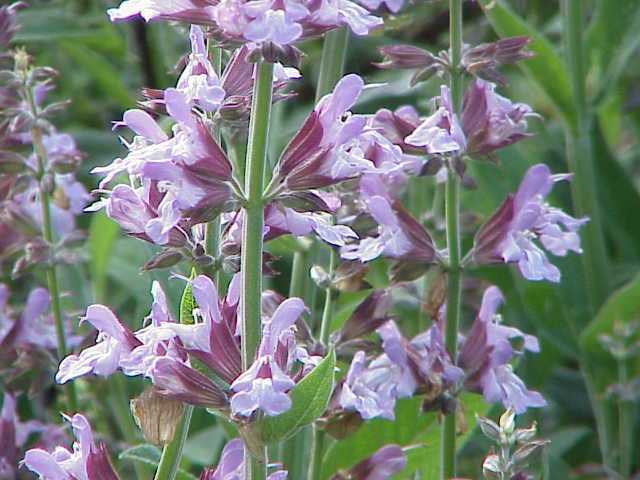
sage
Salvia officinalis
Placenta II Low No biomass productionPerennial Mediterranean subshrub (40–80 cm), grey-green aromatic leaves. Cold-hardy. In subtropical syntropic systems pairs well with rosemary and ...
-
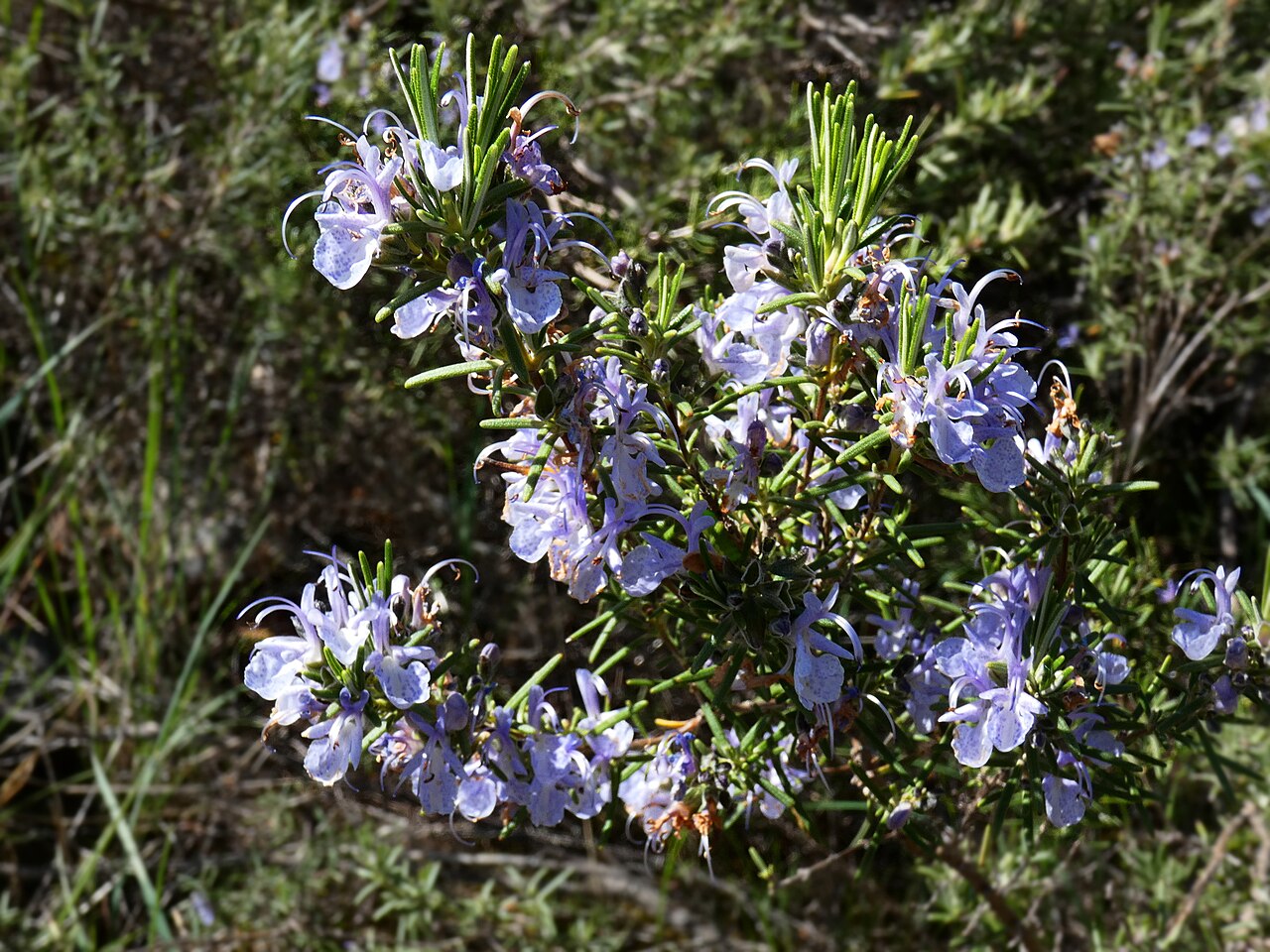
rosemary
Salvia rosmarinus
Placenta II Low No biomass productionPerennial Mediterranean shrub (0.8–1.5 m), aromatic, narrow resinous leaves. Extreme drought tolerance; prefers well-drained slightly alkaline soil...
-
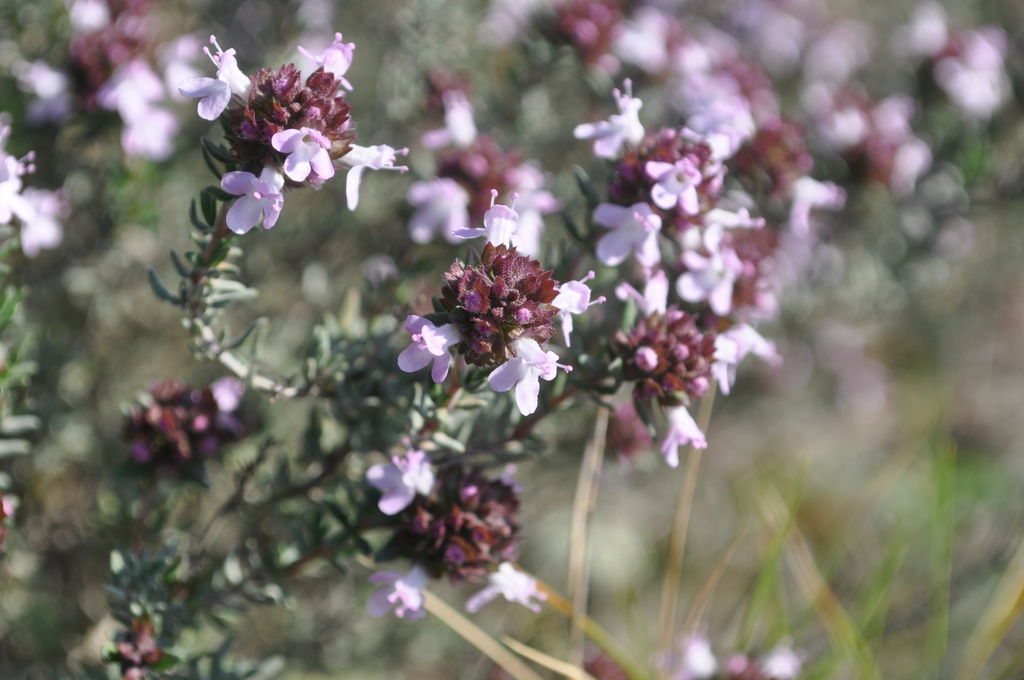
thyme
Thymus vulgaris
Placenta I Ground cover No biomass productionCreeping Mediterranean subshrub (15–30 cm), tiny leaves. Permanent ground cover in full sun on dry well-drained soil. Bee-attracting. Tolerates lig...
-
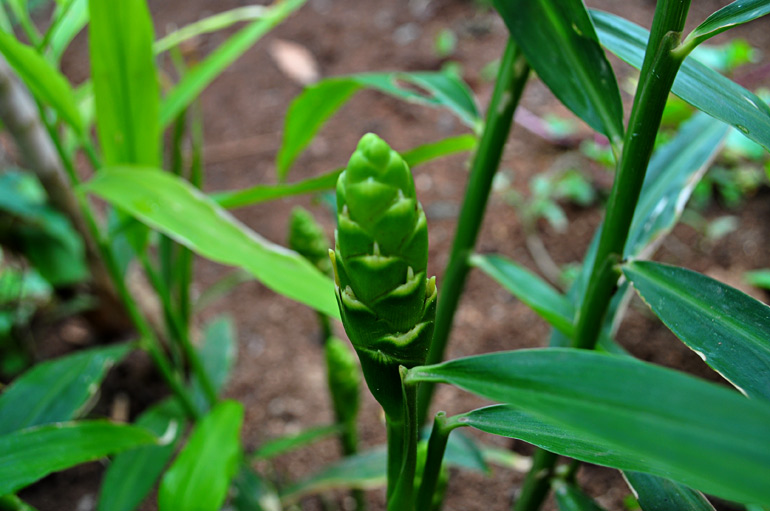
ginger
Zingiber officinale
Placenta I Low No biomass productionPerennial tropical aromatic rhizome. Pasini lists it in the low stratum of Tabela 3 and in the '1 to 3 years' phase of Tabela 4. Adapts well to the...
❓ Frequently asked questions
What does "Aromatic" mean in syntropic agriculture?
Species whose leaves, flowers, or fruits provide essential oils or culinary seasonings (basil, rosemary, lemongrass, cinnamon).
Which catalog species are tagged Aromatic?
The catalog holds 28 species, among them sage, rosemary, thyme. Each profile shows stratum, succession stage, and the management data, with sources cited.