Plants
oregano
Origanum vulgare L.
Family: Lamiaceae · Genus: Origanum
wild marjoram
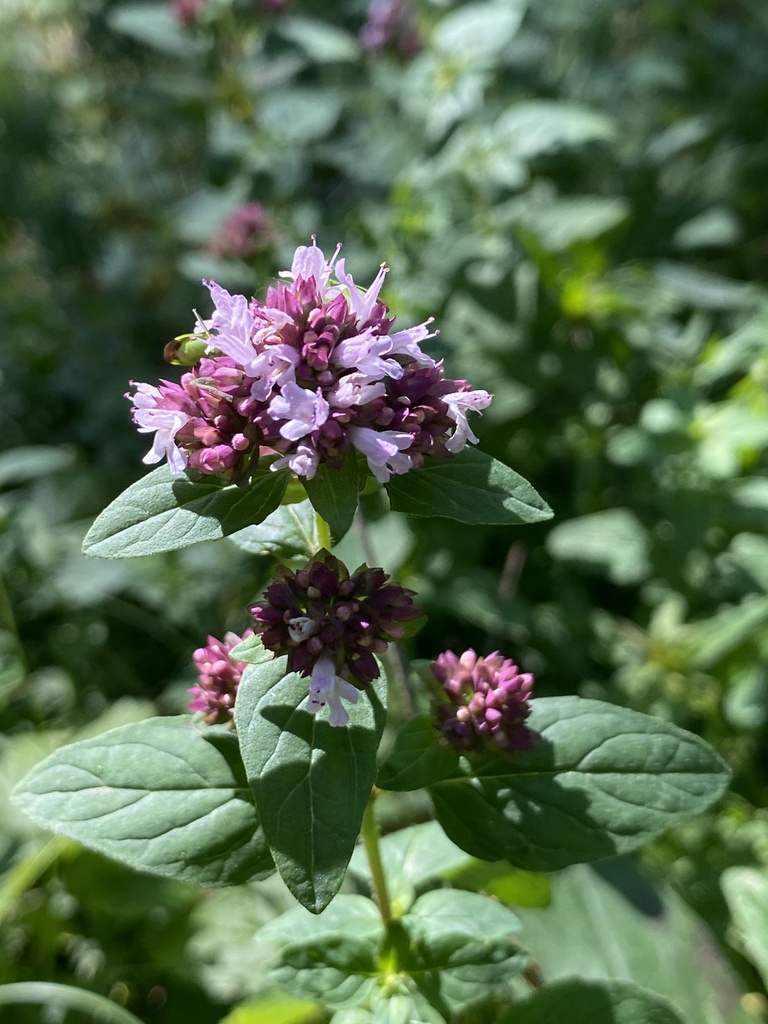
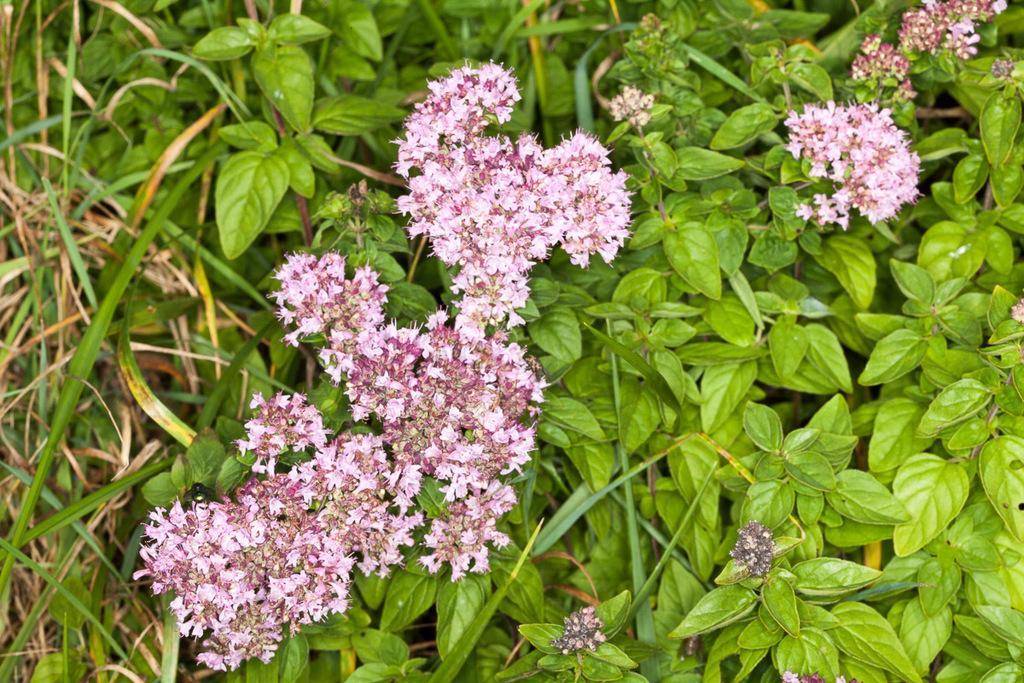
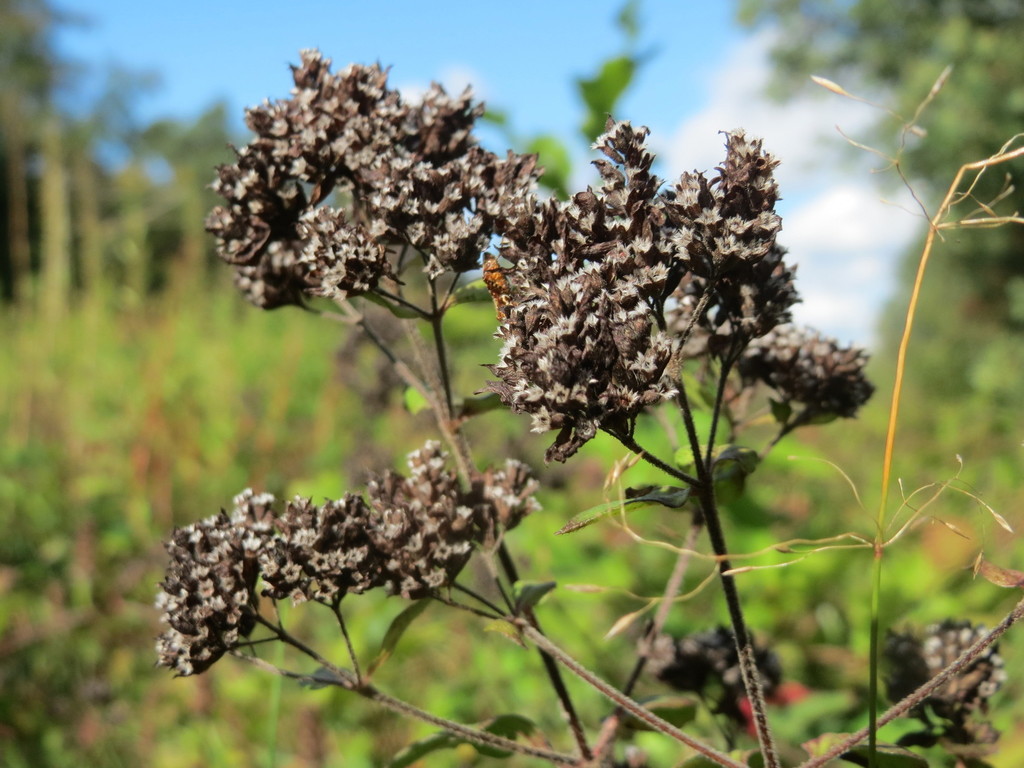
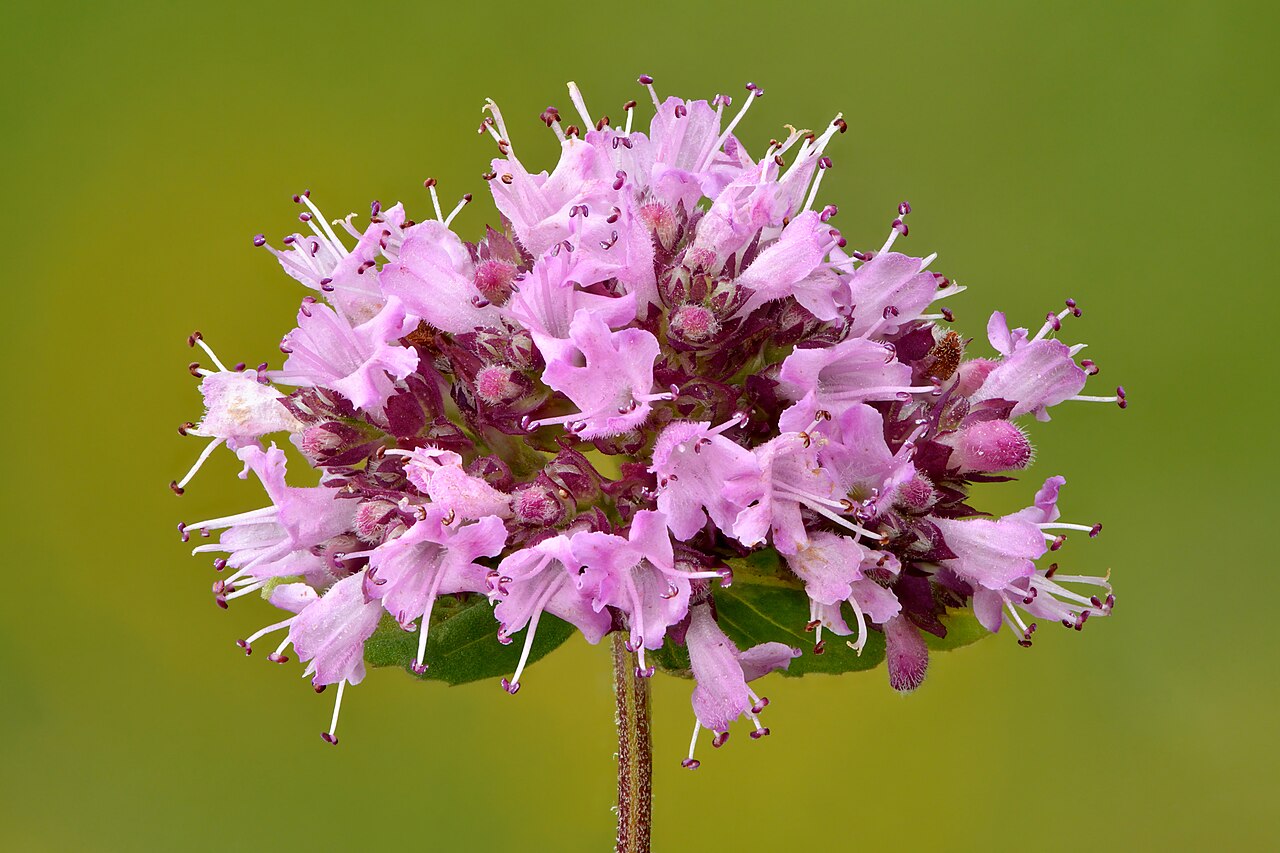
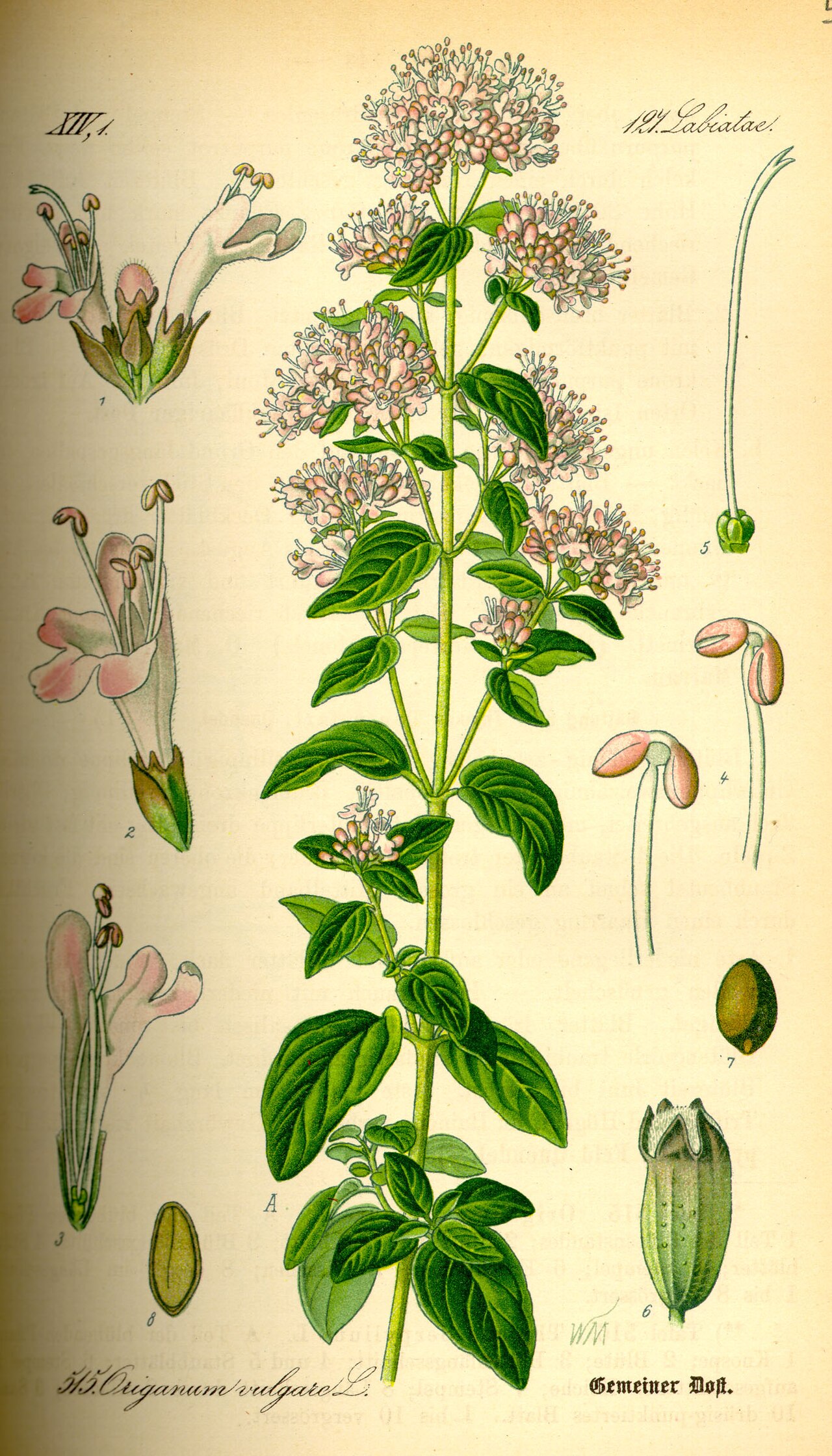
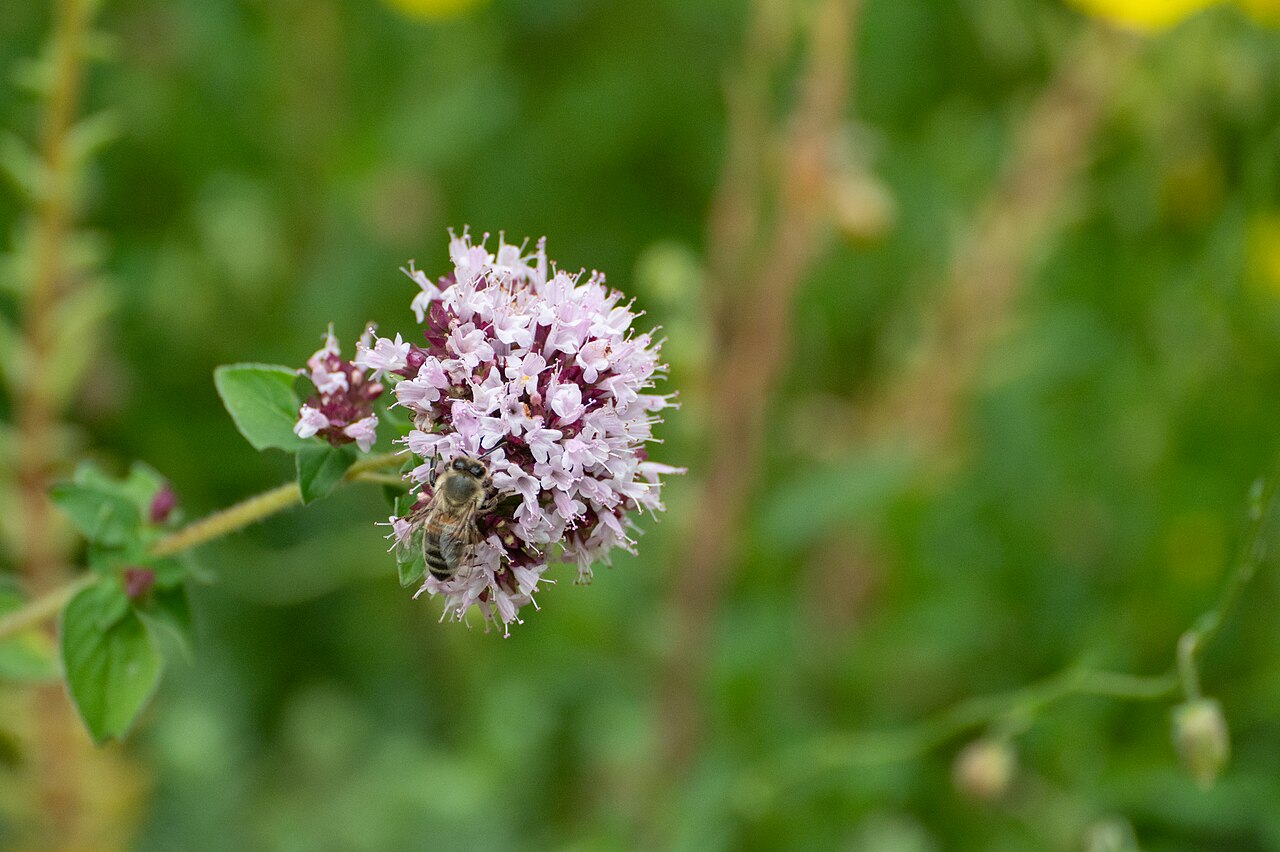
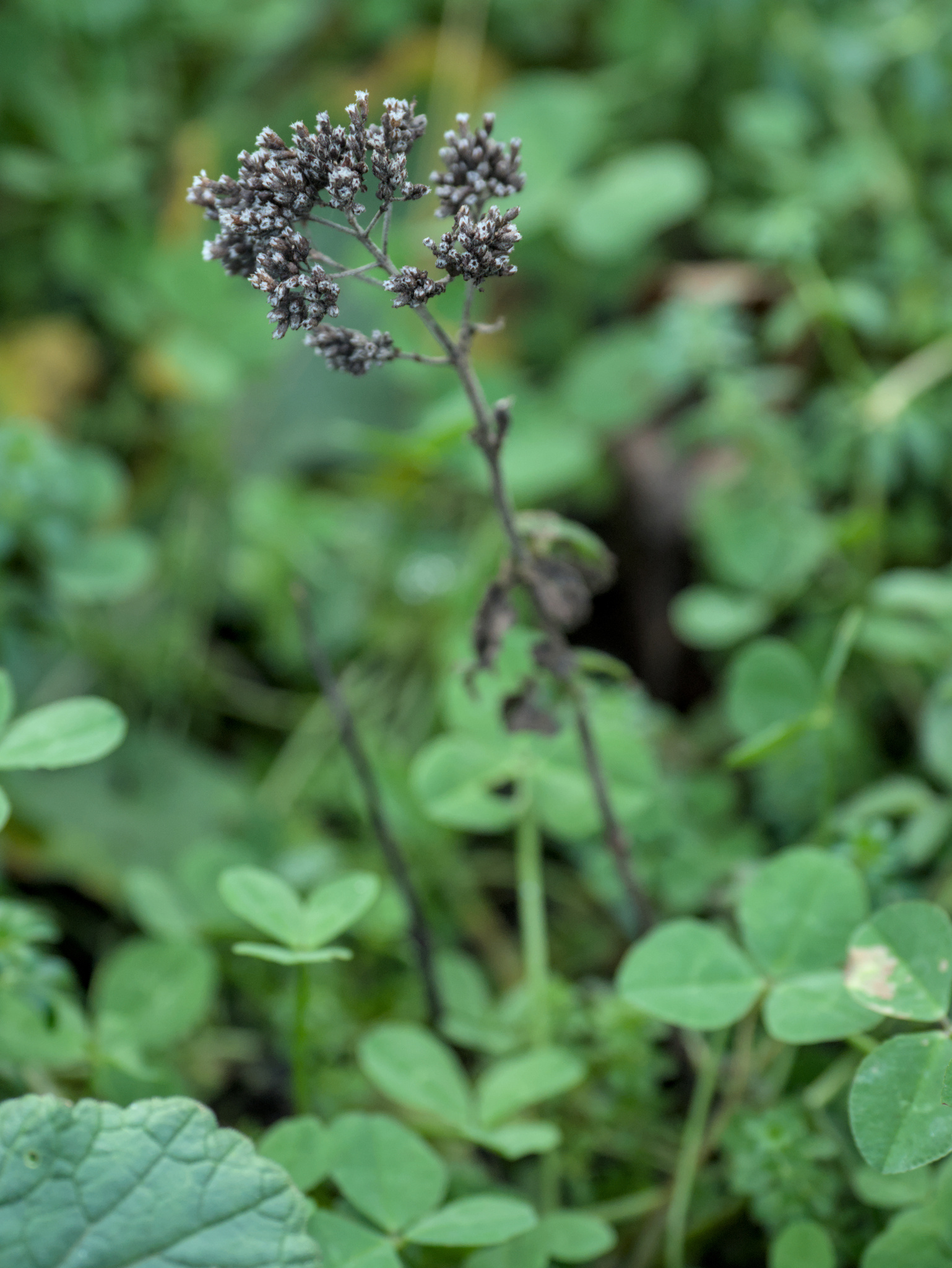
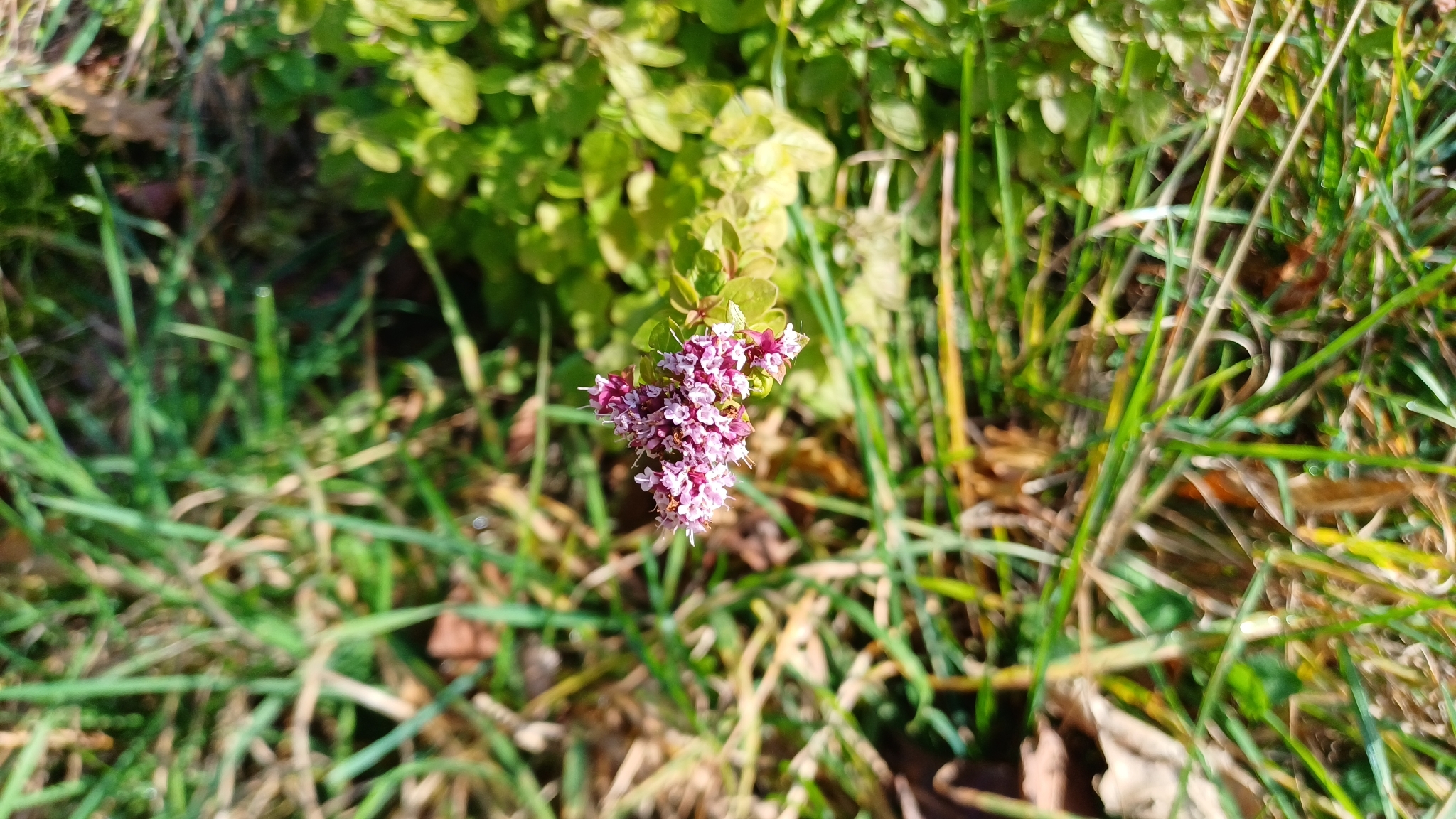
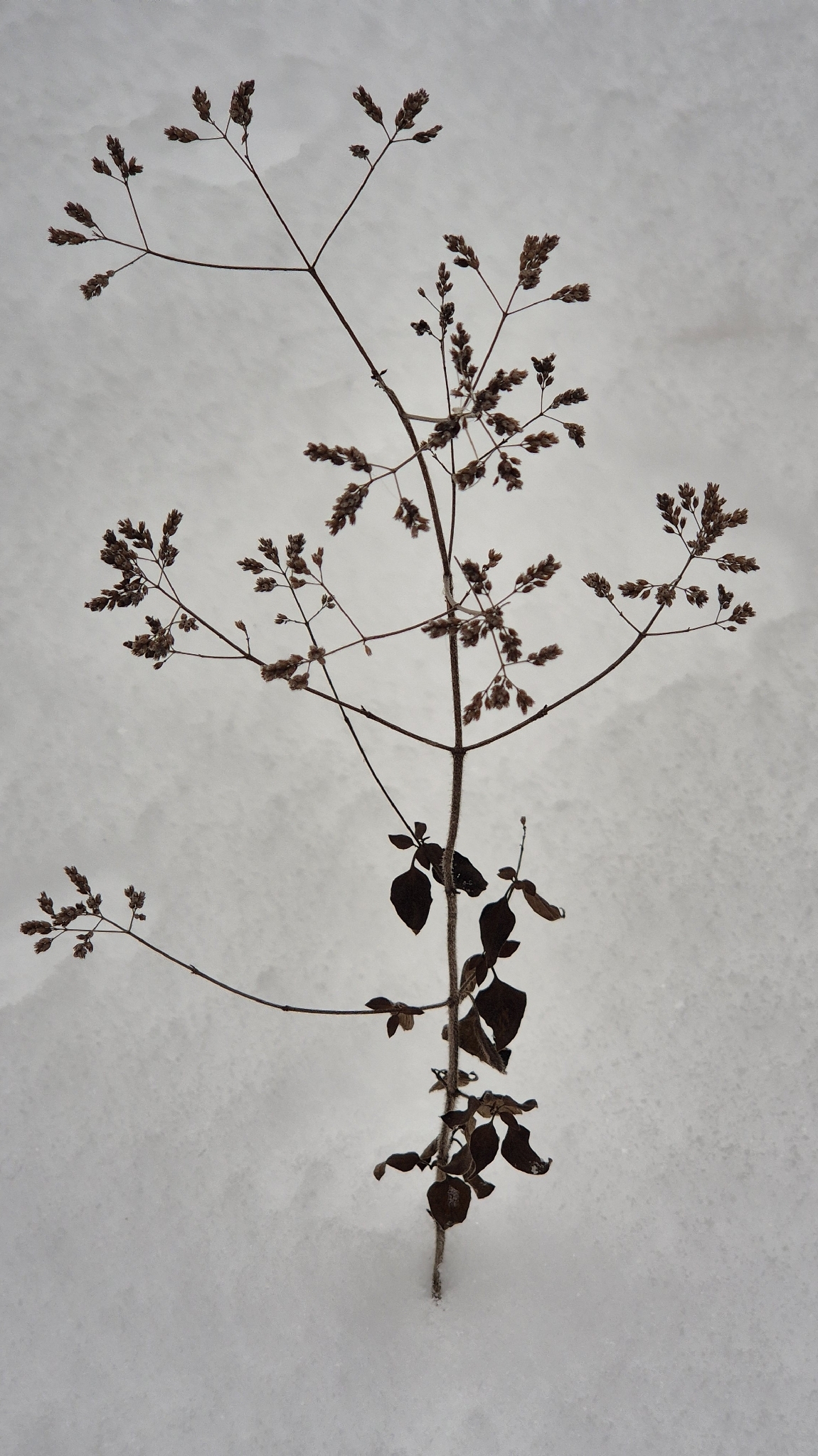
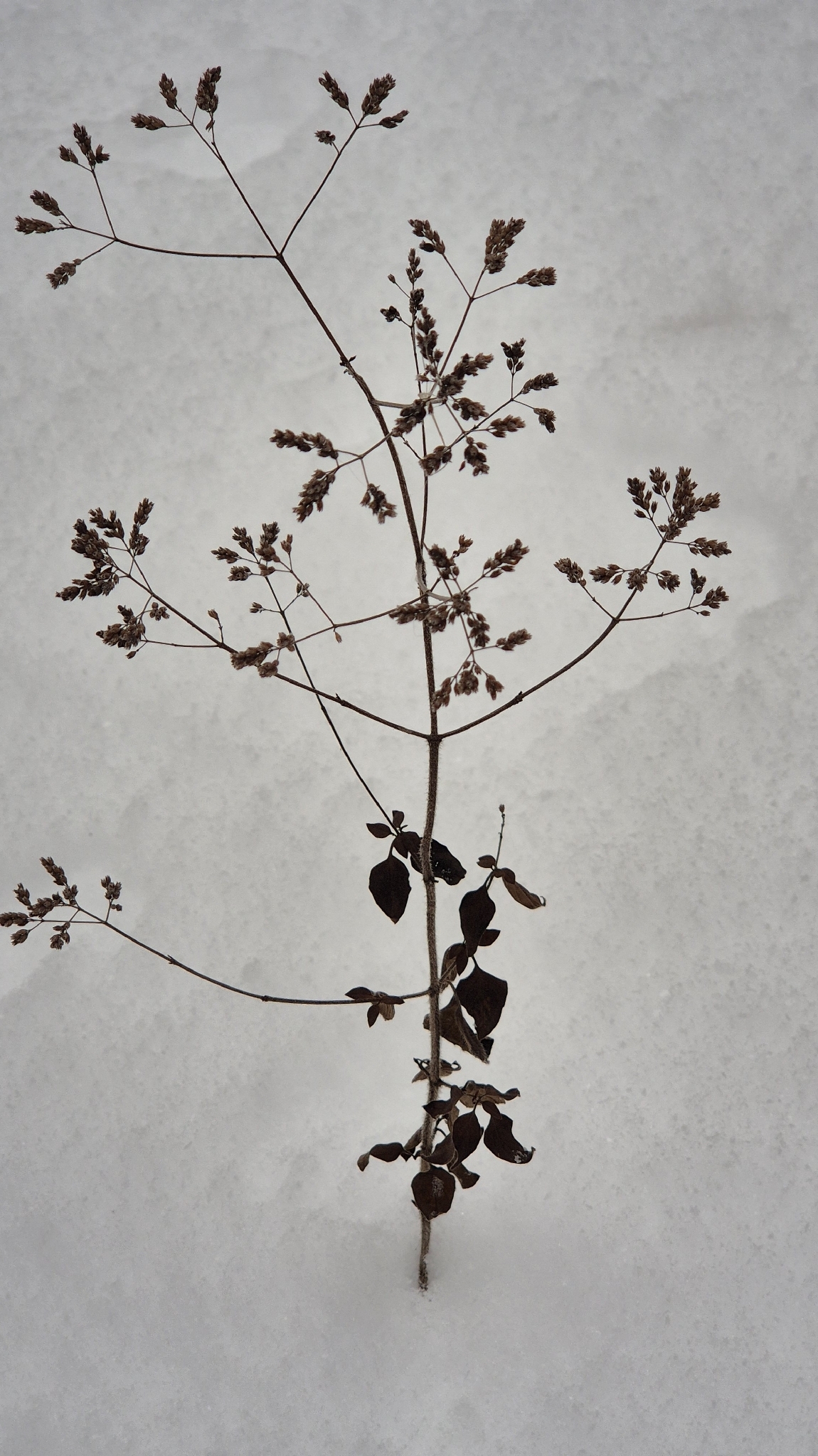
Perennial Mediterranean herb (20–60 cm), small aromatic leaves. In southeastern and southern Brazilian syntropic systems used as permanent cover between vegetable beds. Attracts pollinators when flowering. Spreads via stolons.
Götsch succession
- Götsch stage
- Placenta I
- Ecological role
- Pioneer
- Primary stratum
- Ground cover
- Strata
- Ground cover, Low
- Biomass class
- No biomass production
Environment
- Light requirement
- Full sun
- Water requirement
- Low
- Drought tolerance
- High
- Waterlogging tolerance
- Low
- Soil pH range
- 6–8
- Preferred soil texture
- Sandy, Loamy
- Hardiness zones
- 5–11
- Frost tolerance
- -15.0 °C
Morphology
- Mature height
- 0.2–0.6 m
- Recommended spacing
- 0.3–0.5 m
- Root system
- Fibrous
- Root depth
- Shallow
- Growth rate
- Fast
- Lifespan
- 4–10 years
Biomes & climate
- Atlantic Forest Suitable
- Cerrado Suitable
- Pampa Suitable
Köppen classes
- Hot-summer Mediterranean (Csa) Suitable
- Warm-summer Mediterranean (Csb) Suitable
- Humid subtropical (Cfa) Suitable
- Oceanic (Cfb) Suitable
- Subtropical with dry winter (Cwa) Suitable
- Subtropical highland (Cwb) Suitable
Where it fits in a guild
Oregano takes the Ground cover stratum in the Placenta I phase of succession — in a guild it shares the line with species from the other strata, each harvesting light at its own height, in its own time.
Free account — and the catalog stays open, no sign-up needed.
🪴 Cultivation
A hardy perennial herb (zones 4–10), drought tolerant, for well-drained sandy-to-clay soils at pH ~6–8. Dislikes wet/waterlogged soils. Grows in full sun to light partial shade, with best aroma in full sun. Propagated by seed, clump division or basal cuttings.
✂️ Management & Pruning
Withstands frequent foliage cuts; cutting back after flowering stimulates compact fresh regrowth. Renew the clump by division every few years.
📅 Phenology
Flowering months: October, November, December, January, February
❓ Frequently asked questions
What spacing is recommended for oregano?
The recommended spacing for oregano is 0.3–0.5 m.
How tall does oregano grow?
At maturity, oregano reaches 0.2–0.6 m tall.
When does oregano flower?
Flowering of oregano occurs in October, November, December, January, February.
What stage and stratum does oregano occupy in a syntropic system?
In a syntropic system, oregano belongs to the placenta i stage, occupying the ground cover stratum.
Functions
Propagation
Seed, Division, Cutting
Citations
- Plants For A Future (PFAF) — Origanum vulgare (height_max_m, soil_texture_preference, light_need, water_need, drought_tolerance, propagation, hardiness_zone_min, hardiness_zone_max, waterlogging_tolerance)
External references
Continue exploring
Related plants
-
pigeon pea
Cajanus cajan
Placenta I Low Fertilizer biomass 🌱 Nitrogen fixerShort-cycle shrubby legume that fixes nitrogen, widely used in Brazilian agroforestry as green manure, early shade and food. Vigorous on poor soils.
-
sunn hemp
Crotalaria juncea
Placenta I High Fertilizer biomass 🌱 Nitrogen fixerAnnual green-manure legume, fixes up to ~450 kg N/ha, ideal for the Placenta I phase. Breaks nematode cycles and contributes large amounts of ferti...
-
velvet bean
Mucuna pruriens
Placenta I Low Fertilizer biomass 🌱 Nitrogen fixerAnnual climbing legume that fixes nitrogen (~180–220 kg N/ha) and produces dense cover biomass. Suppresses weeds, decompacts the soil, and is one o...
-
jack bean
Canavalia ensiformis
Placenta I Low Fertilizer biomass 🌱 Nitrogen fixerAnnual nitrogen-fixing legume with strong soil-decompacting and weed-suppressing ability. Explicitly cited by Pasini among Accumulation-system spec...
-
maize
Zea mays
Placenta I Emergent Mulch biomassAnnual C4 cereal — placed by Pasini in the emergent stratum of Tabela 3 and recommended for the 'up to 6 months' phase of Tabela 4. Short-cycle cov...
-
sweet potato
Ipomoea batatas
Placenta I Ground cover No biomass productionShort-cycle creeping tuber crop. Pasini lists it in the low stratum of Tabela 3. Excellent living ground cover early in the agroforestry cycle, edi...