
Stratum
Plants of the high stratum
The high stratum forms the system's main canopy, in the 30–40% cover range. Much of the timber and the large fruit trees live here — and their spacing decides how much light reaches the strata below.
167 species in the catalog · Refine this list in the catalog
-
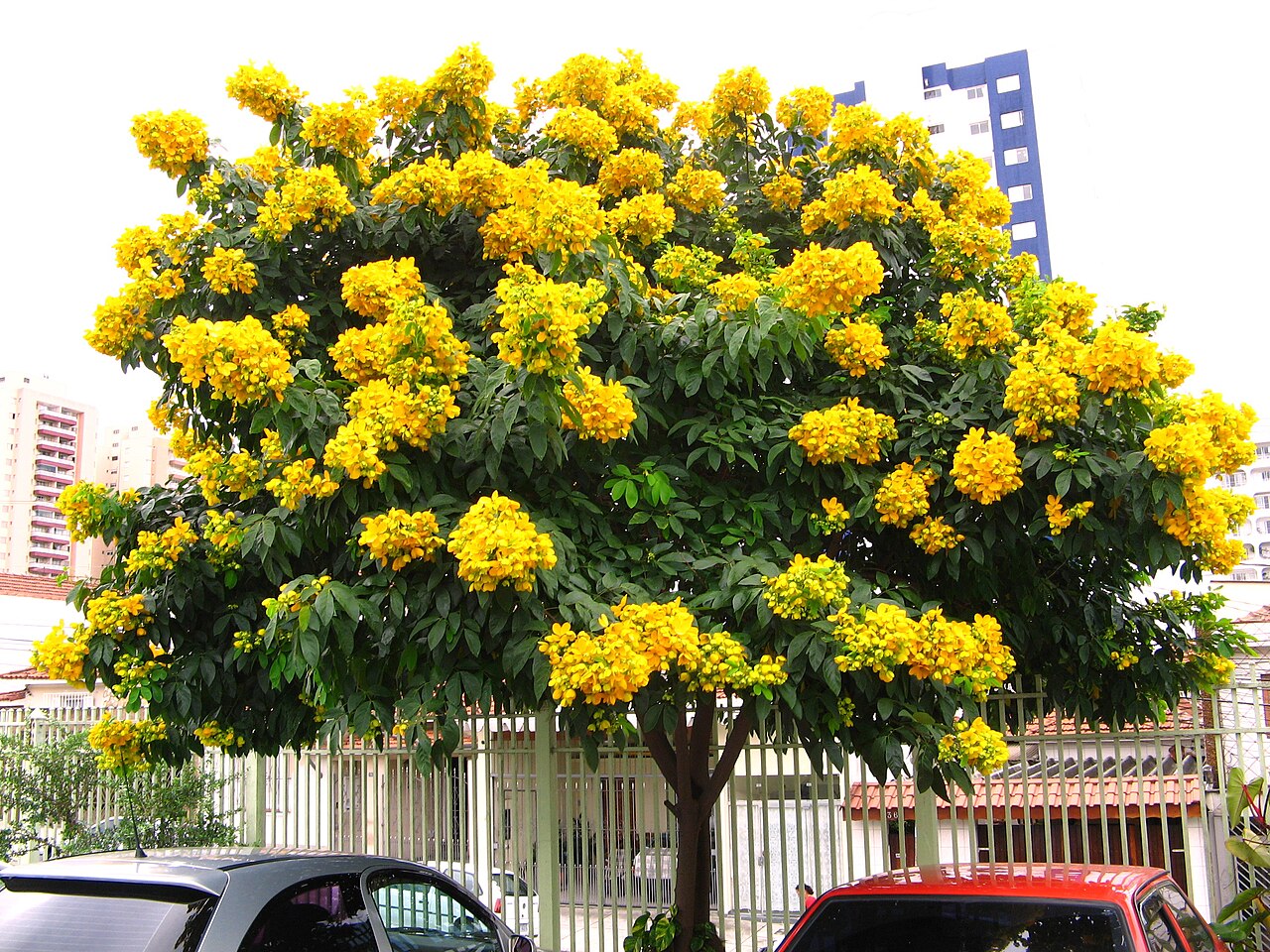
senna macranthera
Senna macranthera
Secondary I Medium Fertilizer biomassA nitrogen-associated leguminous tree native to Brazil, small to medium-sized (6-8 m), fast-growing and semi-deciduous. It bears showy yellow flowe...
-
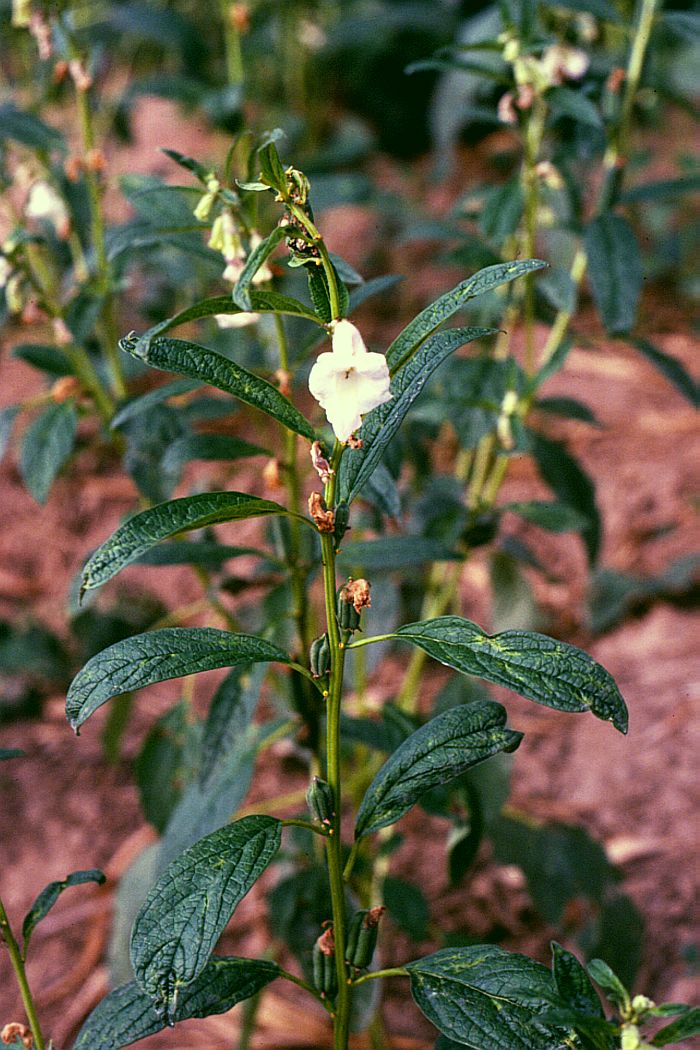
sesame
Sesamum indicum
Placenta I High No biomass productionIndo-African annual oilseed. EcoAgri lists it in the high stratum of the 'up to 6 months' bin. Tolerates sandy soils and drought well; seeds are hi...
-
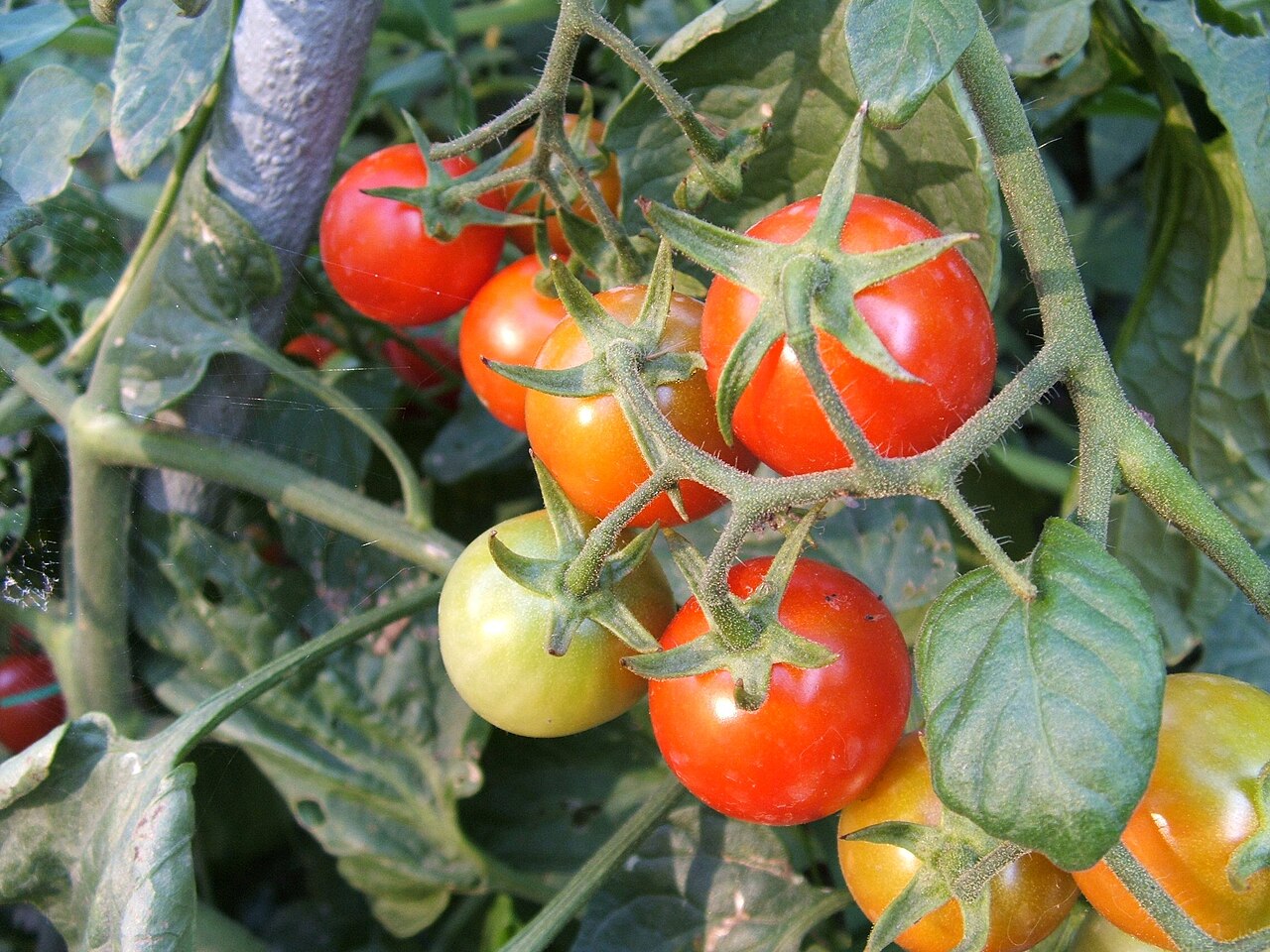
tomato
Solanum lycopersicum
Placenta I High No biomass productionAnnual vegetable-fruit, listed by Pasini in the high stratum of Tabela 3. The Bosque de Niebla Guidebook places it as typical Placenta I in the hig...
-
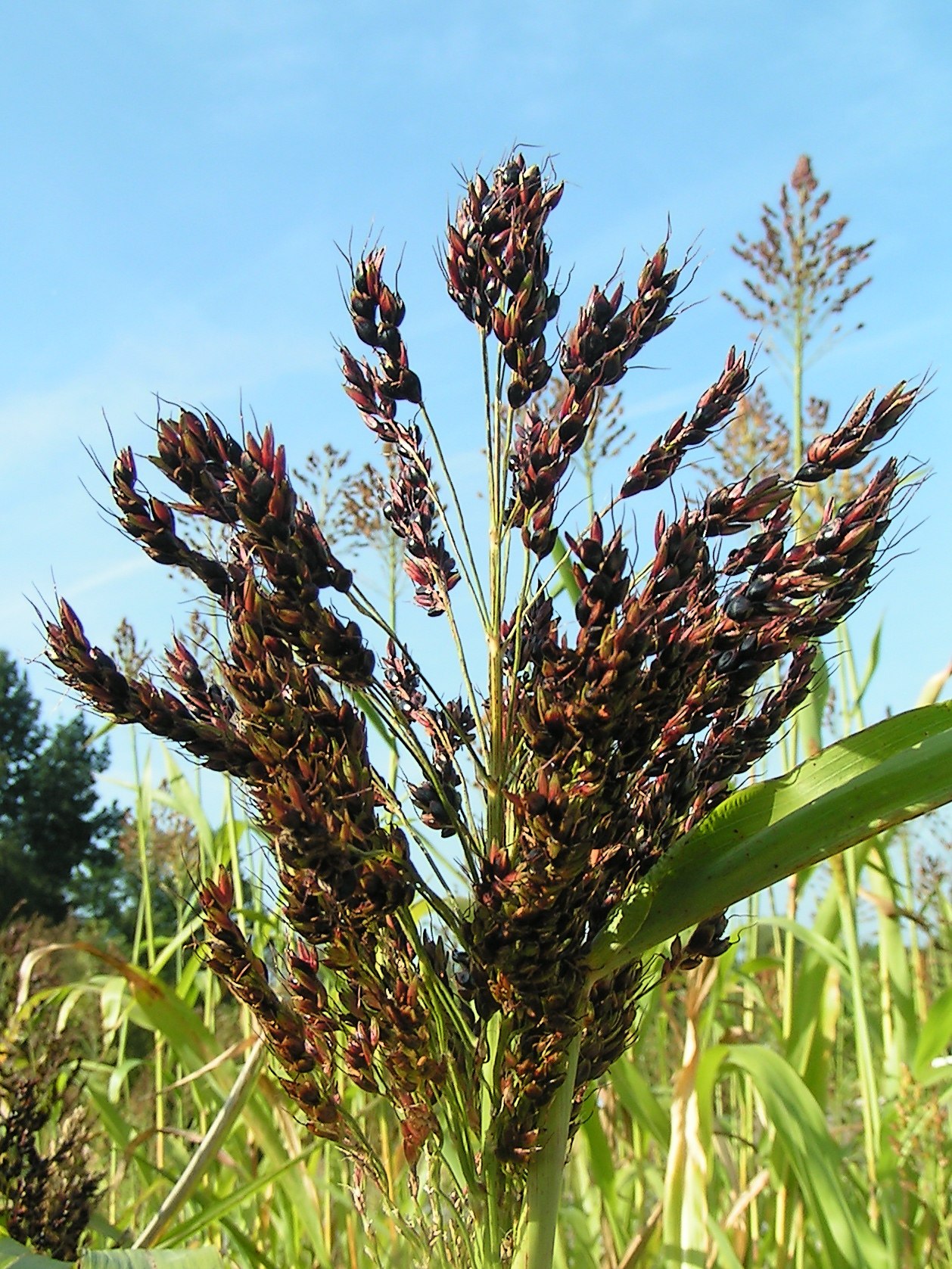
sorghum
Sorghum bicolor
Placenta I Emergent Mulch biomassAfrican annual cereal highly tolerant of drought. Rebello & Sakamoto (2019) list sorghum among grain crops (alongside soybean, corn, and cotton) pr...
-
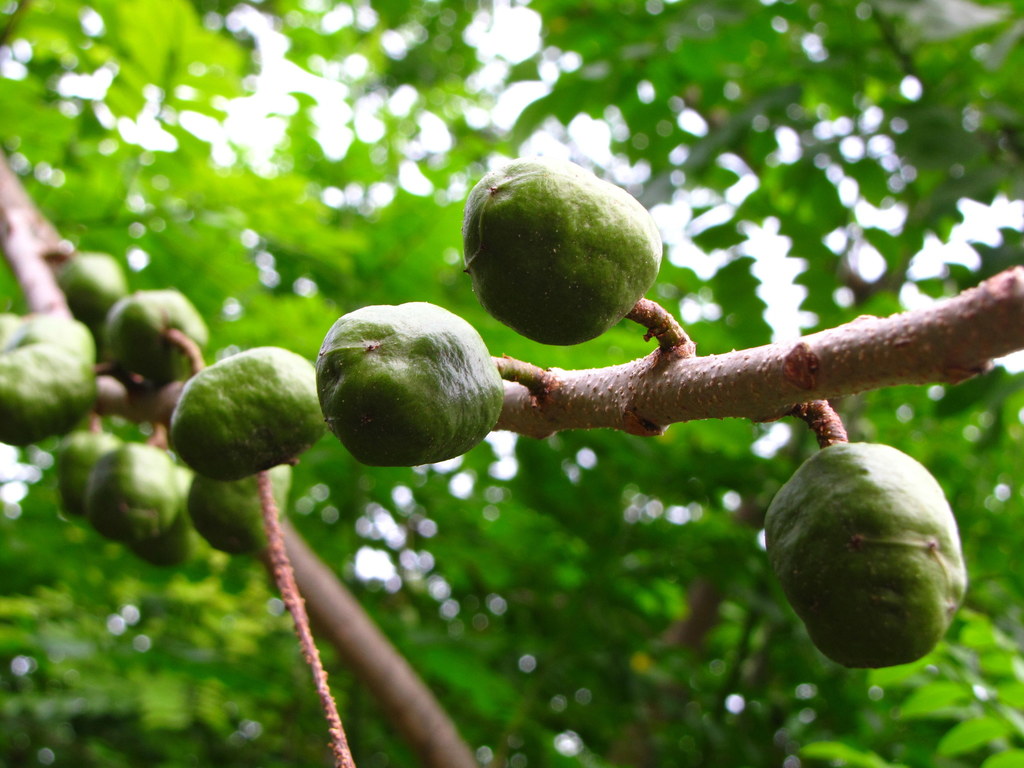
yellow mombin
Spondias mombin
Secondary II High Mulch biomassAmazonian and neotropical tree of high-to-emergent stratum, cited by Embrapa among key fruit species for Amazonian SAFs. Productive lifespan 40 yea...
-
yellow mombin
Spondias mombin
Secondary I Emergent No biomass productionFast-growing pioneer fruit tree; Pasini lists it in the emergent/high stratum of Tabela 3 and among Abundance-system species (emergent stratum, 10–...
-
red mombin
Spondias purpurea
Secondary I High No biomass productionNortheastern Brazilian native fruit tree; propagated by cuttings. Pasini lists it in the high stratum of Tabela 3. Drought-tolerant, short cycle to...
-
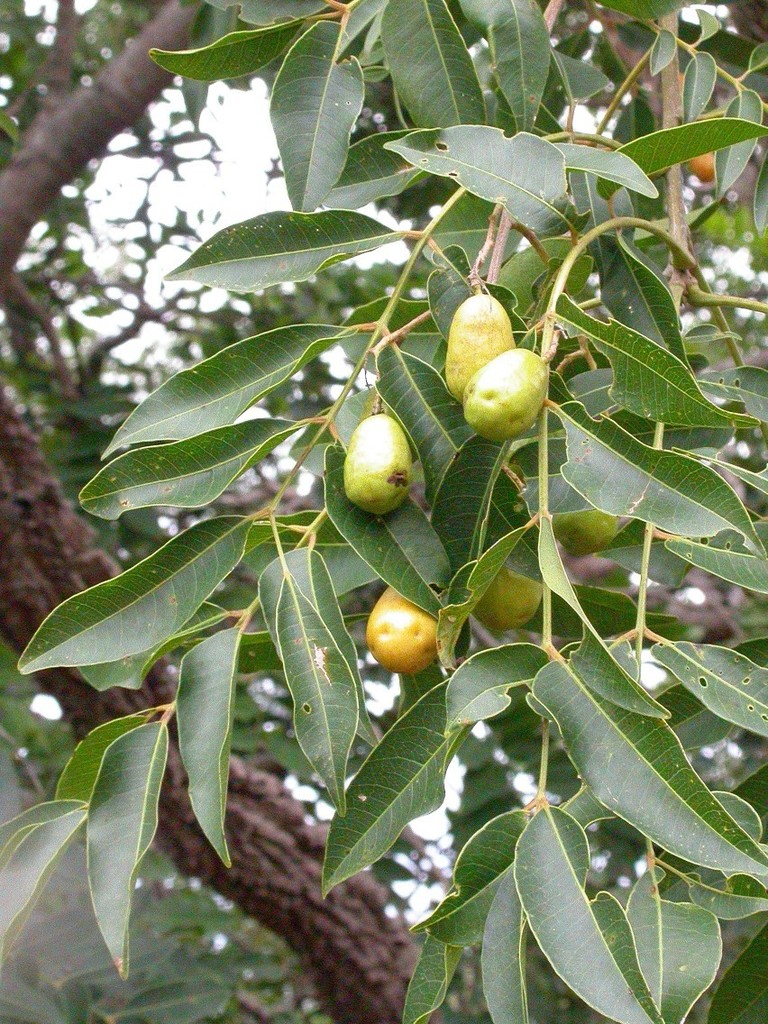
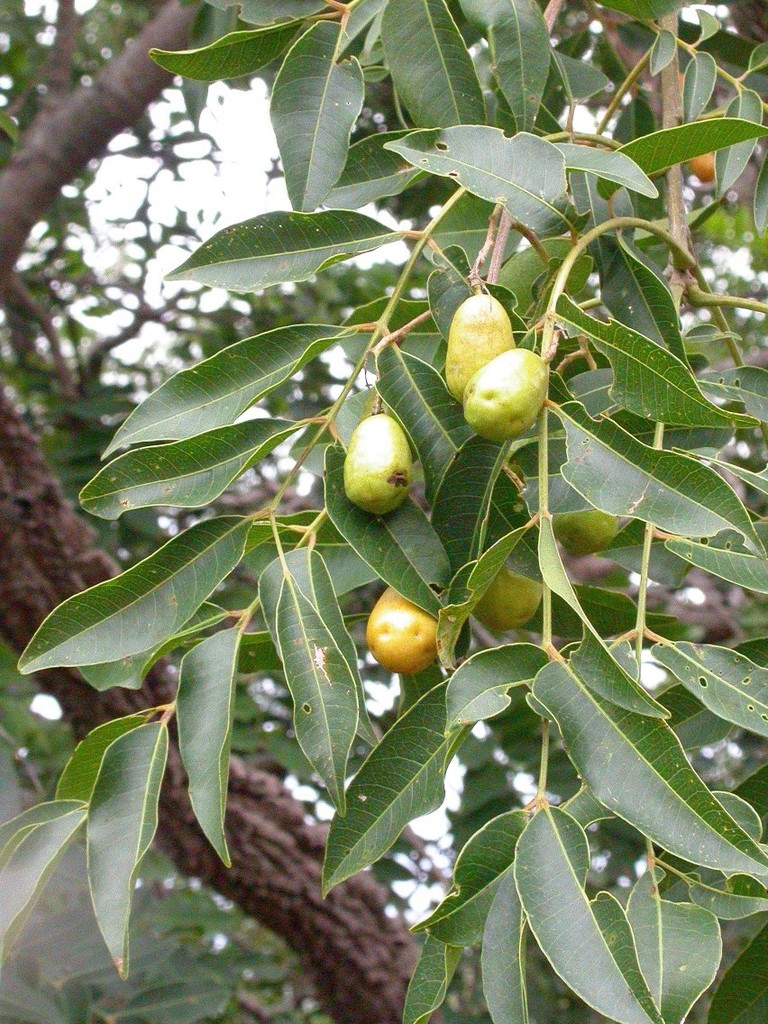
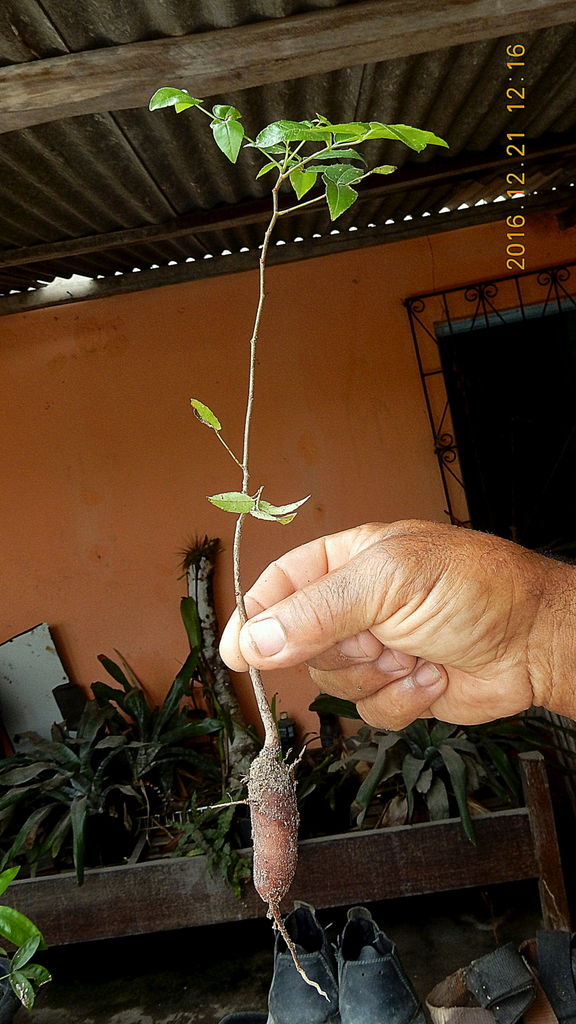
Brazil plum
Spondias tuberosa
Climax MediumEndemic fruit tree of the Caatinga semiarid biome, with underground tuberous roots (xylopodia) that store water and allow it to survive long drough...
-
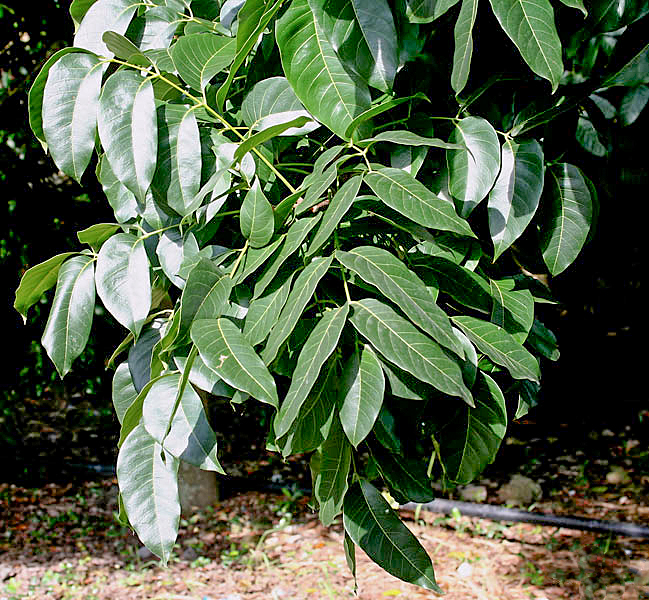
big-leaf mahogany
Swietenia macrophylla
Climax Emergent Mulch biomassClimax Amazonian premium timber, CITES Appendix II. Pasini lists it in the emergent/high stratum of Tabela 3 and cites it explicitly as a premium t...
-
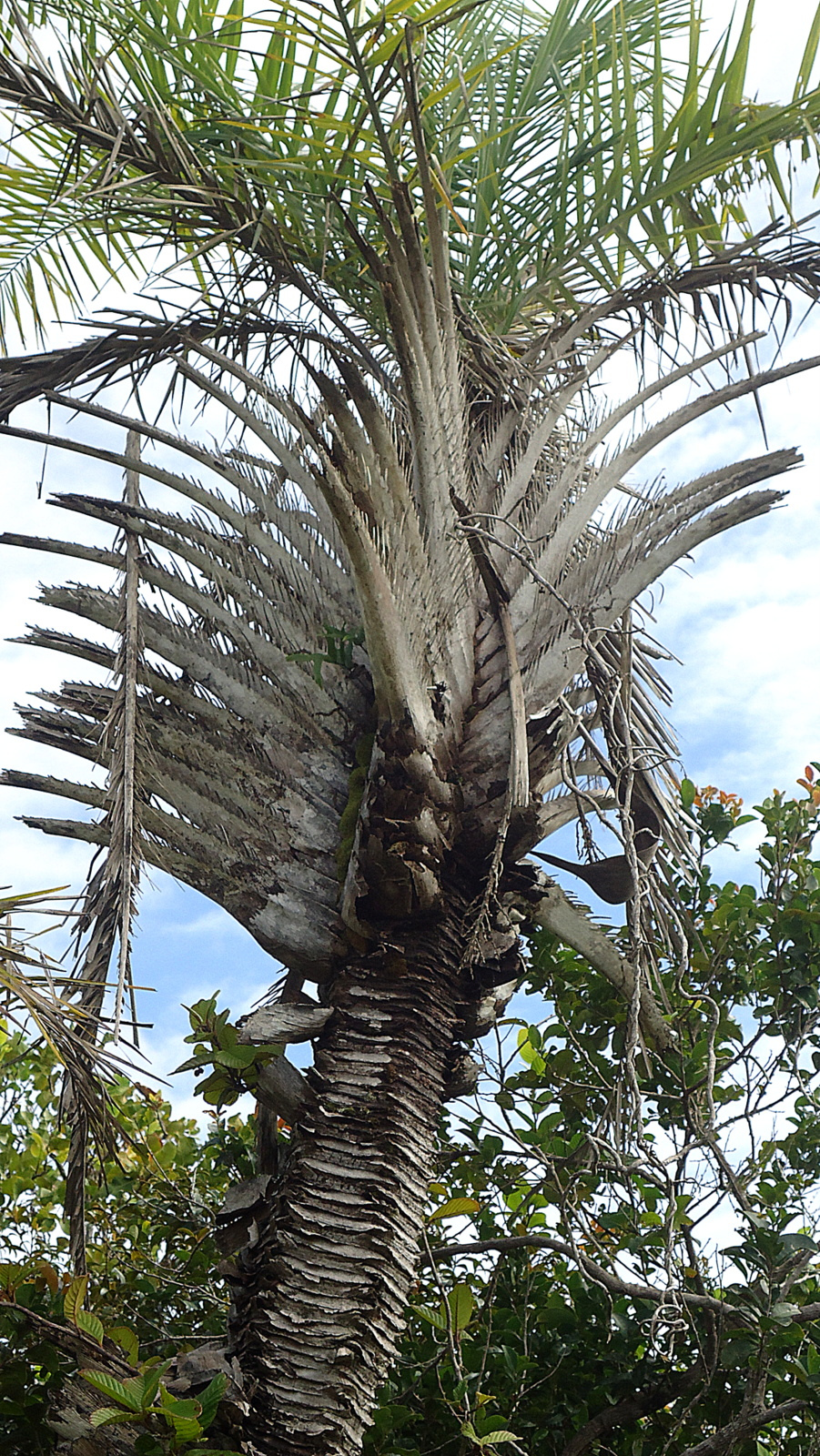
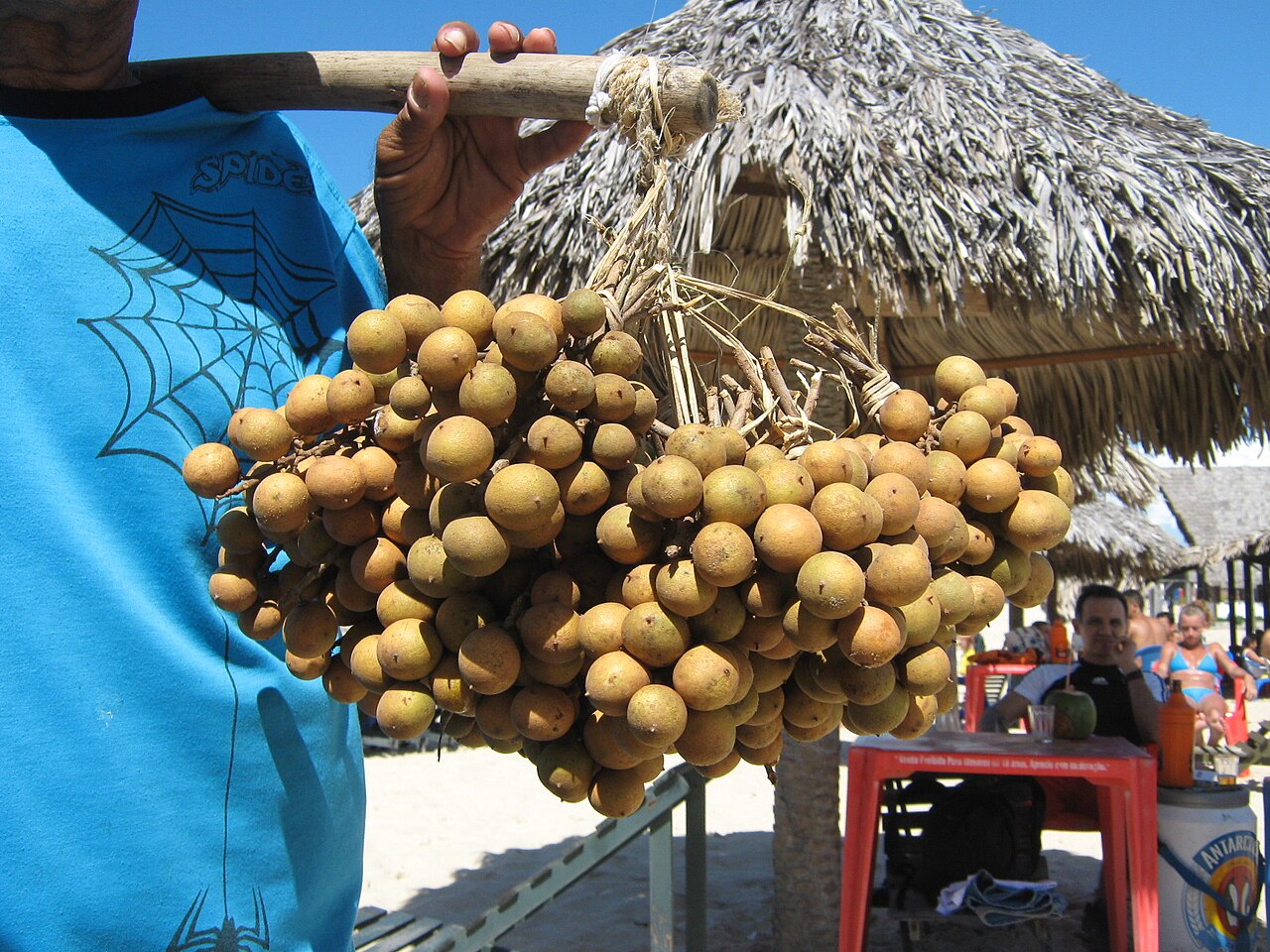
licuri palm
Syagrus coronata
Climax High Mulch biomassNative palm of the Caatinga and Northeastern Atlantic Forest, from northern Minas Gerais to Maranhão. Medium height (8–12 m), trunk covered by pers...
-
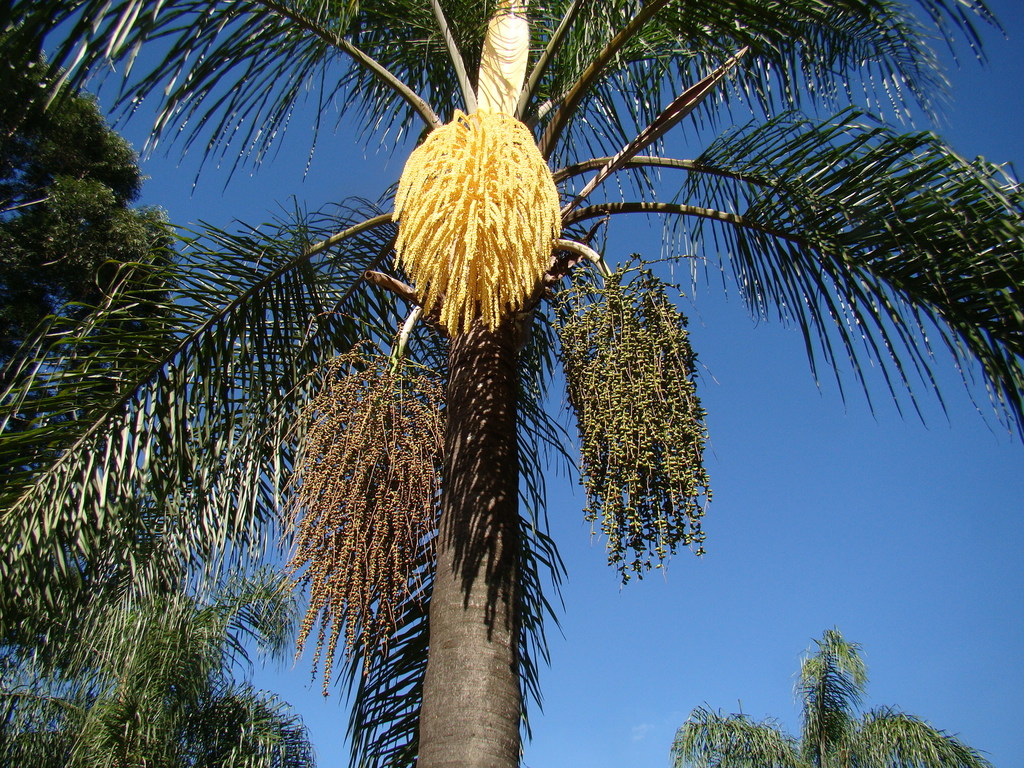
queen palm
Syagrus romanzoffiana
Secondary II High No biomass productionAtlantic Forest native palm, listed by Pasini in the high stratum of Tabela 3. Edible orange-yellow fruit consumed by local fauna; a central specie...
-
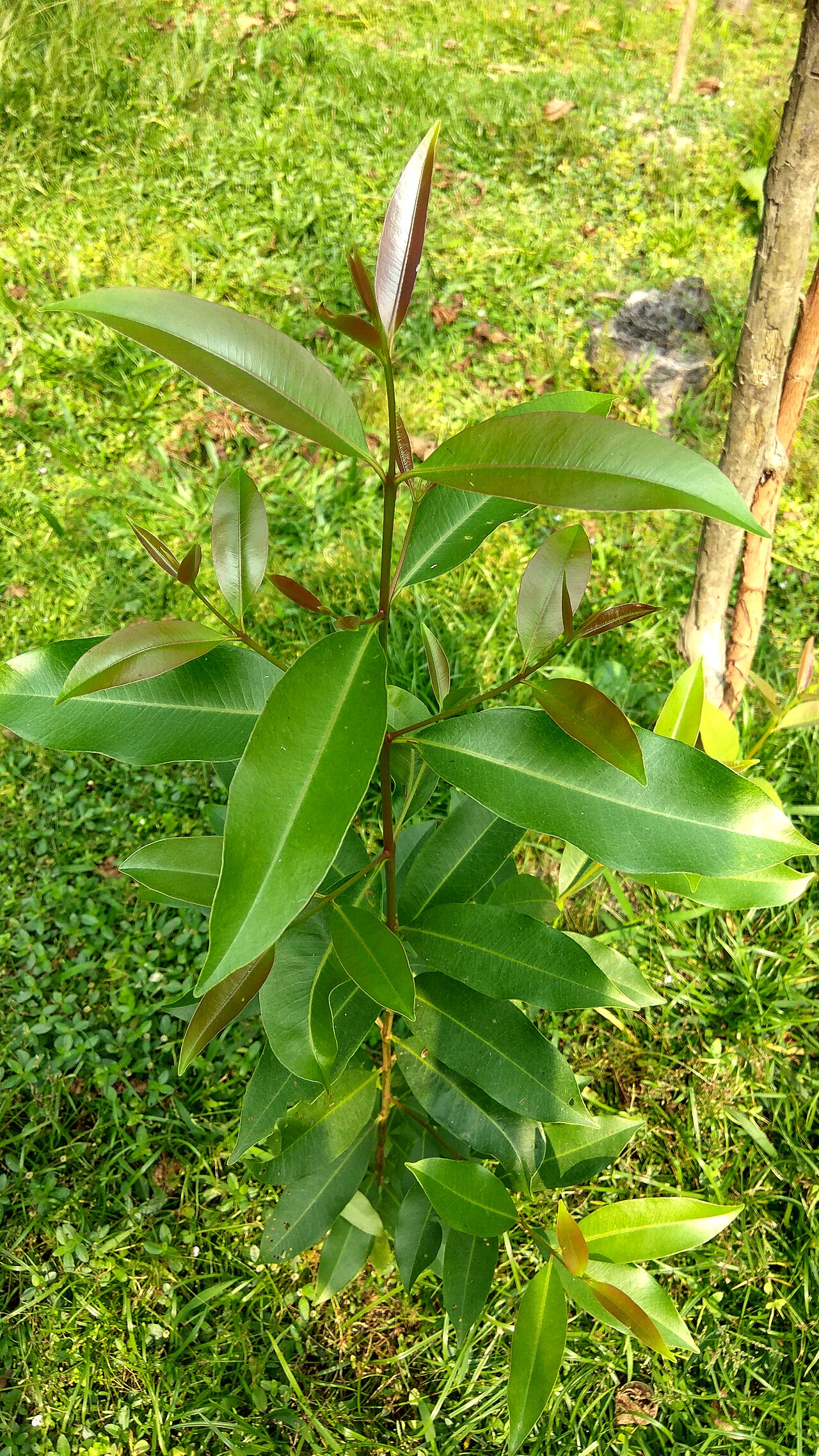
java plum
Syzygium cumini
Secondary II High No biomass productionAsian fruit tree naturalized in Brazil, listed by Pasini in the high stratum of Tabela 3. Edible purple fruit (jam, wine); leaves and bark are medi...
-
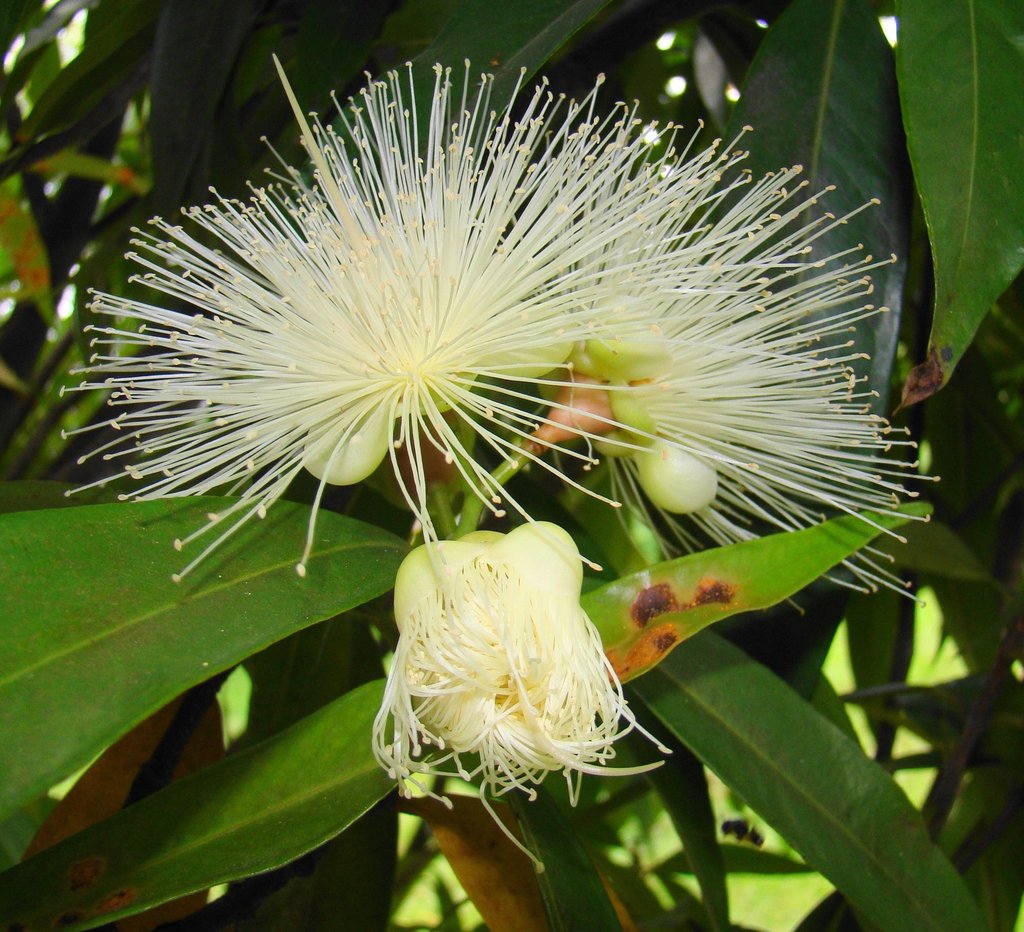
rose apple
Syzygium jambos
Climax High No biomass productionAsian fruit tree naturalized in Brazil, distinct from the Malay apple (S. malaccense). EcoAgri lists it in the high stratum of the '> 50 years' bin...
-
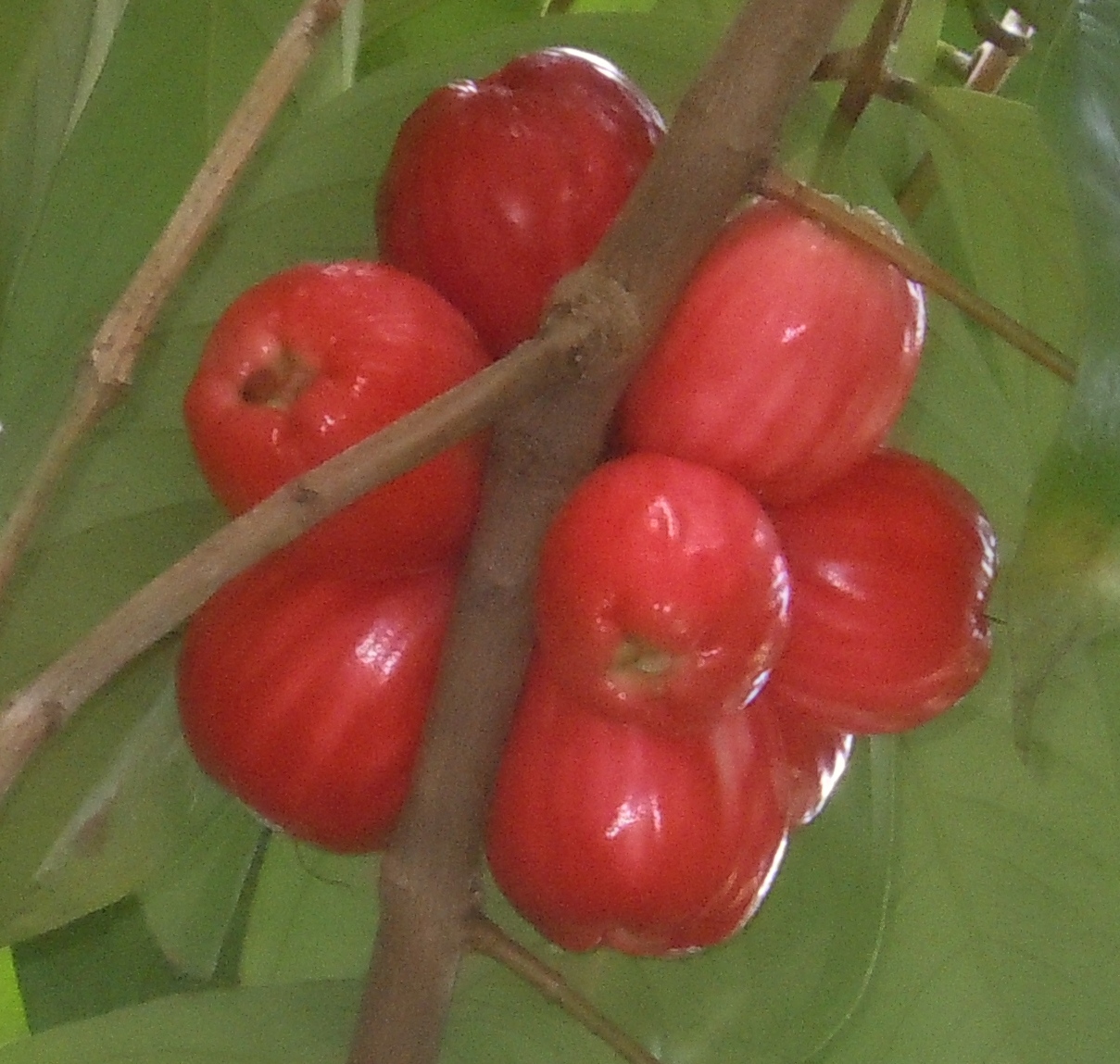
Malay apple
Syzygium malaccense
Secondary II High No biomass productionAsian tropical fruit listed by Pasini in the high stratum of Tabela 3. Pink-red mildly sweet fruit with crisp pulp. Tolerates wet soils; grows well...
-
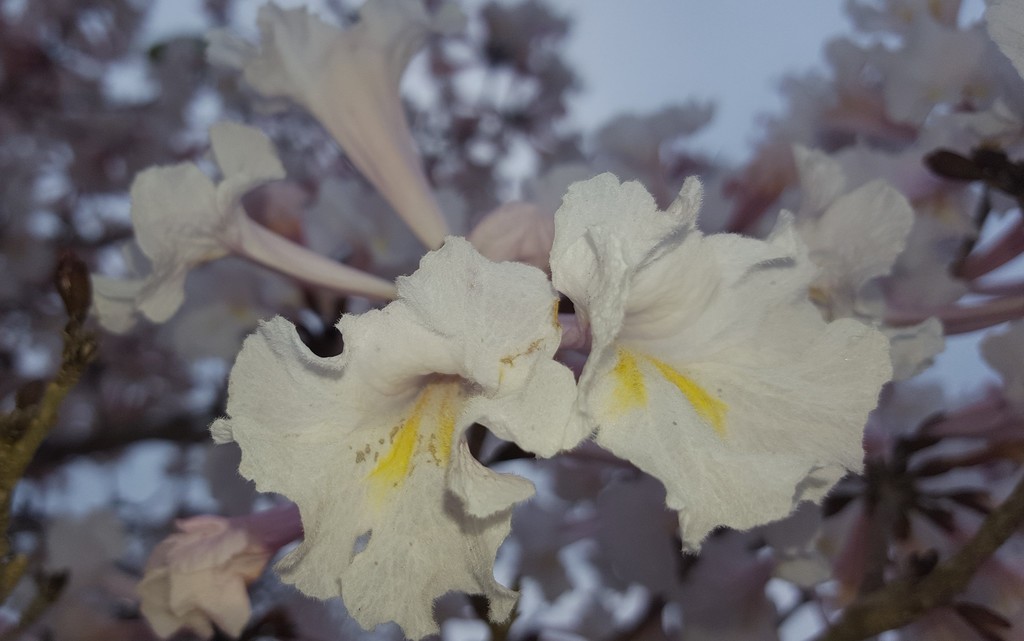
white ipê
Tabebuia roseoalba
Climax High No biomass productionMedium tree of the Cerrado, Atlantic Forest, and Caatinga (10–18 m). White-to-pale-pink flowering in July–August. Drought-tolerant. Medium-density ...
-
pitomba
Talisia esculenta
Secondary II Medium No biomass productionNative tree of the Amazon and Atlantic Forest, from Northeastern Brazil to Rio de Janeiro. 6–12 m tall, evergreen leafy canopy, trunk 30–40 cm. Ova...
-
tamarind
Tamarindus indica
Climax High No biomass production 🌱 Nitrogen fixerAfrican leguminous fruit tree naturalized in the Brazilian semi-arid. EcoAgri lists it in the high stratum of the '> 50 years' bin. Tolerates sandy...
-
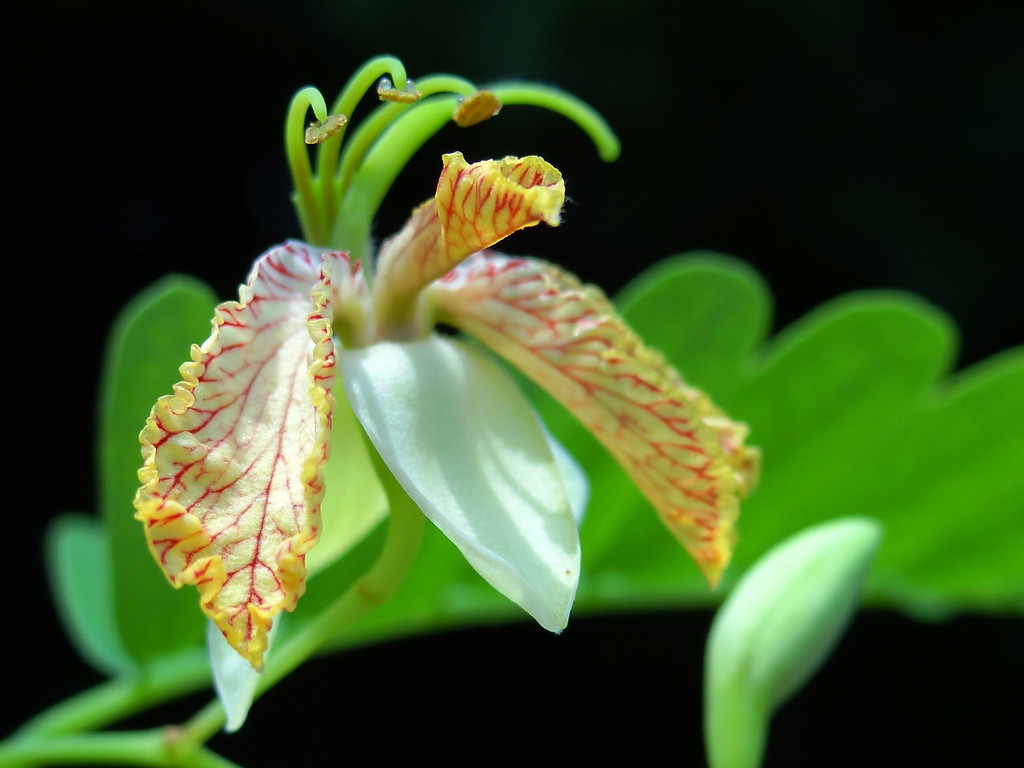
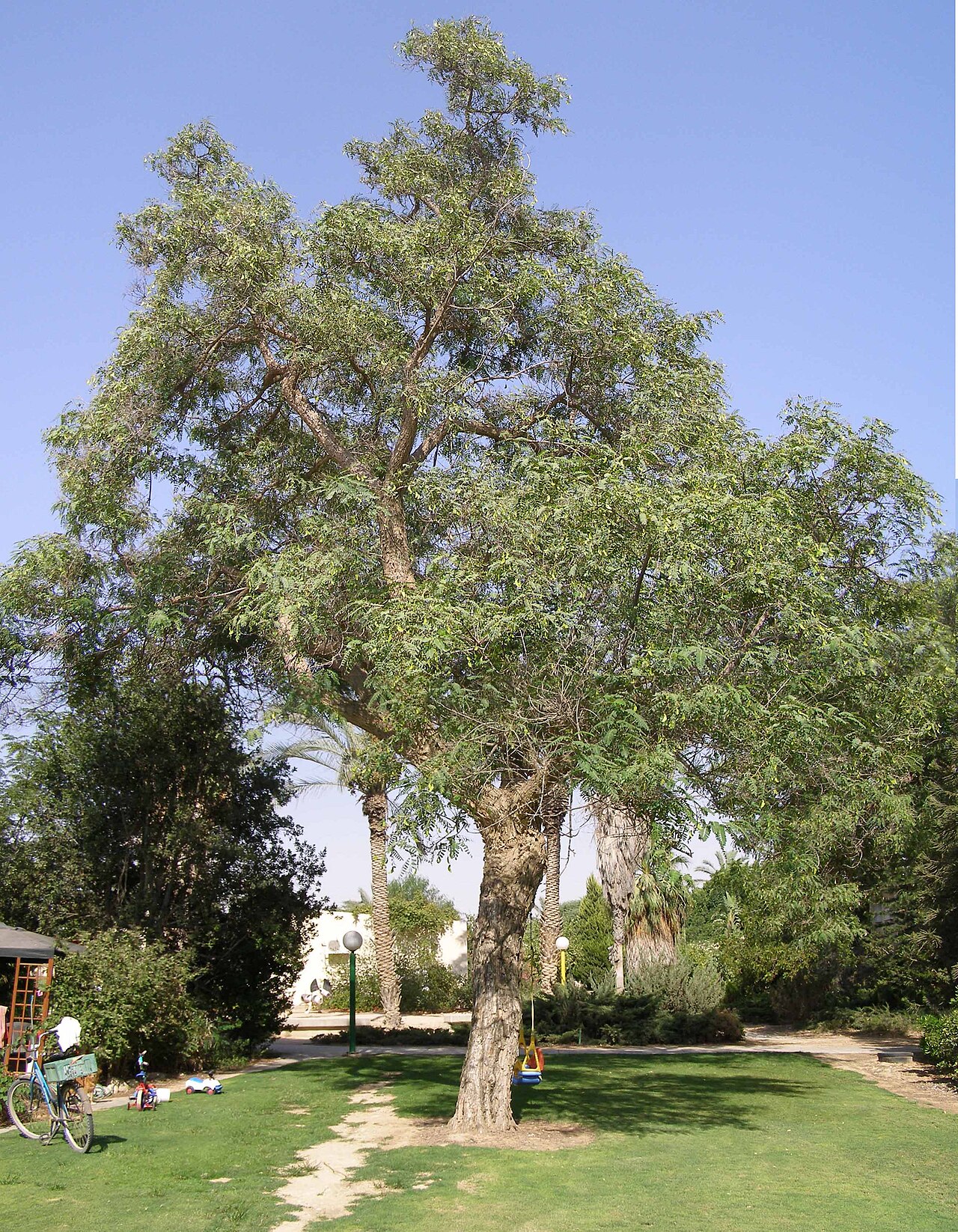
tipu tree
Tipuana tipu
Secondary II Emergent Fertilizer biomass 🌱 Nitrogen fixerA very fast-growing leguminous tree of 10-30 m, with a broad spreading crown, native to southern Bolivia, northern Argentina, Paraguay, Uruguay and...
-
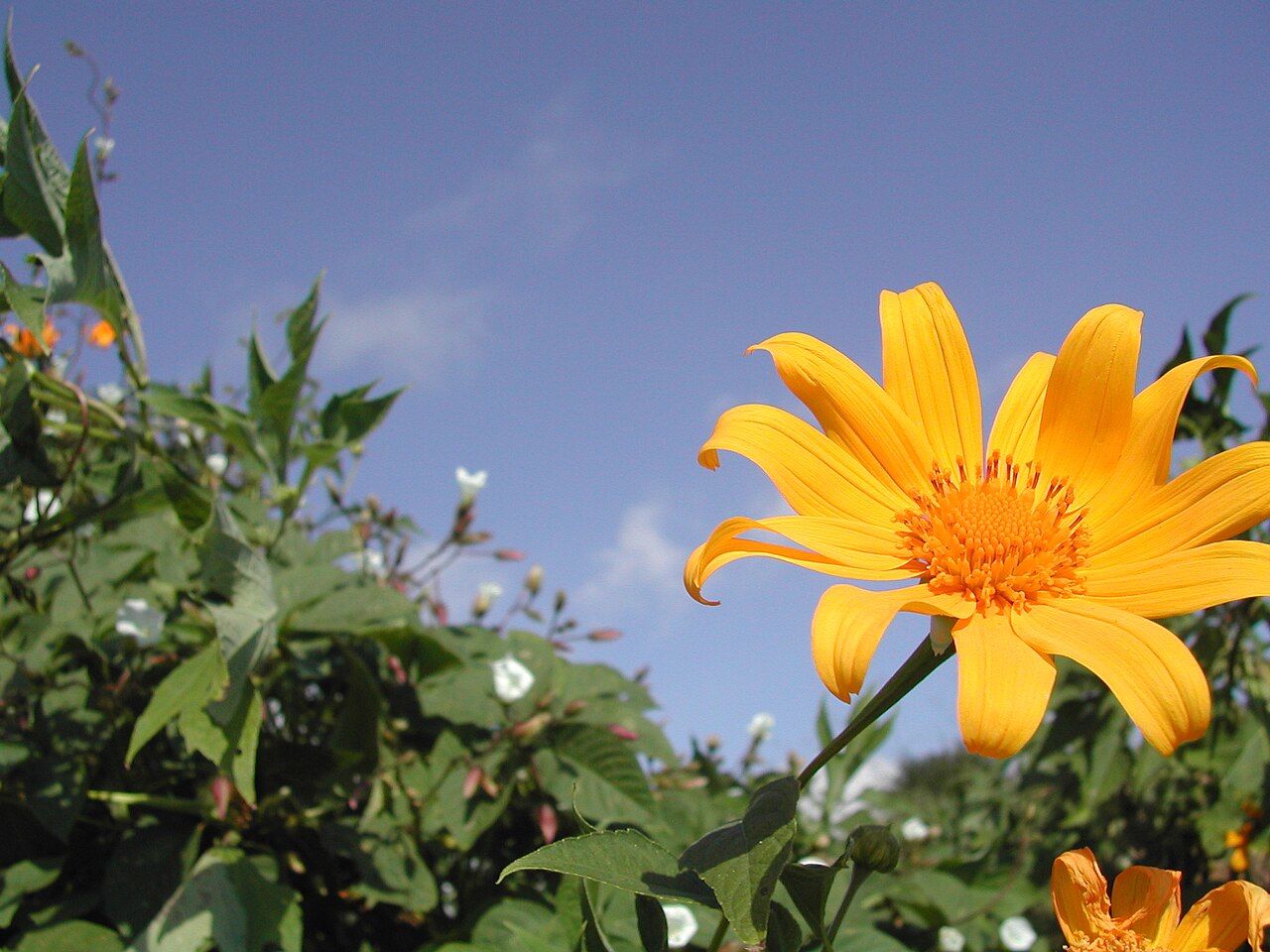
Mexican sunflower
Tithonia diversifolia
Placenta II High Fertilizer biomassFast-growing perennial shrub; propagated by stem cuttings; high biomass production rich in nitrogen, phosphorus, and potassium. Explicitly cited by...
-
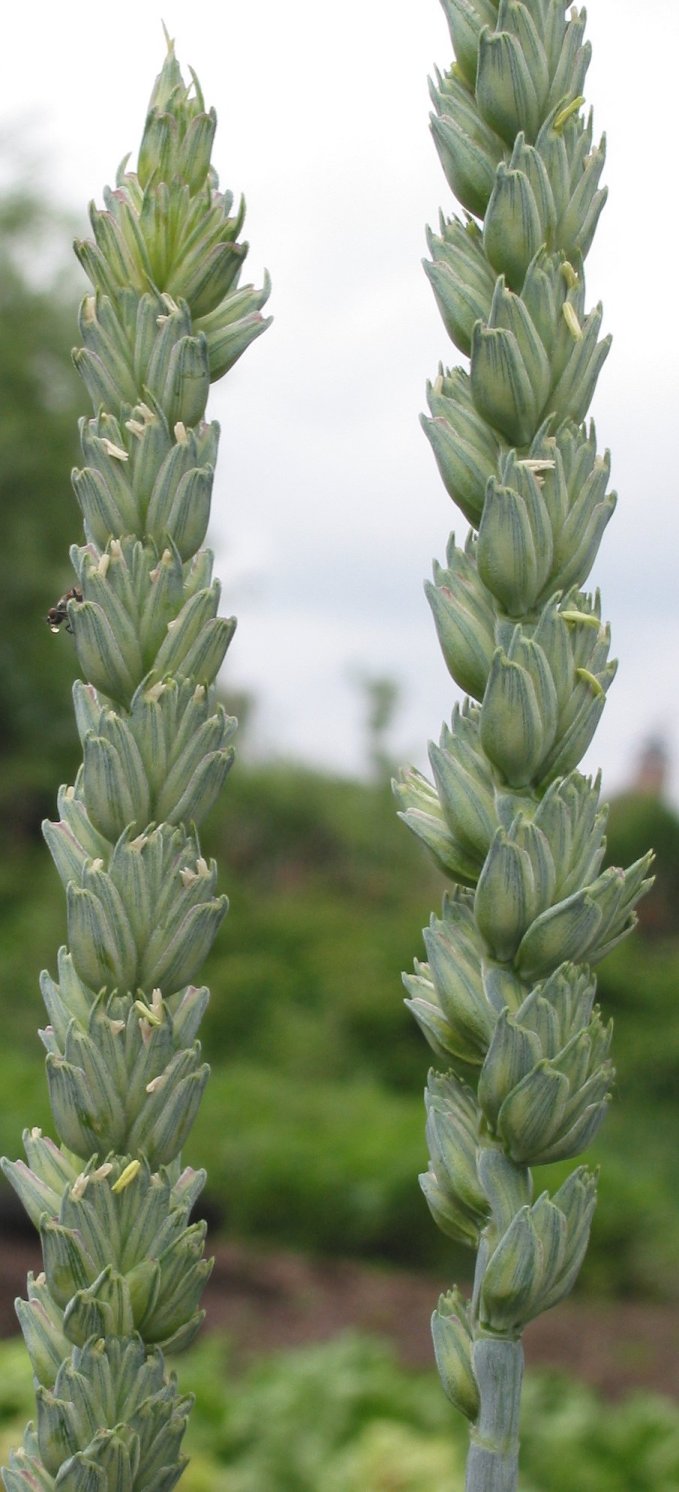
wheat
Triticum aestivum
Placenta I High Mulch biomassAnnual cereal originating in the Fertile Crescent. Rebello & Sakamoto (2019) tested wheat in a syntropic system in the Cerrado (Chapada dos Veadeir...
-
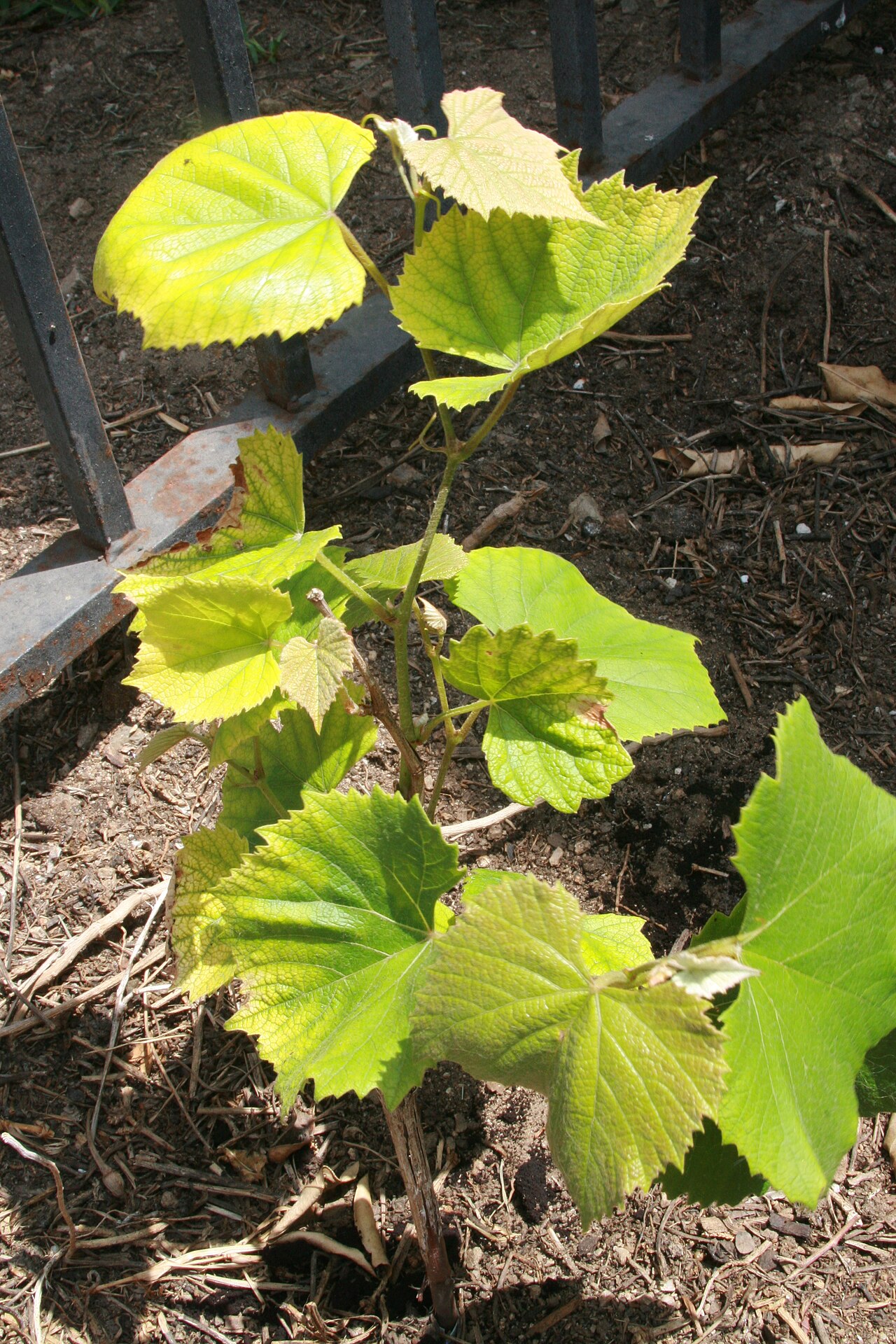
concord grape
Vitis labrusca
Secondary II Medium No biomass productionAmerican grapevine — rustic and tolerant of diseases that afflict V. vinifera in the tropics. Source of >90% of Brazilian grape production (Niagara...
-
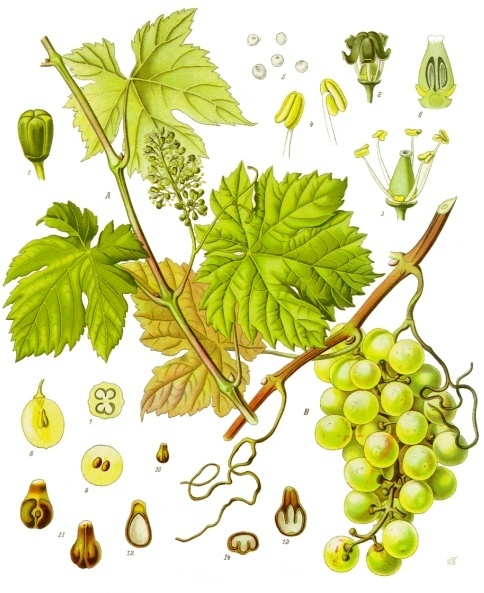
grape
Vitis vinifera
Secondary II Medium No biomass productionWoody perennial vine. Cultivated throughout Brazil — European grapevines (Vitis vinifera) in the South (table and wine grapes); American (V. labrus...
-
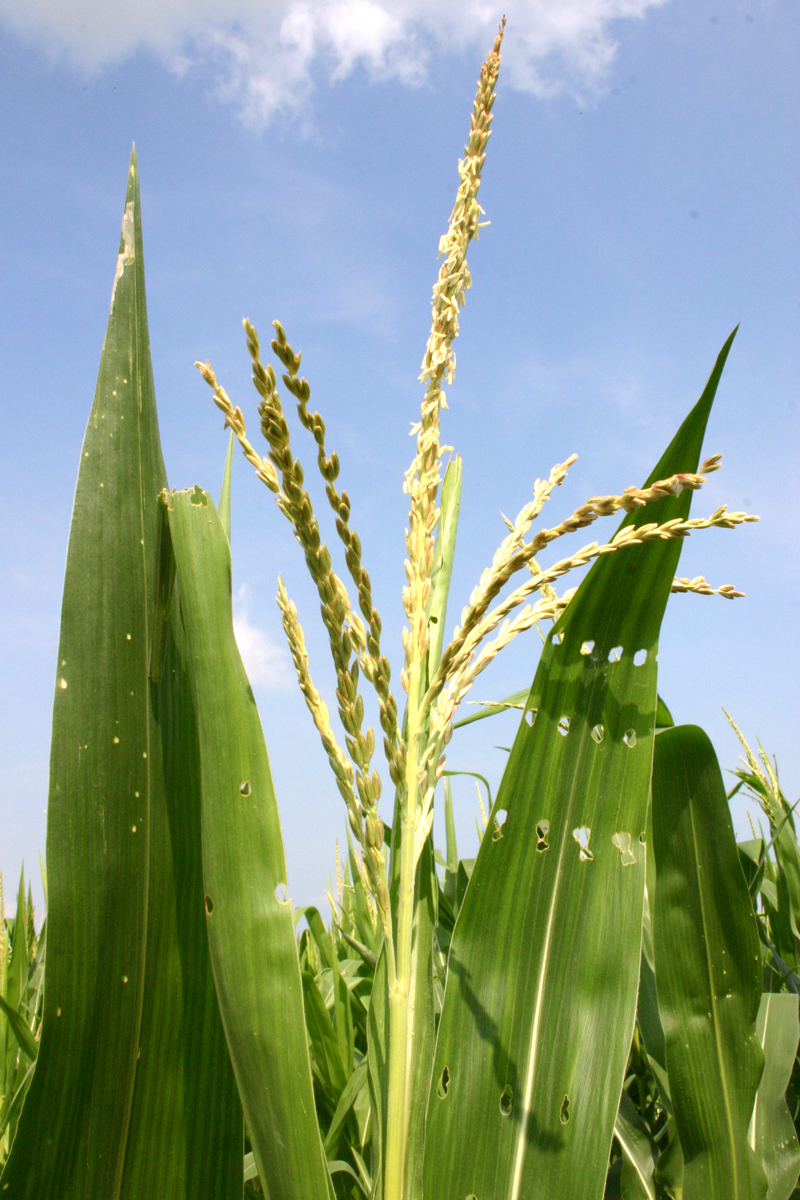
maize
Zea mays
Placenta I Emergent Mulch biomassAnnual C4 cereal — placed by Pasini in the emergent stratum of Tabela 3 and recommended for the 'up to 6 months' phase of Tabela 4. Short-cycle cov...
❓ Frequently asked questions
What is the high stratum?
Form the main canopy; tolerate occasional shade.
Which plants occupy the high stratum?
The catalog holds 167 species, among them senna macranthera, sesame, tomato. Each profile shows stratum, succession stage, and the management data, with sources cited.