
Stratum
Plants of the high stratum
The high stratum forms the system's main canopy, in the 30–40% cover range. Much of the timber and the large fruit trees live here — and their spacing decides how much light reaches the strata below.
167 species in the catalog · Refine this list in the catalog
-
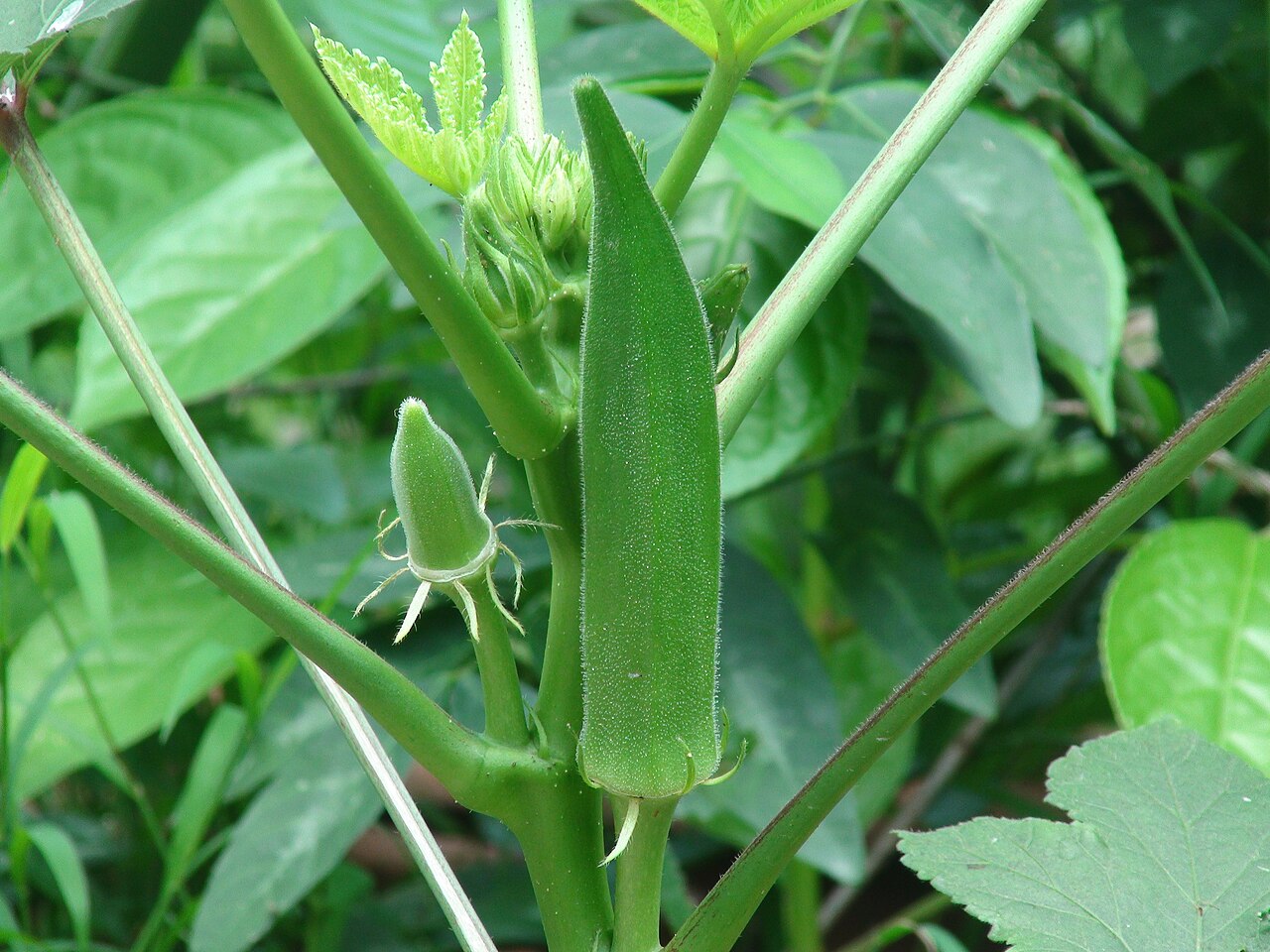
okra
Abelmoschus esculentus
Placenta I High No biomass productionAfrican annual fruit-vegetable widely cultivated in Brazilian SAFs. EcoAgri lists it in the high stratum of the 'up to 6 months' bin (placenta_1). ...
-
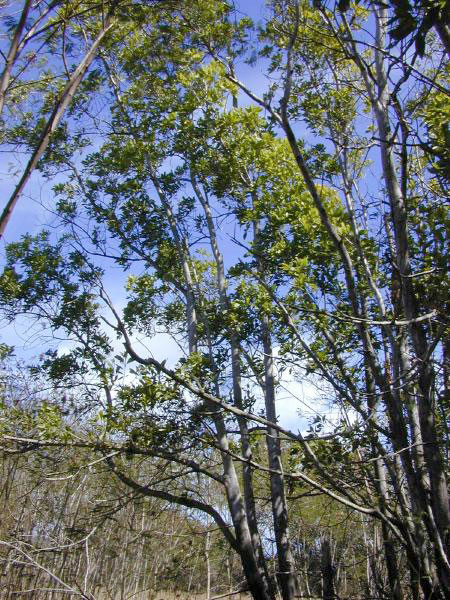
mangium
Acacia mangium
Secondary I Emergent Fertilizer & mulch 🌱 Nitrogen fixerExtremely fast-growing nitrogen-fixing legume, central in syntropic systems as a producer of both cover and fertilizer biomass. Pasini classifies i...
-
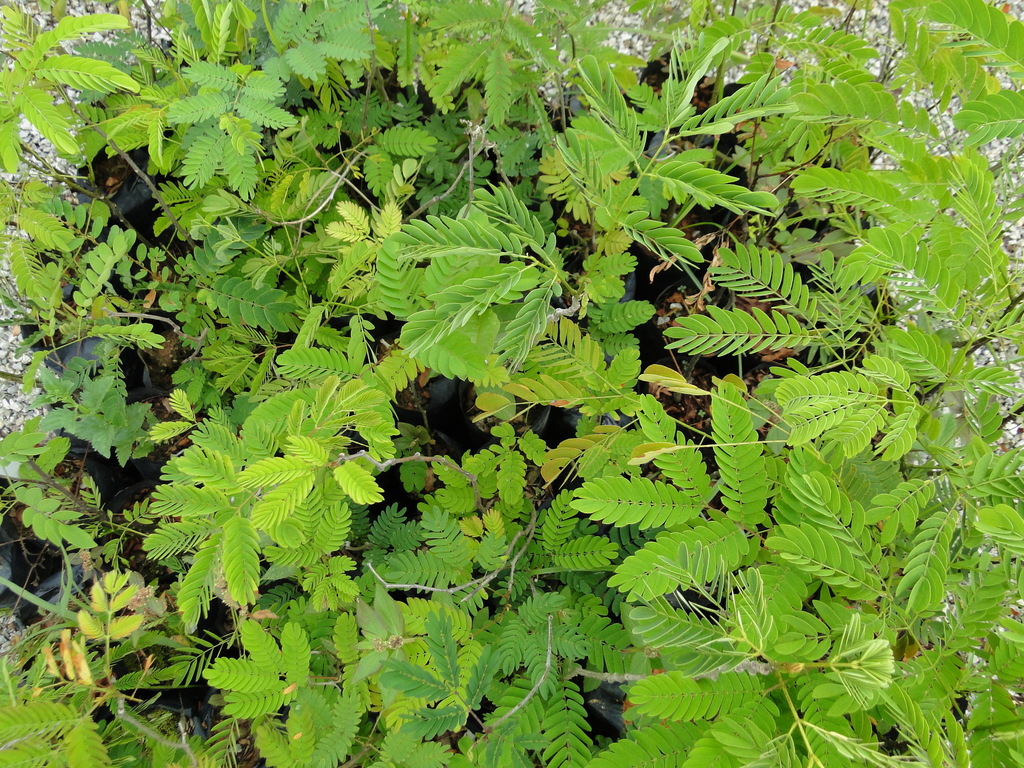
monjoleiro
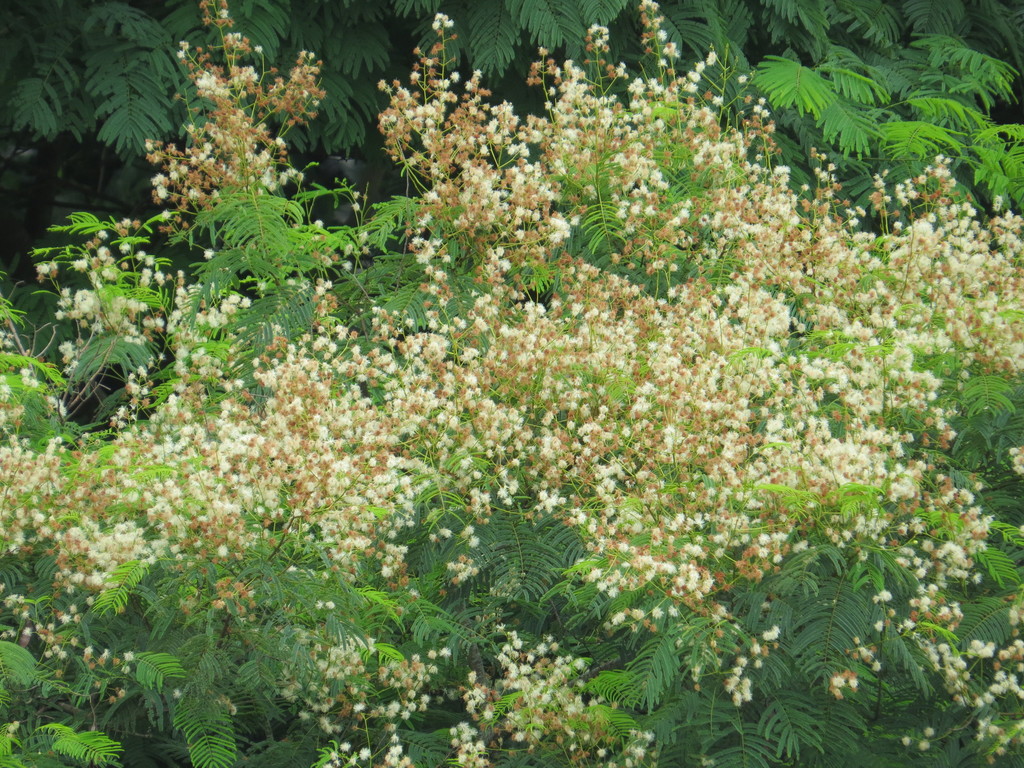
Acacia polyphylla
Secondary I High Fertilizer biomass 🌱 Nitrogen fixerPioneer legume native to the Atlantic Forest and Cerrado. Medium-to-tall tree (10–20 m), fine compound leaves. Very rapid growth — structural speci...
-
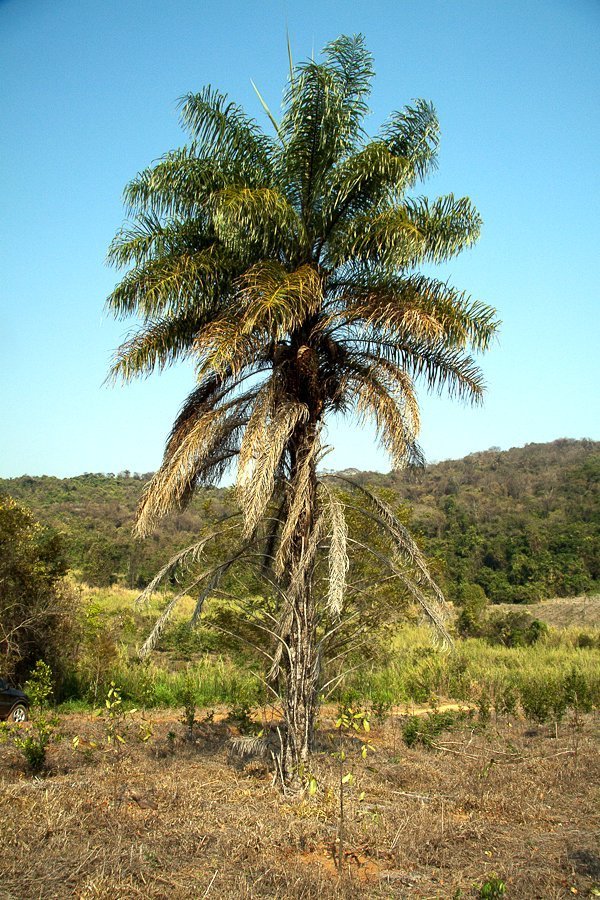
macauba palm
Acrocomia aculeata
Secondary II Emergent Mulch biomassNative palm of the Cerrado and Atlantic Forest, distributed from Bahia to Paraná. Spiny stipe 10–20 m. Orange-yellow fruits with yellow pulp and an...
-
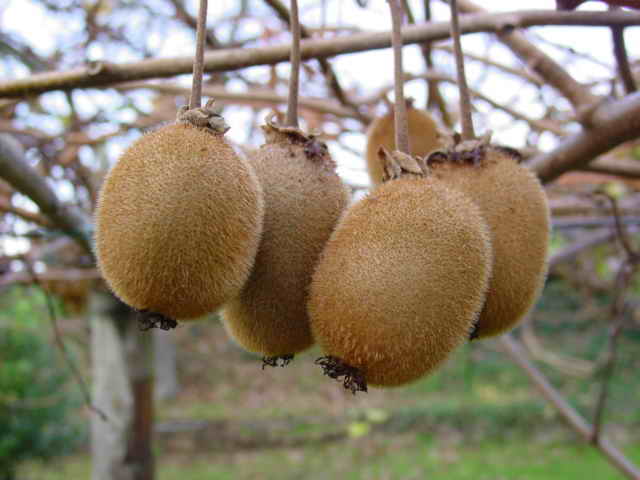
kiwifruit
Actinidia deliciosa
Secondary II Medium No biomass productionWoody vine native to southern China. Cultivated above 600 m altitude in southern and southeastern Brazil (RS, SC, PR, MG, SP). Requires chill hours...
-
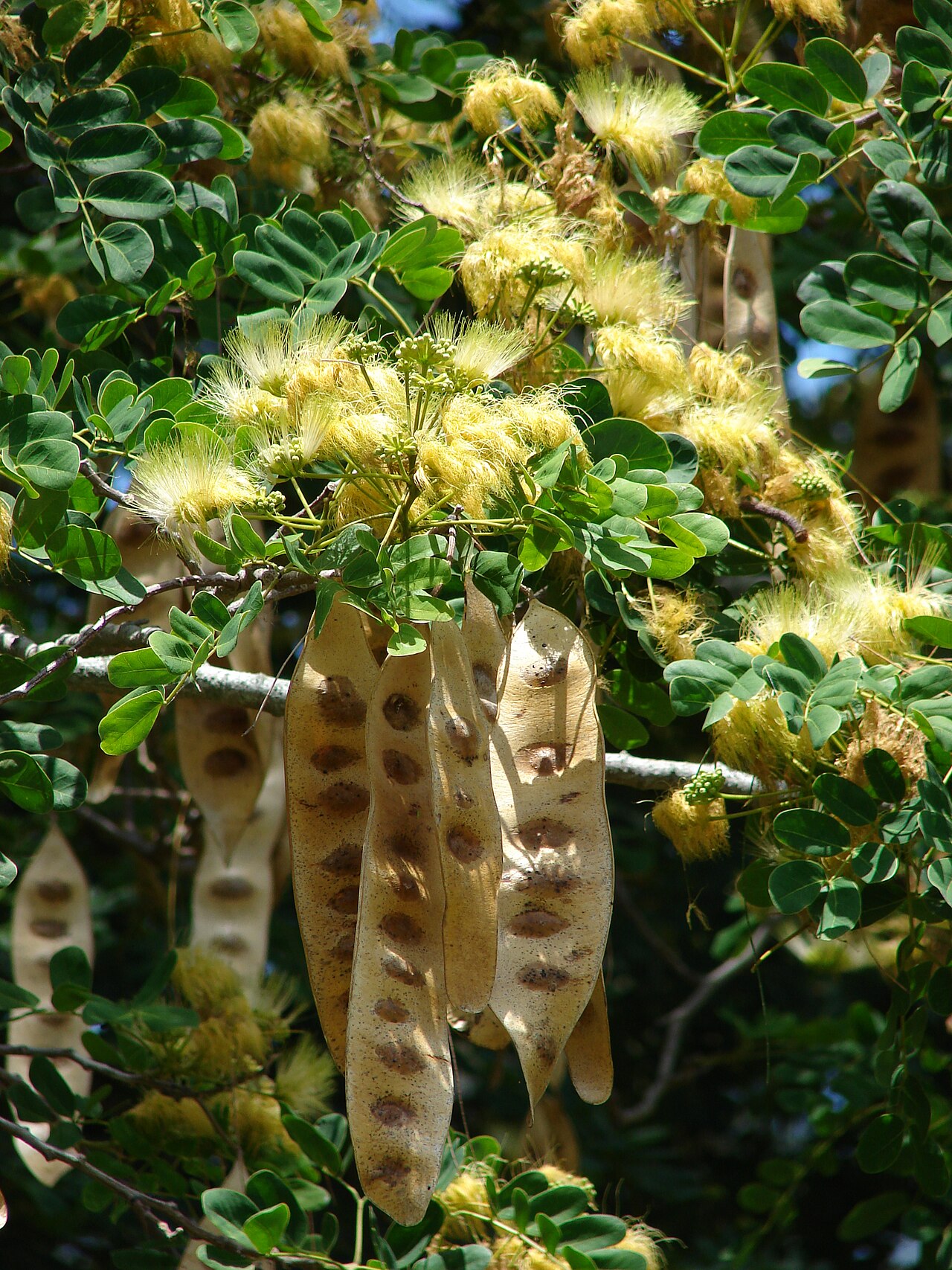
siris tree
Albizia lebbeck
Secondary II High Fertilizer biomass 🌱 Nitrogen fixerA fast-growing, drought-tolerant leguminous tree of 18-30 m, native to tropical Asia and now pantropical. It fixes nitrogen readily and coppices ex...
-
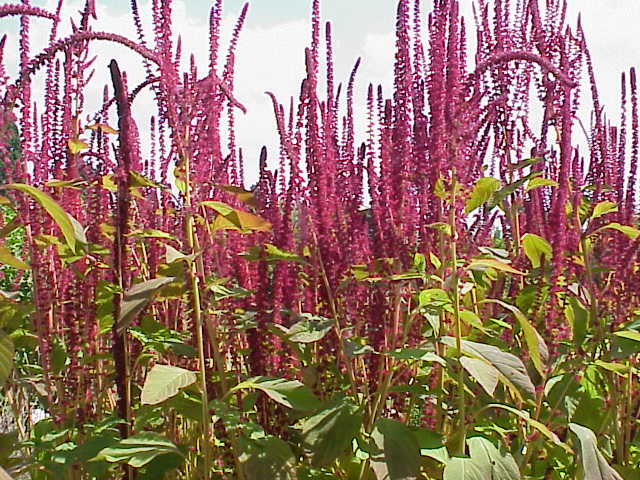
purple amaranth
Amaranthus cruentus
Placenta I High Fertilizer biomassHighly nutritious annual pseudocereal. Embrapa CT-16 lists it as a fodder species alongside gliricídia. Planted as a second-season crop after summe...
-
amburana
Amburana cearensis
Climax High Mulch biomassPremium-timber leguminous tree native to Caatinga, Cerrado, and dry Atlantic Forest. EcoAgri lists it in the high stratum of the '> 50 years' bin. ...
-
dwarf early-bearing cashew
Anacardium occidentale
Secondary II High No biomass productionEmbrapa dwarf early-bearing cashew clones — 4–6 m height vs. 8–15 m of common cashew. First fruits at 18–24 months (vs. 4 years for the common cash...
-
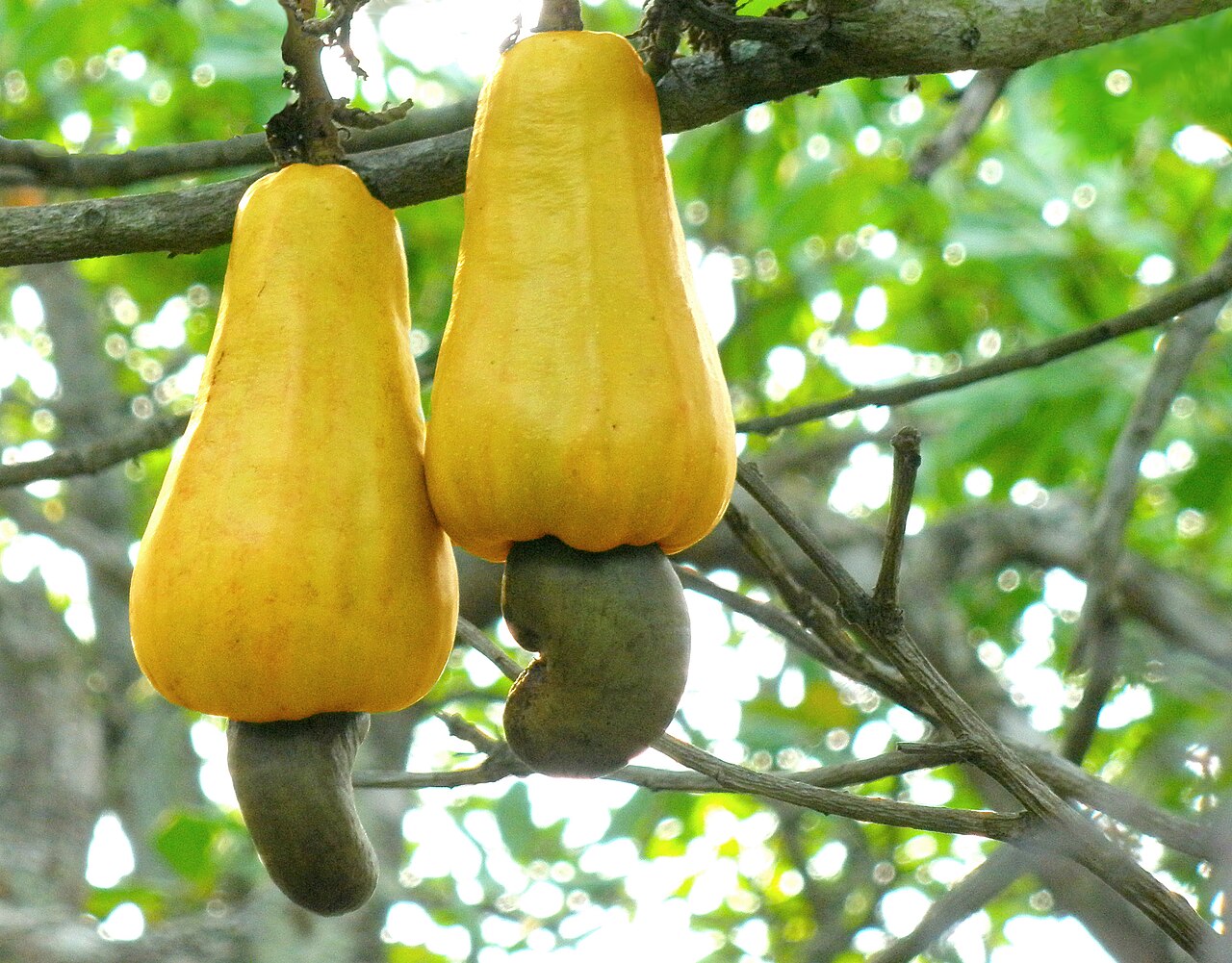
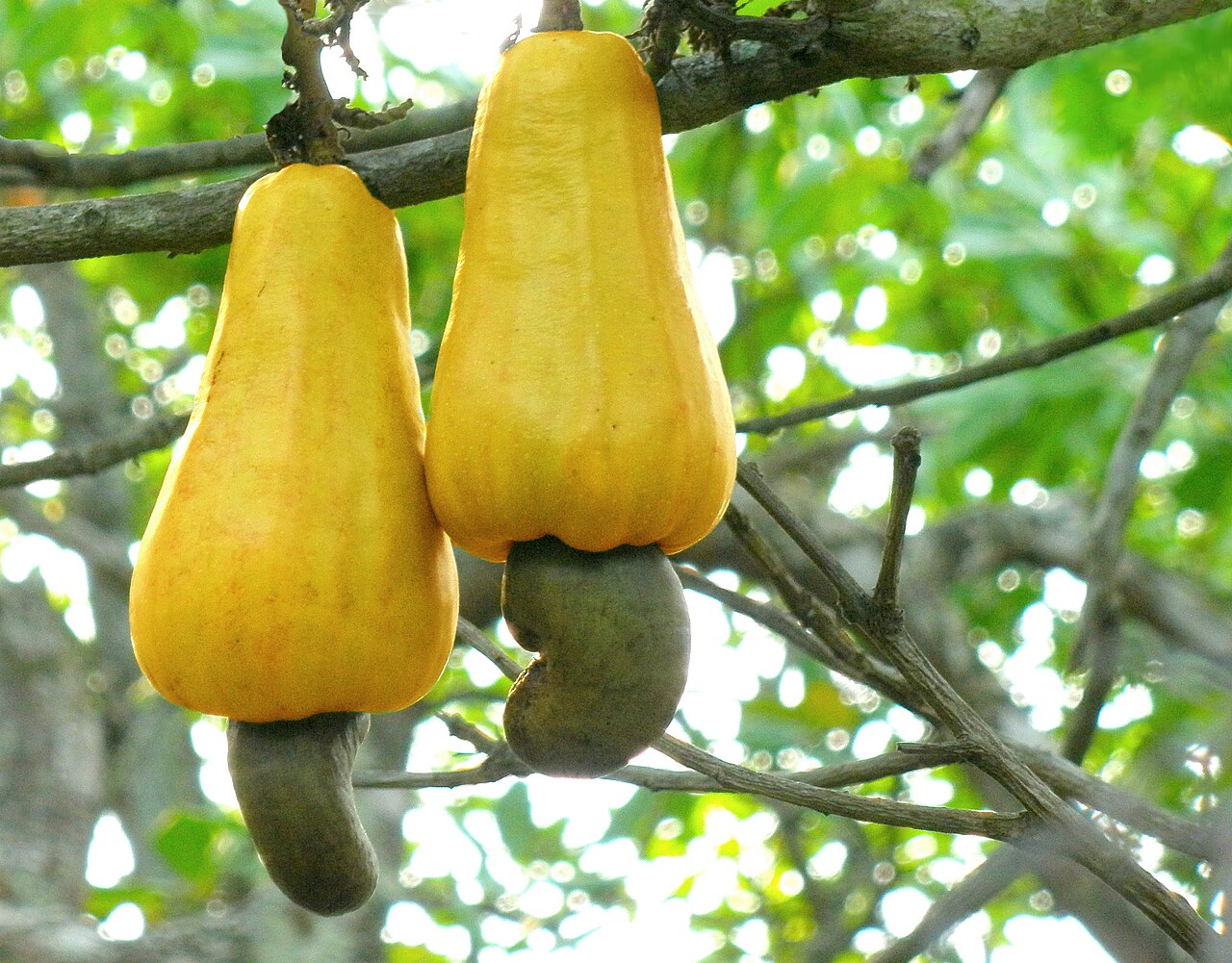
cashew
Anacardium occidentale
Secondary II High No biomass productionNative fruit tree of the Cerrado and Caatinga; produces a pseudofruit (the cashew apple) and the true cashew nut. Pasini lists it in the emergent s...
-
cebil
Anadenanthera colubrina
Secondary I High Fertilizer biomass 🌱 Nitrogen fixerFast-growing pioneer legume, nitrogen fixer. Adapted to poor and degraded soils; widely used in restoration of degraded areas across Caatinga, Cerr...
-
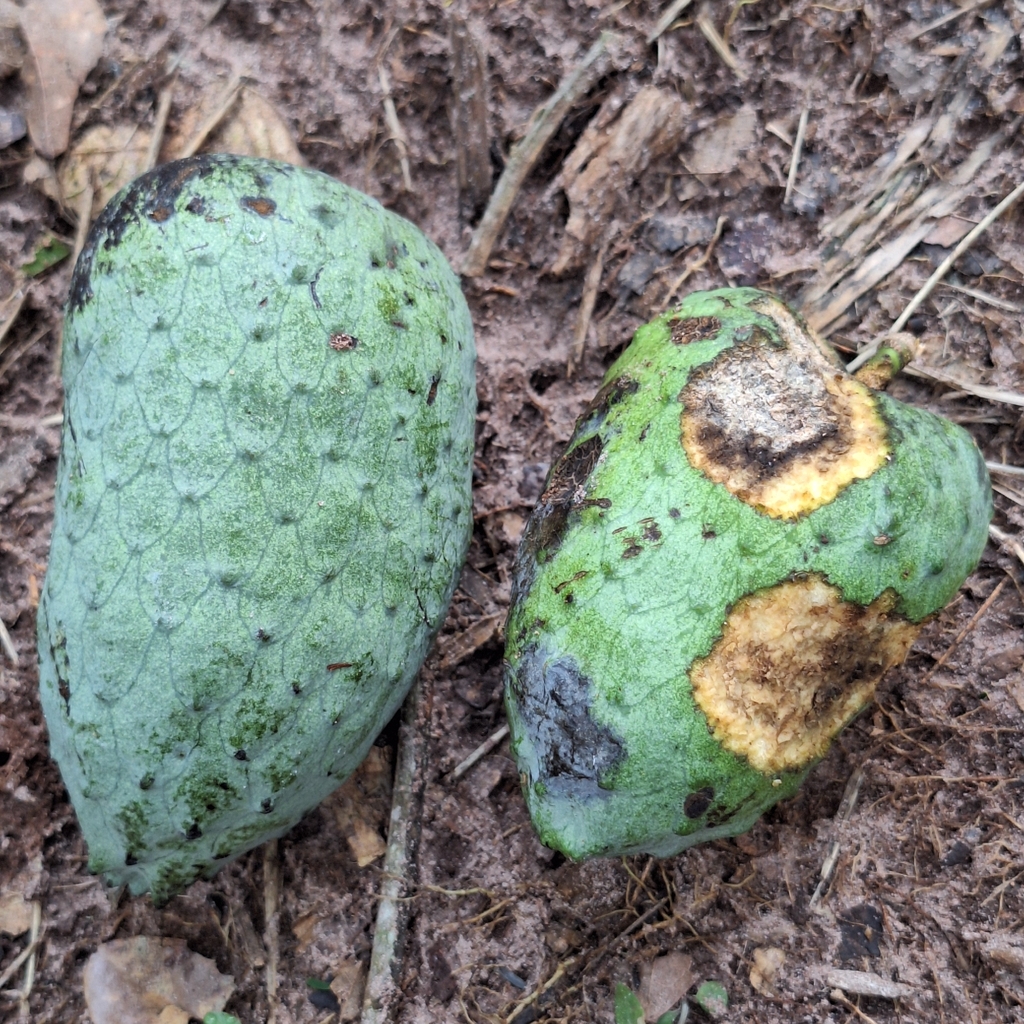
wild sweetsop
Annona cacans
Secondary II High Mulch biomassNative Atlantic Forest and Cerrado species, medium tree (8–15 m). Large fruits (up to 1.5 kg) with sweetish yellow flesh but a laxative effect (ori...
-
biriba
Annona mucosa
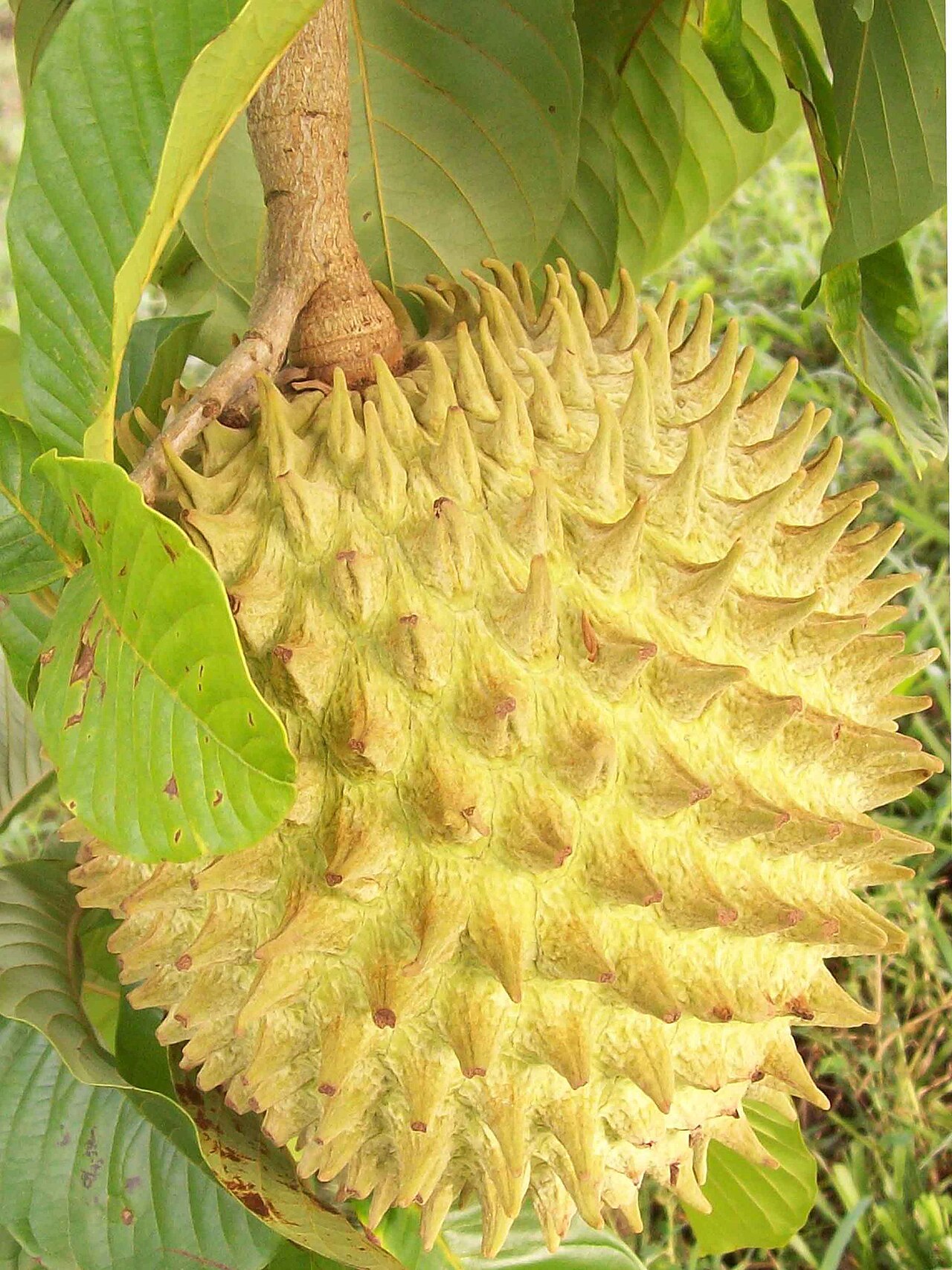
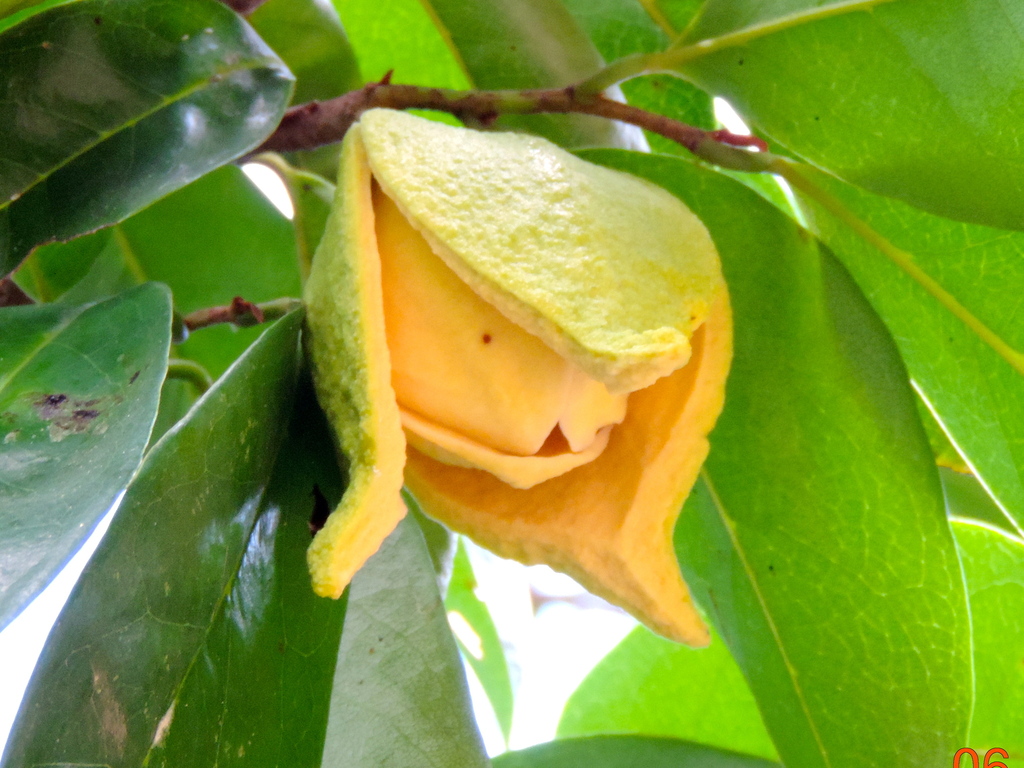
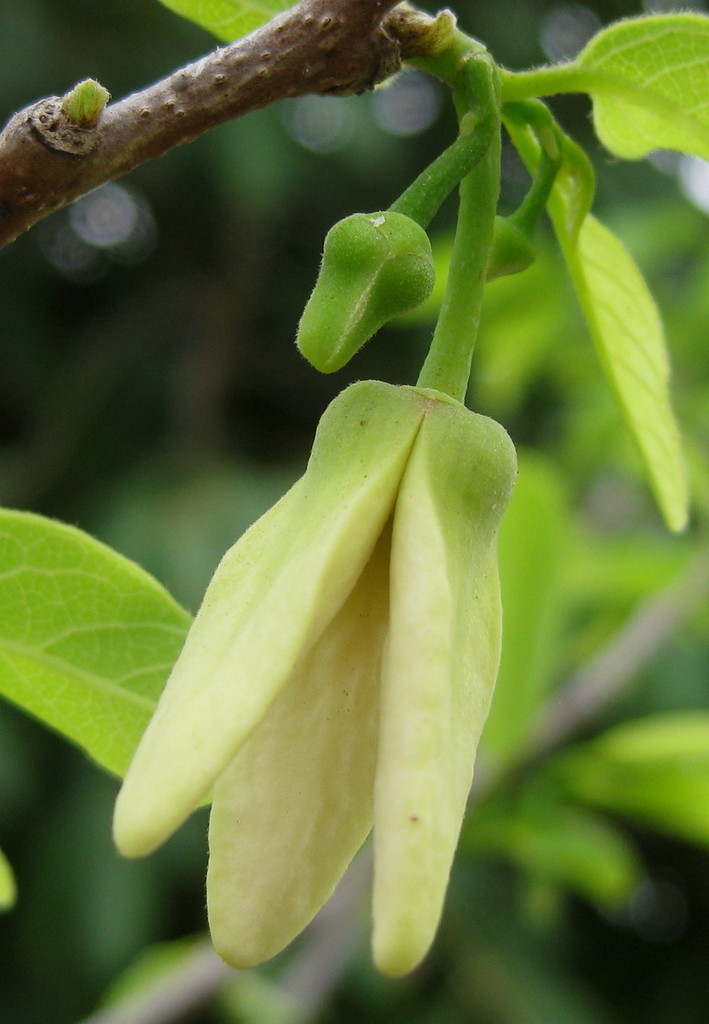
Secondary I High No biomass productionAmazonian fruit of the Annonaceae (cousin of pinha and graviola). Pasini lists it in the high stratum of Tabela 3. Creamy white pulp highly prized;...
-
soursop
Annona muricata
Secondary I High No biomass productionTropical fruit with sweet-tart white pulp and well-documented medicinal properties. Pasini lists it in the high stratum of Tabela 3. Native to Amaz...
-
sugar apple
Annona squamosa
Secondary I High No biomass productionSmall tropical fruit tree, same family as graviola. Pasini lists it in the high stratum of Tabela 3. Tolerates poor soils and drought; traditional ...
-
breadfruit
Artocarpus altilis
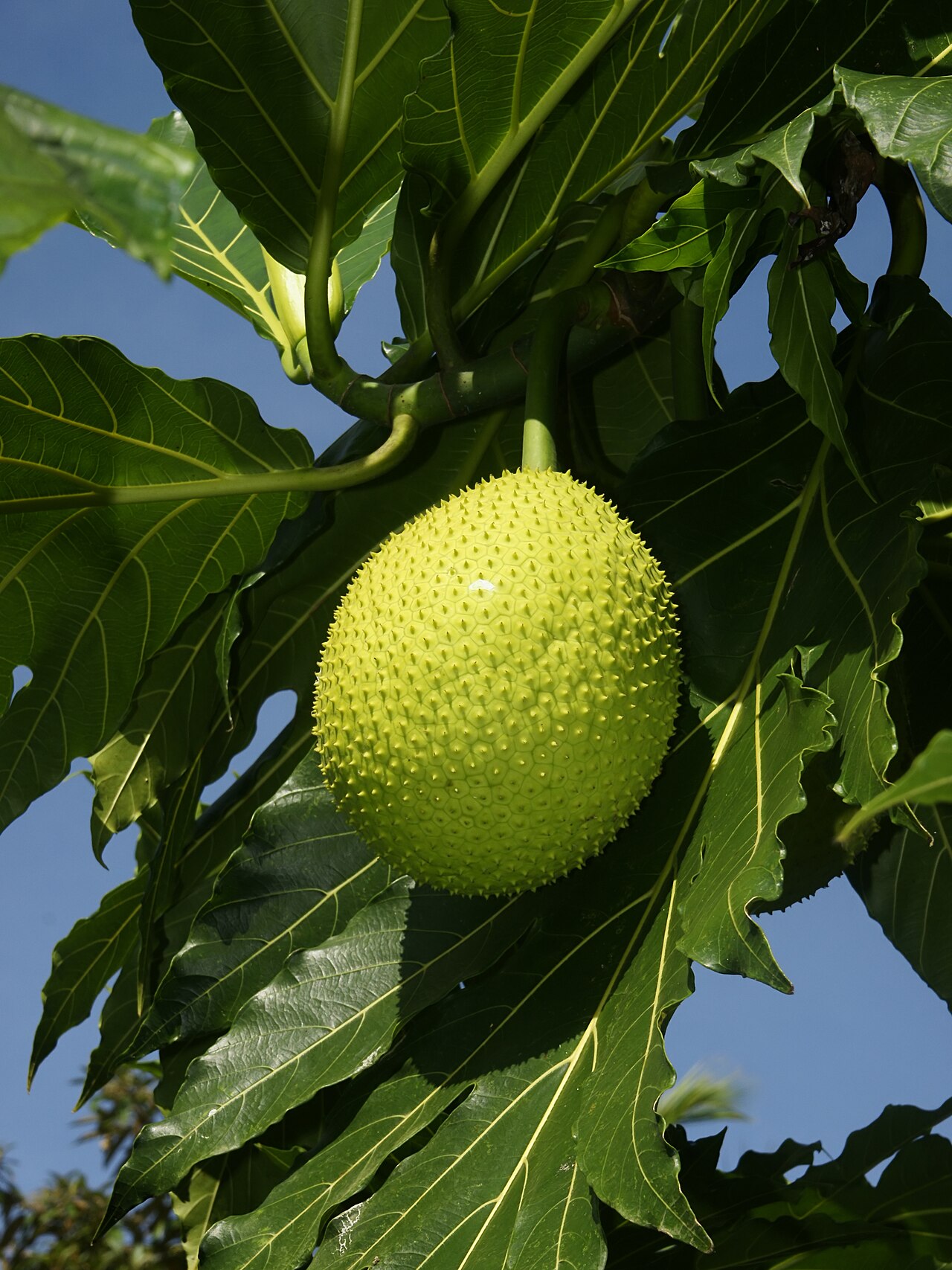
Climax High No biomass productionPacific fruit tree naturalized in Brazilian coastal and Amazonian regions. EcoAgri lists it in the high stratum of the '> 50 years' bin. Starchy fr...
-
jackfruit
Artocarpus heterophyllus
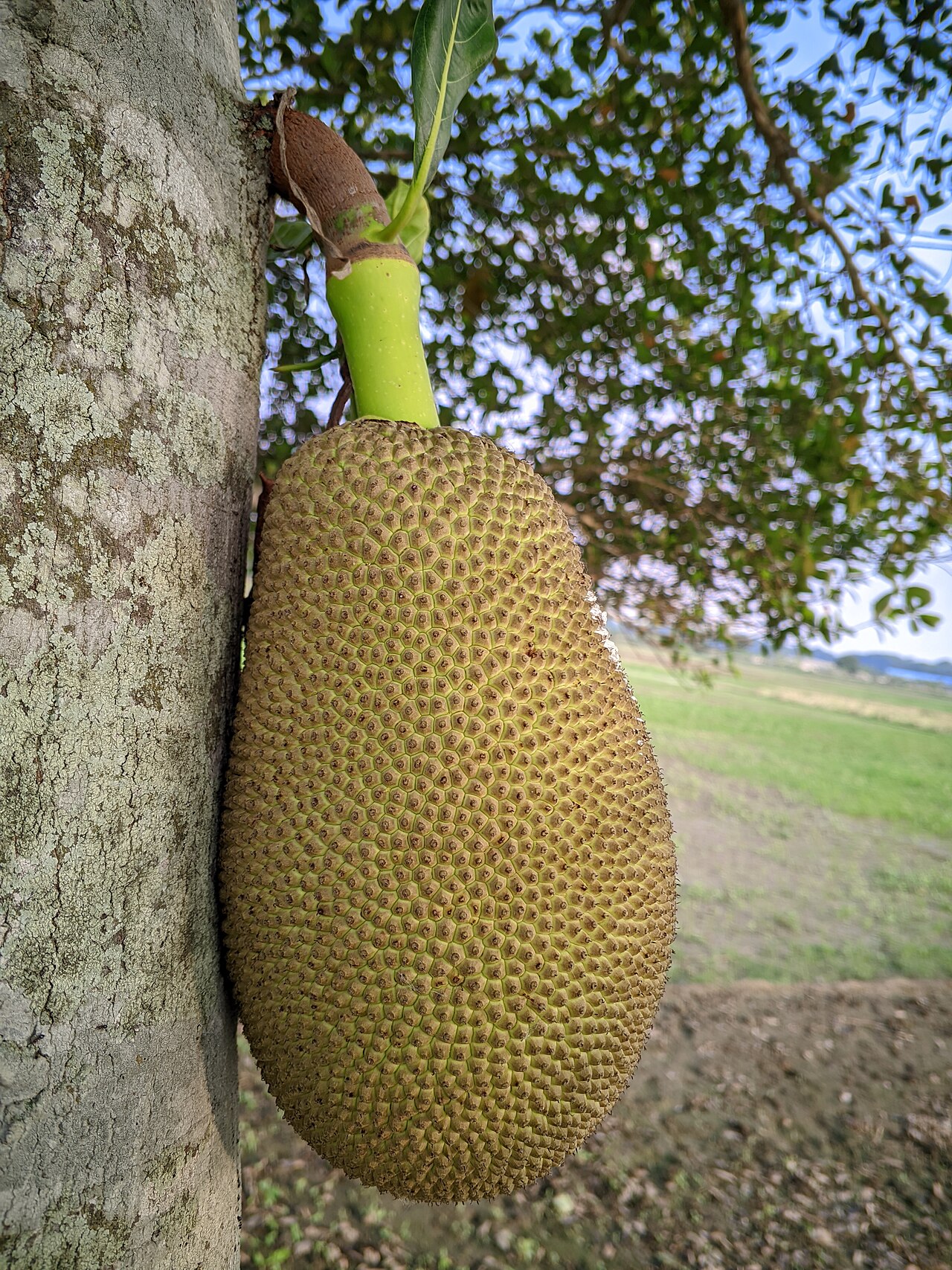
Secondary II High No biomass productionAsian fruit tree naturalized in the Brazilian Atlantic Forest. Pasini lists it in the high stratum of Tabela 3 and in the 5–18 year phase of the co...
-
peroba-poca
Aspidosperma cylindrocarpon
Climax High Mulch biomassPremium-timber tree native to the Atlantic Forest and Cerrado, distinct from peroba-rosa (Aspidosperma polyneuron). Rebello & Sakamoto (2019) plant...
-
peroba rosa
Aspidosperma polyneuron
Climax HighAtlantic Forest climax tree with very slow growth and dense, prized timber. Reaches 20–30 m. IUCN-listed as threatened due to logging.
-
tucumã palm
Astrocaryum vulgare
Secondary II High No biomass productionAmazonian high-stratum spiny palm, listed by Embrapa among native fruit species for Amazonian SAFs. Orange fruits very rich in beta-carotene and oi...
-
babassu palm
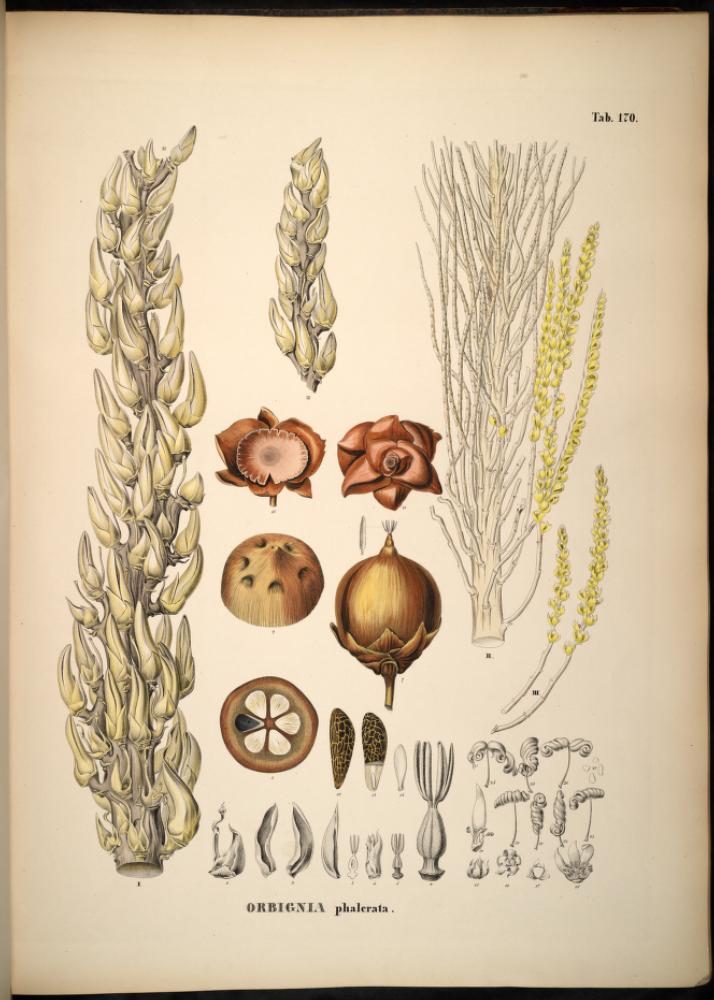
Attalea speciosa
Climax Emergent Mulch biomassNative palm of the transition zones between the Amazon, Cerrado, and Caatinga — strongly present in Maranhão, Piauí, Tocantins, and northern Goiás....
-
starfruit
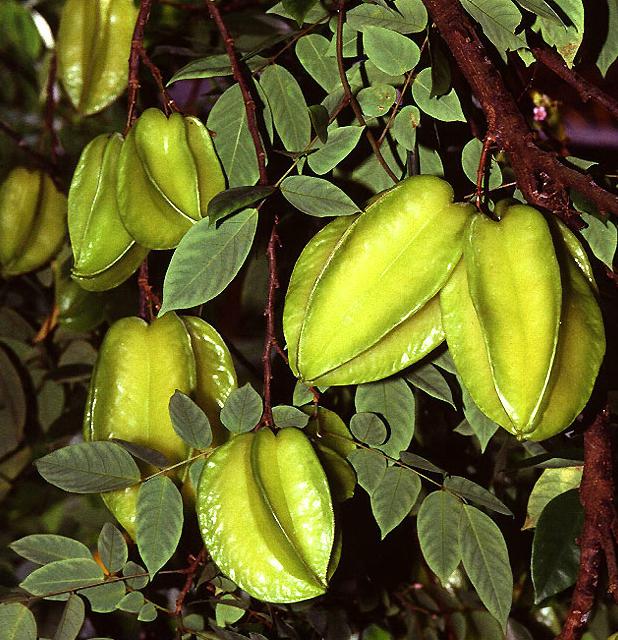
Averrhoa carambola
Secondary II Medium No biomass productionAsian fruit tree naturalized in Brazil, with the characteristic star-shape when sliced. EcoAgri lists it in the medium stratum of the 'up to 50 yea...
-
neem
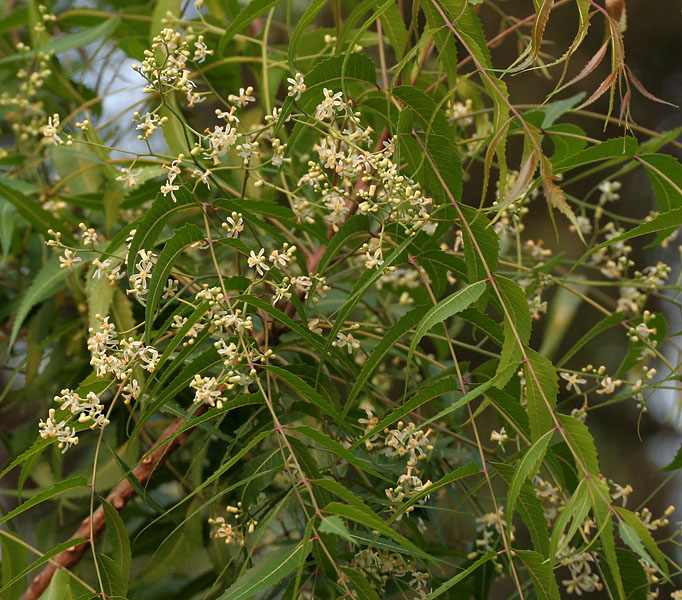
Azadirachta indica
Secondary I High Mulch biomassIndian-origin tree adapted to Brazil, the biopesticide species of the Embrapa Vitrine SAF. Leaves and seed oil (azadirachtin) repel more than 200 i...
-
peach palm
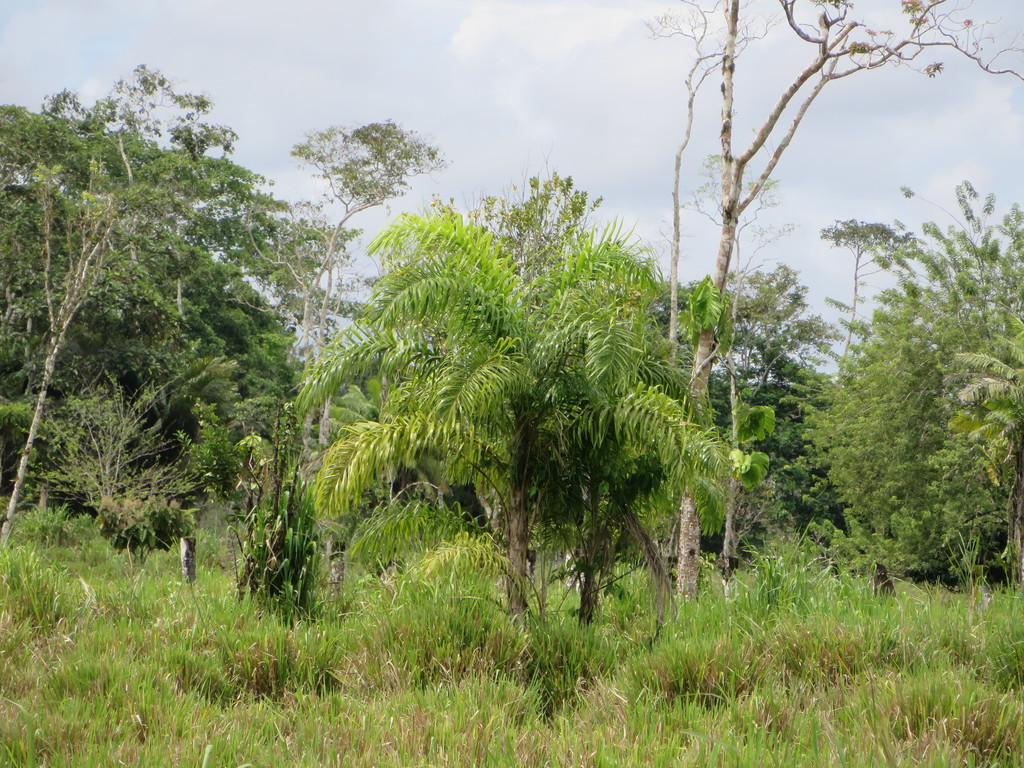
Bactris gasipaes
Secondary II Emergent No biomass productionAmazonian multi-stemmed palm; produces heart of palm in ~3 years and edible fruit in ~5 years. Pasini lists it in the emergent stratum of Tabela 3 ...
❓ Frequently asked questions
What is the high stratum?
Form the main canopy; tolerate occasional shade.
Which plants occupy the high stratum?
The catalog holds 167 species, among them okra, mangium, monjoleiro. Each profile shows stratum, succession stage, and the management data, with sources cited.