Plants
Plant Catalog
321 plants found
-
red mombin
Spondias purpurea
Secondary I High No biomass productionNortheastern Brazilian native fruit tree; propagated by cuttings. Pasini lists it in the high stratum of Tabela 3. Drought-tolerant, short cycle to...
-
Brazil plum
Spondias tuberosa
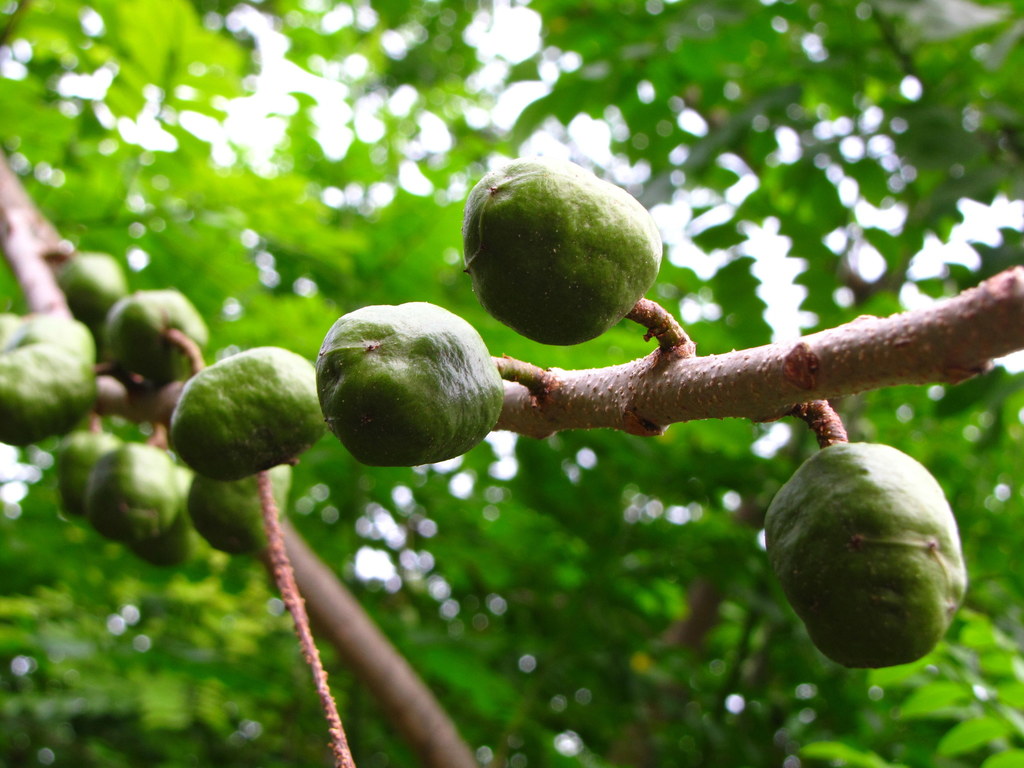
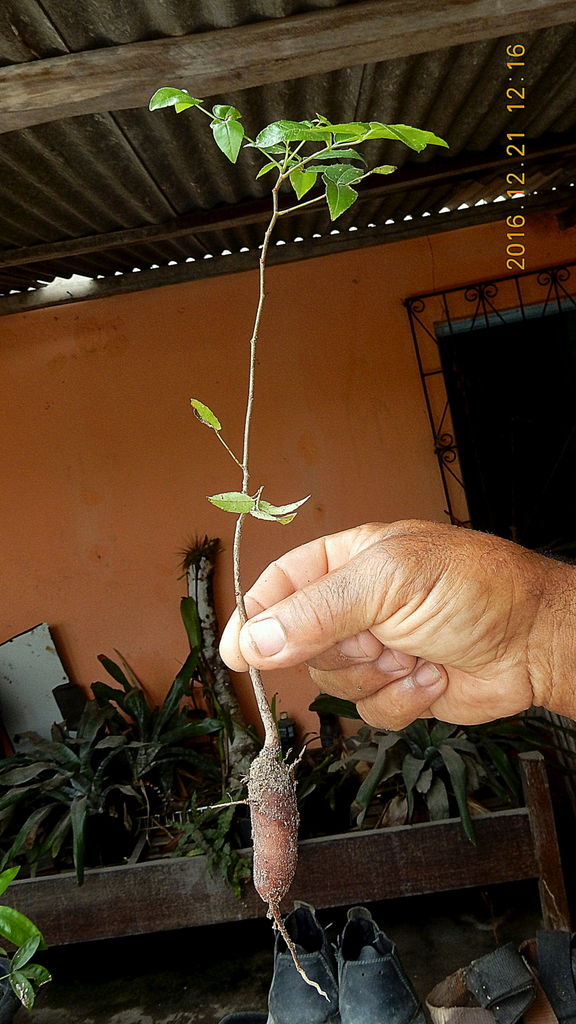
Climax MediumEndemic fruit tree of the Caatinga semiarid biome, with underground tuberous roots (xylopodia) that store water and allow it to survive long drough...
-
stylo
Stylosanthes guianensis
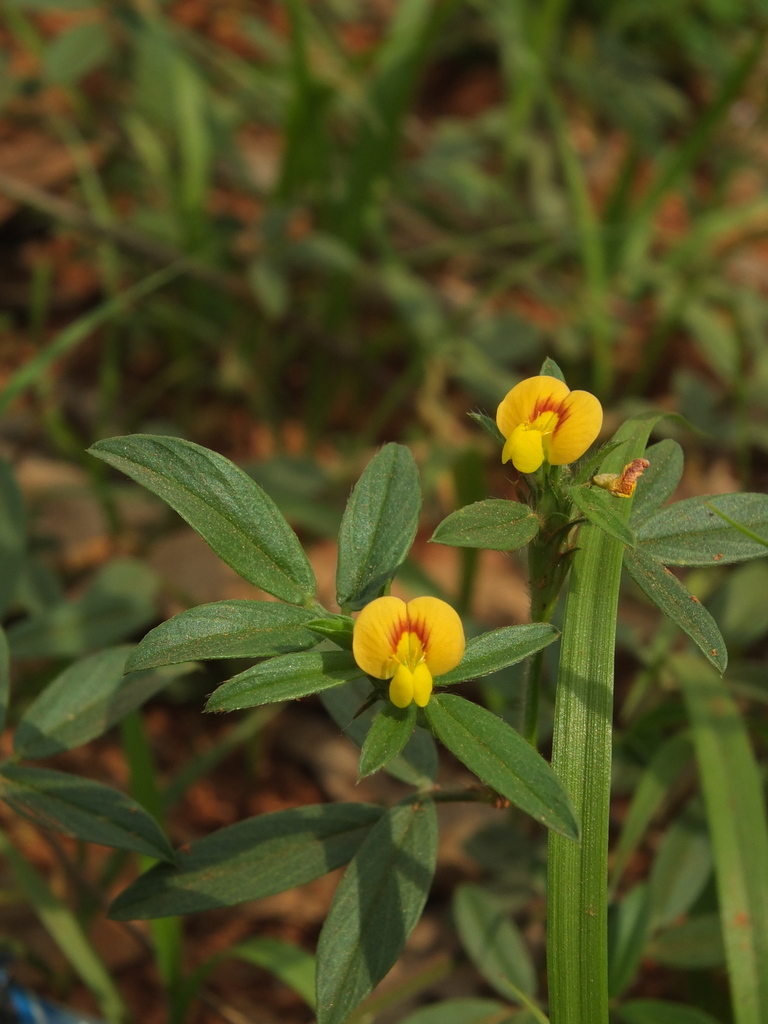
Placenta I Ground cover Fertilizer biomass 🌱 Nitrogen fixerHerbaceous forage legume, nitrogen-fixer. Rebello includes stylosanthes among key accumulation-phase species in Cerrado and Caatinga, alongside pig...
-
big-leaf mahogany
Swietenia macrophylla
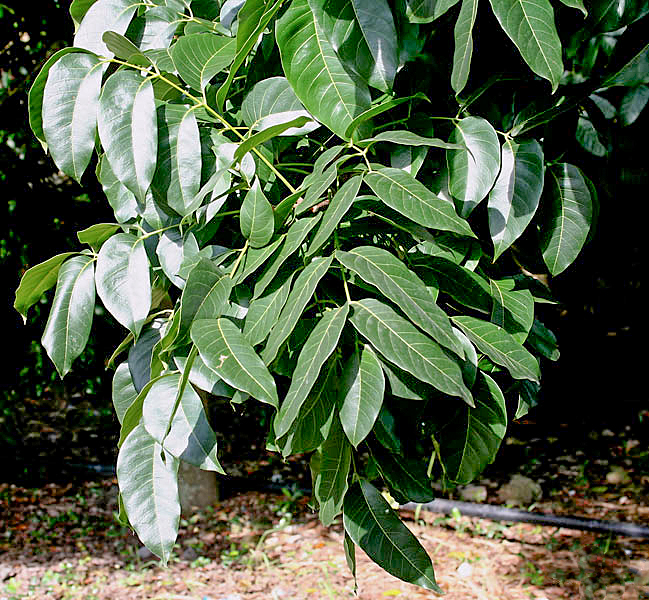
Climax Emergent Mulch biomassClimax Amazonian premium timber, CITES Appendix II. Pasini lists it in the emergent/high stratum of Tabela 3 and cites it explicitly as a premium t...
-
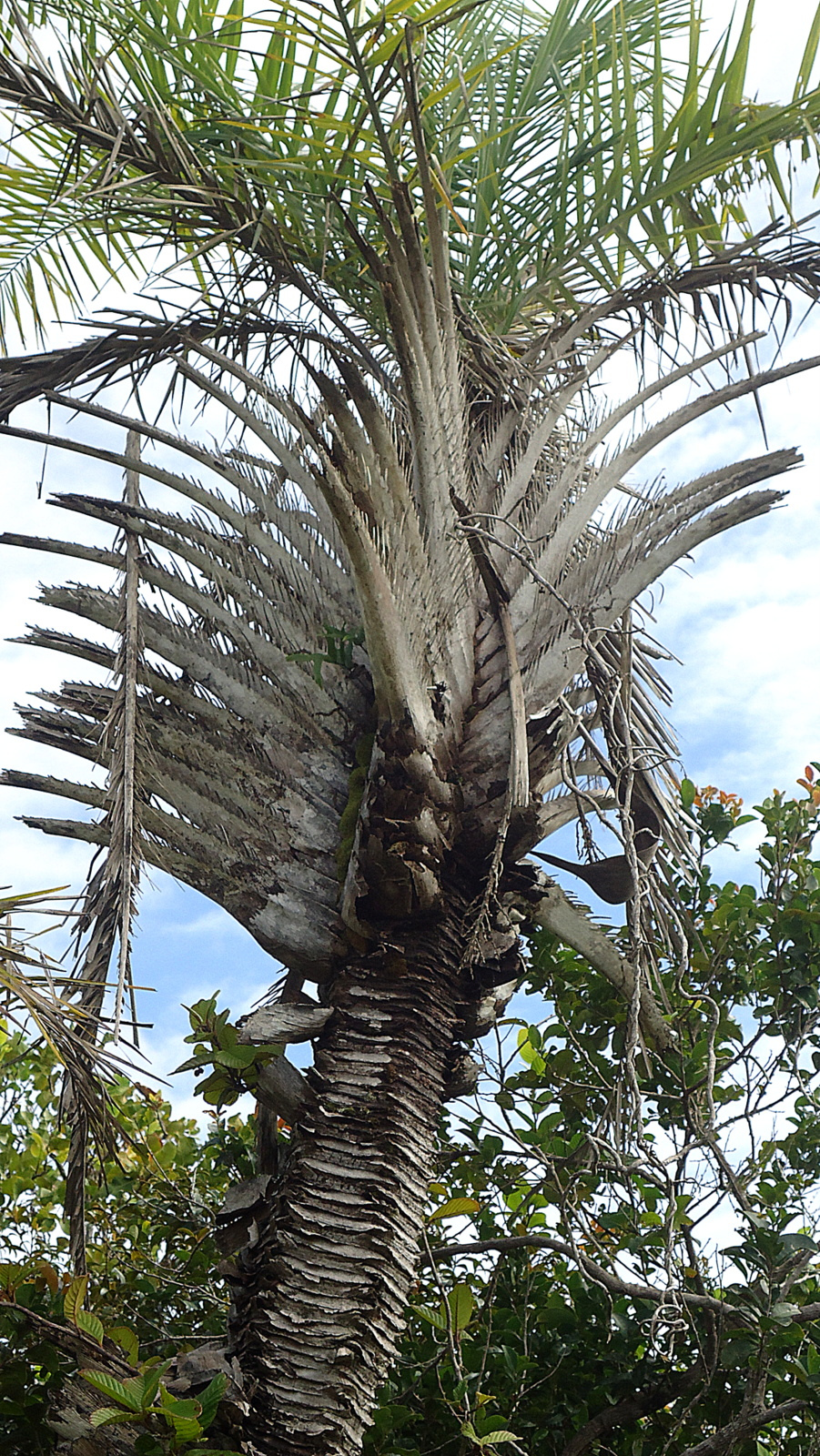
licuri palm
Syagrus coronata
Climax High Mulch biomassNative palm of the Caatinga and Northeastern Atlantic Forest, from northern Minas Gerais to Maranhão. Medium height (8–12 m), trunk covered by pers...
-
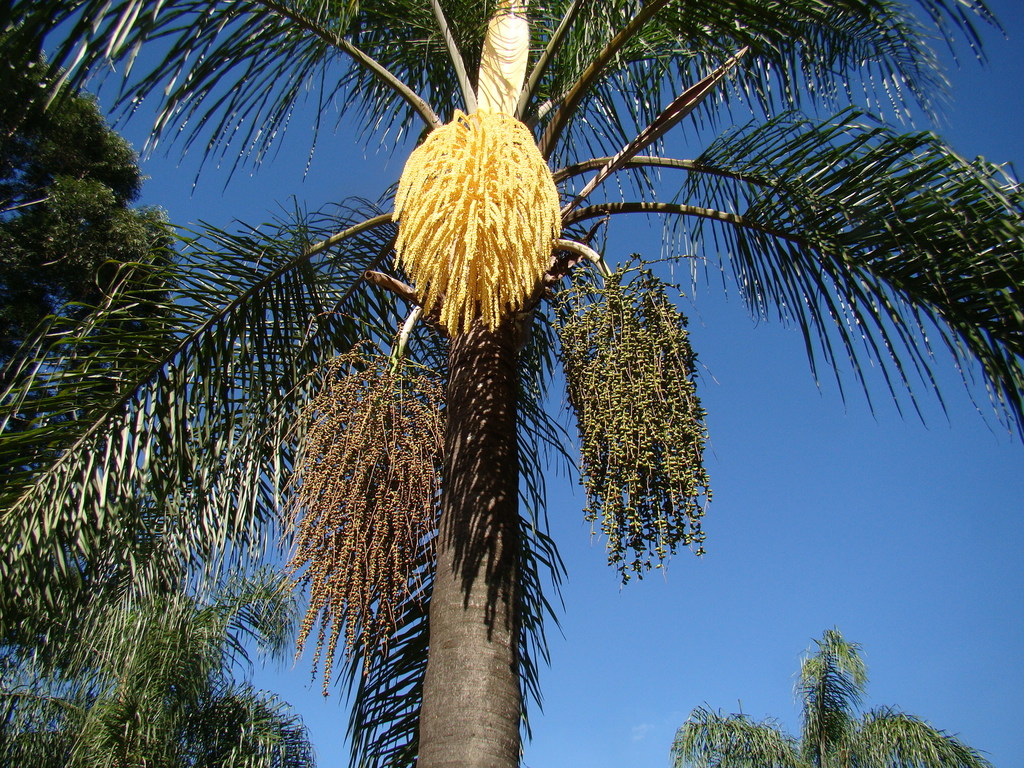
queen palm
Syagrus romanzoffiana
Secondary II High No biomass productionAtlantic Forest native palm, listed by Pasini in the high stratum of Tabela 3. Edible orange-yellow fruit consumed by local fauna; a central specie...
-
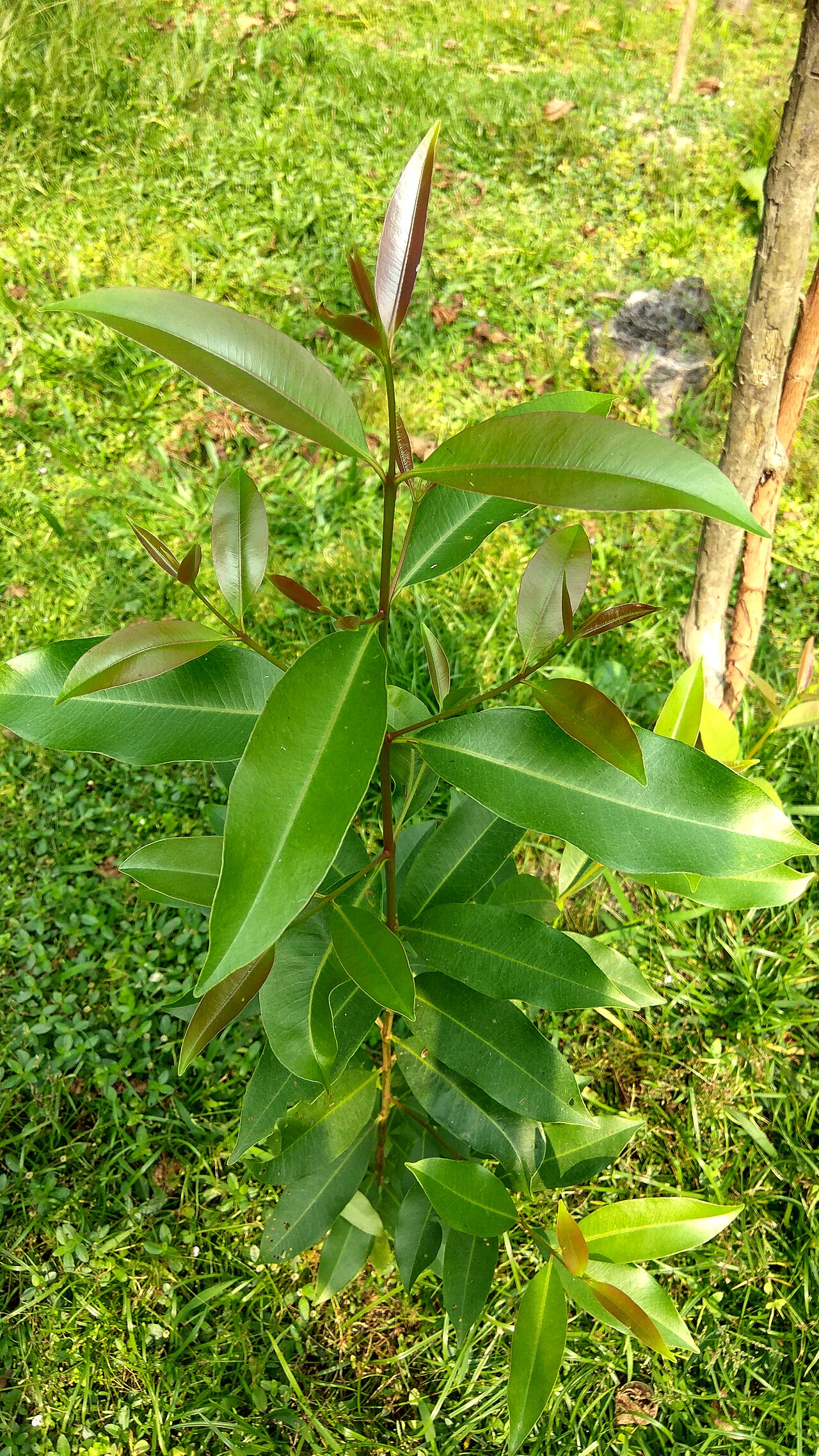
java plum
Syzygium cumini
Secondary II High No biomass productionAsian fruit tree naturalized in Brazil, listed by Pasini in the high stratum of Tabela 3. Edible purple fruit (jam, wine); leaves and bark are medi...
-
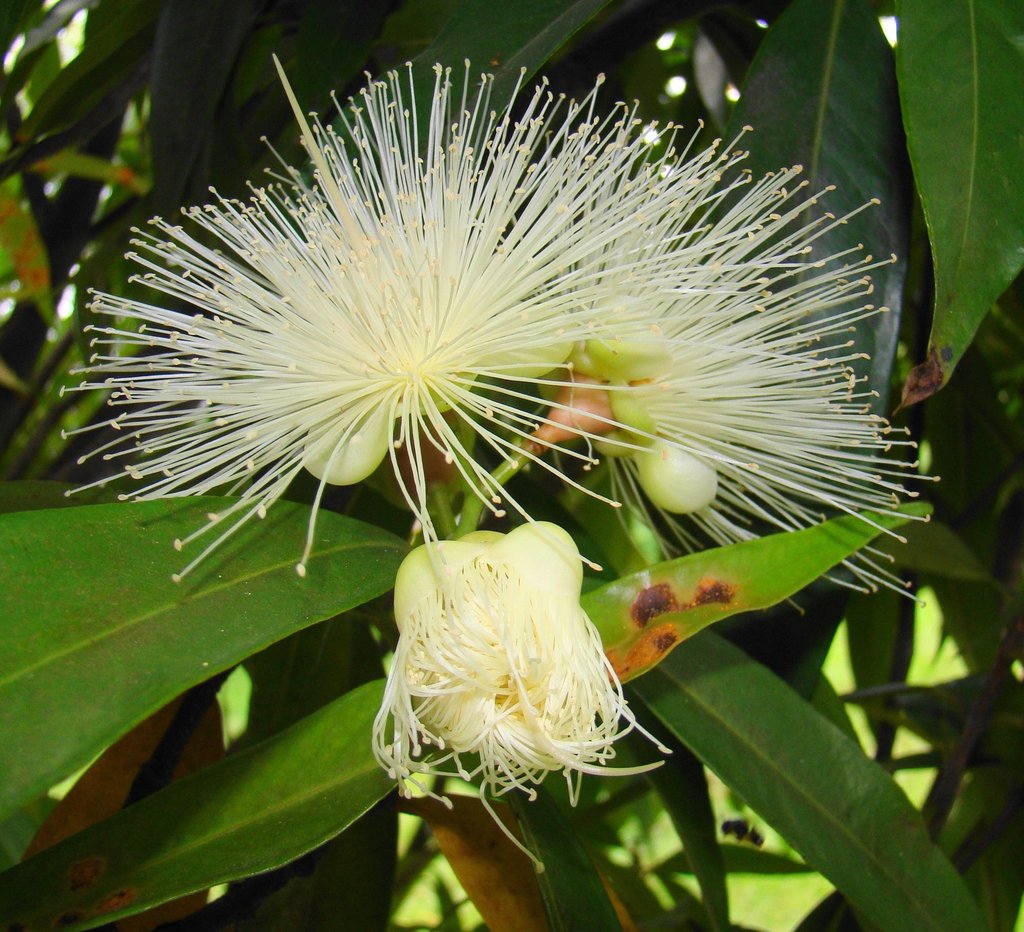
rose apple
Syzygium jambos
Climax High No biomass productionAsian fruit tree naturalized in Brazil, distinct from the Malay apple (S. malaccense). EcoAgri lists it in the high stratum of the '> 50 years' bin...
-
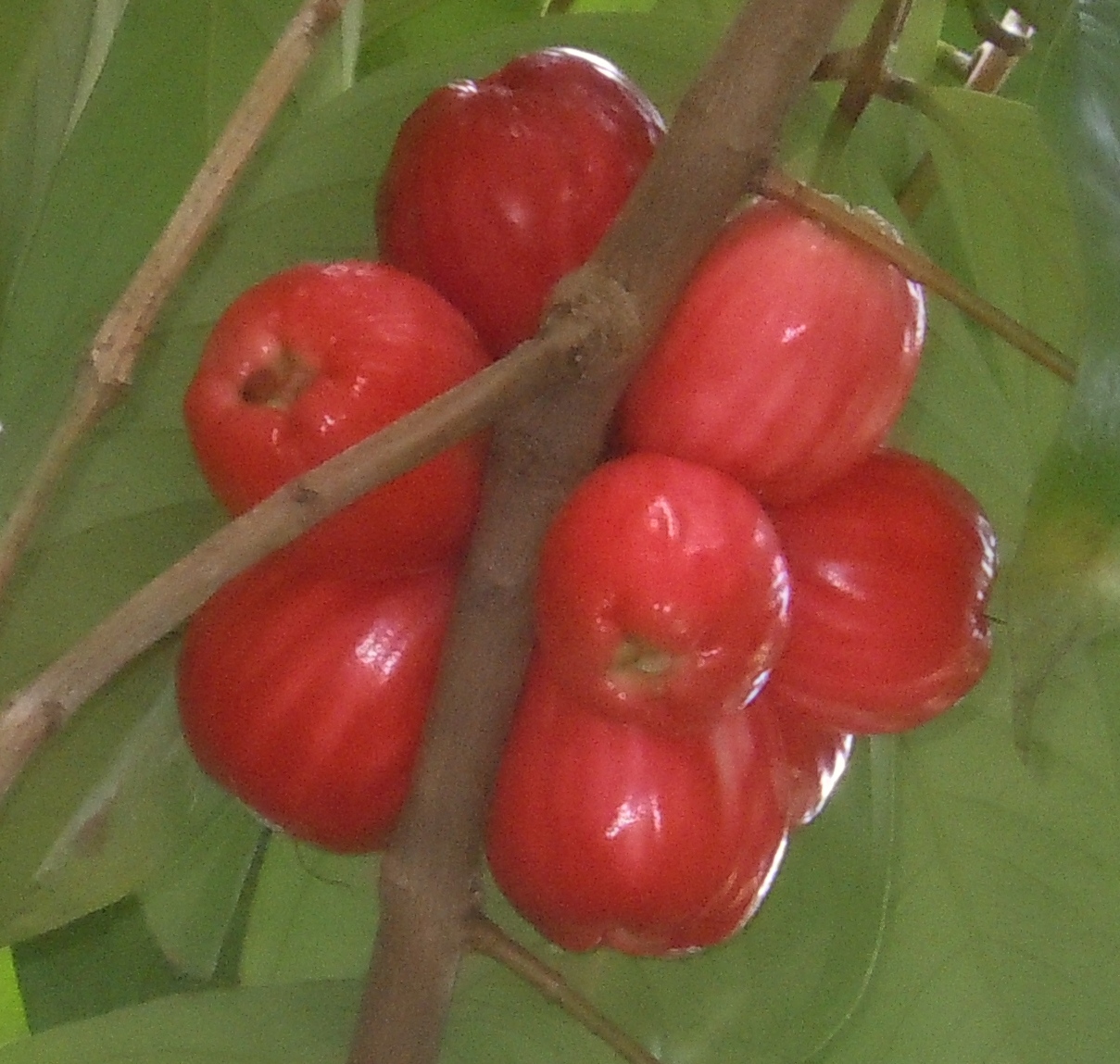
Malay apple
Syzygium malaccense
Secondary II High No biomass productionAsian tropical fruit listed by Pasini in the high stratum of Tabela 3. Pink-red mildly sweet fruit with crisp pulp. Tolerates wet soils; grows well...
-
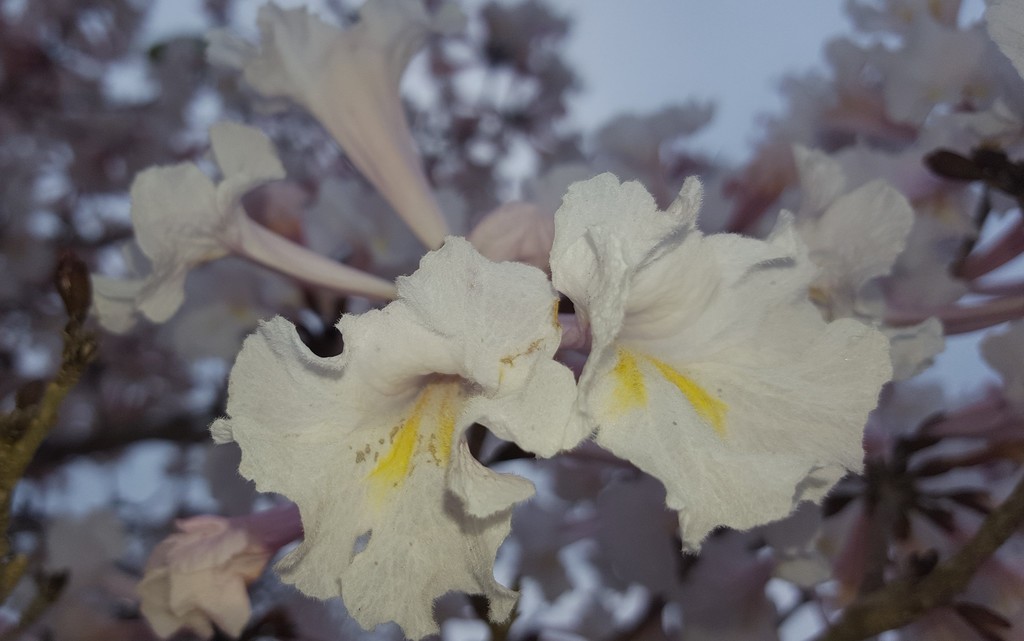
white ipê
Tabebuia roseoalba
Climax High No biomass productionMedium tree of the Cerrado, Atlantic Forest, and Caatinga (10–18 m). White-to-pale-pink flowering in July–August. Drought-tolerant. Medium-density ...
-
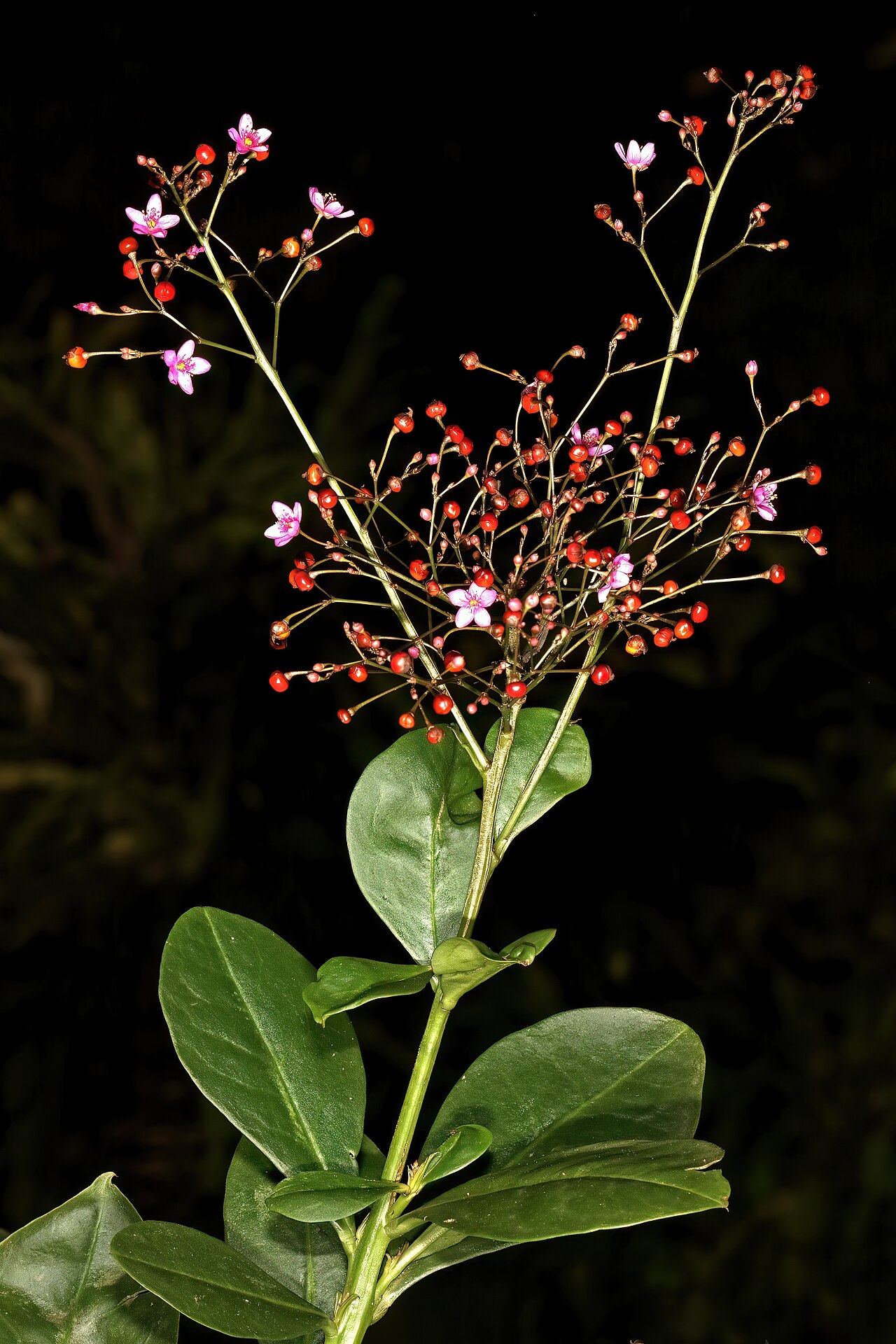
fameflower
Talinum paniculatum
Placenta I Low No biomass productionA perennial succulent herb in the Talinaceae, native to the Americas and common as an unconventional food plant (PANC) and a volunteer in gardens. ...
-
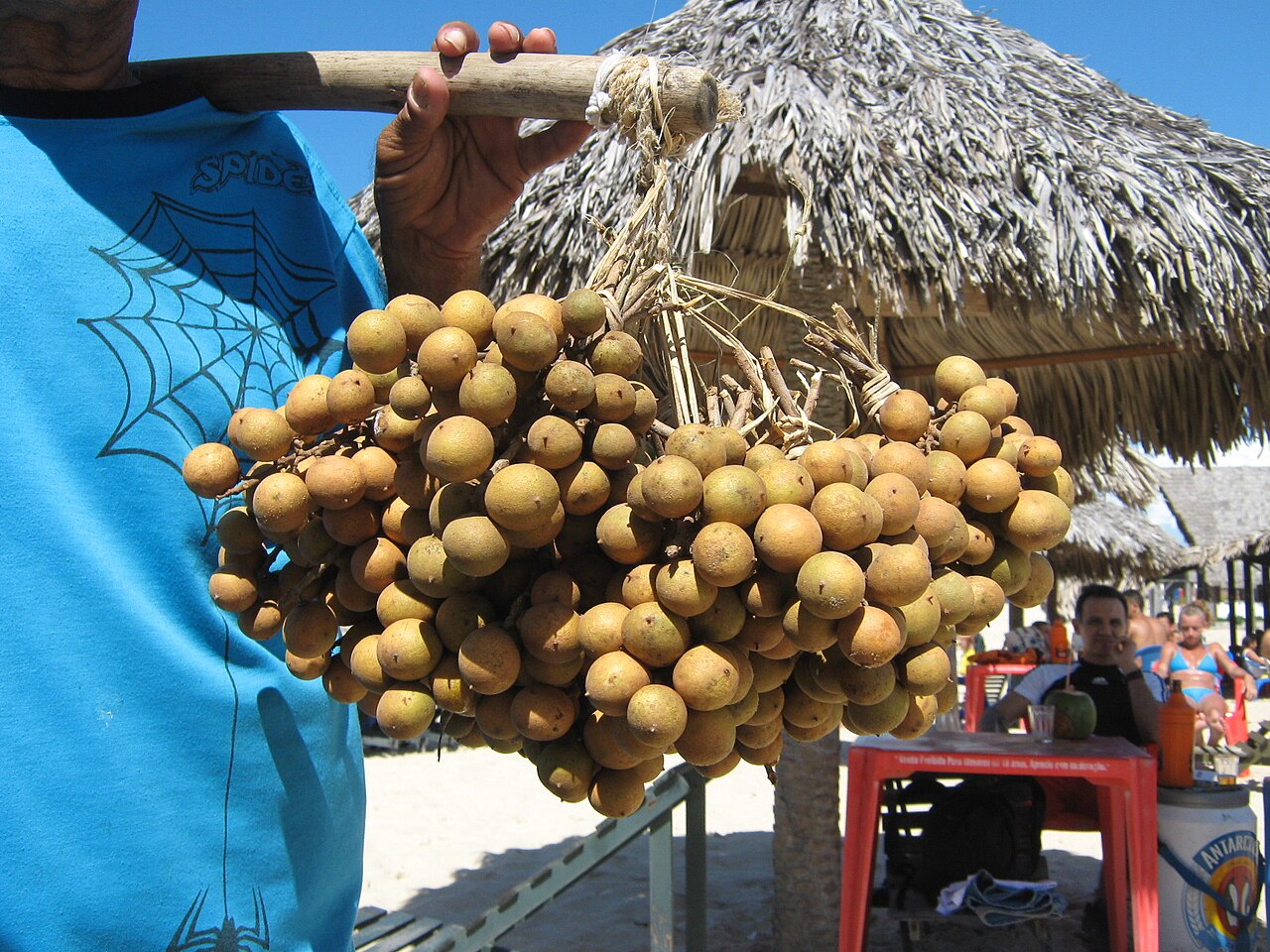
pitomba
Talisia esculenta
Secondary II Medium No biomass productionNative tree of the Amazon and Atlantic Forest, from Northeastern Brazil to Rio de Janeiro. 6–12 m tall, evergreen leafy canopy, trunk 30–40 cm. Ova...
-
tamarind
Tamarindus indica
Climax High No biomass production 🌱 Nitrogen fixerAfrican leguminous fruit tree naturalized in the Brazilian semi-arid. EcoAgri lists it in the high stratum of the '> 50 years' bin. Tolerates sandy...
-
white tephrosia
Tephrosia candida
Placenta II Low Mulch biomass 🌱 Nitrogen fixerA short-lived (3-4 years) perennial leguminous shrub of 1-3 m, native to India and widely introduced across the tropics. It fixes nitrogen and is g...
-
cocoa
Theobroma cacao
Secondary I Low No biomass productionLow-stratum fruit tree shaded by bananas, ingás and palms in the Bahia syntropic systems pioneered by Götsch.
-
criollo cacao
Theobroma cacao
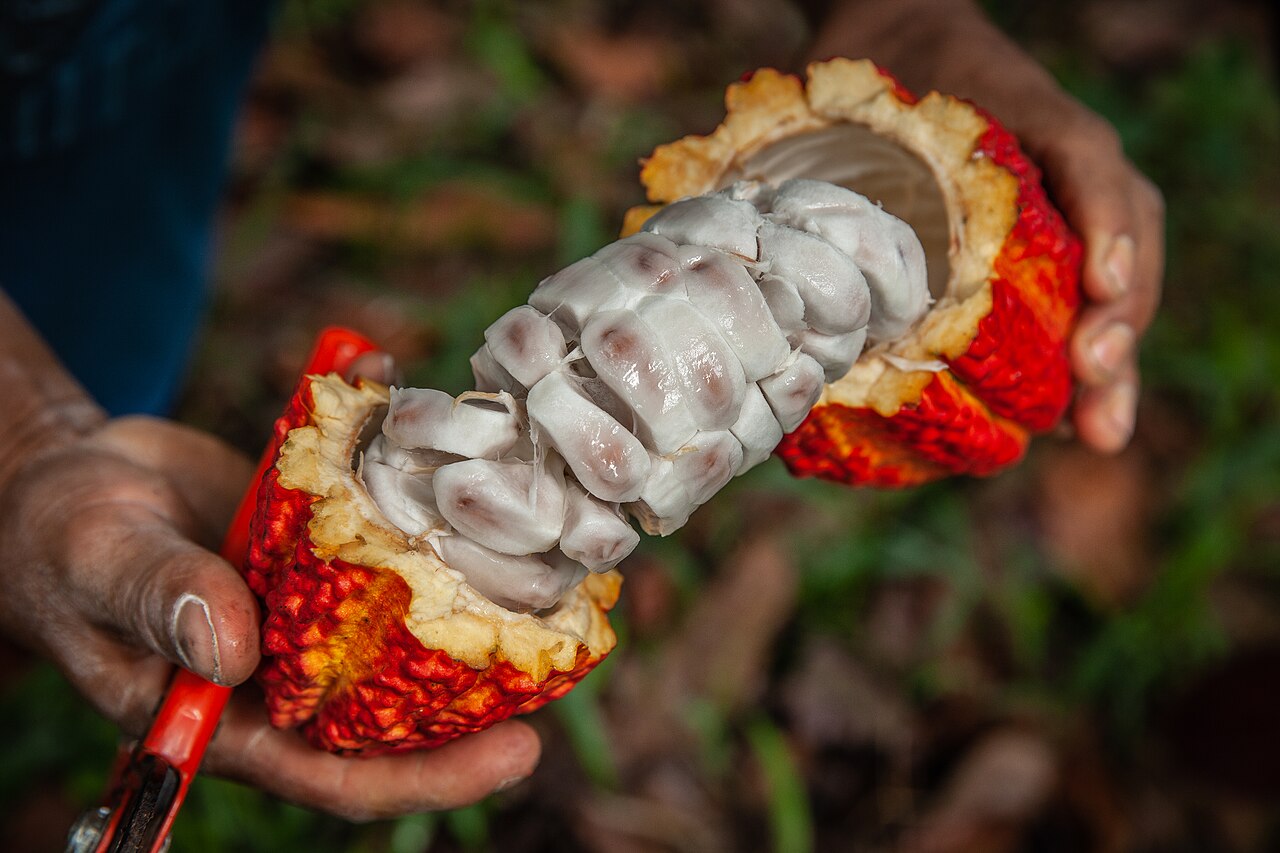
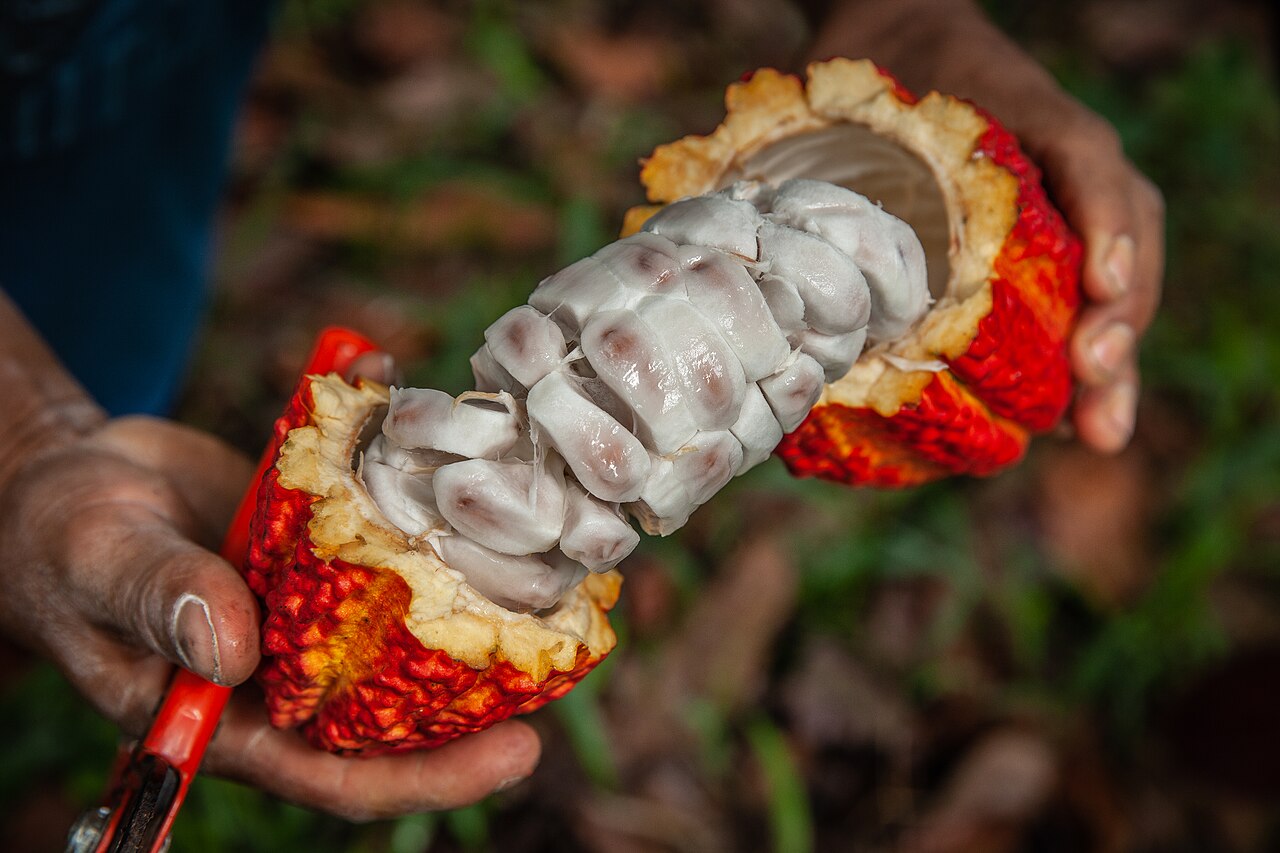
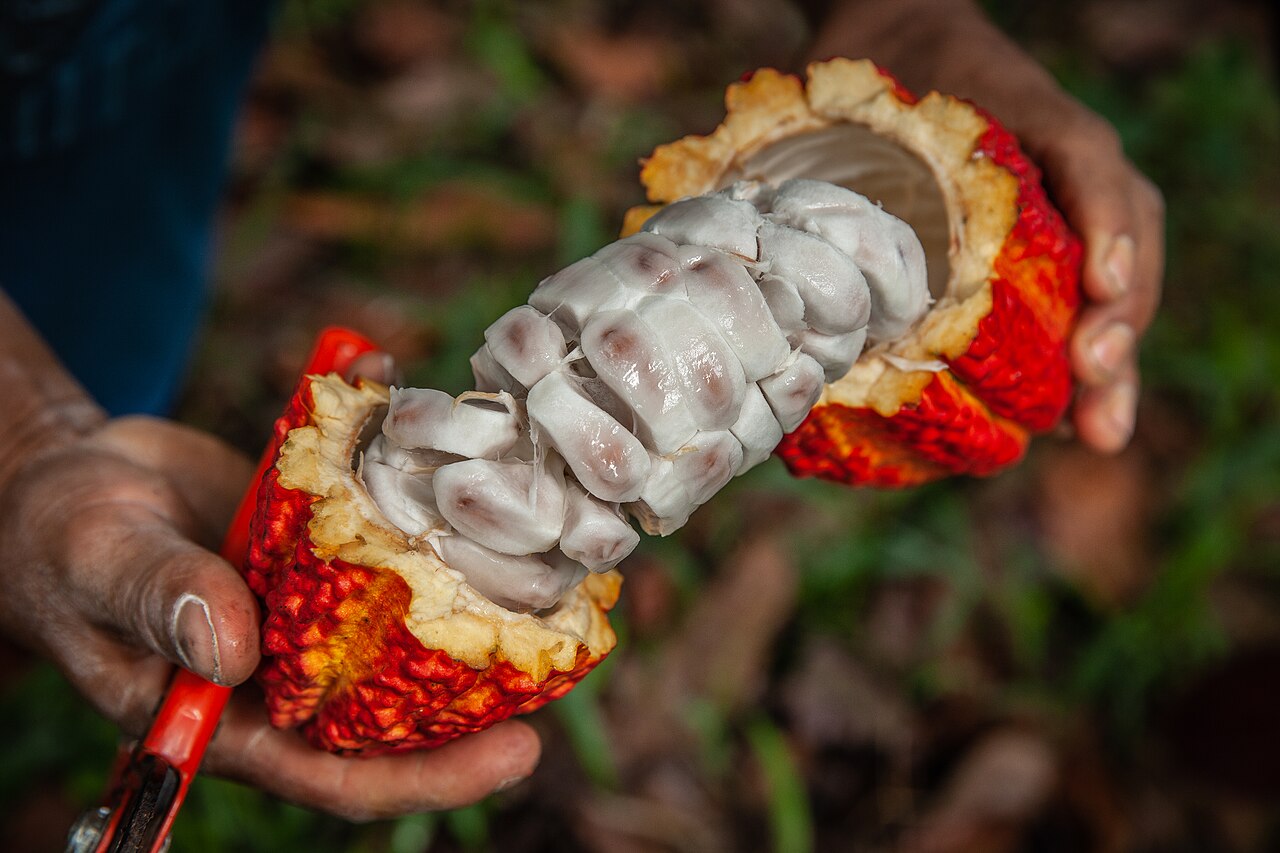
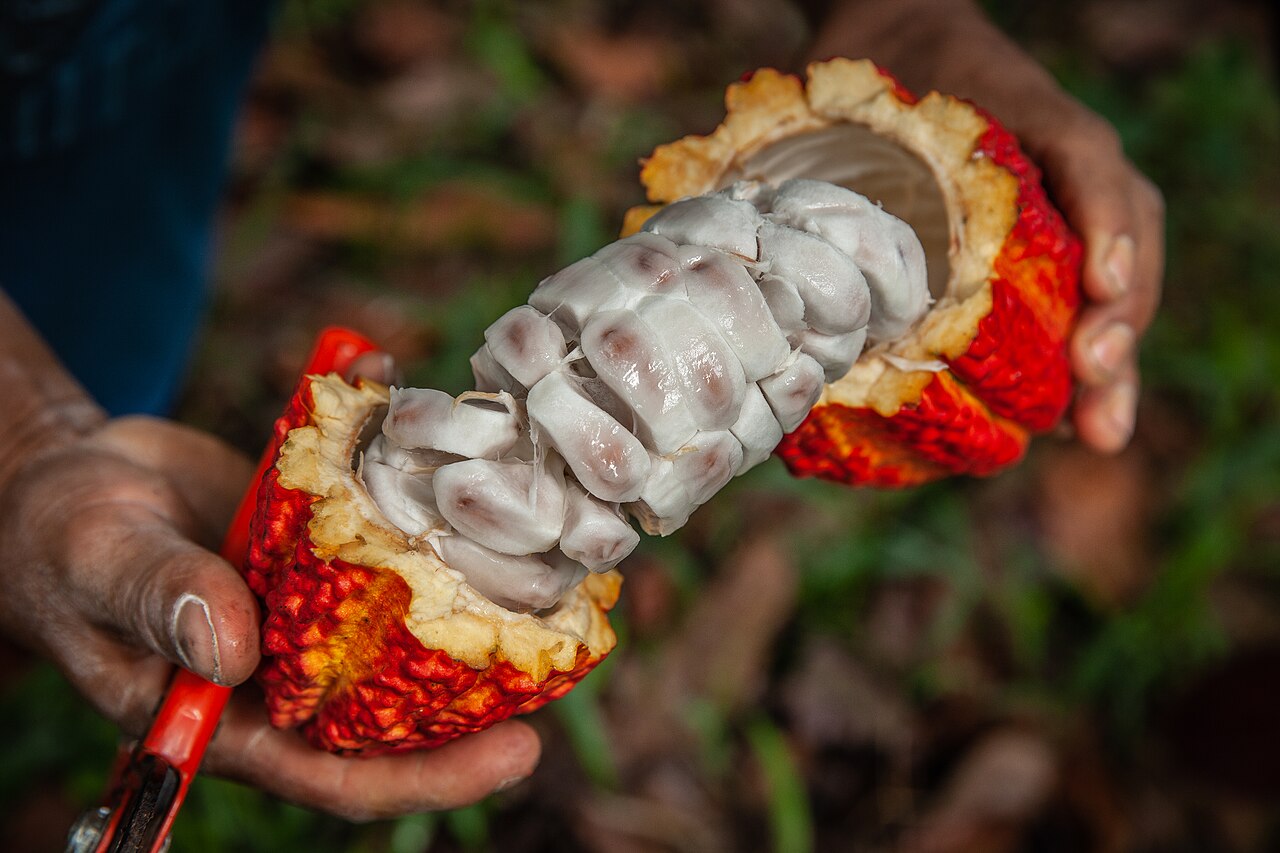
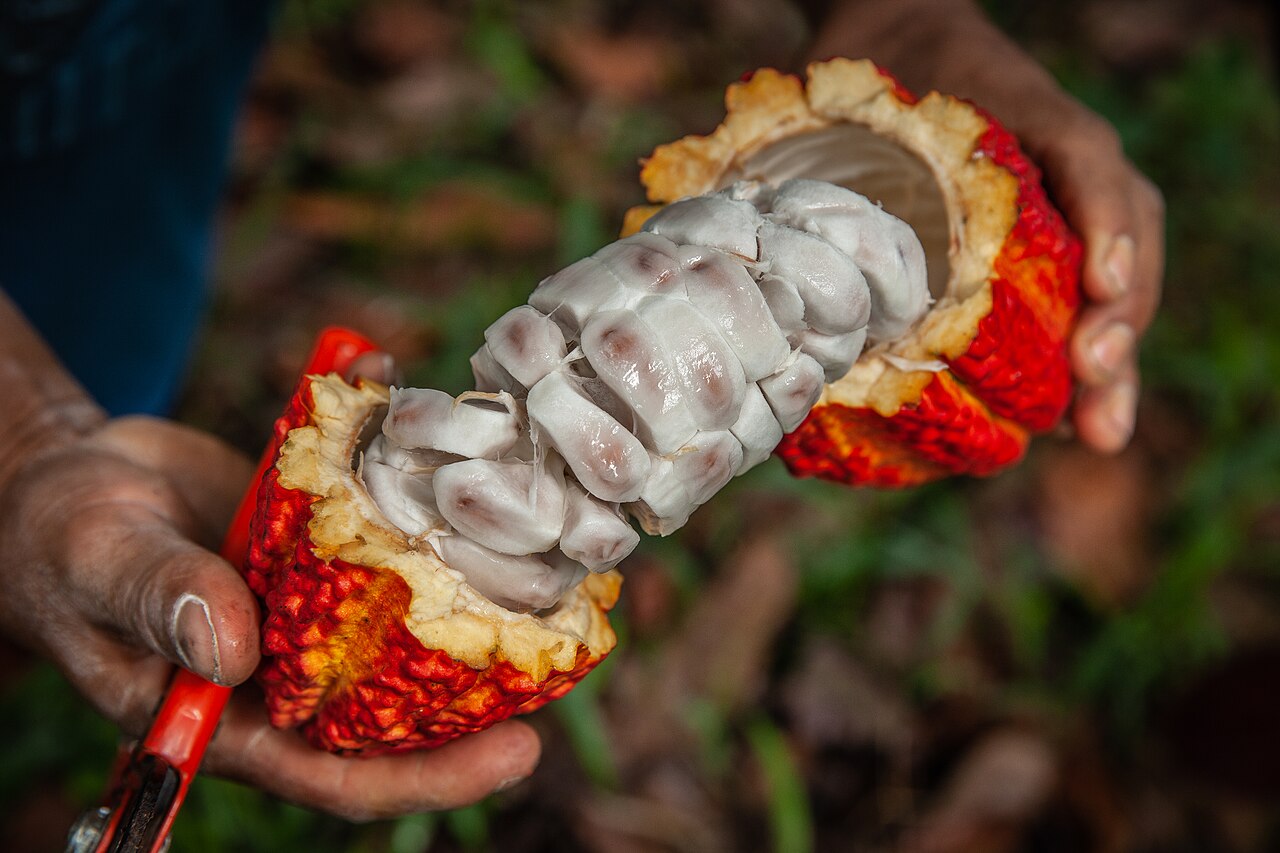
Secondary II Medium No biomass productionHeirloom varietal group — Mesoamerican origin, red or yellow pods with white-to-pale-purple seeds. Delicate, low-bitterness flavor — the basis of t...
-
trinitario cacao
Theobroma cacao
Secondary II Medium No biomass productionHybrid group (Forastero × Criollo) originating in Trinidad. Combines Forastero's vigor with Criollo's cup quality. Medium height (5–8 m), intermedi...
-
forastero cacao
Theobroma cacao
Secondary II Medium No biomass productionBrazil's dominant cacao varietal group — yellow-green pods, purple-cotyledon seeds, robust but less aromatic flavor. Tall (6–12 m unpruned), vigoro...
-
ccn-51 cacao
Theobroma cacao
Secondary II Medium No biomass productionEcuadorian hybrid clone (IMC-67 × ICS-95) selected by Homero Castro in the 1960s. Compact (4–5 m), self-compatible, high yield (up to 4 t/ha), and ...
-
cupuaçu
Theobroma grandiflorum
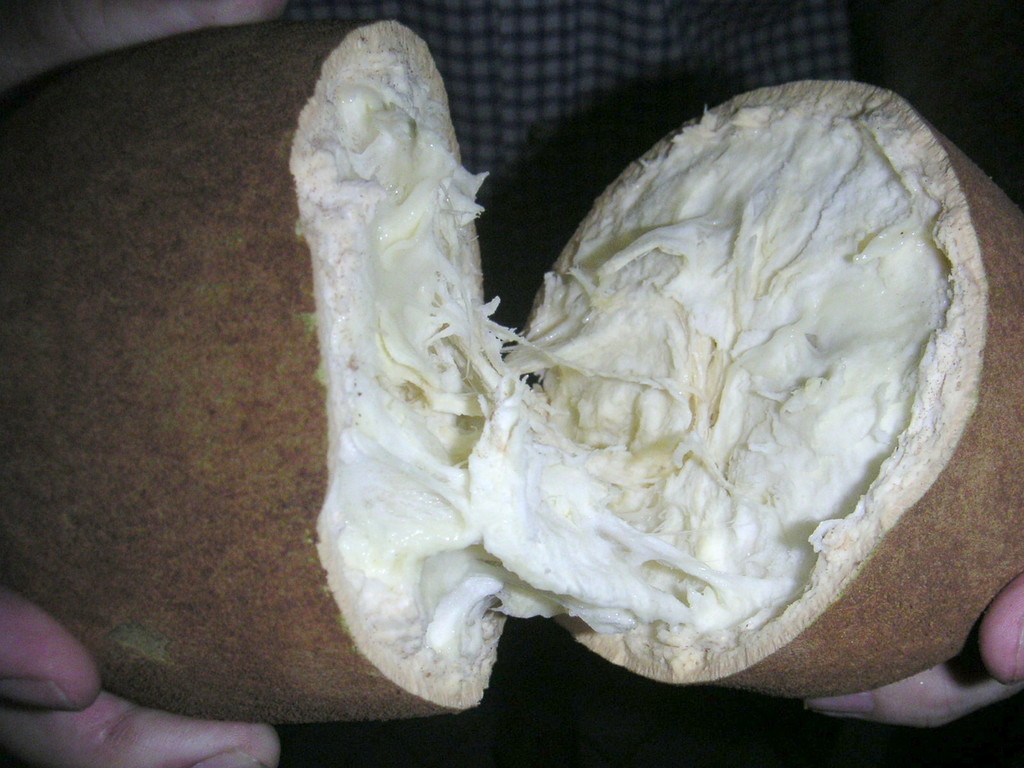
Secondary I Medium No biomass productionAmazonian high-stratum fruit tree, cousin of cocoa. Pasini lists it in the high stratum of Tabela 3 and among Abundance-system species — middle pha...
-
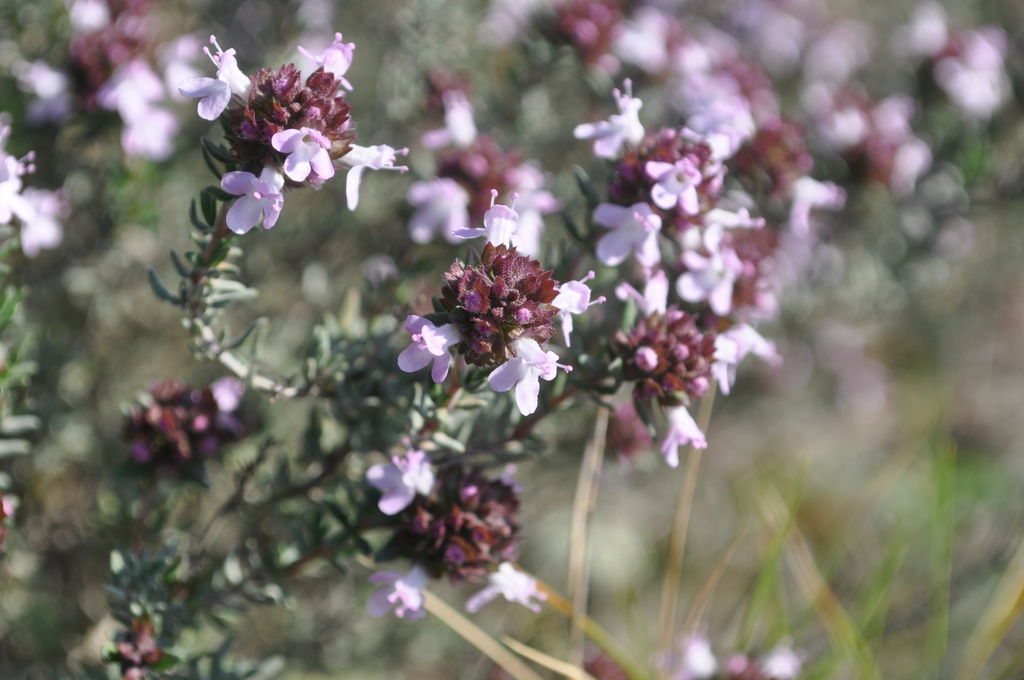
thyme
Thymus vulgaris
Placenta I Ground cover No biomass productionCreeping Mediterranean subshrub (15–30 cm), tiny leaves. Permanent ground cover in full sun on dry well-drained soil. Bee-attracting. Tolerates lig...
-
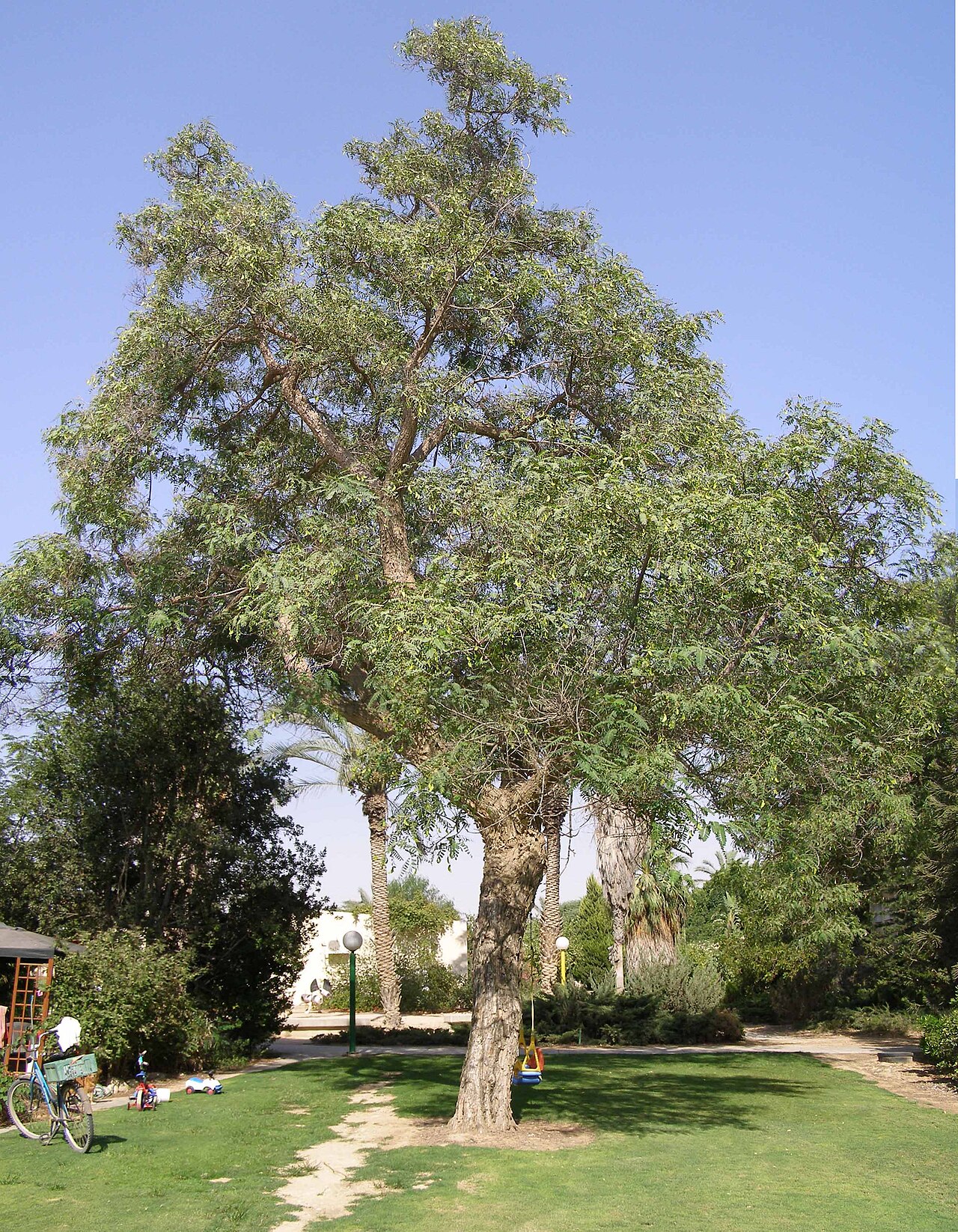
tipu tree
Tipuana tipu
Secondary II Emergent Fertilizer biomass 🌱 Nitrogen fixerA very fast-growing leguminous tree of 10-30 m, with a broad spreading crown, native to southern Bolivia, northern Argentina, Paraguay, Uruguay and...
-
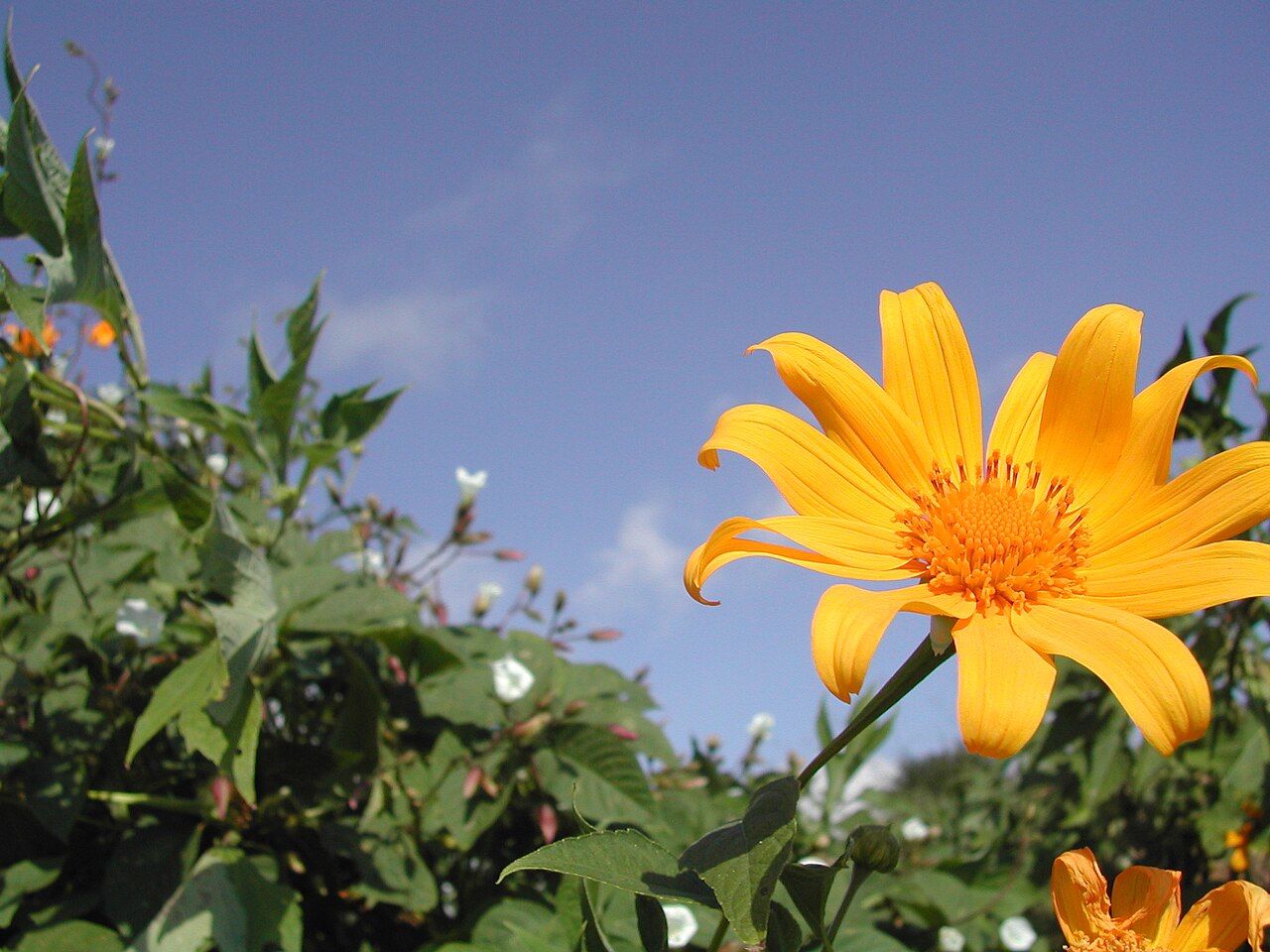
Mexican sunflower
Tithonia diversifolia
Placenta II High Fertilizer biomassFast-growing perennial shrub; propagated by stem cuttings; high biomass production rich in nitrogen, phosphorus, and potassium. Explicitly cited by...
-
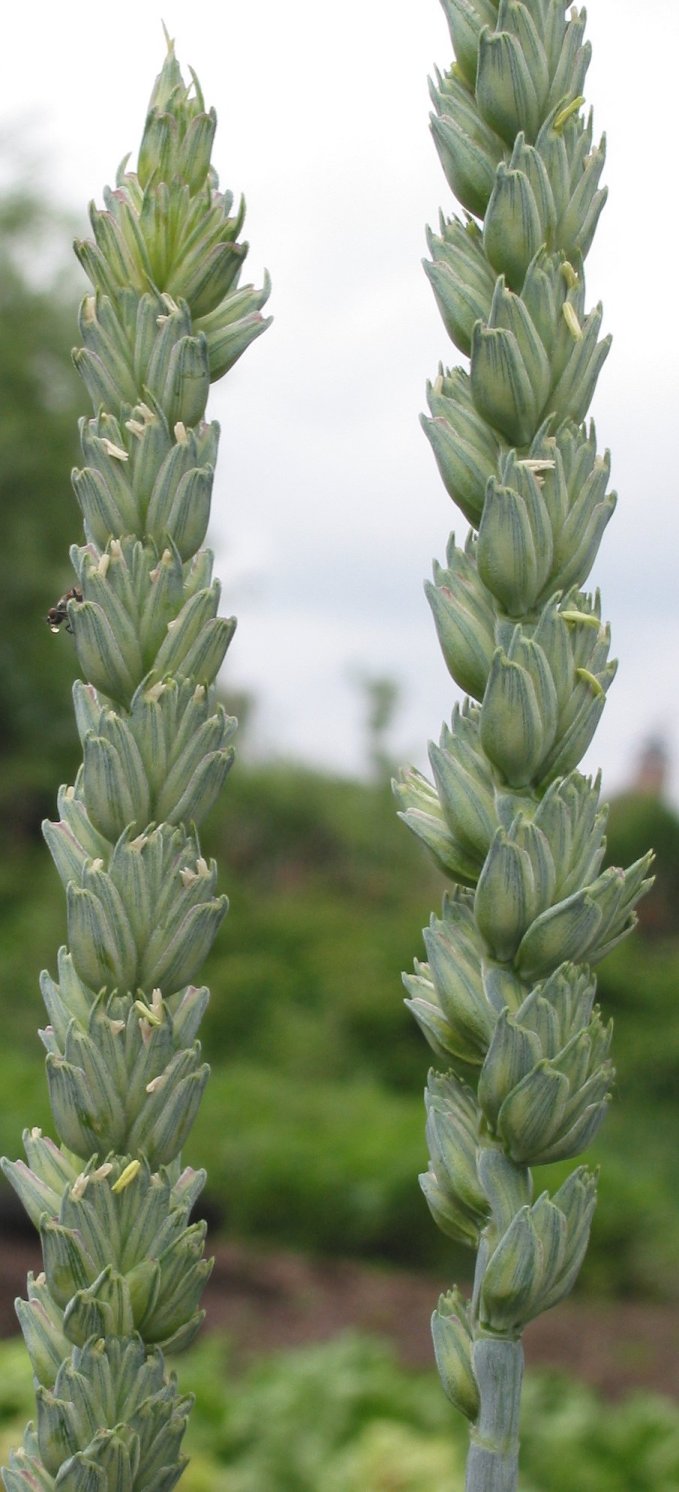
wheat
Triticum aestivum
Placenta I High Mulch biomassAnnual cereal originating in the Fertile Crescent. Rebello & Sakamoto (2019) tested wheat in a syntropic system in the Cerrado (Chapada dos Veadeir...