Plants
Plant Catalog
321 plants found
-
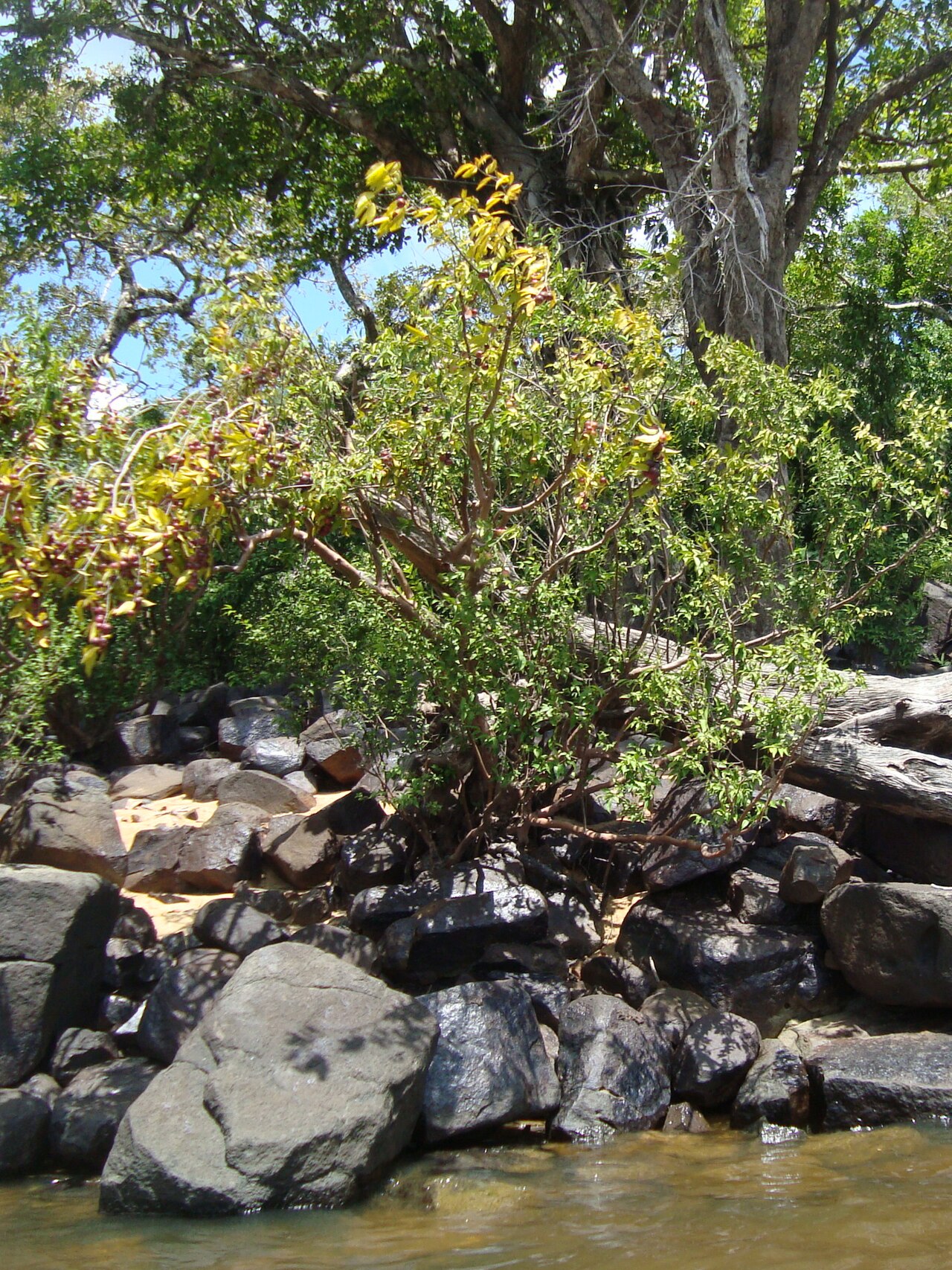
camu camu
Myrciaria dubia
Placenta II Low No biomass productionAmazonian small tree (2–6 m) of floodable areas — in native habitat survives 4–5 months submerged. Small dark-red fruits with the highest known nat...
-
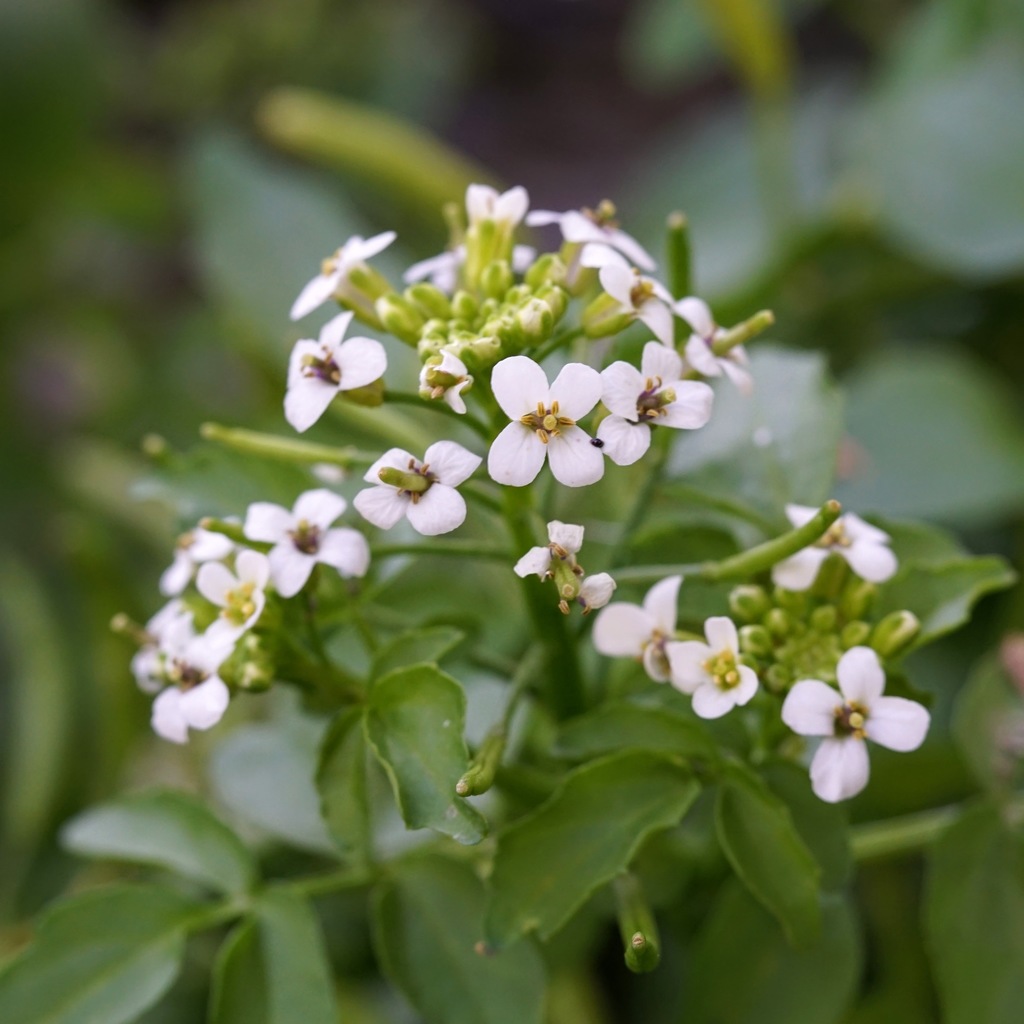
watercress
Nasturtium officinale
Placenta I Ground cover No biomass productionAquatic or semi-aquatic leafy green of European origin, naturalized in Brazil. Pasini lists it in the low stratum of Tabela 3. Grows in moist soils...
-
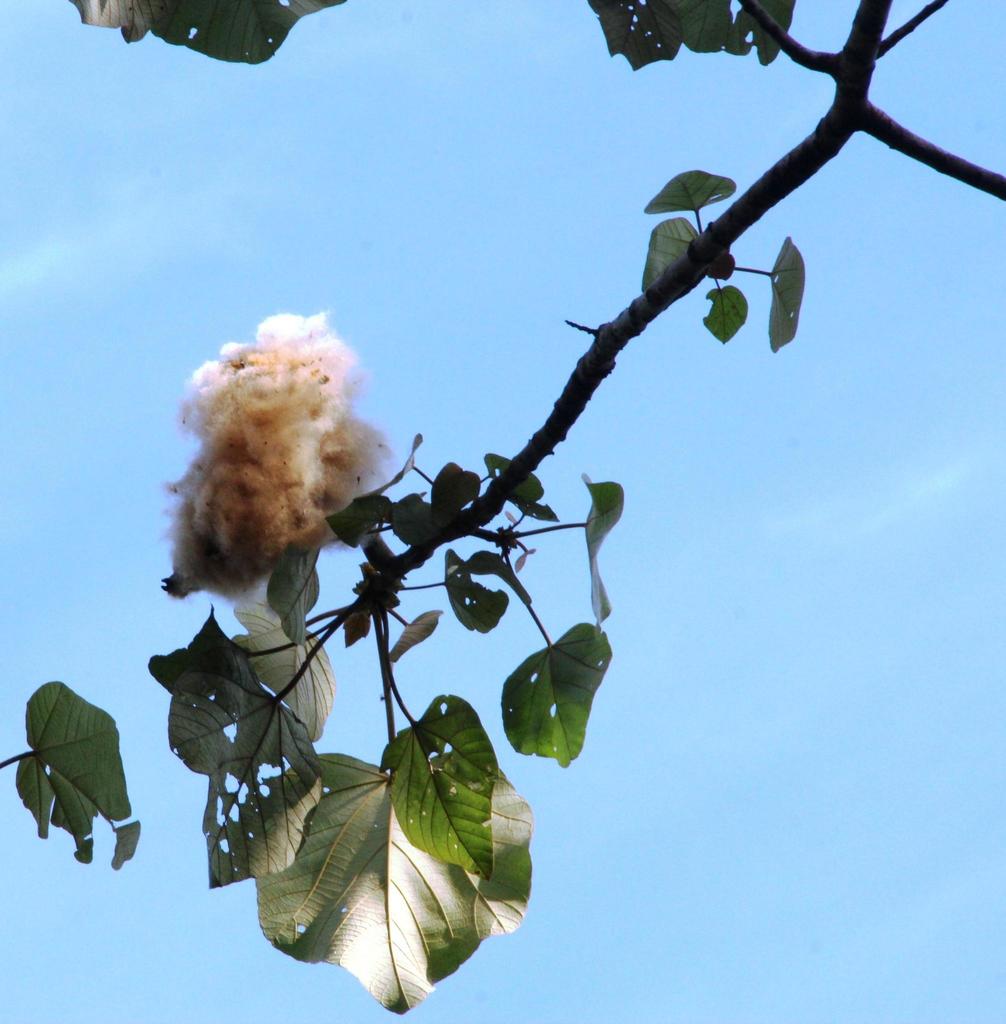
balsa
Ochroma pyramidale
Secondary I High Mulch biomassFast-growing pioneer neotropical tree — reaches 20 m in 5 years. IPOEMA cites pau-de-balsa among fast-growing prune-tolerant species, alongside euc...
-
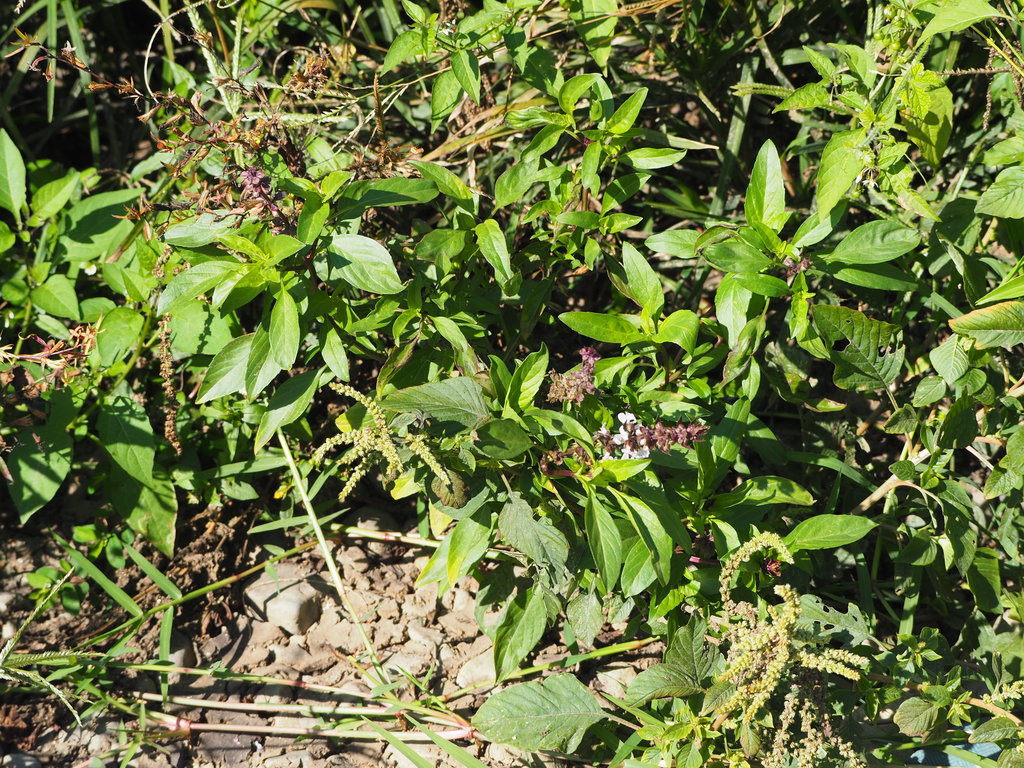
basil
Ocimum basilicum
Placenta I Low No biomass productionAromatic annual or short-lived perennial Lamiaceae. Pasini lists it in the high stratum of Tabela 3 (grown as a low-stratum species in beds). Attra...
-
African basil
Ocimum gratissimum
Placenta II Medium No biomass productionShort-lived perennial Lamiaceae, cousin of common basil (distinct species). EcoAgri lists it in the medium stratum of the 'up to 3 years' bin. Arom...
-
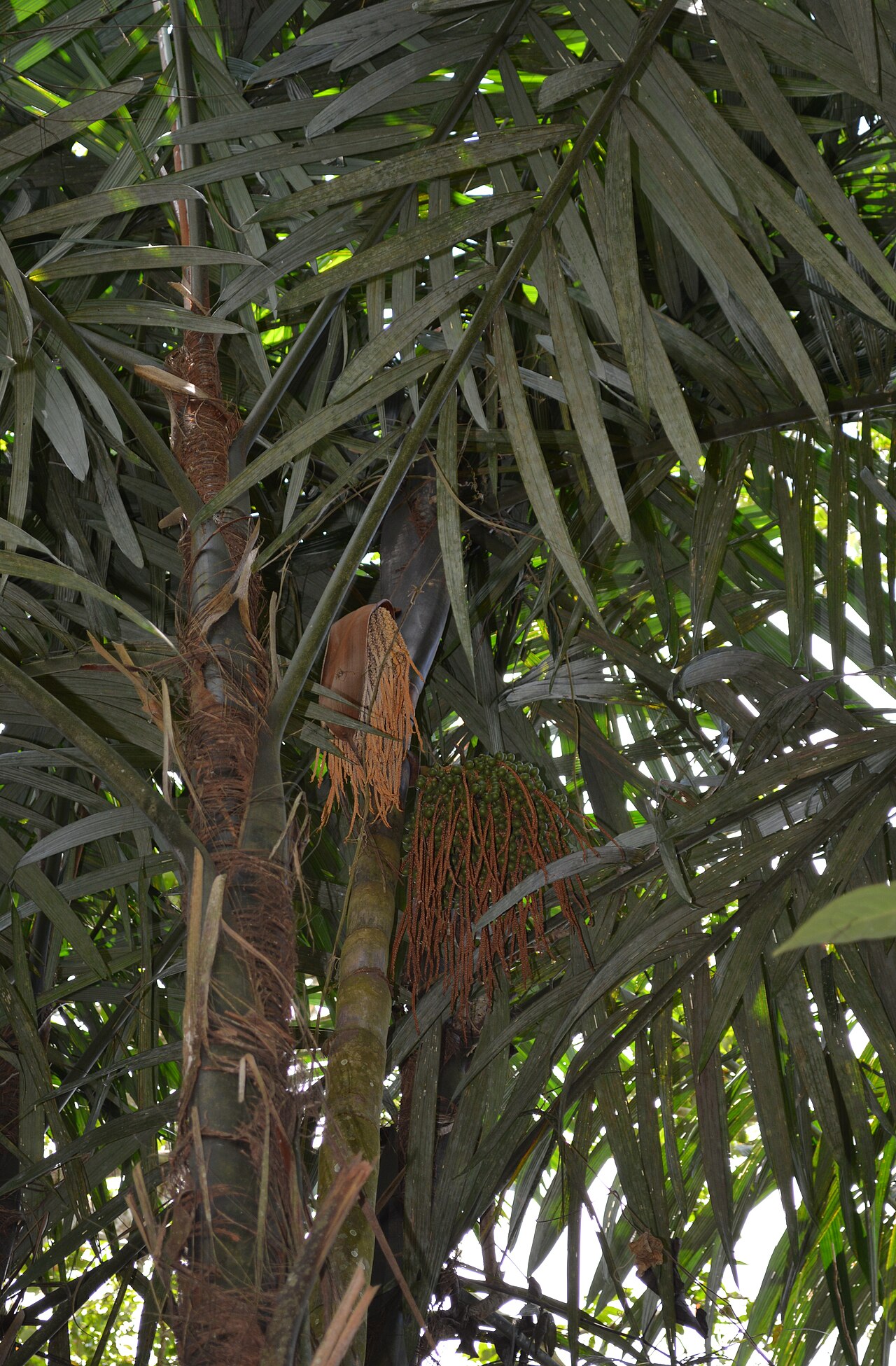
bacaba palm
Oenocarpus bacaba
Climax High No biomass productionAmazonian fruit palm, cousin of açaí. The Bosque de Niebla Guidebook (Farm Evolving timeline) includes it at the 40-year stage alongside Brazil nut...
-
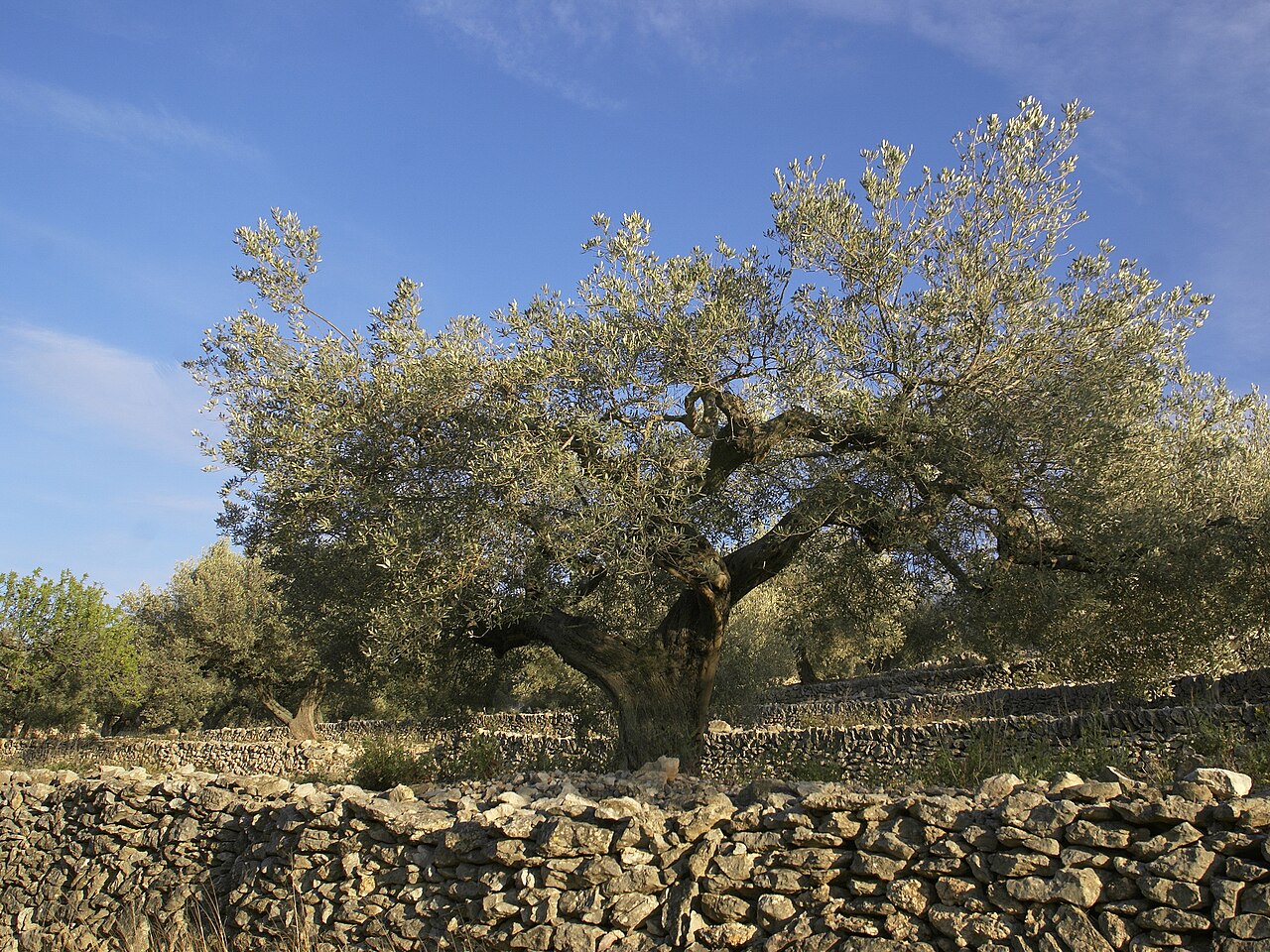
olive
Olea europaea
Secondary II Medium No biomass productionOlive, a long-lived evergreen tree of the Oleaceae family, exotic to Brazil and grown in temperate and subtropical regions, notably the Mantiqueira...
-
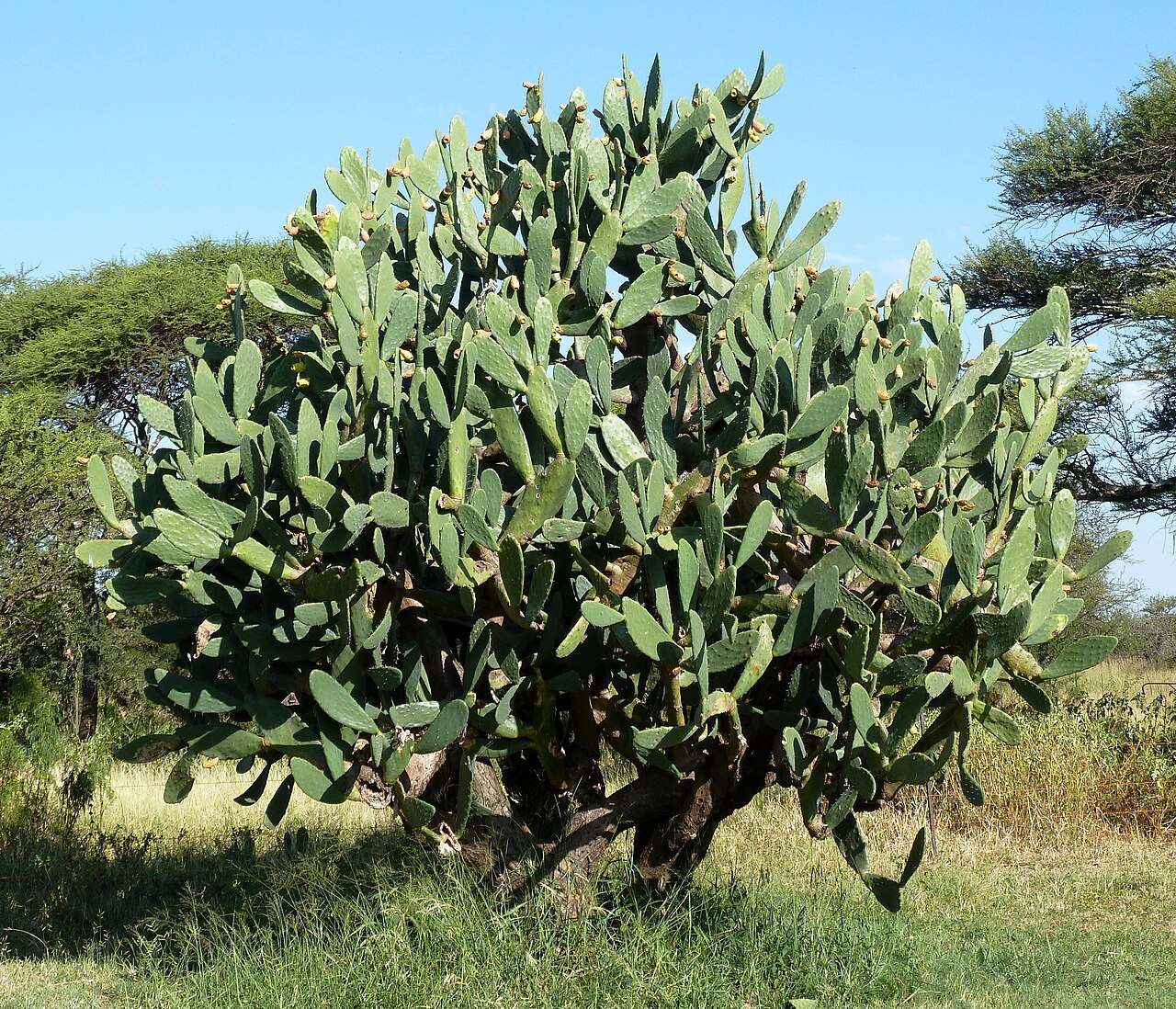
spineless cactus
Opuntia ficus-indica
Placenta II LowIntroduced cactus widely cultivated in the Brazilian semiarid as strategic fodder reserve. CAM metabolism gives extremely high water-use efficiency...
-
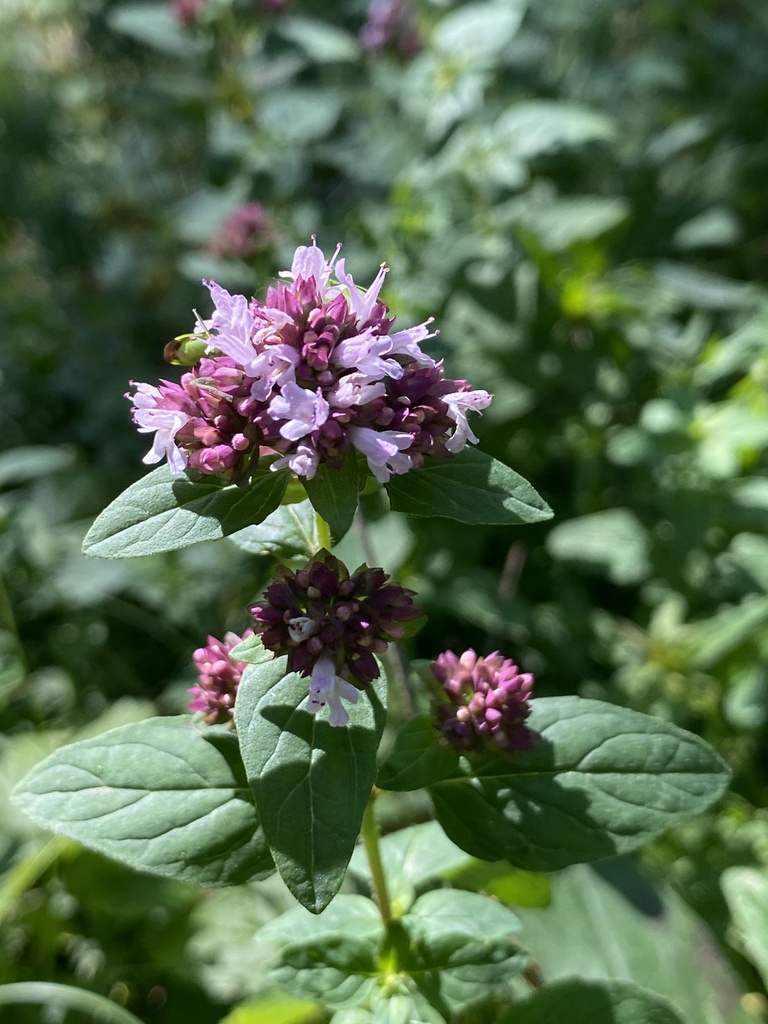
oregano
Origanum vulgare
Placenta I Ground cover No biomass productionPerennial Mediterranean herb (20–60 cm), small aromatic leaves. In southeastern and southern Brazilian syntropic systems used as permanent cover be...
-
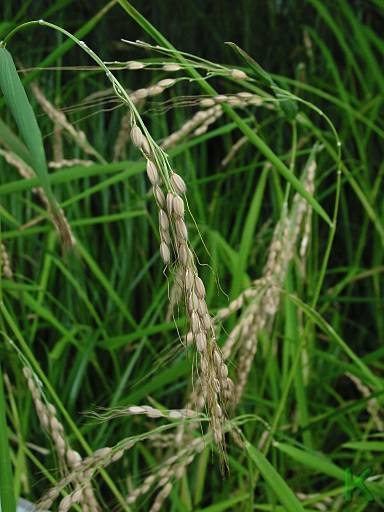
rice
Oryza sativa
Placenta I High Mulch biomassWorld's most-cultivated annual cereal. The Bosque de Niebla Guidebook (Consortium Design 2019) places rice as a typical Placenta I species in the h...
-
sweet passion fruit
Passiflora alata
Placenta II Medium No biomass productionBrazilian native vine distinct from sour passionfruit (P. edulis). Pyriform orange-yellow fruit with sweet, fragrant flesh eaten fresh — fruitier, ...
-
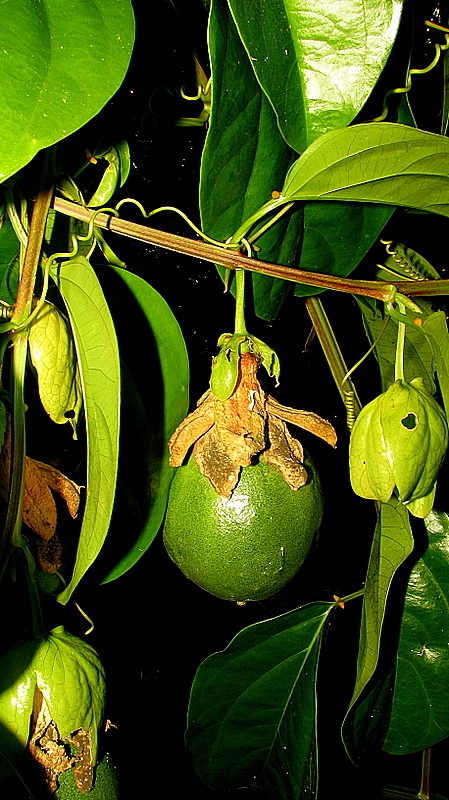
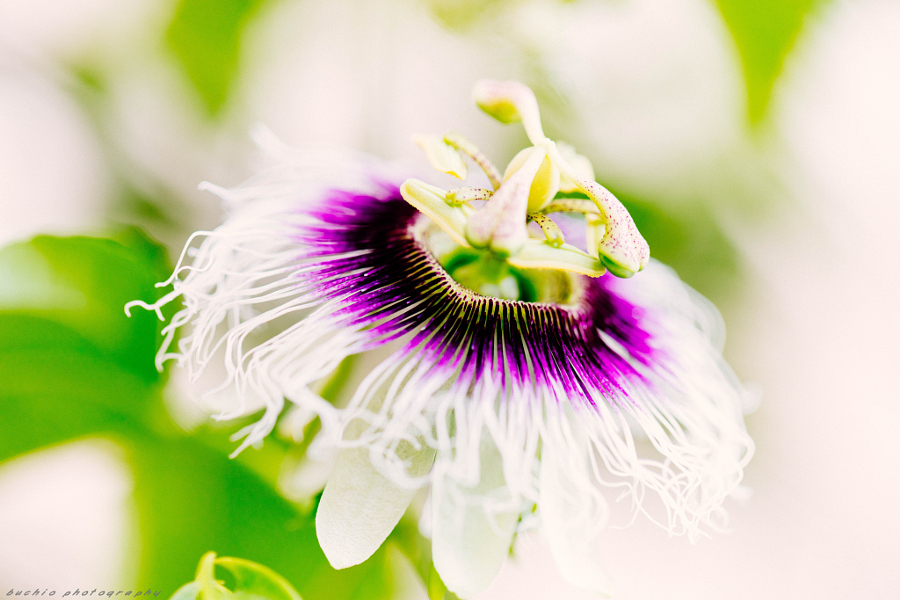
passion fruit
Passiflora edulis
Placenta II High No biomass productionBrazilian-native woody fruiting climber. Pasini lists it in the high stratum of Tabela 3 (grows over high-stratum structures). Fruits in ~9–12 mont...
-
sweet granadilla
Passiflora ligularis
Placenta II Medium No biomass productionAndean species (Colombia, Peru, Ecuador). Altitude vine (1,000–2,500 m); orange-yellow fruit with translucent pulp, black seeds, sweet aromatic fla...
-
giant granadilla
Passiflora quadrangularis
Placenta II Medium No biomass productionOne of the most vigorous Passiflora vines, with squared stem cross-section (origin of the scientific name). Huge fruit — 15–30 cm, up to 4 kg — wit...
-
brazilwood
Paubrasilia echinata
Climax MediumNational tree of Brazil, endemic to the coastal Atlantic Forest. Slow-growing; climax-community species that develops best when planted under secon...
-
guaraná
Paullinia cupana
Secondary I Low No biomass productionAmazonian shrubby climber, today managed as a shrub in monoculture. Embrapa lists guaraná among perennial crops in SAFs with mean yield of 100 kg/h...
-
yellow poinciana
Peltophorum dubium
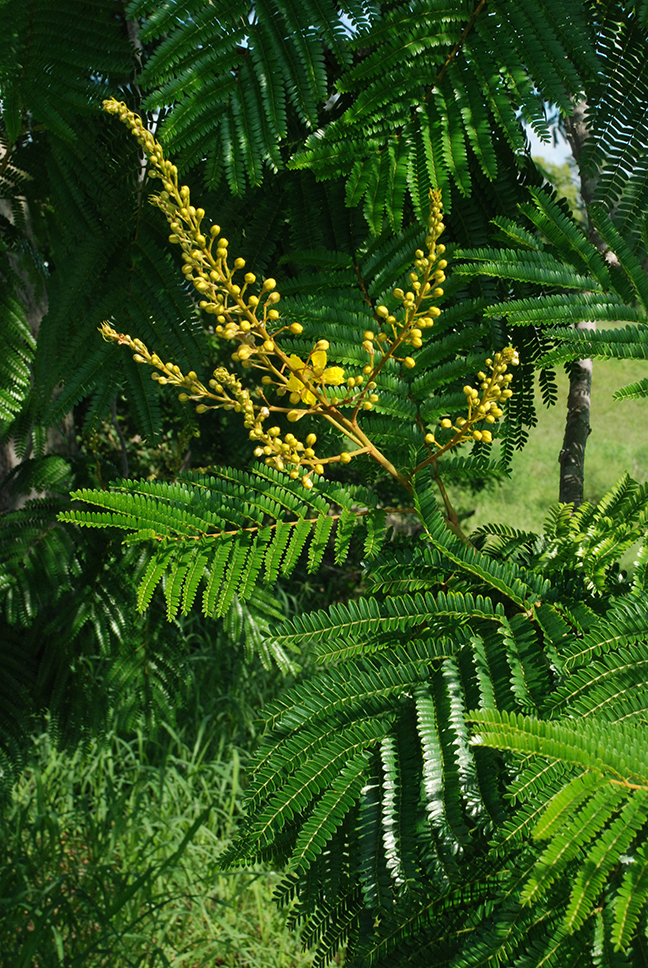
Secondary I High Fertilizer biomassPioneer heliophyte legume with fast growth. 10–20 m, occasionally 40 m at maturity. Occurs in Cerrado and Atlantic Forest, transition zones and rip...
-
Napier grass
Pennisetum purpureum
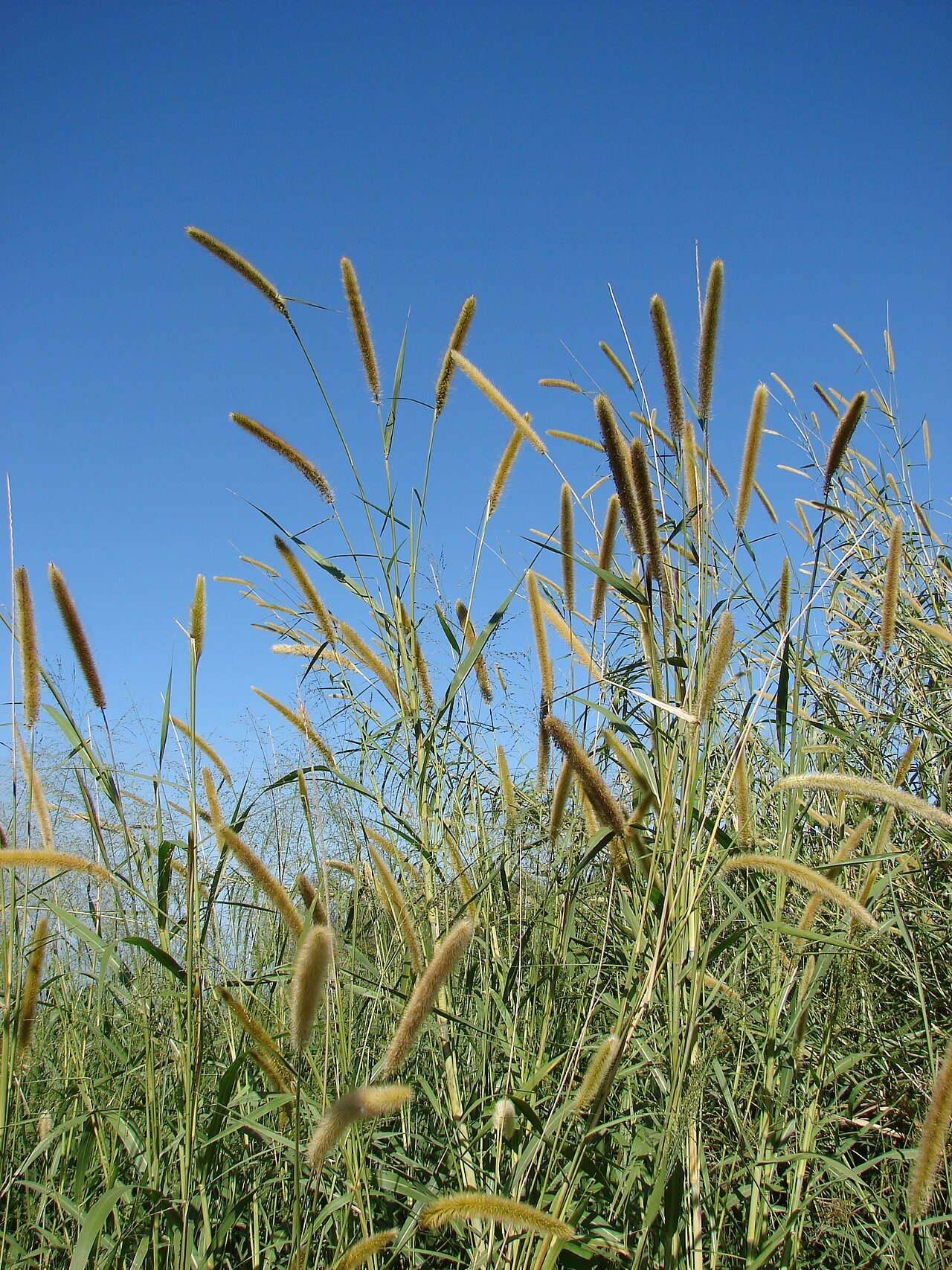
Placenta II Medium Mulch biomassPerennial African grass introduced to Brazil in 1920. Forms vigorous clumps reaching 3–5 m and is one of the main biomass-producing species in synt...
-
Barbados gooseberry
Pereskia aculeata
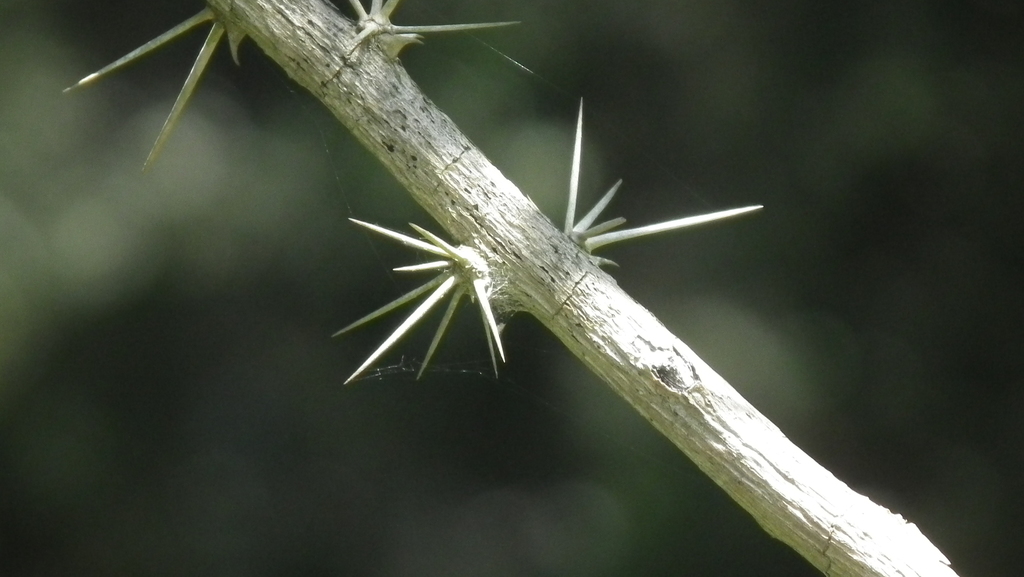
Placenta II Medium No biomass productionAn atypical cactus with broad, non-succulent leaves and a spiny scrambling, shrubby habit, native to the Americas and common in southeastern and no...
-
quintal avocado
Persea americana
Secondary II Emergent No biomass productionWest Indian Brazilian cultivar, mid-season ripening. Large fruit (>600 g, up to 1.2 kg), pyriform, with prized 'butter' flesh in the domestic marke...
-
avocado
Persea americana
Secondary II High No biomass productionLong-lived perennial fruit tree. Pasini classifies it in the high stratum of Tabela 3 and explicitly cites it among Abundance-system species (high ...
-
geada avocado
Persea americana
Secondary II High No biomass productionEarly-ripening West Indian cultivar (Jan–Feb). Elongated pyriform fruit, light green, ~710 g, yellowish flesh with adherent seed. Floral type B — a...
-
margarida avocado
Persea americana
Secondary II Emergent No biomass productionLate-ripening cultivar with very large fruit (700–1,500 g, up to 2 kg), pyriform, light yellow flesh of good quality. Tall tree (12–15 m). West-Ind...
-
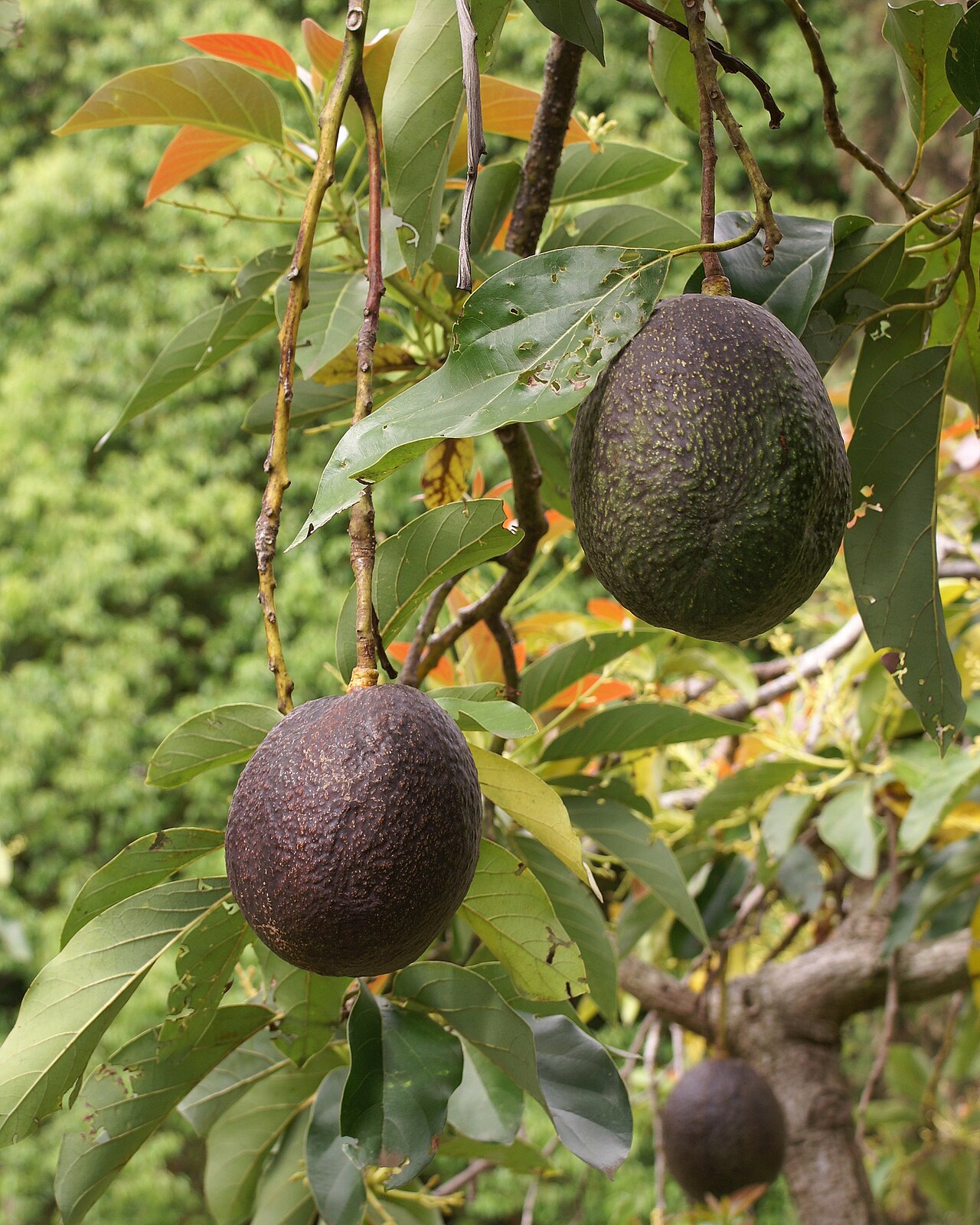
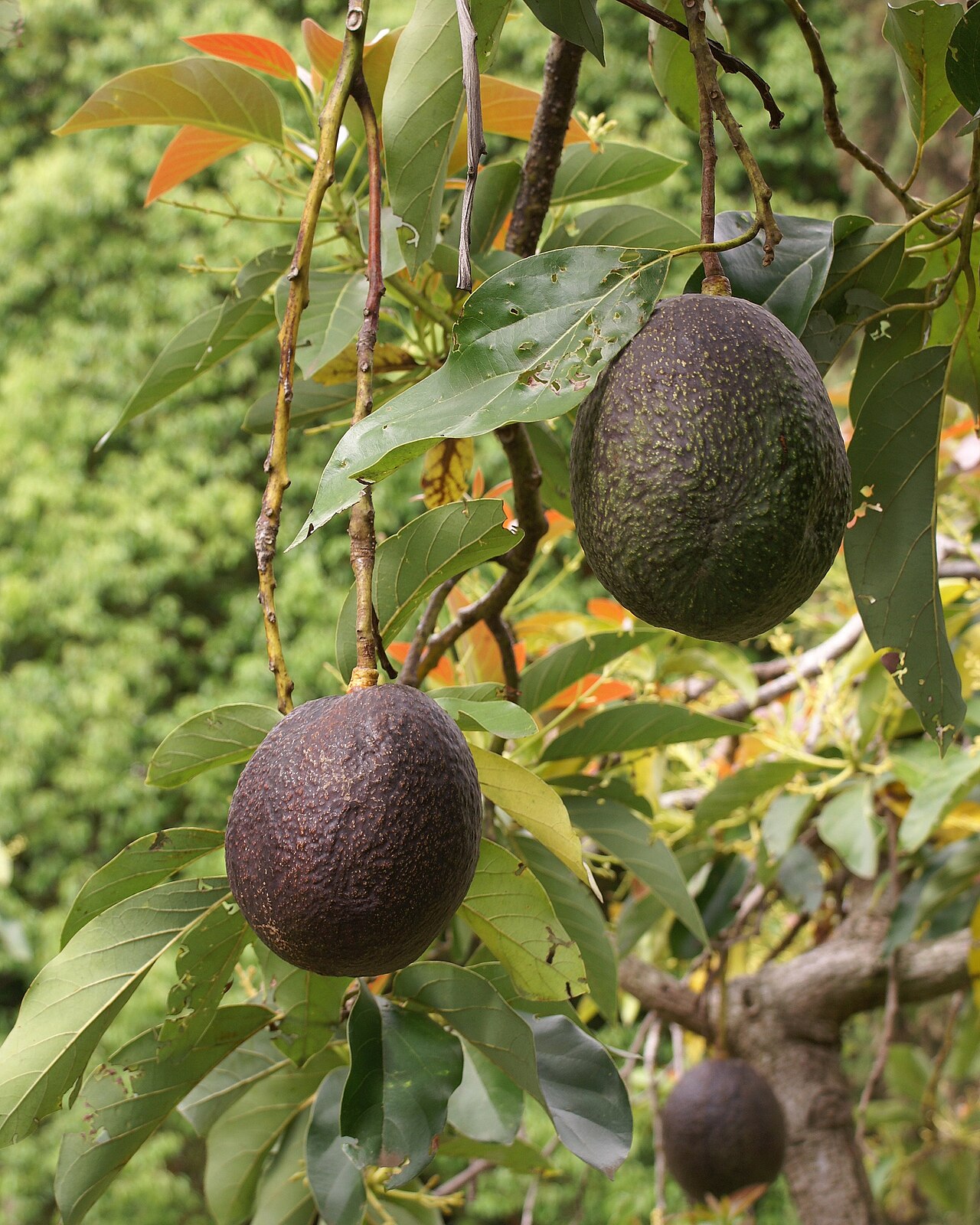
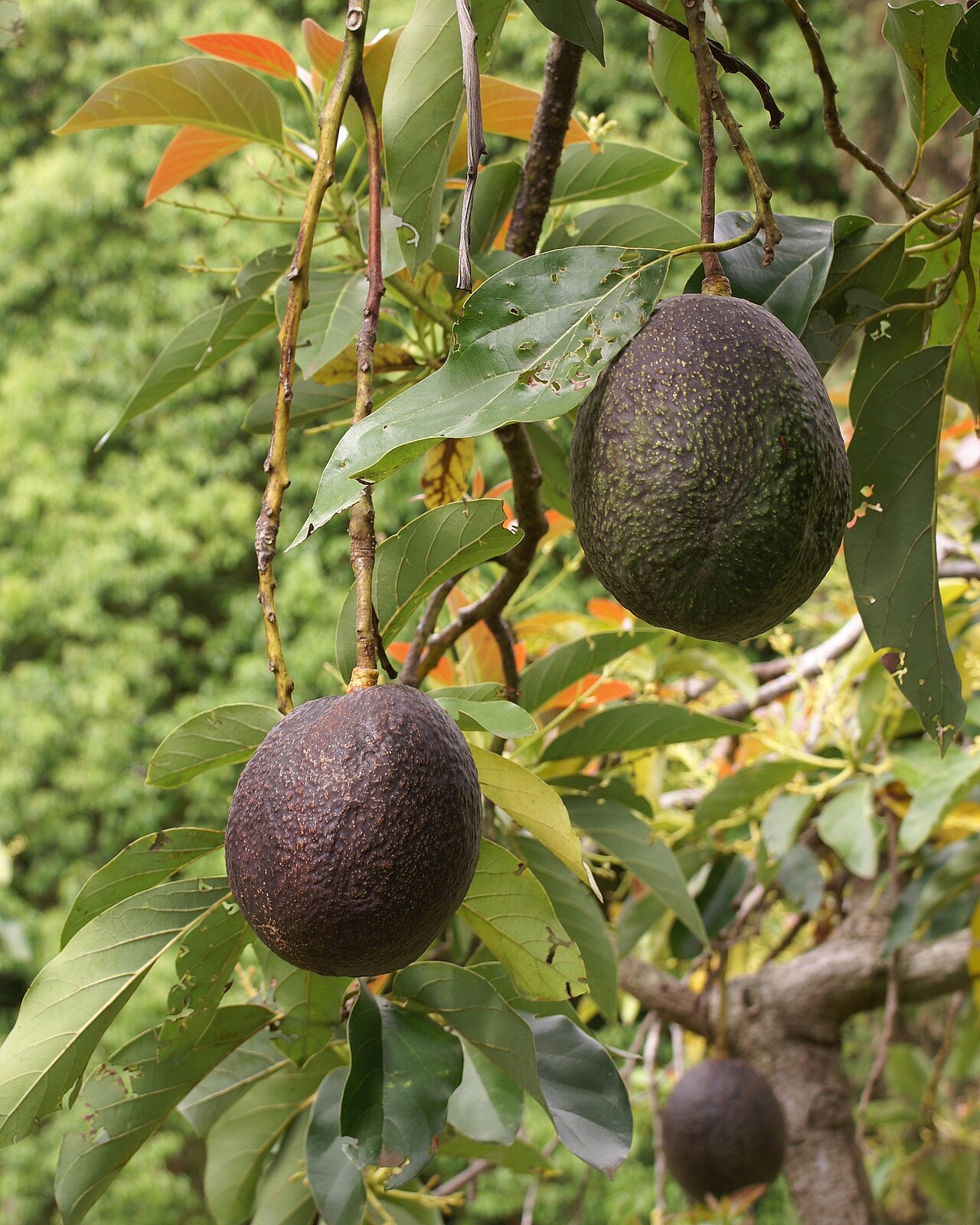
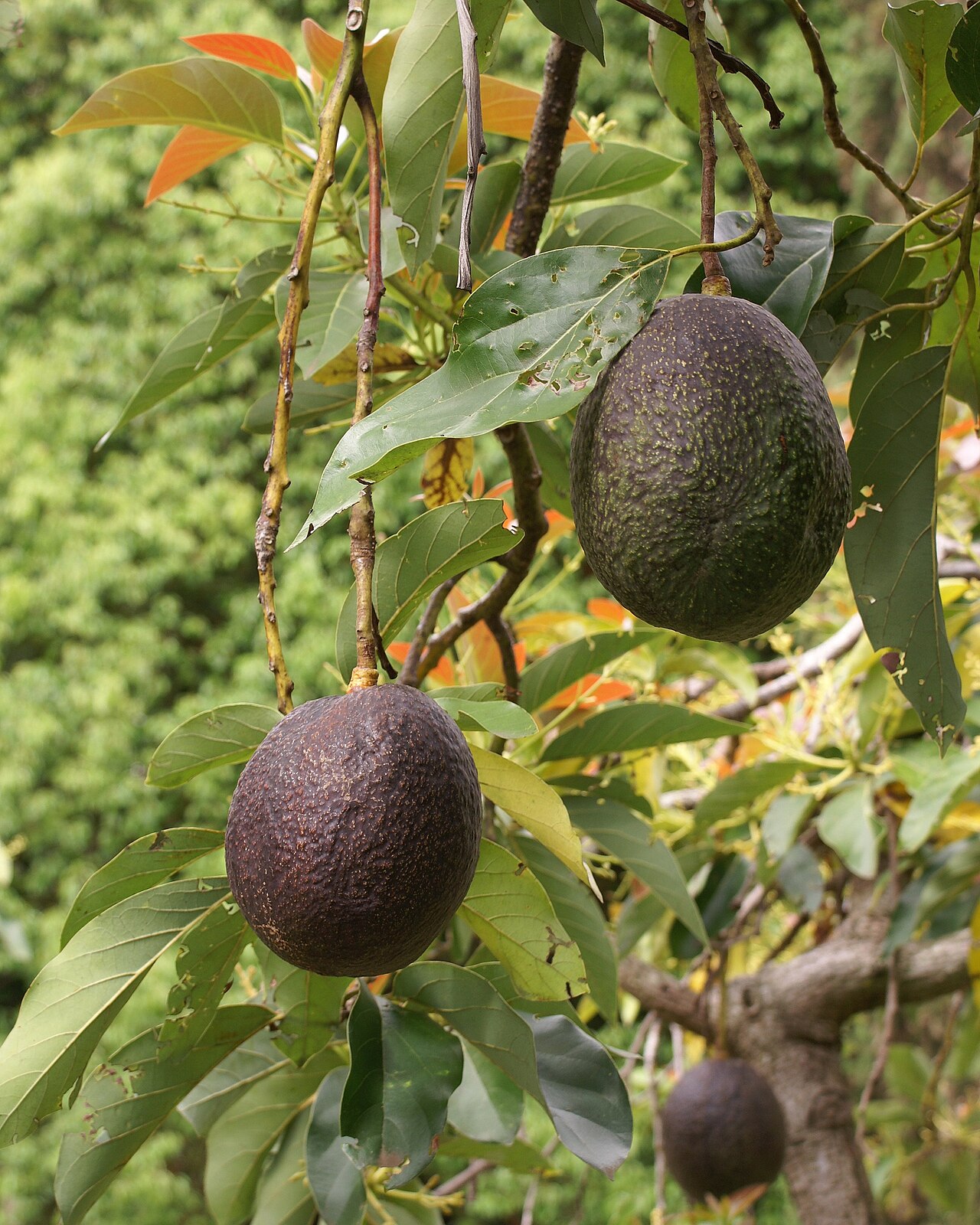
hass avocado
Persea americana
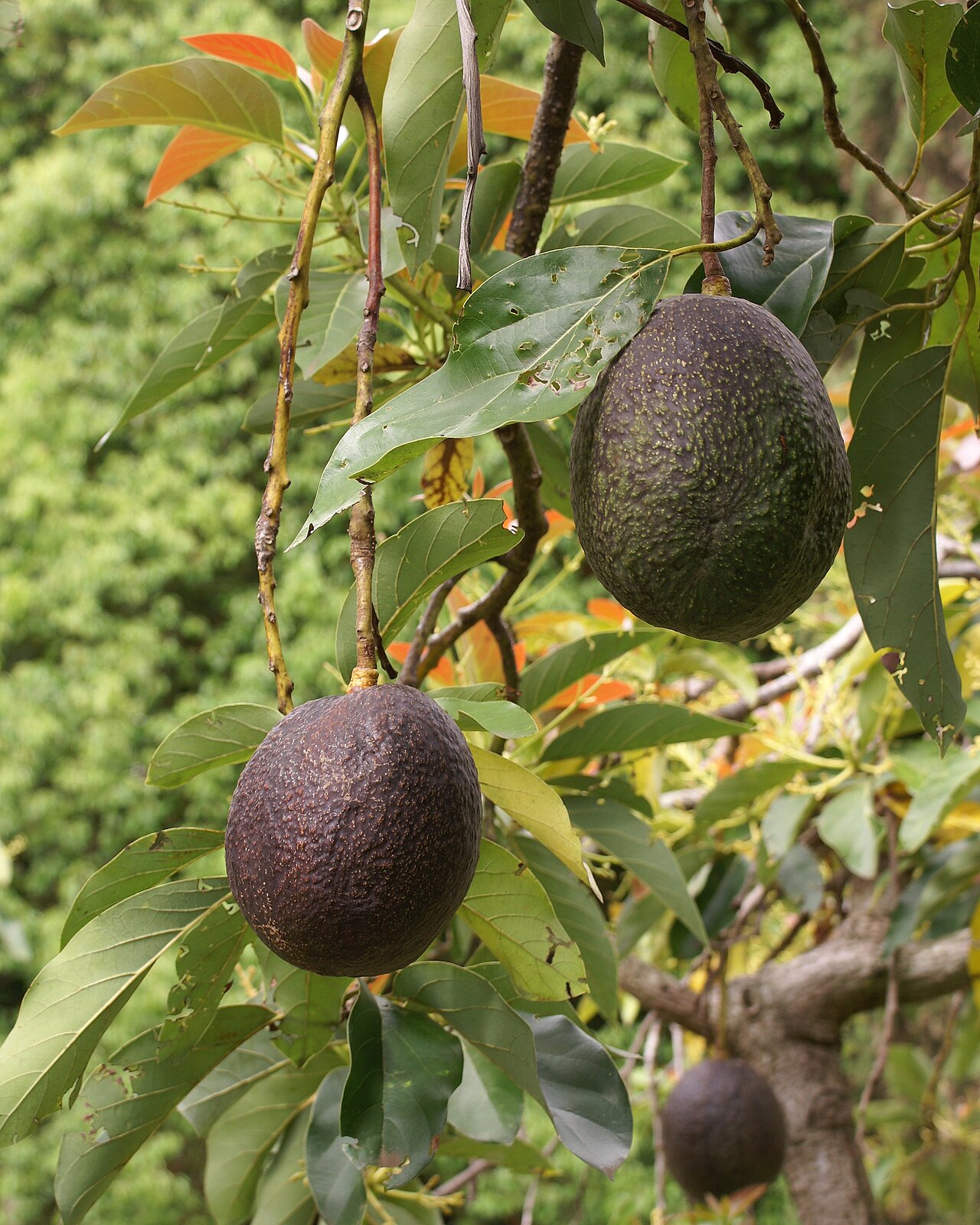
Secondary II High No biomass productionMexican-Guatemalan cultivar (~80% Mexican), floral type A. Small-to-medium fruit (180–300 g), pebbly skin that darkens at ripeness, creamy flesh wi...