
Biome
Plants of the Atlantic Forest biome
A humid biome of varied terrain and enormous diversity — and home to much of Brazil's experience with syntropic agriculture. The list runs from fast pioneers to climax timber, which leaves room to design complete successions. Each species' relation to the biome is on its profile.
284 species in the catalog · Refine this list in the catalog
-
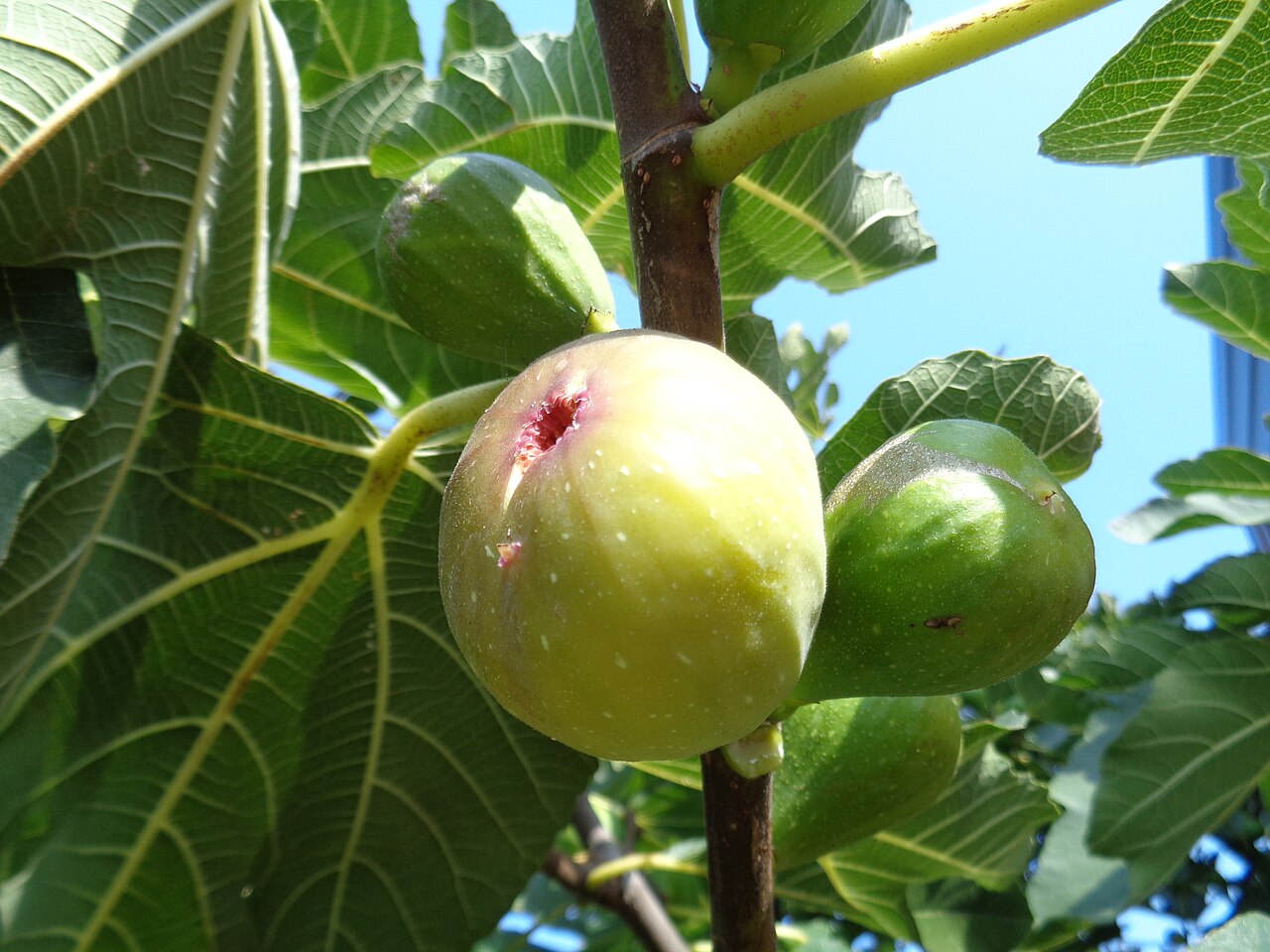
fig
Ficus carica
Secondary II High No biomass productionMediterranean fruit tree naturalized in Brazil. EcoAgri marks it as an edge species in the '> 50 years' bin (small habit, needs full sun). High str...
-
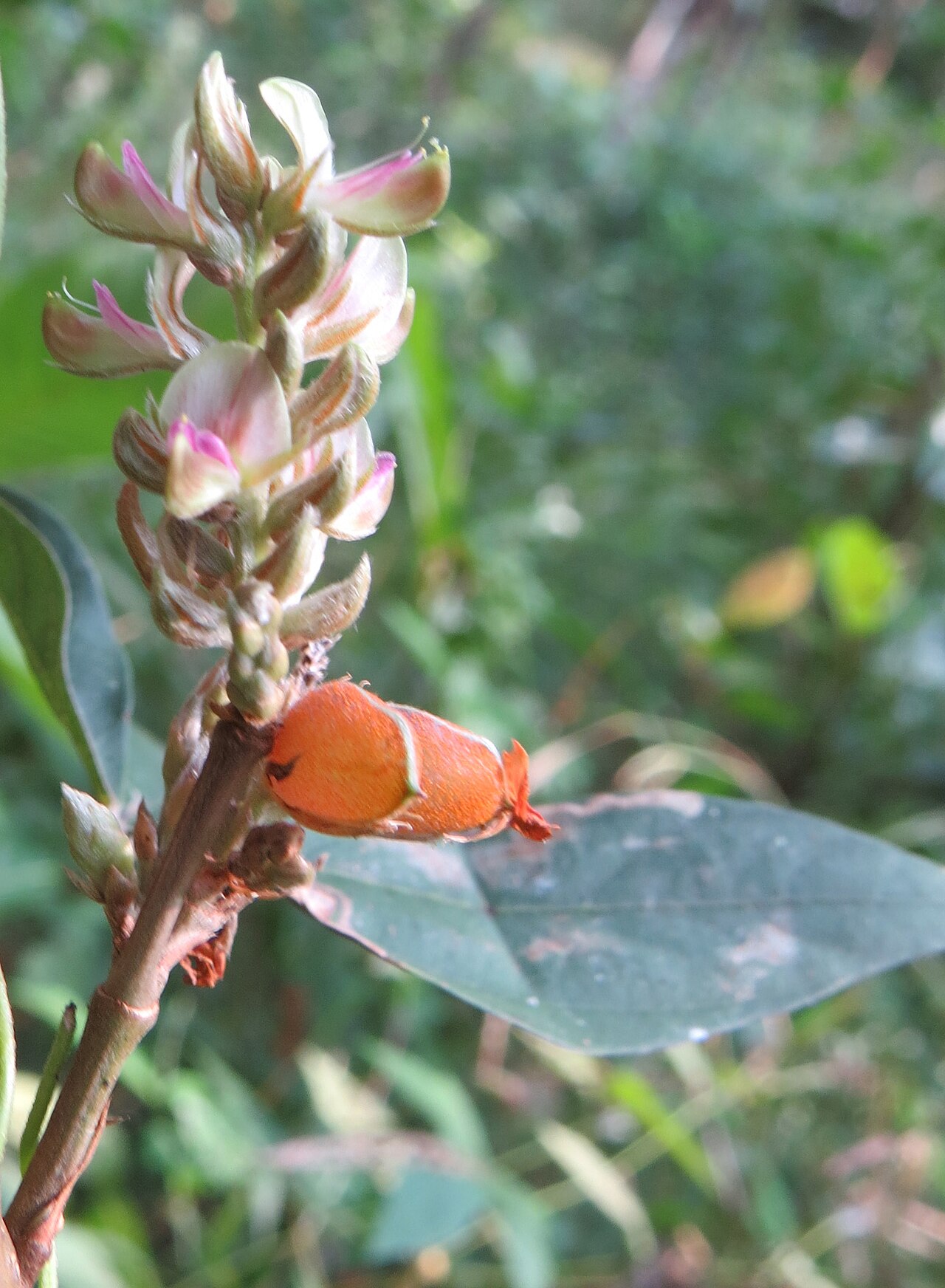
flemingia
Flemingia macrophylla
Placenta II Low Mulch biomass 🌱 Nitrogen fixerA perennial, woody, deep-rooted leguminous shrub up to 2.5 m tall, native to the humid tropics of Asia. It fixes nitrogen and is widely used in con...
-
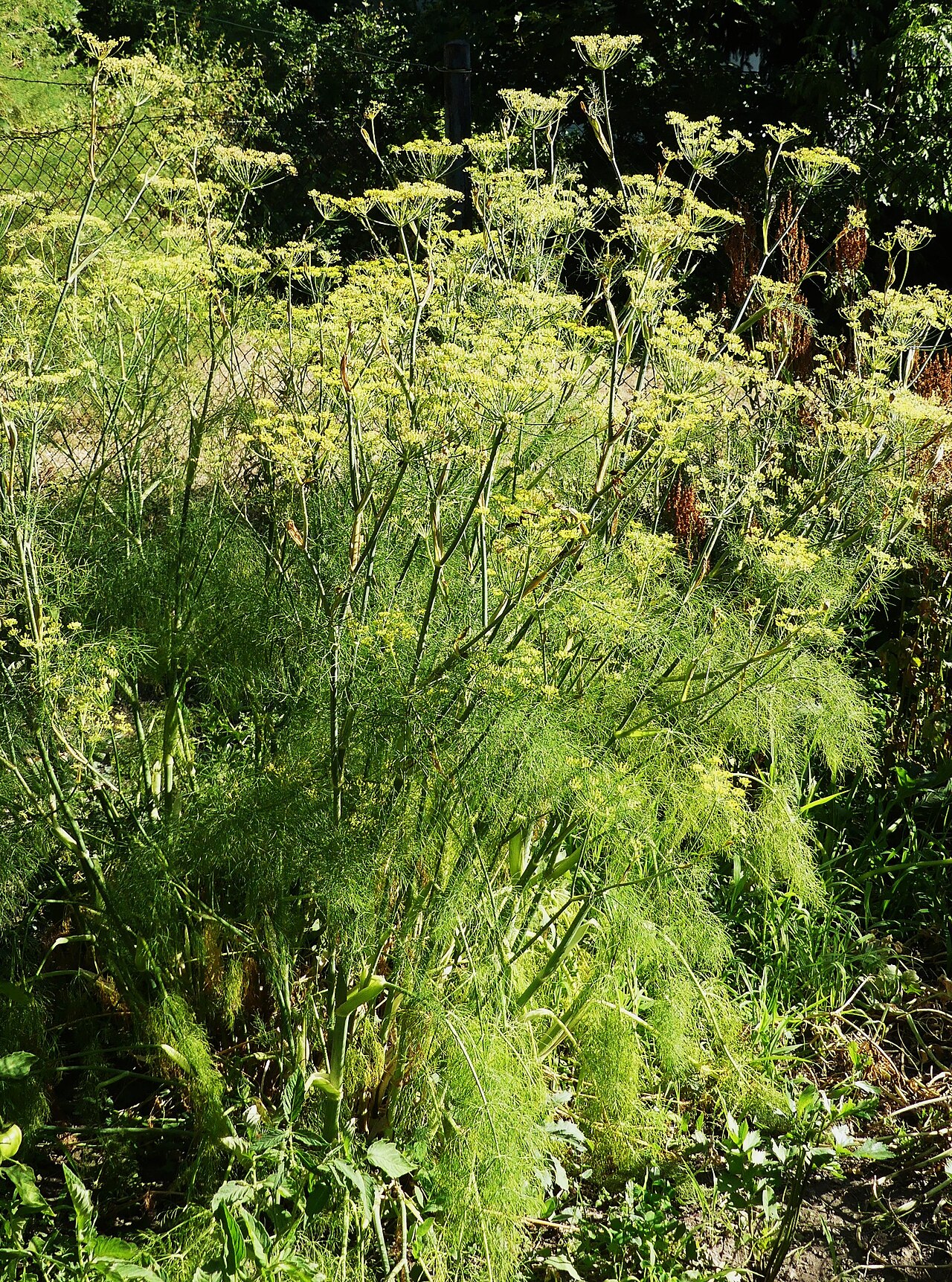
fennel
Foeniculum vulgare
Placenta I Low No biomass productionPerennial Mediterranean herb (1–2 m), feathery anise-scented leaves. Seeds used as seasoning and medicinal. Bulb of the sweet variety is a vegetabl...
-
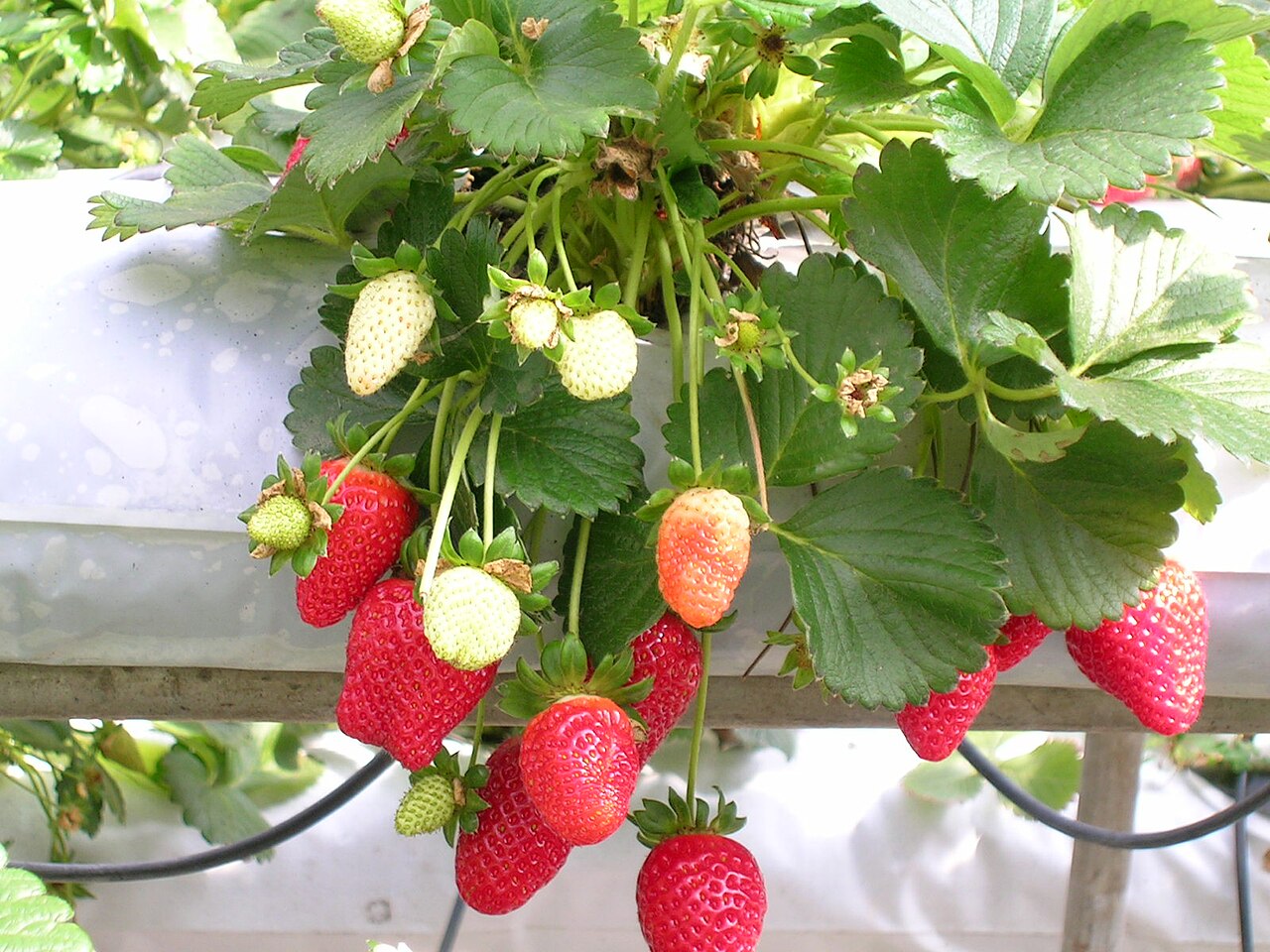
strawberry
Fragaria × ananassa
Placenta I Ground cover No biomass productionPerennial herbaceous ground-runner cultivated as annual or biennial. Productive ground cover in vegetable gardens and syntropic systems. Mild cold ...
-
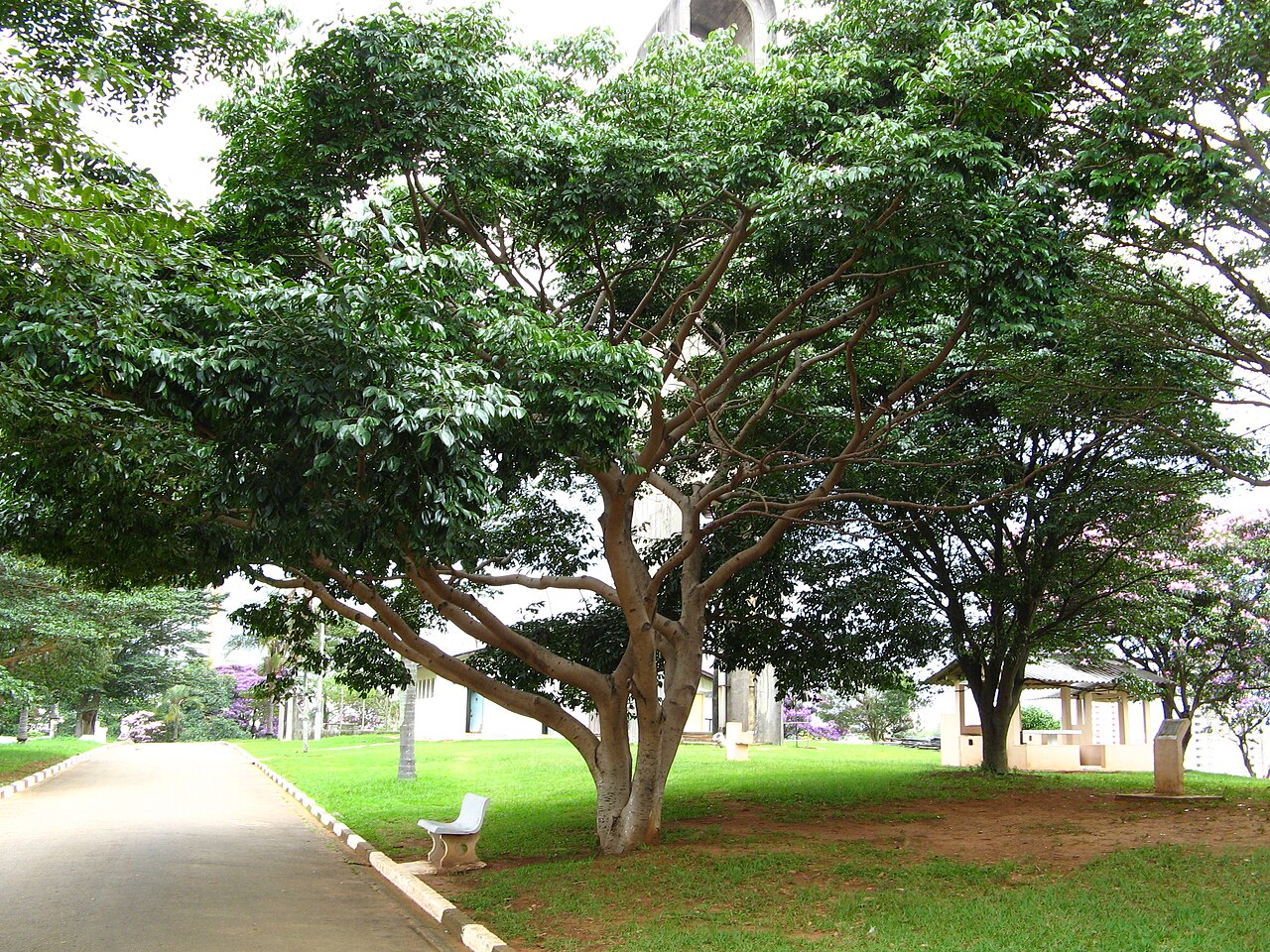
garlic tree
Gallesia integrifolia
Climax Emergent Mulch biomassEmergent tree of the Atlantic Forest and Cerrado with a strong garlic smell when wounded. EcoAgri lists it in the emergent stratum of the '> 50 yea...
-
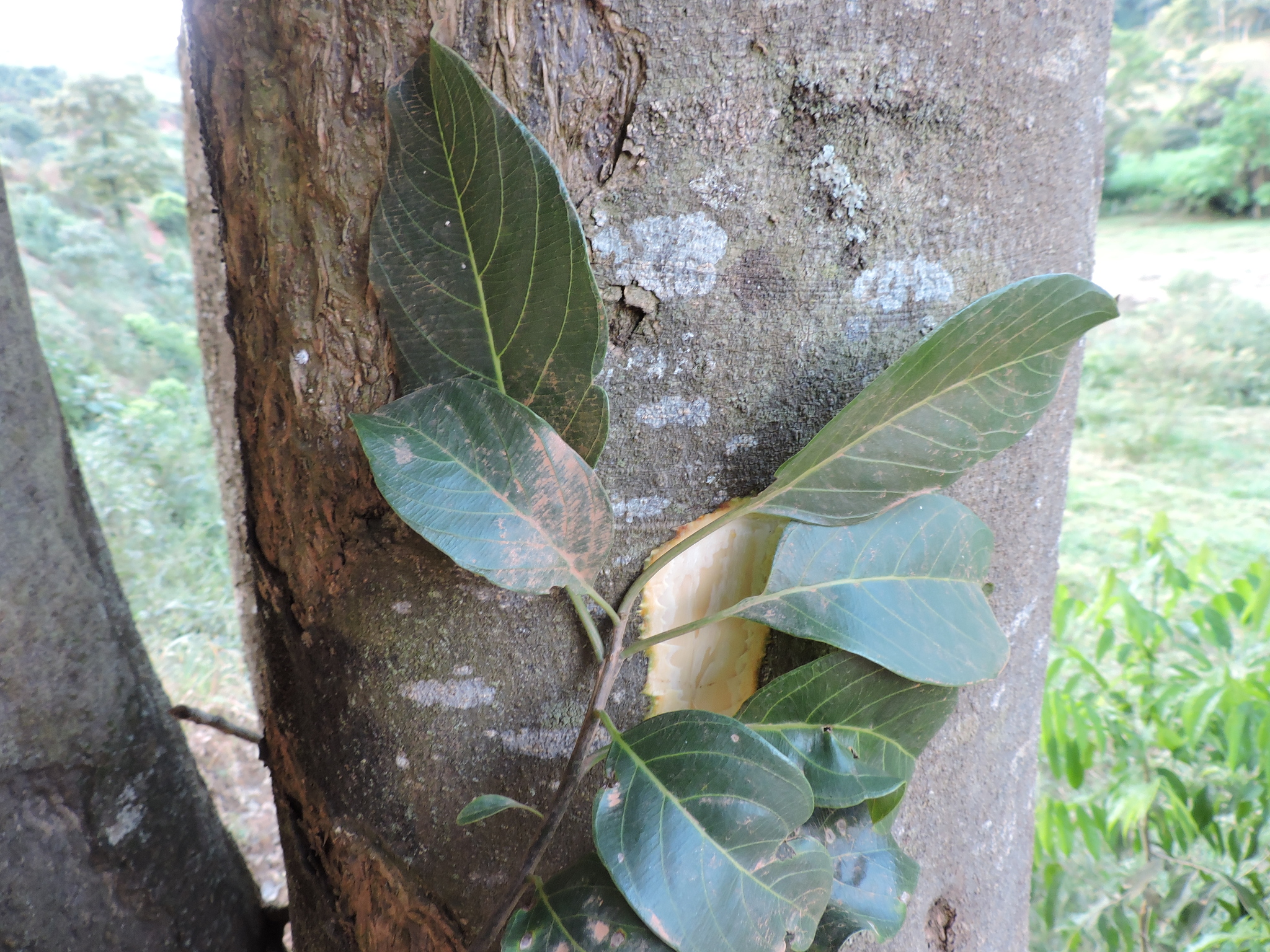
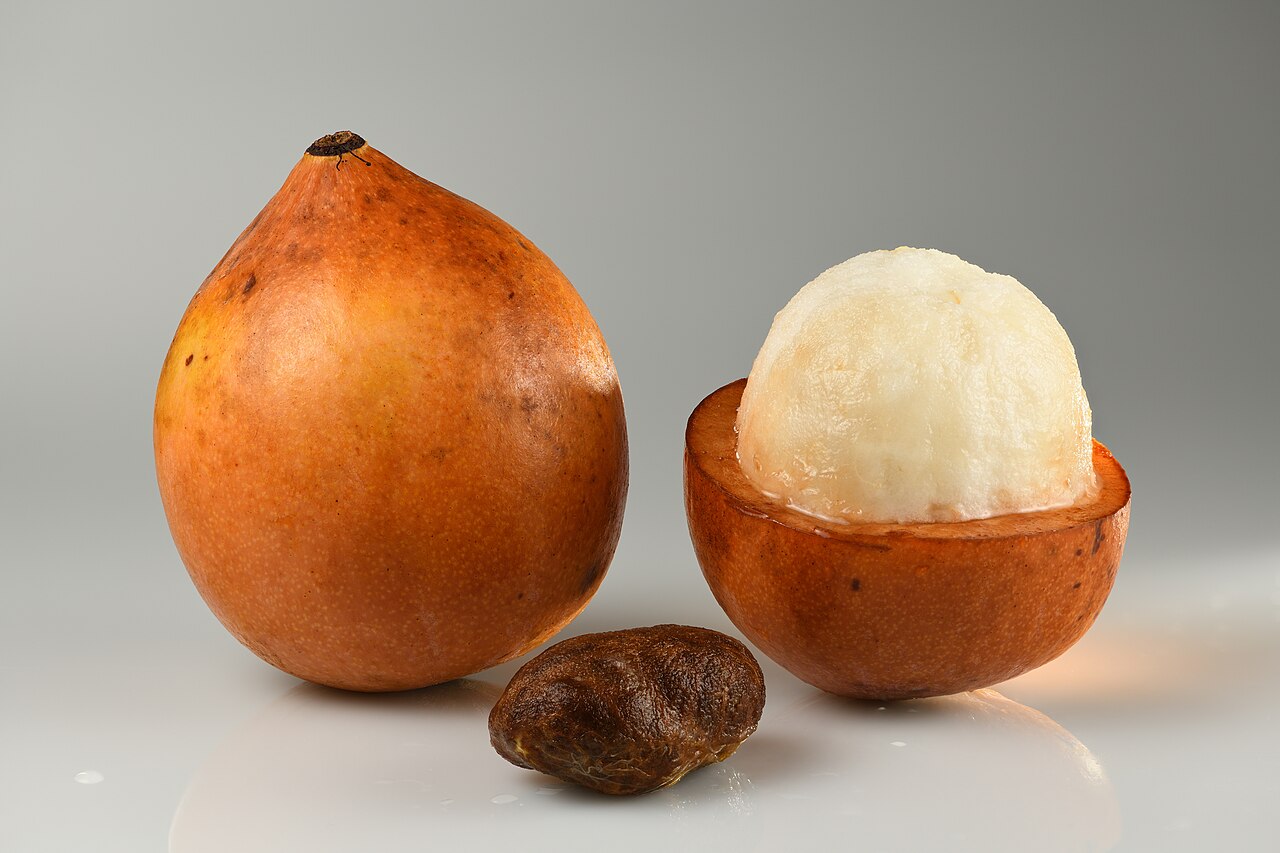
achacha
Garcinia humilis
Secondary II Medium No biomass productionAmazonian fruit tree of Bolivian origin, related to bacuri and mangosteen. Medium small tree (4–8 m), dense columnar canopy, glossy leaves. Orange ...
-
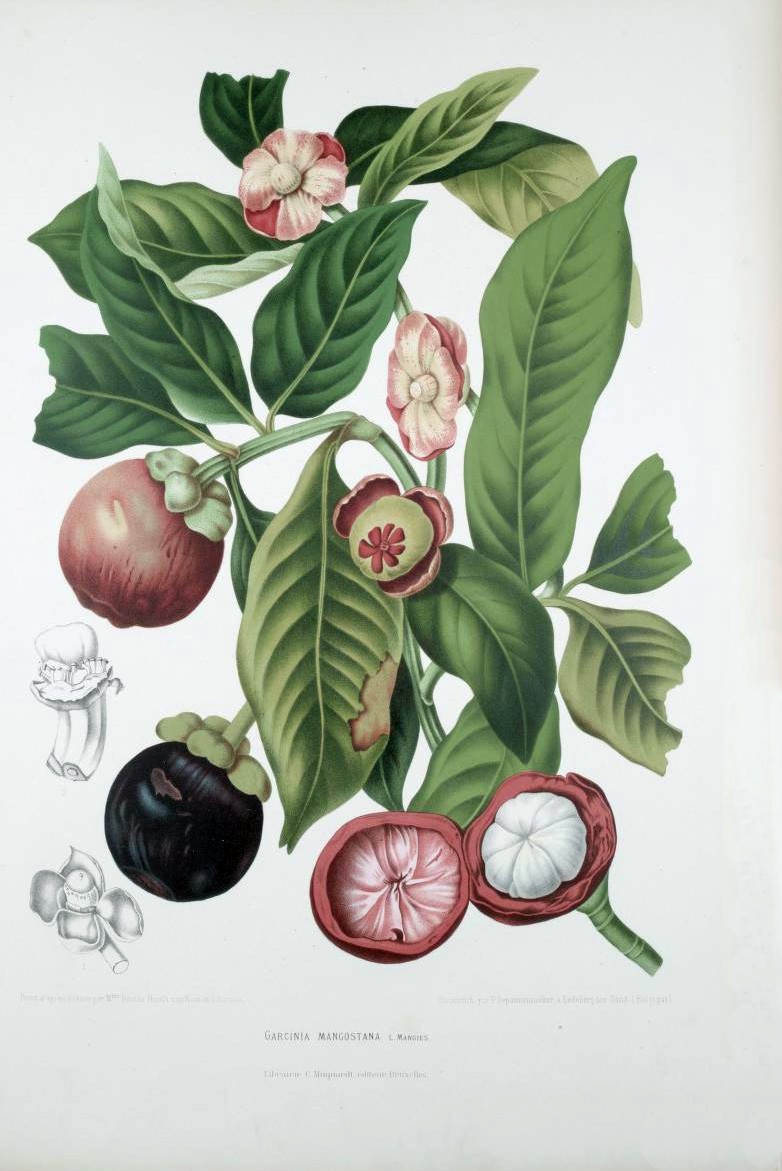
mangosteen
Garcinia mangostana
Secondary II Medium No biomass productionAsian tropical fruit introduced to Brazil, known as the 'queen of fruits' for the flavor of its white pulp. Pasini lists it in the medium stratum o...
-
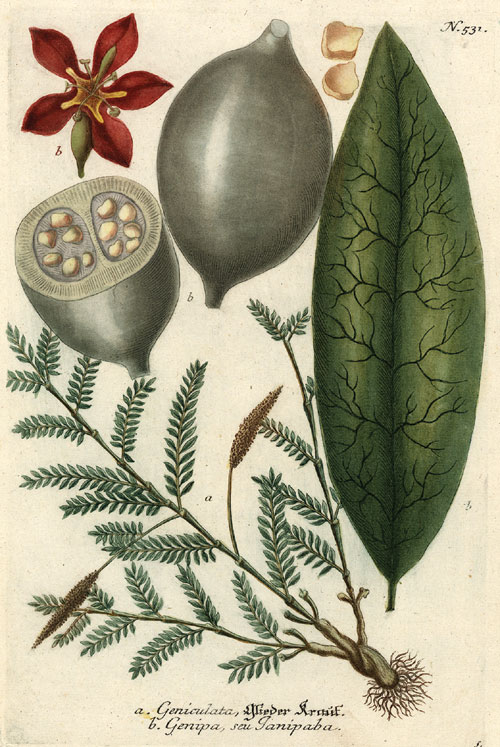
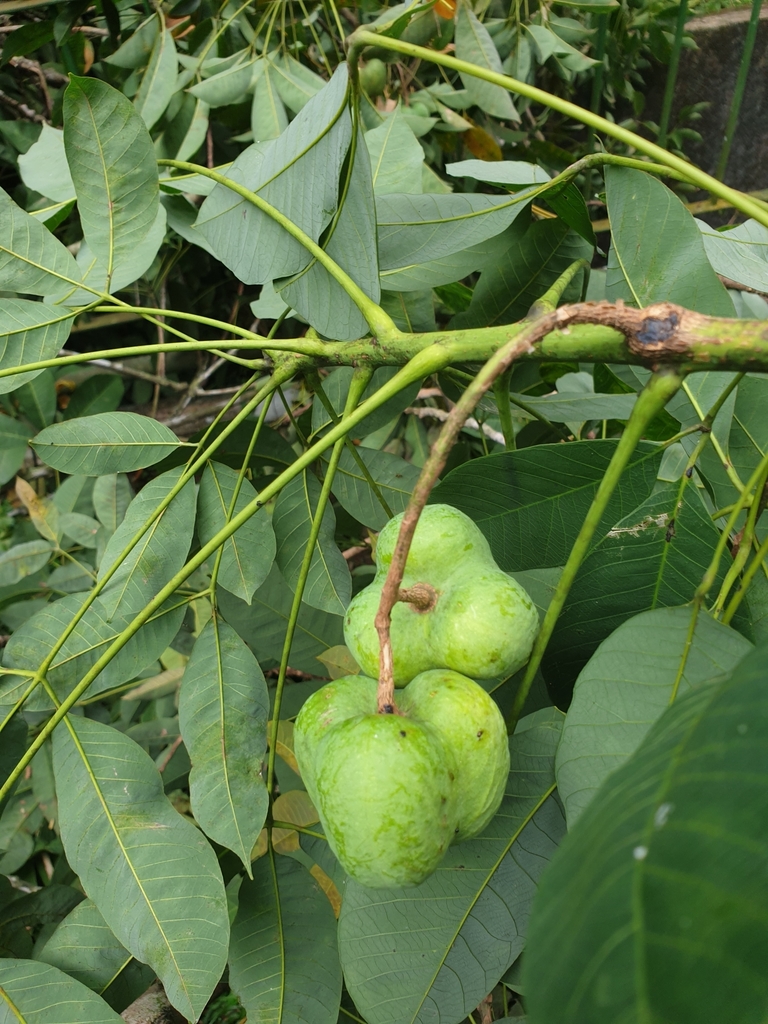
genipa
Genipa americana
Climax High No biomass productionPan-Brazilian native fruit (Cerrado, MA, Amazonia, Pantanal). EcoAgri lists it in the high stratum of the '> 50 years' bin. Edible fruit and source...
-
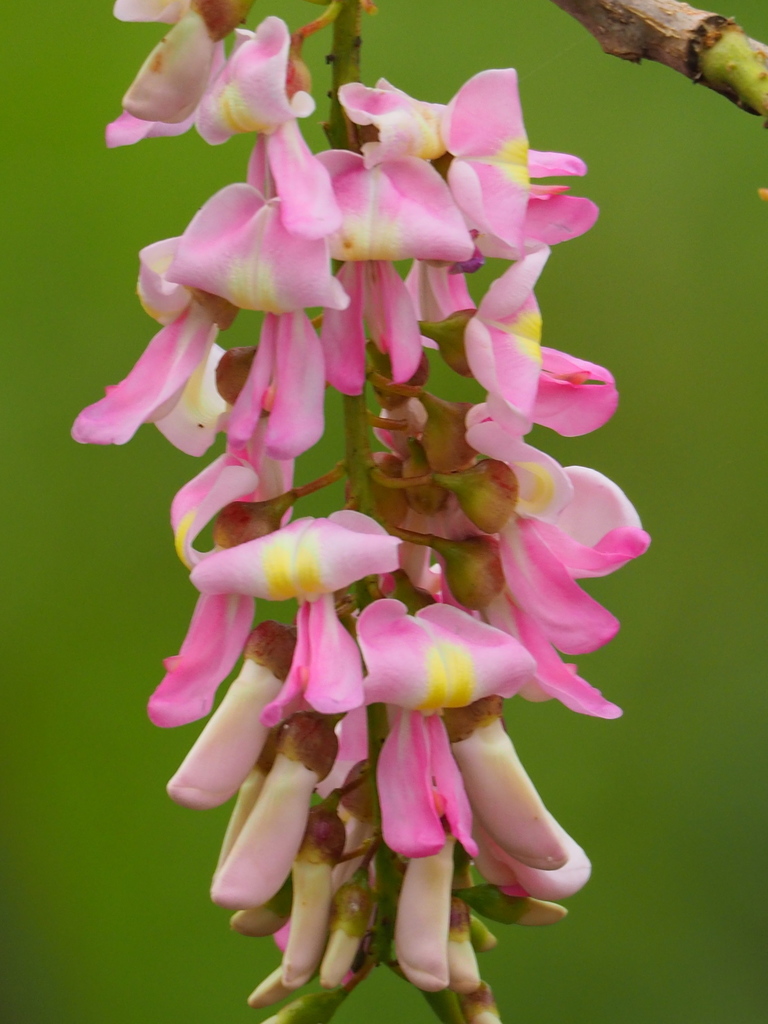
gliricidia
Gliricidia sepium
Secondary I Medium Fertilizer biomass 🌱 Nitrogen fixerNitrogen-fixing legume that tolerates drastic pruning and produces fast-decomposing fertilizer biomass. Commonly used as shade for coffee and cocoa...
-
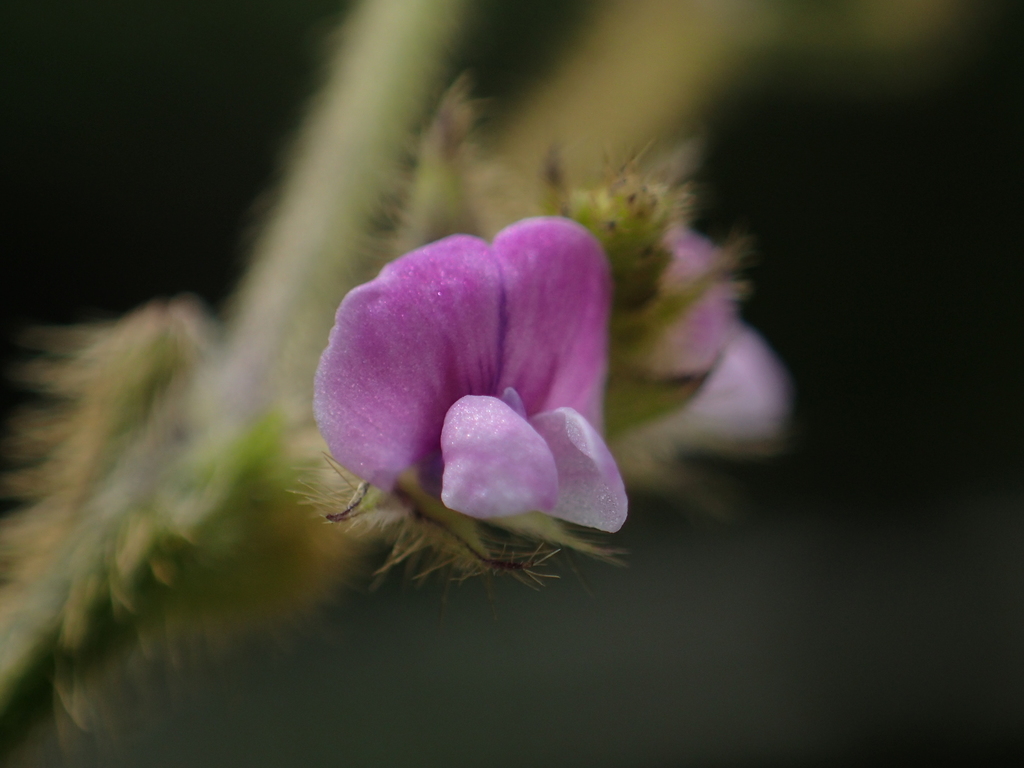
soybean
Glycine max
Placenta I Low Fertilizer biomass 🌱 Nitrogen fixerAnnual nitrogen-fixing legume (associates with Bradyrhizobium japonicum) — tall varieties Sambaíba and Tracajá were tested by Rebello & Sakamoto (2...
-
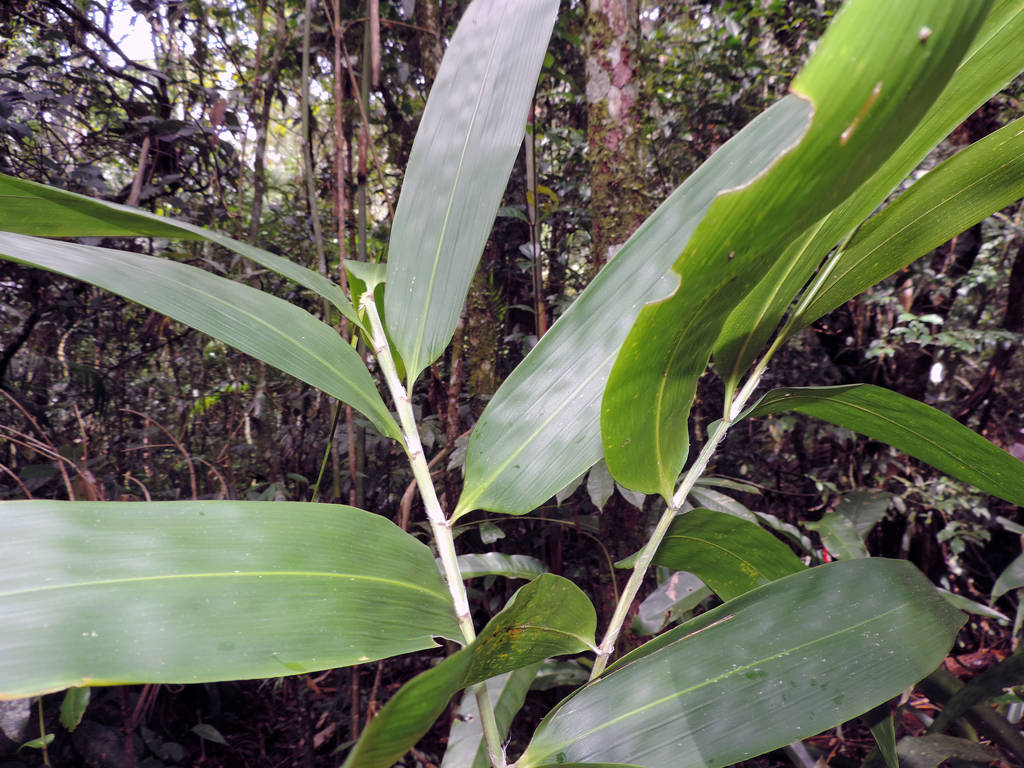
guadua
Guadua angustifolia
Secondary I Emergent Mulch biomassA woody clumping bamboo native to Central and South America, regarded as the finest structural bamboo of the Americas. It forms straight, strong cu...
-
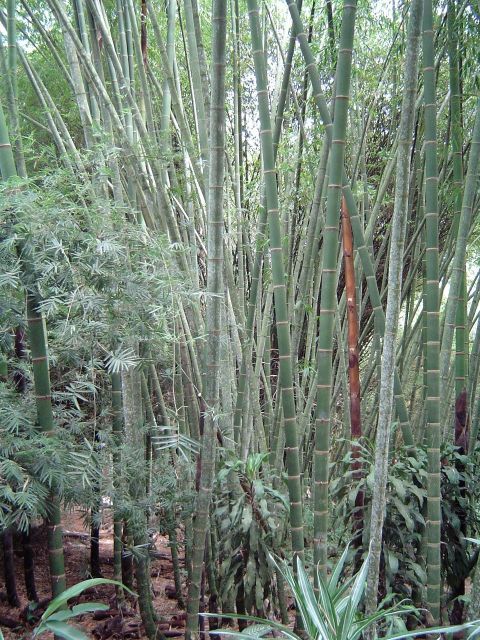
taquarucu bamboo
Guadua tagoara
Secondary I High Mulch biomassA bamboo native to the Atlantic Forest, distributed from Santa Catarina to Bahia, where it forms the characteristic bamboo thickets. It can reach a...
-
West Indian elm
Guazuma ulmifolia
Secondary I High Mulch biomassFast-growing pioneer tree native to the Cerrado, Pantanal, and Atlantic Forest. Pasini lists it in the high stratum of Tabela 3 and in the 10–20 ye...
-
yellow trumpet tree
Handroanthus albus
Climax Emergent Mulch biomassLong-cycle climax with premium timber. Characteristic of Cerrado and Atlantic Forest. Spectacular winter bloom.
-
yellow lapacho
Handroanthus chrysotrichus
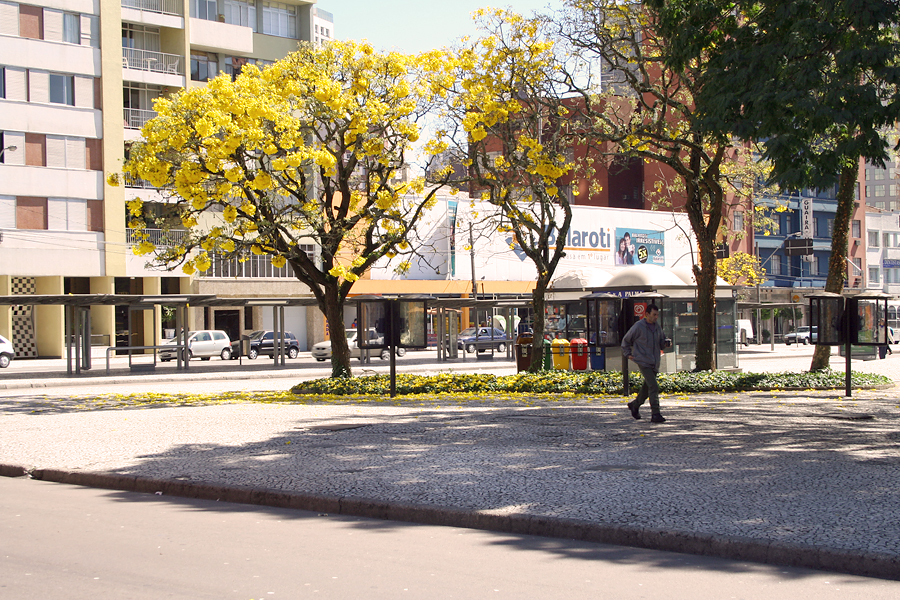
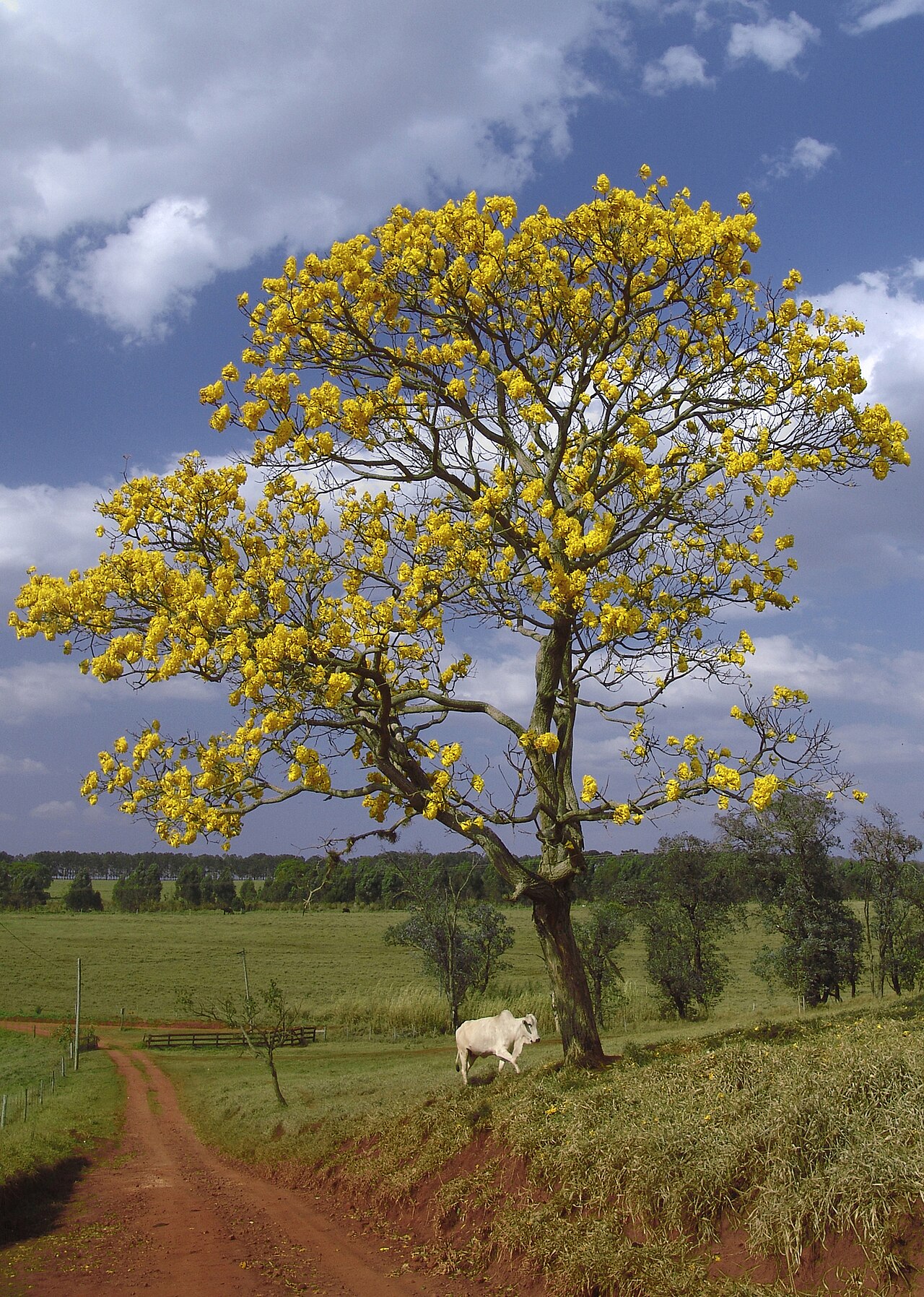
Climax High No biomass productionMedium-tall tree of the southern and southeastern Atlantic Forest (8–15 m). Vivid golden-yellow flowering in August–September, denser than the cerr...
-
pink lapacho
Handroanthus impetiginosus
Climax Emergent Mulch biomassEmergent tree native to Cerrado, Atlantic Forest, Caatinga, Amazon, and Pantanal. Reaches 20–35 m in the wild, 8–12 m in cultivation. Vivid magenta...
-
rubber tree
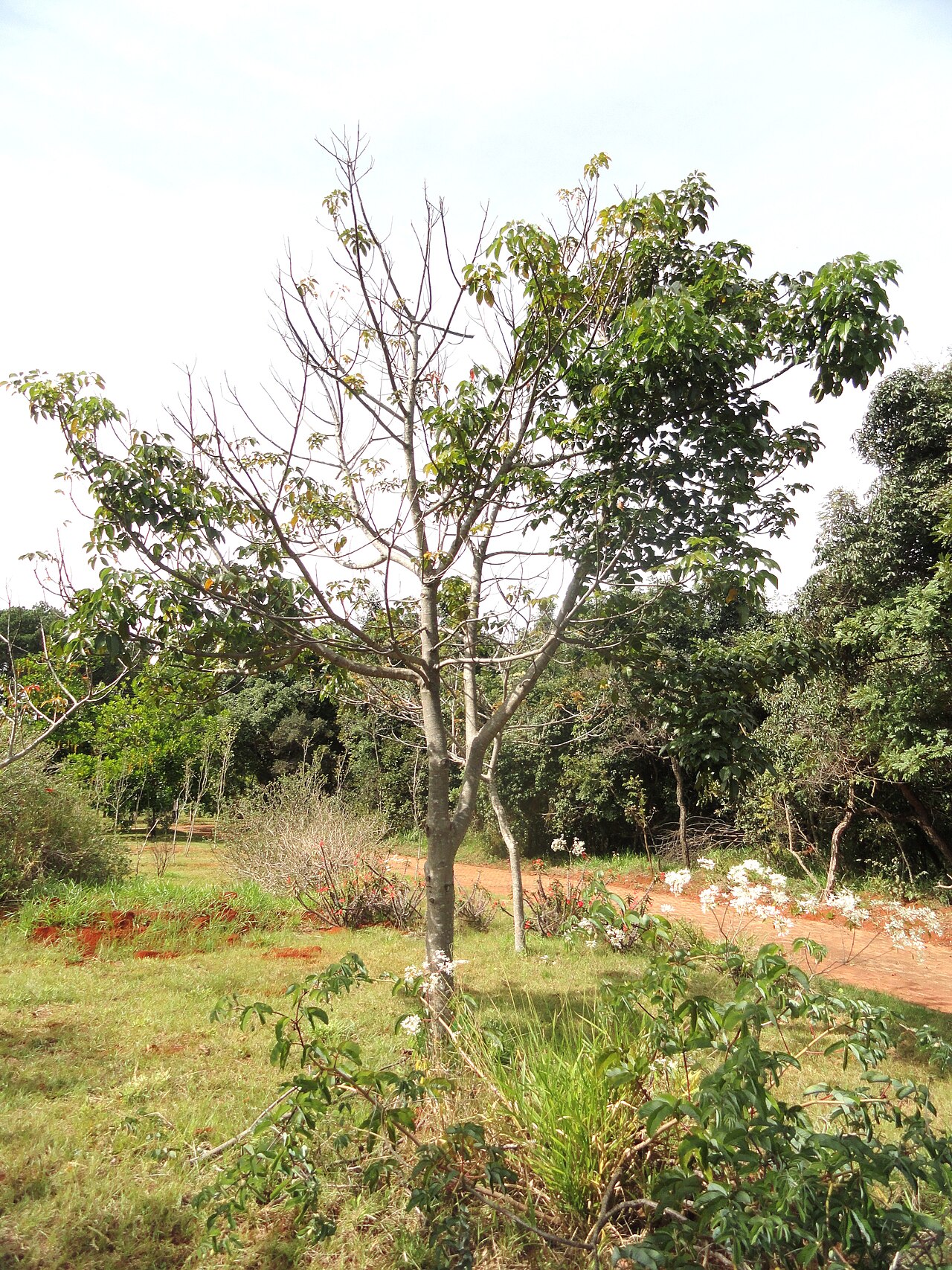
Hevea brasiliensis
Secondary II High Mulch biomassAmazonian latex (natural rubber) tree. Pasini lists it in the high stratum of Tabela 3 and cites it explicitly among the 40-year phase species of t...
-
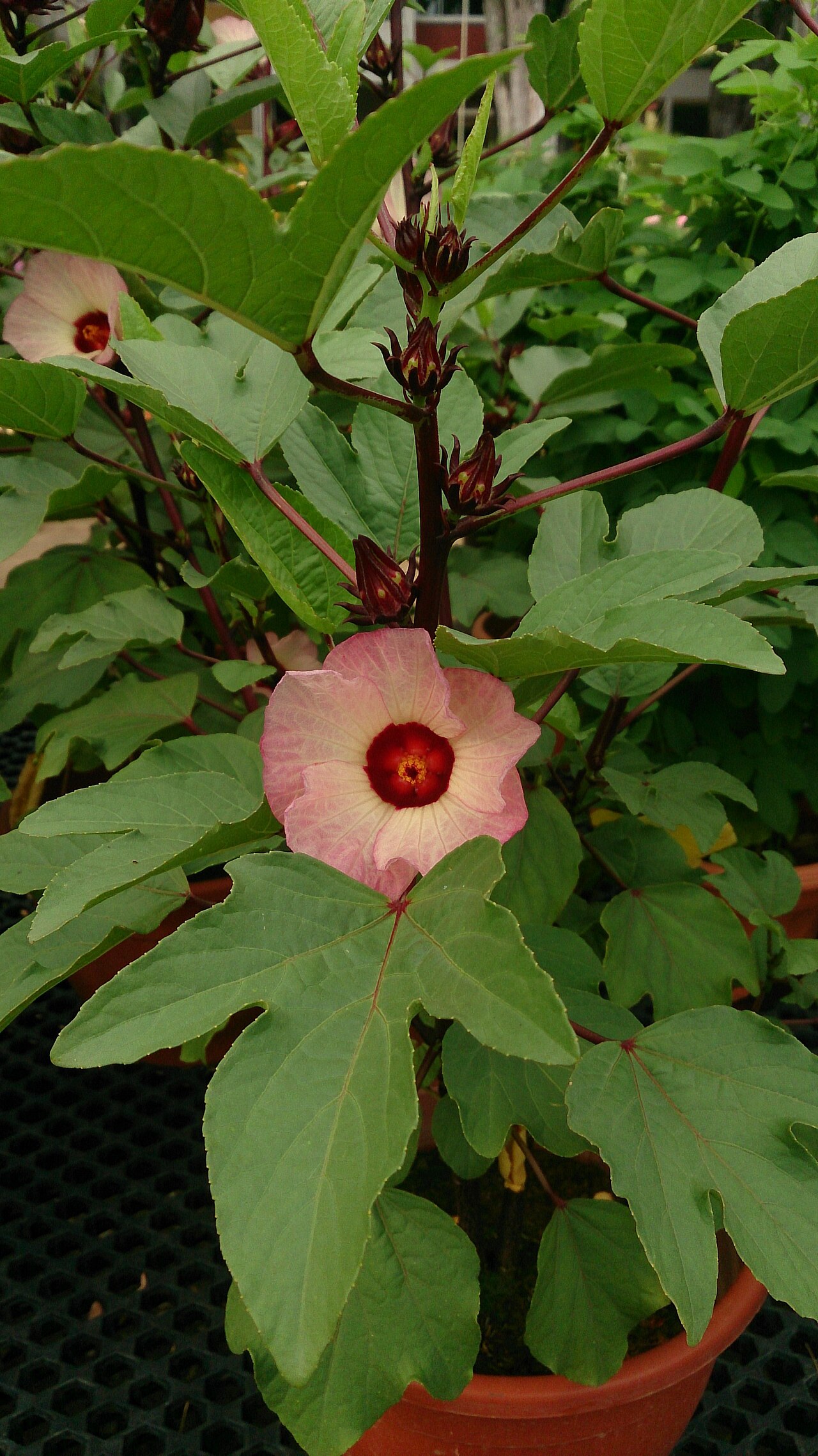
roselle
Hibiscus sabdariffa
Placenta II Medium Mulch biomassAn annual or short-lived subshrub in the Malvaceae, native to Africa and cultivated throughout the tropics. The fleshy red calyces are used to make...
-
jatoba
Hymenaea courbaril
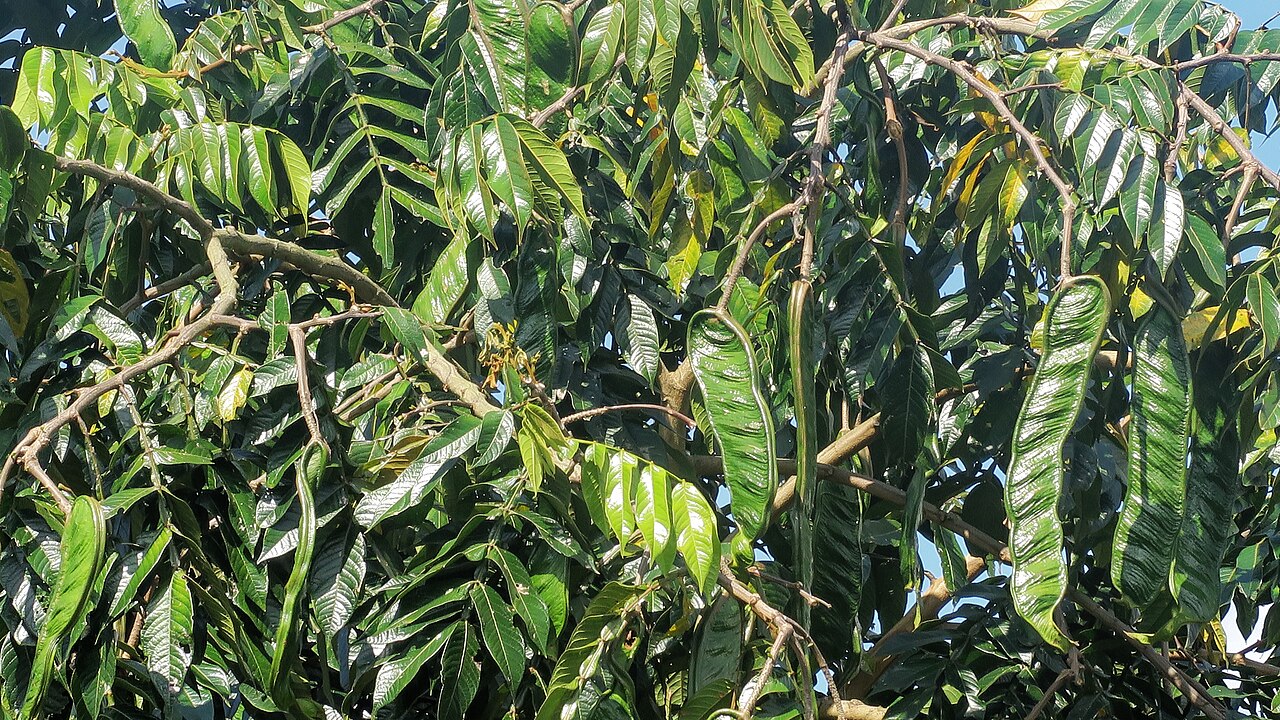
Climax Emergent Mulch biomassTropical climax with extremely dense timber; fruit pulp is edible. Common in syntropic abundance systems.
-
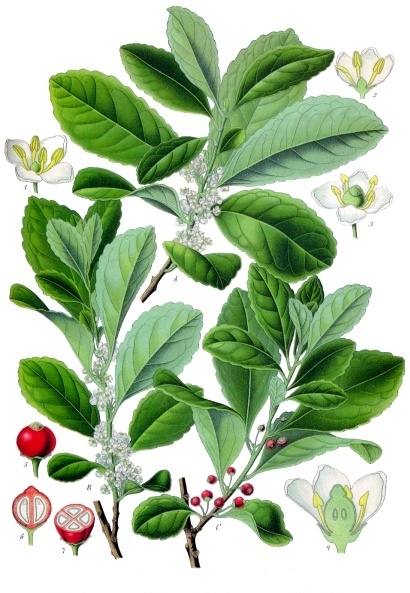
yerba mate
Ilex paraguariensis
Secondary II Medium No biomass productionTree native to highland Atlantic Forest and southern Brazilian grasslands, listed by IPOEMA among major Brazilian perennial crops in agroforestry c...
-
ice cream bean
Inga edulis
Secondary I High Fertilizer biomass 🌱 Nitrogen fixerEssential nitrogen fixer in syntropic systems. Coppices readily after drastic pruning and produces large volumes of fertilizer biomass.
-
river inga
Inga vera
Secondary I Medium Fertilizer biomass 🌱 Nitrogen fixerA pioneer leguminous tree native to the Neotropics, 5-10 m tall, with a broad low crown, frequent in secondary formations of humid or swampy soil, ...
-
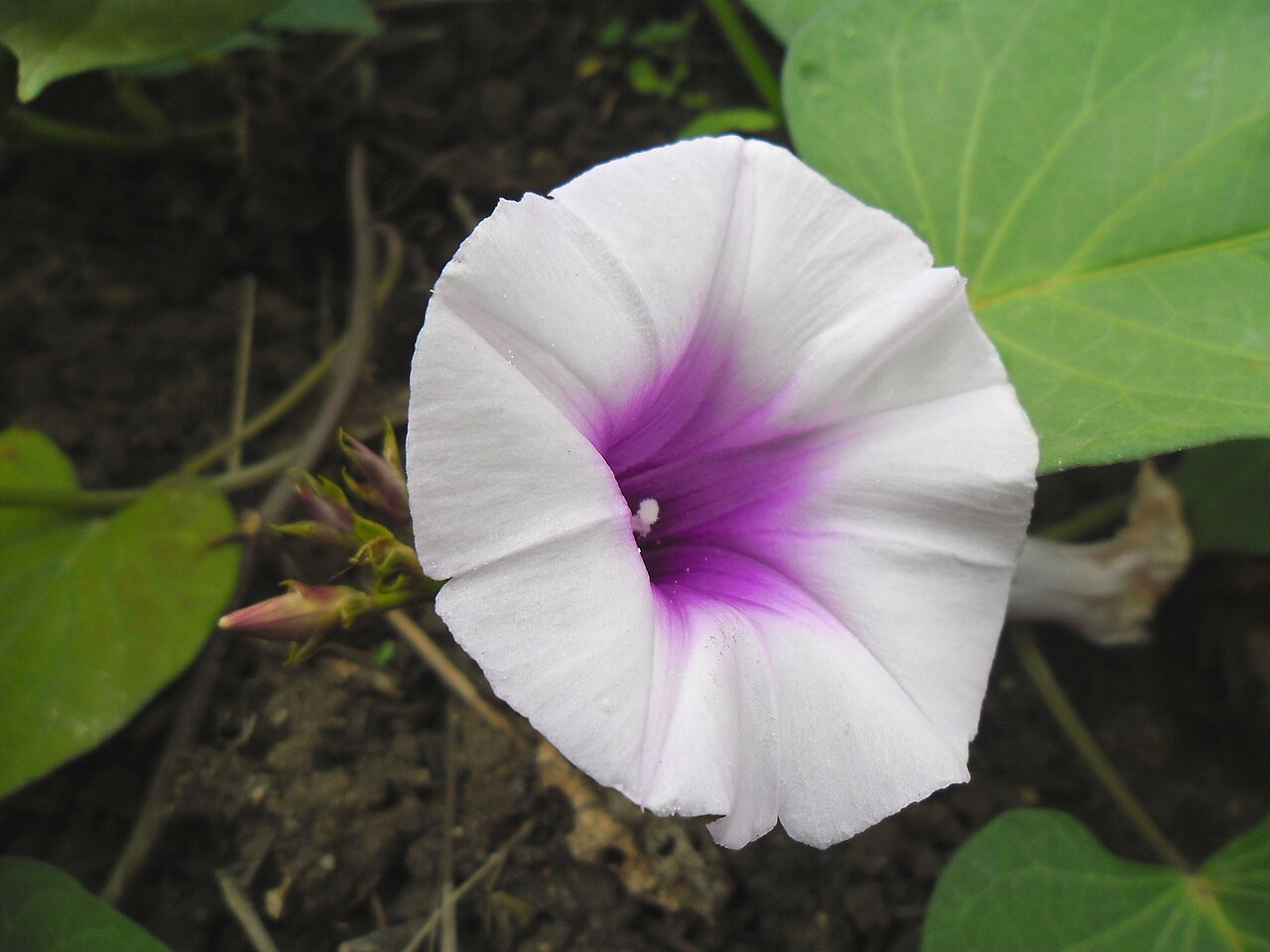
sweet potato
Ipomoea batatas
Placenta I Ground cover No biomass productionShort-cycle creeping tuber crop. Pasini lists it in the low stratum of Tabela 3. Excellent living ground cover early in the agroforestry cycle, edi...
-
arara nut tree
Joannesia princeps
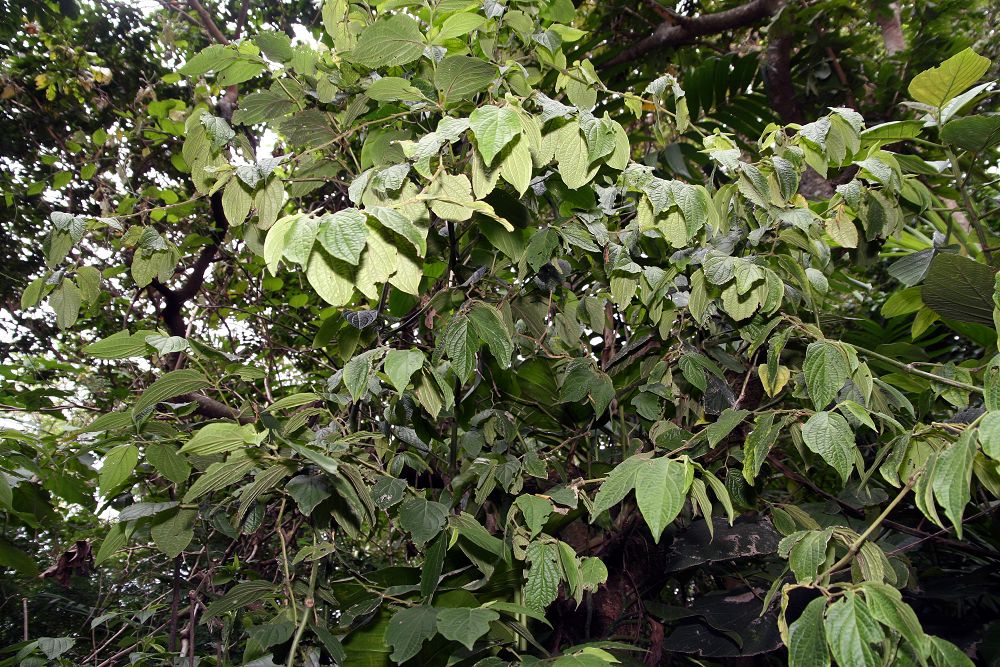
Climax Emergent Mulch biomassAtlantic Forest emergent surviving 80+ years. Rebello highlights its key successional role: planted with embaúba (secondary I, 10–20 yr) and guapur...
❓ Frequently asked questions
What characterizes the Atlantic Forest biome?
Humid tropical forest that once covered Brazil's entire east coast. Less than 12% of original cover remains — restoring it is one of the central goals of Brazilian syntropic agriculture. High diversity of fruit, timber, and pioneer species adapted to a tropical-highland climate.
Which plants does the catalog suggest for the Atlantic Forest biome?
The catalog holds 284 species, among them fig, flemingia, fennel. Each profile shows stratum, succession stage, and the management data, with sources cited.