
Climate
Plants for the Tropical savanna with dry winter (Aw) climate
Tropical with a dry winter — the climate of much of central Brazil. The working rule: plant at the onset of the rains, cover the soil before the dry season, and pick species that cross winter without irrigation. Drought tolerance is on each profile.
240 species in the catalog · Refine this list in the catalog
-
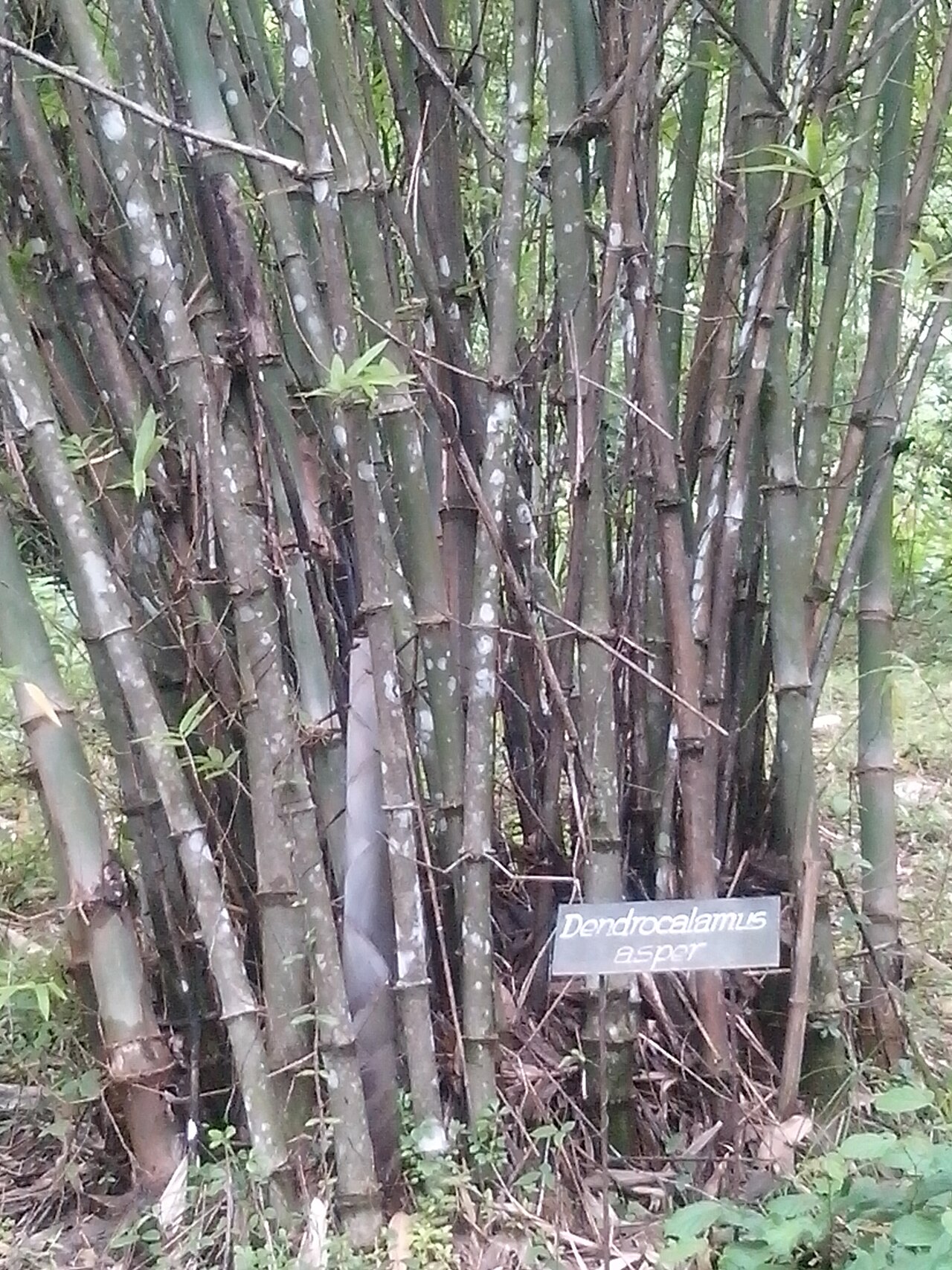
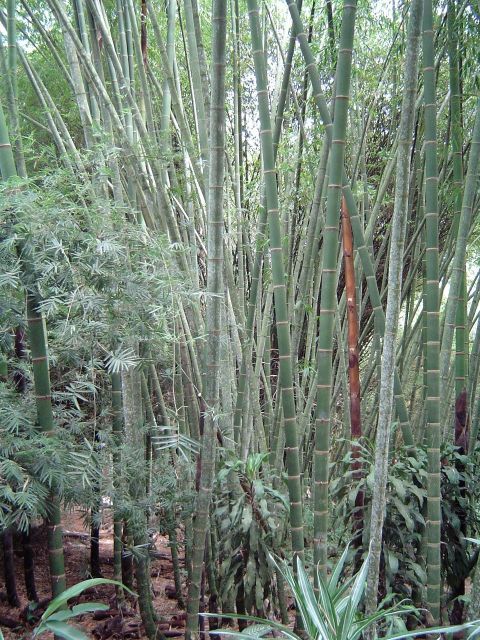
giant bamboo
Dendrocalamus asper
Secondary I Emergent Mulch biomassOne of the most economically important giant bamboos, a clumping species native to Southeast Asia, with culms 15–20 m tall and up to 20 cm in diame...
-
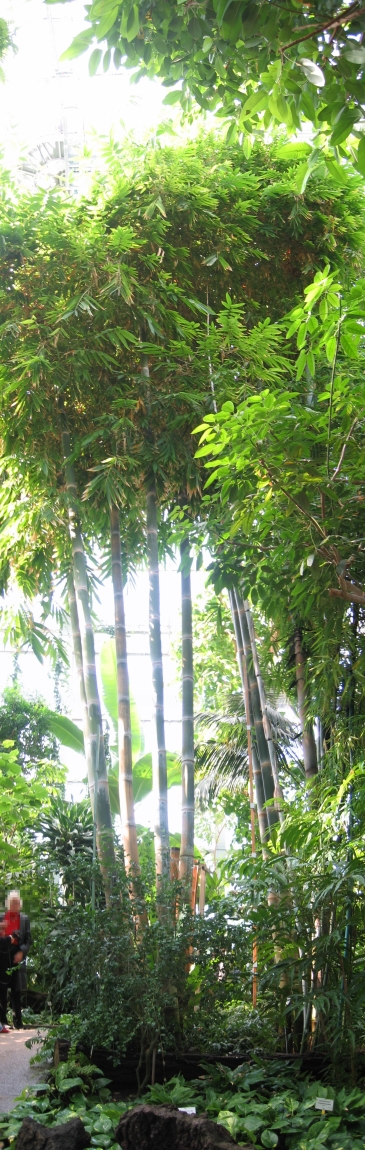
giant bamboo
Dendrocalamus giganteus
Secondary I Emergent Mulch biomassOne of the largest bamboos in the world, a clumping species native to India, Myanmar, Thailand and southern China, with culms commonly reaching 30 ...
-
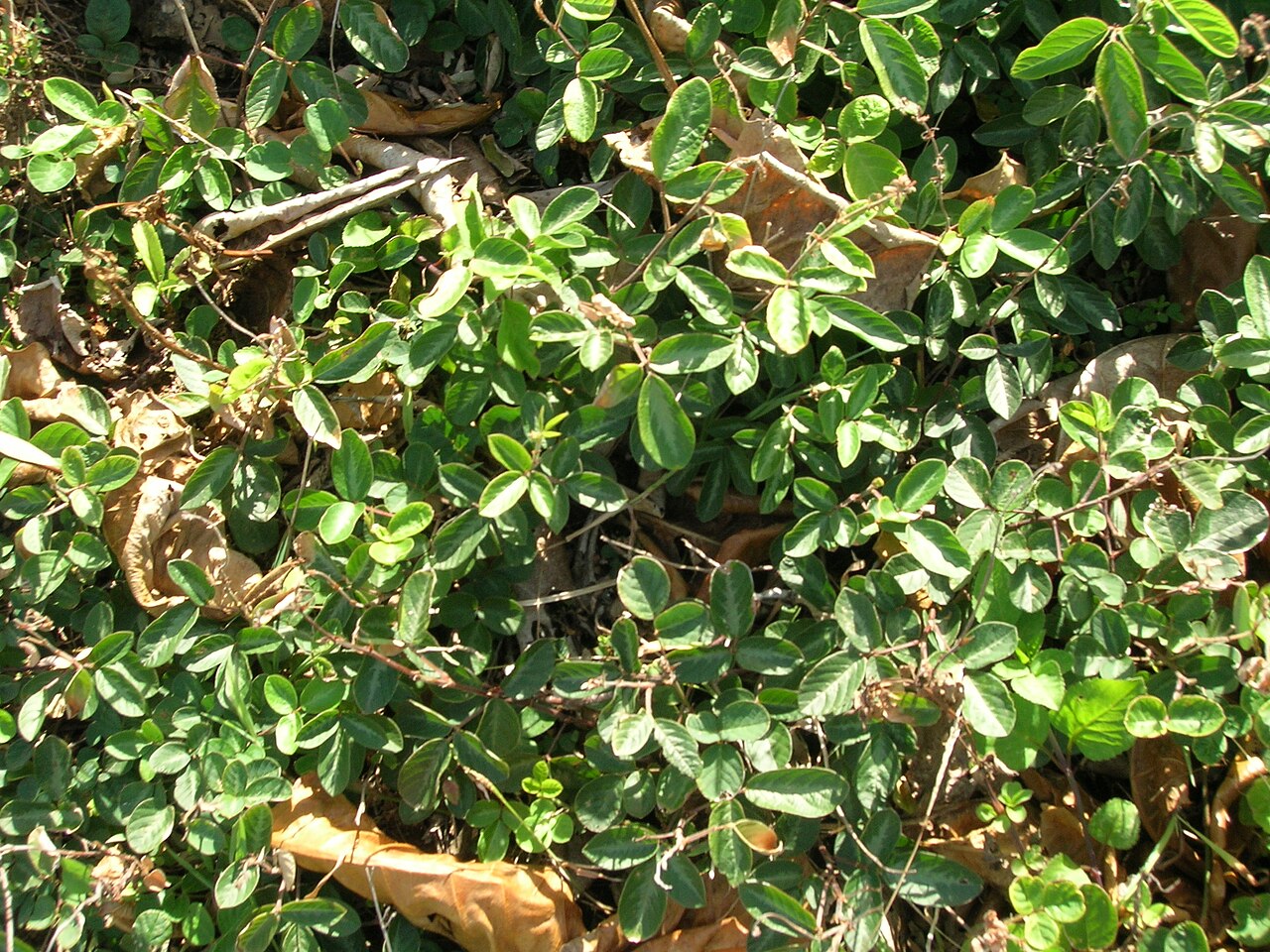
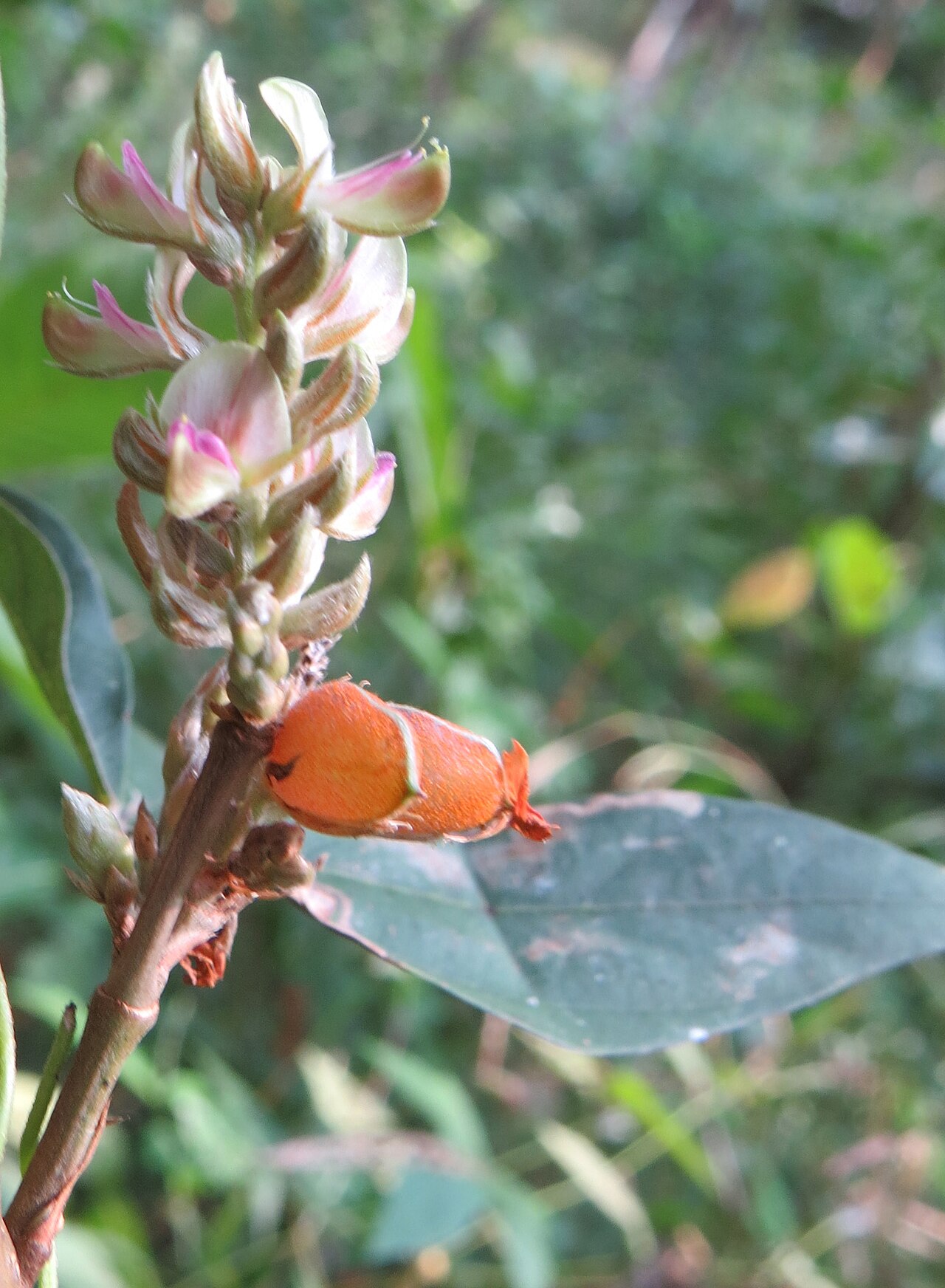
creeping beggarweed
Desmodium incanum
Placenta I Ground cover Fertilizer biomass 🌱 Nitrogen fixerA perennial creeping herbaceous legume native to tropical and subtropical America (including the grasslands of southern Brazil), with an aggressive...
-
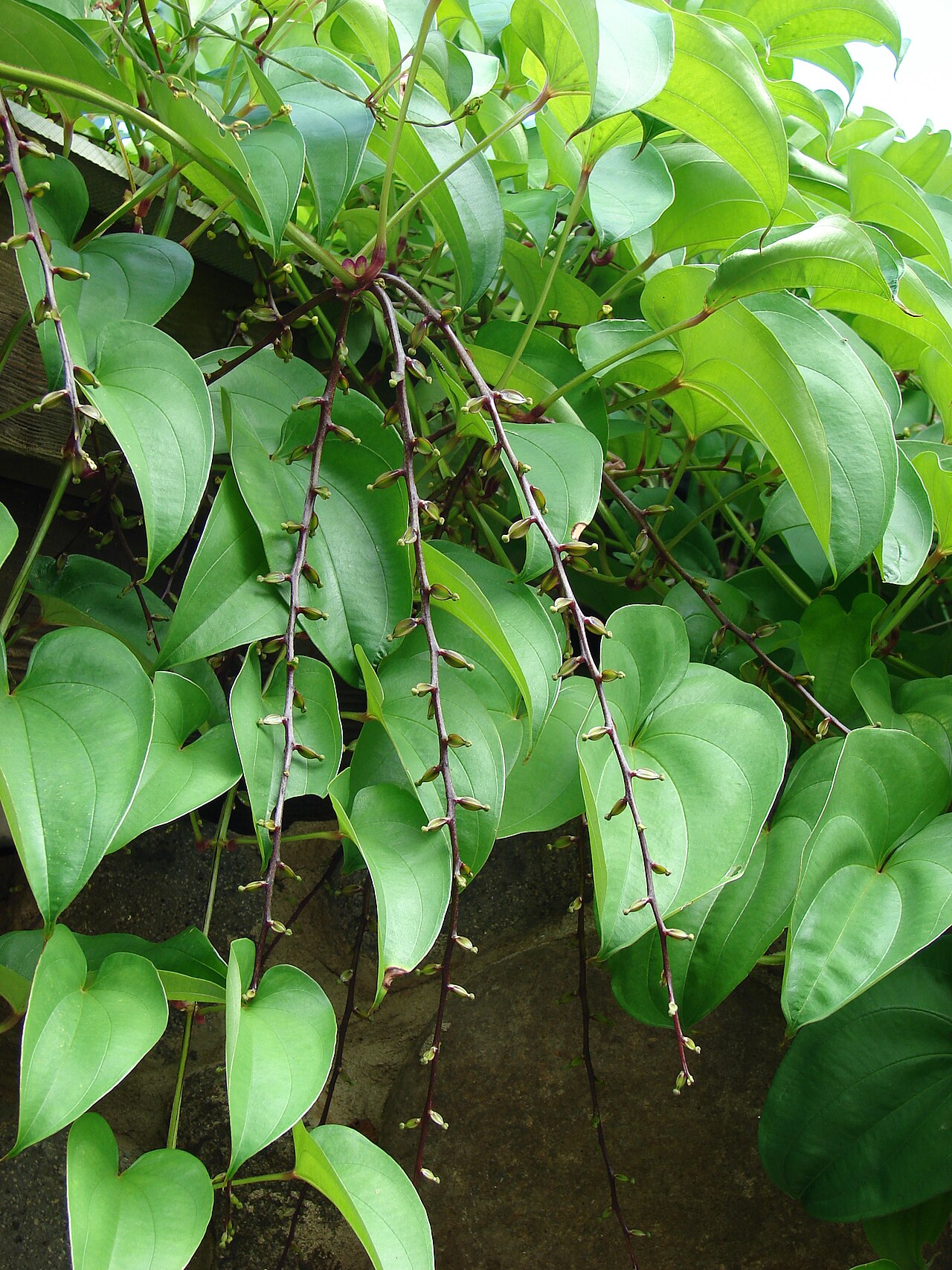
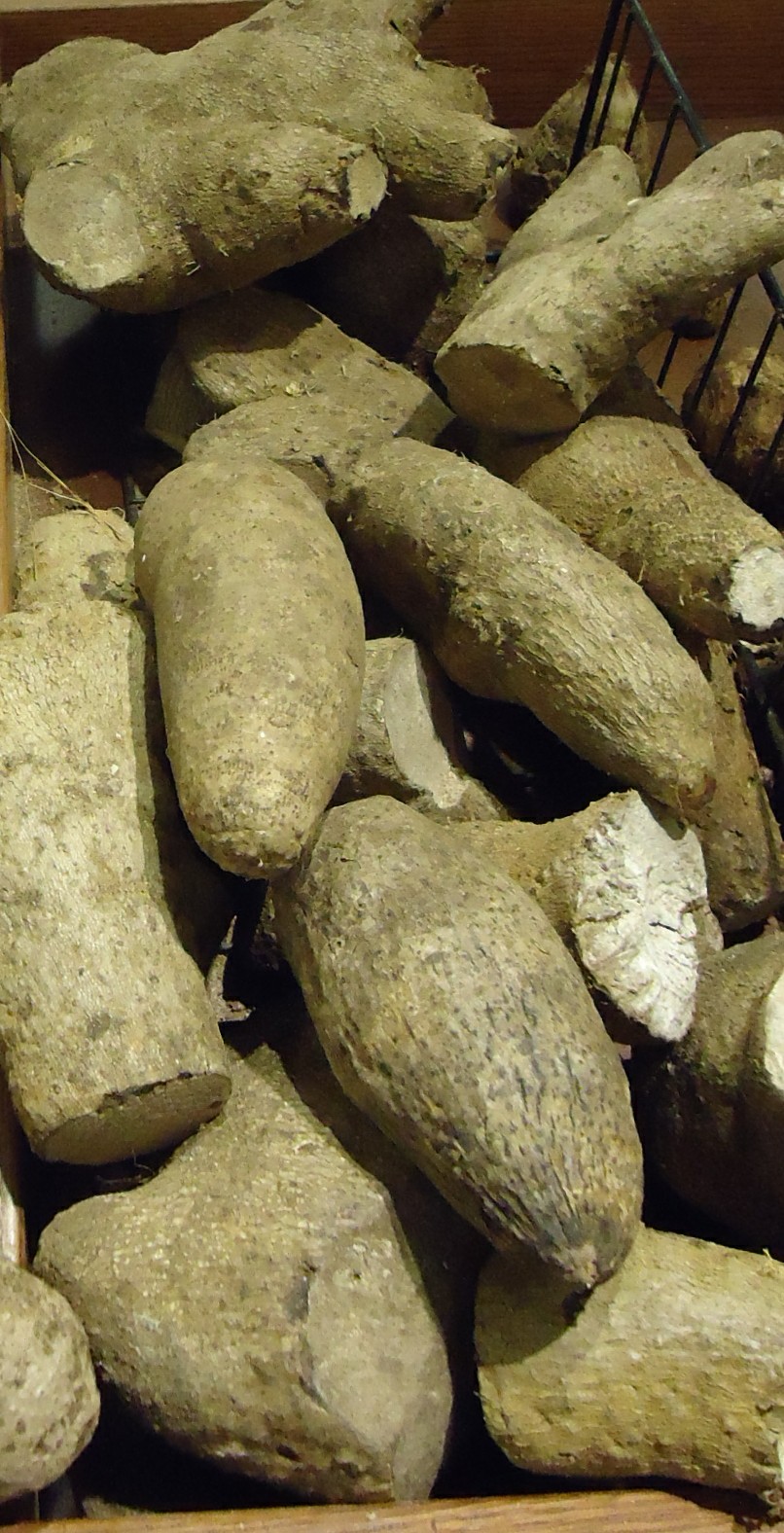
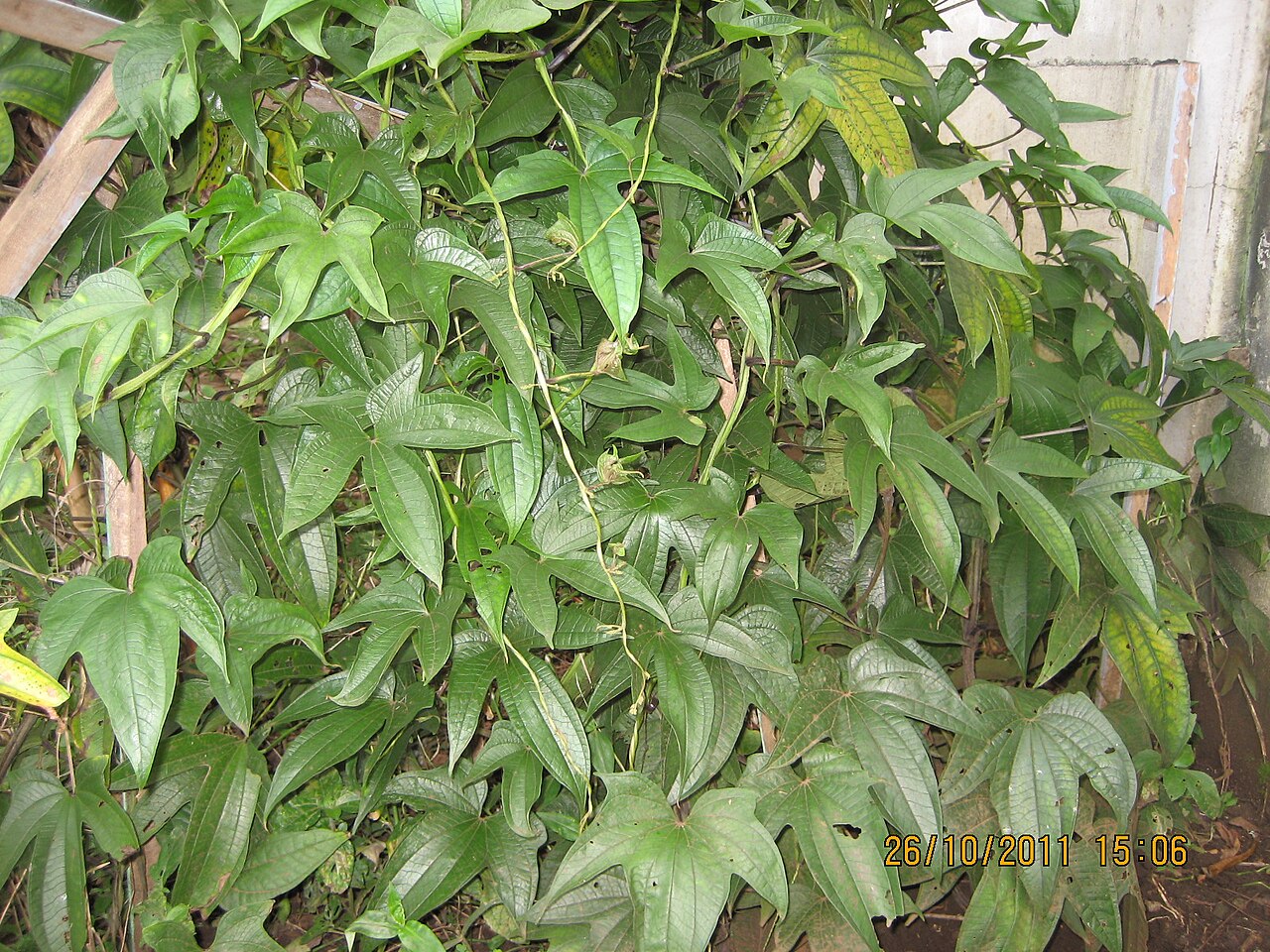
water yam
Dioscorea alata
Placenta II Low Fertilizer biomassAsian-origin yam naturalized throughout tropical Brazil. Vigorous vine with winged stems, large tubers (up to 5 kg). More productive than purple ya...
-
yellow yam
Dioscorea cayennensis
Placenta II Medium No biomass productionTuber-bearing climber cultivated in the medium stratum of syntropic systems. Pasini lists yam in the medium stratum of Tabela 3 and in the '1 to 3 ...
-
cush-cush yam
Dioscorea trifida
Placenta II Low Fertilizer biomassNative Amazonian yam, tuberous vine with purple-skinned tubers and colored flesh. Delicate flavor, prized in regional cuisine. Highly productive ev...
-
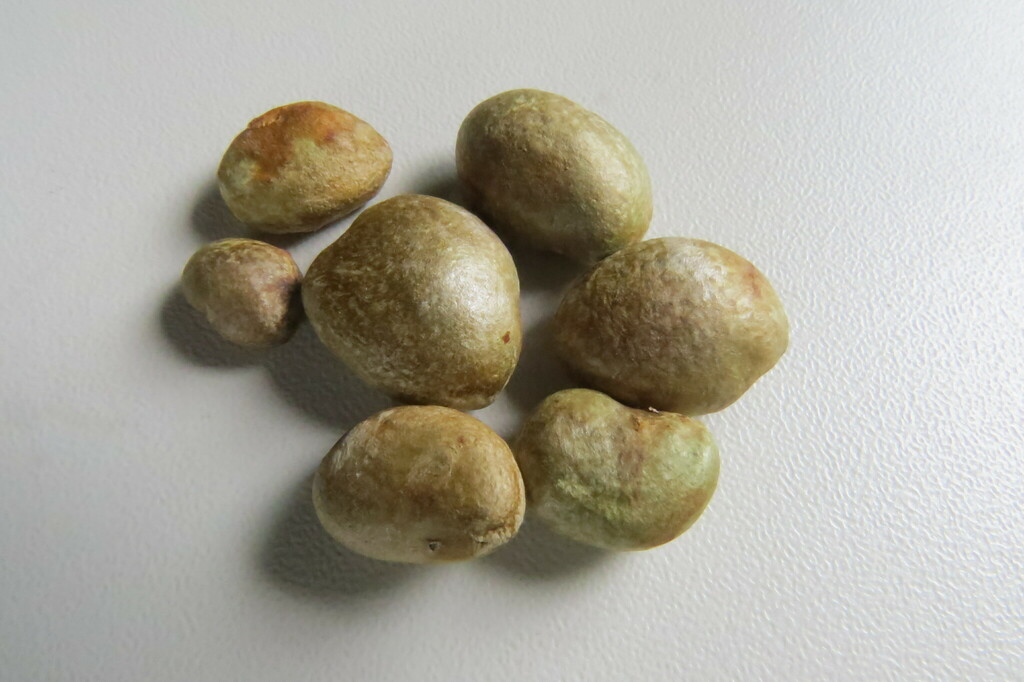
baru nut
Dipteryx alata
Climax EmergentNative Cerrado leguminous tree reaching over 25 m. Although a legume, it does not form root nodules with N-fixing bacteria — relies on N from groun...
-
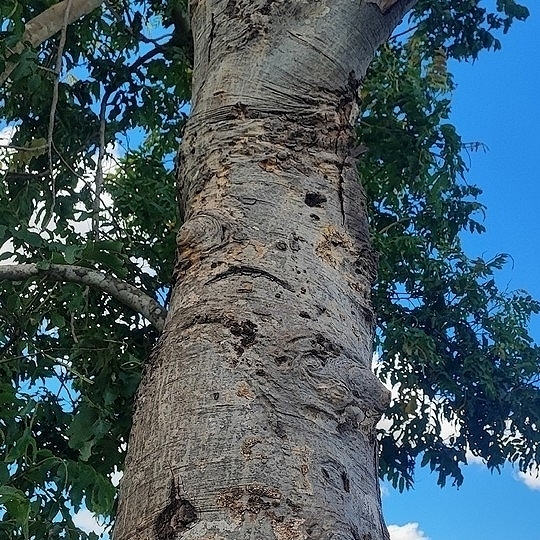
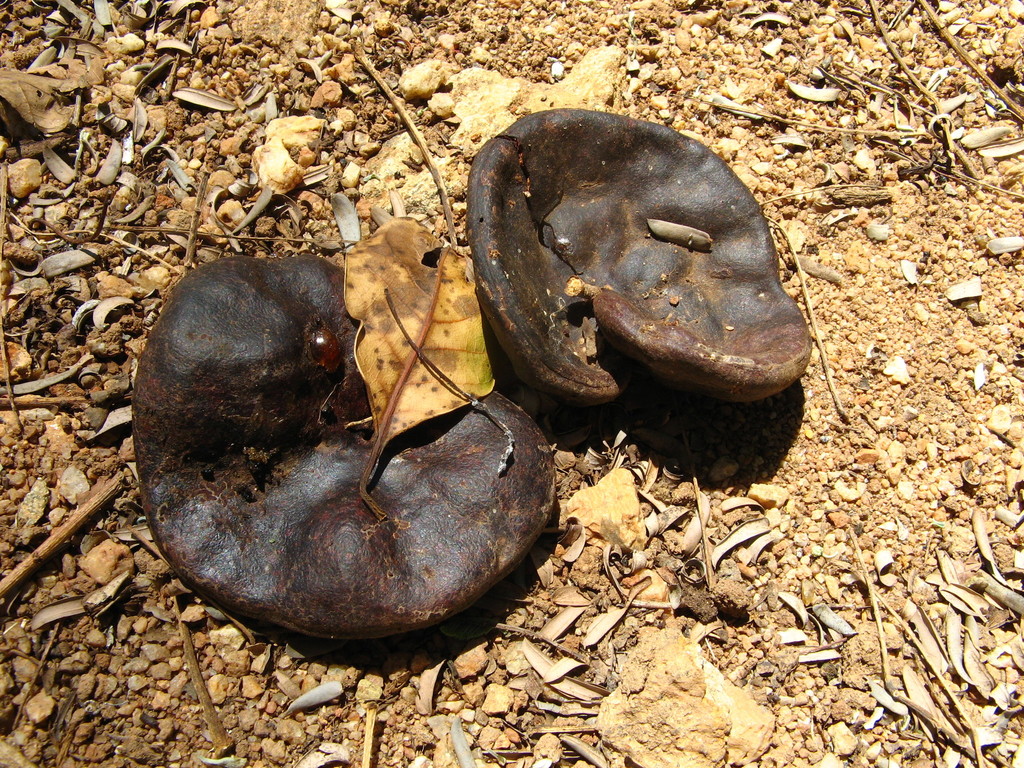
earpod tree
Enterolobium contortisiliquum
Climax Emergent Fertilizer biomass 🌱 Nitrogen fixerLarge nitrogen-fixing leguminous tree native to the Atlantic Forest and Cerrado. EcoAgri lists it in the emergent stratum of the '> 50 years' bin. ...
-
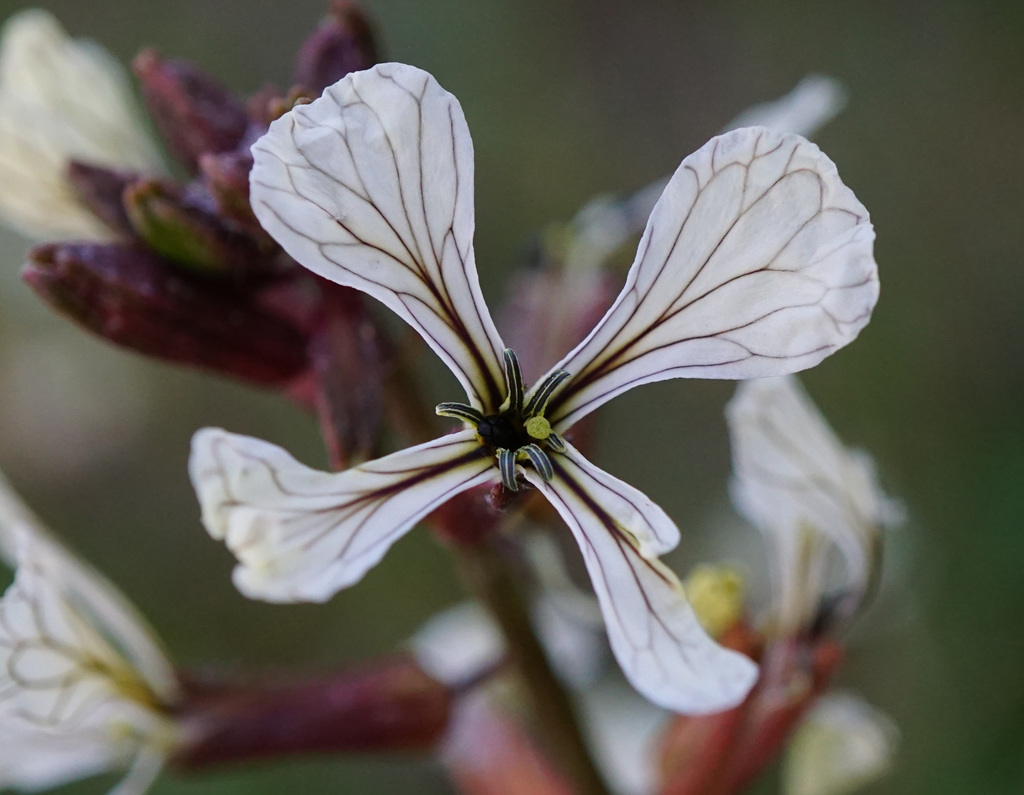
arugula
Eruca vesicaria
Placenta I Low No biomass productionSpicy short-cycle leafy green. Pasini lists it in the medium stratum of Tabela 3. Ideal in consortium with brassicas and lettuce in the early bed; ...
-
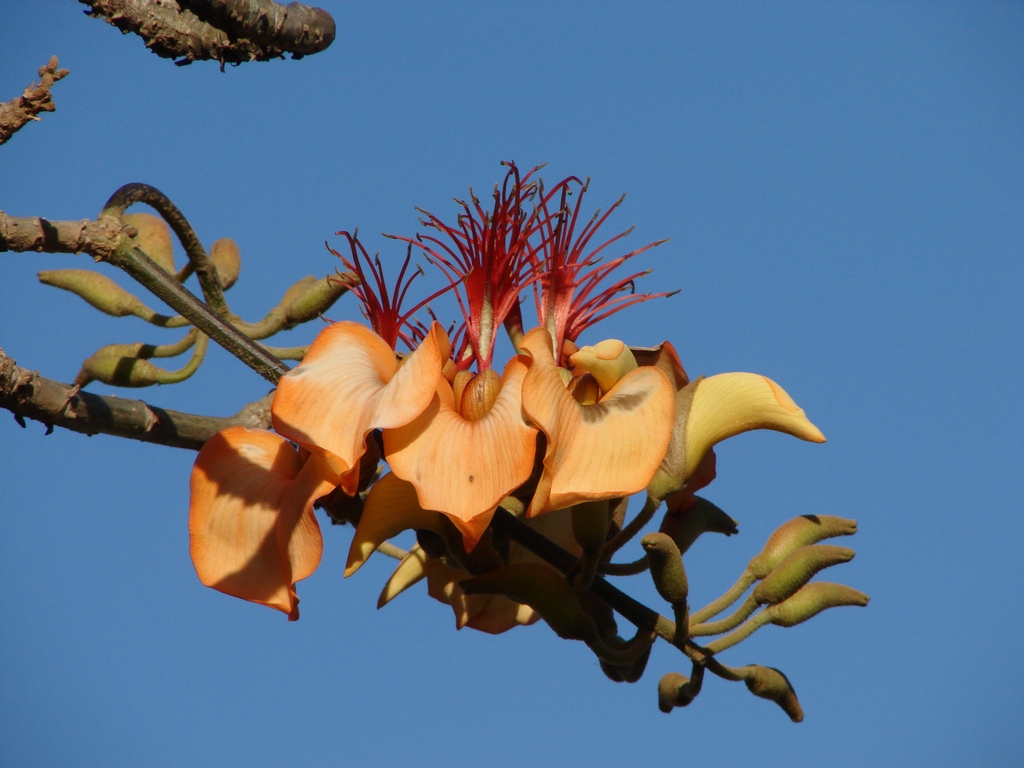
mulungu
Erythrina velutina
Secondary I High Fertilizer biomass 🌱 Nitrogen fixerBrazilian-native nitrogen-fixing tree legume; propagates easily by cuttings and produces abundant fertilizer biomass. Cited by Pasini among tree-fo...
-
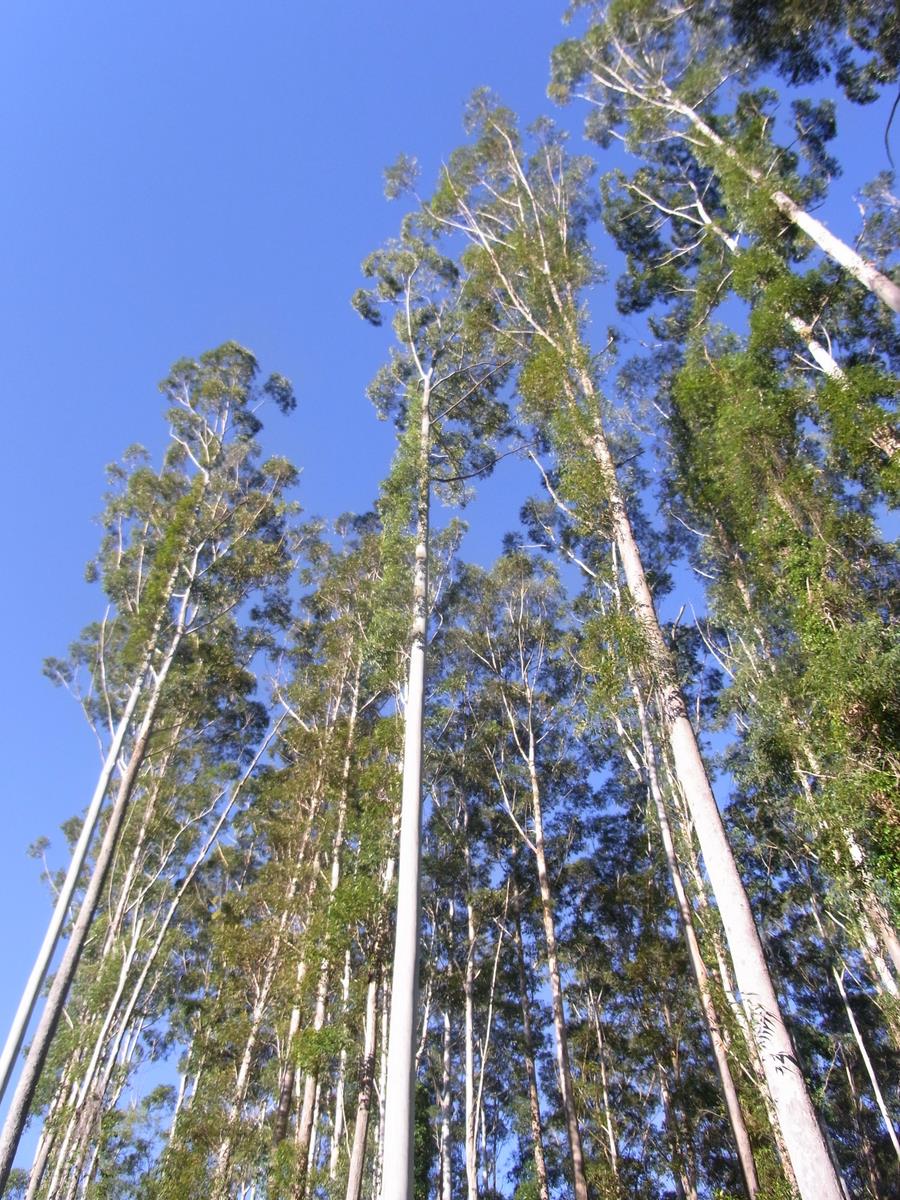
rose gum
Eucalyptus grandis
Secondary I Emergent Mulch biomassTypical accumulation species in syntropic systems: cover biomass, timber in 15 years. Non-native but widely used in Brazilian SAFs.
-
grumichama
Eugenia brasiliensis
Climax Medium No biomass productionAtlantic Forest native fruit tree, with small purple fruits resembling cherries. EcoAgri lists it in the medium stratum of the '> 50 years' bin. Mo...
-
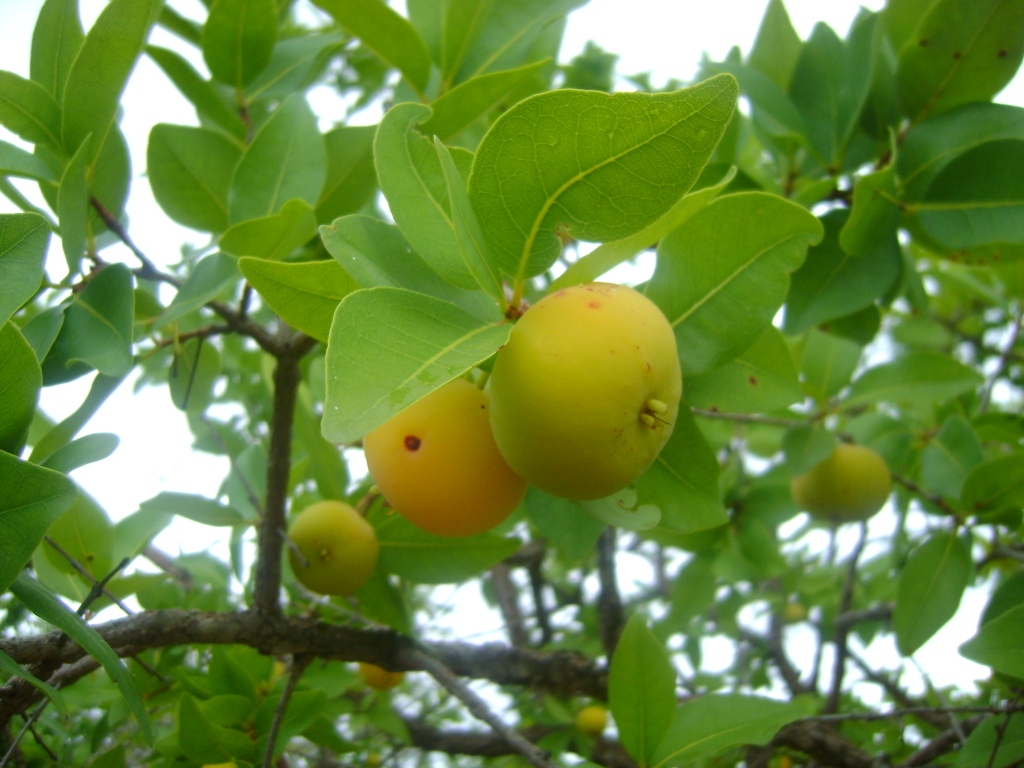
cagaita
Eugenia dysenterica
Secondary II Medium No biomass productionNative Cerrado fruit tree (4–10 m), rounded canopy. Flowers in August–September at peak drought before the rains — white blooms covering bare branc...
-
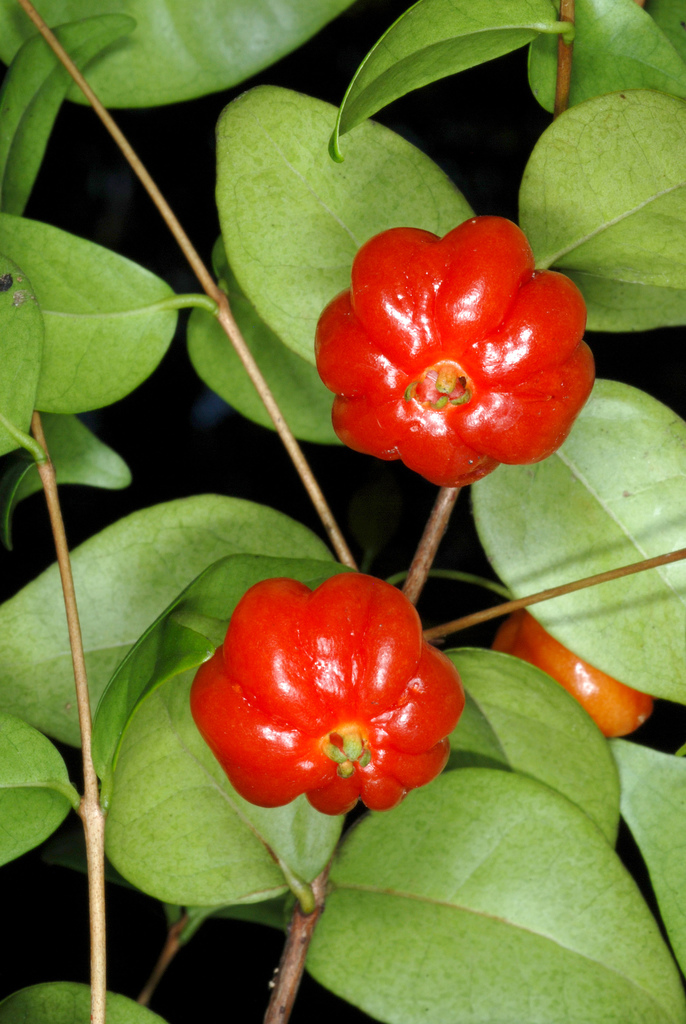
Surinam cherry
Eugenia uniflora
Secondary I Medium No biomass productionSmall native fruit tree of the Atlantic Forest. Pasini lists it in the medium stratum of Tabela 4 (3–10 year phase). Cherry-red bittersweet fruit, ...
-
flemingia
Flemingia macrophylla
Placenta II Low Mulch biomass 🌱 Nitrogen fixerA perennial, woody, deep-rooted leguminous shrub up to 2.5 m tall, native to the humid tropics of Asia. It fixes nitrogen and is widely used in con...
-
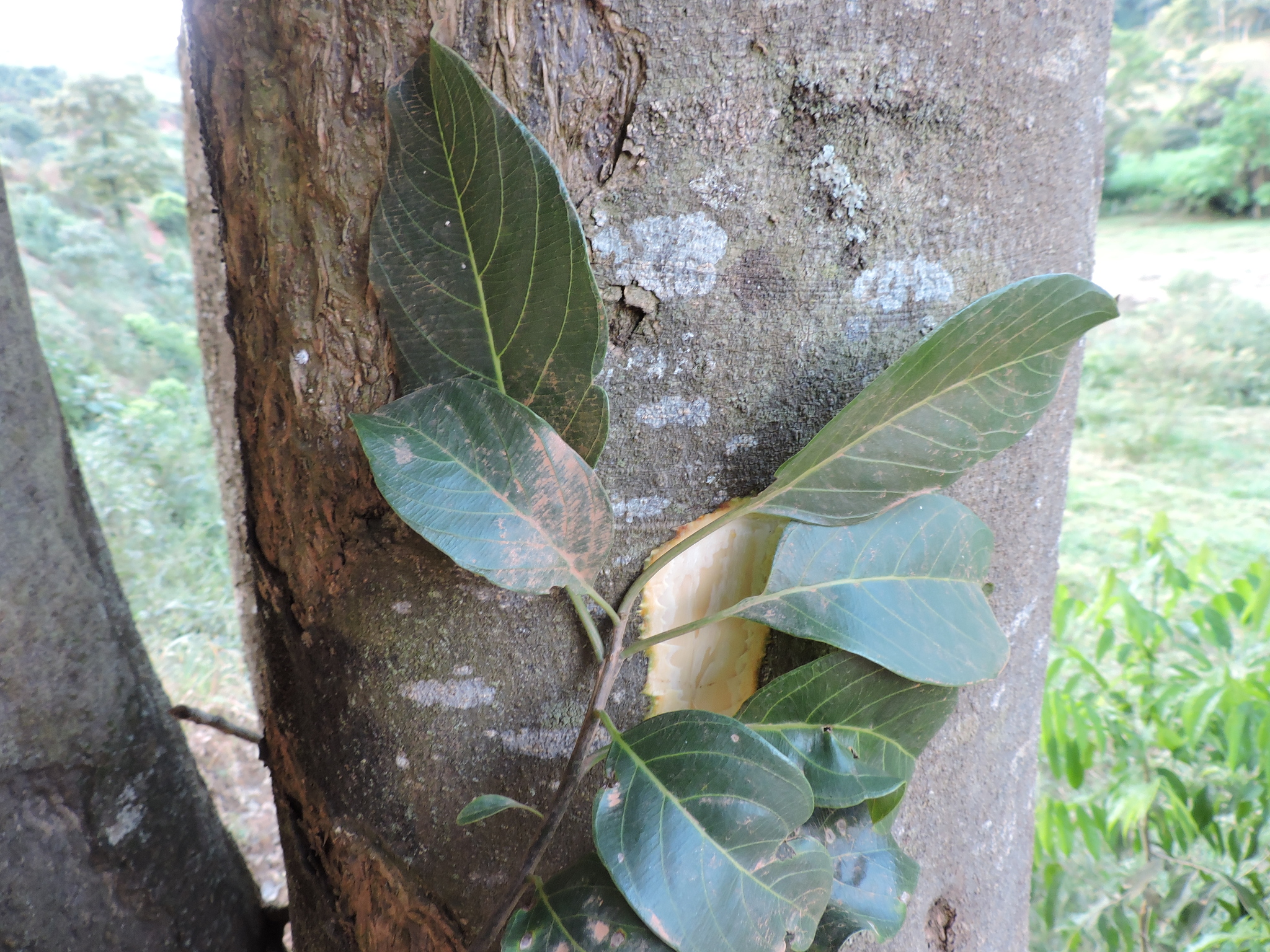
garlic tree
Gallesia integrifolia
Climax Emergent Mulch biomassEmergent tree of the Atlantic Forest and Cerrado with a strong garlic smell when wounded. EcoAgri lists it in the emergent stratum of the '> 50 yea...
-
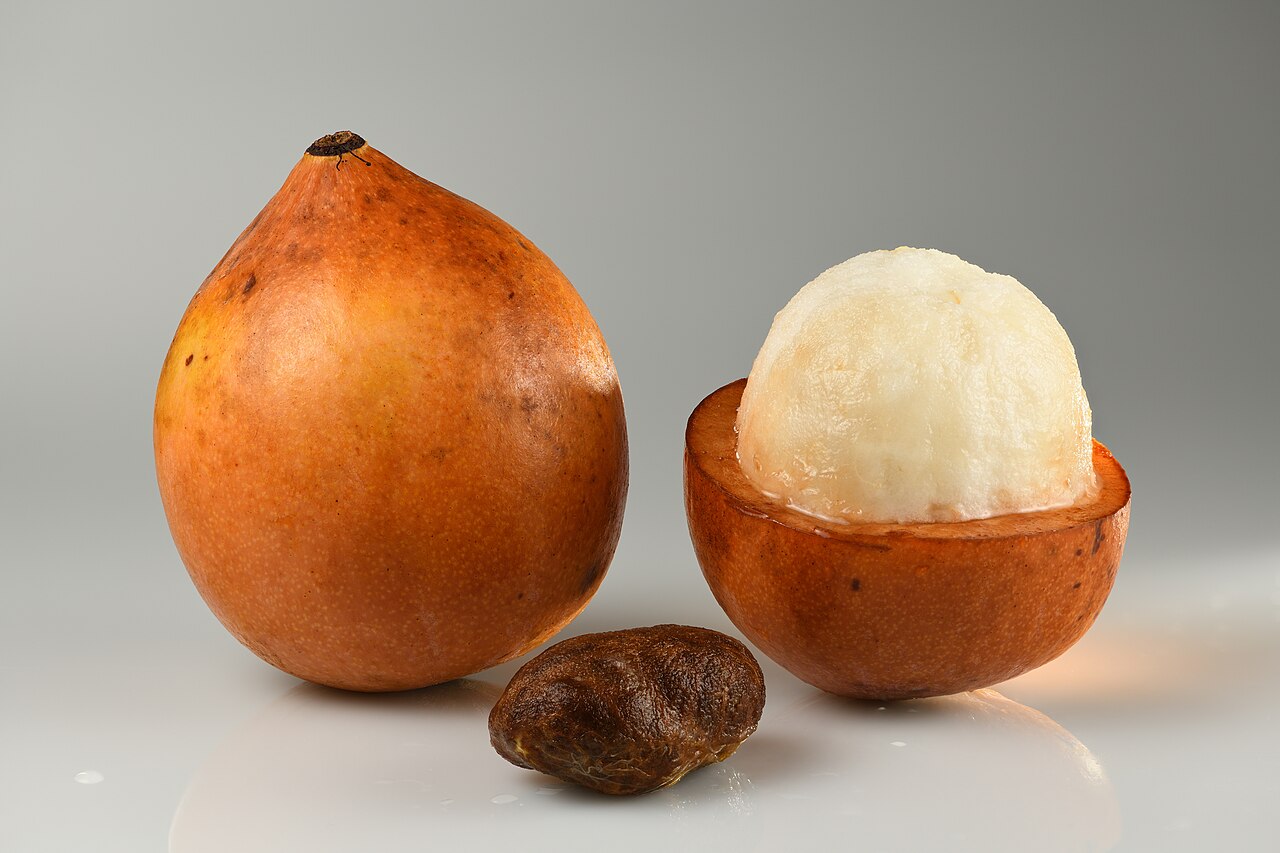
achacha
Garcinia humilis
Secondary II Medium No biomass productionAmazonian fruit tree of Bolivian origin, related to bacuri and mangosteen. Medium small tree (4–8 m), dense columnar canopy, glossy leaves. Orange ...
-
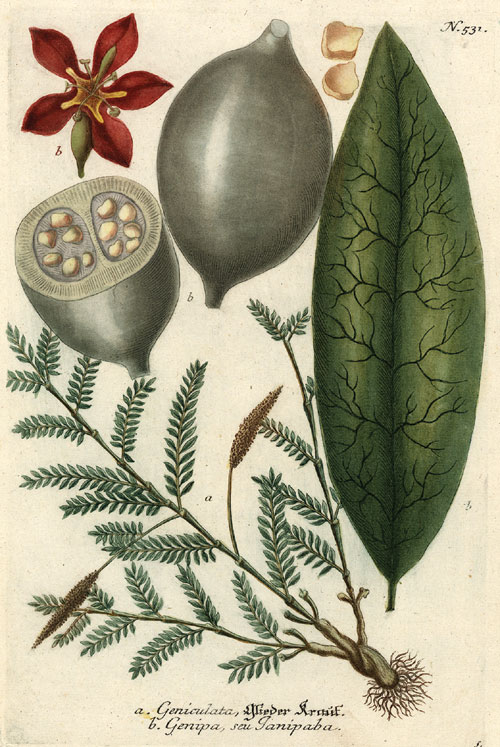
genipa
Genipa americana
Climax High No biomass productionPan-Brazilian native fruit (Cerrado, MA, Amazonia, Pantanal). EcoAgri lists it in the high stratum of the '> 50 years' bin. Edible fruit and source...
-
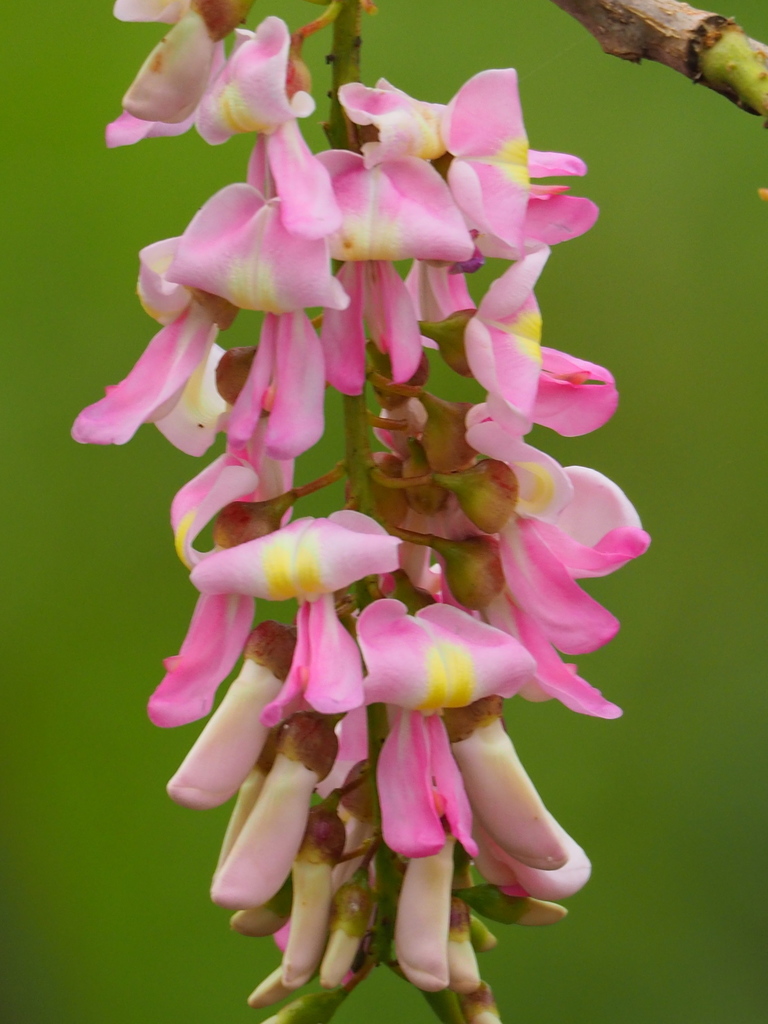
gliricidia
Gliricidia sepium
Secondary I Medium Fertilizer biomass 🌱 Nitrogen fixerNitrogen-fixing legume that tolerates drastic pruning and produces fast-decomposing fertilizer biomass. Commonly used as shade for coffee and cocoa...
-
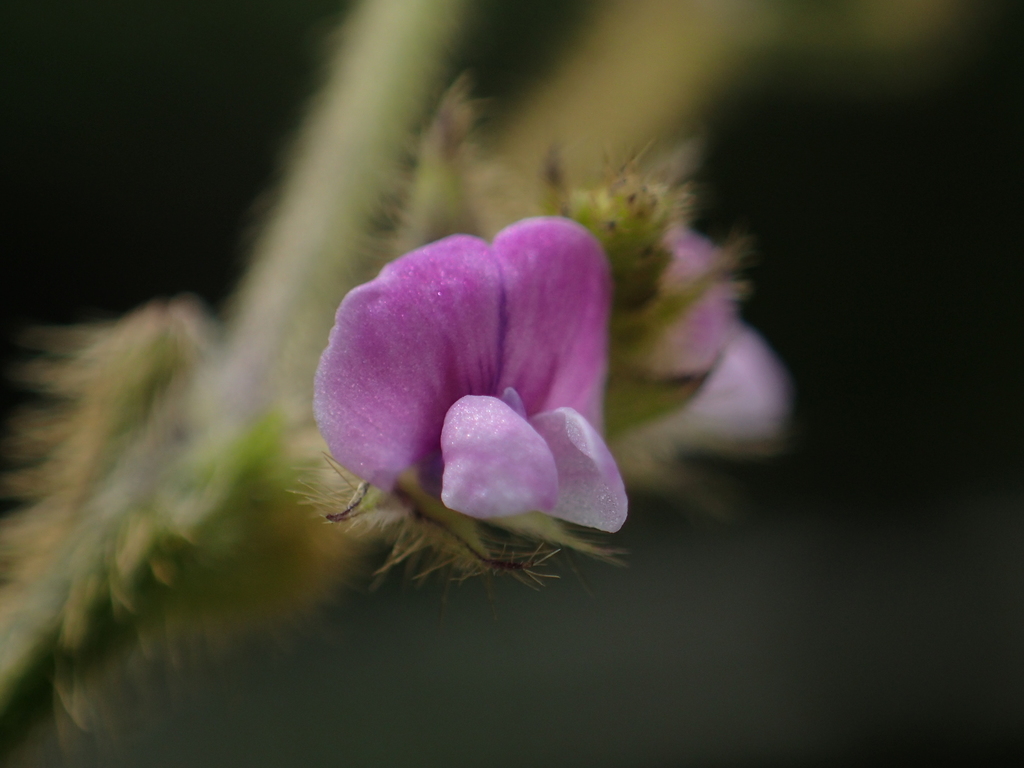
soybean
Glycine max
Placenta I Low Fertilizer biomass 🌱 Nitrogen fixerAnnual nitrogen-fixing legume (associates with Bradyrhizobium japonicum) — tall varieties Sambaíba and Tracajá were tested by Rebello & Sakamoto (2...
-
guadua
Guadua angustifolia
Secondary I Emergent Mulch biomassA woody clumping bamboo native to Central and South America, regarded as the finest structural bamboo of the Americas. It forms straight, strong cu...
-
West Indian elm
Guazuma ulmifolia
Secondary I High Mulch biomassFast-growing pioneer tree native to the Cerrado, Pantanal, and Atlantic Forest. Pasini lists it in the high stratum of Tabela 3 and in the 10–20 ye...
-
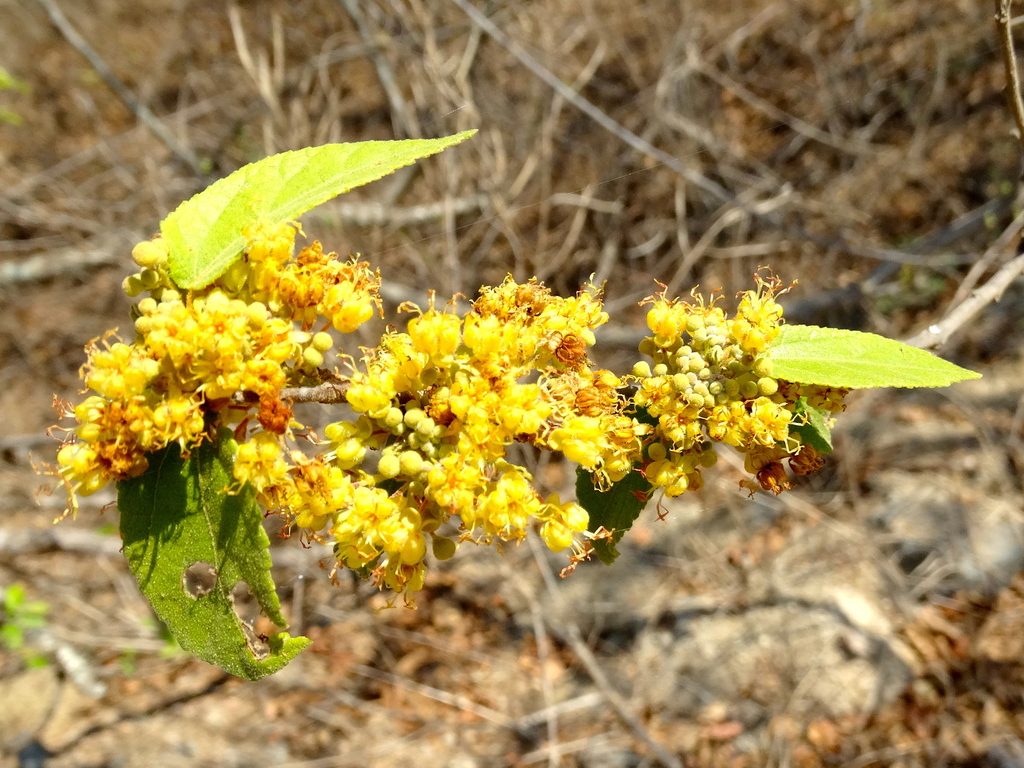
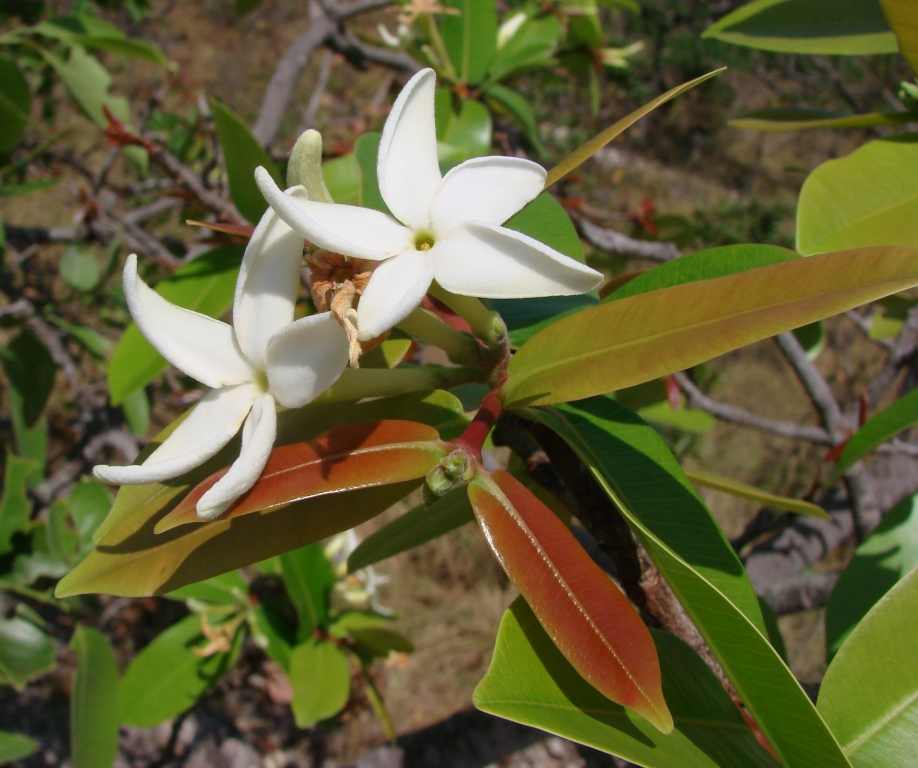
mangaba
Hancornia speciosa
Secondary II MediumEvergreen to semi-deciduous tree 2–10 m tall, characteristic of Brazilian Cerrado and coastal tablelands. Considered one of Brazil's priority 'Plan...
-
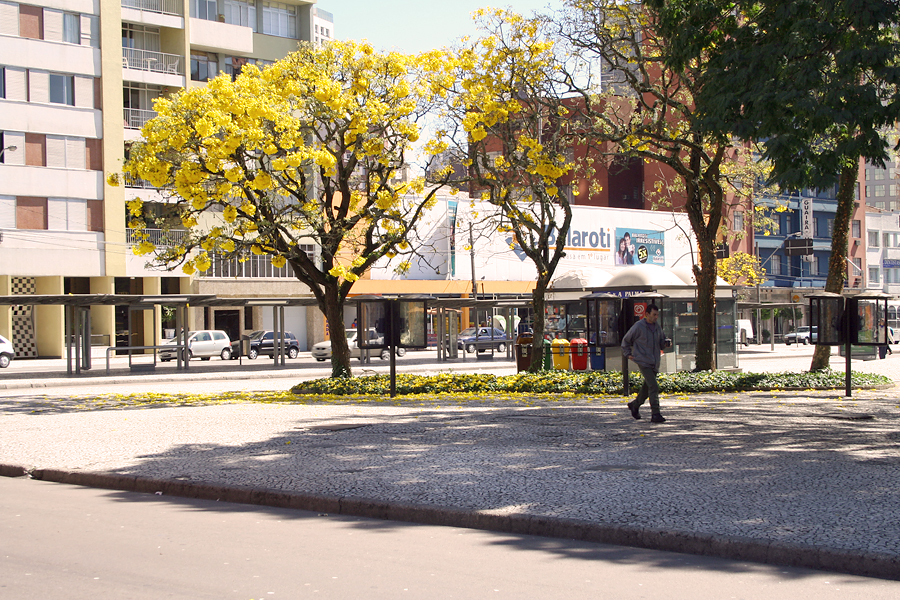
yellow trumpet tree
Handroanthus albus
Climax Emergent Mulch biomassLong-cycle climax with premium timber. Characteristic of Cerrado and Atlantic Forest. Spectacular winter bloom.
❓ Frequently asked questions
What is the Tropical savanna with dry winter (Aw) climate?
Wet summers and a marked dry winter (4–6 months). The dominant climate of the Cerrado, central-west, and sub-humid northeast. Calls for deep-rooted species and a deliberate water-management plan.
Which plants does the catalog suggest for the Tropical savanna with dry winter (Aw) climate?
The catalog holds 240 species, among them giant bamboo, giant bamboo, creeping beggarweed. Each profile shows stratum, succession stage, and the management data, with sources cited.