
Stratum
Plants of the low stratum
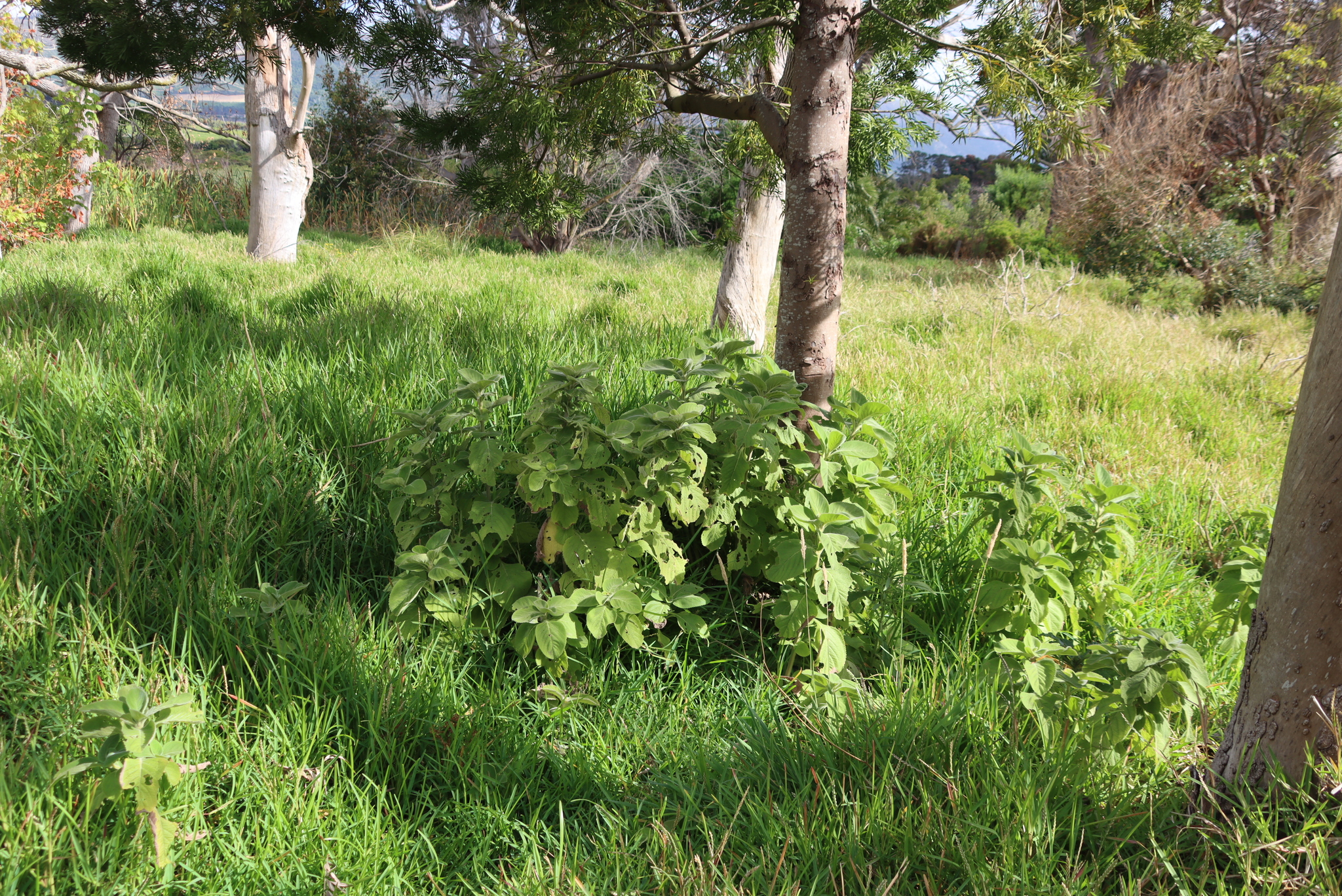
The low stratum lives under the canopies, at around 80% cover, and gathers the shade-tolerant species — coffee, cacao, many medicinals. Until the canopy closes, they depend on the pioneers' shade.
113 species in the catalog · Refine this list in the catalog
-
dedo-de-moça pepper
Capsicum baccatum
Placenta II Low No biomass productionBrazil's most-consumed fresh chili (5,000–30,000 SHU). Elongated red fruits (~6 cm). 1–1.5 m plant, open canopy. Backbone of the sauce and pickle i...
-
pimenta de cheiro
Capsicum chinense
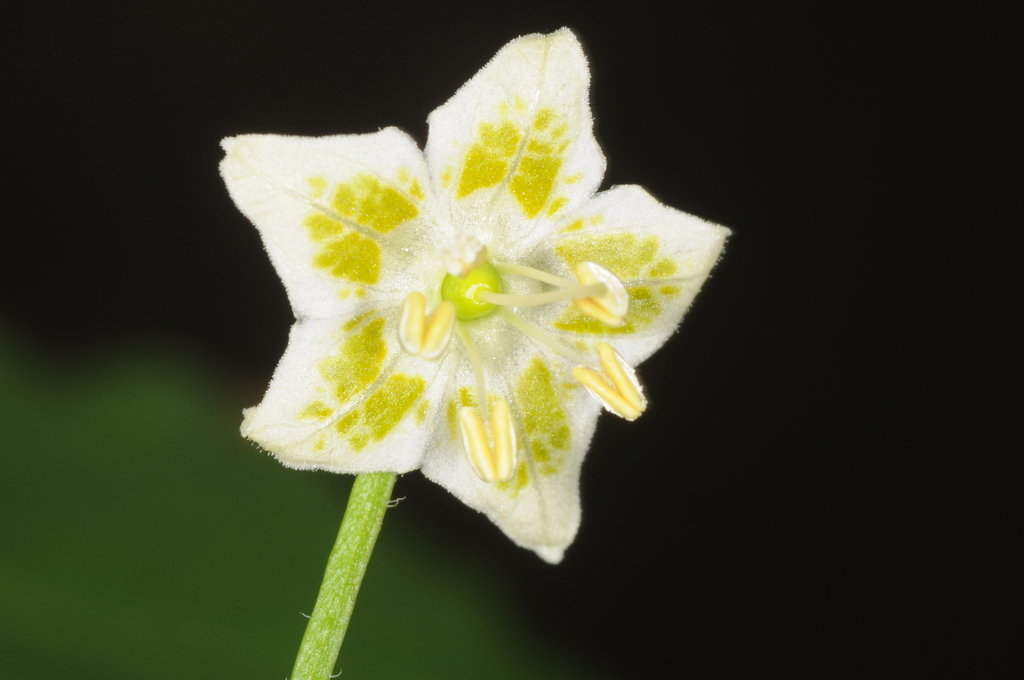
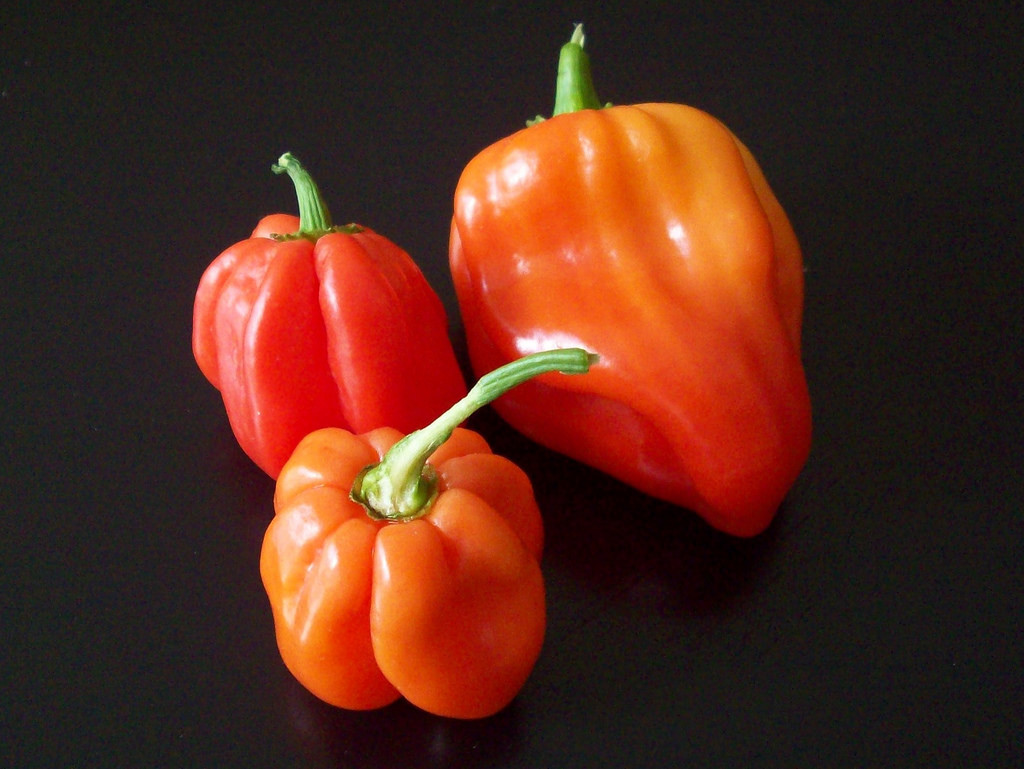
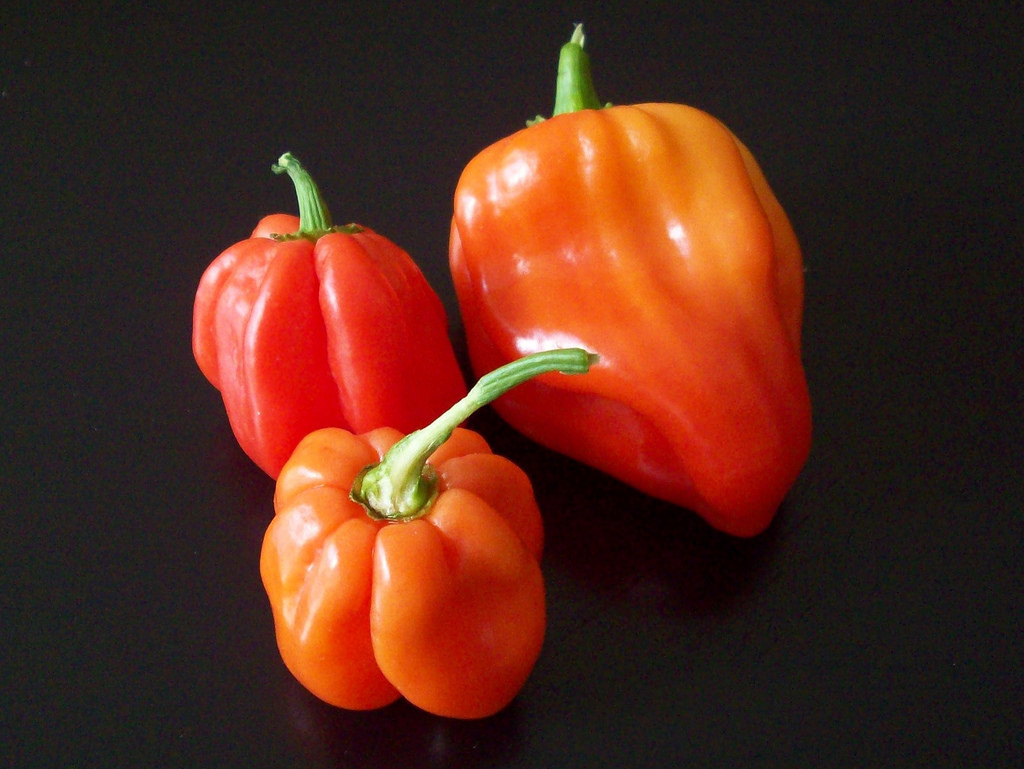
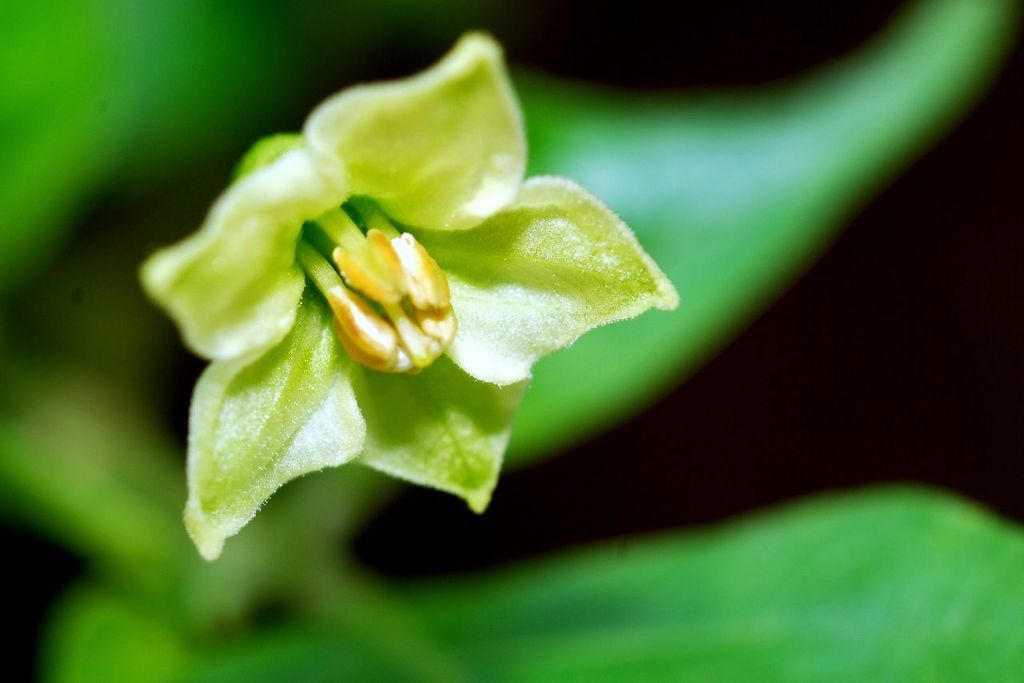
Placenta II Low No biomass productionBrazilian C. chinense pepper with low pungency (0–500 SHU) and very intense aroma. Round yellow/green/red fruits. Foundation of Pará and Amazon cui...
-
biquinho pepper
Capsicum chinense
Placenta II Low No biomass productionBrazilian C. chinense cultivar with low pungency (0–200 SHU) and intense aroma, teardrop shape. Origin in southern Minas Gerais. 60–90 cm plant, de...
-
malagueta pepper
Capsicum frutescens
Placenta II Low No biomass productionVery pungent Brazilian pepper (60,000–100,000 SHU), small upright red fruits. Perennial in tropical zones (3–5 years). Tolerates light shade. Widel...
-
vetiver
Chrysopogon zizanioides
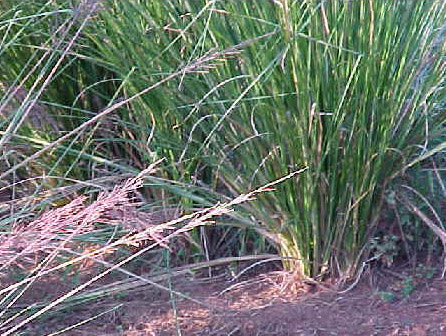
Placenta II Low Mulch biomassPerennial grass with deep vertical roots (up to 4 m), originally from India. The Bosque de Niebla Guidebook recommends vetiver as a hedgerow specie...
-
butterfly pea
Clitoria ternatea
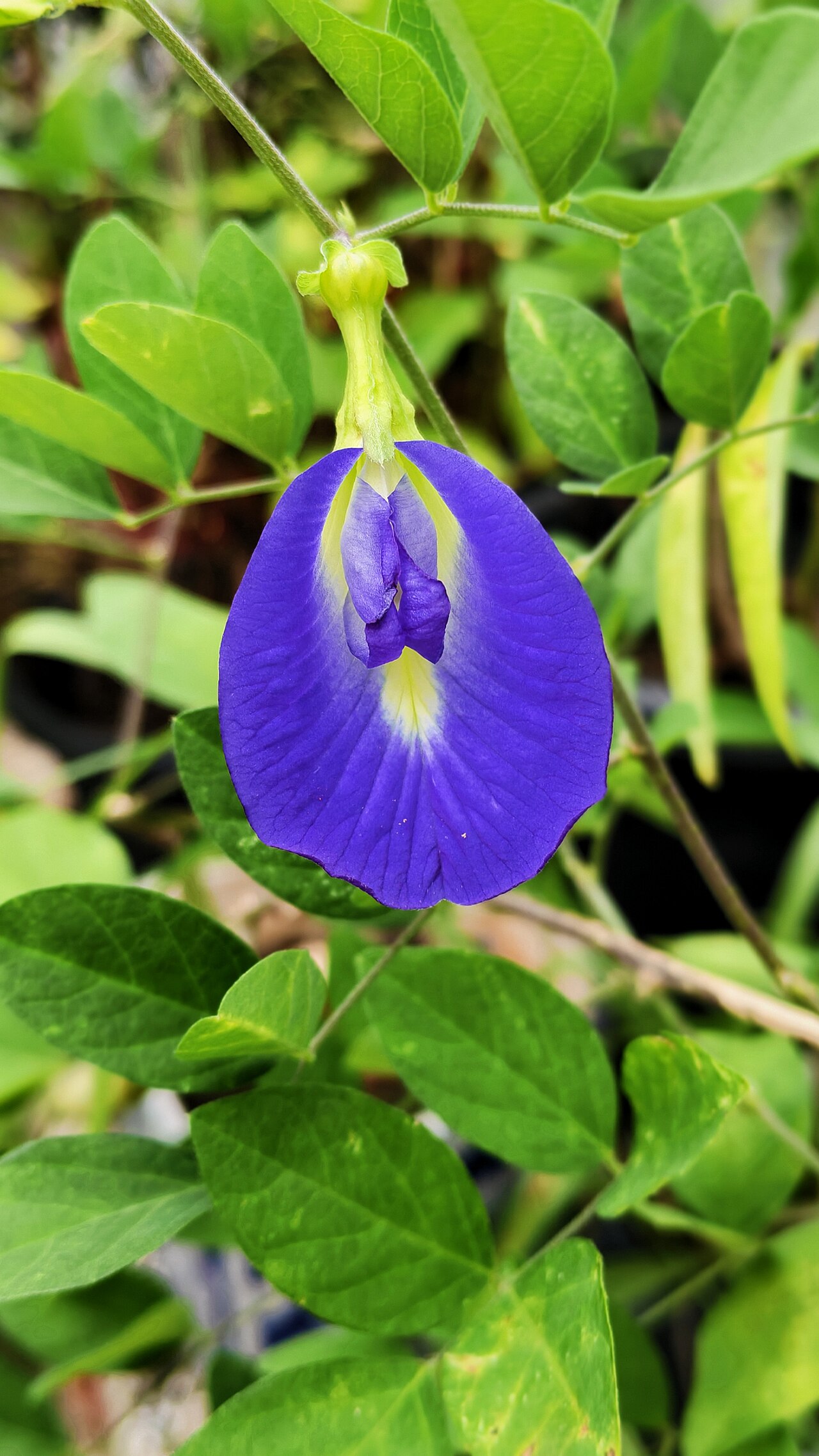
Placenta I Ground cover Fertilizer biomass 🌱 Nitrogen fixerA perennial herbaceous climbing legume able to fix up to 100 kg N per hectare per year in symbiosis with Rhizobium. Used as a high-value forage (pr...
-
geisha coffee
Coffea arabica
Secondary I Medium No biomass productionHeirloom arabica from the Gesha valley in Ethiopia, rediscovered in Panama in the 2000s. Tall, open canopy, low yield but exceptional floral cup pr...
-
bourbon coffee
Coffea arabica
Secondary I Medium No biomass productionHeirloom arabica cultivar — originated on Bourbon Island (modern Réunion) in the 18th century. Tall (3–4 m), open canopy. Susceptible to coffee lea...
-
mundo novo coffee
Coffea arabica
Secondary I Medium No biomass productionNatural Sumatra × Red Bourbon hybrid selected by IAC. Tall (2.5–4 m), thin trunk that arches and requires sucker thinning. Excellent vigor, rustici...
-
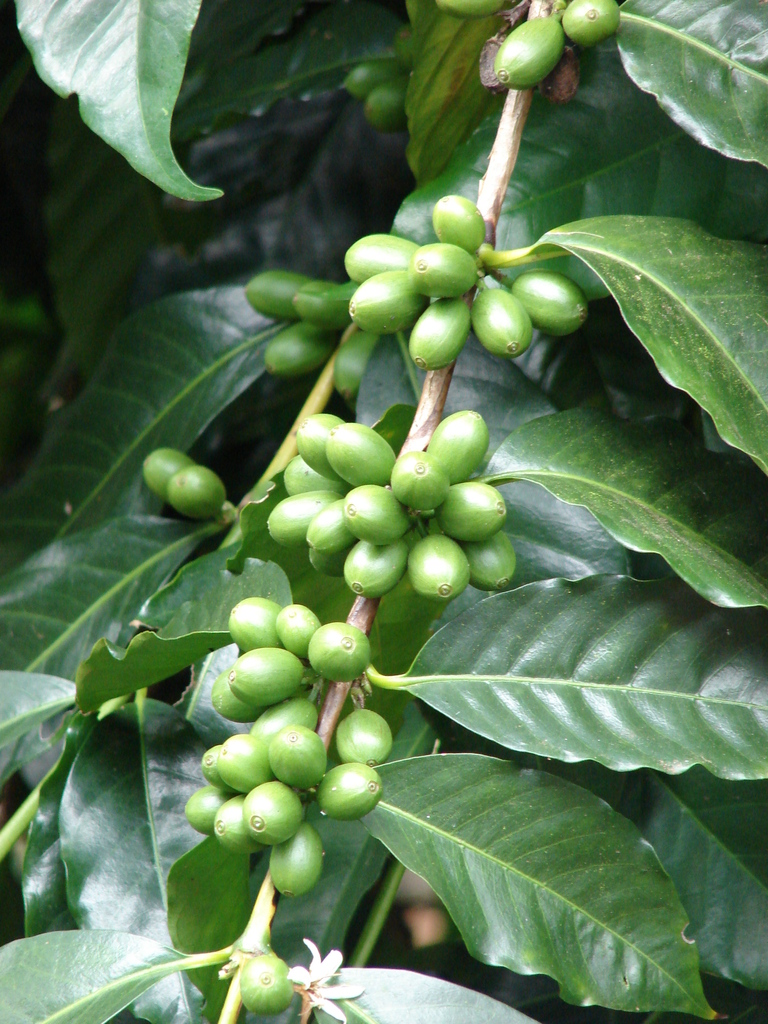
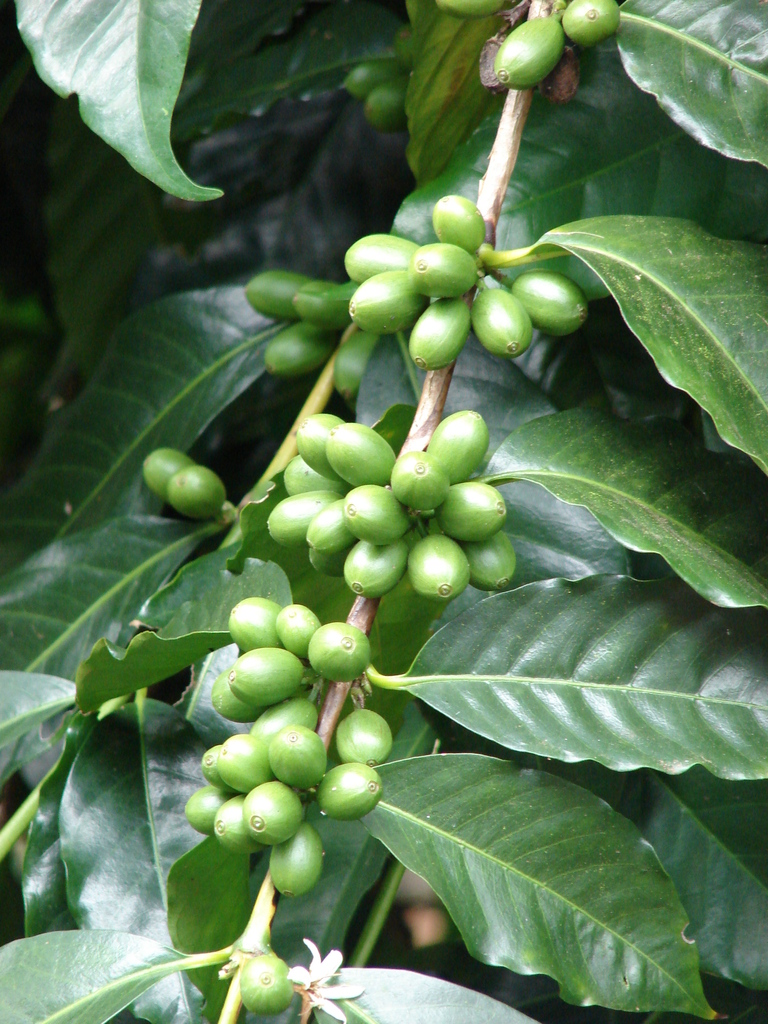
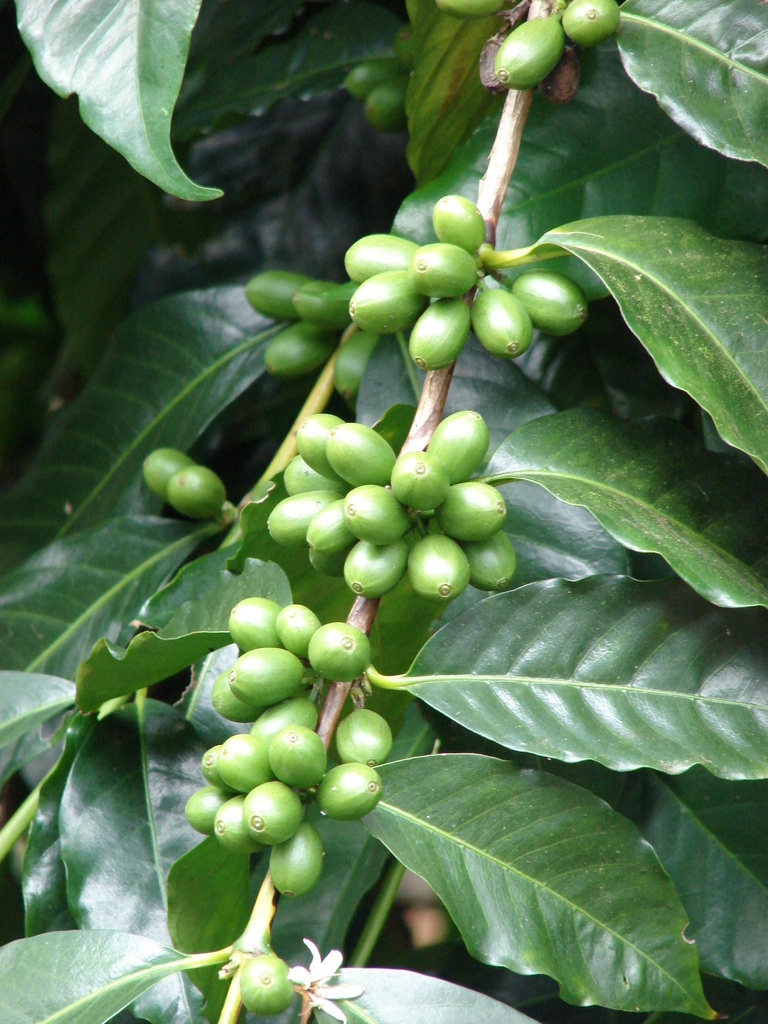
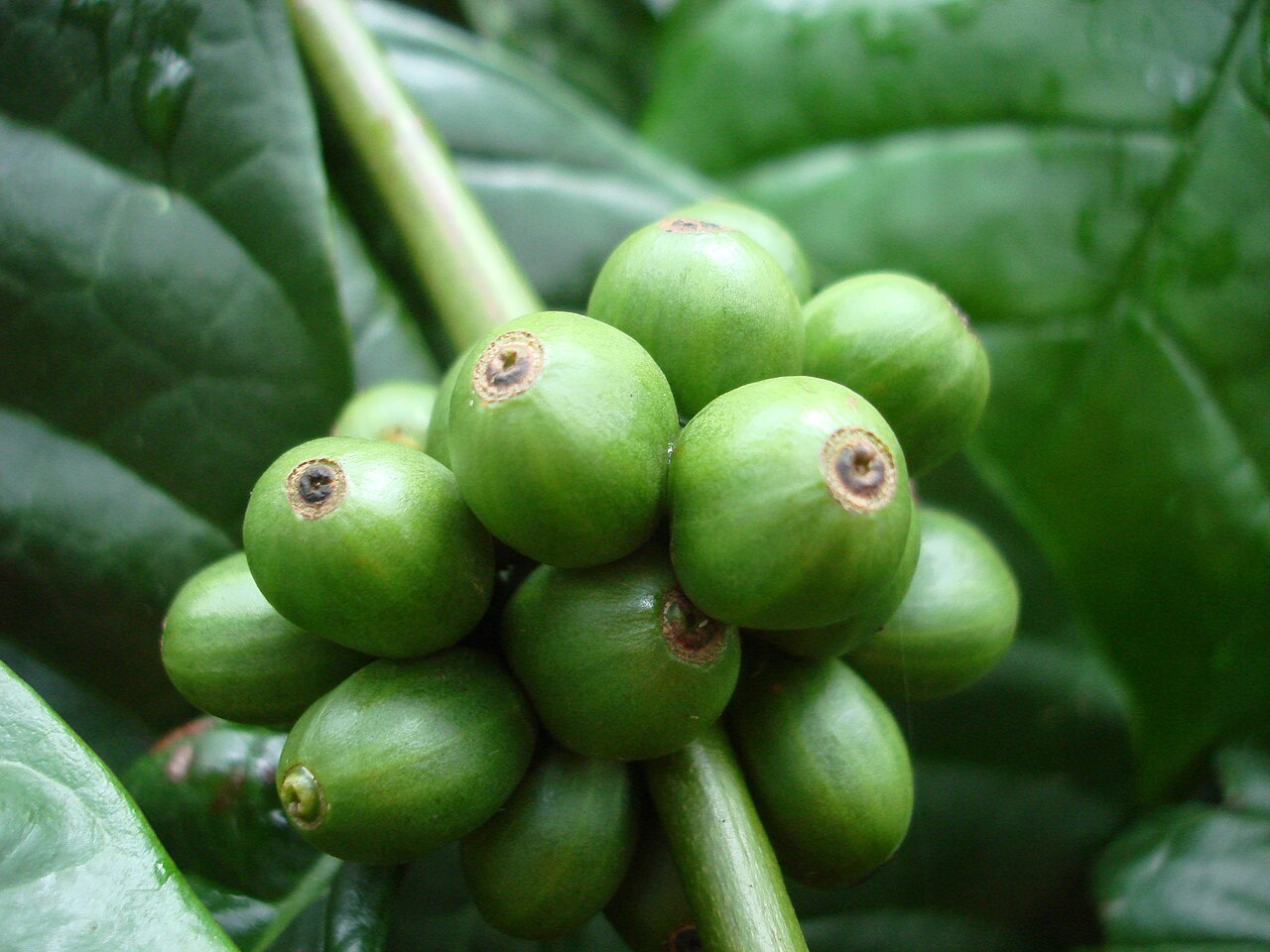
coffee
Coffea arabica
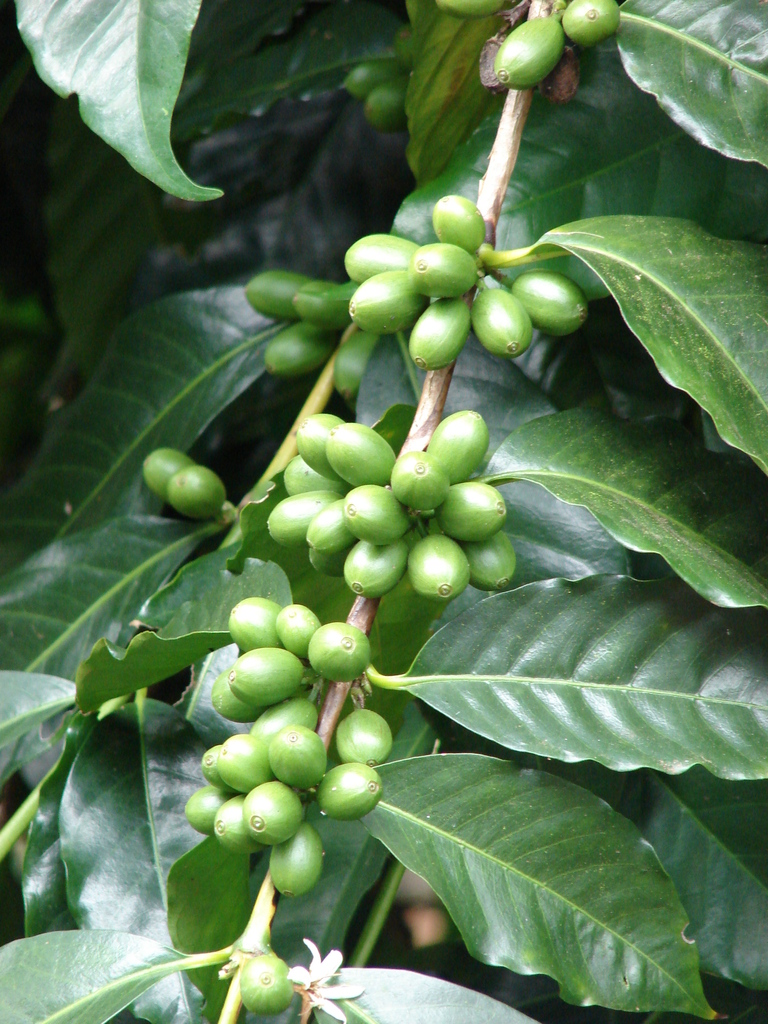
Secondary I Low No biomass productionShade-grown crop valuable in syntropic Atlantic Forest systems. Occupies the low stratum between bananas and ingás.
-
catuaí coffee
Coffea arabica
Secondary I Low No biomass productionCaturra × Mundo Novo hybrid developed by IAC. Compact dwarf architecture (1.8–2.5 m) — eases harvest and dense planting. Dominant cultivar in Brazi...
-
robusta coffee
Coffea canephora
Secondary I Medium No biomass productionDistinct coffee species from arabica — more vigorous, adapted to lowland (0–800 m) and hot climate (22–26°C). Brazil's dominant species in Espírito...
-
woolly plectranthus
Coleus barbatus
Secondary I Medium No biomass productionA perennial semi-succulent subshrub of the Lamiaceae family, native to tropical Africa, the Arabian Peninsula and Asia, widely grown in Brazil as b...
-
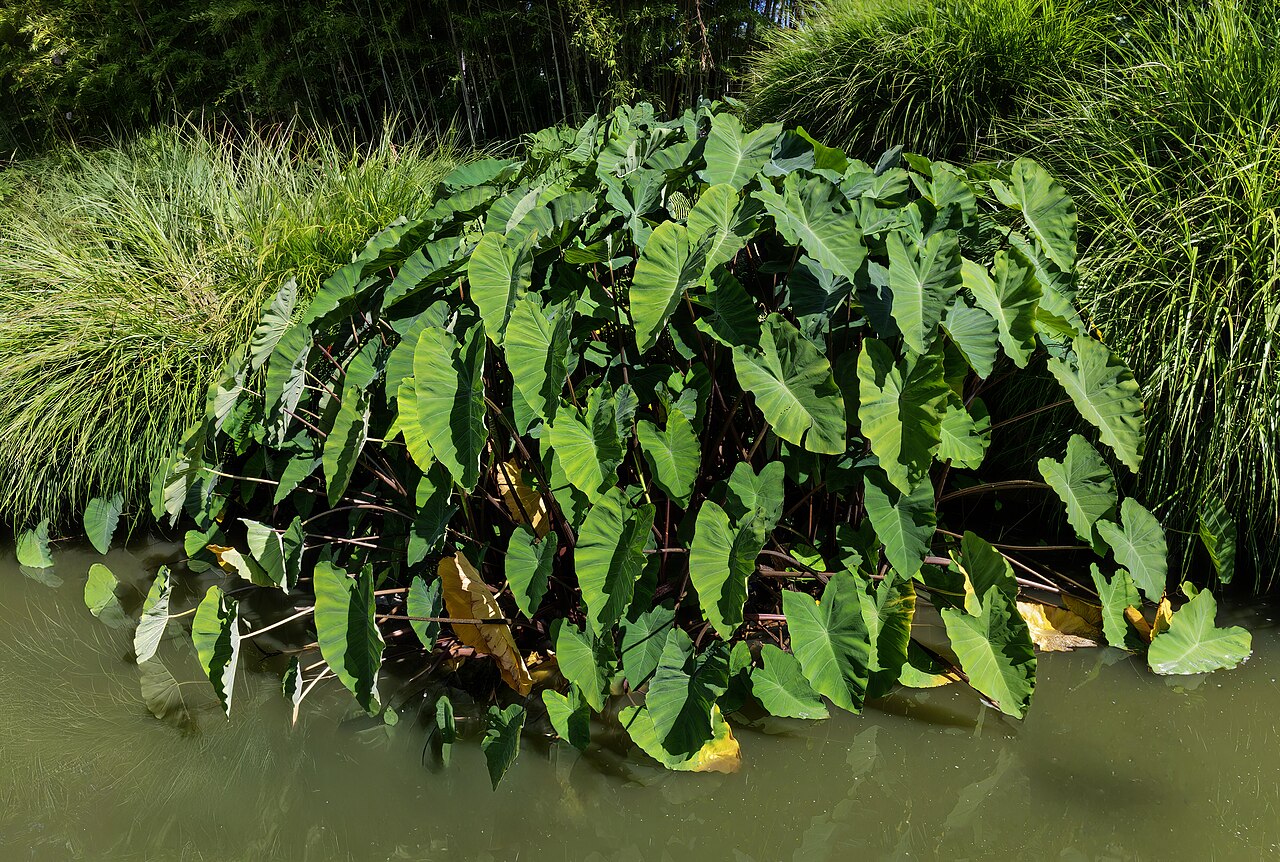
taro
Colocasia esculenta
Placenta I Low Fertilizer biomassDistinct from taioba (Xanthosoma sagittifolium, already in canon, native species) and from yam (Dioscorea spp.). Introduced Asian species cultivate...
-
camaratuba
Cratylia mollis
Placenta II Low Fertilizer biomass 🌱 Nitrogen fixerNative shrubby legume of the Caatinga; one of the most important fodder species of the northeastern semiarid, with strong drought resistance and hi...
-
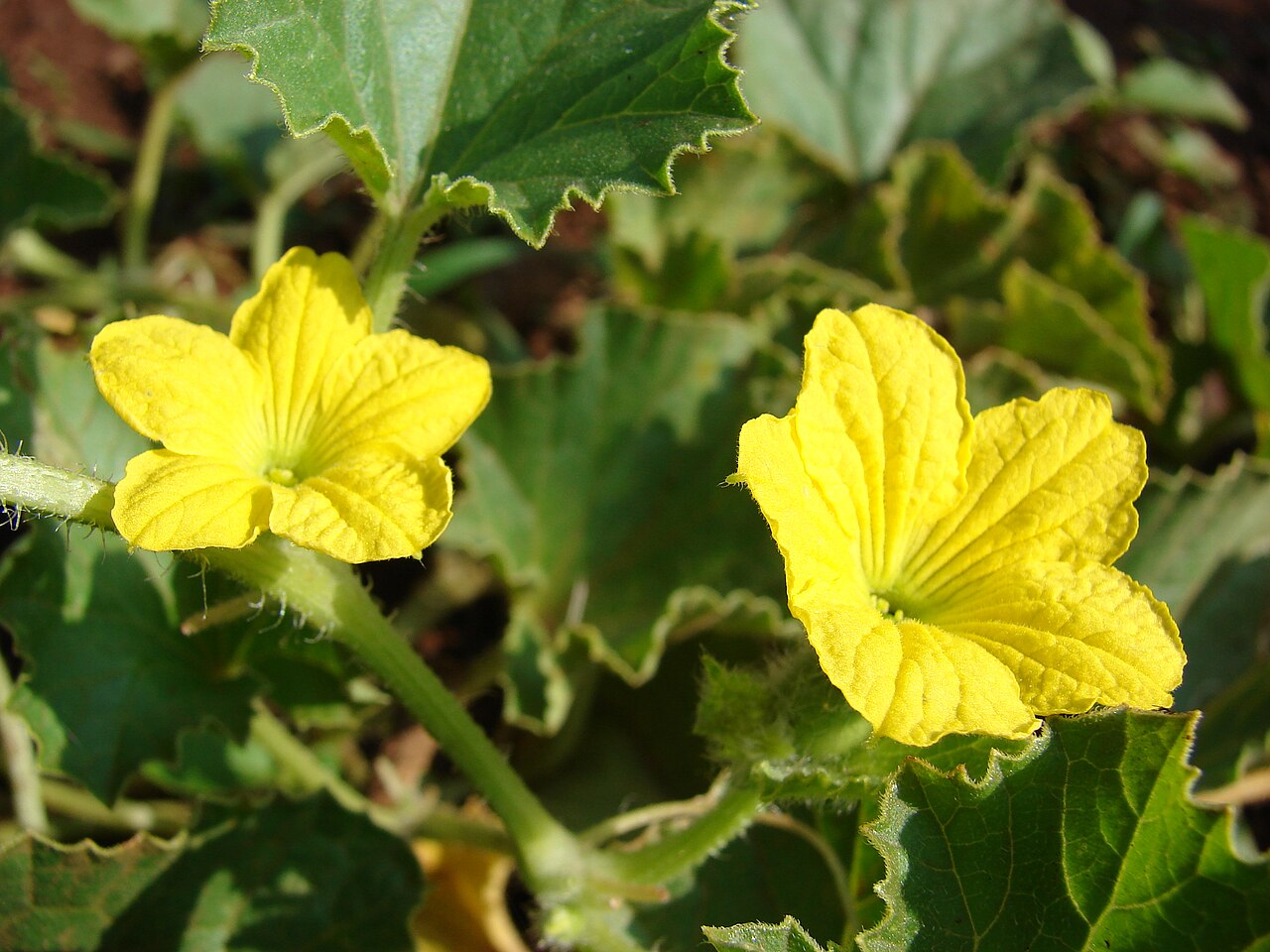
melon
Cucumis melo
Placenta I Ground cover No biomass productionAnnual creeping cucurbit. EcoAgri lists it in the ground-cover stratum of the 'up to 6 months' bin. Cultivated in hot, dry climates; very popular i...
-
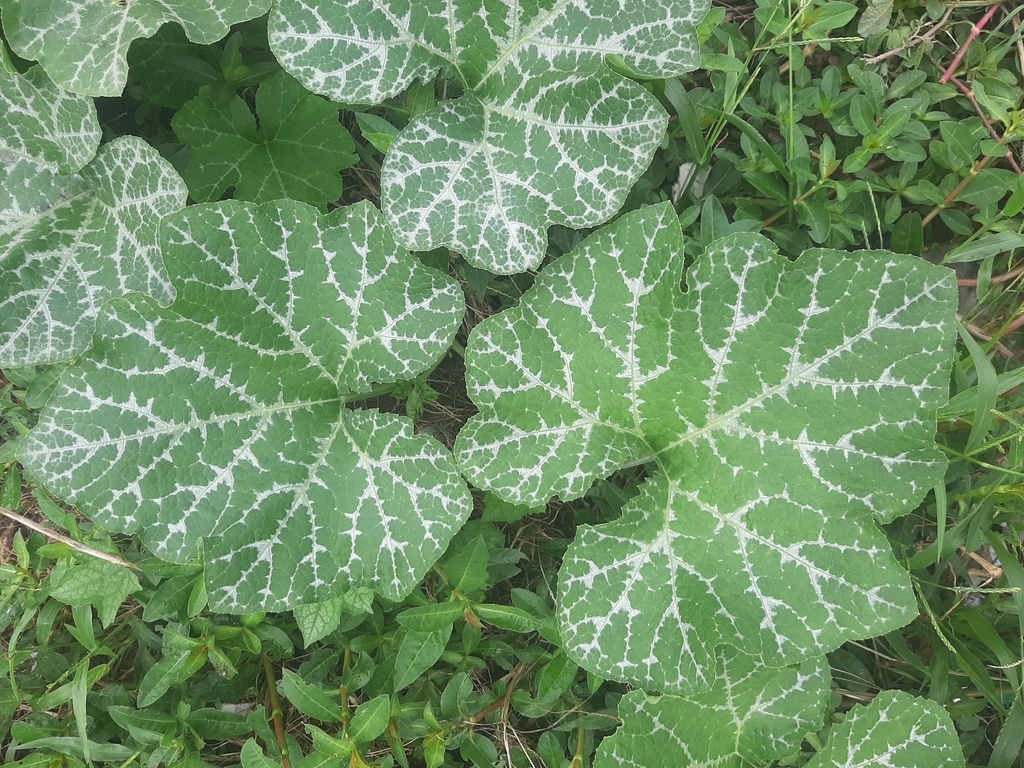
pumpkin
Cucurbita moschata
Placenta I Ground cover No biomass productionAnnual creeping cucurbit. Pasini lists it in the medium stratum of Tabela 3 and in the 'up to 6 months' phase of Tabela 4 (low stratum). The Bosque...
-
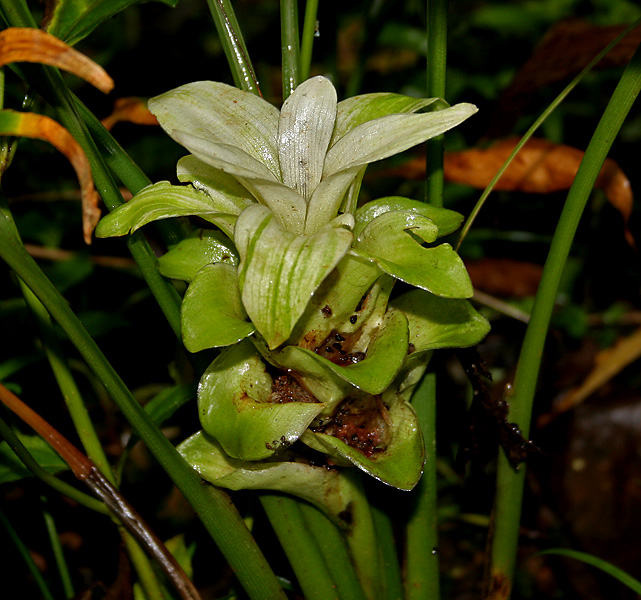
turmeric
Curcuma longa
Placenta I Low No biomass productionAromatic tropical orange-yellow rhizome. Pasini lists it in the low stratum of Tabela 3 and in the '3 to 10 years' phase of Tabela 4 (low stratum)....
-
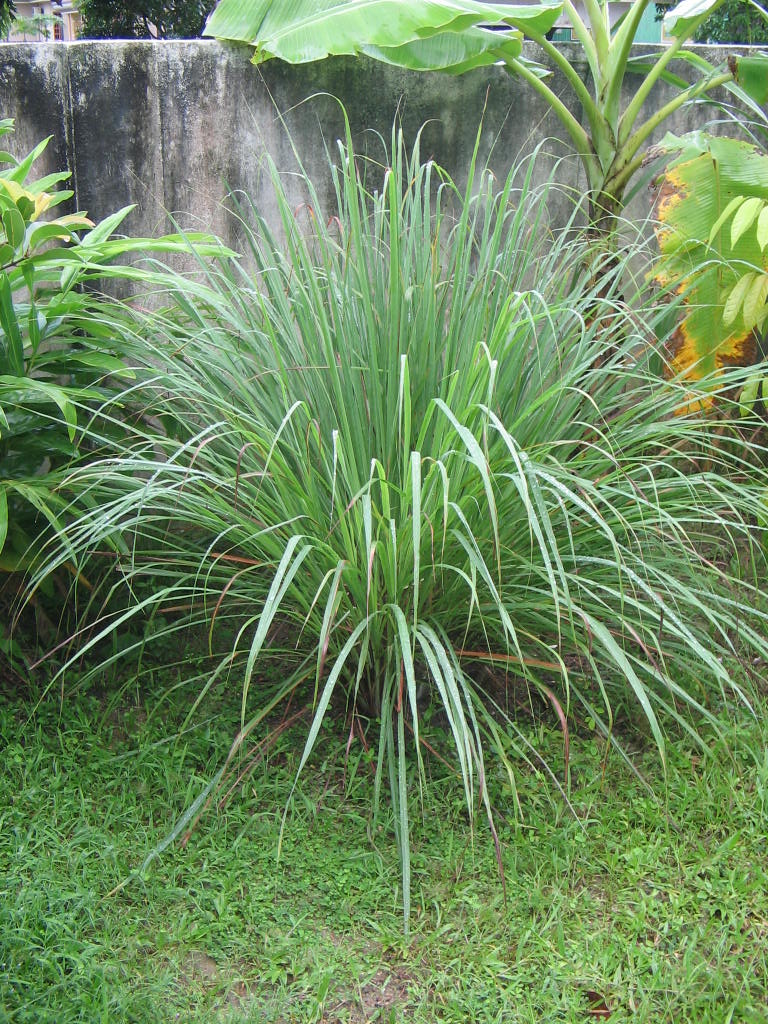
lemongrass
Cymbopogon citratus
Placenta I Low Mulch biomassPerennial aromatic grass (1–1.5 m) forming dense clumps. Lemon-scented leaves (citral). Permanent cover between tree rows in syntropic systems, mos...
-
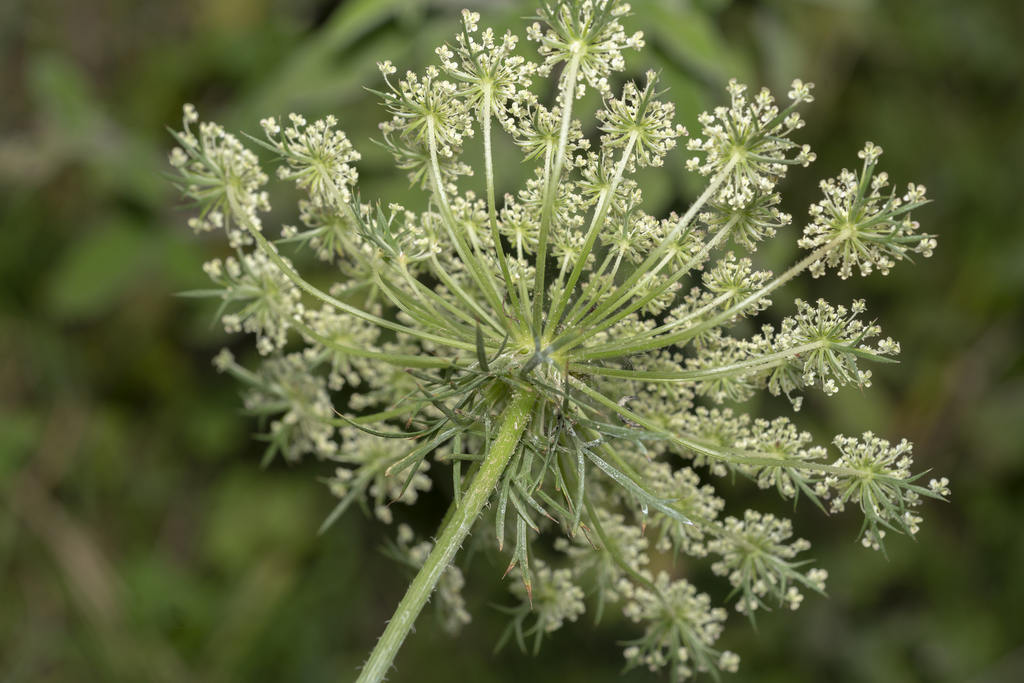
carrot
Daucus carota
Placenta I Low No biomass productionAnnual apiaceous plant with an orange tuberous root. Pasini lists it in the medium stratum of Tabela 3 (low stratum for most of the cycle). 80–110 ...
-
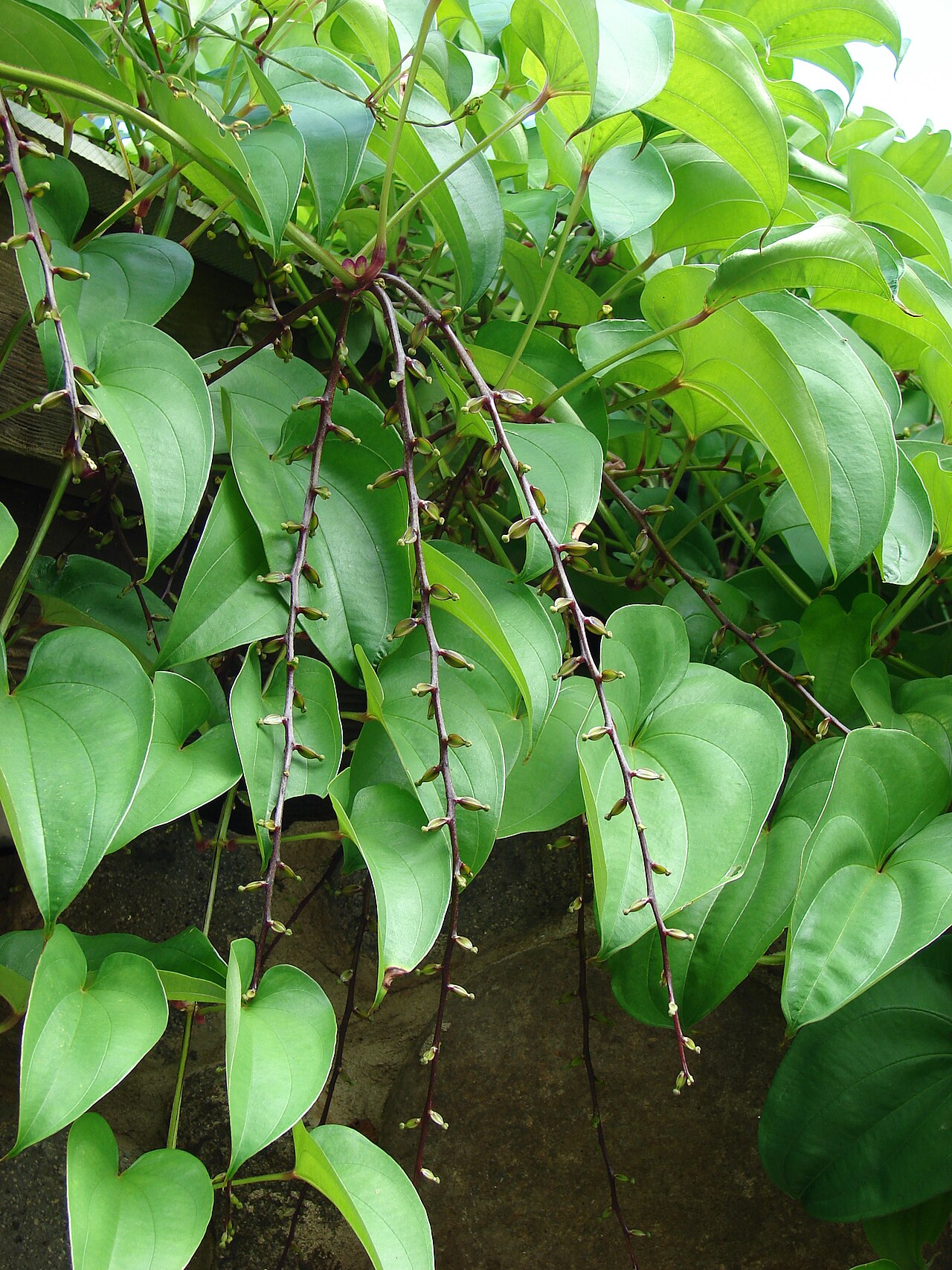
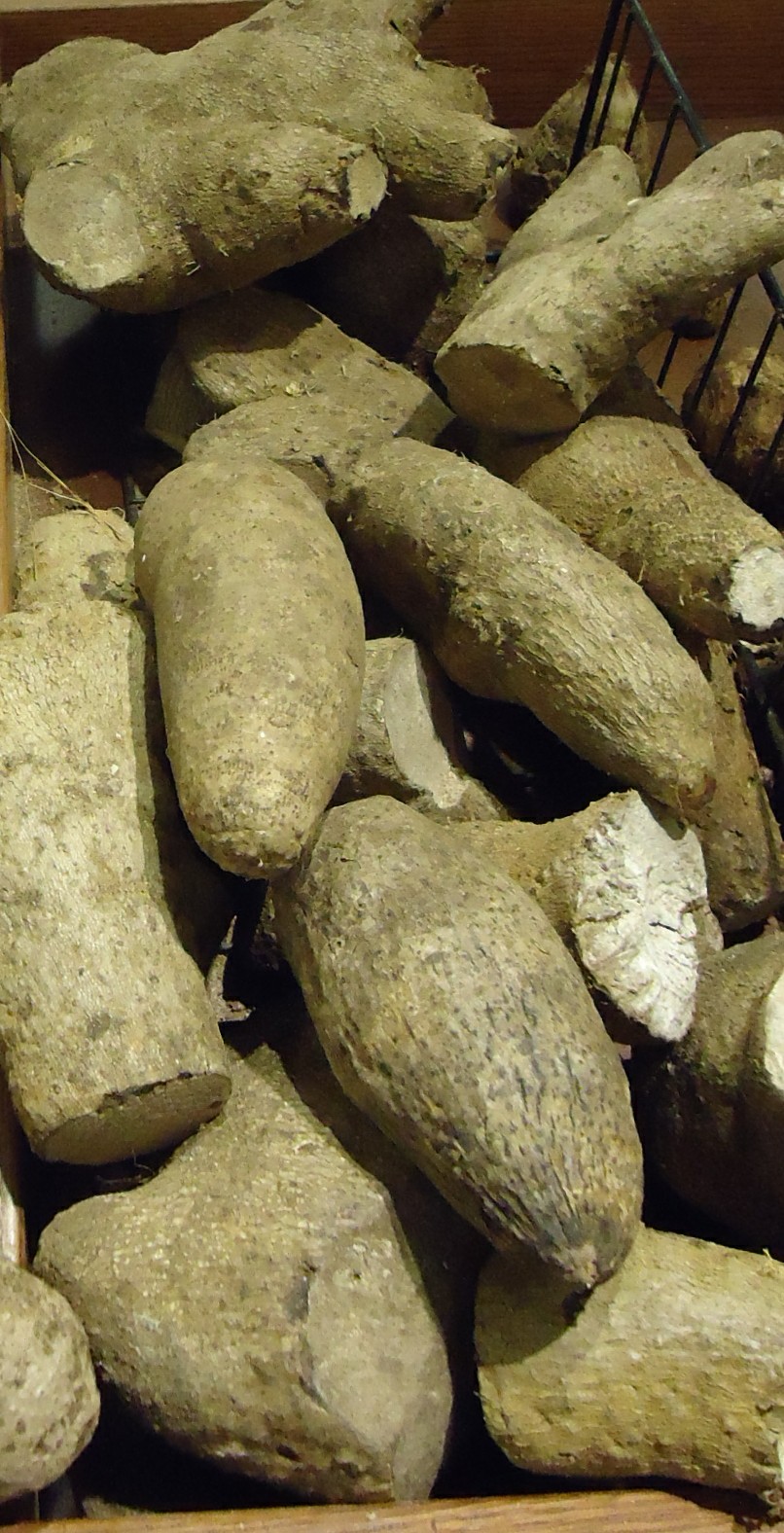
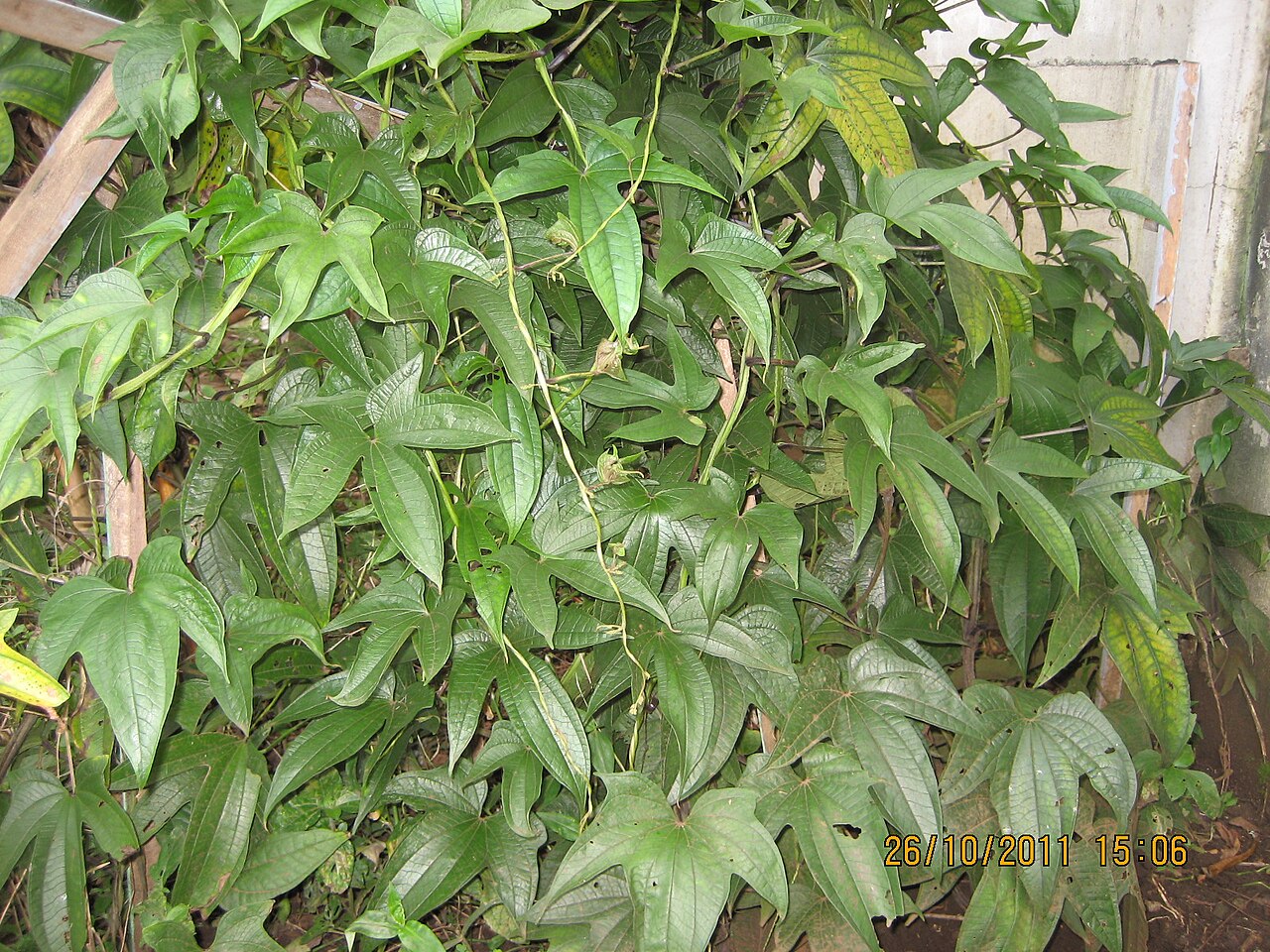
water yam
Dioscorea alata
Placenta II Low Fertilizer biomassAsian-origin yam naturalized throughout tropical Brazil. Vigorous vine with winged stems, large tubers (up to 5 kg). More productive than purple ya...
-
yellow yam
Dioscorea cayennensis
Placenta II Medium No biomass productionTuber-bearing climber cultivated in the medium stratum of syntropic systems. Pasini lists yam in the medium stratum of Tabela 3 and in the '1 to 3 ...
-
cush-cush yam
Dioscorea trifida
Placenta II Low Fertilizer biomassNative Amazonian yam, tuberous vine with purple-skinned tubers and colored flesh. Delicate flavor, prized in regional cuisine. Highly productive ev...
-
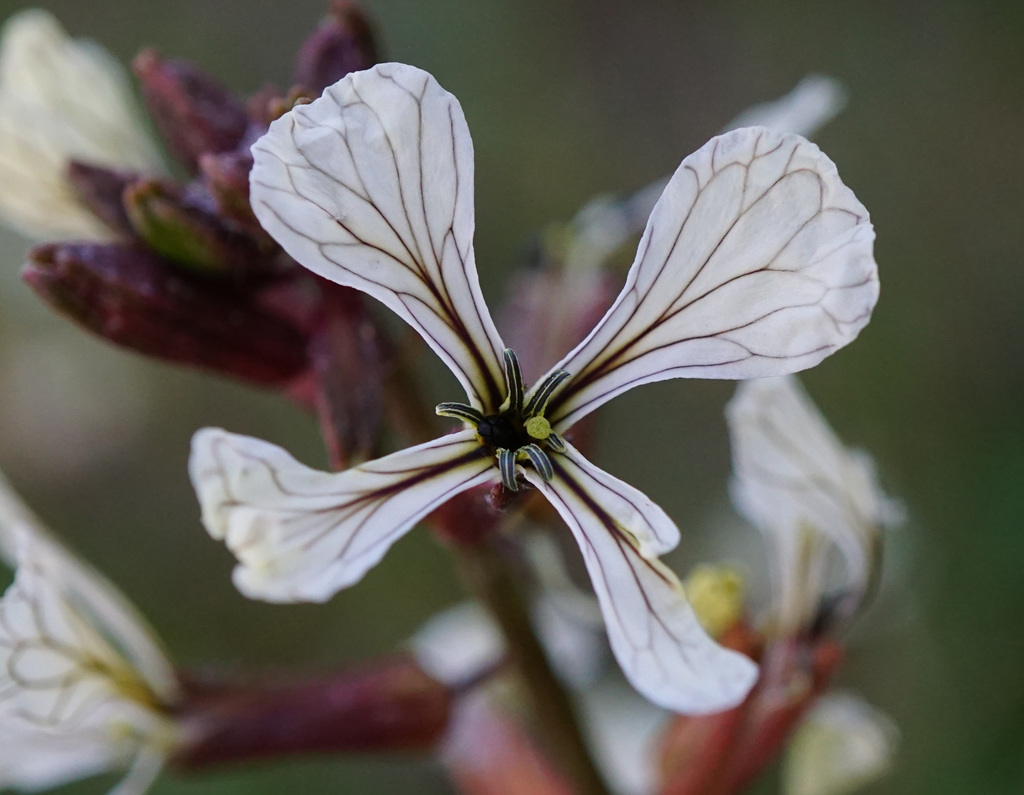
arugula
Eruca vesicaria
Placenta I Low No biomass productionSpicy short-cycle leafy green. Pasini lists it in the medium stratum of Tabela 3. Ideal in consortium with brassicas and lettuce in the early bed; ...
❓ Frequently asked questions
What is the low stratum?
Low forest stratum; tolerates significant shade.
Which plants occupy the low stratum?
The catalog holds 113 species, among them dedo-de-moça pepper, pimenta de cheiro, biquinho pepper. Each profile shows stratum, succession stage, and the management data, with sources cited.