Plants
Plant Catalog
125 plants found
-
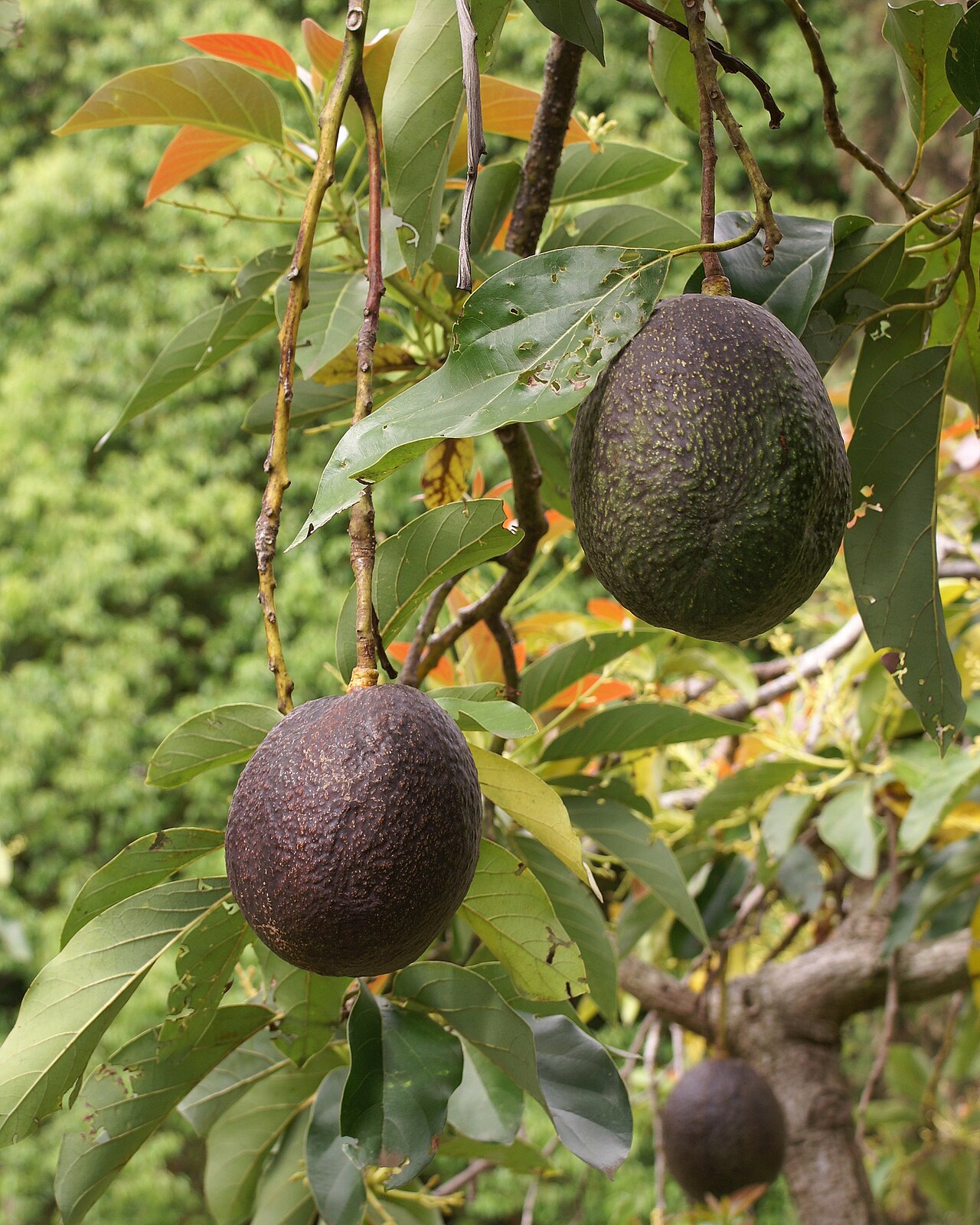
avocado
Persea americana
Secondary II High No biomass productionLong-lived perennial fruit tree. Pasini classifies it in the high stratum of Tabela 3 and explicitly cites it among Abundance-system species (high ...
-
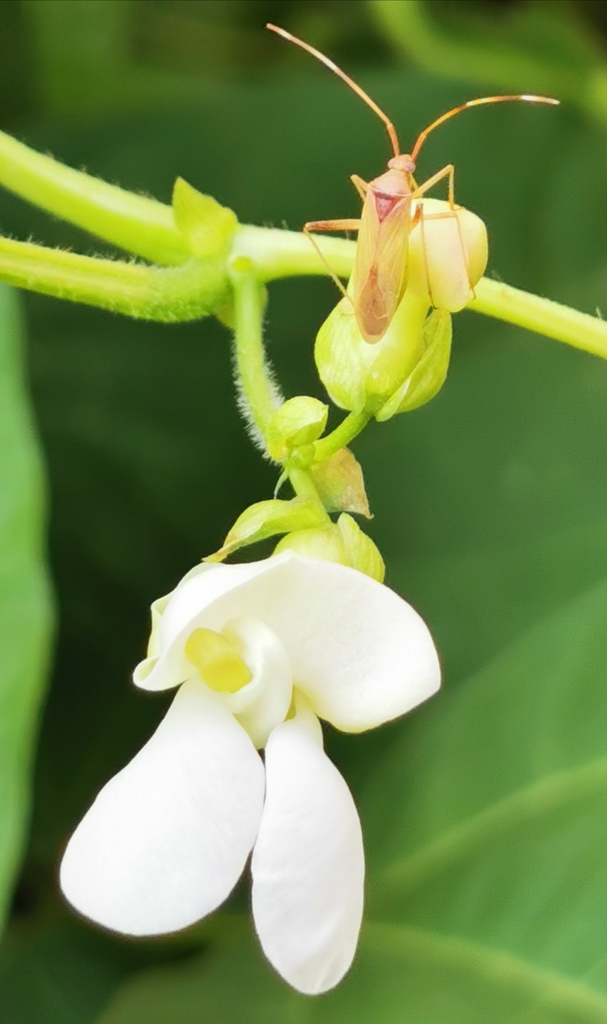
common bean
Phaseolus vulgaris
Placenta I Low Fertilizer biomass 🌱 Nitrogen fixerAnnual nitrogen-fixing legume, dietary staple in Brazil. Pasini lists it in the medium stratum of Tabela 3. Planted in consortium with corn in the ...
-
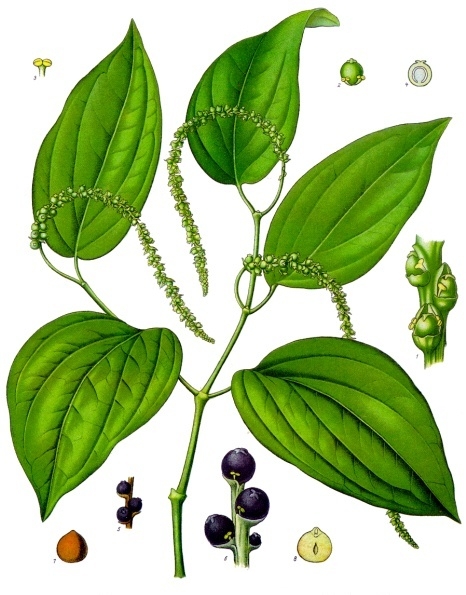
black pepper
Piper nigrum
Secondary I Low No biomass productionWoody climber native to SW India, naturalized in the Brazilian Amazon. Embrapa records it among perennial crops in Amazonian SAFs: trained on live ...
-
bacuri
Platonia insignis
Climax Emergent Mulch biomassAmazonian climax fruit tree, distant cousin of mangosteen. Embrapa Cultivo de Fruteiras Quadro 5 lists fruiting in May–September in the Amazon. Hig...
-
abiu
Pouteria caimito
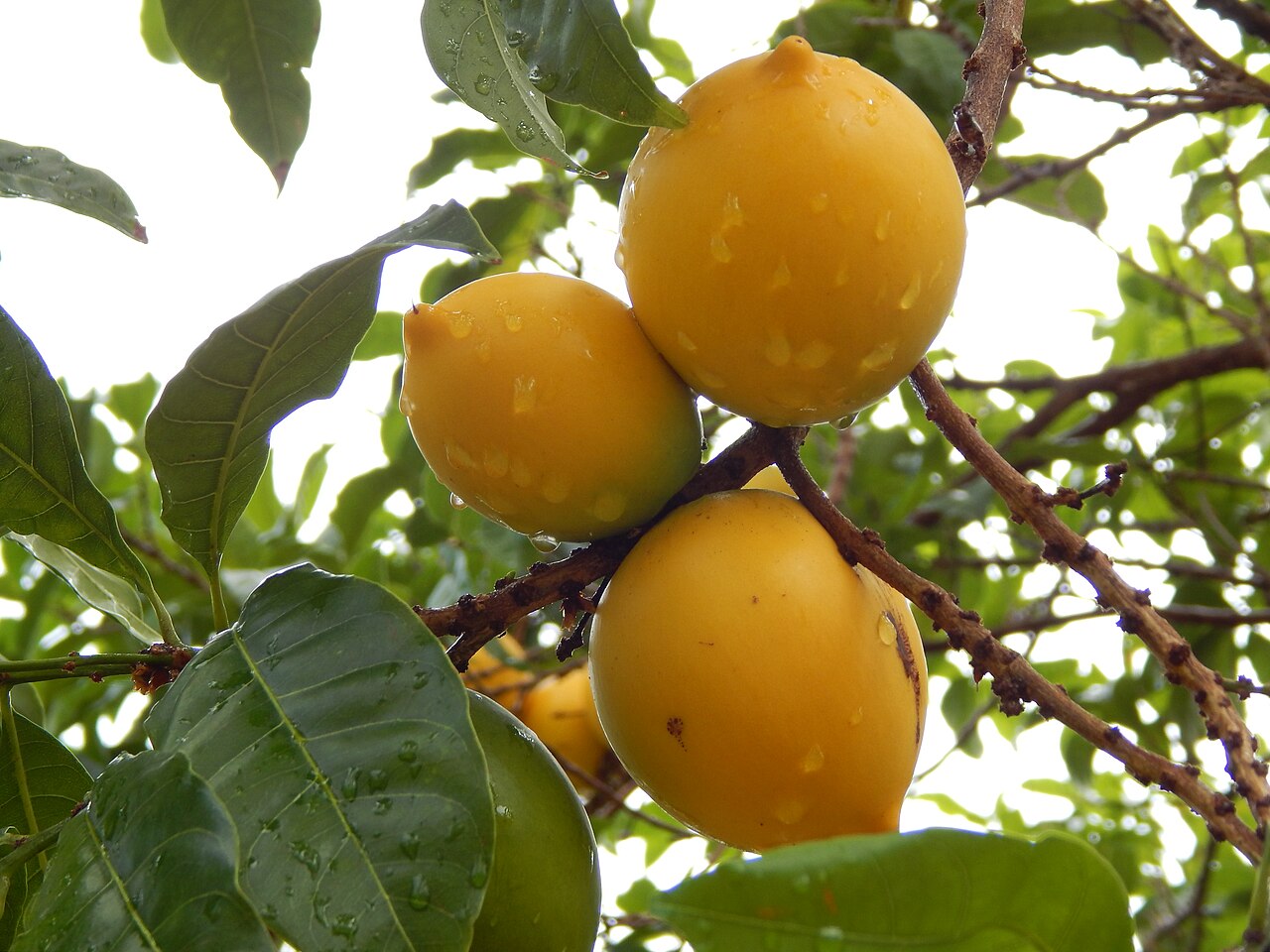
Secondary II High No biomass productionAmazonian fruit tree with sweet, milky yellow pulp. Pasini lists it in the high stratum of Tabela 3. Tolerates partial shade well in early years; o...
-
guava
Psidium guajava
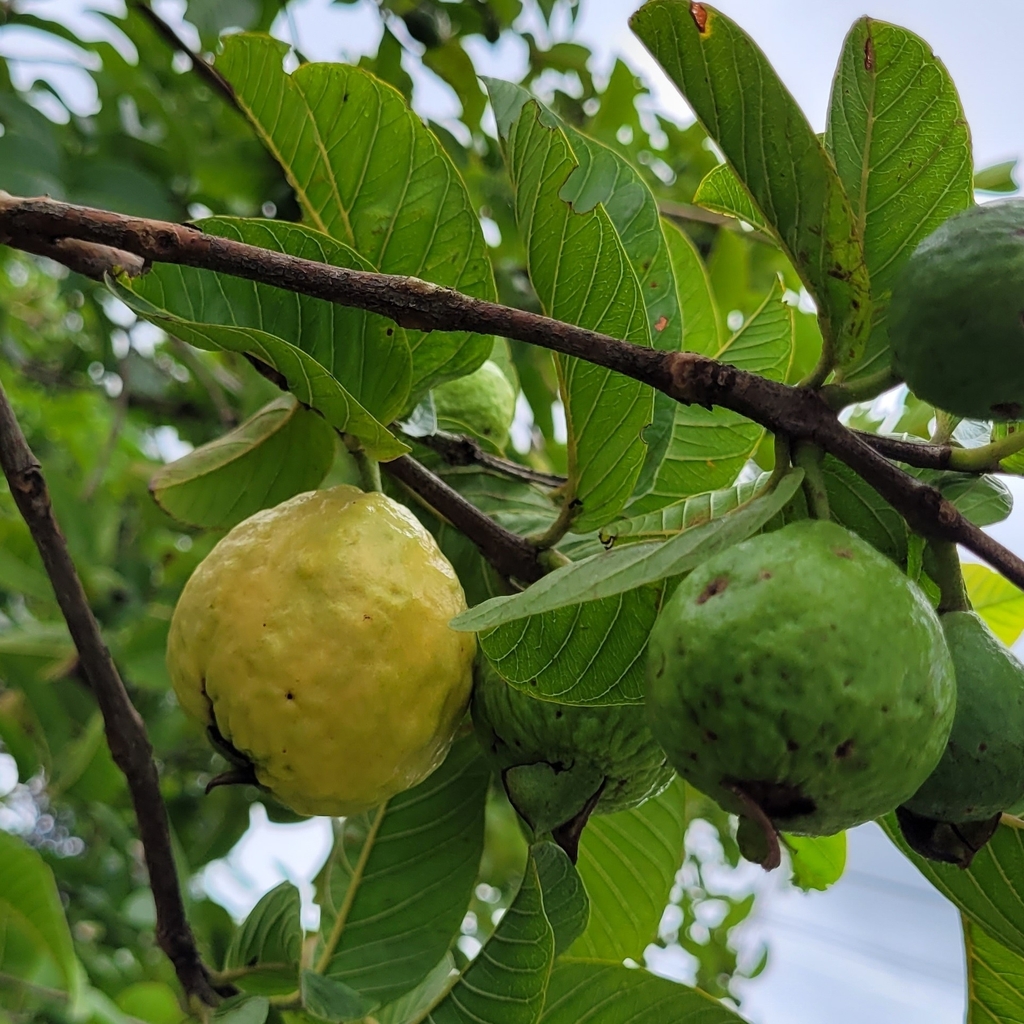
Secondary I High No biomass productionNative tropical American fruit tree, common in Brazilian syntropic agroforestry systems. Pasini lists it in the high stratum of Tabela 3. Tolerates...
-
sugar cane
Saccharum officinarum
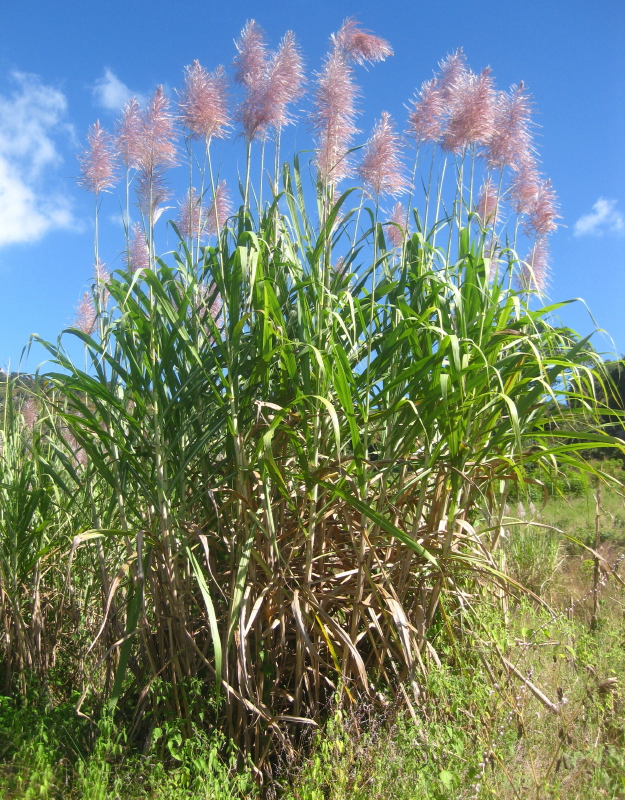
Placenta II Emergent Mulch biomassPerennial grass with very high production of cover biomass. Pasini lists it in the emergent stratum (Tabela 3). Cut periodically in syntropic agrof...
-
morototó
Schefflera morototoni
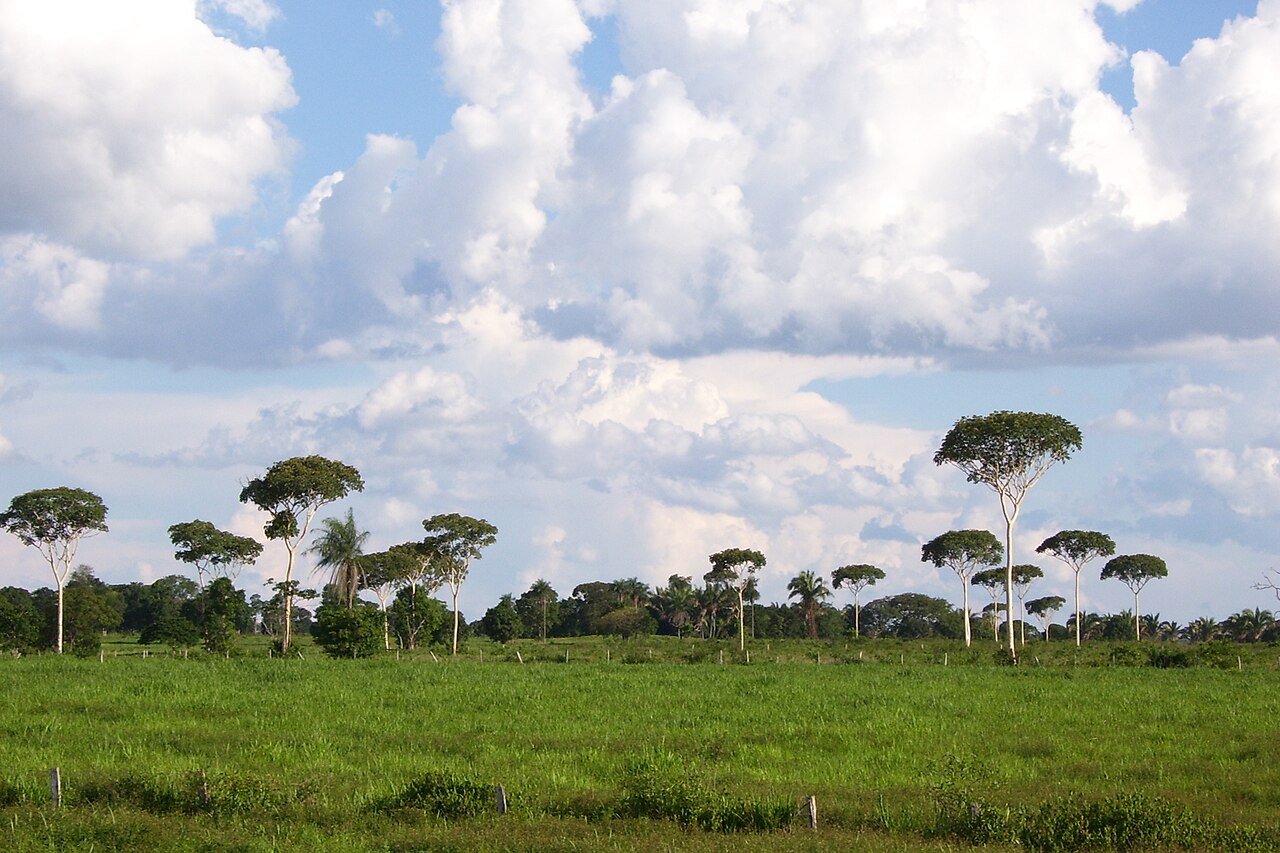
Secondary I Emergent Mulch biomassFast-growing pioneer tree common in Atlantic Forest and Amazon clearings. EcoAgri lists it in the emergent stratum of the 'up to 50 years' extras. ...
-
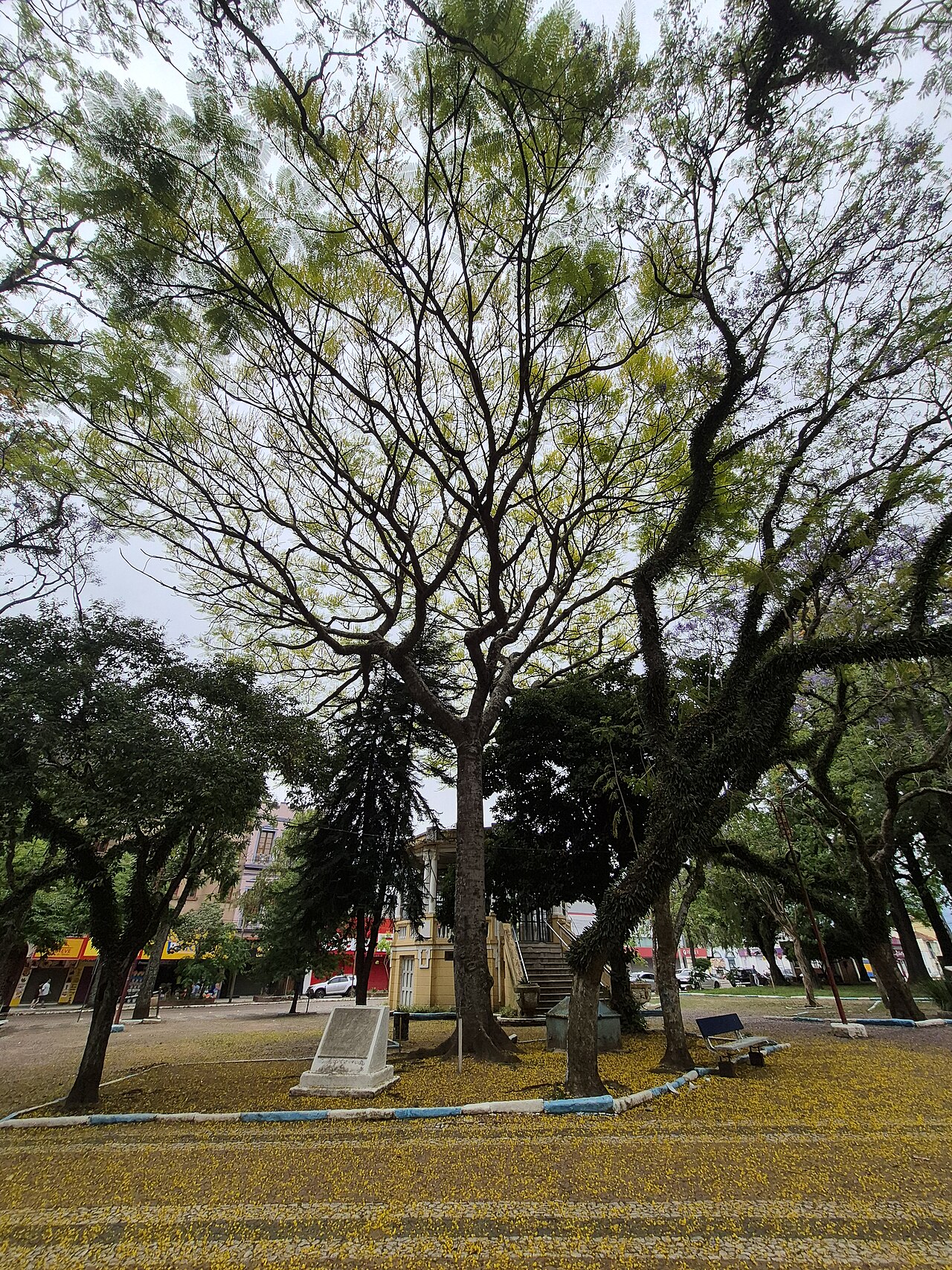
Brazilian fern tree
Schizolobium parahyba
Placenta II Emergent Fertilizer & mulchPioneer Atlantic Forest species with extremely fast growth (up to 6 m per year in early years), reaching 20–30 m. Excellent for early shade and bio...
-
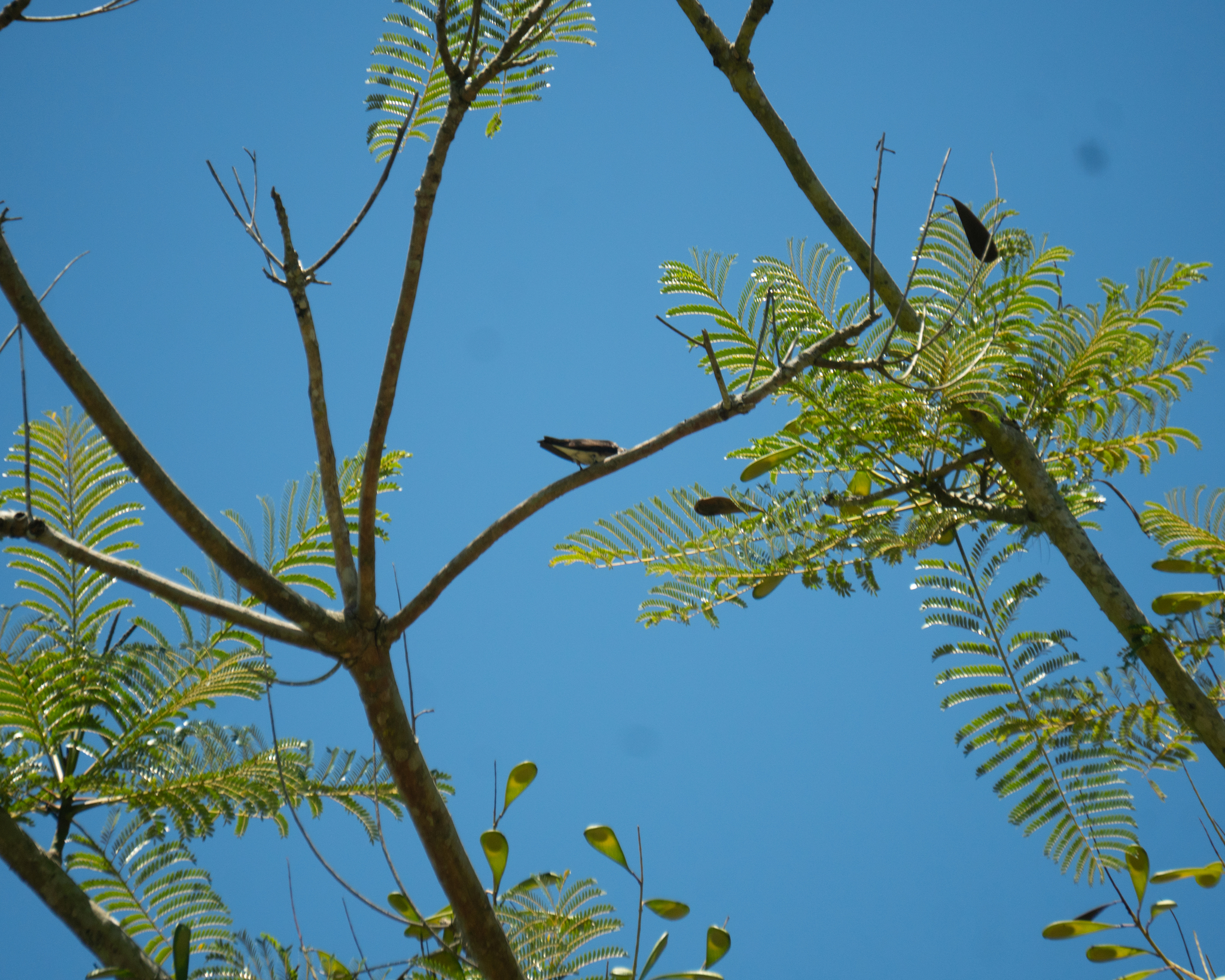
paricá
Schizolobium parahyba
Secondary I Emergent Mulch biomassAmazonian emergent legume with extremely fast growth — reaches 20–30 m in 18 years. Embrapa lists paricá among key timber species for SAFs: straigh...
-
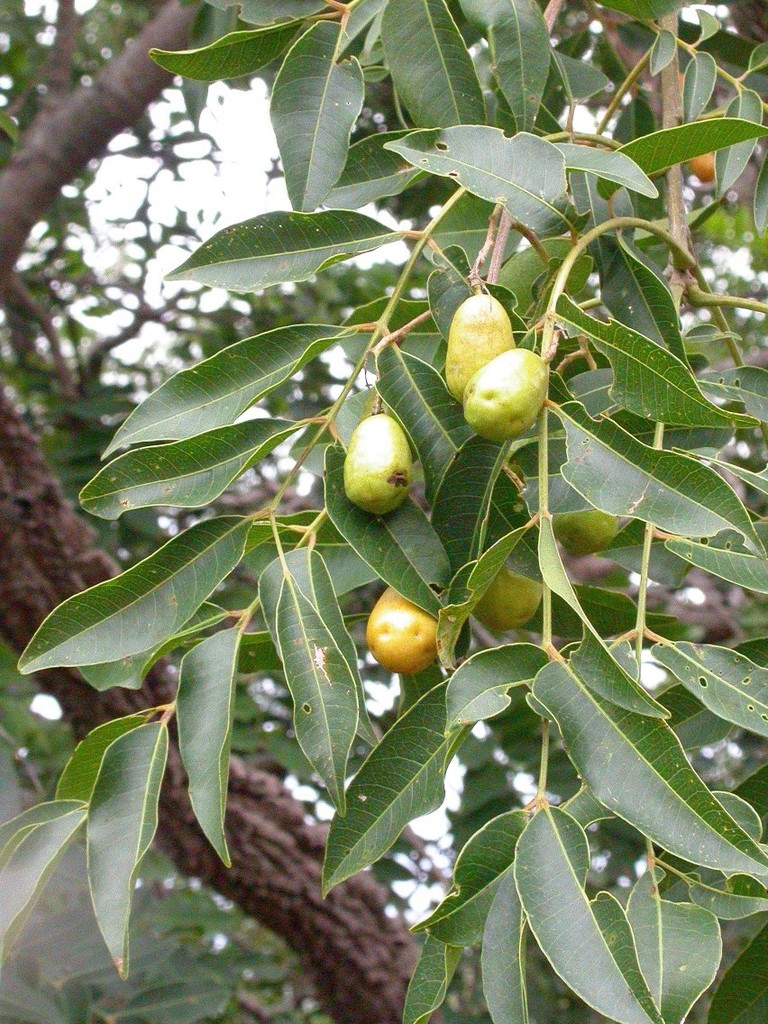
yellow mombin
Spondias mombin
Secondary I Emergent No biomass productionFast-growing pioneer fruit tree; Pasini lists it in the emergent/high stratum of Tabela 3 and among Abundance-system species (emergent stratum, 10–...
-
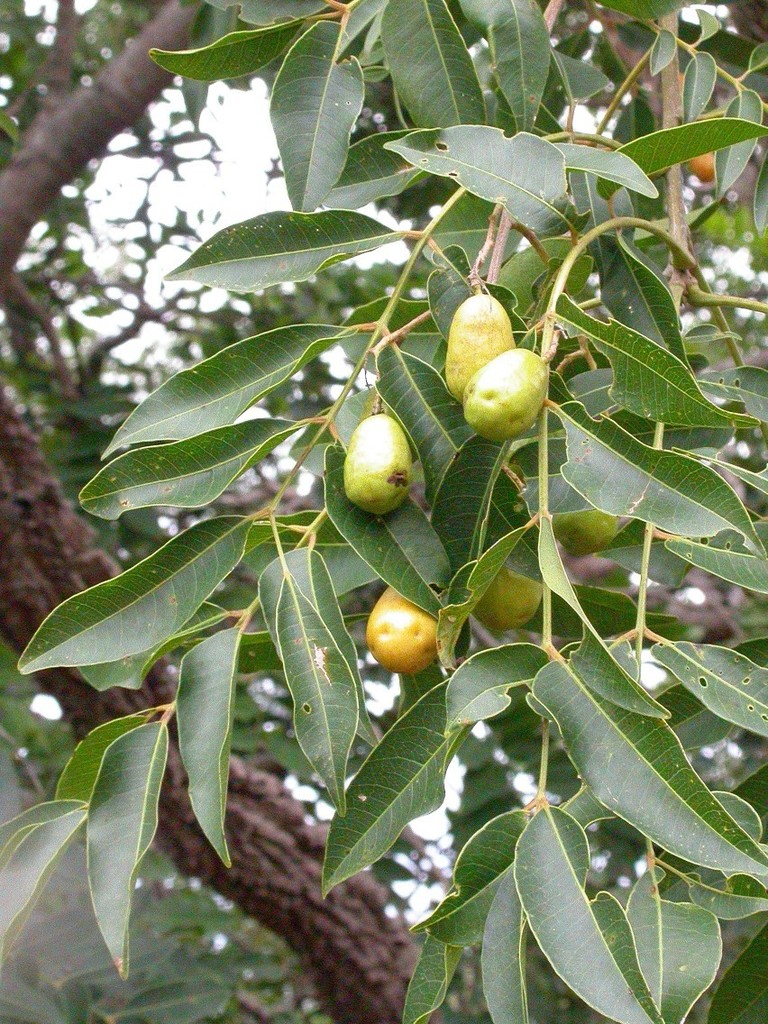
yellow mombin
Spondias mombin
Secondary II High Mulch biomassAmazonian and neotropical tree of high-to-emergent stratum, cited by Embrapa among key fruit species for Amazonian SAFs. Productive lifespan 40 yea...
-
stylo
Stylosanthes guianensis
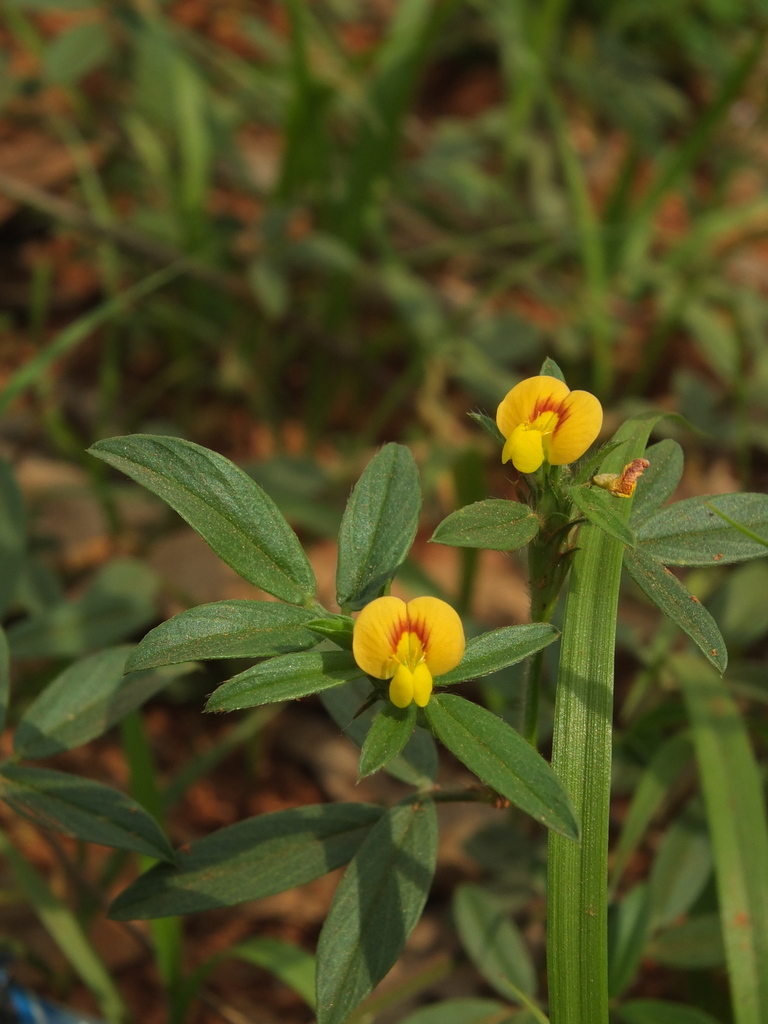
Placenta I Ground cover Fertilizer biomass 🌱 Nitrogen fixerHerbaceous forage legume, nitrogen-fixer. Rebello includes stylosanthes among key accumulation-phase species in Cerrado and Caatinga, alongside pig...
-
big-leaf mahogany
Swietenia macrophylla
Climax Emergent Mulch biomassClimax Amazonian premium timber, CITES Appendix II. Pasini lists it in the emergent/high stratum of Tabela 3 and cites it explicitly as a premium t...
-
java plum
Syzygium cumini
Secondary II High No biomass productionAsian fruit tree naturalized in Brazil, listed by Pasini in the high stratum of Tabela 3. Edible purple fruit (jam, wine); leaves and bark are medi...
-
rose apple
Syzygium jambos
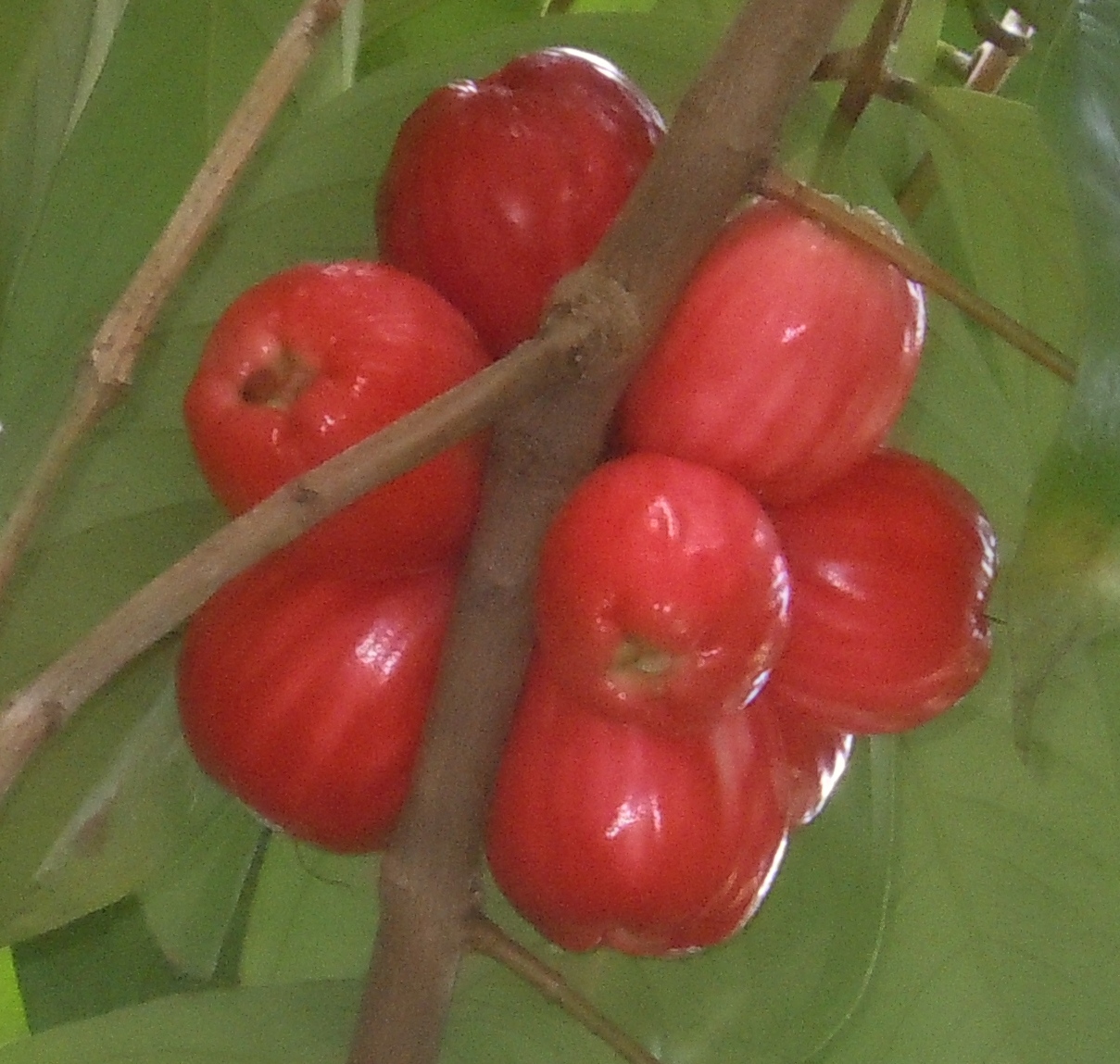
Climax High No biomass productionAsian fruit tree naturalized in Brazil, distinct from the Malay apple (S. malaccense). EcoAgri lists it in the high stratum of the '> 50 years' bin...
-
Malay apple
Syzygium malaccense
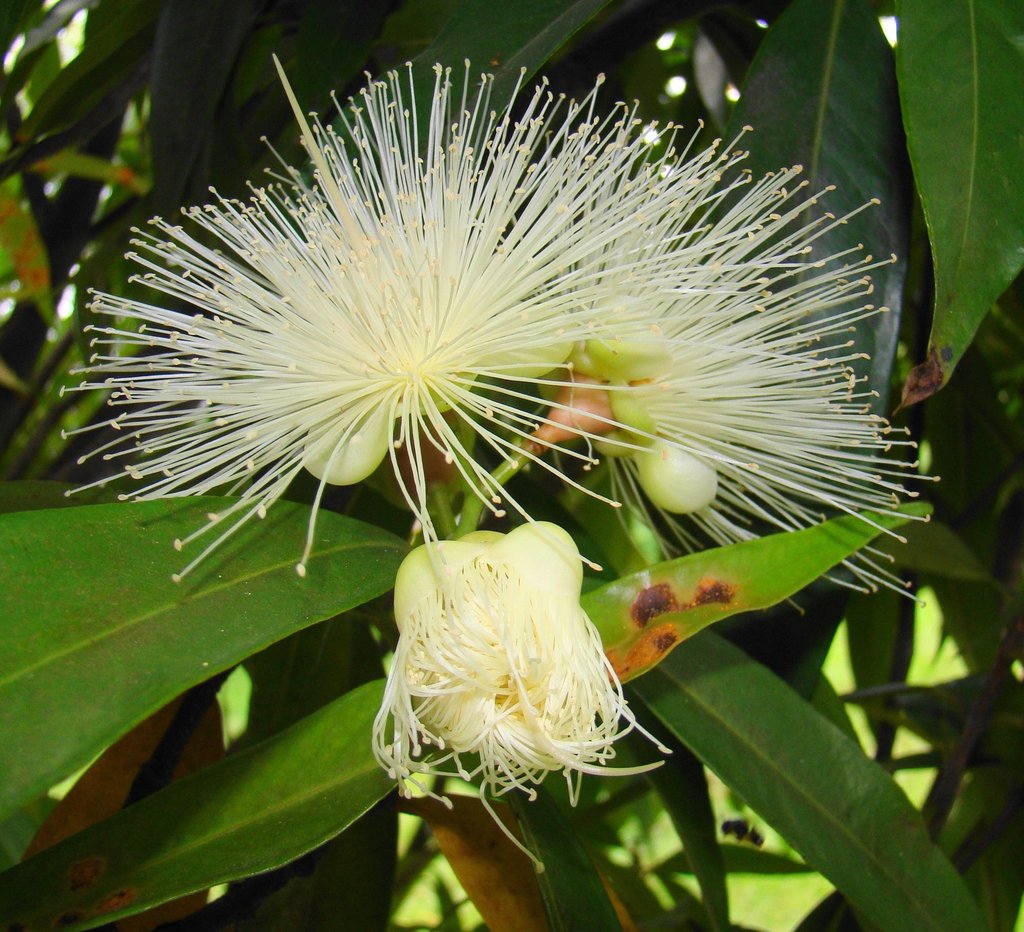
Secondary II High No biomass productionAsian tropical fruit listed by Pasini in the high stratum of Tabela 3. Pink-red mildly sweet fruit with crisp pulp. Tolerates wet soils; grows well...
-
fameflower
Talinum paniculatum
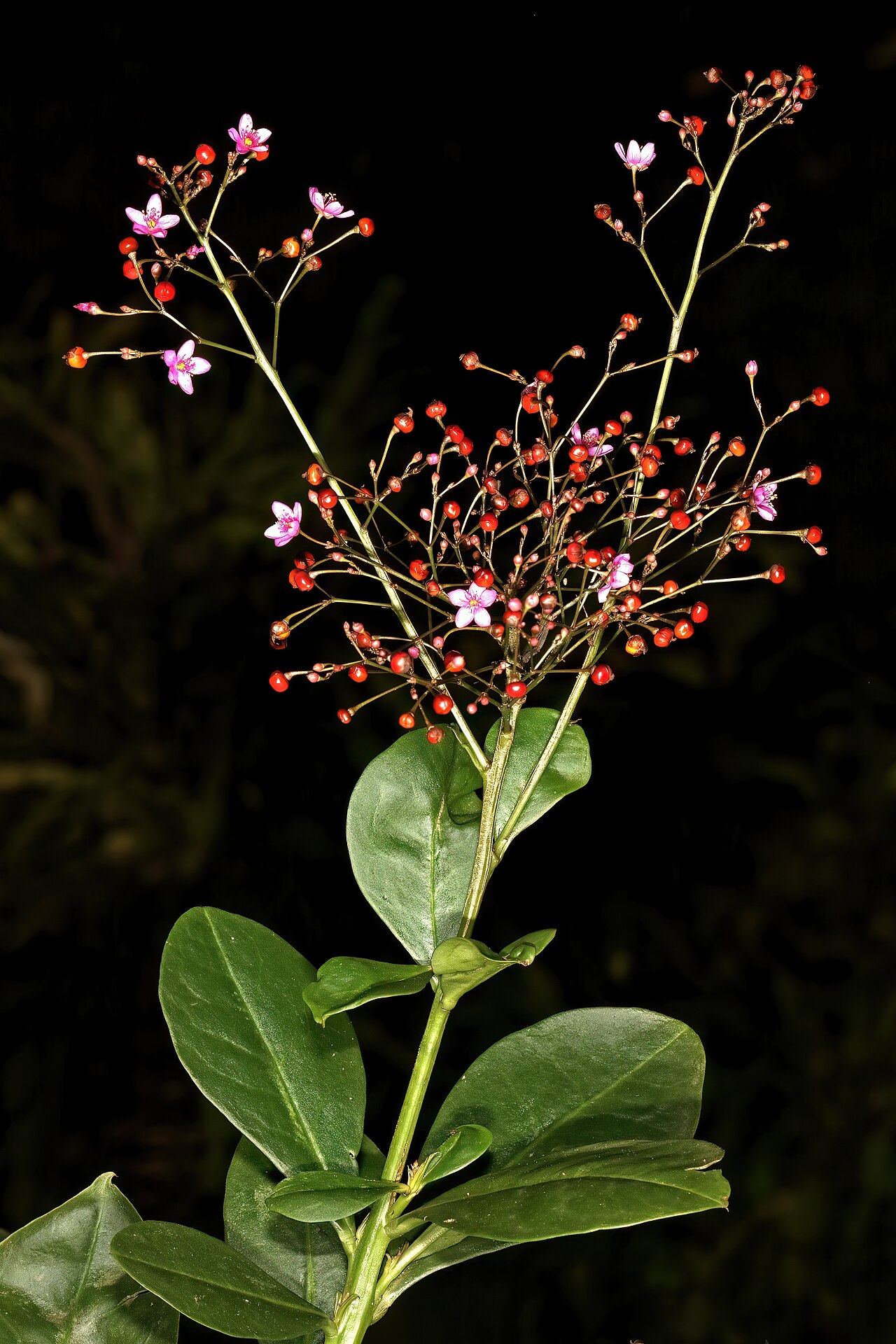
Placenta I Low No biomass productionA perennial succulent herb in the Talinaceae, native to the Americas and common as an unconventional food plant (PANC) and a volunteer in gardens. ...
-
pitomba
Talisia esculenta
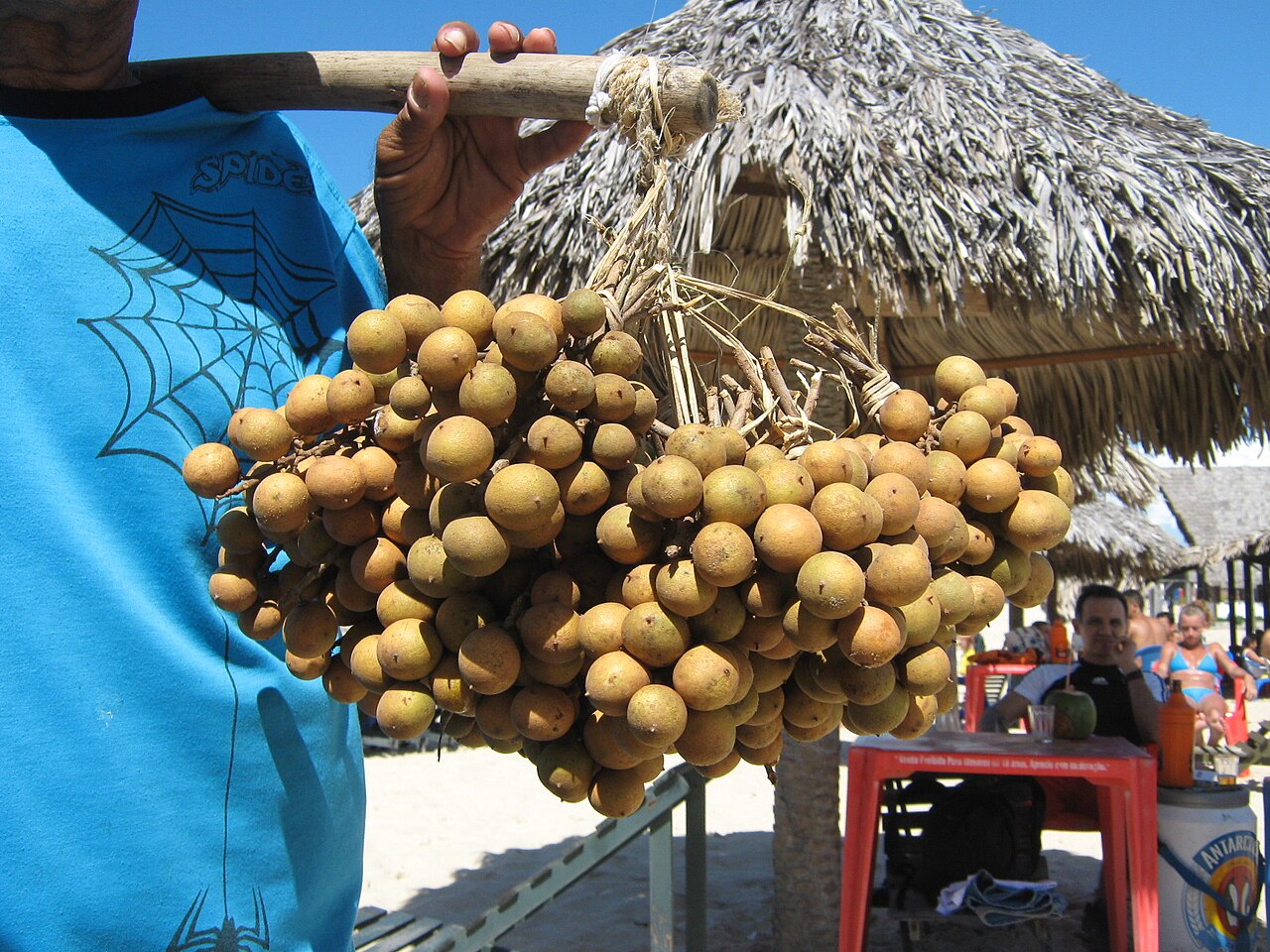
Secondary II Medium No biomass productionNative tree of the Amazon and Atlantic Forest, from Northeastern Brazil to Rio de Janeiro. 6–12 m tall, evergreen leafy canopy, trunk 30–40 cm. Ova...
-
cocoa
Theobroma cacao
Secondary I Low No biomass productionLow-stratum fruit tree shaded by bananas, ingás and palms in the Bahia syntropic systems pioneered by Götsch.
-
trinitario cacao
Theobroma cacao
Secondary II Medium No biomass productionHybrid group (Forastero × Criollo) originating in Trinidad. Combines Forastero's vigor with Criollo's cup quality. Medium height (5–8 m), intermedi...
-
criollo cacao
Theobroma cacao
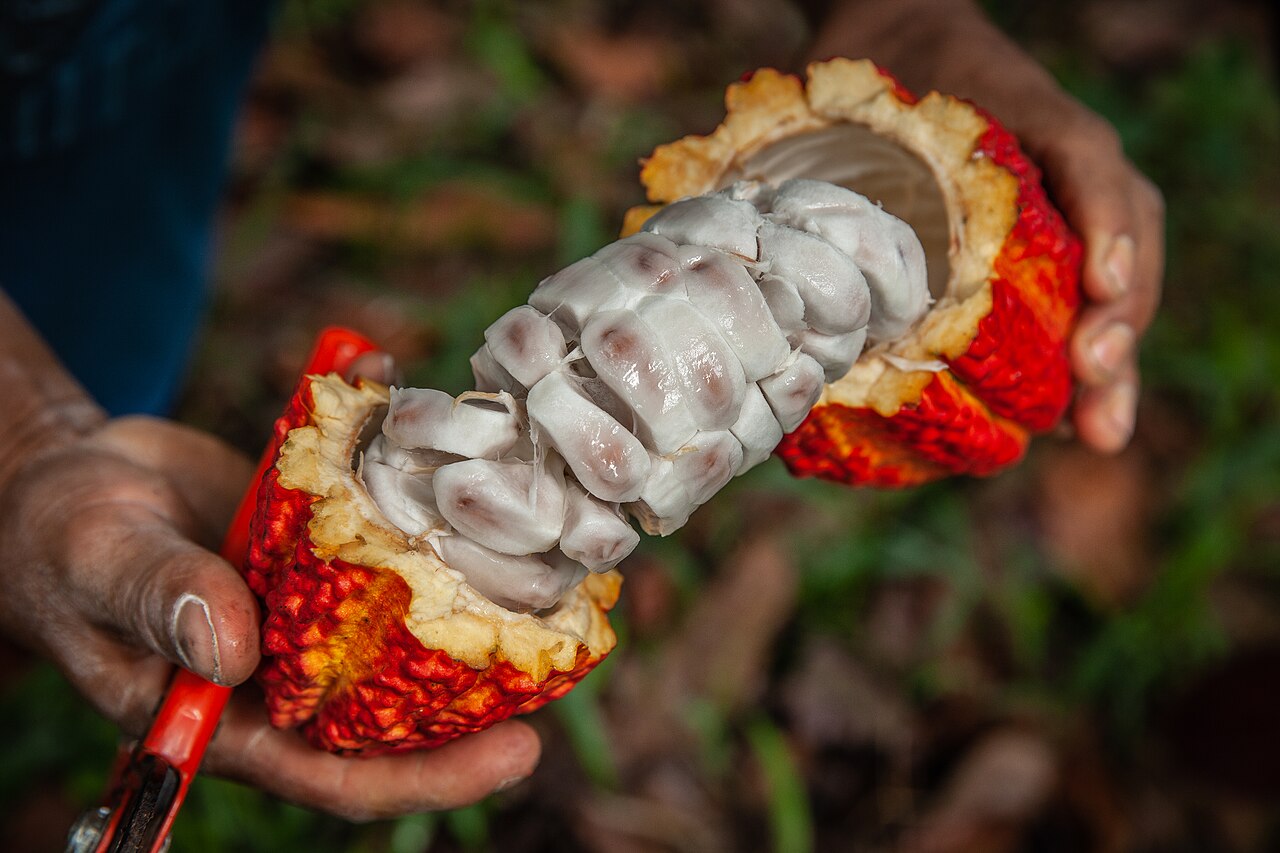
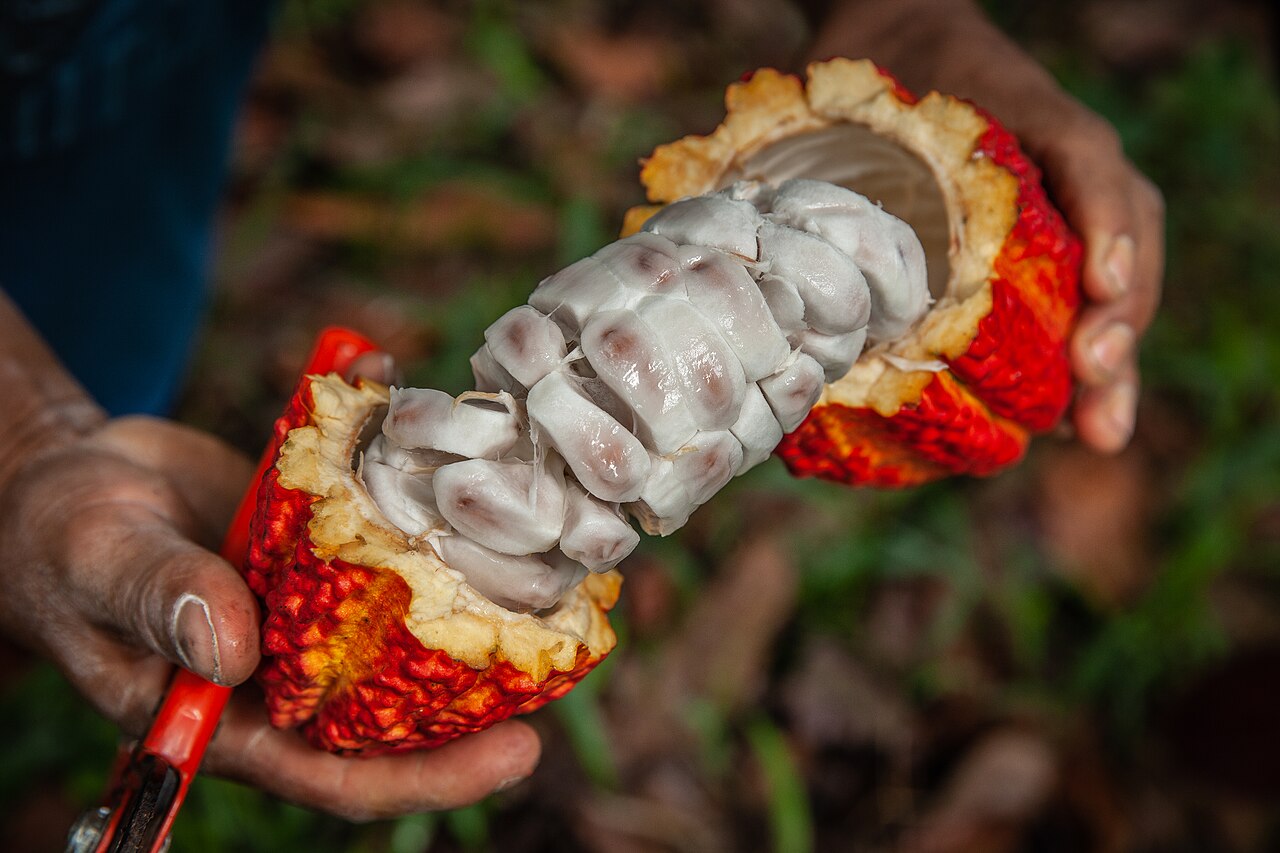
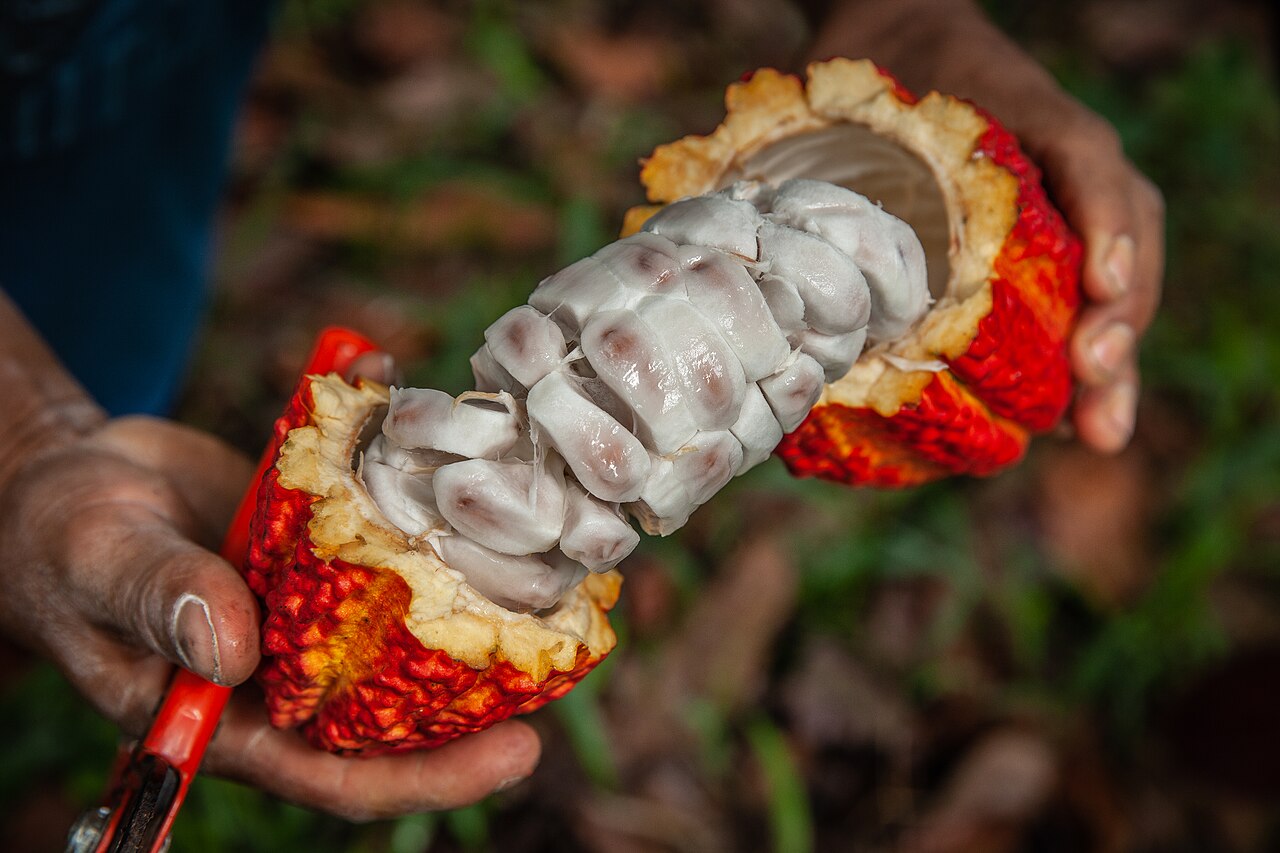
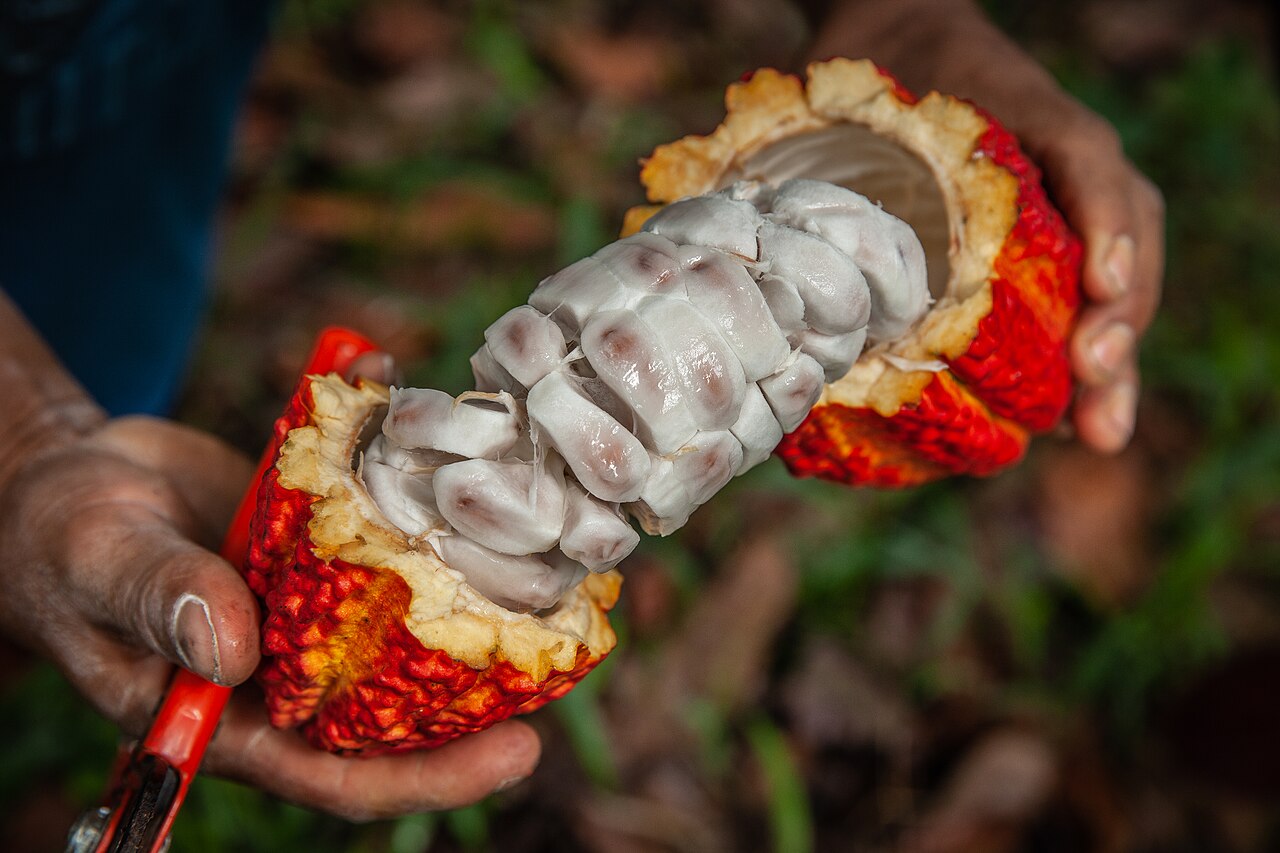
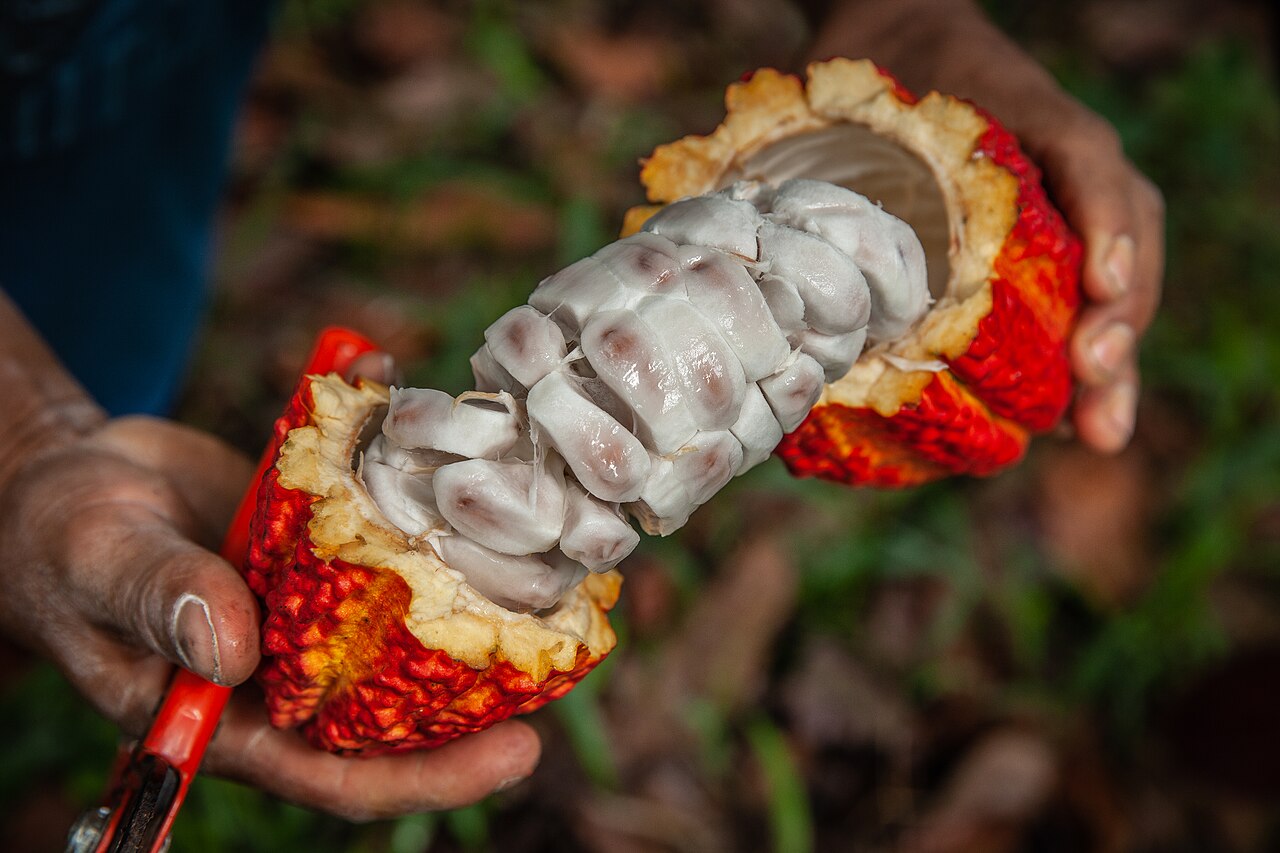
Secondary II Medium No biomass productionHeirloom varietal group — Mesoamerican origin, red or yellow pods with white-to-pale-purple seeds. Delicate, low-bitterness flavor — the basis of t...
-
ccn-51 cacao
Theobroma cacao
Secondary II Medium No biomass productionEcuadorian hybrid clone (IMC-67 × ICS-95) selected by Homero Castro in the 1960s. Compact (4–5 m), self-compatible, high yield (up to 4 t/ha), and ...
-
forastero cacao
Theobroma cacao
Secondary II Medium No biomass productionBrazil's dominant cacao varietal group — yellow-green pods, purple-cotyledon seeds, robust but less aromatic flavor. Tall (6–12 m unpruned), vigoro...