Plants
Plant Catalog
99 plants found
-
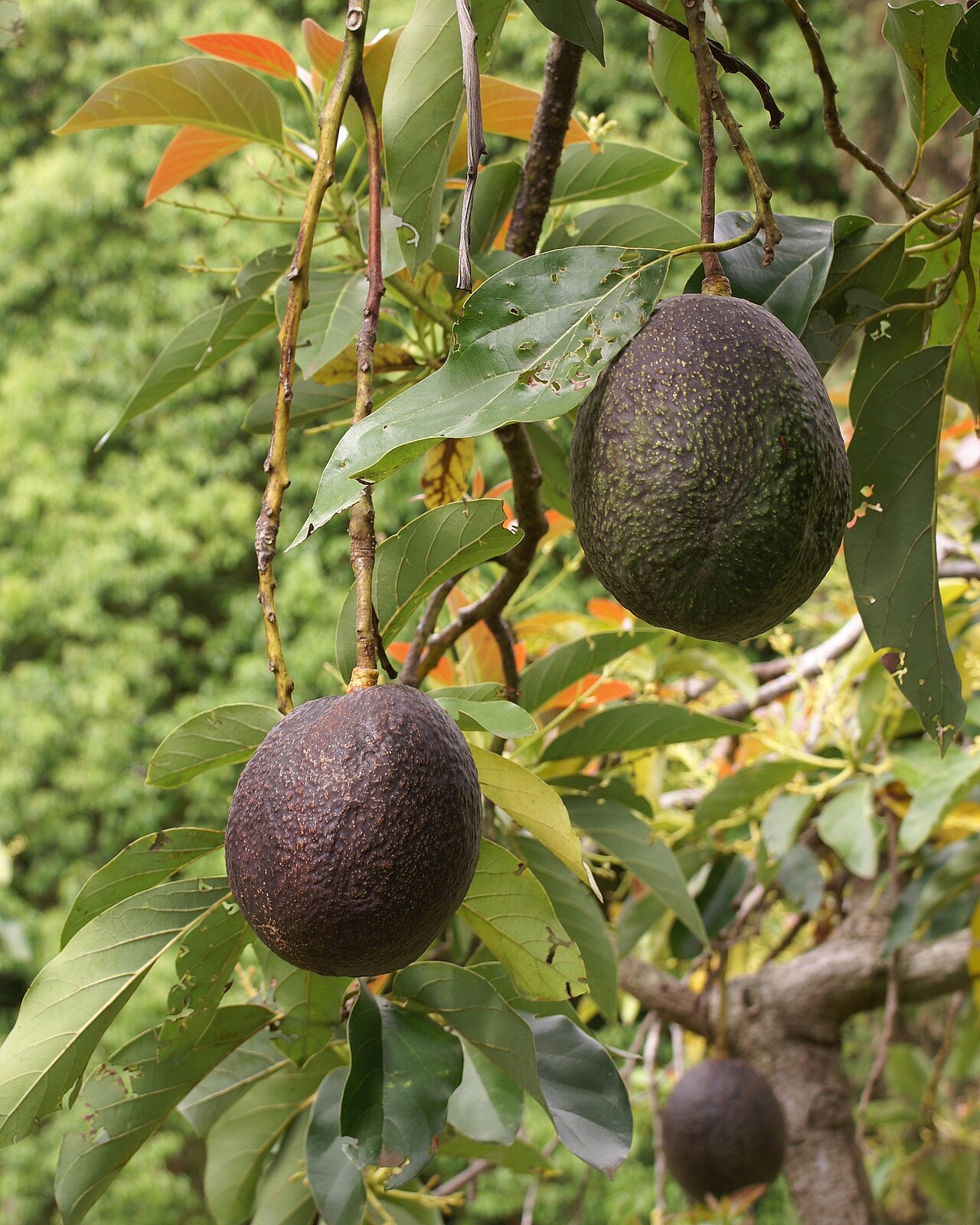
margarida avocado
Persea americana
Secondary II Emergent No biomass productionLate-ripening cultivar with very large fruit (700–1,500 g, up to 2 kg), pyriform, light yellow flesh of good quality. Tall tree (12–15 m). West-Ind...
-
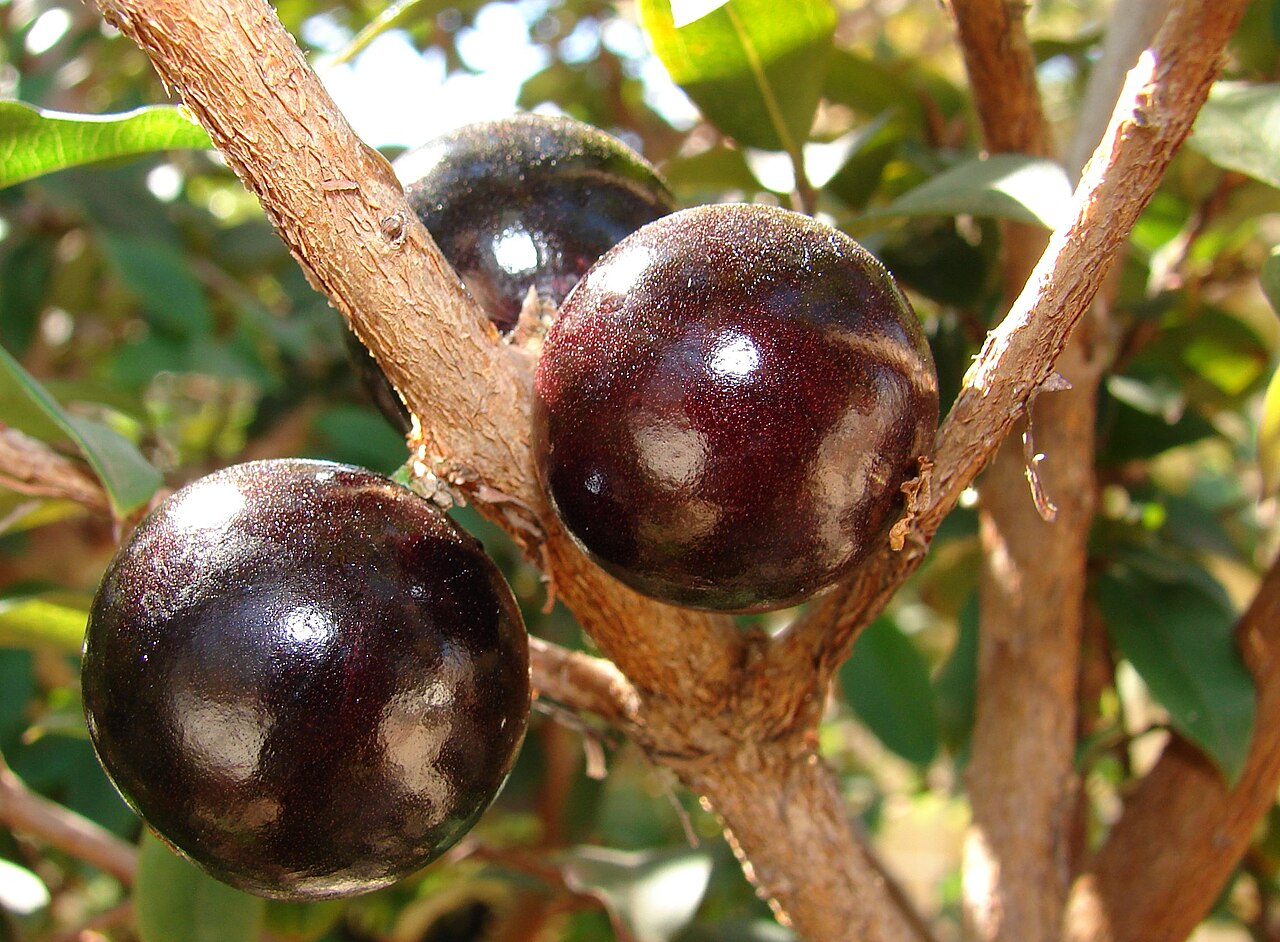
jabuticaba
Plinia cauliflora
Secondary II Low No biomass productionAtlantic Forest native characterized by cauliflory (fruits on the trunk). Pasini lists it in the high stratum of Tabela 3 and in the 20–50 year / +...
-
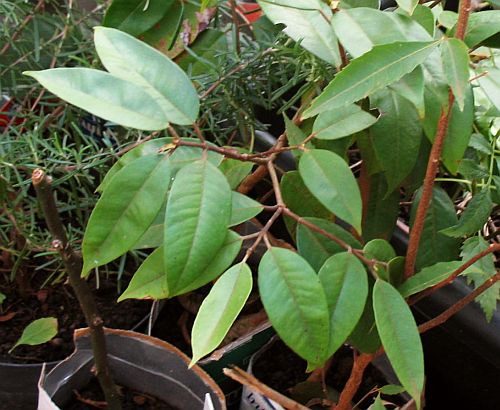
cambucá
Plinia edulis
Secondary II Medium No biomass productionAtlantic-Forest-endemic myrtle of the medium stratum. Rebello cites cambucá as an example of syntropic coexistence with cupuaçu in Casimiro de Abre...
-
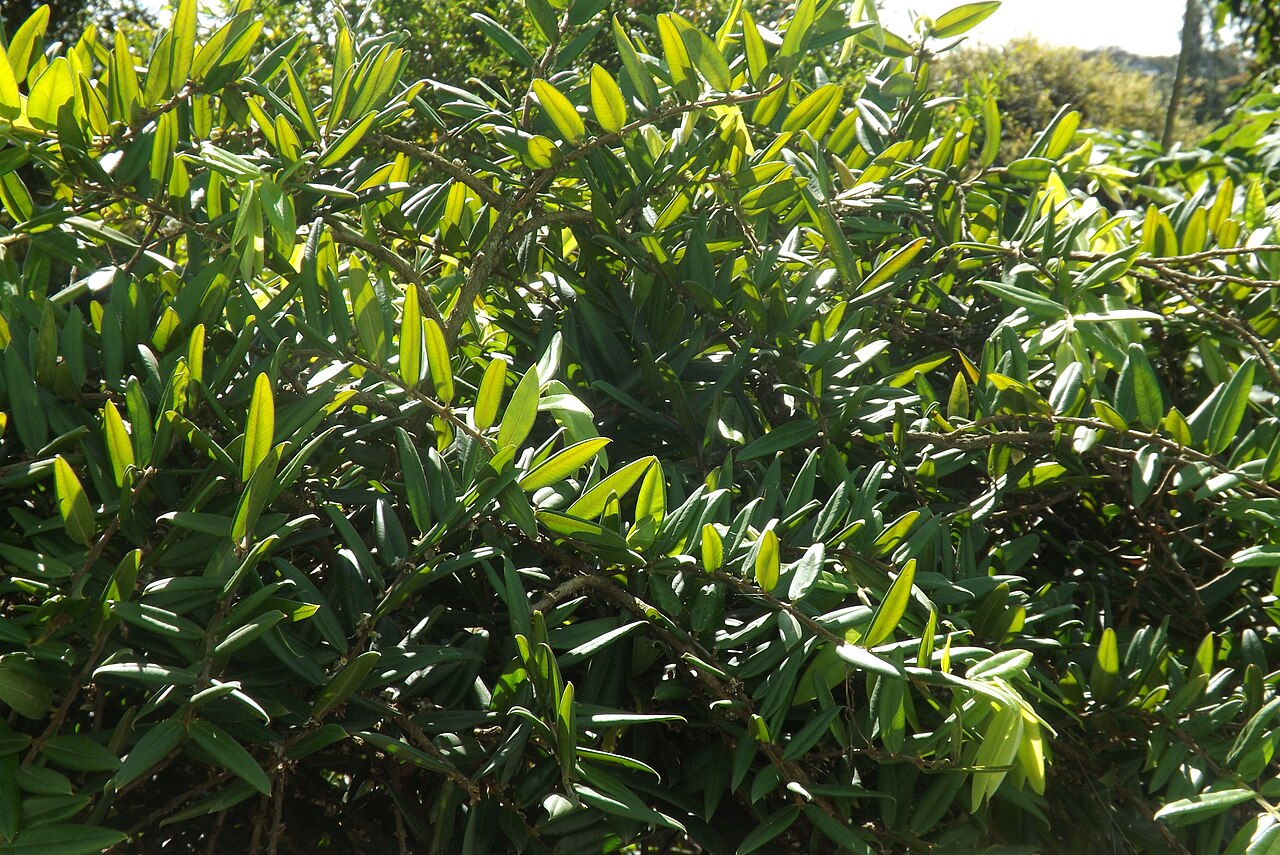
yellow jaboticaba
Plinia glomerata
Secondary II Medium No biomass productionAtlantic Forest native, rarely seen outside collections. Pasini lists it in the medium stratum of Tabela 3. Yellow fruit covered in fine edible hai...
-
abiu
Pouteria caimito
Secondary II High No biomass productionAmazonian fruit tree with sweet, milky yellow pulp. Pasini lists it in the high stratum of Tabela 3. Tolerates partial shade well in early years; o...
-
guapeva
Pouteria torta
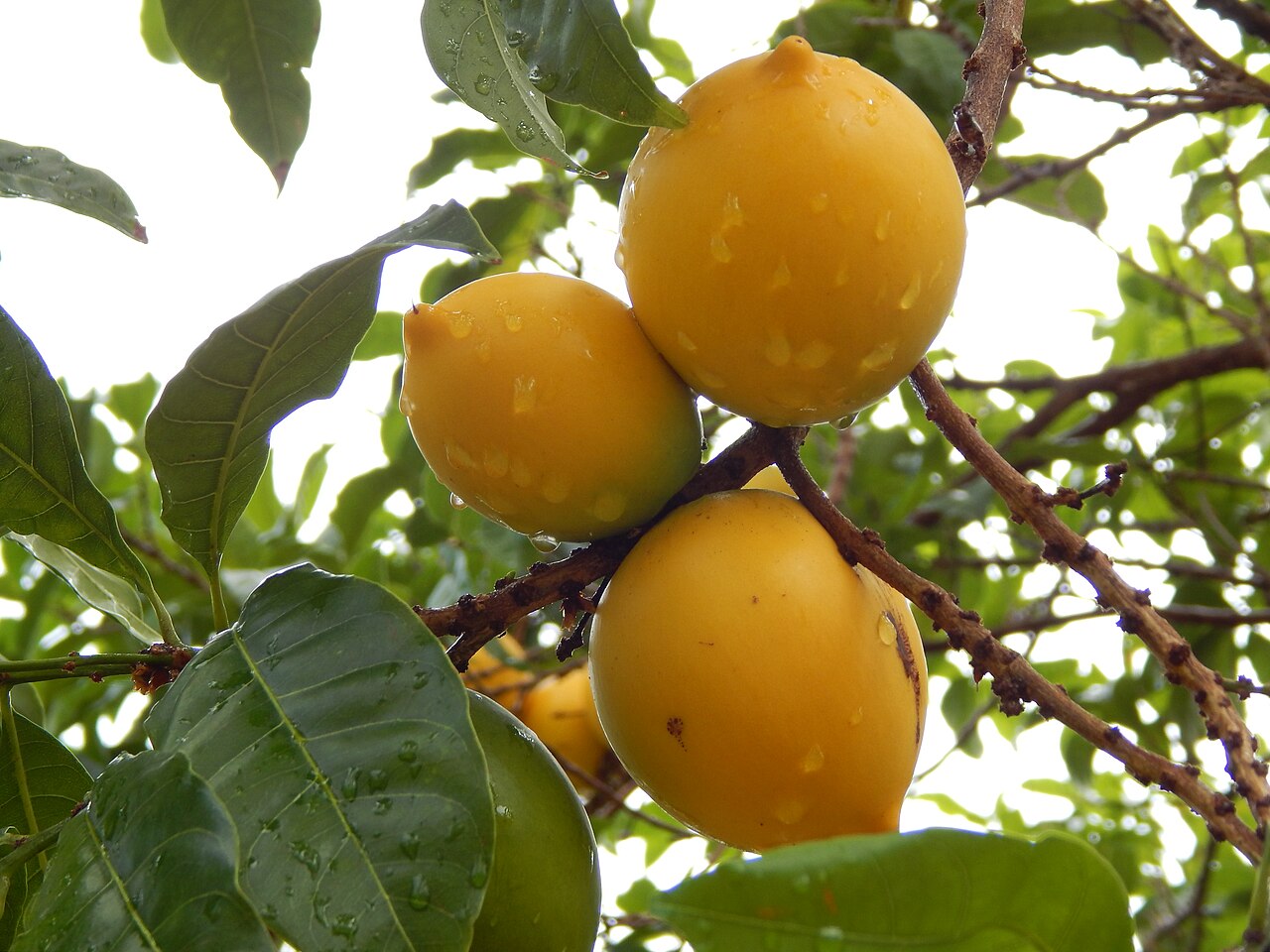
Secondary II High Mulch biomassMedium-sized Cerrado and Atlantic Forest tree (8–15 m). Large yellow-orange fruit with sweet starchy flesh and shiny seeds — edible raw or in jams....
-
sweet cherry
Prunus avium
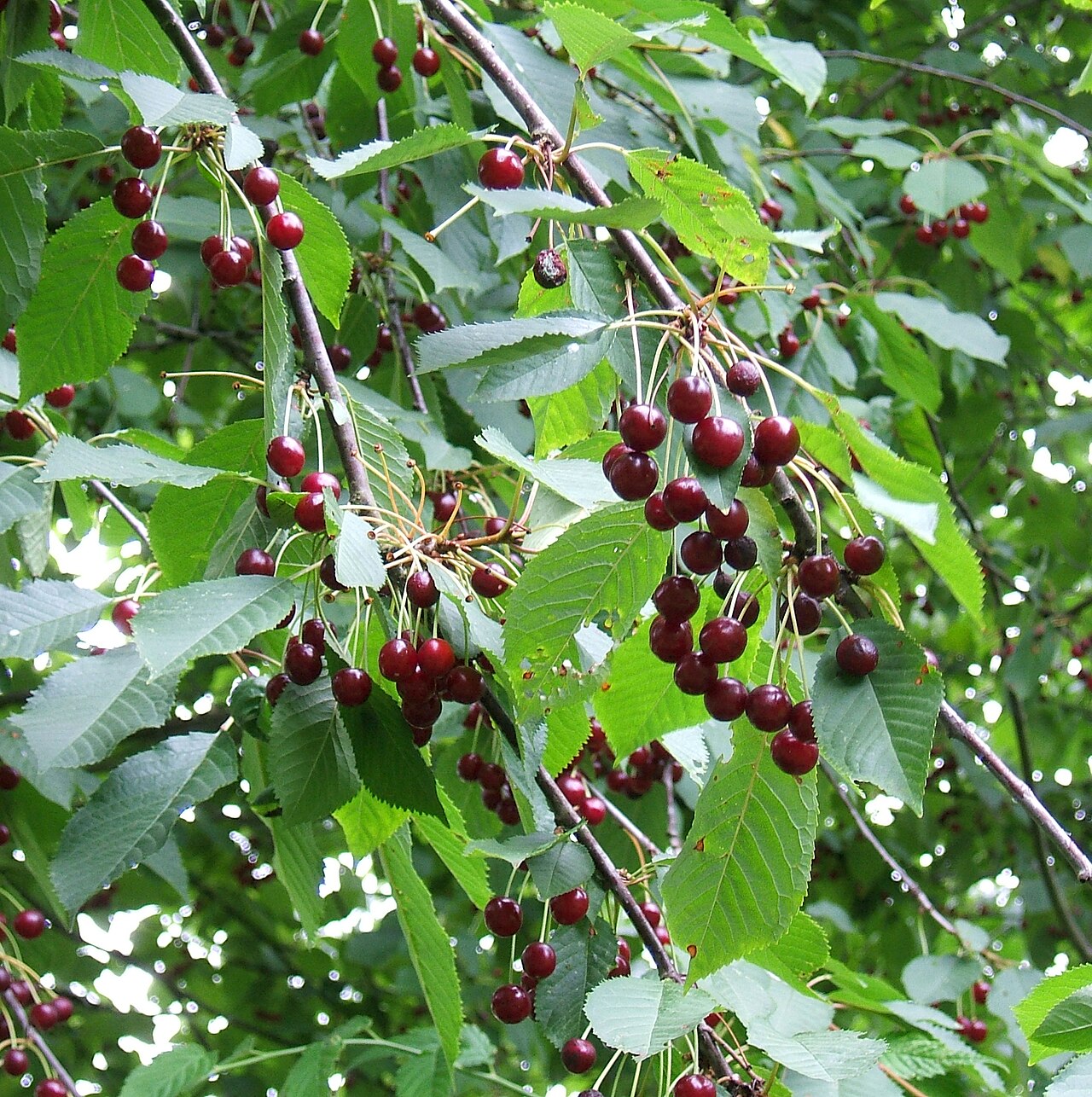
Secondary II High No biomass productionSweet cherry, a deciduous tree of the Rosaceae family, exotic to Brazil and highly chill-demanding — most cultivars need more than 800 hours below ...
-
embiruçu
Pseudobombax grandiflorum
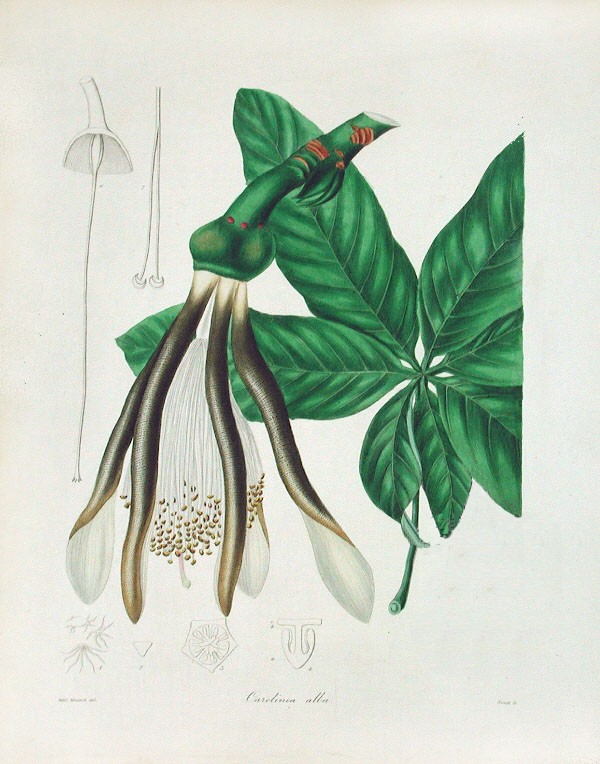
Secondary II High Mulch biomassNative tree of the Atlantic Forest and Cerrado, with spectacular brush-like white flowers. EcoAgri lists it in the high stratum of the 'up to 50 ye...
-
European pear
Pyrus communis
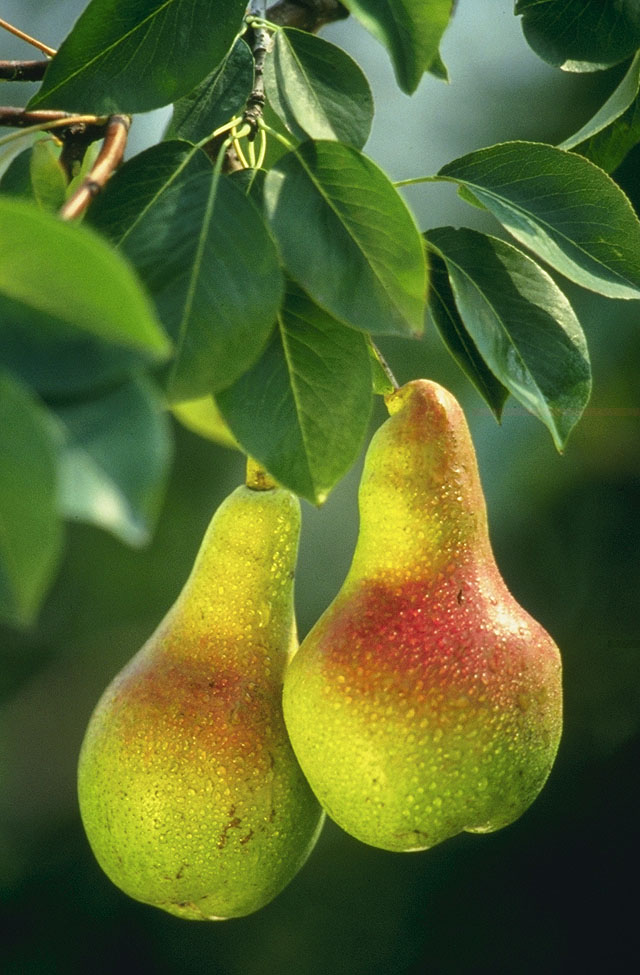
Secondary II Medium No biomass productionThe European pear, a deciduous fruit tree of the Rosaceae family, exotic to Brazil and demanding in chill (usually more than 600 hours below 7 °C)....
-
Brazilian jujube
Sarcomphalus joazeiro
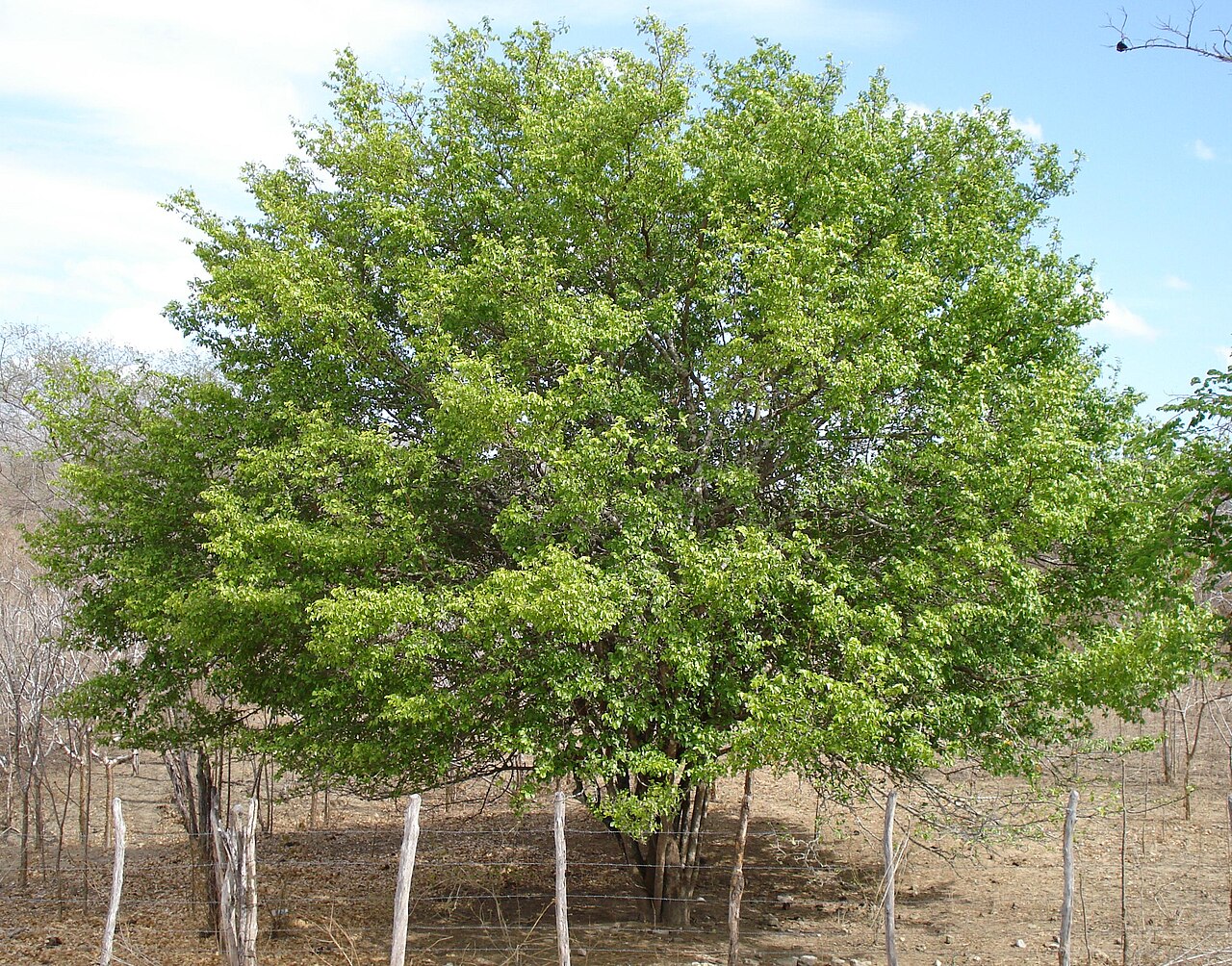
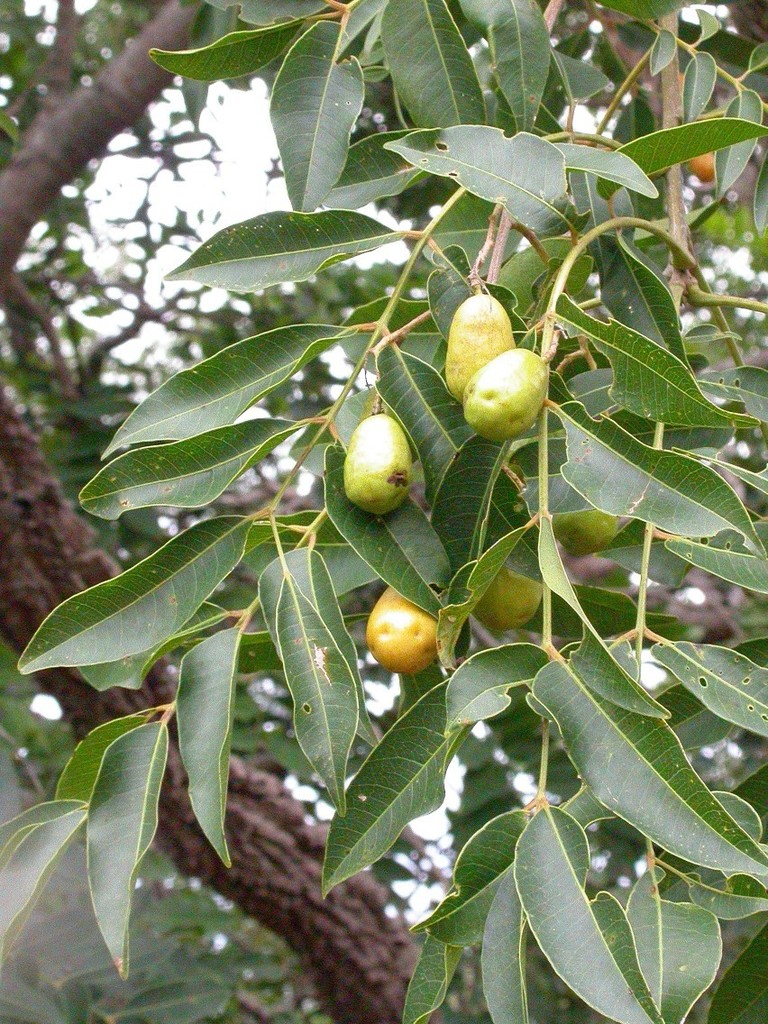
Climax HighEvergreen Caatinga tree known for remaining green throughout the dry season thanks to deep taproots that reach groundwater.
-
yellow mombin
Spondias mombin
Secondary II High Mulch biomassAmazonian and neotropical tree of high-to-emergent stratum, cited by Embrapa among key fruit species for Amazonian SAFs. Productive lifespan 40 yea...
-
Brazil plum
Spondias tuberosa
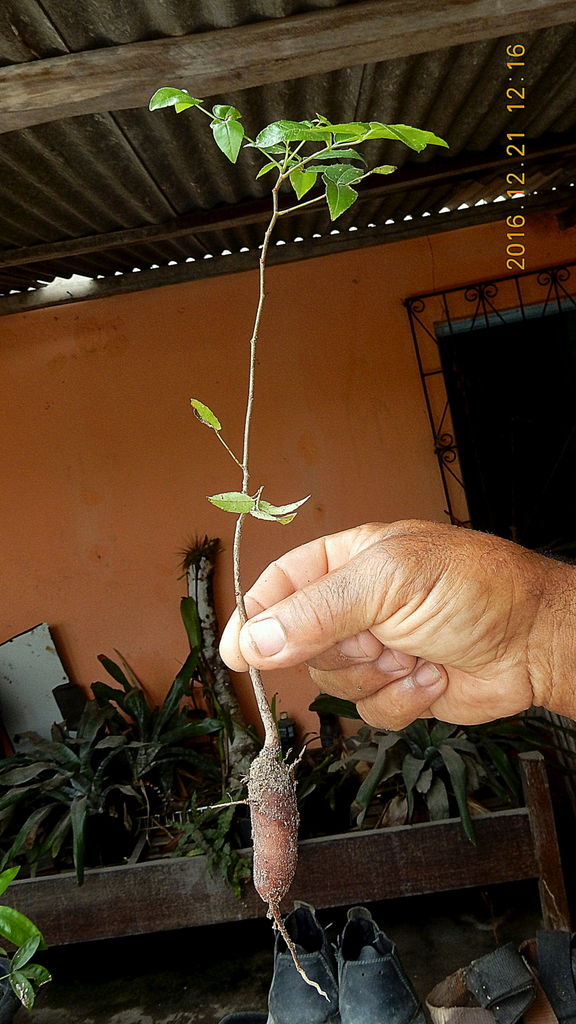
Climax MediumEndemic fruit tree of the Caatinga semiarid biome, with underground tuberous roots (xylopodia) that store water and allow it to survive long drough...
-
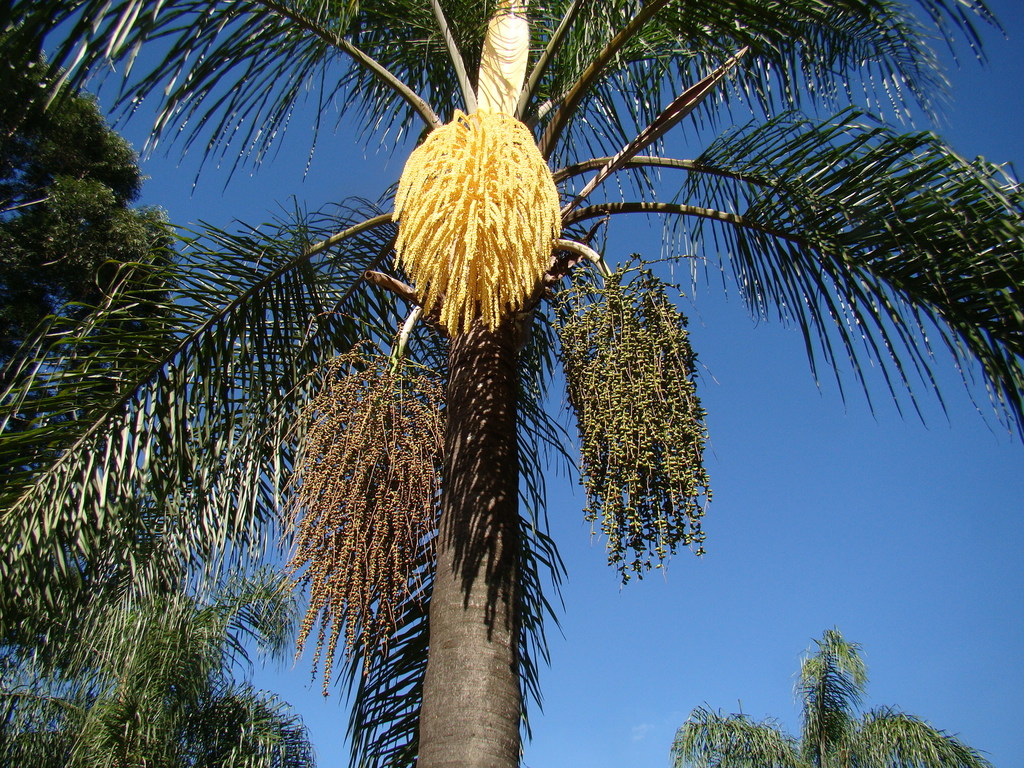
queen palm
Syagrus romanzoffiana
Secondary II High No biomass productionAtlantic Forest native palm, listed by Pasini in the high stratum of Tabela 3. Edible orange-yellow fruit consumed by local fauna; a central specie...
-
java plum
Syzygium cumini
Secondary II High No biomass productionAsian fruit tree naturalized in Brazil, listed by Pasini in the high stratum of Tabela 3. Edible purple fruit (jam, wine); leaves and bark are medi...
-
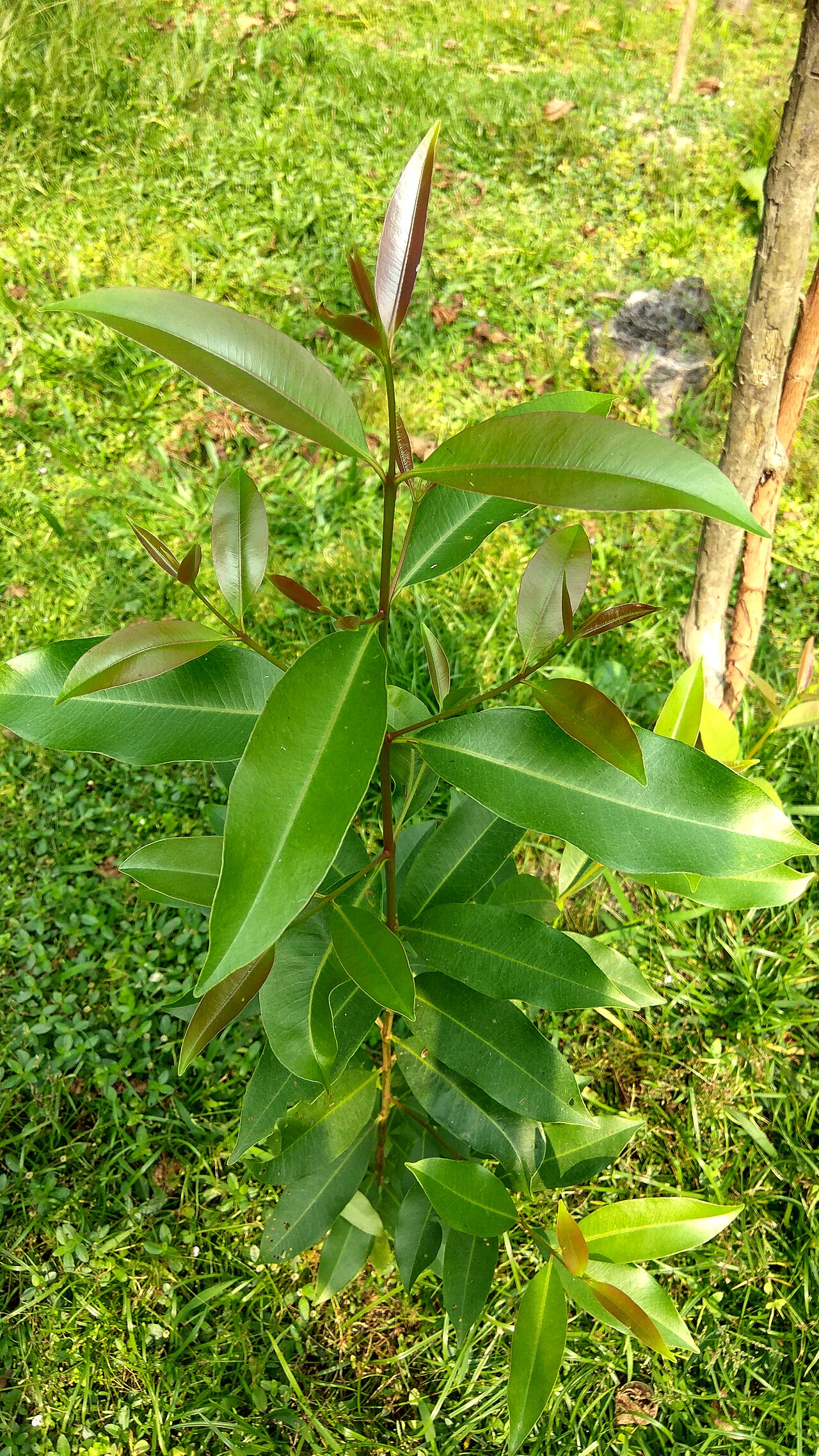
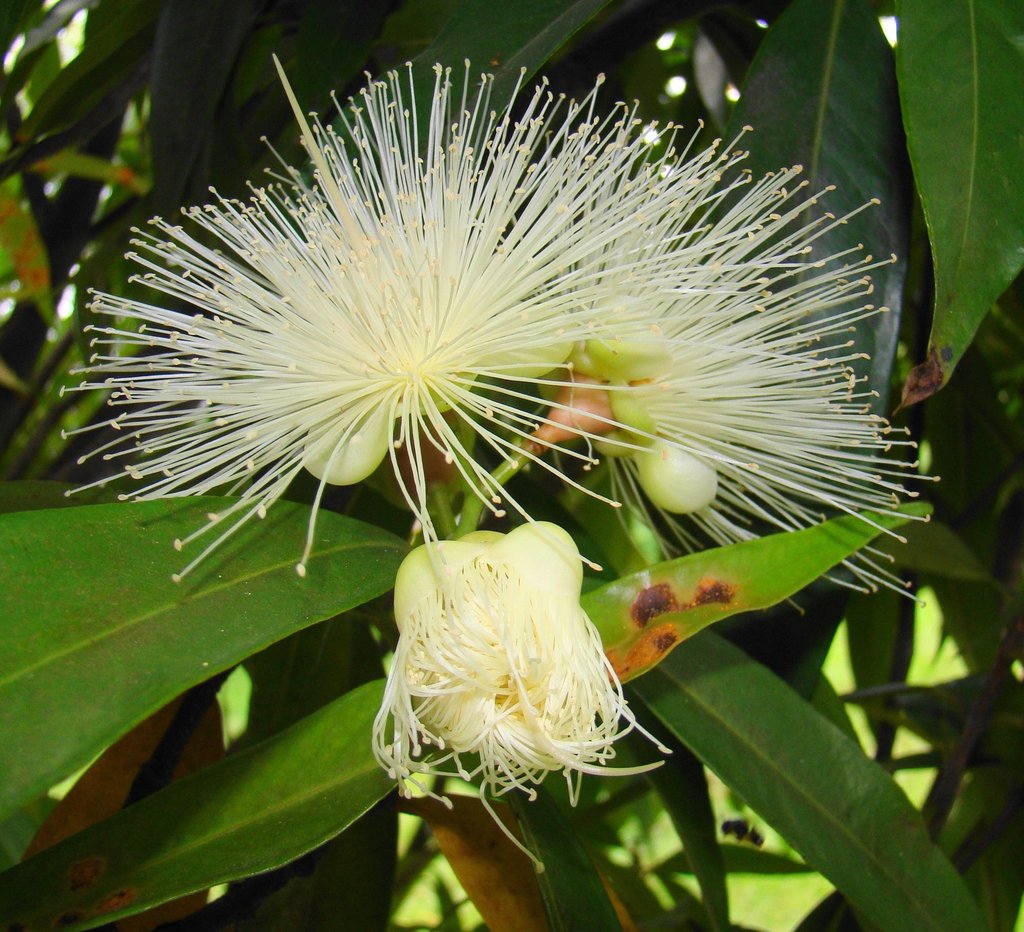
rose apple
Syzygium jambos
Climax High No biomass productionAsian fruit tree naturalized in Brazil, distinct from the Malay apple (S. malaccense). EcoAgri lists it in the high stratum of the '> 50 years' bin...
-
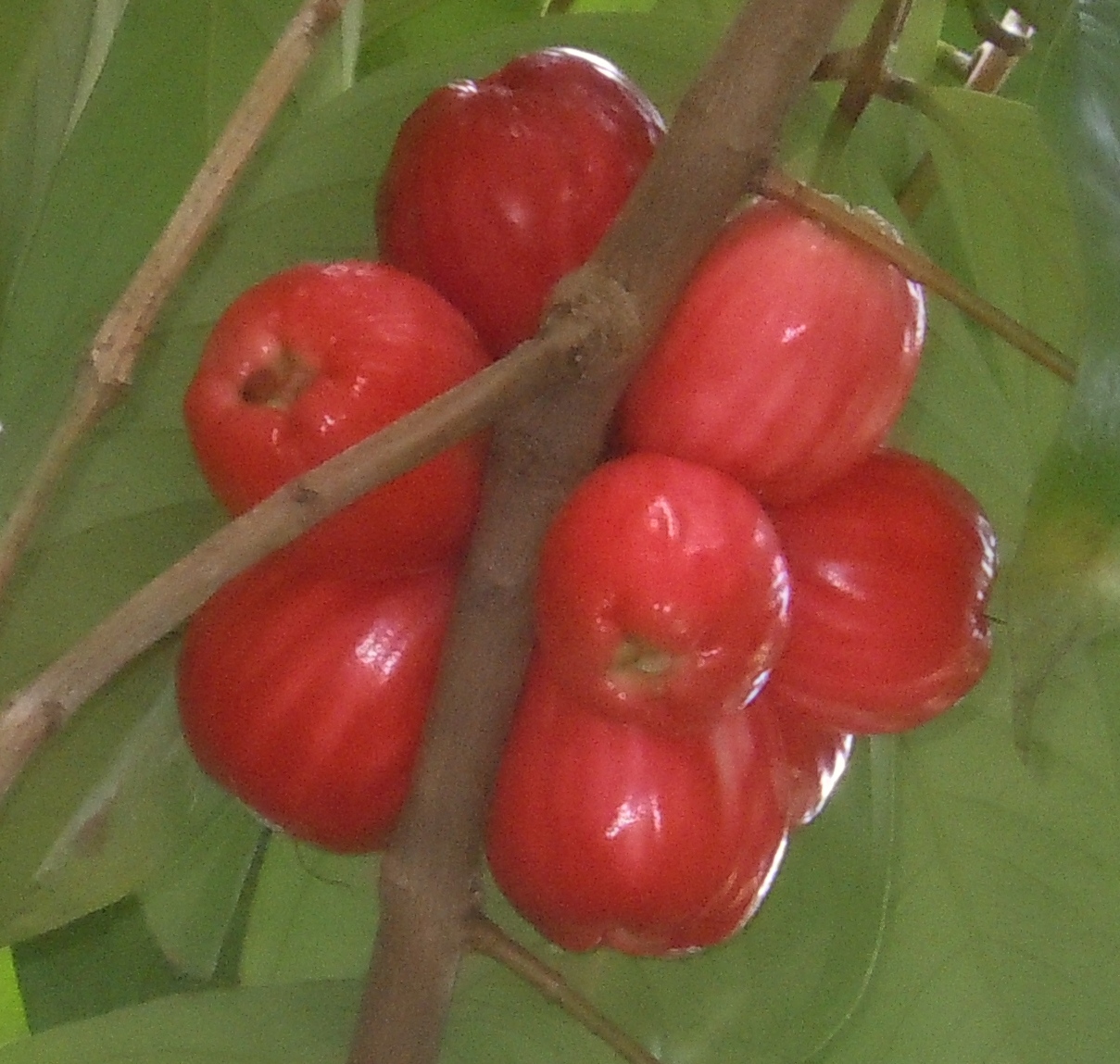
Malay apple
Syzygium malaccense
Secondary II High No biomass productionAsian tropical fruit listed by Pasini in the high stratum of Tabela 3. Pink-red mildly sweet fruit with crisp pulp. Tolerates wet soils; grows well...
-
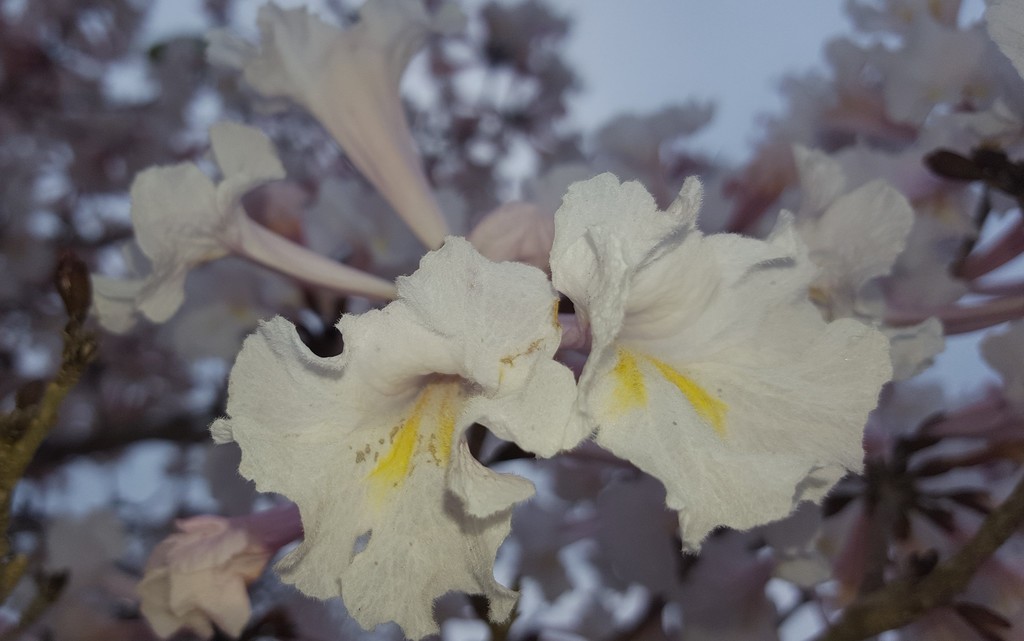
white ipê
Tabebuia roseoalba
Climax High No biomass productionMedium tree of the Cerrado, Atlantic Forest, and Caatinga (10–18 m). White-to-pale-pink flowering in July–August. Drought-tolerant. Medium-density ...
-
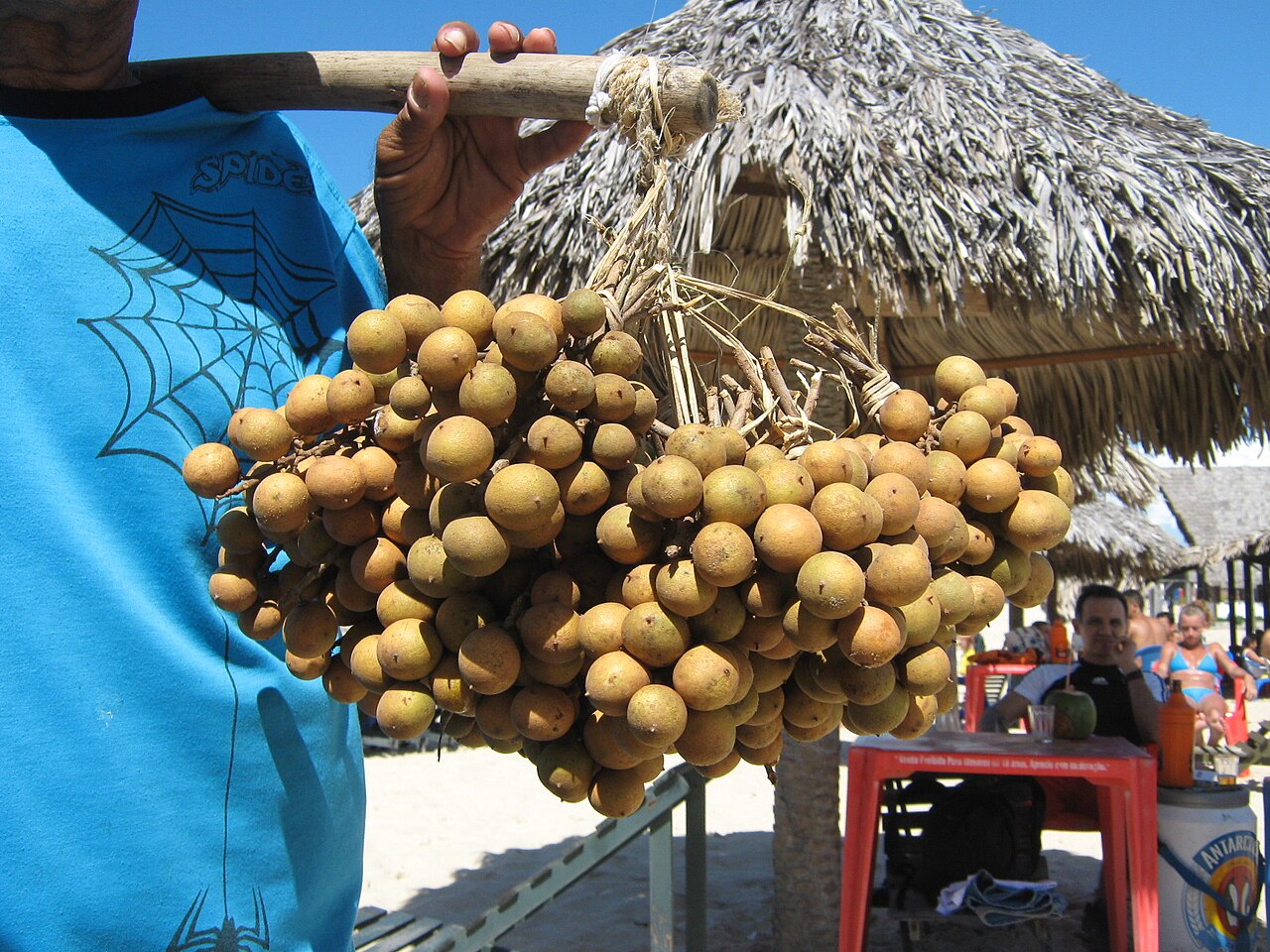
pitomba
Talisia esculenta
Secondary II Medium No biomass productionNative tree of the Amazon and Atlantic Forest, from Northeastern Brazil to Rio de Janeiro. 6–12 m tall, evergreen leafy canopy, trunk 30–40 cm. Ova...
-
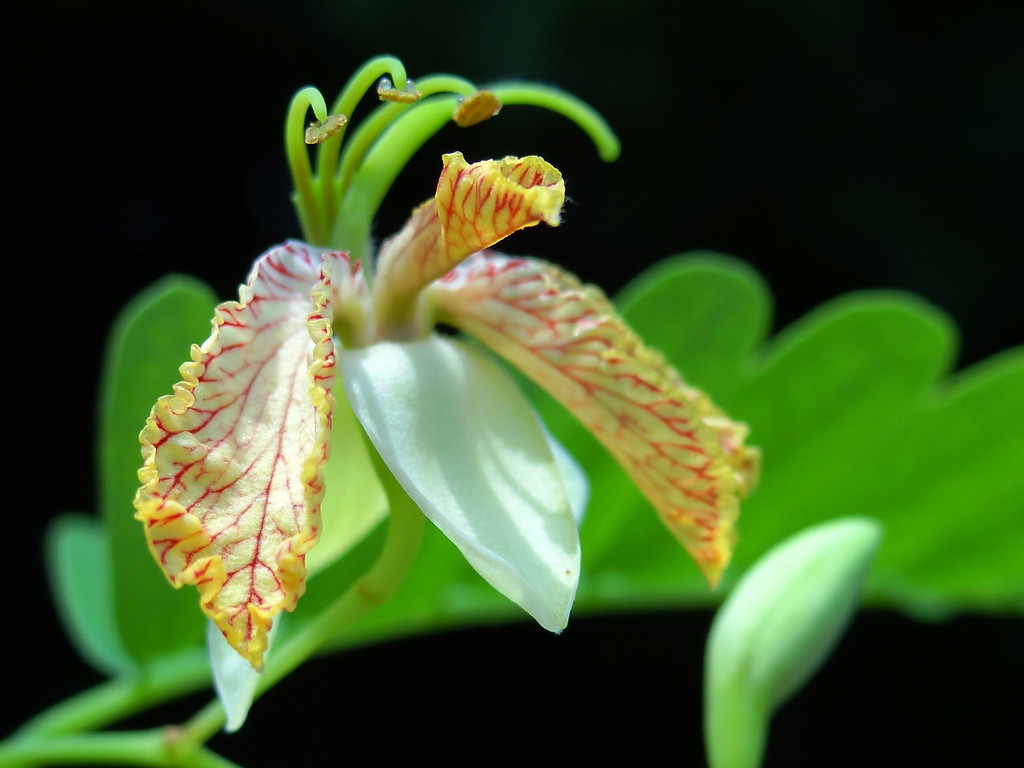
tamarind
Tamarindus indica
Climax High No biomass production 🌱 Nitrogen fixerAfrican leguminous fruit tree naturalized in the Brazilian semi-arid. EcoAgri lists it in the high stratum of the '> 50 years' bin. Tolerates sandy...
-
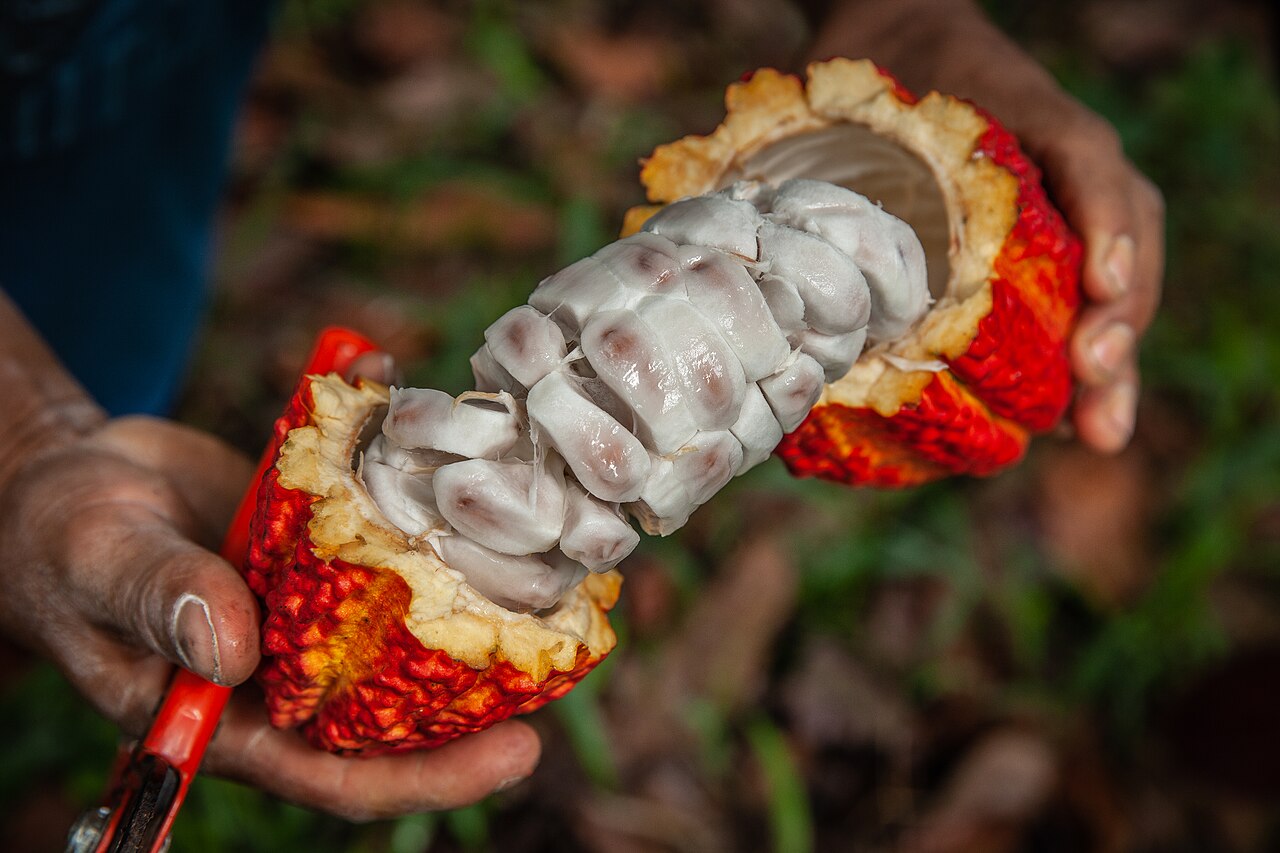
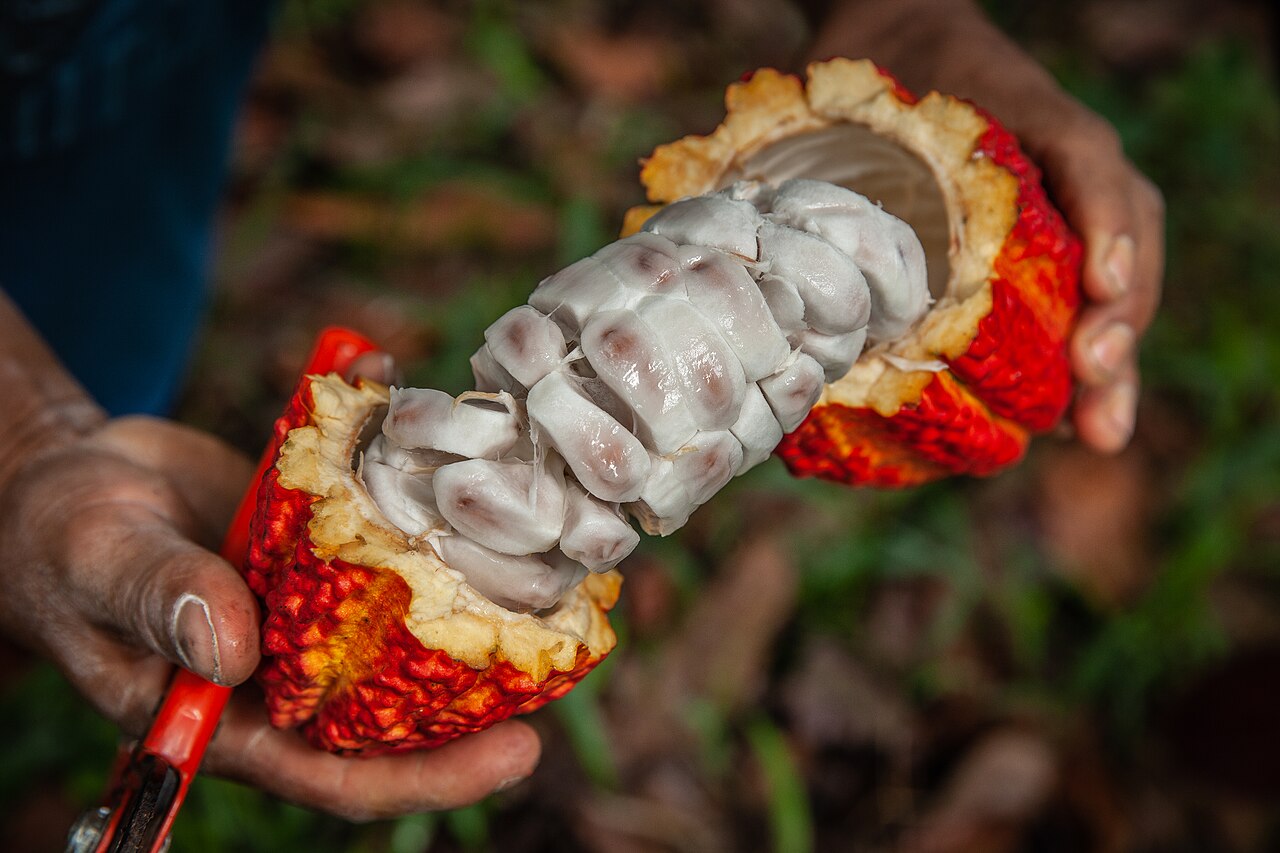
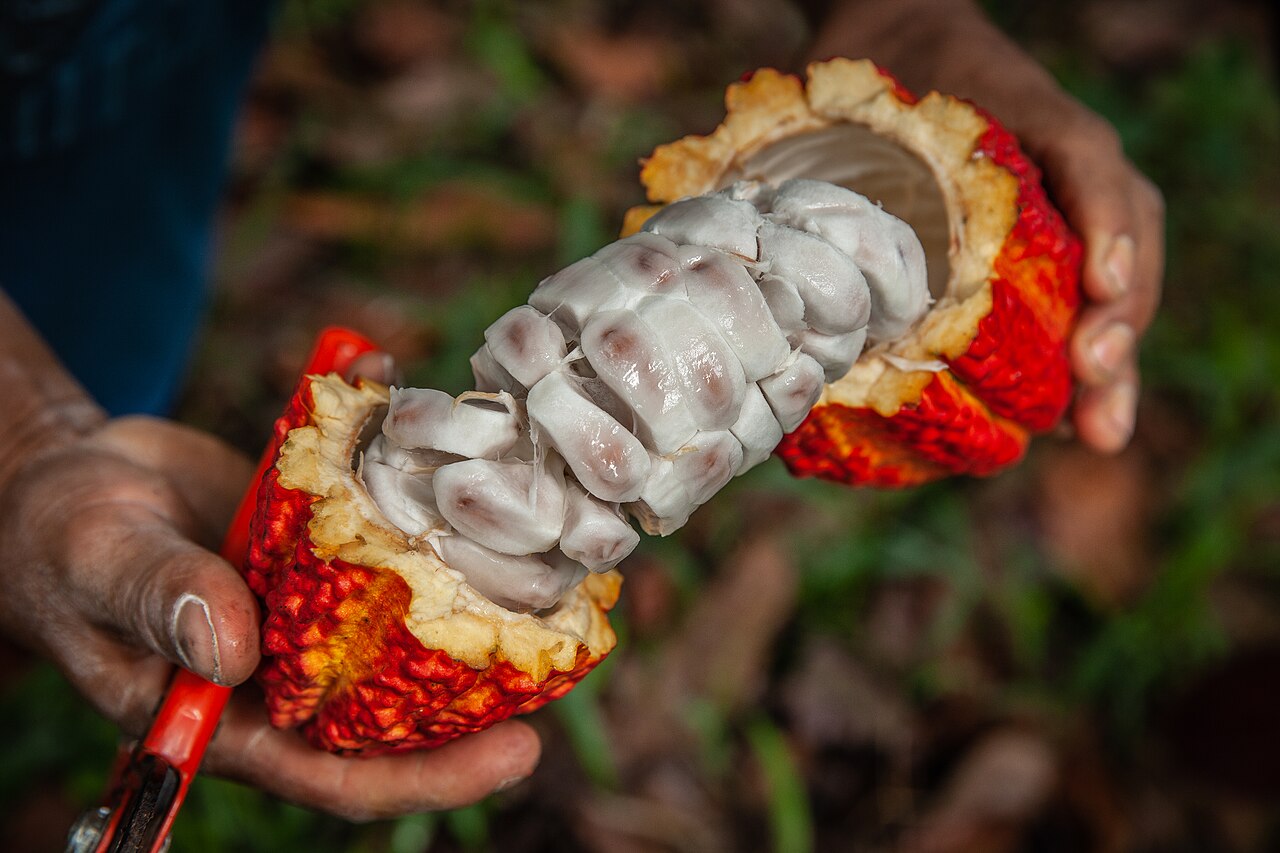
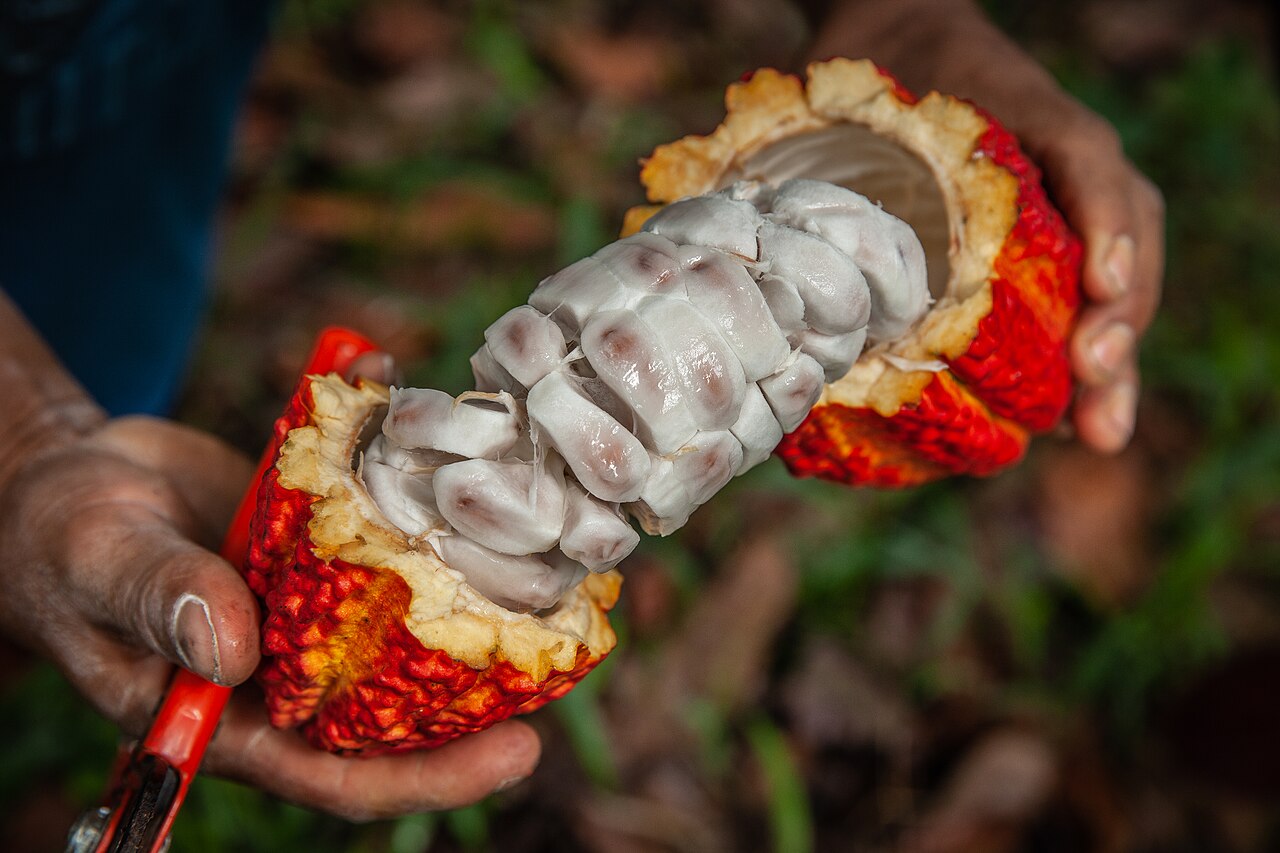
trinitario cacao
Theobroma cacao
Secondary II Medium No biomass productionHybrid group (Forastero × Criollo) originating in Trinidad. Combines Forastero's vigor with Criollo's cup quality. Medium height (5–8 m), intermedi...
-
cocoa
Theobroma cacao
Secondary I Low No biomass productionLow-stratum fruit tree shaded by bananas, ingás and palms in the Bahia syntropic systems pioneered by Götsch.
-
forastero cacao
Theobroma cacao
Secondary II Medium No biomass productionBrazil's dominant cacao varietal group — yellow-green pods, purple-cotyledon seeds, robust but less aromatic flavor. Tall (6–12 m unpruned), vigoro...
-
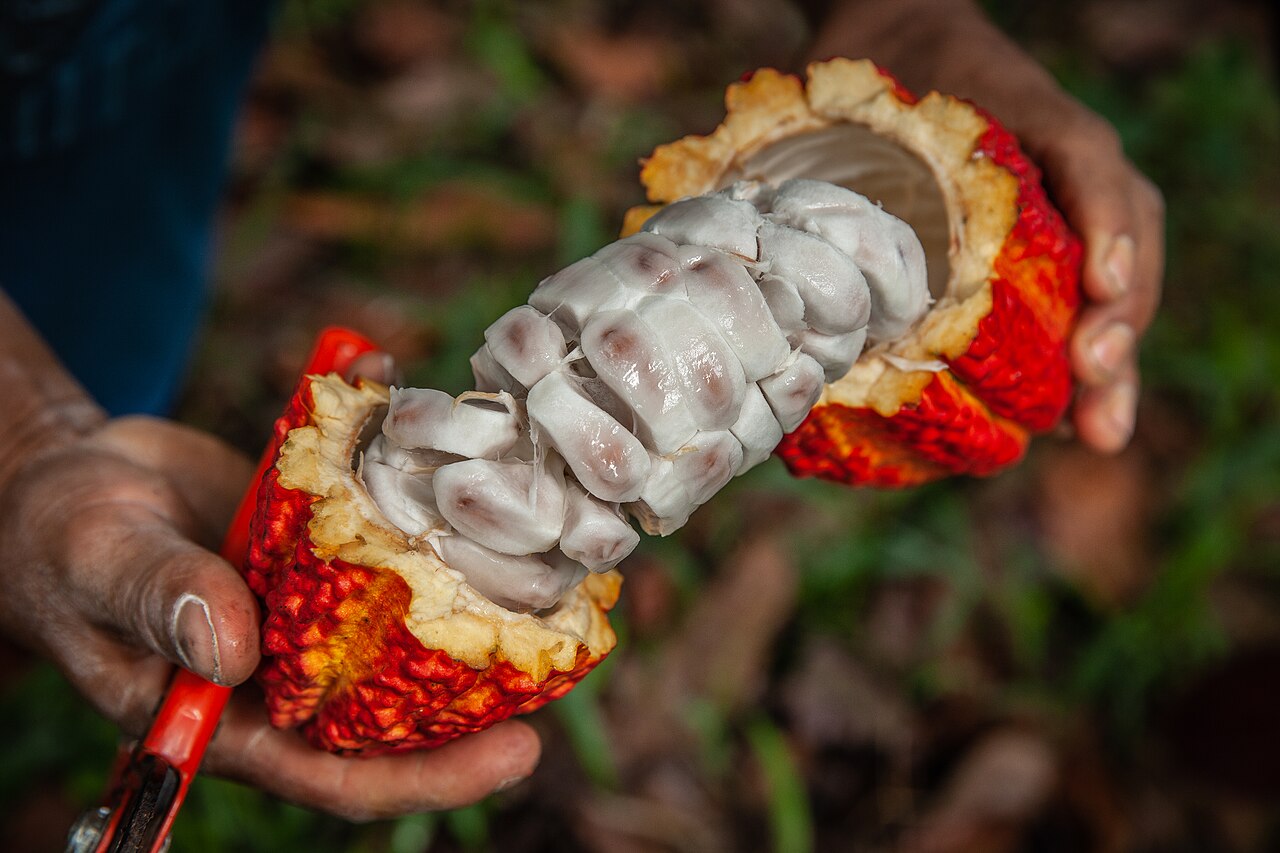
criollo cacao
Theobroma cacao
Secondary II Medium No biomass productionHeirloom varietal group — Mesoamerican origin, red or yellow pods with white-to-pale-purple seeds. Delicate, low-bitterness flavor — the basis of t...
-
ccn-51 cacao
Theobroma cacao
Secondary II Medium No biomass productionEcuadorian hybrid clone (IMC-67 × ICS-95) selected by Homero Castro in the 1960s. Compact (4–5 m), self-compatible, high yield (up to 4 t/ha), and ...