Plants
Plant Catalog
104 plants found
-
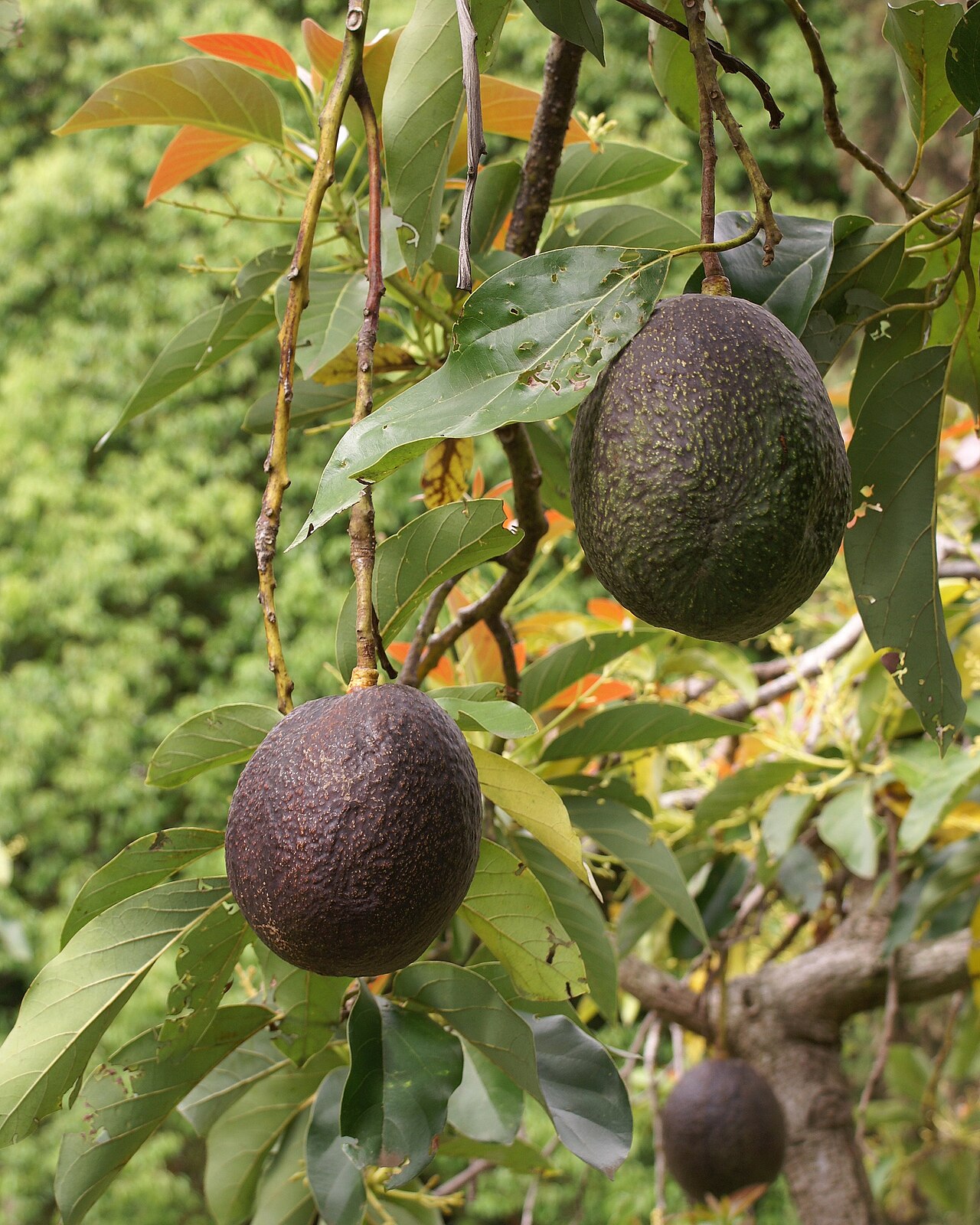
geada avocado
Persea americana
Secondary II High No biomass productionEarly-ripening West Indian cultivar (Jan–Feb). Elongated pyriform fruit, light green, ~710 g, yellowish flesh with adherent seed. Floral type B — a...
-
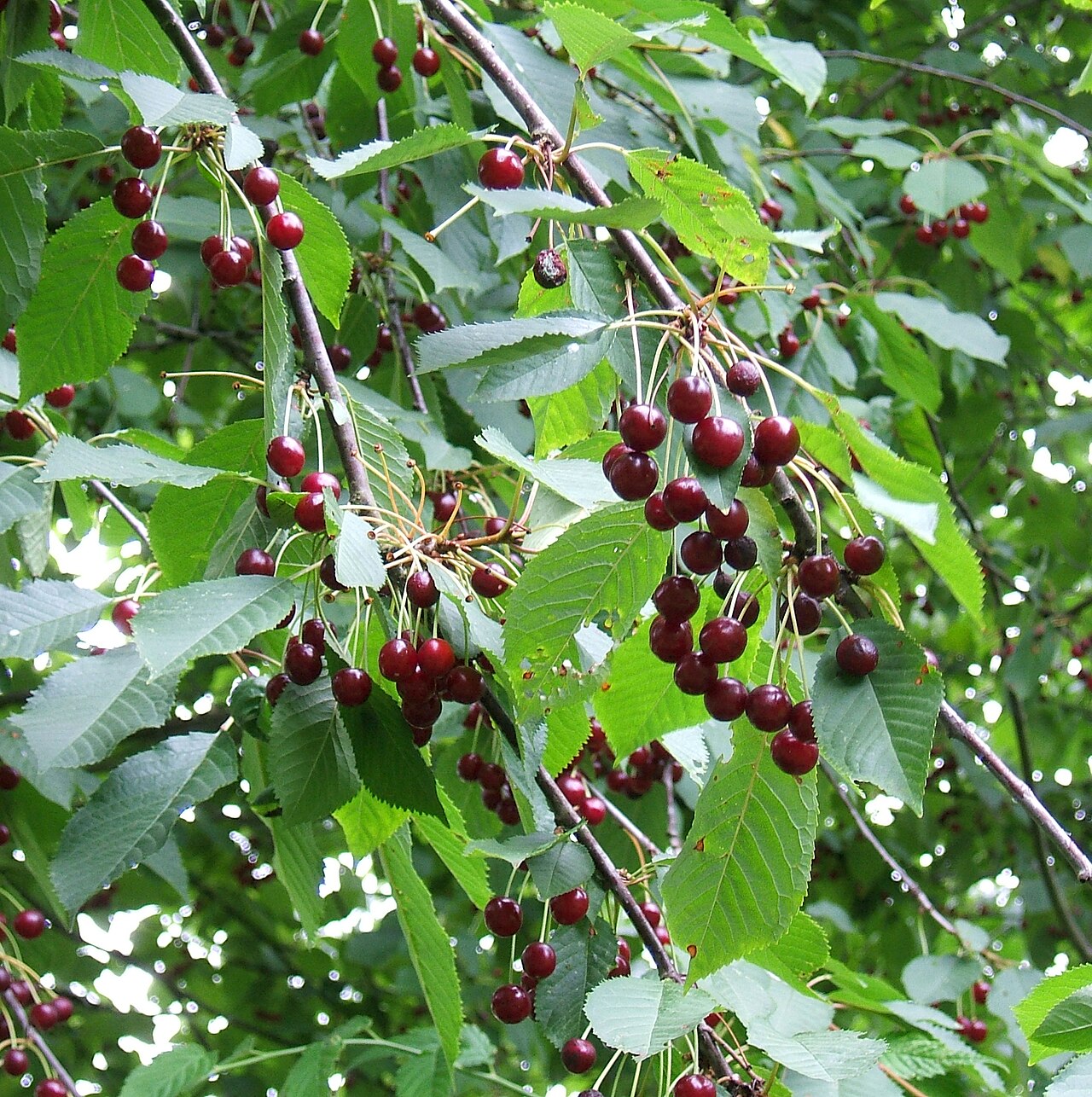
sweet cherry
Prunus avium
Secondary II High No biomass productionSweet cherry, a deciduous tree of the Rosaceae family, exotic to Brazil and highly chill-demanding — most cultivars need more than 800 hours below ...
-
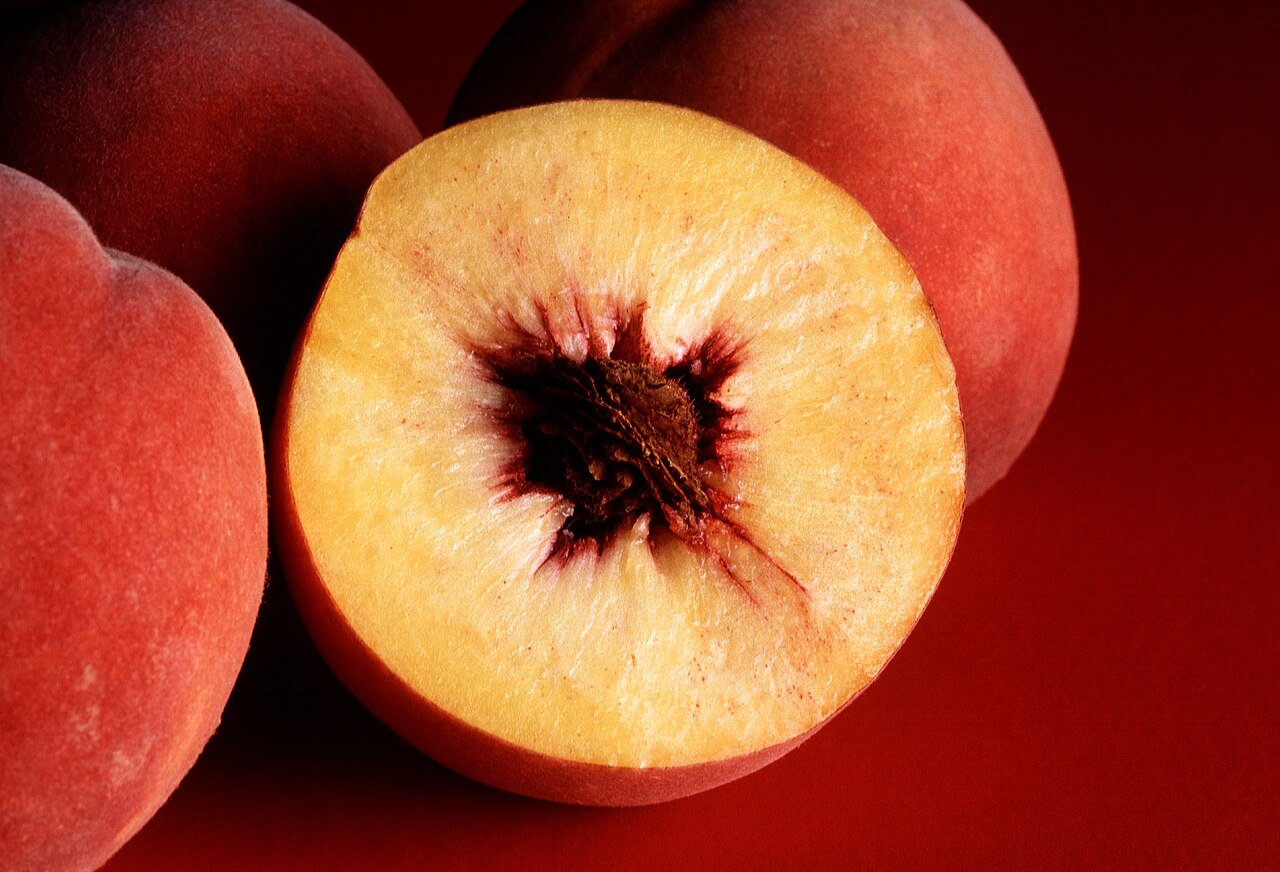
peach
Prunus persica
Secondary I Medium No biomass productionA deciduous fruit tree of the Rosaceae family, exotic to Brazil but well adapted to the temperate-climate regions of the south. It requires winter ...
-
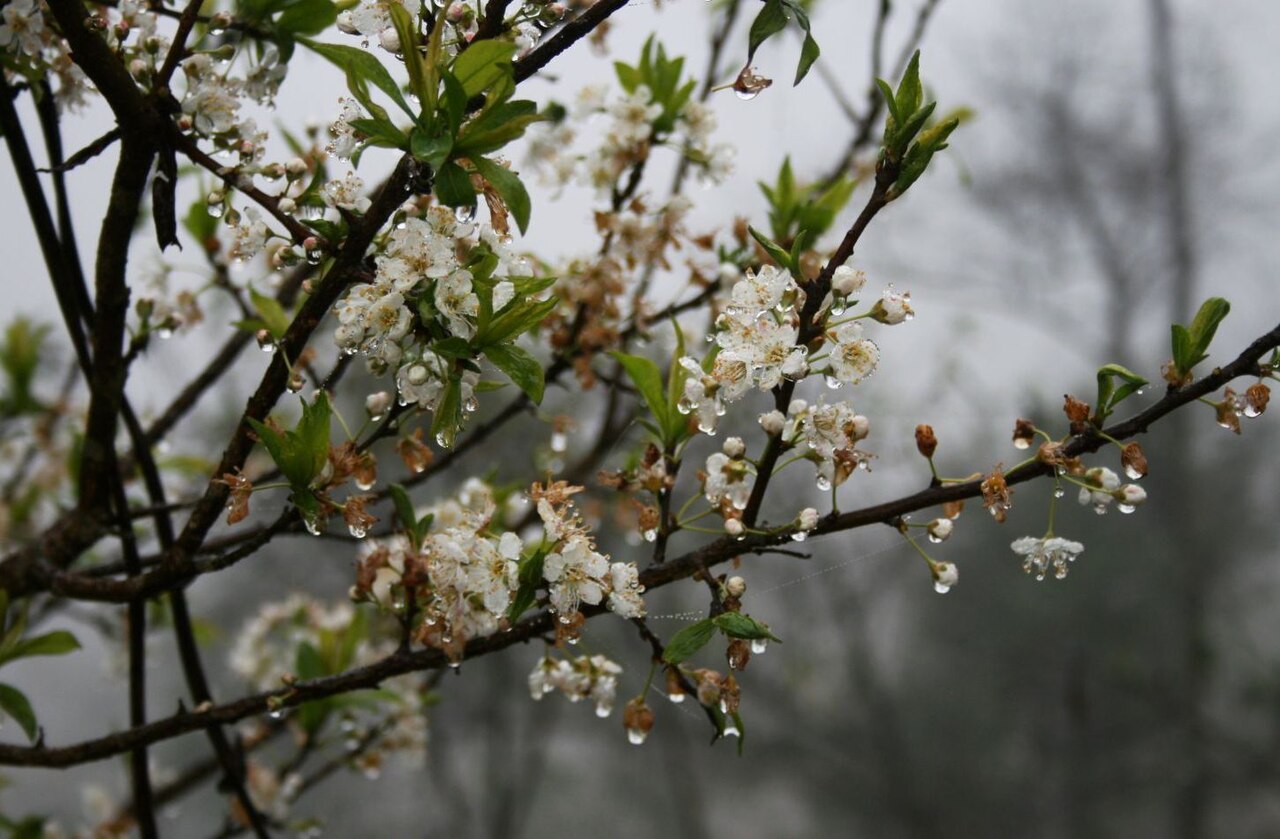
Japanese plum
Prunus salicina
Secondary I Medium No biomass productionA deciduous plum tree originating in China, widely grown in southern Brazil as a temperate fruit crop. It has a moderate chill requirement (cultiva...
-
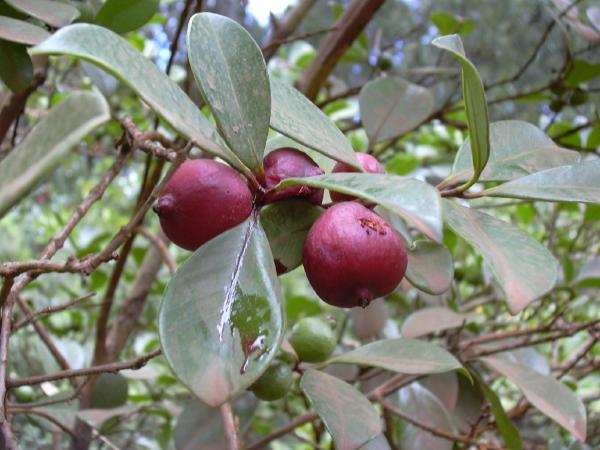
strawberry guava
Psidium cattleyanum
Secondary I High No biomass productionSmall native Atlantic Forest fruit tree, listed by Pasini in the high stratum of Tabela 3. Small red or yellow fruit similar to a guava with intens...
-
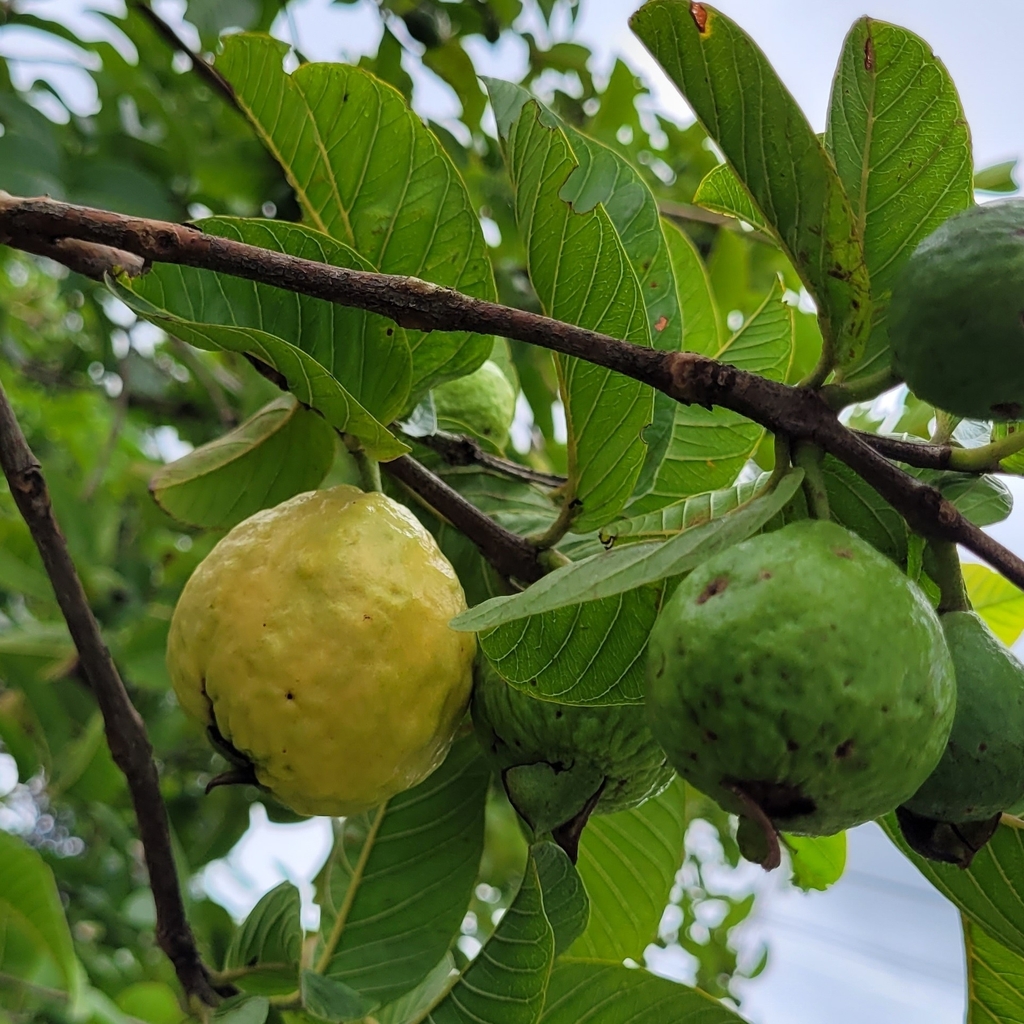
guava
Psidium guajava
Secondary I High No biomass productionNative tropical American fruit tree, common in Brazilian syntropic agroforestry systems. Pasini lists it in the high stratum of Tabela 3. Tolerates...
-
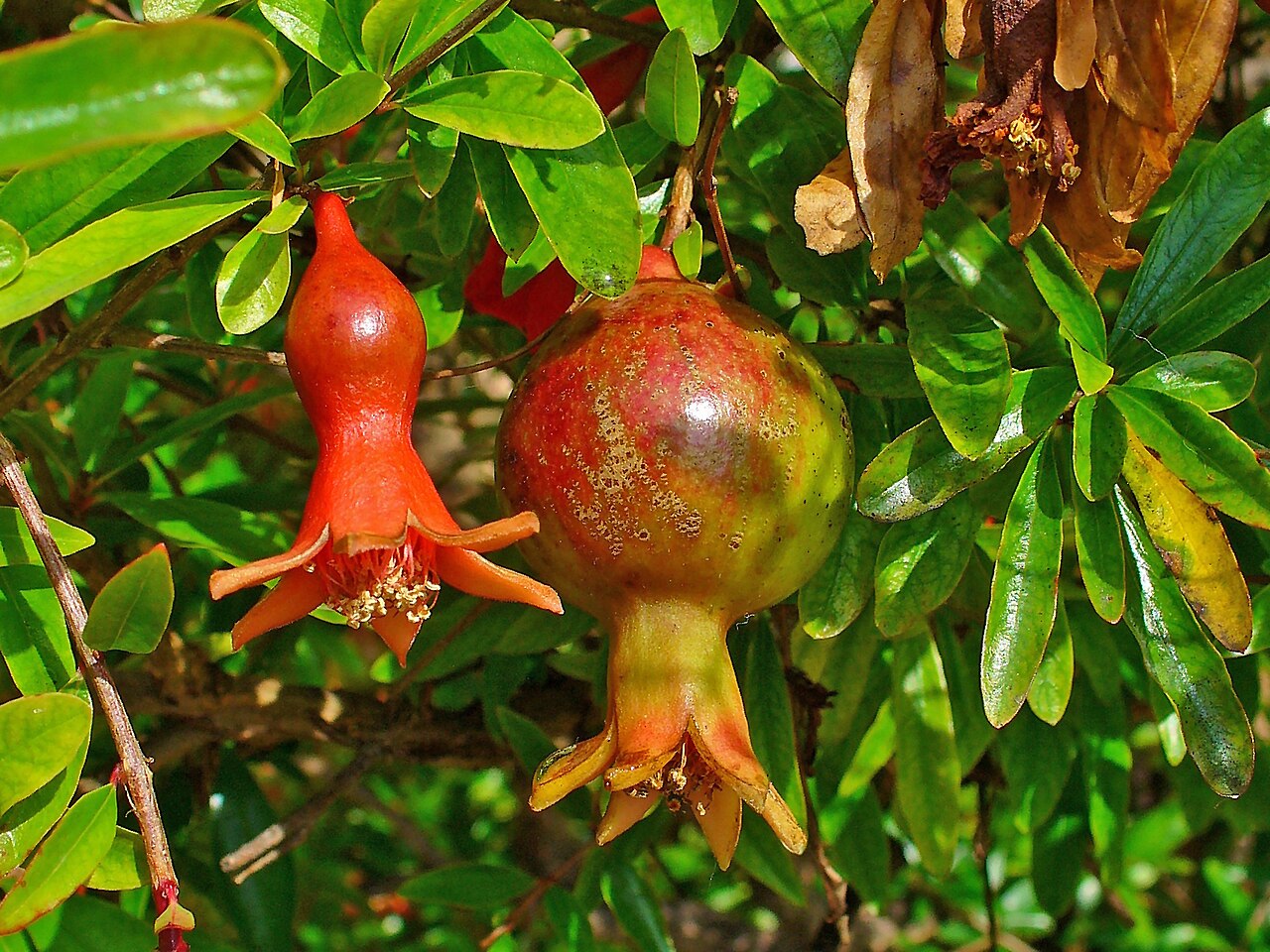
pomegranate
Punica granatum
Secondary I Low No biomass productionPomegranate, a deciduous shrub or small tree of the Lythraceae family, exotic to Brazil and cultivated across a wide range of the country. Drought-...
-
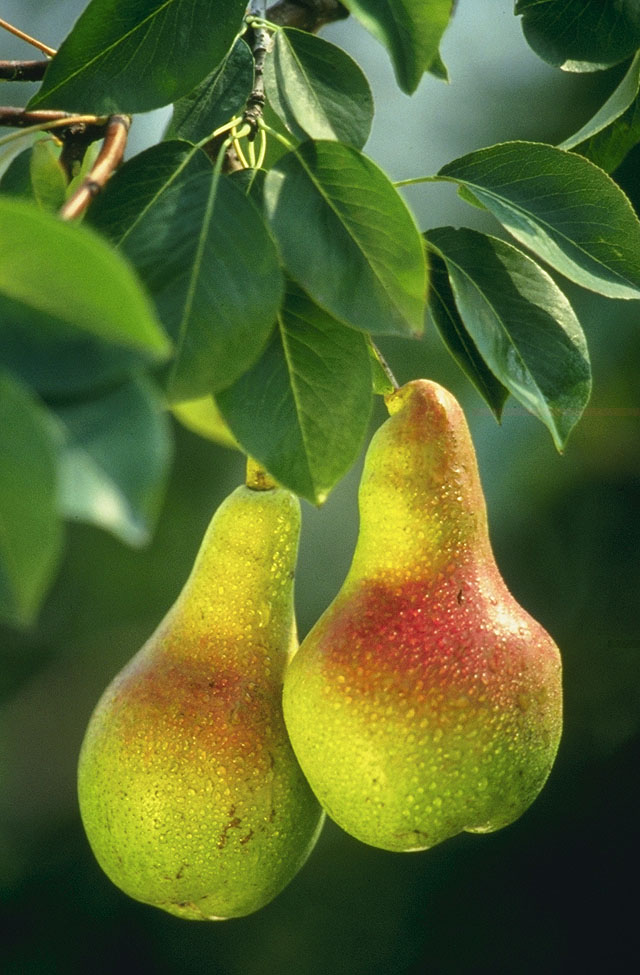
European pear
Pyrus communis
Secondary II Medium No biomass productionThe European pear, a deciduous fruit tree of the Rosaceae family, exotic to Brazil and demanding in chill (usually more than 600 hours below 7 °C)....
-
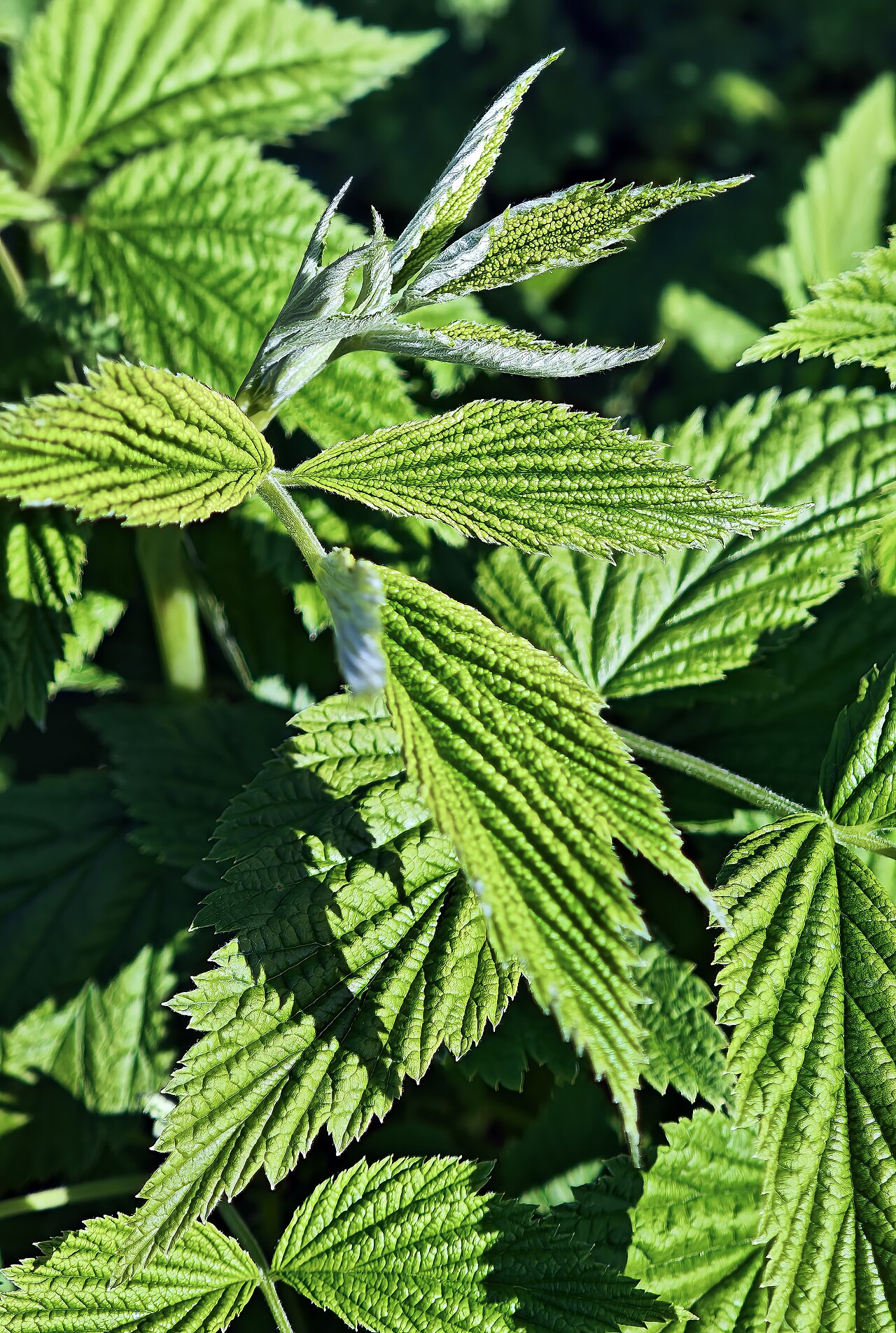
raspberry
Rubus idaeus
Secondary I Low No biomass productionRaspberry, a perennial shrub with biennial canes of the Rosaceae family, exotic to Brazil and grown in cold regions of the south and in highland mi...
-
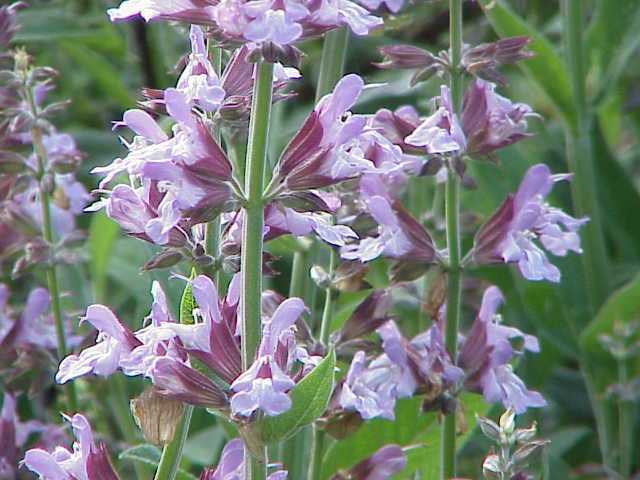
sage
Salvia officinalis
Placenta II Low No biomass productionPerennial Mediterranean subshrub (40–80 cm), grey-green aromatic leaves. Cold-hardy. In subtropical syntropic systems pairs well with rosemary and ...
-
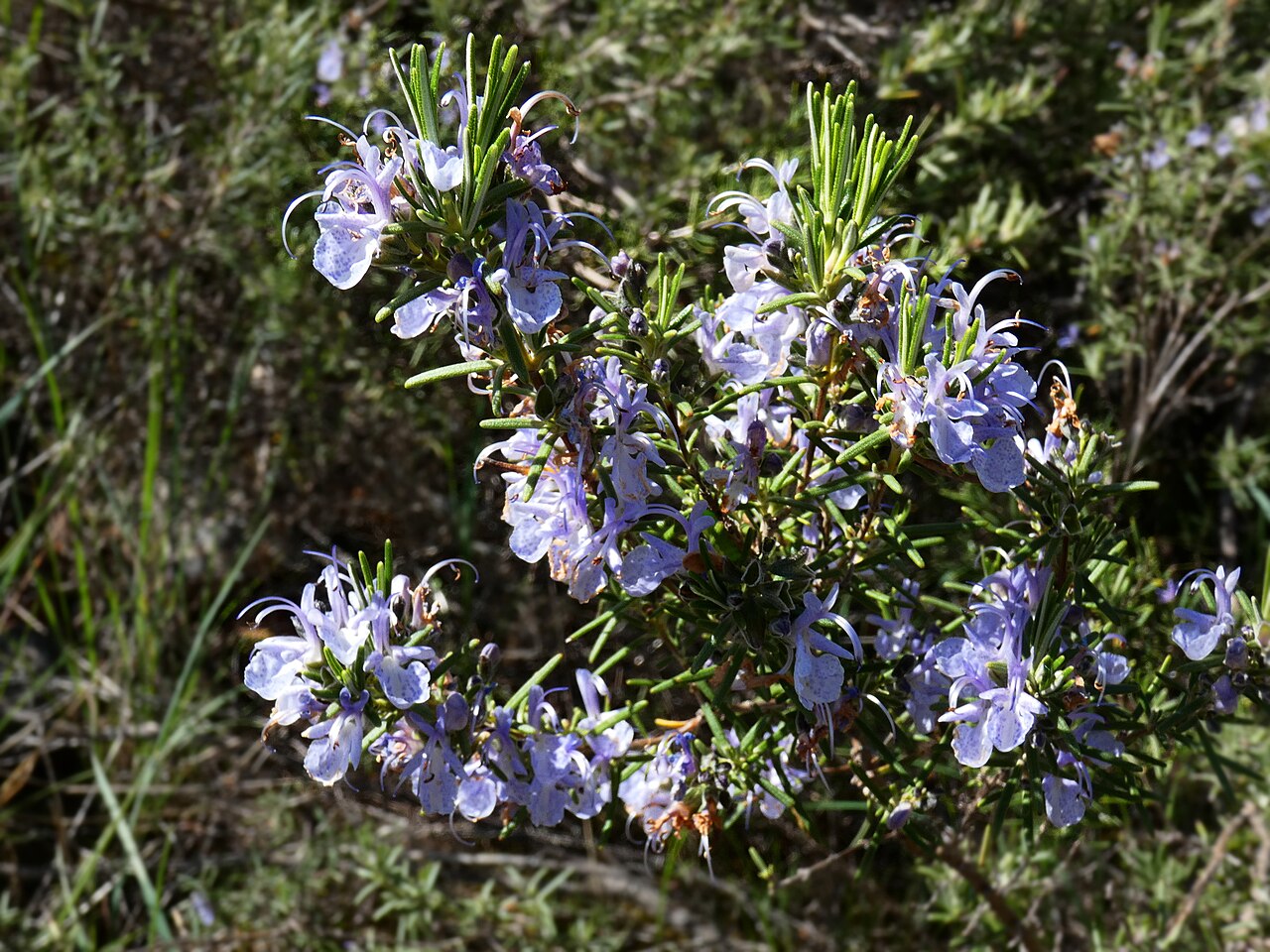
rosemary
Salvia rosmarinus
Placenta II Low No biomass productionPerennial Mediterranean shrub (0.8–1.5 m), aromatic, narrow resinous leaves. Extreme drought tolerance; prefers well-drained slightly alkaline soil...
-
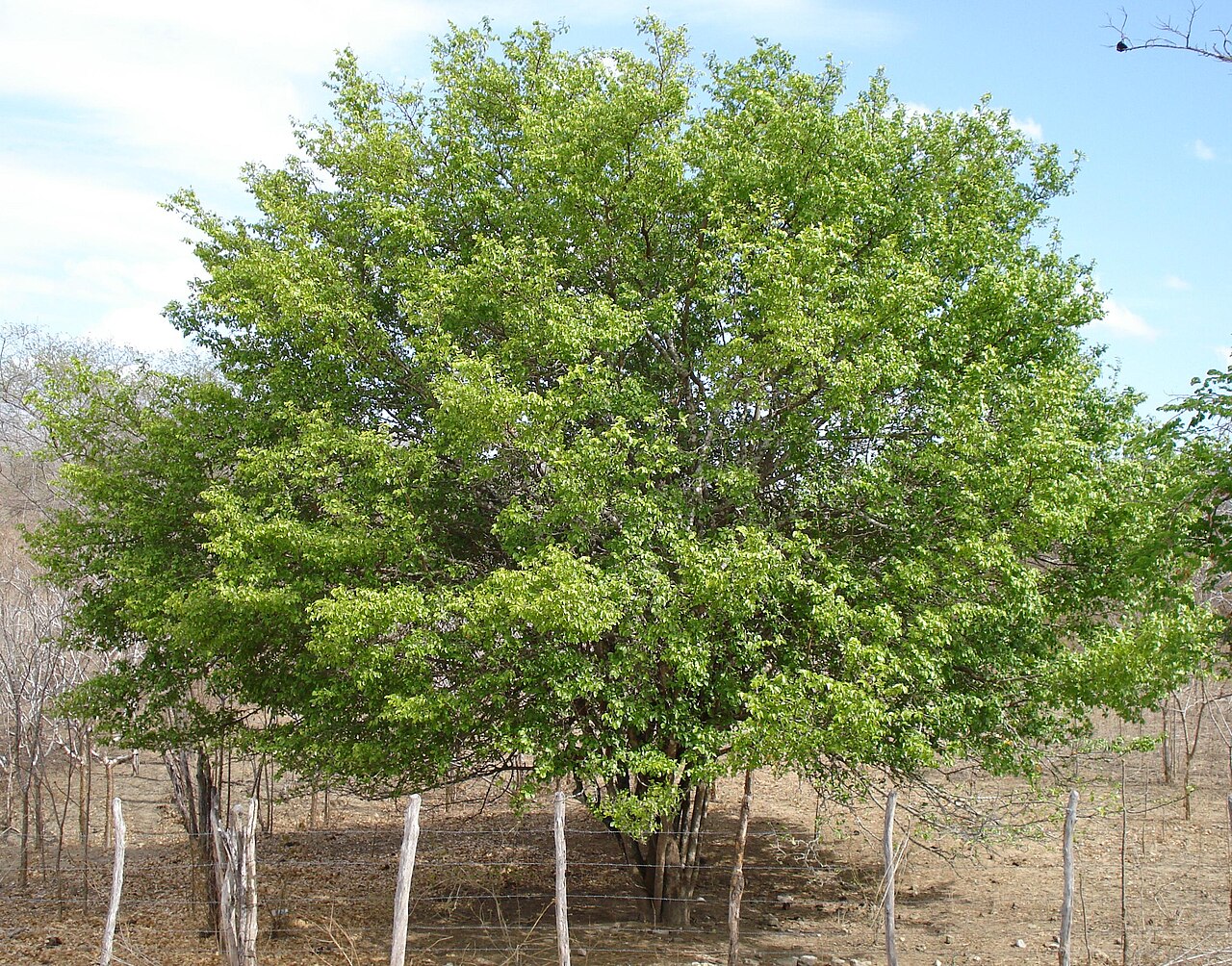
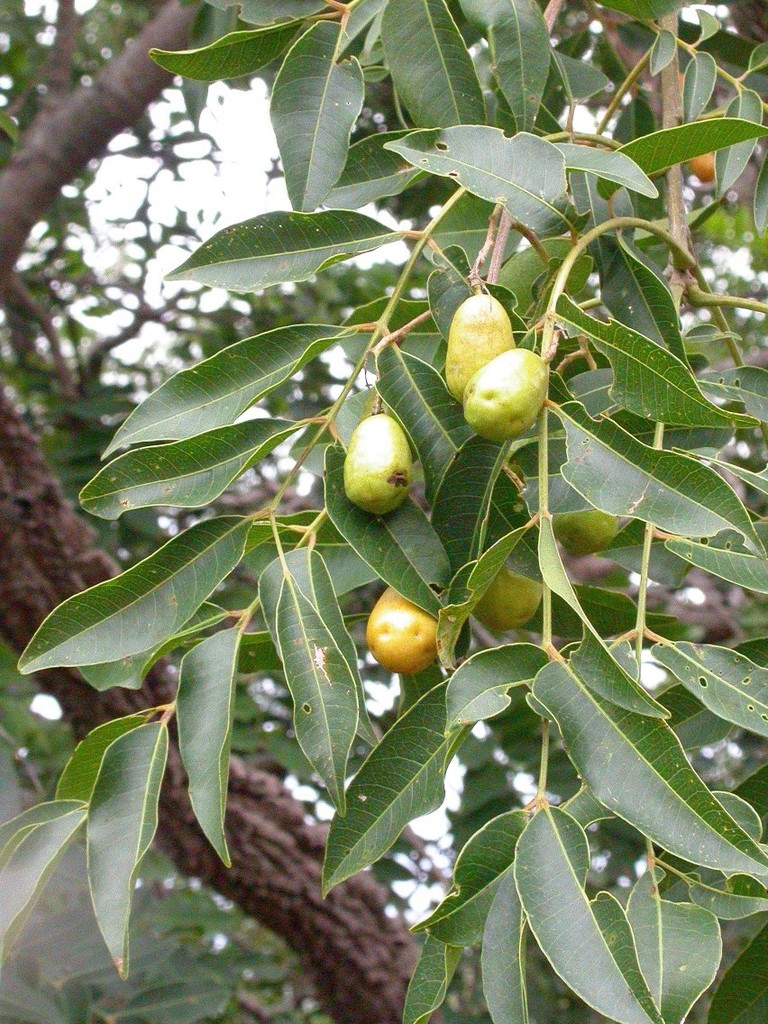
Brazilian jujube
Sarcomphalus joazeiro
Climax HighEvergreen Caatinga tree known for remaining green throughout the dry season thanks to deep taproots that reach groundwater.
-
red-fleshed dragon fruit
Selenicereus costaricensis
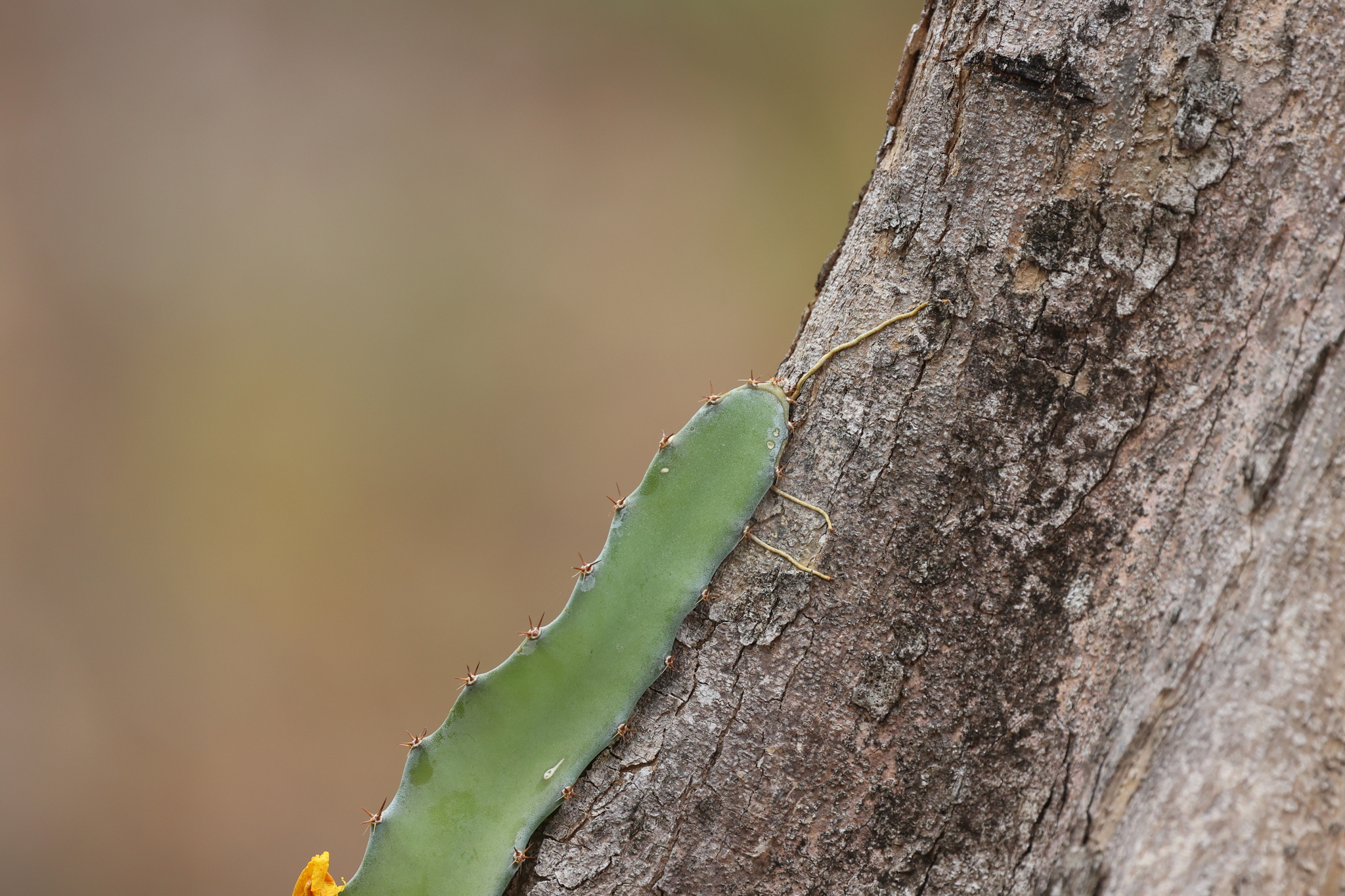
Placenta II Low No biomass productionAn epiphytic, climbing cactus native to Central America and northwestern South America (from Nicaragua to northern Peru), grown for its deep red-fl...
-
yellow dragon fruit
Selenicereus megalanthus
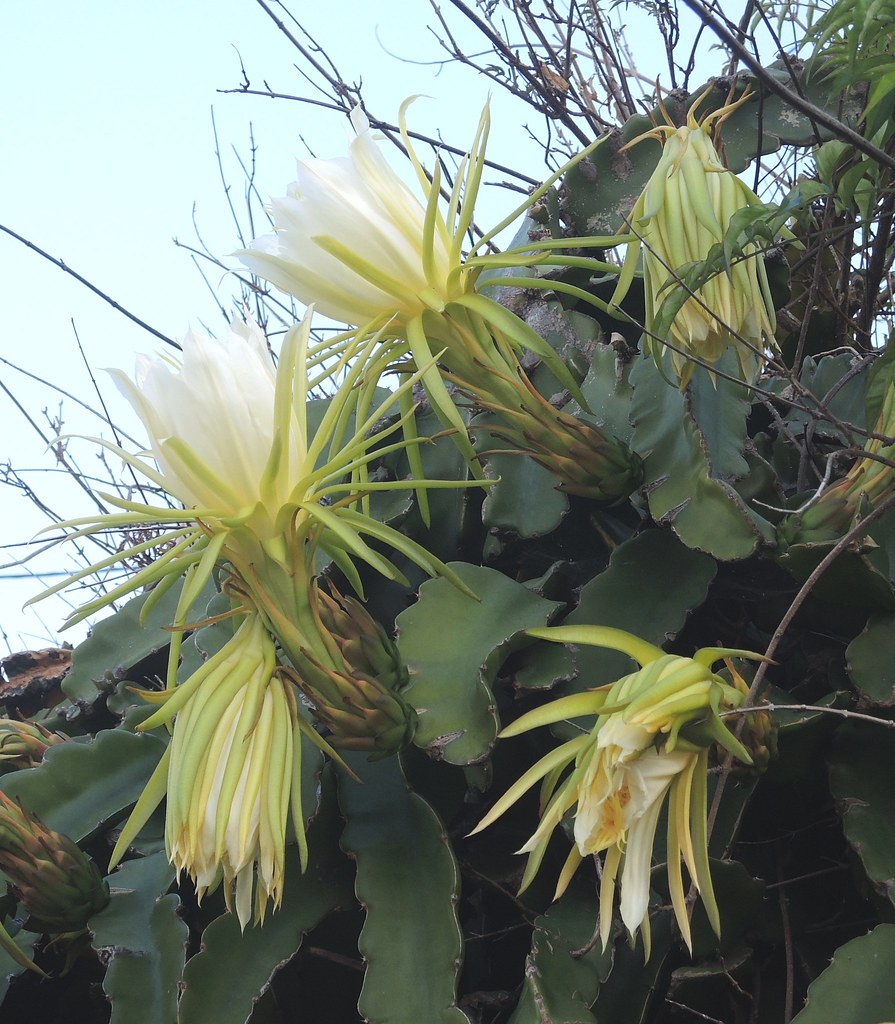
Placenta II Low No biomass productionAn epiphytic, climbing cactus native to northern South America (Colombia, Ecuador, Peru and Bolivia), grown for its yellow-skinned, white-fleshed a...
-
white-fleshed dragon fruit
Selenicereus undatus
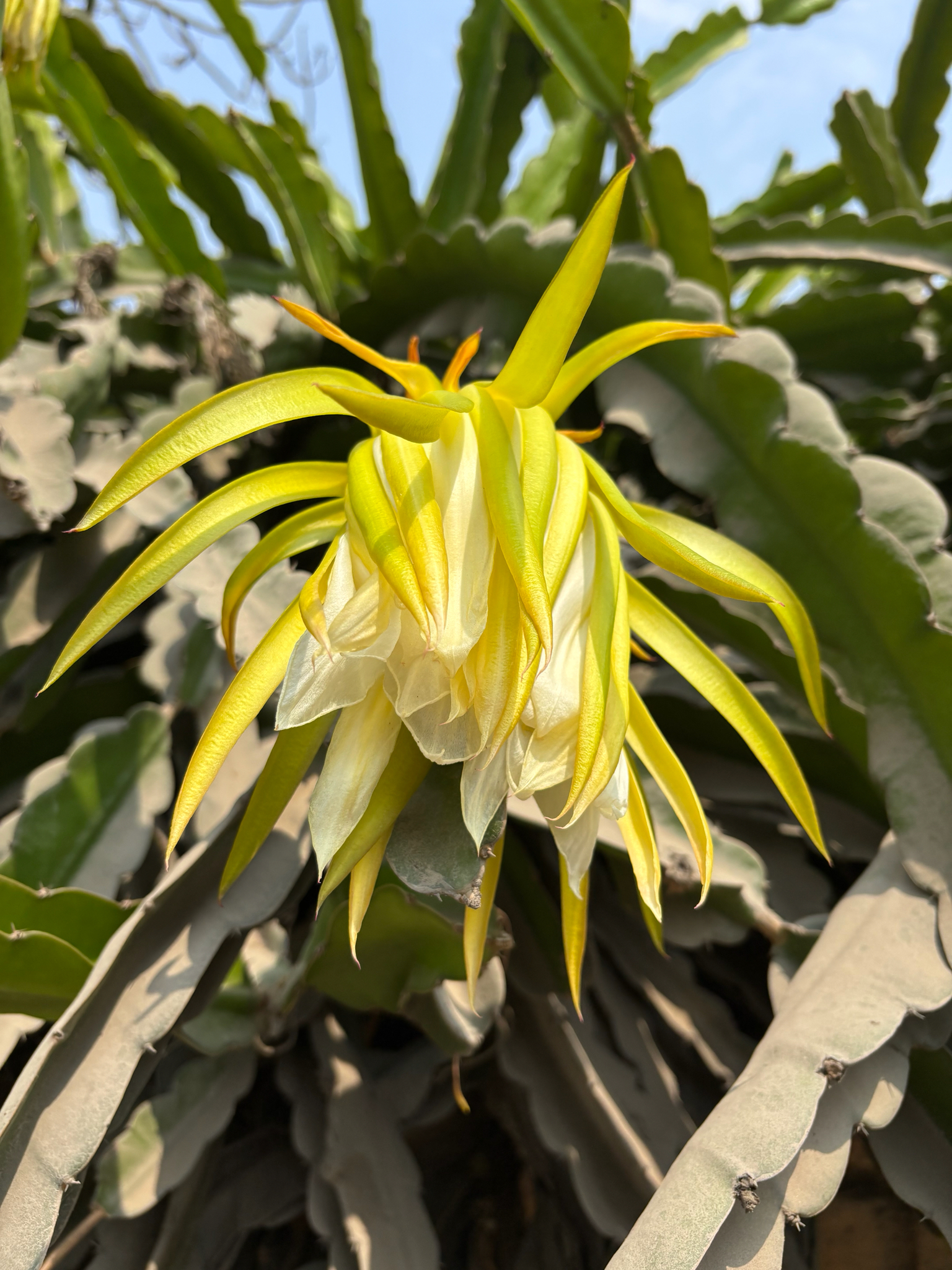
Placenta II Low No biomass productionAn epiphytic, climbing cactus (originating between Mexico and Honduras) grown for its white-fleshed, pink-skinned dragon fruit. It grows on support...
-
senna macranthera
Senna macranthera
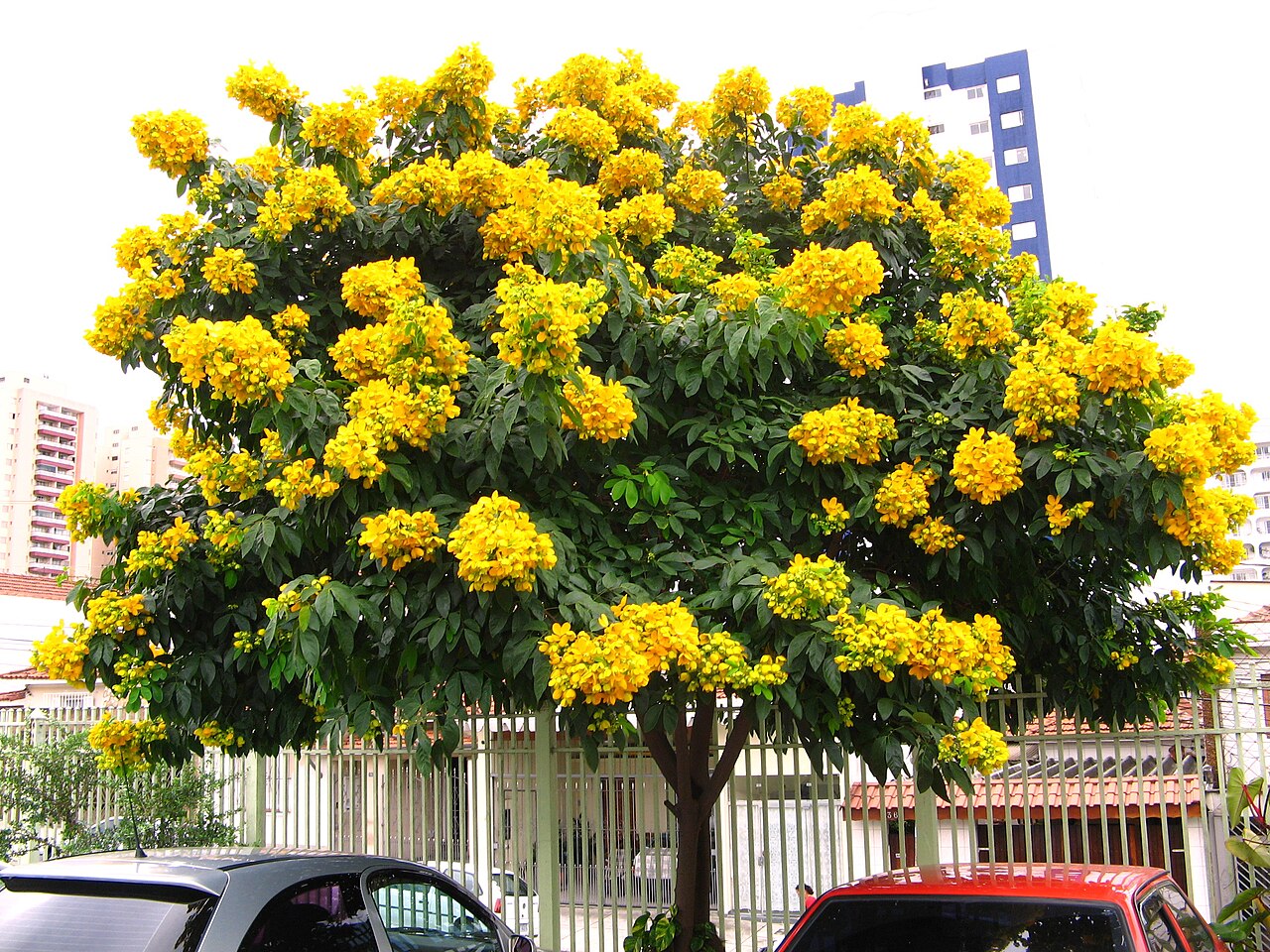
Secondary I Medium Fertilizer biomassA nitrogen-associated leguminous tree native to Brazil, small to medium-sized (6-8 m), fast-growing and semi-deciduous. It bears showy yellow flowe...
-
yellow mombin
Spondias mombin
Secondary I Emergent No biomass productionFast-growing pioneer fruit tree; Pasini lists it in the emergent/high stratum of Tabela 3 and among Abundance-system species (emergent stratum, 10–...
-
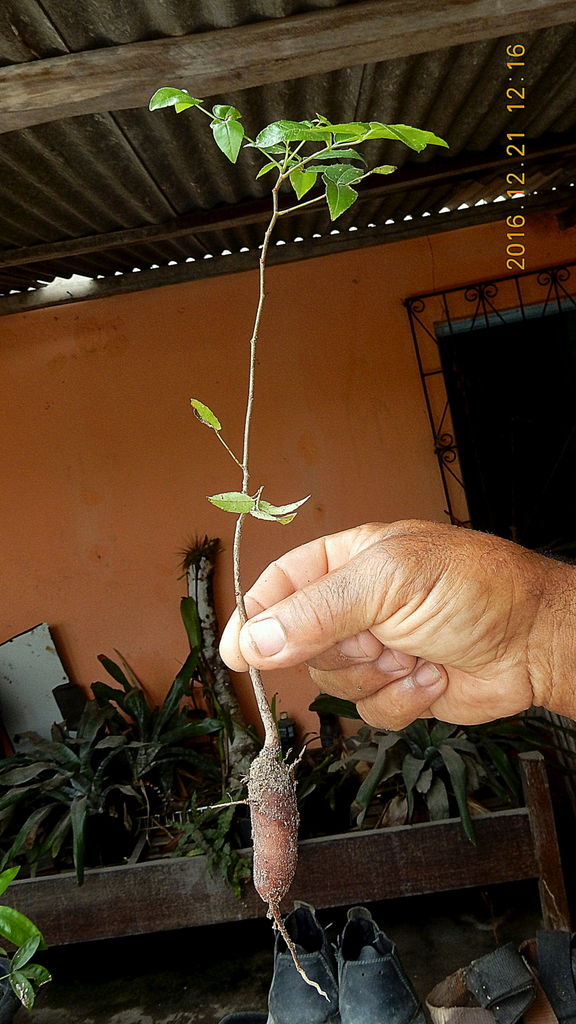
Brazil plum
Spondias tuberosa
Climax MediumEndemic fruit tree of the Caatinga semiarid biome, with underground tuberous roots (xylopodia) that store water and allow it to survive long drough...
-
java plum
Syzygium cumini
Secondary II High No biomass productionAsian fruit tree naturalized in Brazil, listed by Pasini in the high stratum of Tabela 3. Edible purple fruit (jam, wine); leaves and bark are medi...
-
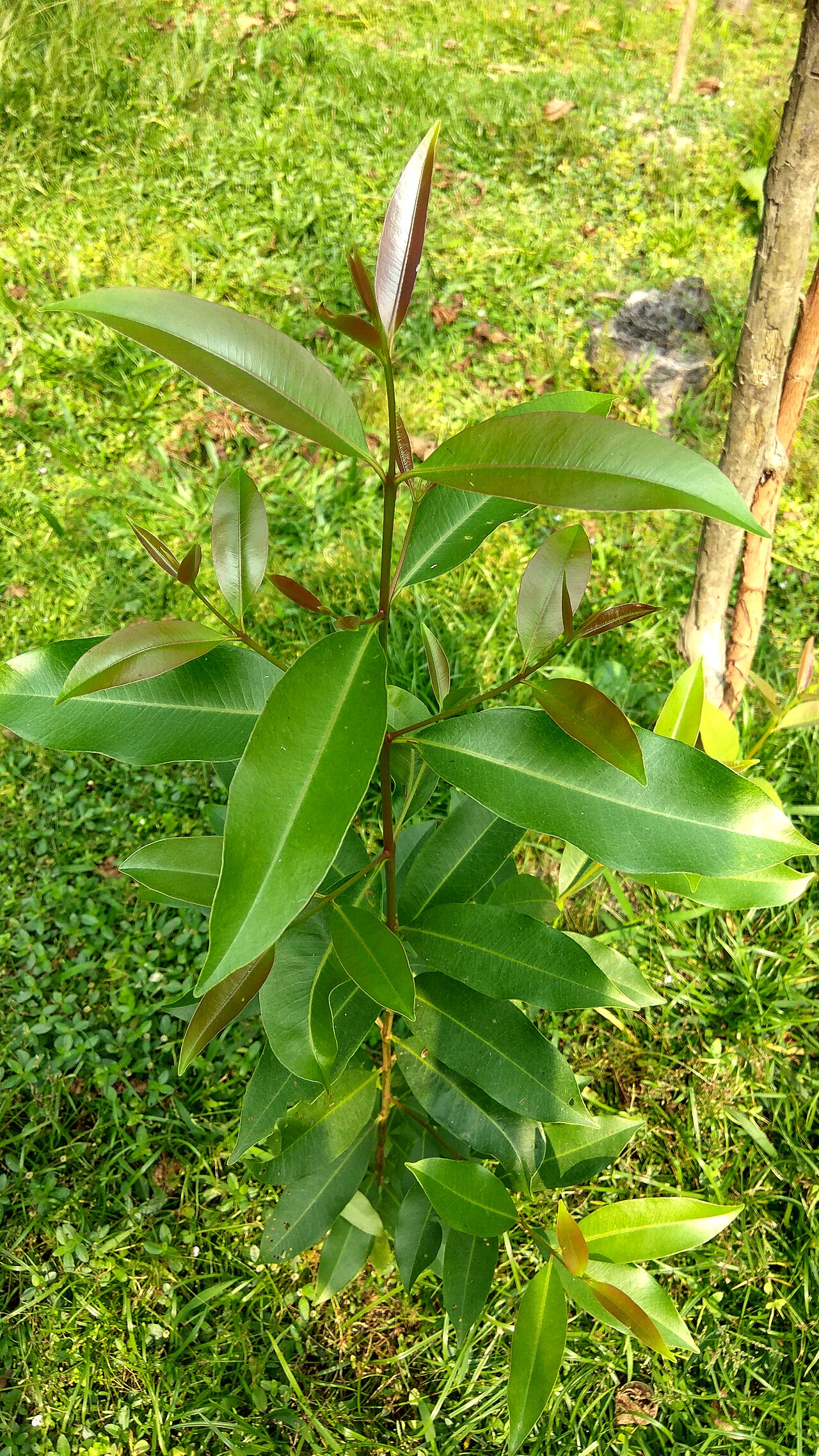
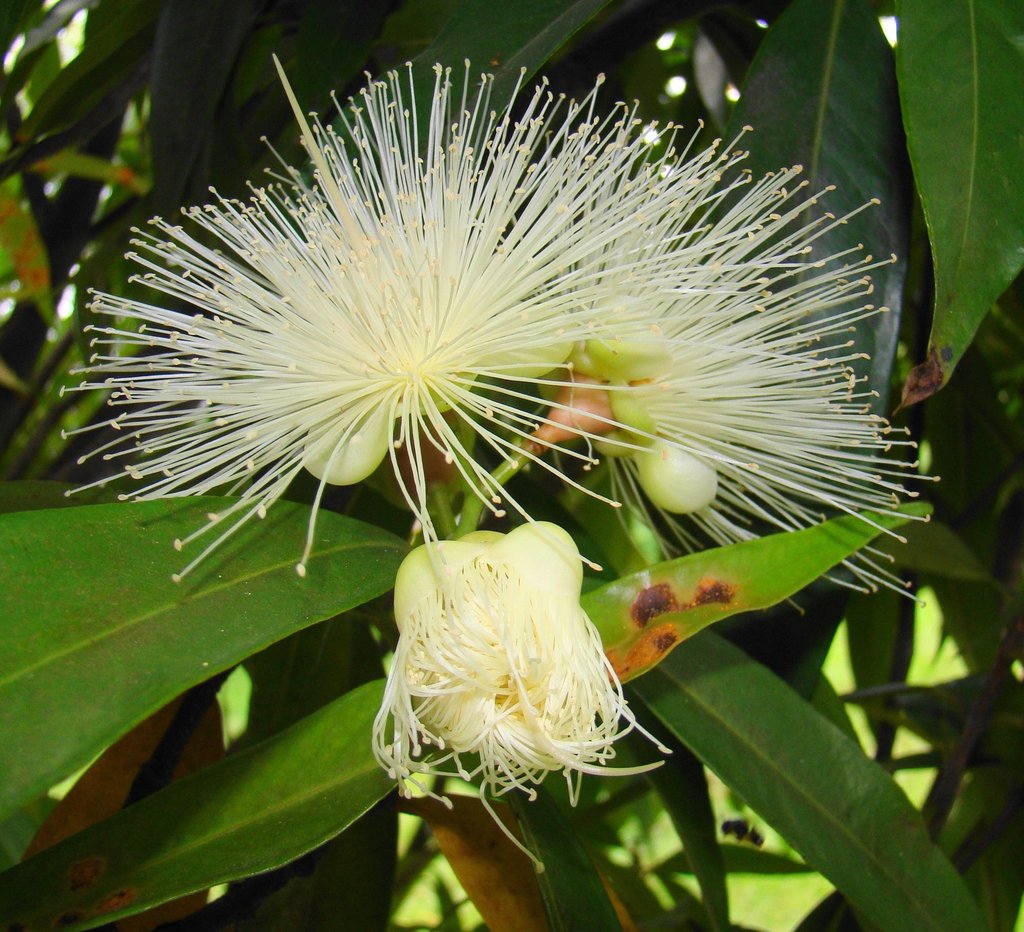
rose apple
Syzygium jambos
Climax High No biomass productionAsian fruit tree naturalized in Brazil, distinct from the Malay apple (S. malaccense). EcoAgri lists it in the high stratum of the '> 50 years' bin...
-
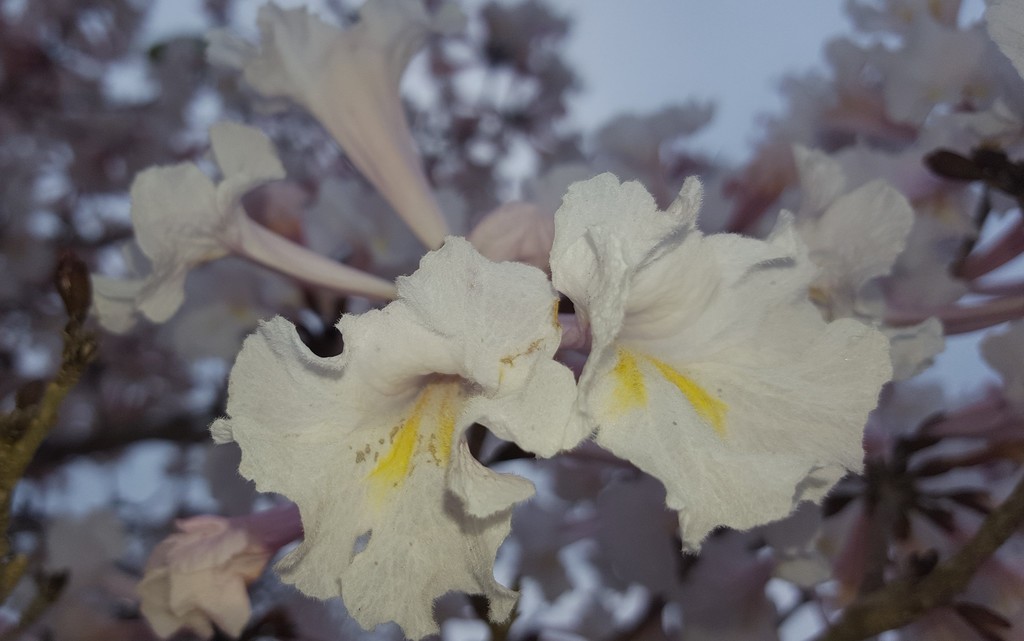
white ipê
Tabebuia roseoalba
Climax High No biomass productionMedium tree of the Cerrado, Atlantic Forest, and Caatinga (10–18 m). White-to-pale-pink flowering in July–August. Drought-tolerant. Medium-density ...
-
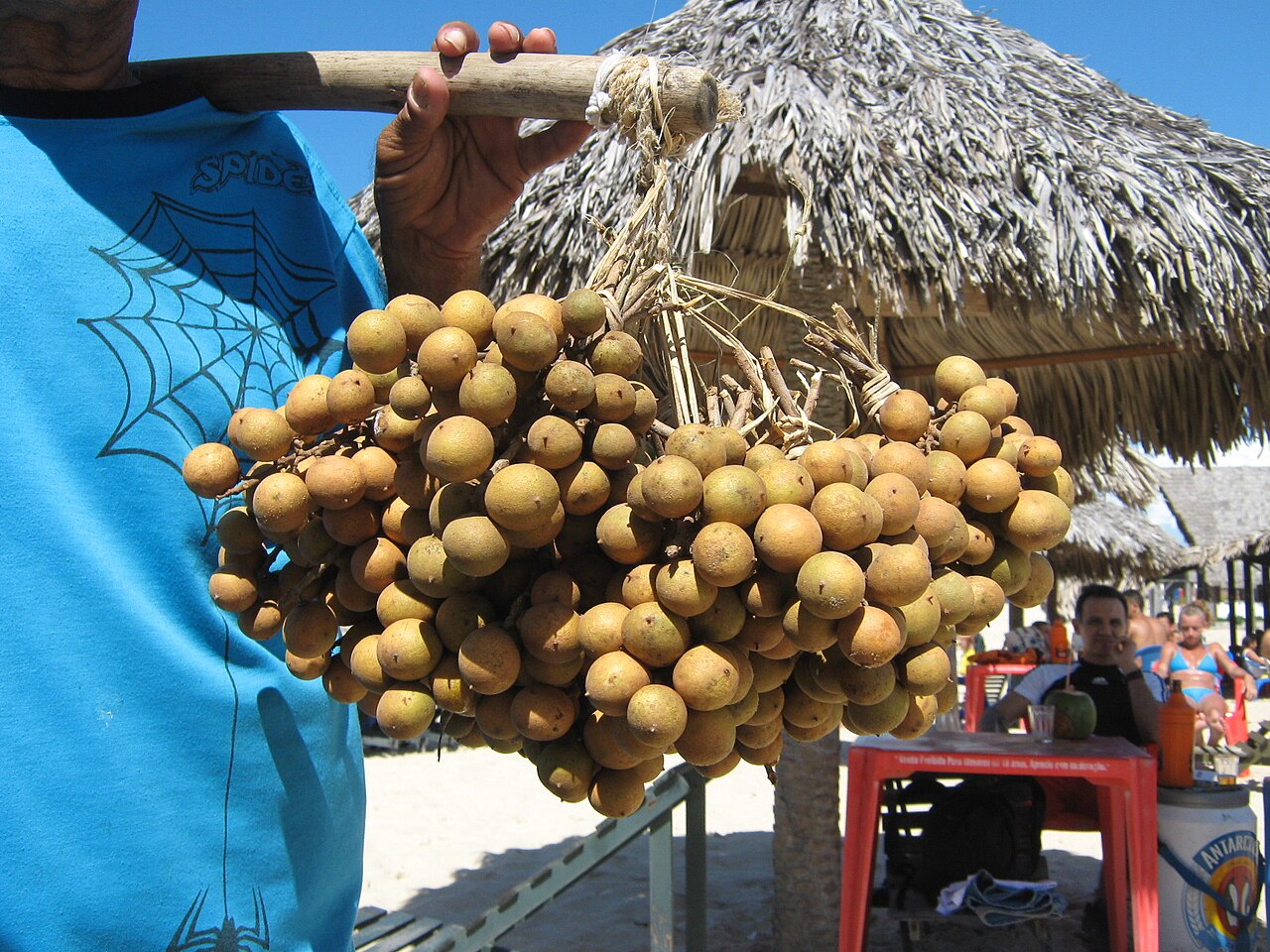
pitomba
Talisia esculenta
Secondary II Medium No biomass productionNative tree of the Amazon and Atlantic Forest, from Northeastern Brazil to Rio de Janeiro. 6–12 m tall, evergreen leafy canopy, trunk 30–40 cm. Ova...
-
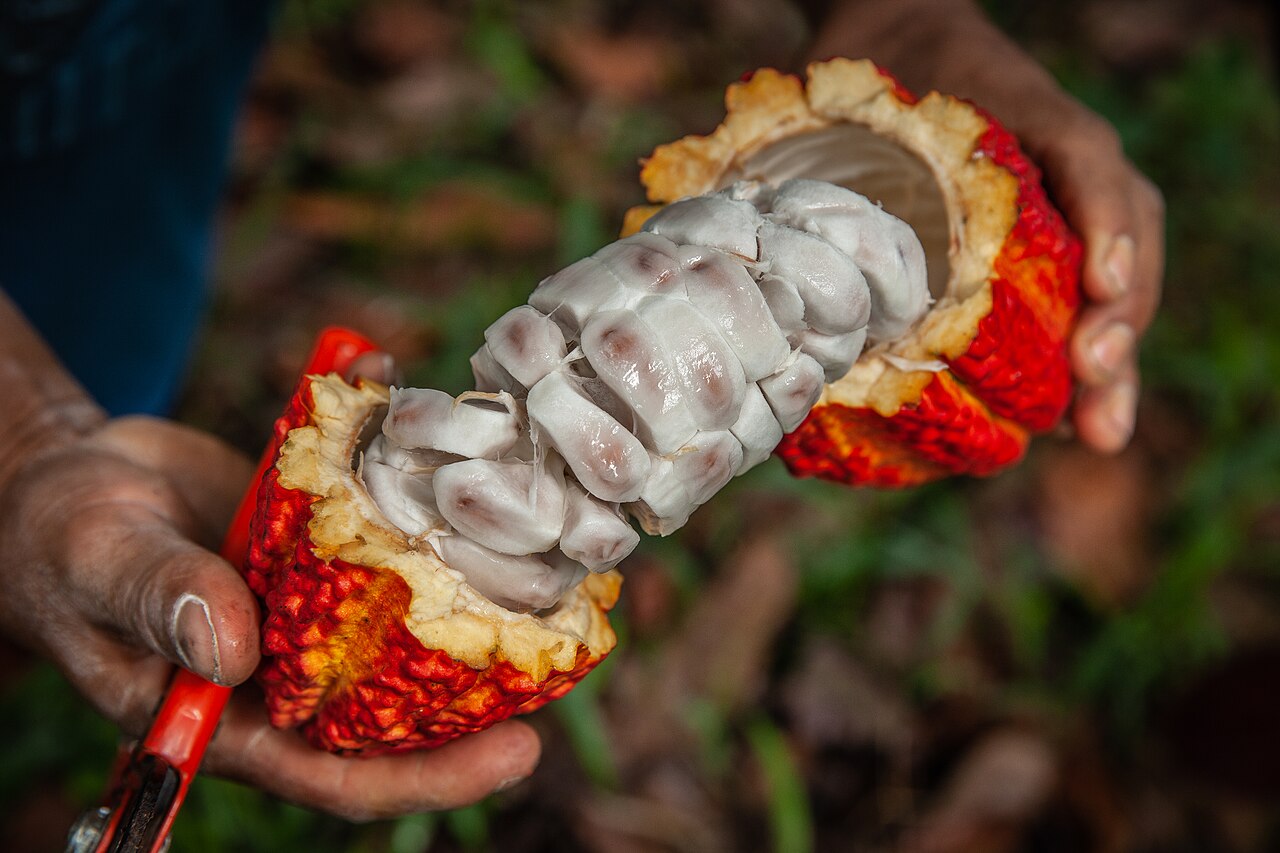
forastero cacao
Theobroma cacao
Secondary II Medium No biomass productionBrazil's dominant cacao varietal group — yellow-green pods, purple-cotyledon seeds, robust but less aromatic flavor. Tall (6–12 m unpruned), vigoro...
-
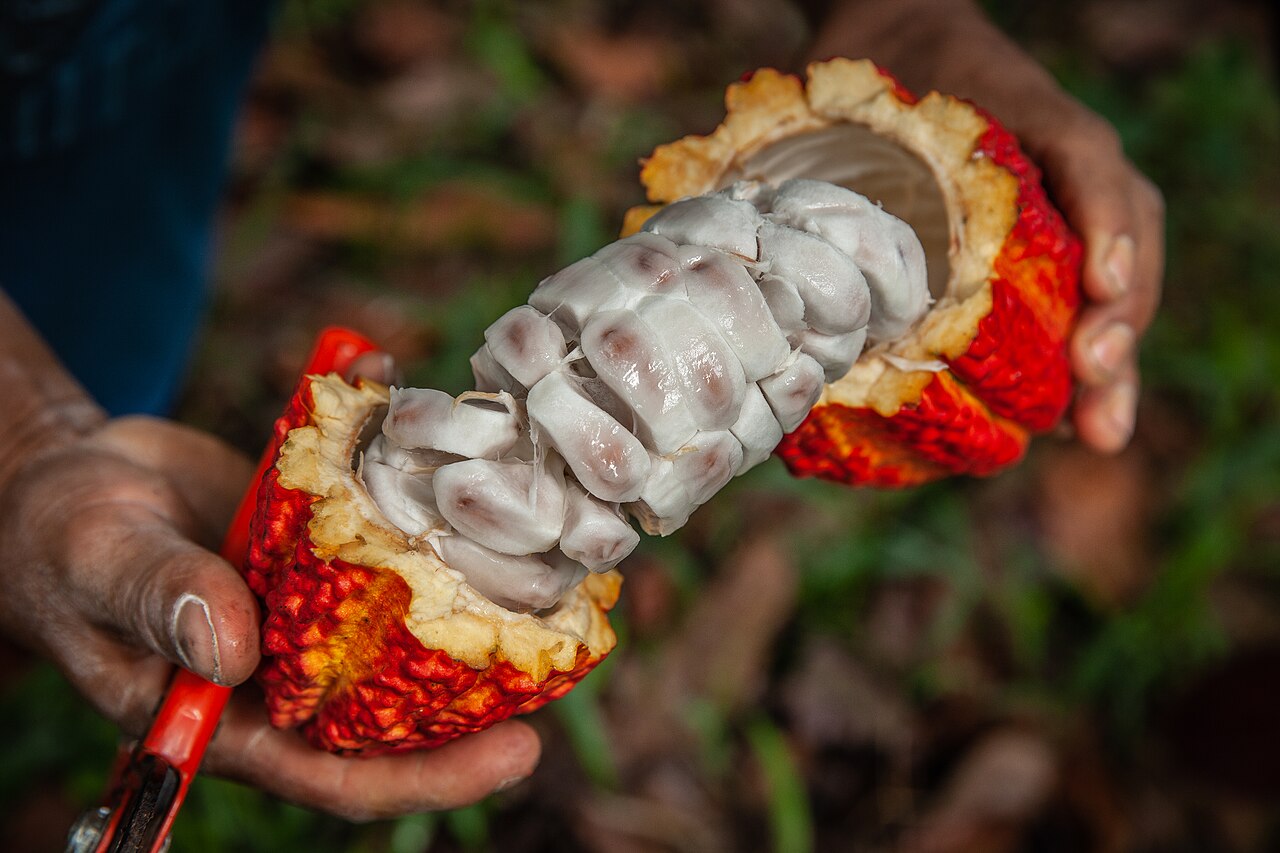
ccn-51 cacao
Theobroma cacao
Secondary II Medium No biomass productionEcuadorian hybrid clone (IMC-67 × ICS-95) selected by Homero Castro in the 1960s. Compact (4–5 m), self-compatible, high yield (up to 4 t/ha), and ...