Plants
Plant Catalog
173 plants found
-
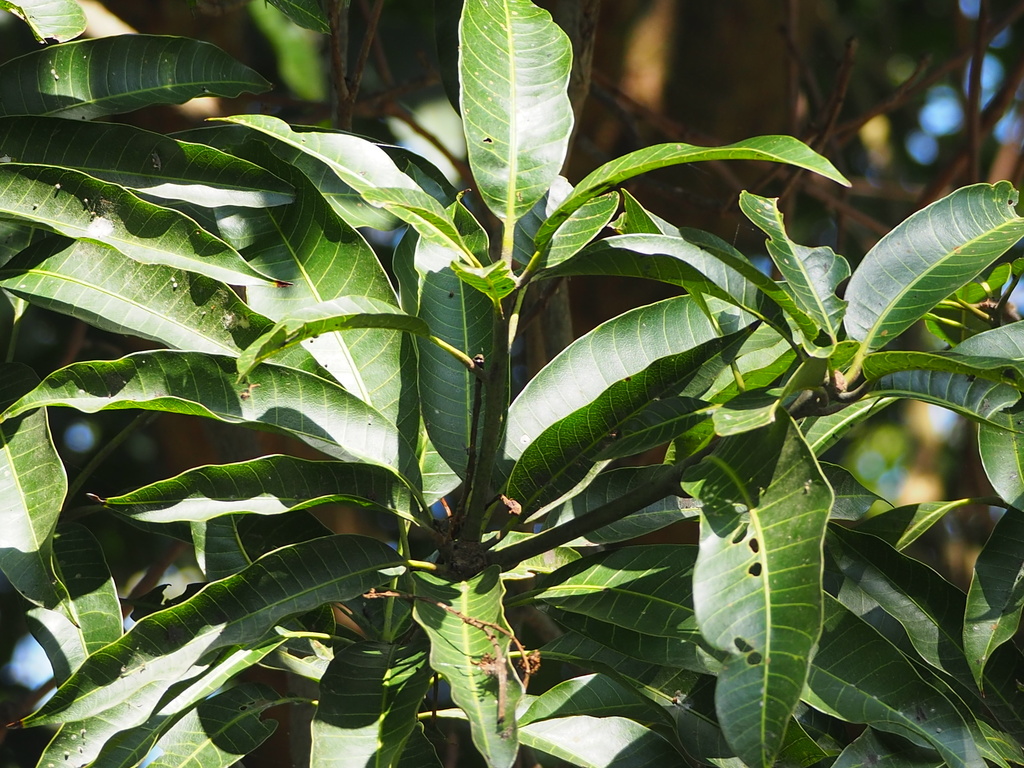
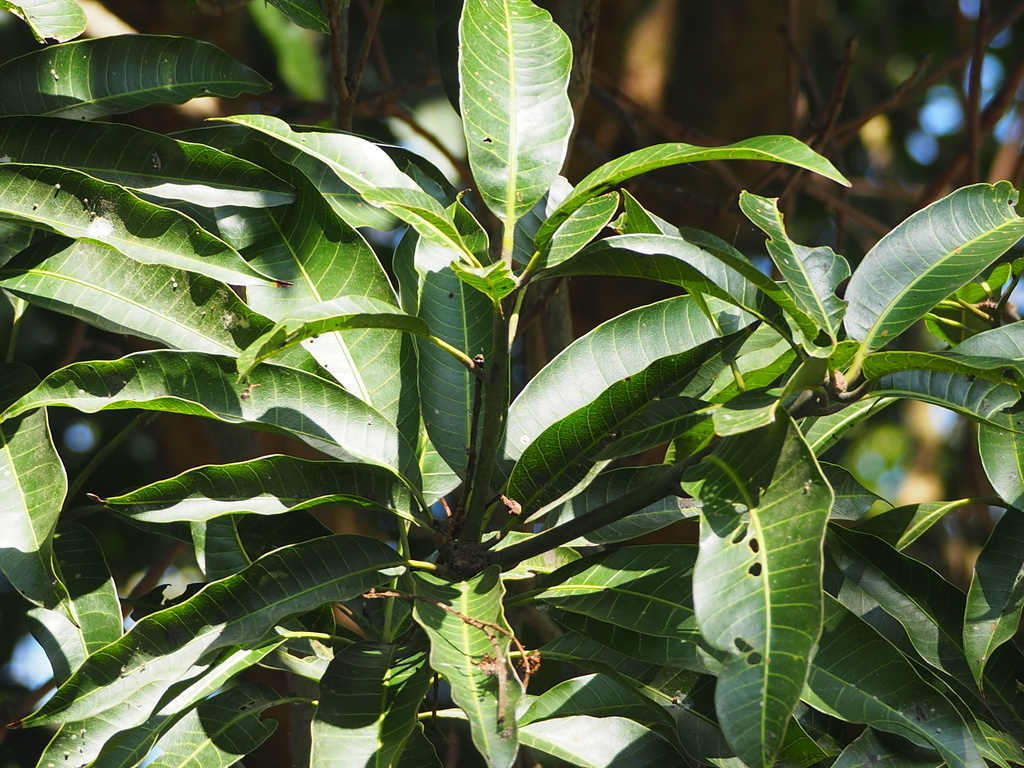
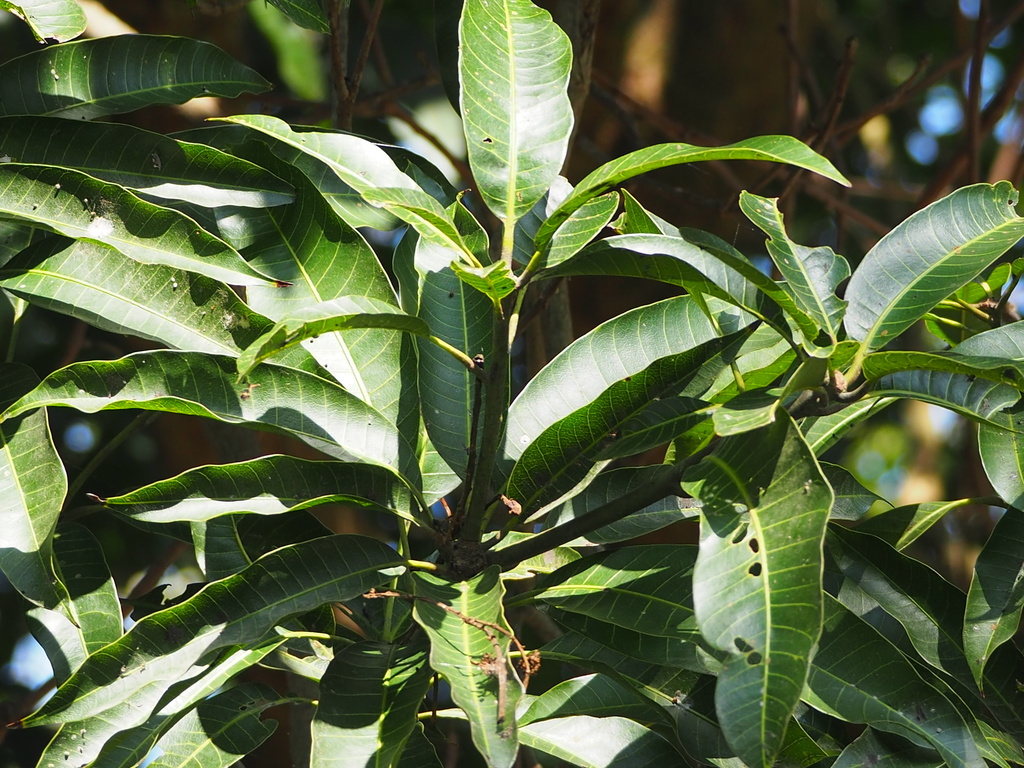
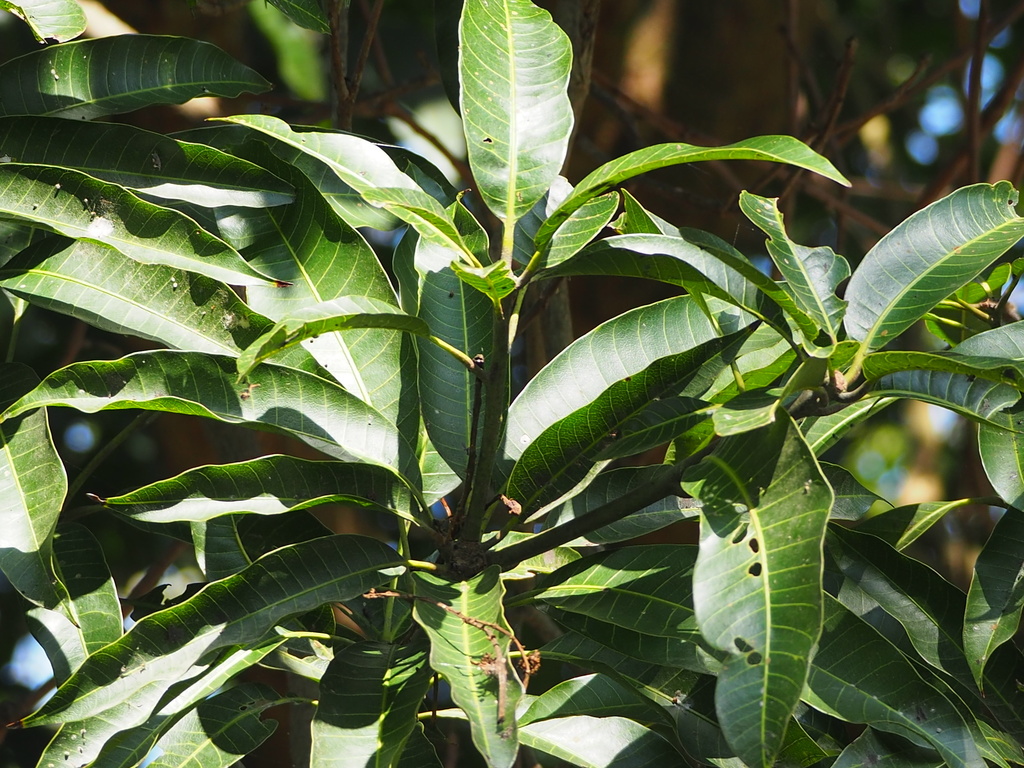
coquinho mango
Mangifera indica
Secondary II High No biomass productionMedium-sized cultivar (6–9 m), branched canopy. Small round fruit (120–150 g), light yellow-green skin, fibrous flesh with good flavor. Highly prod...
-
uba mango
Mangifera indica
Secondary II High Mulch biomassBrazilian cultivar originating in Ubá (Minas Gerais). Vigorous tree with dense rounded canopy (10–14 m). Small fruit (50–80 g), late ripening, inte...
-
tommy atkins mango
Mangifera indica
Secondary II High No biomass productionDominant cultivar in Brazil's mango export trade (~90% of volume). Origin: Florida (1922). Vigorous tree (10–14 m unpruned), dense rounded canopy. ...
-
espada mango
Mangifera indica
Secondary II Emergent Mulch biomassBrazil's oldest mango cultivar. Vigorous tall tree (12–15 m), green-to-yellow fruit with fibrous flesh (300 g, 18° Brix). Today used more as rootst...
-
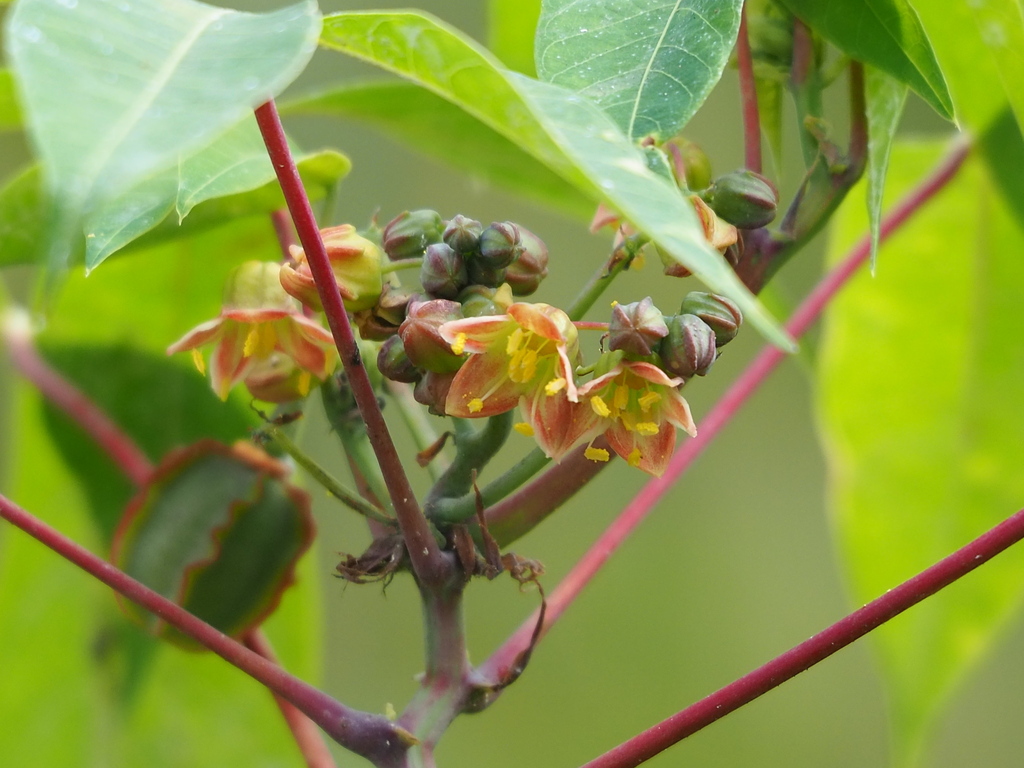
bitter cassava
Manihot esculenta
Placenta II Low Fertilizer biomassCultivar group of Manihot esculenta with high cyanogenic glycoside content (>100 mg HCN/kg fresh root). Unsafe for direct consumption — requires ro...
-
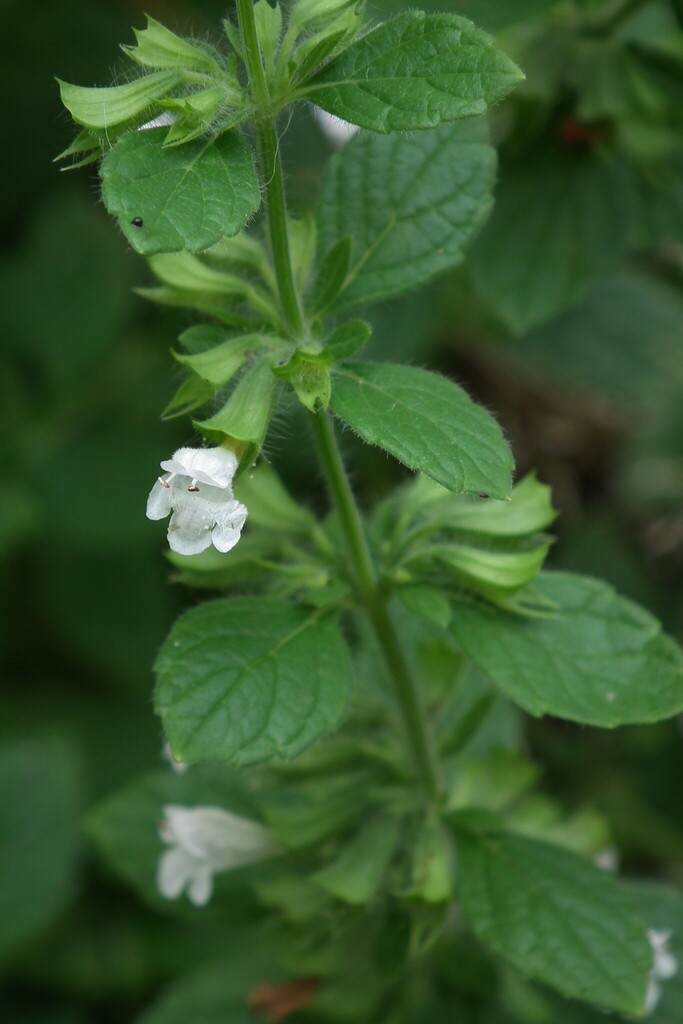
lemon balm
Melissa officinalis
Placenta I Low No biomass productionPerennial herb (40–80 cm), light-green strongly lemon-scented leaves. Tolerates partial shade — fills shaded niches where rosemary and thyme don't ...
-
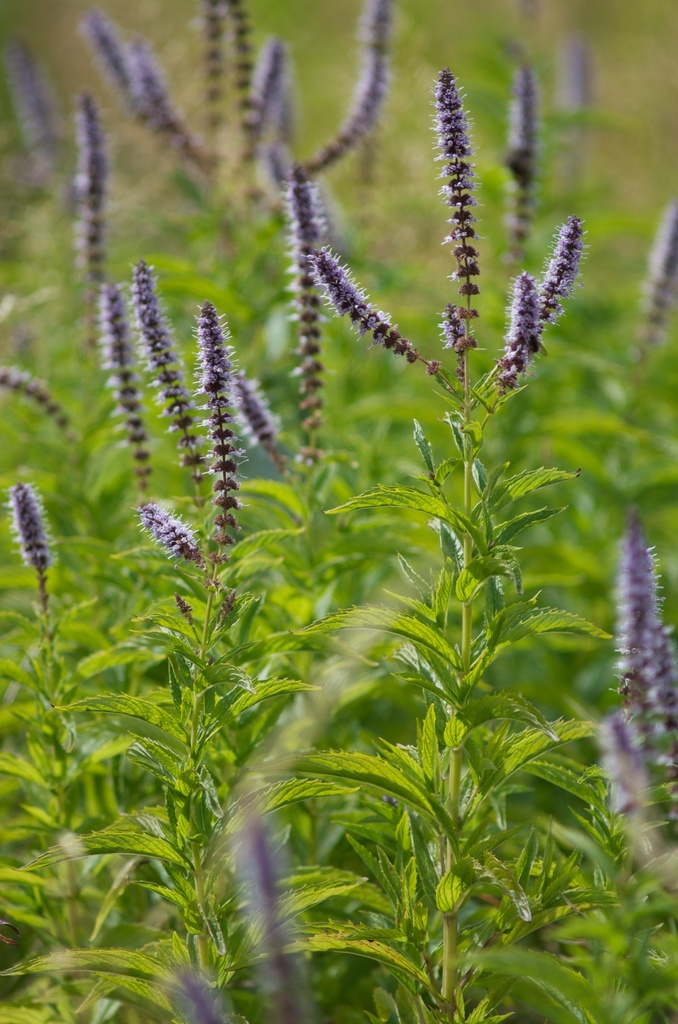
spearmint
Mentha spicata
Placenta I Ground cover No biomass productionStrongly aromatic perennial Lamiaceae that spreads vigorously by stolons. Pasini lists it in the low stratum of Tabela 3. Tolerates partial shade; ...
-
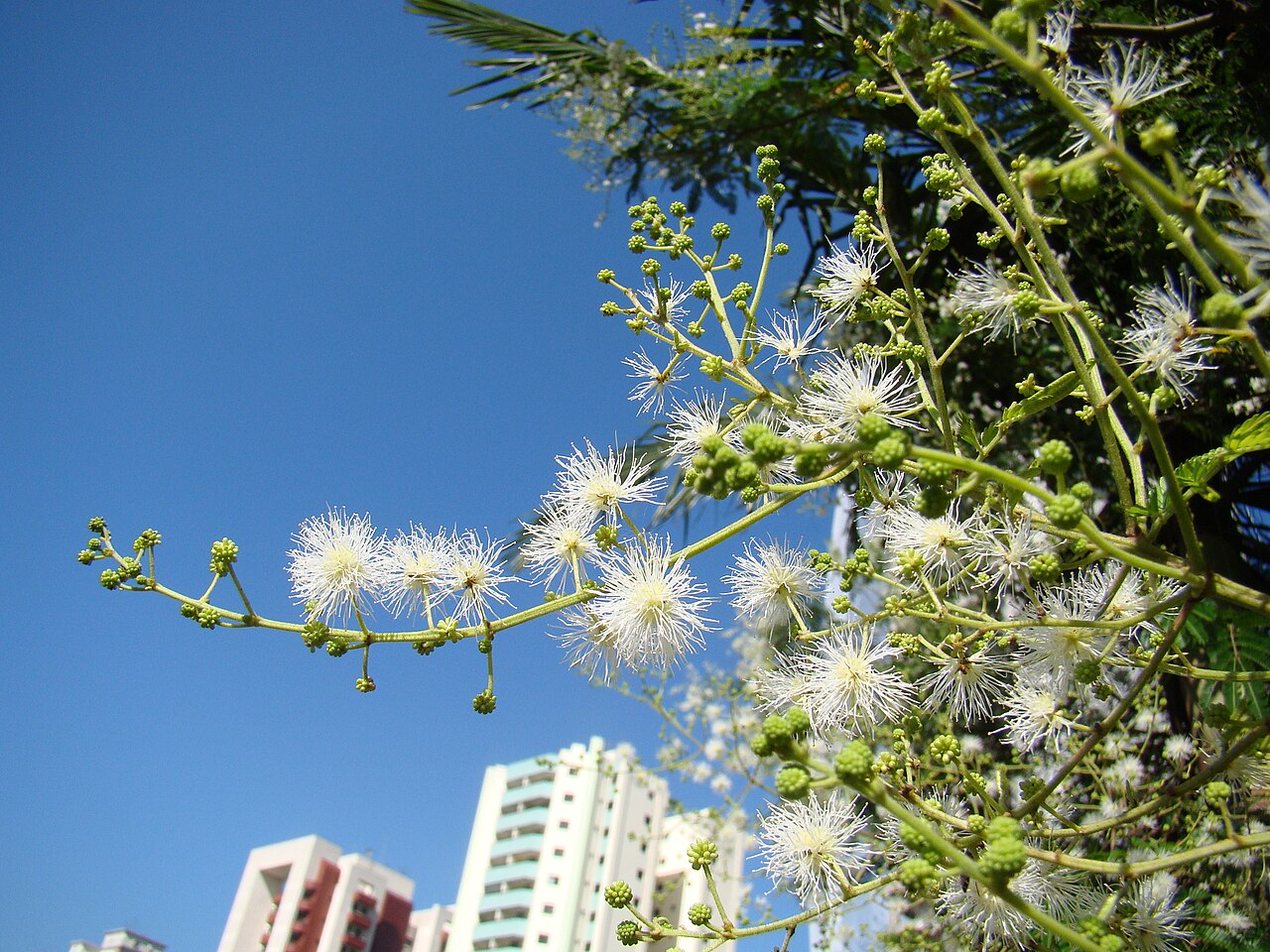
maricá
Mimosa bimucronata
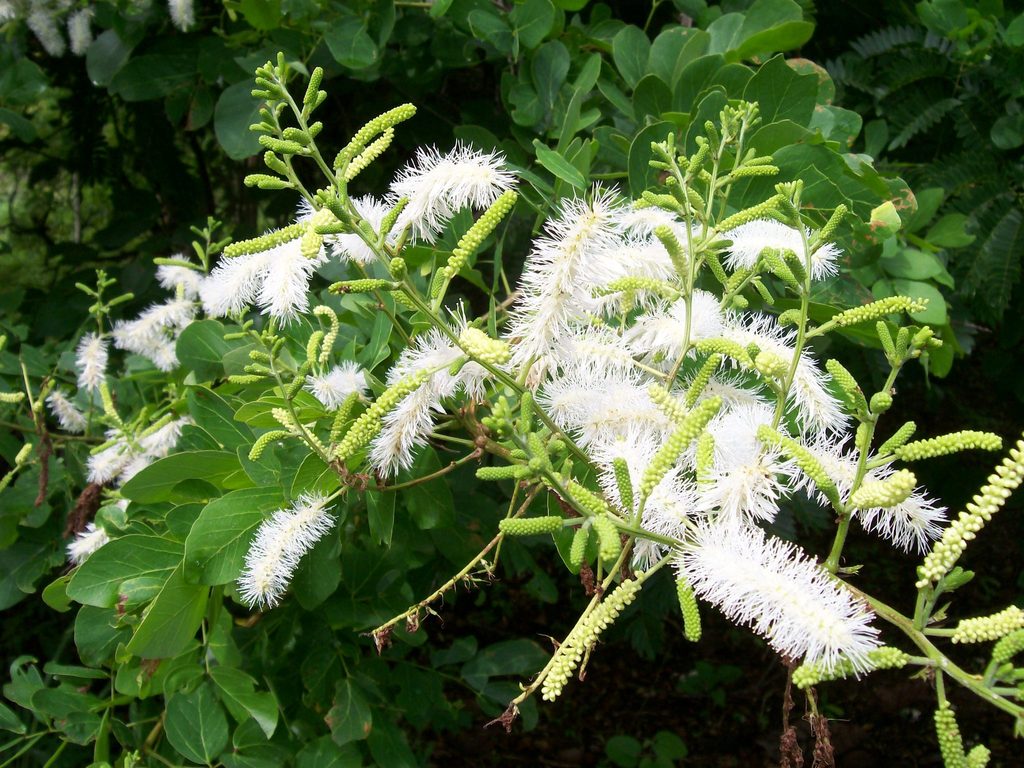
Placenta II Medium Fertilizer biomass 🌱 Nitrogen fixerA pioneer leguminous tree or small tree, spiny and much-branched, 4-8 m tall (occasionally to 15 m), native to eastern and southern Brazil. It fixe...
-
sabia tree
Mimosa caesalpiniifolia
Secondary I Medium Fertilizer biomass 🌱 Nitrogen fixerNative legume of the Caatinga and northeastern Atlantic Forest. Medium tree (4–10 m), sparse spiny canopy. Nitrogen-fixer — central in degraded-soi...
-
bracatinga
Mimosa scabrella
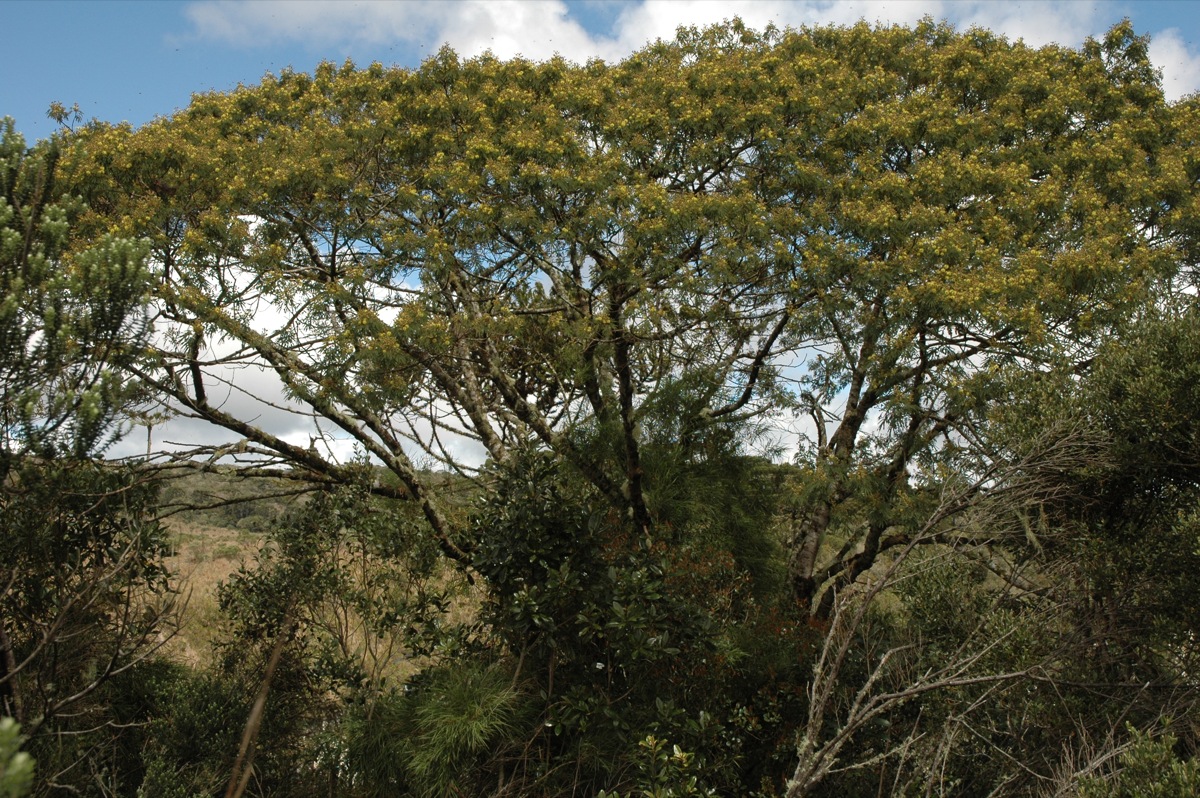
Secondary I High Fertilizer biomass 🌱 Nitrogen fixerPioneer legume native to southern Brazil and highland Atlantic Forest, listed by IPOEMA among anchor Brazilian species for SAFs (alongside cacao, y...
-
holythorn
Monteverdia ilicifolia
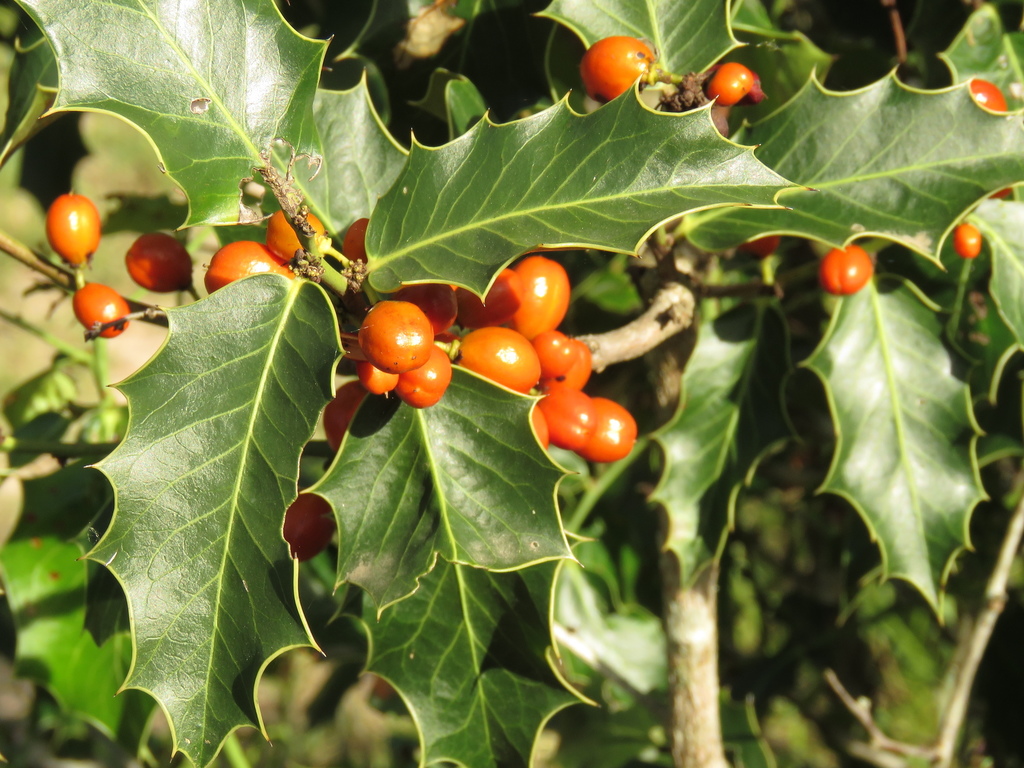
Secondary I Medium No biomass productionAn evergreen shrub or small tree of the Celastraceae family, native to southern and southeastern Brazil, with leathery, spiny-margined holly-like l...
-
black mulberry
Morus nigra
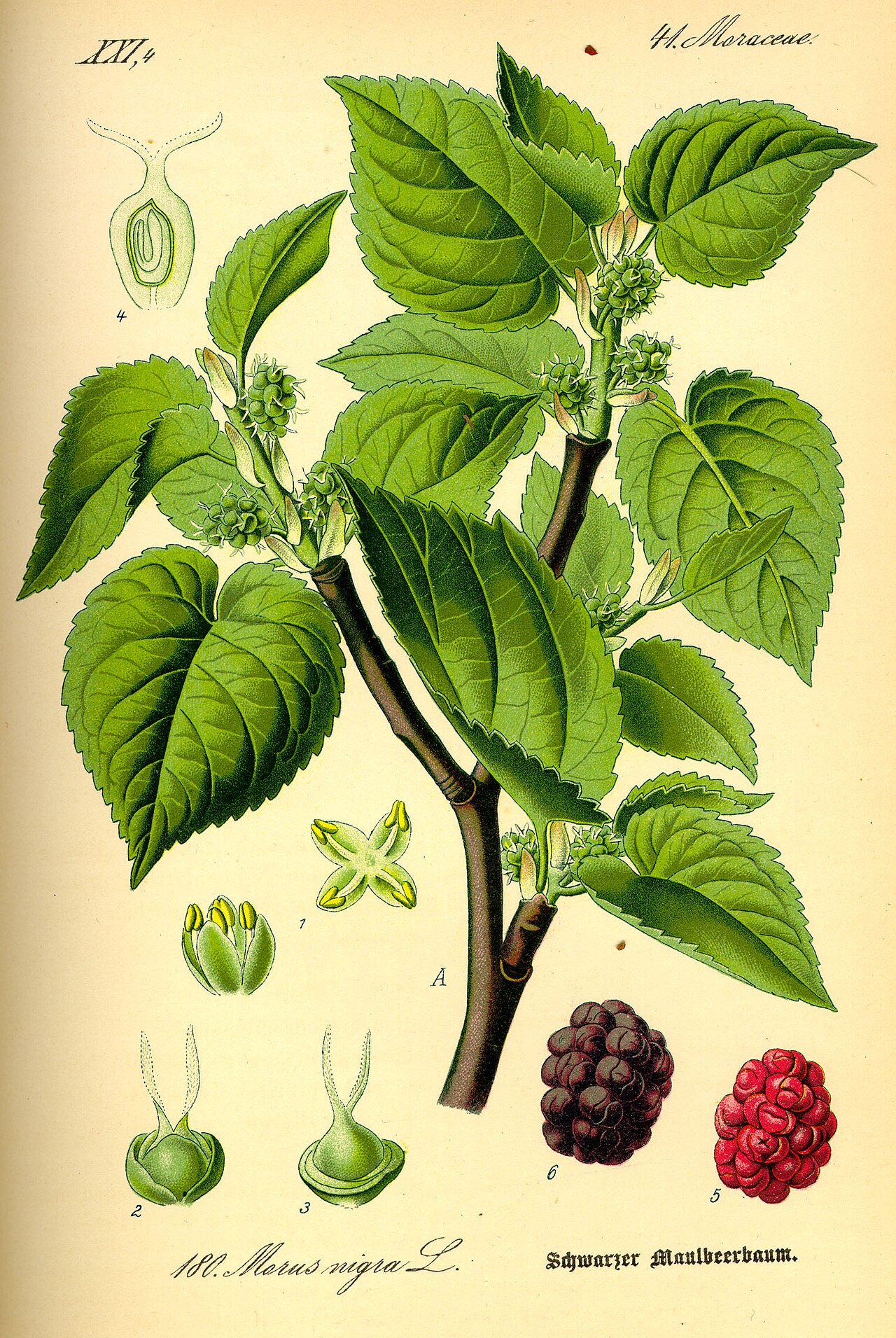
Secondary I High Fertilizer biomassFast-growing fruit tree, tolerates drastic pruning well and coppices readily — ideal as a nurse plant in syntropic systems. Pasini lists it in the ...
-
velvet bean
Mucuna pruriens
Placenta I Low Fertilizer biomass 🌱 Nitrogen fixerAnnual climbing legume that fixes nitrogen (~180–220 kg N/ha) and produces dense cover biomass. Suppresses weeds, decompacts the soil, and is one o...
-
pome banana
Musa × paradisiaca
Placenta II High Mulch biomassAAB Pome subgroup, tall (5–7 m), bunch 12–18 kg. Slightly tart flavor prized in the Brazilian domestic market. Before Prata-Anã it dominated the so...
-
plantain
Musa × paradisiaca
Placenta II High Mulch biomassAAB Plantain subgroup — cooking banana, tall to emergent (5–7 m), bunch 15–25 kg with few large starchy fingers. Staple food across Northern and No...
-
dwarf pome banana
Musa × paradisiaca
Placenta II High Mulch biomassDwarf mutation of Prata (AAB), 2.5–3.5 m. Together with Prata and Pacovan accounts for ~60% of Brazilian banana area. Per Embrapa, a 'watershed' cu...
-
guabiju
Myrcianthes pungens
Secondary II High Mulch biomassNative tree of the Pampa, southern Atlantic Forest, and southern Minas Gerais. 8–15 m, dense canopy. Dark-red to purple fruit, sweet delicately fla...
-
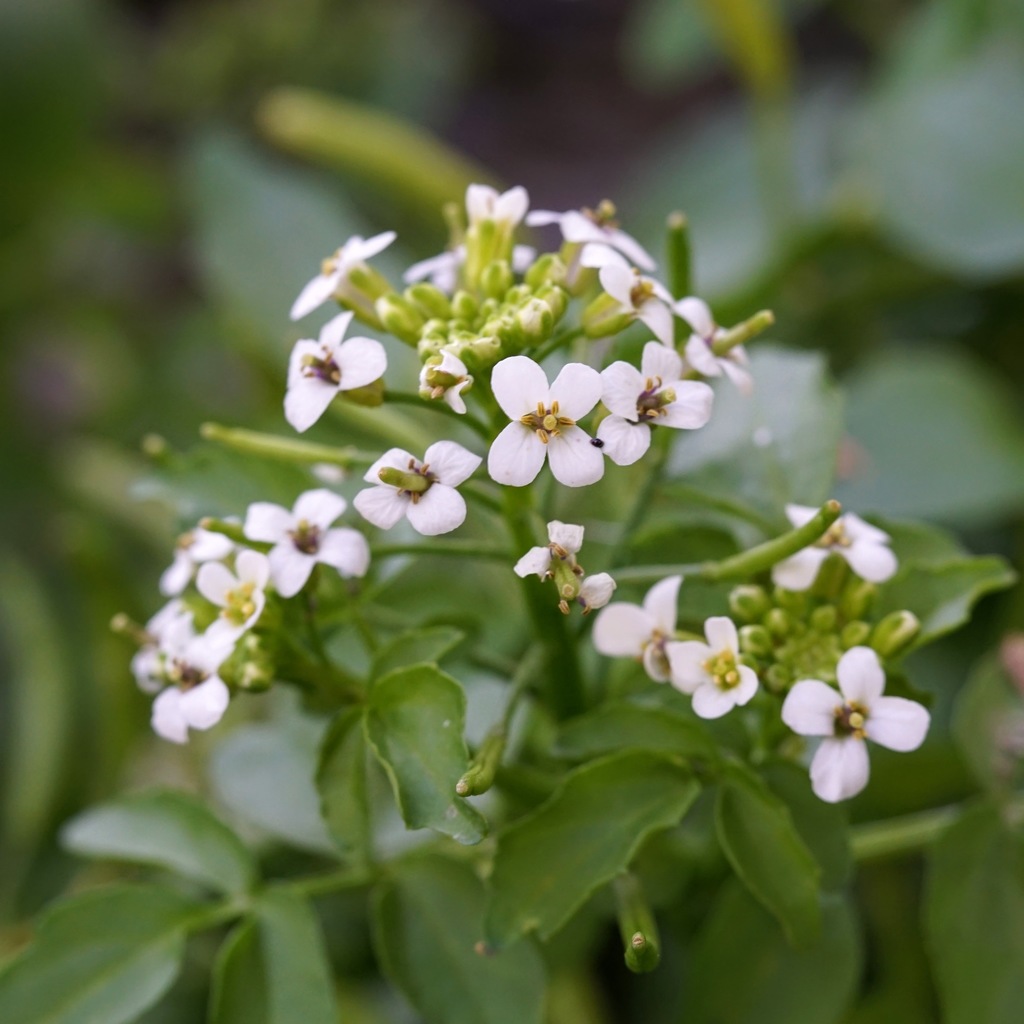
watercress
Nasturtium officinale
Placenta I Ground cover No biomass productionAquatic or semi-aquatic leafy green of European origin, naturalized in Brazil. Pasini lists it in the low stratum of Tabela 3. Grows in moist soils...
-
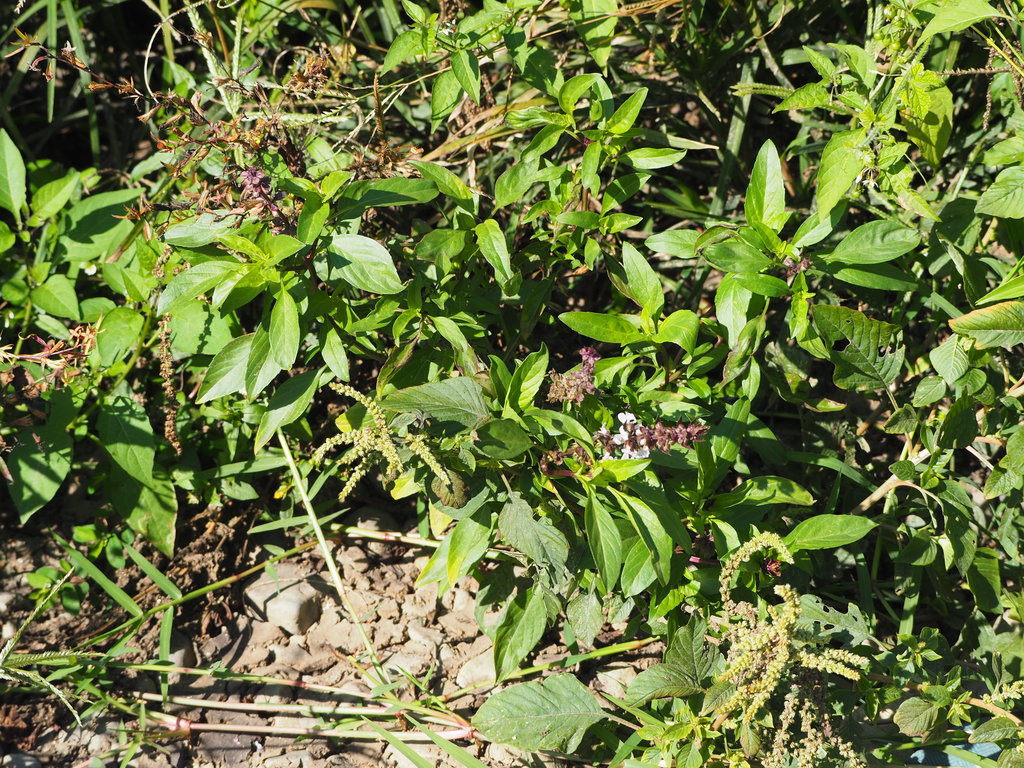
basil
Ocimum basilicum
Placenta I Low No biomass productionAromatic annual or short-lived perennial Lamiaceae. Pasini lists it in the high stratum of Tabela 3 (grown as a low-stratum species in beds). Attra...
-
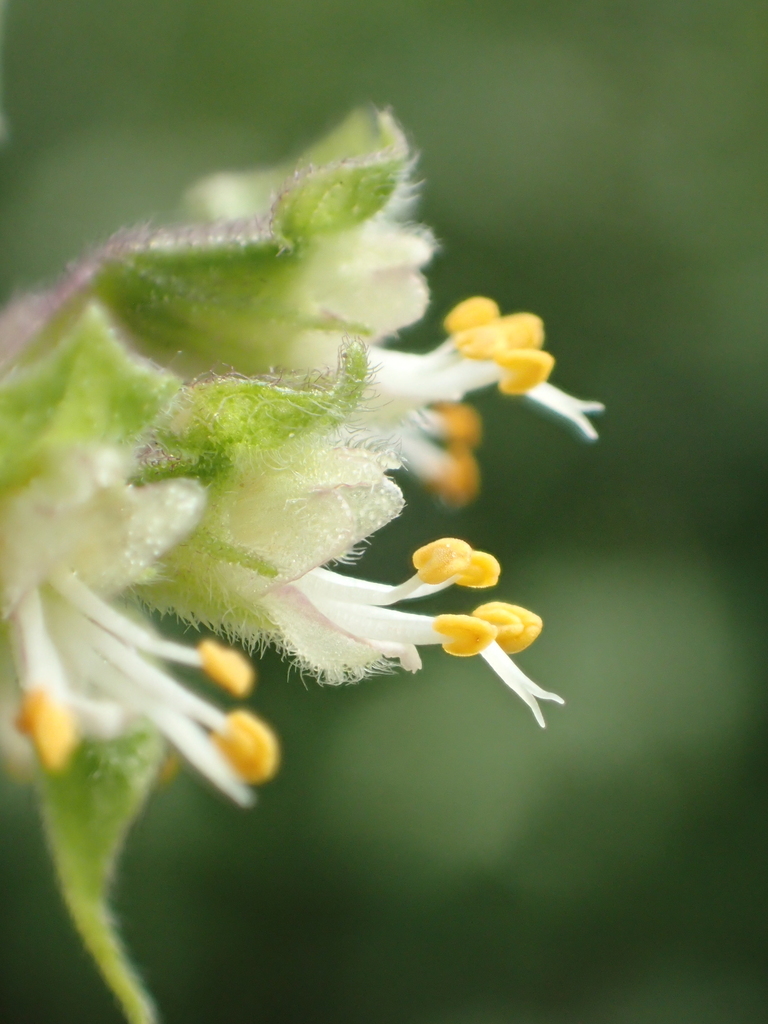
African basil
Ocimum gratissimum
Placenta II Medium No biomass productionShort-lived perennial Lamiaceae, cousin of common basil (distinct species). EcoAgri lists it in the medium stratum of the 'up to 3 years' bin. Arom...
-
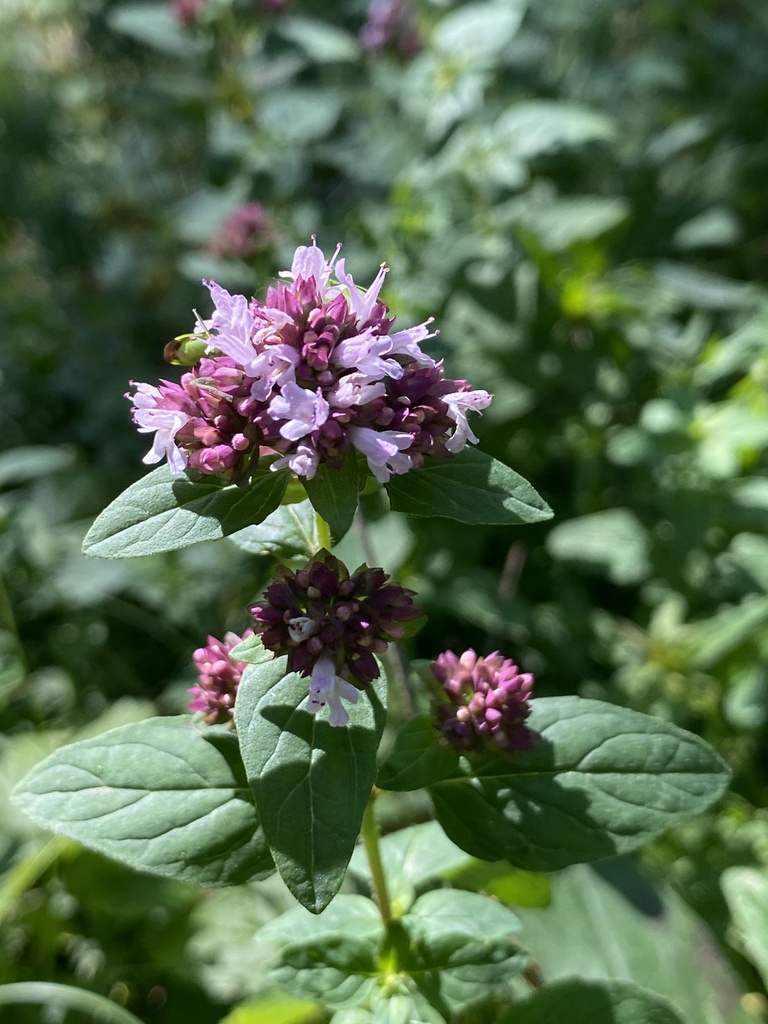
oregano
Origanum vulgare
Placenta I Ground cover No biomass productionPerennial Mediterranean herb (20–60 cm), small aromatic leaves. In southeastern and southern Brazilian syntropic systems used as permanent cover be...
-
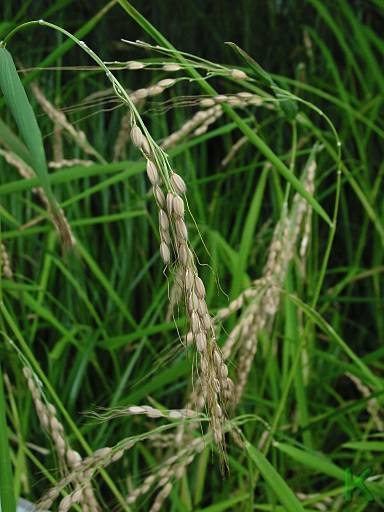
rice
Oryza sativa
Placenta I High Mulch biomassWorld's most-cultivated annual cereal. The Bosque de Niebla Guidebook (Consortium Design 2019) places rice as a typical Placenta I species in the h...
-
sweet passion fruit
Passiflora alata
Placenta II Medium No biomass productionBrazilian native vine distinct from sour passionfruit (P. edulis). Pyriform orange-yellow fruit with sweet, fragrant flesh eaten fresh — fruitier, ...
-
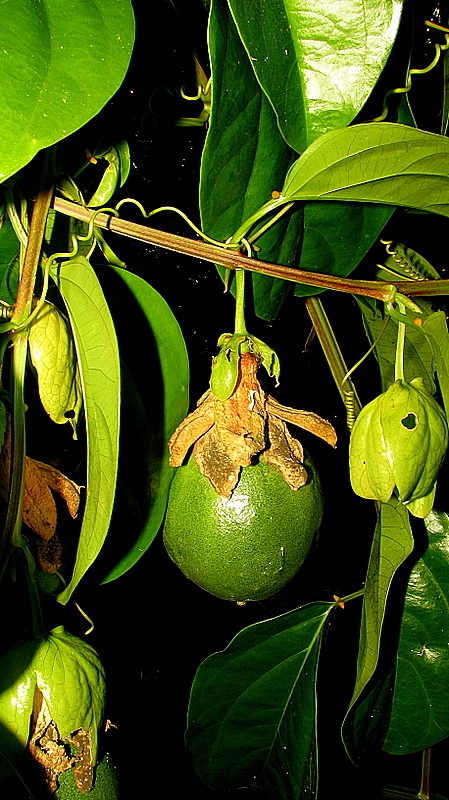
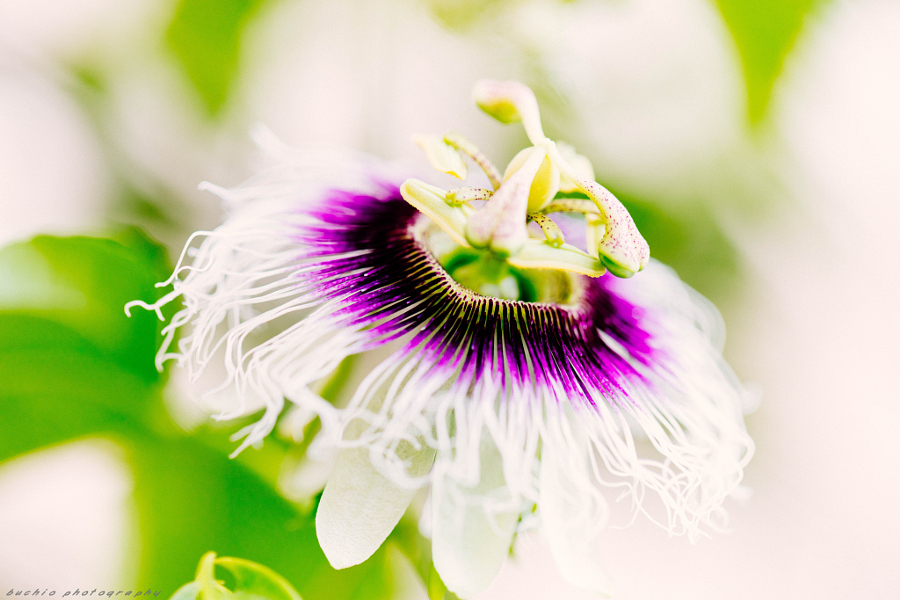
passion fruit
Passiflora edulis
Placenta II High No biomass productionBrazilian-native woody fruiting climber. Pasini lists it in the high stratum of Tabela 3 (grows over high-stratum structures). Fruits in ~9–12 mont...