
Biome
Plants of the Cerrado biome
A marked dry season over deep, acidic soils: in the Cerrado, guild design starts with water — plant at the onset of the rains, mulch generously, and pick species that cross the dry winter without irrigation. Many biome natives produce well in syntropic systems, alongside well-established suitable species.
204 species in the catalog · Refine this list in the catalog
-
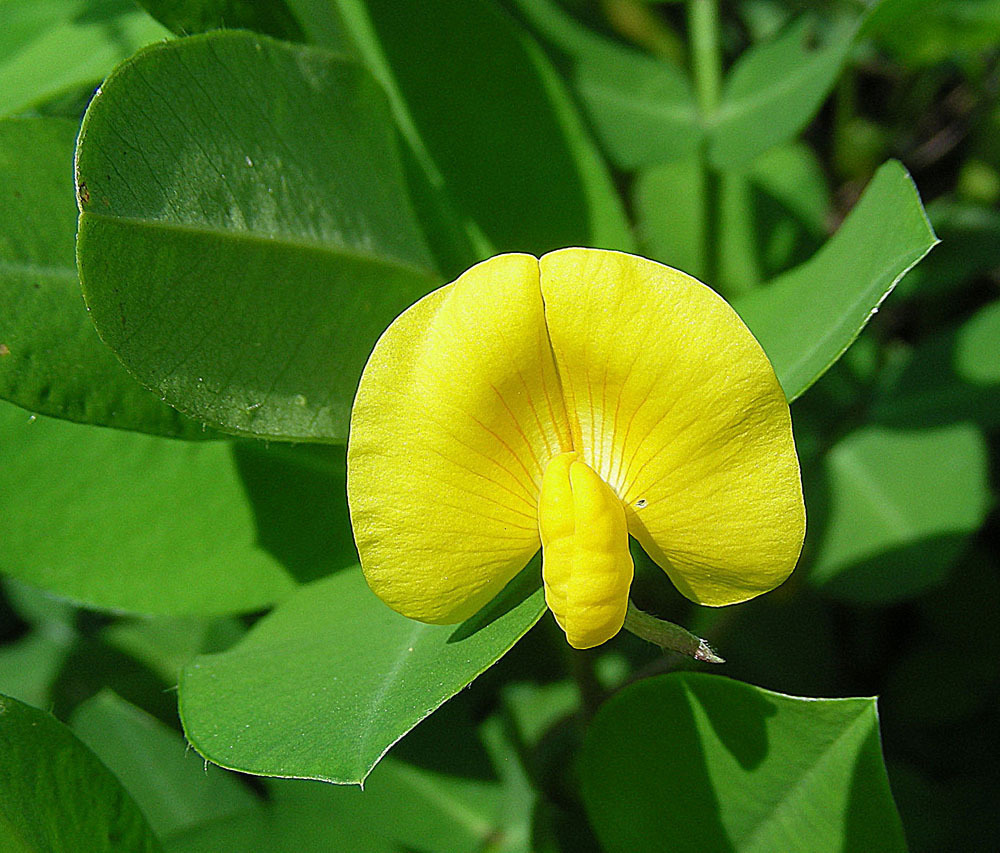
pinto peanut
Arachis pintoi
Placenta I Ground cover Fertilizer biomass 🌱 Nitrogen fixerPerennial creeping legume with stolons, 20–40 cm tall. Permanent living mulch, persists under 70% shade. Fixes nitrogen, produces 5–13 t/ha/year of...
-
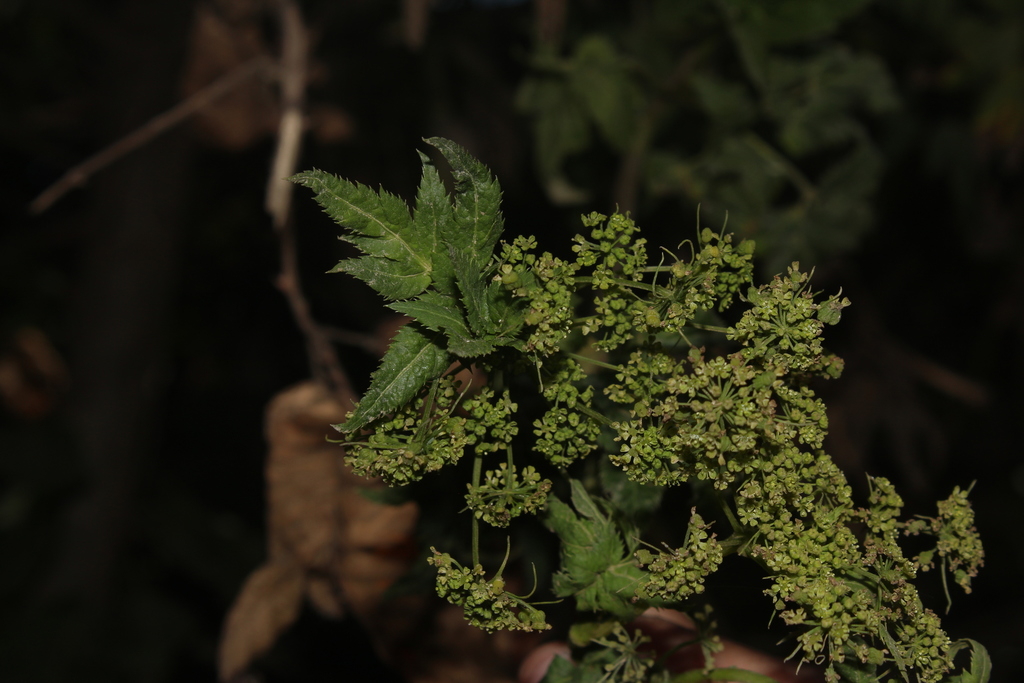
arracacha
Arracacia xanthorrhiza
Placenta I Low No biomass productionAndean apiaceous tuber crop, cultivated mainly in southern Minas Gerais and Paraná. Pasini lists it in the medium stratum of Tabela 3. 8–10 month c...
-
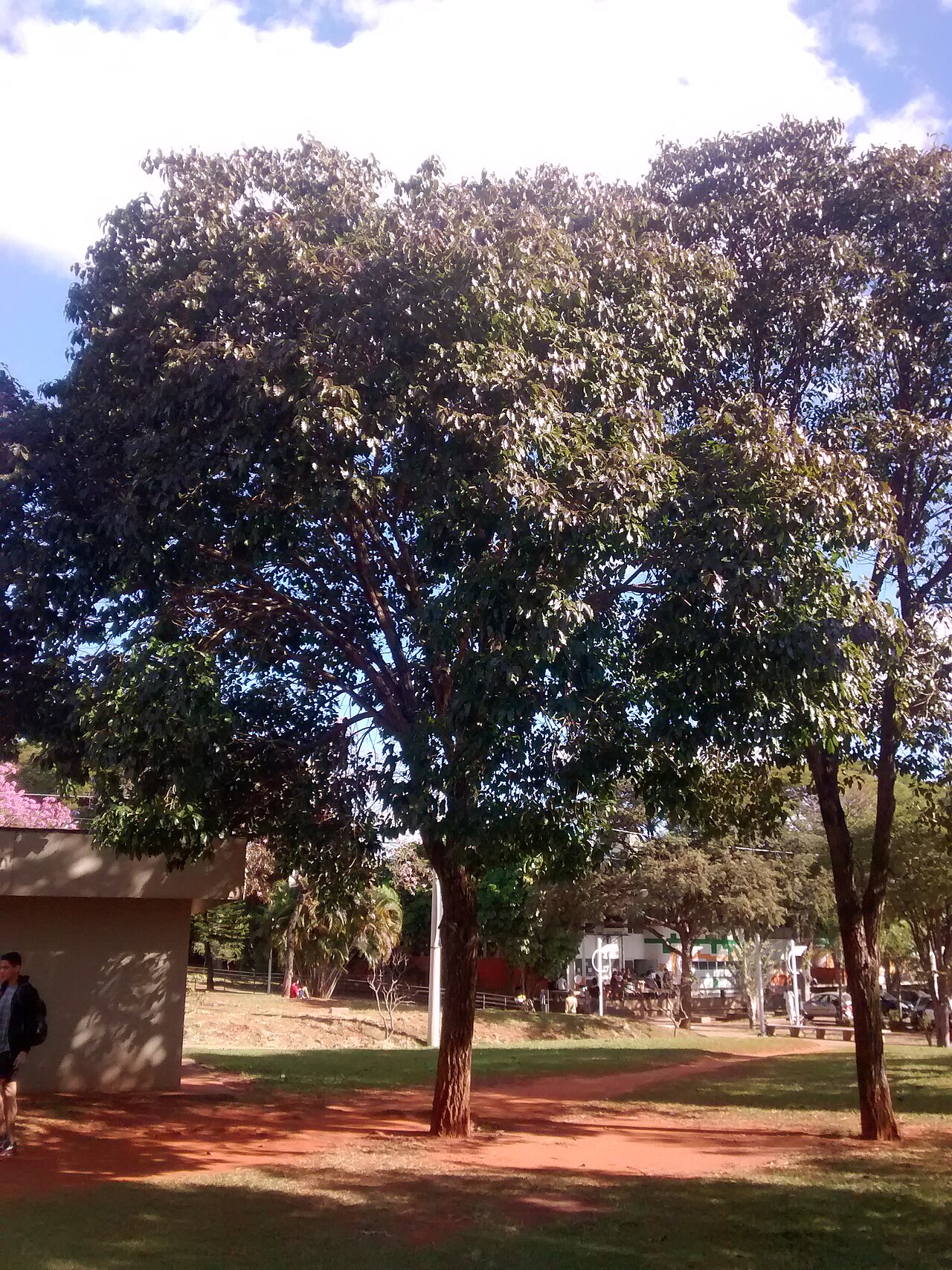
peroba-poca
Aspidosperma cylindrocarpon
Climax High Mulch biomassPremium-timber tree native to the Atlantic Forest and Cerrado, distinct from peroba-rosa (Aspidosperma polyneuron). Rebello & Sakamoto (2019) plant...
-
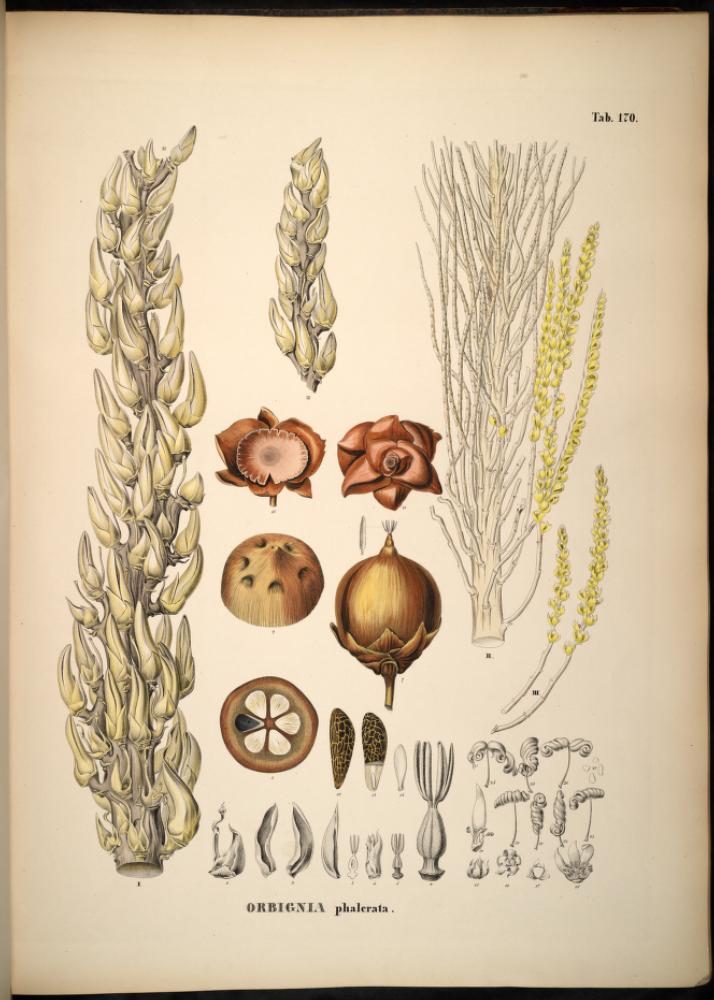
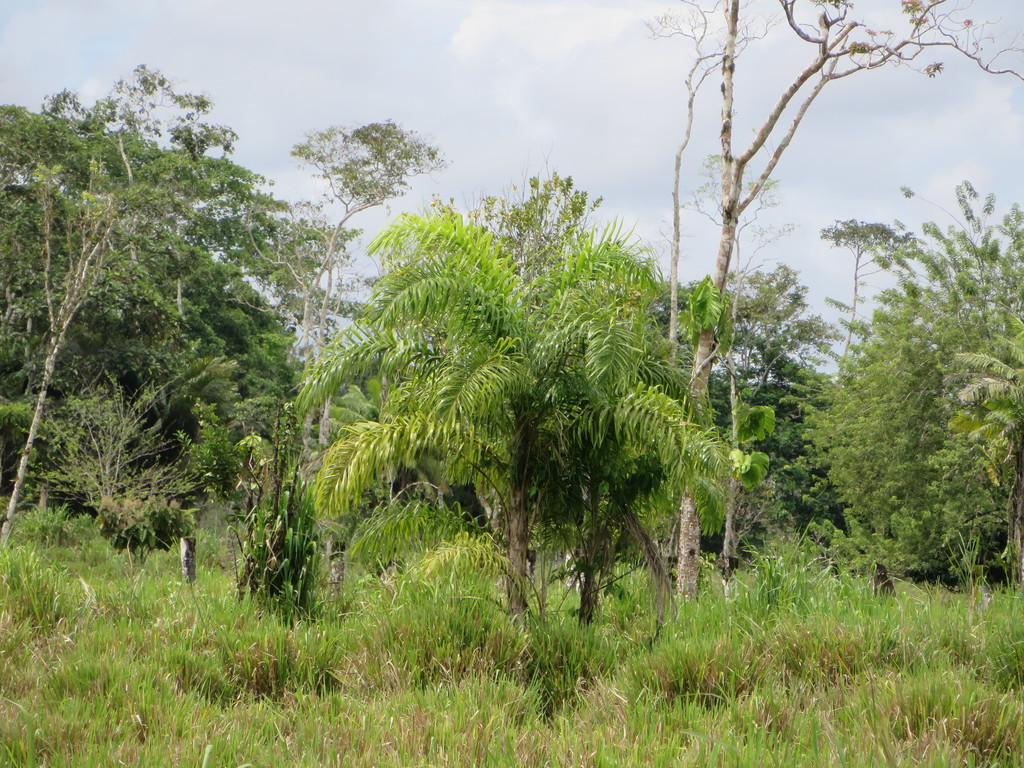
babassu palm
Attalea speciosa
Climax Emergent Mulch biomassNative palm of the transition zones between the Amazon, Cerrado, and Caatinga — strongly present in Maranhão, Piauí, Tocantins, and northern Goiás....
-
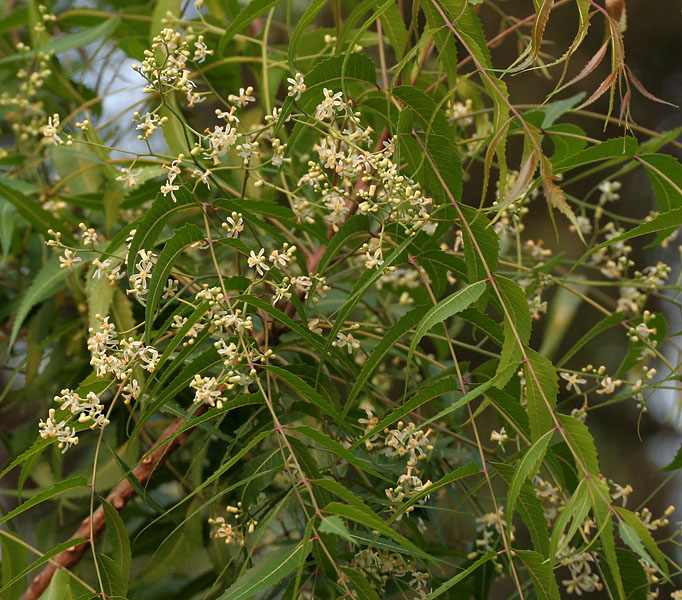
neem
Azadirachta indica
Secondary I High Mulch biomassIndian-origin tree adapted to Brazil, the biopesticide species of the Embrapa Vitrine SAF. Leaves and seed oil (azadirachtin) repel more than 200 i...
-
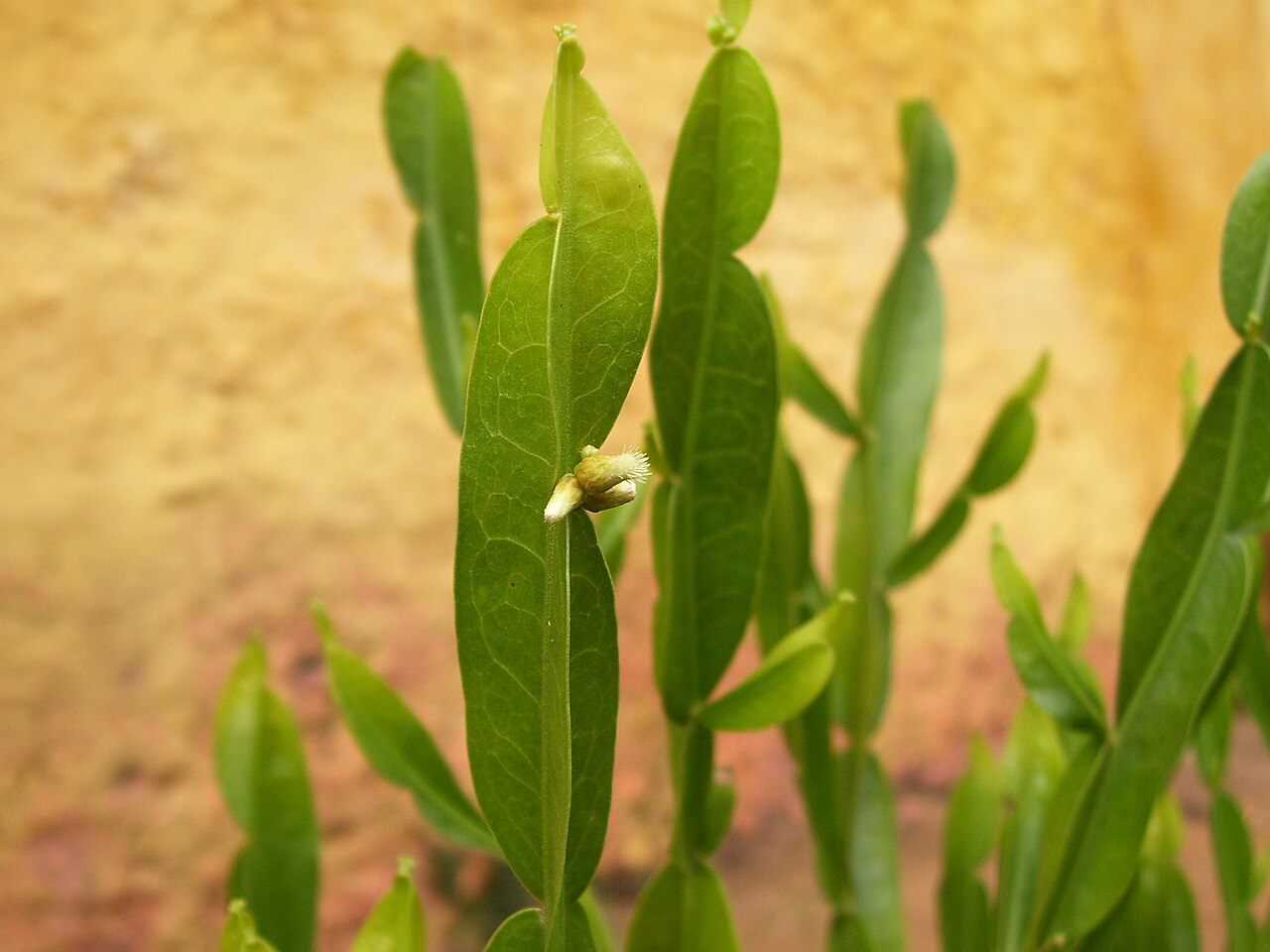
carqueja
Baccharis trimera
Placenta II Low No biomass productionA perennial subshrub of the Asteraceae family, native to southern, southeastern and central-western Brazil and neighboring parts of South America, ...
-
peach palm
Bactris gasipaes
Secondary II Emergent No biomass productionAmazonian multi-stemmed palm; produces heart of palm in ~3 years and edible fruit in ~5 years. Pasini lists it in the emergent stratum of Tabela 3 ...
-
balcooa bamboo
Bambusa balcooa
Secondary I Emergent Mulch biomassA large clumping bamboo native to the Indian subcontinent and Indochina, with thick culms up to 25 m and thick walls. It is highly valued for const...
-
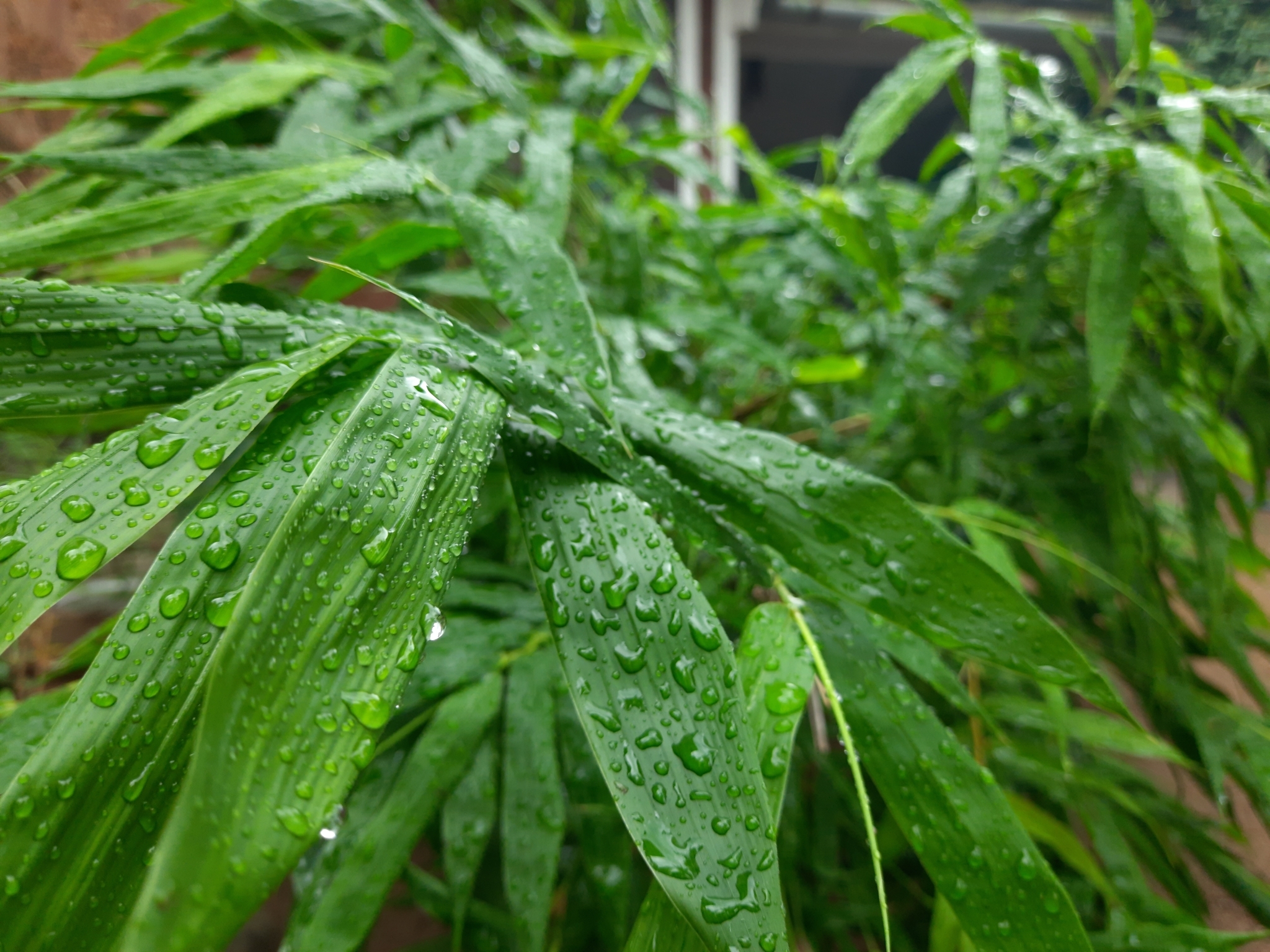
punting pole bamboo
Bambusa tuldoides
Secondary I High Mulch biomassA clumping bamboo native to southern China, with straight, relatively slender culms 6–12 m tall, widely used as poles, in light construction and cr...
-
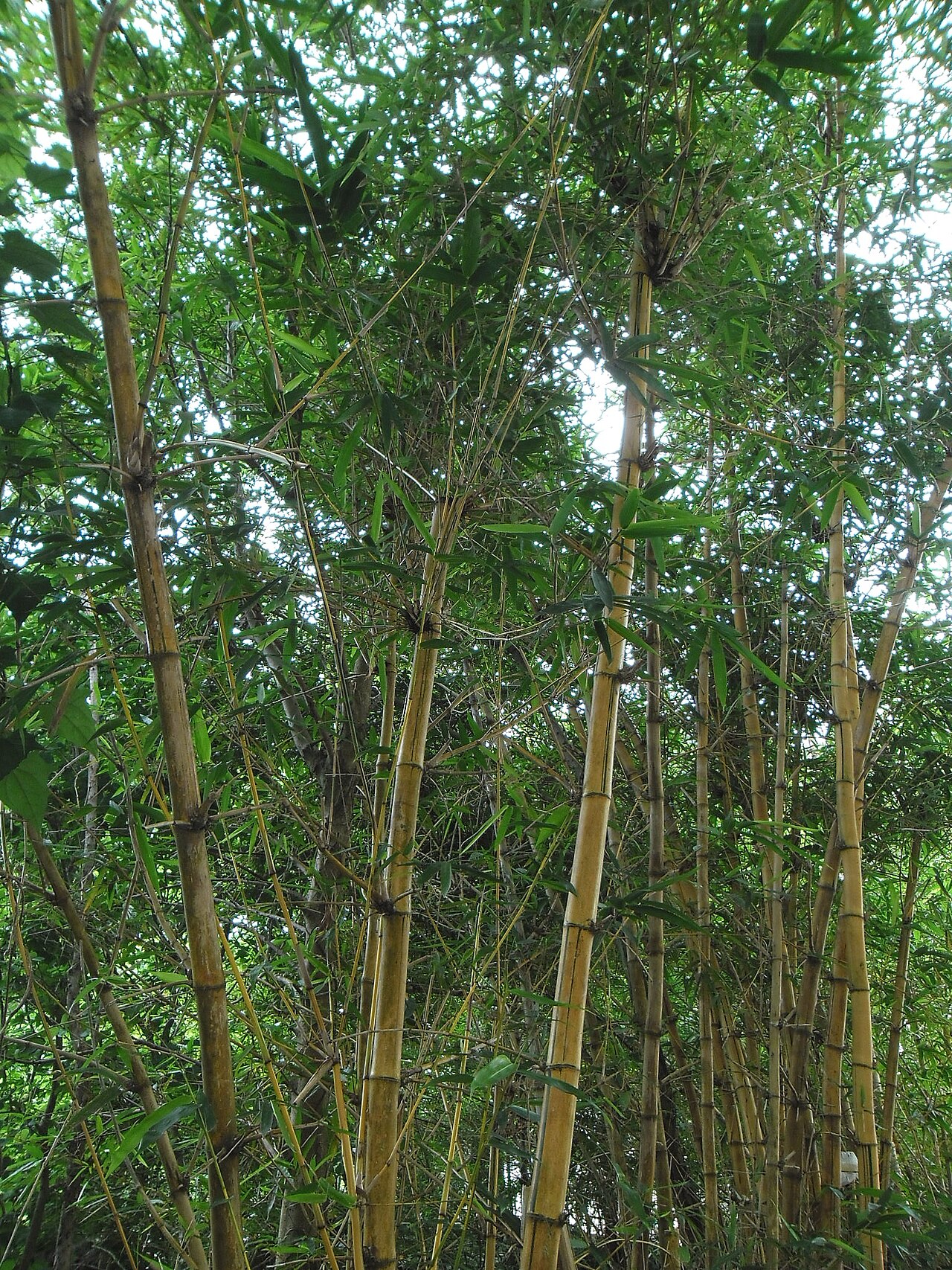
common bamboo
Bambusa vulgaris
Secondary I High Mulch biomassA clumping (non-running) bamboo native to Southeast Asia and one of the most widely cultivated bamboos in the tropics. It forms dense clumps with c...
-
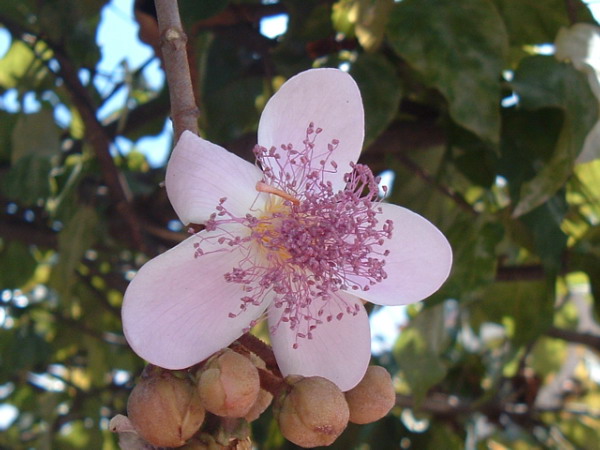
annatto
Bixa orellana
Secondary I Medium No biomass productionTropical American native dye-producing shrub. Pasini lists it in the medium stratum of Tabela 3 and in the 3–10 year phase of Tabela 4. Seeds yield...
-
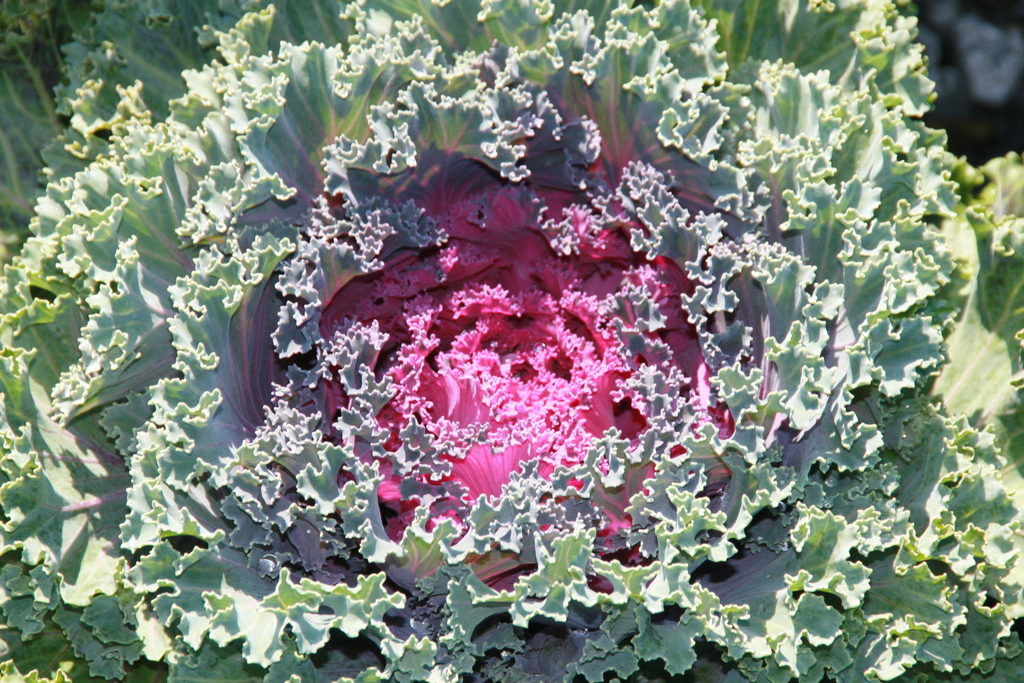
collard greens
Brassica oleracea var. acephala
Placenta I Low No biomass productionPerennial brassica widely grown in Brazilian backyards. Pasini gives it as an example occupying the low stratum in consortium with broccoli (medium...
-
cauliflower
Brassica oleracea var. botrytis
Placenta I Medium No biomass productionAnnual brassica grown for its white inflorescence. Pasini lists it in the high stratum of Tabela 3 (alongside broccoli and cabbage). 90–120 day cyc...
-
cabbage
Brassica oleracea var. capitata
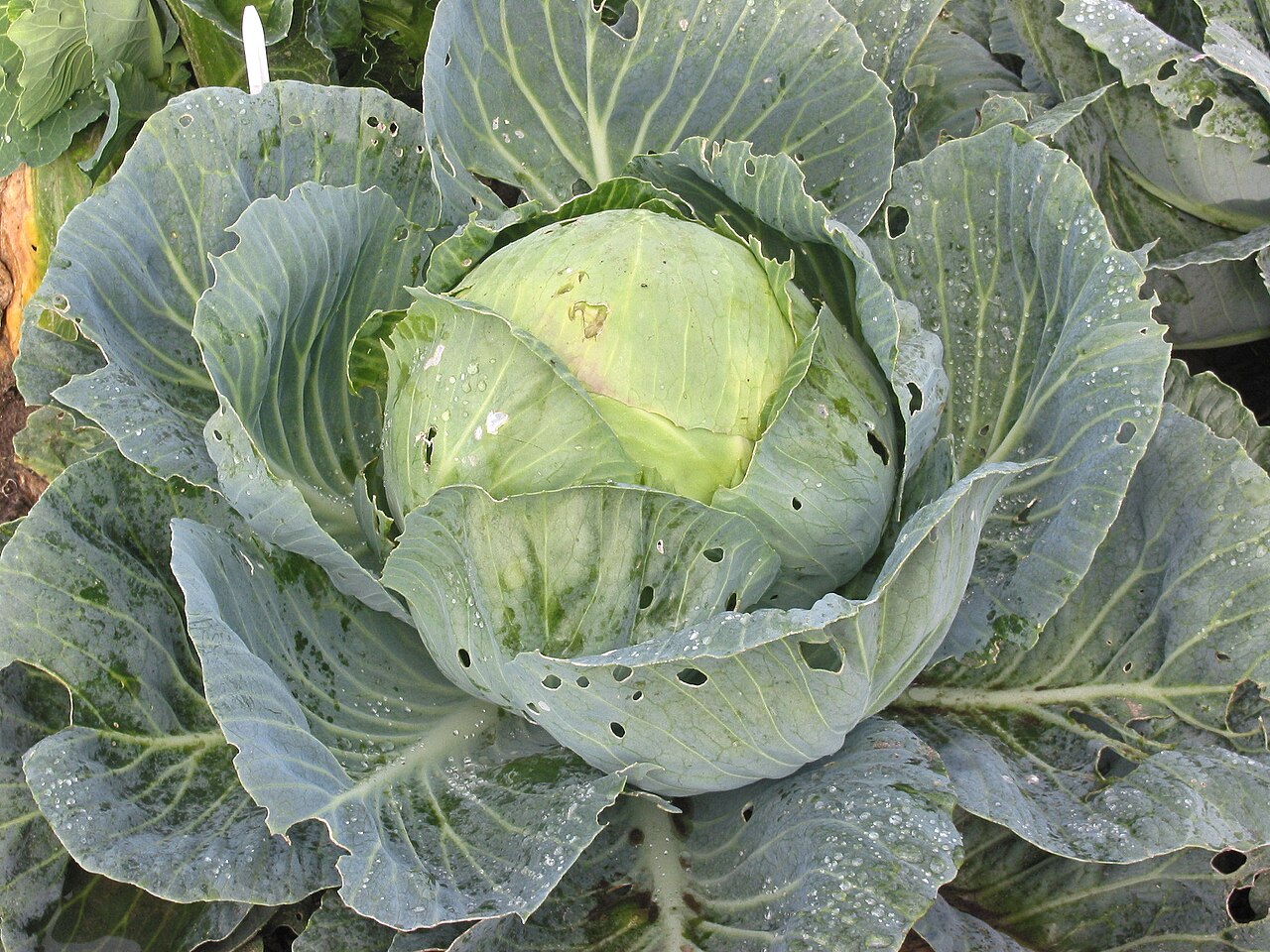
Placenta I Medium No biomass productionAnnual brassica grown for its compact head of leaves. Pasini lists it in the high stratum of Tabela 3. Tolerates heat better than broccoli or cauli...
-
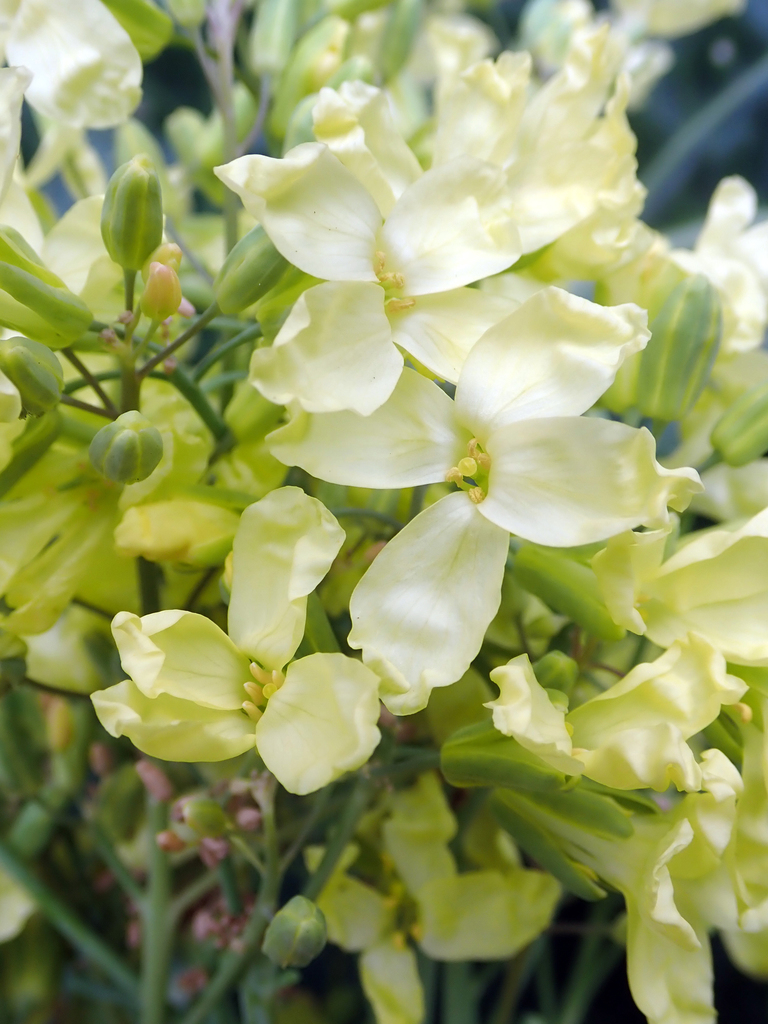
broccoli
Brassica oleracea var. italica
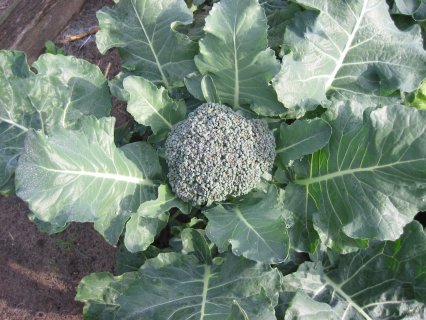
Placenta I Medium No biomass productionAnnual brassica grown for its green inflorescence. Pasini gives it as an example occupying the medium stratum in consortium with collards (low), to...
-
mama-cadela
Brosimum gaudichaudii
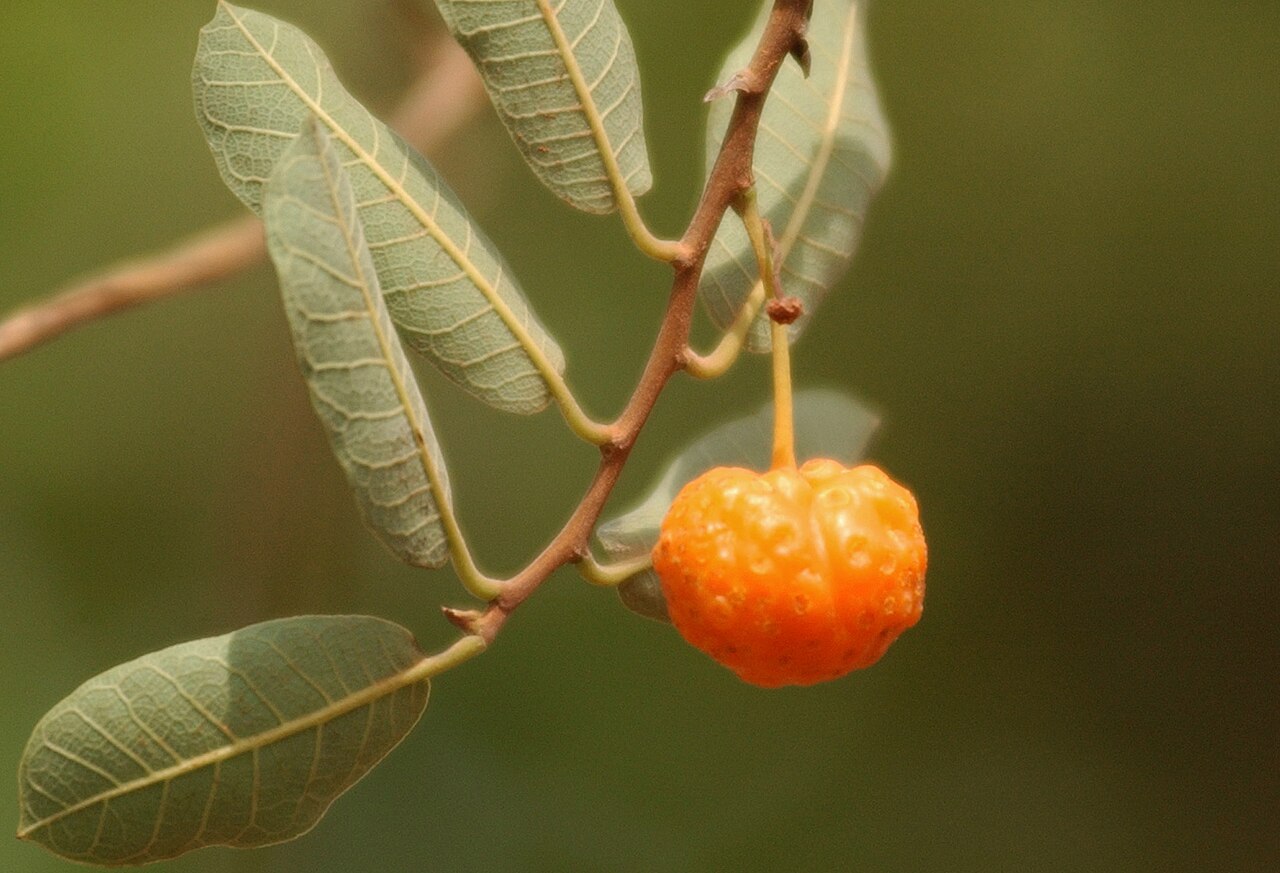
Secondary II Medium No biomass productionNative Cerrado small tree (3–8 m), exudes white latex. Small orange-yellow edible fruits with sweet taste. Medicinal root — psoralen traditionally ...
-
nance
Byrsonima crassifolia
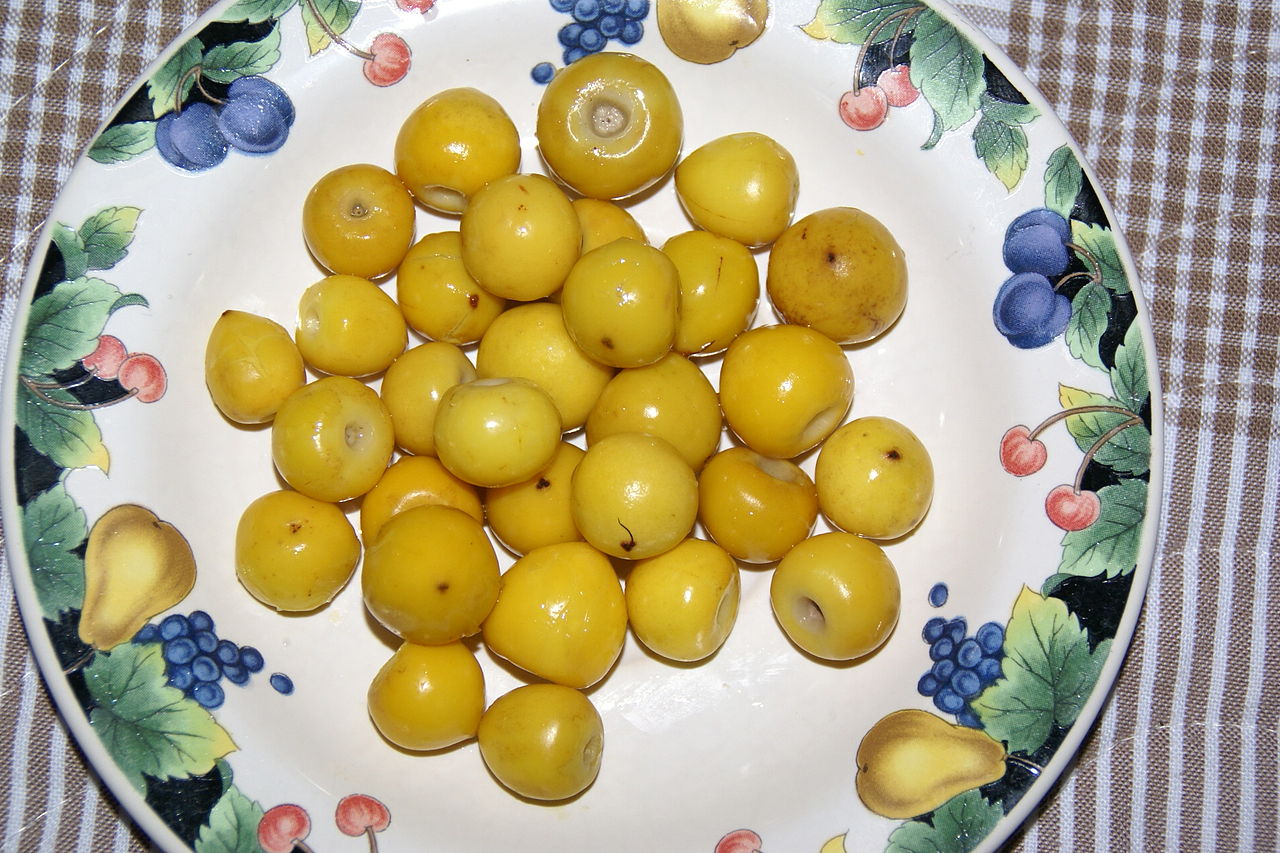
Secondary II High No biomass productionNative Cerrado and Caatinga fruit tree with a wide, low crown. EcoAgri lists it in the high stratum of the 'up to 50 years' extras. Small yellow fr...
-
pigeon pea
Cajanus cajan
Placenta I Low Fertilizer biomass 🌱 Nitrogen fixerShort-cycle shrubby legume that fixes nitrogen, widely used in Brazilian agroforestry as green manure, early shade and food. Vigorous on poor soils.
-
gabiroba
Campomanesia adamantium
Placenta II LowPioneer fruit shrub of the Cerrado that colonizes degraded areas. Deep roots stabilize soil and aid water retention. Edible fruits and medicinal le...
-
Brazilian jack bean
Canavalia brasiliensis
Placenta I Low Fertilizer biomass 🌱 Nitrogen fixerAnnual nitrogen-fixing legume native to Brazil, cousin of feijão-de-porco. Listed in Embrapa CT-16 Tabela 1 as a cover crop alongside crotalarias a...
-
jack bean
Canavalia ensiformis
Placenta I Low Fertilizer biomass 🌱 Nitrogen fixerAnnual nitrogen-fixing legume with strong soil-decompacting and weed-suppressing ability. Explicitly cited by Pasini among Accumulation-system spec...
-
cumari pepper
Capsicum baccatum
Placenta II Low No biomass productionNative Brazilian forest pepper, small (~1 cm) very pungent fruits (30,000–100,000 SHU). Tolerates partial shade — riparian forest understory and ho...
-
dedo-de-moça pepper
Capsicum baccatum
Placenta II Low No biomass productionBrazil's most-consumed fresh chili (5,000–30,000 SHU). Elongated red fruits (~6 cm). 1–1.5 m plant, open canopy. Backbone of the sauce and pickle i...
-
pimenta de cheiro
Capsicum chinense
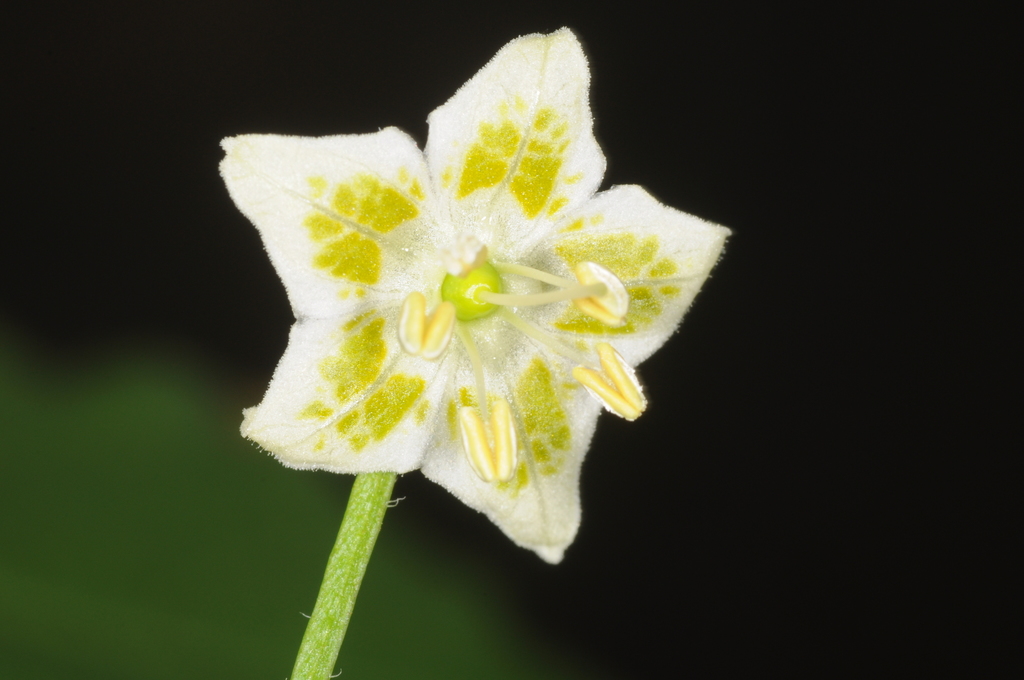
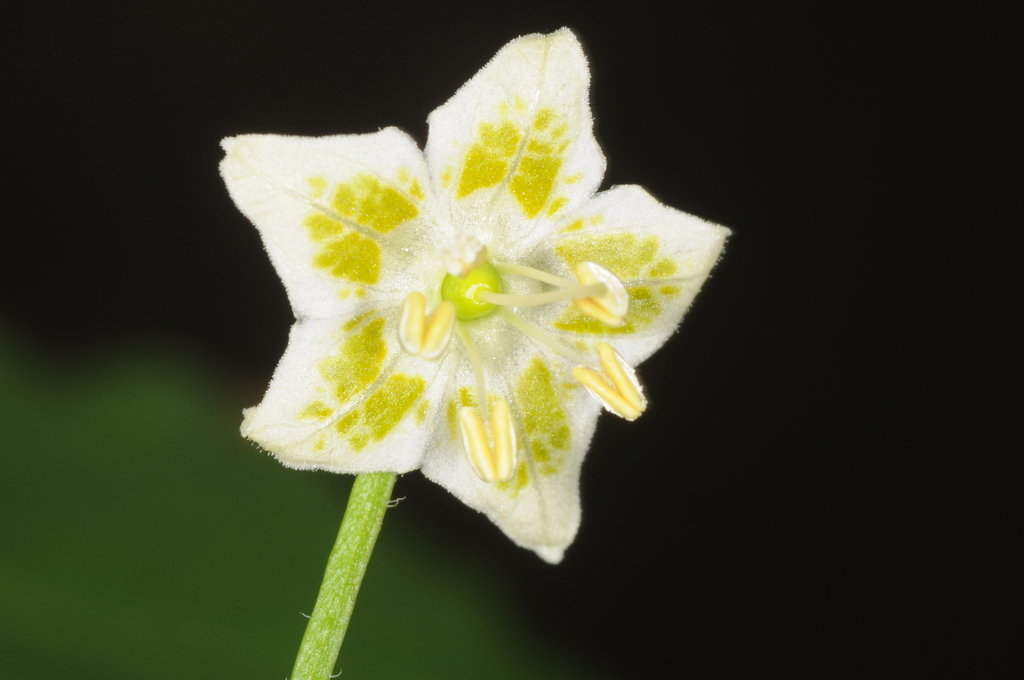
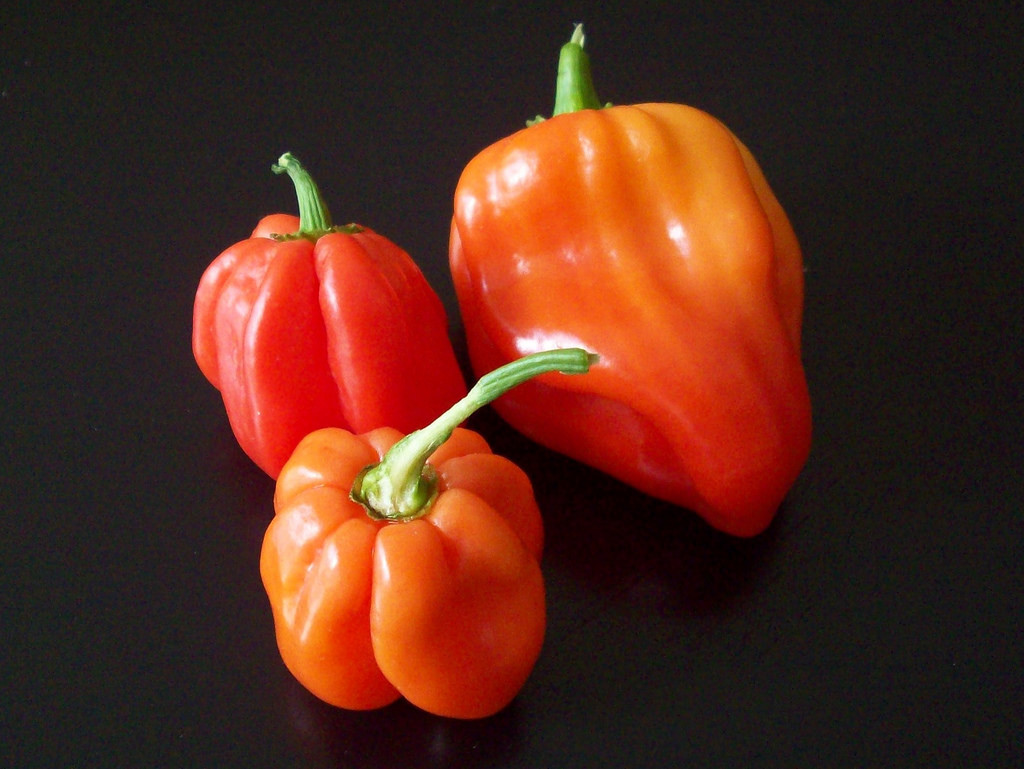
Placenta II Low No biomass productionBrazilian C. chinense pepper with low pungency (0–500 SHU) and very intense aroma. Round yellow/green/red fruits. Foundation of Pará and Amazon cui...
❓ Frequently asked questions
What characterizes the Cerrado biome?
Tropical savanna of central Brazil — the most biodiverse savanna on Earth. Pronounced dry season (4–6 months), deep acidic soils, fire integrated into species dynamics. Cerrado species typically have deep roots, thick bark, and tolerance to fire and drought — valuable traits for systems in seasonal climates.
Which plants does the catalog suggest for the Cerrado biome?
The catalog holds 204 species, among them pinto peanut, arracacha, peroba-poca. Each profile shows stratum, succession stage, and the management data, with sources cited.