
Climate
Plants for the Subtropical with dry winter (Cwa) climate
Subtropical with a dry winter: hot rainy summers, dry winters with possible frost. The tropical calendar applies (plant with the rains), plus attention to the hardiness of the perennials.
173 species in the catalog · Refine this list in the catalog
-
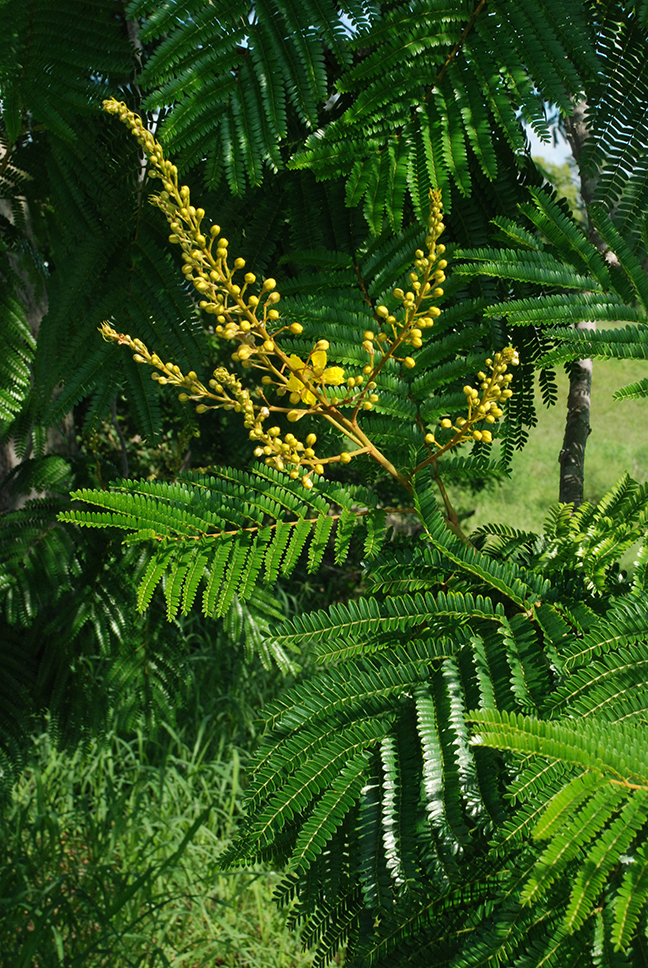
yellow poinciana
Peltophorum dubium
Secondary I High Fertilizer biomassPioneer heliophyte legume with fast growth. 10–20 m, occasionally 40 m at maturity. Occurs in Cerrado and Atlantic Forest, transition zones and rip...
-
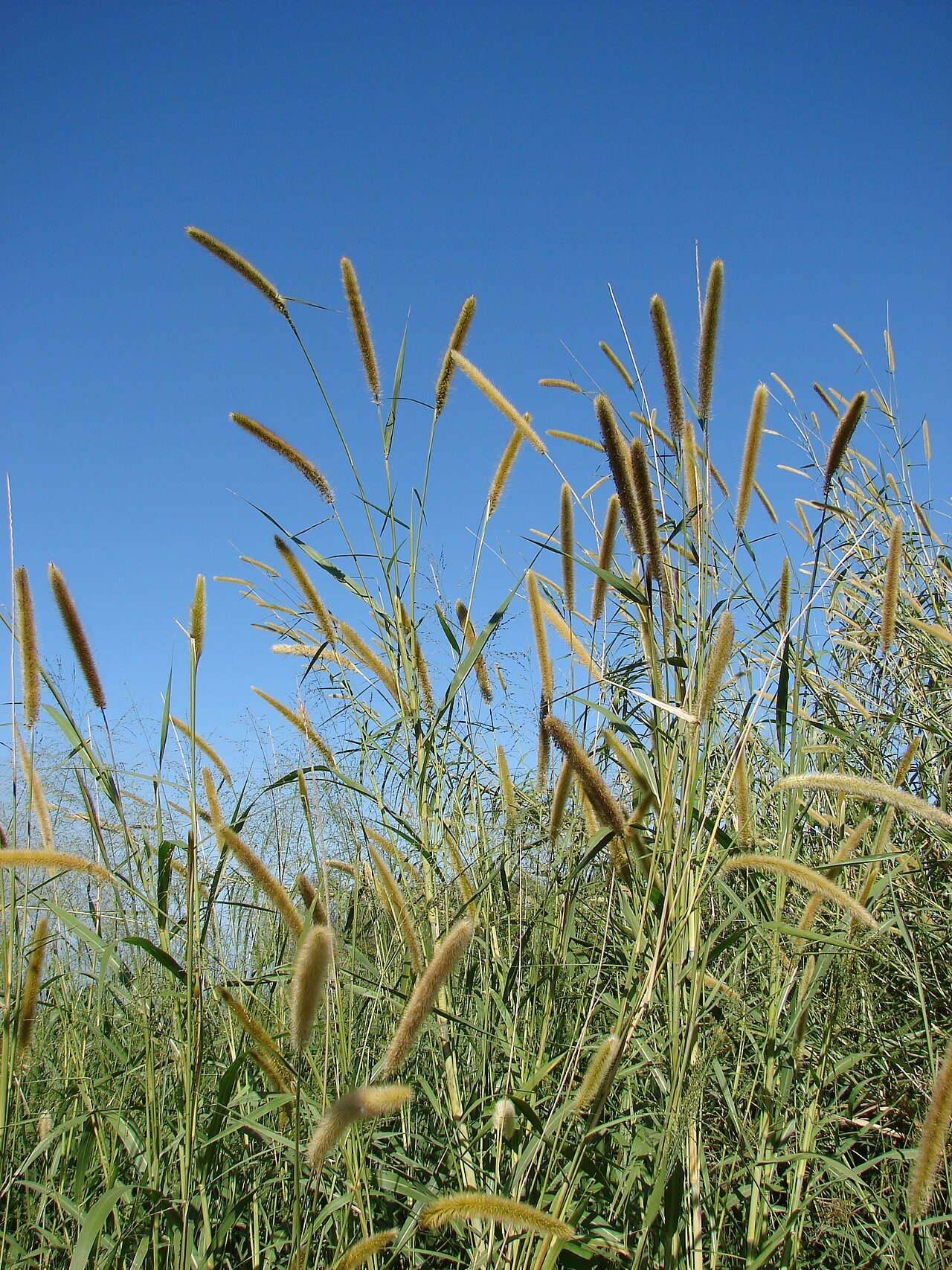
Napier grass
Pennisetum purpureum
Placenta II Medium Mulch biomassPerennial African grass introduced to Brazil in 1920. Forms vigorous clumps reaching 3–5 m and is one of the main biomass-producing species in synt...
-
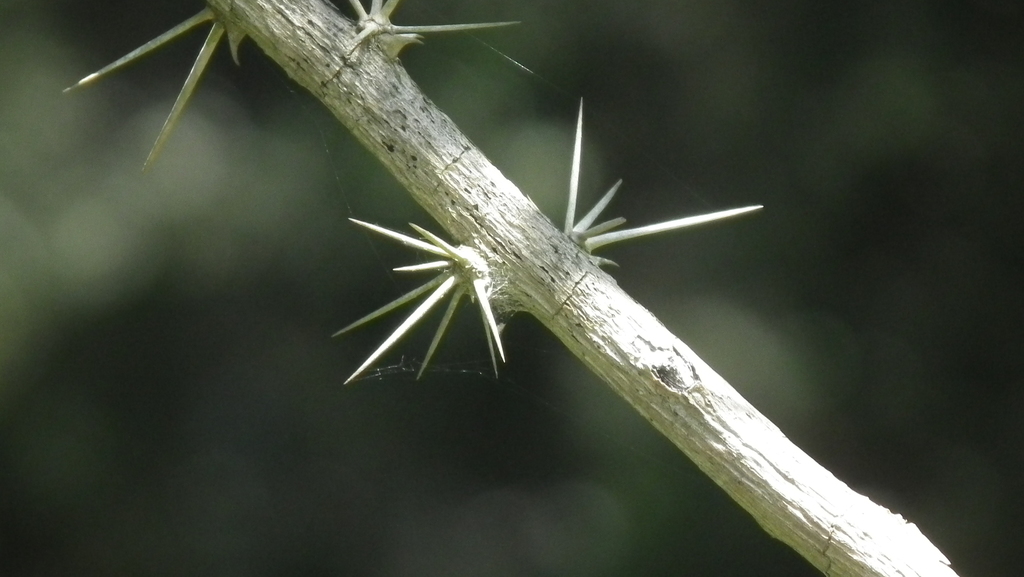
Barbados gooseberry
Pereskia aculeata
Placenta II Medium No biomass productionAn atypical cactus with broad, non-succulent leaves and a spiny scrambling, shrubby habit, native to the Americas and common in southeastern and no...
-
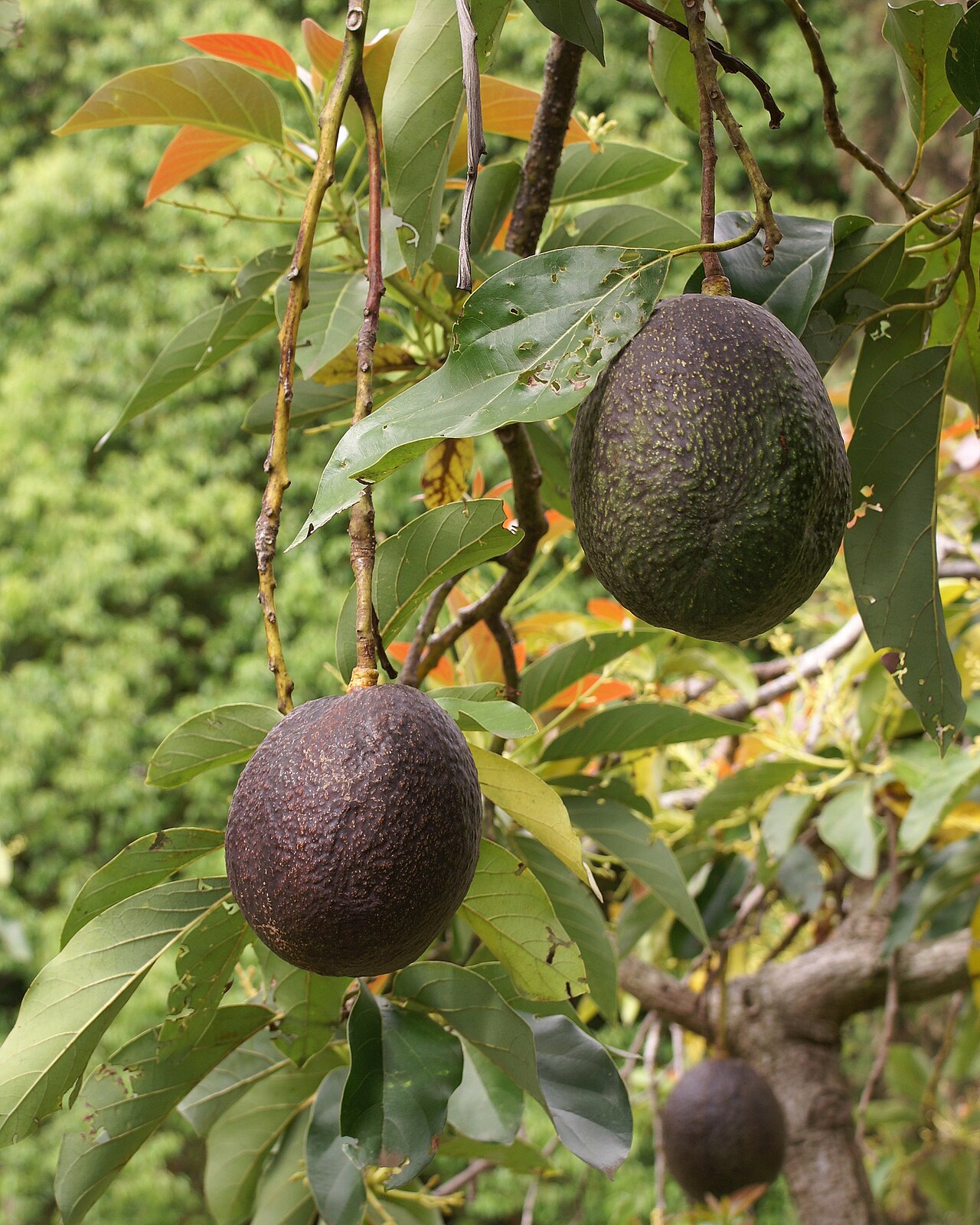
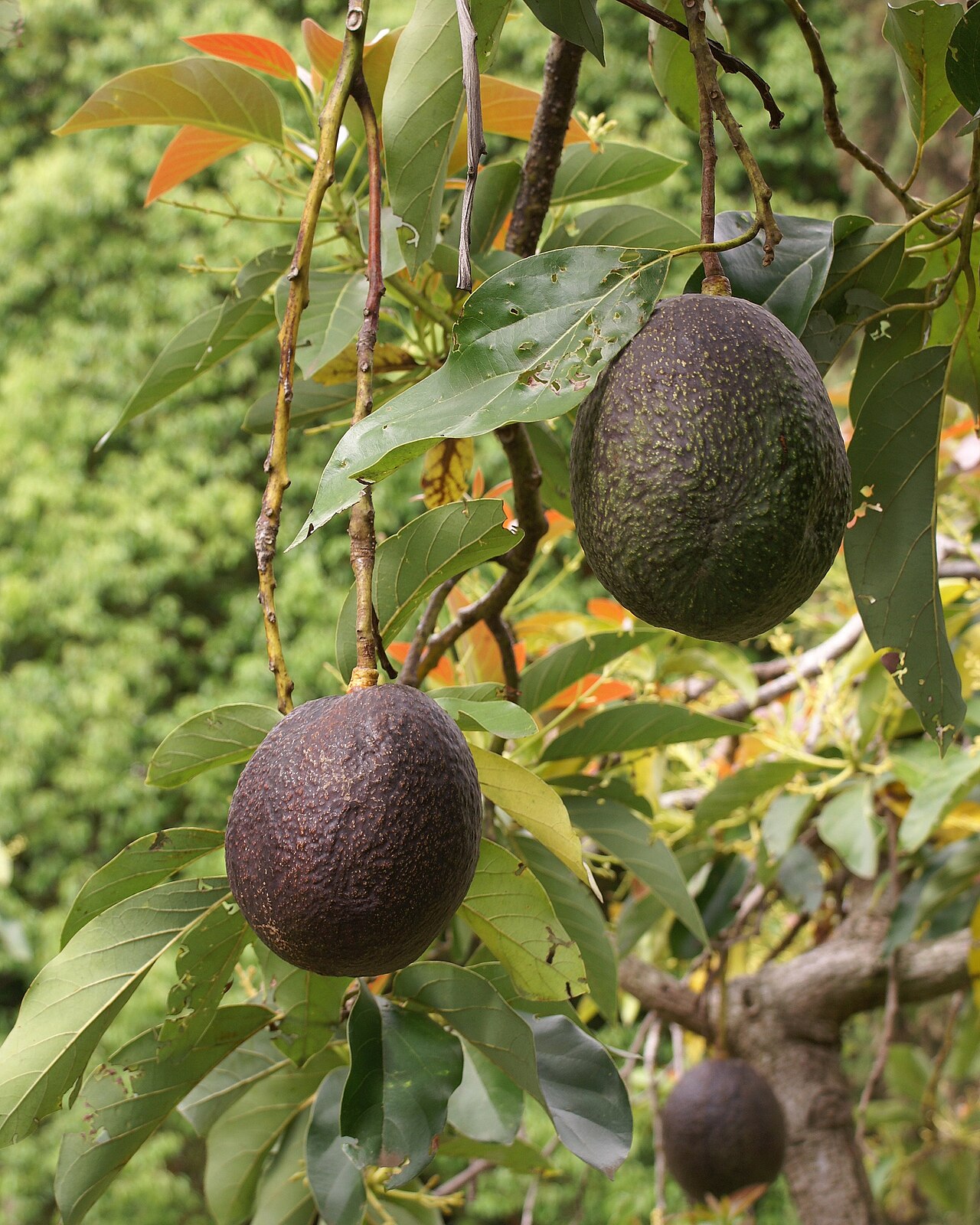
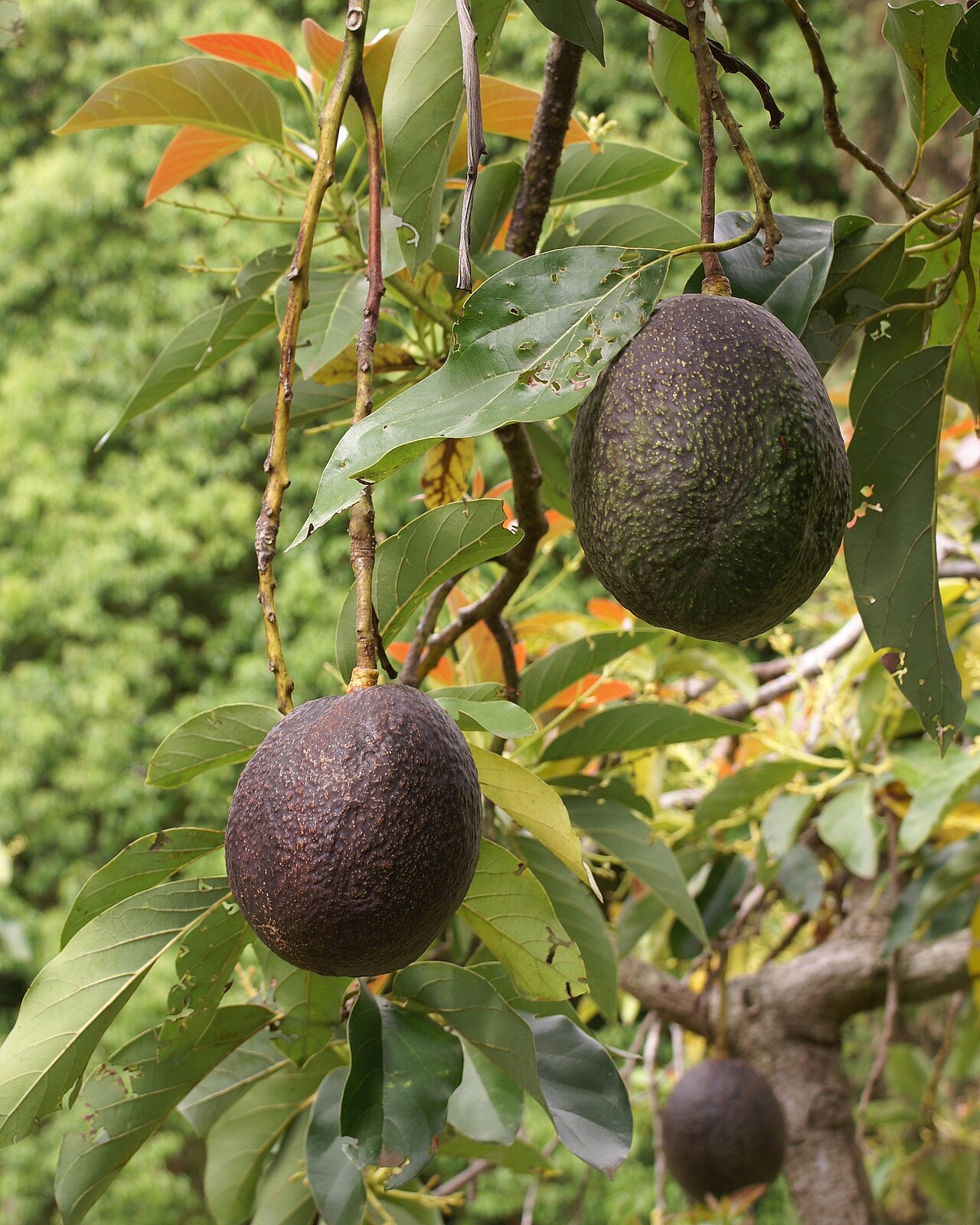
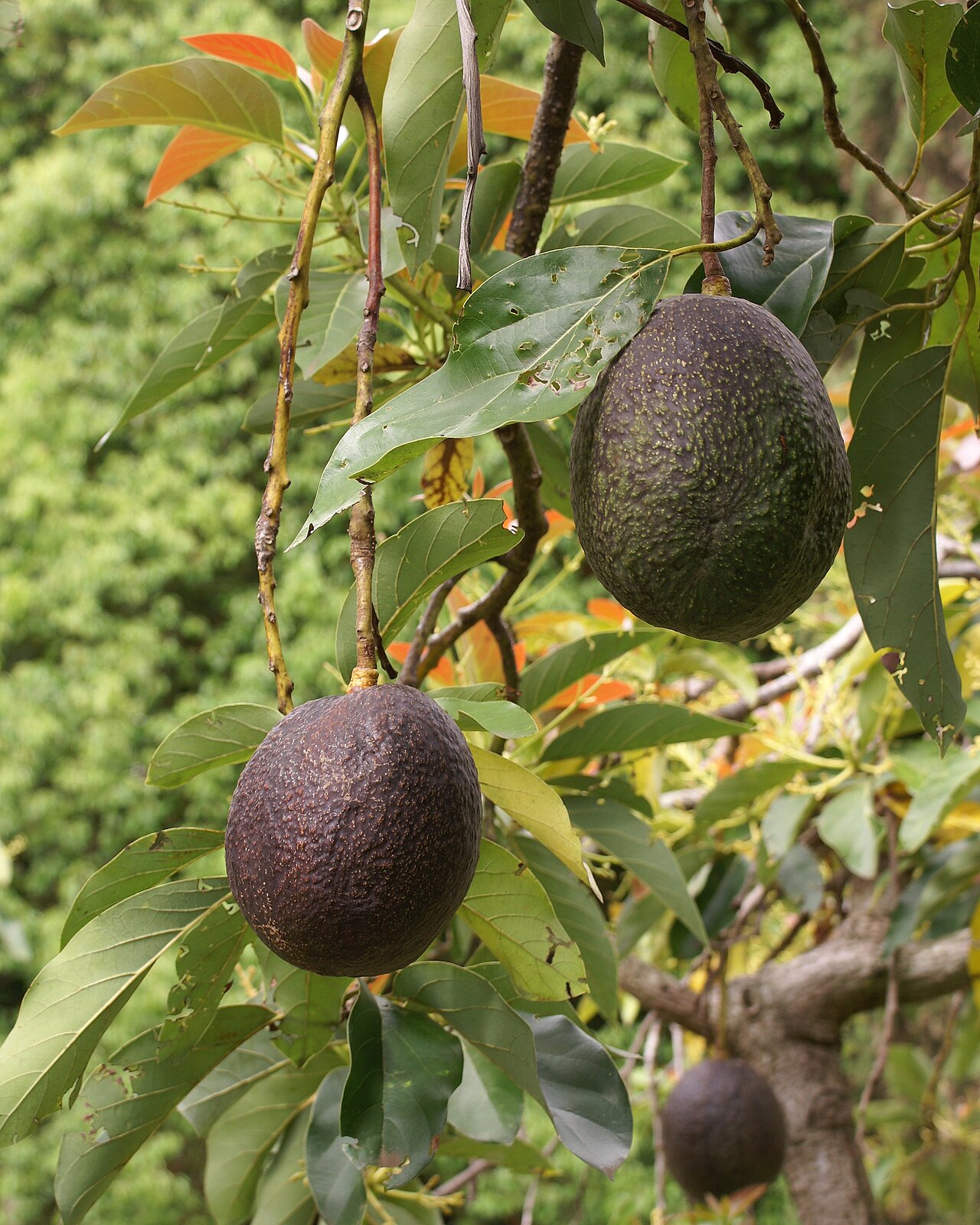
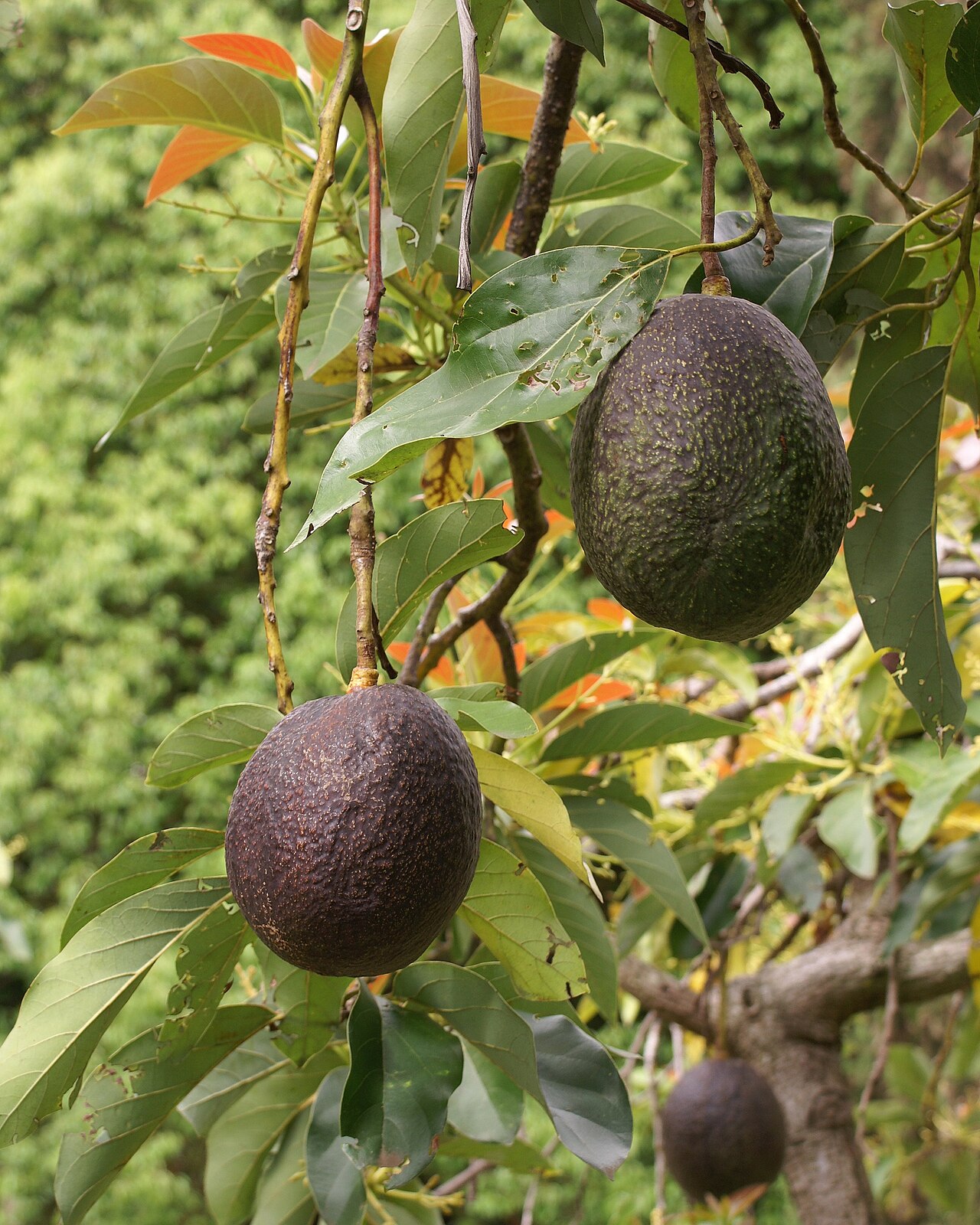
avocado
Persea americana
Secondary II High No biomass productionLong-lived perennial fruit tree. Pasini classifies it in the high stratum of Tabela 3 and explicitly cites it among Abundance-system species (high ...
-
geada avocado
Persea americana
Secondary II High No biomass productionEarly-ripening West Indian cultivar (Jan–Feb). Elongated pyriform fruit, light green, ~710 g, yellowish flesh with adherent seed. Floral type B — a...
-
margarida avocado
Persea americana
Secondary II Emergent No biomass productionLate-ripening cultivar with very large fruit (700–1,500 g, up to 2 kg), pyriform, light yellow flesh of good quality. Tall tree (12–15 m). West-Ind...
-
quintal avocado
Persea americana
Secondary II Emergent No biomass productionWest Indian Brazilian cultivar, mid-season ripening. Large fruit (>600 g, up to 1.2 kg), pyriform, with prized 'butter' flesh in the domestic marke...
-
hass avocado
Persea americana
Secondary II High No biomass productionMexican-Guatemalan cultivar (~80% Mexican), floral type A. Small-to-medium fruit (180–300 g), pebbly skin that darkens at ripeness, creamy flesh wi...
-
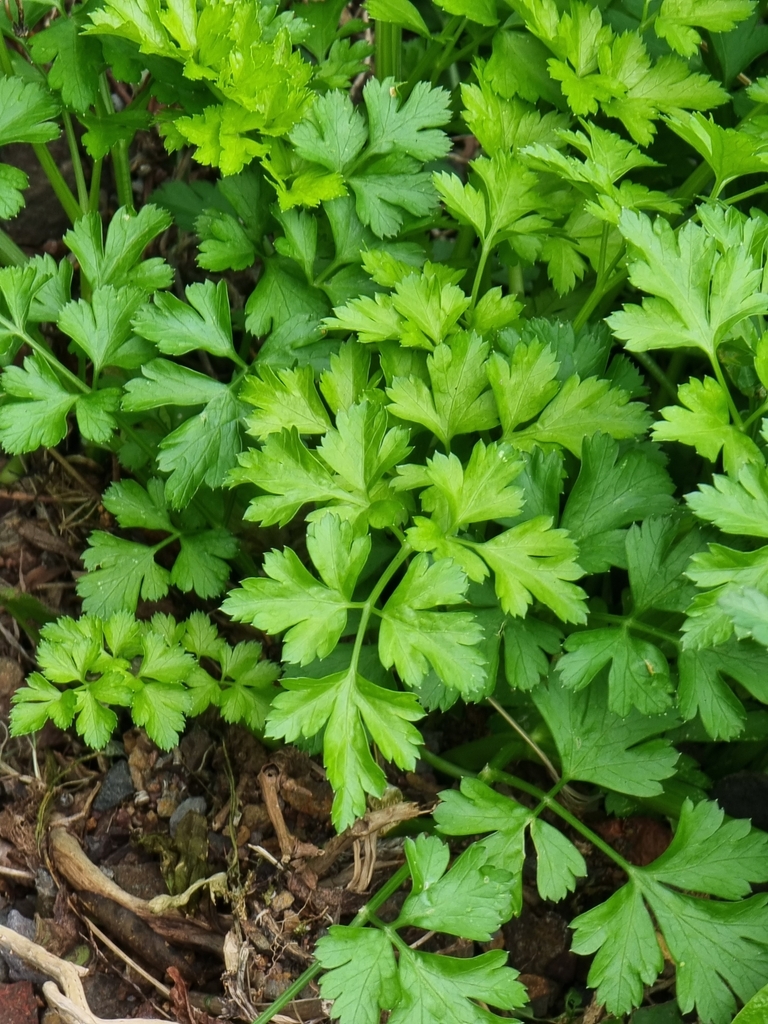
parsley
Petroselinum crispum
Placenta I Ground cover No biomass productionBiennial Apiaceae grown as an annual for its aromatic leaves. Pasini lists it in the low stratum of Tabela 3. Tolerates partial shade; consorts wel...
-
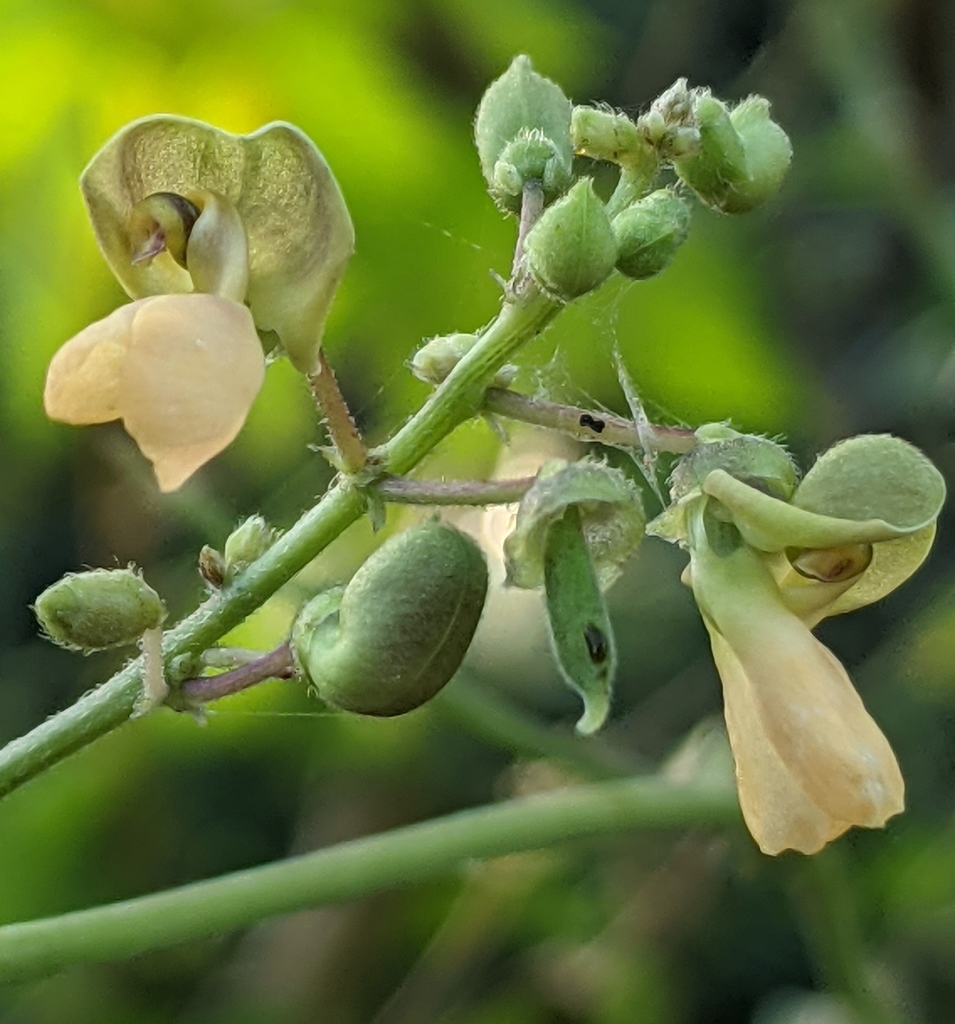
lima bean
Phaseolus lunatus
Placenta I High Fertilizer biomass 🌱 Nitrogen fixerAnnual or short-lived perennial nitrogen-fixing legume, native to the Americas. EcoAgri lists it in the high stratum of the 'up to 6 months' bin. C...
-
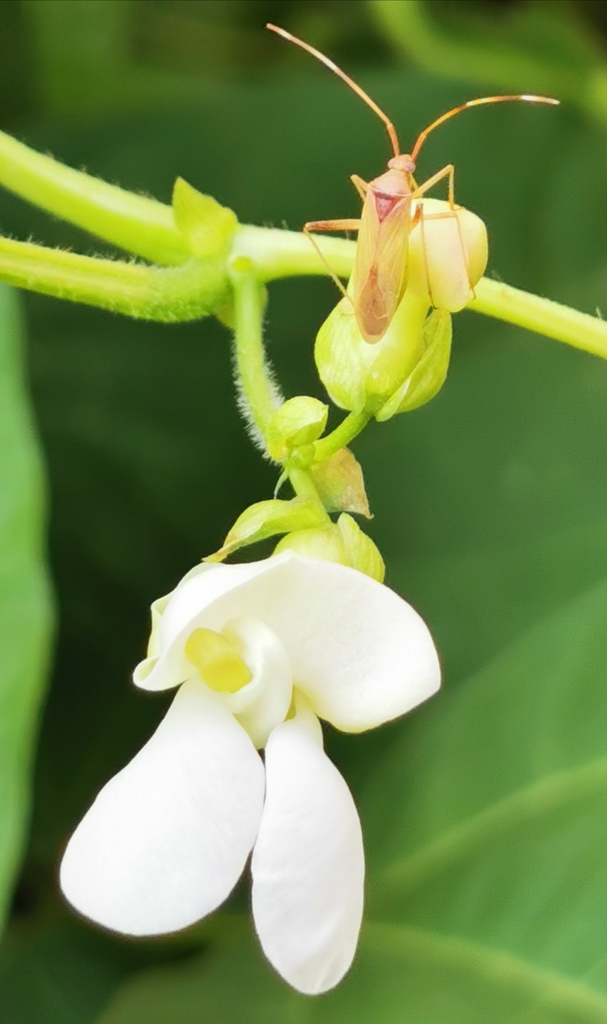
common bean
Phaseolus vulgaris
Placenta I Low Fertilizer biomass 🌱 Nitrogen fixerAnnual nitrogen-fixing legume, dietary staple in Brazil. Pasini lists it in the medium stratum of Tabela 3. Planted in consortium with corn in the ...
-
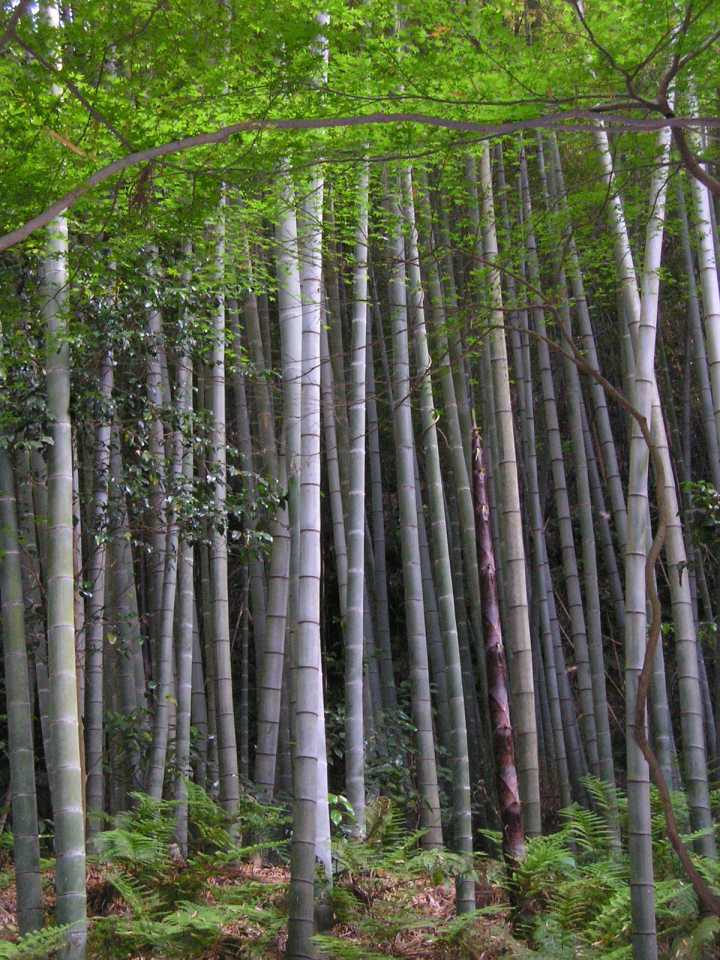
moso bamboo
Phyllostachys edulis
Secondary I Emergent Mulch biomassA running (spreading) bamboo native to China and Taiwan, the most cultivated species for timber and fiber in East Asia. It reaches up to 28 m tall ...
-
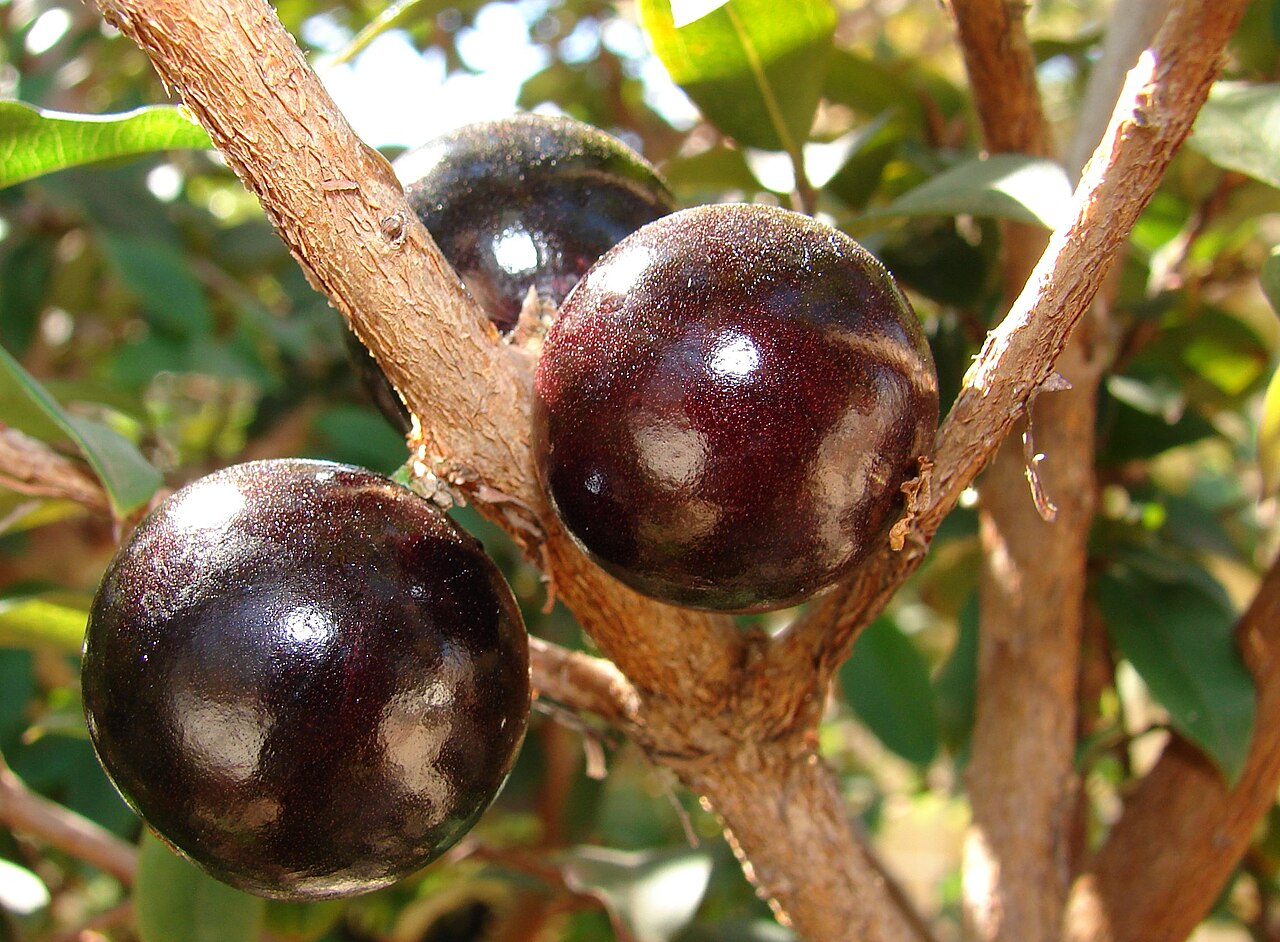
jabuticaba
Plinia cauliflora
Secondary II Low No biomass productionAtlantic Forest native characterized by cauliflory (fruits on the trunk). Pasini lists it in the high stratum of Tabela 3 and in the 20–50 year / +...
-
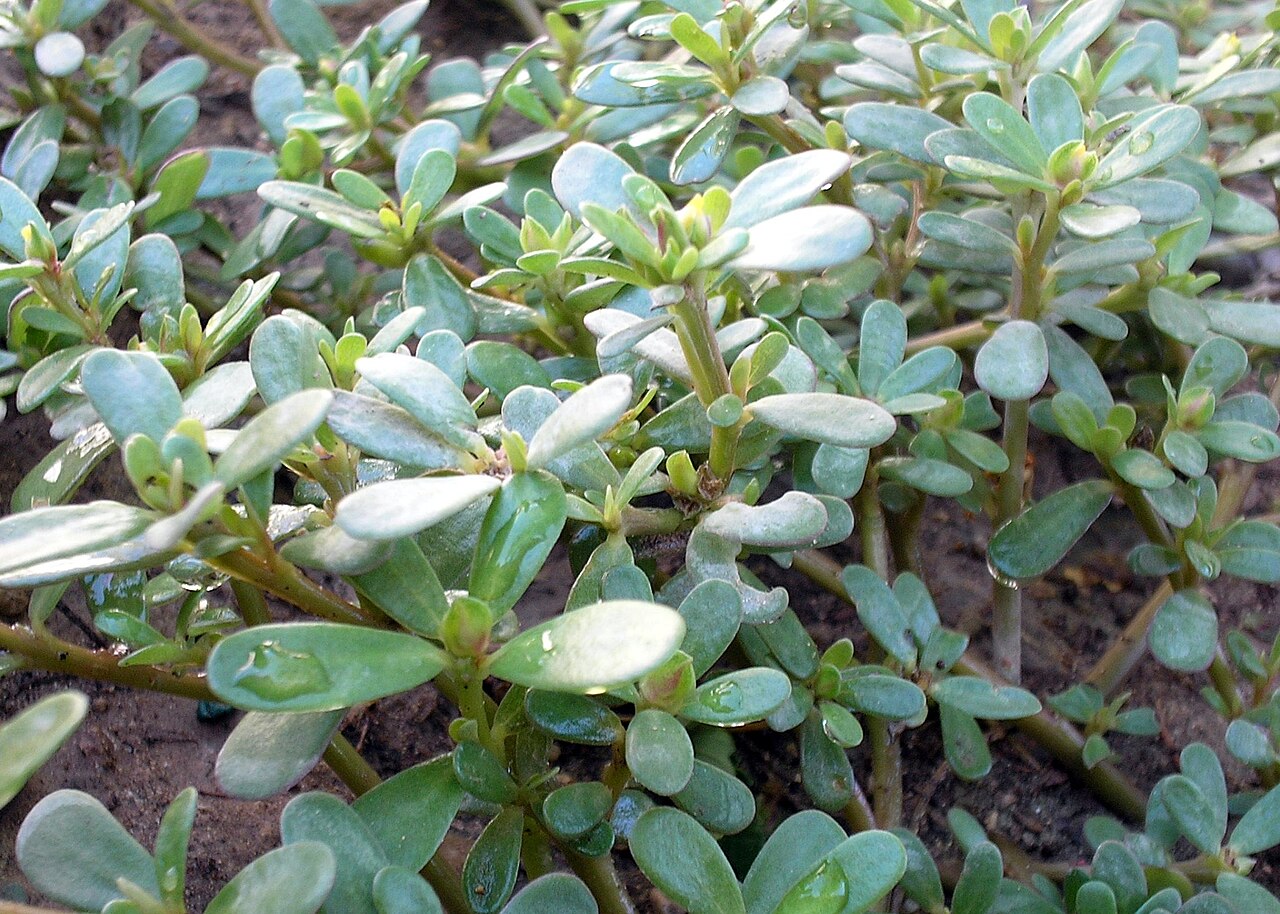
common purslane
Portulaca oleracea
Placenta I Ground cover Mulch biomassA prostrate annual succulent herb in the Portulacaceae, with a cosmopolitan distribution and very common as a volunteer in gardens and pavements. I...
-
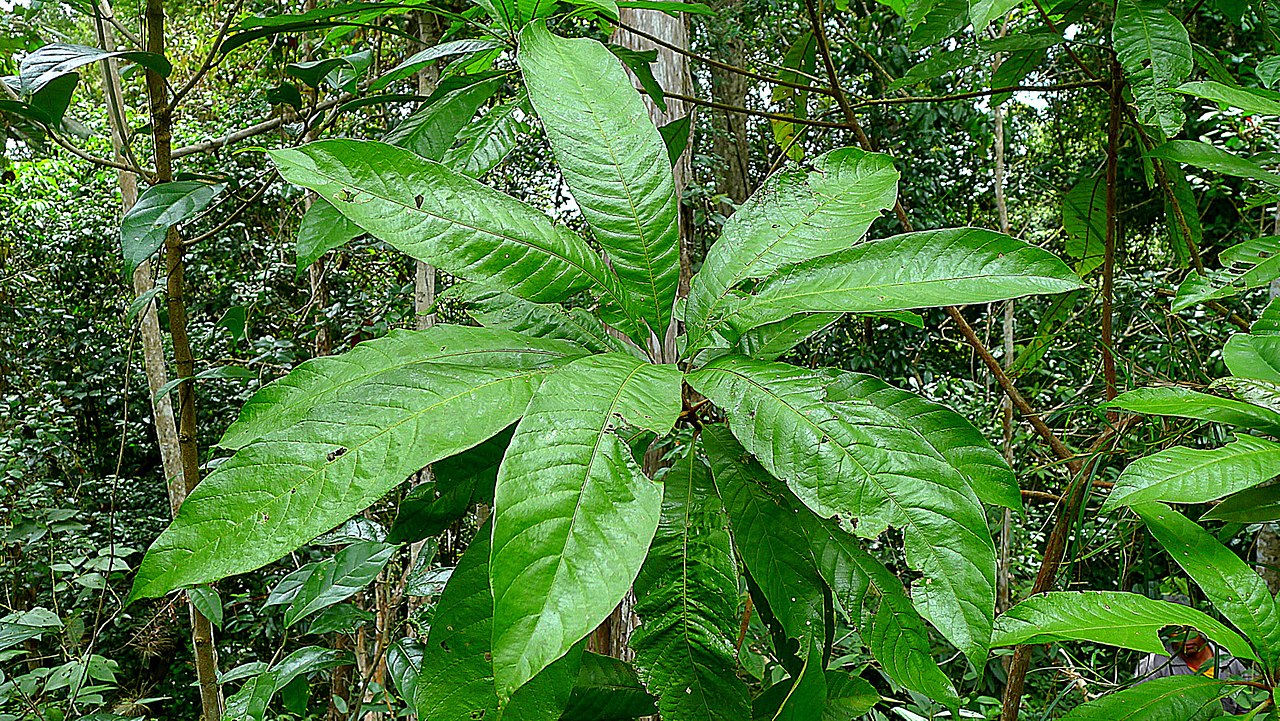
guapeva
Pouteria torta
Secondary II High Mulch biomassMedium-sized Cerrado and Atlantic Forest tree (8–15 m). Large yellow-orange fruit with sweet starchy flesh and shiny seeds — edible raw or in jams....
-
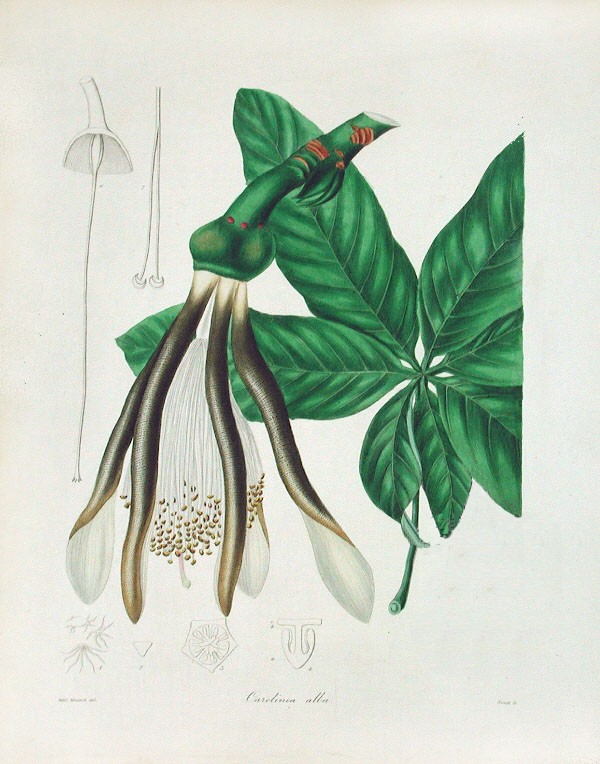
embiruçu
Pseudobombax grandiflorum
Secondary II High Mulch biomassNative tree of the Atlantic Forest and Cerrado, with spectacular brush-like white flowers. EcoAgri lists it in the high stratum of the 'up to 50 ye...
-
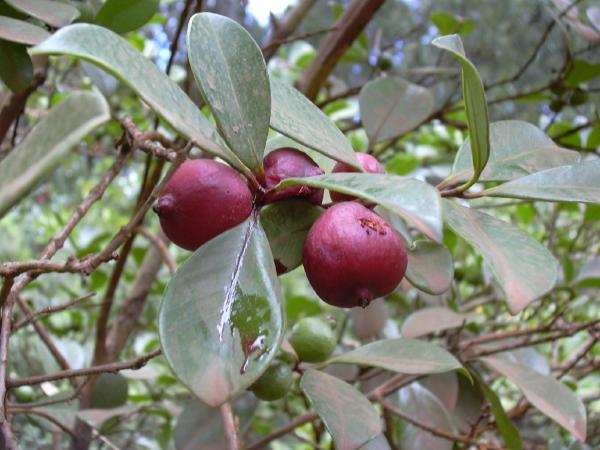
strawberry guava
Psidium cattleyanum
Secondary I High No biomass productionSmall native Atlantic Forest fruit tree, listed by Pasini in the high stratum of Tabela 3. Small red or yellow fruit similar to a guava with intens...
-
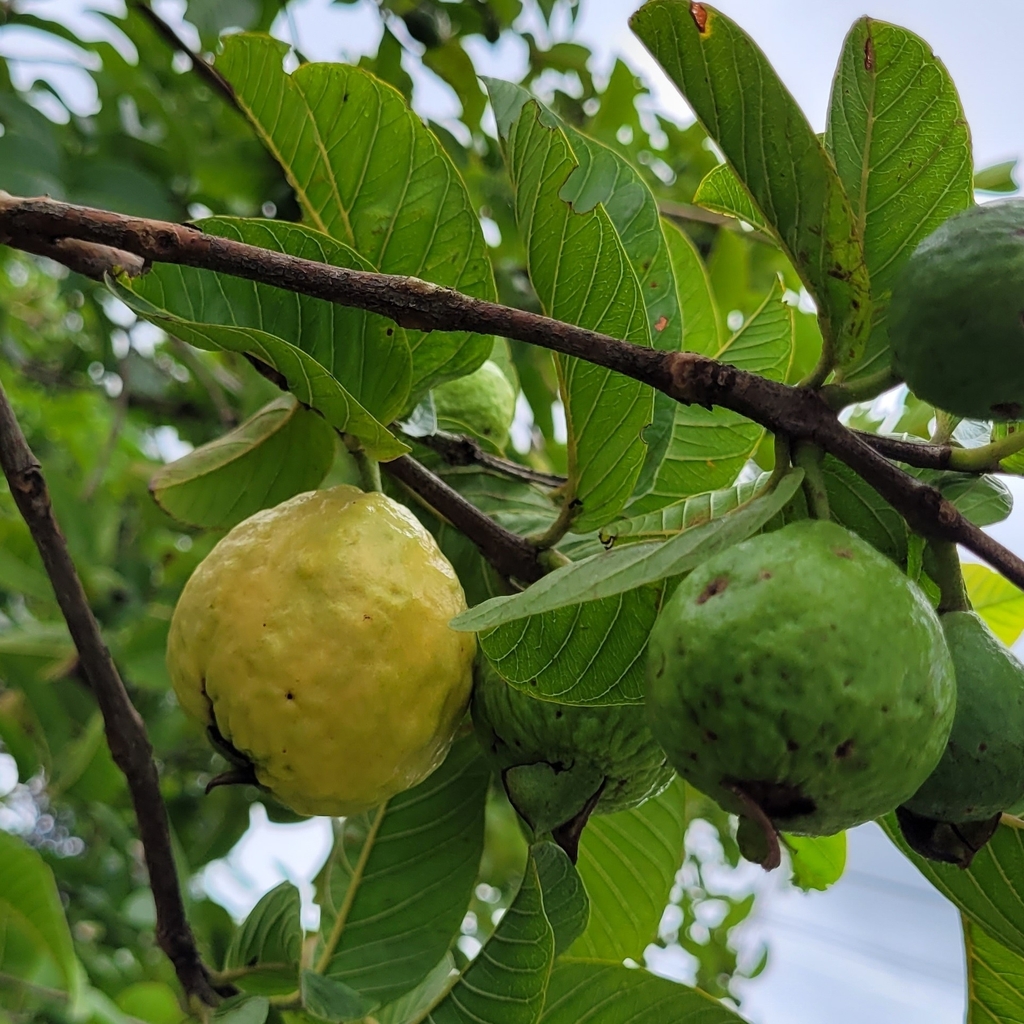
guava
Psidium guajava
Secondary I High No biomass productionNative tropical American fruit tree, common in Brazilian syntropic agroforestry systems. Pasini lists it in the high stratum of Tabela 3. Tolerates...
-
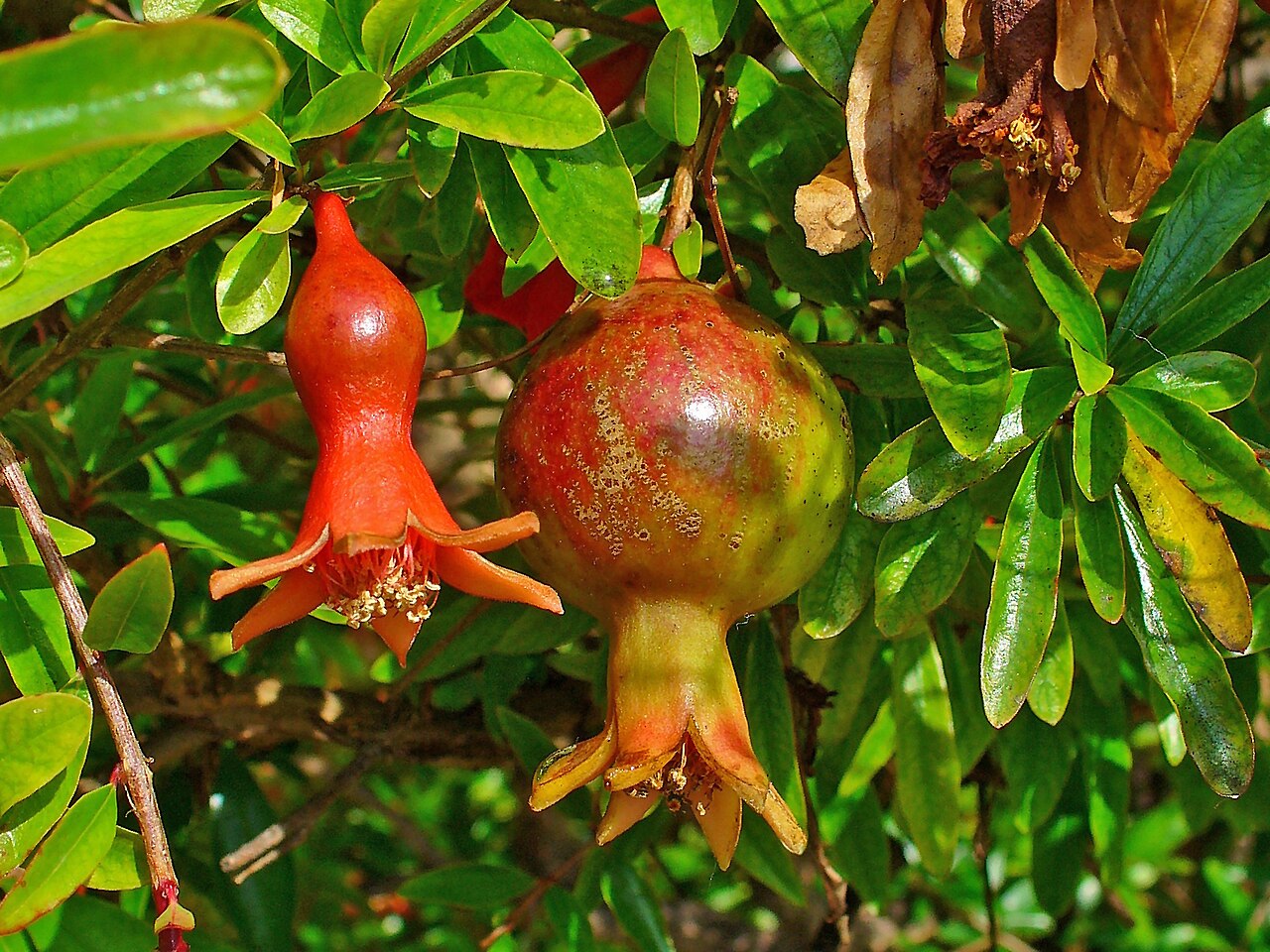
pomegranate
Punica granatum
Secondary I Low No biomass productionPomegranate, a deciduous shrub or small tree of the Lythraceae family, exotic to Brazil and cultivated across a wide range of the country. Drought-...
-
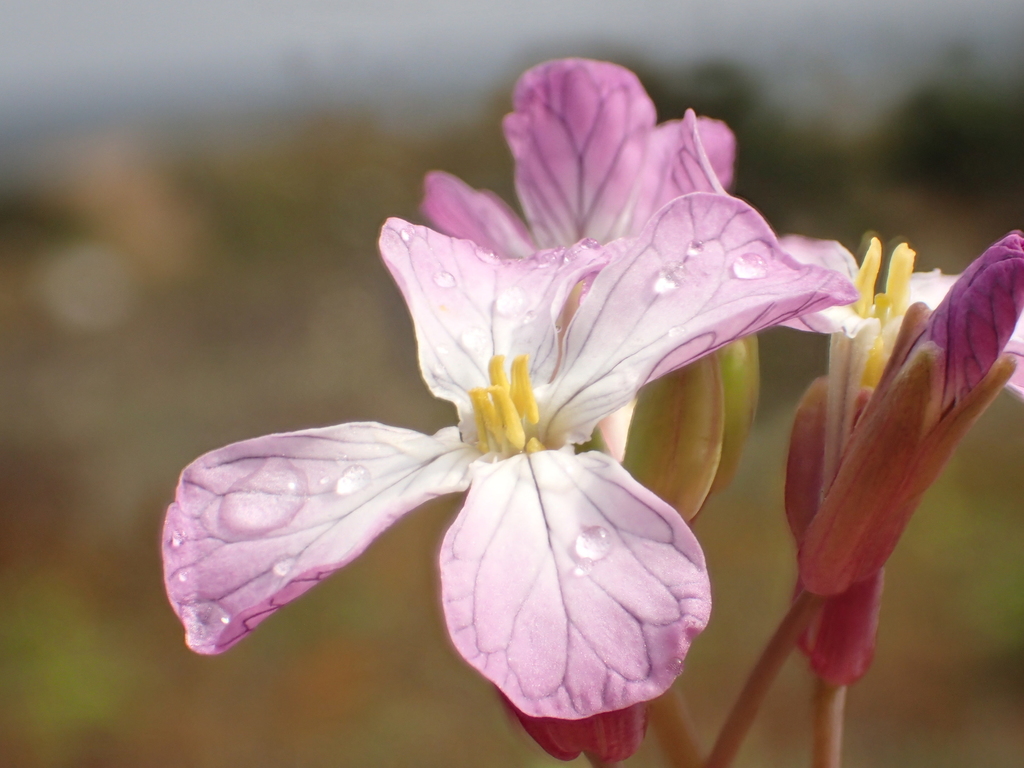
radish
Raphanus sativus
Placenta I Ground cover No biomass productionUltra-short-cycle brassica (25–35 days). Pasini lists it in the medium stratum of Tabela 3 (grown as a low-stratum species). Excellent for rotating...
-
fodder radish
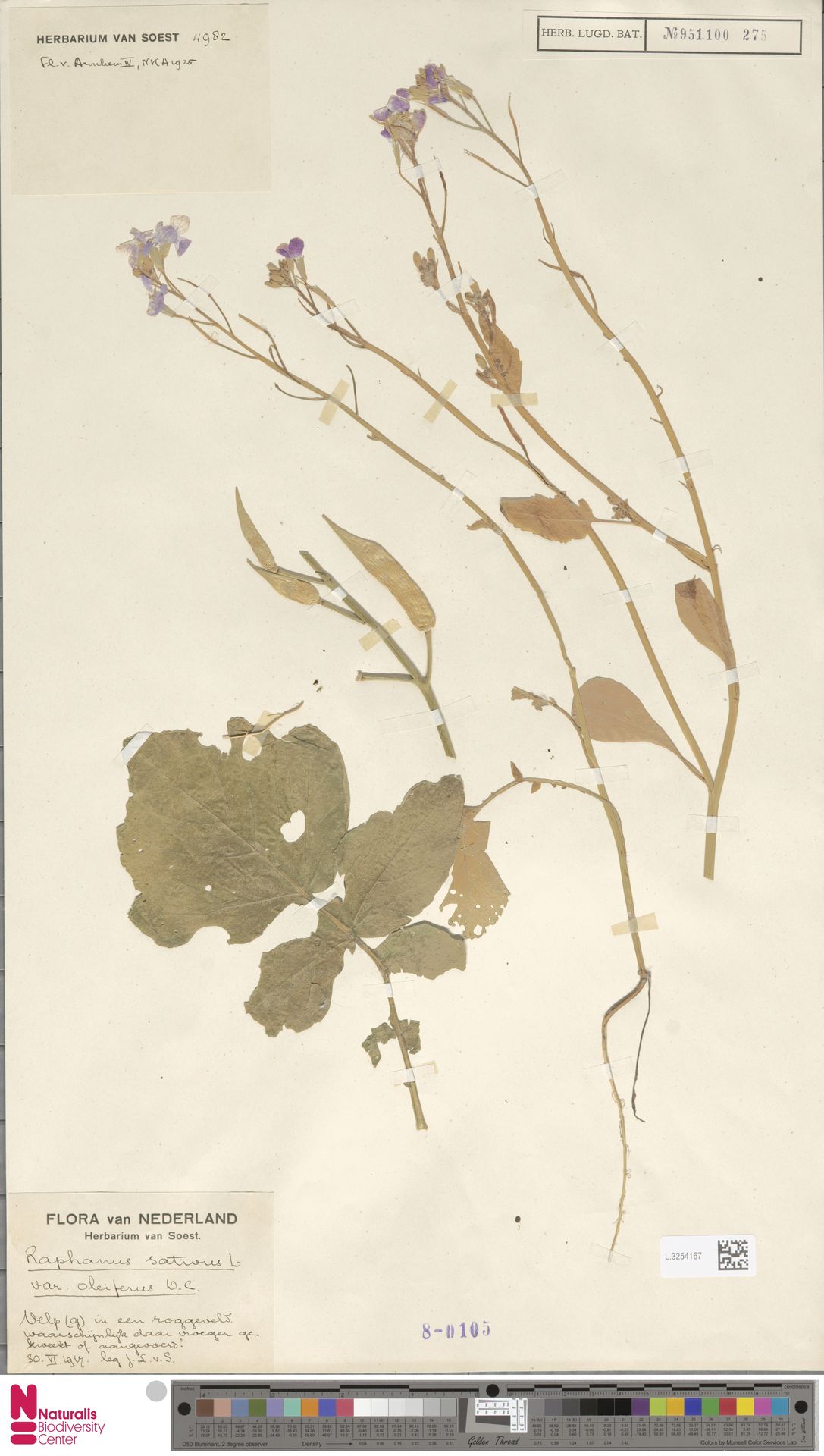
Raphanus sativus var. oleiferus
Placenta I Low Fertilizer biomassSpecific Raphanus cultivar for green manure. Pasini lists it in the medium stratum of Tabela 3. Taproot breaks through compacted layers; sulfur- an...
-
rosemary
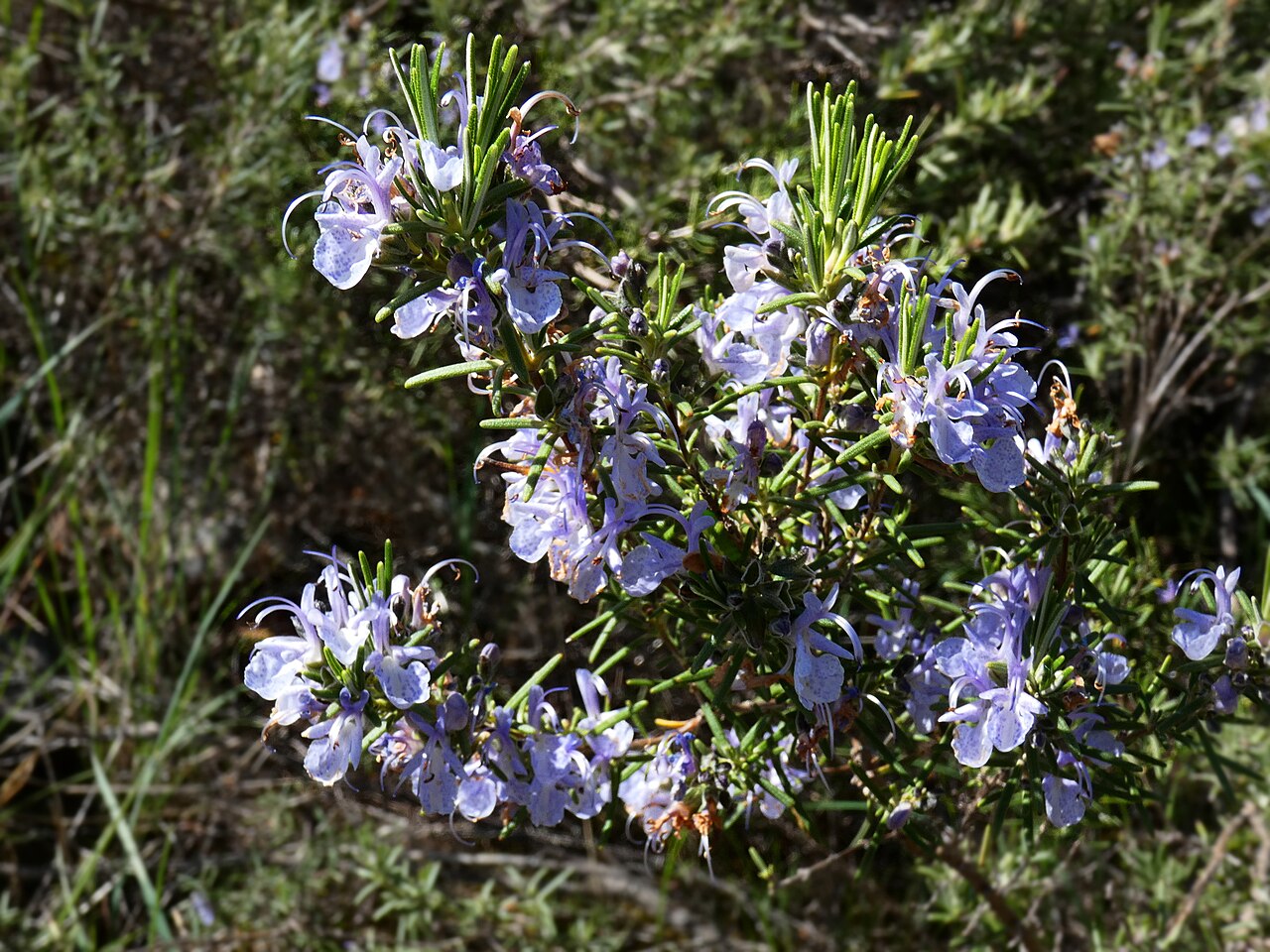
Salvia rosmarinus
Placenta II Low No biomass productionPerennial Mediterranean shrub (0.8–1.5 m), aromatic, narrow resinous leaves. Extreme drought tolerance; prefers well-drained slightly alkaline soil...
-
chayote
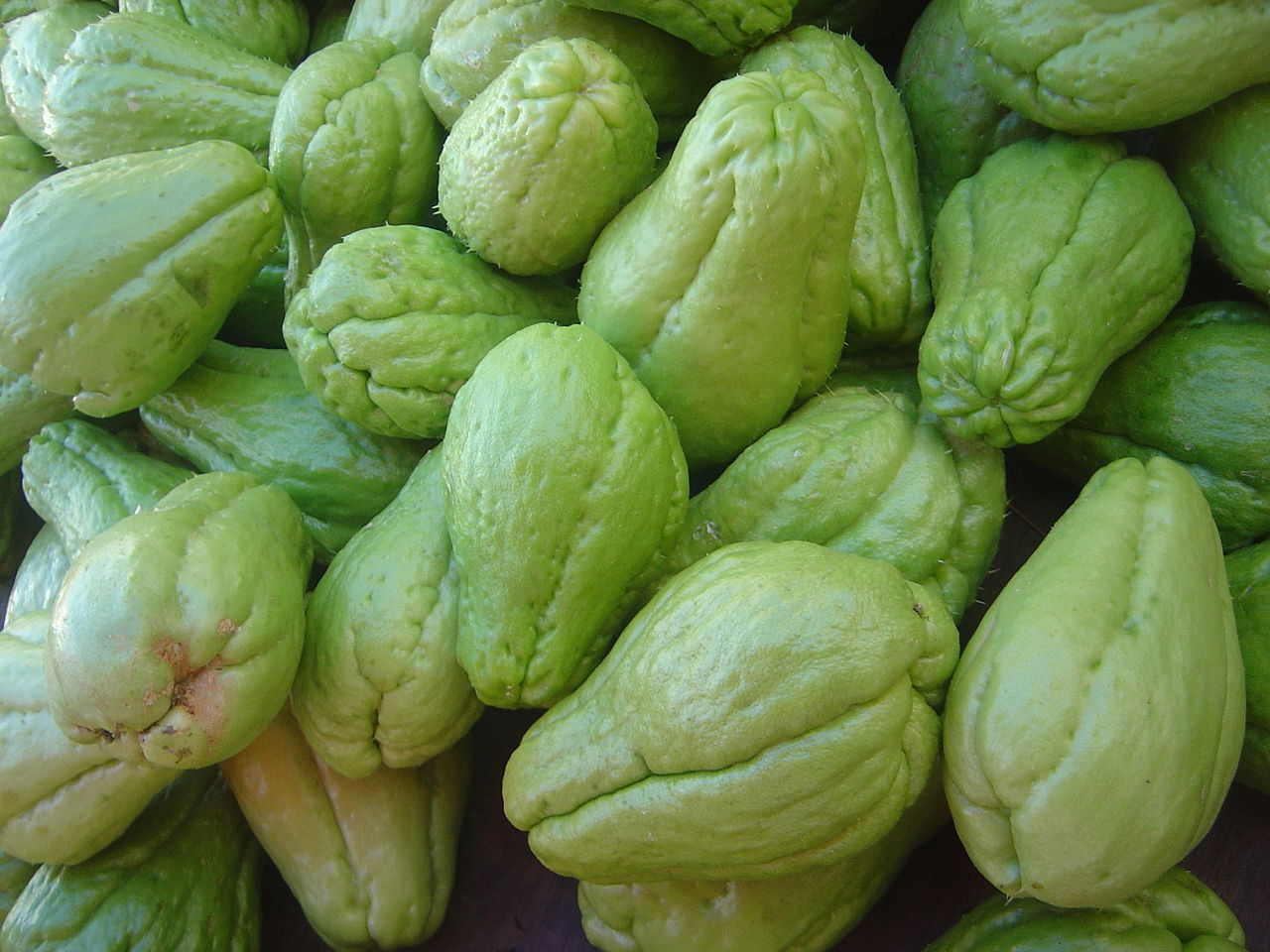
Sechium edule
Placenta II High No biomass productionPerennial climbing cucurbit of Mesoamerican origin, naturalized in Brazil. EcoAgri lists it in the high stratum of the 'up to 3 years' bin (the pla...
-
red-fleshed dragon fruit
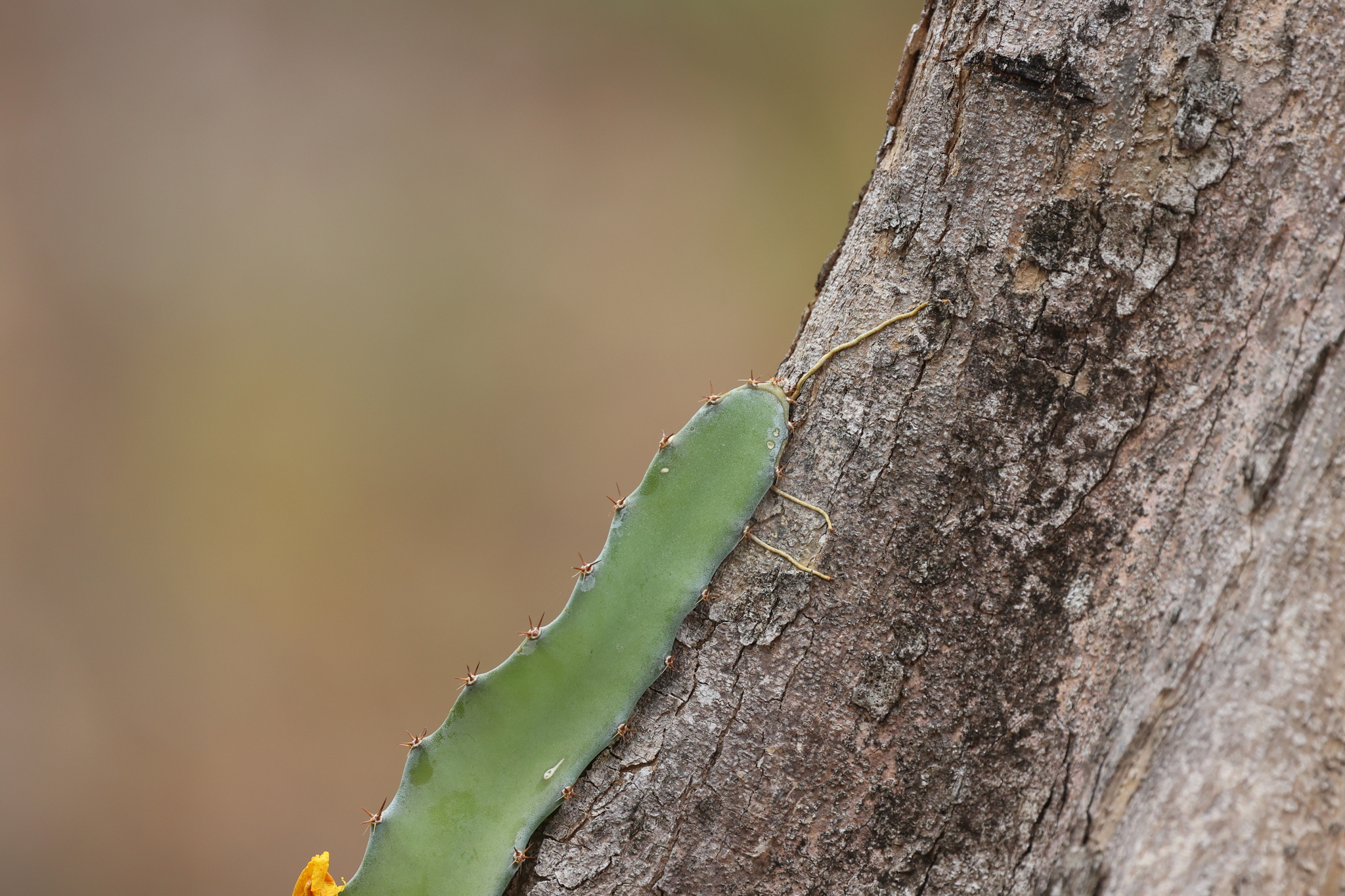
Selenicereus costaricensis
Placenta II Low No biomass productionAn epiphytic, climbing cactus native to Central America and northwestern South America (from Nicaragua to northern Peru), grown for its deep red-fl...
❓ Frequently asked questions
What is the Subtropical with dry winter (Cwa) climate?
Hot wet summers and dry winters. Common in central-southern Brazil and parts of inland São Paulo, Minas Gerais, and Goiás.
Which plants does the catalog suggest for the Subtropical with dry winter (Cwa) climate?
The catalog holds 173 species, among them yellow poinciana, Napier grass, Barbados gooseberry. Each profile shows stratum, succession stage, and the management data, with sources cited.