
Function
Fiber — species for syntropic systems
Fibers for rope, basketry, and building. Many are continuously resprouting clumps or short-cycle species, easy to fit along edges and between rows.
30 species in the catalog · Refine this list in the catalog
-
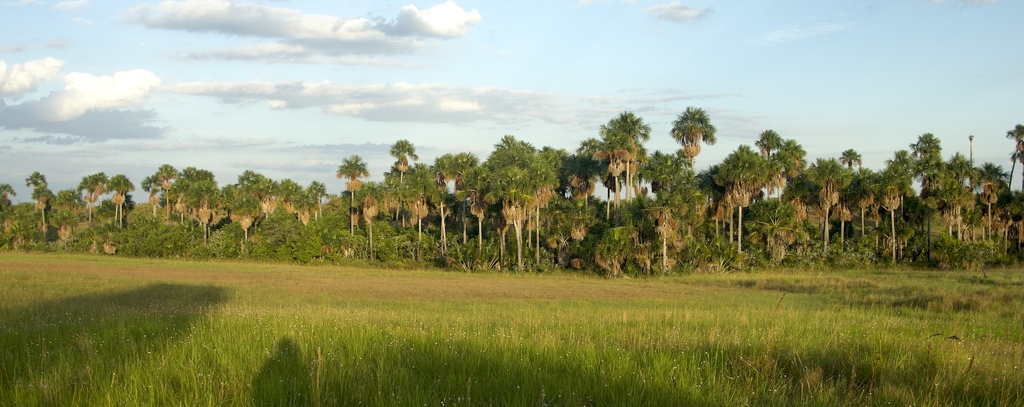
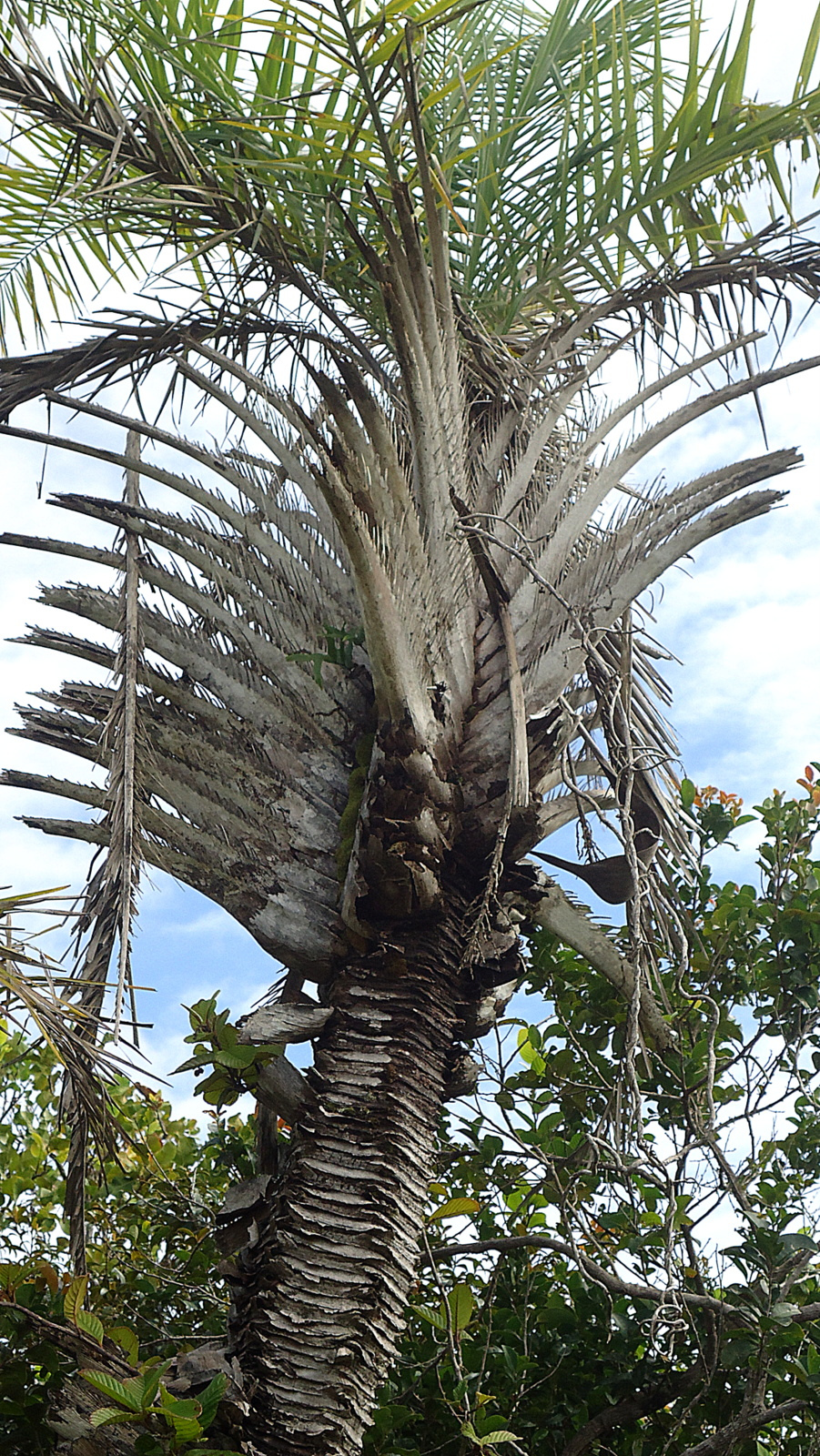
moriche palm
Mauritia flexuosa
Climax Emergent No biomass productionGiant palm of Cerrado wetlands (veredas) and Amazonian floodplains. Pasini lists it in the emergent stratum of Tabela 3. A water indicator: forms p...
-
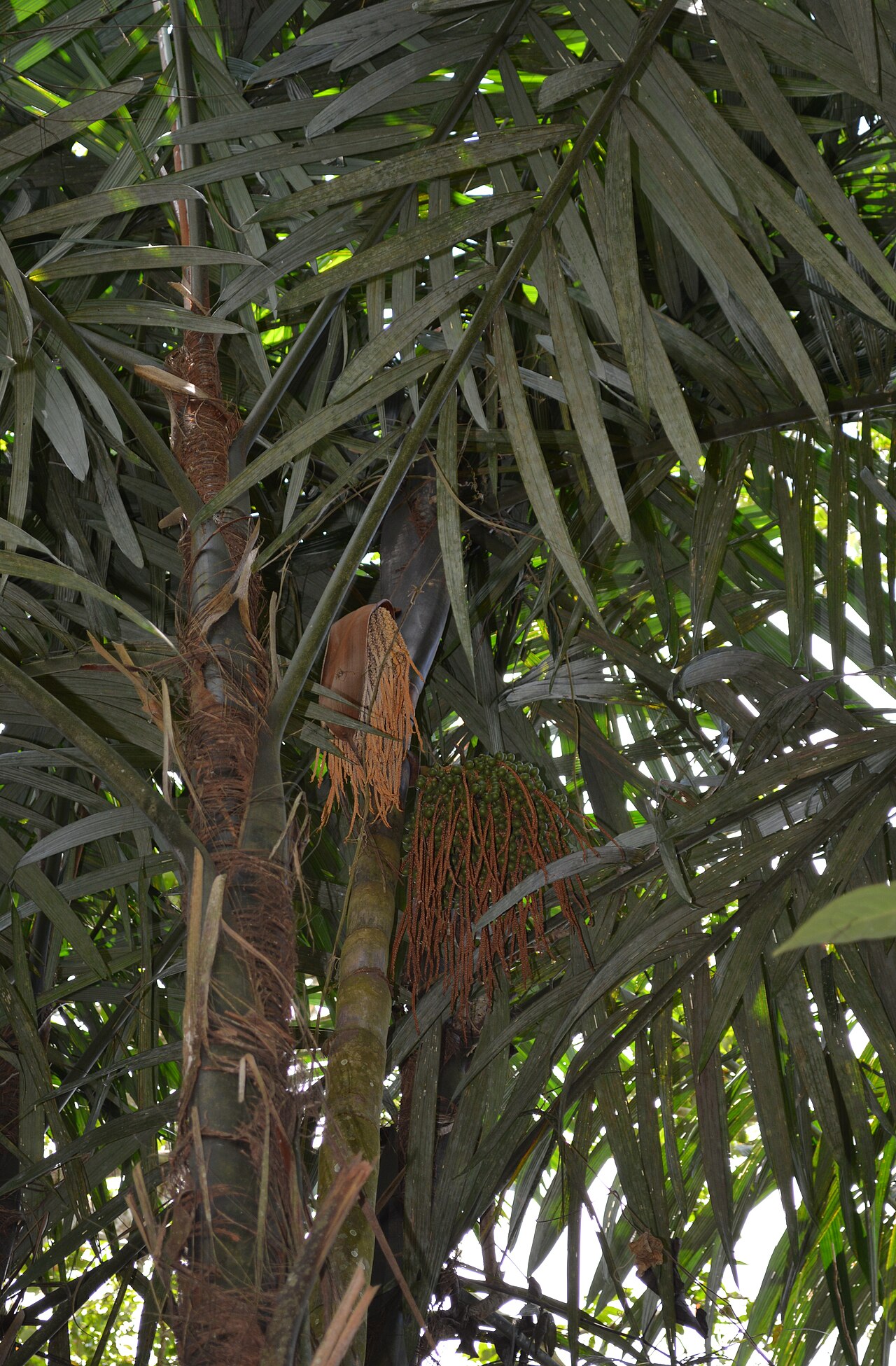
bacaba palm
Oenocarpus bacaba
Climax High No biomass productionAmazonian fruit palm, cousin of açaí. The Bosque de Niebla Guidebook (Farm Evolving timeline) includes it at the 40-year stage alongside Brazil nut...
-
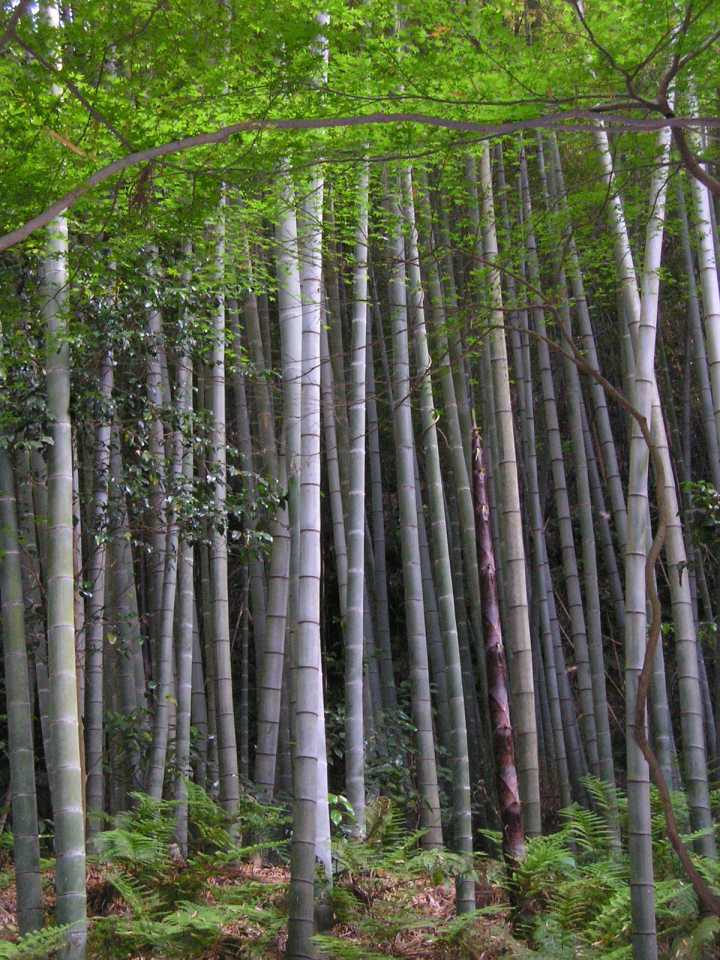
moso bamboo
Phyllostachys edulis
Secondary I Emergent Mulch biomassA running (spreading) bamboo native to China and Taiwan, the most cultivated species for timber and fiber in East Asia. It reaches up to 28 m tall ...
-
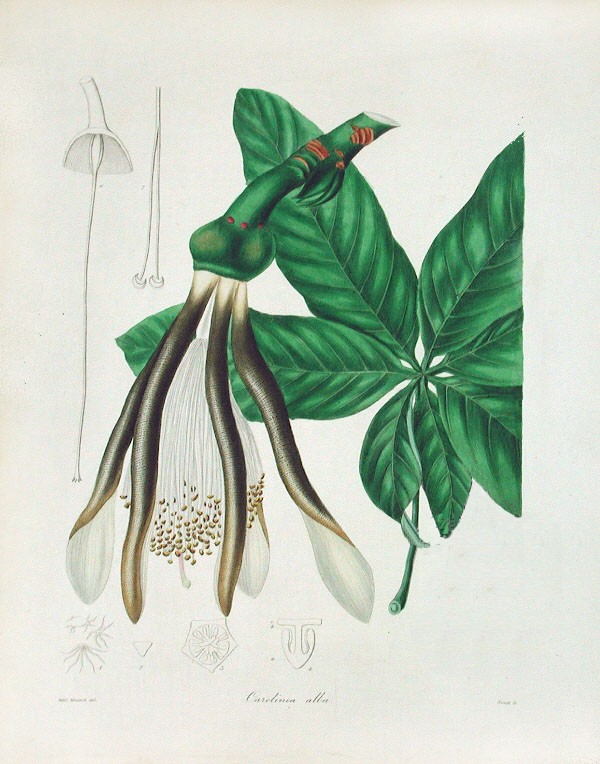
embiruçu
Pseudobombax grandiflorum
Secondary II High Mulch biomassNative tree of the Atlantic Forest and Cerrado, with spectacular brush-like white flowers. EcoAgri lists it in the high stratum of the 'up to 50 ye...
-
licuri palm
Syagrus coronata
Climax High Mulch biomassNative palm of the Caatinga and Northeastern Atlantic Forest, from northern Minas Gerais to Maranhão. Medium height (8–12 m), trunk covered by pers...
-
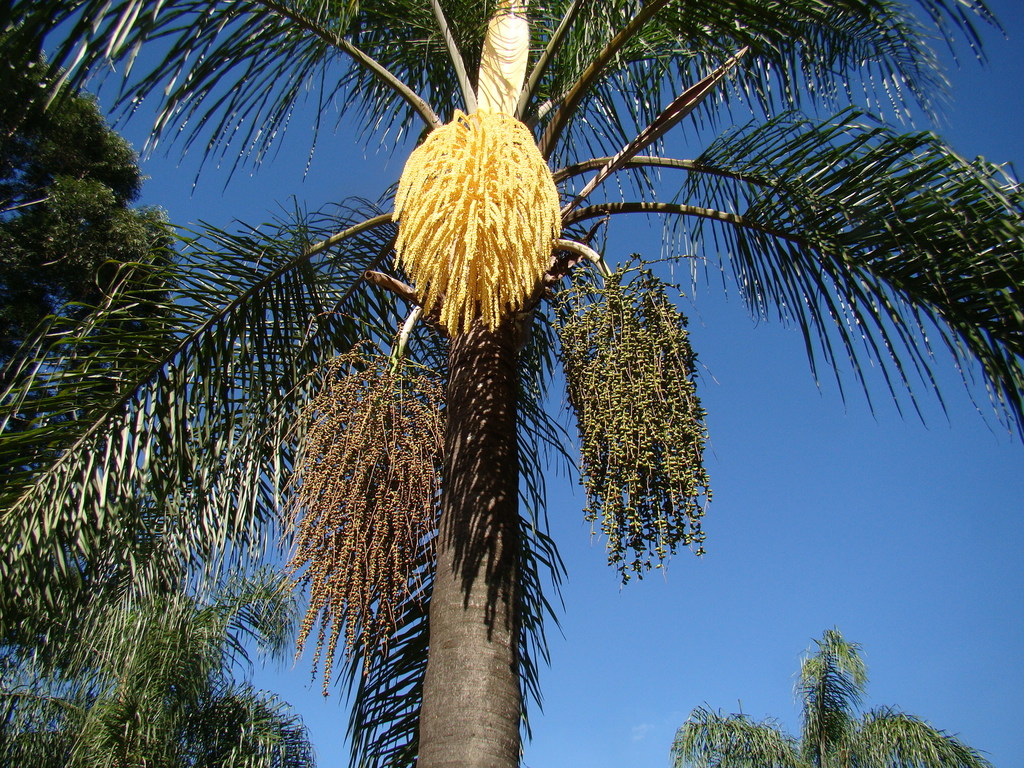
queen palm
Syagrus romanzoffiana
Secondary II High No biomass productionAtlantic Forest native palm, listed by Pasini in the high stratum of Tabela 3. Edible orange-yellow fruit consumed by local fauna; a central specie...
❓ Frequently asked questions
What does "Fiber" mean in syntropic agriculture?
Species that yield plant fibres for weaving, basketry, cordage, or construction (cotton, jute, sisal, taquara reed, bamboo).
Which catalog species are tagged Fiber?
The catalog holds 30 species, among them moriche palm, bacaba palm, moso bamboo. Each profile shows stratum, succession stage, and the management data, with sources cited.