
Function
Fiber — species for syntropic systems
Fibers for rope, basketry, and building. Many are continuously resprouting clumps or short-cycle species, easy to fit along edges and between rows.
30 species in the catalog · Refine this list in the catalog
-
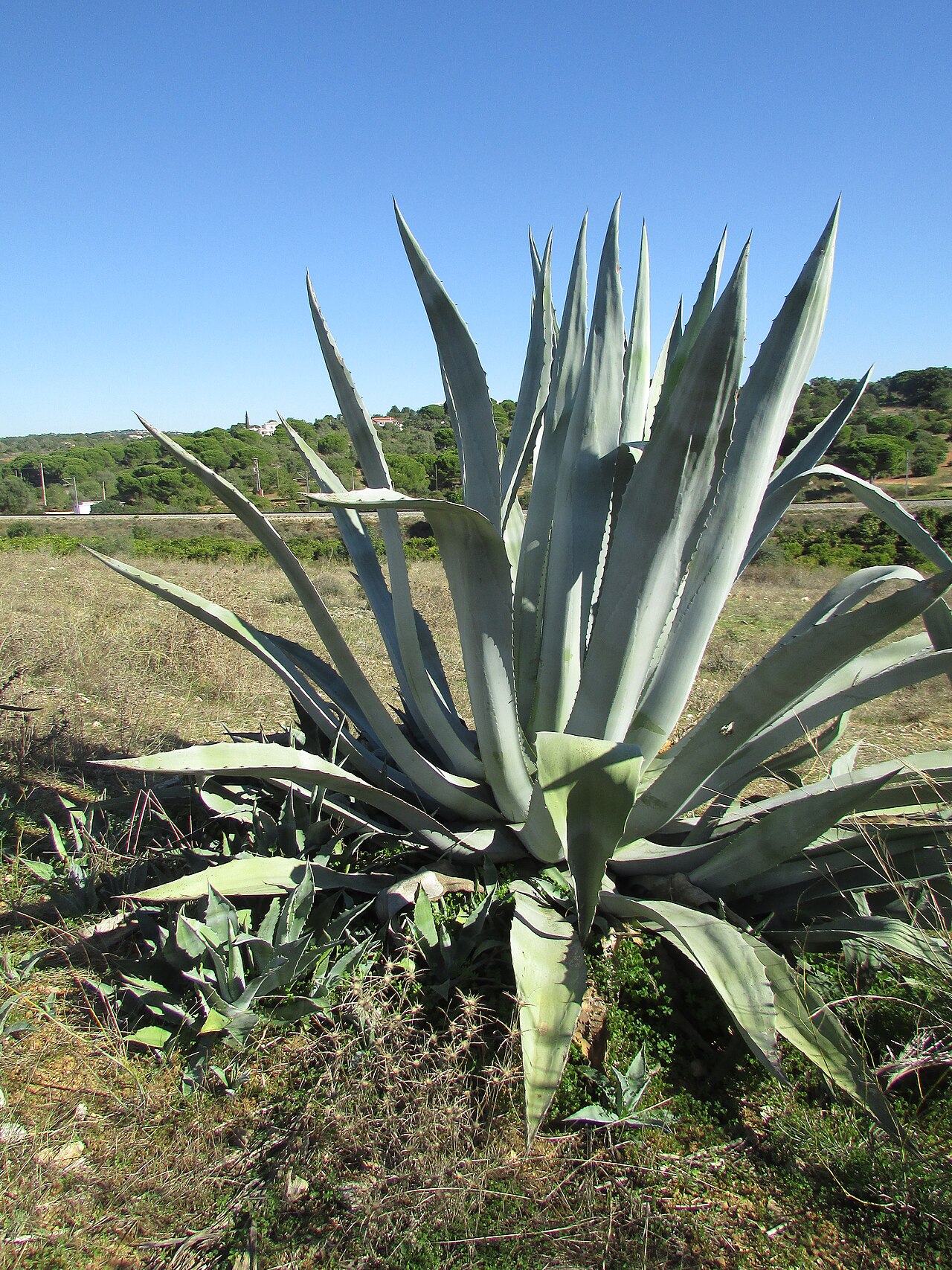
century plant
Agave americana
Placenta I Ground cover Mulch biomassPivotal species of the accumulation phase on exhausted soils. Rebello describes its use in Chapada dos Veadeiros: planted at 20 cm spacing on near-...
-
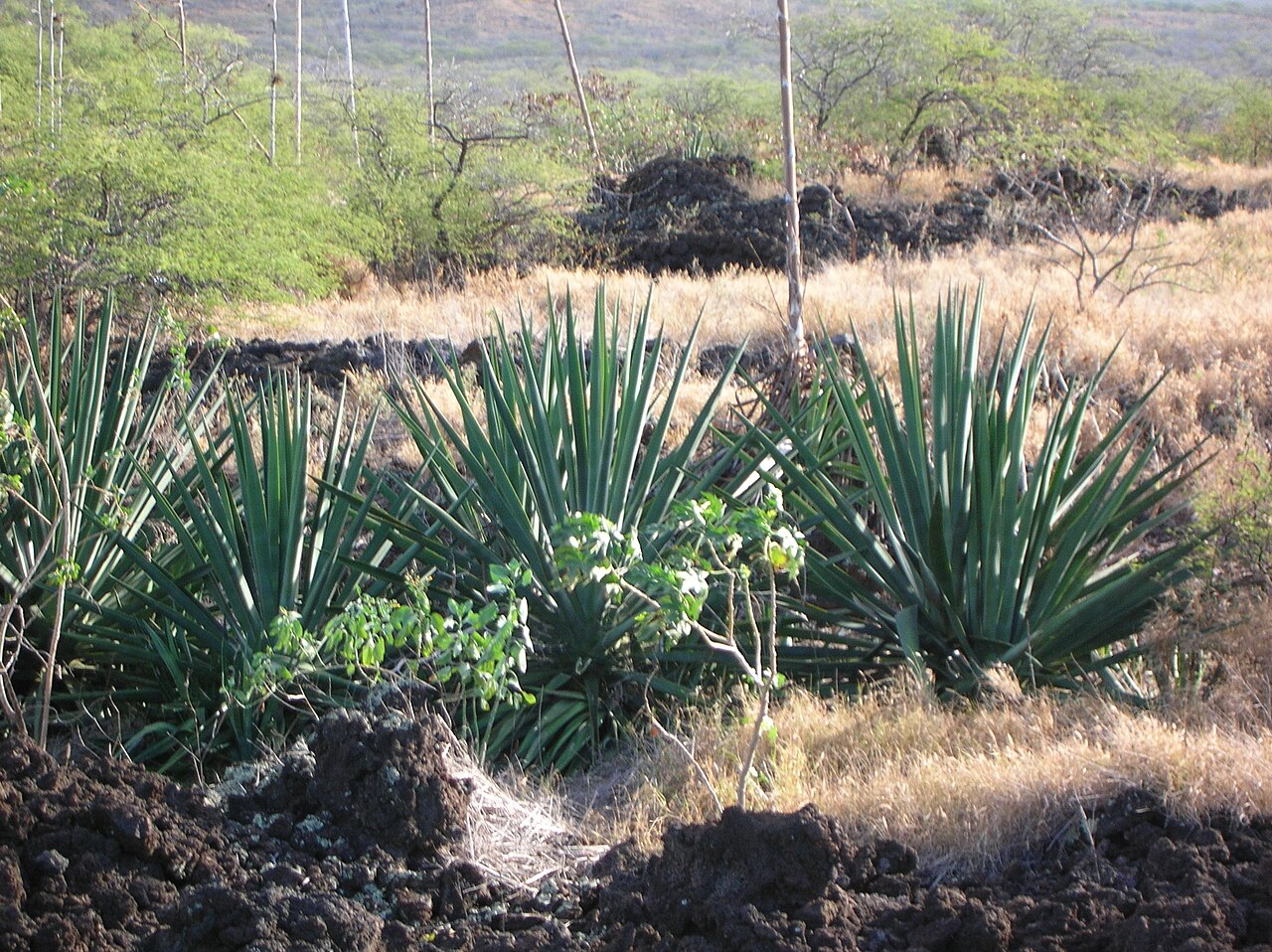
sisal
Agave sisalana
Placenta II Low Mulch biomassXerophytic agave domesticated in Mesoamerica and produced at scale in Bahia. Rebello lists it among species adapted to very dry Caatinga environmen...
-
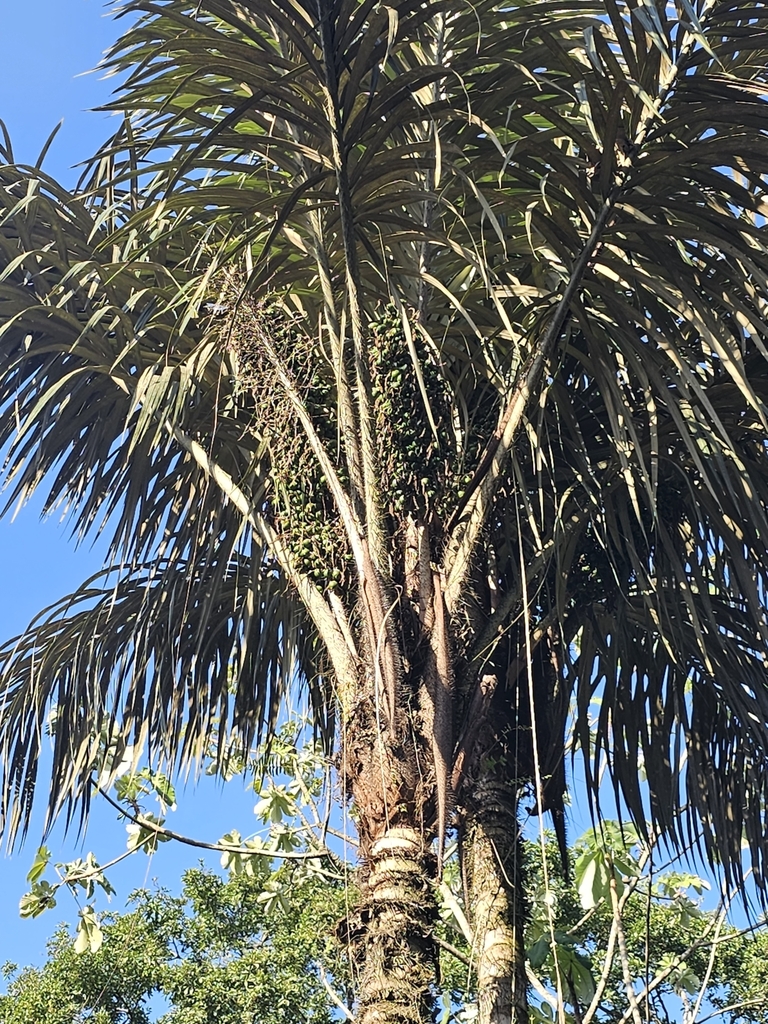
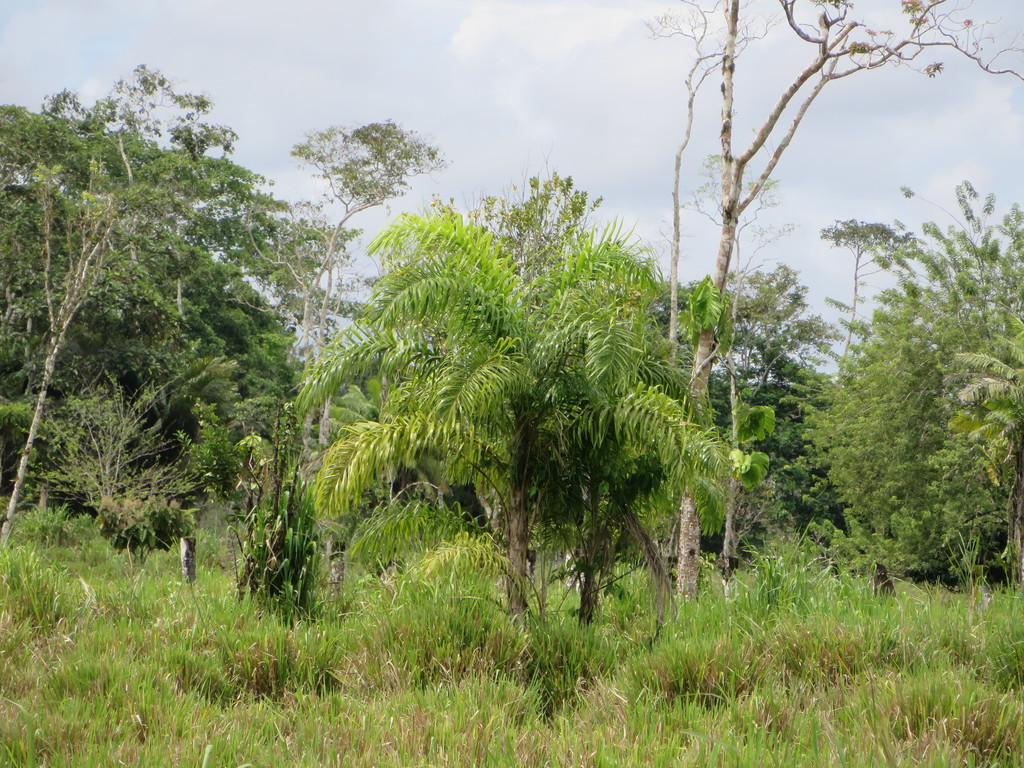
tucumã palm
Astrocaryum vulgare
Secondary II High No biomass productionAmazonian high-stratum spiny palm, listed by Embrapa among native fruit species for Amazonian SAFs. Orange fruits very rich in beta-carotene and oi...
-
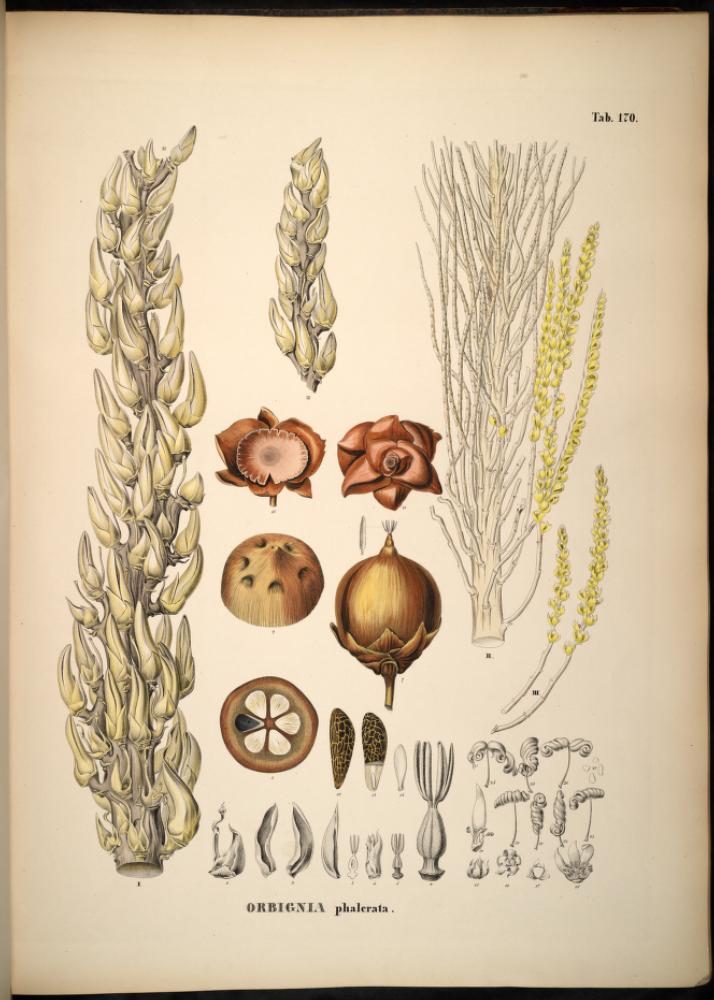
babassu palm
Attalea speciosa
Climax Emergent Mulch biomassNative palm of the transition zones between the Amazon, Cerrado, and Caatinga — strongly present in Maranhão, Piauí, Tocantins, and northern Goiás....
-
peach palm
Bactris gasipaes
Secondary II Emergent No biomass productionAmazonian multi-stemmed palm; produces heart of palm in ~3 years and edible fruit in ~5 years. Pasini lists it in the emergent stratum of Tabela 3 ...
-
balcooa bamboo
Bambusa balcooa
Secondary I Emergent Mulch biomassA large clumping bamboo native to the Indian subcontinent and Indochina, with thick culms up to 25 m and thick walls. It is highly valued for const...
-
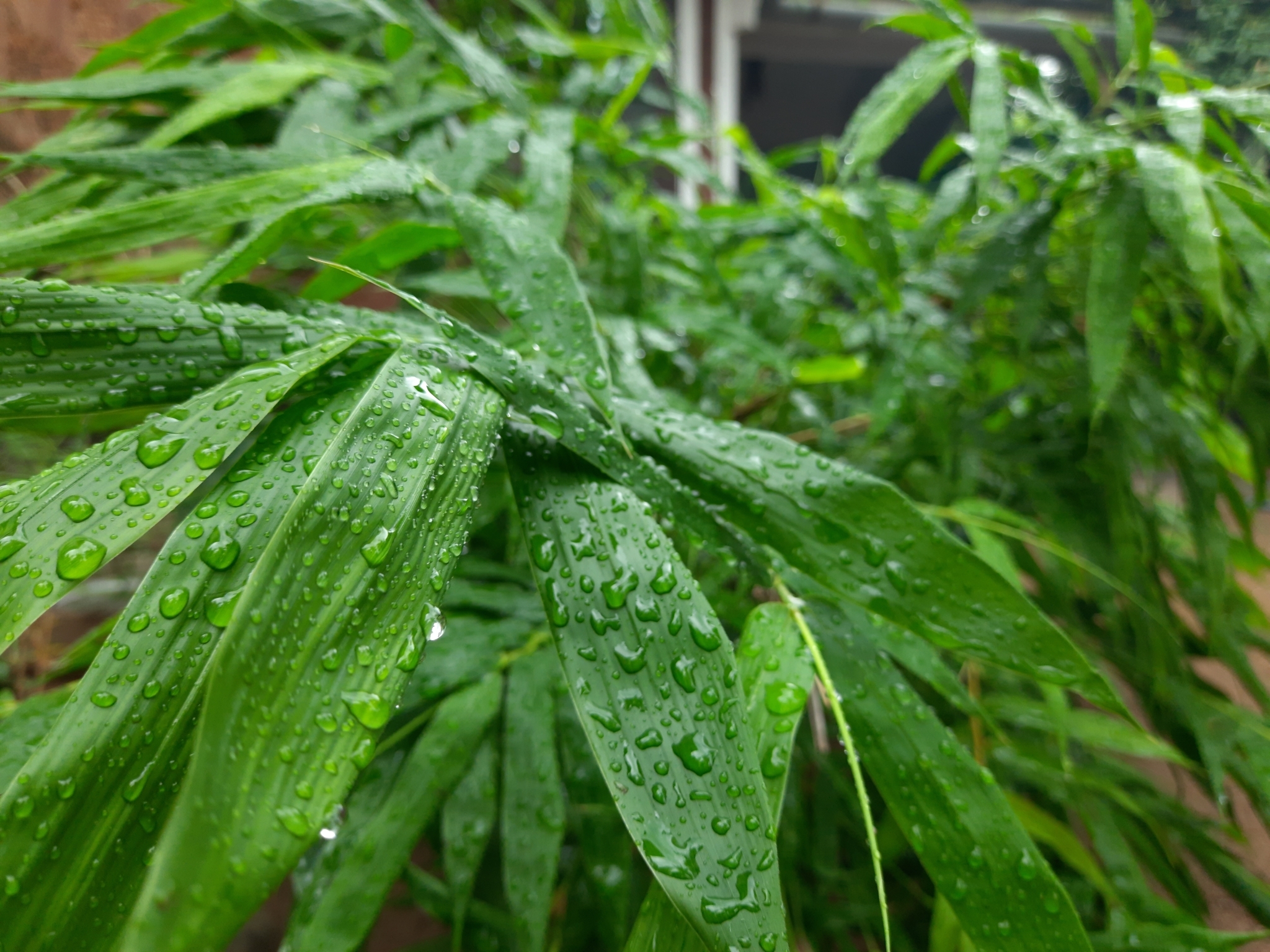
punting pole bamboo
Bambusa tuldoides
Secondary I High Mulch biomassA clumping bamboo native to southern China, with straight, relatively slender culms 6–12 m tall, widely used as poles, in light construction and cr...
-
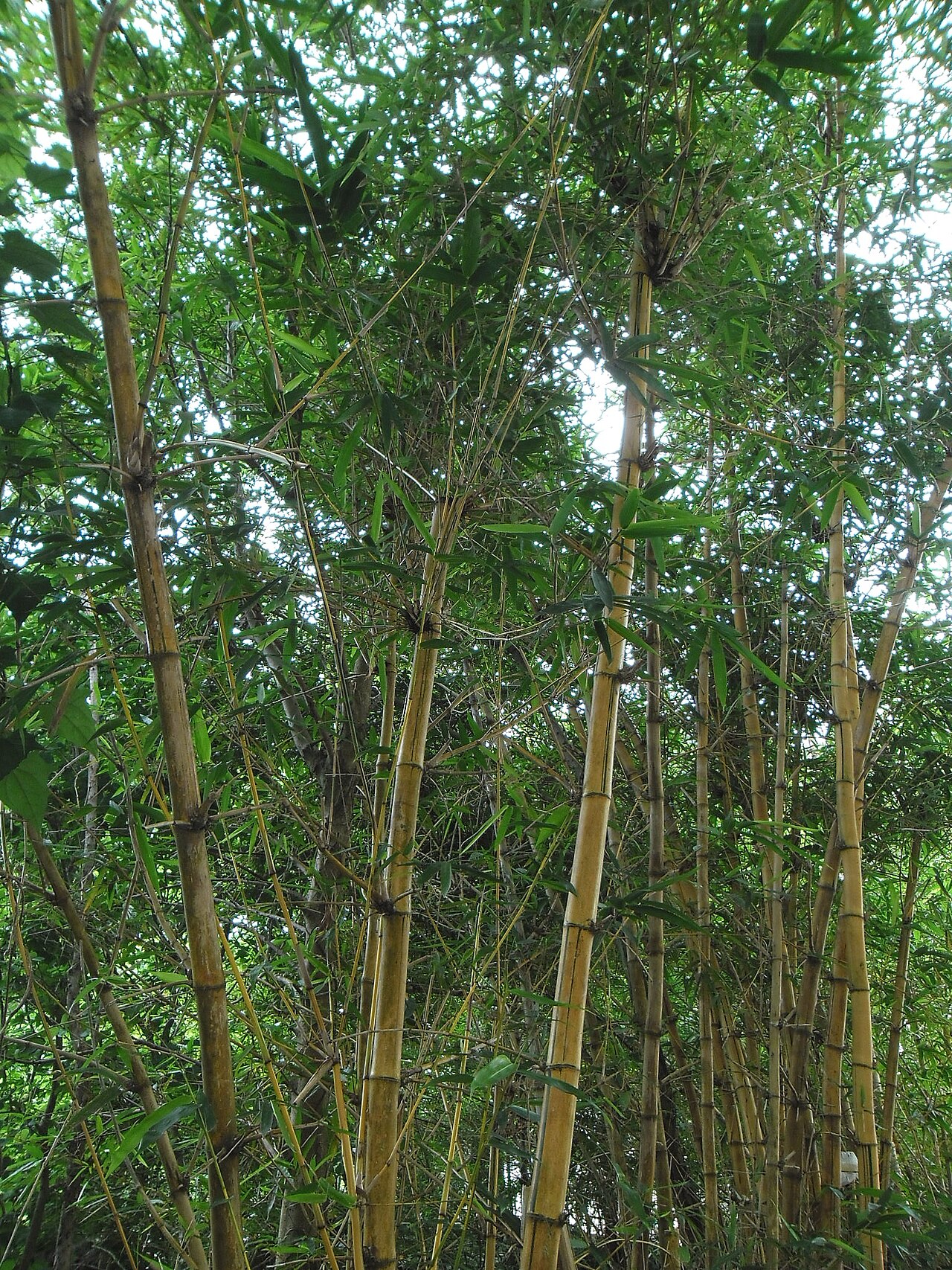
common bamboo
Bambusa vulgaris
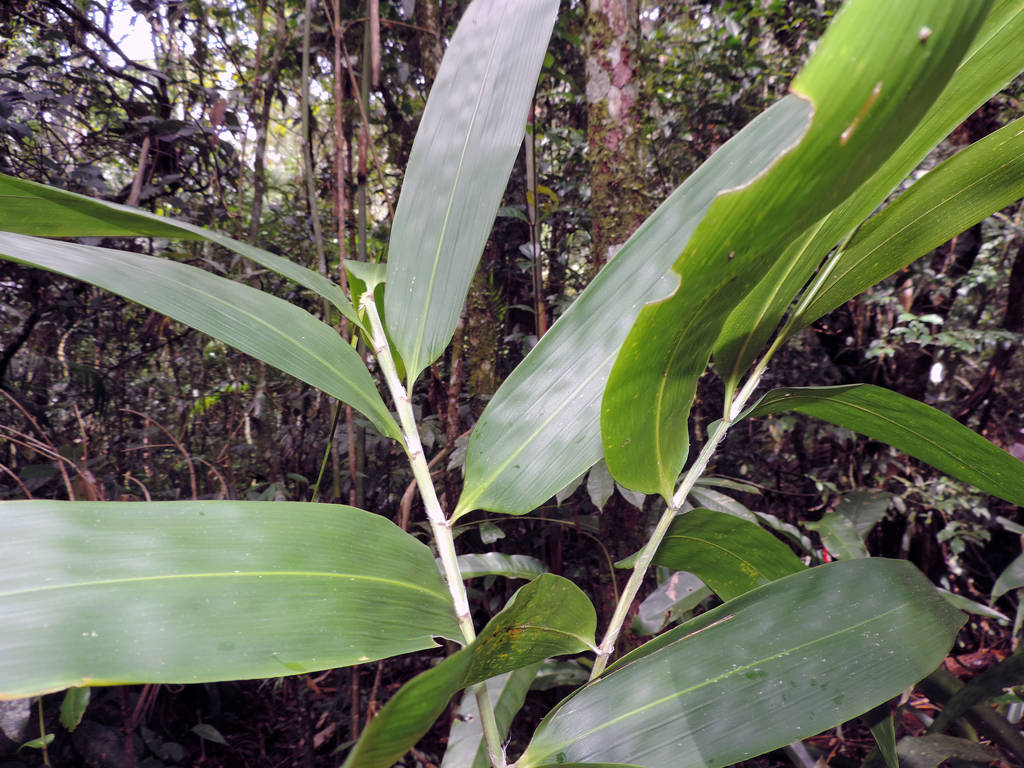
Secondary I High Mulch biomassA clumping (non-running) bamboo native to Southeast Asia and one of the most widely cultivated bamboos in the tropics. It forms dense clumps with c...
-
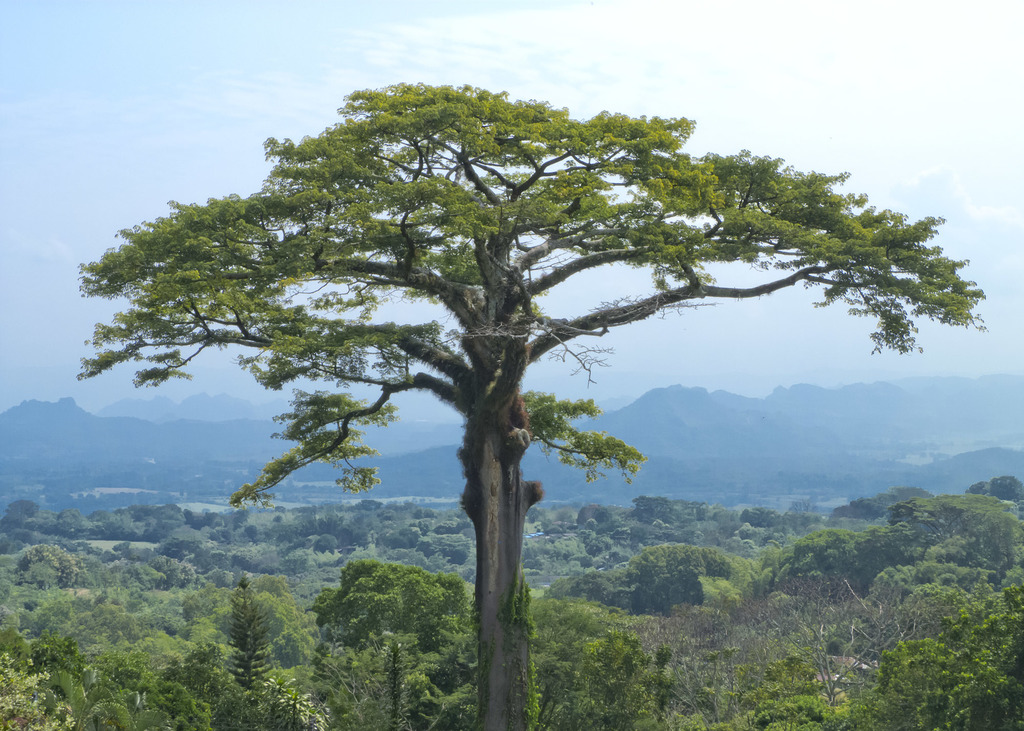
kapok tree
Ceiba pentandra
Climax Emergent Mulch biomassAmazonian emergent giant reaching 70 m — one of the tallest trees of the American tropics. Pasini lists it in the emergent stratum of Tabela 3. Sac...
-
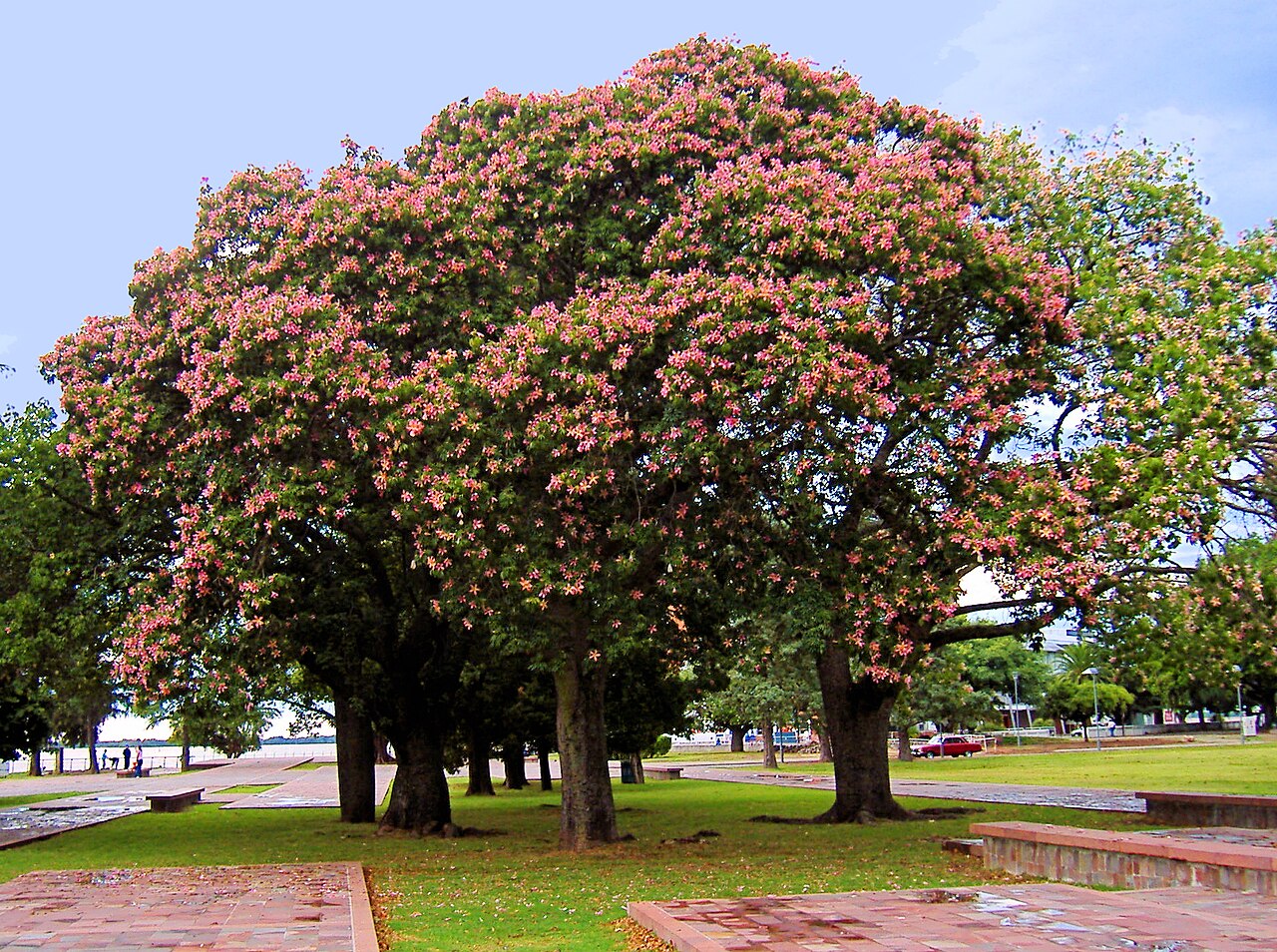
silk floss tree
Ceiba speciosa
Secondary I EmergentDeciduous Atlantic Forest tree reaching 15–30 m with a crown up to 20 m wide. Fast growth (~6 m in 2–3 years). Trunk often armed with conical spines.
-
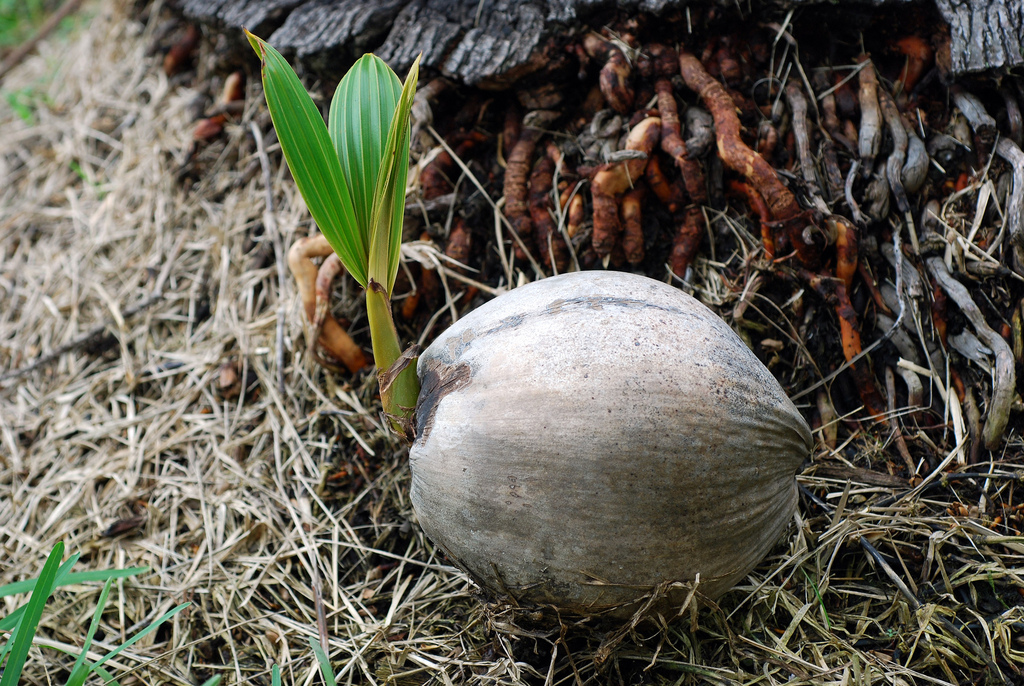
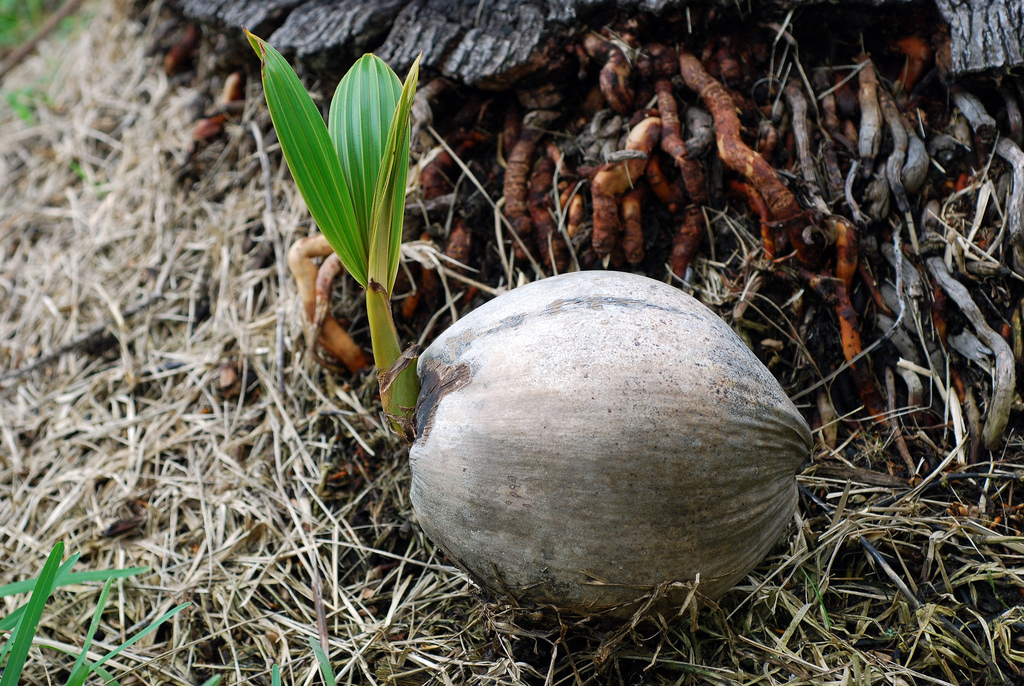
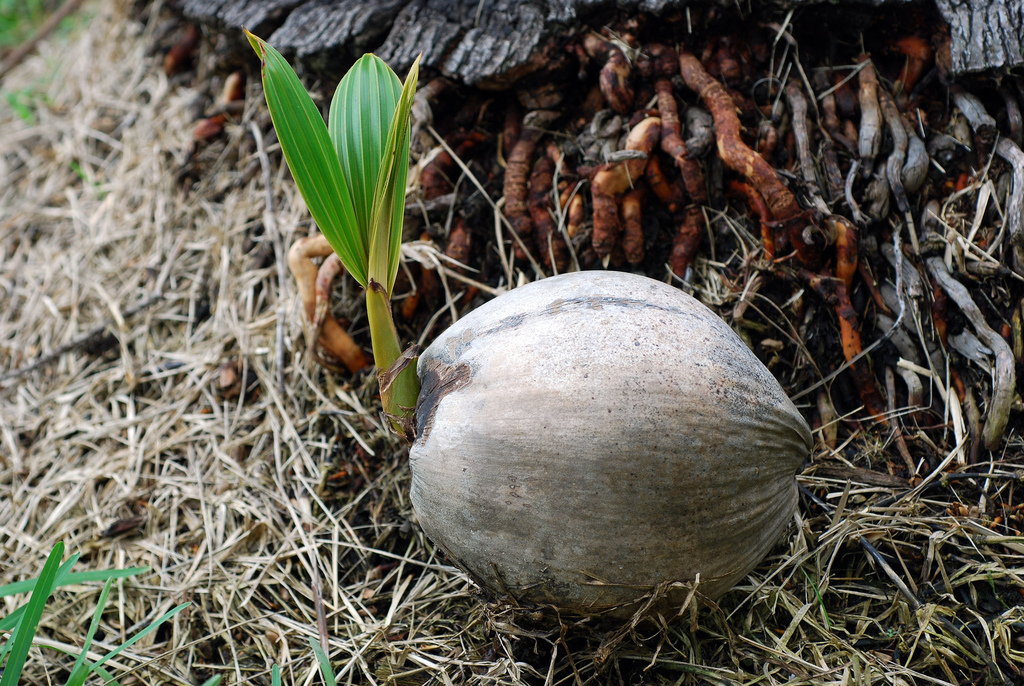
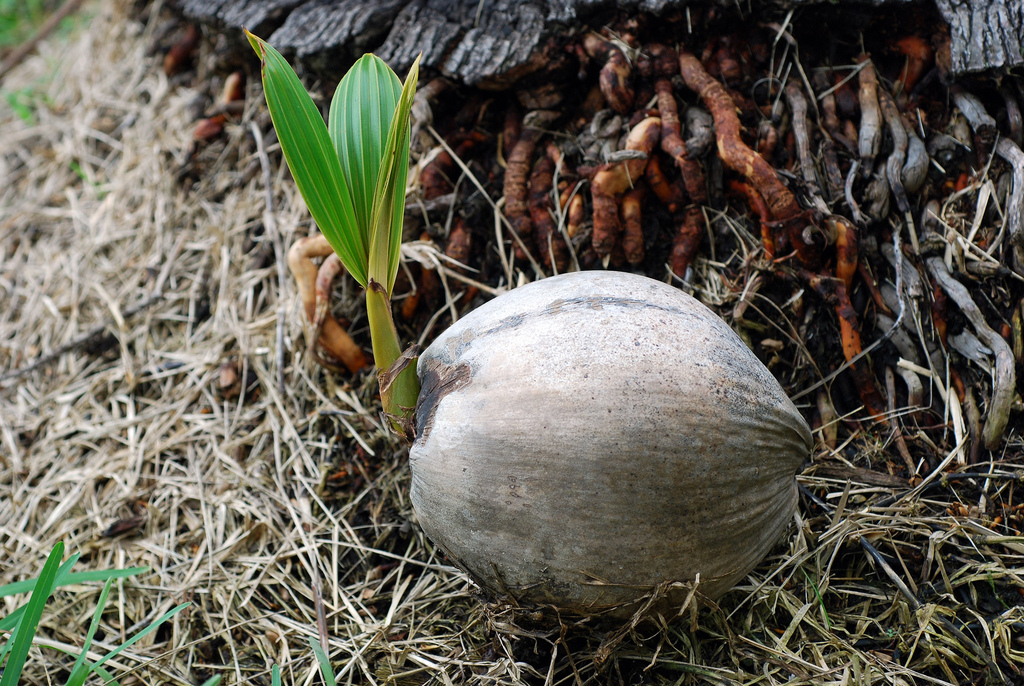
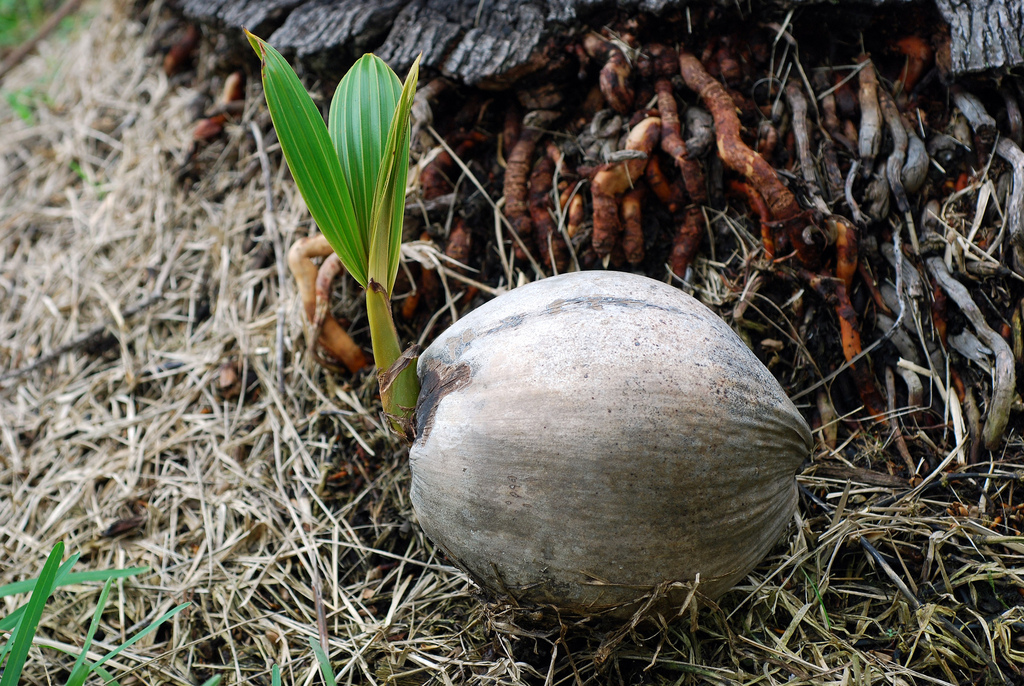
tall coconut
Cocos nucifera
Secondary II Emergent No biomass productionTall variety — emergent (20–30 m), 60–70 year lifespan, first flowering at 5–7 years. 60–80 large fruits per plant per year for copra, oil, and fib...
-
coconut palm
Cocos nucifera
Secondary II Emergent No biomass productionHigh-value palm naturalized along Brazilian coastlines. Pasini lists it in the emergent stratum of Tabela 3. Tolerates salinity and coastal winds; ...
-
green dwarf coconut
Cocos nucifera
Secondary II High No biomass productionGreen Dwarf cultivar — Brazil's commercial mainstay for coconut water. 8–12 m tall, 30–40 year economic life, first harvest at 2–3 years. Yields 15...
-
yellow dwarf coconut
Cocos nucifera
Secondary II High No biomass productionYellow Dwarf cultivar. Height and cycle similar to Green Dwarf (8–12 m, first harvest at 2–3 years). Slightly larger yellow fruits. Better toleranc...
-
hybrid coconut
Cocos nucifera
Secondary II High No biomass productionDwarf × Tall hybrids registered by Embrapa (BRS 001, 002, 003). Intermediate height (15–20 m), early bearing (4 years), medium fruits. Combine Tall...
-
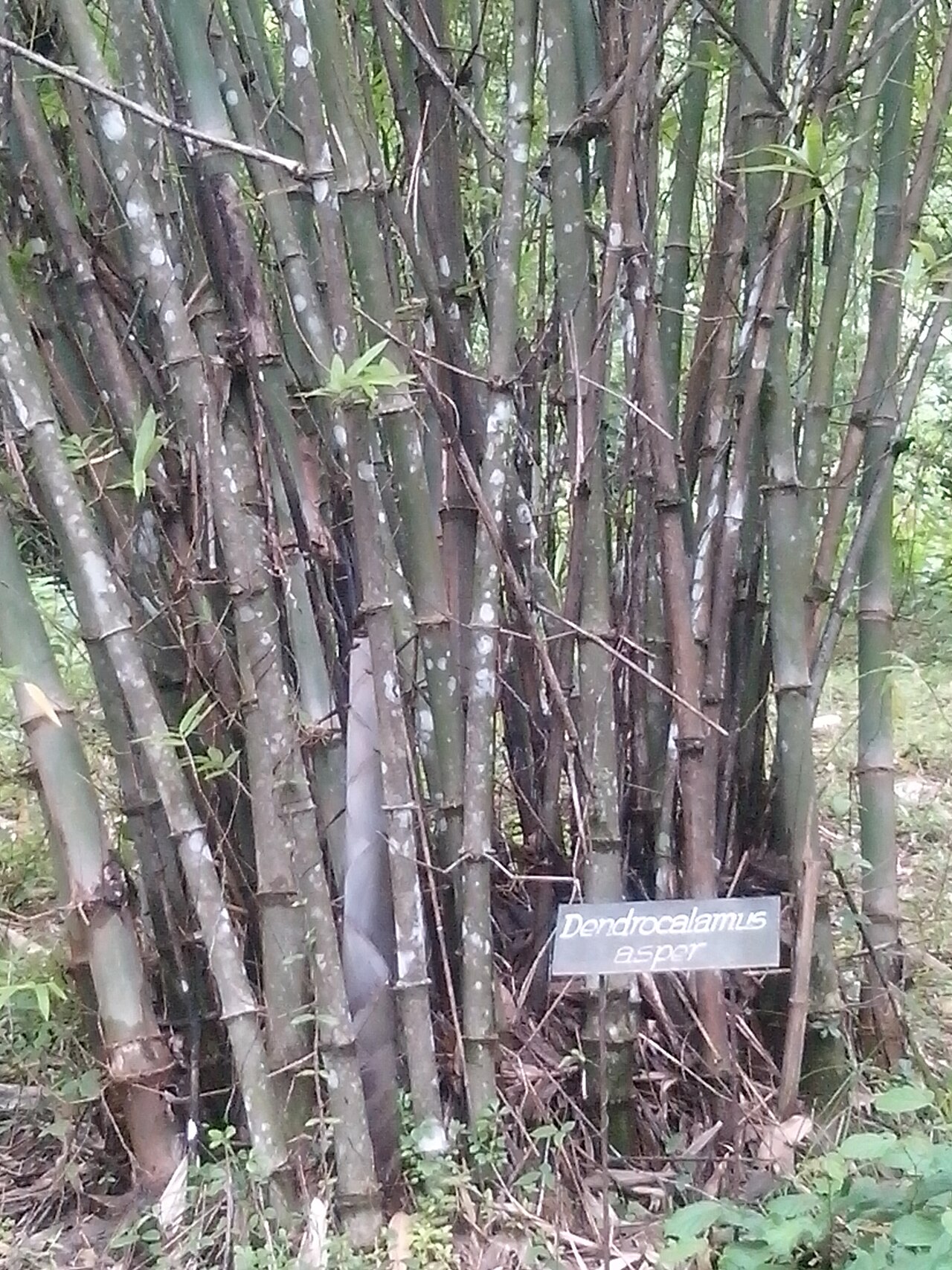
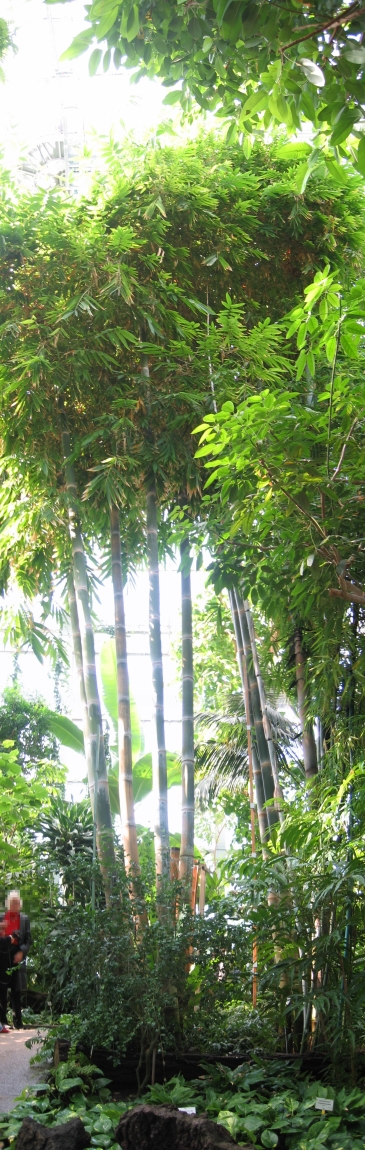
giant bamboo
Dendrocalamus asper
Secondary I Emergent Mulch biomassOne of the most economically important giant bamboos, a clumping species native to Southeast Asia, with culms 15–20 m tall and up to 20 cm in diame...
-
giant bamboo
Dendrocalamus giganteus
Secondary I Emergent Mulch biomassOne of the largest bamboos in the world, a clumping species native to India, Myanmar, Thailand and southern China, with culms commonly reaching 30 ...
-
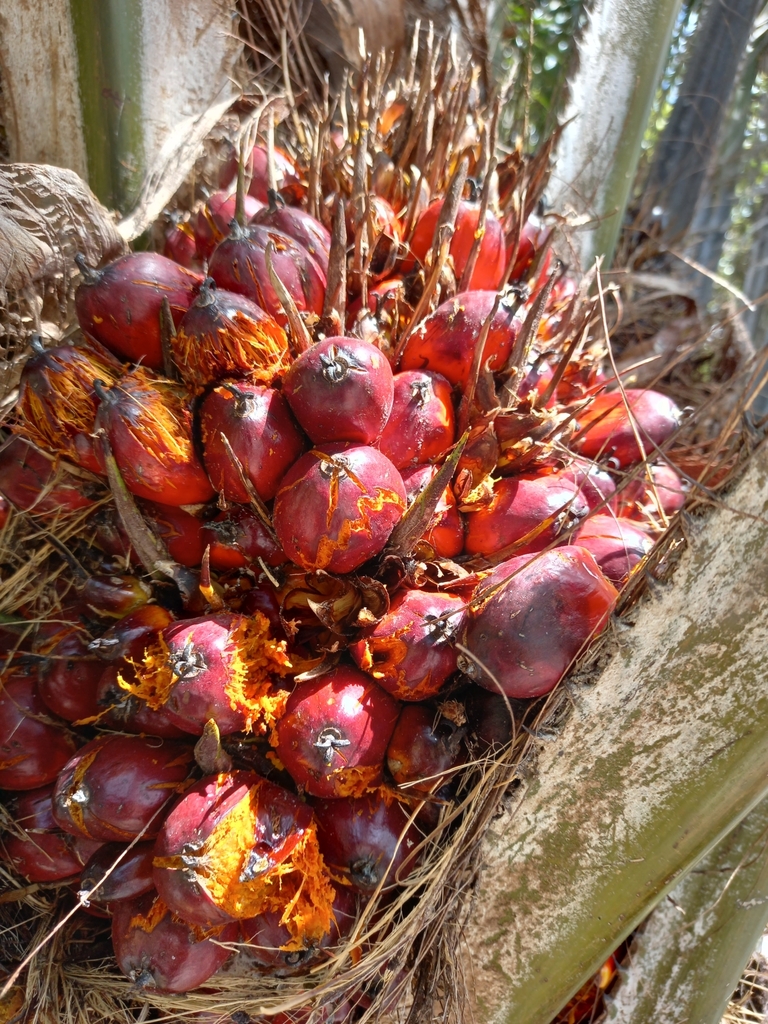
African oil palm
Elaeis guineensis
Secondary II Emergent No biomass productionAfrican palm cultivated mainly for oil (palm oil). Rebello & Sakamoto (2019) report Götsch testing oil palm in multi-strata silvopastoral systems a...
-
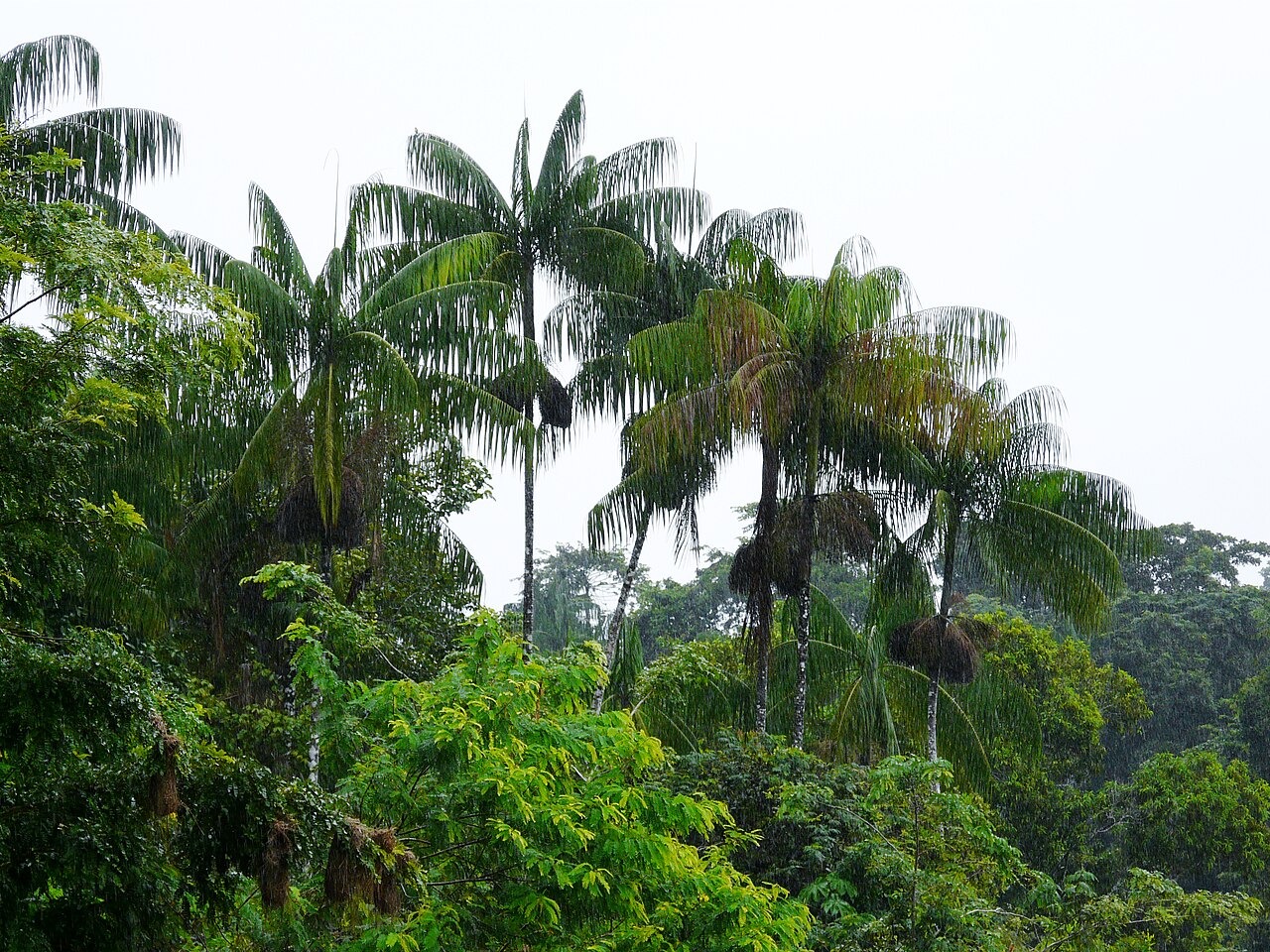
juçara palm
Euterpe edulis
Climax High No biomass productionAtlantic Forest native palm with long-cycle climax behavior; high-quality palm heart. Endangered under extractivism, abundant in well-managed syntr...
-
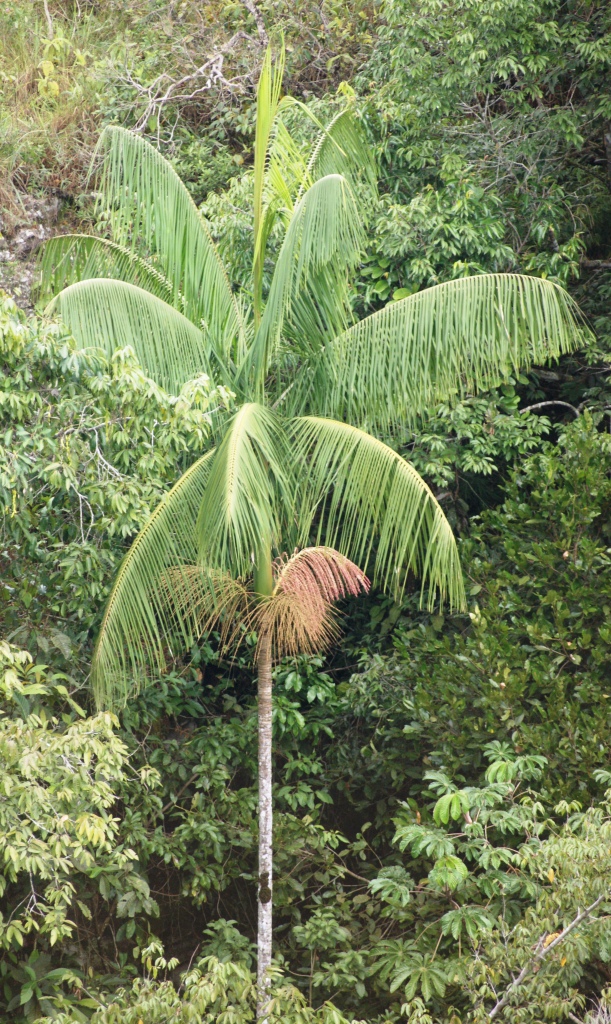
açaí palm
Euterpe oleracea
Secondary II High No biomass productionAmazonian native multi-stemmed palm. Pasini lists it in the high stratum of Tabela 3 and cites it explicitly among Abundance-system species. Fruit ...
-
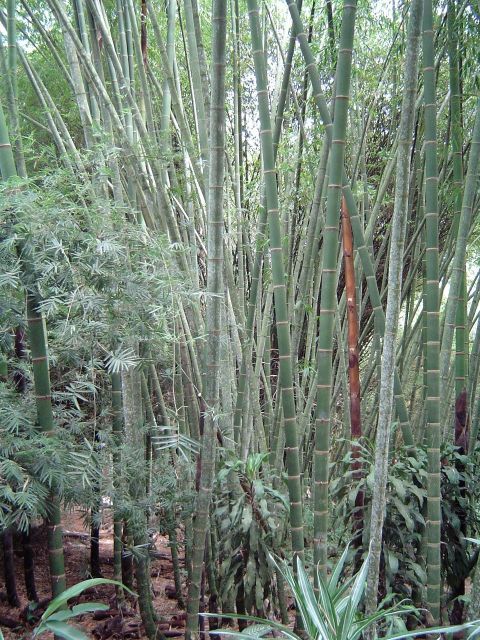
guadua
Guadua angustifolia
Secondary I Emergent Mulch biomassA woody clumping bamboo native to Central and South America, regarded as the finest structural bamboo of the Americas. It forms straight, strong cu...
-
taquarucu bamboo
Guadua tagoara
Secondary I High Mulch biomassA bamboo native to the Atlantic Forest, distributed from Santa Catarina to Bahia, where it forms the characteristic bamboo thickets. It can reach a...
-
rubber tree
Hevea brasiliensis
Secondary II High Mulch biomassAmazonian latex (natural rubber) tree. Pasini lists it in the high stratum of Tabela 3 and cites it explicitly among the 40-year phase species of t...
-
roselle
Hibiscus sabdariffa
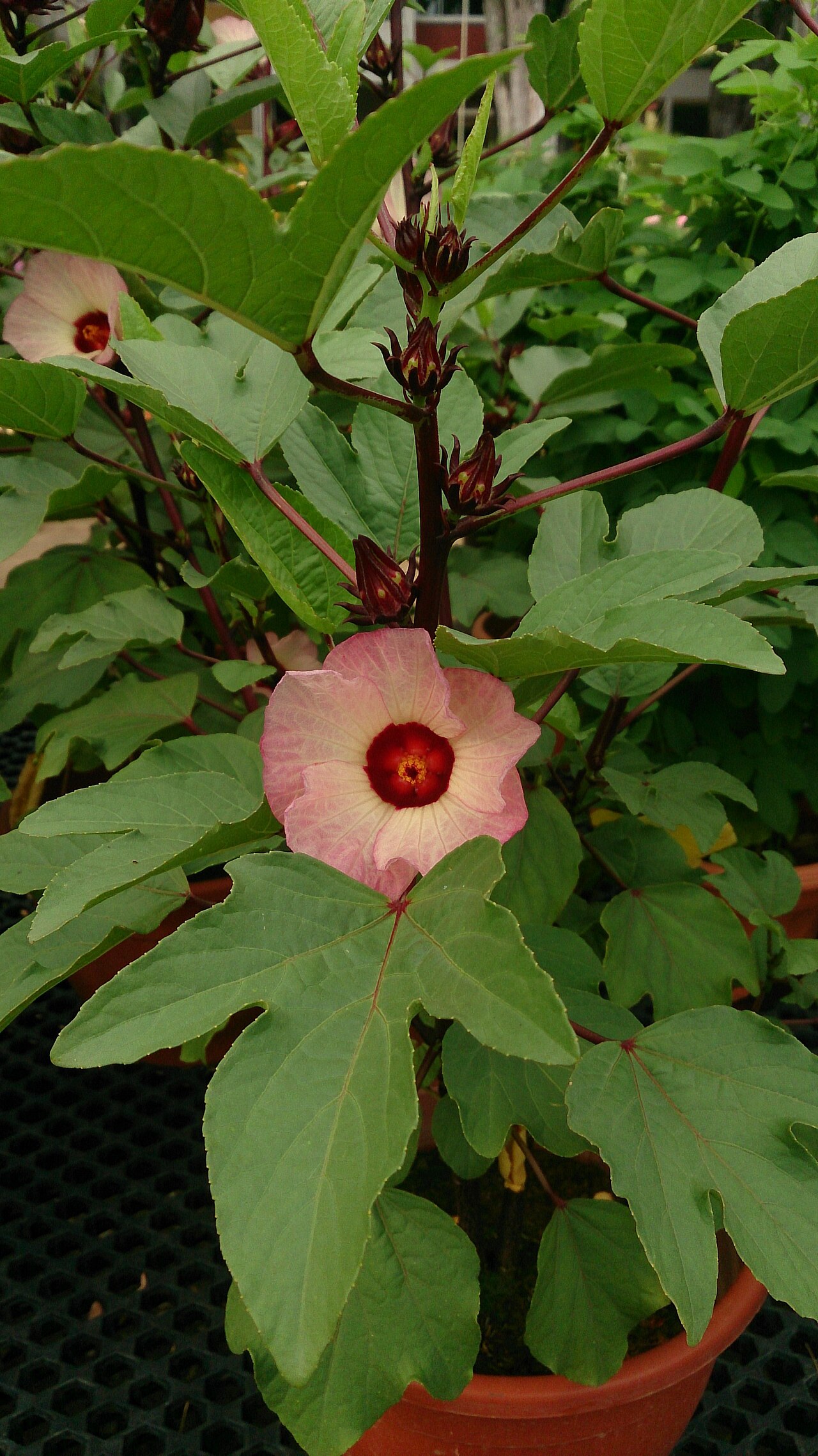
Placenta II Medium Mulch biomassAn annual or short-lived subshrub in the Malvaceae, native to Africa and cultivated throughout the tropics. The fleshy red calyces are used to make...
❓ Frequently asked questions
What does "Fiber" mean in syntropic agriculture?
Species that yield plant fibres for weaving, basketry, cordage, or construction (cotton, jute, sisal, taquara reed, bamboo).
Which catalog species are tagged Fiber?
The catalog holds 30 species, among them century plant, sisal, tucumã palm. Each profile shows stratum, succession stage, and the management data, with sources cited.