
Function
Fodder — species for syntropic systems
Fodder species feed the animals from within the system — cut-and-carry or grazing between rows. The legumes among them add protein and nitrogen.
44 species in the catalog · Refine this list in the catalog
-
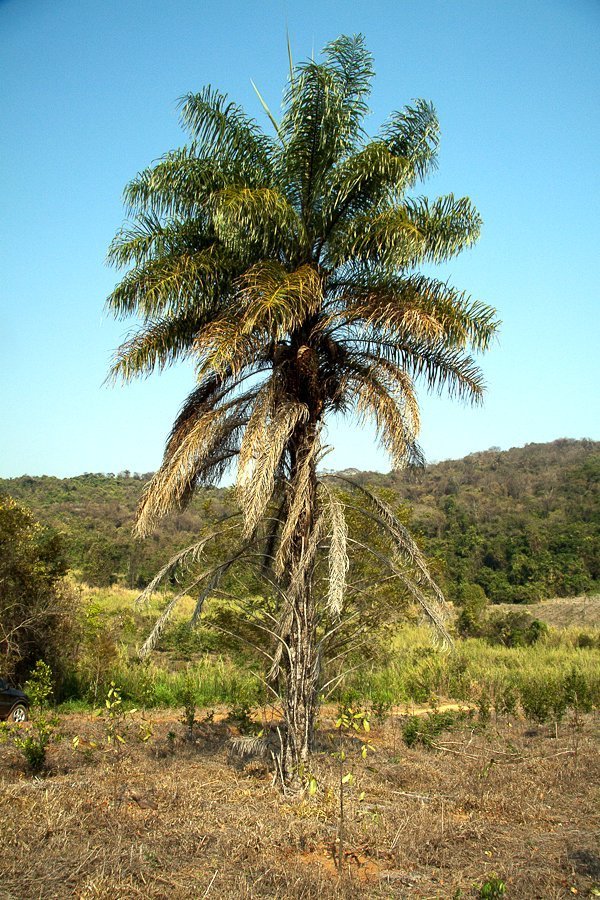
macauba palm
Acrocomia aculeata
Secondary II Emergent Mulch biomassNative palm of the Cerrado and Atlantic Forest, distributed from Bahia to Paraná. Spiny stipe 10–20 m. Orange-yellow fruits with yellow pulp and an...
-
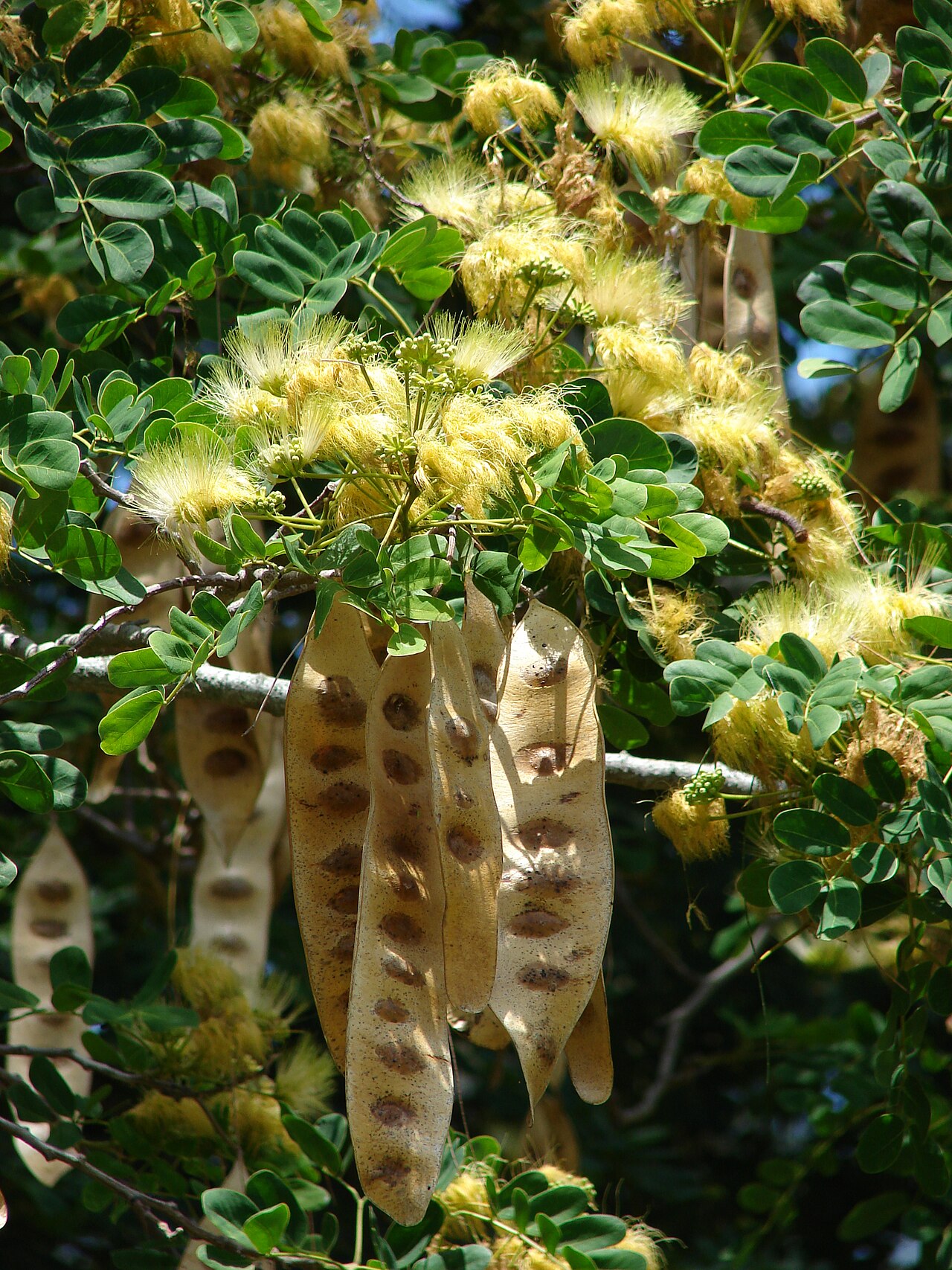
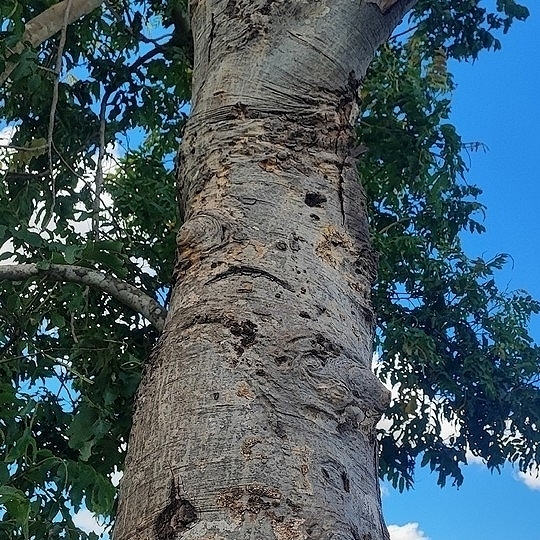
siris tree
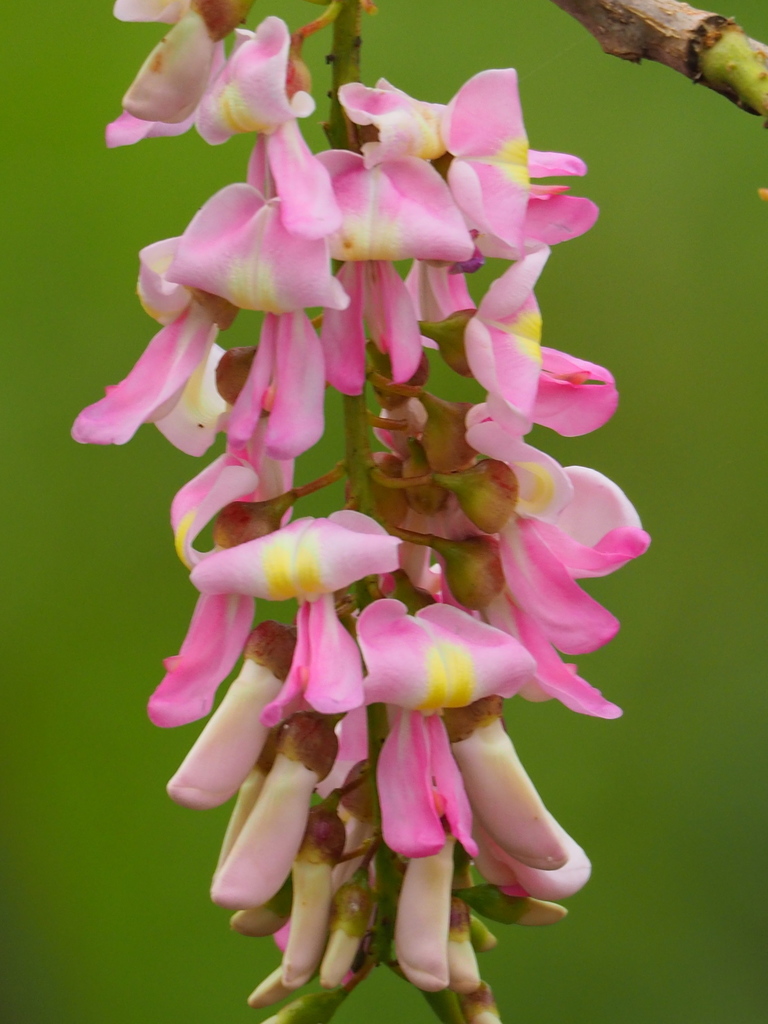
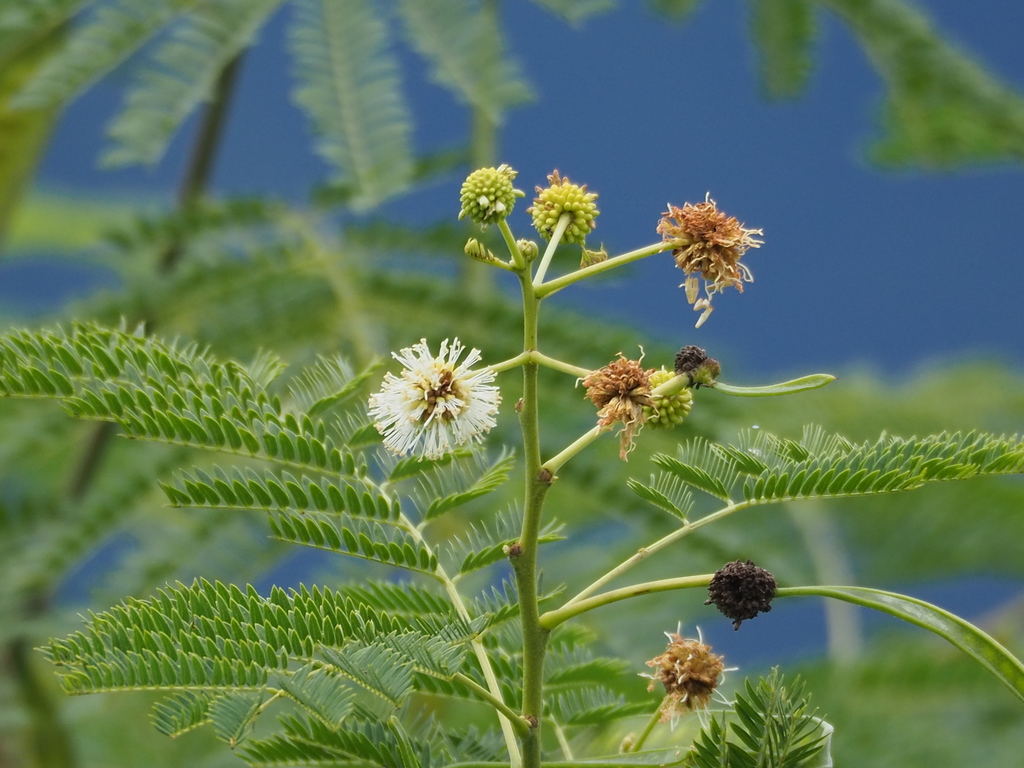
Albizia lebbeck
Secondary II High Fertilizer biomass 🌱 Nitrogen fixerA fast-growing, drought-tolerant leguminous tree of 18-30 m, native to tropical Asia and now pantropical. It fixes nitrogen readily and coppices ex...
-
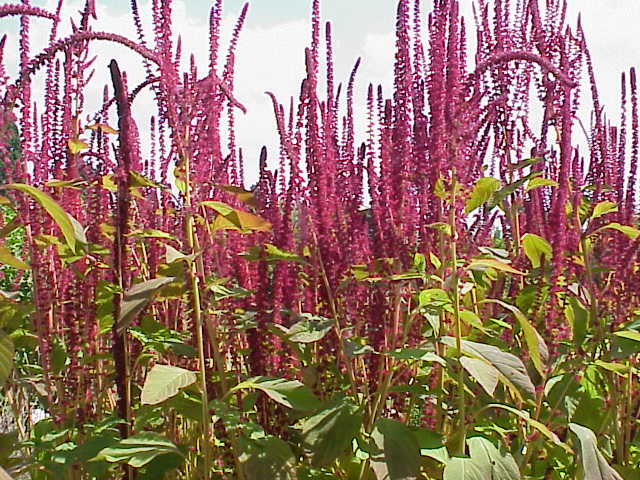
purple amaranth
Amaranthus cruentus
Placenta I High Fertilizer biomassHighly nutritious annual pseudocereal. Embrapa CT-16 lists it as a fodder species alongside gliricídia. Planted as a second-season crop after summe...
-
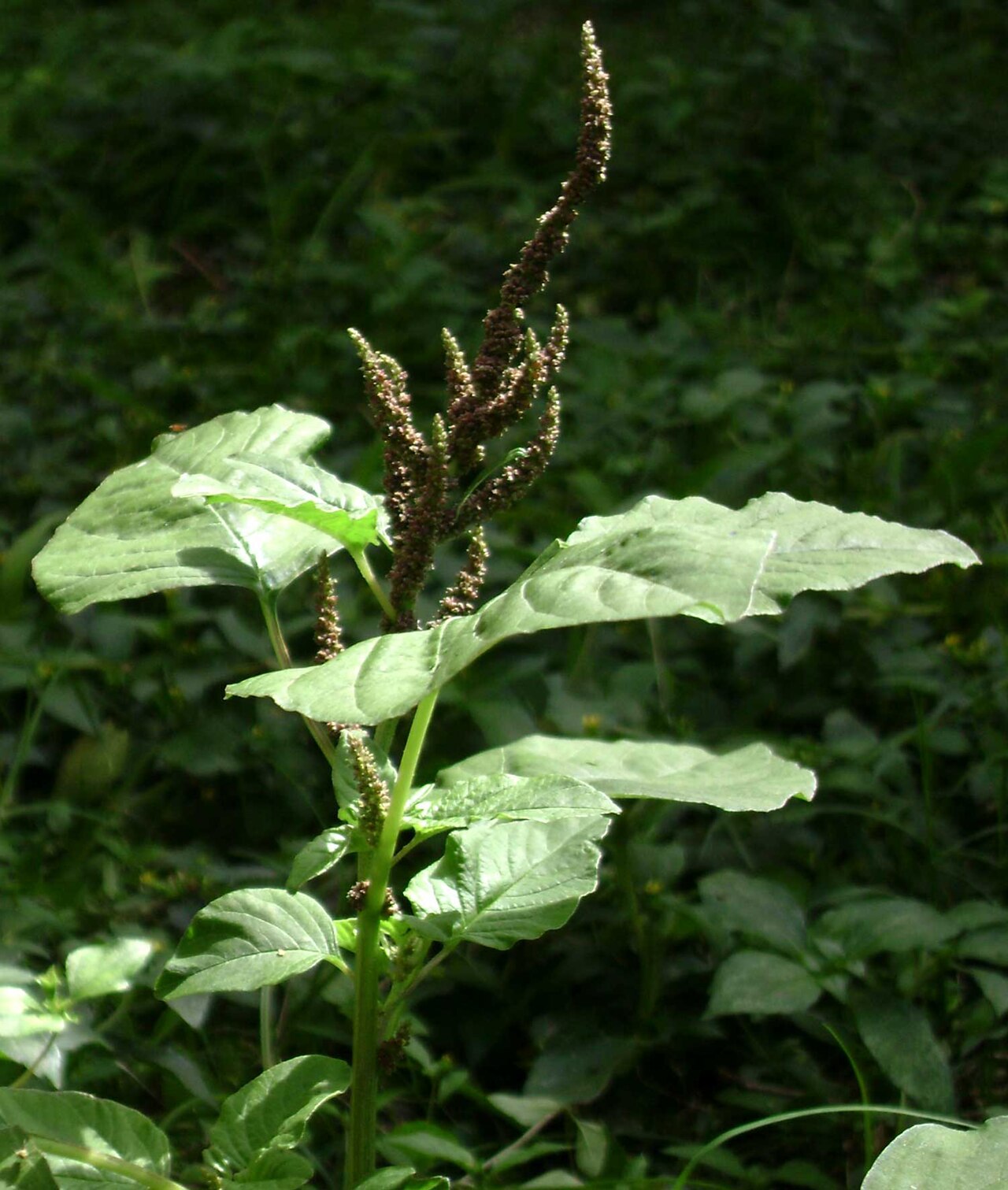
slender amaranth
Amaranthus viridis
Placenta I Low Mulch biomassAn erect annual herb in the Amaranthaceae, widely distributed in the American tropics and cosmopolitan as a volunteer. It grows about 0.3–0.8 m tal...
-
pinto peanut
Arachis pintoi
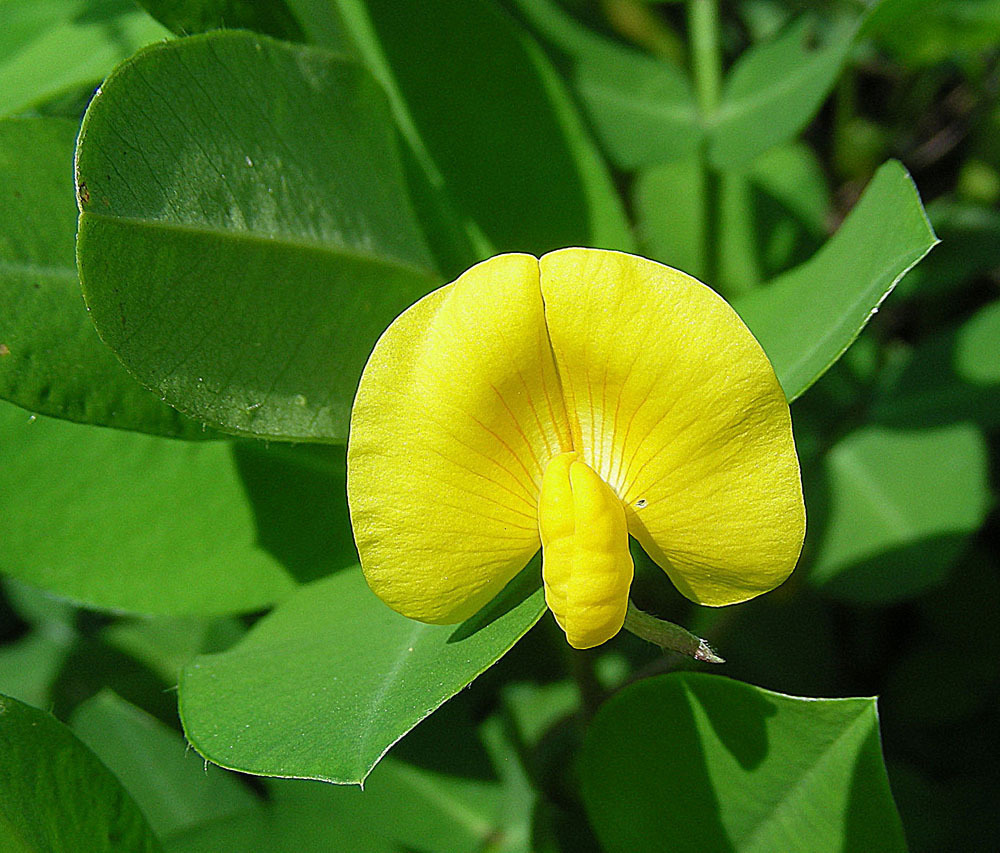
Placenta I Ground cover Fertilizer biomass 🌱 Nitrogen fixerPerennial creeping legume with stolons, 20–40 cm tall. Permanent living mulch, persists under 70% shade. Fixes nitrogen, produces 5–13 t/ha/year of...
-
breadfruit
Artocarpus altilis
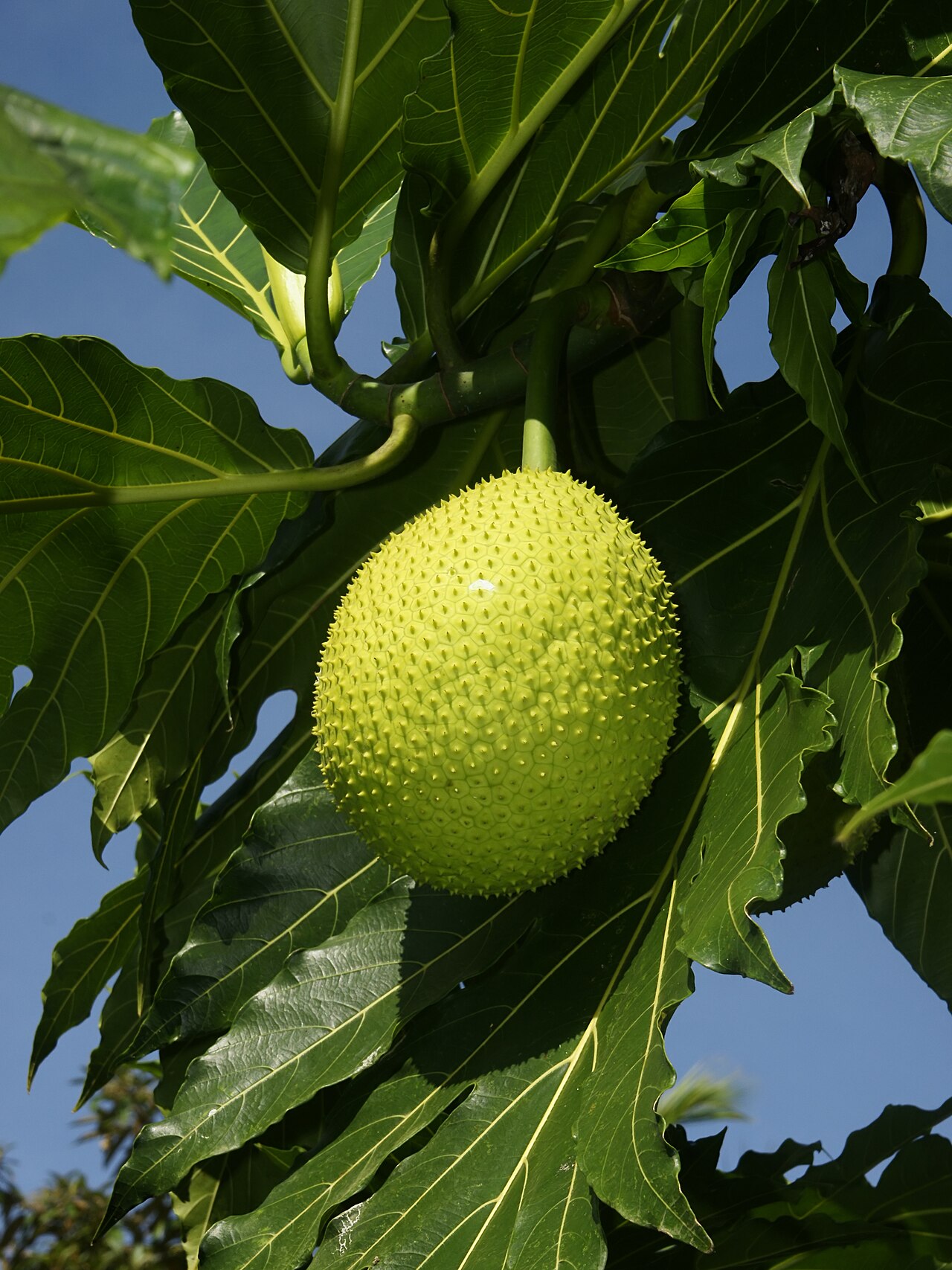
Climax High No biomass productionPacific fruit tree naturalized in Brazilian coastal and Amazonian regions. EcoAgri lists it in the high stratum of the '> 50 years' bin. Starchy fr...
-
jackfruit
Artocarpus heterophyllus
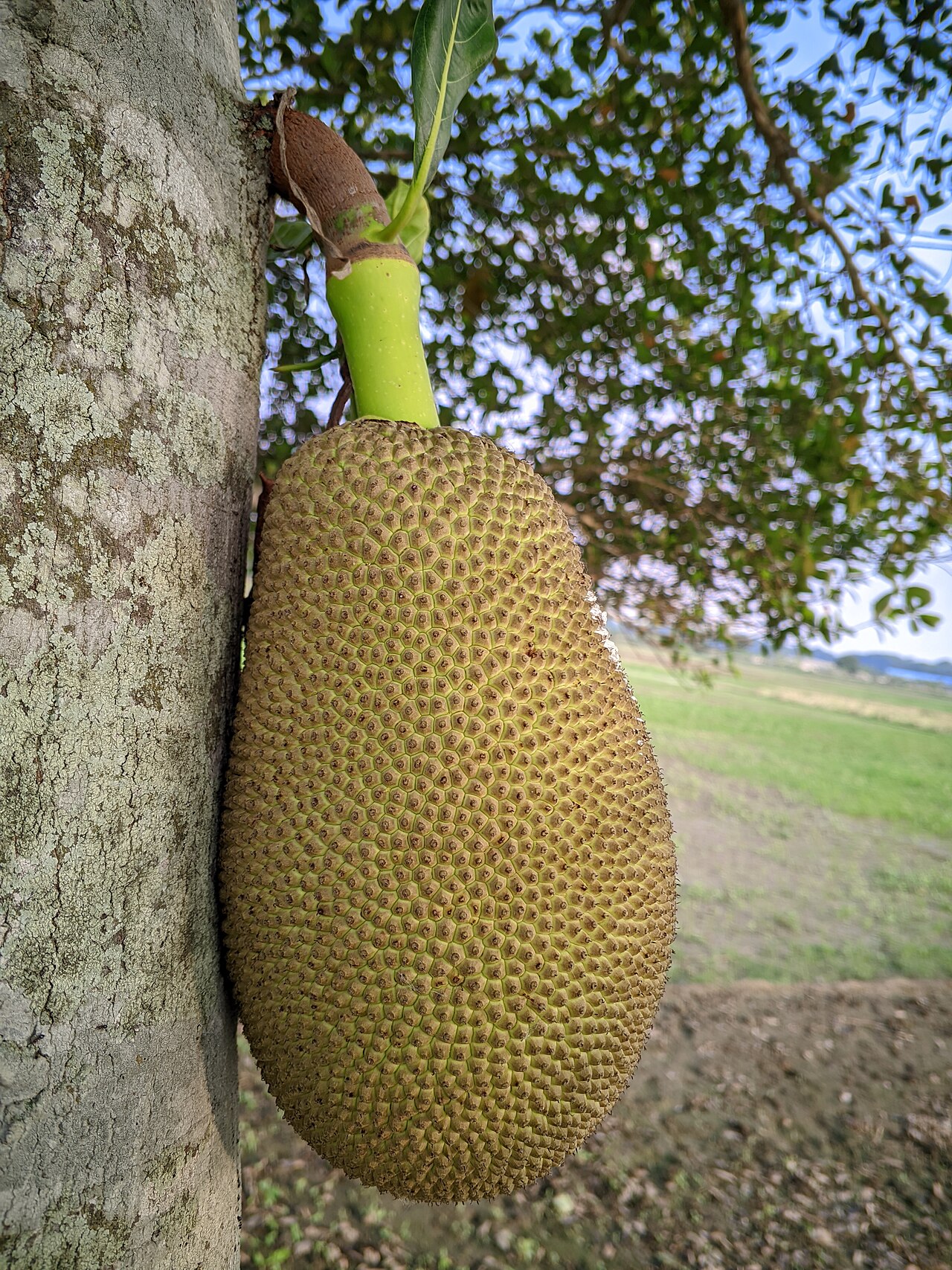
Secondary II High No biomass productionAsian fruit tree naturalized in the Brazilian Atlantic Forest. Pasini lists it in the high stratum of Tabela 3 and in the 5–18 year phase of the co...
-
nance
Byrsonima crassifolia
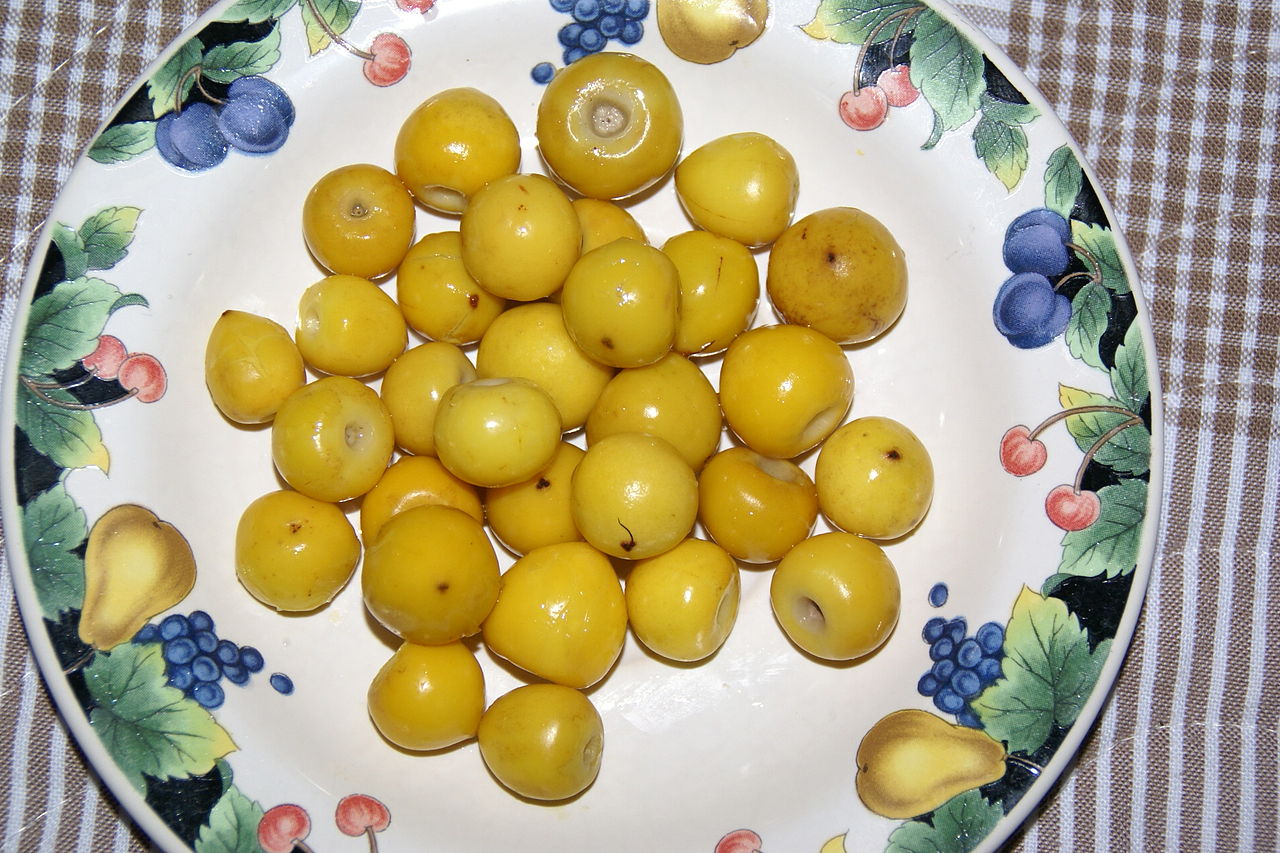
Secondary II High No biomass productionNative Cerrado and Caatinga fruit tree with a wide, low crown. EcoAgri lists it in the high stratum of the 'up to 50 years' extras. Small yellow fr...
-
pigeon pea
Cajanus cajan
Placenta I Low Fertilizer biomass 🌱 Nitrogen fixerShort-cycle shrubby legume that fixes nitrogen, widely used in Brazilian agroforestry as green manure, early shade and food. Vigorous on poor soils.
-
calliandra
Calliandra calothyrsus
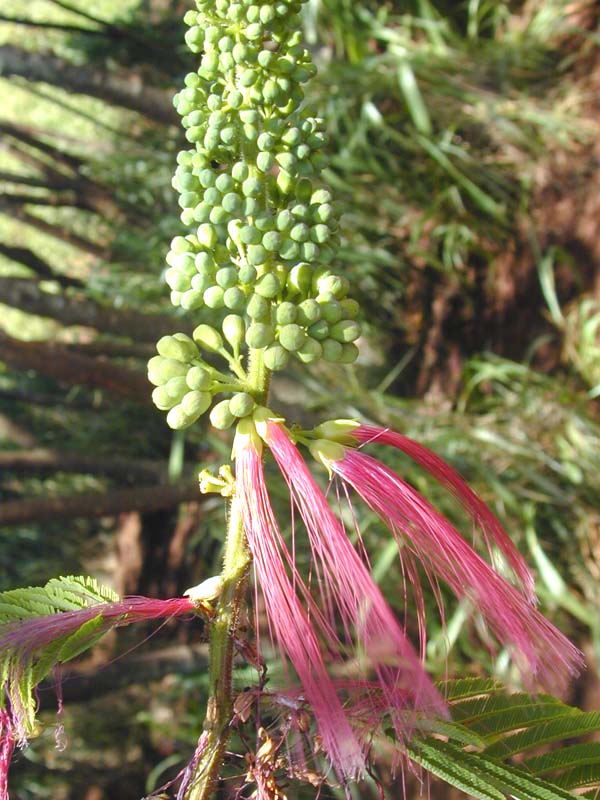
Placenta II Medium Fertilizer biomass 🌱 Nitrogen fixerA very fast-growing leguminous shrub or small tree, usually 4-6 m tall, native to Central America. A nitrogen fixer that coppices vigorously after ...
-
Brazilian jack bean
Canavalia brasiliensis
Placenta I Low Fertilizer biomass 🌱 Nitrogen fixerAnnual nitrogen-fixing legume native to Brazil, cousin of feijão-de-porco. Listed in Embrapa CT-16 Tabela 1 as a cover crop alongside crotalarias a...
-
butterfly pea
Clitoria ternatea
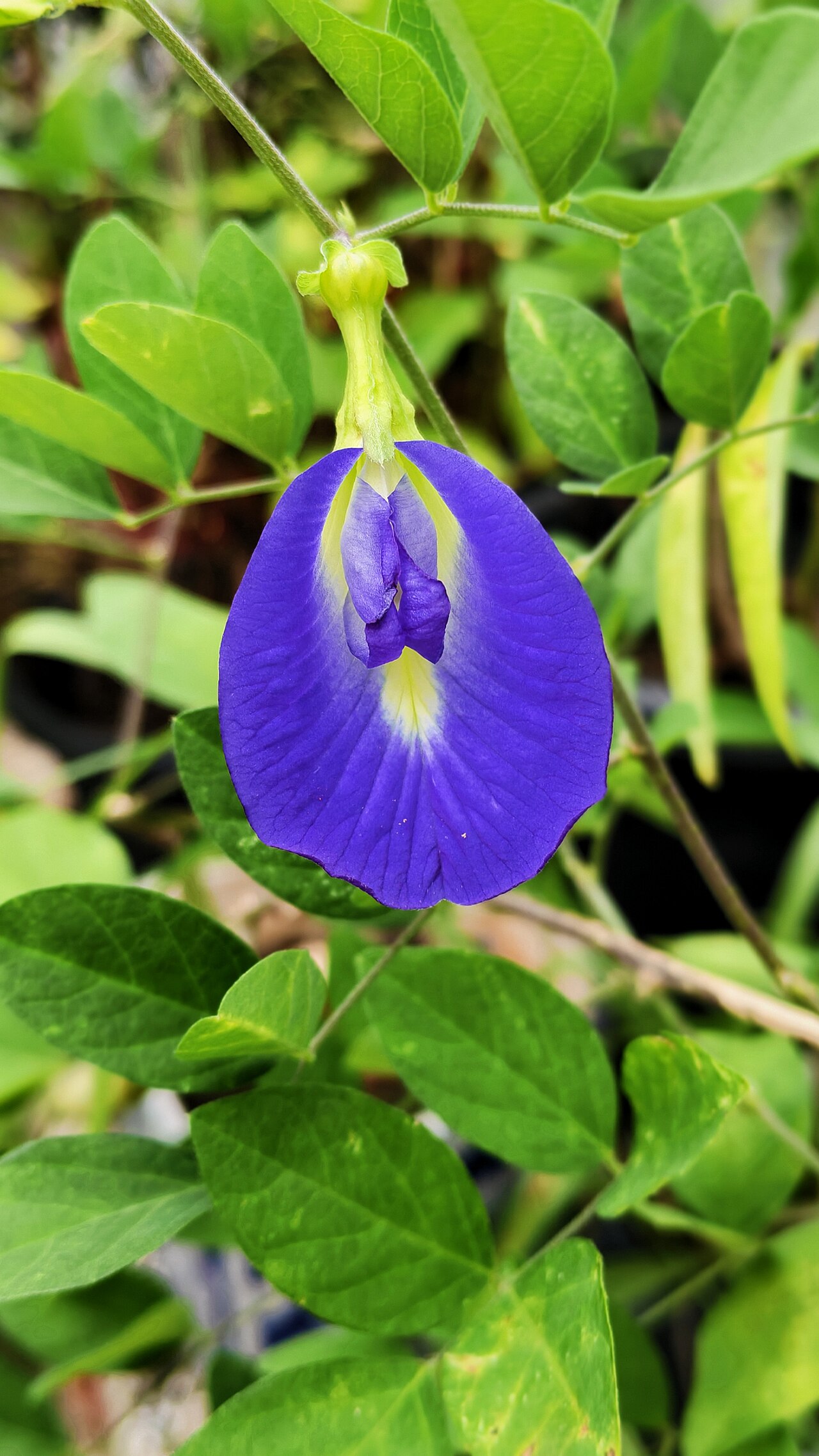
Placenta I Ground cover Fertilizer biomass 🌱 Nitrogen fixerA perennial herbaceous climbing legume able to fix up to 100 kg N per hectare per year in symbiosis with Rhizobium. Used as a high-value forage (pr...
-
camaratuba
Cratylia mollis
Placenta II Low Fertilizer biomass 🌱 Nitrogen fixerNative shrubby legume of the Caatinga; one of the most important fodder species of the northeastern semiarid, with strong drought resistance and hi...
-
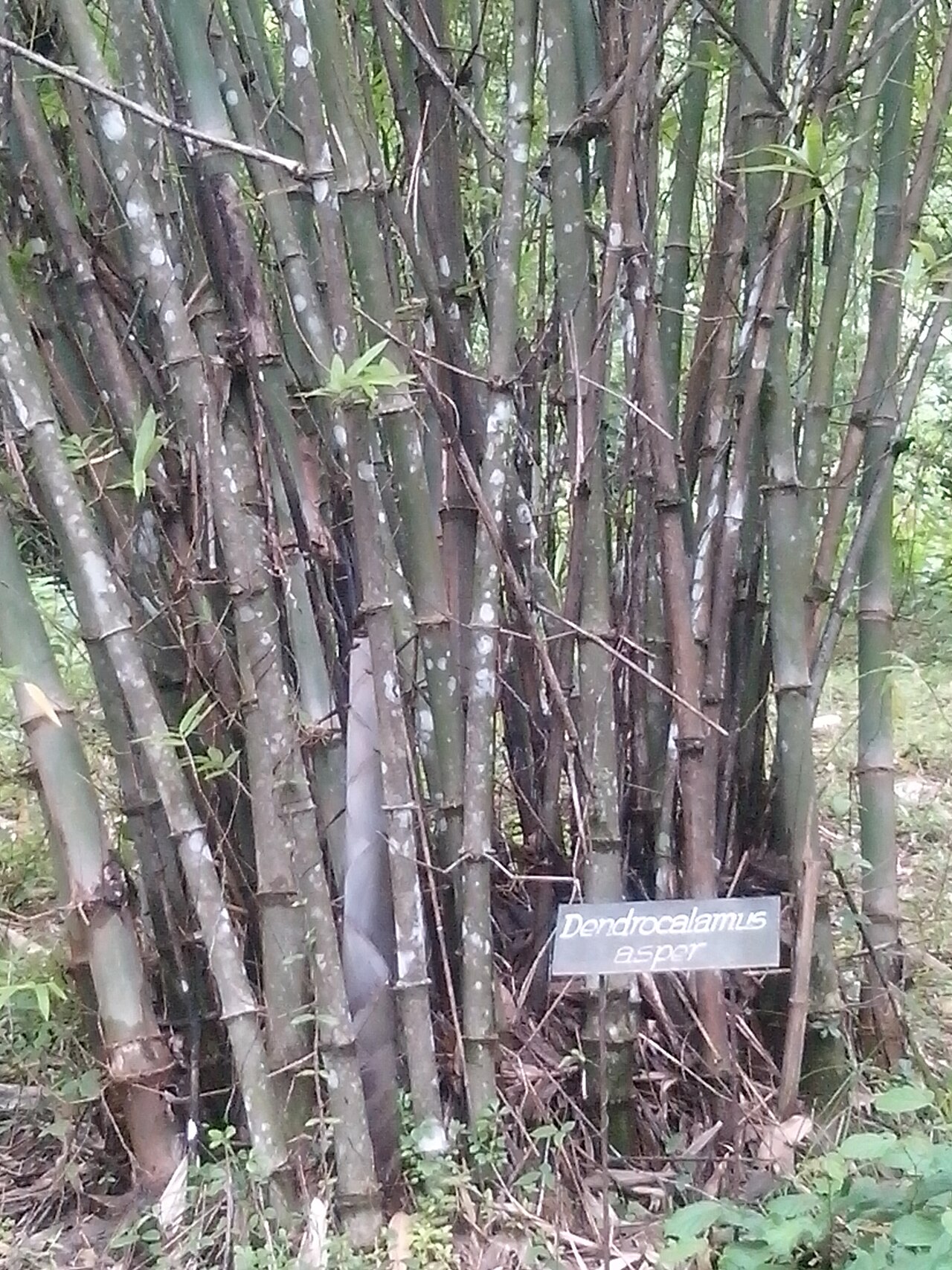
giant bamboo
Dendrocalamus asper
Secondary I Emergent Mulch biomassOne of the most economically important giant bamboos, a clumping species native to Southeast Asia, with culms 15–20 m tall and up to 20 cm in diame...
-
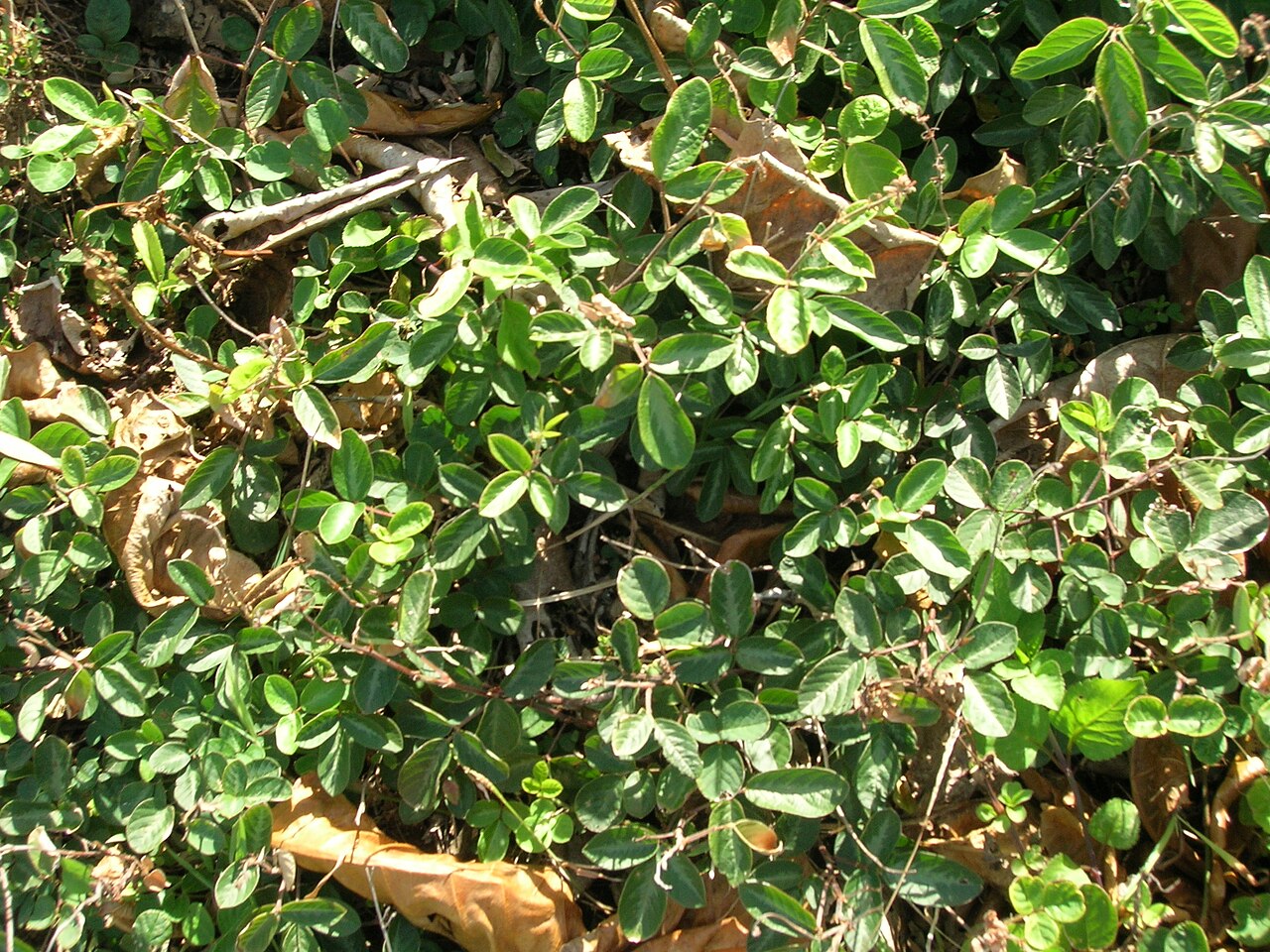
creeping beggarweed
Desmodium incanum
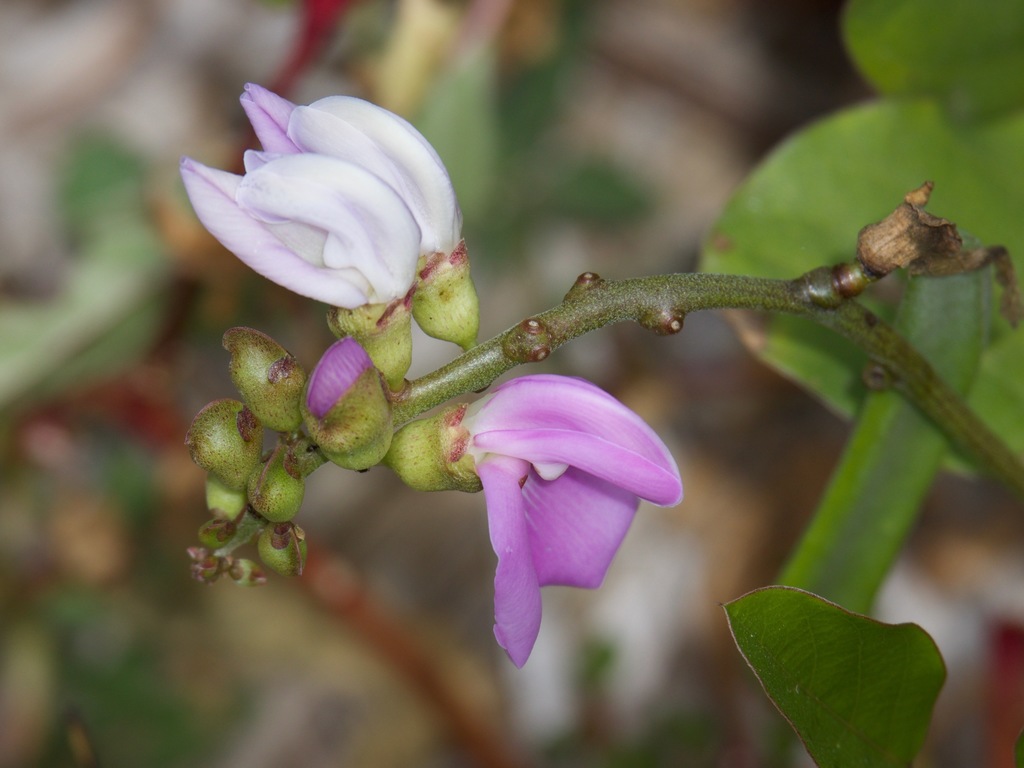
Placenta I Ground cover Fertilizer biomass 🌱 Nitrogen fixerA perennial creeping herbaceous legume native to tropical and subtropical America (including the grasslands of southern Brazil), with an aggressive...
-
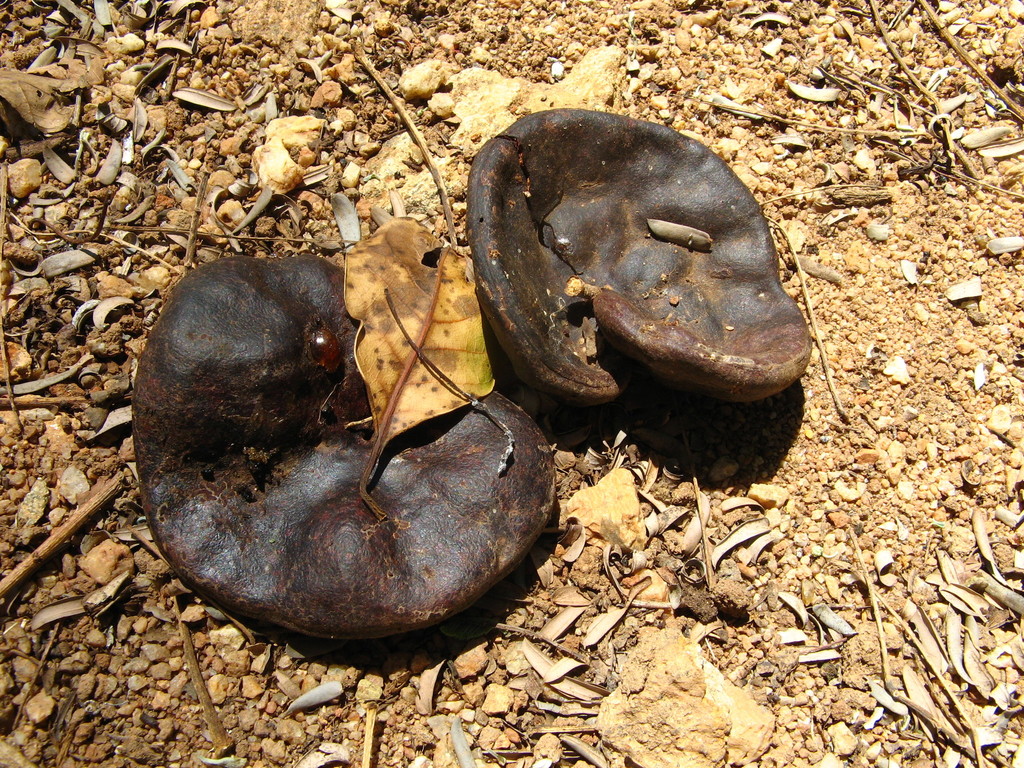
baru nut
Dipteryx alata
Climax EmergentNative Cerrado leguminous tree reaching over 25 m. Although a legume, it does not form root nodules with N-fixing bacteria — relies on N from groun...
-
earpod tree
Enterolobium contortisiliquum
Climax Emergent Fertilizer biomass 🌱 Nitrogen fixerLarge nitrogen-fixing leguminous tree native to the Atlantic Forest and Cerrado. EcoAgri lists it in the emergent stratum of the '> 50 years' bin. ...
-
flemingia
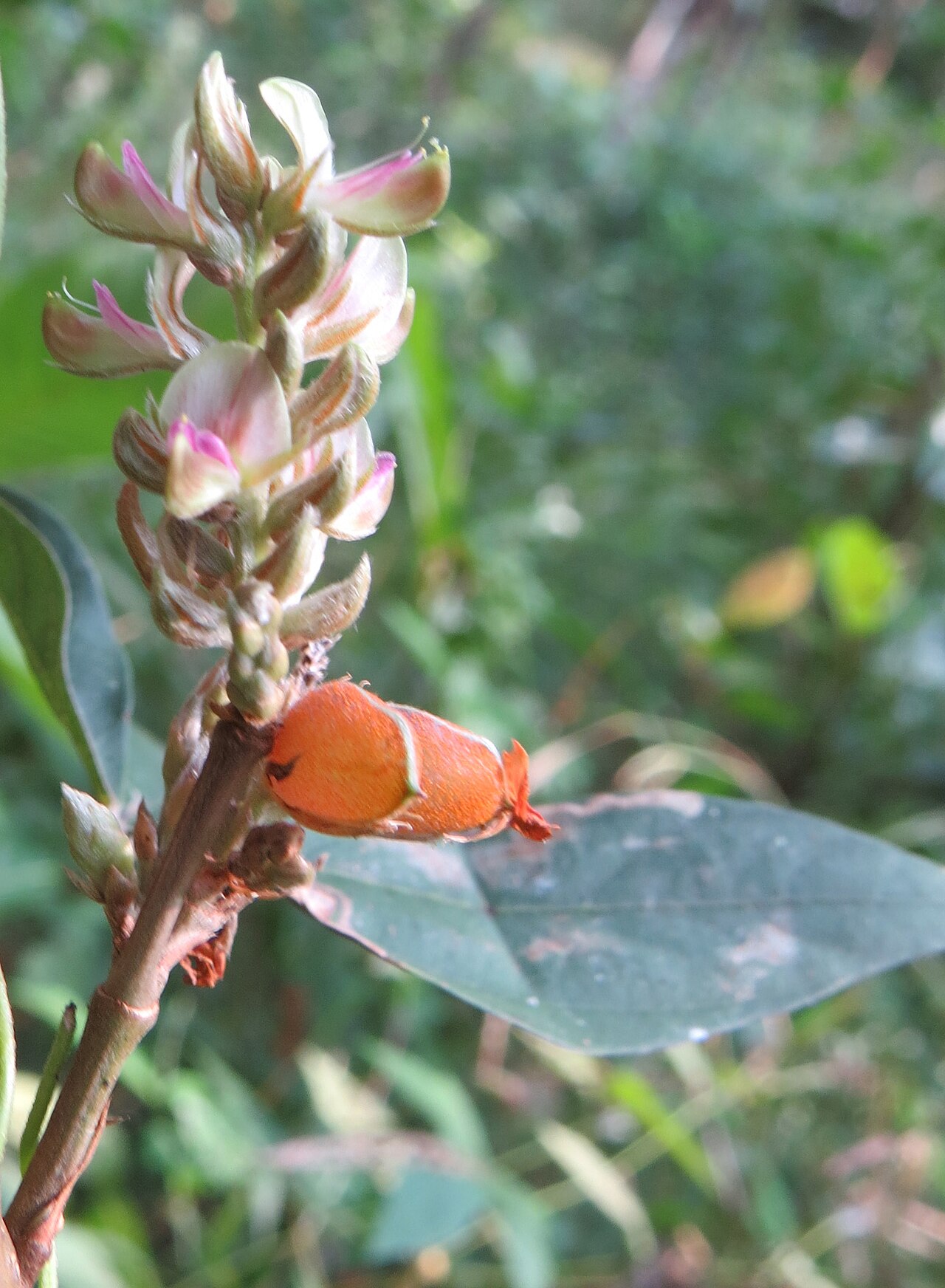
Flemingia macrophylla
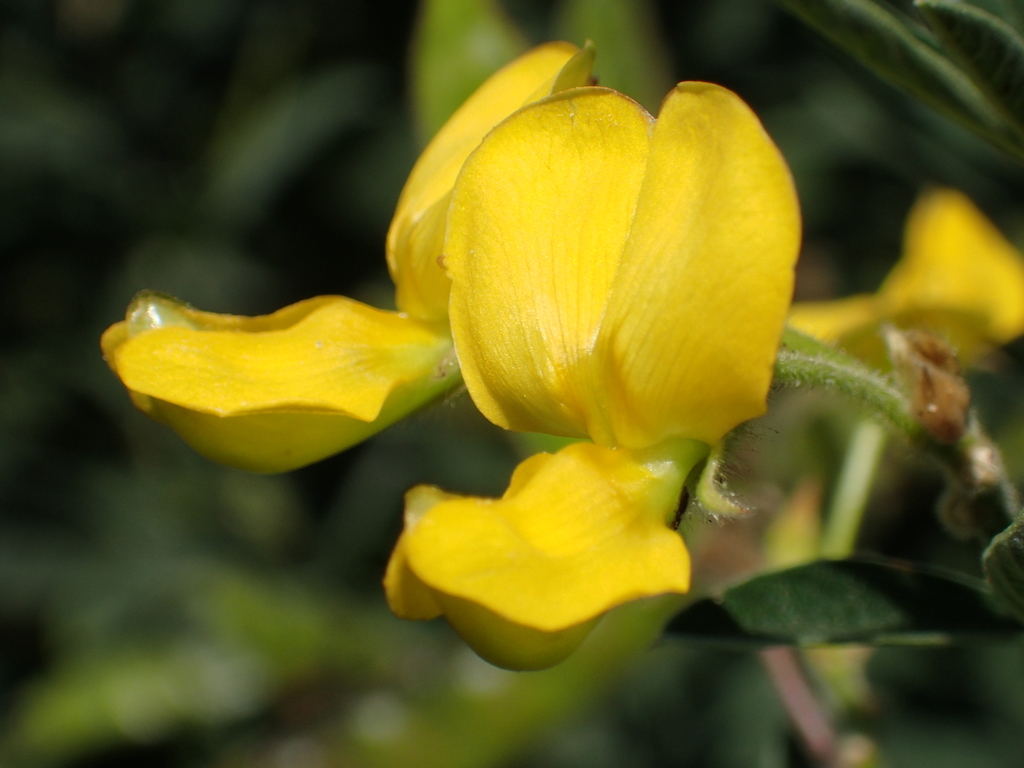
Placenta II Low Mulch biomass 🌱 Nitrogen fixerA perennial, woody, deep-rooted leguminous shrub up to 2.5 m tall, native to the humid tropics of Asia. It fixes nitrogen and is widely used in con...
-
gliricidia
Gliricidia sepium
Secondary I Medium Fertilizer biomass 🌱 Nitrogen fixerNitrogen-fixing legume that tolerates drastic pruning and produces fast-decomposing fertilizer biomass. Commonly used as shade for coffee and cocoa...
-
West Indian elm
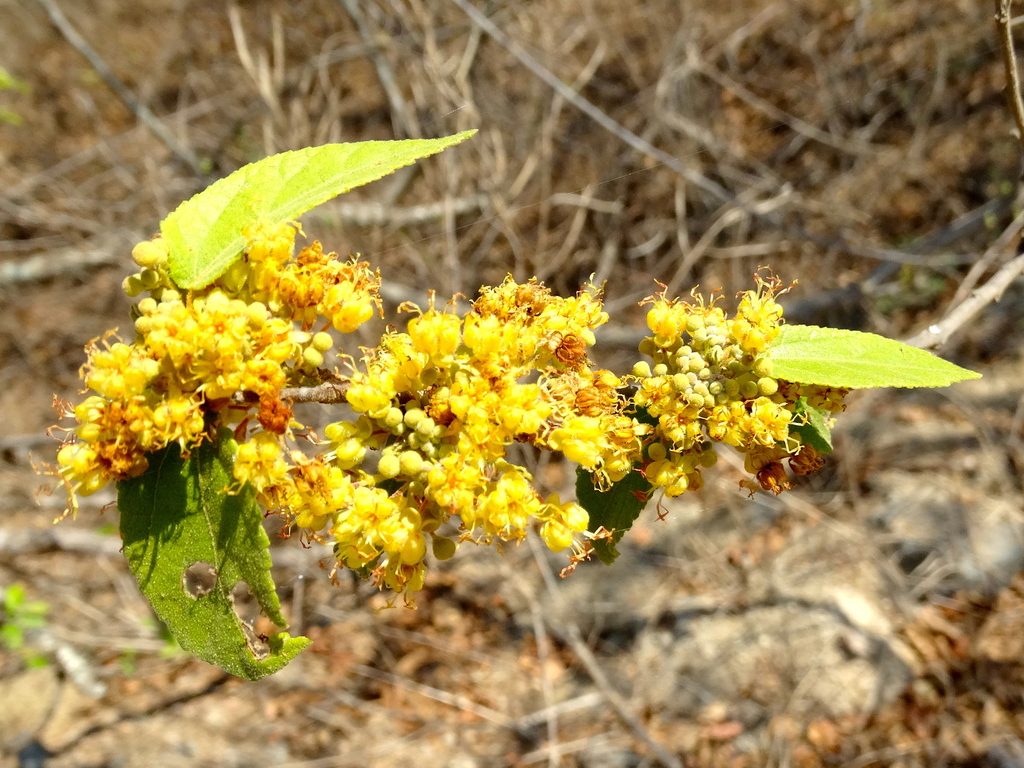
Guazuma ulmifolia
Secondary I High Mulch biomassFast-growing pioneer tree native to the Cerrado, Pantanal, and Atlantic Forest. Pasini lists it in the high stratum of Tabela 3 and in the 10–20 ye...
-
sweet potato
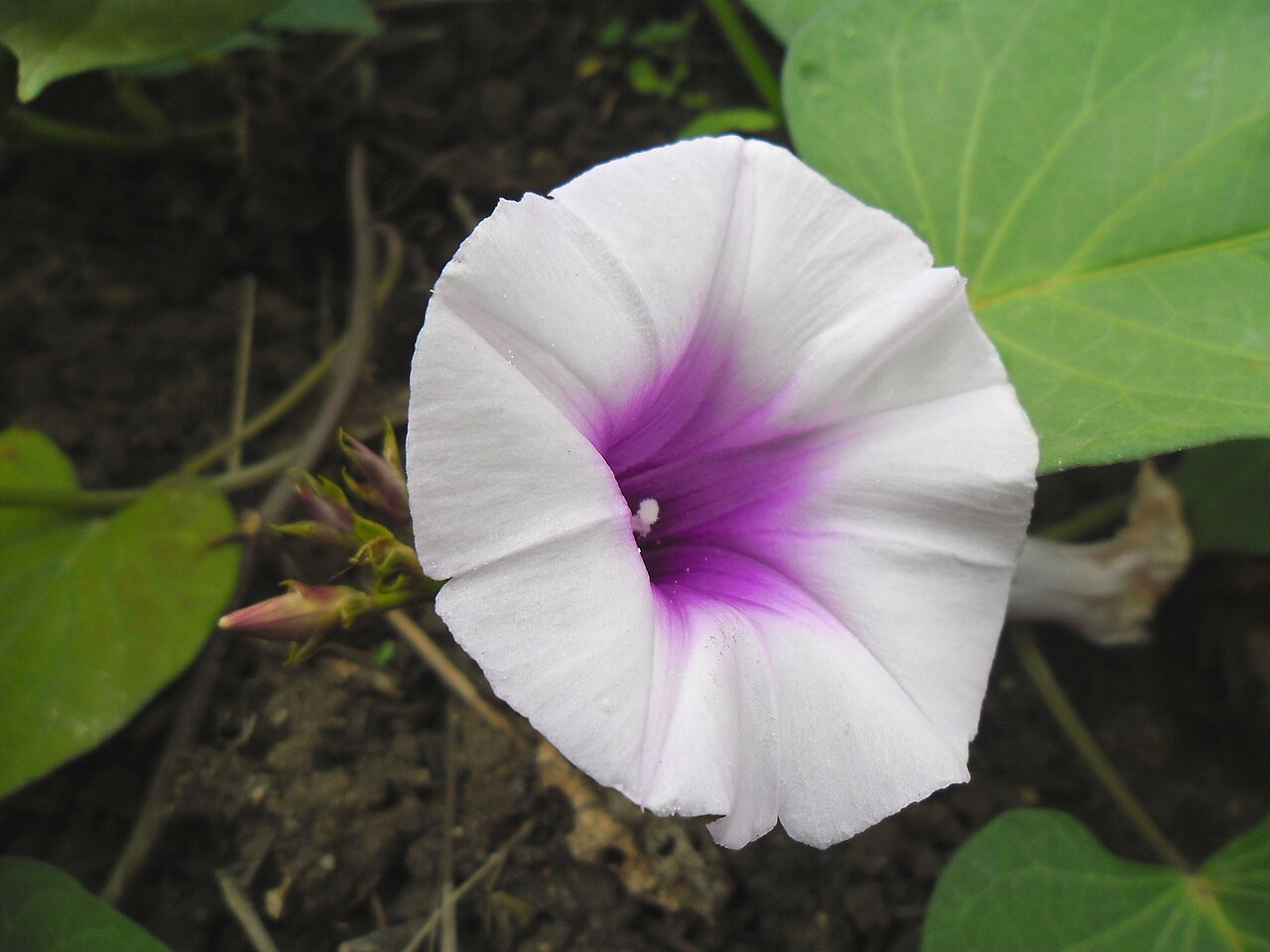
Ipomoea batatas
Placenta I Ground cover No biomass productionShort-cycle creeping tuber crop. Pasini lists it in the low stratum of Tabela 3. Excellent living ground cover early in the agroforestry cycle, edi...
-
leucaena
Leucaena leucocephala
Secondary I High Fertilizer biomass 🌱 Nitrogen fixerFast-growing nitrogen-fixing tree legume with strong coppicing ability. Cited by Pasini as a tree-form fertilizer biomass species — sources fertili...
-
Ceará rubber tree
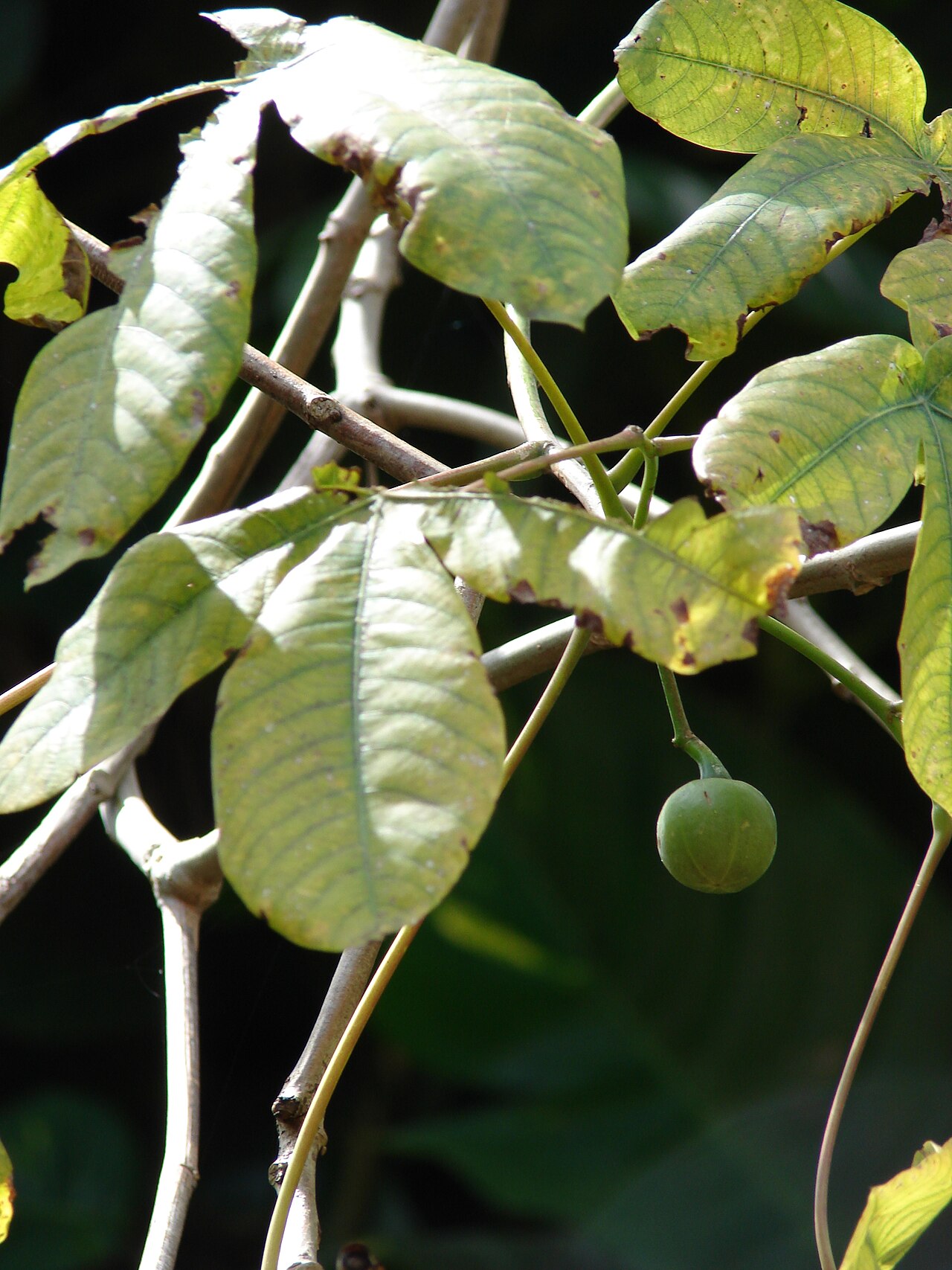
Manihot glaziovii
Placenta II MediumShrub/small tree native to the Caatinga; one of the first species to flush leaves at the start of the rainy season. Leaves and twigs are used as ru...
-
Mombaça grass
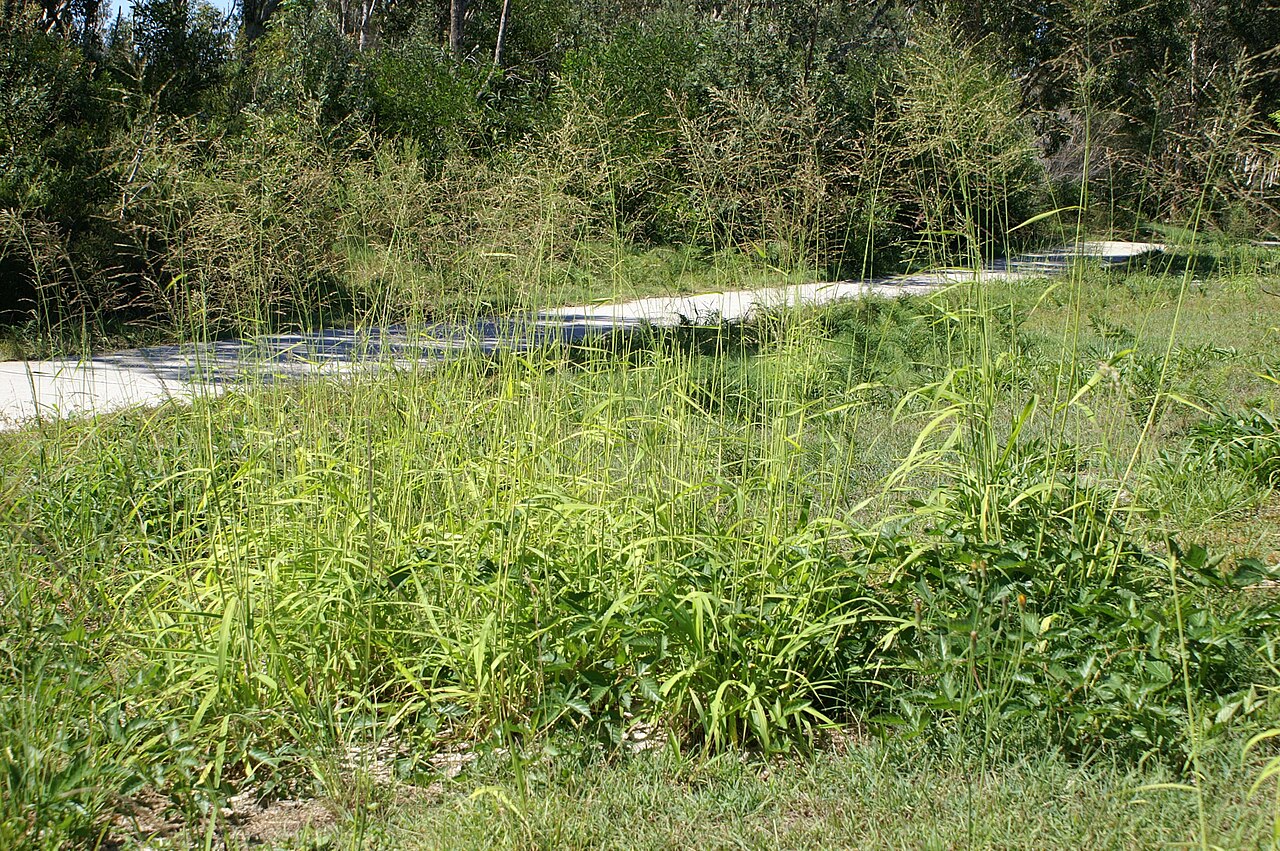
Megathyrsus maximus
Placenta II Low Mulch biomassHighly productive forage grass producing large amounts of cover biomass. Central in large-scale syntropic experiments (Rebello & Sakamoto 2019) — c...
❓ Frequently asked questions
What does "Fodder" mean in syntropic agriculture?
Species whose leaves or branches are harvested as animal feed. In livestock-integrated systems they overlap partly with biomass-producer species.
Which catalog species are tagged Fodder?
The catalog holds 44 species, among them macauba palm, siris tree, purple amaranth. Each profile shows stratum, succession stage, and the management data, with sources cited.