
Function
Fuelwood — species for syntropic systems
Fuelwood is an intermediate harvest: vigorous resprouters supply energy without leaving the system. Coppiced, they produce for decades.
27 species in the catalog · Refine this list in the catalog
-
mangium
Acacia mangium
Secondary I Emergent Fertilizer & mulch 🌱 Nitrogen fixerExtremely fast-growing nitrogen-fixing legume, central in syntropic systems as a producer of both cover and fertilizer biomass. Pasini classifies i...
-
monjoleiro
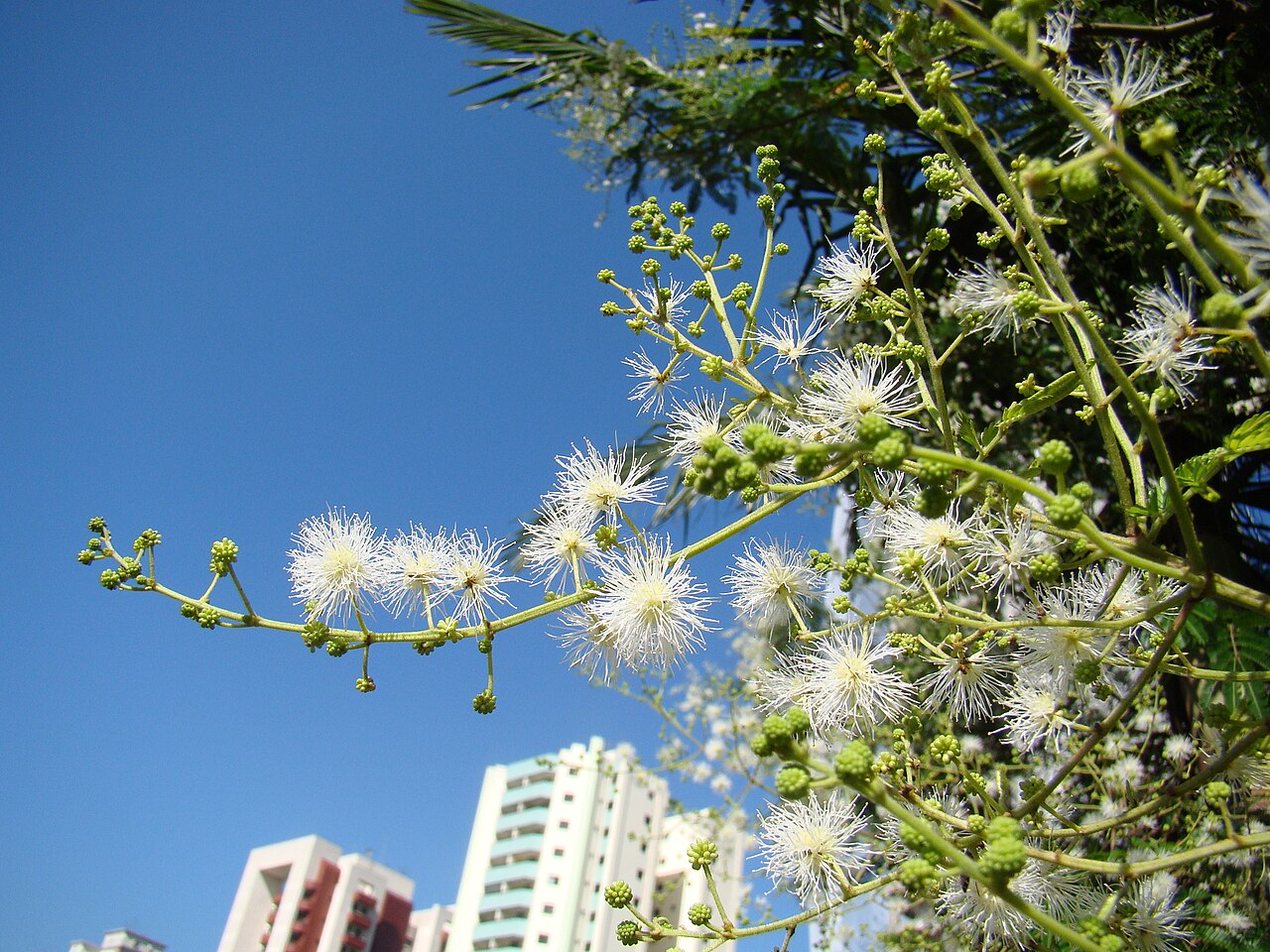
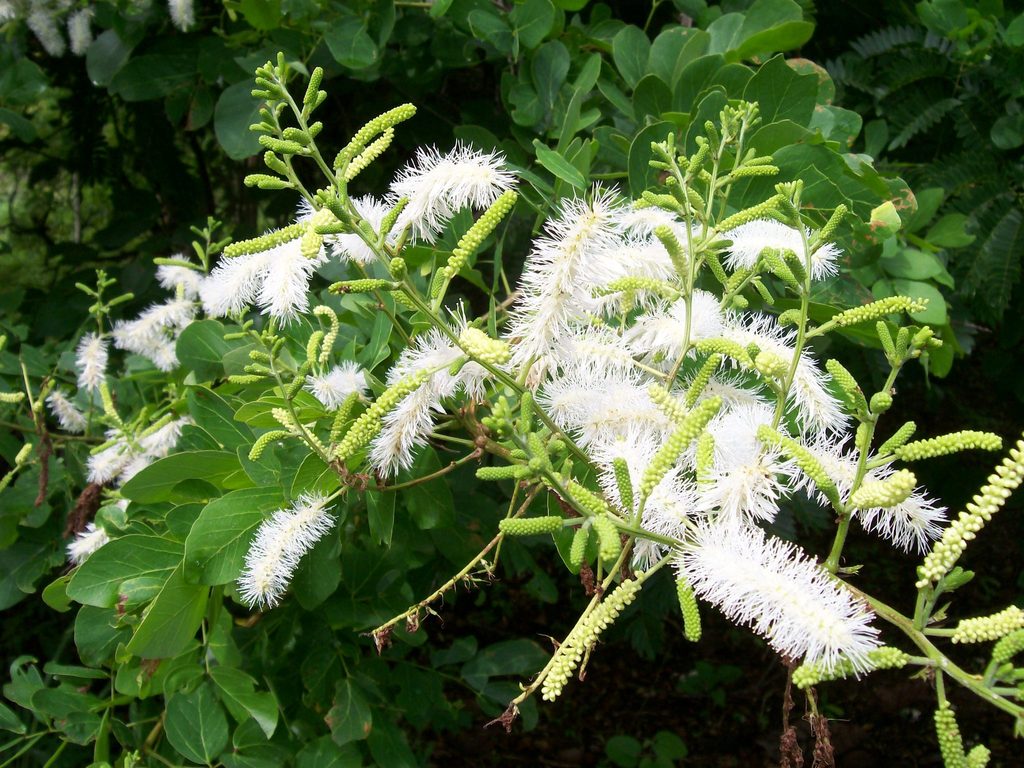
Acacia polyphylla
Secondary I High Fertilizer biomass 🌱 Nitrogen fixerPioneer legume native to the Atlantic Forest and Cerrado. Medium-to-tall tree (10–20 m), fine compound leaves. Very rapid growth — structural speci...
-
siris tree
Albizia lebbeck
Secondary II High Fertilizer biomass 🌱 Nitrogen fixerA fast-growing, drought-tolerant leguminous tree of 18-30 m, native to tropical Asia and now pantropical. It fixes nitrogen readily and coppices ex...
-
babassu palm
Attalea speciosa
Climax Emergent Mulch biomassNative palm of the transition zones between the Amazon, Cerrado, and Caatinga — strongly present in Maranhão, Piauí, Tocantins, and northern Goiás....
-
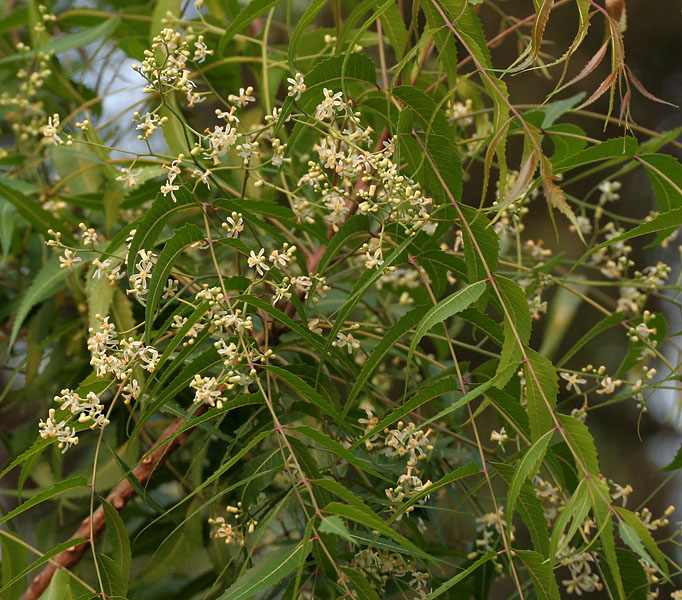
neem
Azadirachta indica
Secondary I High Mulch biomassIndian-origin tree adapted to Brazil, the biopesticide species of the Embrapa Vitrine SAF. Leaves and seed oil (azadirachtin) repel more than 200 i...
-
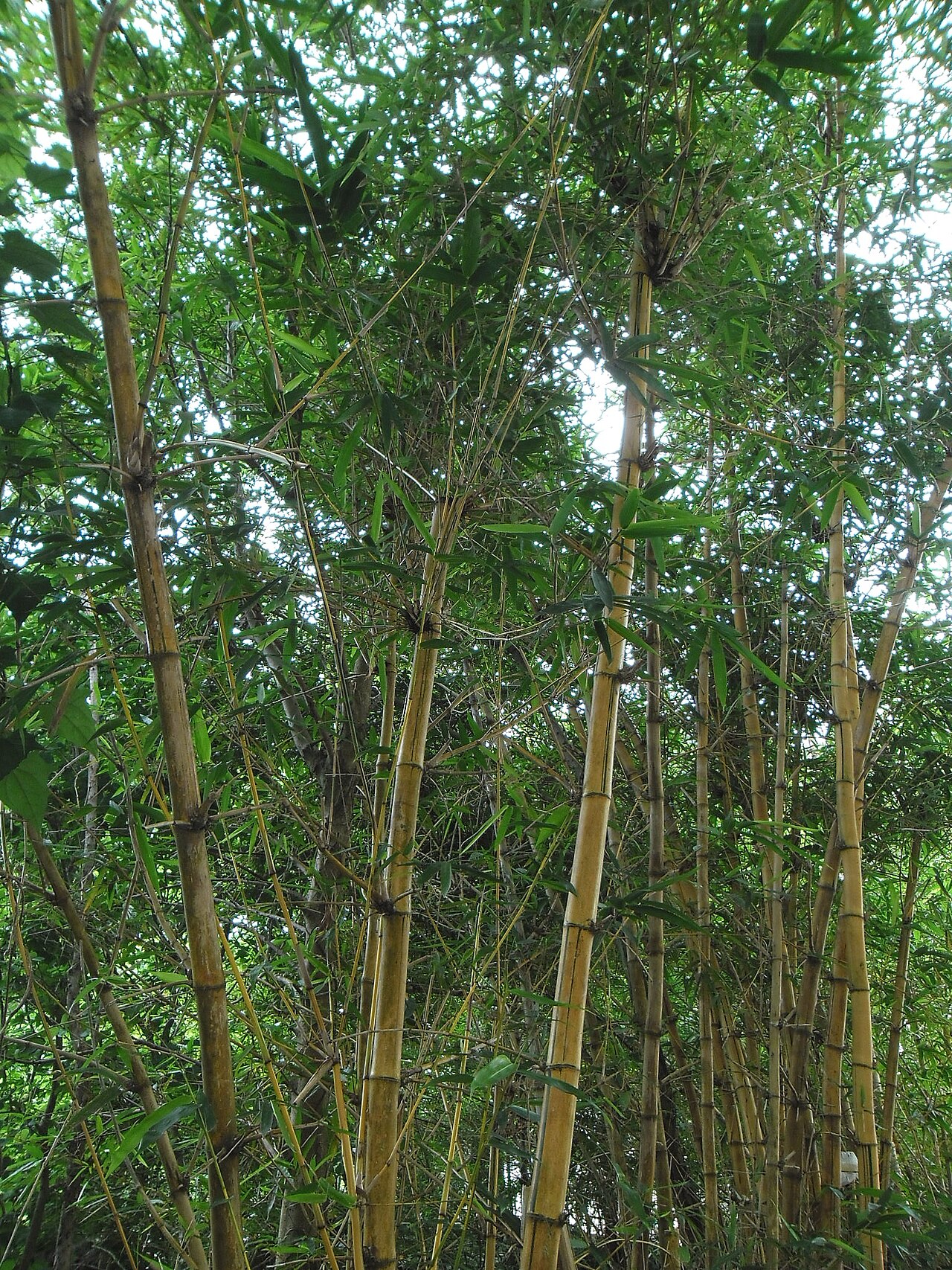
balcooa bamboo
Bambusa balcooa
Secondary I Emergent Mulch biomassA large clumping bamboo native to the Indian subcontinent and Indochina, with thick culms up to 25 m and thick walls. It is highly valued for const...
-
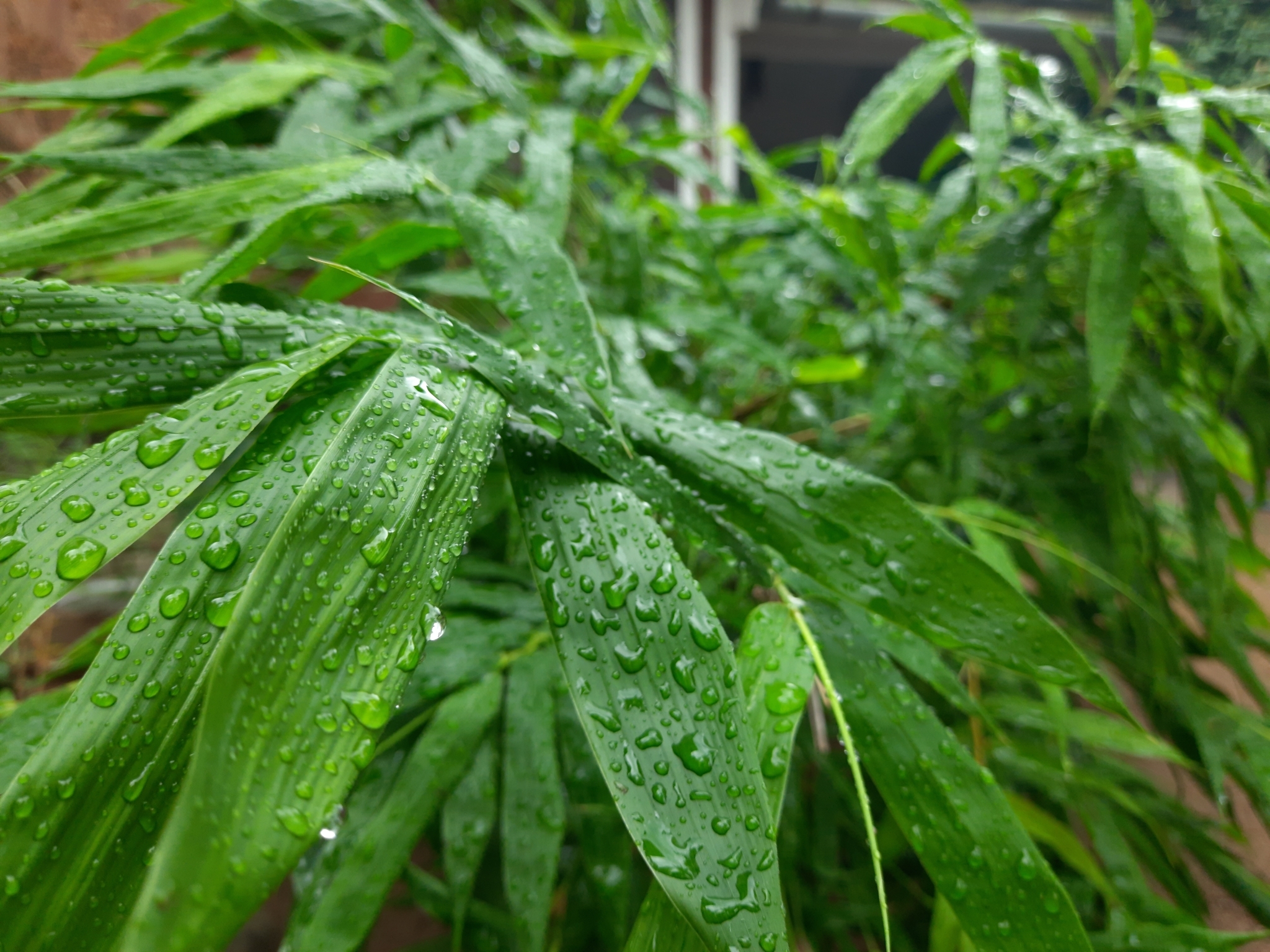
common bamboo
Bambusa vulgaris
Secondary I High Mulch biomassA clumping (non-running) bamboo native to Southeast Asia and one of the most widely cultivated bamboos in the tropics. It forms dense clumps with c...
-
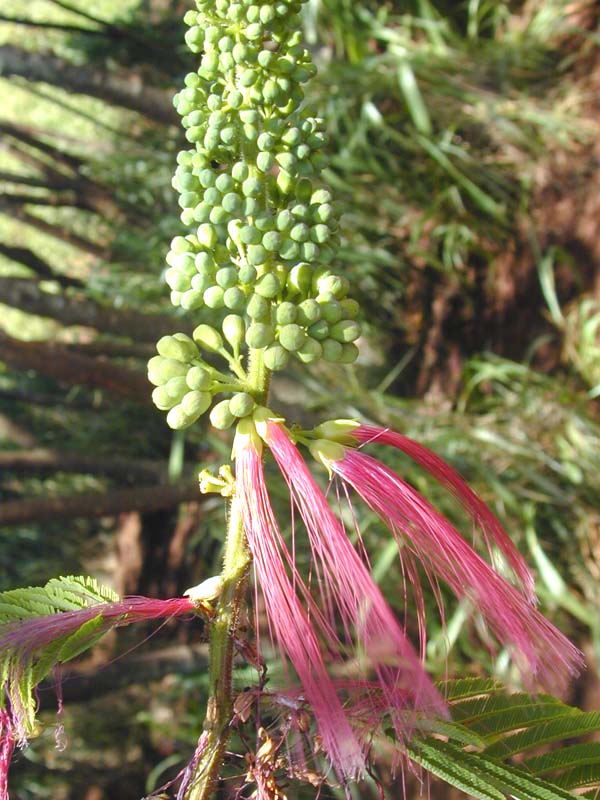
calliandra
Calliandra calothyrsus
Placenta II Medium Fertilizer biomass 🌱 Nitrogen fixerA very fast-growing leguminous shrub or small tree, usually 4-6 m tall, native to Central America. A nitrogen fixer that coppices vigorously after ...
-
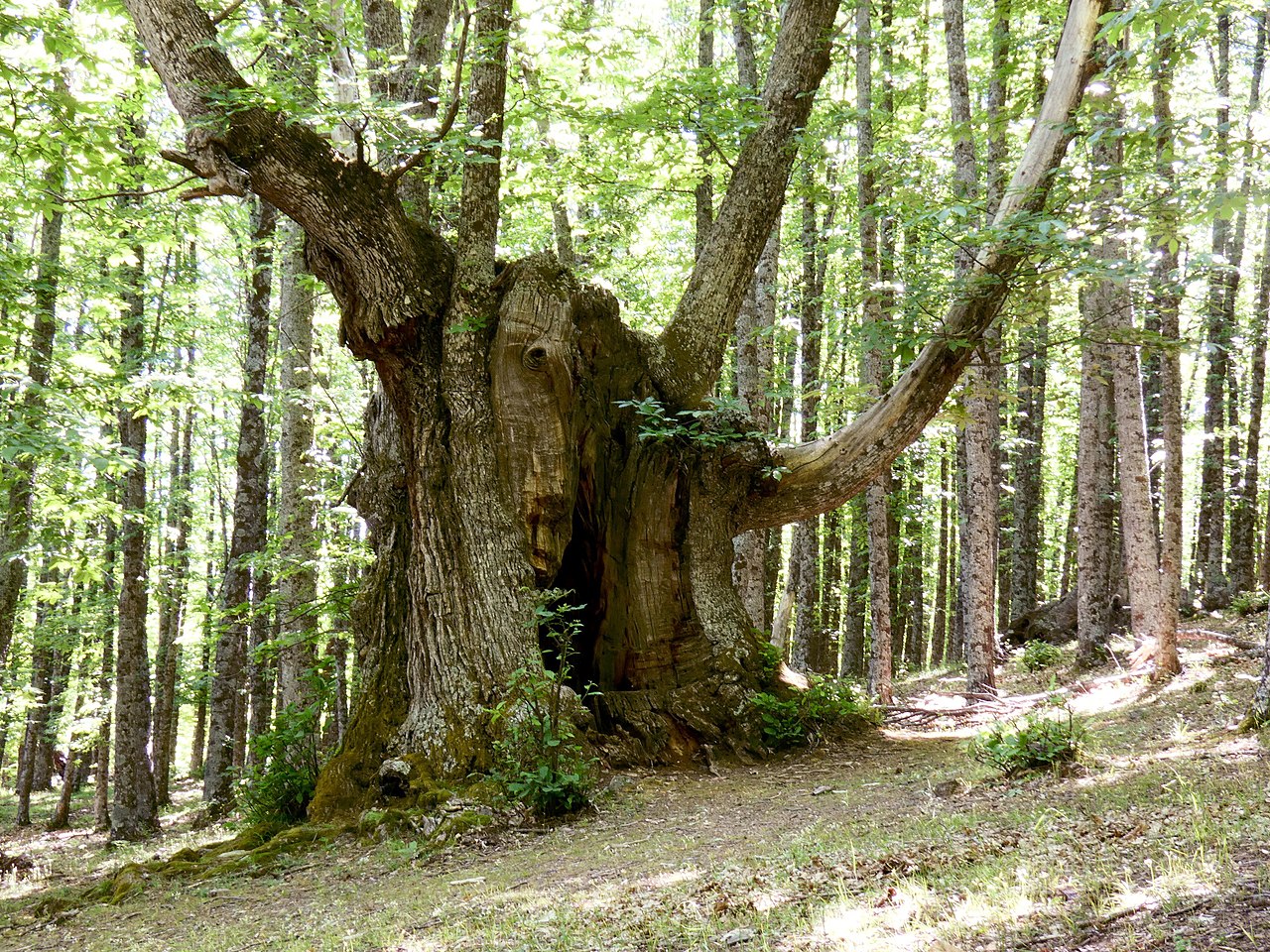
sweet chestnut
Castanea sativa
Secondary II High No biomass productionEuropean sweet chestnut, a large deciduous tree of the Fagaceae family, exotic to Brazil and suited to cold temperate regions of the south. It tole...
-
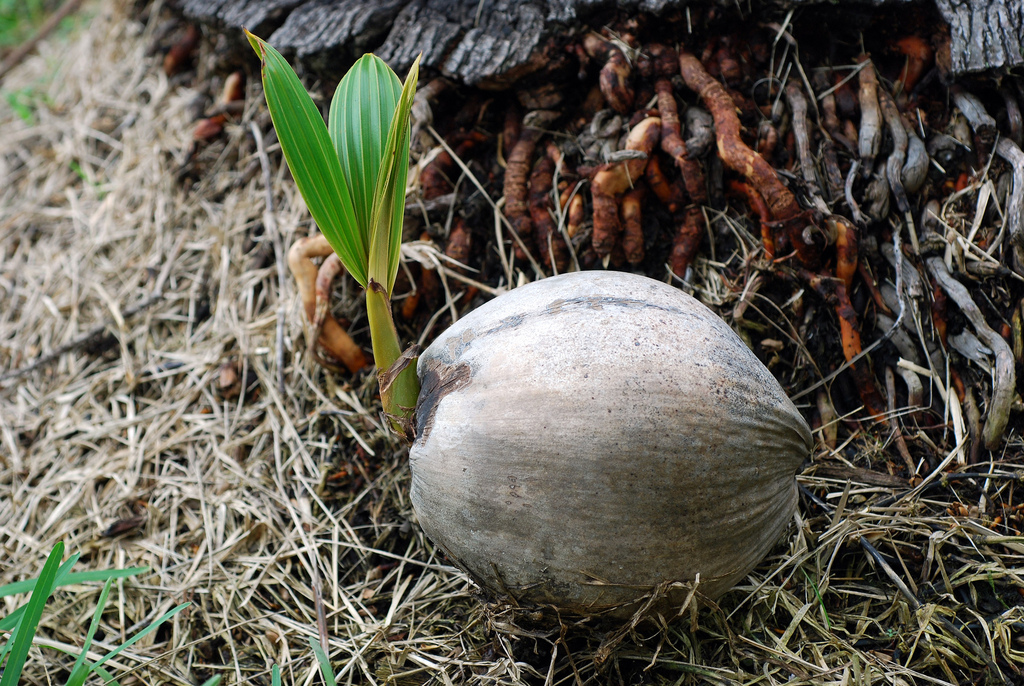
tall coconut
Cocos nucifera
Secondary II Emergent No biomass productionTall variety — emergent (20–30 m), 60–70 year lifespan, first flowering at 5–7 years. 60–80 large fruits per plant per year for copra, oil, and fib...
-
coconut palm
Cocos nucifera
Secondary II Emergent No biomass productionHigh-value palm naturalized along Brazilian coastlines. Pasini lists it in the emergent stratum of Tabela 3. Tolerates salinity and coastal winds; ...
-
capixingui
Croton floribundus
Secondary I High Mulch biomassNative pioneer tree of the Atlantic Forest and Cerrado, common in edges and clearings of semi-deciduous forests. Reaches 8–15 m on a roughly 30-yea...
-
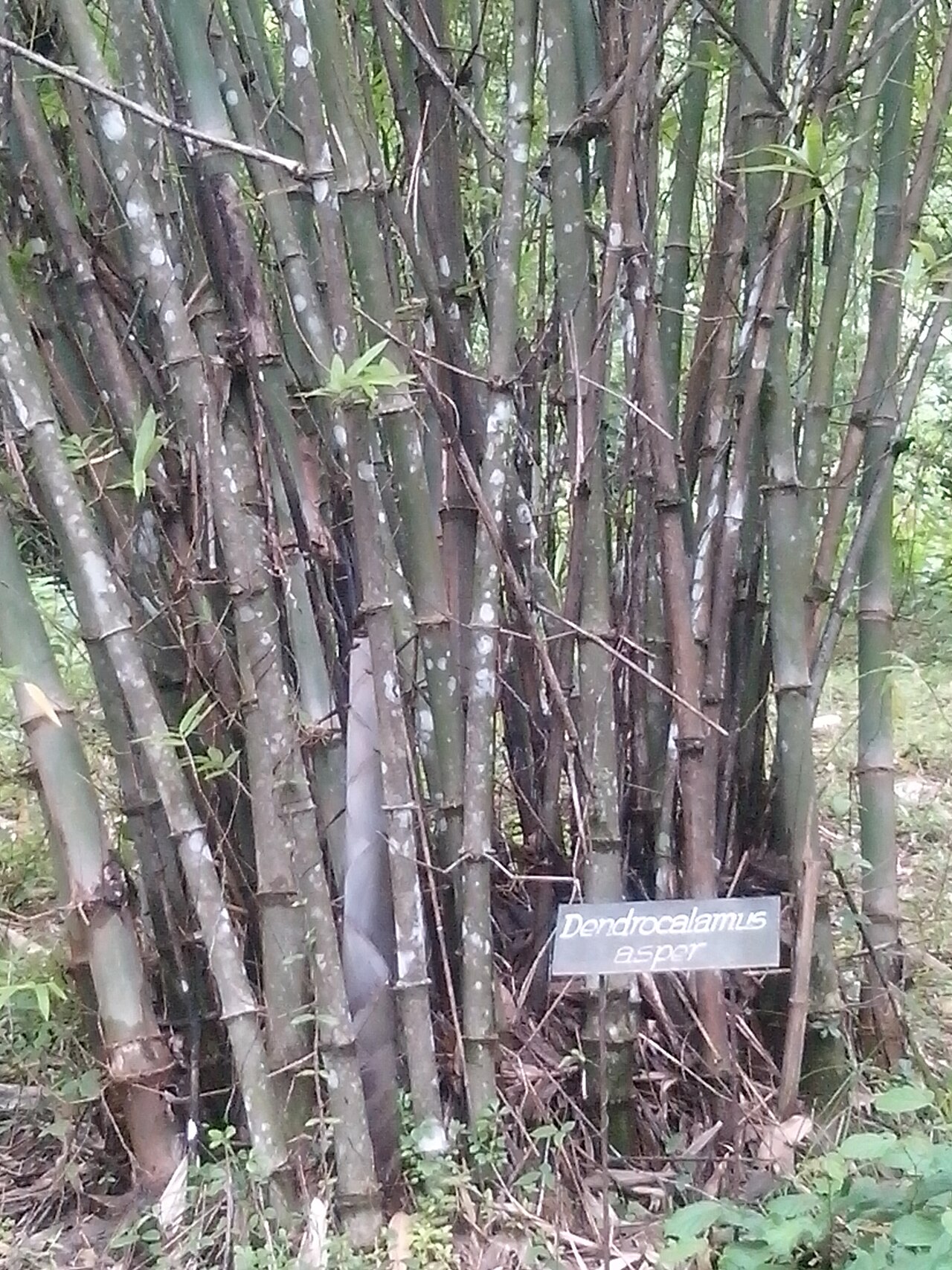
giant bamboo
Dendrocalamus asper
Secondary I Emergent Mulch biomassOne of the most economically important giant bamboos, a clumping species native to Southeast Asia, with culms 15–20 m tall and up to 20 cm in diame...
-
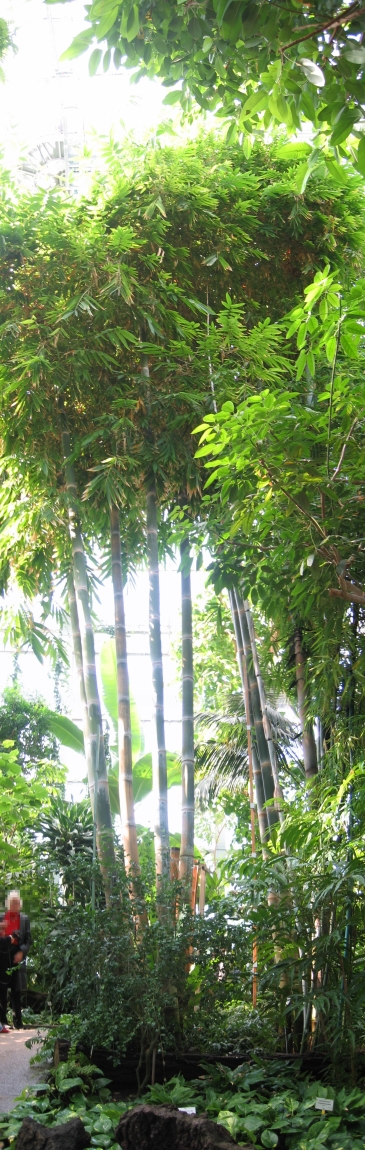
giant bamboo
Dendrocalamus giganteus
Secondary I Emergent Mulch biomassOne of the largest bamboos in the world, a clumping species native to India, Myanmar, Thailand and southern China, with culms commonly reaching 30 ...
-
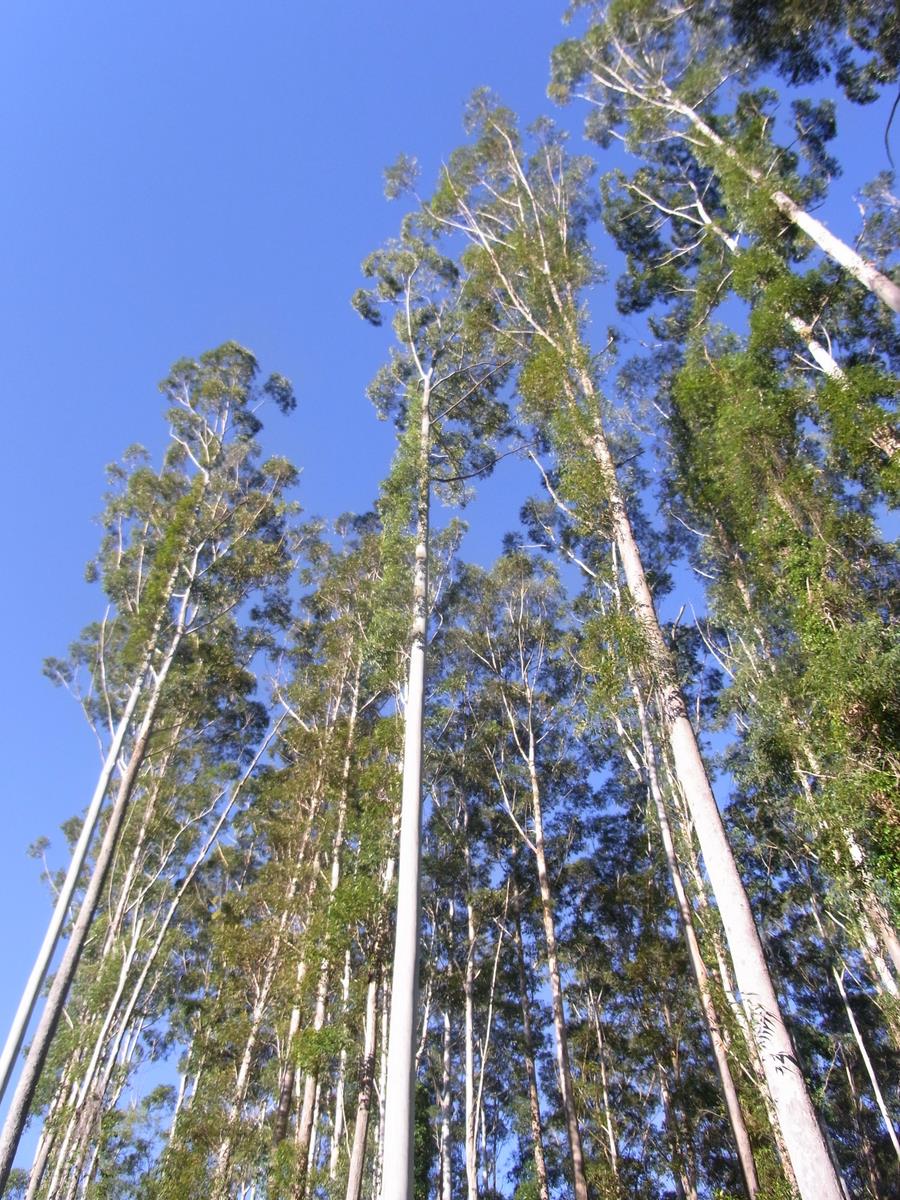
rose gum
Eucalyptus grandis
Secondary I Emergent Mulch biomassTypical accumulation species in syntropic systems: cover biomass, timber in 15 years. Non-native but widely used in Brazilian SAFs.
-
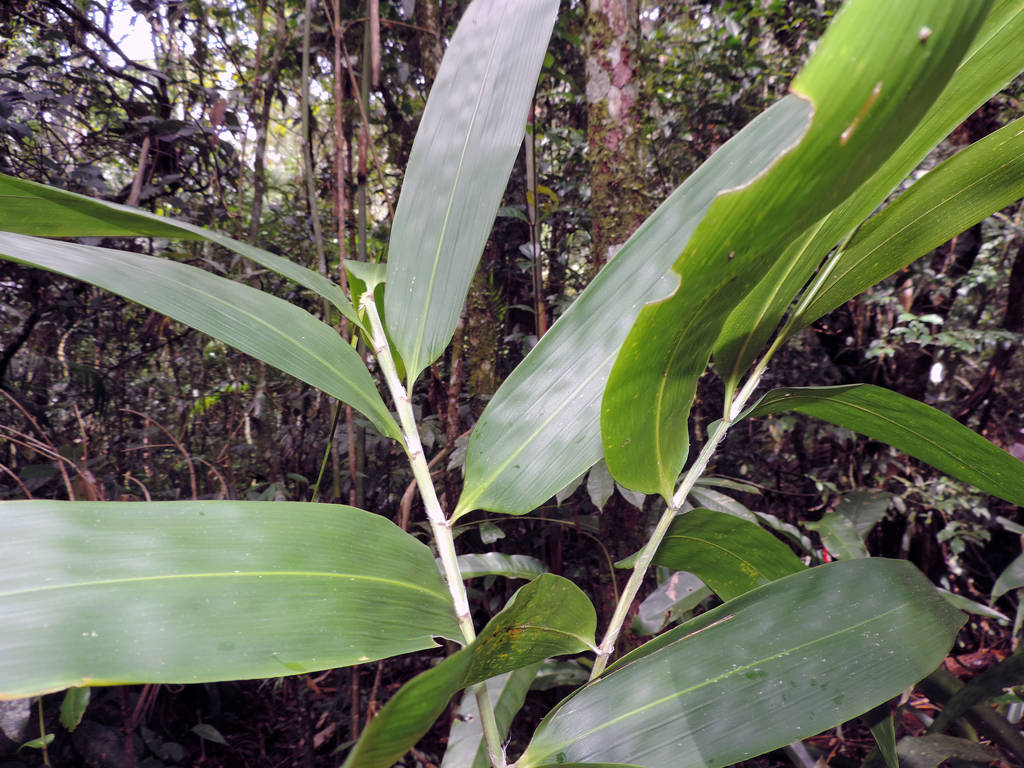
taquarucu bamboo
Guadua tagoara
Secondary I High Mulch biomassA bamboo native to the Atlantic Forest, distributed from Santa Catarina to Bahia, where it forms the characteristic bamboo thickets. It can reach a...
-
West Indian elm
Guazuma ulmifolia
Secondary I High Mulch biomassFast-growing pioneer tree native to the Cerrado, Pantanal, and Atlantic Forest. Pasini lists it in the high stratum of Tabela 3 and in the 10–20 ye...
-
Cerrado jatobá
Hymenaea stigonocarpa
Climax HighDeciduous leguminous tree 5–20 m tall, typical of open cerrado and campo-cerrado on well-drained soils. Unlike most Fabaceae, it does not form N-fi...
-
river inga
Inga vera
Secondary I Medium Fertilizer biomass 🌱 Nitrogen fixerA pioneer leguminous tree native to the Neotropics, 5-10 m tall, with a broad low crown, frequent in secondary formations of humid or swampy soil, ...
-
espada mango
Mangifera indica
Secondary II Emergent Mulch biomassBrazil's oldest mango cultivar. Vigorous tall tree (12–15 m), green-to-yellow fruit with fibrous flesh (300 g, 18° Brix). Today used more as rootst...
-
maricá
Mimosa bimucronata
Placenta II Medium Fertilizer biomass 🌱 Nitrogen fixerA pioneer leguminous tree or small tree, spiny and much-branched, 4-8 m tall (occasionally to 15 m), native to eastern and southern Brazil. It fixe...
-
sabia tree
Mimosa caesalpiniifolia
Secondary I Medium Fertilizer biomass 🌱 Nitrogen fixerNative legume of the Caatinga and northeastern Atlantic Forest. Medium tree (4–10 m), sparse spiny canopy. Nitrogen-fixer — central in degraded-soi...
-
bracatinga
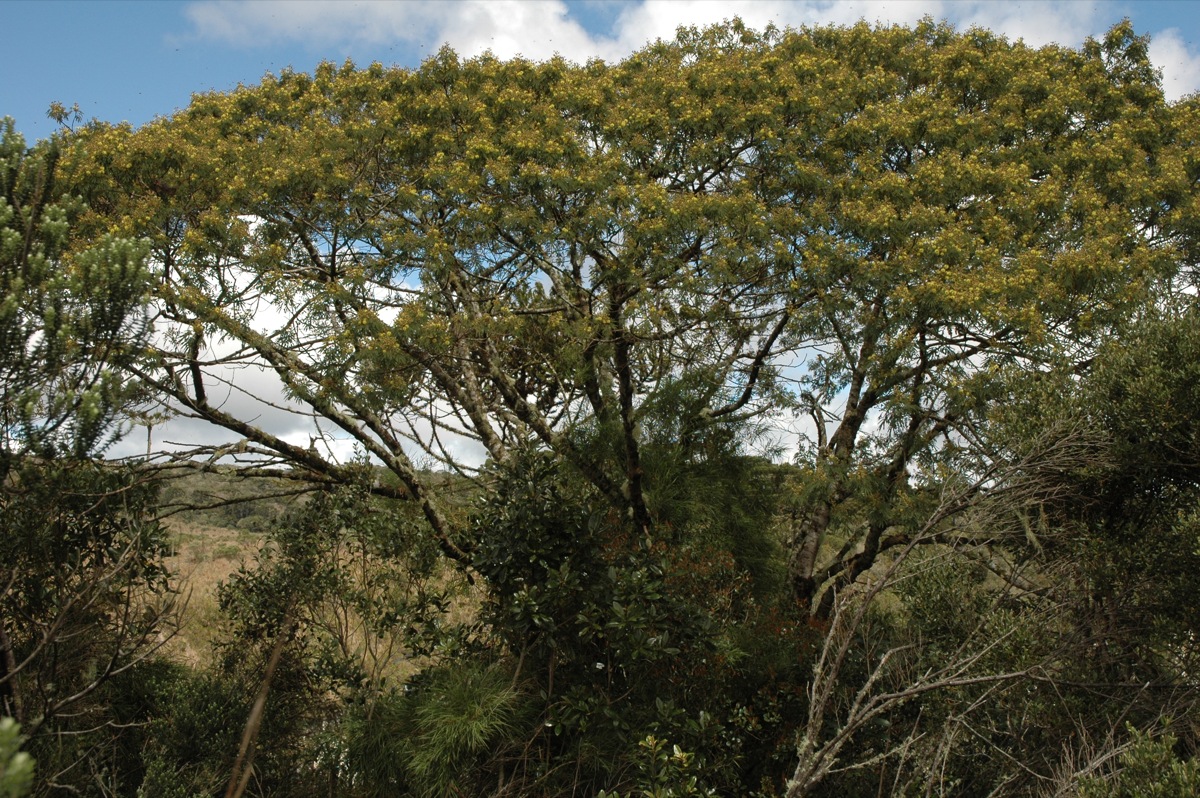
Mimosa scabrella
Secondary I High Fertilizer biomass 🌱 Nitrogen fixerPioneer legume native to southern Brazil and highland Atlantic Forest, listed by IPOEMA among anchor Brazilian species for SAFs (alongside cacao, y...
-
jurema preta
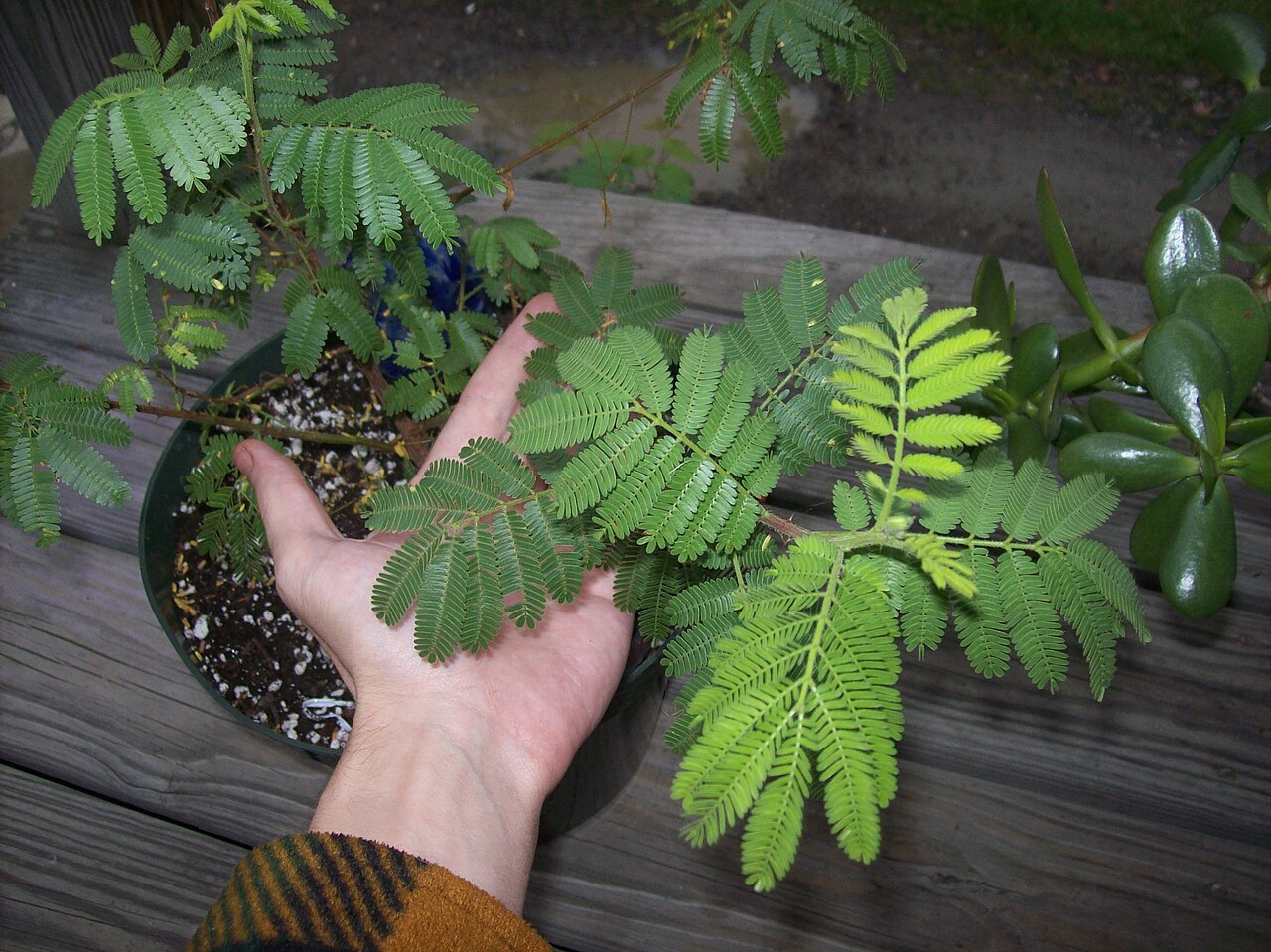
Mimosa tenuiflora
Secondary I Medium Fertilizer biomass 🌱 Nitrogen fixerNative legume of the Caatinga and Atlantic Forest. Small-to-medium tree (4–8 m), fine leaves, fissured grey bark. Nitrogen-fixer, rapid recolonizer...
❓ Frequently asked questions
What does "Fuelwood" mean in syntropic agriculture?
Species whose wood is used for burning — wood stoves, ovens, biochar. Usually fast-growing and able to coppice (resprout after being cut to the base).
Which catalog species are tagged Fuelwood?
The catalog holds 27 species, among them mangium, monjoleiro, siris tree. Each profile shows stratum, succession stage, and the management data, with sources cited.