
Function
Ground cover — species for syntropic systems
Cover species dress the soil: less evaporation, less grass, more life in the profile. In syntropy, bare soil is an open vacancy — these fill the niche in the system's favor.
37 species in the catalog · Refine this list in the catalog
-
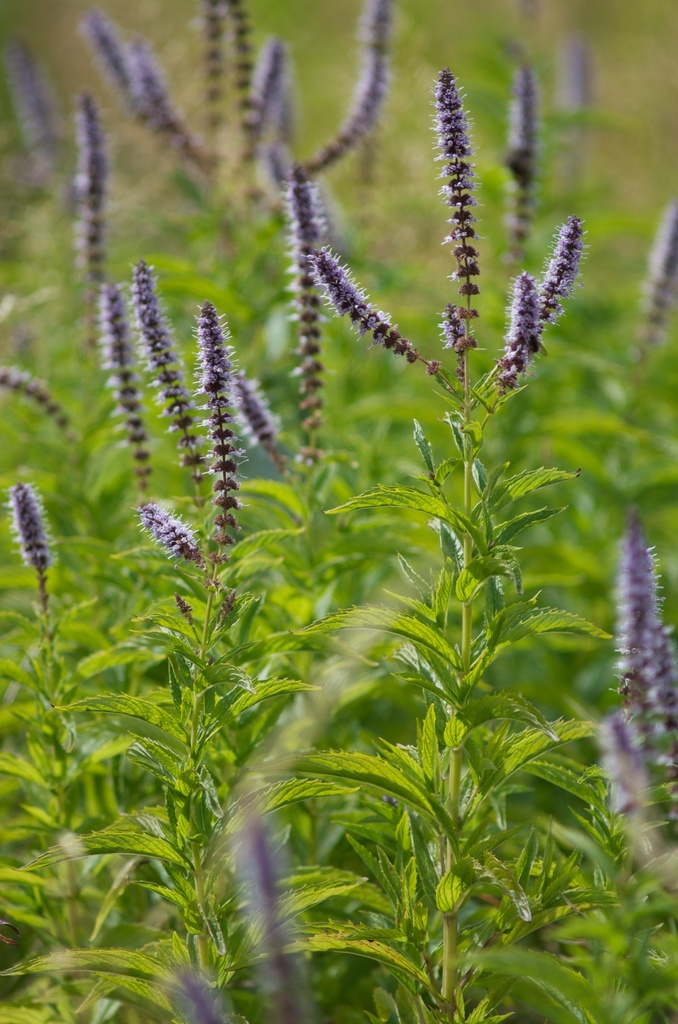
spearmint
Mentha spicata
Placenta I Ground cover No biomass productionStrongly aromatic perennial Lamiaceae that spreads vigorously by stolons. Pasini lists it in the low stratum of Tabela 3. Tolerates partial shade; ...
-
velvet bean
Mucuna pruriens
Placenta I Low Fertilizer biomass 🌱 Nitrogen fixerAnnual climbing legume that fixes nitrogen (~180–220 kg N/ha) and produces dense cover biomass. Suppresses weeds, decompacts the soil, and is one o...
-
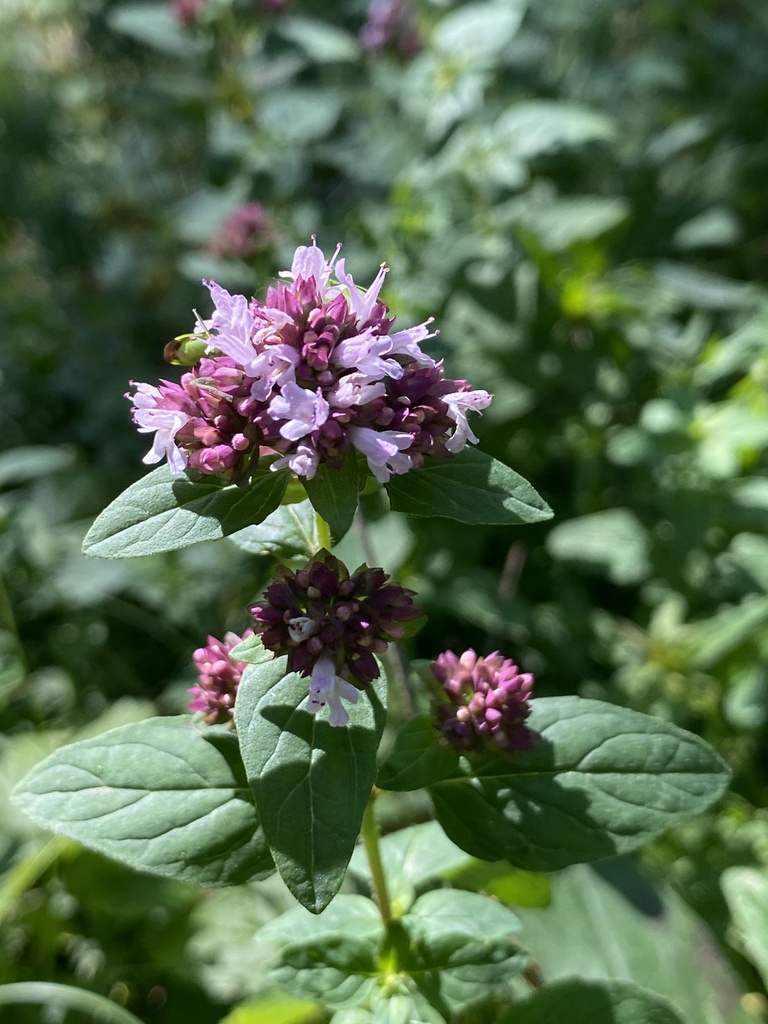
oregano
Origanum vulgare
Placenta I Ground cover No biomass productionPerennial Mediterranean herb (20–60 cm), small aromatic leaves. In southeastern and southern Brazilian syntropic systems used as permanent cover be...
-
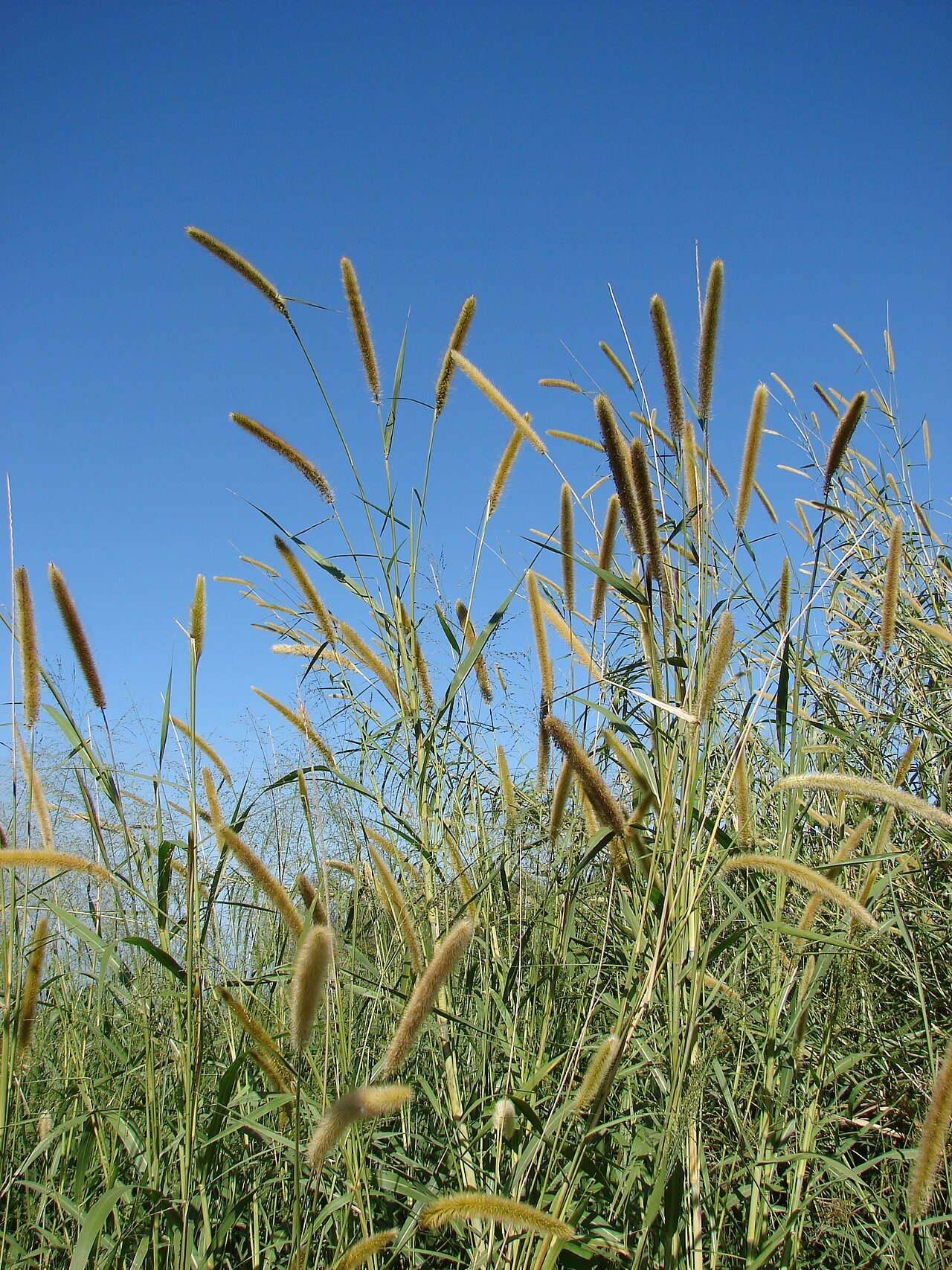
Napier grass
Pennisetum purpureum
Placenta II Medium Mulch biomassPerennial African grass introduced to Brazil in 1920. Forms vigorous clumps reaching 3–5 m and is one of the main biomass-producing species in synt...
-
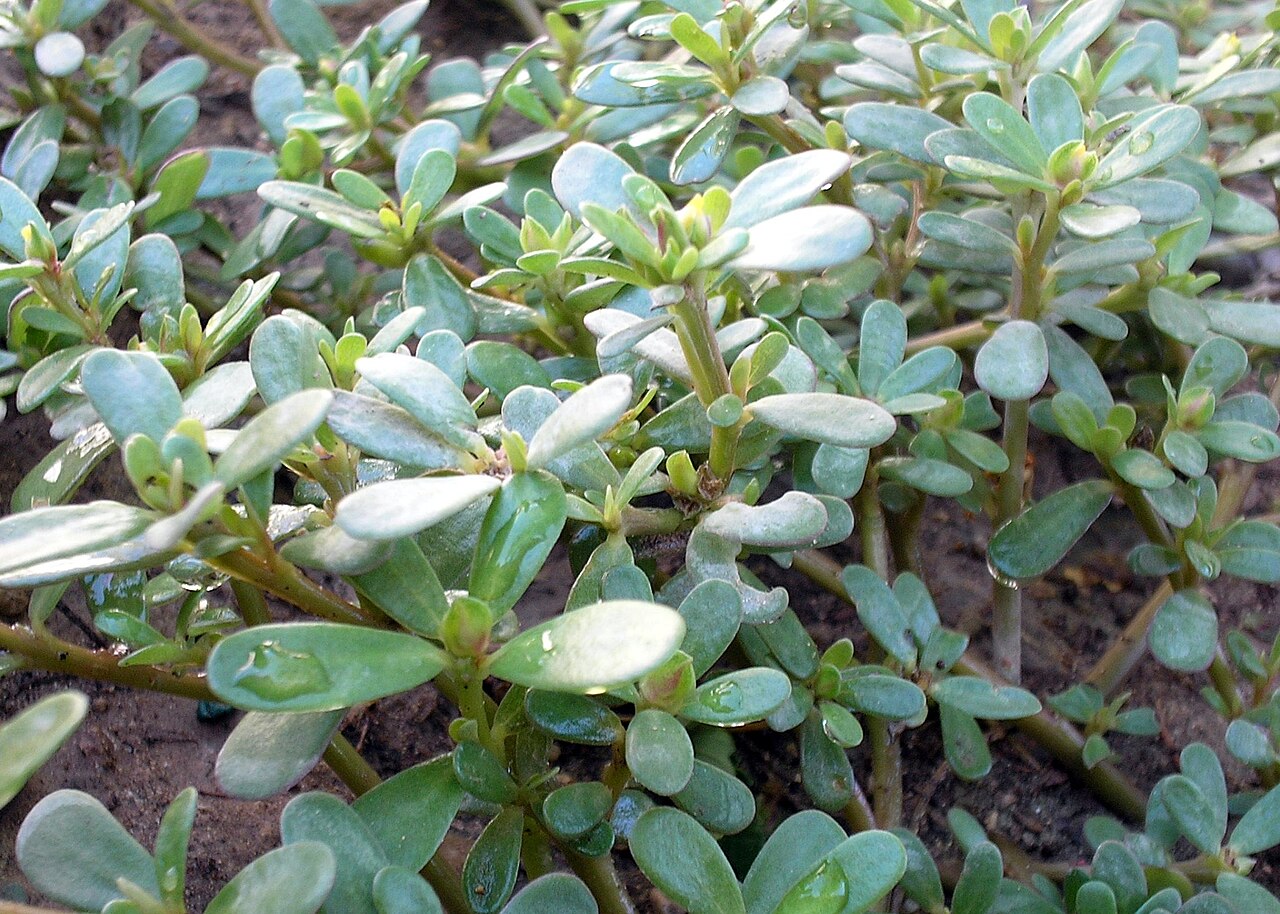
common purslane
Portulaca oleracea
Placenta I Ground cover Mulch biomassA prostrate annual succulent herb in the Portulacaceae, with a cosmopolitan distribution and very common as a volunteer in gardens and pavements. I...
-
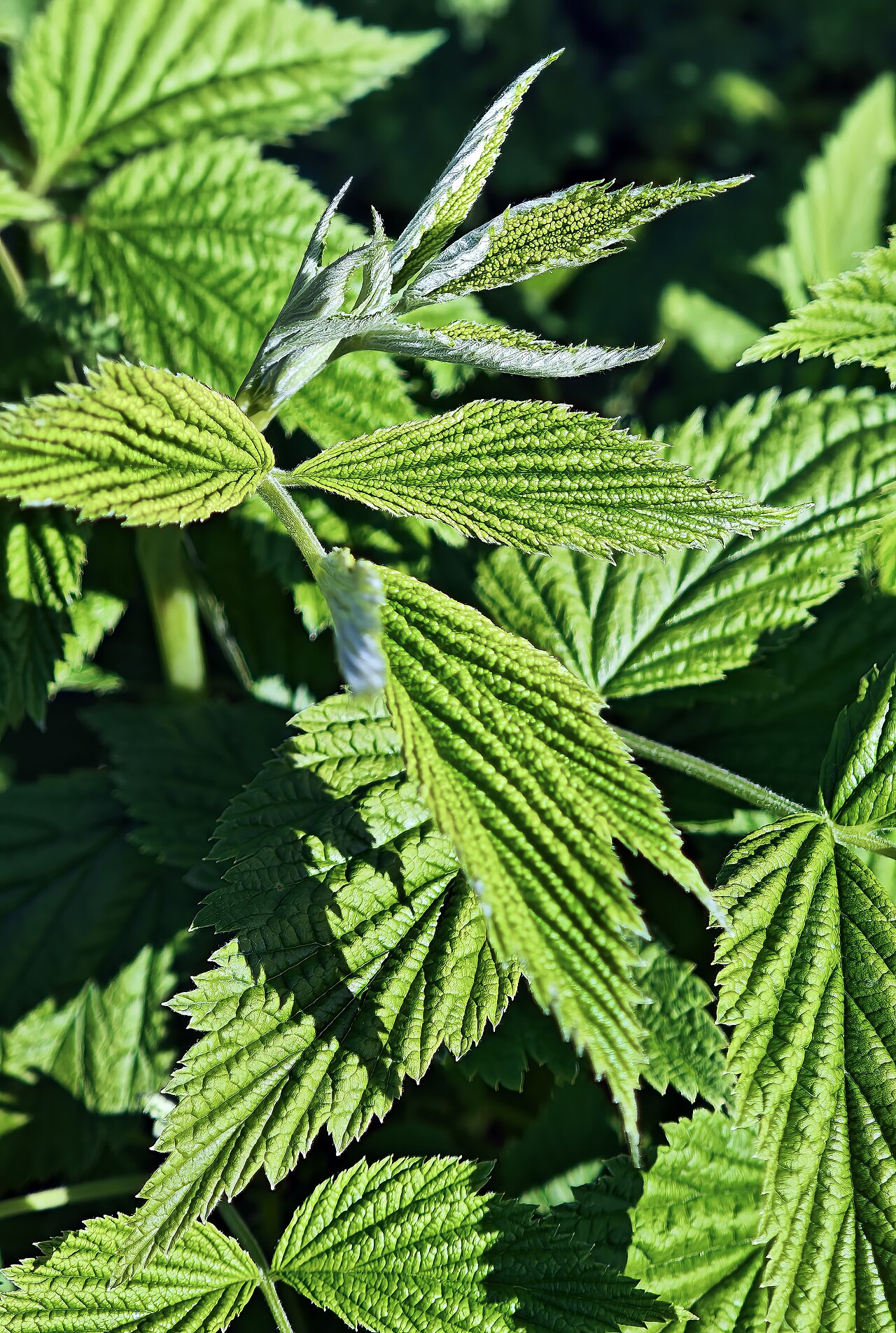
raspberry
Rubus idaeus
Secondary I Low No biomass productionRaspberry, a perennial shrub with biennial canes of the Rosaceae family, exotic to Brazil and grown in cold regions of the south and in highland mi...
-
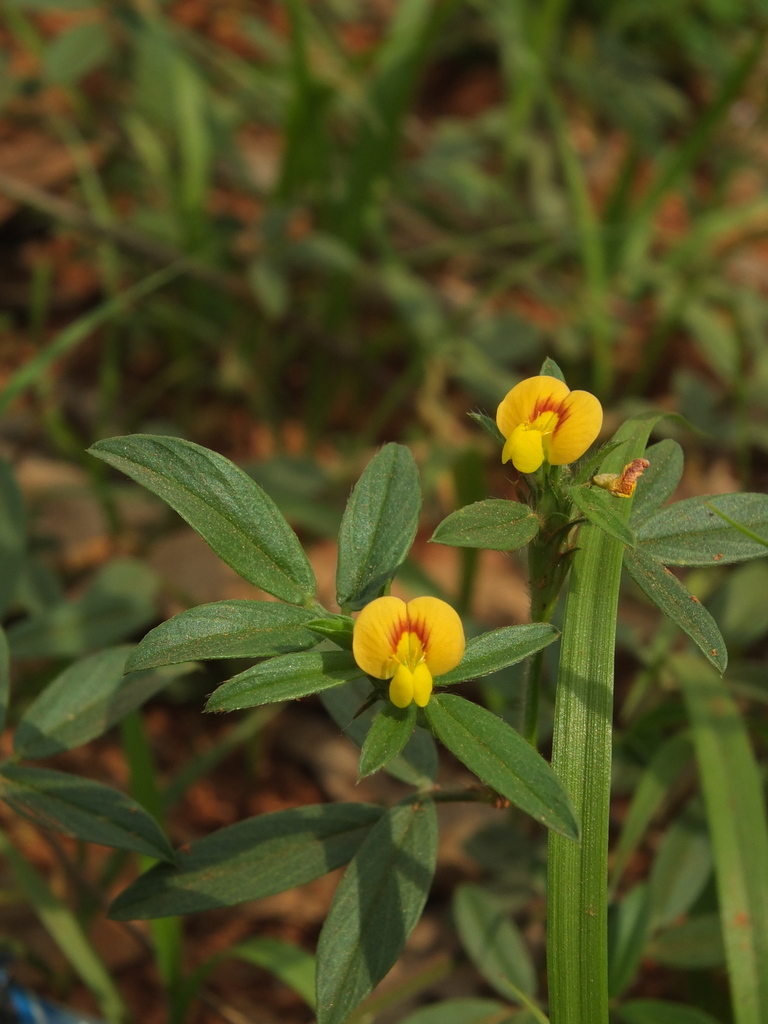
stylo
Stylosanthes guianensis
Placenta I Ground cover Fertilizer biomass 🌱 Nitrogen fixerHerbaceous forage legume, nitrogen-fixer. Rebello includes stylosanthes among key accumulation-phase species in Cerrado and Caatinga, alongside pig...
-
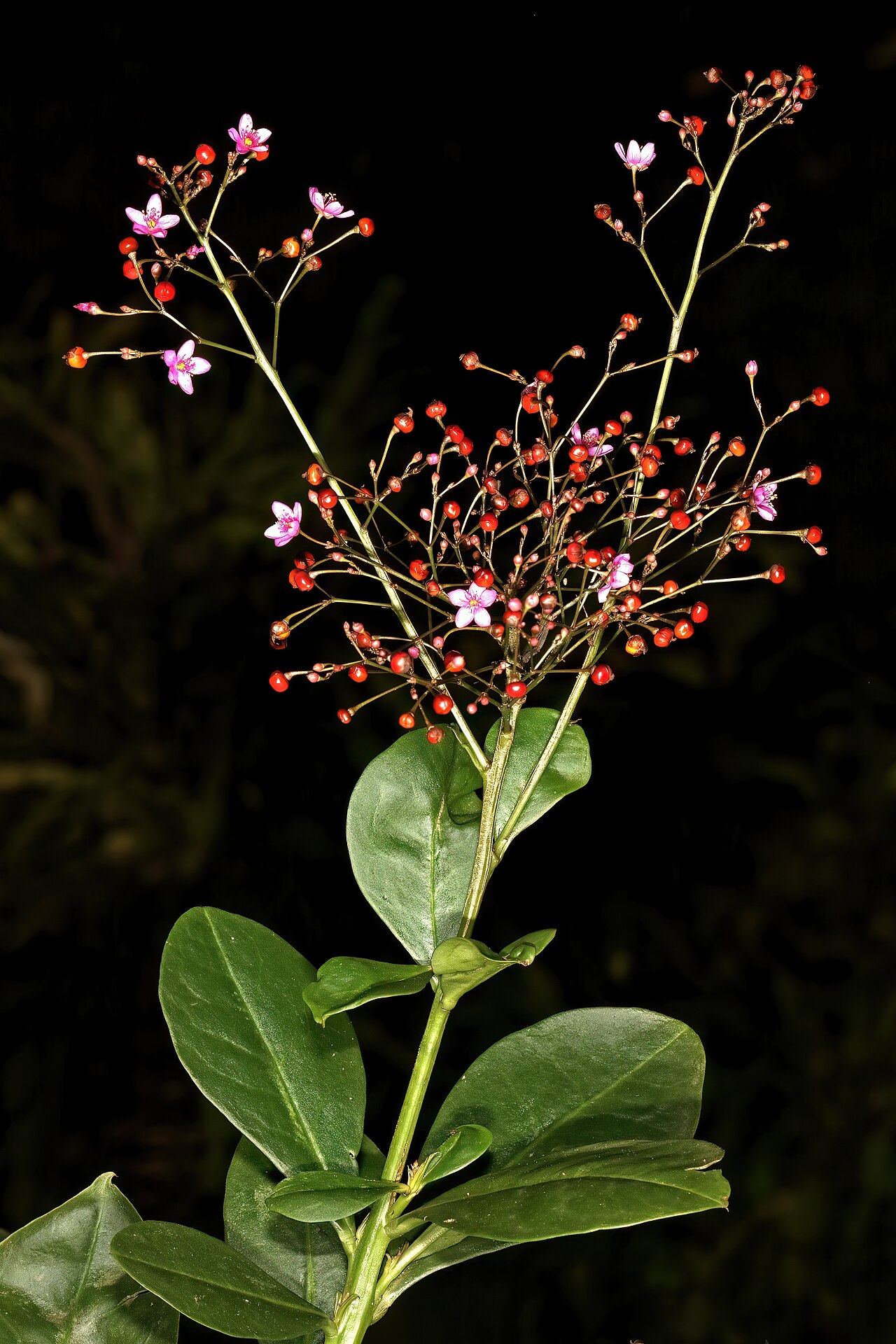
fameflower
Talinum paniculatum
Placenta I Low No biomass productionA perennial succulent herb in the Talinaceae, native to the Americas and common as an unconventional food plant (PANC) and a volunteer in gardens. ...
-
white tephrosia
Tephrosia candida
Placenta II Low Mulch biomass 🌱 Nitrogen fixerA short-lived (3-4 years) perennial leguminous shrub of 1-3 m, native to India and widely introduced across the tropics. It fixes nitrogen and is g...
-
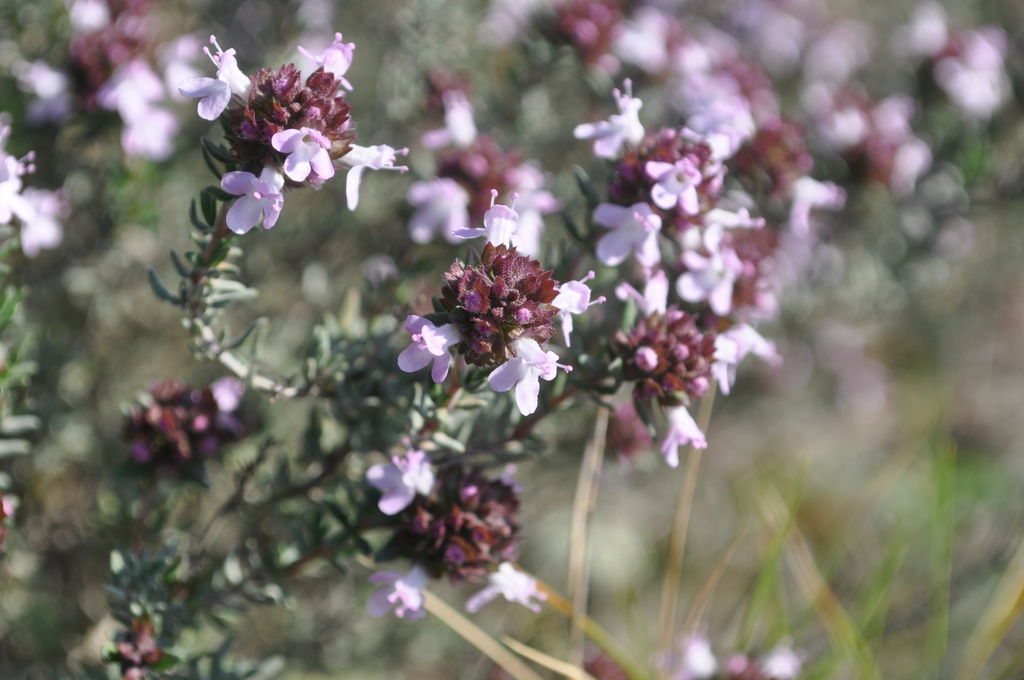
thyme
Thymus vulgaris
Placenta I Ground cover No biomass productionCreeping Mediterranean subshrub (15–30 cm), tiny leaves. Permanent ground cover in full sun on dry well-drained soil. Bee-attracting. Tolerates lig...
-
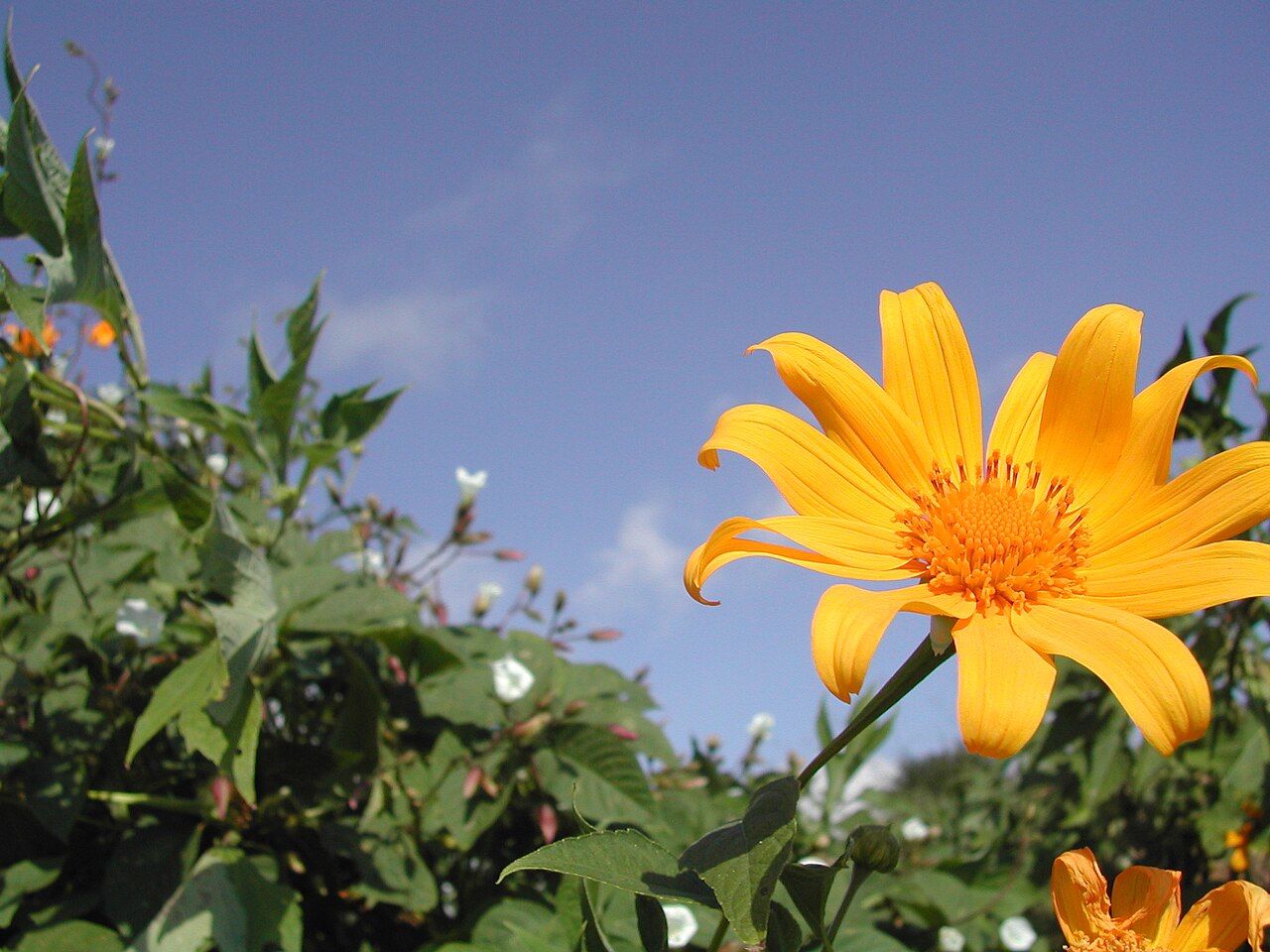
Mexican sunflower
Tithonia diversifolia
Placenta II High Fertilizer biomassFast-growing perennial shrub; propagated by stem cuttings; high biomass production rich in nitrogen, phosphorus, and potassium. Explicitly cited by...
-
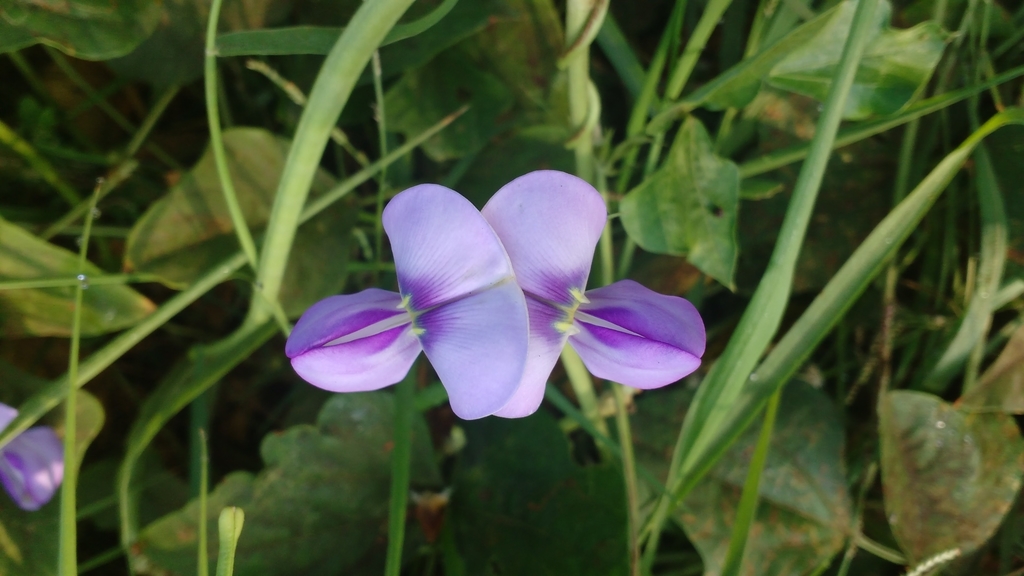
cowpea
Vigna unguiculata
Placenta I Ground cover Fertilizer biomass 🌱 Nitrogen fixerAnnual nitrogen-fixing legume, prostrate or semi-climbing. Adapted to NE Brazil — protein staple of regional cuisine. Short cycle (60–90 days). Mor...
-
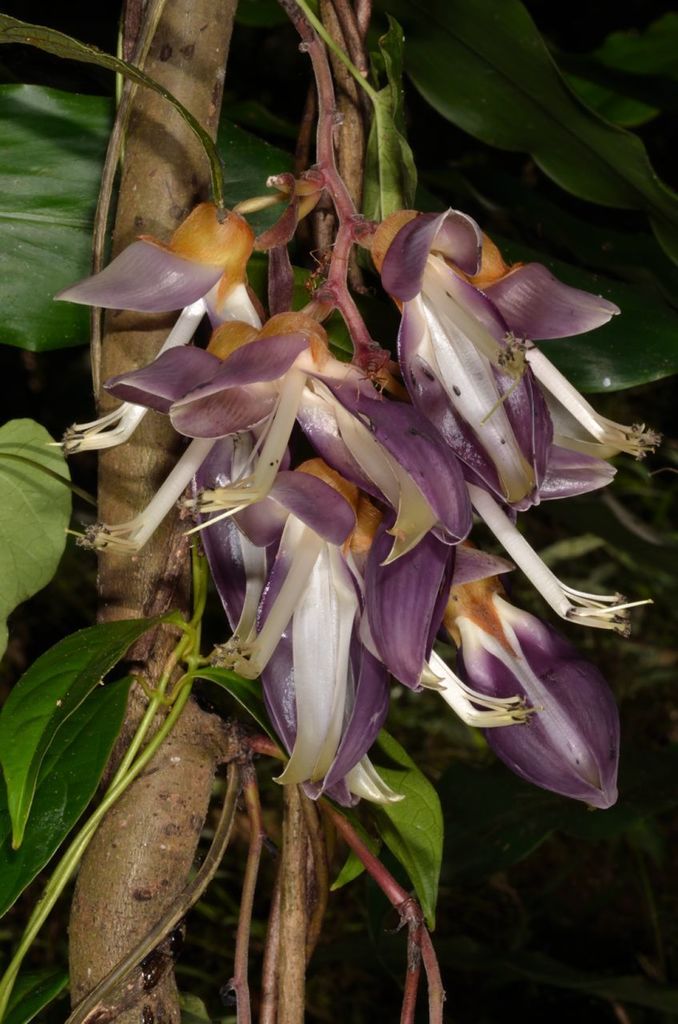
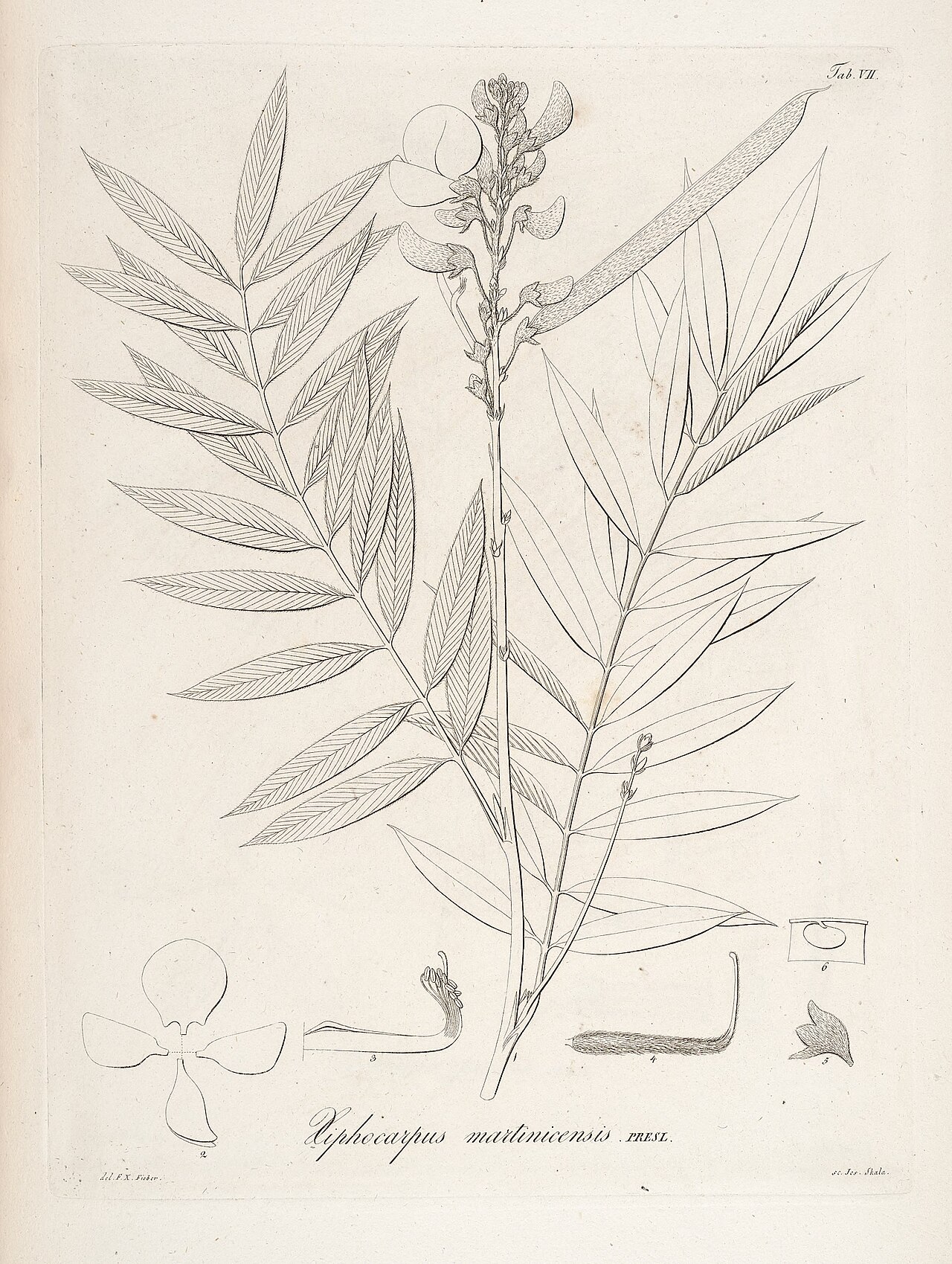
tannia
Xanthosoma sagittifolium
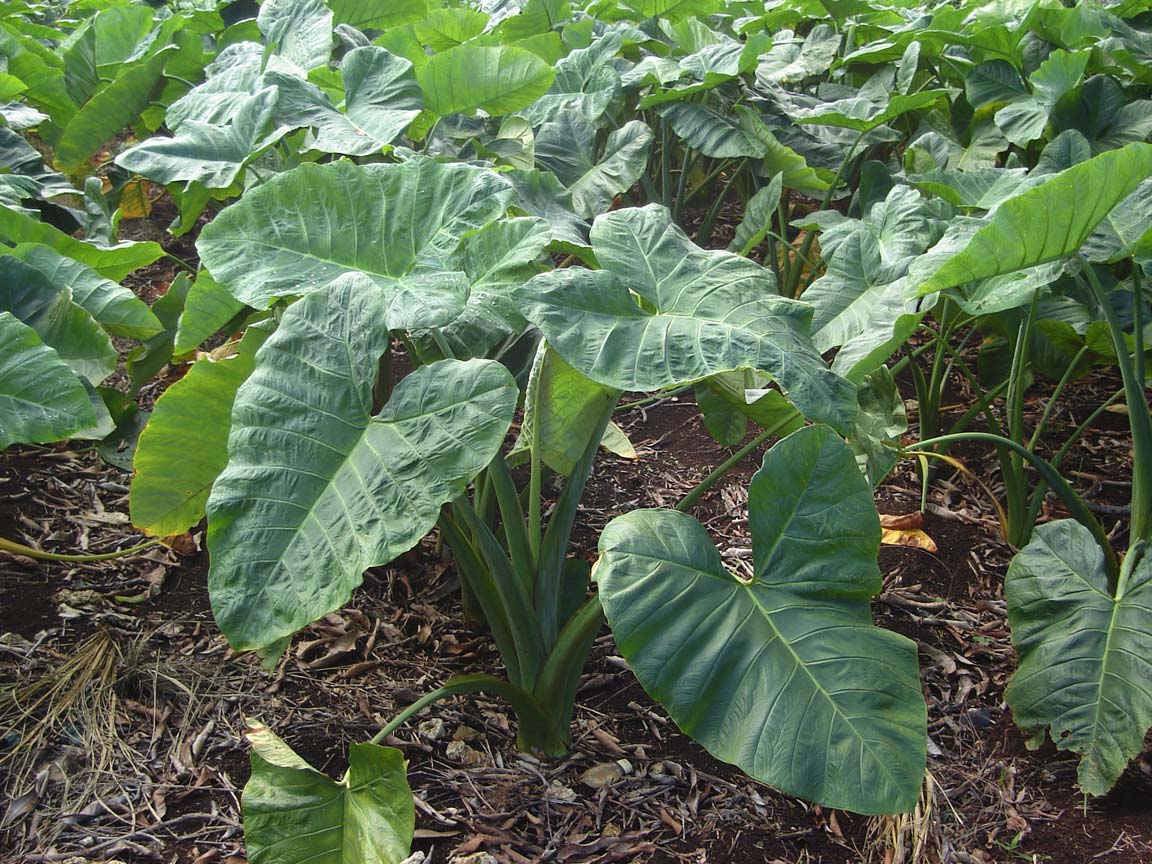
Secondary I Low No biomass productionPANC perennial leafy vegetable widely used in Brazilian syntropic systems. Pasini lists it in the low stratum of Tabela 3 and in the '3 to 10 years...
❓ Frequently asked questions
What does "Ground cover" mean in syntropic agriculture?
Low-growing or horizontally spreading species that cover the soil, reducing evaporation, suppressing competing plants, and protecting the soil from direct rain and sun. Indispensable in hot climates.
Which catalog species are tagged Ground cover?
The catalog holds 37 species, among them spearmint, velvet bean, oregano. Each profile shows stratum, succession stage, and the management data, with sources cited.