
Stratum
Plants of the emergent stratum
Emergents rise above the canopy and live in full sun — around 15–25% cover in the mature system, far sparser than the strata below. They are the longest-lived trees of the design: few in number, widely spaced, planned from day one.
81 species in the catalog · Refine this list in the catalog
-
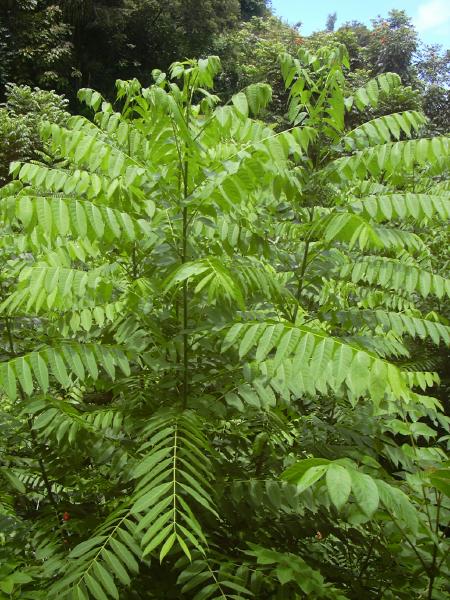
Spanish cedar
Cedrela odorata
Climax Emergent Mulch biomassPremium tropical timber of Mesoamerica and northern South America, distinct from Brazilian cedro-rosa (Cedrela fissilis). The Bosque de Niebla Guid...
-
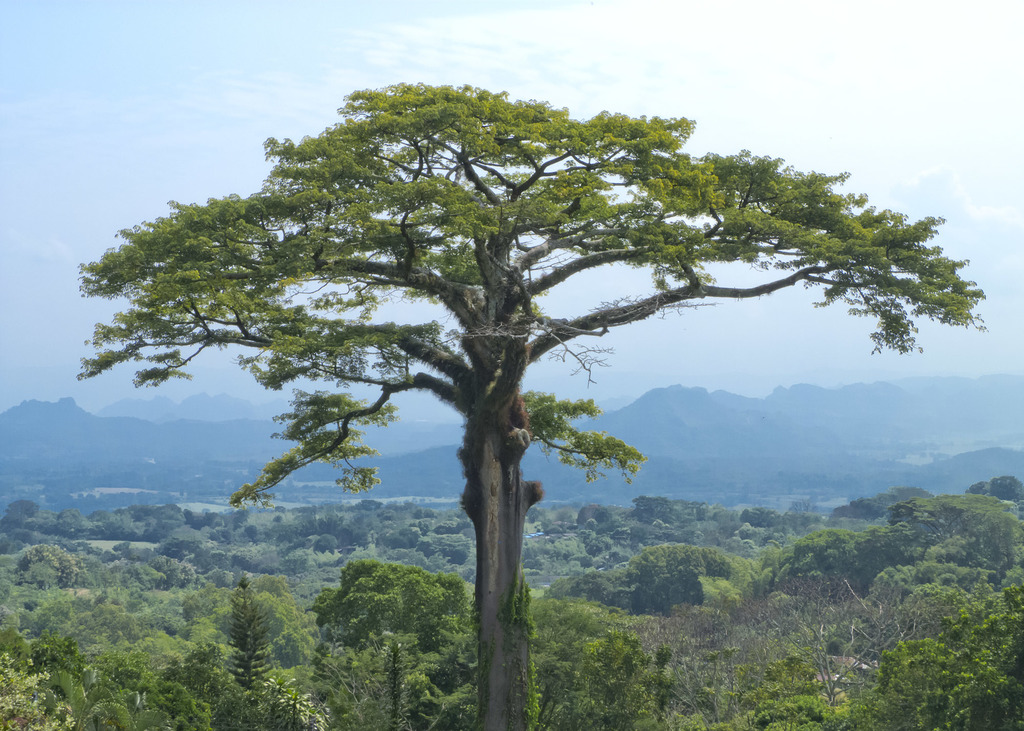
kapok tree
Ceiba pentandra
Climax Emergent Mulch biomassAmazonian emergent giant reaching 70 m — one of the tallest trees of the American tropics. Pasini lists it in the emergent stratum of Tabela 3. Sac...
-
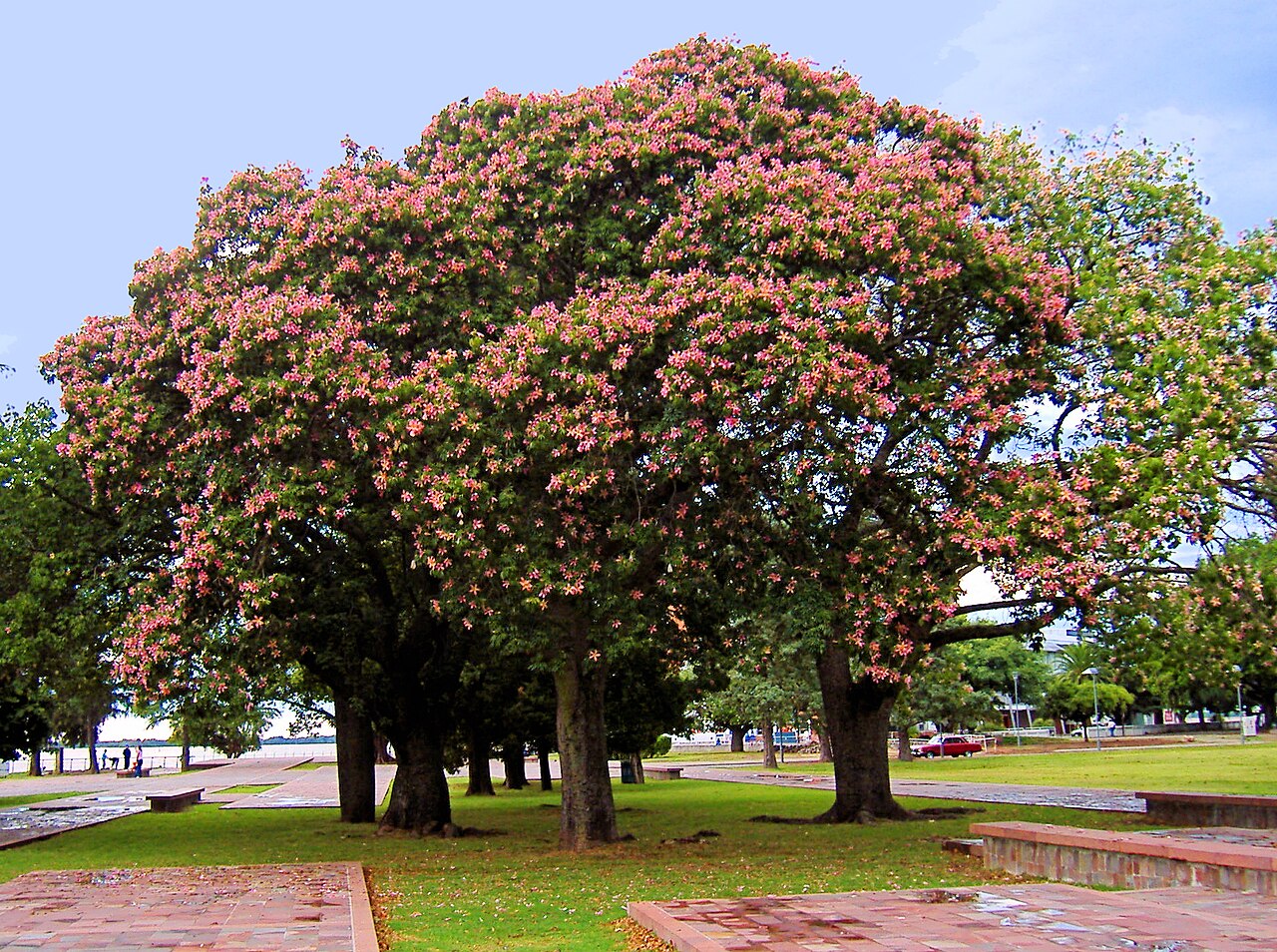
silk floss tree
Ceiba speciosa
Secondary I EmergentDeciduous Atlantic Forest tree reaching 15–30 m with a crown up to 20 m wide. Fast growth (~6 m in 2–3 years). Trunk often armed with conical spines.
-
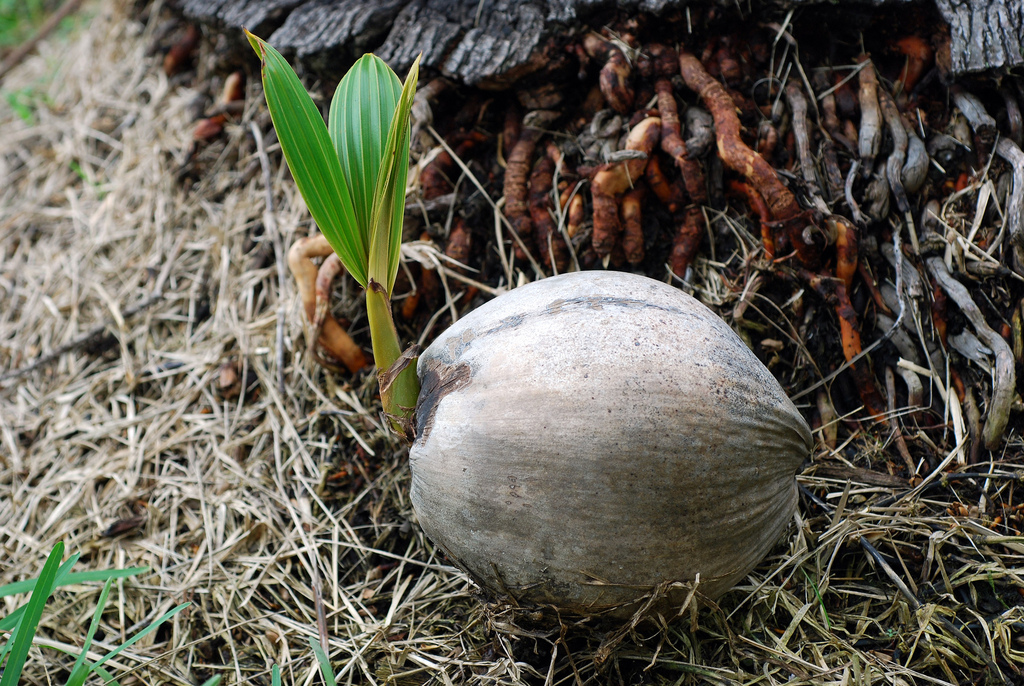
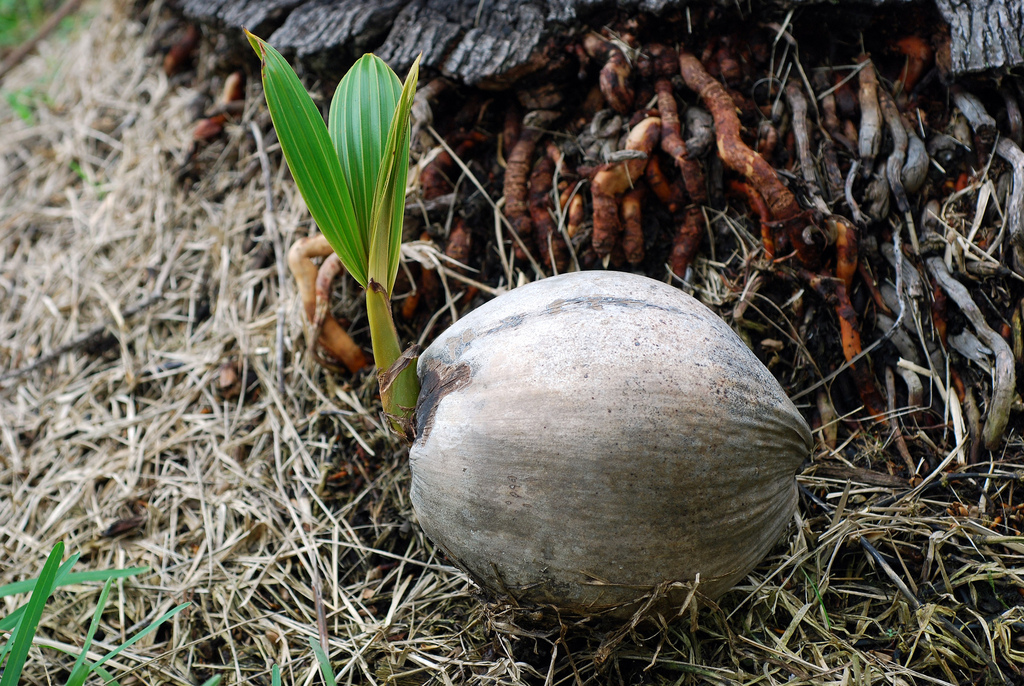
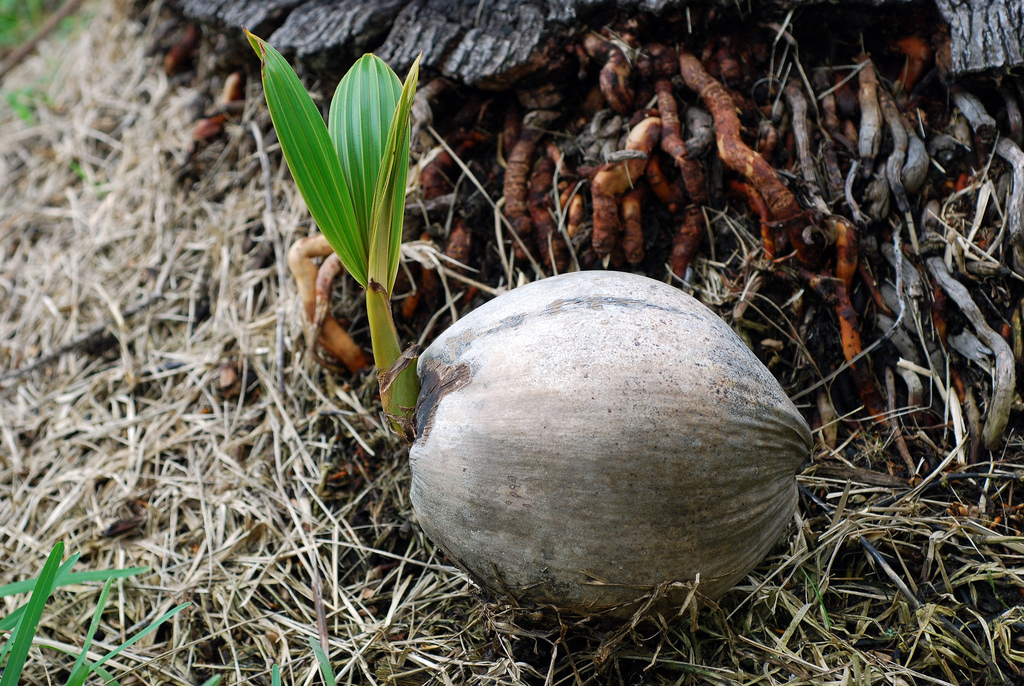
tall coconut
Cocos nucifera
Secondary II Emergent No biomass productionTall variety — emergent (20–30 m), 60–70 year lifespan, first flowering at 5–7 years. 60–80 large fruits per plant per year for copra, oil, and fib...
-
hybrid coconut
Cocos nucifera
Secondary II High No biomass productionDwarf × Tall hybrids registered by Embrapa (BRS 001, 002, 003). Intermediate height (15–20 m), early bearing (4 years), medium fruits. Combine Tall...
-
coconut palm
Cocos nucifera
Secondary II Emergent No biomass productionHigh-value palm naturalized along Brazilian coastlines. Pasini lists it in the emergent stratum of Tabela 3. Tolerates salinity and coastal winds; ...
-
diesel tree
Copaifera langsdorffii
Climax High Mulch biomassClimax Cerrado and Atlantic Forest legume; produces medicinal oil from trunk exudates. Pasini lists it in the high stratum of Tabela 3 and in the '...
-
freijo
Cordia goeldiana
Secondary II Emergent Mulch biomassAmazonian emergent tree, listed by Embrapa Amazônia Oriental among key timber species for SAFs with fruit trees. Mahogany-grade timber — sliced and...
-
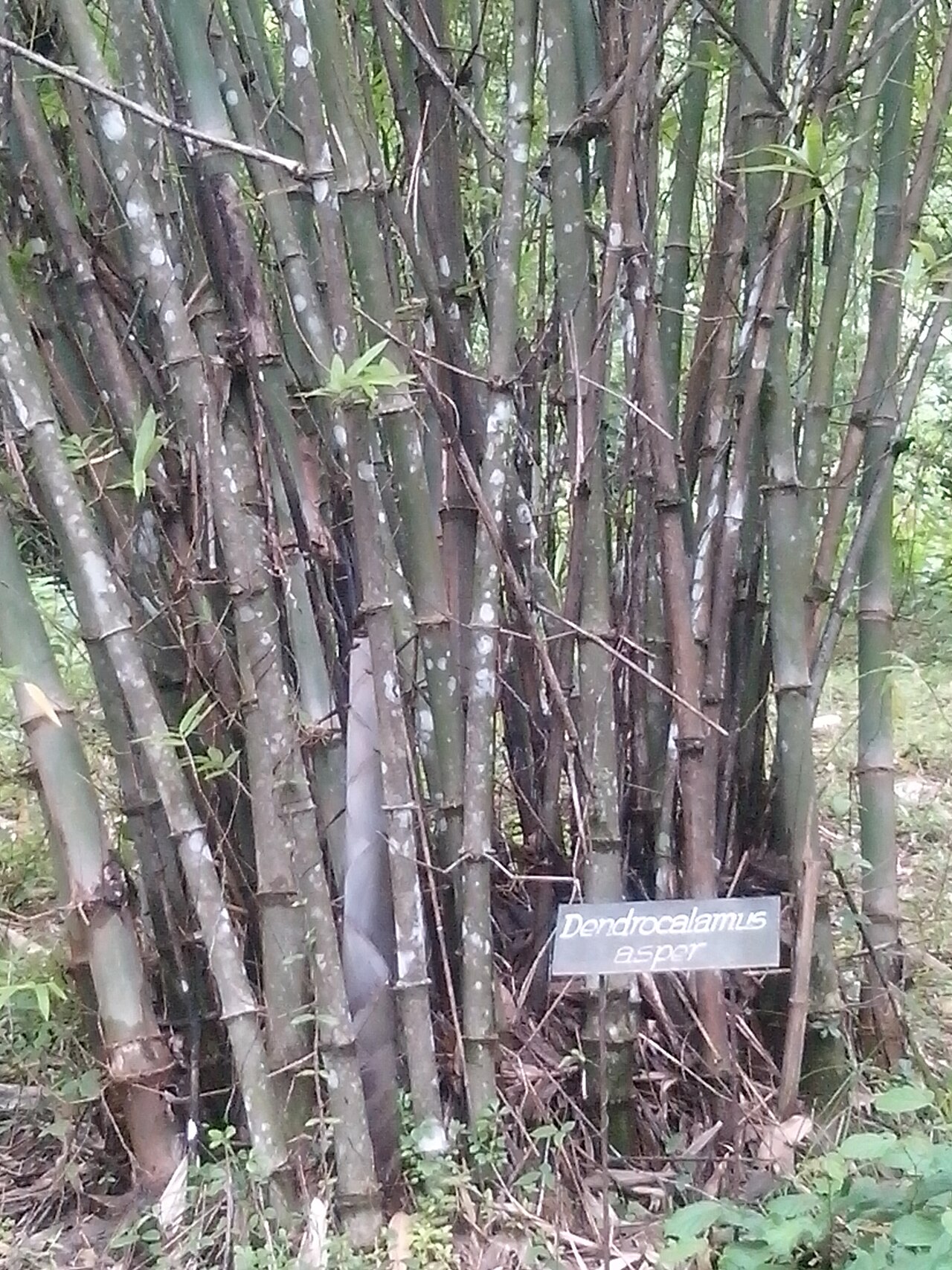
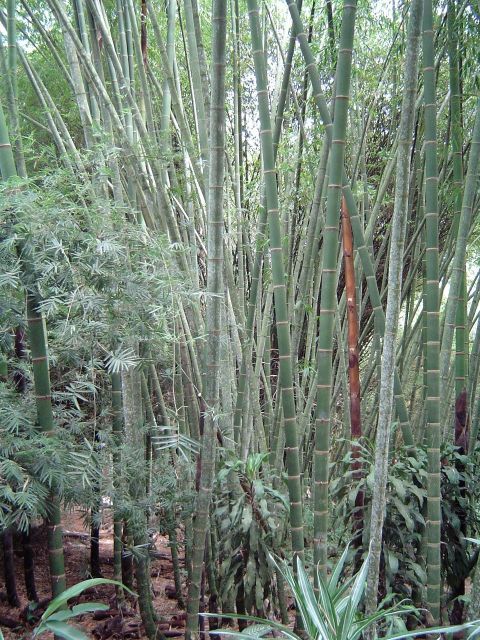
giant bamboo
Dendrocalamus asper
Secondary I Emergent Mulch biomassOne of the most economically important giant bamboos, a clumping species native to Southeast Asia, with culms 15–20 m tall and up to 20 cm in diame...
-
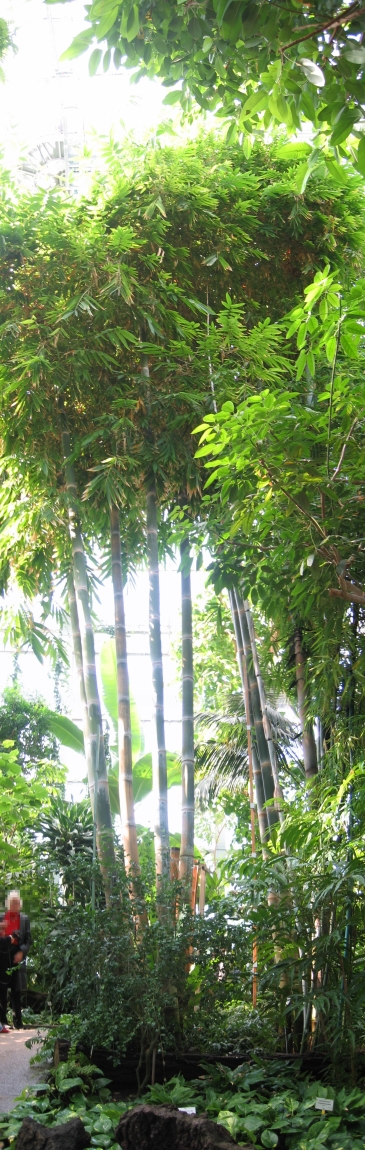
giant bamboo
Dendrocalamus giganteus
Secondary I Emergent Mulch biomassOne of the largest bamboos in the world, a clumping species native to India, Myanmar, Thailand and southern China, with culms commonly reaching 30 ...
-
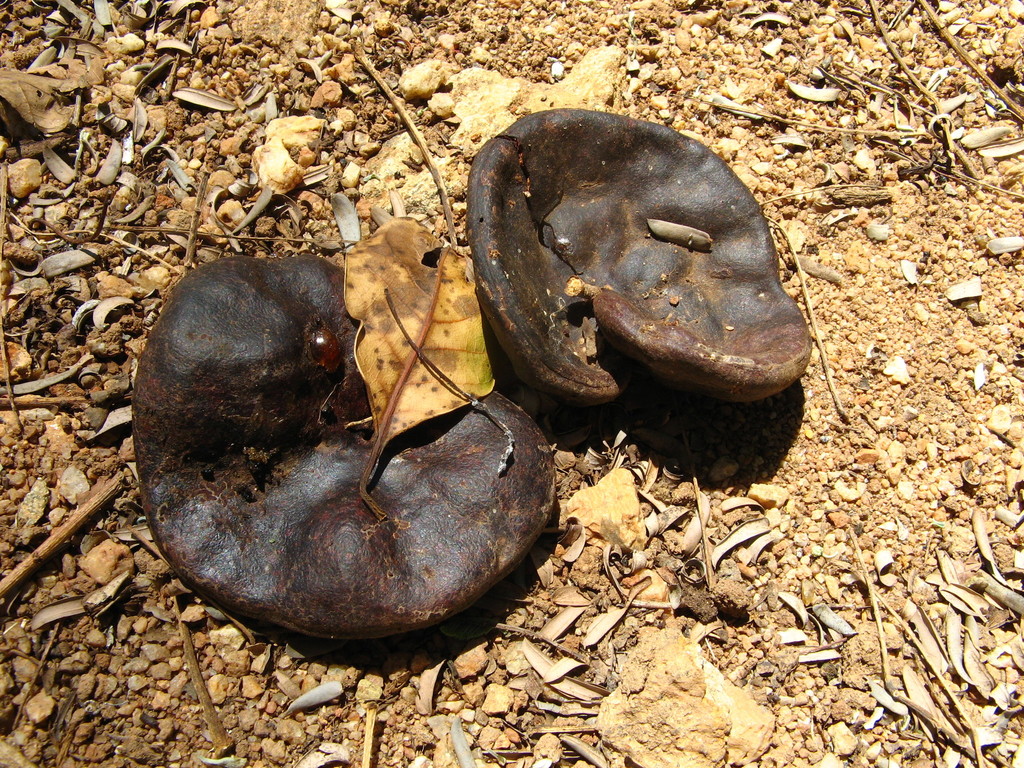
baru nut
Dipteryx alata
Climax EmergentNative Cerrado leguminous tree reaching over 25 m. Although a legume, it does not form root nodules with N-fixing bacteria — relies on N from groun...
-
tonka bean
Dipteryx odorata
Climax Emergent Mulch biomass 🌱 Nitrogen fixerEmergent Amazonian tree (15–30 m), relative of baru (Dipteryx alata, already in canon but Cerrado). Seeds (beans) with intense vanilla-coumarin aro...
-
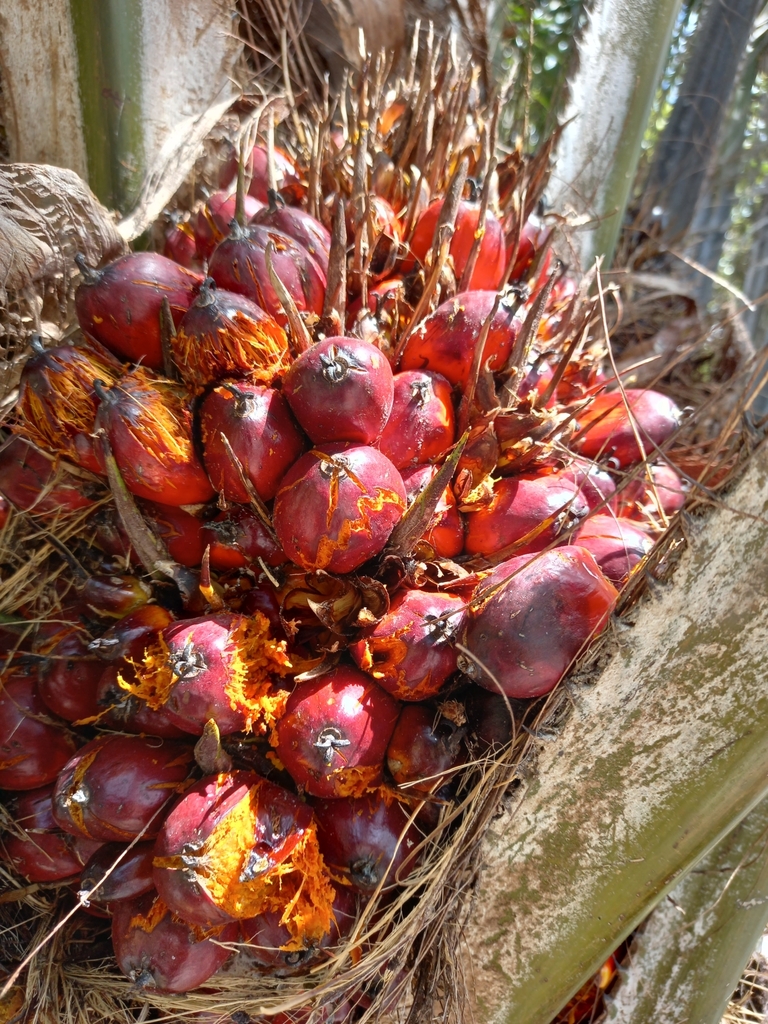
African oil palm
Elaeis guineensis
Secondary II Emergent No biomass productionAfrican palm cultivated mainly for oil (palm oil). Rebello & Sakamoto (2019) report Götsch testing oil palm in multi-strata silvopastoral systems a...
-
earpod tree
Enterolobium contortisiliquum
Climax Emergent Fertilizer biomass 🌱 Nitrogen fixerLarge nitrogen-fixing leguminous tree native to the Atlantic Forest and Cerrado. EcoAgri lists it in the emergent stratum of the '> 50 years' bin. ...
-
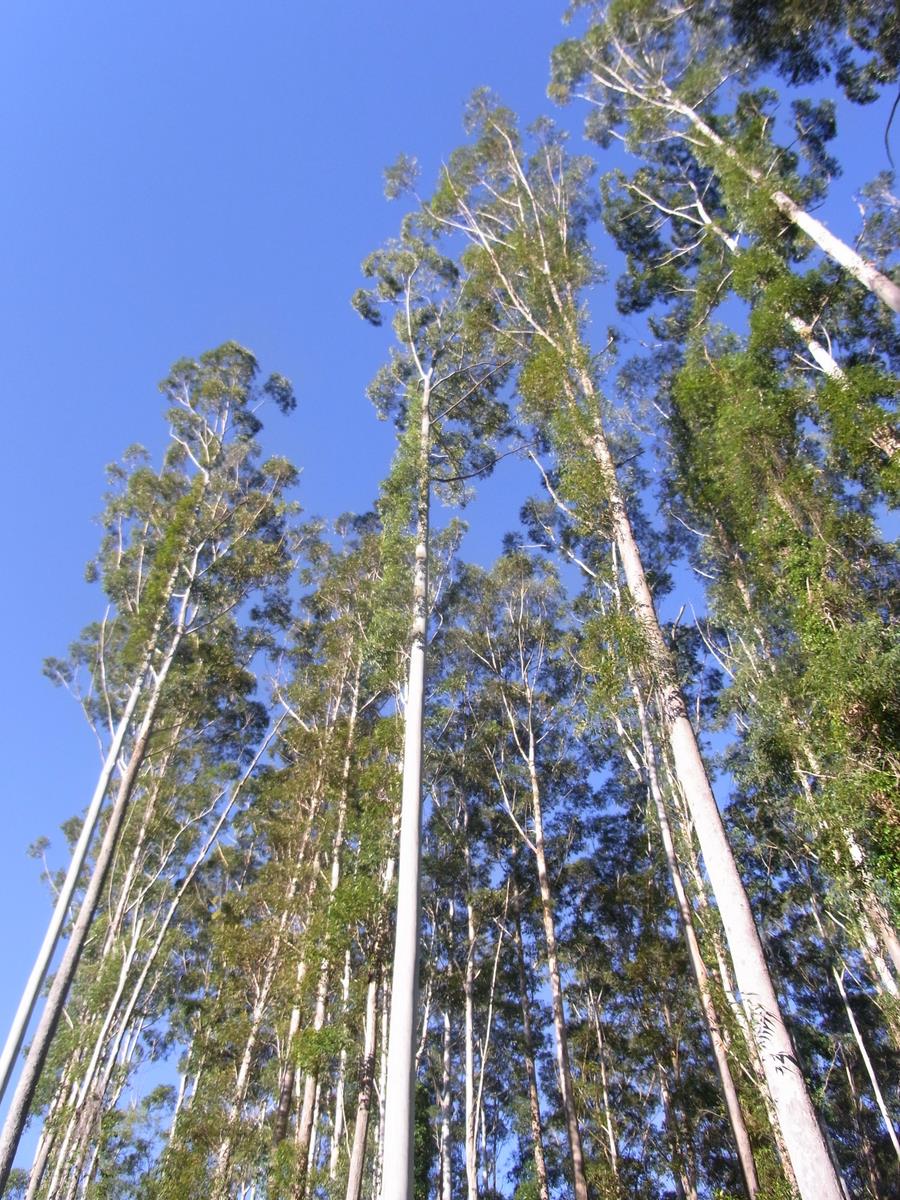
rose gum
Eucalyptus grandis
Secondary I Emergent Mulch biomassTypical accumulation species in syntropic systems: cover biomass, timber in 15 years. Non-native but widely used in Brazilian SAFs.
-
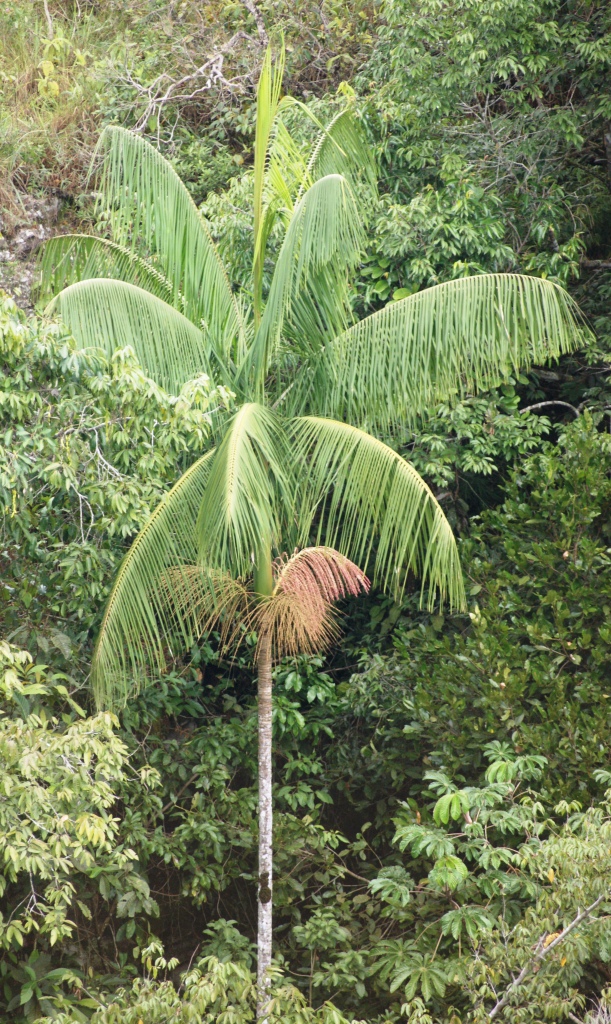
juçara palm
Euterpe edulis
Climax High No biomass productionAtlantic Forest native palm with long-cycle climax behavior; high-quality palm heart. Endangered under extractivism, abundant in well-managed syntr...
-
garlic tree
Gallesia integrifolia
Climax Emergent Mulch biomassEmergent tree of the Atlantic Forest and Cerrado with a strong garlic smell when wounded. EcoAgri lists it in the emergent stratum of the '> 50 yea...
-
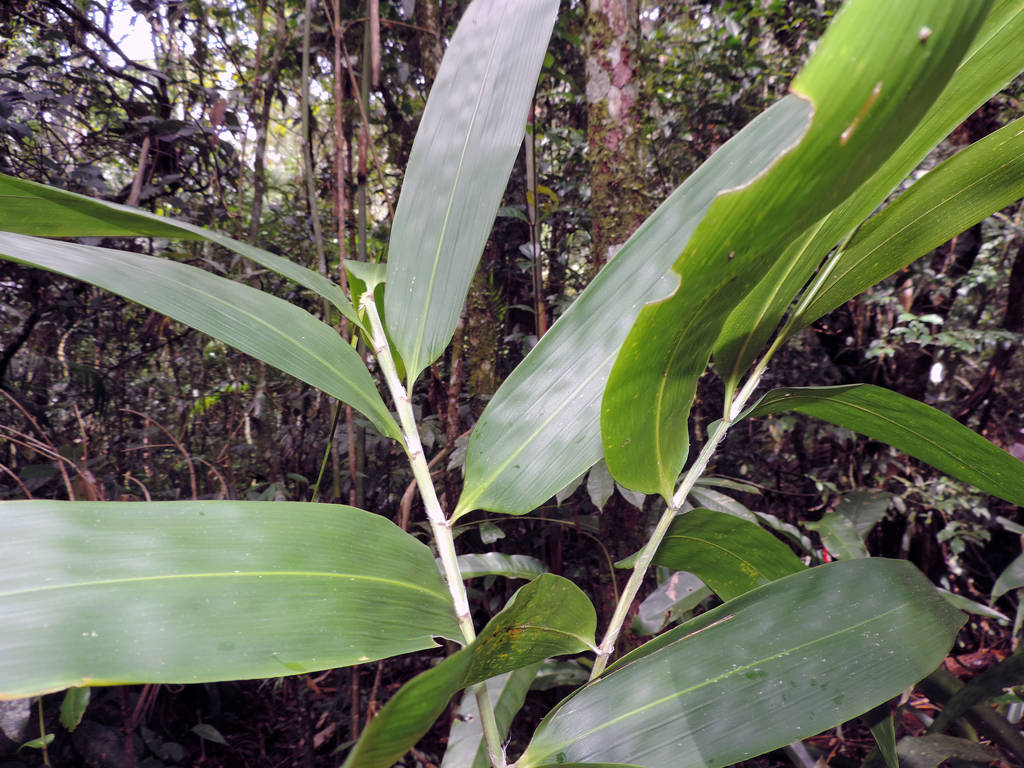
guadua
Guadua angustifolia
Secondary I Emergent Mulch biomassA woody clumping bamboo native to Central and South America, regarded as the finest structural bamboo of the Americas. It forms straight, strong cu...
-
taquarucu bamboo
Guadua tagoara
Secondary I High Mulch biomassA bamboo native to the Atlantic Forest, distributed from Santa Catarina to Bahia, where it forms the characteristic bamboo thickets. It can reach a...
-
West Indian elm
Guazuma ulmifolia
Secondary I High Mulch biomassFast-growing pioneer tree native to the Cerrado, Pantanal, and Atlantic Forest. Pasini lists it in the high stratum of Tabela 3 and in the 10–20 ye...
-
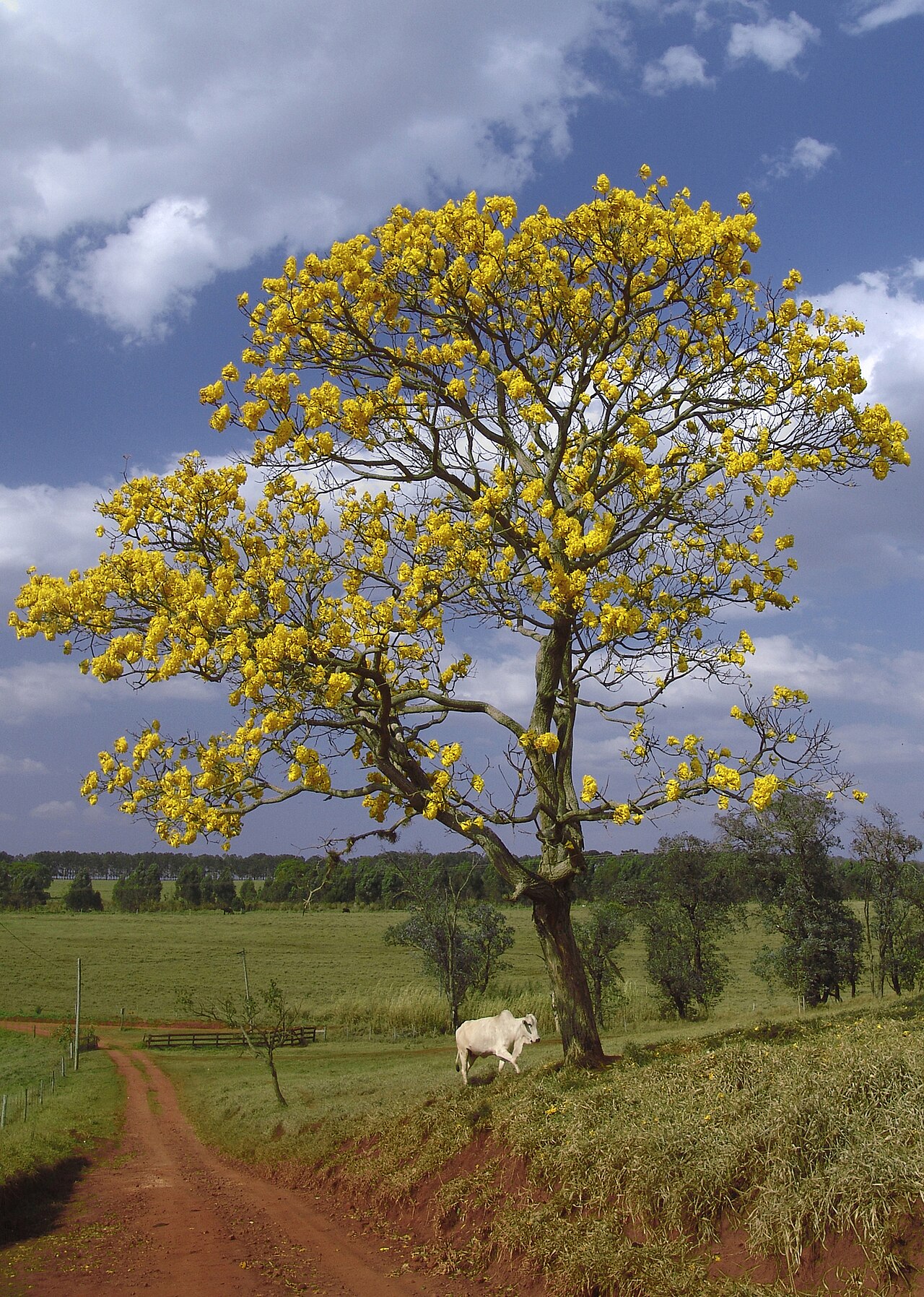
yellow trumpet tree
Handroanthus albus
Climax Emergent Mulch biomassLong-cycle climax with premium timber. Characteristic of Cerrado and Atlantic Forest. Spectacular winter bloom.
-
yellow lapacho
Handroanthus chrysotrichus
Climax High No biomass productionMedium-tall tree of the southern and southeastern Atlantic Forest (8–15 m). Vivid golden-yellow flowering in August–September, denser than the cerr...
-
pink lapacho
Handroanthus impetiginosus
Climax Emergent Mulch biomassEmergent tree native to Cerrado, Atlantic Forest, Caatinga, Amazon, and Pantanal. Reaches 20–35 m in the wild, 8–12 m in cultivation. Vivid magenta...
-
rubber tree
Hevea brasiliensis
Secondary II High Mulch biomassAmazonian latex (natural rubber) tree. Pasini lists it in the high stratum of Tabela 3 and cites it explicitly among the 40-year phase species of t...
❓ Frequently asked questions
What is the emergent stratum?
Species that grow above the high canopy, receiving full sun all day.
Which plants occupy the emergent stratum?
The catalog holds 81 species, among them Spanish cedar, kapok tree, silk floss tree. Each profile shows stratum, succession stage, and the management data, with sources cited.