
Stratum
Plants of the emergent stratum
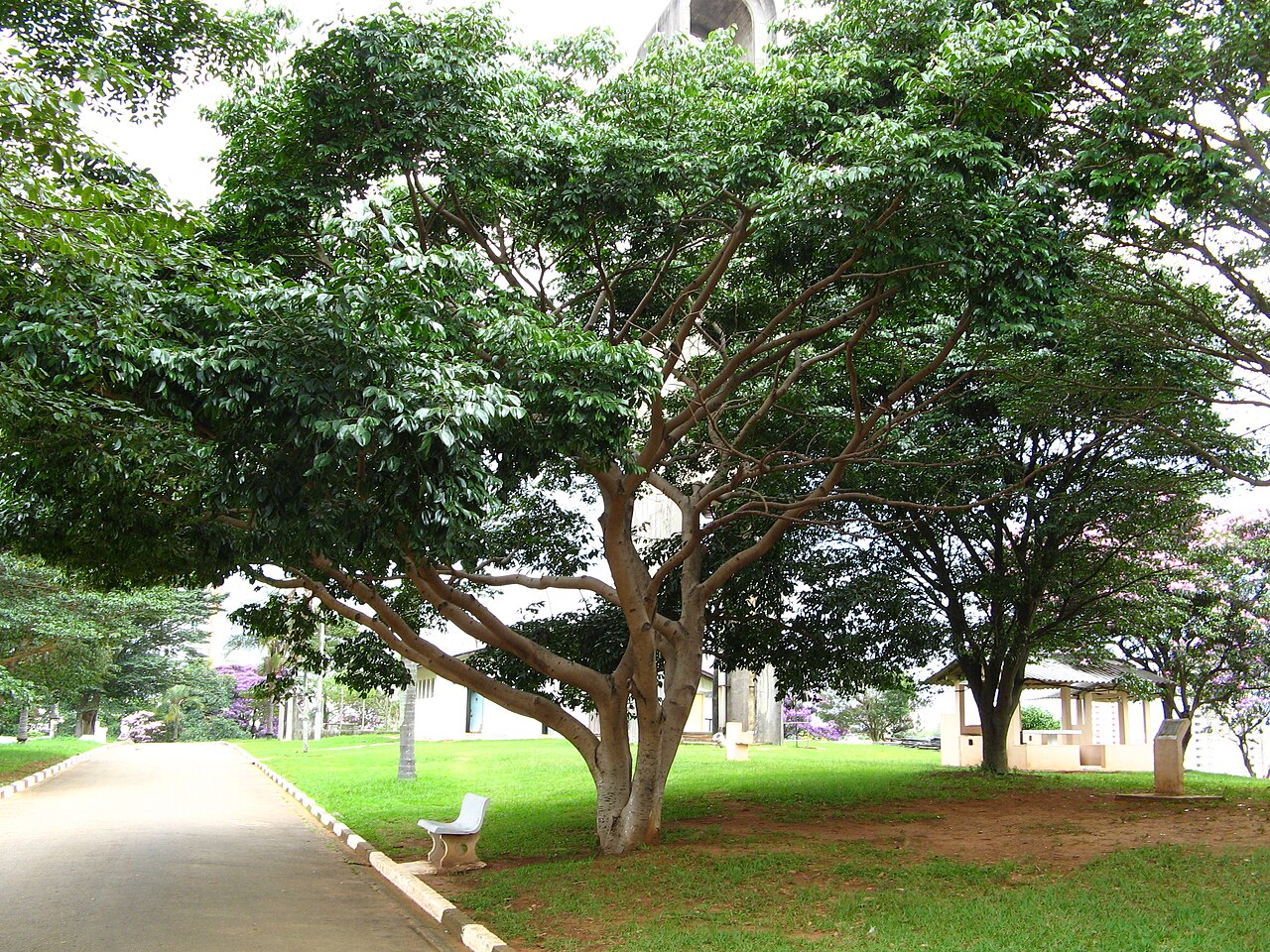
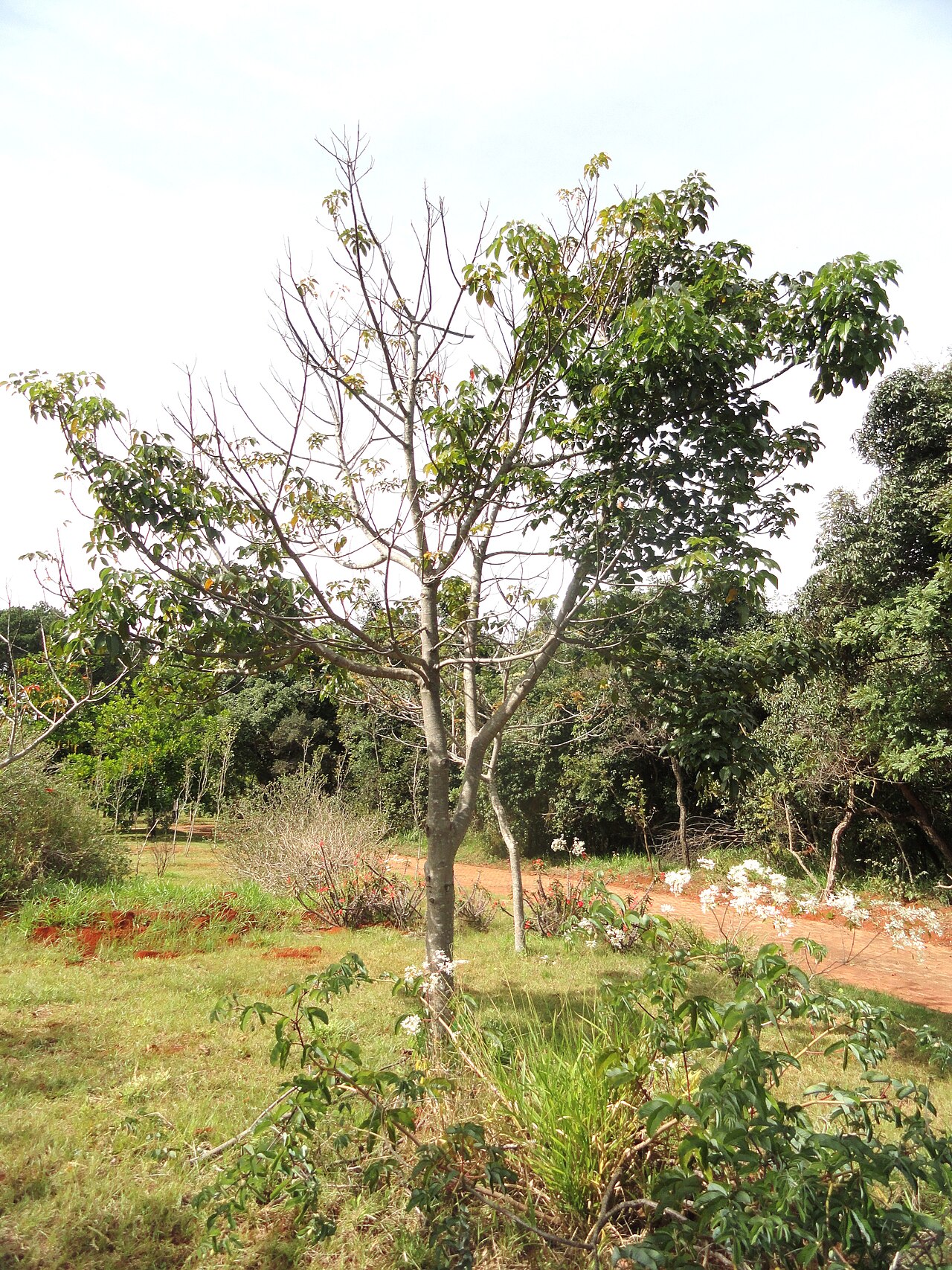
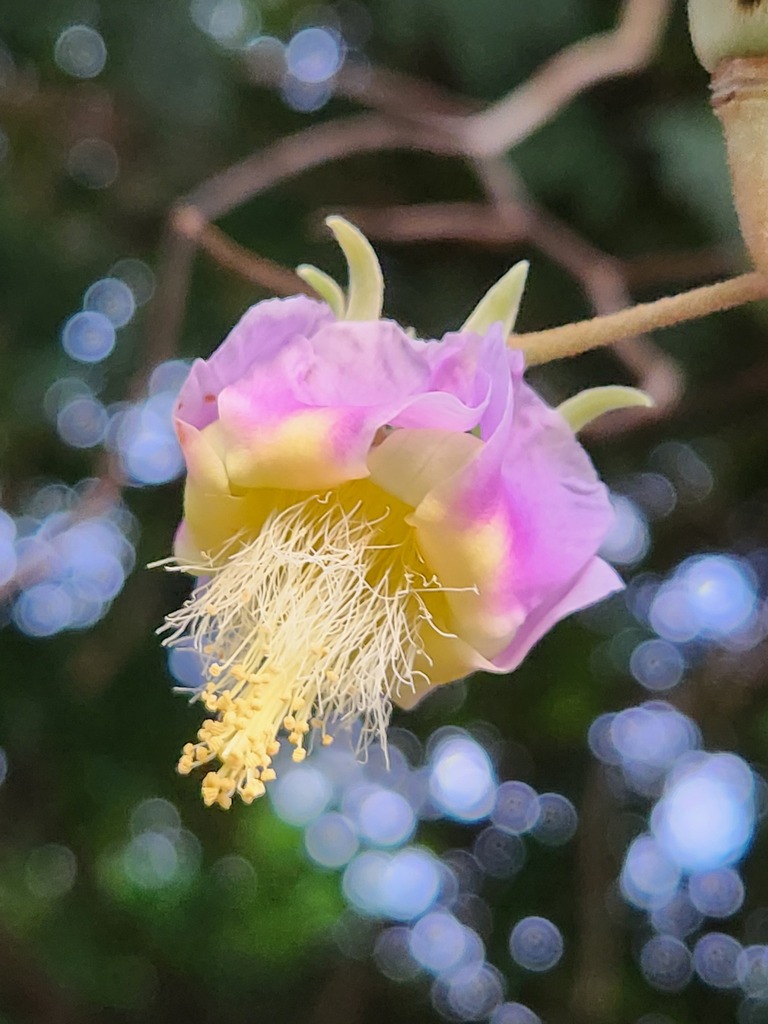
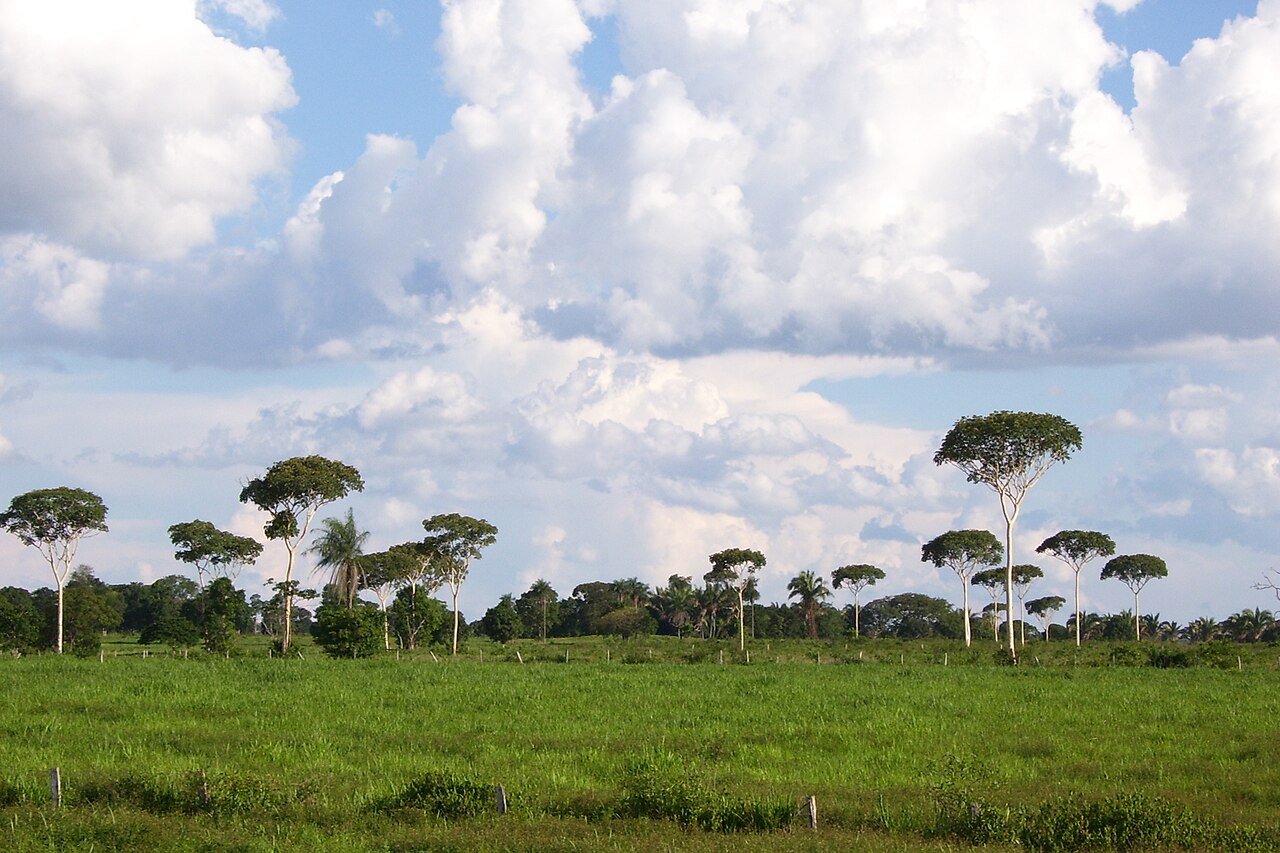
Emergents rise above the canopy and live in full sun — around 15–25% cover in the mature system, far sparser than the strata below. They are the longest-lived trees of the design: few in number, widely spaced, planned from day one.
81 species in the catalog · Refine this list in the catalog
-
jatoba
Hymenaea courbaril
Climax Emergent Mulch biomassTropical climax with extremely dense timber; fruit pulp is edible. Common in syntropic abundance systems.
-
arara nut tree
Joannesia princeps
Climax Emergent Mulch biomassAtlantic Forest emergent surviving 80+ years. Rebello highlights its key successional role: planted with embaúba (secondary I, 10–20 yr) and guapur...
-
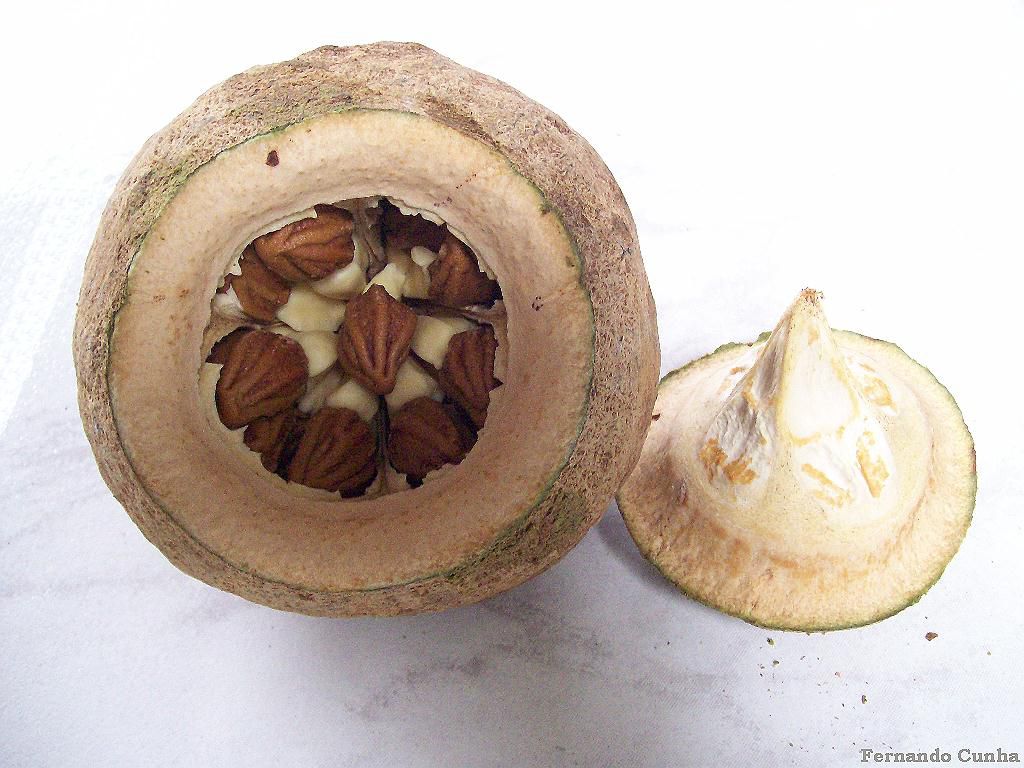
sapucaia nut
Lecythis pisonis
Climax Emergent Mulch biomassAmazonian and coastal Atlantic Forest tree, cousin of Brazil nut. EcoAgri lists it in the high stratum of the '> 50 years' bin. Huge woody fruits (...
-
açoita-cavalo
Luehea divaricata
Secondary II High Mulch biomassSemi-deciduous native tree of southern Brazil, typical of riparian forests and secondary growth. A forestry species of the Embrapa Vitrine SAF, pla...
-
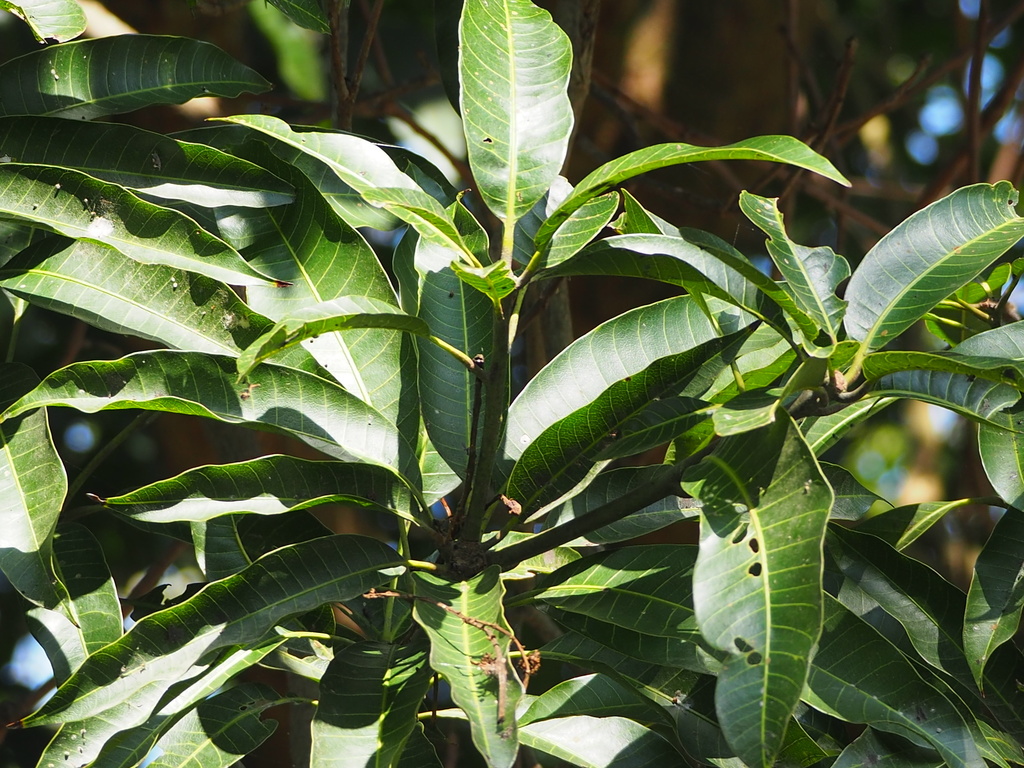
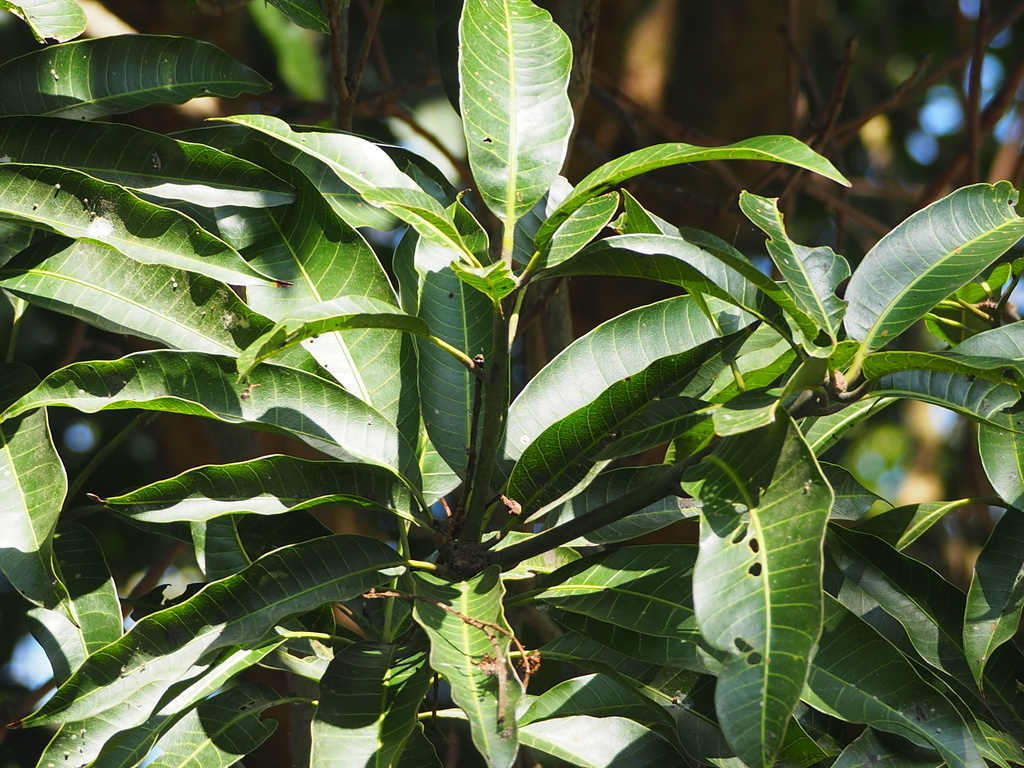
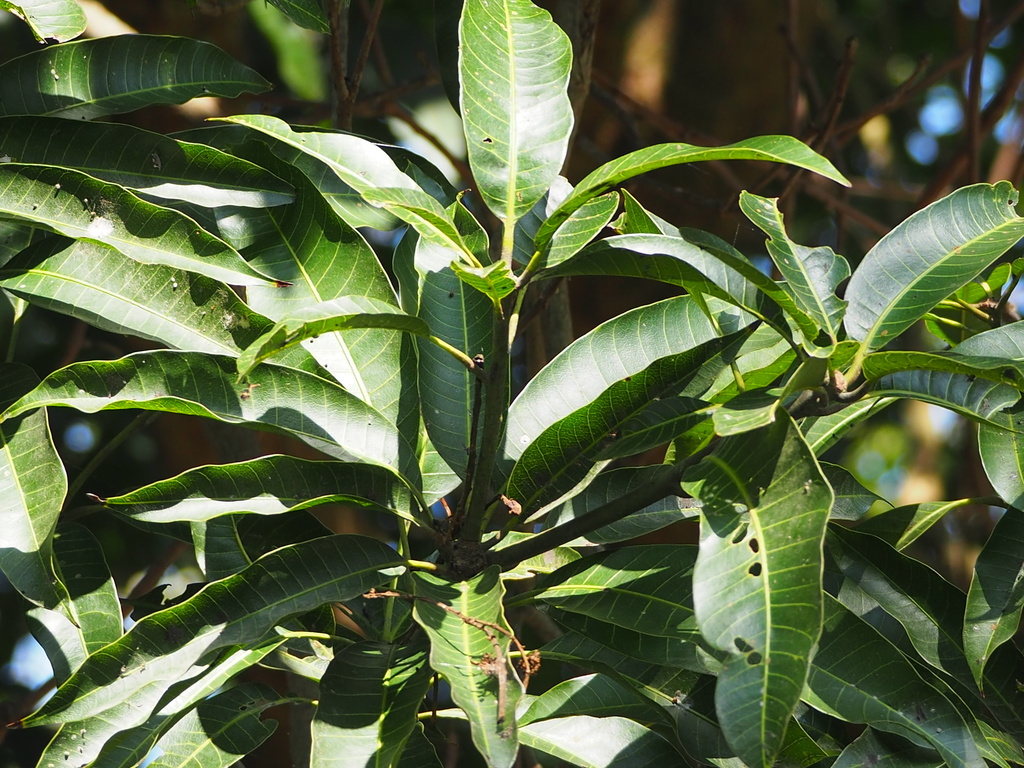
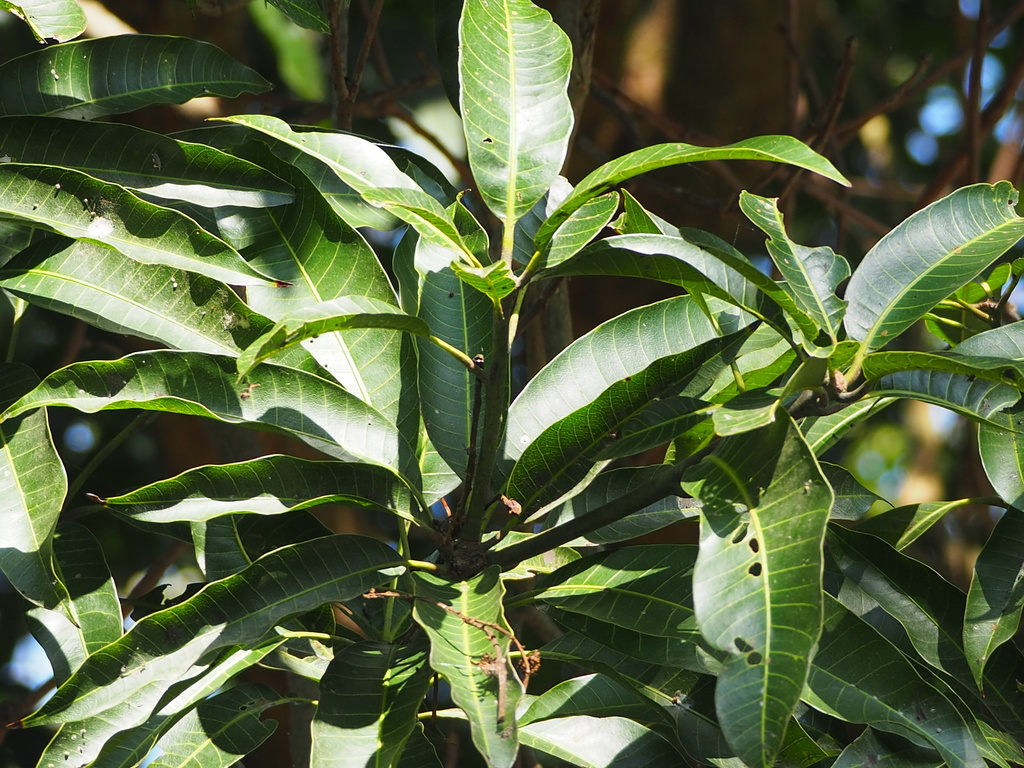
espada mango
Mangifera indica
Secondary II Emergent Mulch biomassBrazil's oldest mango cultivar. Vigorous tall tree (12–15 m), green-to-yellow fruit with fibrous flesh (300 g, 18° Brix). Today used more as rootst...
-
uba mango
Mangifera indica
Secondary II High Mulch biomassBrazilian cultivar originating in Ubá (Minas Gerais). Vigorous tree with dense rounded canopy (10–14 m). Small fruit (50–80 g), late ripening, inte...
-
tommy atkins mango
Mangifera indica
Secondary II High No biomass productionDominant cultivar in Brazil's mango export trade (~90% of volume). Origin: Florida (1922). Vigorous tree (10–14 m unpruned), dense rounded canopy. ...
-
haden mango
Mangifera indica
Secondary II High No biomass productionFlorida heirloom (1910), pioneer of the modern mango era. Large tree (10–12 m), predominantly yellow oval fruit with pink blush, 350–680 g, low fib...
-
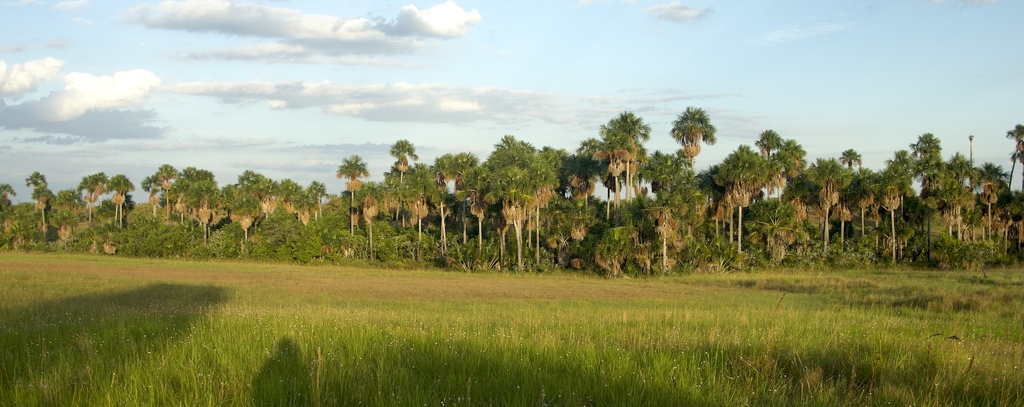
moriche palm
Mauritia flexuosa
Climax Emergent No biomass productionGiant palm of Cerrado wetlands (veredas) and Amazonian floodplains. Pasini lists it in the emergent stratum of Tabela 3. A water indicator: forms p...
-
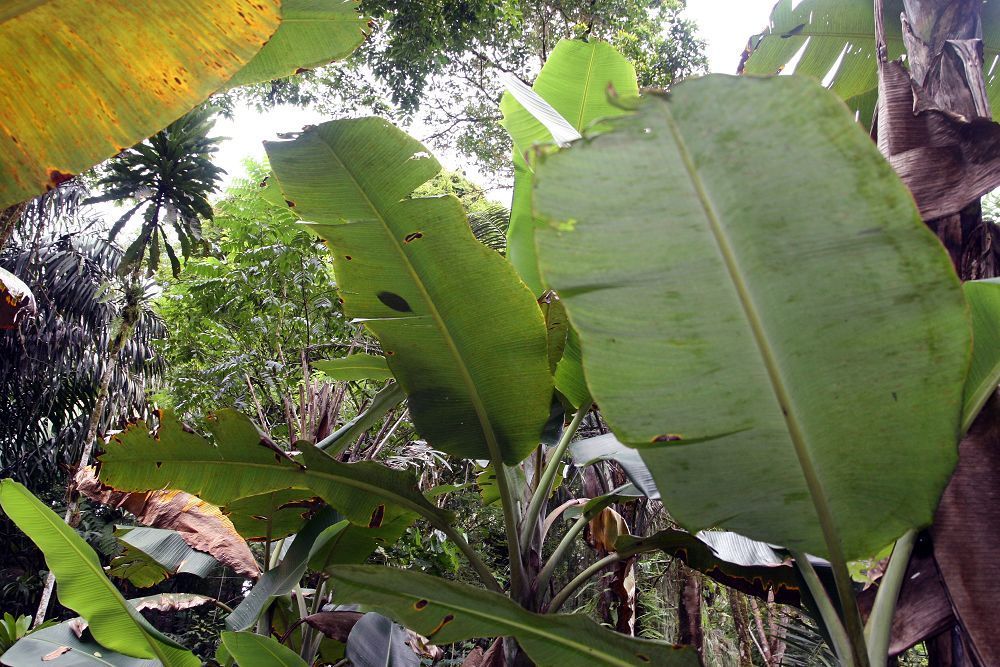
pome banana
Musa × paradisiaca
Placenta II High Mulch biomassAAB Pome subgroup, tall (5–7 m), bunch 12–18 kg. Slightly tart flavor prized in the Brazilian domestic market. Before Prata-Anã it dominated the so...
-
plantain
Musa × paradisiaca
Placenta II High Mulch biomassAAB Plantain subgroup — cooking banana, tall to emergent (5–7 m), bunch 15–25 kg with few large starchy fingers. Staple food across Northern and No...
-
pacovan banana
Musa × paradisiaca
Placenta II High Mulch biomassAAB tall cultivar (5–6 m), large bunch (20–30 kg). Major Northeastern variety with better Yellow Sigatoka tolerance than Prata. Together with Prata...
-
balsa
Ochroma pyramidale
Secondary I High Mulch biomassFast-growing pioneer neotropical tree — reaches 20 m in 5 years. IPOEMA cites pau-de-balsa among fast-growing prune-tolerant species, alongside euc...
-
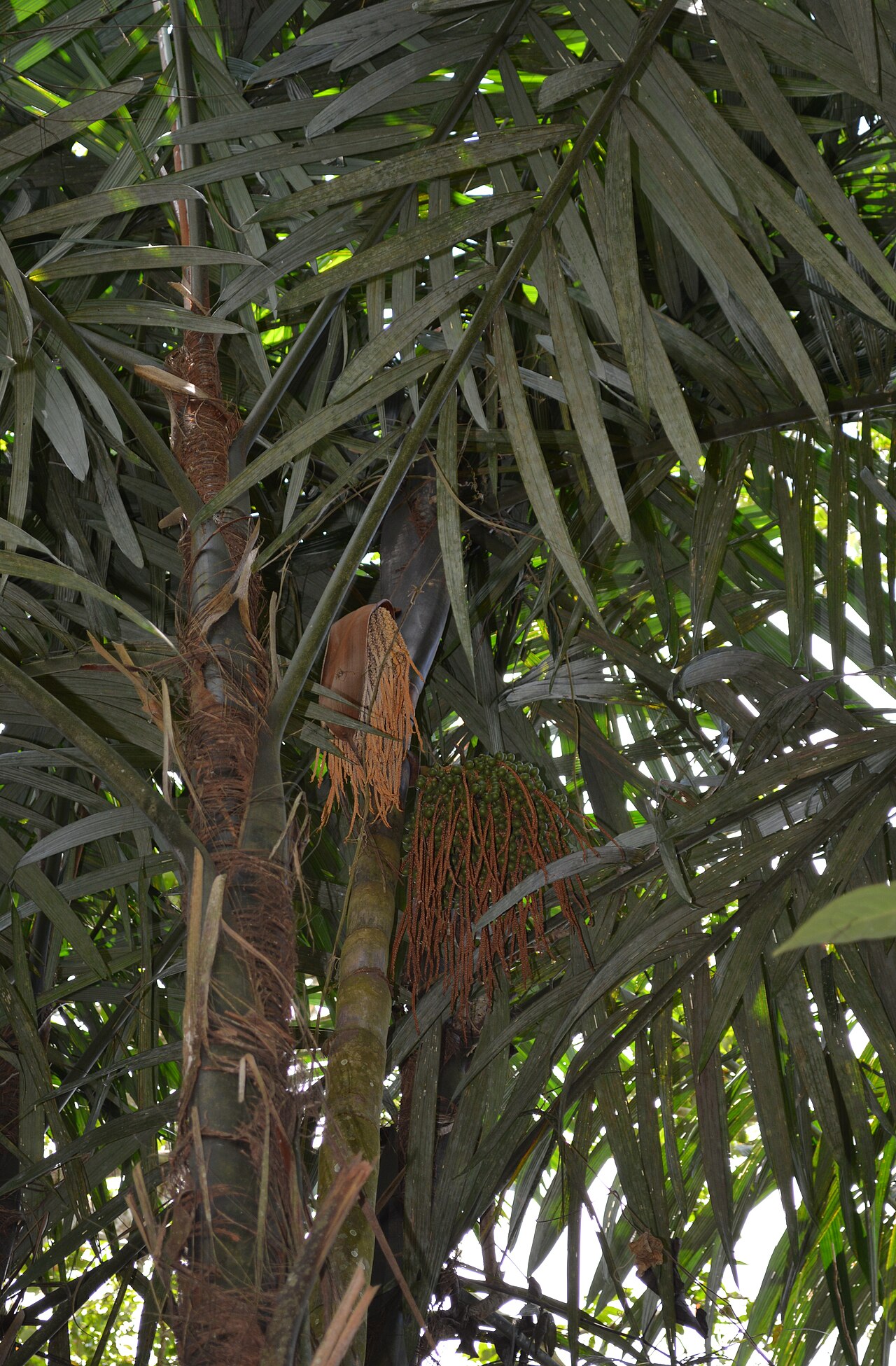
bacaba palm
Oenocarpus bacaba
Climax High No biomass productionAmazonian fruit palm, cousin of açaí. The Bosque de Niebla Guidebook (Farm Evolving timeline) includes it at the 40-year stage alongside Brazil nut...
-
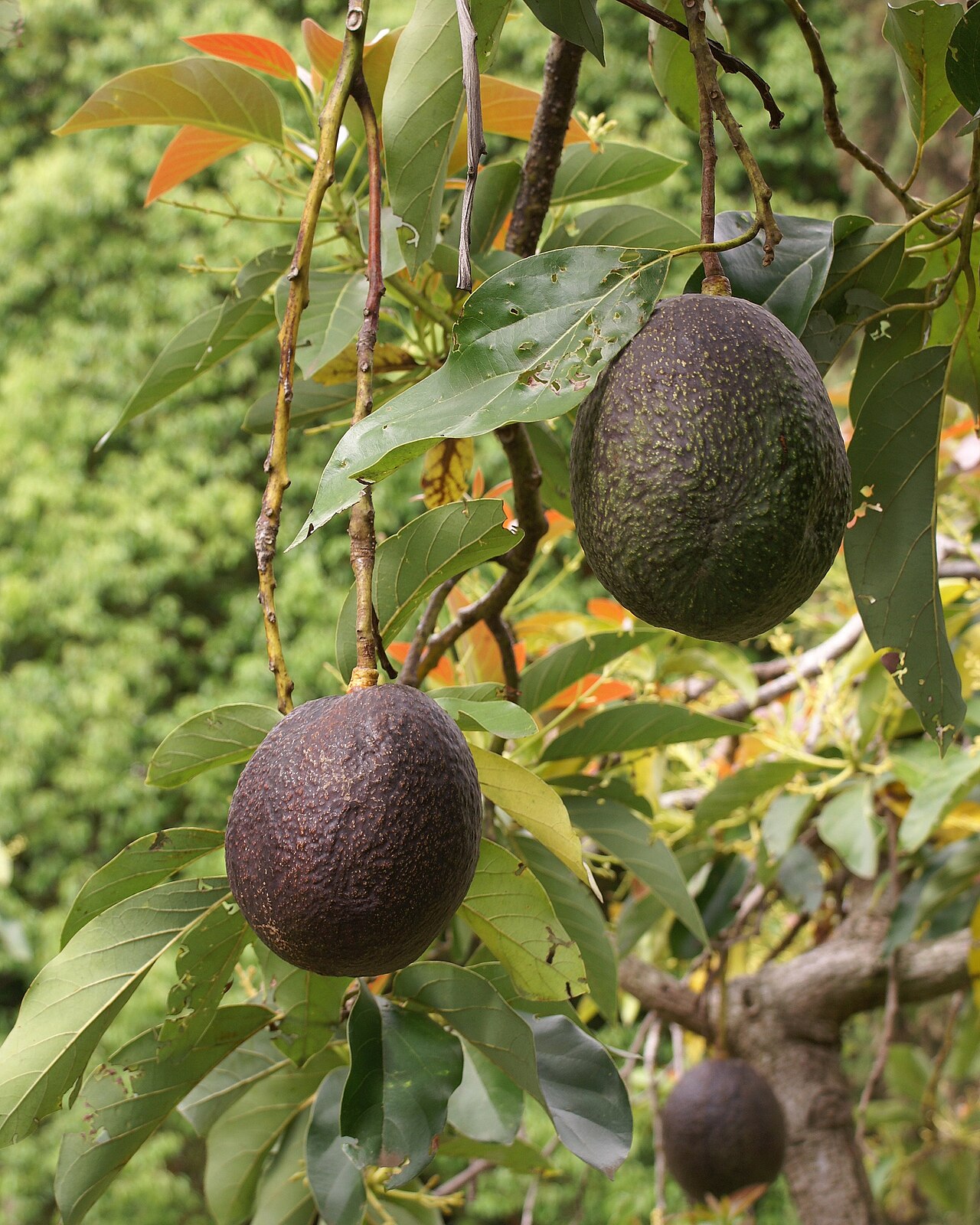
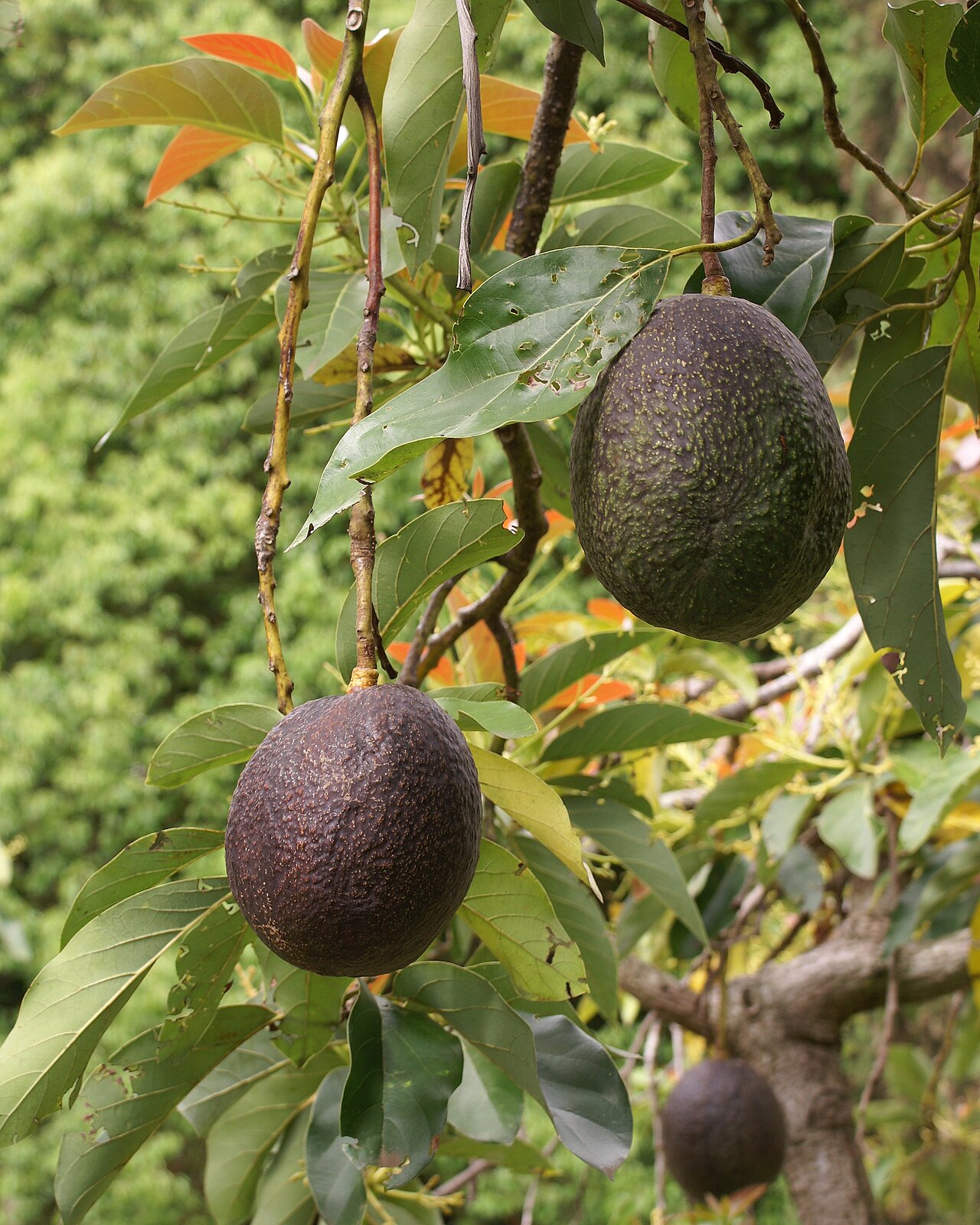
geada avocado
Persea americana
Secondary II High No biomass productionEarly-ripening West Indian cultivar (Jan–Feb). Elongated pyriform fruit, light green, ~710 g, yellowish flesh with adherent seed. Floral type B — a...
-
margarida avocado
Persea americana
Secondary II Emergent No biomass productionLate-ripening cultivar with very large fruit (700–1,500 g, up to 2 kg), pyriform, light yellow flesh of good quality. Tall tree (12–15 m). West-Ind...
-
quintal avocado
Persea americana
Secondary II Emergent No biomass productionWest Indian Brazilian cultivar, mid-season ripening. Large fruit (>600 g, up to 1.2 kg), pyriform, with prized 'butter' flesh in the domestic marke...
-
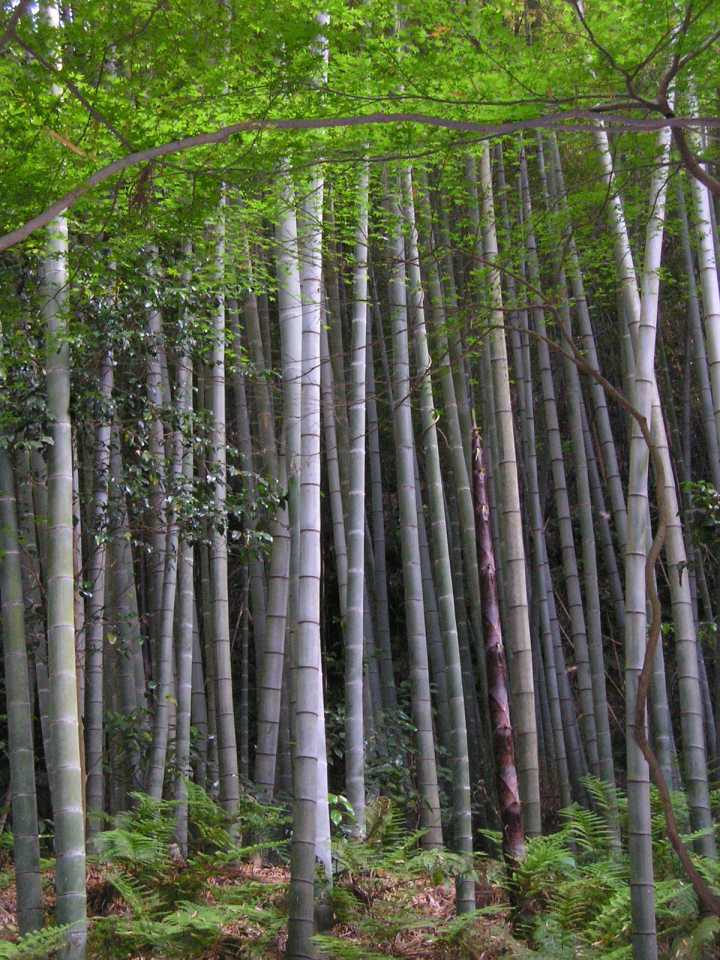
moso bamboo
Phyllostachys edulis
Secondary I Emergent Mulch biomassA running (spreading) bamboo native to China and Taiwan, the most cultivated species for timber and fiber in East Asia. It reaches up to 28 m tall ...
-
bacuri
Platonia insignis
Climax Emergent Mulch biomassAmazonian climax fruit tree, distant cousin of mangosteen. Embrapa Cultivo de Fruteiras Quadro 5 lists fruiting in May–September in the Amazon. Hig...
-
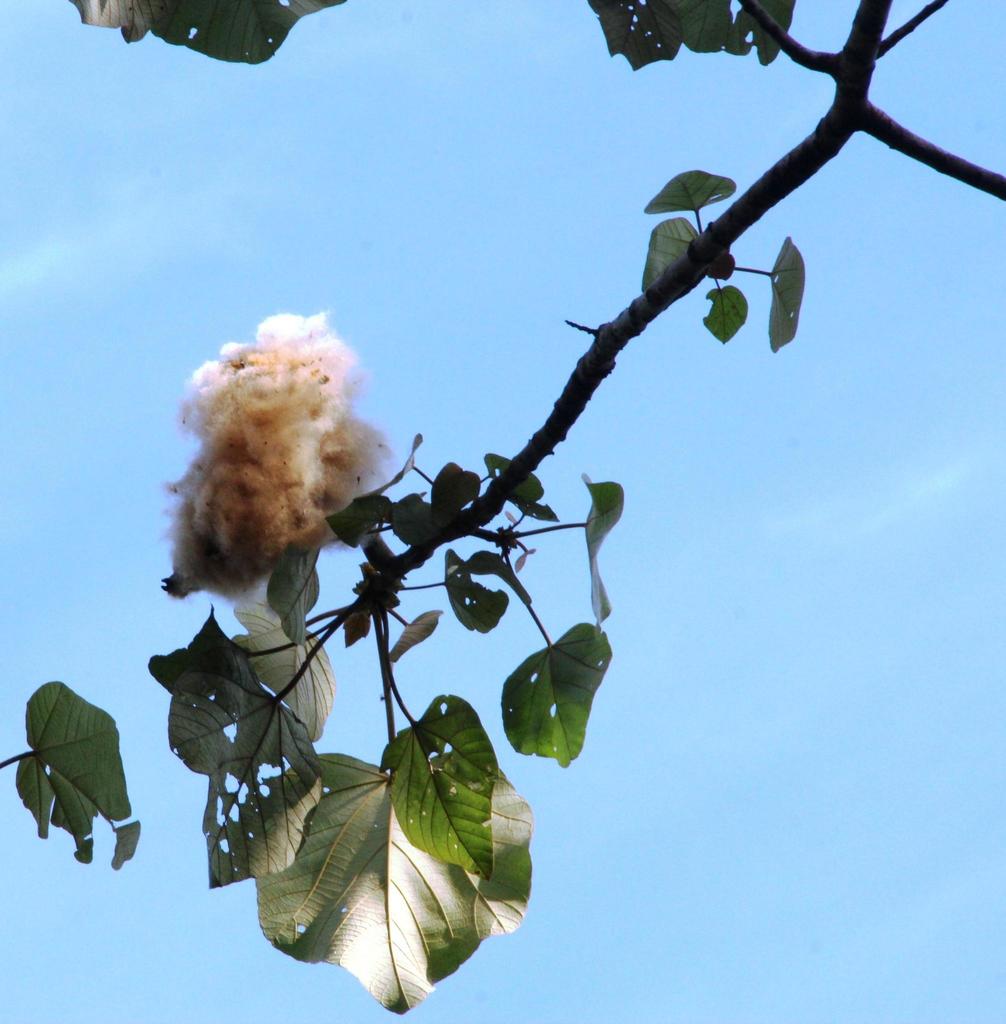
embiruçu
Pseudobombax grandiflorum
Secondary II High Mulch biomassNative tree of the Atlantic Forest and Cerrado, with spectacular brush-like white flowers. EcoAgri lists it in the high stratum of the 'up to 50 ye...
-
castor bean
Ricinus communis
Placenta II Emergent Mulch biomassAnnual or short-lived perennial shrub/small tree, a high-yielding oilseed crop. EcoAgri lists it in the emergent stratum of the 'up to 3 years' bin...
-
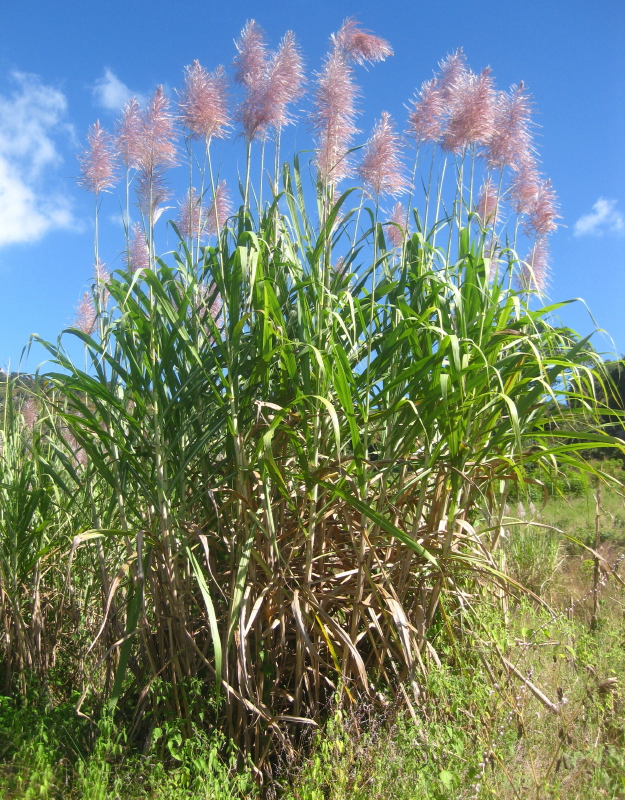
sugar cane
Saccharum officinarum
Placenta II Emergent Mulch biomassPerennial grass with very high production of cover biomass. Pasini lists it in the emergent stratum (Tabela 3). Cut periodically in syntropic agrof...
-
morototó
Schefflera morototoni
Secondary I Emergent Mulch biomassFast-growing pioneer tree common in Atlantic Forest and Amazon clearings. EcoAgri lists it in the emergent stratum of the 'up to 50 years' extras. ...
-
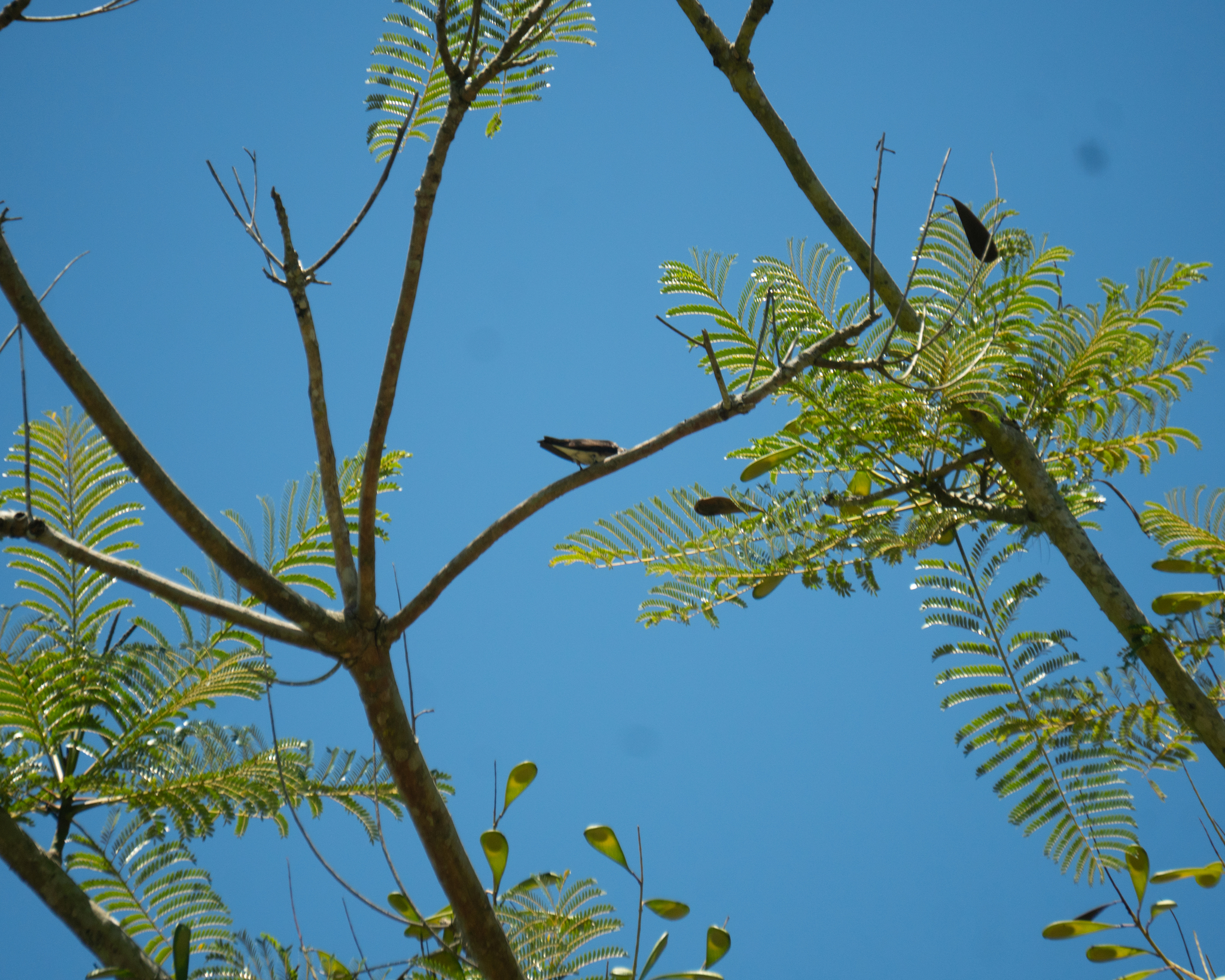
paricá
Schizolobium parahyba
Secondary I Emergent Mulch biomassAmazonian emergent legume with extremely fast growth — reaches 20–30 m in 18 years. Embrapa lists paricá among key timber species for SAFs: straigh...
❓ Frequently asked questions
What is the emergent stratum?
Species that grow above the high canopy, receiving full sun all day.
Which plants occupy the emergent stratum?
The catalog holds 81 species, among them jatoba, arara nut tree, sapucaia nut. Each profile shows stratum, succession stage, and the management data, with sources cited.