Plants
Plant Catalog
207 plants found
-
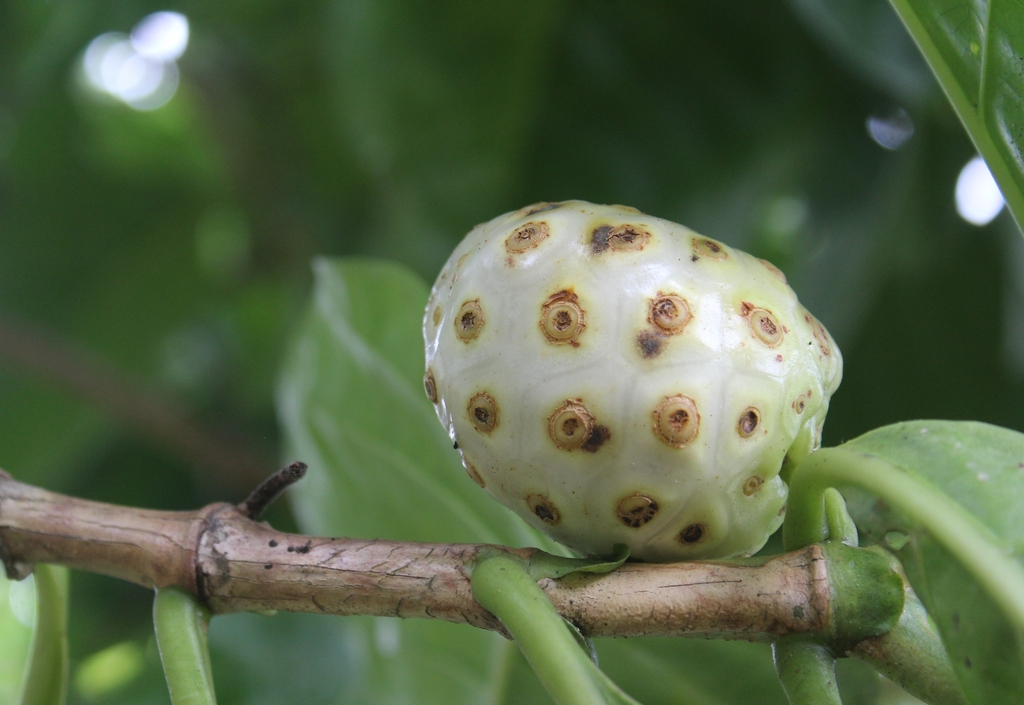
noni
Morinda citrifolia
Secondary I Medium No biomass productionTropical small tree (3–6 m) introduced in Brazil. Large dark-green leaves, ovoid yellowish-white strong-smelling ripe fruits. Medicinal pulp — supp...
-
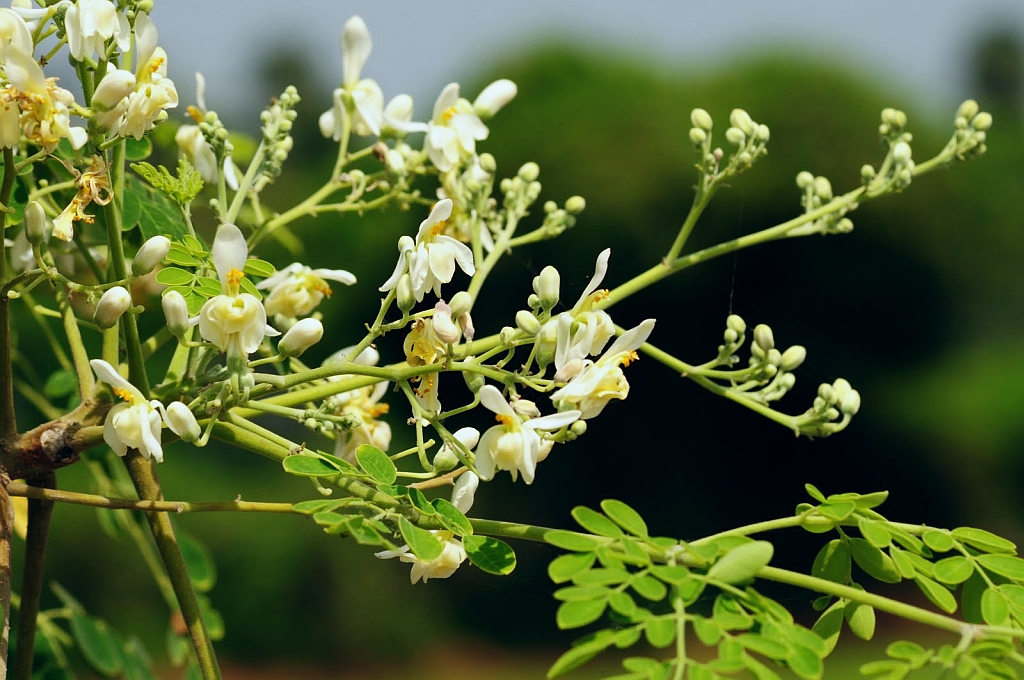
moringa
Moringa oleifera
Secondary I High Fertilizer biomassMulti-purpose, extremely fast-growing Indo-African tree. The Bosque de Niebla Guidebook lists moringa among anchor species of the high stratum / Se...
-
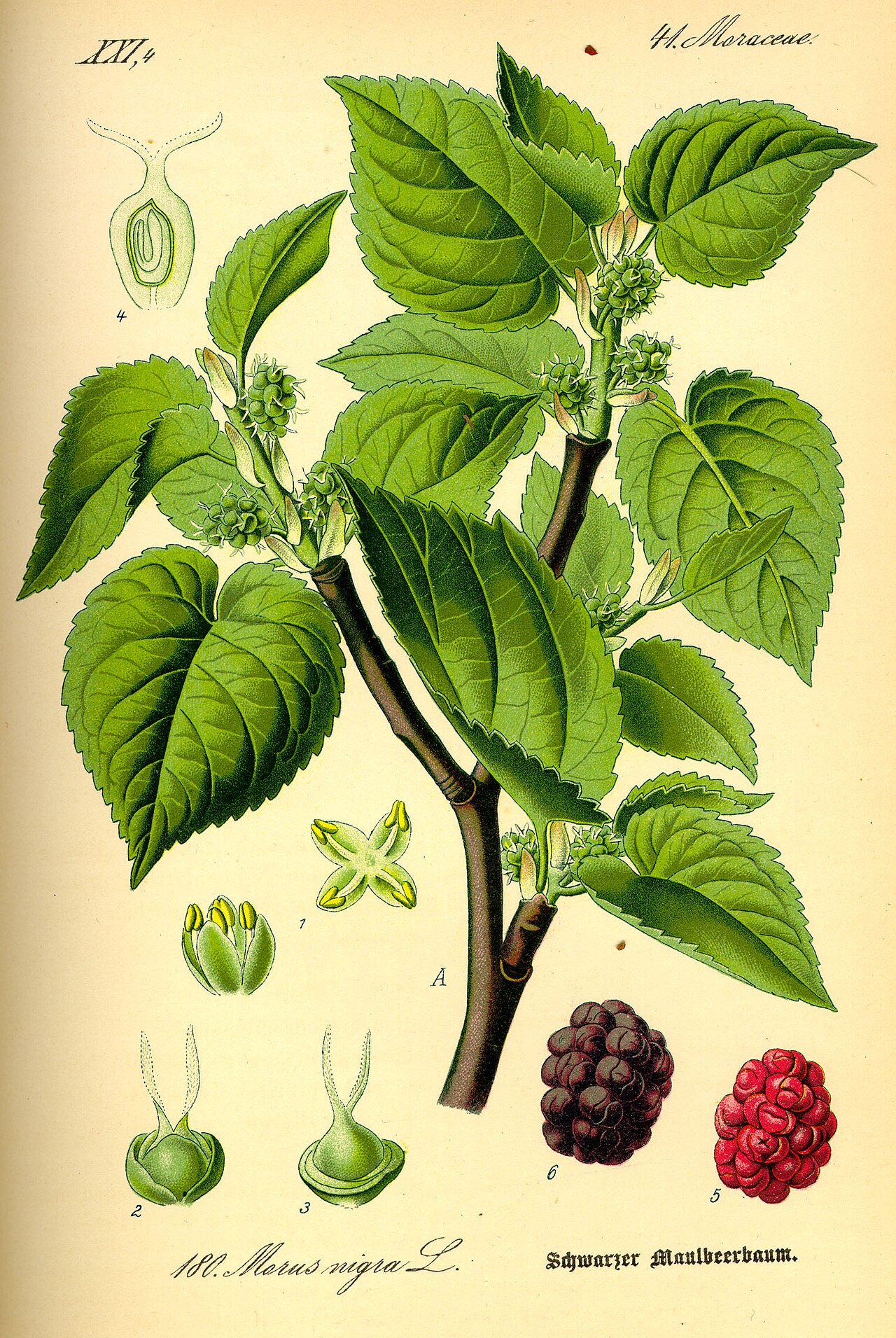
black mulberry
Morus nigra
Secondary I High Fertilizer biomassFast-growing fruit tree, tolerates drastic pruning well and coppices readily — ideal as a nurse plant in syntropic systems. Pasini lists it in the ...
-
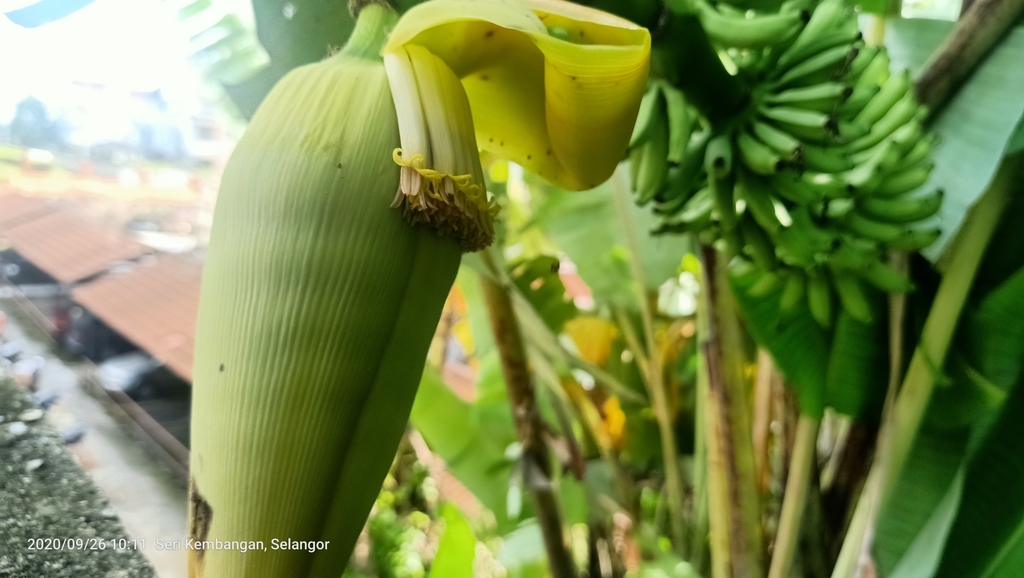
giant cavendish banana
Musa acuminata
Placenta II High Mulch biomassCavendish AAA tall cultivar (3–4 m); the dominant Brazilian export variety. Heavier bunch than Nanica (30–40 kg).
-
sucrier banana
Musa acuminata
Placenta II High Mulch biomassAA diploid cultivar, small sweet fruits (8–12 kg per bunch), medium plant (3–4 m). Niche production, premium price. More common in coastal São Paul...
-
dwarf cavendish banana
Musa acuminata
Placenta II Medium Mulch biomassCavendish AAA dwarf cultivar (1.8–2.5 m). Dessert-banana market staple. Resistant to Panama disease race 1 but susceptible to Yellow Sigatoka. In s...
-
dwarf pome banana
Musa × paradisiaca
Placenta II High Mulch biomassDwarf mutation of Prata (AAB), 2.5–3.5 m. Together with Prata and Pacovan accounts for ~60% of Brazilian banana area. Per Embrapa, a 'watershed' cu...
-
thap maeo banana
Musa × paradisiaca
Placenta II High Mulch biomassAAB cultivar of Thai origin recommended by Embrapa for regions with high Black/Yellow Sigatoka pressure. Tall (4–5 m), bunch 18–25 kg. Good fit for...
-
pome banana
Musa × paradisiaca
Placenta II High Mulch biomassAAB Pome subgroup, tall (5–7 m), bunch 12–18 kg. Slightly tart flavor prized in the Brazilian domestic market. Before Prata-Anã it dominated the so...
-
banana
Musa × paradisiaca
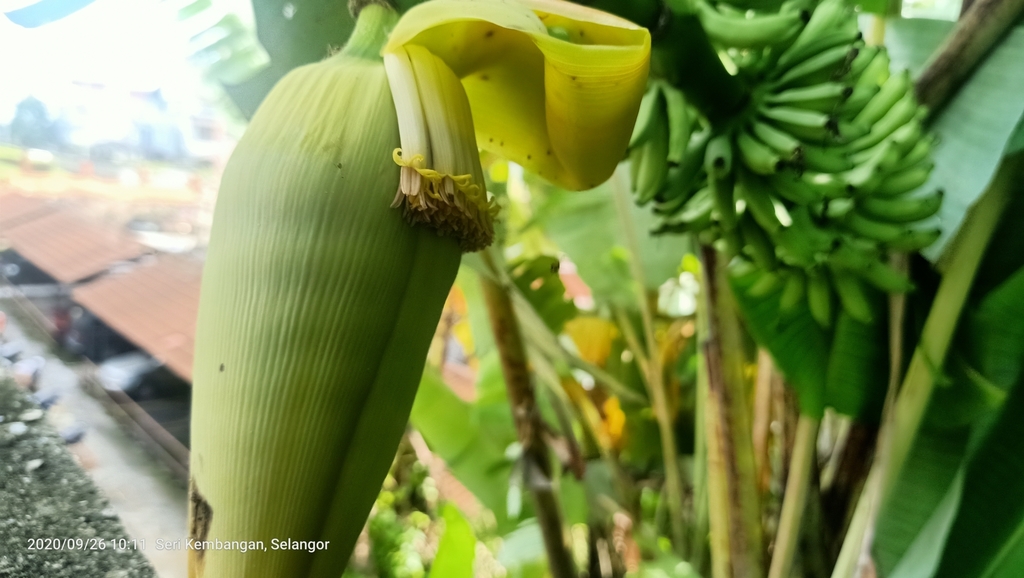
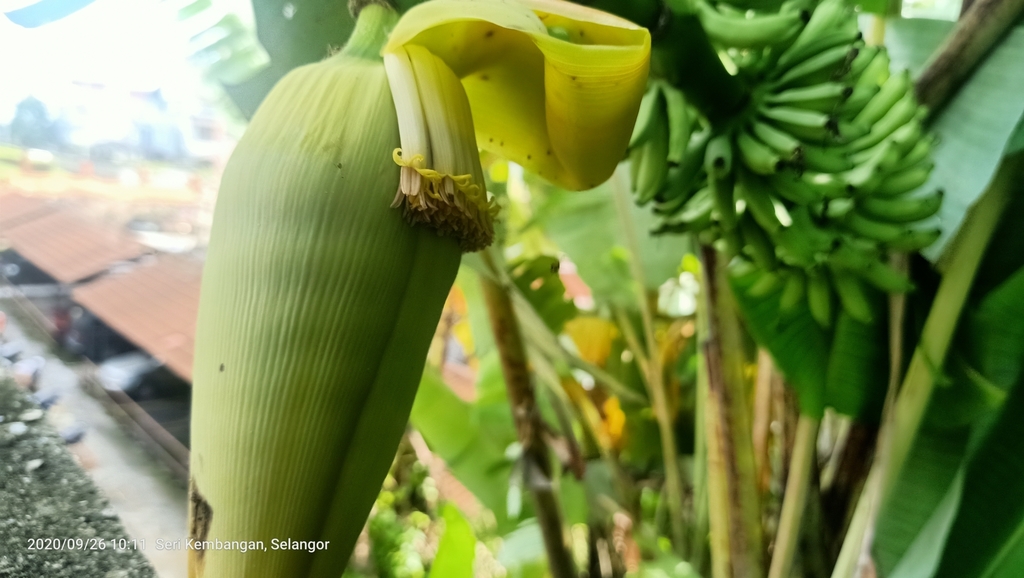
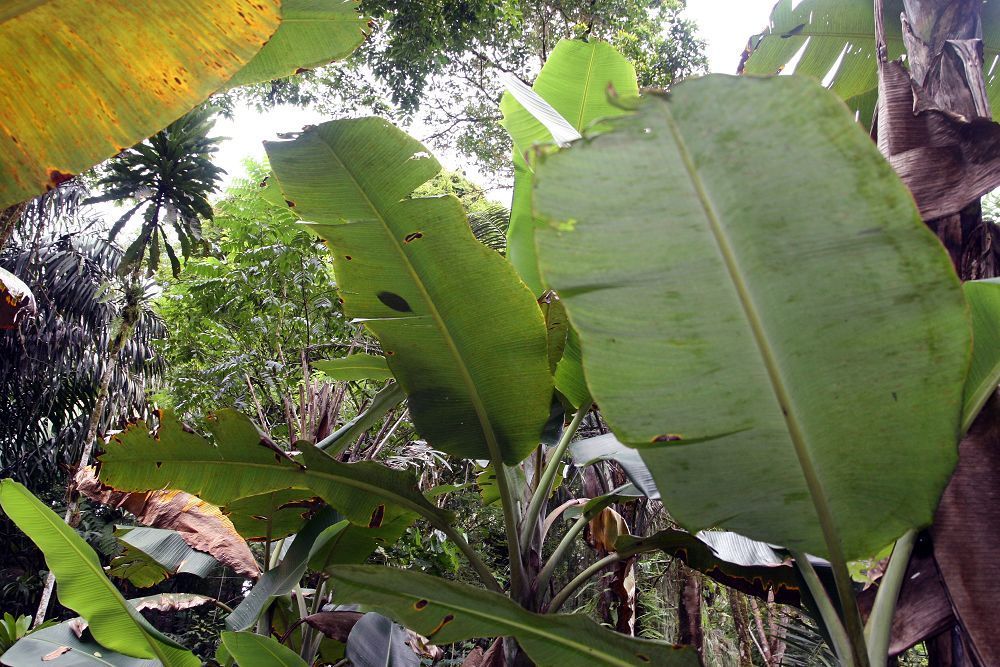
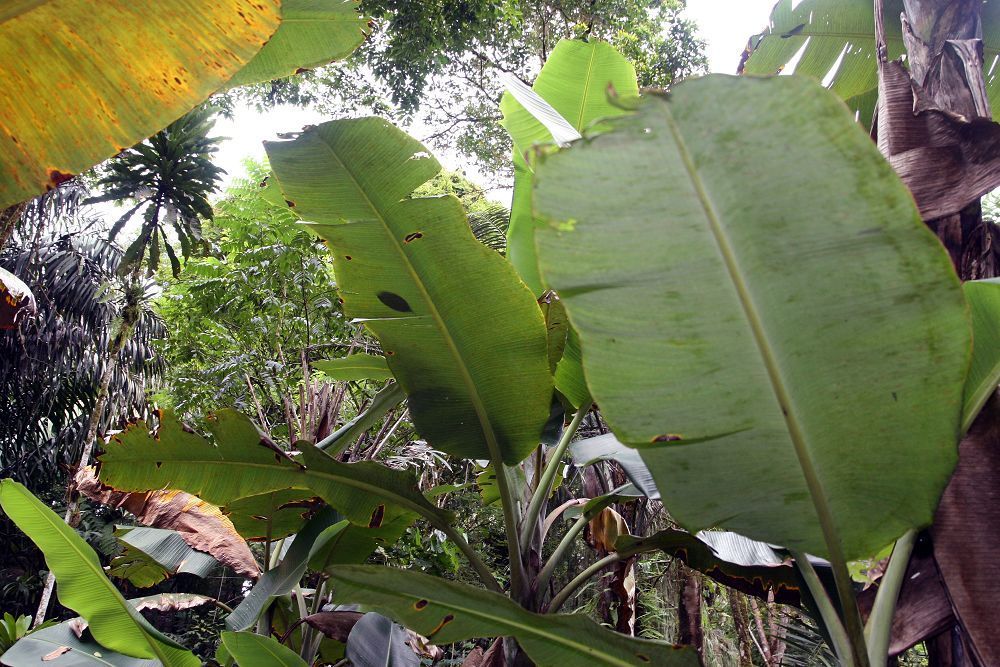
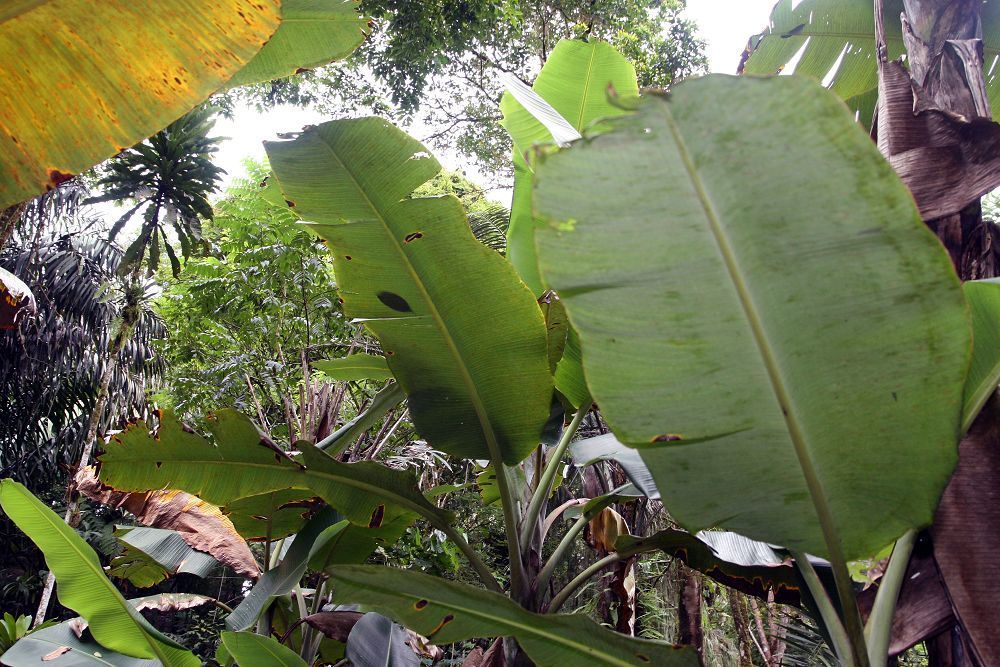
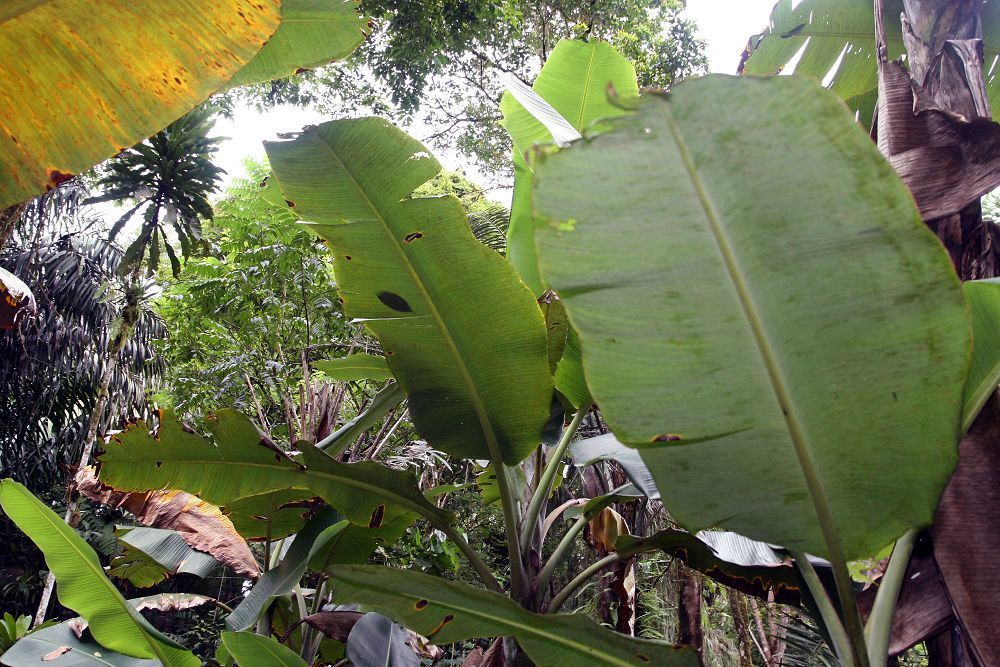
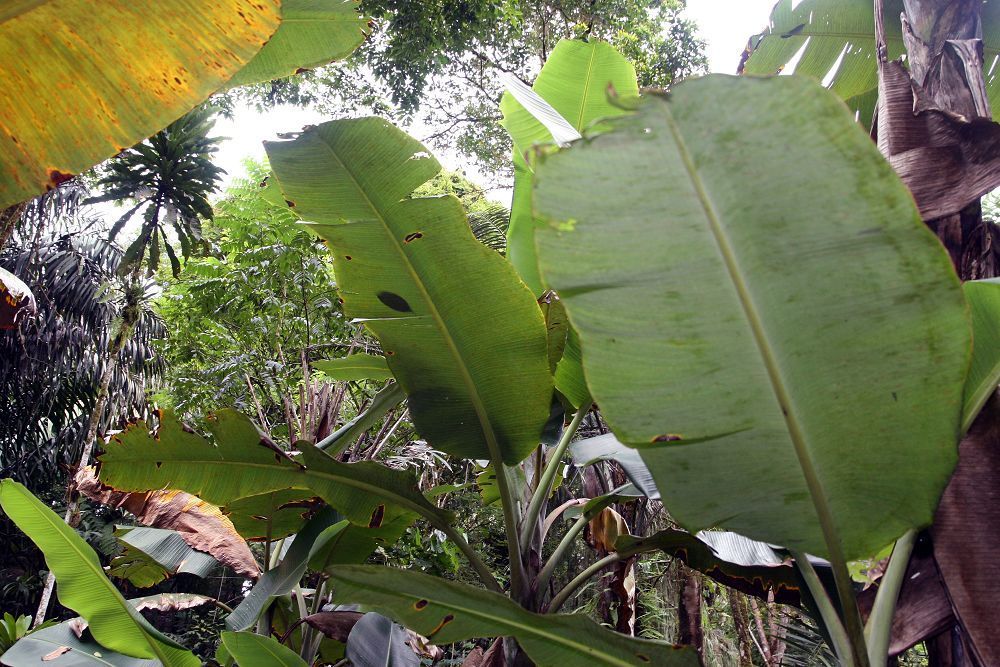
Placenta II High Mulch biomassBanana is a fast-growing pioneer species valued for cover biomass, edible fruit, and a structuring role in syntropic rows. Grows in any moist, well...
-
pacovan banana
Musa × paradisiaca
Placenta II High Mulch biomassAAB tall cultivar (5–6 m), large bunch (20–30 kg). Major Northeastern variety with better Yellow Sigatoka tolerance than Prata. Together with Prata...
-
plantain
Musa × paradisiaca
Placenta II High Mulch biomassAAB Plantain subgroup — cooking banana, tall to emergent (5–7 m), bunch 15–25 kg with few large starchy fingers. Staple food across Northern and No...
-
silk banana
Musa × paradisiaca
Placenta II High Mulch biomassAAB Silk subgroup, medium-tall (3–4 m). Sweet flavor with distinctive aroma, premium market price. Highly susceptible to Panama disease (Fusarium o...
-
guabiju
Myrcianthes pungens
Secondary II High Mulch biomassNative tree of the Pampa, southern Atlantic Forest, and southern Minas Gerais. 8–15 m, dense canopy. Dark-red to purple fruit, sweet delicately fla...
-
camu camu
Myrciaria dubia
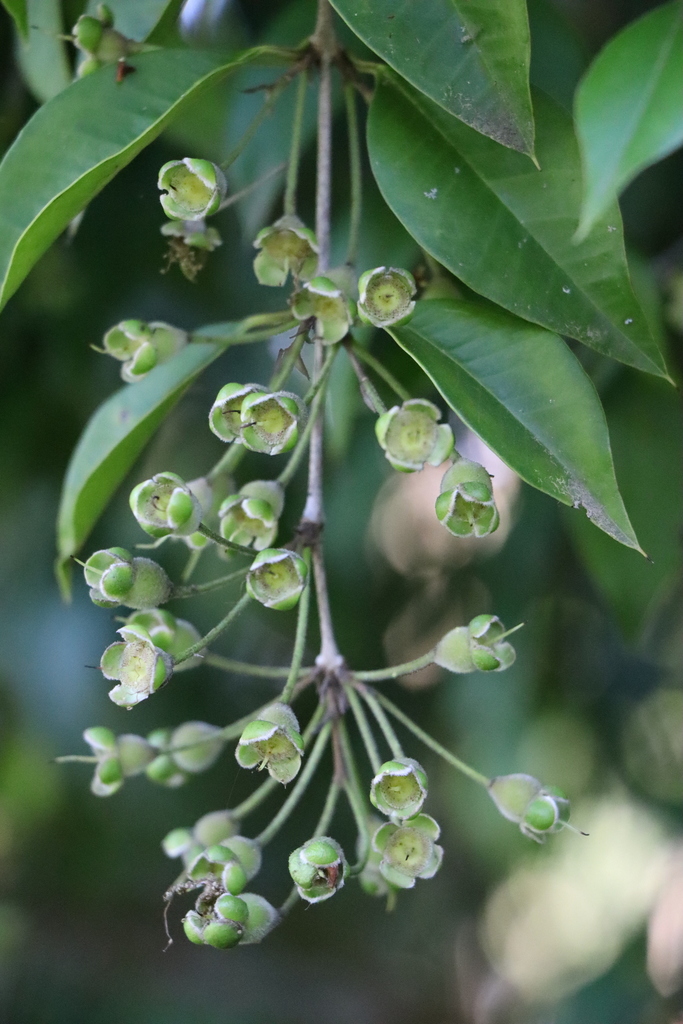
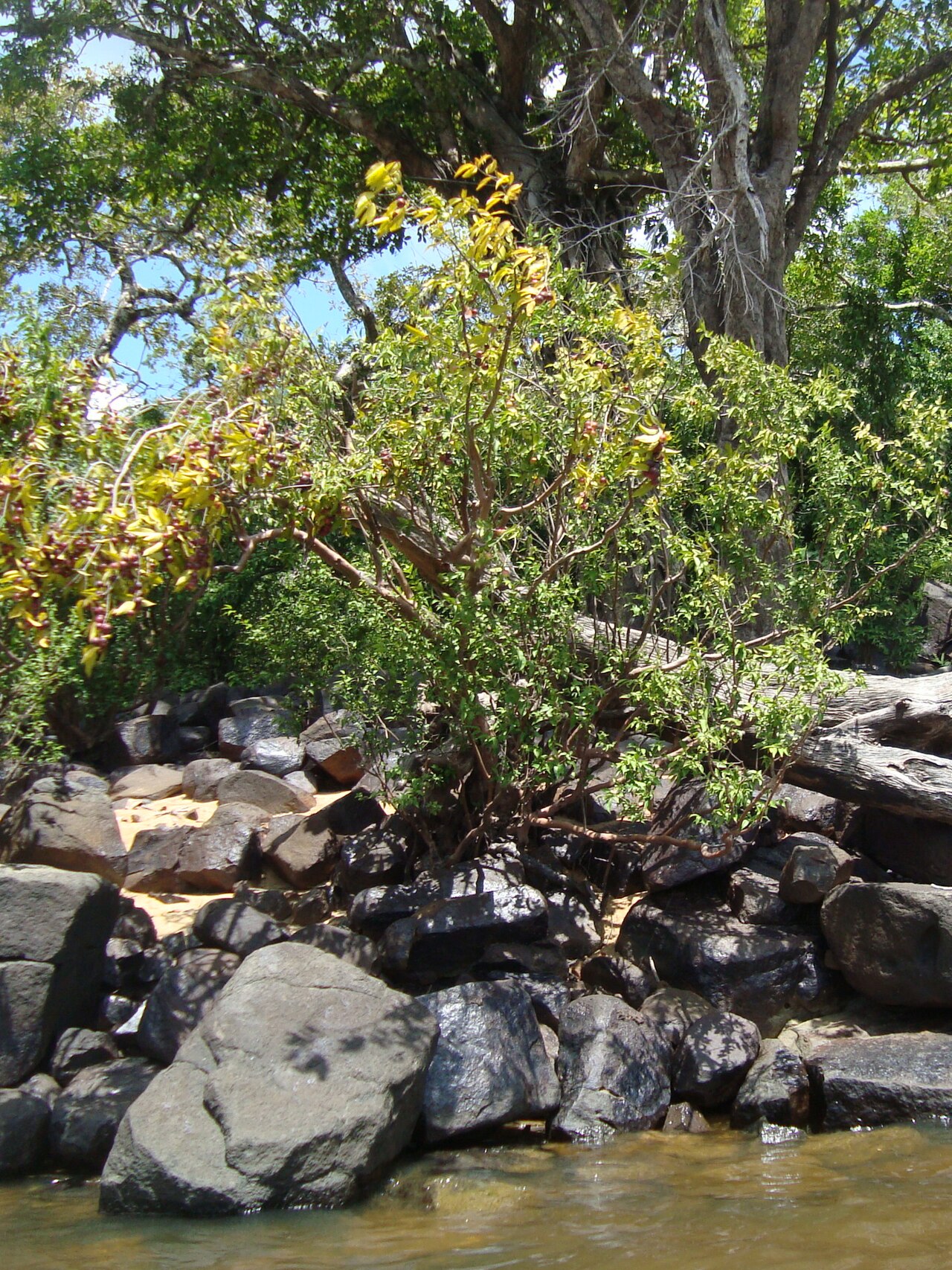
Placenta II Low No biomass productionAmazonian small tree (2–6 m) of floodable areas — in native habitat survives 4–5 months submerged. Small dark-red fruits with the highest known nat...
-
watercress
Nasturtium officinale
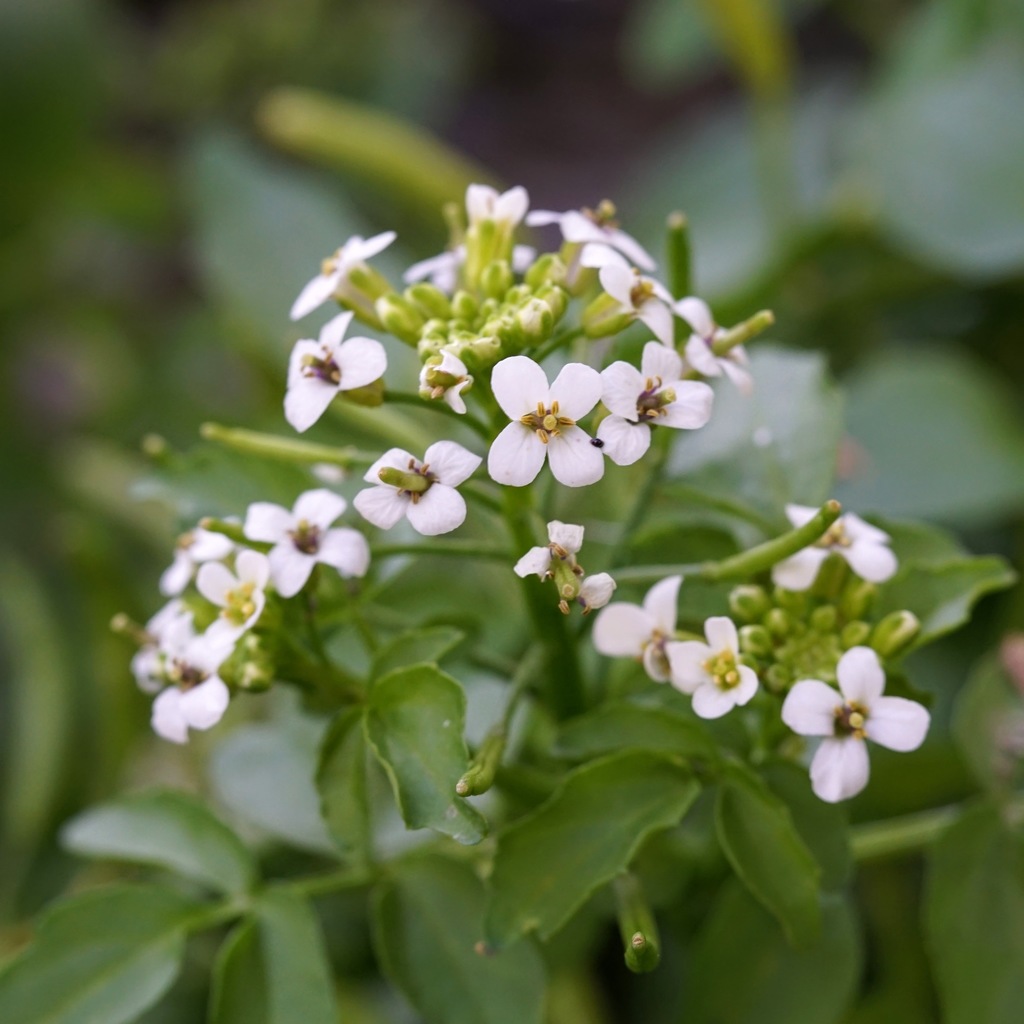
Placenta I Ground cover No biomass productionAquatic or semi-aquatic leafy green of European origin, naturalized in Brazil. Pasini lists it in the low stratum of Tabela 3. Grows in moist soils...
-
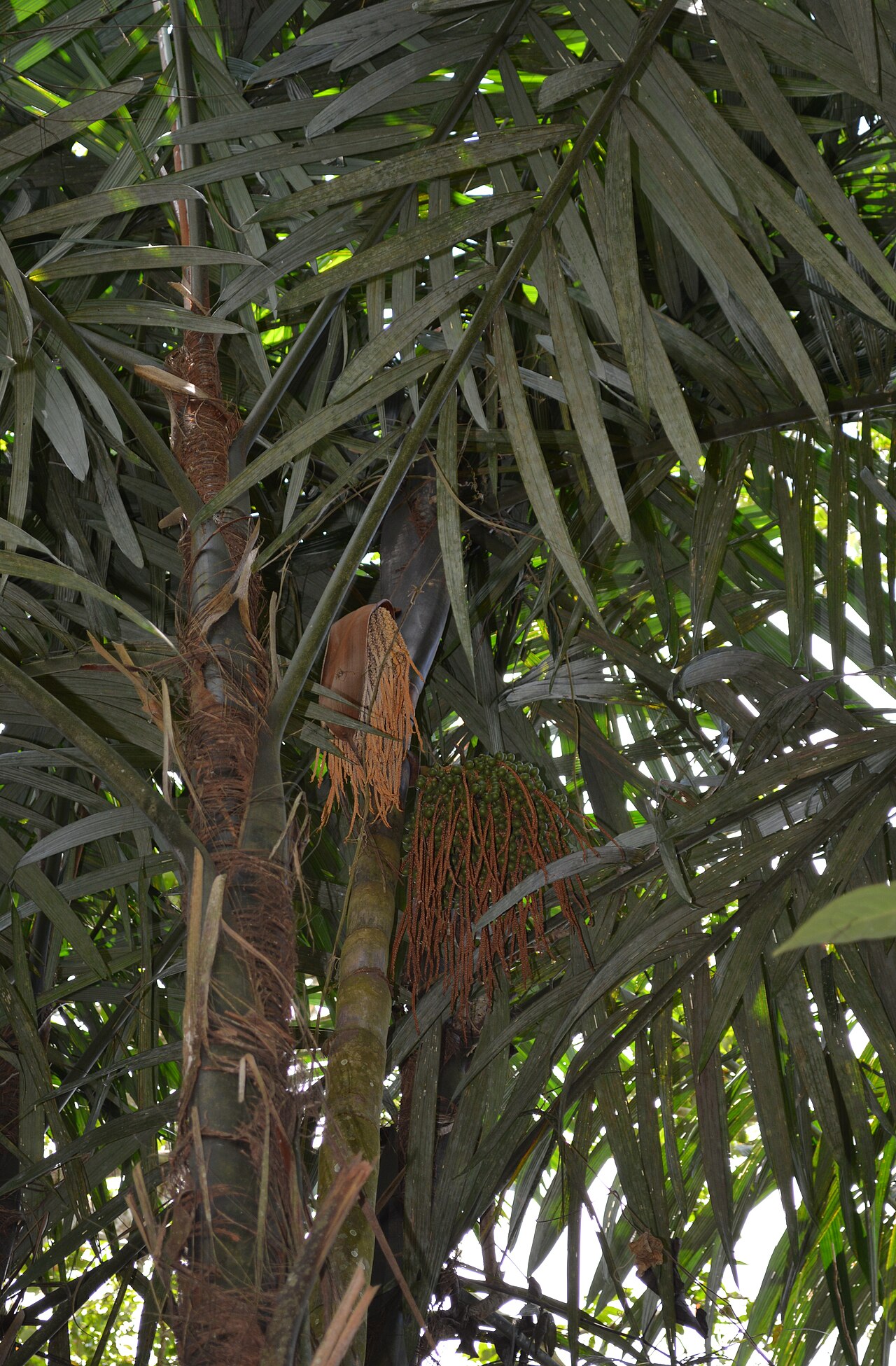
bacaba palm
Oenocarpus bacaba
Climax High No biomass productionAmazonian fruit palm, cousin of açaí. The Bosque de Niebla Guidebook (Farm Evolving timeline) includes it at the 40-year stage alongside Brazil nut...
-
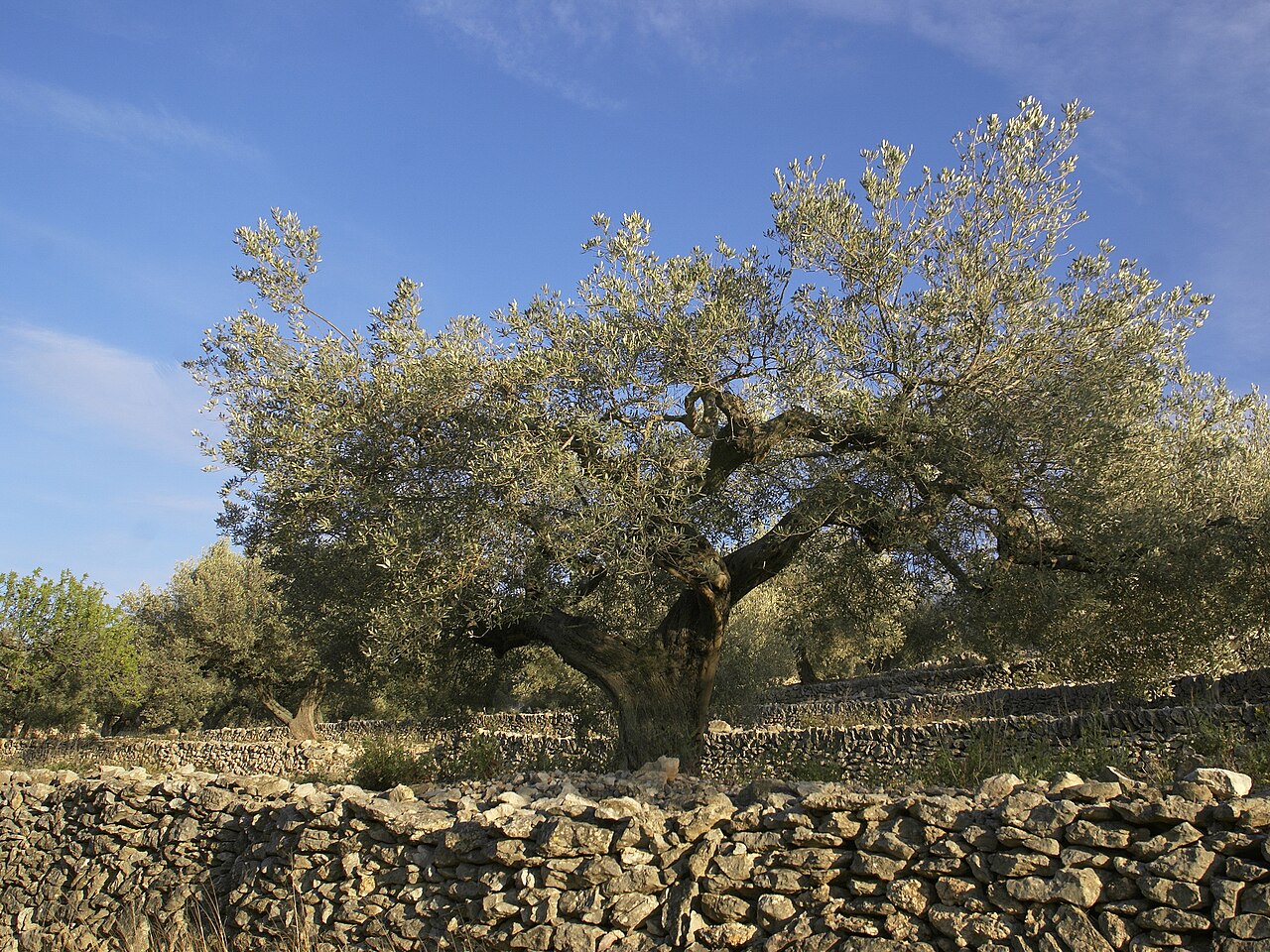
olive
Olea europaea
Secondary II Medium No biomass productionOlive, a long-lived evergreen tree of the Oleaceae family, exotic to Brazil and grown in temperate and subtropical regions, notably the Mantiqueira...
-
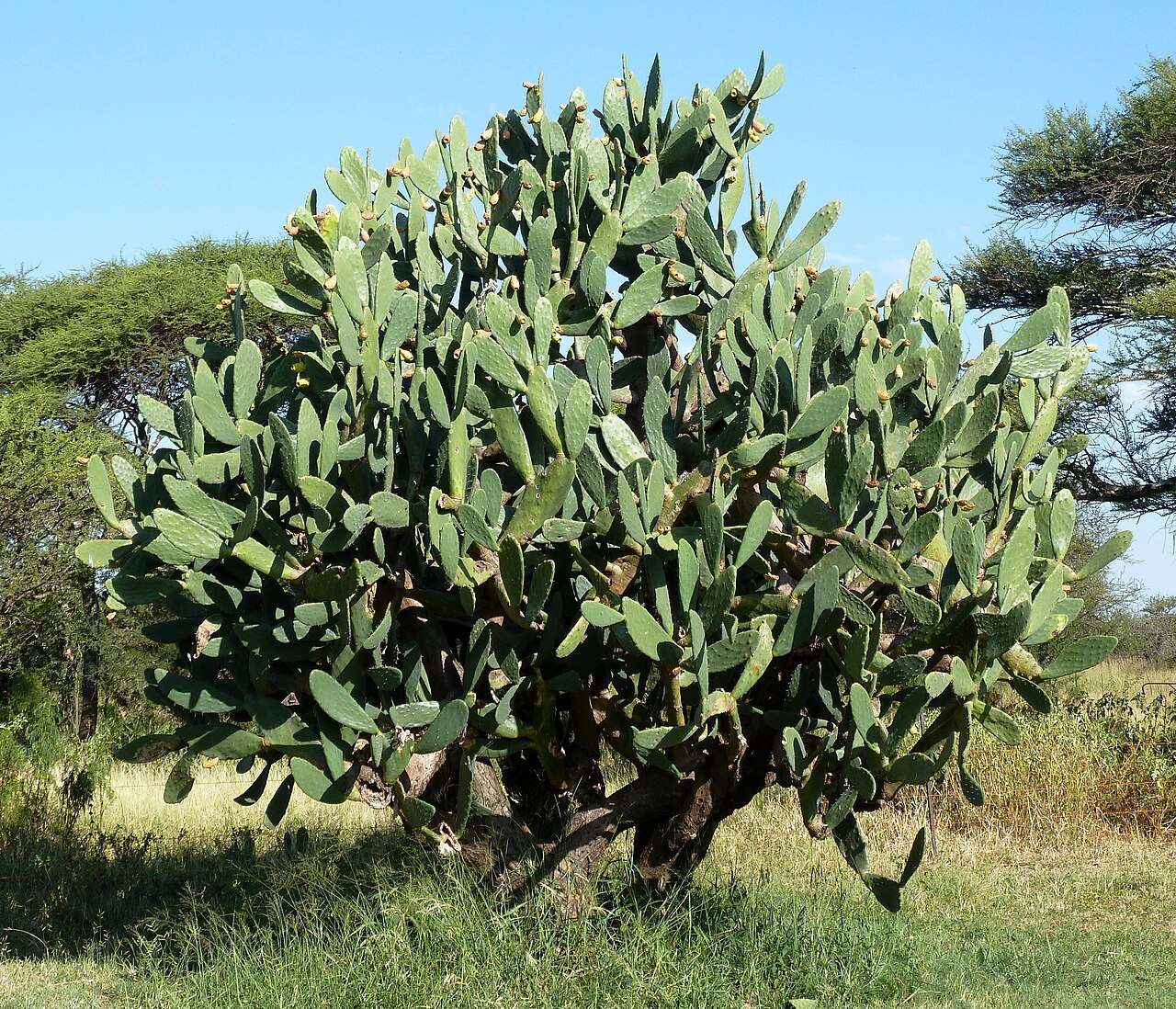
spineless cactus
Opuntia ficus-indica
Placenta II LowIntroduced cactus widely cultivated in the Brazilian semiarid as strategic fodder reserve. CAM metabolism gives extremely high water-use efficiency...
-
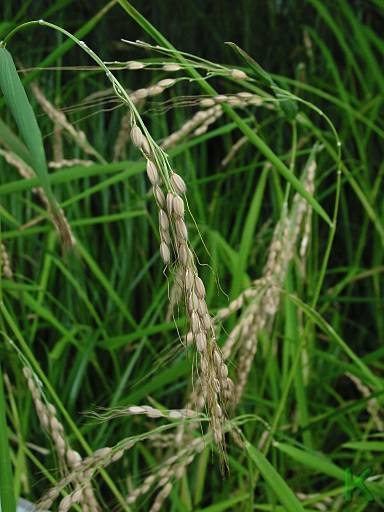
rice
Oryza sativa
Placenta I High Mulch biomassWorld's most-cultivated annual cereal. The Bosque de Niebla Guidebook (Consortium Design 2019) places rice as a typical Placenta I species in the h...
-
sweet passion fruit
Passiflora alata
Placenta II Medium No biomass productionBrazilian native vine distinct from sour passionfruit (P. edulis). Pyriform orange-yellow fruit with sweet, fragrant flesh eaten fresh — fruitier, ...
-
passion fruit
Passiflora edulis
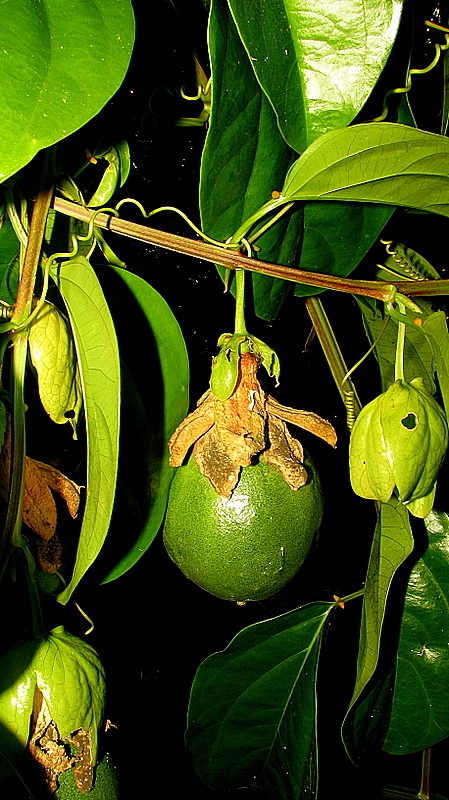
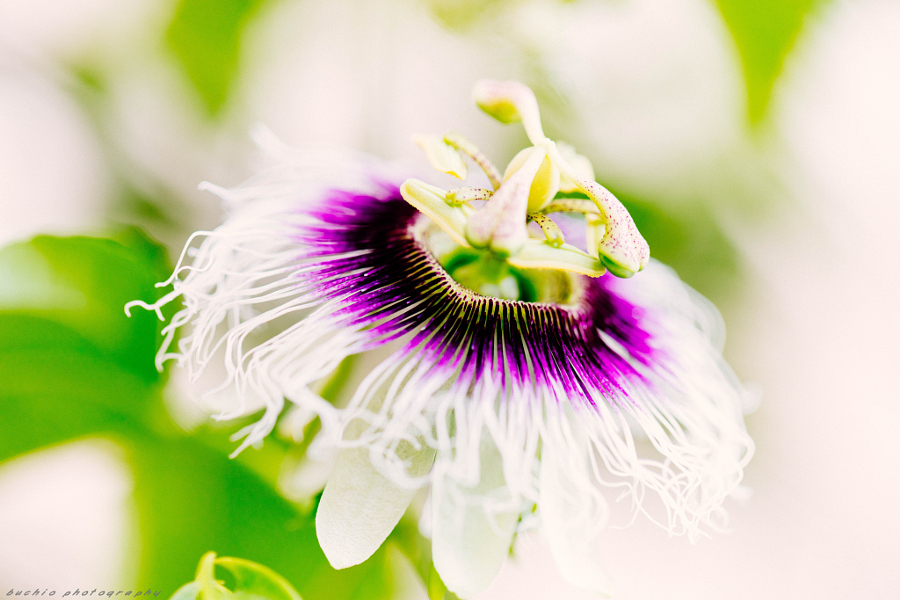
Placenta II High No biomass productionBrazilian-native woody fruiting climber. Pasini lists it in the high stratum of Tabela 3 (grows over high-stratum structures). Fruits in ~9–12 mont...
-
sweet granadilla
Passiflora ligularis
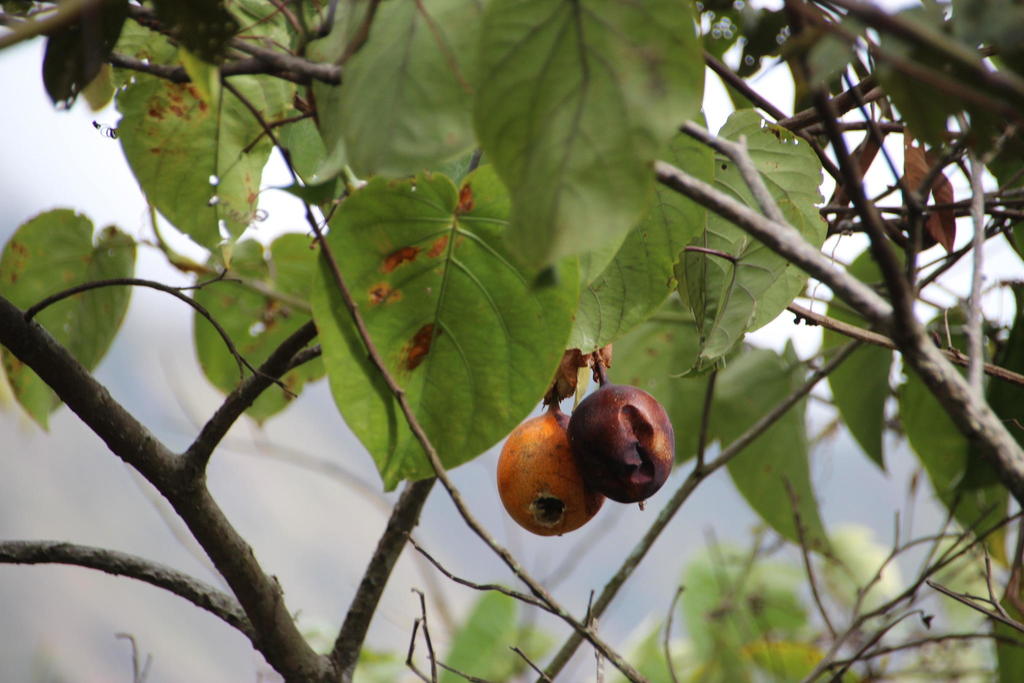
Placenta II Medium No biomass productionAndean species (Colombia, Peru, Ecuador). Altitude vine (1,000–2,500 m); orange-yellow fruit with translucent pulp, black seeds, sweet aromatic fla...
-
giant granadilla
Passiflora quadrangularis
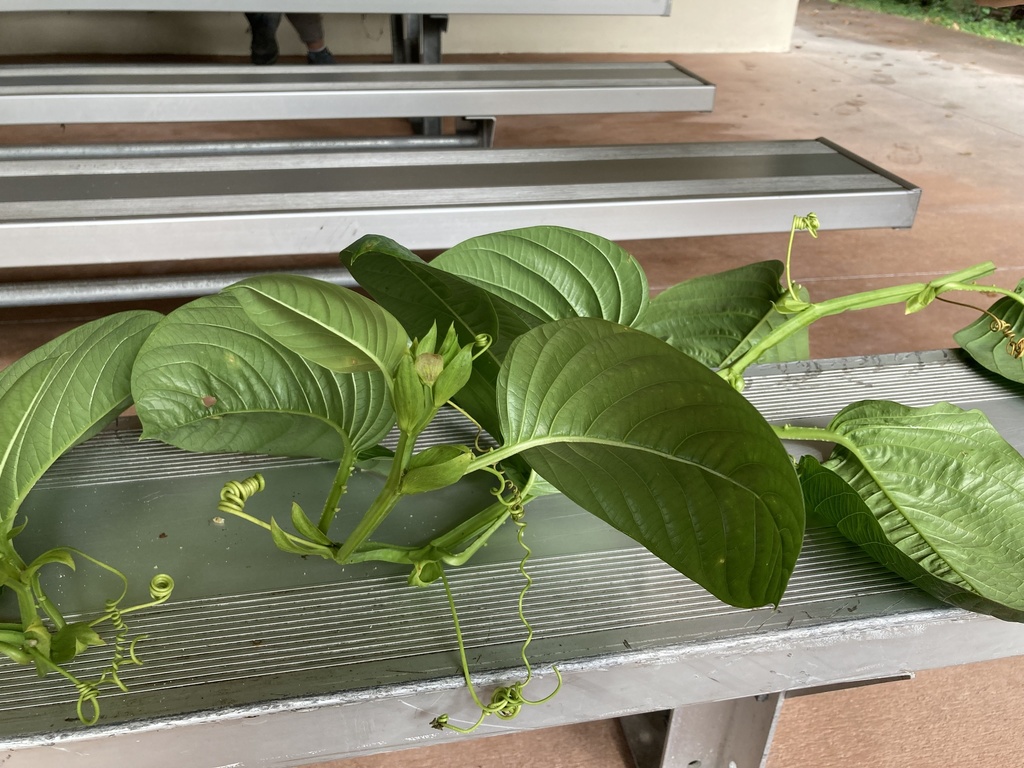
Placenta II Medium No biomass productionOne of the most vigorous Passiflora vines, with squared stem cross-section (origin of the scientific name). Huge fruit — 15–30 cm, up to 4 kg — wit...