Plants
Plant Catalog
74 plants found
-
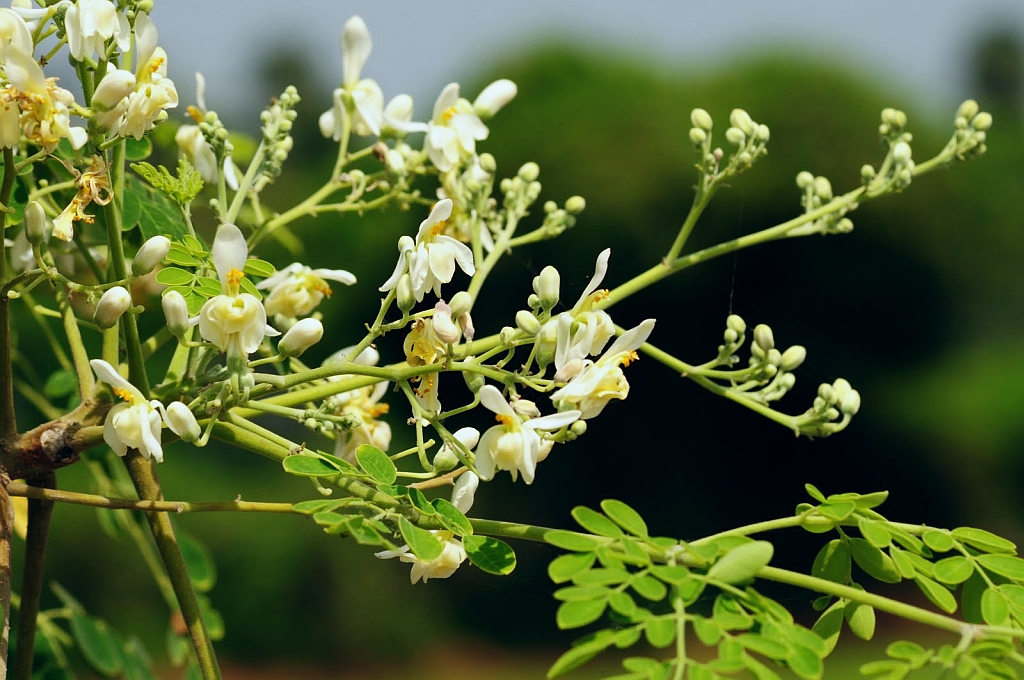
moringa
Moringa oleifera
Secondary I High Fertilizer biomassMulti-purpose, extremely fast-growing Indo-African tree. The Bosque de Niebla Guidebook lists moringa among anchor species of the high stratum / Se...
-
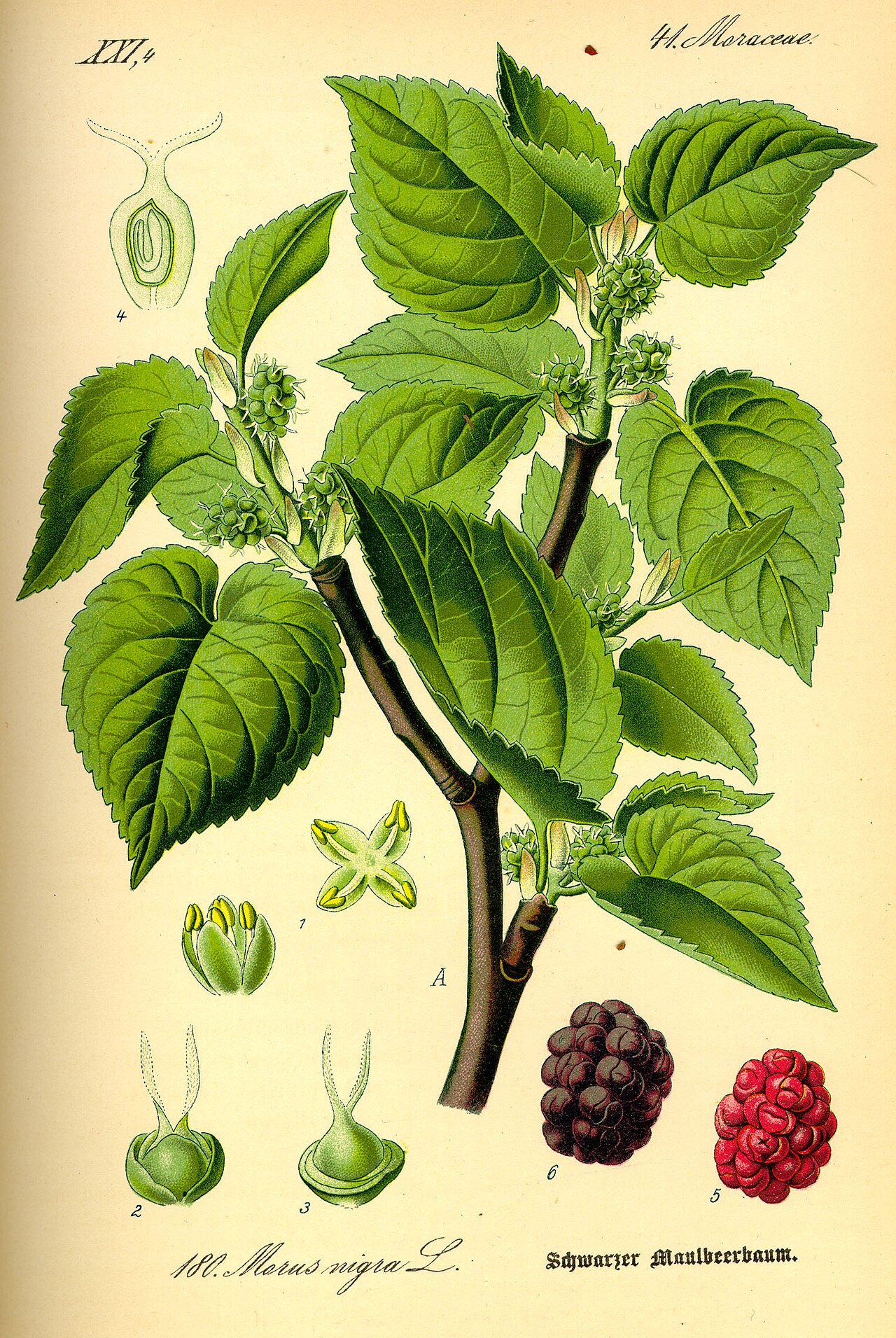
black mulberry
Morus nigra
Secondary I High Fertilizer biomassFast-growing fruit tree, tolerates drastic pruning well and coppices readily — ideal as a nurse plant in syntropic systems. Pasini lists it in the ...
-
sucrier banana
Musa acuminata
Placenta II High Mulch biomassAA diploid cultivar, small sweet fruits (8–12 kg per bunch), medium plant (3–4 m). Niche production, premium price. More common in coastal São Paul...
-
giant cavendish banana
Musa acuminata
Placenta II High Mulch biomassCavendish AAA tall cultivar (3–4 m); the dominant Brazilian export variety. Heavier bunch than Nanica (30–40 kg).
-
dwarf cavendish banana
Musa acuminata
Placenta II Medium Mulch biomassCavendish AAA dwarf cultivar (1.8–2.5 m). Dessert-banana market staple. Resistant to Panama disease race 1 but susceptible to Yellow Sigatoka. In s...
-
plantain
Musa × paradisiaca
Placenta II High Mulch biomassAAB Plantain subgroup — cooking banana, tall to emergent (5–7 m), bunch 15–25 kg with few large starchy fingers. Staple food across Northern and No...
-
dwarf pome banana
Musa × paradisiaca
Placenta II High Mulch biomassDwarf mutation of Prata (AAB), 2.5–3.5 m. Together with Prata and Pacovan accounts for ~60% of Brazilian banana area. Per Embrapa, a 'watershed' cu...
-
silk banana
Musa × paradisiaca
Placenta II High Mulch biomassAAB Silk subgroup, medium-tall (3–4 m). Sweet flavor with distinctive aroma, premium market price. Highly susceptible to Panama disease (Fusarium o...
-
pacovan banana
Musa × paradisiaca
Placenta II High Mulch biomassAAB tall cultivar (5–6 m), large bunch (20–30 kg). Major Northeastern variety with better Yellow Sigatoka tolerance than Prata. Together with Prata...
-
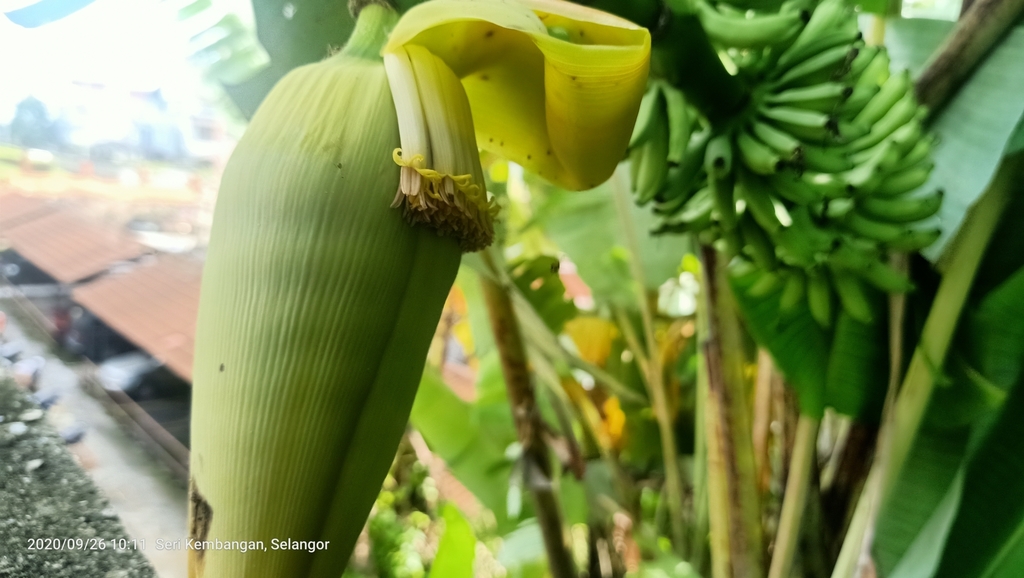
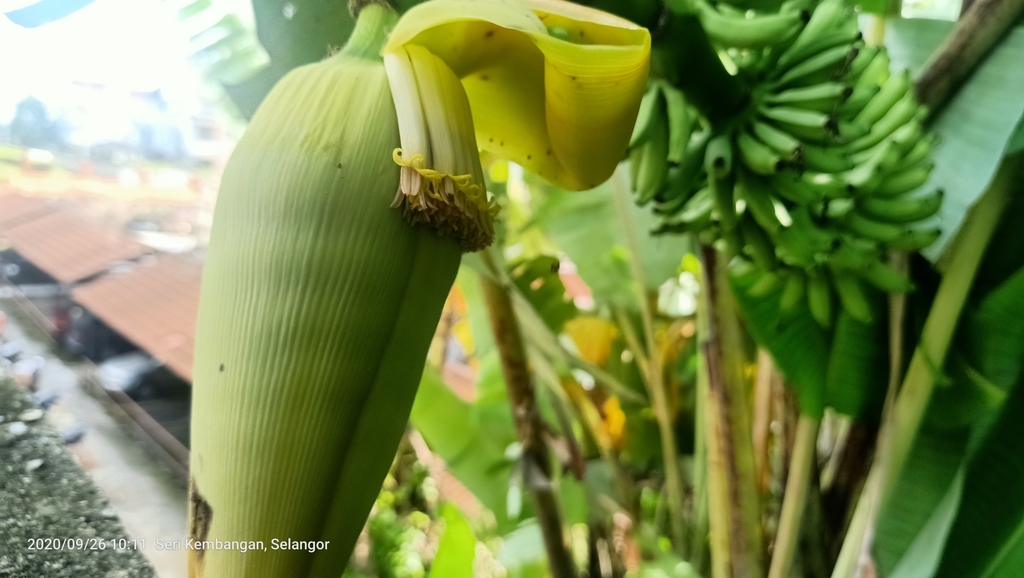
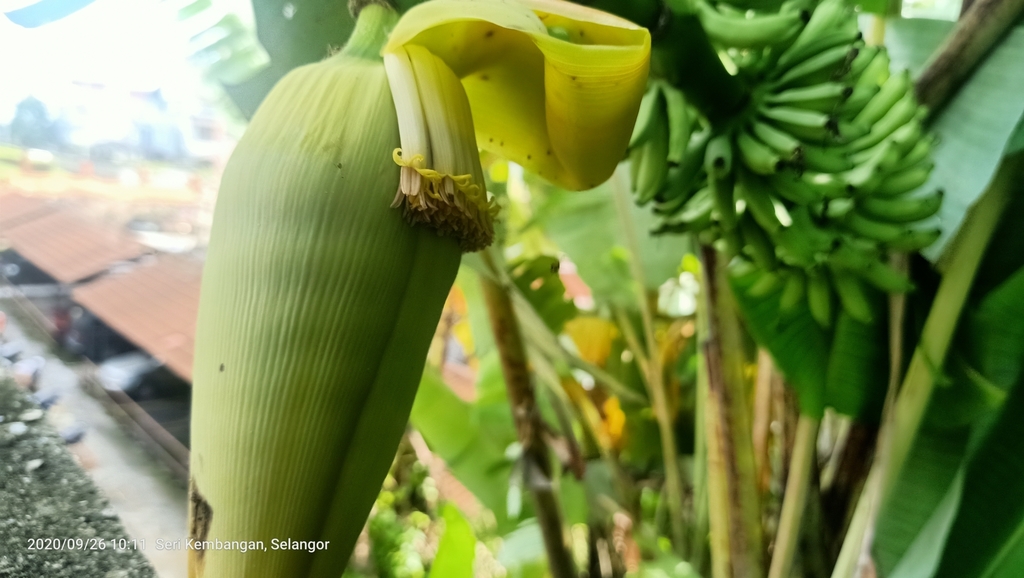
banana
Musa × paradisiaca
Placenta II High Mulch biomassBanana is a fast-growing pioneer species valued for cover biomass, edible fruit, and a structuring role in syntropic rows. Grows in any moist, well...
-
pome banana
Musa × paradisiaca
Placenta II High Mulch biomassAAB Pome subgroup, tall (5–7 m), bunch 12–18 kg. Slightly tart flavor prized in the Brazilian domestic market. Before Prata-Anã it dominated the so...
-
African basil
Ocimum gratissimum
Placenta II Medium No biomass productionShort-lived perennial Lamiaceae, cousin of common basil (distinct species). EcoAgri lists it in the medium stratum of the 'up to 3 years' bin. Arom...
-
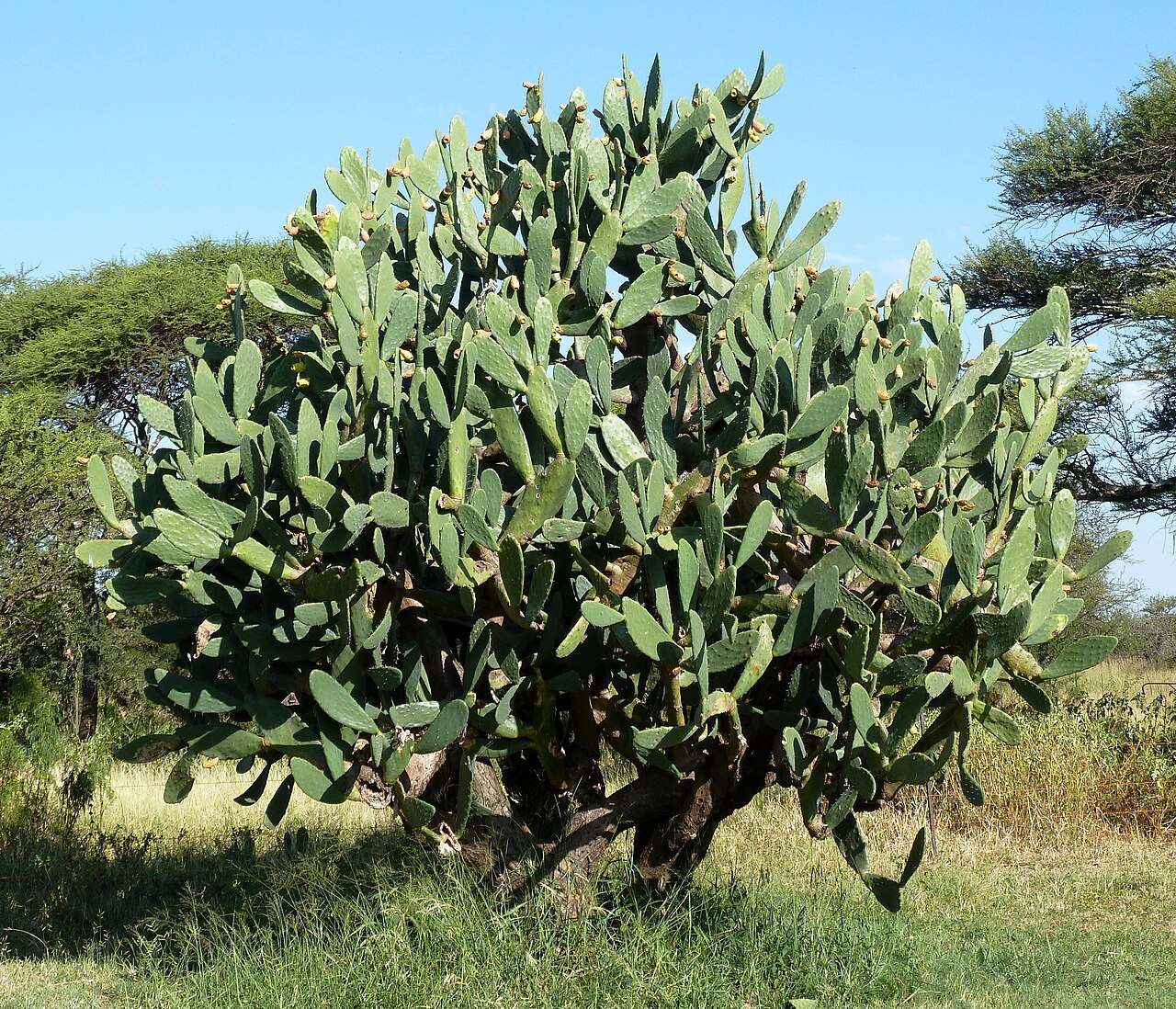
spineless cactus
Opuntia ficus-indica
Placenta II LowIntroduced cactus widely cultivated in the Brazilian semiarid as strategic fodder reserve. CAM metabolism gives extremely high water-use efficiency...
-
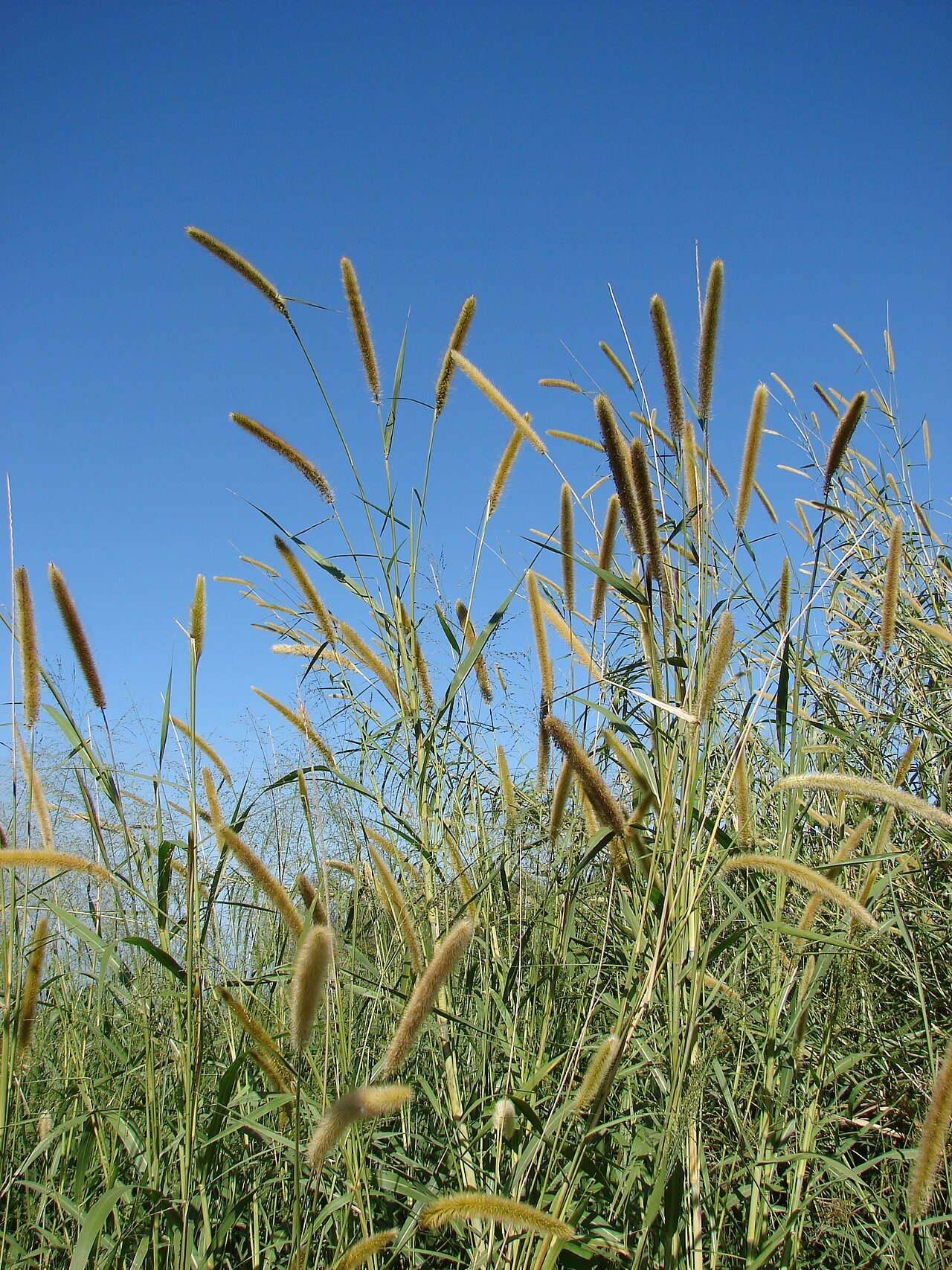
Napier grass
Pennisetum purpureum
Placenta II Medium Mulch biomassPerennial African grass introduced to Brazil in 1920. Forms vigorous clumps reaching 3–5 m and is one of the main biomass-producing species in synt...
-
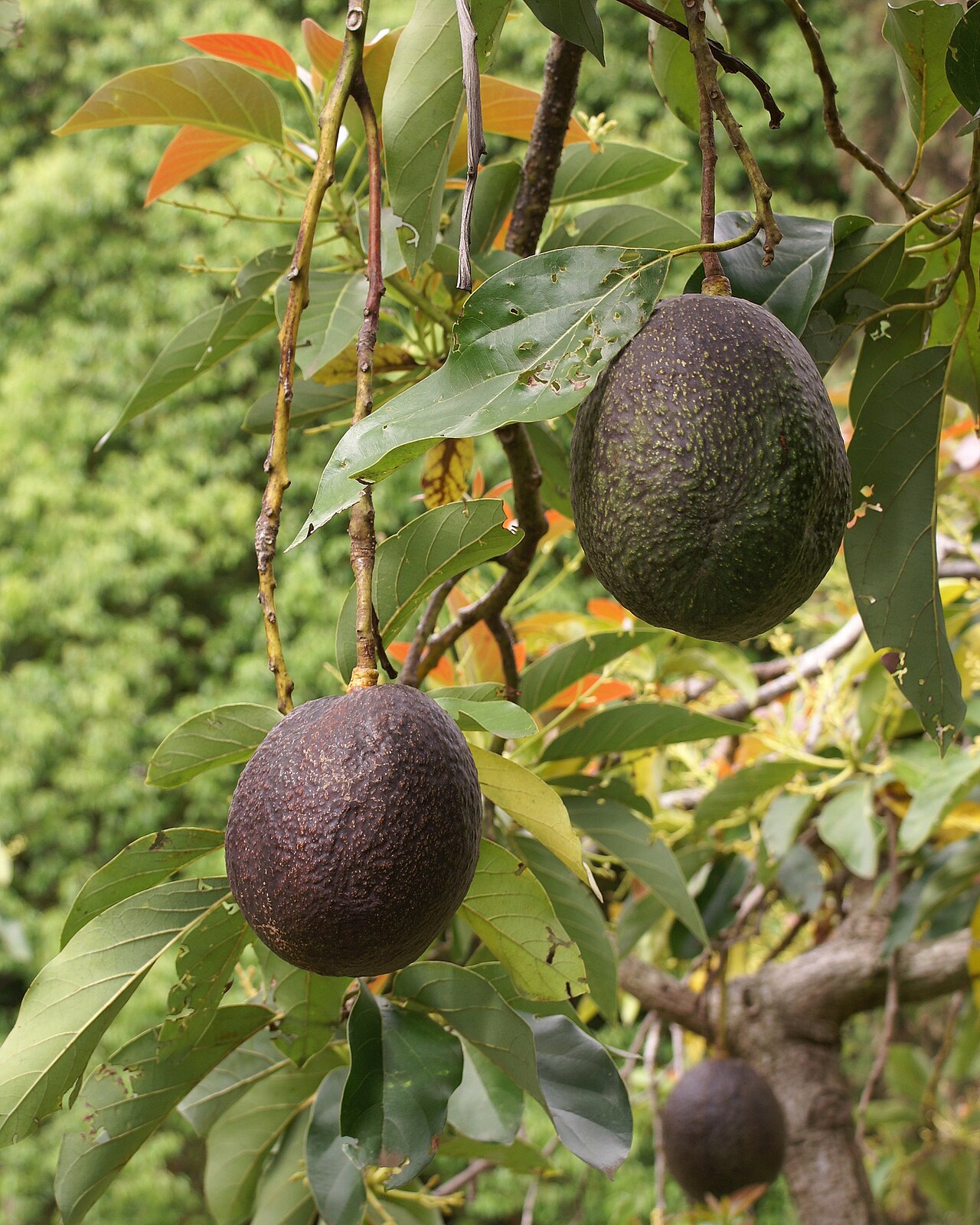
avocado
Persea americana
Secondary II High No biomass productionLong-lived perennial fruit tree. Pasini classifies it in the high stratum of Tabela 3 and explicitly cites it among Abundance-system species (high ...
-
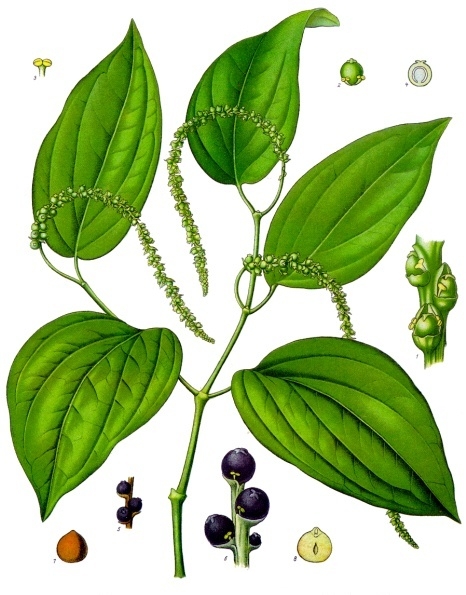
black pepper
Piper nigrum
Secondary I Low No biomass productionWoody climber native to SW India, naturalized in the Brazilian Amazon. Embrapa records it among perennial crops in Amazonian SAFs: trained on live ...
-
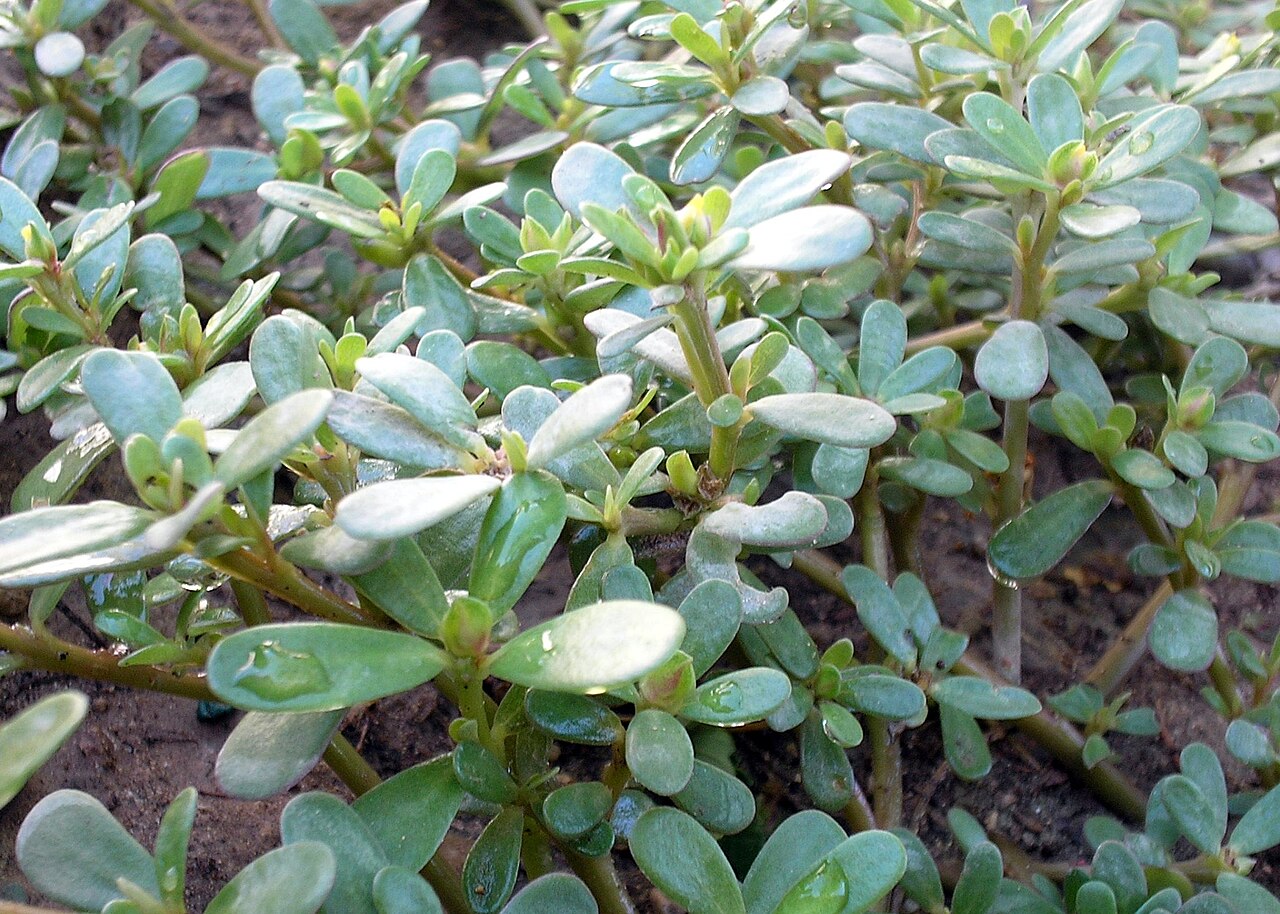
common purslane
Portulaca oleracea
Placenta I Ground cover Mulch biomassA prostrate annual succulent herb in the Portulacaceae, with a cosmopolitan distribution and very common as a volunteer in gardens and pavements. I...
-
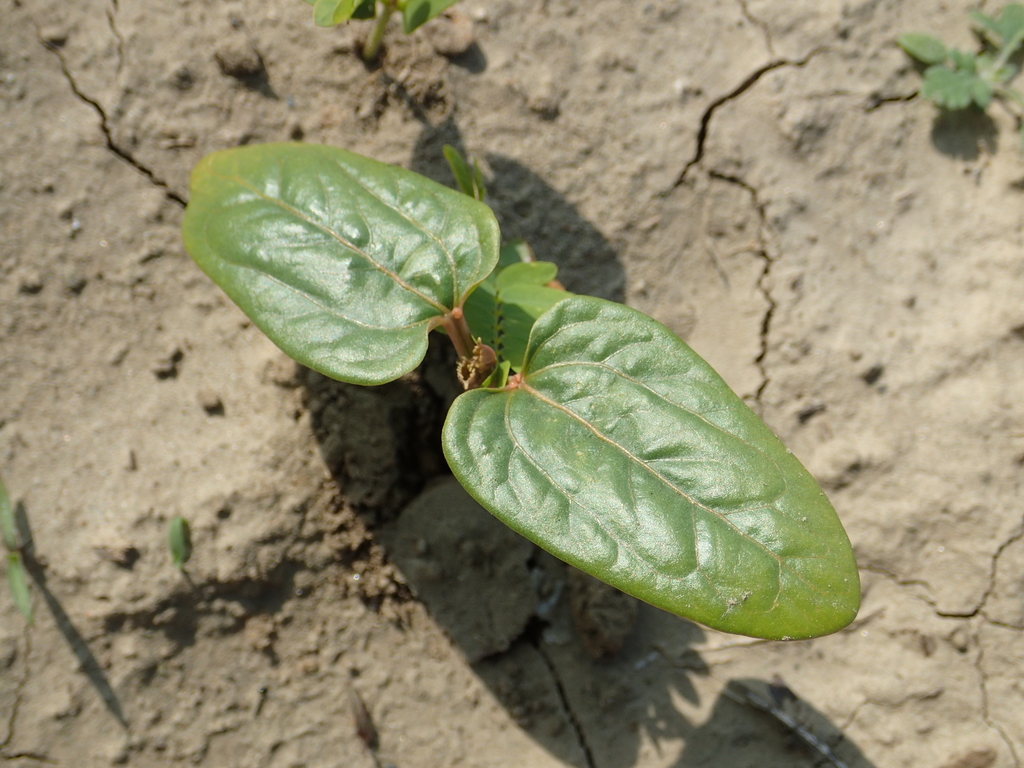
castor bean
Ricinus communis
Placenta II Emergent Mulch biomassAnnual or short-lived perennial shrub/small tree, a high-yielding oilseed crop. EcoAgri lists it in the emergent stratum of the 'up to 3 years' bin...
-
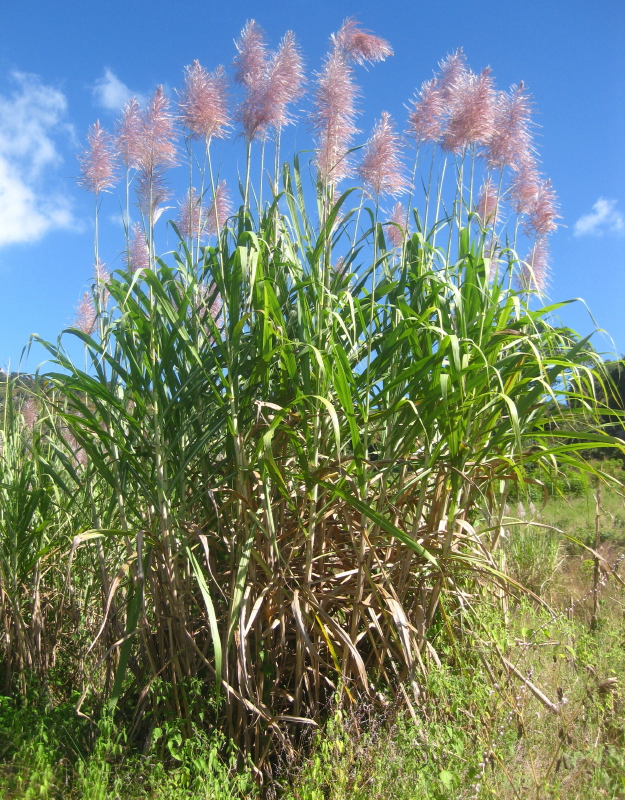
sugar cane
Saccharum officinarum
Placenta II Emergent Mulch biomassPerennial grass with very high production of cover biomass. Pasini lists it in the emergent stratum (Tabela 3). Cut periodically in syntropic agrof...
-
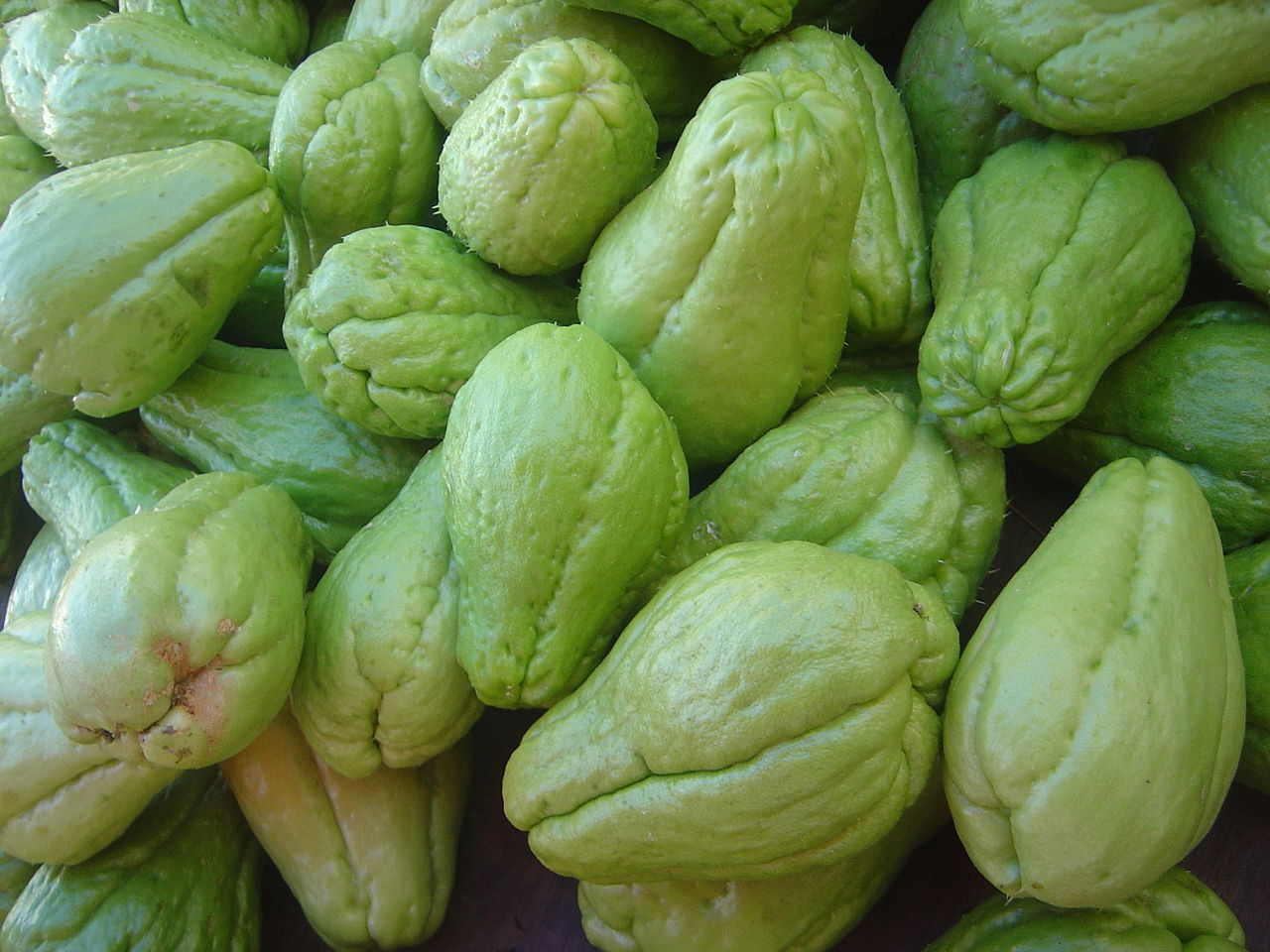
chayote
Sechium edule
Placenta II High No biomass productionPerennial climbing cucurbit of Mesoamerican origin, naturalized in Brazil. EcoAgri lists it in the high stratum of the 'up to 3 years' bin (the pla...
-
java plum
Syzygium cumini
Secondary II High No biomass productionAsian fruit tree naturalized in Brazil, listed by Pasini in the high stratum of Tabela 3. Edible purple fruit (jam, wine); leaves and bark are medi...
-
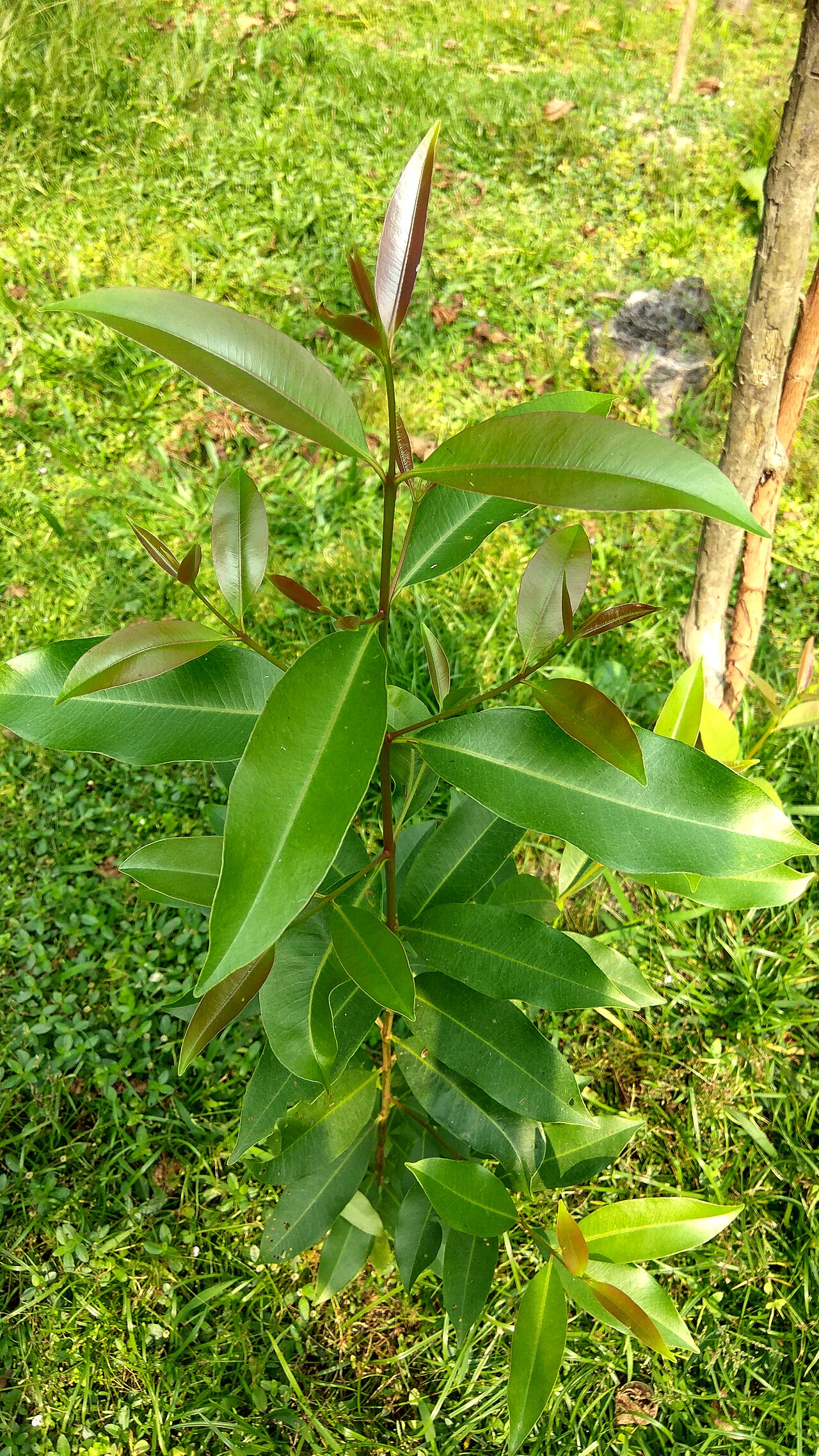
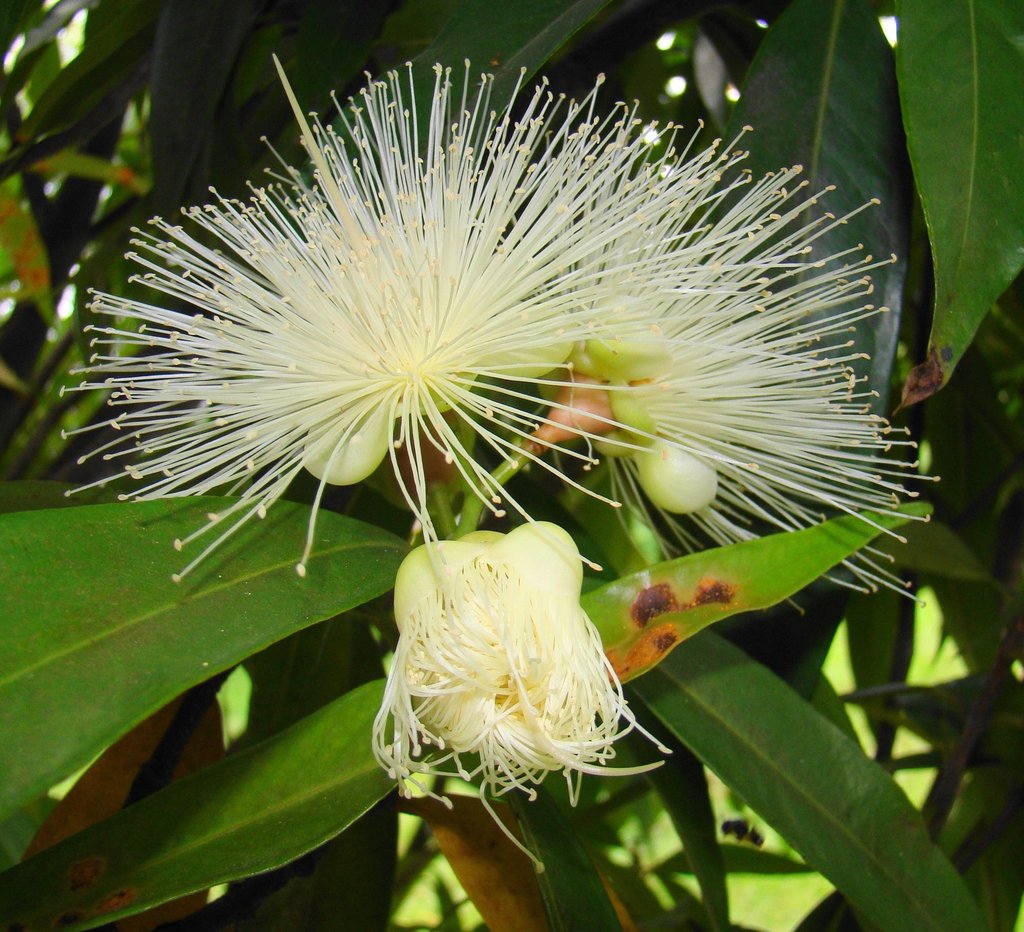
rose apple
Syzygium jambos
Climax High No biomass productionAsian fruit tree naturalized in Brazil, distinct from the Malay apple (S. malaccense). EcoAgri lists it in the high stratum of the '> 50 years' bin...
-
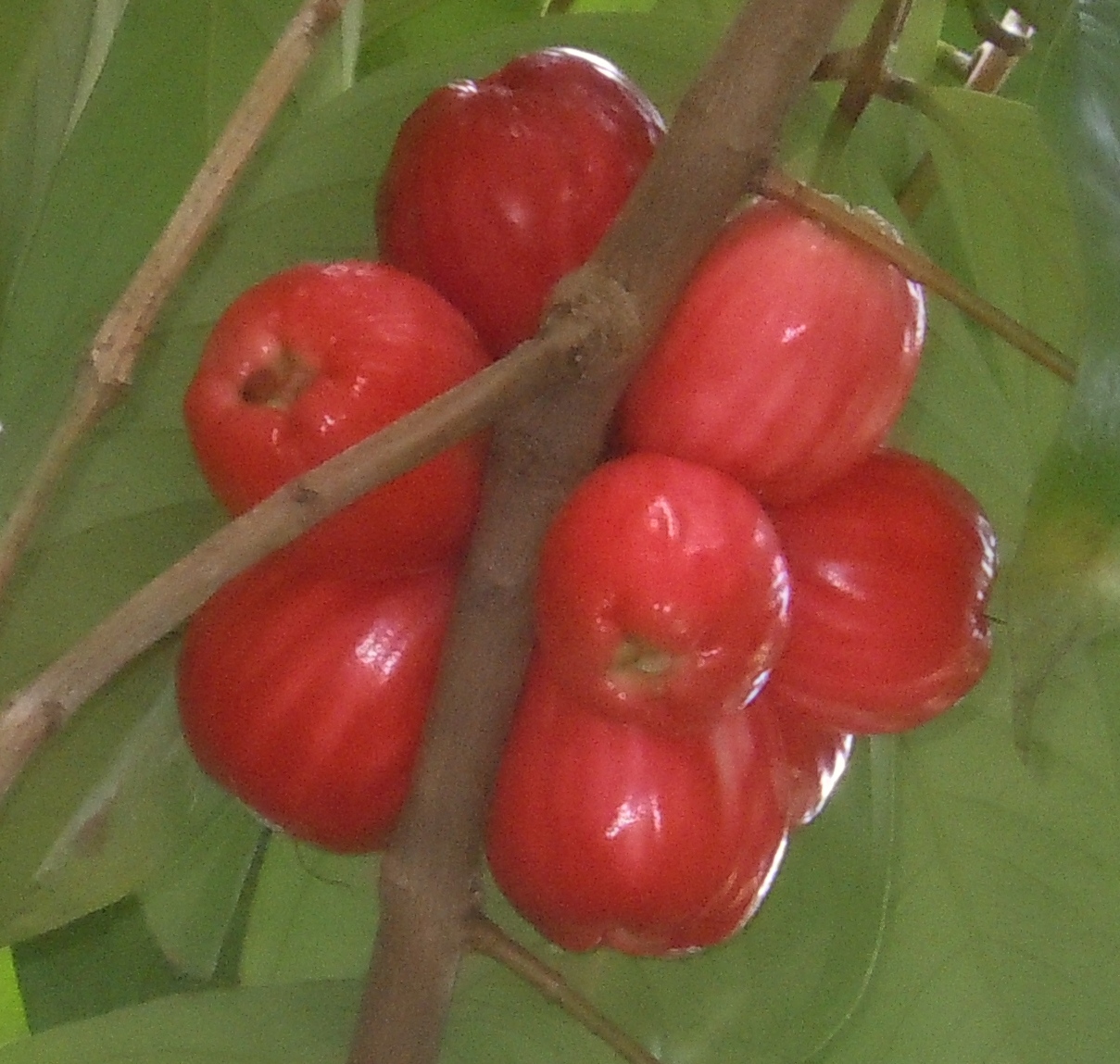
Malay apple
Syzygium malaccense
Secondary II High No biomass productionAsian tropical fruit listed by Pasini in the high stratum of Tabela 3. Pink-red mildly sweet fruit with crisp pulp. Tolerates wet soils; grows well...
-
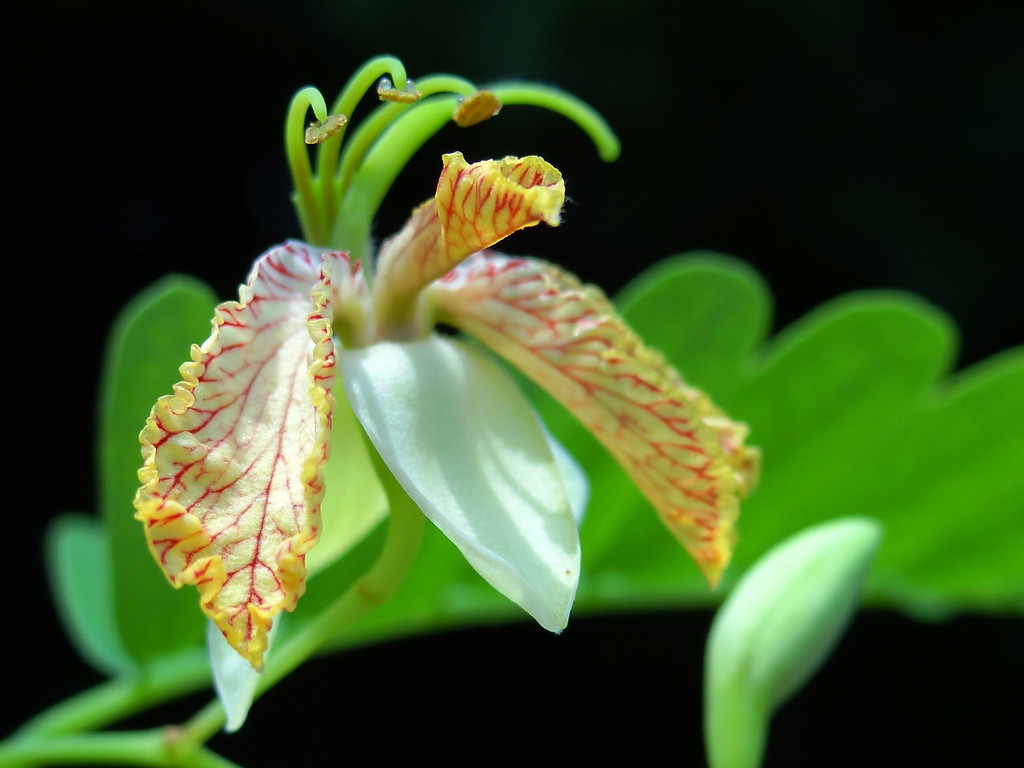
tamarind
Tamarindus indica
Climax High No biomass production 🌱 Nitrogen fixerAfrican leguminous fruit tree naturalized in the Brazilian semi-arid. EcoAgri lists it in the high stratum of the '> 50 years' bin. Tolerates sandy...