Plants
Plant Catalog
167 plants found
-
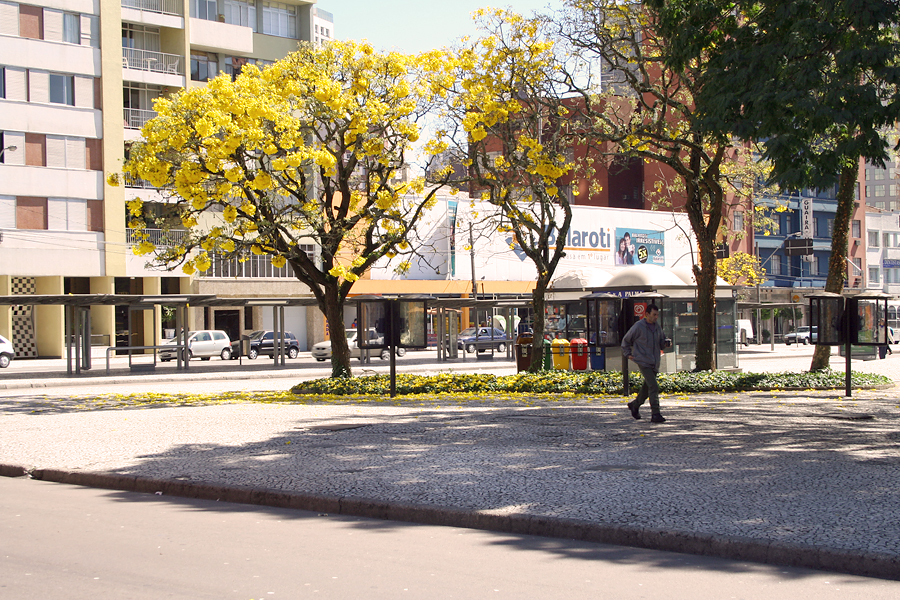
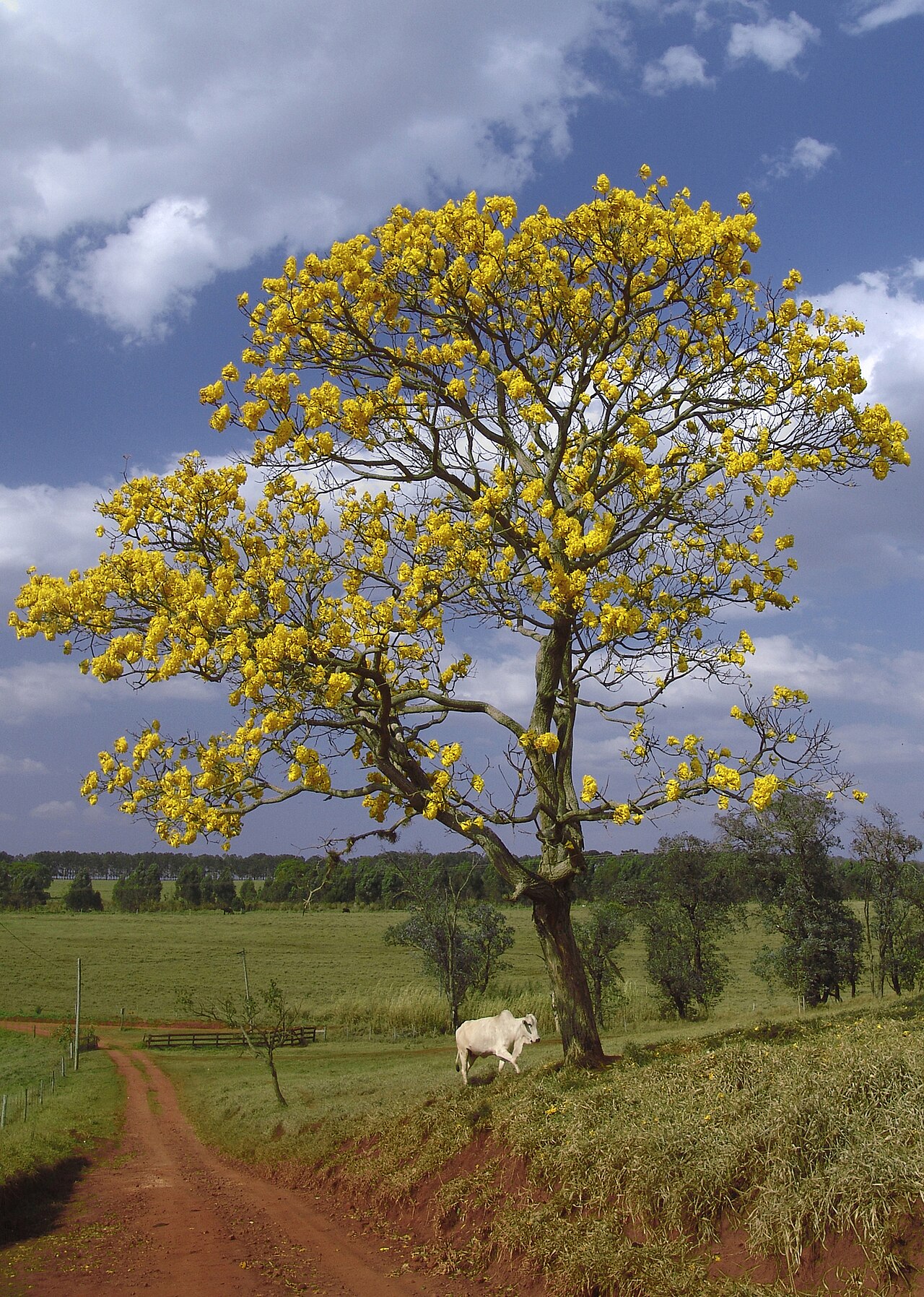
yellow trumpet tree
Handroanthus albus
Climax Emergent Mulch biomassLong-cycle climax with premium timber. Characteristic of Cerrado and Atlantic Forest. Spectacular winter bloom.
-
yellow lapacho
Handroanthus chrysotrichus
Climax High No biomass productionMedium-tall tree of the southern and southeastern Atlantic Forest (8–15 m). Vivid golden-yellow flowering in August–September, denser than the cerr...
-
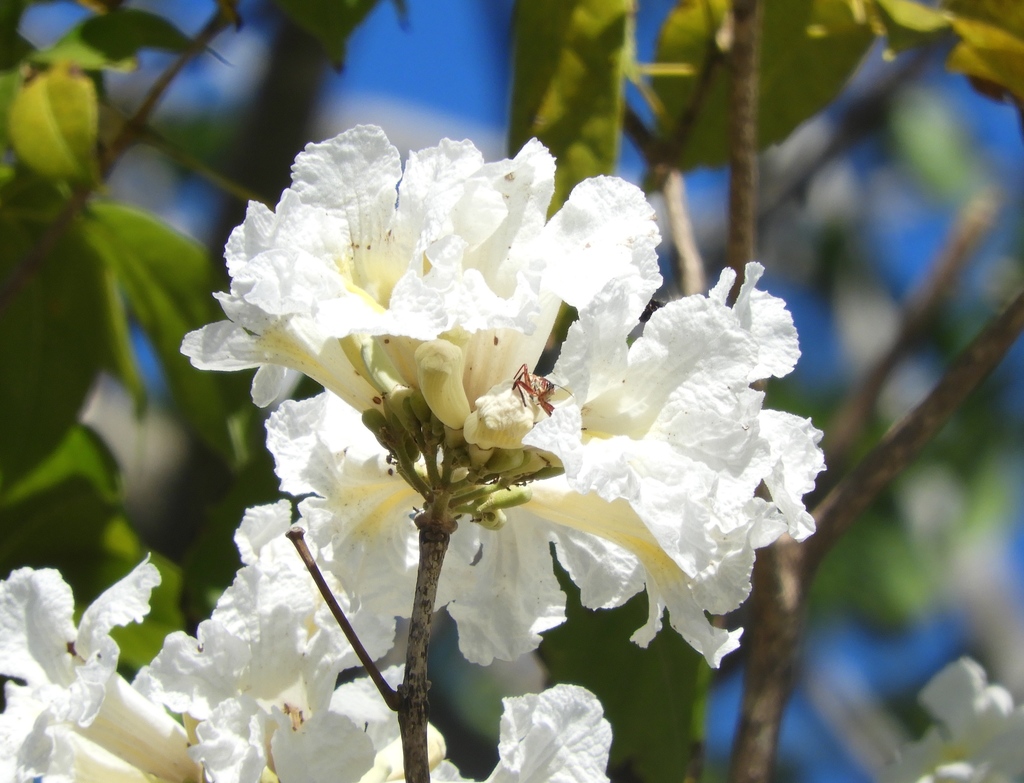
pink lapacho
Handroanthus impetiginosus
Climax Emergent Mulch biomassEmergent tree native to Cerrado, Atlantic Forest, Caatinga, Amazon, and Pantanal. Reaches 20–35 m in the wild, 8–12 m in cultivation. Vivid magenta...
-
rubber tree
Hevea brasiliensis
Secondary II High Mulch biomassAmazonian latex (natural rubber) tree. Pasini lists it in the high stratum of Tabela 3 and cites it explicitly among the 40-year phase species of t...
-
jatoba
Hymenaea courbaril
Climax Emergent Mulch biomassTropical climax with extremely dense timber; fruit pulp is edible. Common in syntropic abundance systems.
-
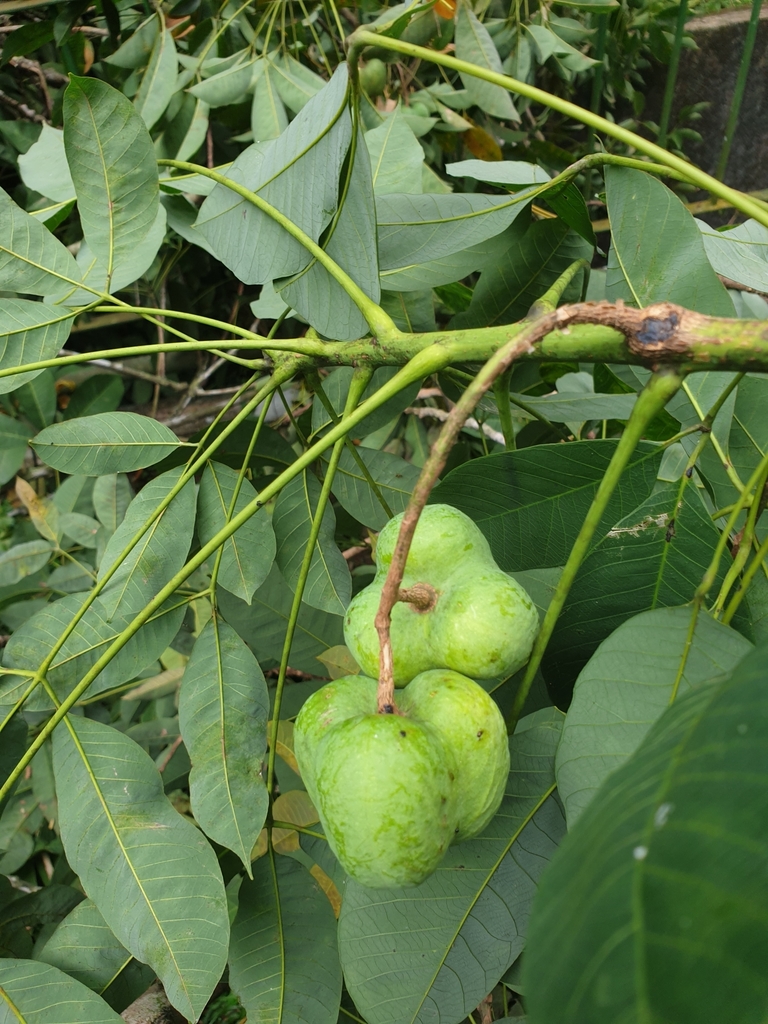
Cerrado jatobá
Hymenaea stigonocarpa
Climax HighDeciduous leguminous tree 5–20 m tall, typical of open cerrado and campo-cerrado on well-drained soils. Unlike most Fabaceae, it does not form N-fi...
-
ice cream bean
Inga edulis
Secondary I High Fertilizer biomass 🌱 Nitrogen fixerEssential nitrogen fixer in syntropic systems. Coppices readily after drastic pruning and produces large volumes of fertilizer biomass.
-
river inga
Inga vera
Secondary I Medium Fertilizer biomass 🌱 Nitrogen fixerA pioneer leguminous tree native to the Neotropics, 5-10 m tall, with a broad low crown, frequent in secondary formations of humid or swampy soil, ...
-
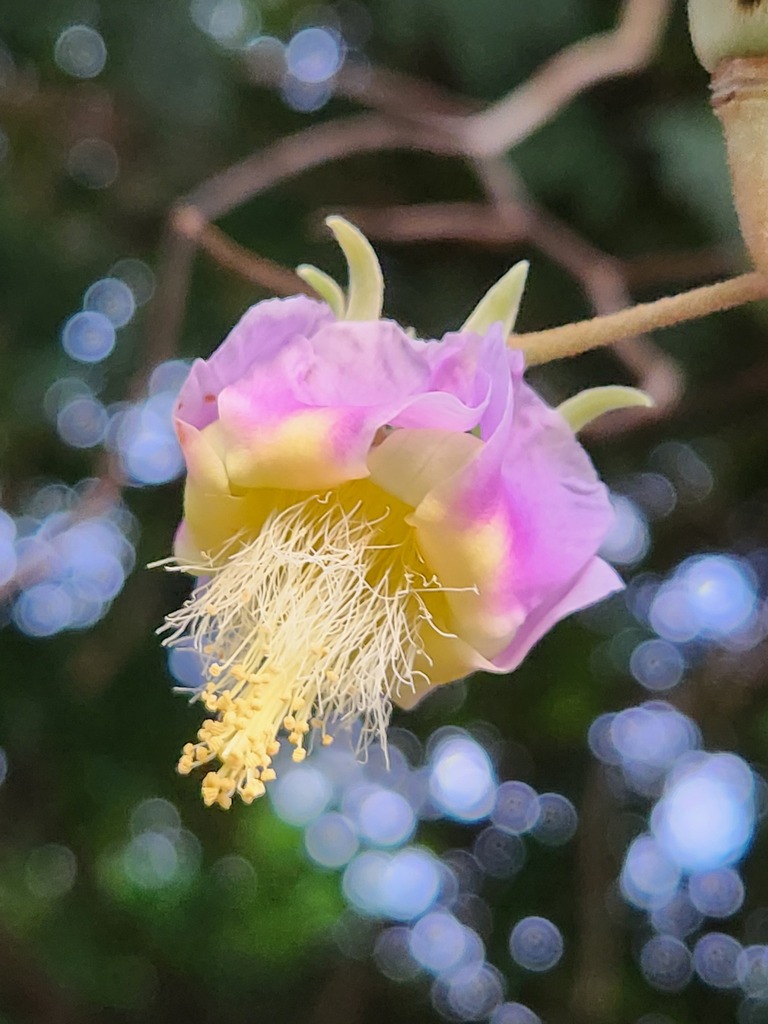
pacari
Lafoensia pacari
Climax Medium No biomass productionCerrado and Pantanal native tree, listed by EcoAgri in the medium stratum of the '> 50 years' bin. Bark traditionally used as a wound-healing and a...
-
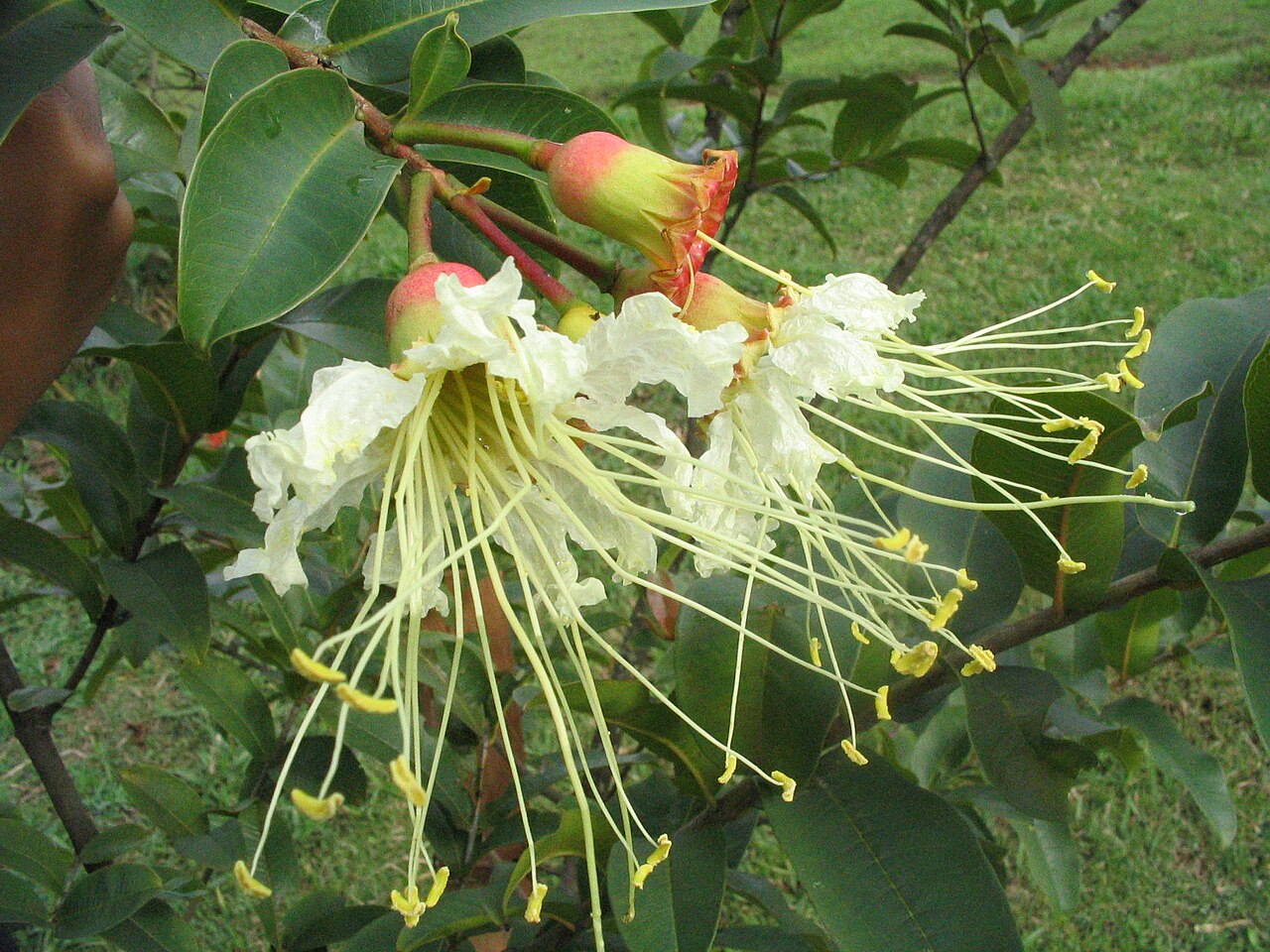
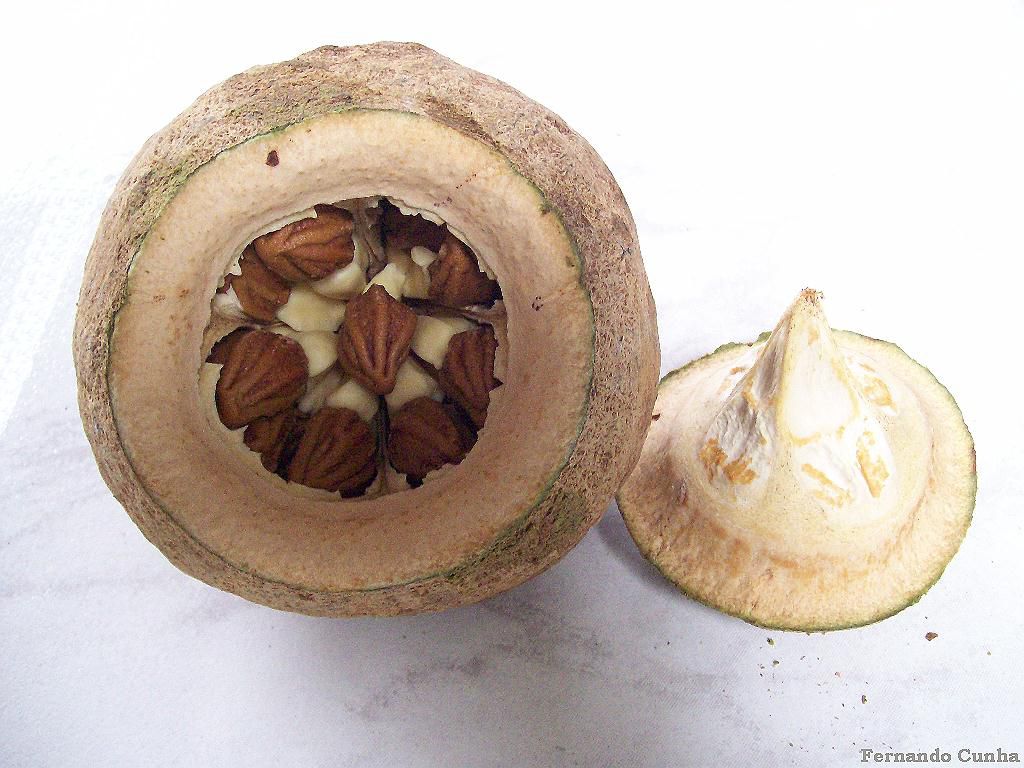
sapucaia nut
Lecythis pisonis
Climax Emergent Mulch biomassAmazonian and coastal Atlantic Forest tree, cousin of Brazil nut. EcoAgri lists it in the high stratum of the '> 50 years' bin. Huge woody fruits (...
-
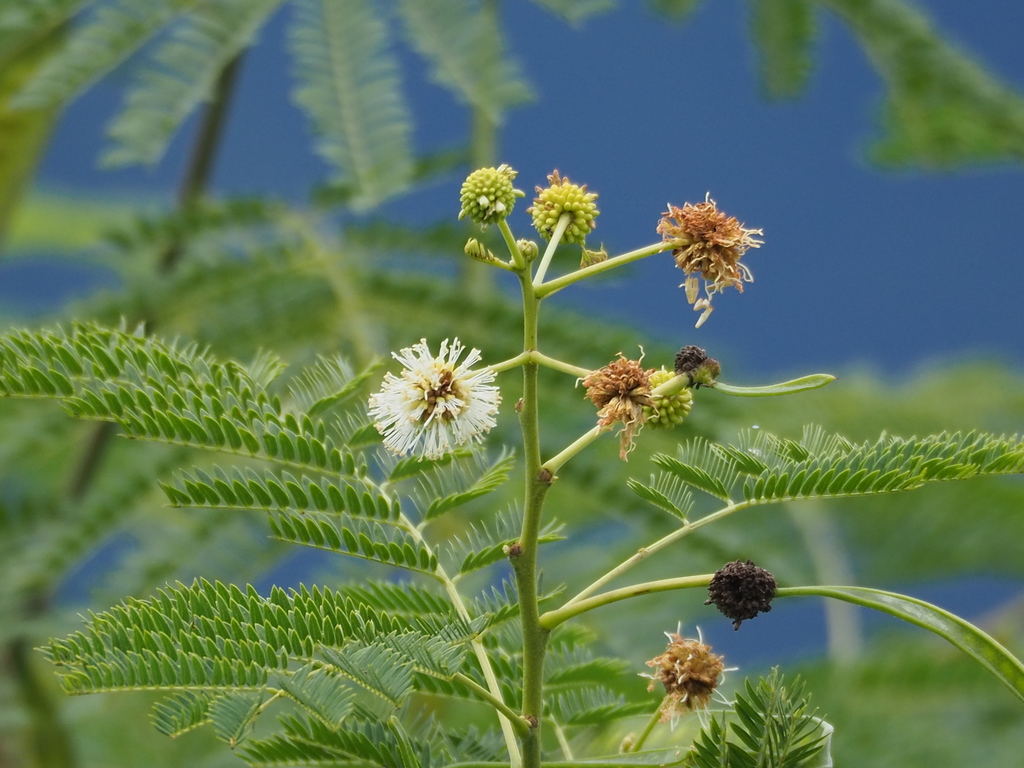
leucaena
Leucaena leucocephala
Secondary I High Fertilizer biomass 🌱 Nitrogen fixerFast-growing nitrogen-fixing tree legume with strong coppicing ability. Cited by Pasini as a tree-form fertilizer biomass species — sources fertili...
-
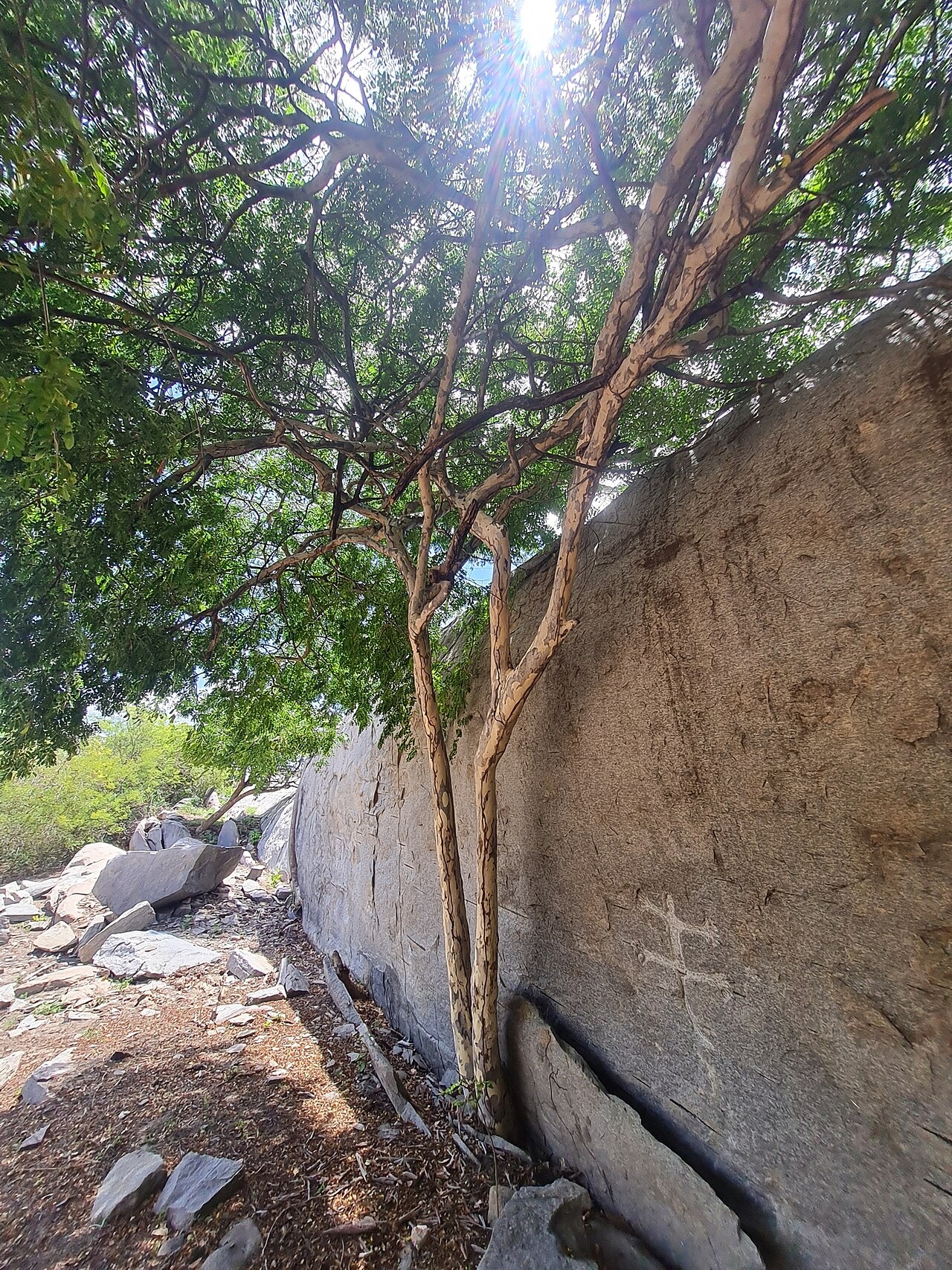
Brazilian ironwood
Libidibia ferrea
Secondary II High Fertilizer & mulchLeguminous tree occurring in Caatinga, Cerrado and Atlantic Forest. Sun-tolerant and melliferous.
-
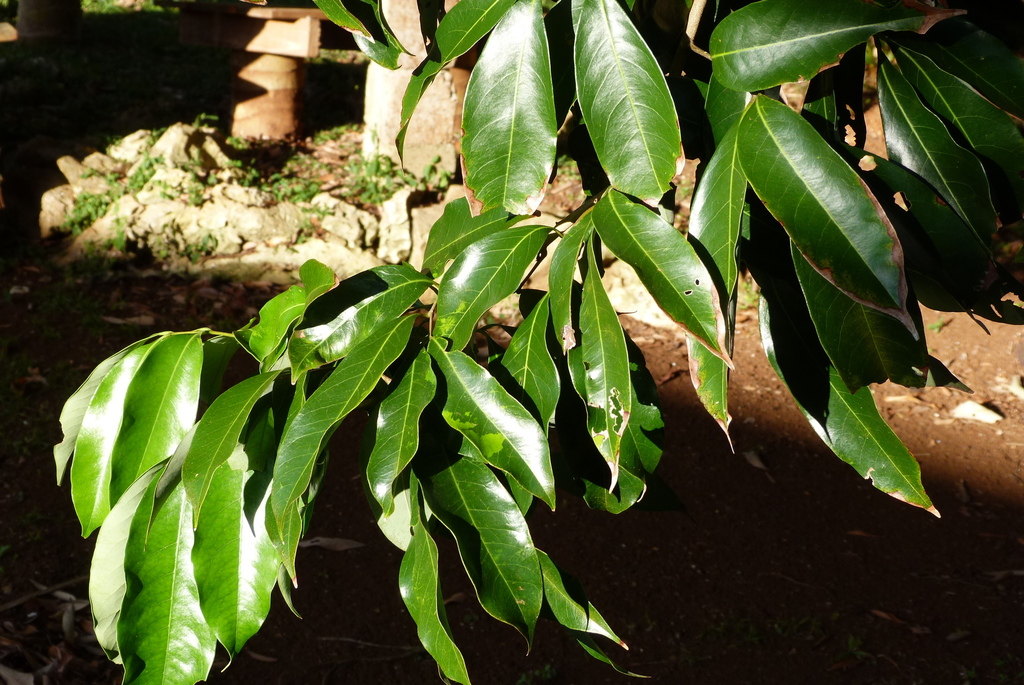
lychee
Litchi chinensis
Climax High No biomass productionAsian subtropical fruit tree naturalized in southern and southeastern Brazil. EcoAgri lists it in the high stratum of the '> 50 years' bin. Fruits ...
-
açoita-cavalo
Luehea divaricata
Secondary II High Mulch biomassSemi-deciduous native tree of southern Brazil, typical of riparian forests and secondary growth. A forestry species of the Embrapa Vitrine SAF, pla...
-
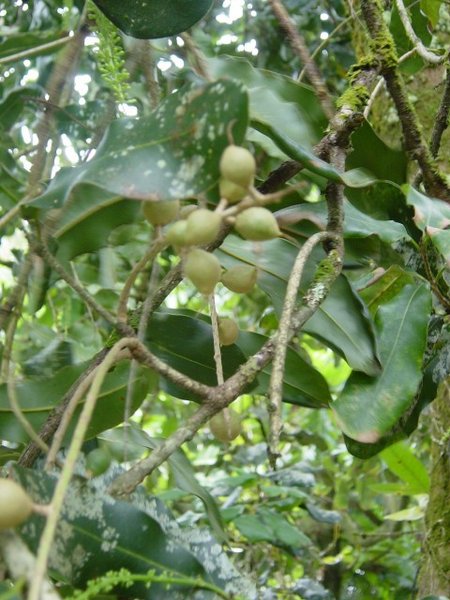
macadamia nut
Macadamia integrifolia
Climax High No biomass productionAustralian tree grown for its high-value oily nut. EcoAgri lists it in the high stratum of the '> 50 years' bin. Adapts well to southern and southe...
-
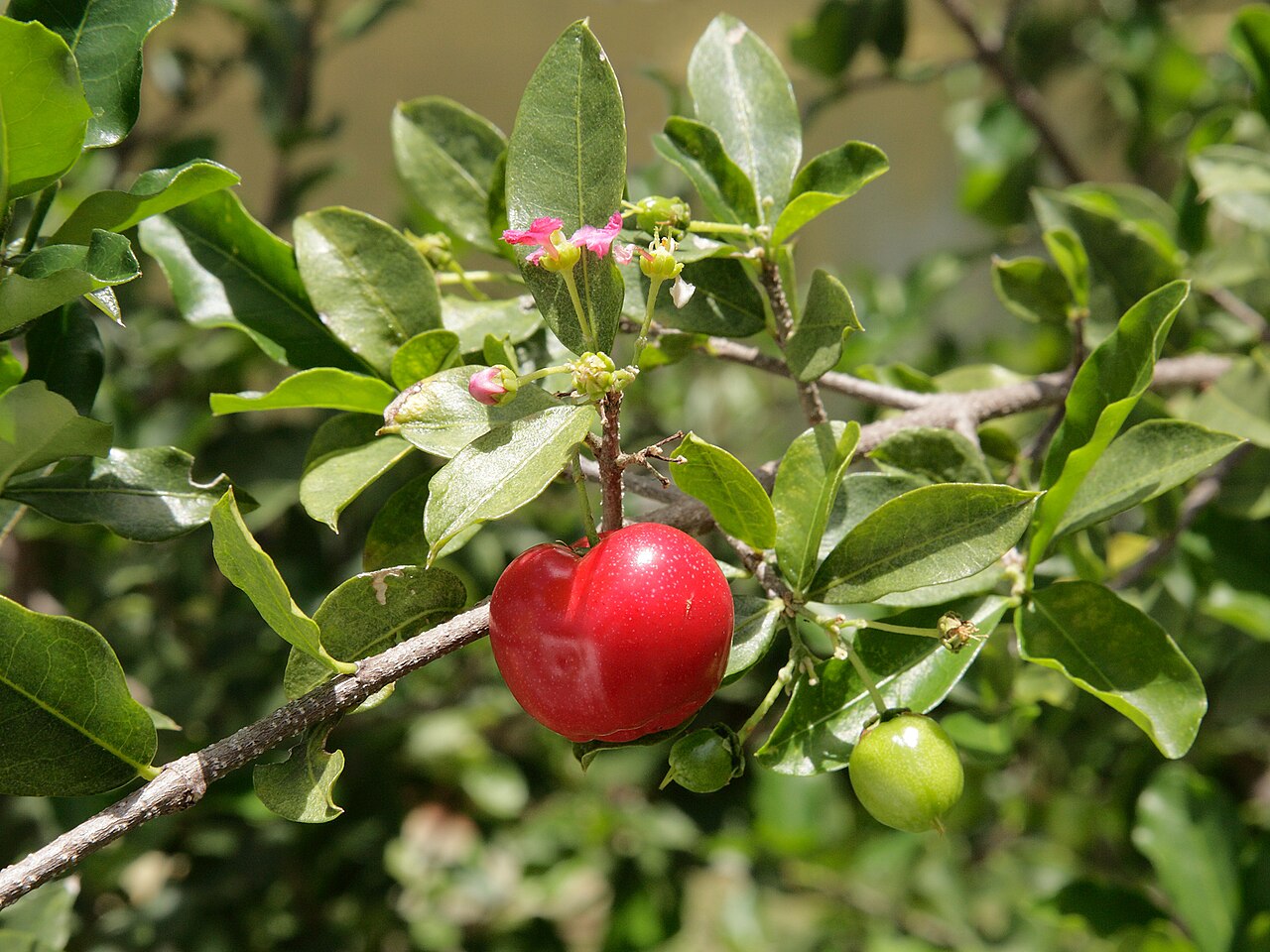
acerola
Malpighia emarginata
Secondary I High No biomass productionSmall fruit shrub; fruits exceptionally rich in vitamin C. Pasini lists it in the high stratum of Tabela 3 and cites it among Abundance-system spec...
-
apple
Malus domestica
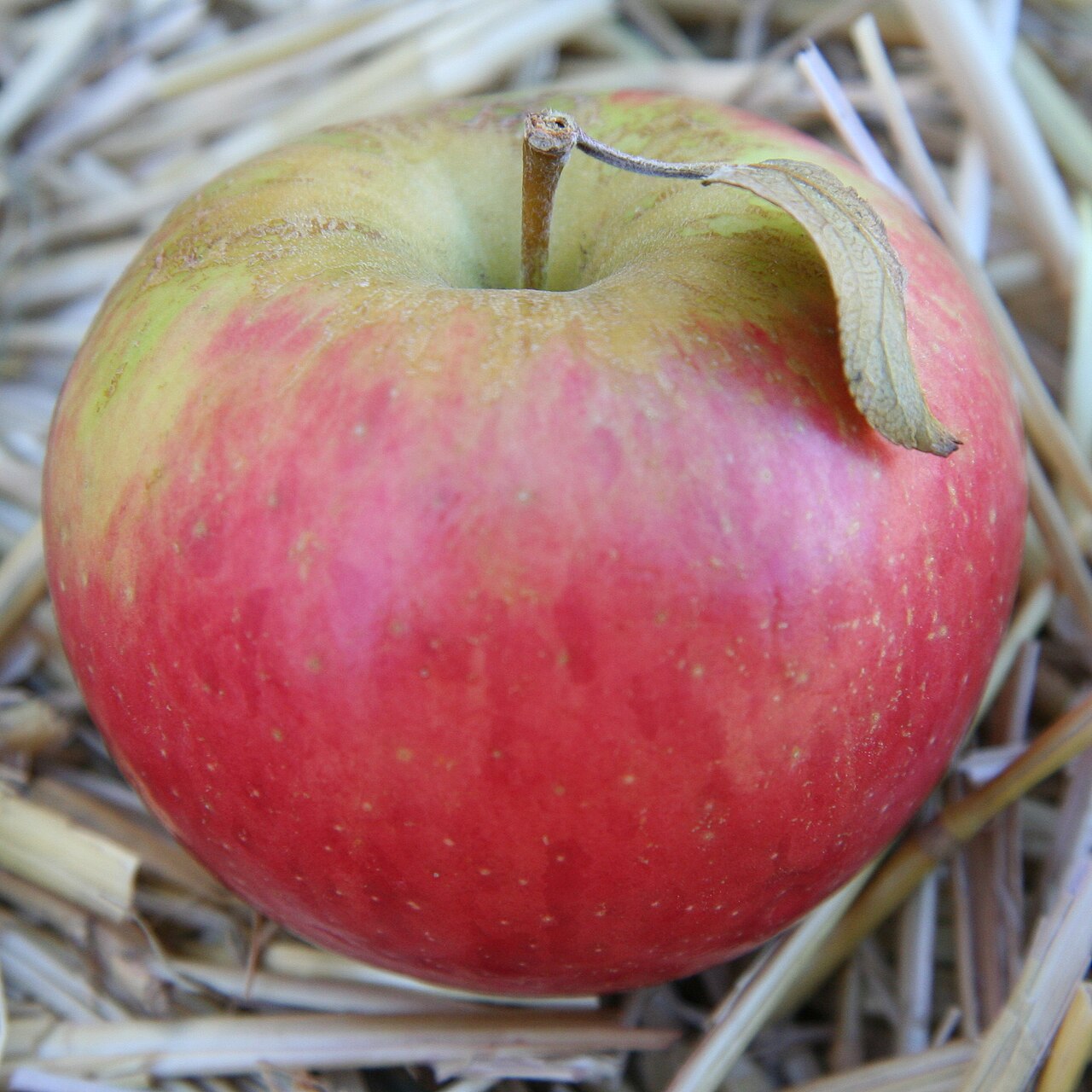
Secondary II Medium No biomass productionThe apple, a deciduous temperate fruit tree and the leading commercial orchard fruit of southern Brazil, concentrated around São Joaquim (SC) and V...
-
uba mango
Mangifera indica
Secondary II High Mulch biomassBrazilian cultivar originating in Ubá (Minas Gerais). Vigorous tree with dense rounded canopy (10–14 m). Small fruit (50–80 g), late ripening, inte...
-
mango
Mangifera indica
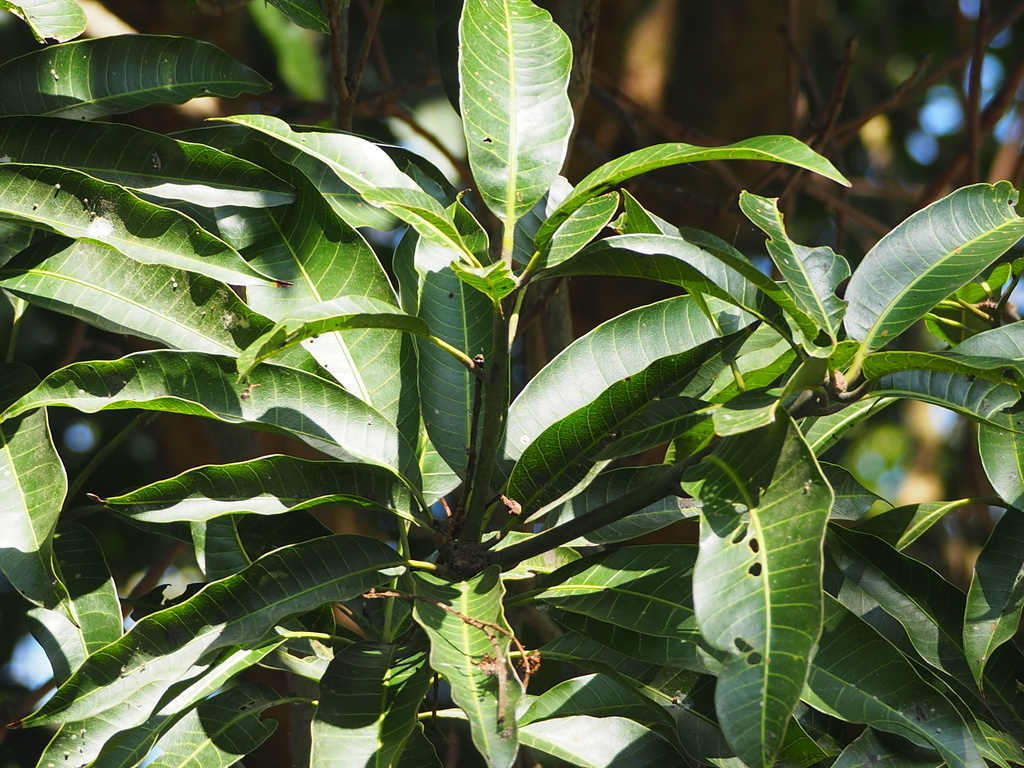
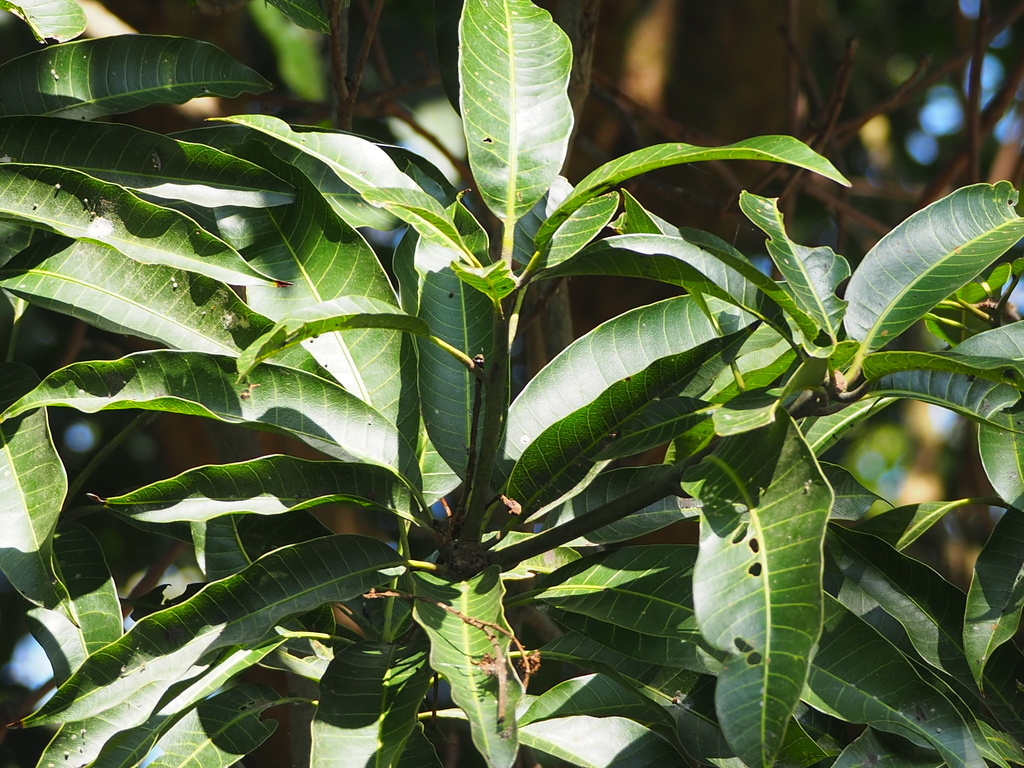
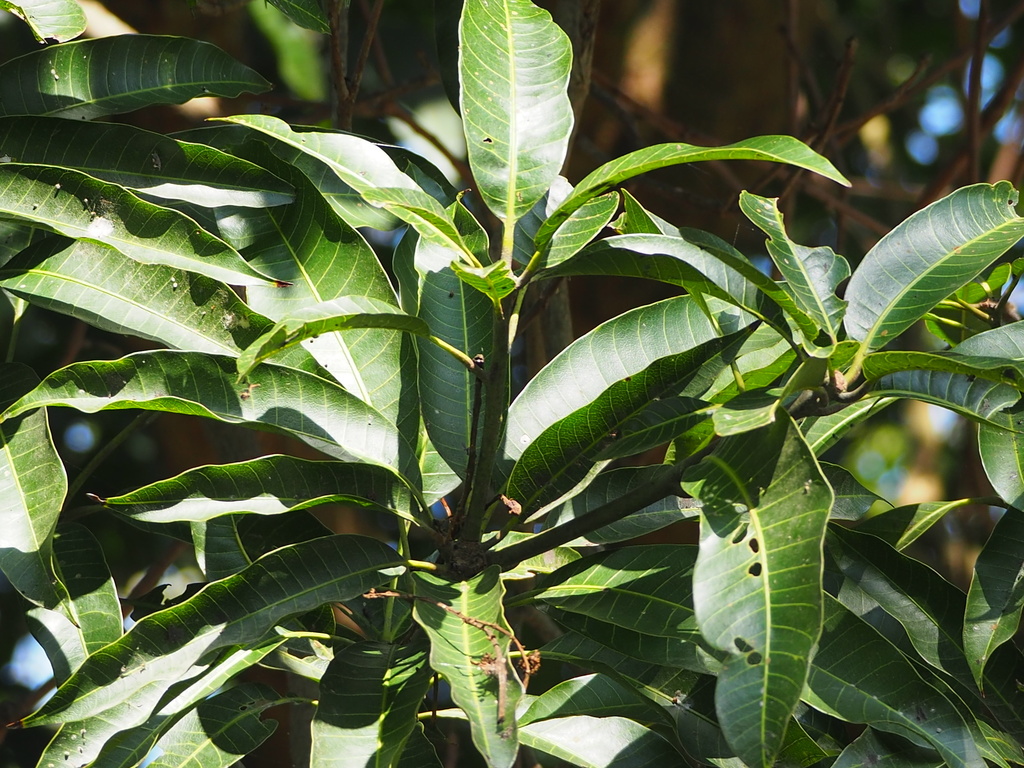
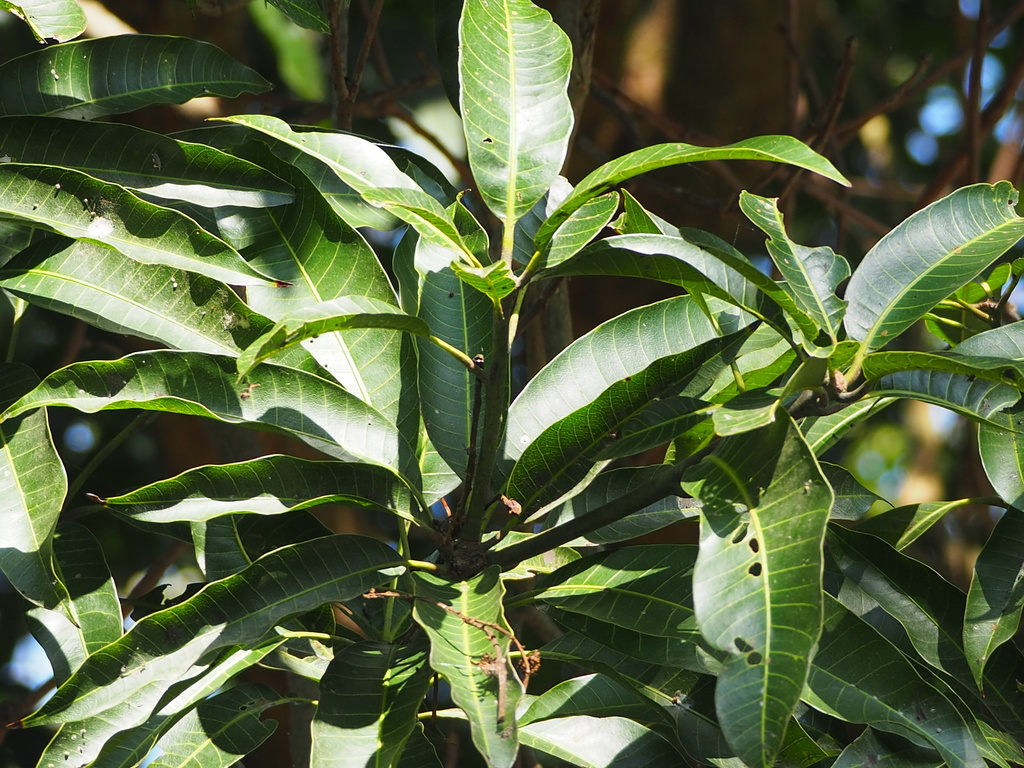
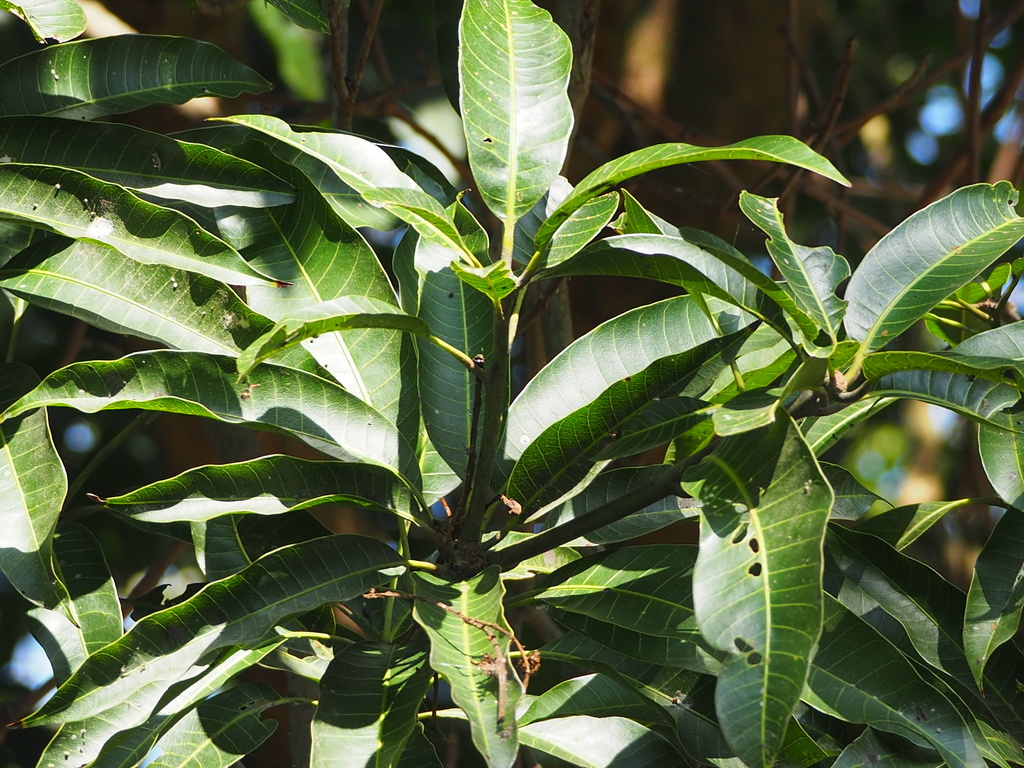
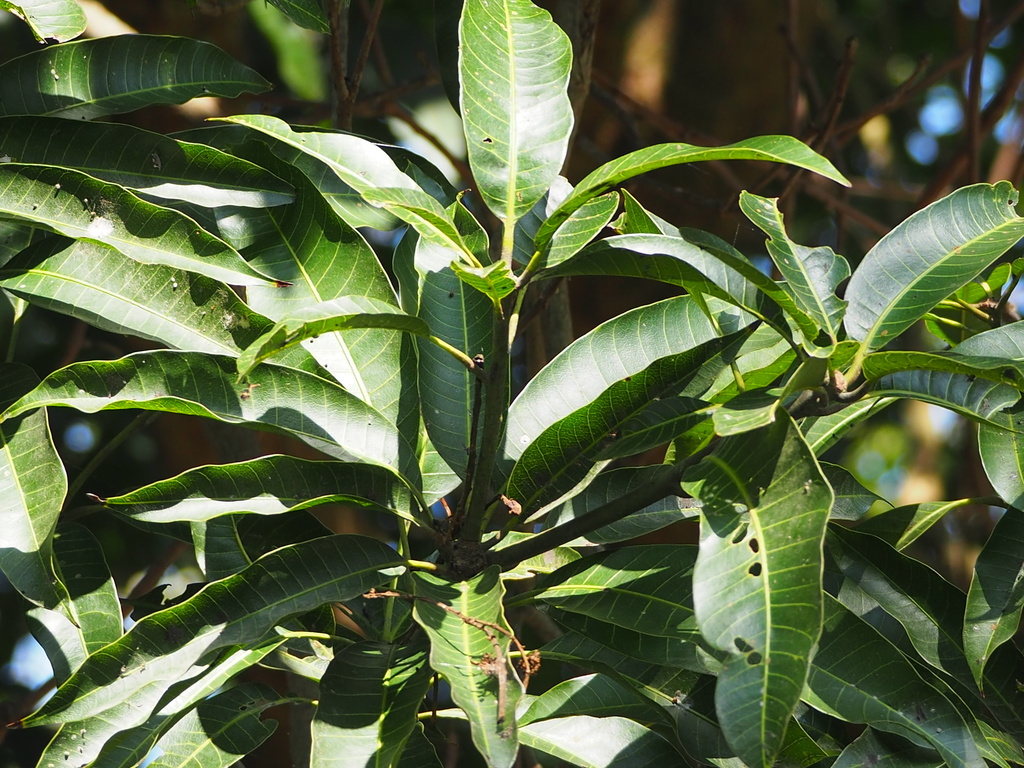
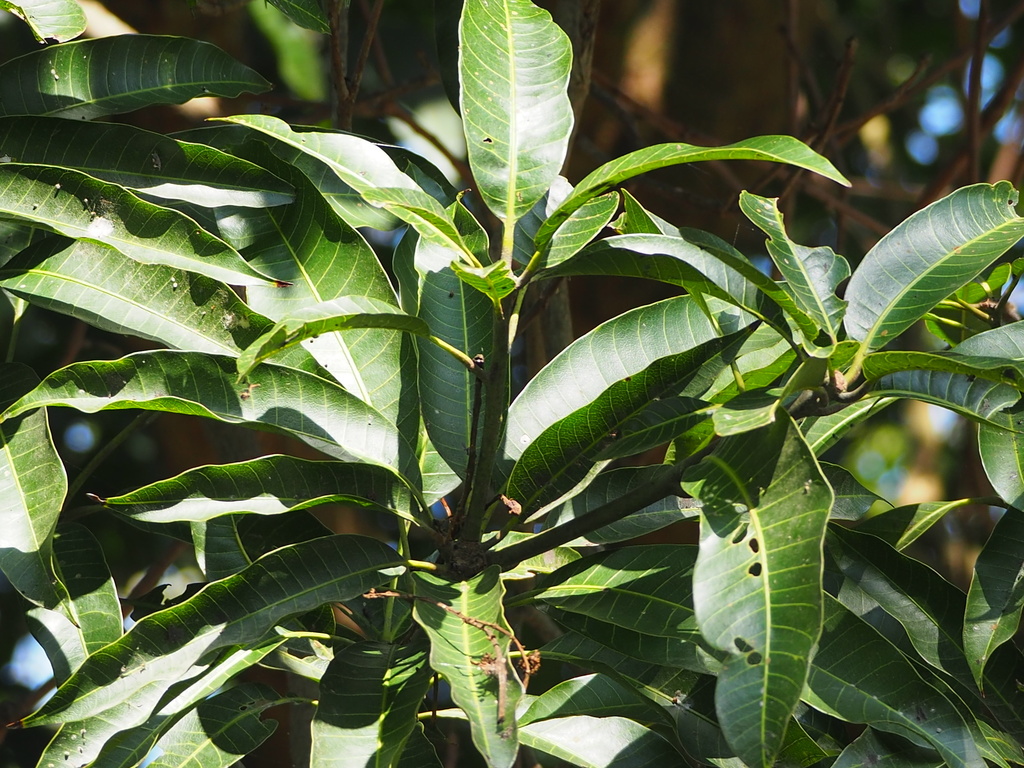
Secondary II High No biomass productionLong-lived tropical fruit tree. Pasini lists it in the high stratum of Tabela 3 and in the '20 to 50 years' phase of Tabela 4 (high stratum). A key...
-
espada mango
Mangifera indica
Secondary II Emergent Mulch biomassBrazil's oldest mango cultivar. Vigorous tall tree (12–15 m), green-to-yellow fruit with fibrous flesh (300 g, 18° Brix). Today used more as rootst...
-
haden mango
Mangifera indica
Secondary II High No biomass productionFlorida heirloom (1910), pioneer of the modern mango era. Large tree (10–12 m), predominantly yellow oval fruit with pink blush, 350–680 g, low fib...
-
rosa mango
Mangifera indica
Secondary II High No biomass productionTraditional Brazilian cultivar with medium tree (8–10 m). Yellow-to-pink fruit (350 g), golden-yellow flesh of excellent flavor (21.8° Brix), low f...
-
tommy atkins mango
Mangifera indica
Secondary II High No biomass productionDominant cultivar in Brazil's mango export trade (~90% of volume). Origin: Florida (1922). Vigorous tree (10–14 m unpruned), dense rounded canopy. ...
-
palmer mango
Mangifera indica
Secondary II High No biomass productionSemi-dwarf cultivar from Florida (1945). Open canopy, 6–8 m. Elongated fruit, 600–800 g, firm yellow flesh, 21.6° Brix, almost fiber-free. Late rip...