
Climate
Plants for the Tropical savanna with dry winter (Aw) climate
Tropical with a dry winter — the climate of much of central Brazil. The working rule: plant at the onset of the rains, cover the soil before the dry season, and pick species that cross winter without irrigation. Drought tolerance is on each profile.
240 species in the catalog · Refine this list in the catalog
-
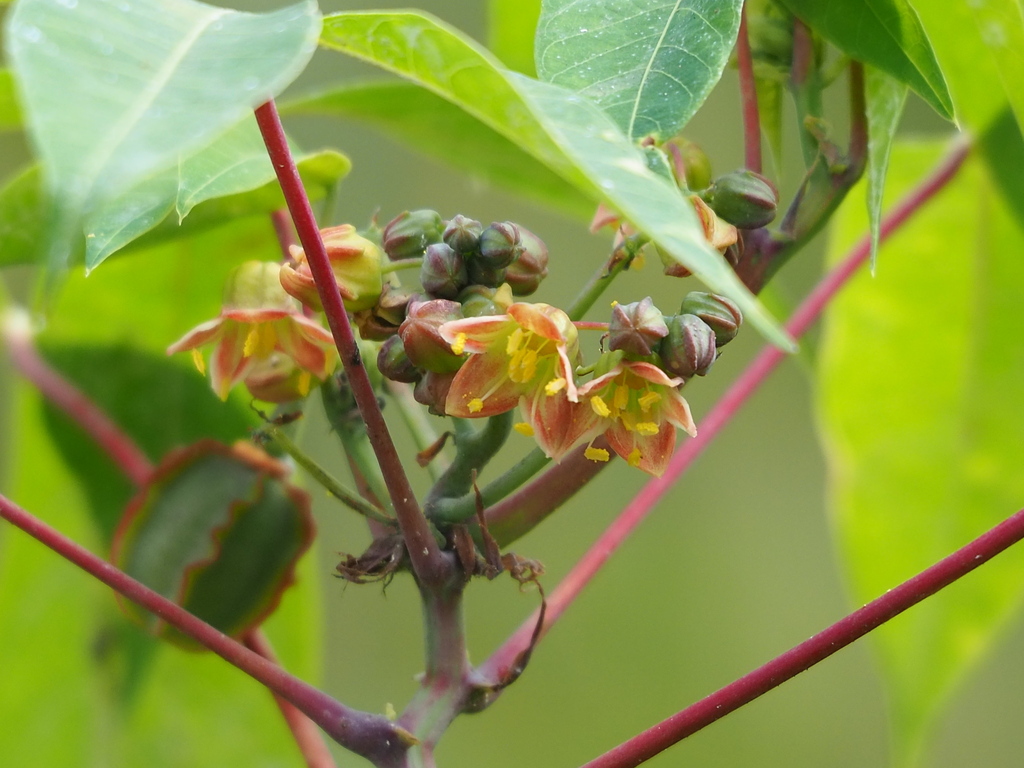
bitter cassava
Manihot esculenta
Placenta II Low Fertilizer biomassCultivar group of Manihot esculenta with high cyanogenic glycoside content (>100 mg HCN/kg fresh root). Unsafe for direct consumption — requires ro...
-
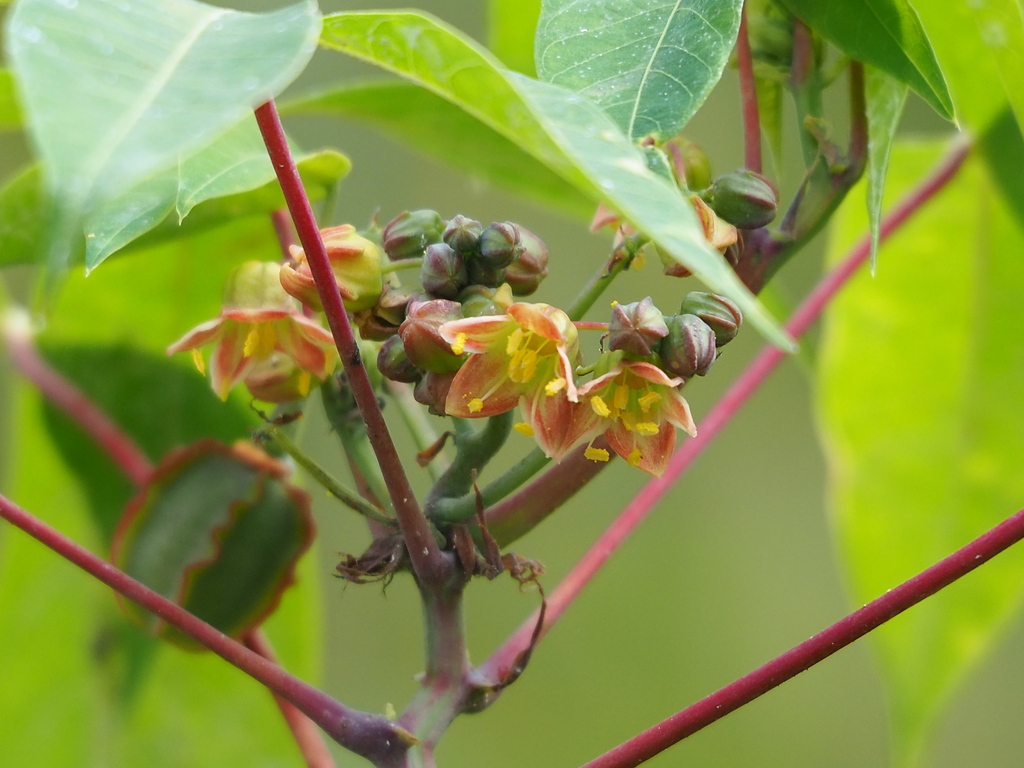
cassava
Manihot esculenta
Placenta II High Mulch biomassPlacenta II tuber crop widely cultivated across Amazonia and Brazil. Pasini lists it in the high stratum of Tabela 3 and as a species of the '1 to ...
-
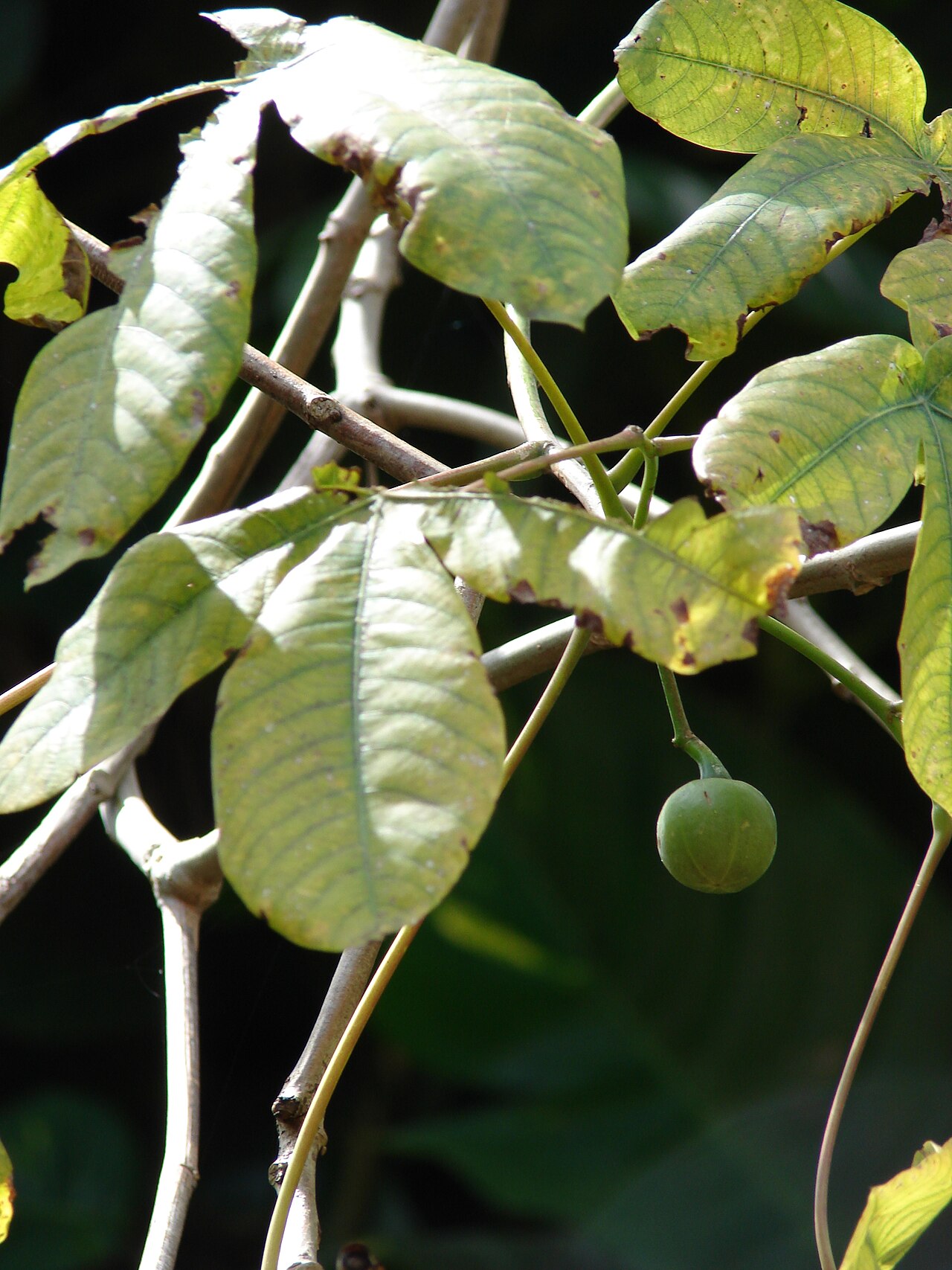
Ceará rubber tree
Manihot glaziovii
Placenta II MediumShrub/small tree native to the Caatinga; one of the first species to flush leaves at the start of the rainy season. Leaves and twigs are used as ru...
-
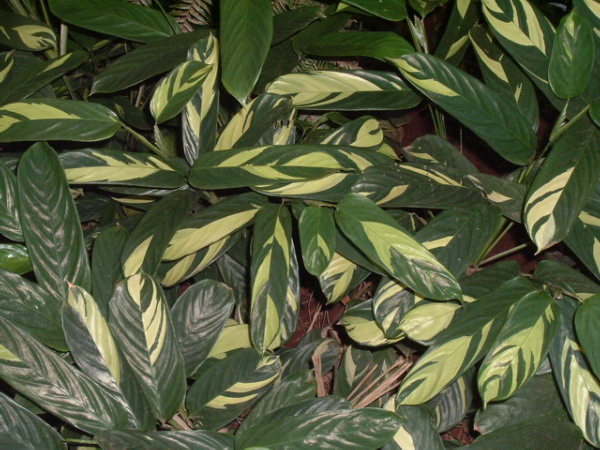
arrowroot
Maranta arundinacea
Placenta II Low No biomass productionPerennial tropical tuber crop whose starch is traditionally used in porridges and biscuits. EcoAgri lists it in the low stratum of the 'up to 3 yea...
-
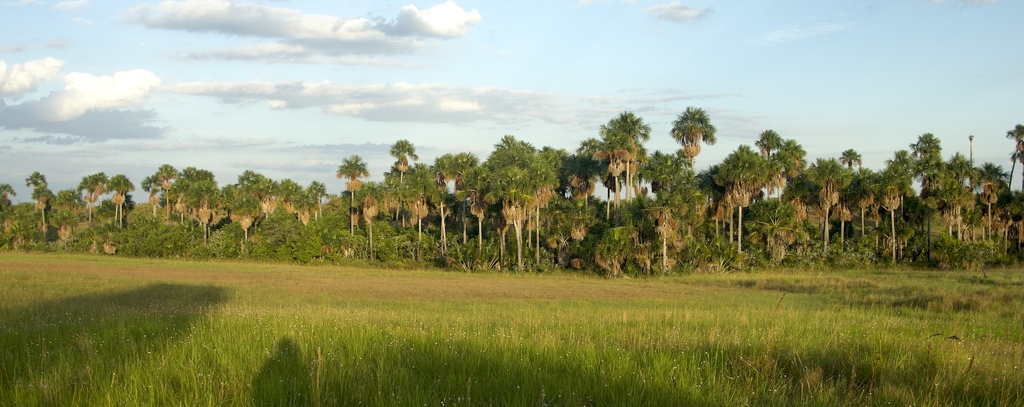
moriche palm
Mauritia flexuosa
Climax Emergent No biomass productionGiant palm of Cerrado wetlands (veredas) and Amazonian floodplains. Pasini lists it in the emergent stratum of Tabela 3. A water indicator: forms p...
-
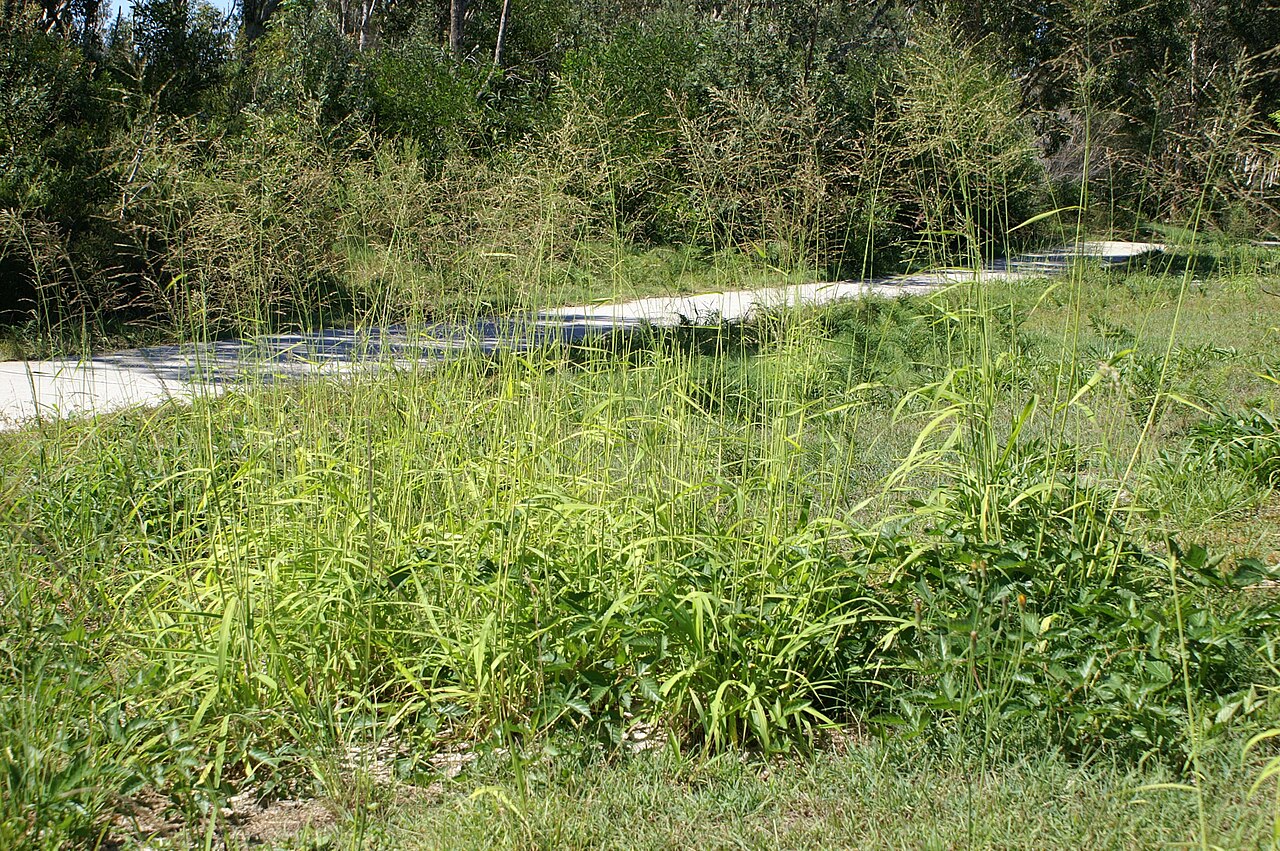
Mombaça grass
Megathyrsus maximus
Placenta II Low Mulch biomassHighly productive forage grass producing large amounts of cover biomass. Central in large-scale syntropic experiments (Rebello & Sakamoto 2019) — c...
-
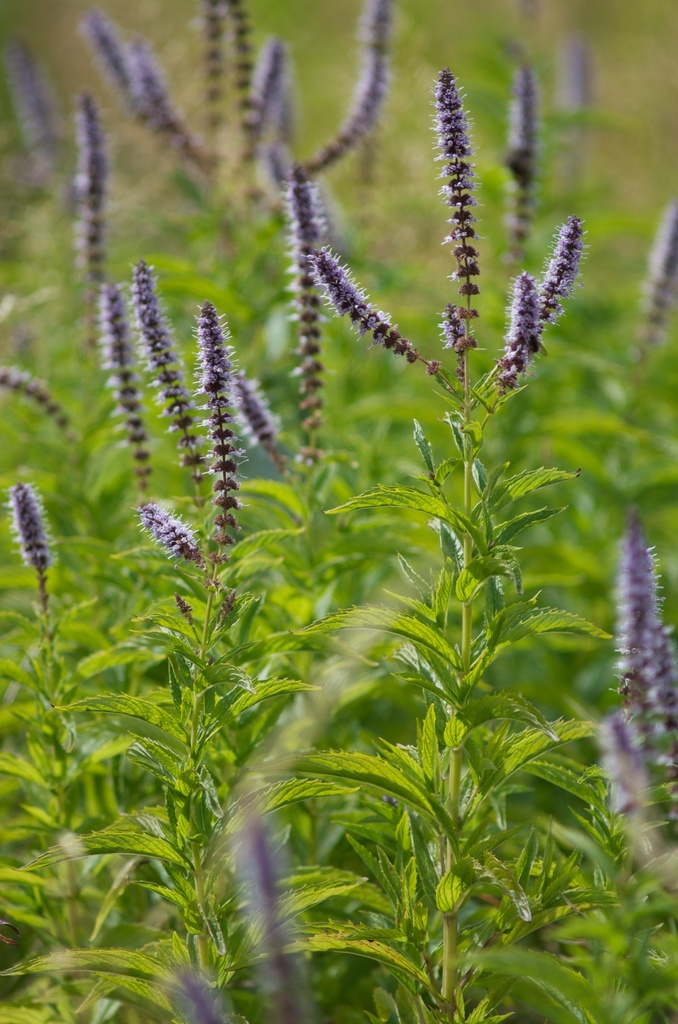
spearmint
Mentha spicata
Placenta I Ground cover No biomass productionStrongly aromatic perennial Lamiaceae that spreads vigorously by stolons. Pasini lists it in the low stratum of Tabela 3. Tolerates partial shade; ...
-
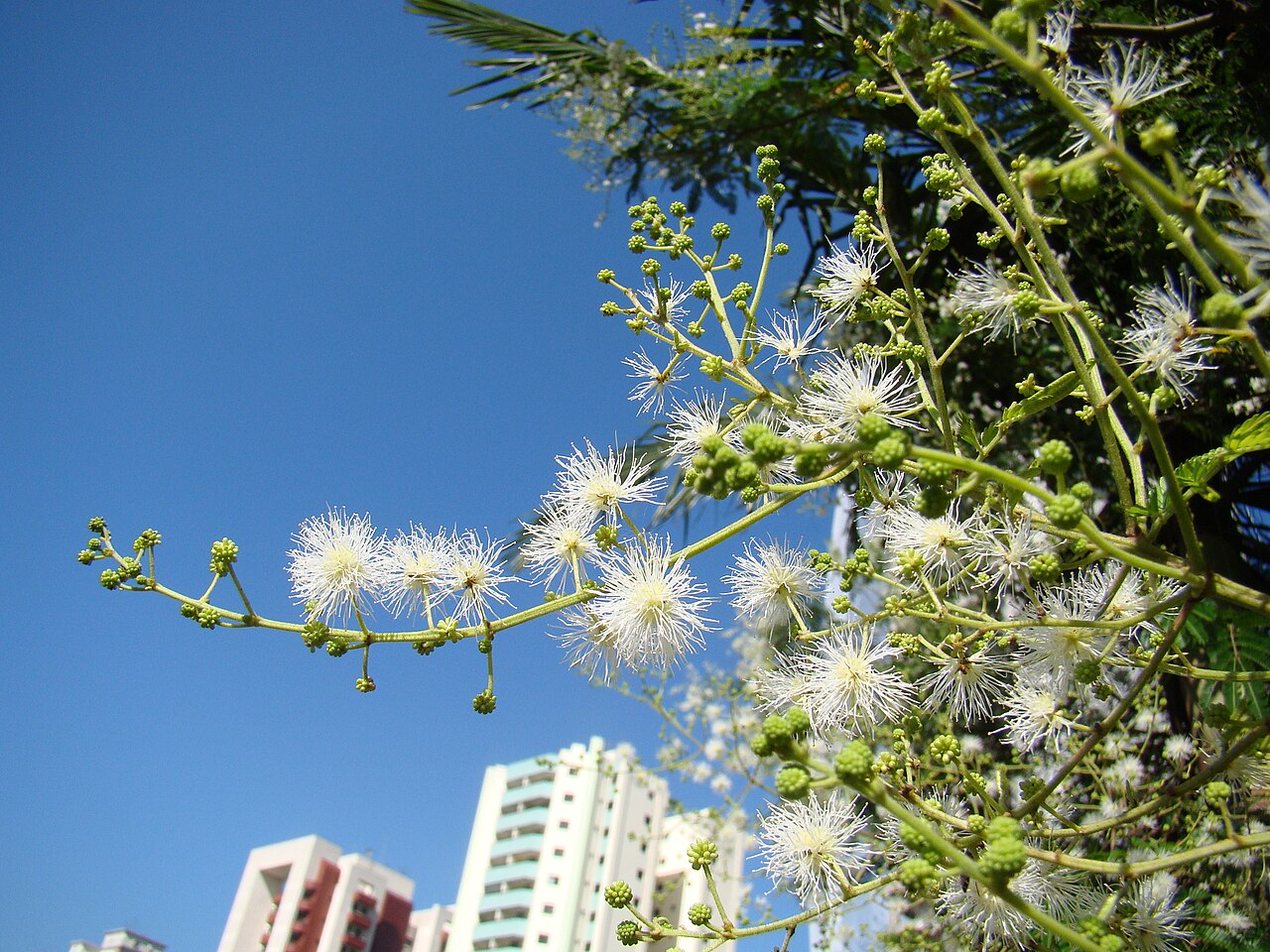
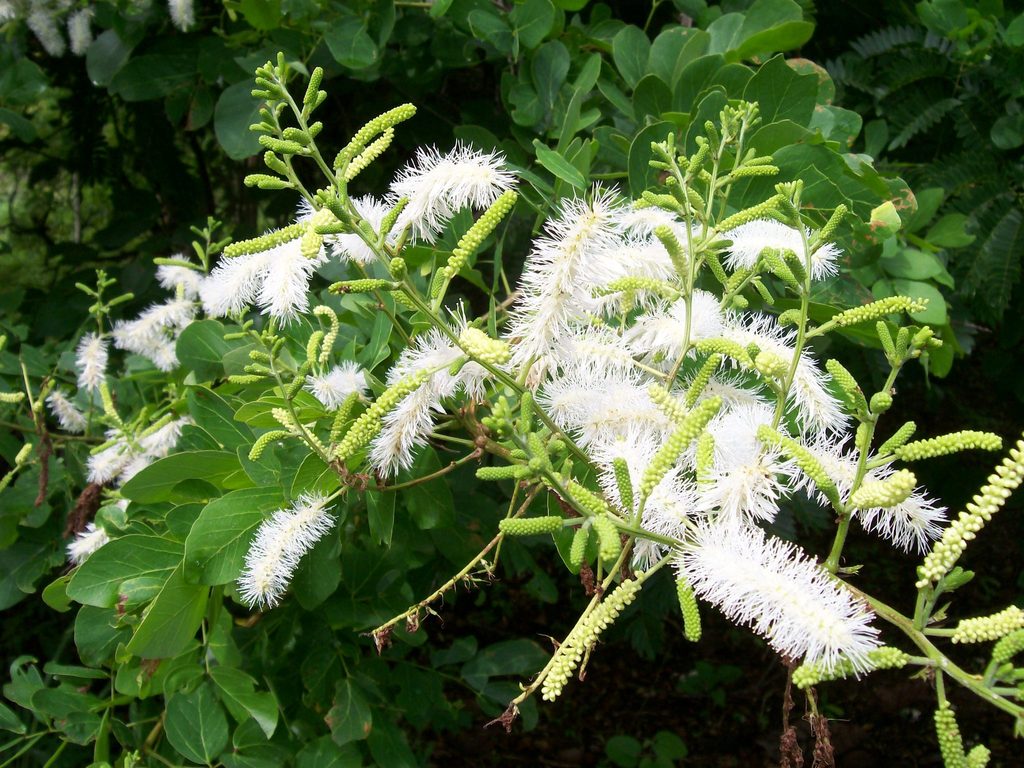
maricá
Mimosa bimucronata
Placenta II Medium Fertilizer biomass 🌱 Nitrogen fixerA pioneer leguminous tree or small tree, spiny and much-branched, 4-8 m tall (occasionally to 15 m), native to eastern and southern Brazil. It fixe...
-
sabia tree
Mimosa caesalpiniifolia
Secondary I Medium Fertilizer biomass 🌱 Nitrogen fixerNative legume of the Caatinga and northeastern Atlantic Forest. Medium tree (4–10 m), sparse spiny canopy. Nitrogen-fixer — central in degraded-soi...
-
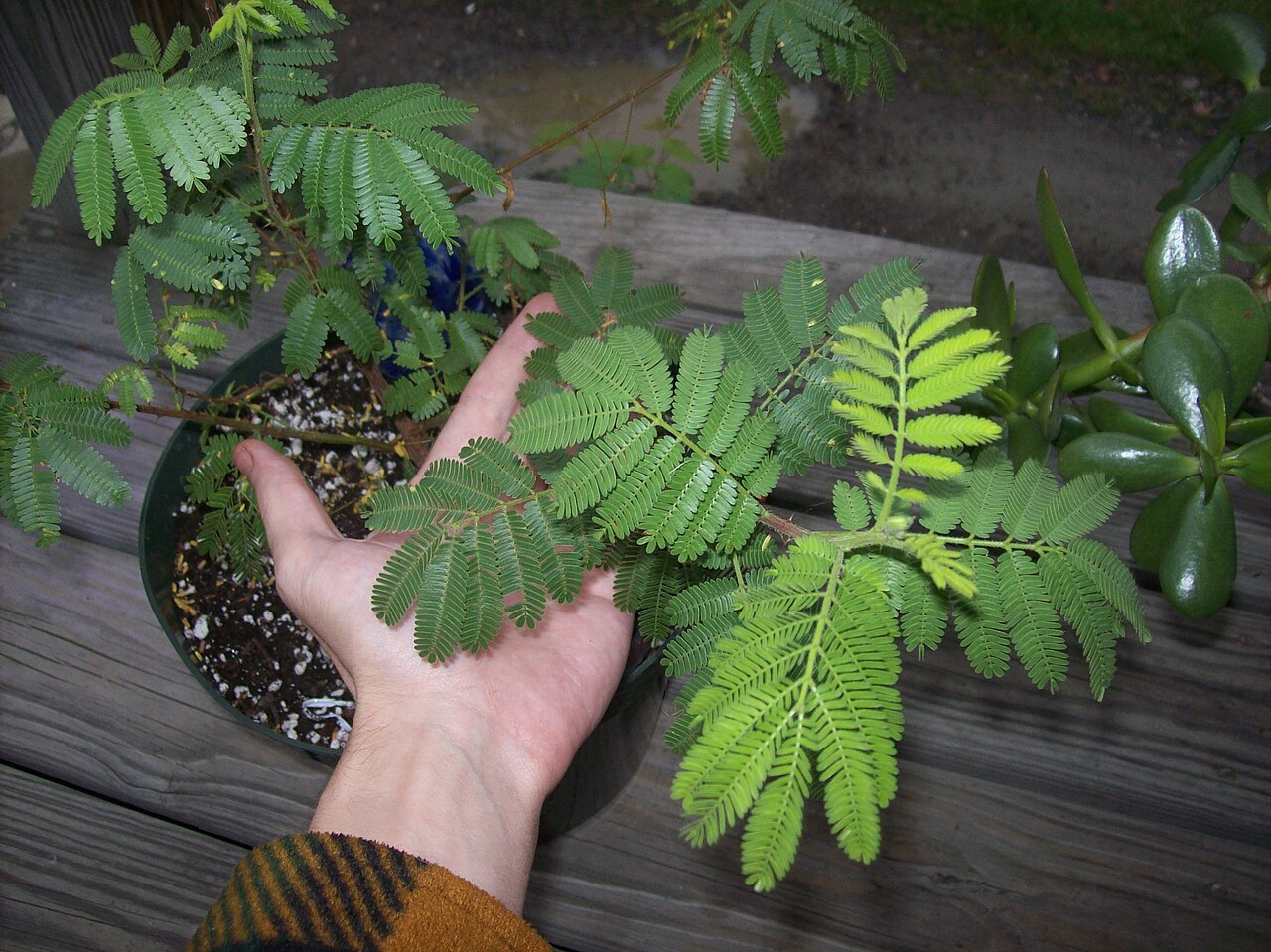
jurema preta
Mimosa tenuiflora
Secondary I Medium Fertilizer biomass 🌱 Nitrogen fixerNative legume of the Caatinga and Atlantic Forest. Small-to-medium tree (4–8 m), fine leaves, fissured grey bark. Nitrogen-fixer, rapid recolonizer...
-
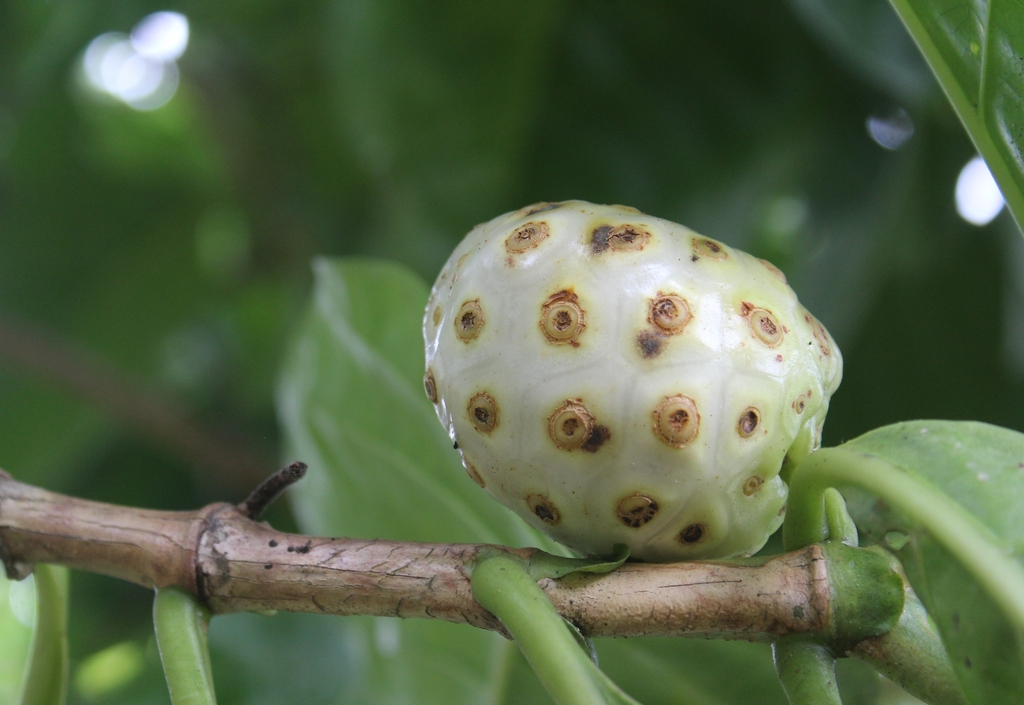
noni
Morinda citrifolia
Secondary I Medium No biomass productionTropical small tree (3–6 m) introduced in Brazil. Large dark-green leaves, ovoid yellowish-white strong-smelling ripe fruits. Medicinal pulp — supp...
-
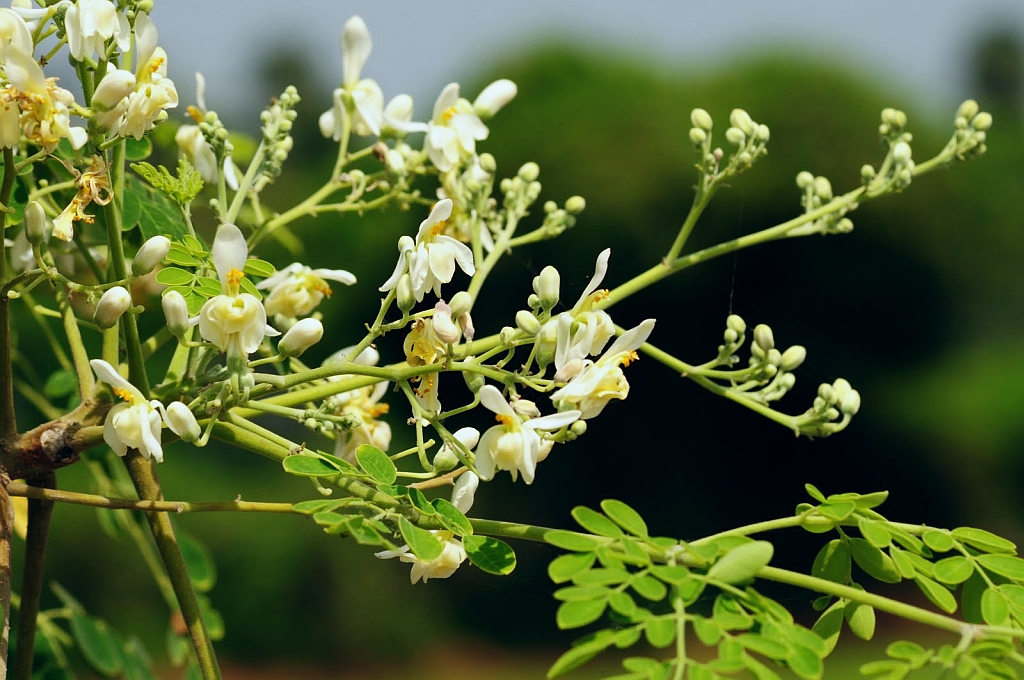
moringa
Moringa oleifera
Secondary I High Fertilizer biomassMulti-purpose, extremely fast-growing Indo-African tree. The Bosque de Niebla Guidebook lists moringa among anchor species of the high stratum / Se...
-
velvet bean
Mucuna pruriens
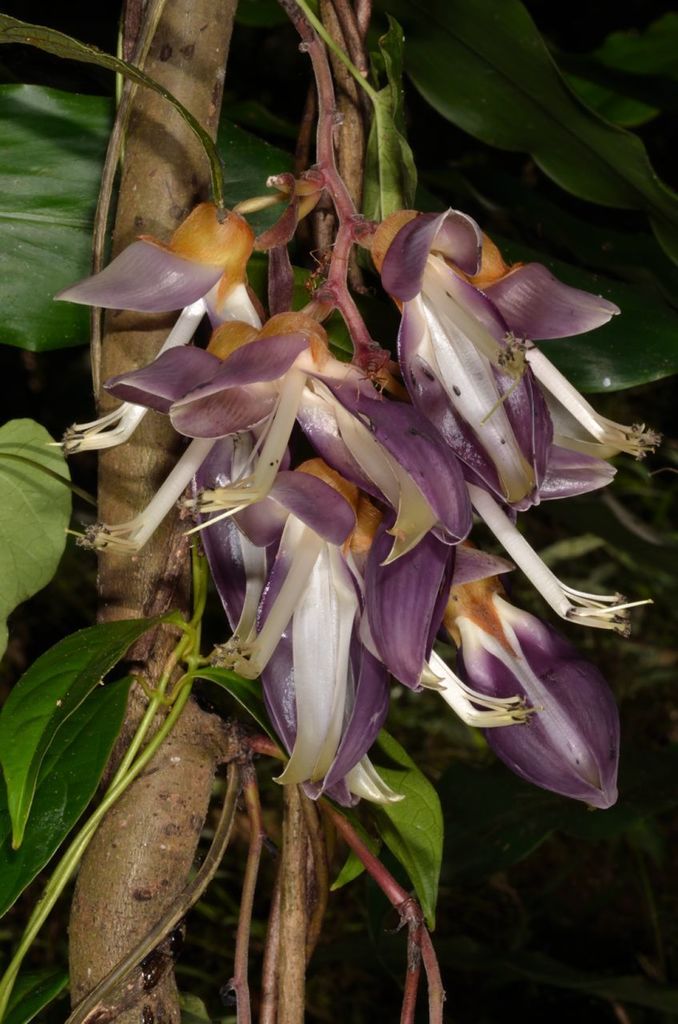
Placenta I Low Fertilizer biomass 🌱 Nitrogen fixerAnnual climbing legume that fixes nitrogen (~180–220 kg N/ha) and produces dense cover biomass. Suppresses weeds, decompacts the soil, and is one o...
-
dwarf cavendish banana
Musa acuminata
Placenta II Medium Mulch biomassCavendish AAA dwarf cultivar (1.8–2.5 m). Dessert-banana market staple. Resistant to Panama disease race 1 but susceptible to Yellow Sigatoka. In s...
-
sucrier banana
Musa acuminata
Placenta II High Mulch biomassAA diploid cultivar, small sweet fruits (8–12 kg per bunch), medium plant (3–4 m). Niche production, premium price. More common in coastal São Paul...
-
giant cavendish banana
Musa acuminata
Placenta II High Mulch biomassCavendish AAA tall cultivar (3–4 m); the dominant Brazilian export variety. Heavier bunch than Nanica (30–40 kg).
-
silk banana
Musa × paradisiaca
Placenta II High Mulch biomassAAB Silk subgroup, medium-tall (3–4 m). Sweet flavor with distinctive aroma, premium market price. Highly susceptible to Panama disease (Fusarium o...
-
dwarf pome banana
Musa × paradisiaca
Placenta II High Mulch biomassDwarf mutation of Prata (AAB), 2.5–3.5 m. Together with Prata and Pacovan accounts for ~60% of Brazilian banana area. Per Embrapa, a 'watershed' cu...
-
plantain
Musa × paradisiaca
Placenta II High Mulch biomassAAB Plantain subgroup — cooking banana, tall to emergent (5–7 m), bunch 15–25 kg with few large starchy fingers. Staple food across Northern and No...
-
pacovan banana
Musa × paradisiaca
Placenta II High Mulch biomassAAB tall cultivar (5–6 m), large bunch (20–30 kg). Major Northeastern variety with better Yellow Sigatoka tolerance than Prata. Together with Prata...
-
banana
Musa × paradisiaca
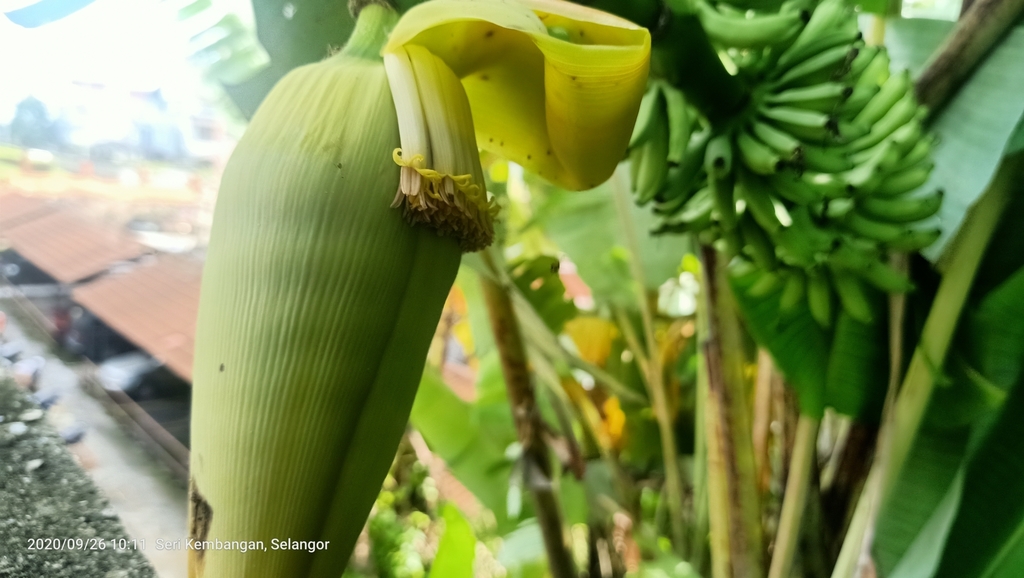
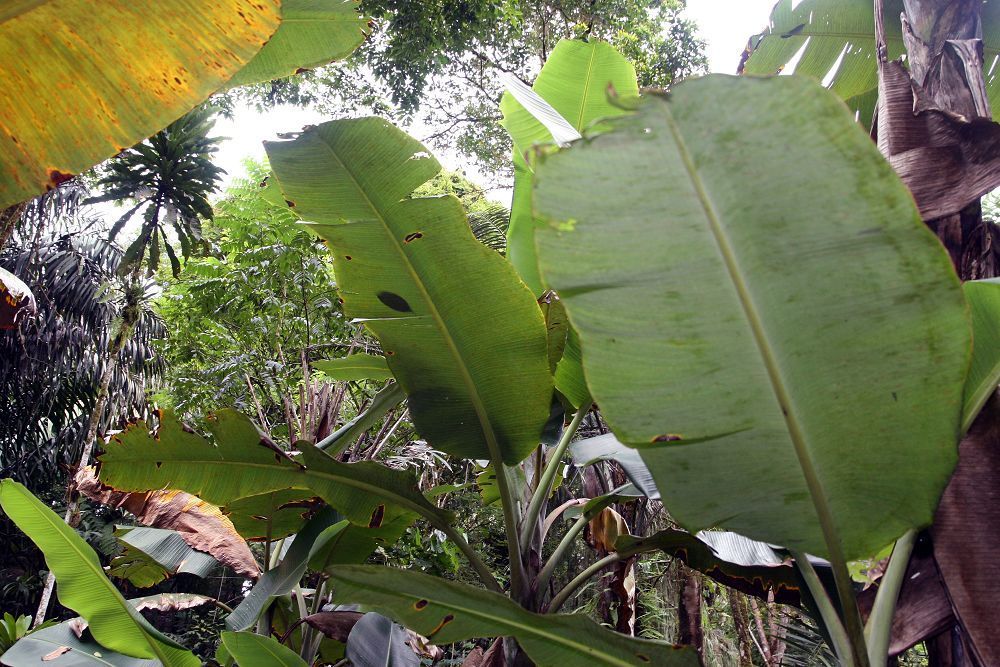
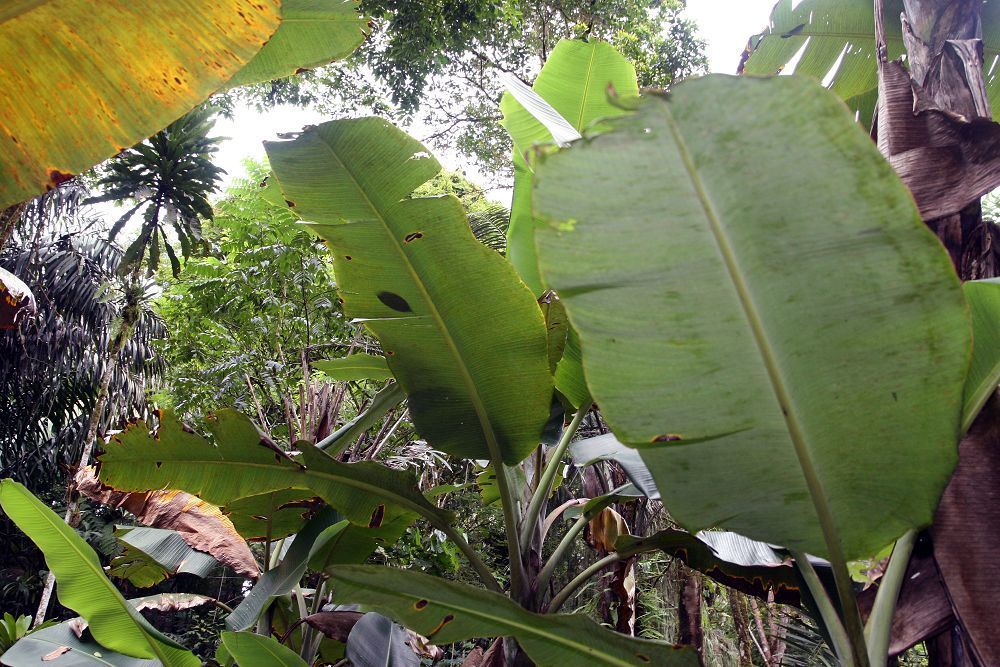
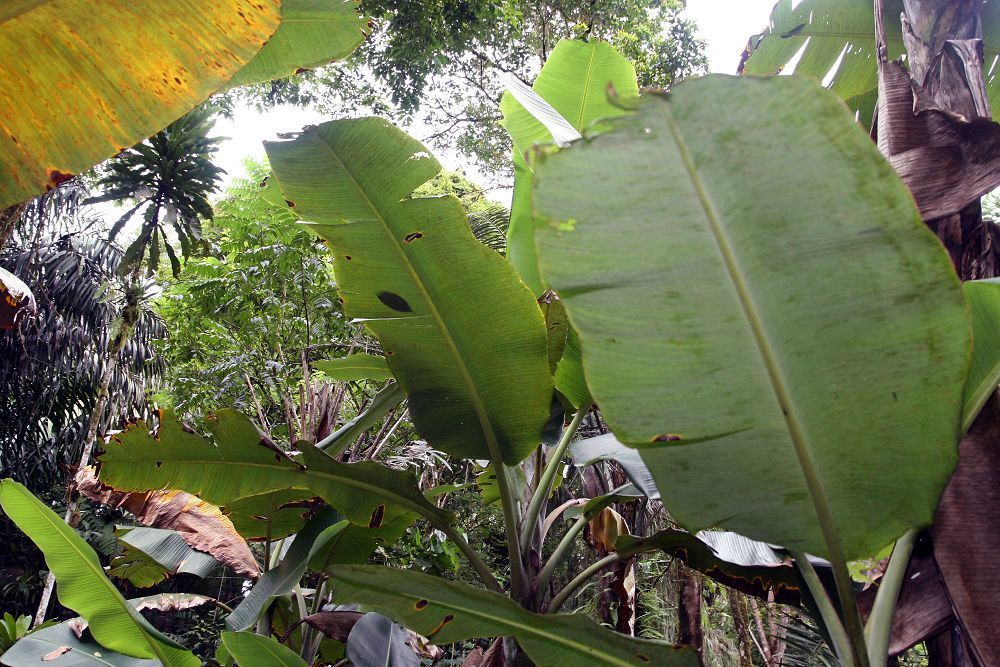
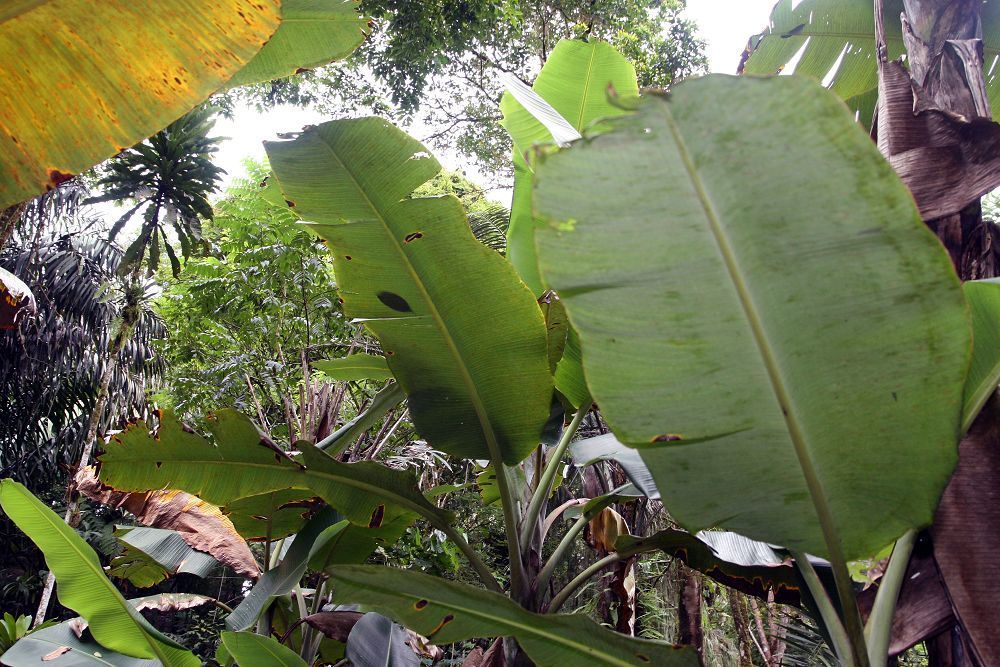
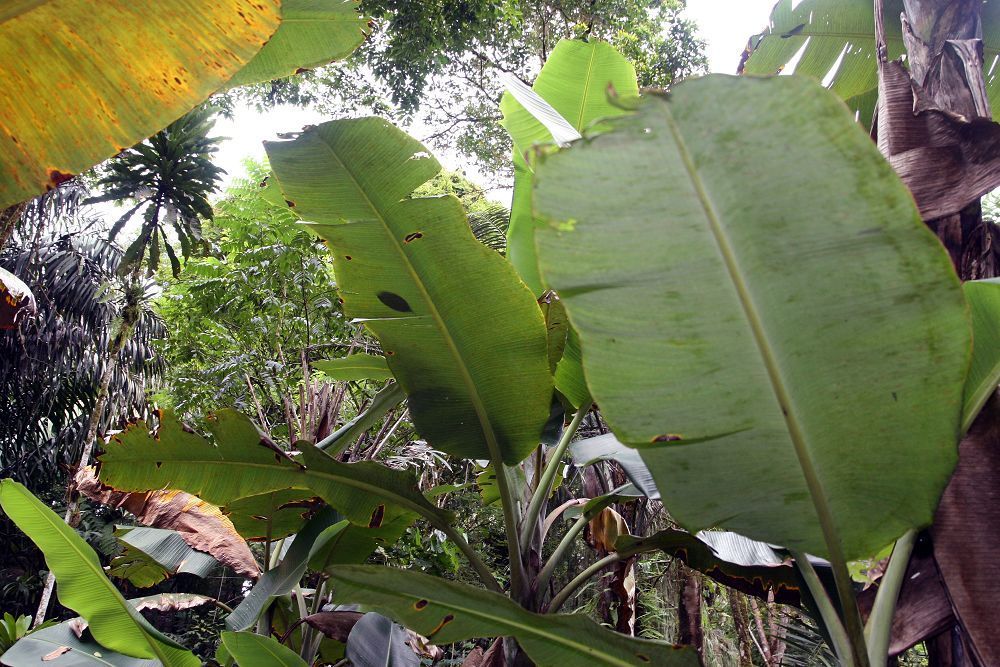
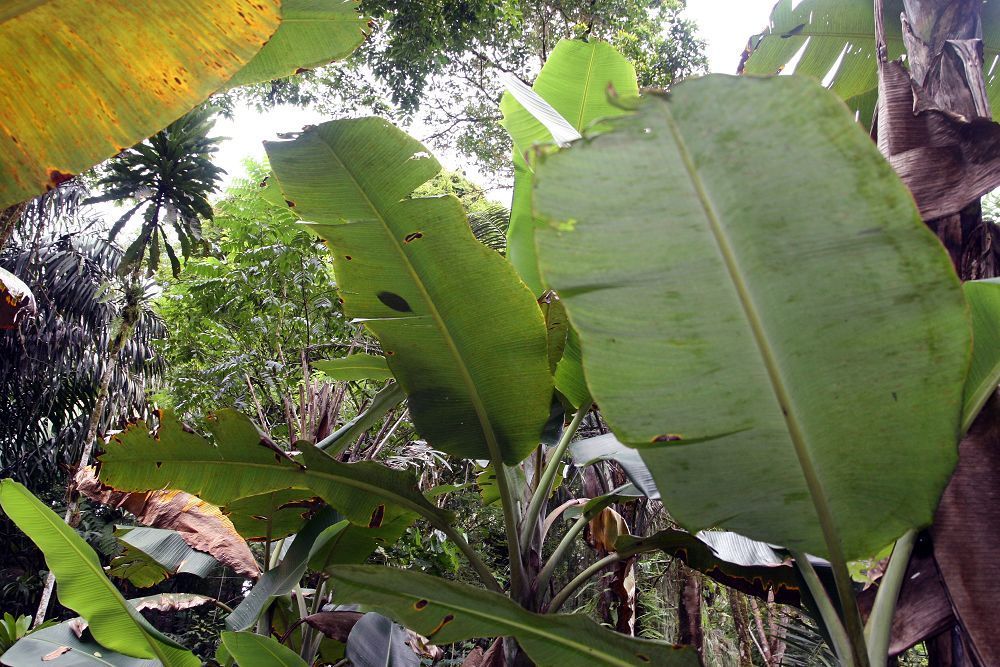
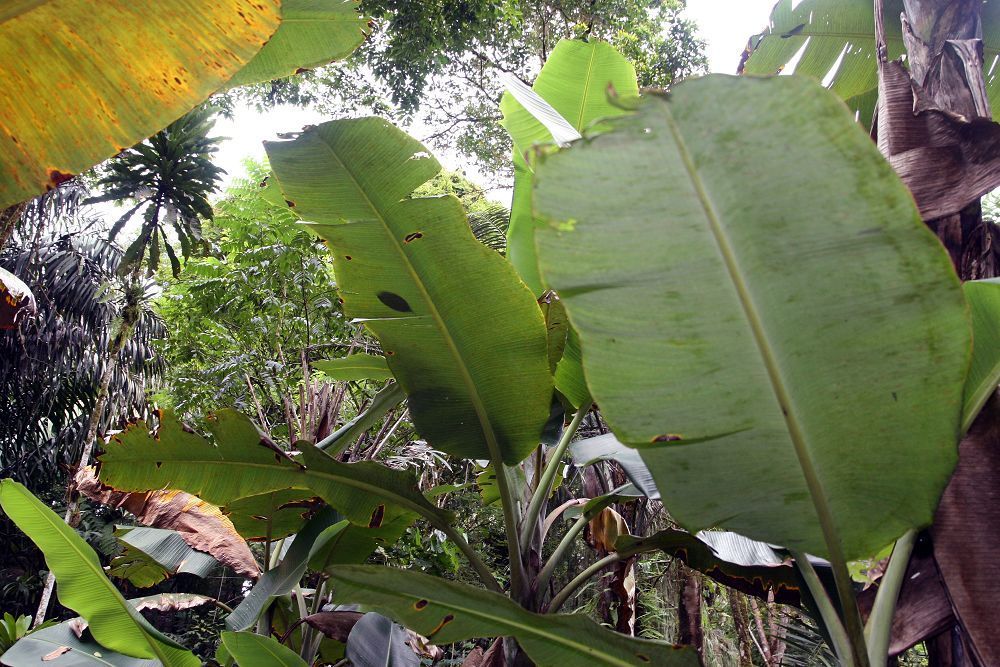
Placenta II High Mulch biomassBanana is a fast-growing pioneer species valued for cover biomass, edible fruit, and a structuring role in syntropic rows. Grows in any moist, well...
-
pome banana
Musa × paradisiaca
Placenta II High Mulch biomassAAB Pome subgroup, tall (5–7 m), bunch 12–18 kg. Slightly tart flavor prized in the Brazilian domestic market. Before Prata-Anã it dominated the so...
-
thap maeo banana
Musa × paradisiaca
Placenta II High Mulch biomassAAB cultivar of Thai origin recommended by Embrapa for regions with high Black/Yellow Sigatoka pressure. Tall (4–5 m), bunch 18–25 kg. Good fit for...
-
urundeuva
Myracrodruon urundeuva
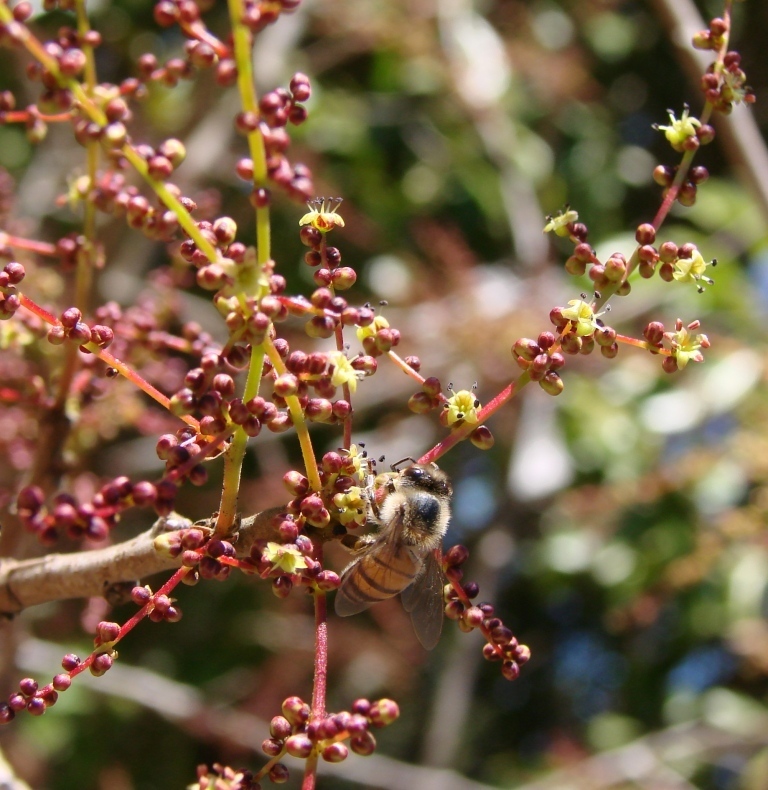
Climax HighTree with extremely dense, durable hardwood; once dominant in the Caatinga but now threatened by overexploitation. Occurs in Caatinga, Cerrado and ...
❓ Frequently asked questions
What is the Tropical savanna with dry winter (Aw) climate?
Wet summers and a marked dry winter (4–6 months). The dominant climate of the Cerrado, central-west, and sub-humid northeast. Calls for deep-rooted species and a deliberate water-management plan.
Which plants does the catalog suggest for the Tropical savanna with dry winter (Aw) climate?
The catalog holds 240 species, among them bitter cassava, cassava, Ceará rubber tree. Each profile shows stratum, succession stage, and the management data, with sources cited.