
Stratum
Plants of the medium stratum
Half-light under the canopy, in the 50–60% cover range: the medium stratum concentrates moderate-sized fruit trees. Many take full sun in the system's youth, but filtered light is where they settle.
157 species in the catalog · Refine this list in the catalog
-
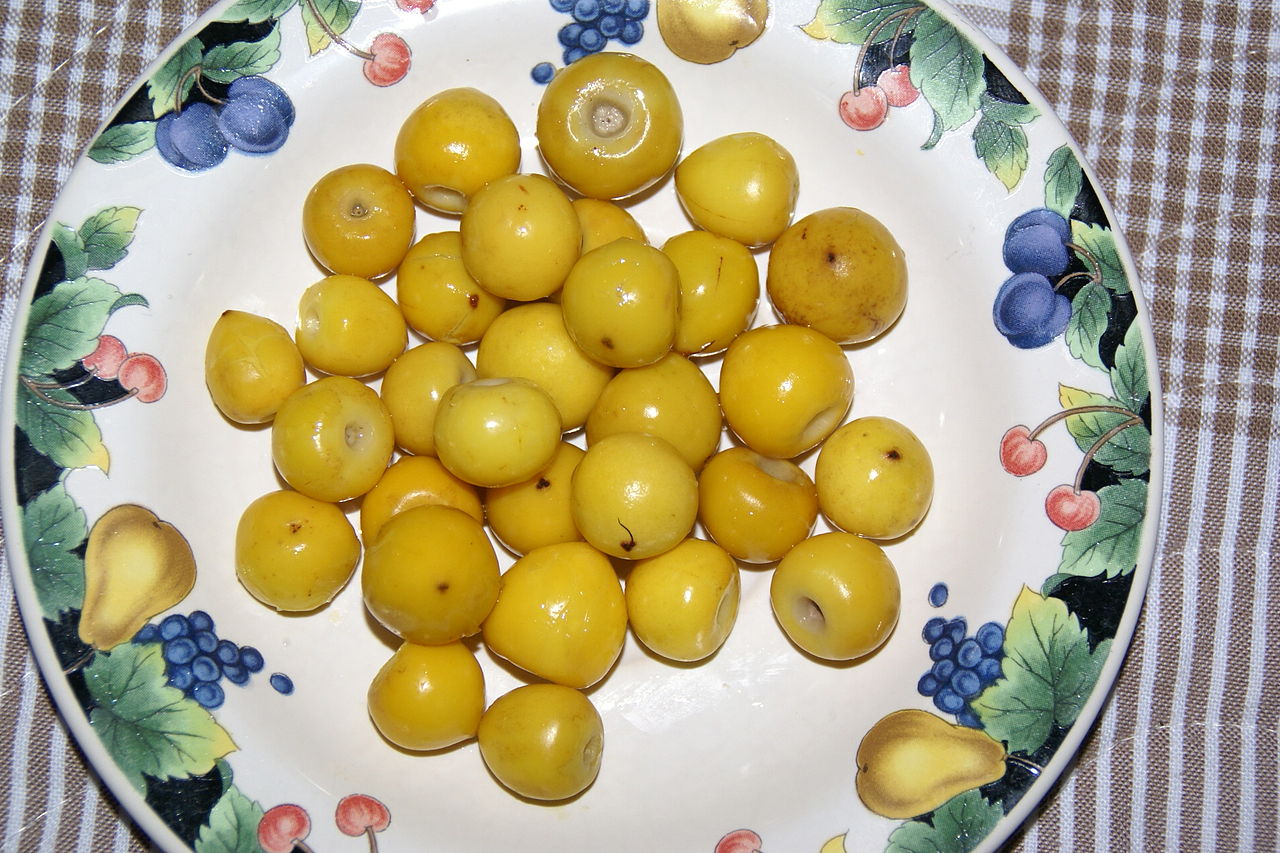
nance
Byrsonima crassifolia
Secondary II High No biomass productionNative Cerrado and Caatinga fruit tree with a wide, low crown. EcoAgri lists it in the high stratum of the 'up to 50 years' extras. Small yellow fr...
-
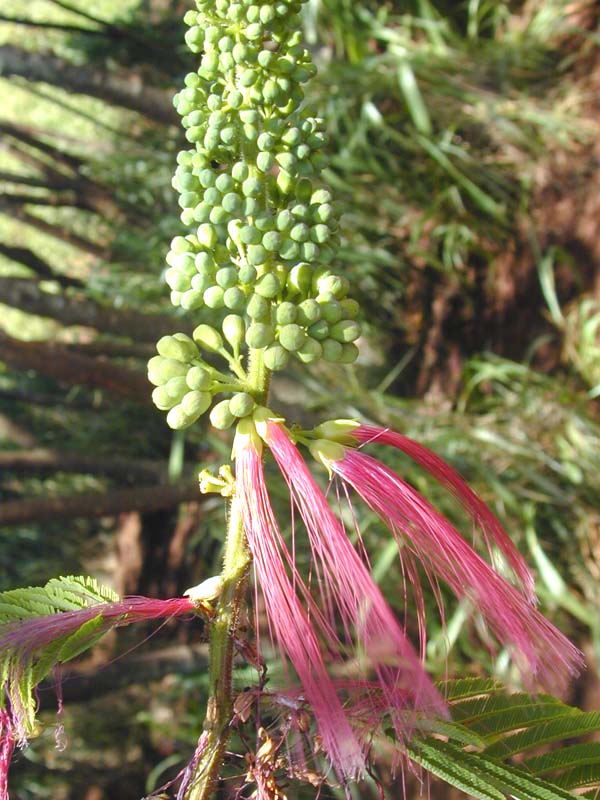
calliandra
Calliandra calothyrsus
Placenta II Medium Fertilizer biomass 🌱 Nitrogen fixerA very fast-growing leguminous shrub or small tree, usually 4-6 m tall, native to Central America. A nitrogen fixer that coppices vigorously after ...
-
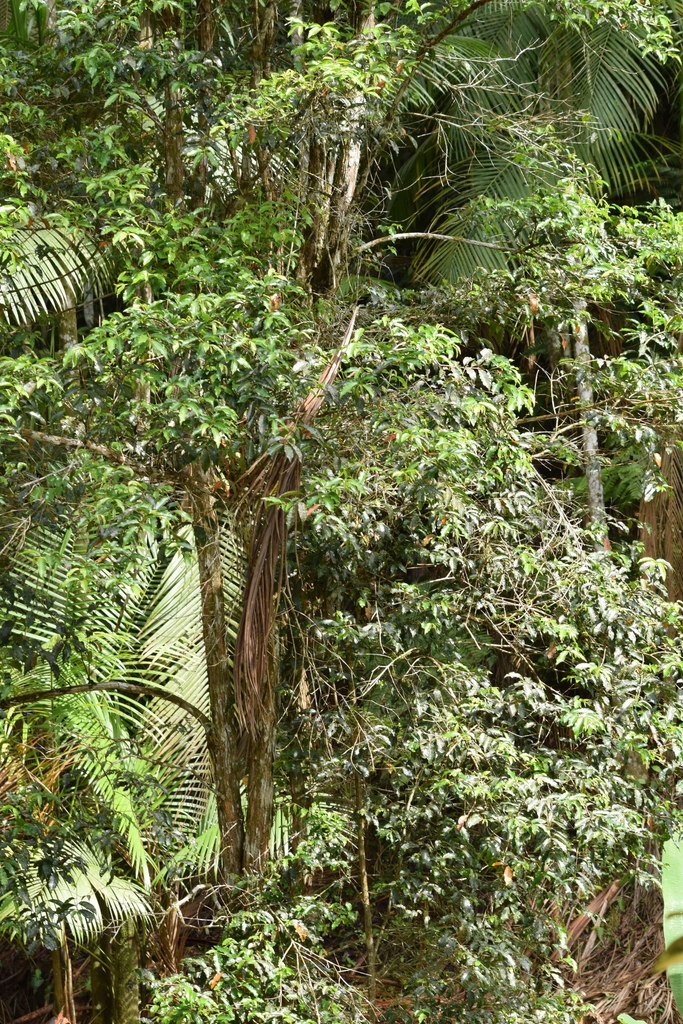
cambuci
Campomanesia phaea
Secondary II Medium No biomass productionNative fruit endemic to the São Paulo Atlantic Forest, threatened with extinction. Pasini lists it in the medium stratum of Tabela 3. Aromatic gree...
-
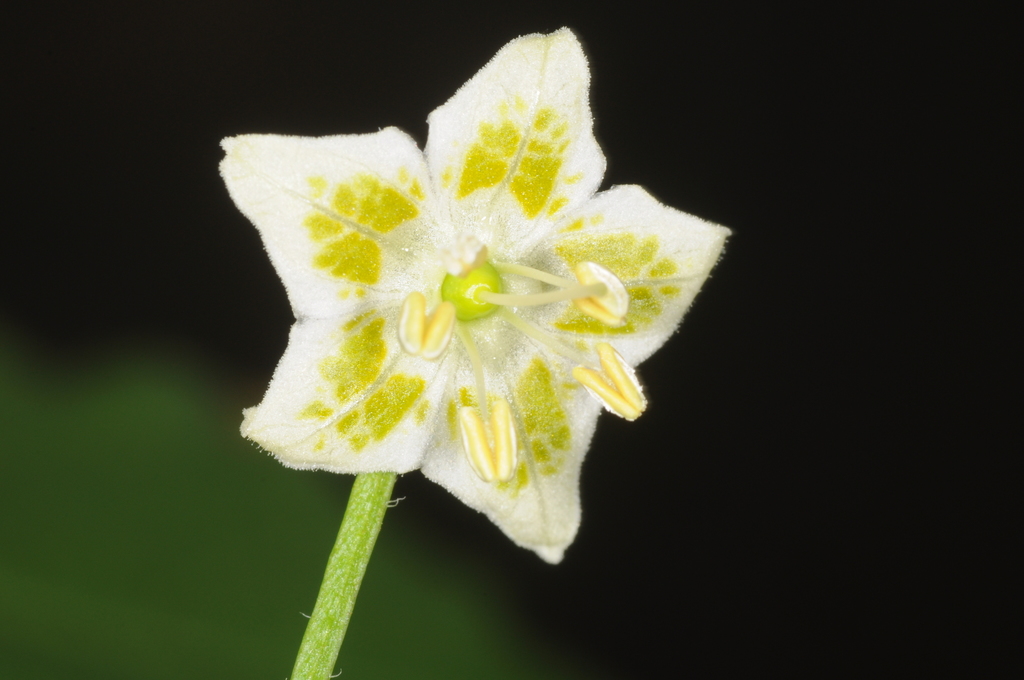
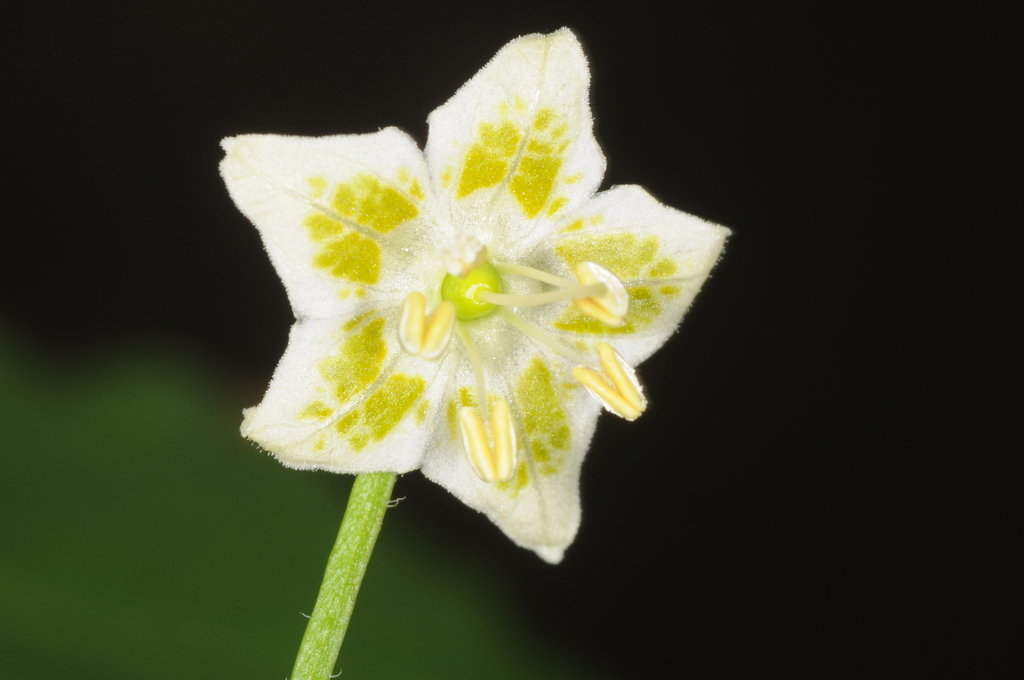
cumari pepper
Capsicum baccatum
Placenta II Low No biomass productionNative Brazilian forest pepper, small (~1 cm) very pungent fruits (30,000–100,000 SHU). Tolerates partial shade — riparian forest understory and ho...
-
dedo-de-moça pepper
Capsicum baccatum
Placenta II Low No biomass productionBrazil's most-consumed fresh chili (5,000–30,000 SHU). Elongated red fruits (~6 cm). 1–1.5 m plant, open canopy. Backbone of the sauce and pickle i...
-
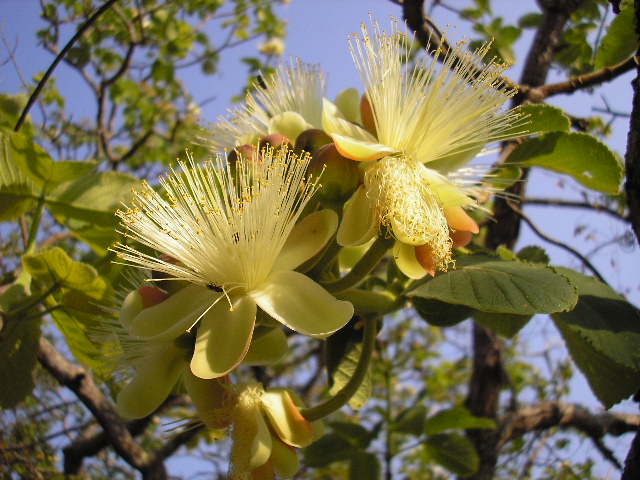
souari nut
Caryocar brasiliense
Climax HighIconic fruit tree of the Brazilian Cerrado, up to ~10 m tall with a broad crown. Very slow growth; first fruits not until ~30 years in smaller indi...
-
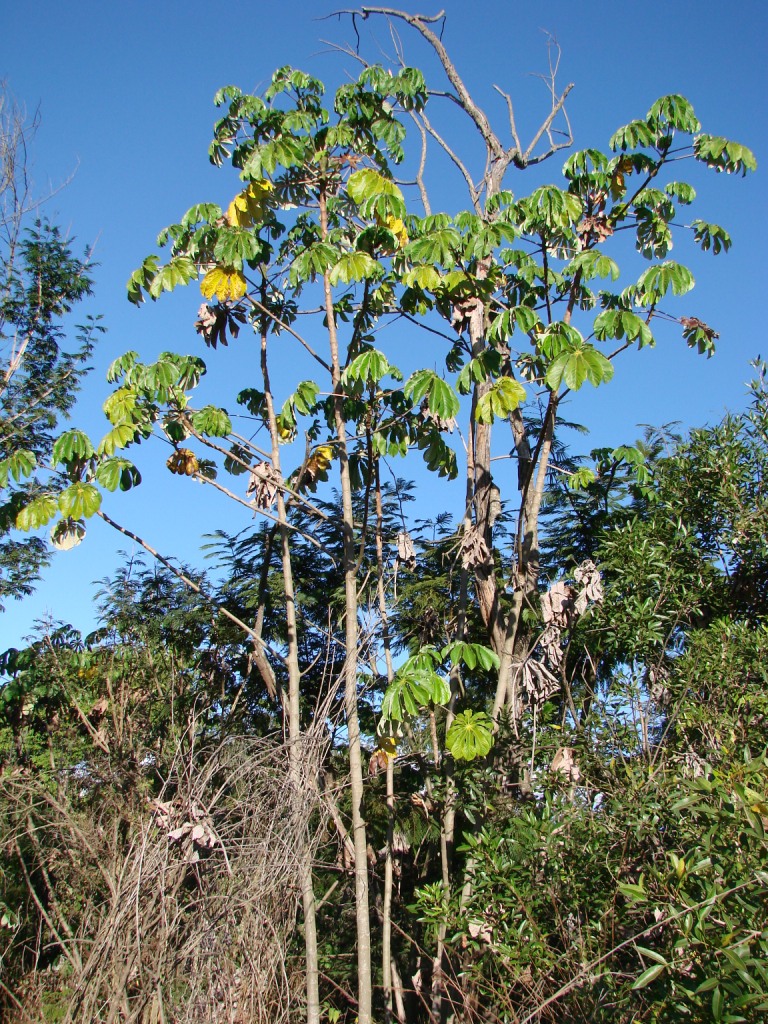
trumpet tree
Cecropia pachystachya
Placenta II Medium Mulch biomassFast-growing, short-lived (~20 years) pioneer tree that colonizes edges and gaps in all Brazilian biomes. Fruits eaten by birds and primates; symbi...
-
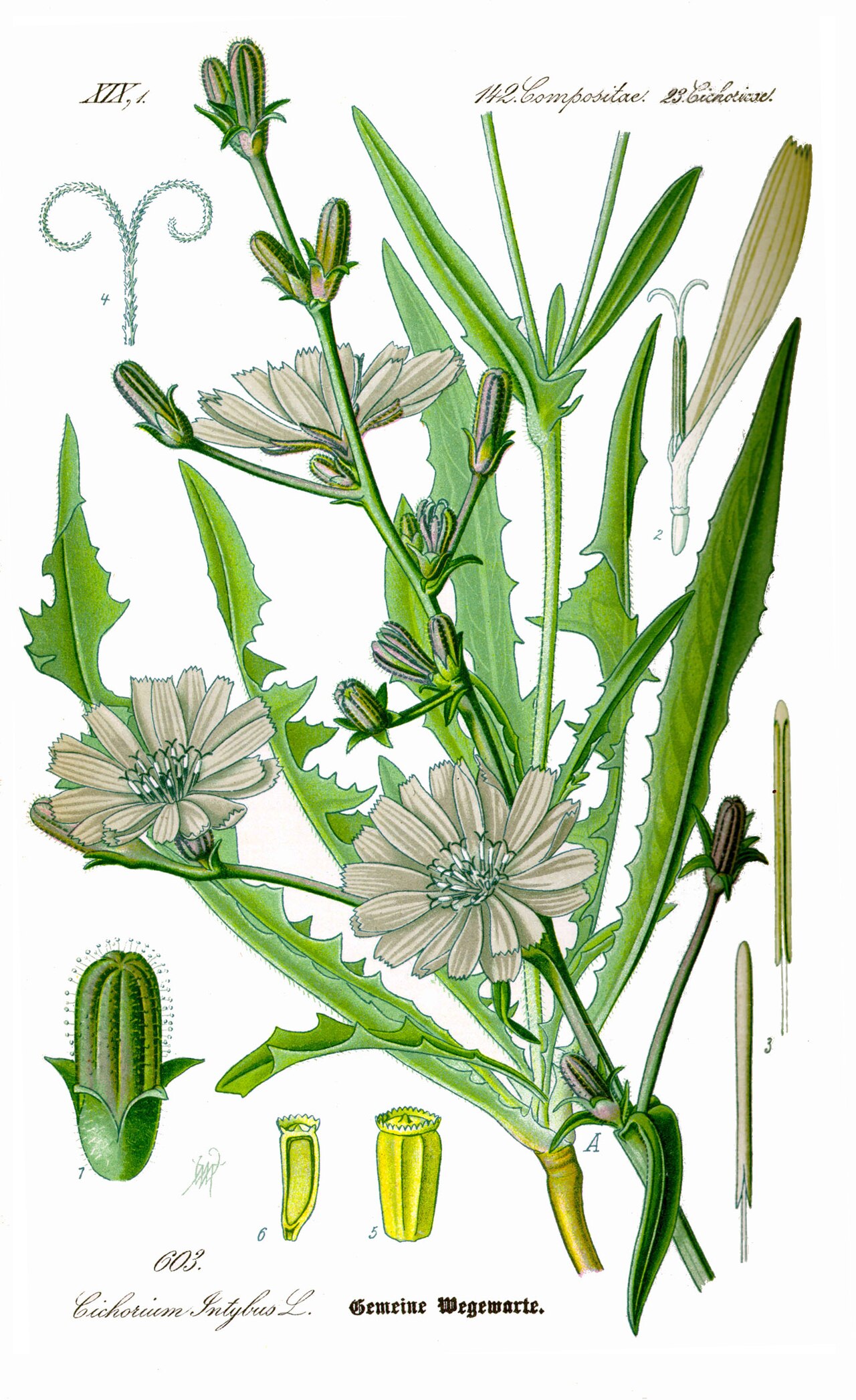
common chicory
Cichorium intybus
Placenta I Medium No biomass productionBitter perennial leafy green with deep taproots — an excellent soil decompactor. Pasini lists it in the medium stratum of Tabela 3. Leaves used in ...
-
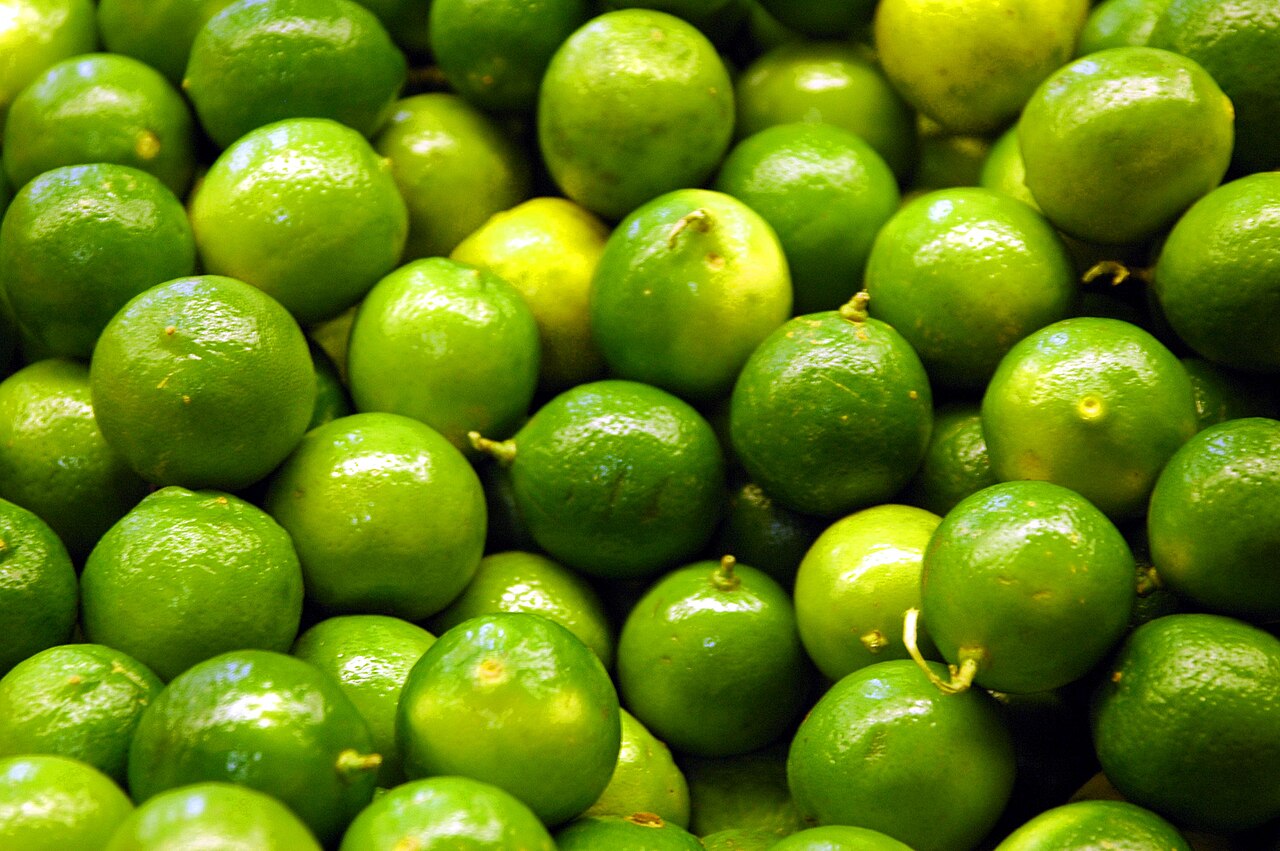
Persian lime
Citrus × latifolia
Secondary I Medium No biomass productionMedium-stratum citrus in syntropic systems. Pasini cites 'lemon' as a stratification example next to coffee (low), avocado (high), and eucalyptus (...
-
grapefruit
Citrus × paradisi
Secondary I Medium No biomass productionMedium-stratum citrus in syntropic systems. The Bosque de Niebla Guidebook lists grapefruit in the Secondary phase of the medium stratum, alongside...
-
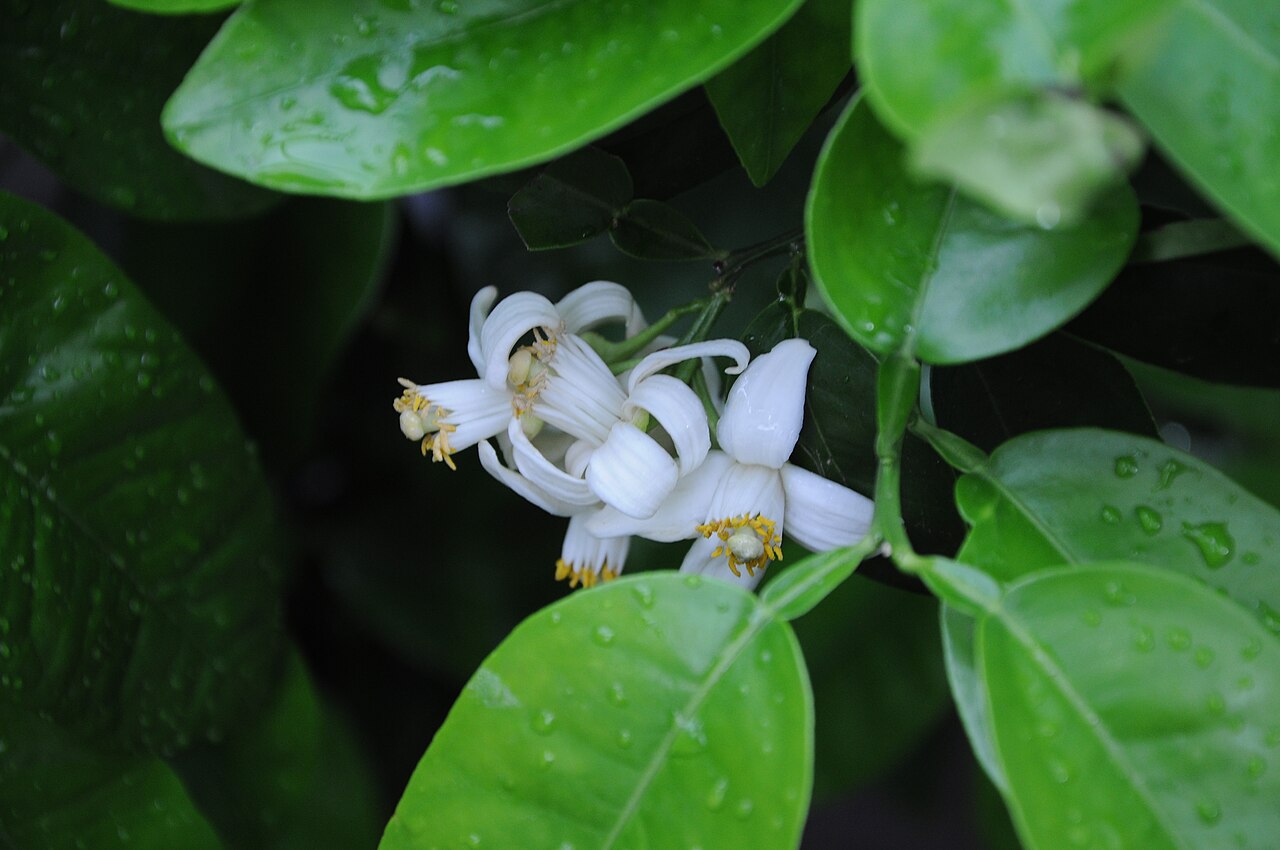
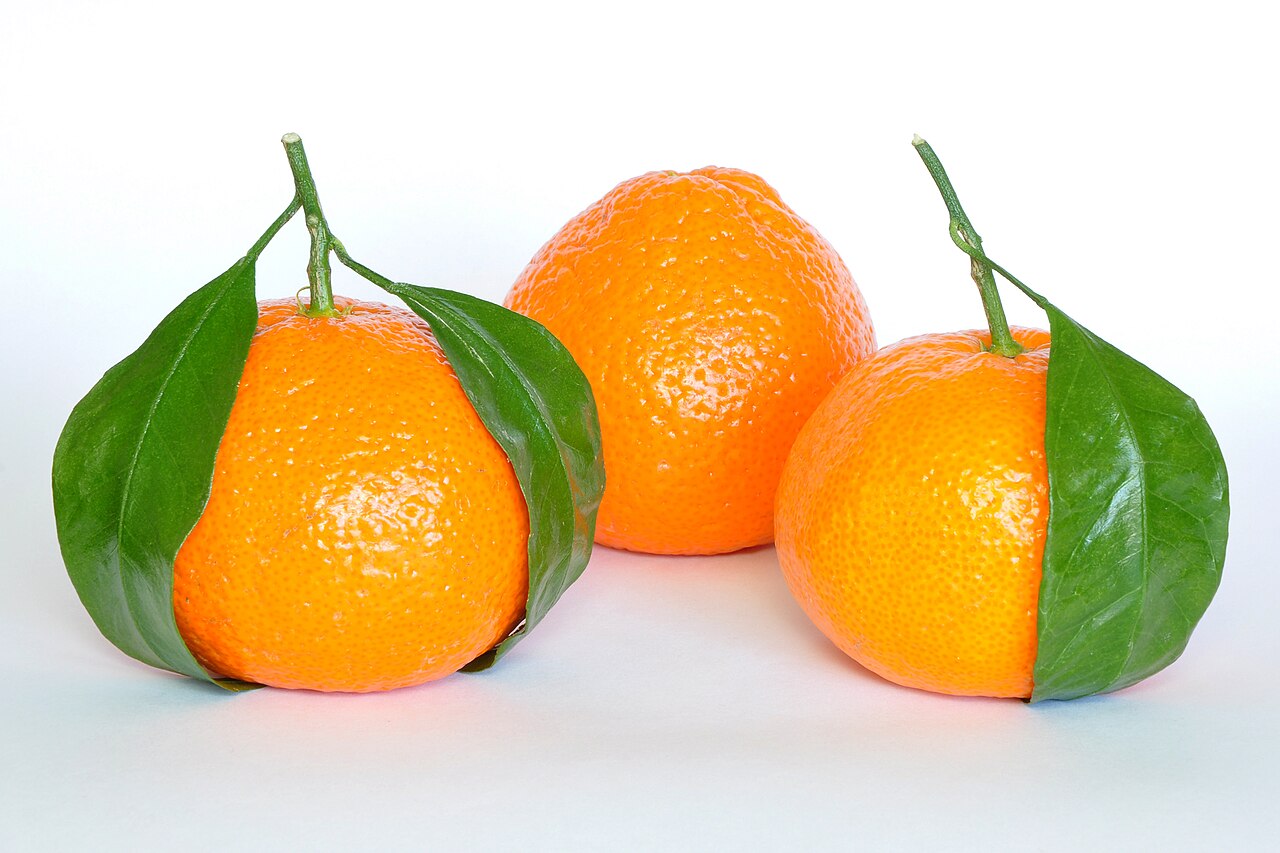
mandarin
Citrus reticulata
Secondary II Medium No biomass productionMedium-stratum citrus in syntropic systems. Pasini lists ponkan in the high stratum of Tabela 3; the Bosque de Niebla Guidebook places the mandarin...
-
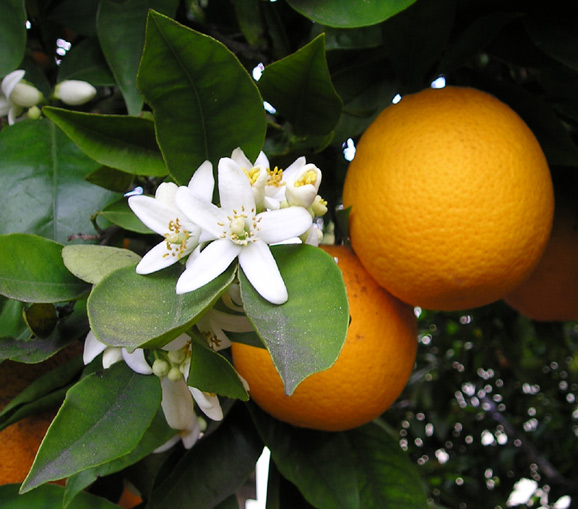
orange
Citrus × sinensis
Secondary I High No biomass productionCitrus fruit tree widely used in Brazilian agroforestry systems. Pasini lists it in the high stratum of Tabela 3 and cites it among Abundance-syste...
-
fairchild's clitoria
Clitoria fairchildiana
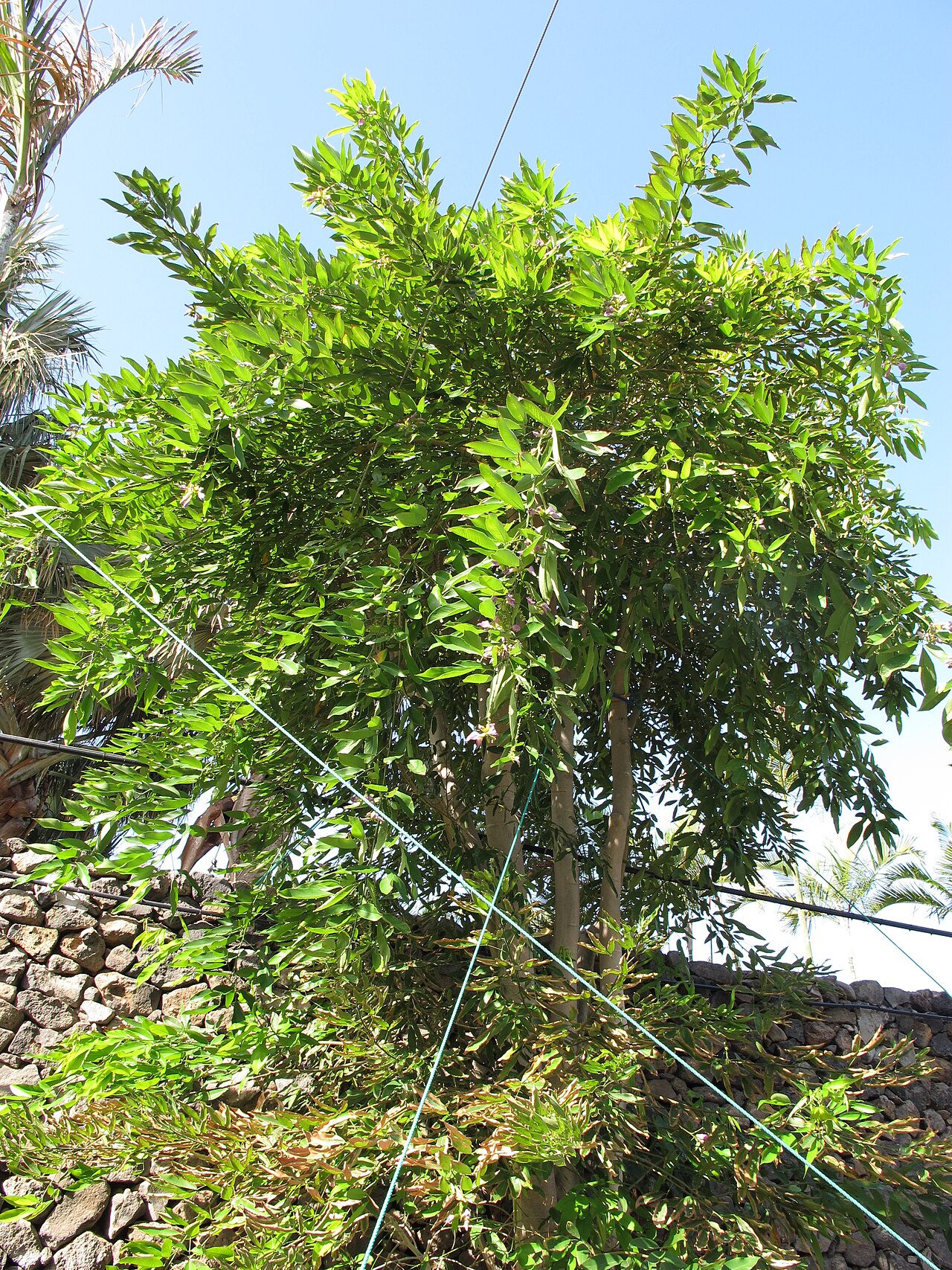
Secondary I High Fertilizer biomass 🌱 Nitrogen fixerA leguminous tree native to Brazil (Amazonian domain), 6-12 m tall, with a broad crown and violet flowers in pendulous inflorescences. It nodulates...
-
yellow dwarf coconut
Cocos nucifera
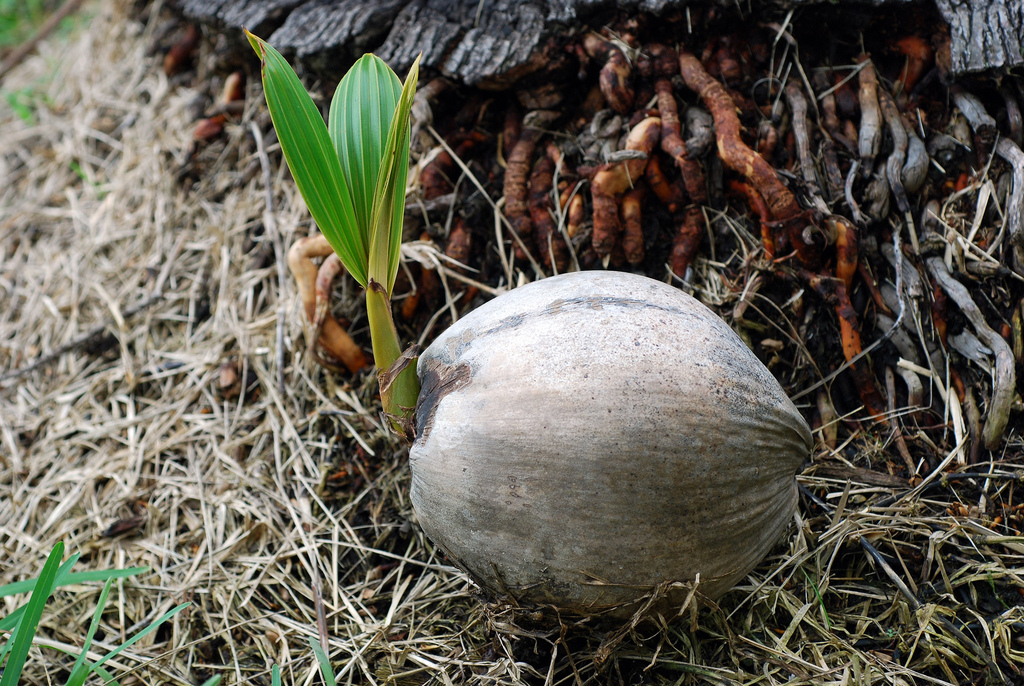
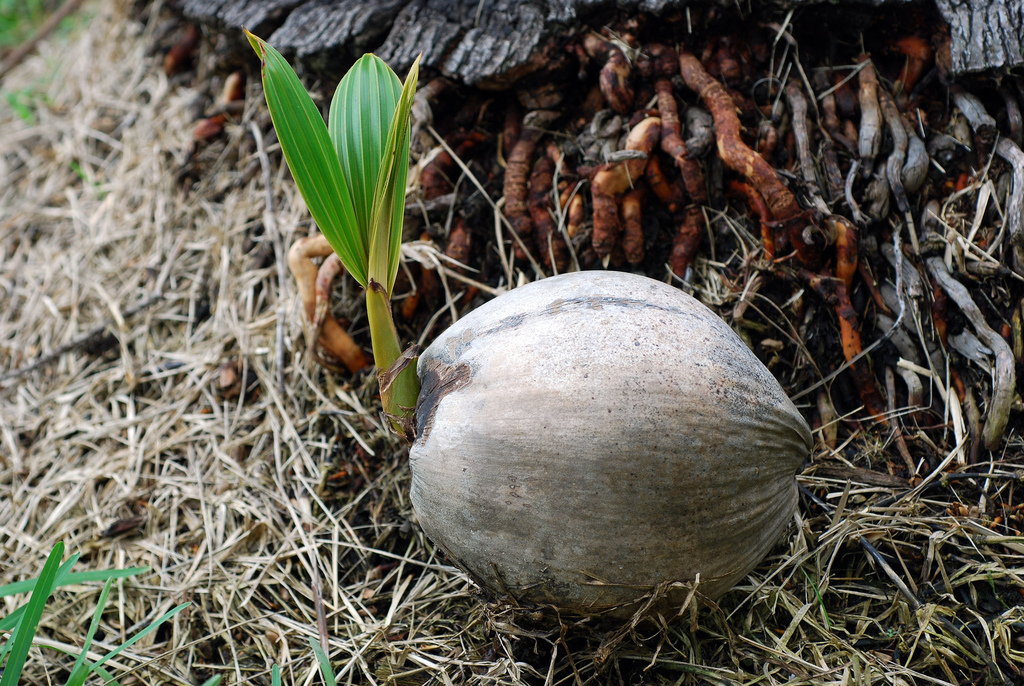
Secondary II High No biomass productionYellow Dwarf cultivar. Height and cycle similar to Green Dwarf (8–12 m, first harvest at 2–3 years). Slightly larger yellow fruits. Better toleranc...
-
green dwarf coconut
Cocos nucifera
Secondary II High No biomass productionGreen Dwarf cultivar — Brazil's commercial mainstay for coconut water. 8–12 m tall, 30–40 year economic life, first harvest at 2–3 years. Yields 15...
-
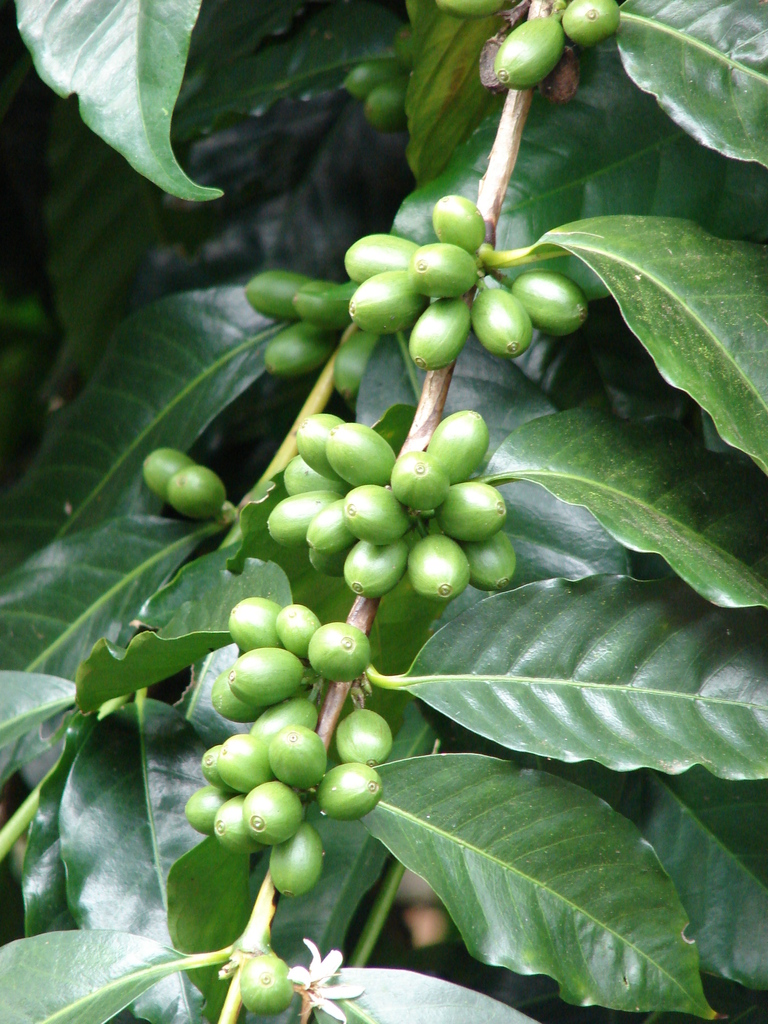
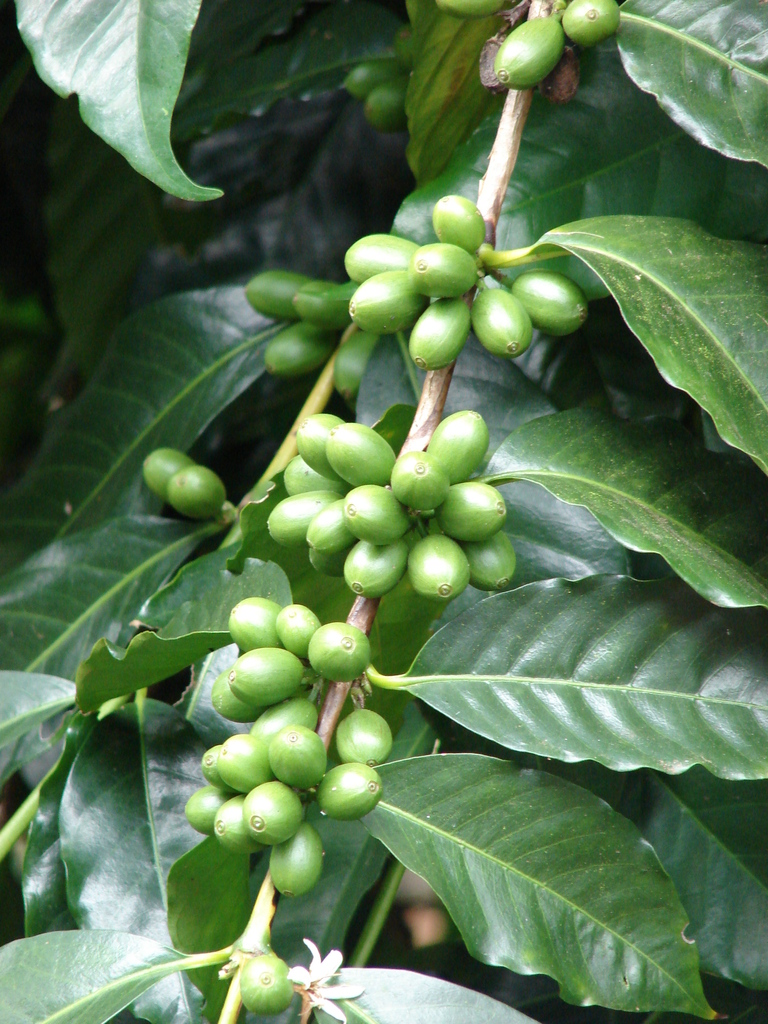
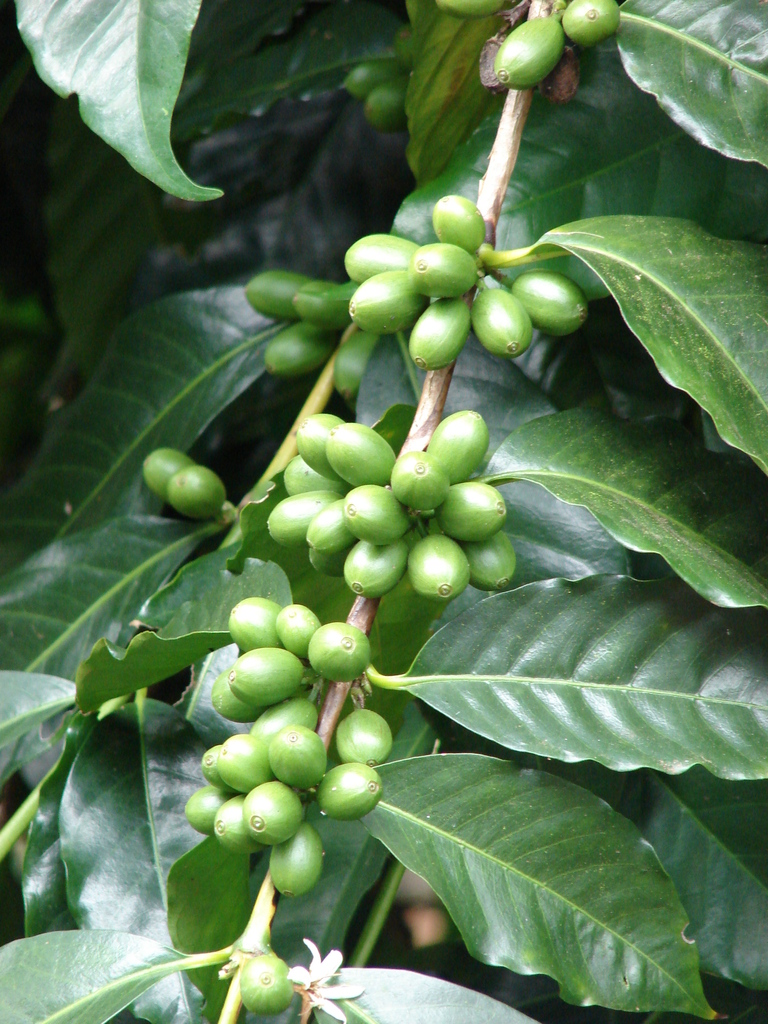
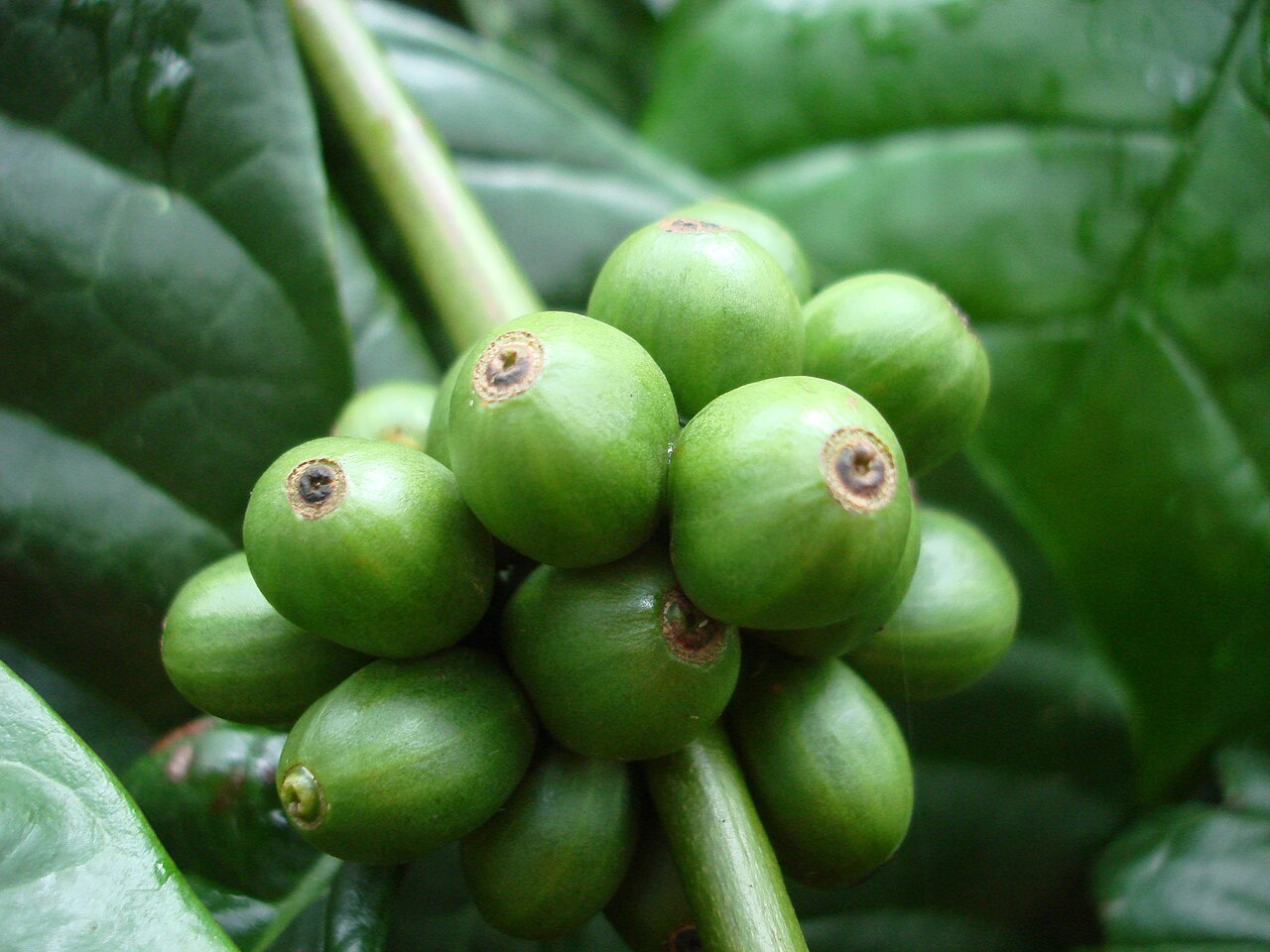
catuaí coffee
Coffea arabica
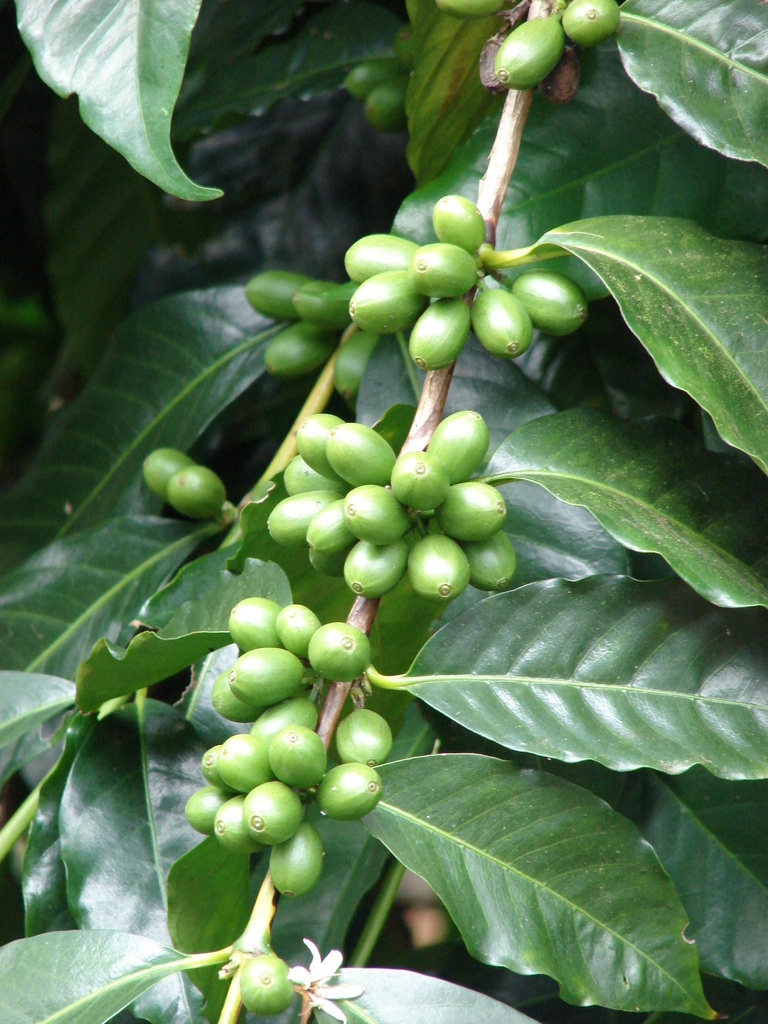
Secondary I Low No biomass productionCaturra × Mundo Novo hybrid developed by IAC. Compact dwarf architecture (1.8–2.5 m) — eases harvest and dense planting. Dominant cultivar in Brazi...
-
bourbon coffee
Coffea arabica
Secondary I Medium No biomass productionHeirloom arabica cultivar — originated on Bourbon Island (modern Réunion) in the 18th century. Tall (3–4 m), open canopy. Susceptible to coffee lea...
-
mundo novo coffee
Coffea arabica
Secondary I Medium No biomass productionNatural Sumatra × Red Bourbon hybrid selected by IAC. Tall (2.5–4 m), thin trunk that arches and requires sucker thinning. Excellent vigor, rustici...
-
geisha coffee
Coffea arabica
Secondary I Medium No biomass productionHeirloom arabica from the Gesha valley in Ethiopia, rediscovered in Panama in the 2000s. Tall, open canopy, low yield but exceptional floral cup pr...
-
robusta coffee
Coffea canephora
Secondary I Medium No biomass productionDistinct coffee species from arabica — more vigorous, adapted to lowland (0–800 m) and hot climate (22–26°C). Brazil's dominant species in Espírito...
-
woolly plectranthus
Coleus barbatus
Secondary I Medium No biomass productionA perennial semi-succulent subshrub of the Lamiaceae family, native to tropical Africa, the Arabian Peninsula and Asia, widely grown in Brazil as b...
-
camaratuba
Cratylia mollis
Placenta II Low Fertilizer biomass 🌱 Nitrogen fixerNative shrubby legume of the Caatinga; one of the most important fodder species of the northeastern semiarid, with strong drought resistance and hi...
-
sunn hemp
Crotalaria juncea
Placenta I High Fertilizer biomass 🌱 Nitrogen fixerAnnual green-manure legume, fixes up to ~450 kg N/ha, ideal for the Placenta I phase. Breaks nematode cycles and contributes large amounts of ferti...
-
capixingui
Croton floribundus
Secondary I High Mulch biomassNative pioneer tree of the Atlantic Forest and Cerrado, common in edges and clearings of semi-deciduous forests. Reaches 8–15 m on a roughly 30-yea...
❓ Frequently asked questions
What is the medium stratum?
Sub-canopy; tolerate more shade than high stratum.
Which plants occupy the medium stratum?
The catalog holds 157 species, among them nance, calliandra, cambuci. Each profile shows stratum, succession stage, and the management data, with sources cited.