
Stratum
Plants of the medium stratum
Half-light under the canopy, in the 50–60% cover range: the medium stratum concentrates moderate-sized fruit trees. Many take full sun in the system's youth, but filtered light is where they settle.
157 species in the catalog · Refine this list in the catalog
-
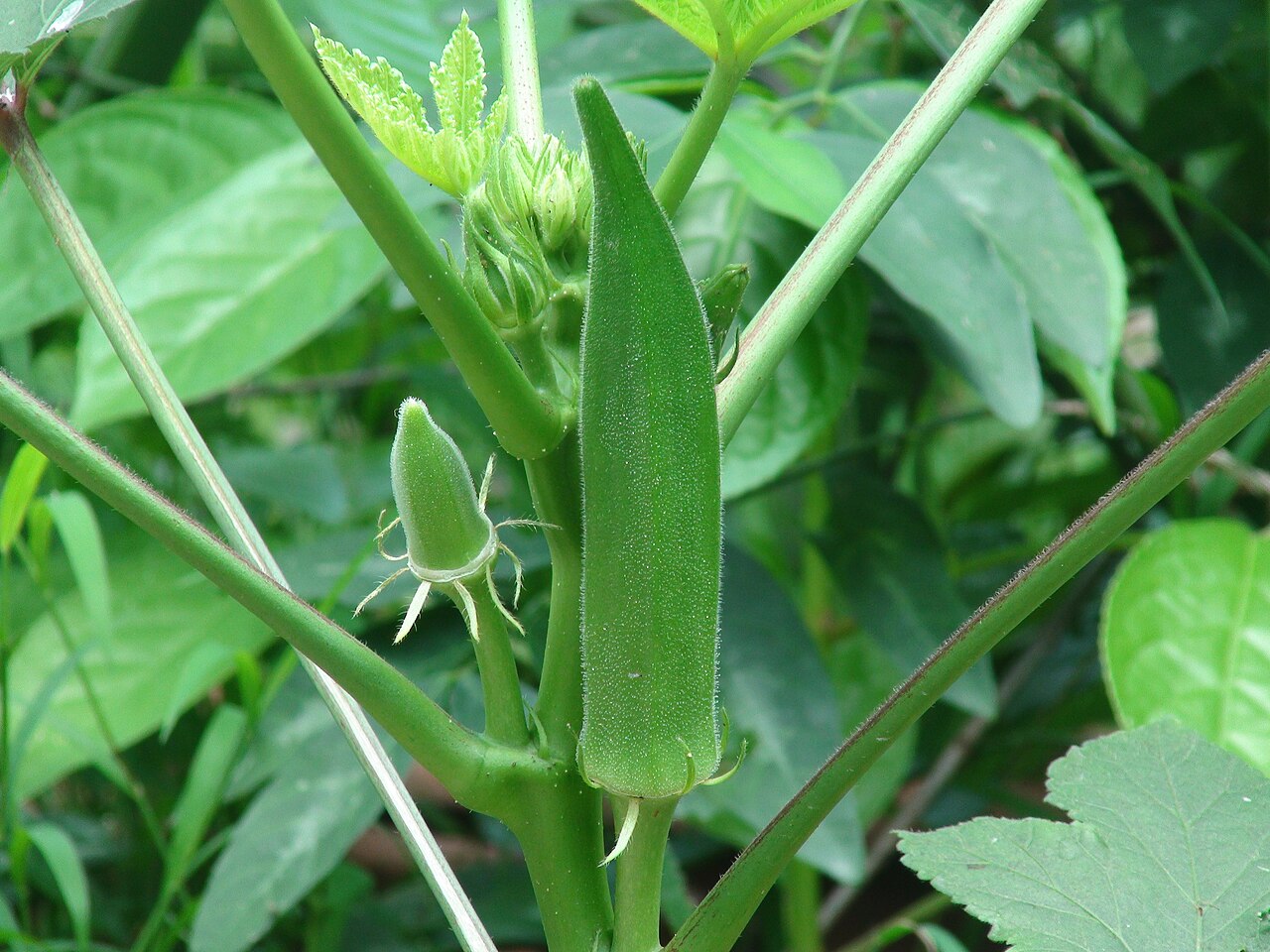
okra
Abelmoschus esculentus
Placenta I High No biomass productionAfrican annual fruit-vegetable widely cultivated in Brazilian SAFs. EcoAgri lists it in the high stratum of the 'up to 6 months' bin (placenta_1). ...
-
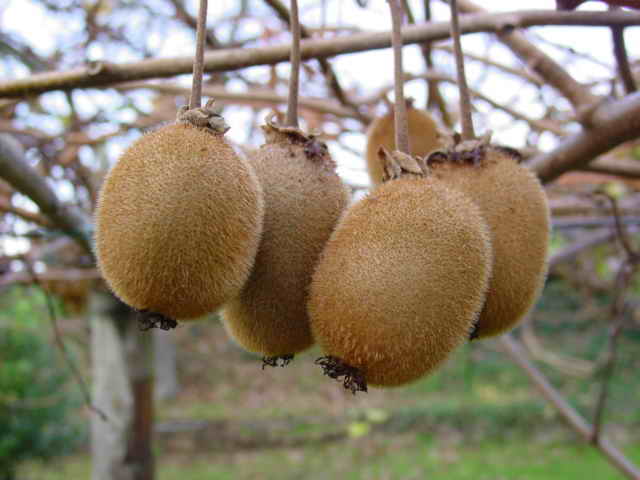
kiwifruit
Actinidia deliciosa
Secondary II Medium No biomass productionWoody vine native to southern China. Cultivated above 600 m altitude in southern and southeastern Brazil (RS, SC, PR, MG, SP). Requires chill hours...
-
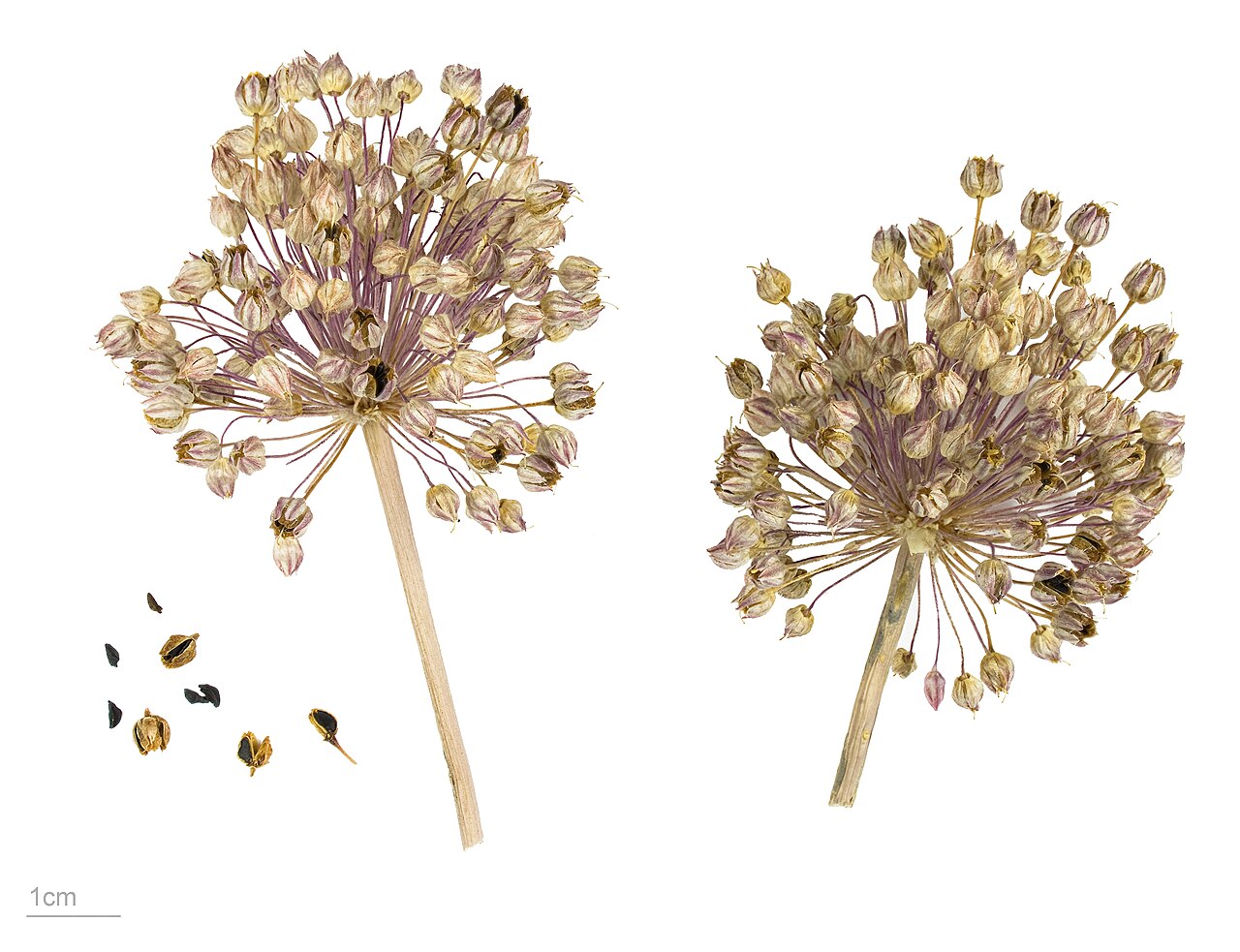
leek
Allium ampeloprasum
Placenta I Medium No biomass productionBiennial Allium grown for its white pseudostem. Pasini lists it in the medium stratum of Tabela 3. Tolerates moist soils and partial shade well.
-
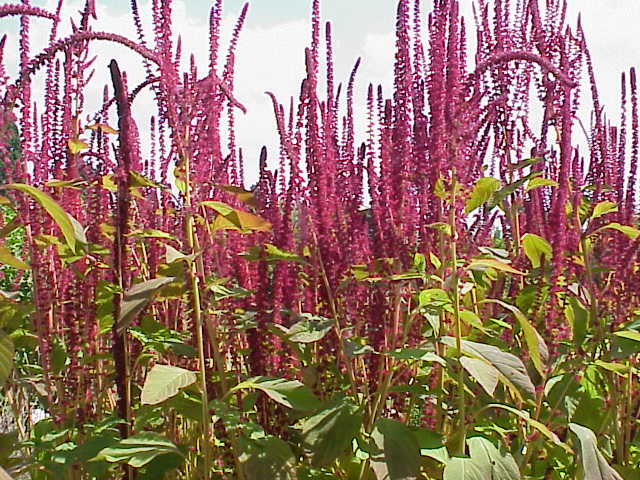
purple amaranth
Amaranthus cruentus
Placenta I High Fertilizer biomassHighly nutritious annual pseudocereal. Embrapa CT-16 lists it as a fodder species alongside gliricídia. Planted as a second-season crop after summe...
-
dwarf early-bearing cashew
Anacardium occidentale
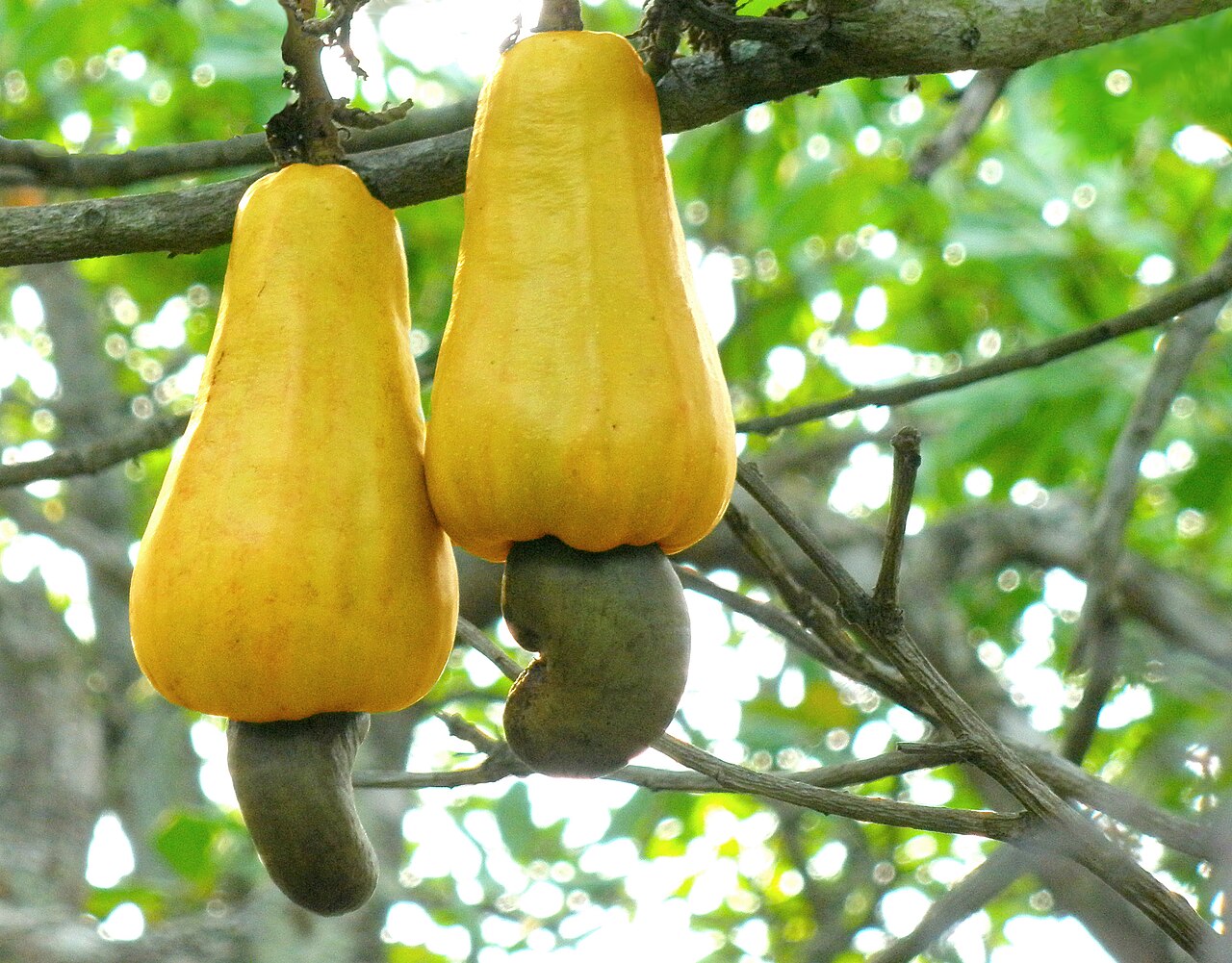
Secondary II High No biomass productionEmbrapa dwarf early-bearing cashew clones — 4–6 m height vs. 8–15 m of common cashew. First fruits at 18–24 months (vs. 4 years for the common cash...
-
cebil
Anadenanthera colubrina
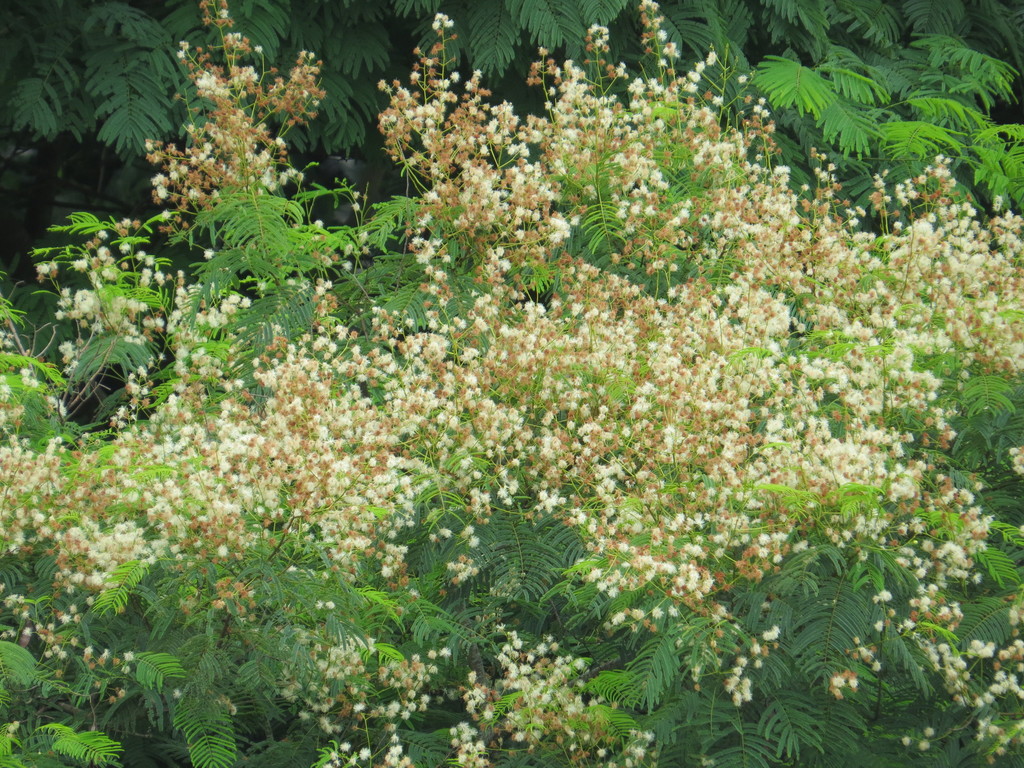
Secondary I High Fertilizer biomass 🌱 Nitrogen fixerFast-growing pioneer legume, nitrogen fixer. Adapted to poor and degraded soils; widely used in restoration of degraded areas across Caatinga, Cerr...
-
atemoya
Annona × atemoya
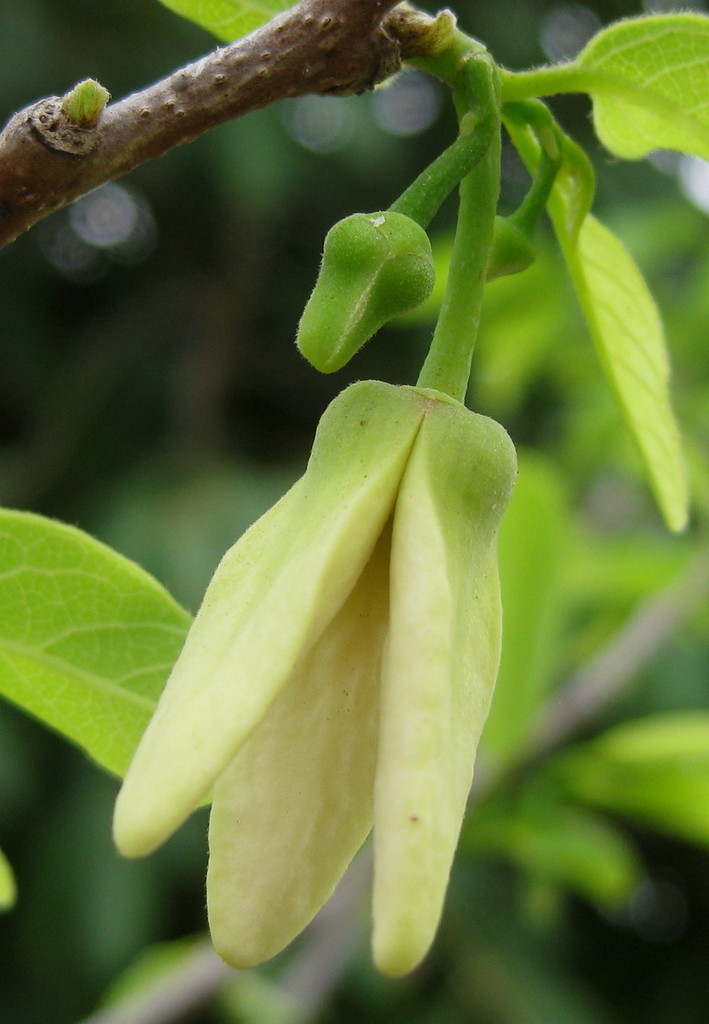
Secondary I Medium No biomass productionHybrid of sugar apple (A. squamosa) and cherimoya (A. cherimola), created in the US in the early 1900s and introduced to Brazil in the 1960s. Combi...
-
wild sweetsop
Annona cacans
Secondary II High Mulch biomassNative Atlantic Forest and Cerrado species, medium tree (8–15 m). Large fruits (up to 1.5 kg) with sweetish yellow flesh but a laxative effect (ori...
-
cherimoya
Annona cherimola
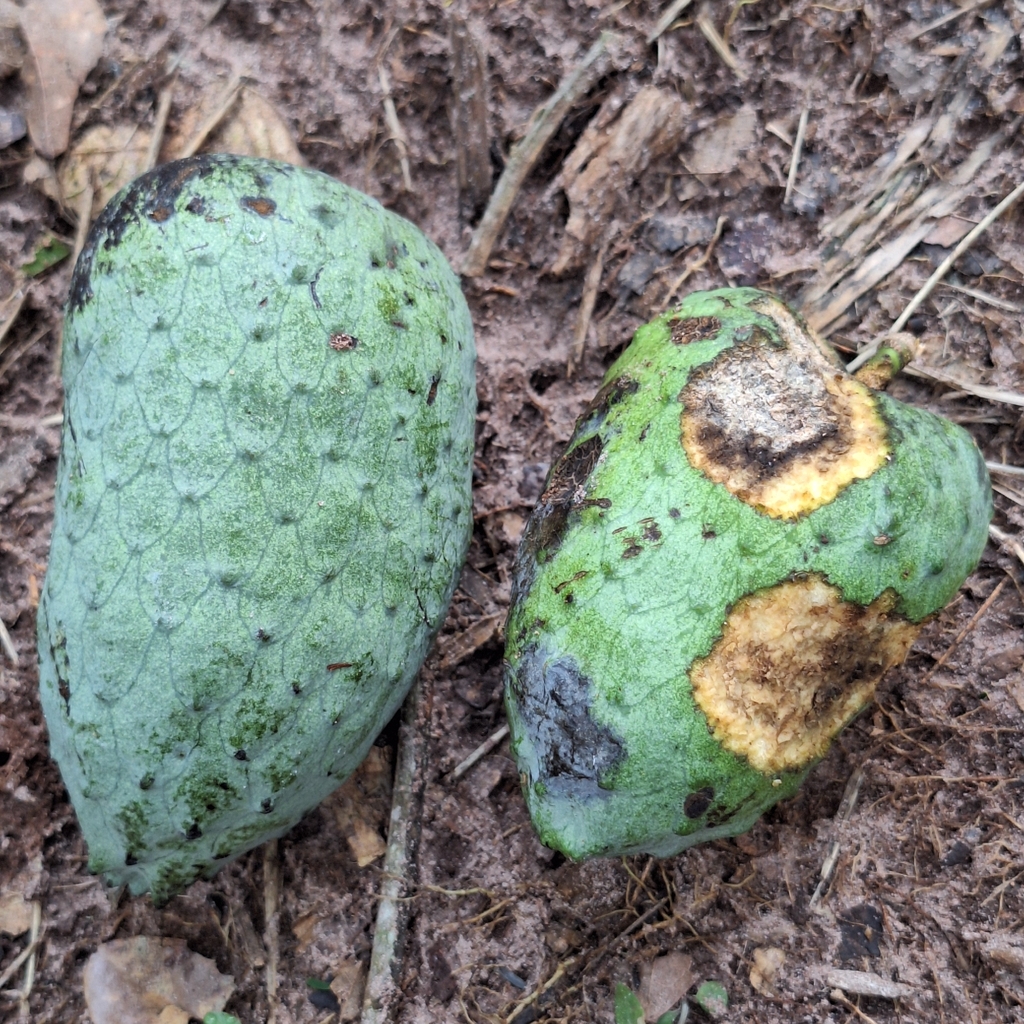
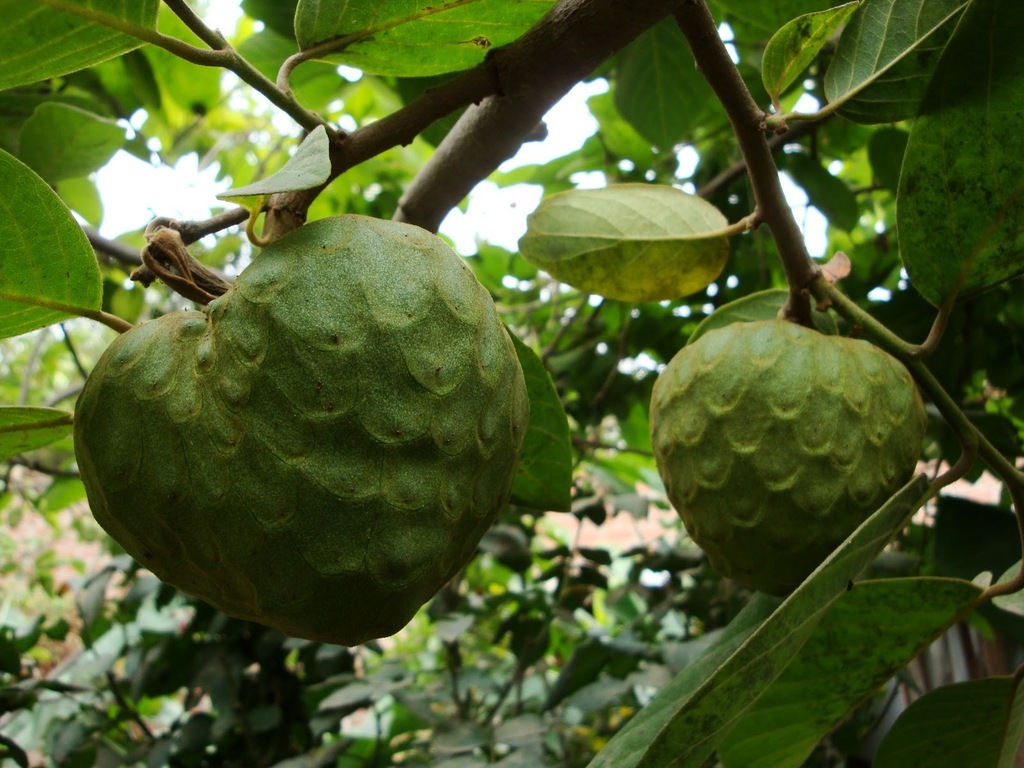
Secondary I Medium No biomass productionAndean native (Ecuador, Peru, Bolivia). Small tree (5–8 m), deciduous leaves. Light-green reticulated fruit with creamy white flesh of delicate fla...
-
marolo
Annona crassiflora
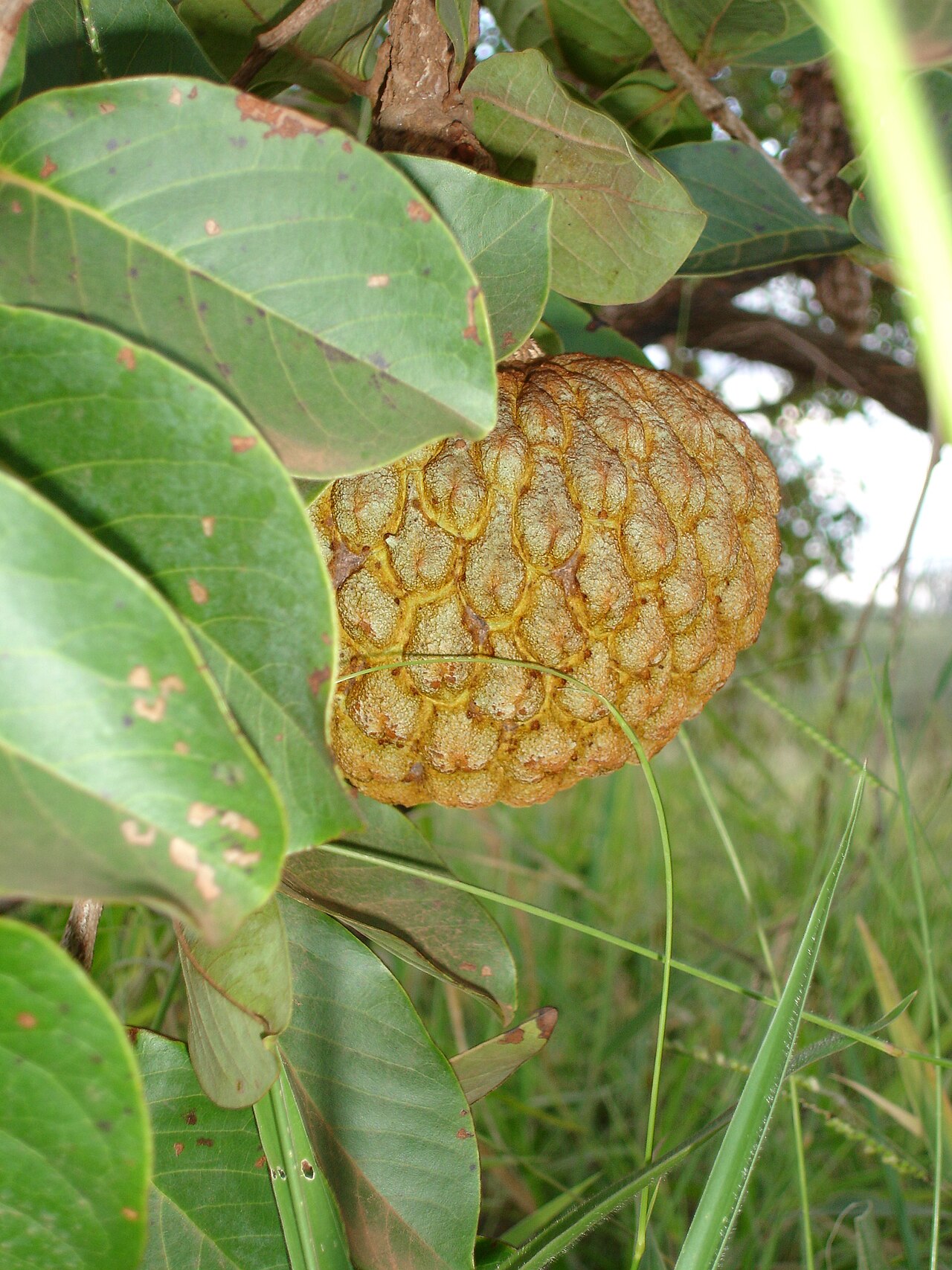
Secondary I MediumNative, endemic tree of the Brazilian Cerrado, reaching 6–8 m with a 2–4 m crown diameter. Fruits have high nutritional and bioactive value.
-
biriba
Annona mucosa
Secondary I High No biomass productionAmazonian fruit of the Annonaceae (cousin of pinha and graviola). Pasini lists it in the high stratum of Tabela 3. Creamy white pulp highly prized;...
-
soursop
Annona muricata
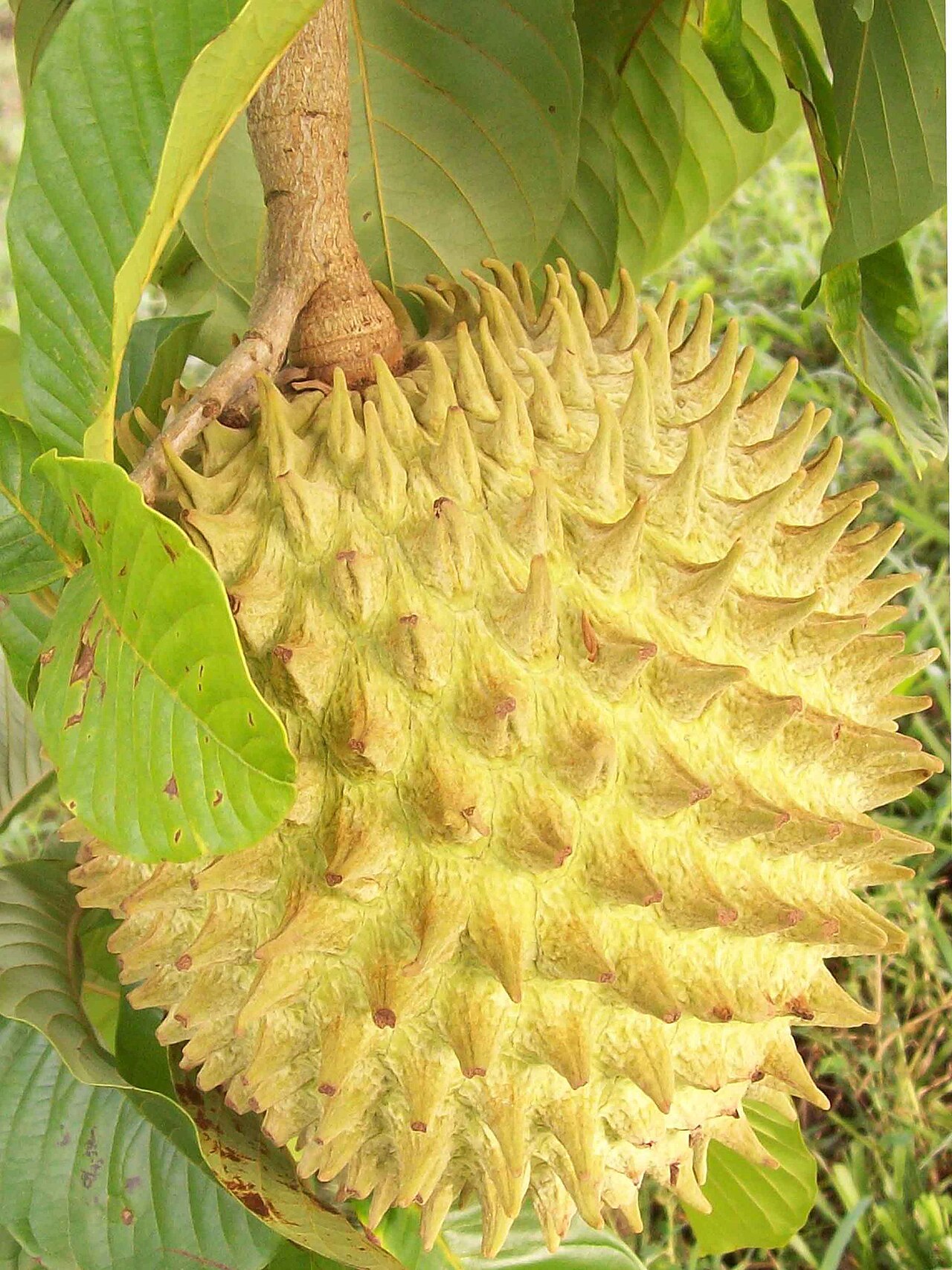
Secondary I High No biomass productionTropical fruit with sweet-tart white pulp and well-documented medicinal properties. Pasini lists it in the high stratum of Tabela 3. Native to Amaz...
-
sugar apple
Annona squamosa
Secondary I High No biomass productionSmall tropical fruit tree, same family as graviola. Pasini lists it in the high stratum of Tabela 3. Tolerates poor soils and drought; traditional ...
-
tucumã palm
Astrocaryum vulgare
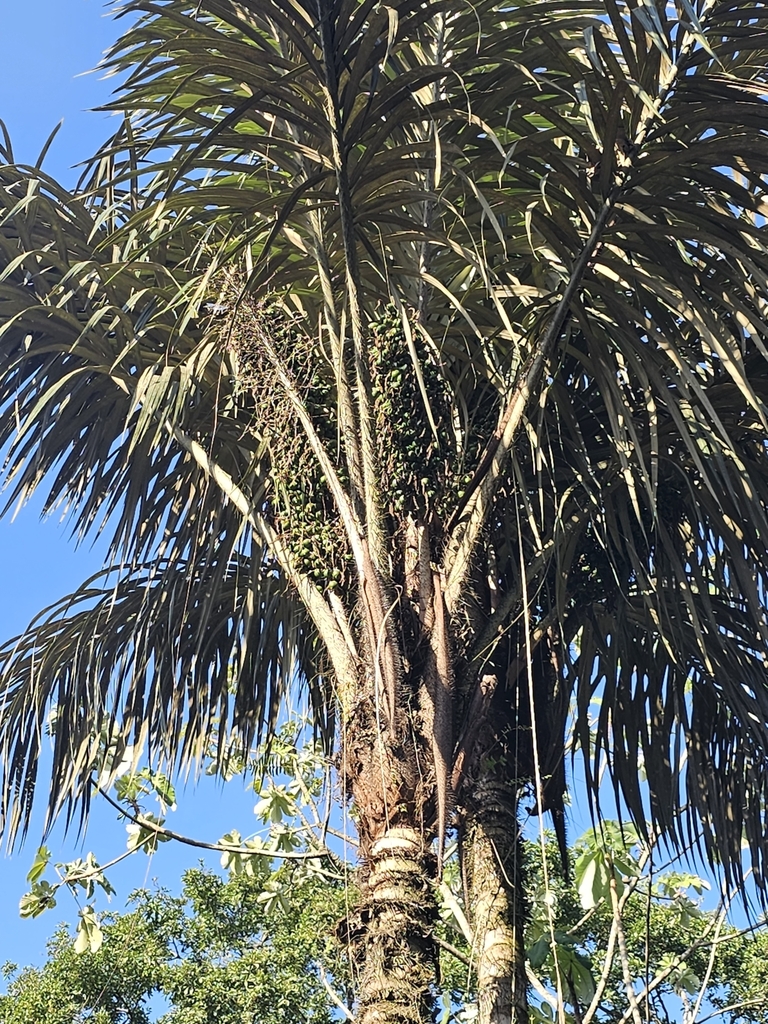
Secondary II High No biomass productionAmazonian high-stratum spiny palm, listed by Embrapa among native fruit species for Amazonian SAFs. Orange fruits very rich in beta-carotene and oi...
-
bilimbi
Averrhoa bilimbi
Secondary I Medium No biomass productionSmall tropical tree (5–10 m), close relative of carambola (Averrhoa carambola, already in canon). Small green cylindrical very acidic fruits — used...
-
starfruit
Averrhoa carambola
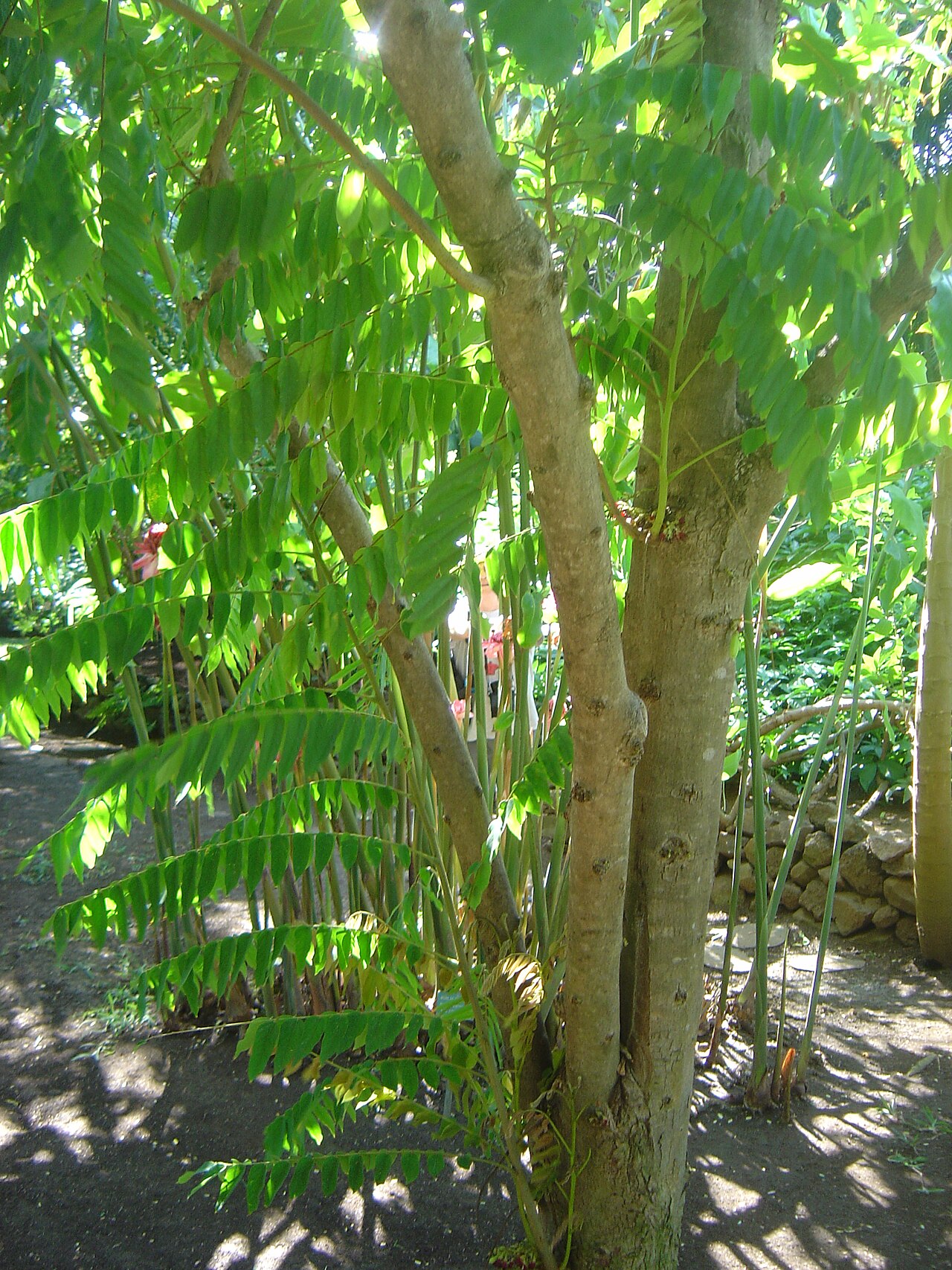
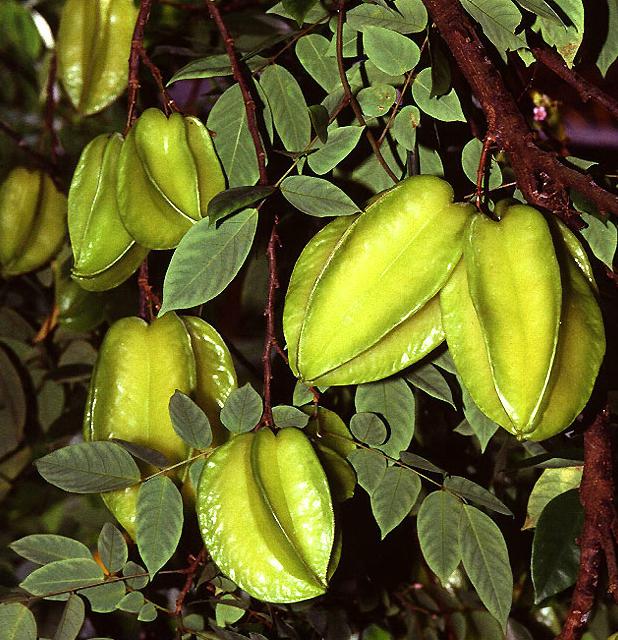
Secondary II Medium No biomass productionAsian fruit tree naturalized in Brazil, with the characteristic star-shape when sliced. EcoAgri lists it in the medium stratum of the 'up to 50 yea...
-
punting pole bamboo
Bambusa tuldoides
Secondary I High Mulch biomassA clumping bamboo native to southern China, with straight, relatively slender culms 6–12 m tall, widely used as poles, in light construction and cr...
-
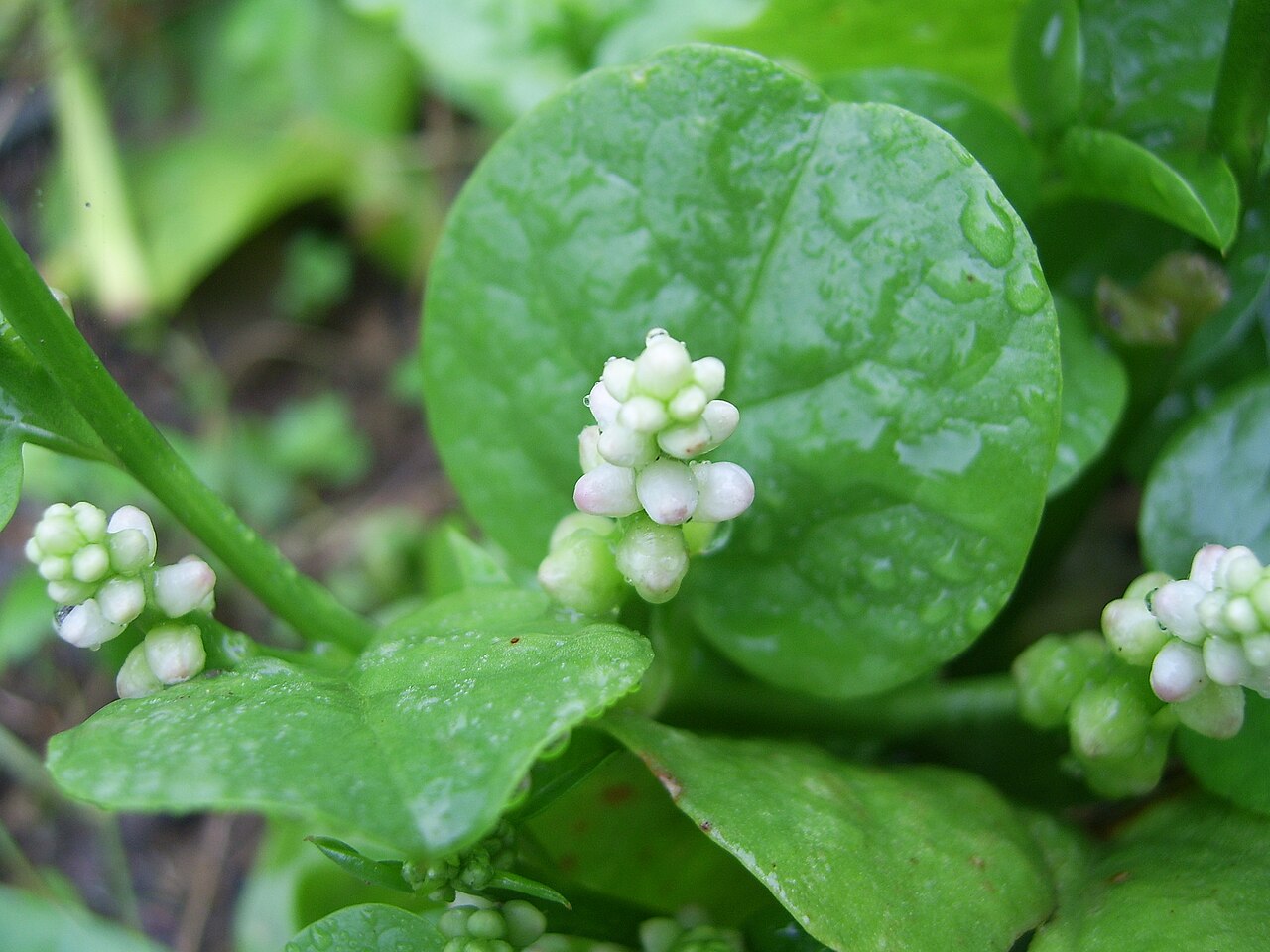
Malabar spinach
Basella alba
Placenta I Low No biomass productionA vigorous perennial soft-stemmed climbing vine grown as an annual, native to tropical Asia and widely naturalized in Brazil. Its thick, mucilagino...
-
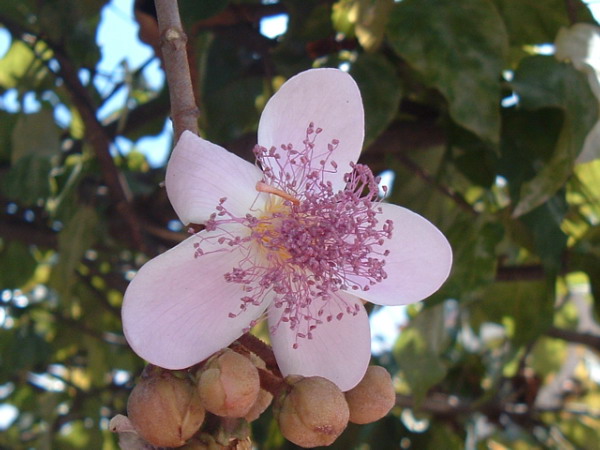
annatto
Bixa orellana
Secondary I Medium No biomass productionTropical American native dye-producing shrub. Pasini lists it in the medium stratum of Tabela 3 and in the 3–10 year phase of Tabela 4. Seeds yield...
-
cauliflower
Brassica oleracea var. botrytis
Placenta I Medium No biomass productionAnnual brassica grown for its white inflorescence. Pasini lists it in the high stratum of Tabela 3 (alongside broccoli and cabbage). 90–120 day cyc...
-
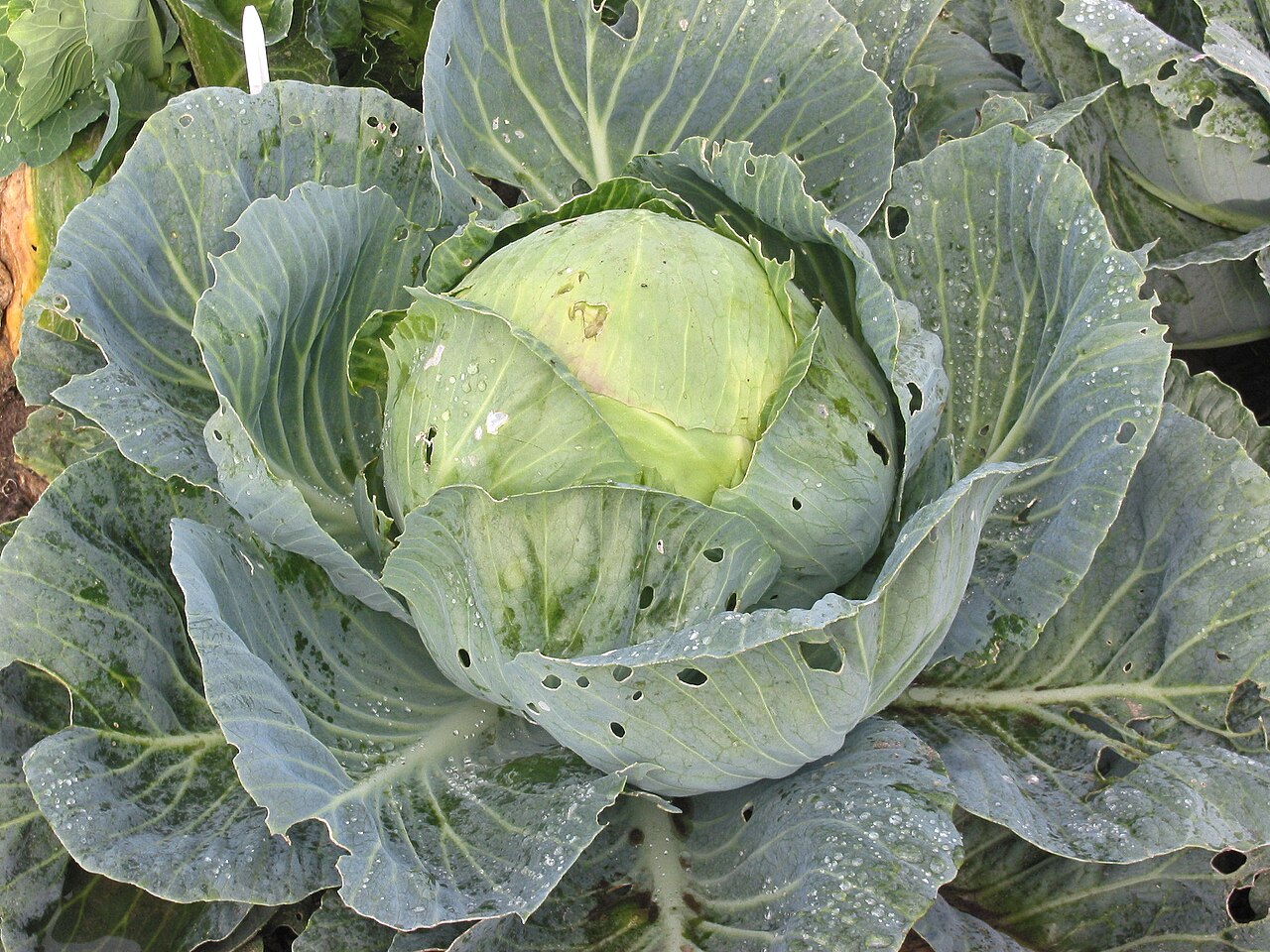
cabbage
Brassica oleracea var. capitata
Placenta I Medium No biomass productionAnnual brassica grown for its compact head of leaves. Pasini lists it in the high stratum of Tabela 3. Tolerates heat better than broccoli or cauli...
-
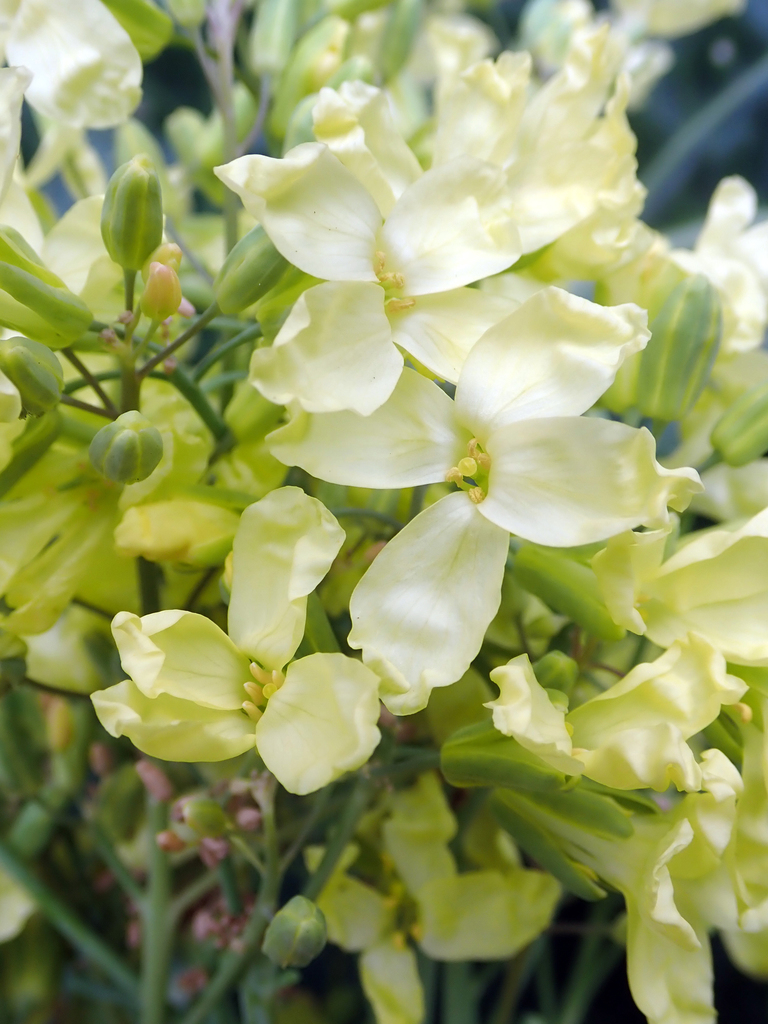
broccoli
Brassica oleracea var. italica
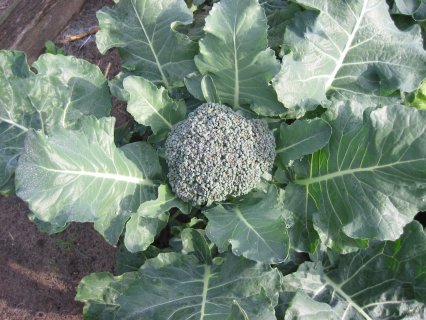
Placenta I Medium No biomass productionAnnual brassica grown for its green inflorescence. Pasini gives it as an example occupying the medium stratum in consortium with collards (low), to...
-
mama-cadela
Brosimum gaudichaudii
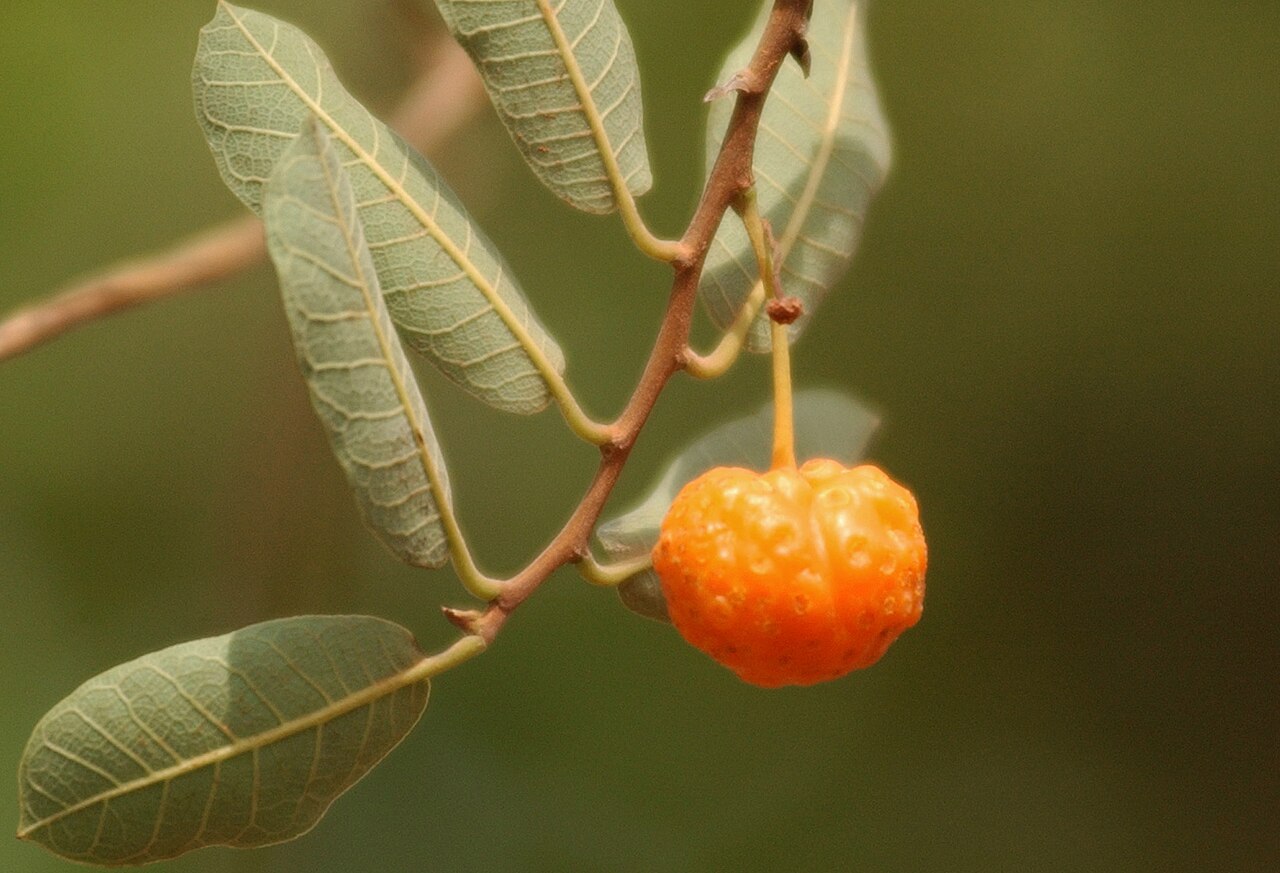
Secondary II Medium No biomass productionNative Cerrado small tree (3–8 m), exudes white latex. Small orange-yellow edible fruits with sweet taste. Medicinal root — psoralen traditionally ...
-
jelly palm
Butia odorata
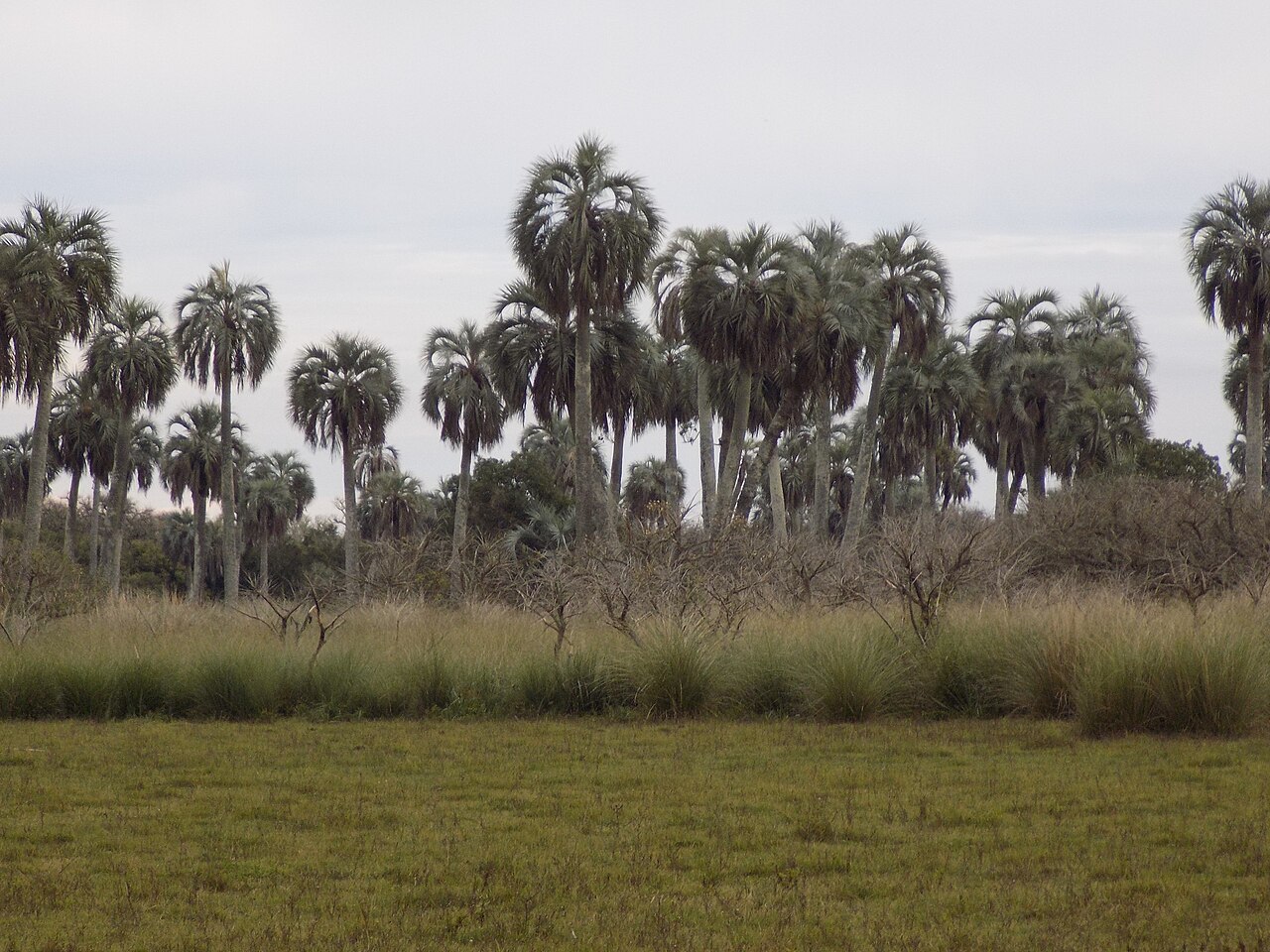
Climax Medium No biomass productionNative palm of the Pampa and southern grasslands. 4–8 m, leaf-base covered trunk. Orange-yellow fruits with fibrous sweet-tart flesh — basis of jel...
❓ Frequently asked questions
What is the medium stratum?
Sub-canopy; tolerate more shade than high stratum.
Which plants occupy the medium stratum?
The catalog holds 157 species, among them okra, kiwifruit, leek. Each profile shows stratum, succession stage, and the management data, with sources cited.