
Stratum
Plants of the medium stratum
Half-light under the canopy, in the 50–60% cover range: the medium stratum concentrates moderate-sized fruit trees. Many take full sun in the system's youth, but filtered light is where they settle.
157 species in the catalog · Refine this list in the catalog
-
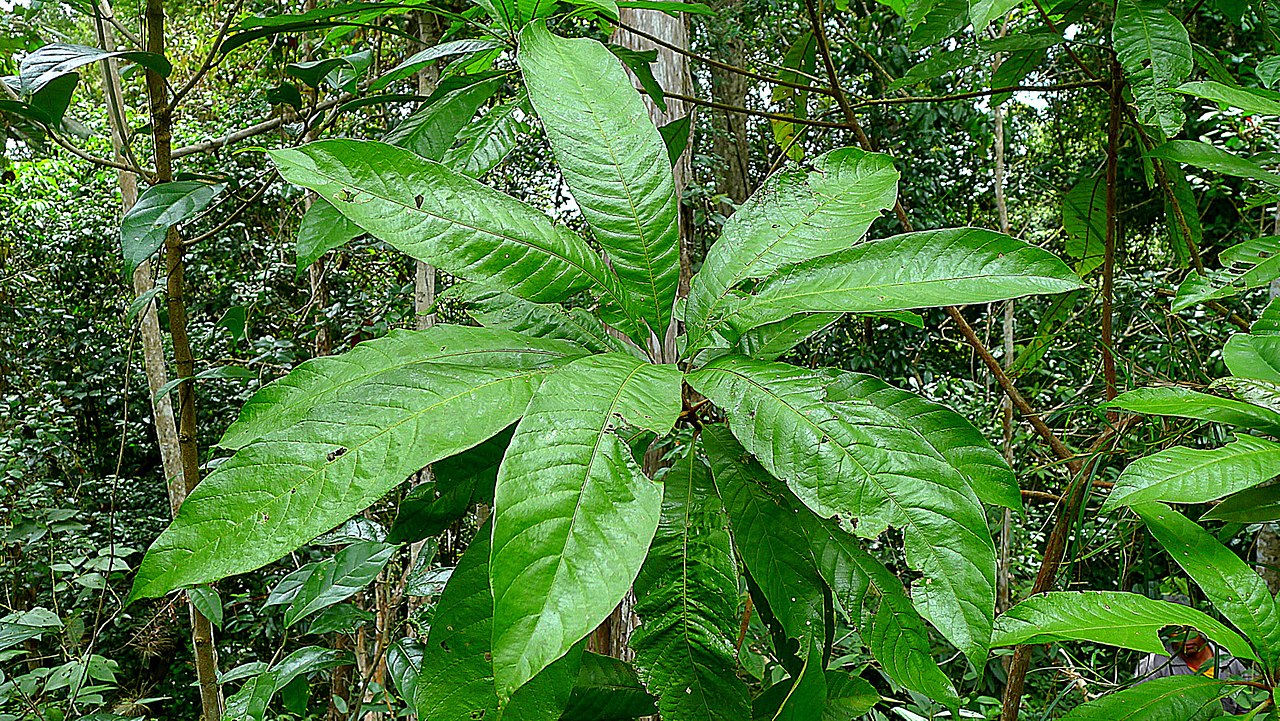
guapeva
Pouteria torta
Secondary II High Mulch biomassMedium-sized Cerrado and Atlantic Forest tree (8–15 m). Large yellow-orange fruit with sweet starchy flesh and shiny seeds — edible raw or in jams....
-
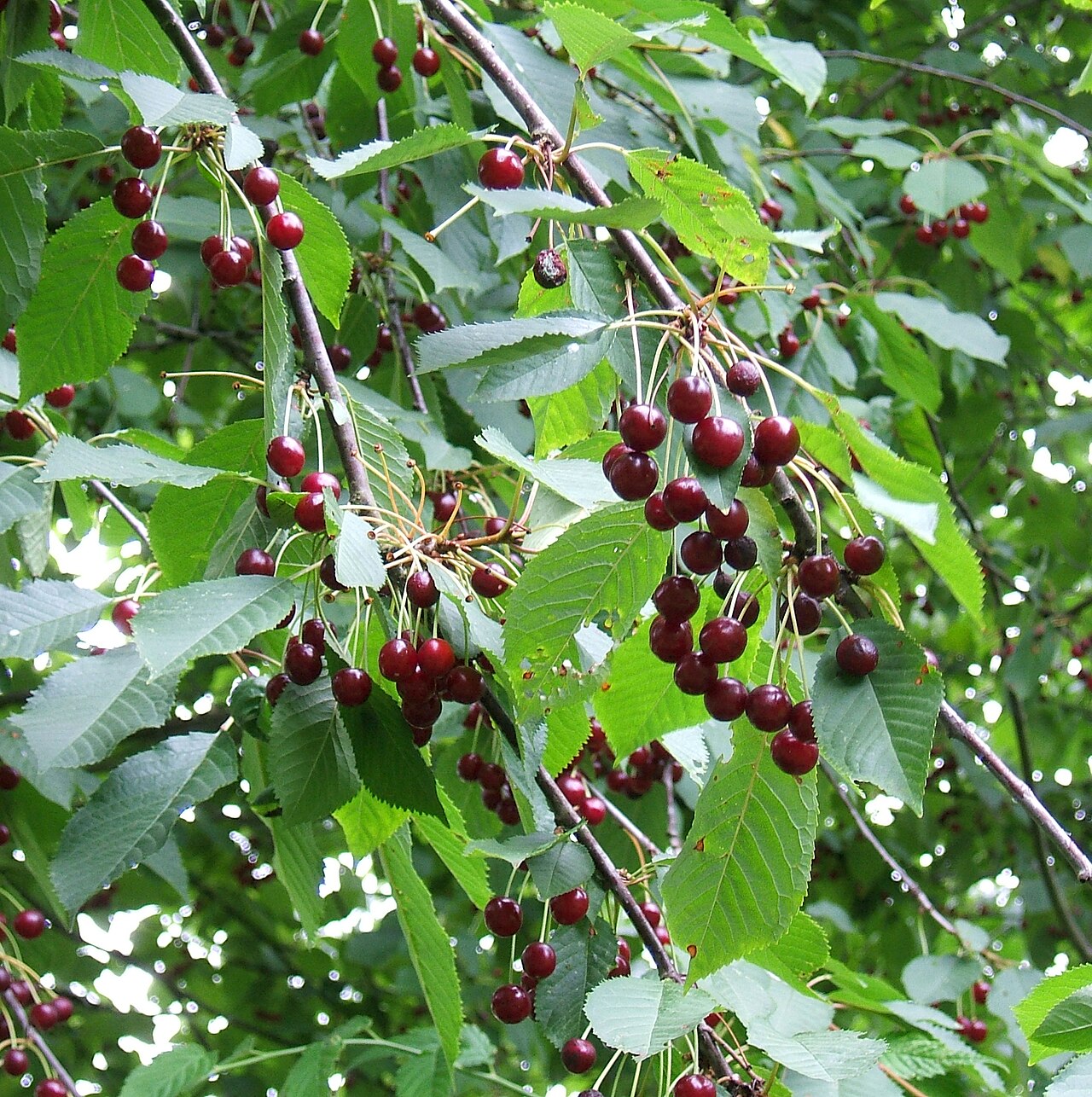
sweet cherry
Prunus avium
Secondary II High No biomass productionSweet cherry, a deciduous tree of the Rosaceae family, exotic to Brazil and highly chill-demanding — most cultivars need more than 800 hours below ...
-
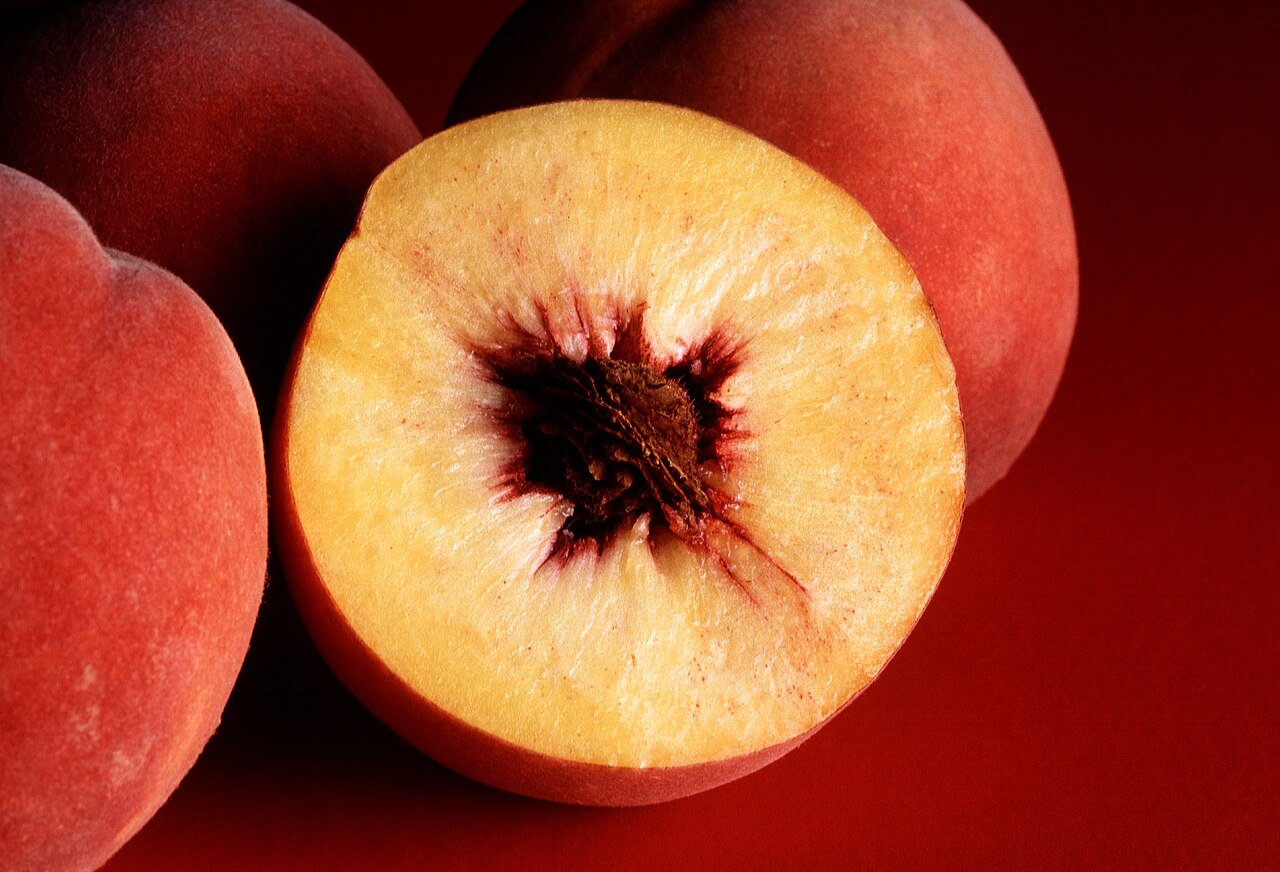
peach
Prunus persica
Secondary I Medium No biomass productionA deciduous fruit tree of the Rosaceae family, exotic to Brazil but well adapted to the temperate-climate regions of the south. It requires winter ...
-
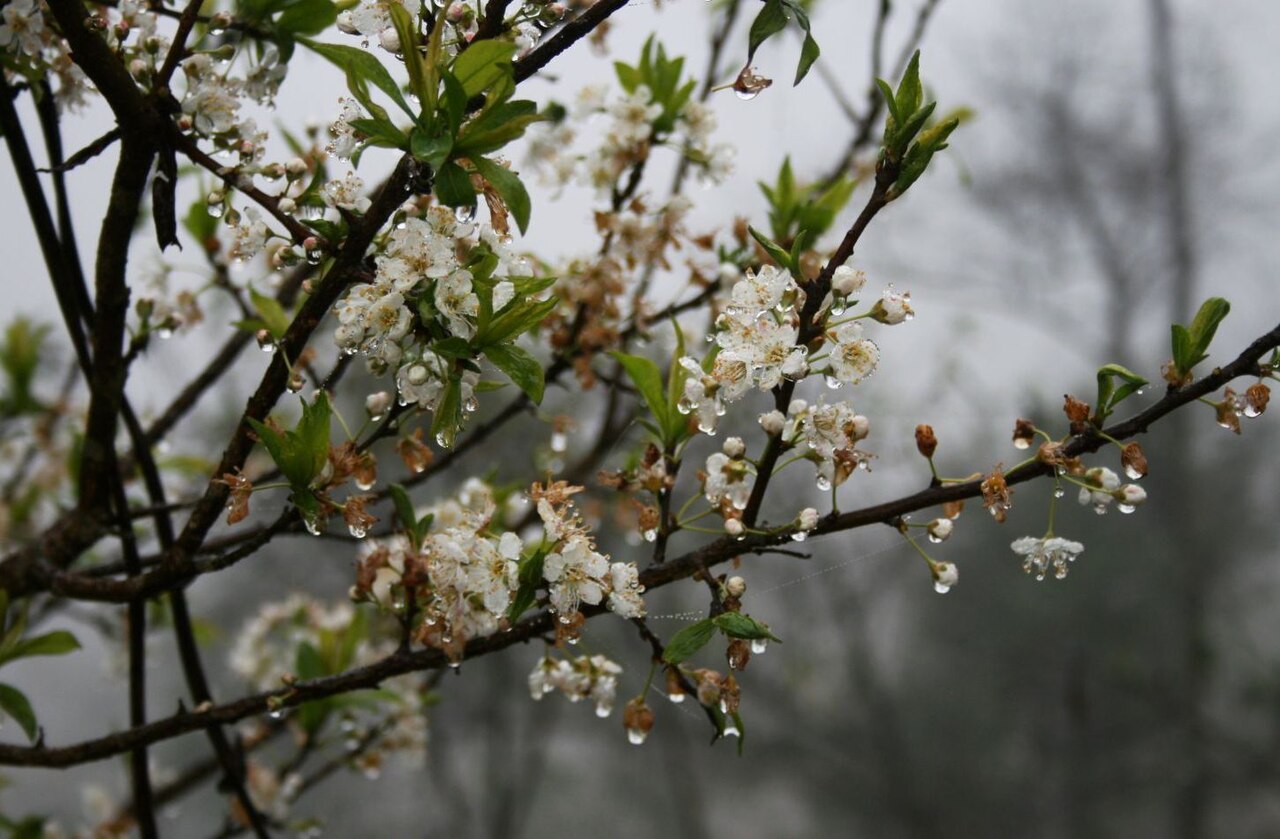
Japanese plum
Prunus salicina
Secondary I Medium No biomass productionA deciduous plum tree originating in China, widely grown in southern Brazil as a temperate fruit crop. It has a moderate chill requirement (cultiva...
-
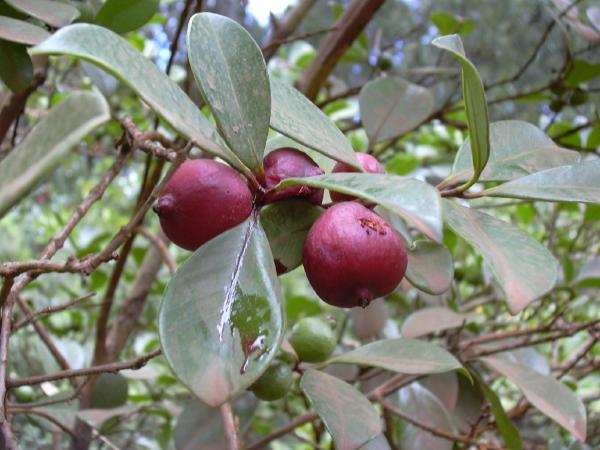
strawberry guava
Psidium cattleyanum
Secondary I High No biomass productionSmall native Atlantic Forest fruit tree, listed by Pasini in the high stratum of Tabela 3. Small red or yellow fruit similar to a guava with intens...
-
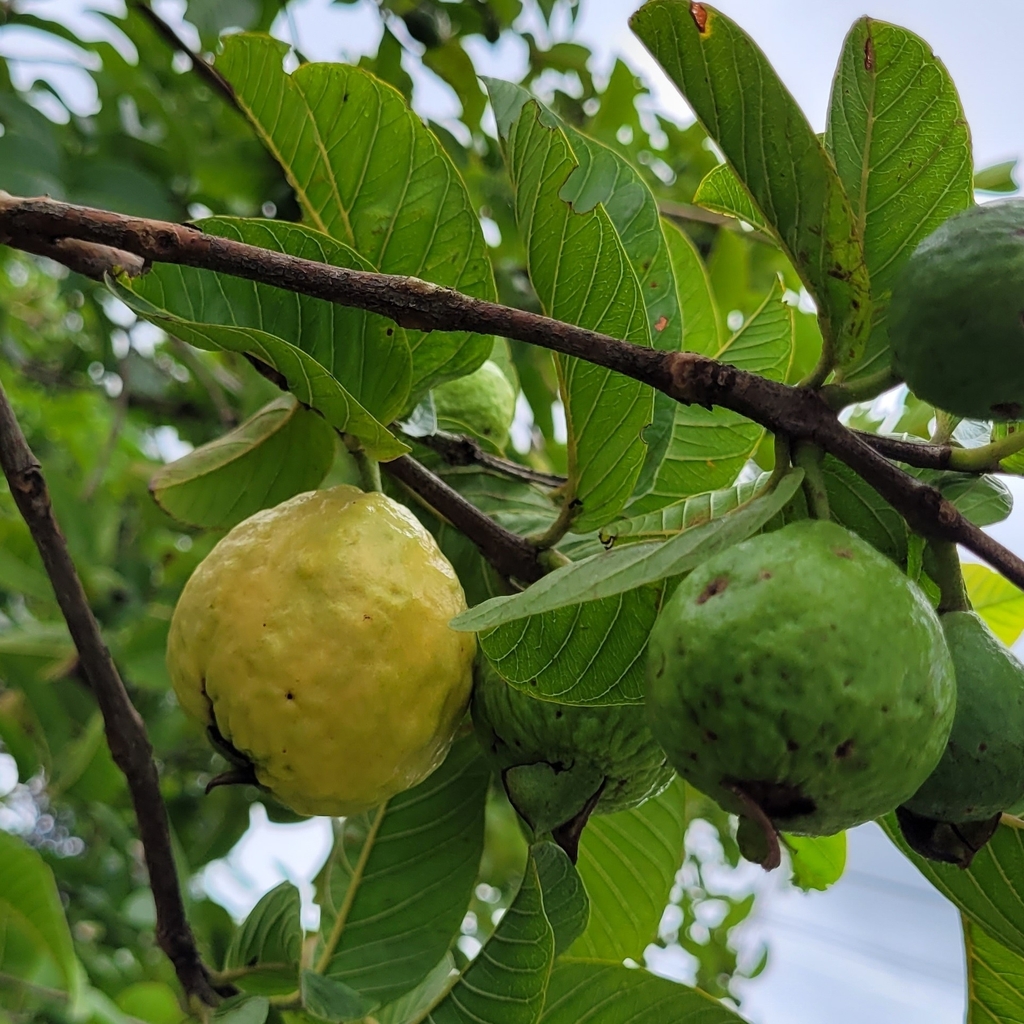
guava
Psidium guajava
Secondary I High No biomass productionNative tropical American fruit tree, common in Brazilian syntropic agroforestry systems. Pasini lists it in the high stratum of Tabela 3. Tolerates...
-
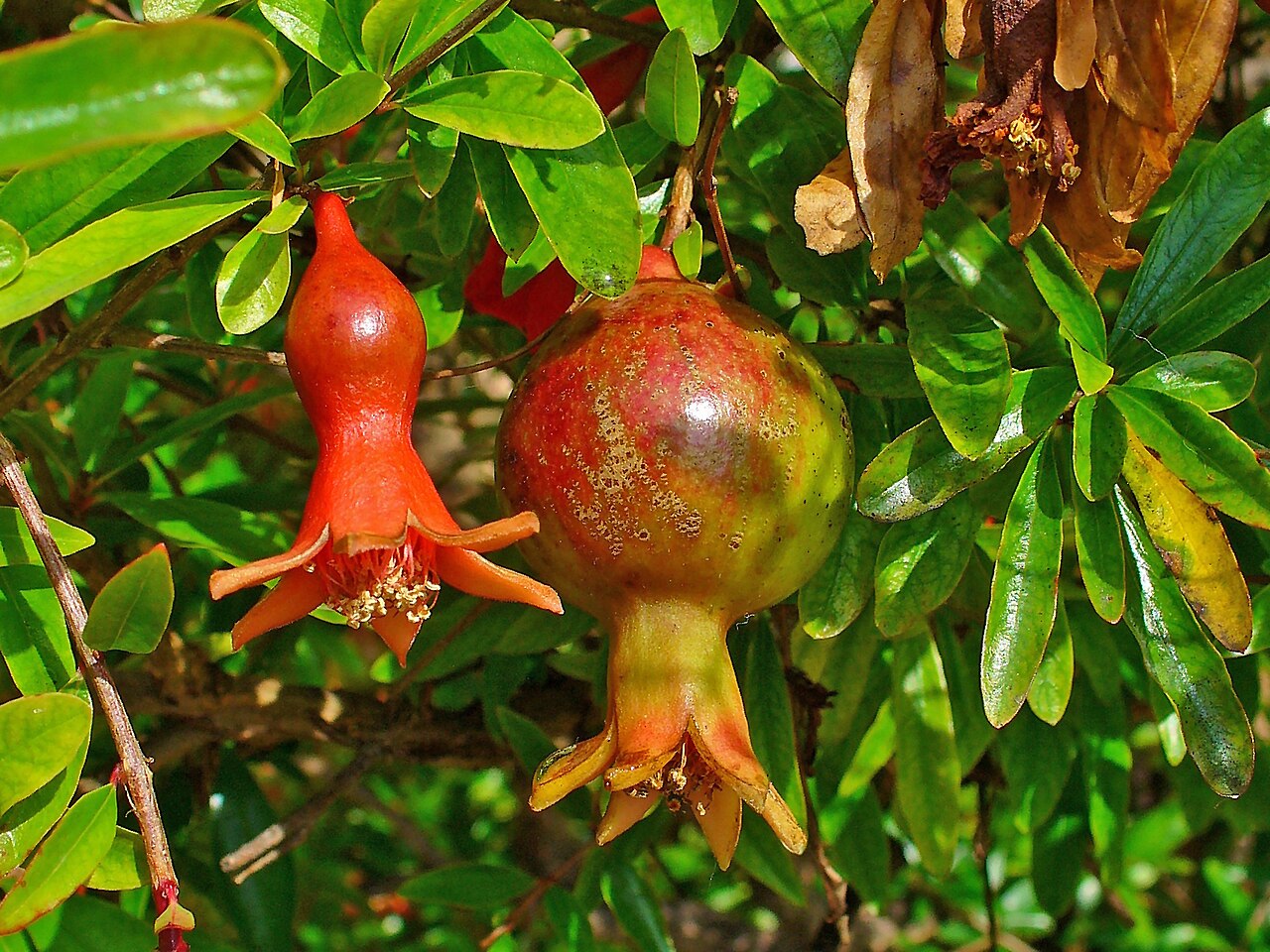
pomegranate
Punica granatum
Secondary I Low No biomass productionPomegranate, a deciduous shrub or small tree of the Lythraceae family, exotic to Brazil and cultivated across a wide range of the country. Drought-...
-
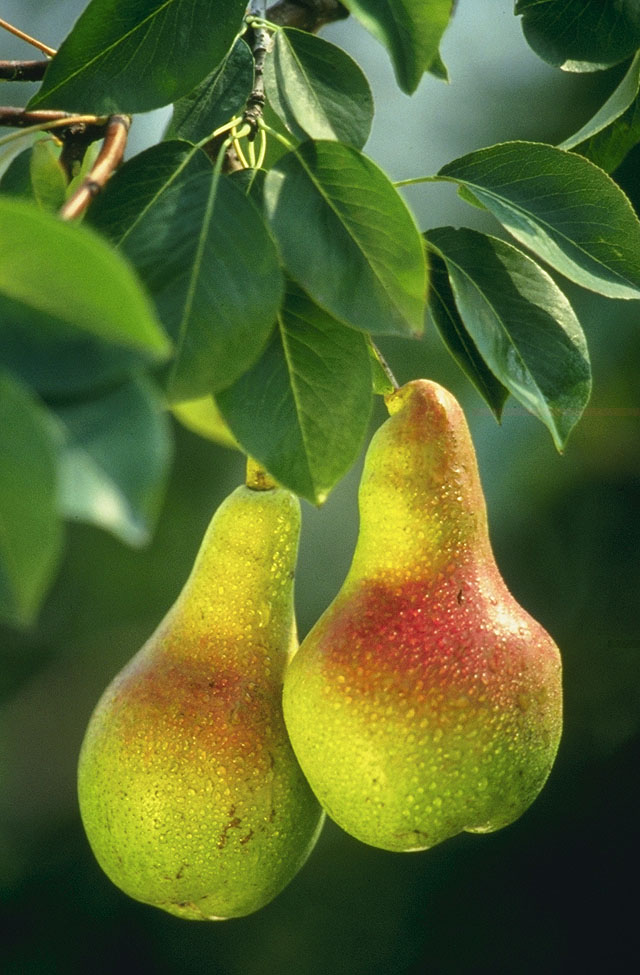
European pear
Pyrus communis
Secondary II Medium No biomass productionThe European pear, a deciduous fruit tree of the Rosaceae family, exotic to Brazil and demanding in chill (usually more than 600 hours below 7 °C)....
-
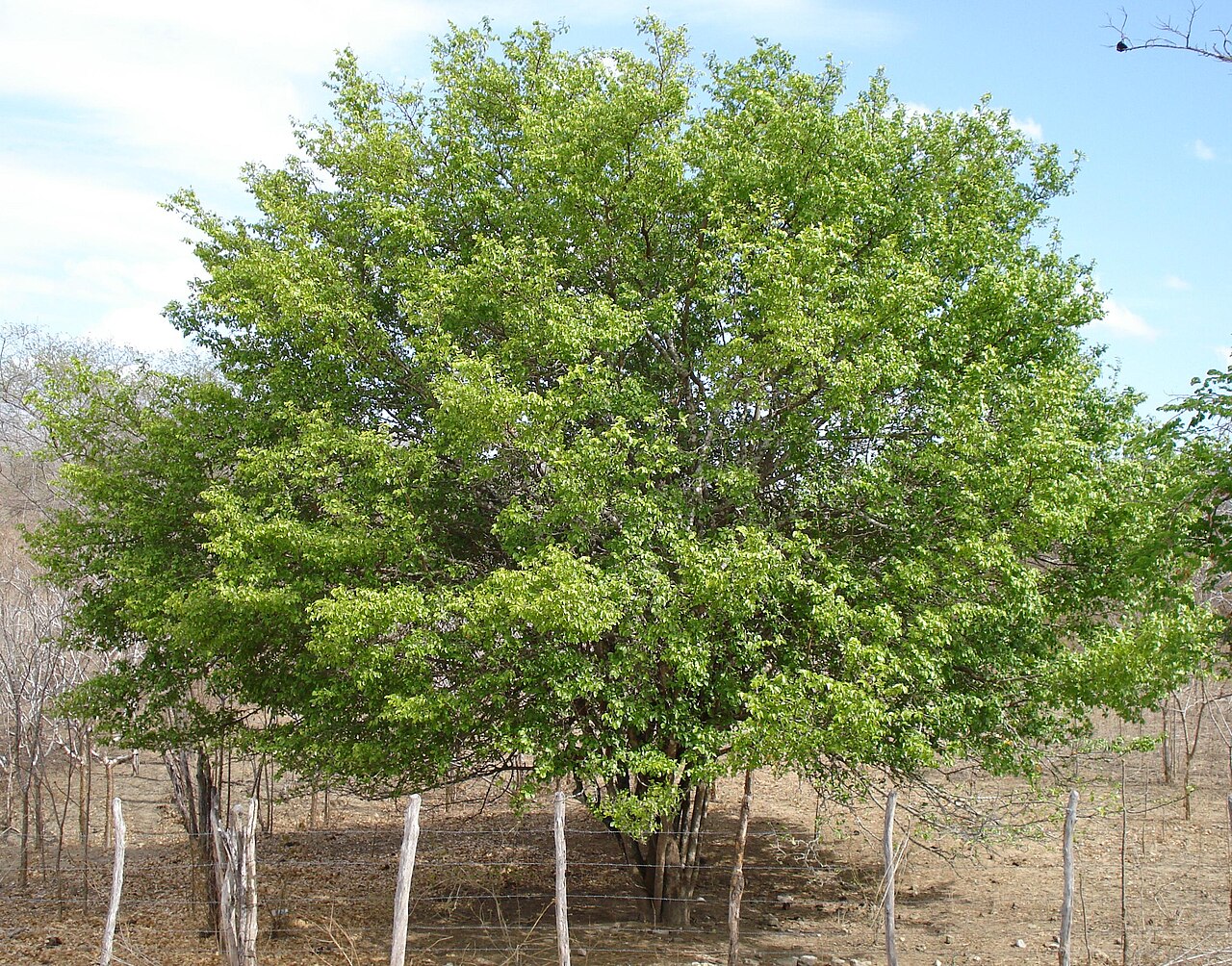
Brazilian jujube
Sarcomphalus joazeiro
Climax HighEvergreen Caatinga tree known for remaining green throughout the dry season thanks to deep taproots that reach groundwater.
-
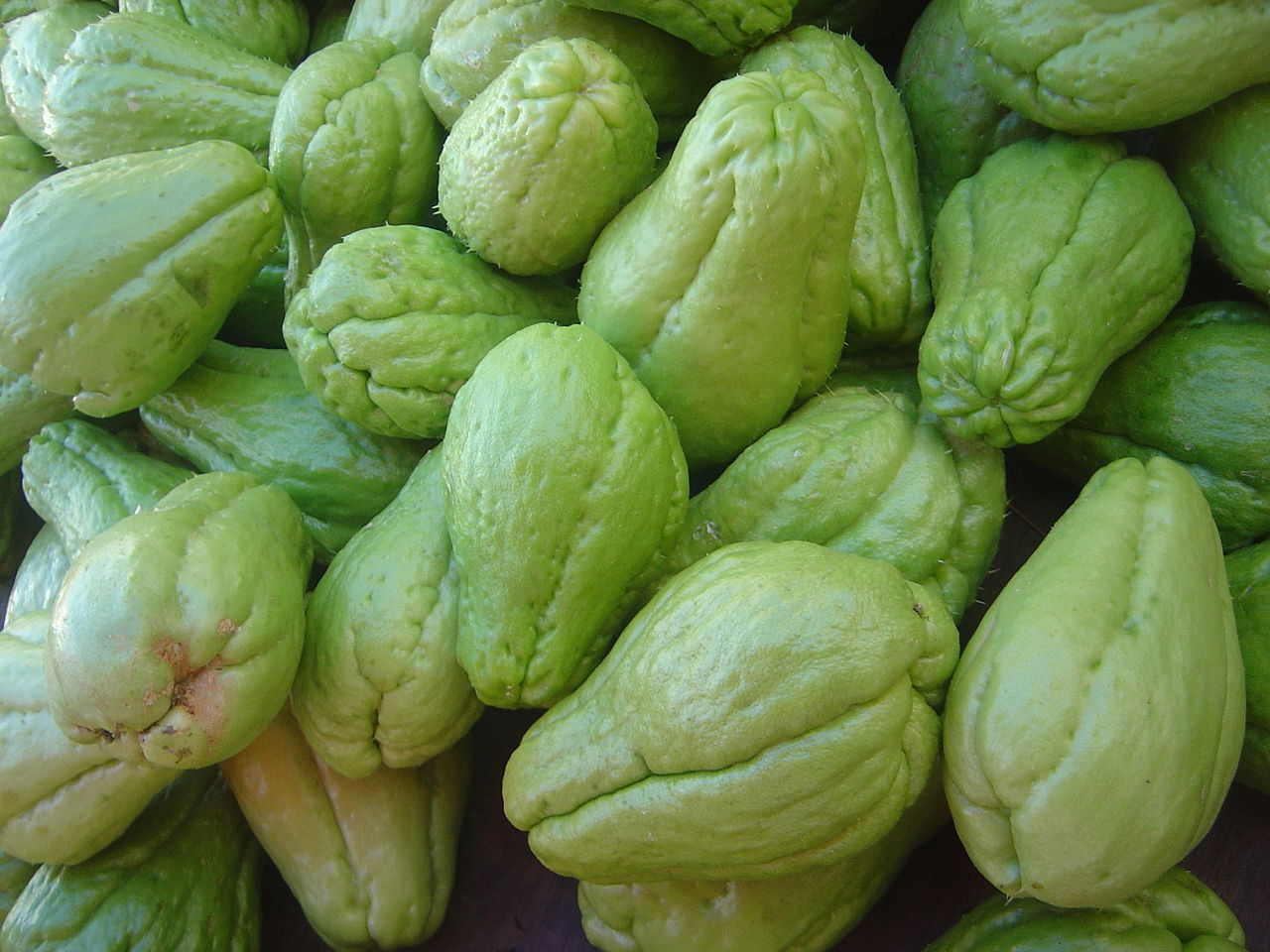
chayote
Sechium edule
Placenta II High No biomass productionPerennial climbing cucurbit of Mesoamerican origin, naturalized in Brazil. EcoAgri lists it in the high stratum of the 'up to 3 years' bin (the pla...
-
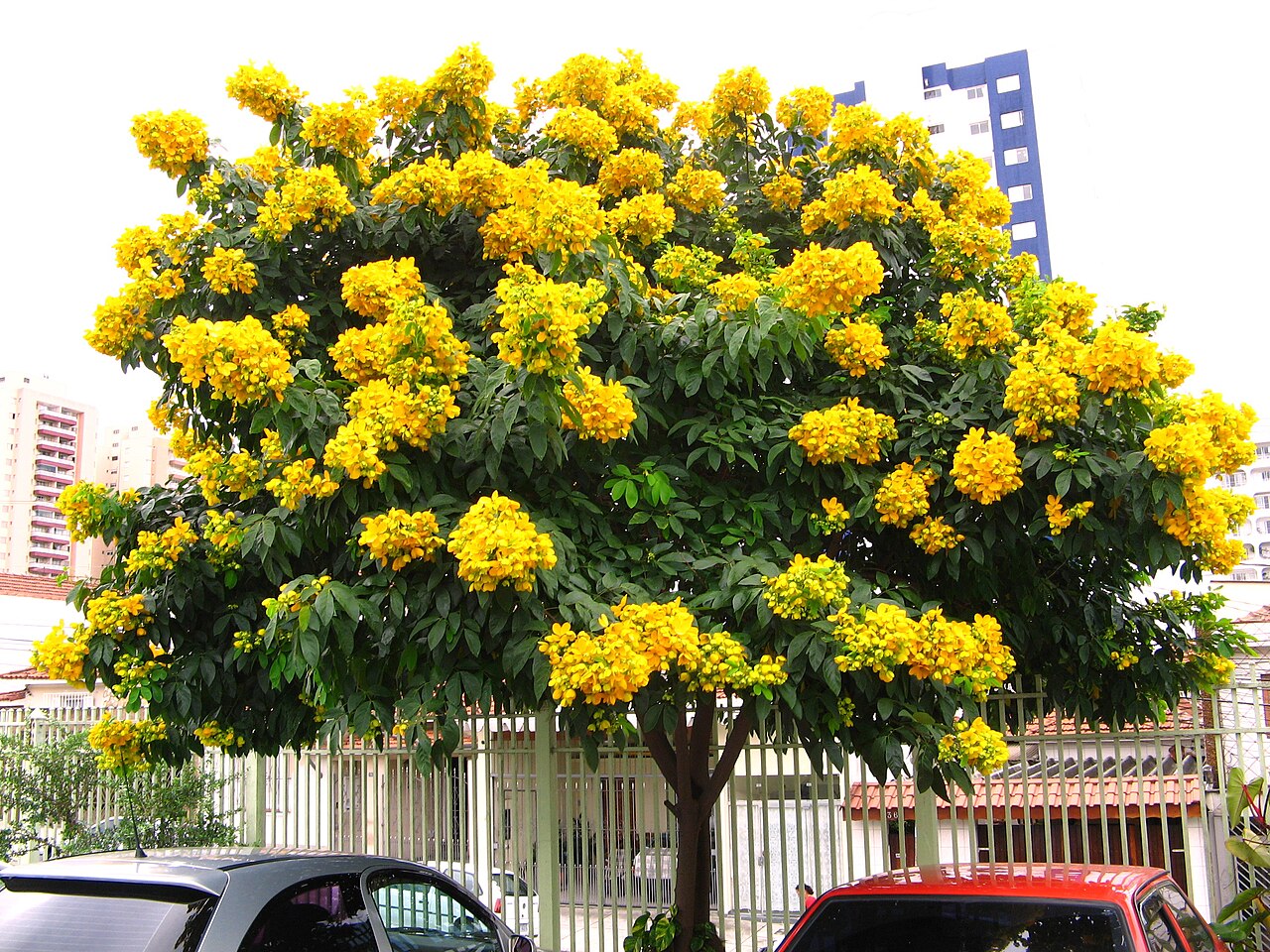
senna macranthera
Senna macranthera
Secondary I Medium Fertilizer biomassA nitrogen-associated leguminous tree native to Brazil, small to medium-sized (6-8 m), fast-growing and semi-deciduous. It bears showy yellow flowe...
-
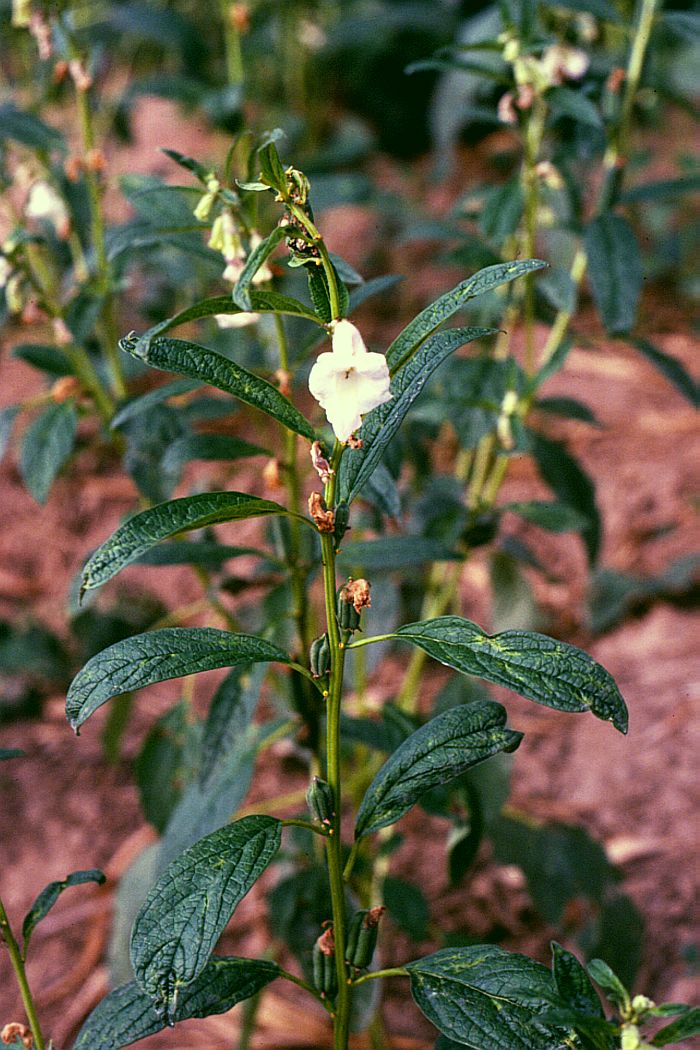
sesame
Sesamum indicum
Placenta I High No biomass productionIndo-African annual oilseed. EcoAgri lists it in the high stratum of the 'up to 6 months' bin. Tolerates sandy soils and drought well; seeds are hi...
-
wand riverhemp
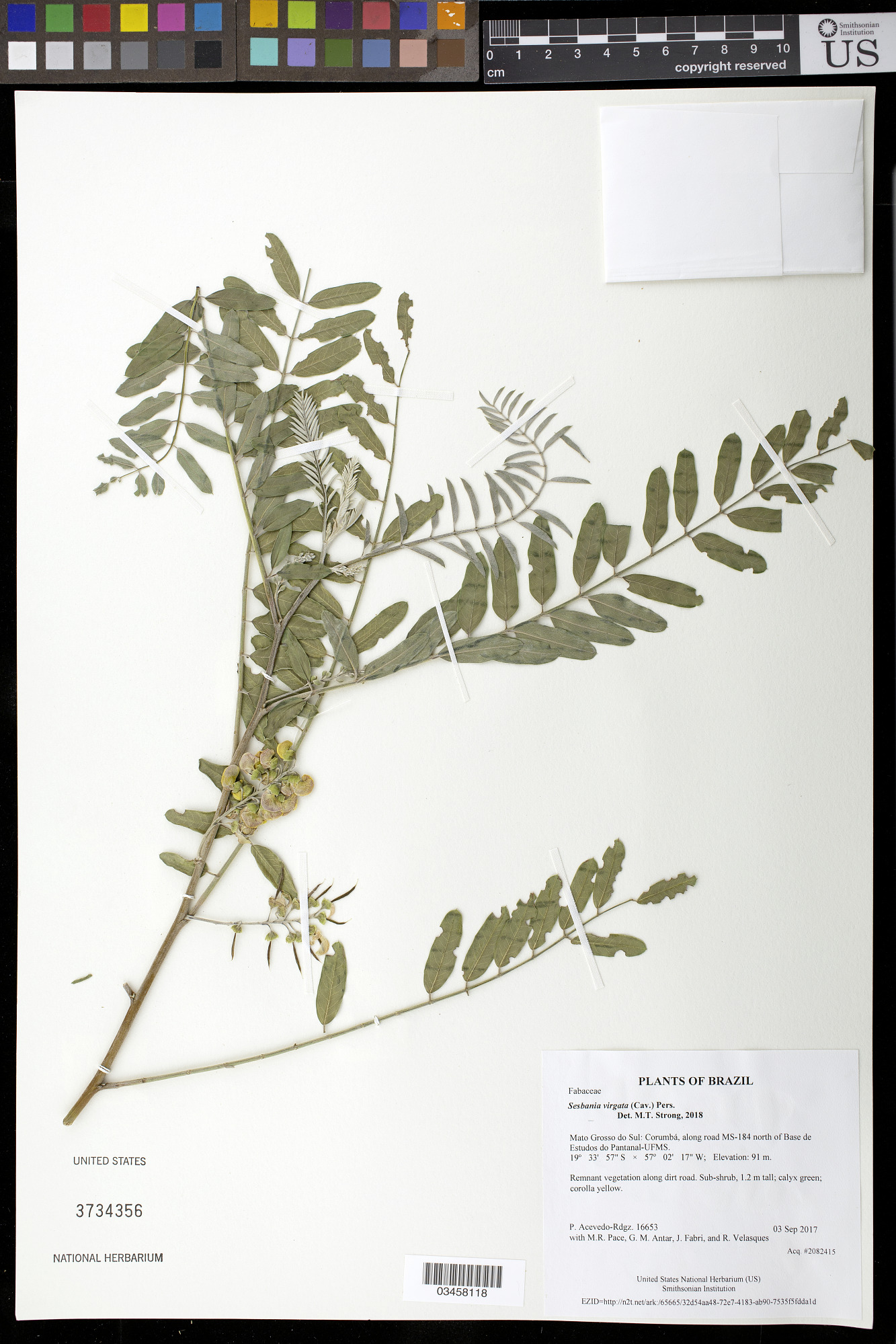
Sesbania virgata
Placenta I Low Fertilizer biomass 🌱 Nitrogen fixerA pioneer leguminous shrub native to riparian environments of southern Brazil, Uruguay and northeastern Argentina. It fixes nitrogen by nodulating ...
-
yacon
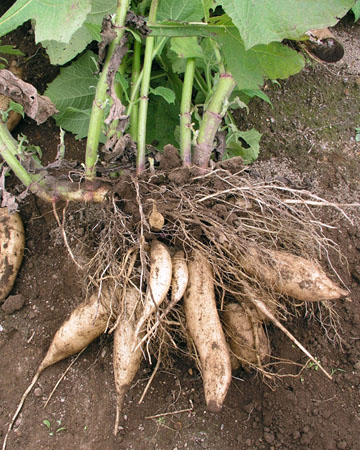
Smallanthus sonchifolius
Placenta II Medium Fertilizer biomassAndean tuber crop, herbaceous 2–3 m. Sweet tubers rich in fructooligosaccharides — a non-glycemic sugar suitable for diabetics. Cycle 6–10 months t...
-
scarlet eggplant
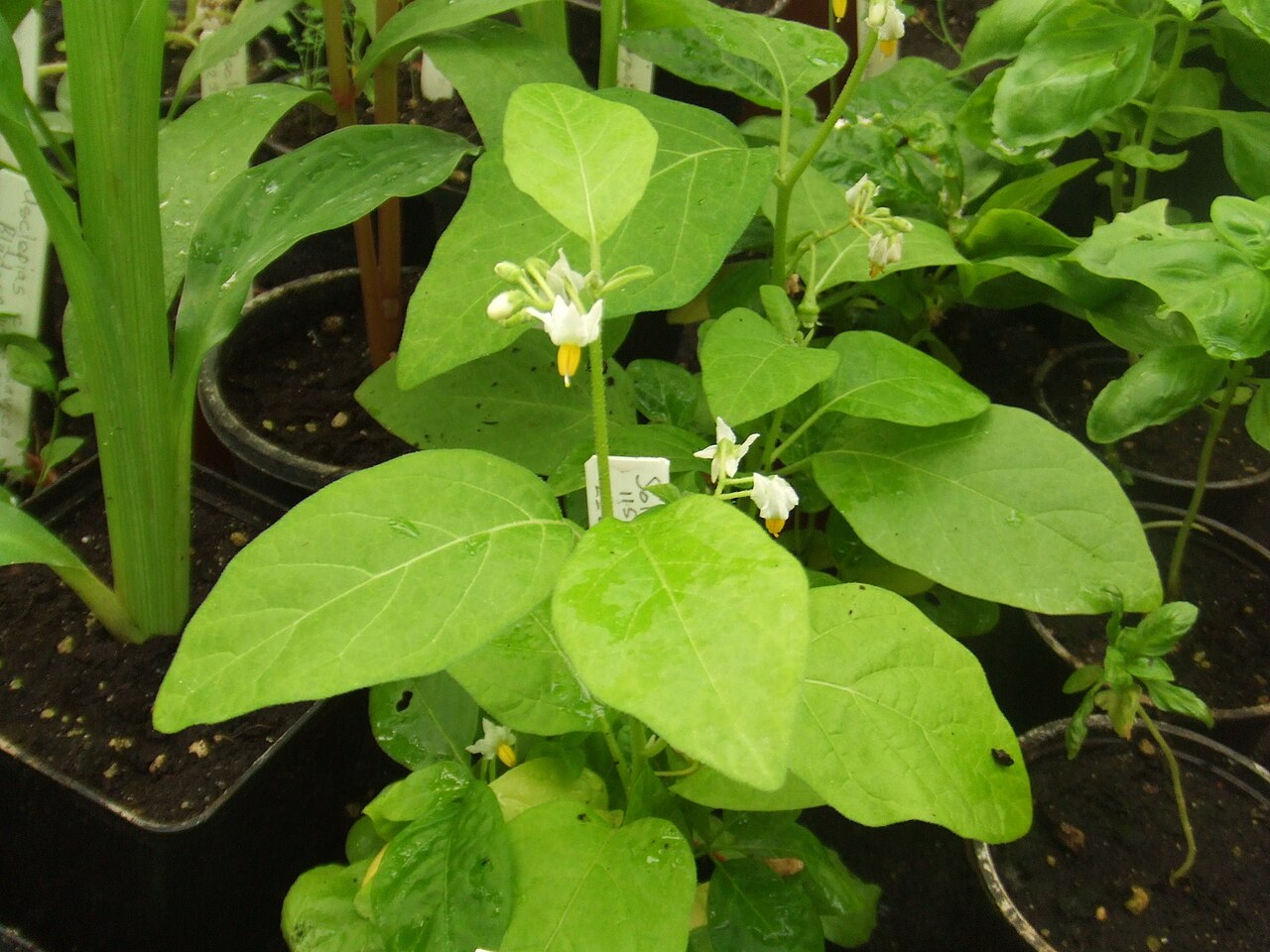
Solanum aethiopicum
Placenta II Medium No biomass productionSolanaceae of African origin, close relative of eggplant. EcoAgri lists it in the medium stratum of the 'up to 3 years' bin. Bitter green fruits ea...
-
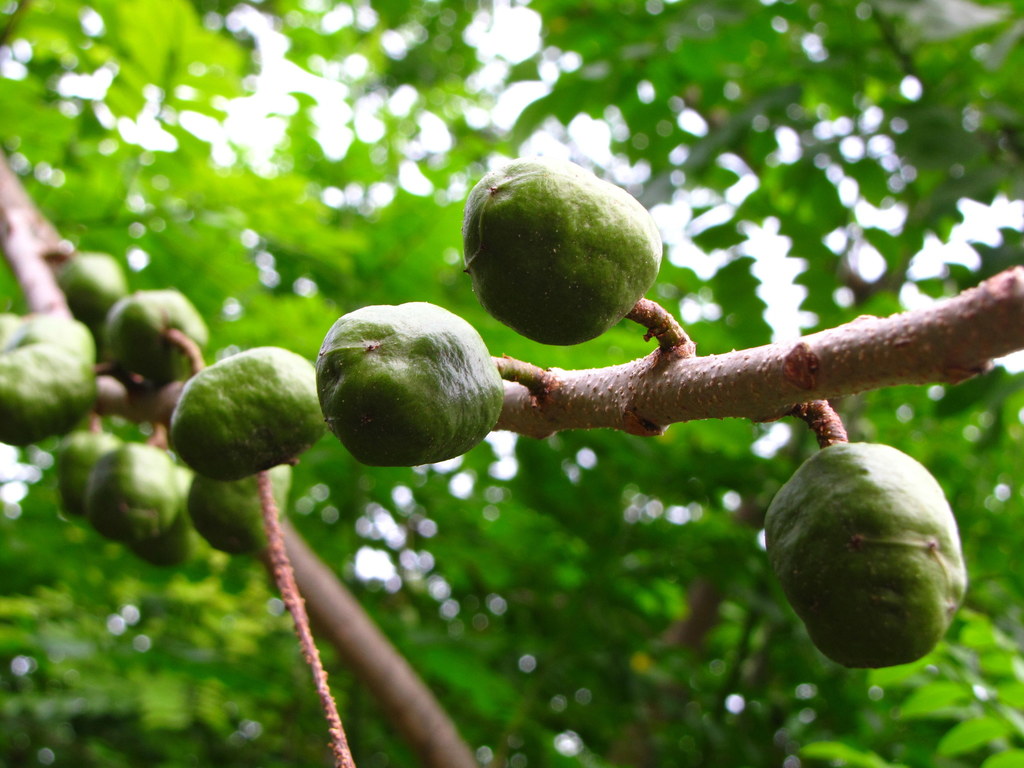
wolf apple
Solanum lycocarpum
Placenta II Low Mulch biomassSmall iconic Cerrado tree, listed by Rebello among accumulation-system species used on exhausted soils in Chapada dos Veadeiros. Large yellow fruit...
-
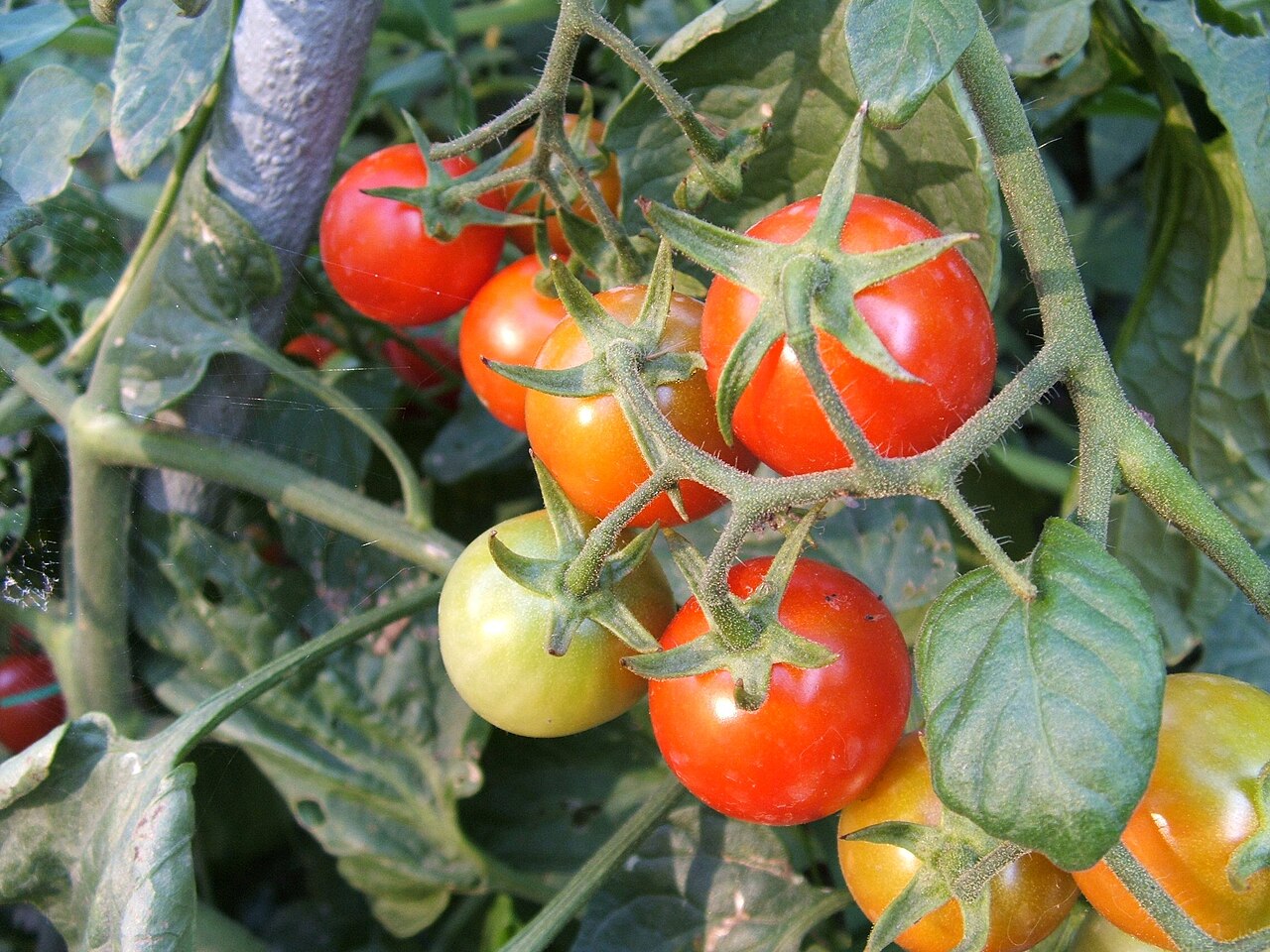
tomato
Solanum lycopersicum
Placenta I High No biomass productionAnnual vegetable-fruit, listed by Pasini in the high stratum of Tabela 3. The Bosque de Niebla Guidebook places it as typical Placenta I in the hig...
-
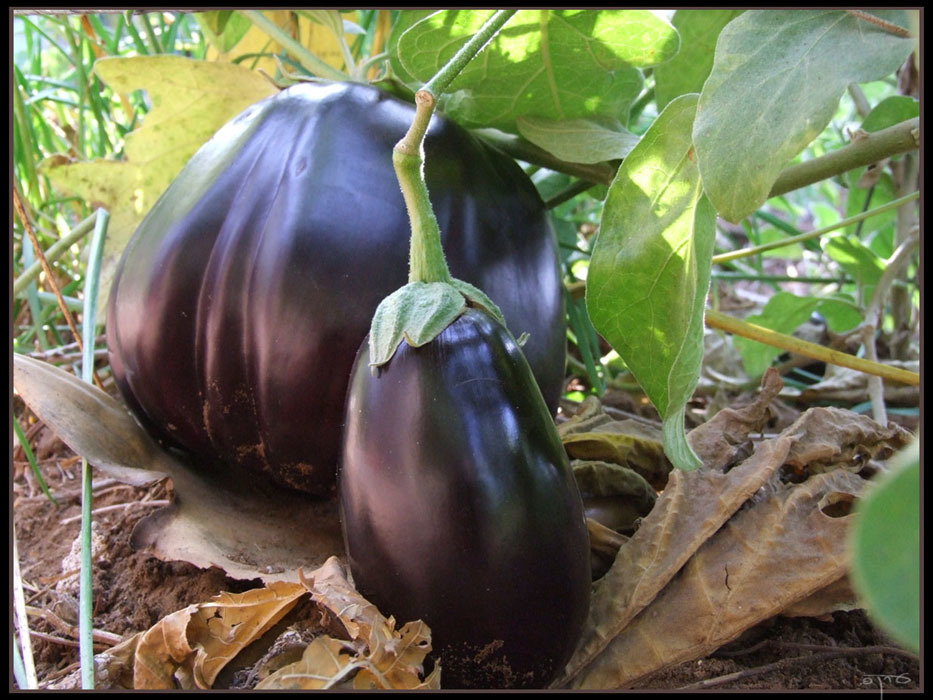
eggplant
Solanum melongena
Placenta I Medium No biomass productionAnnual or short-lived perennial Solanaceae grown for the fruit. The Bosque de Niebla Guidebook lists eggplant as Placenta I in the medium stratum. ...
-
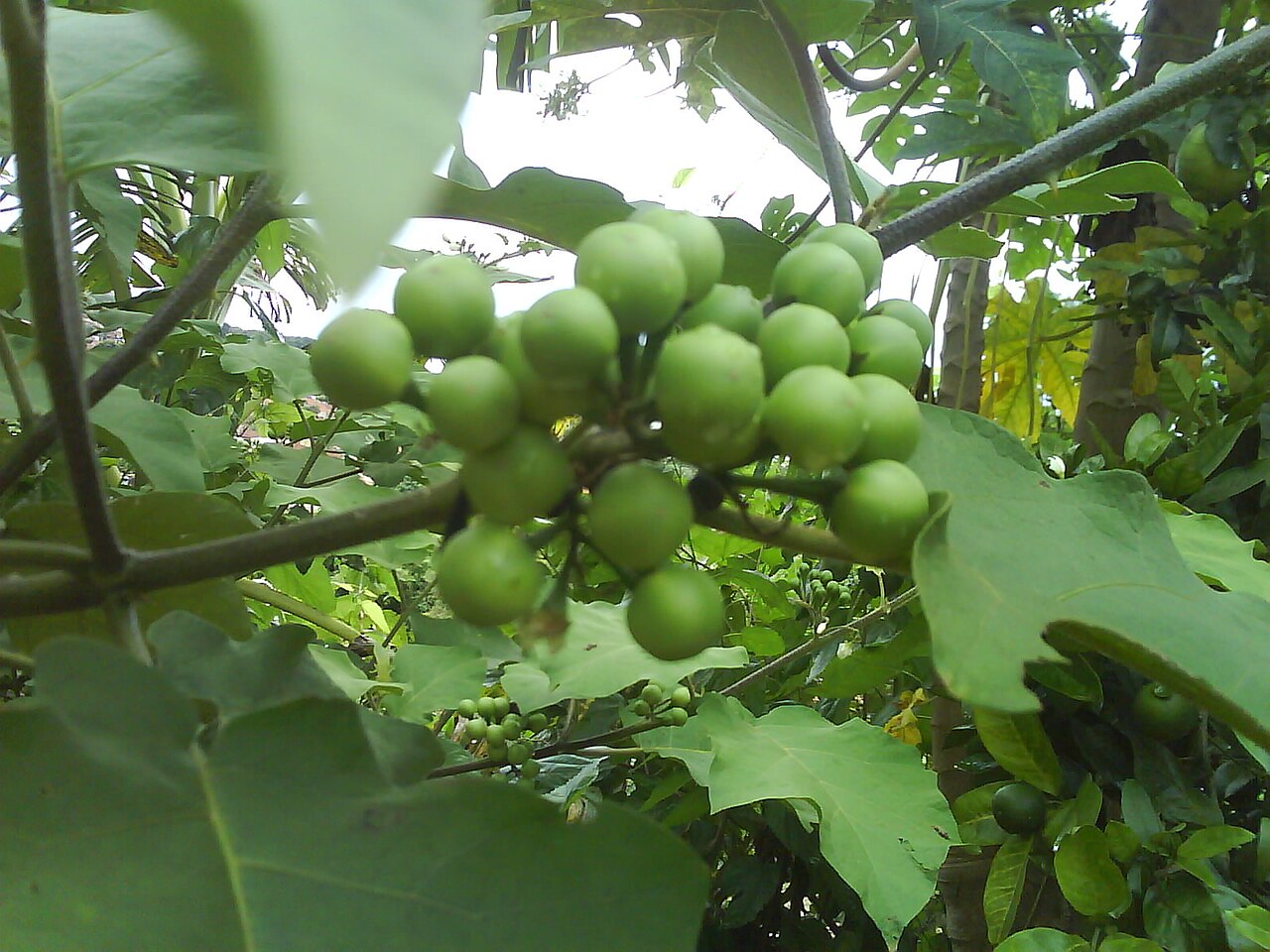
jurubeba
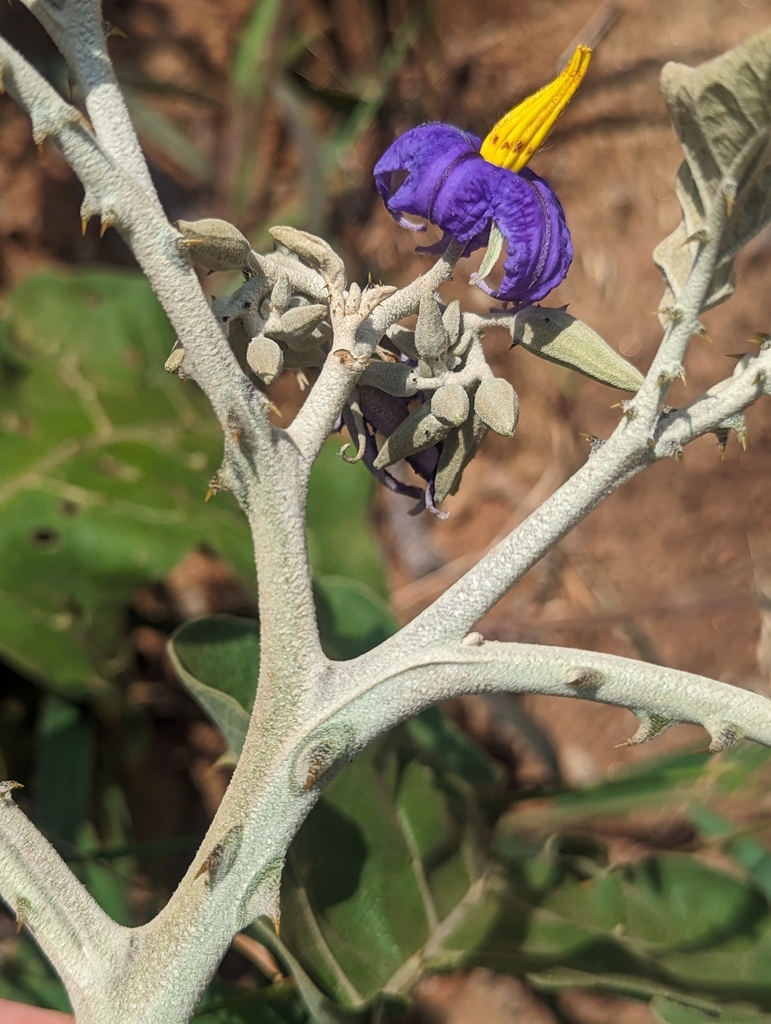
Solanum paniculatum
Placenta II Medium No biomass productionA pioneer shrub native to Brazil, in the Solanaceae, common in disturbed areas, roadsides and pastures across most of the country. It reaches about...
-
red mombin
Spondias purpurea
Secondary I High No biomass productionNortheastern Brazilian native fruit tree; propagated by cuttings. Pasini lists it in the high stratum of Tabela 3. Drought-tolerant, short cycle to...
-
Brazil plum
Spondias tuberosa
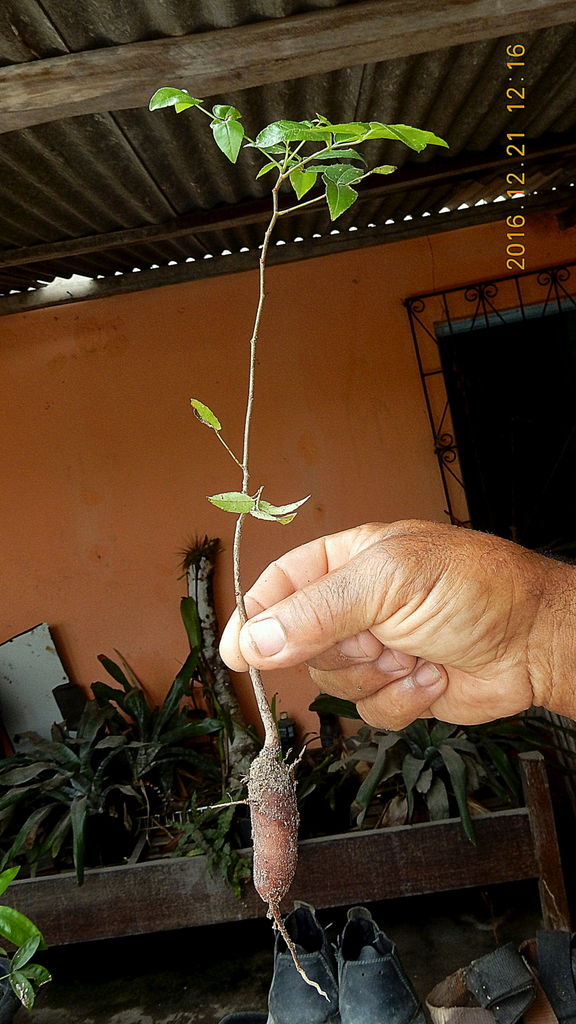
Climax MediumEndemic fruit tree of the Caatinga semiarid biome, with underground tuberous roots (xylopodia) that store water and allow it to survive long drough...
-
licuri palm
Syagrus coronata
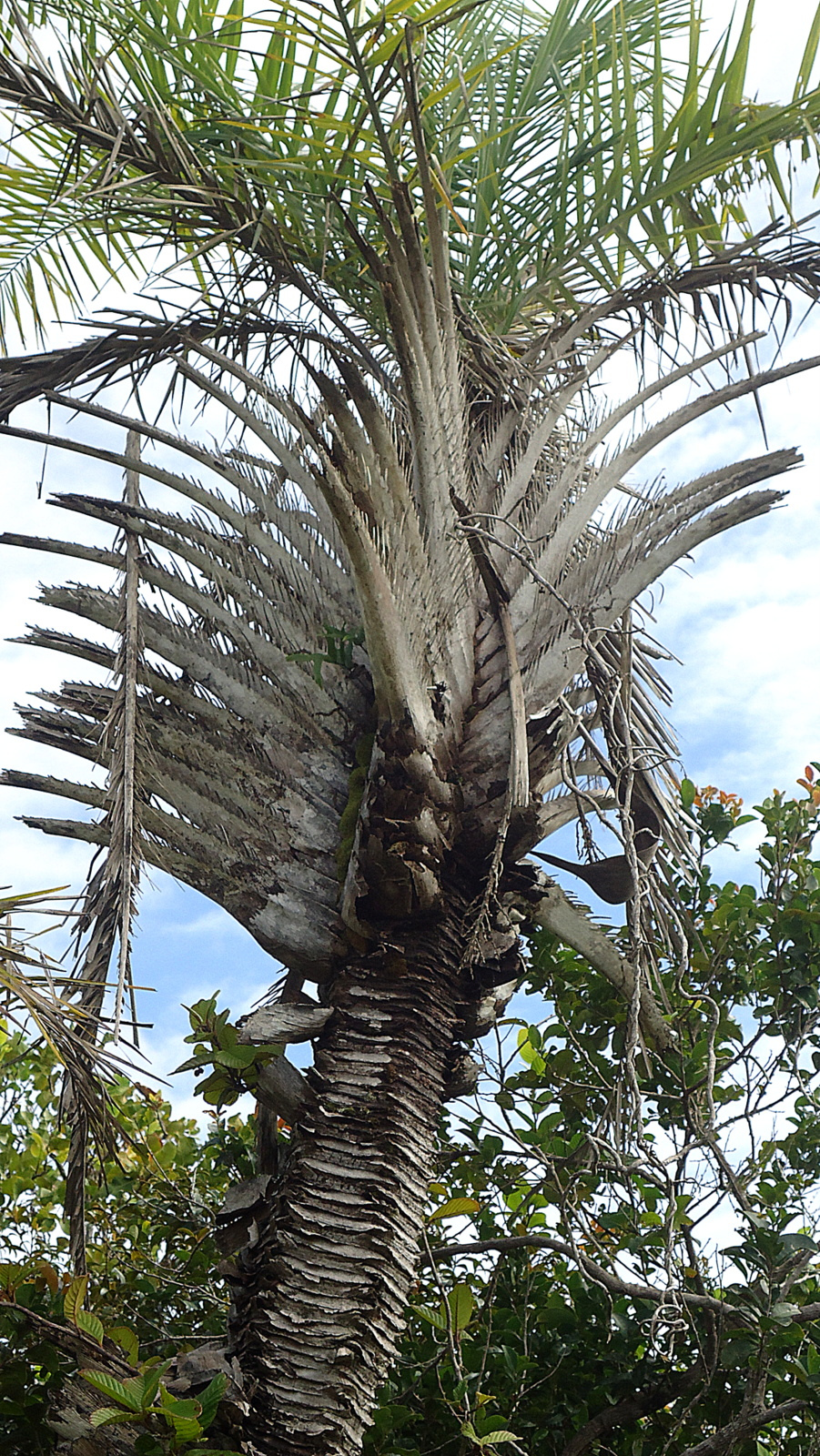
Climax High Mulch biomassNative palm of the Caatinga and Northeastern Atlantic Forest, from northern Minas Gerais to Maranhão. Medium height (8–12 m), trunk covered by pers...
-
Malay apple
Syzygium malaccense
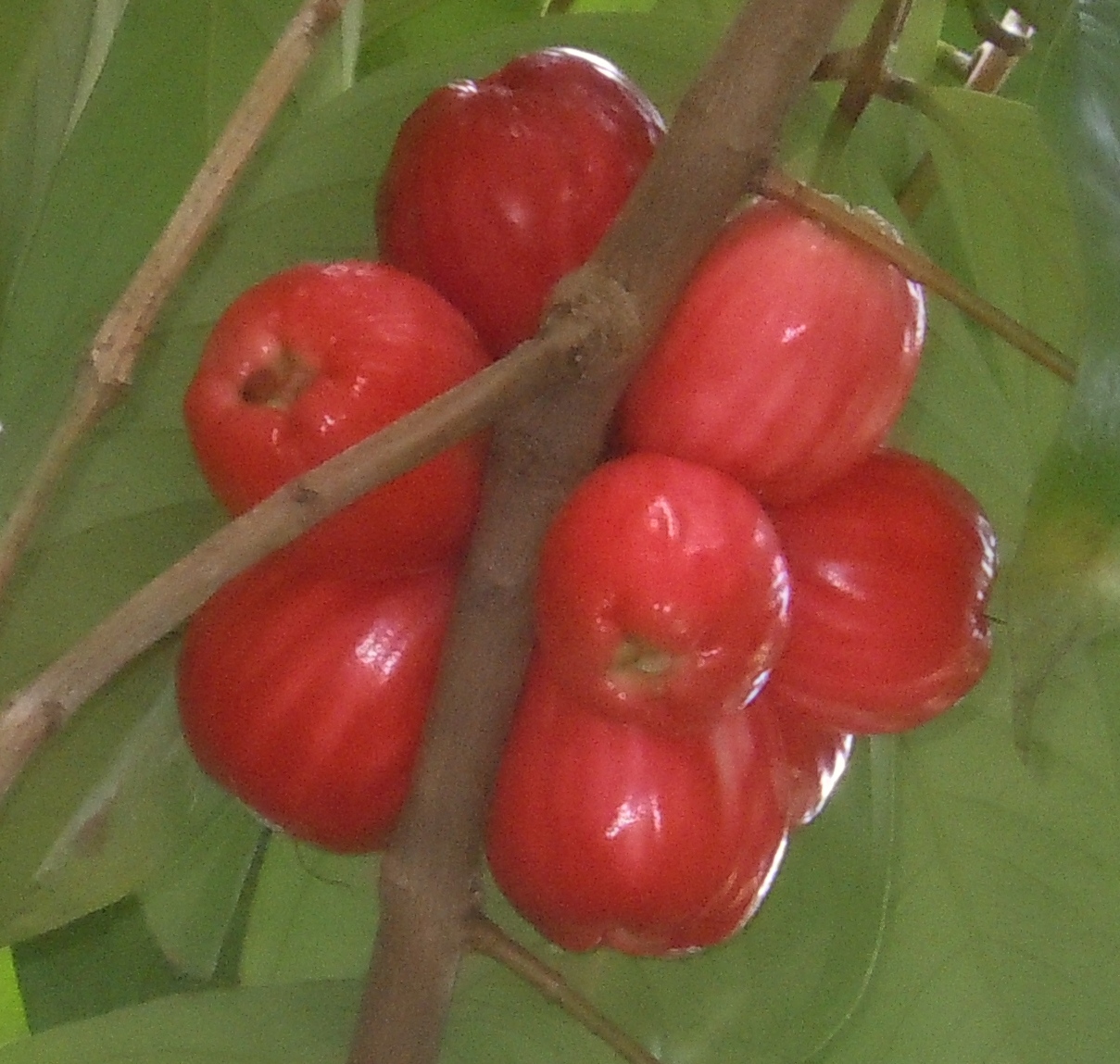
Secondary II High No biomass productionAsian tropical fruit listed by Pasini in the high stratum of Tabela 3. Pink-red mildly sweet fruit with crisp pulp. Tolerates wet soils; grows well...
-
pitomba
Talisia esculenta
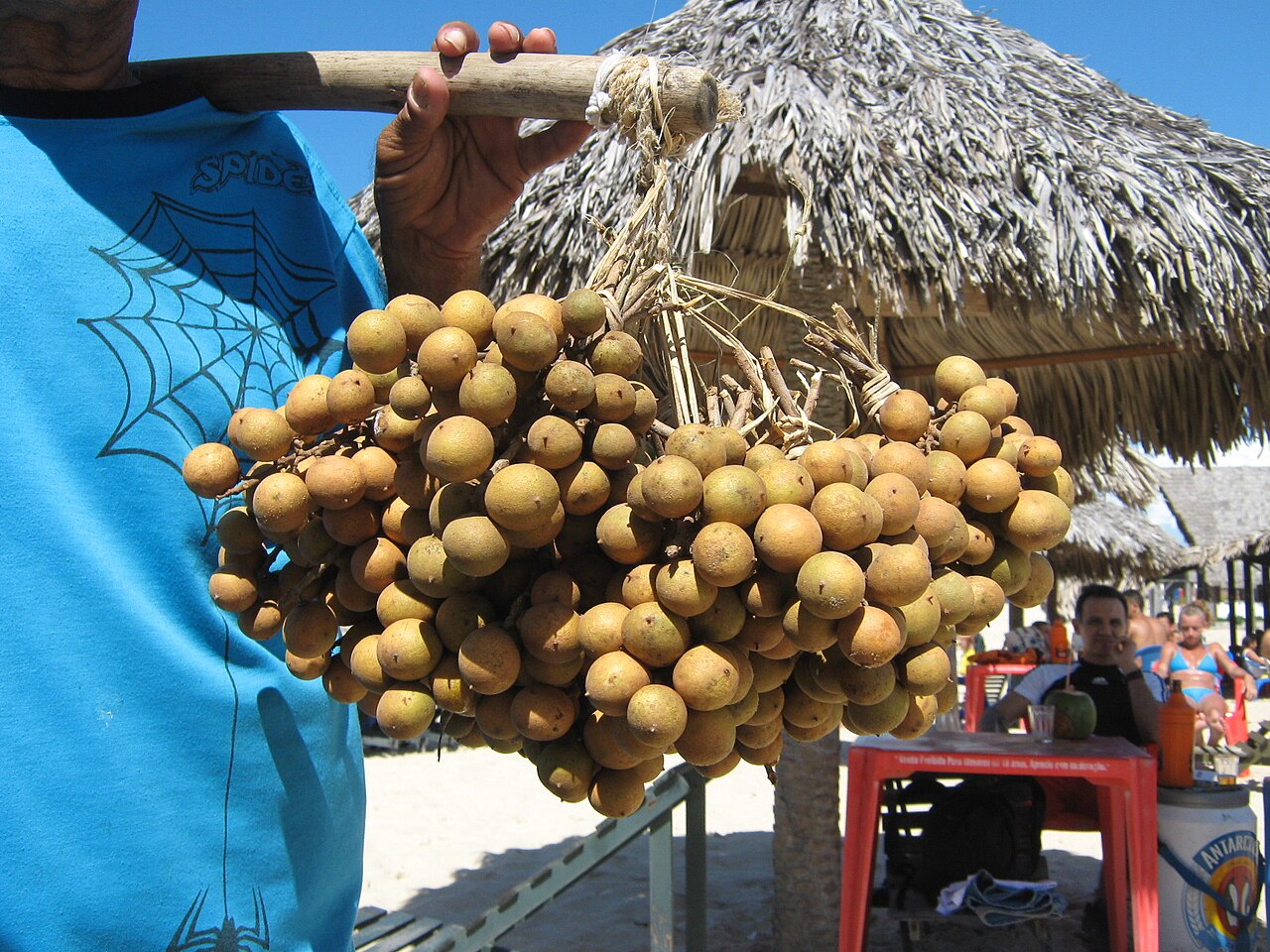
Secondary II Medium No biomass productionNative tree of the Amazon and Atlantic Forest, from Northeastern Brazil to Rio de Janeiro. 6–12 m tall, evergreen leafy canopy, trunk 30–40 cm. Ova...
❓ Frequently asked questions
What is the medium stratum?
Sub-canopy; tolerate more shade than high stratum.
Which plants occupy the medium stratum?
The catalog holds 157 species, among them guapeva, sweet cherry, peach. Each profile shows stratum, succession stage, and the management data, with sources cited.