
Stratum
Plants of the medium stratum
Half-light under the canopy, in the 50–60% cover range: the medium stratum concentrates moderate-sized fruit trees. Many take full sun in the system's youth, but filtered light is where they settle.
157 species in the catalog · Refine this list in the catalog
-
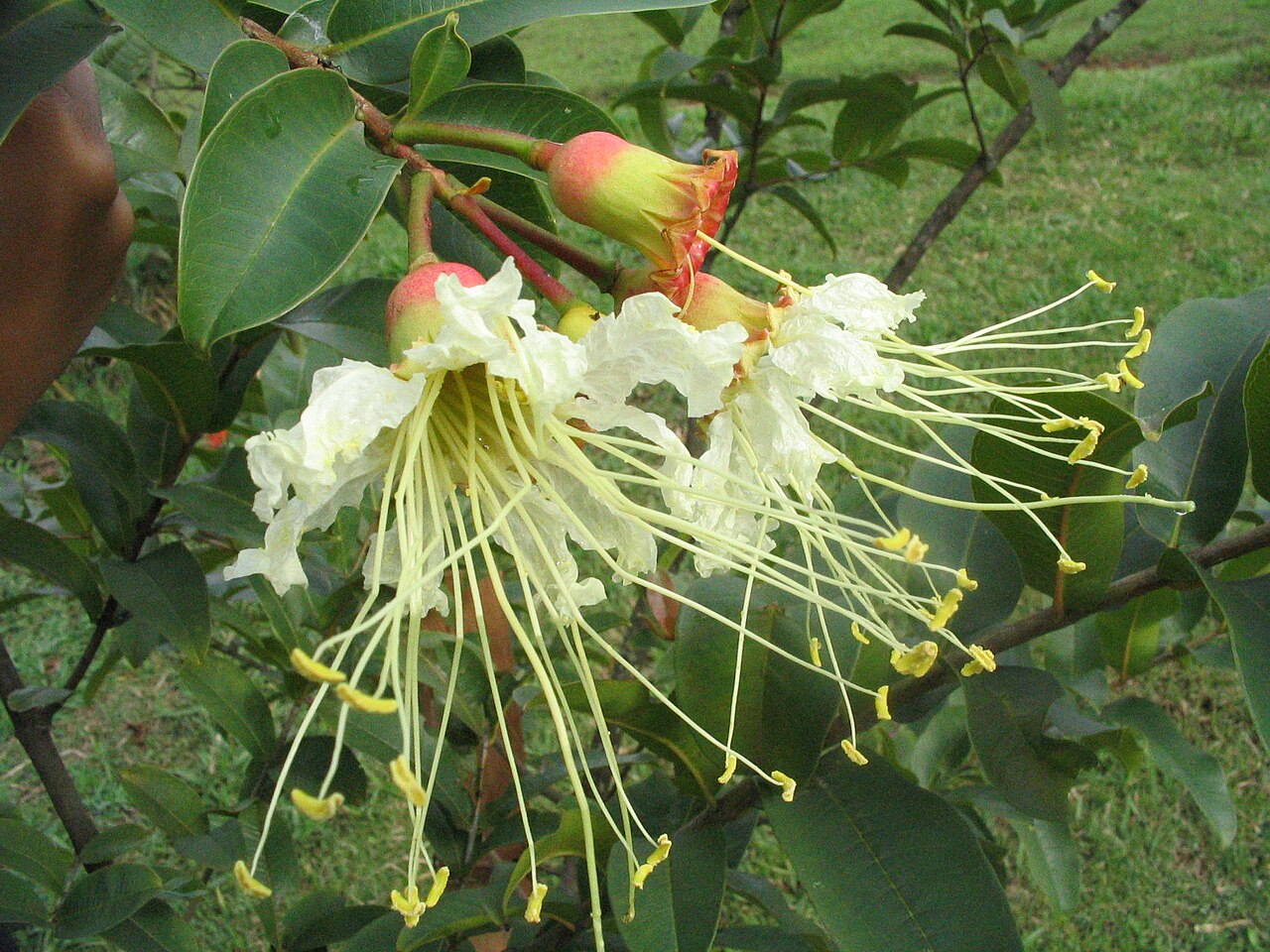
pacari
Lafoensia pacari
Climax Medium No biomass productionCerrado and Pantanal native tree, listed by EcoAgri in the medium stratum of the '> 50 years' bin. Bark traditionally used as a wound-healing and a...
-
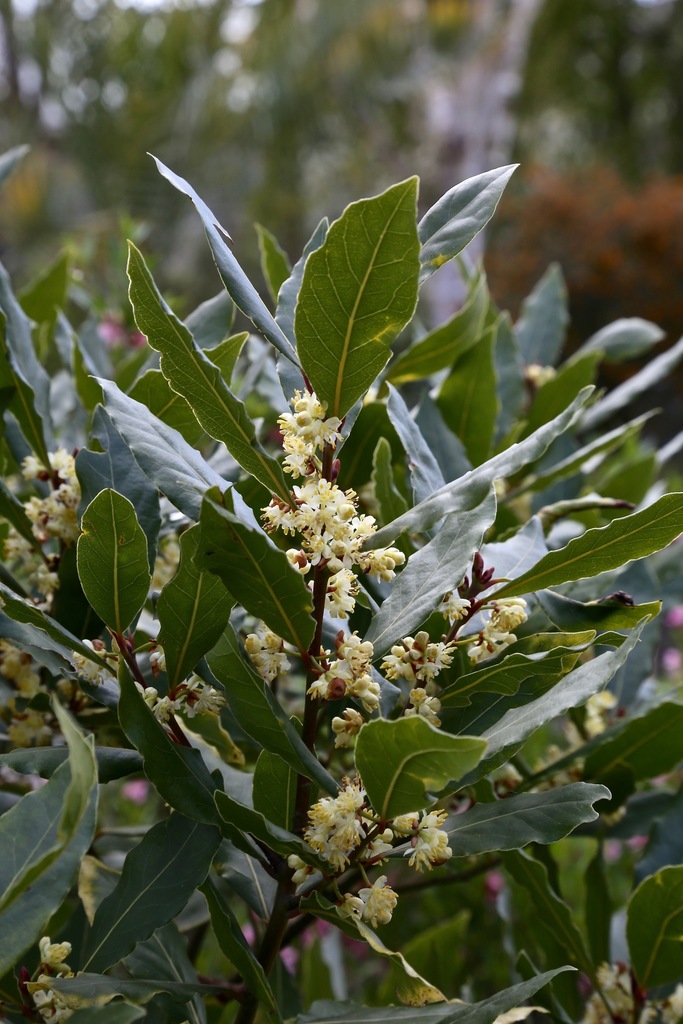
bay laurel
Laurus nobilis
Secondary II Medium No biomass productionMediterranean medium tree (4–10 m), evergreen leathery leaves — basis of tea, seasoning, and ornamental use. Occupies low/medium stratum in souther...
-
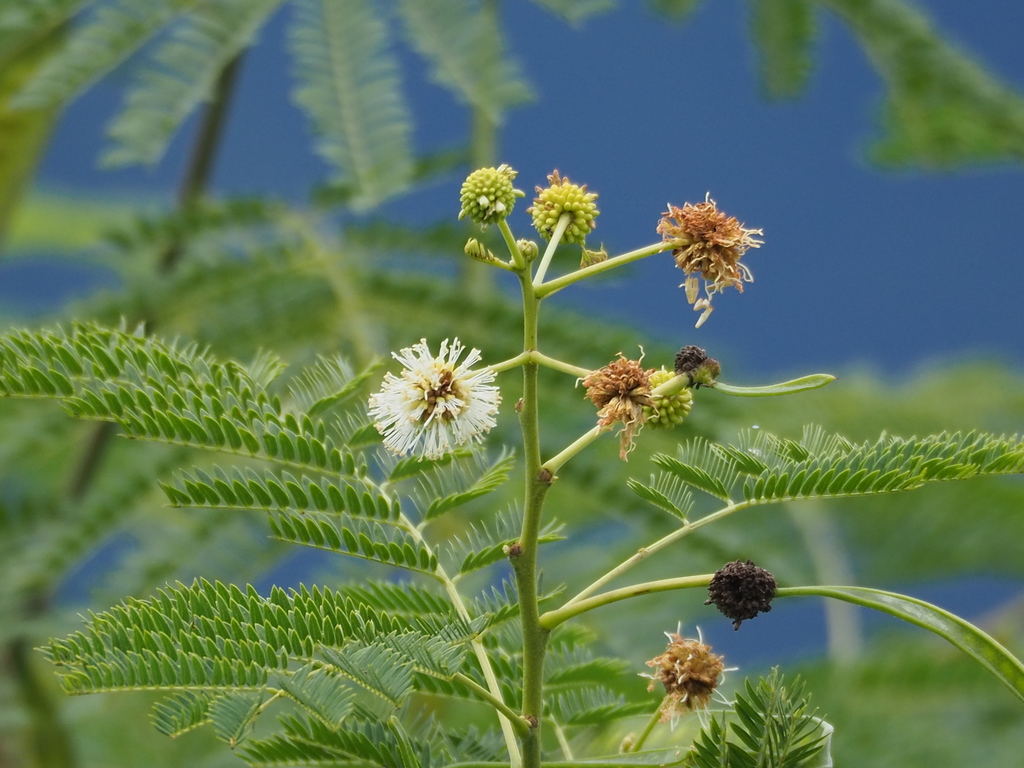
leucaena
Leucaena leucocephala
Secondary I High Fertilizer biomass 🌱 Nitrogen fixerFast-growing nitrogen-fixing tree legume with strong coppicing ability. Cited by Pasini as a tree-form fertilizer biomass species — sources fertili...
-
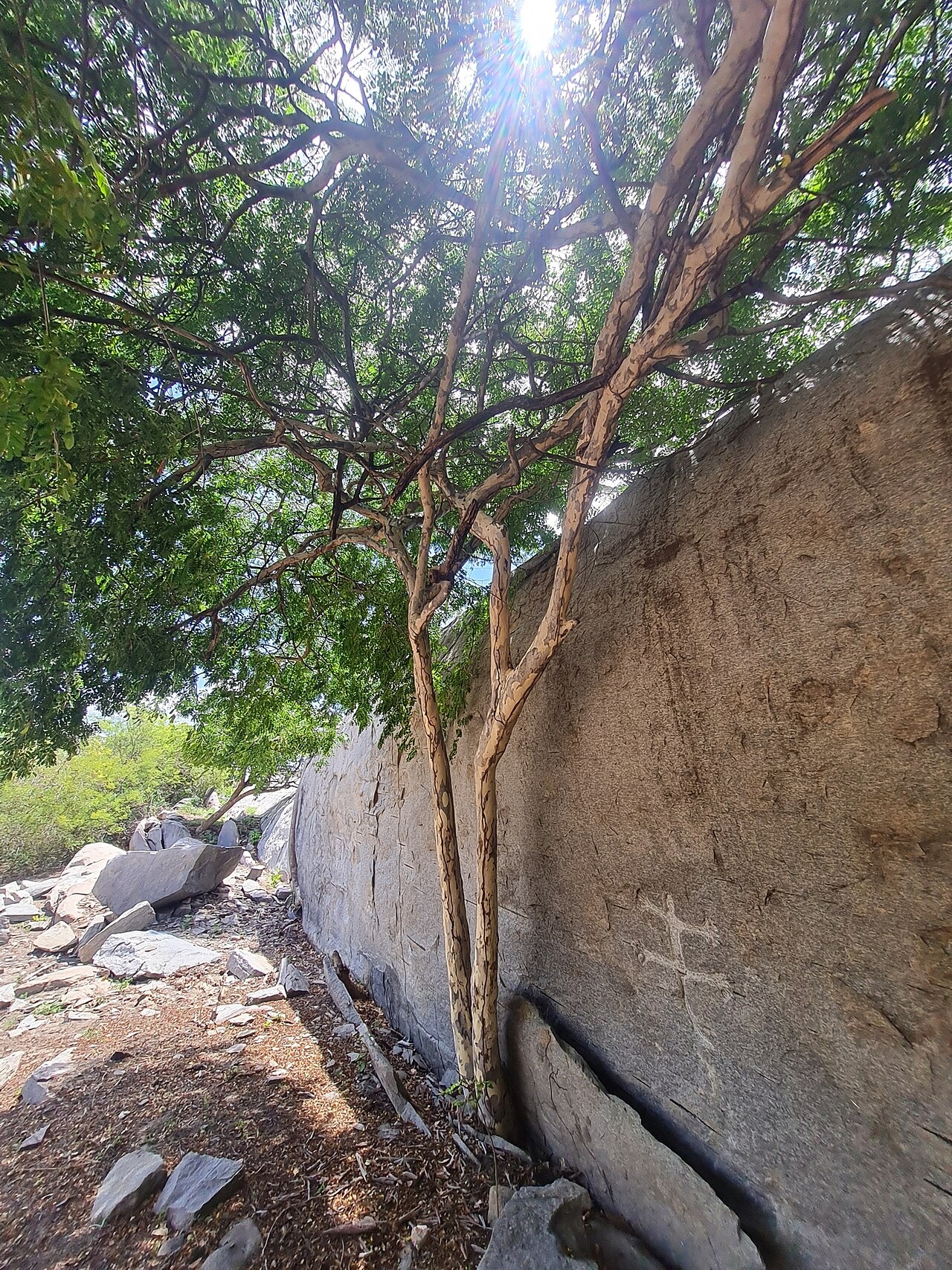
Brazilian ironwood
Libidibia ferrea
Secondary II High Fertilizer & mulchLeguminous tree occurring in Caatinga, Cerrado and Atlantic Forest. Sun-tolerant and melliferous.
-
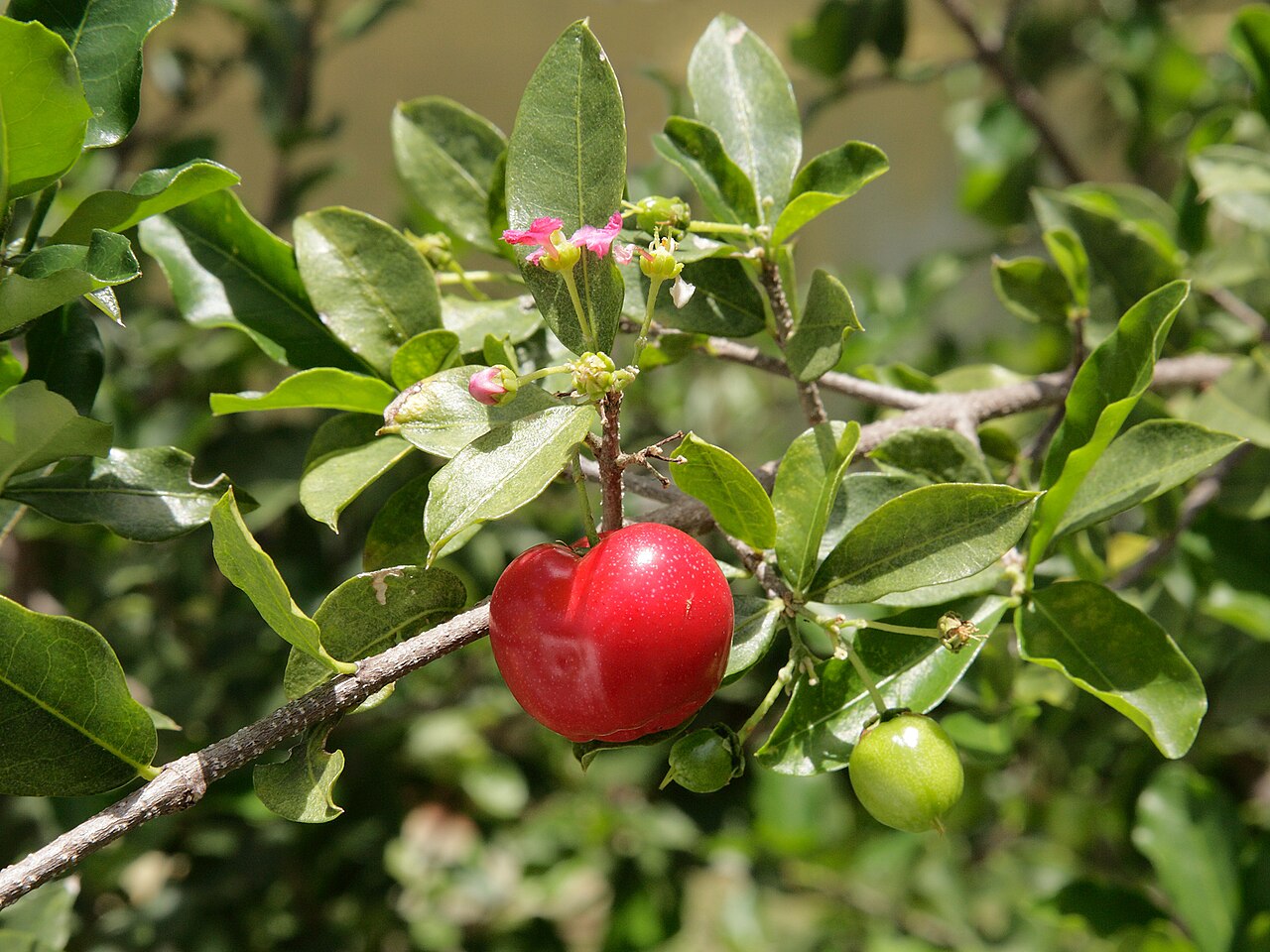
acerola
Malpighia emarginata
Secondary I High No biomass productionSmall fruit shrub; fruits exceptionally rich in vitamin C. Pasini lists it in the high stratum of Tabela 3 and cites it among Abundance-system spec...
-
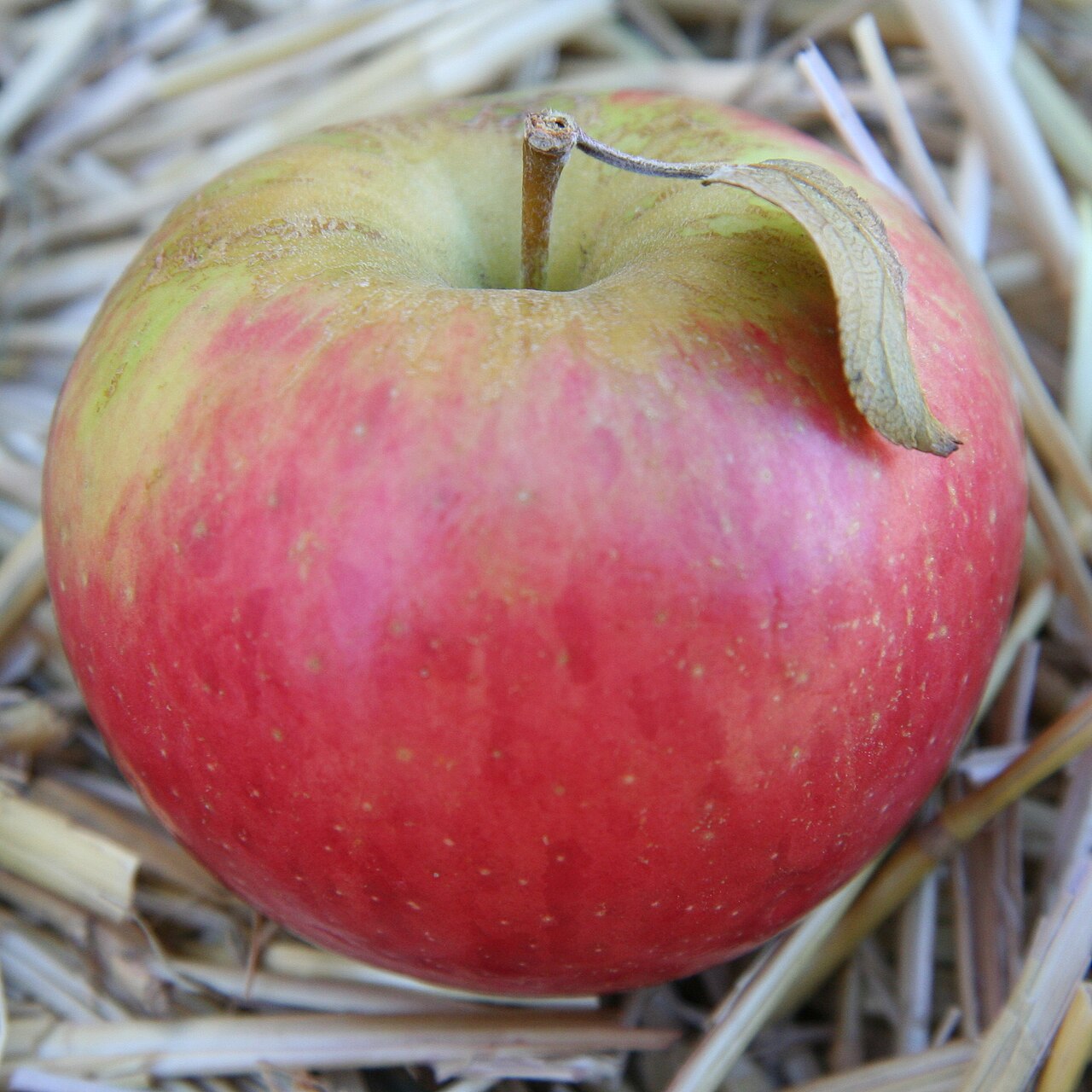
apple
Malus domestica
Secondary II Medium No biomass productionThe apple, a deciduous temperate fruit tree and the leading commercial orchard fruit of southern Brazil, concentrated around São Joaquim (SC) and V...
-
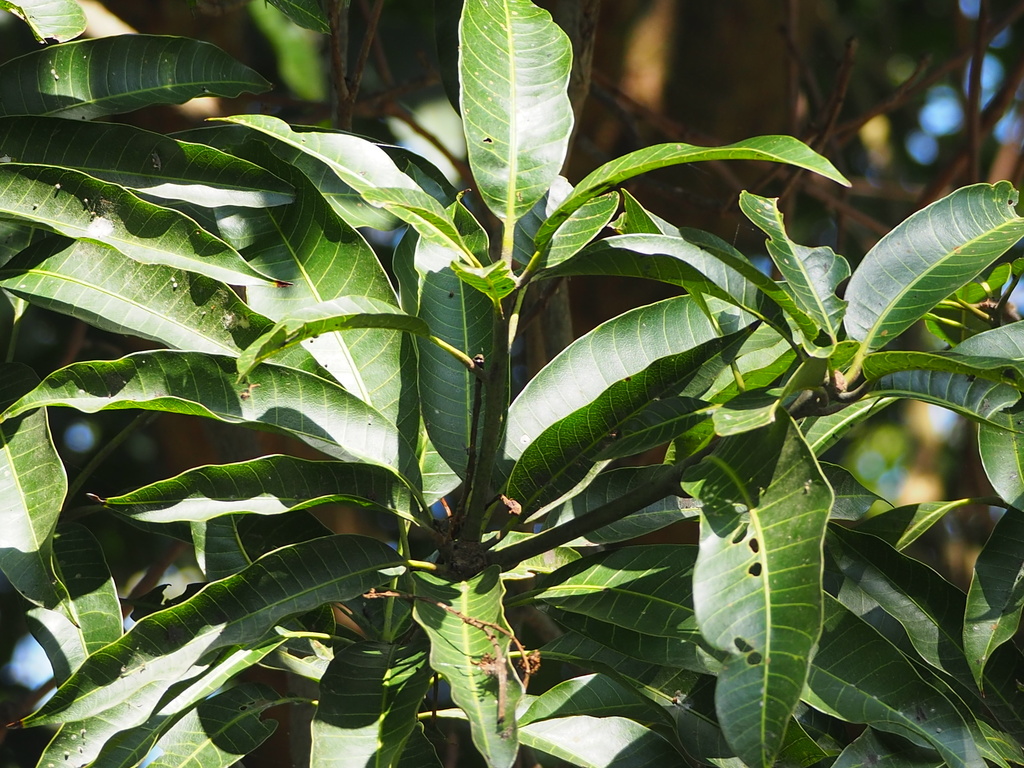
coquinho mango
Mangifera indica
Secondary II High No biomass productionMedium-sized cultivar (6–9 m), branched canopy. Small round fruit (120–150 g), light yellow-green skin, fibrous flesh with good flavor. Highly prod...
-
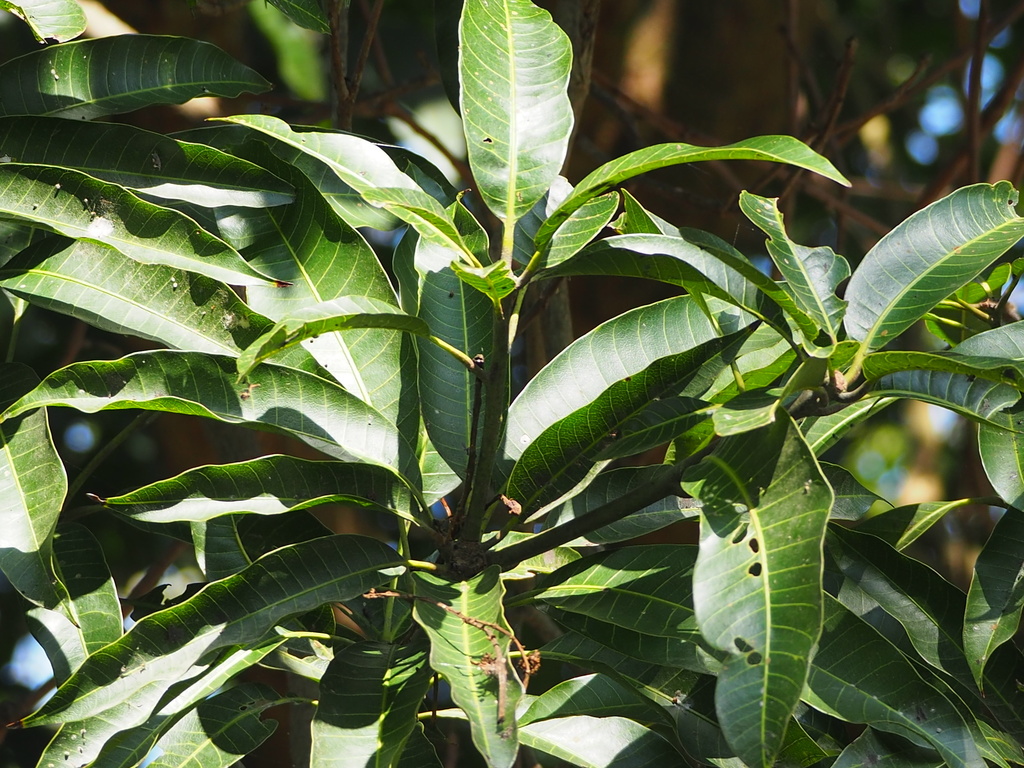
palmer mango
Mangifera indica
Secondary II High No biomass productionSemi-dwarf cultivar from Florida (1945). Open canopy, 6–8 m. Elongated fruit, 600–800 g, firm yellow flesh, 21.6° Brix, almost fiber-free. Late rip...
-
cassava
Manihot esculenta
Placenta II High Mulch biomassPlacenta II tuber crop widely cultivated across Amazonia and Brazil. Pasini lists it in the high stratum of Tabela 3 and as a species of the '1 to ...
-
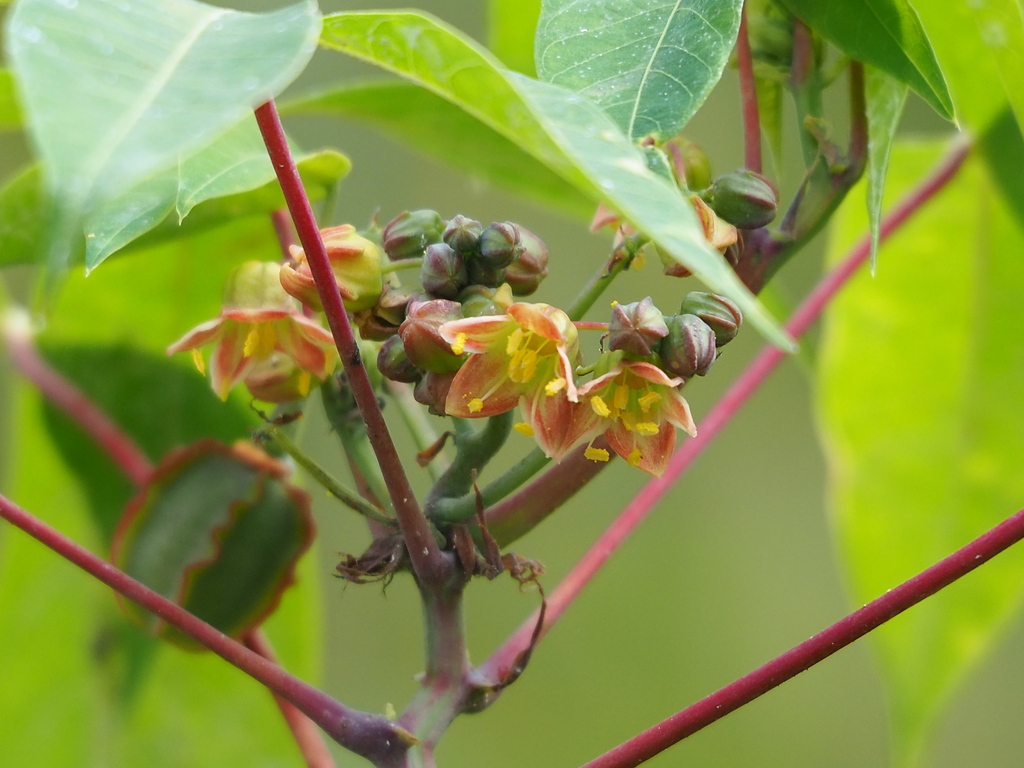
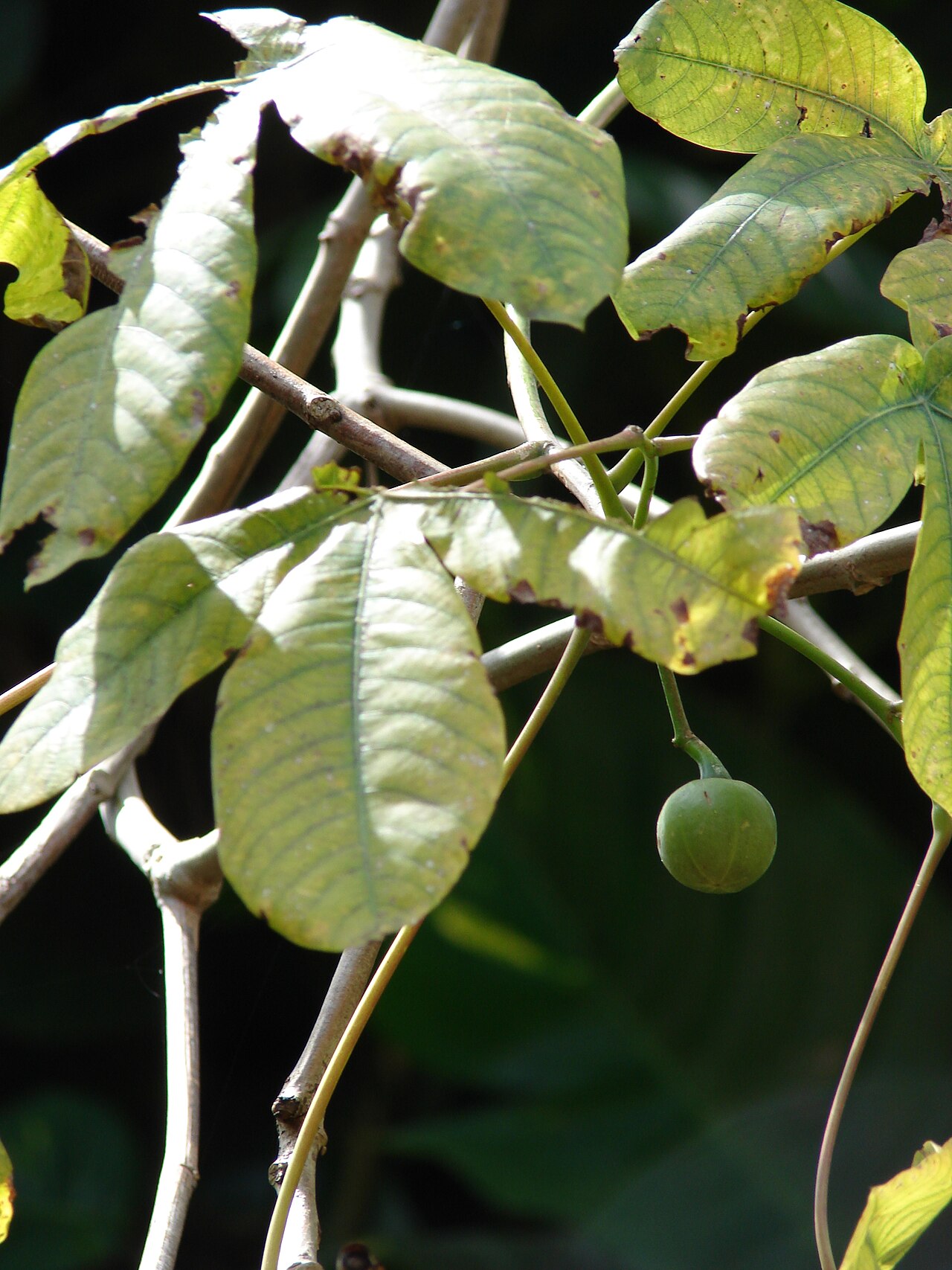
Ceará rubber tree
Manihot glaziovii
Placenta II MediumShrub/small tree native to the Caatinga; one of the first species to flush leaves at the start of the rainy season. Leaves and twigs are used as ru...
-
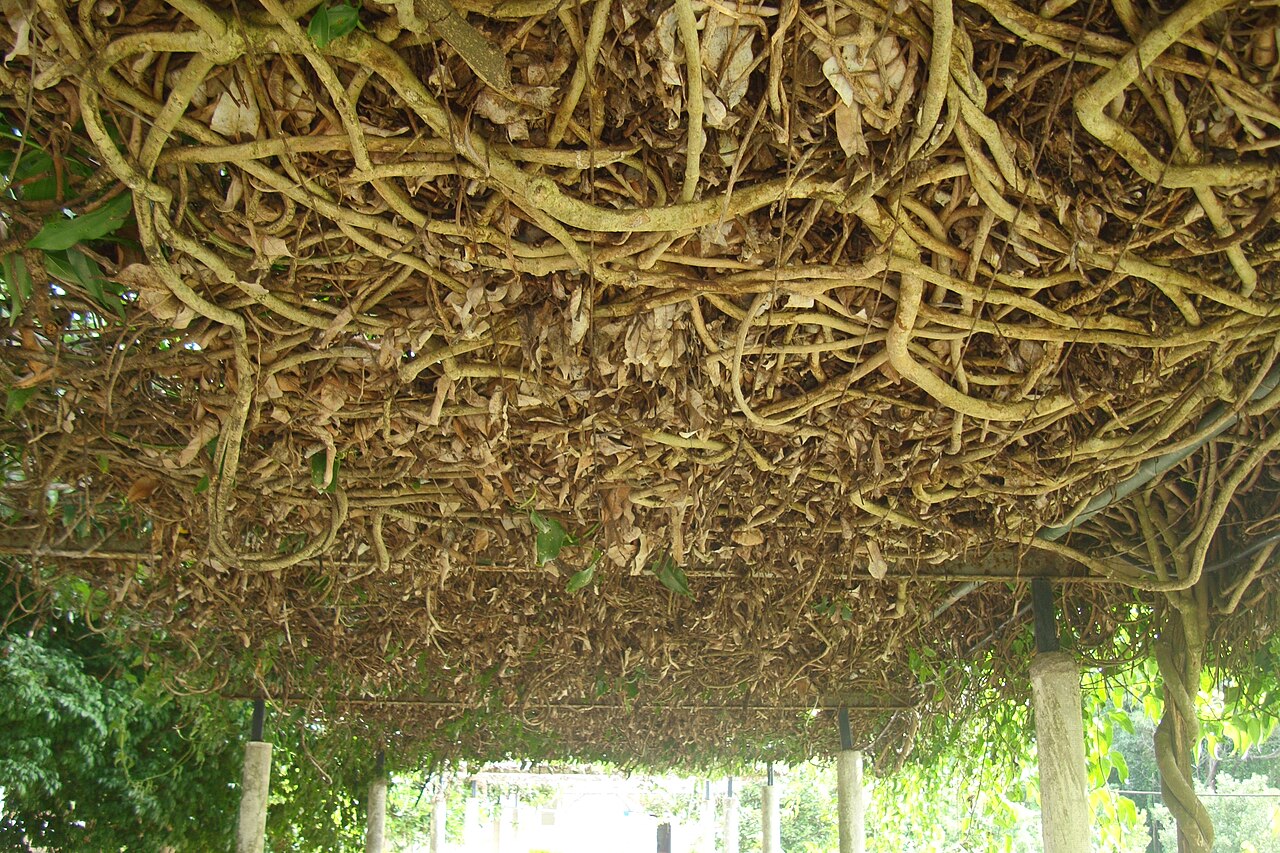
guaco
Mikania glomerata
Secondary I Medium Mulch biomassA perennial woody climber (liana) of the Asteraceae family, native to the Atlantic Forest of southeastern and southern Brazil, occurring along rive...
-
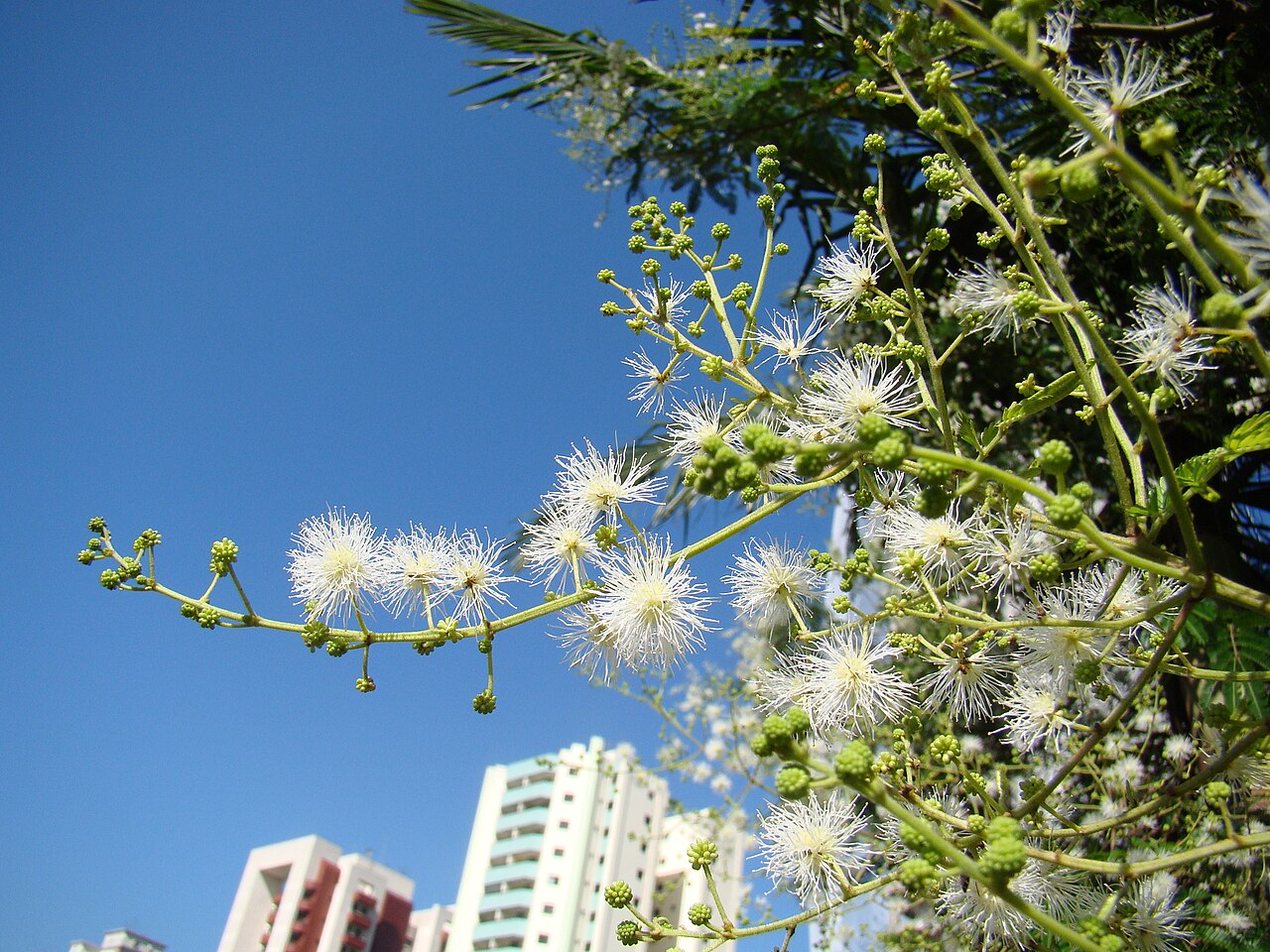
maricá
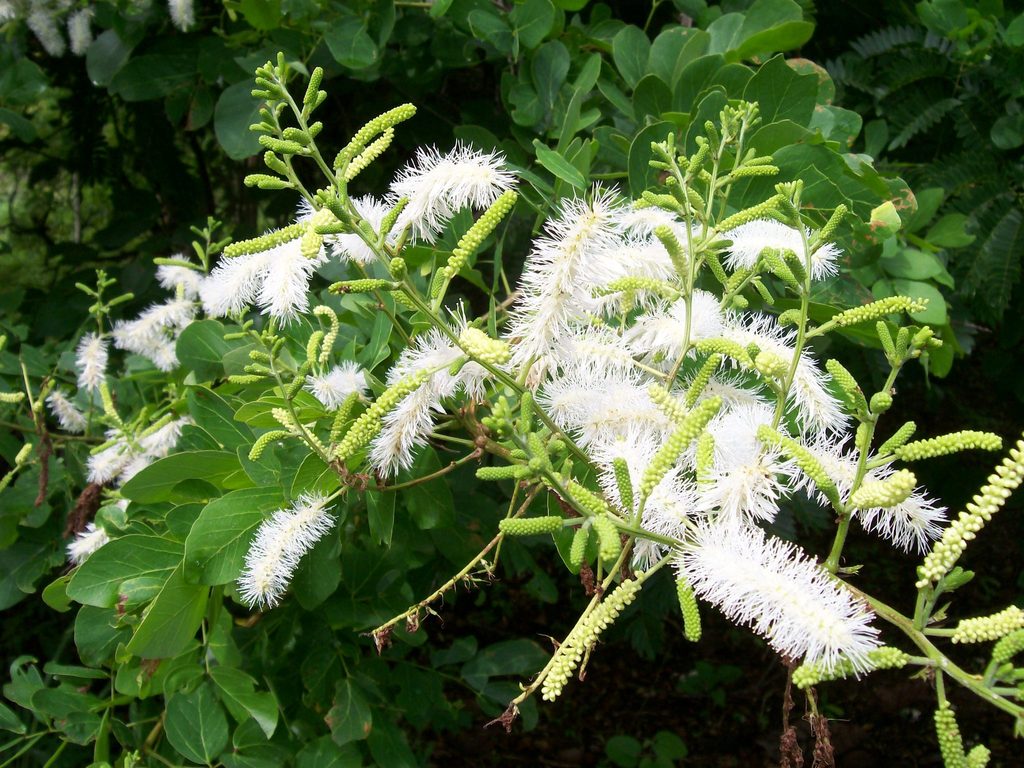
Mimosa bimucronata
Placenta II Medium Fertilizer biomass 🌱 Nitrogen fixerA pioneer leguminous tree or small tree, spiny and much-branched, 4-8 m tall (occasionally to 15 m), native to eastern and southern Brazil. It fixe...
-
sabia tree
Mimosa caesalpiniifolia
Secondary I Medium Fertilizer biomass 🌱 Nitrogen fixerNative legume of the Caatinga and northeastern Atlantic Forest. Medium tree (4–10 m), sparse spiny canopy. Nitrogen-fixer — central in degraded-soi...
-
bracatinga
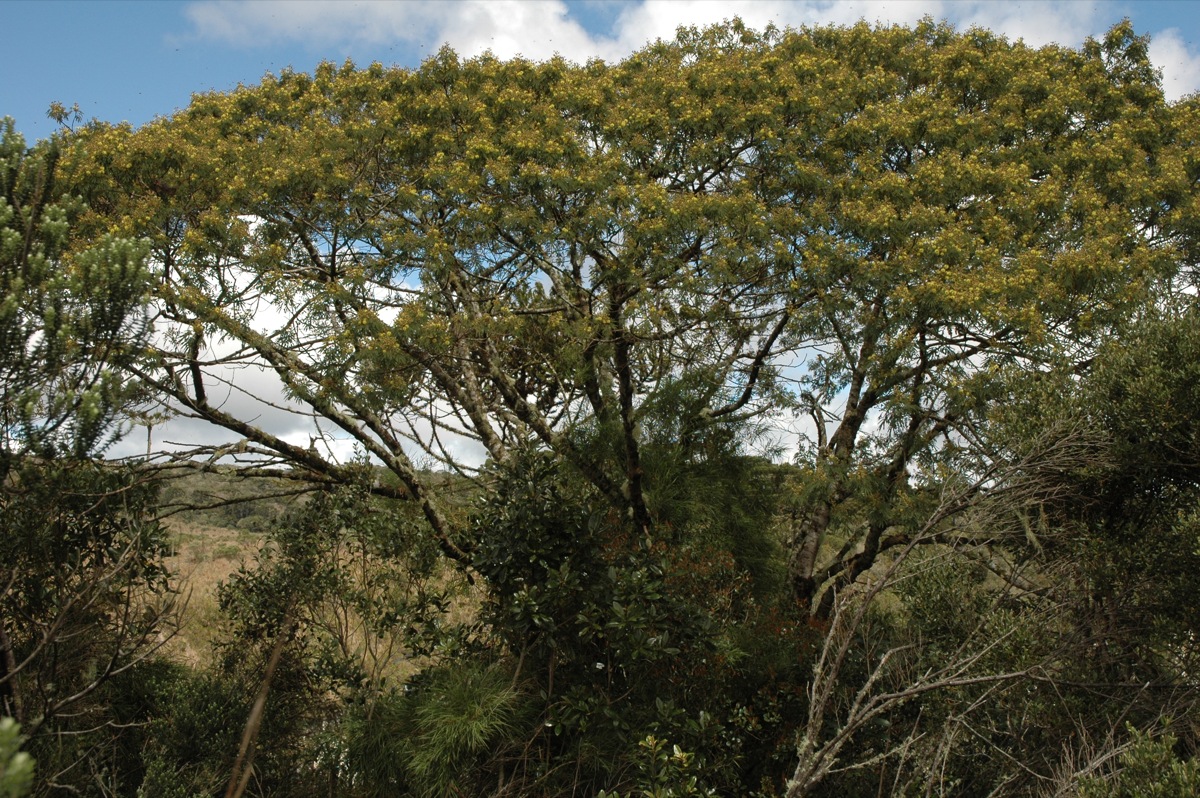
Mimosa scabrella
Secondary I High Fertilizer biomass 🌱 Nitrogen fixerPioneer legume native to southern Brazil and highland Atlantic Forest, listed by IPOEMA among anchor Brazilian species for SAFs (alongside cacao, y...
-
jurema preta
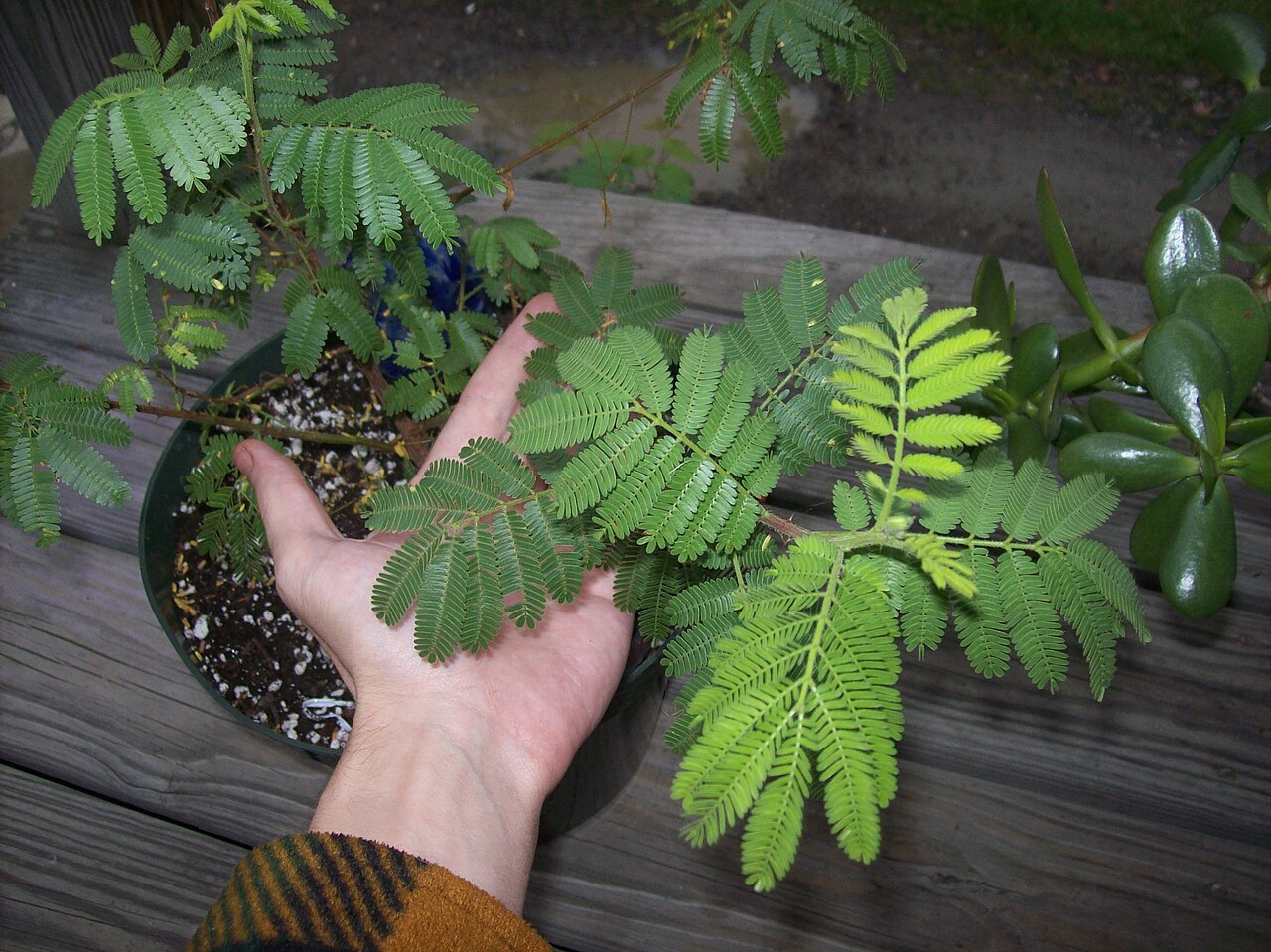
Mimosa tenuiflora
Secondary I Medium Fertilizer biomass 🌱 Nitrogen fixerNative legume of the Caatinga and Atlantic Forest. Small-to-medium tree (4–8 m), fine leaves, fissured grey bark. Nitrogen-fixer, rapid recolonizer...
-
holythorn
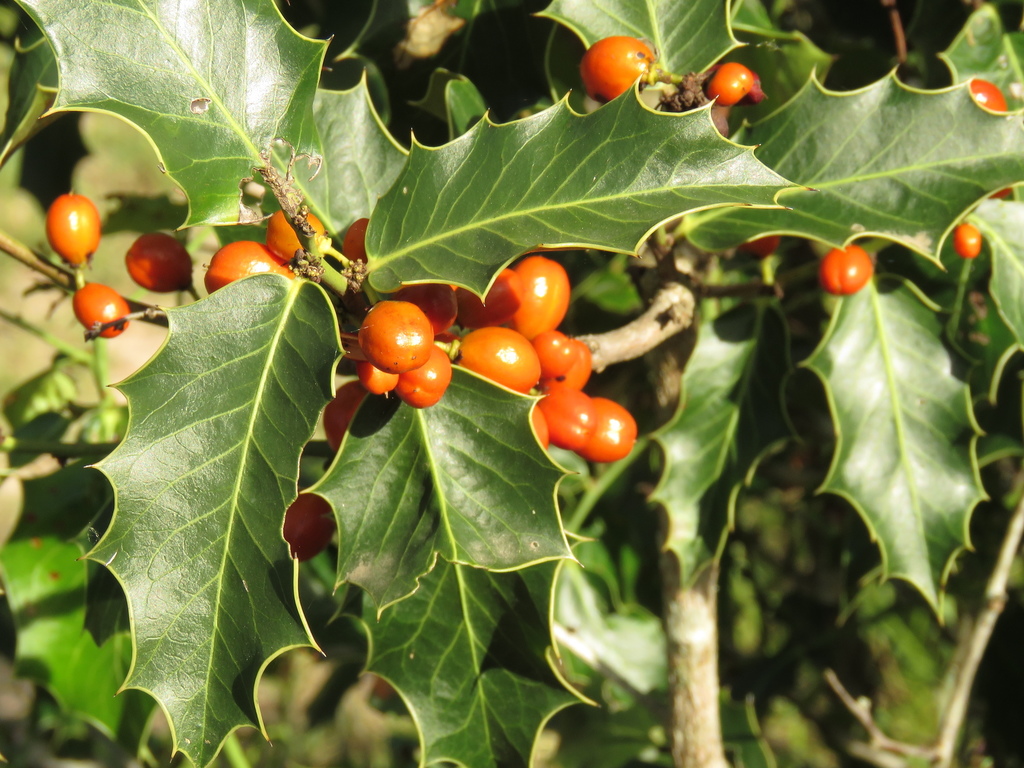
Monteverdia ilicifolia
Secondary I Medium No biomass productionAn evergreen shrub or small tree of the Celastraceae family, native to southern and southeastern Brazil, with leathery, spiny-margined holly-like l...
-
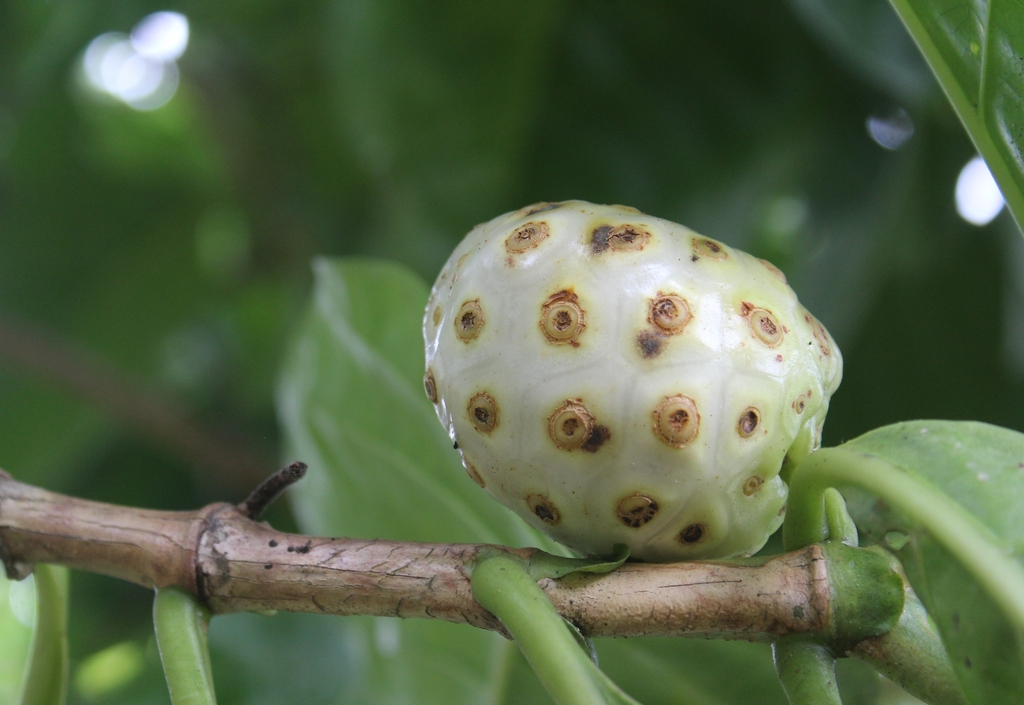
noni
Morinda citrifolia
Secondary I Medium No biomass productionTropical small tree (3–6 m) introduced in Brazil. Large dark-green leaves, ovoid yellowish-white strong-smelling ripe fruits. Medicinal pulp — supp...
-
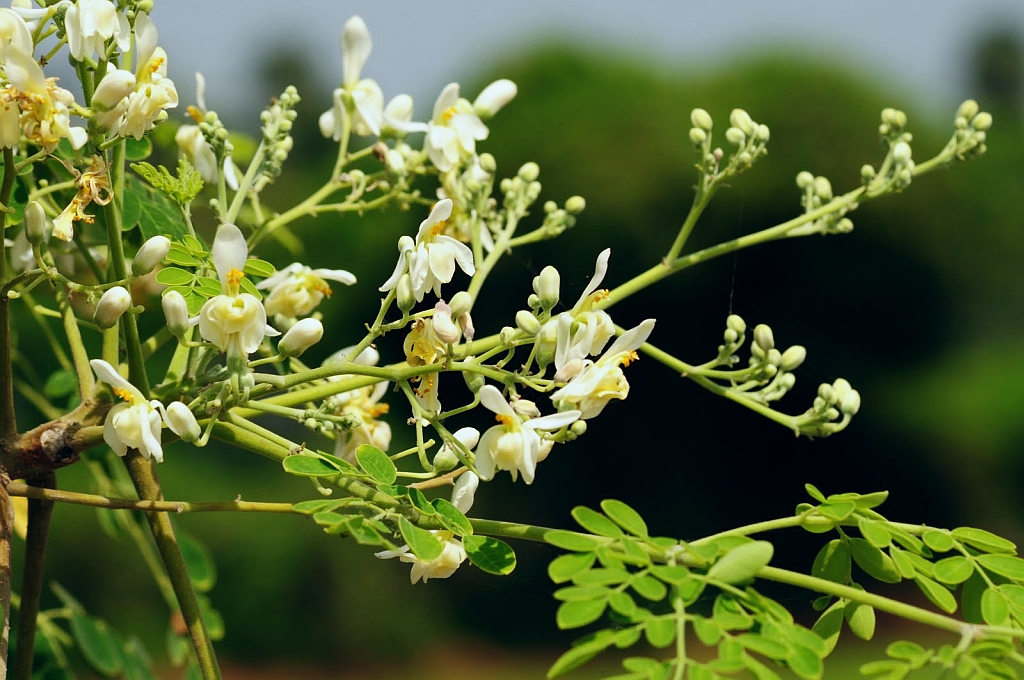
moringa
Moringa oleifera
Secondary I High Fertilizer biomassMulti-purpose, extremely fast-growing Indo-African tree. The Bosque de Niebla Guidebook lists moringa among anchor species of the high stratum / Se...
-
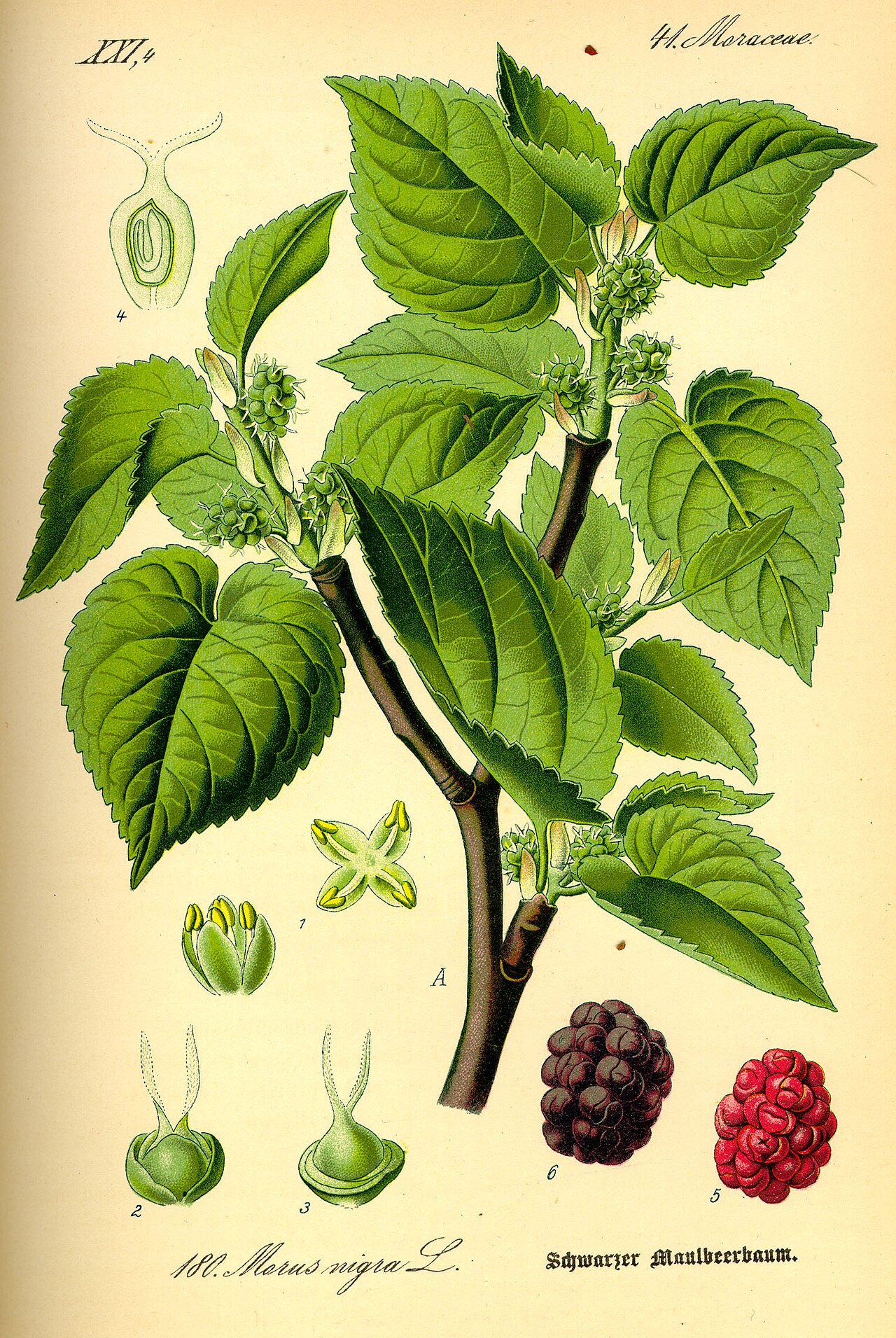
black mulberry
Morus nigra
Secondary I High Fertilizer biomassFast-growing fruit tree, tolerates drastic pruning well and coppices readily — ideal as a nurse plant in syntropic systems. Pasini lists it in the ...
-
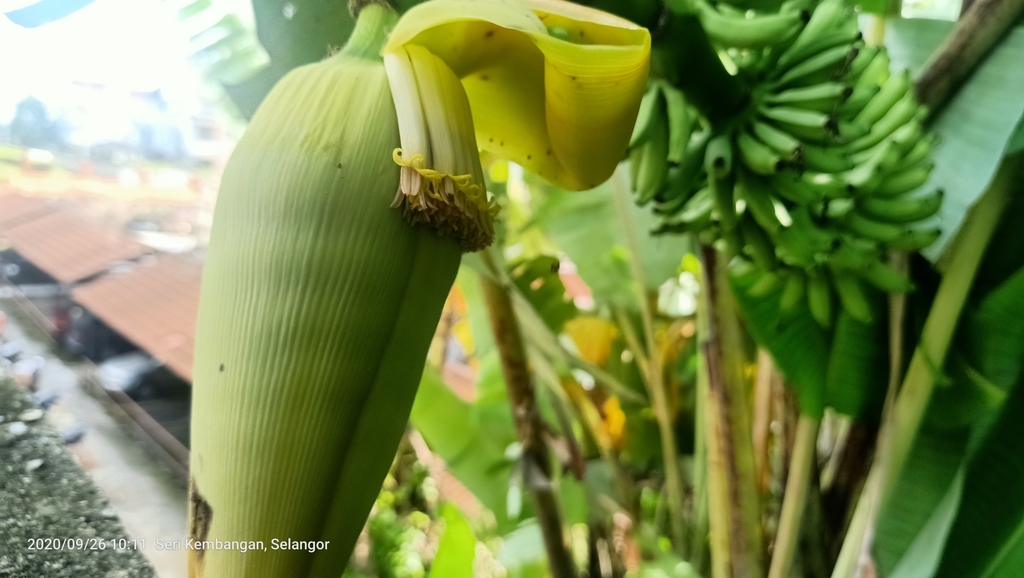
giant cavendish banana
Musa acuminata
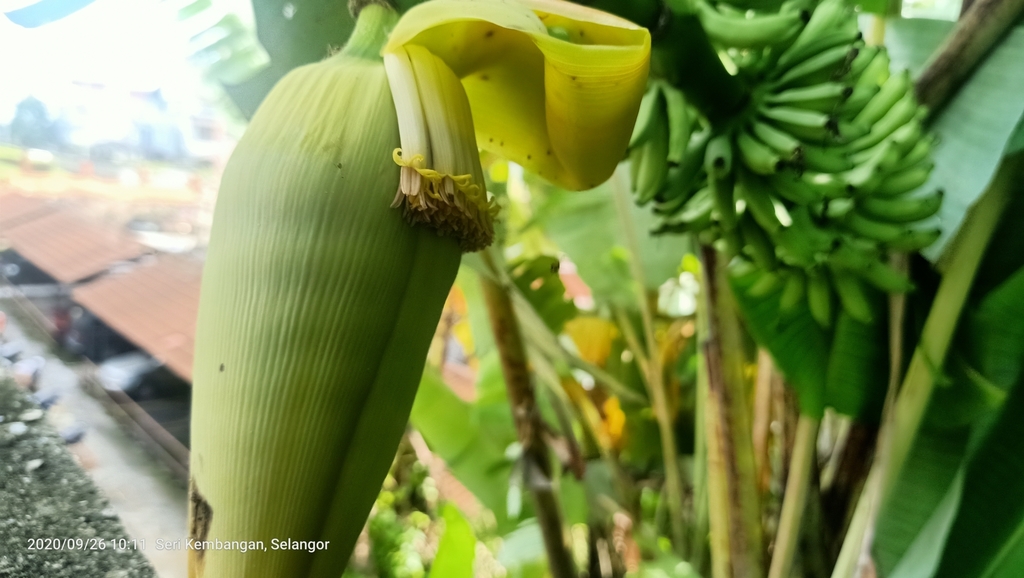
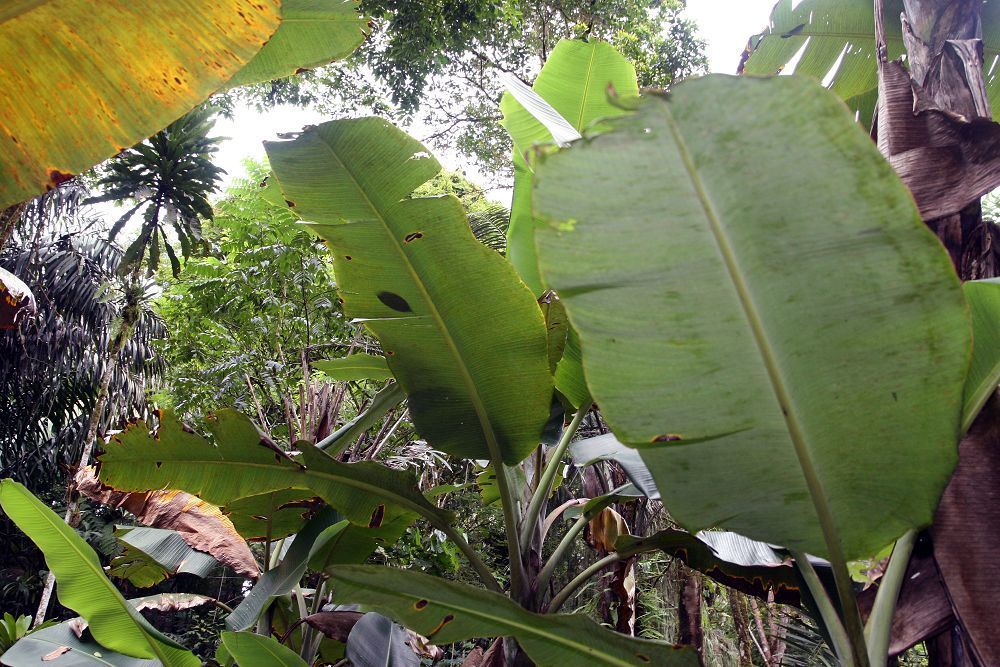
Placenta II High Mulch biomassCavendish AAA tall cultivar (3–4 m); the dominant Brazilian export variety. Heavier bunch than Nanica (30–40 kg).
-
sucrier banana
Musa acuminata
Placenta II High Mulch biomassAA diploid cultivar, small sweet fruits (8–12 kg per bunch), medium plant (3–4 m). Niche production, premium price. More common in coastal São Paul...
-
dwarf cavendish banana
Musa acuminata
Placenta II Medium Mulch biomassCavendish AAA dwarf cultivar (1.8–2.5 m). Dessert-banana market staple. Resistant to Panama disease race 1 but susceptible to Yellow Sigatoka. In s...
-
dwarf pome banana
Musa × paradisiaca
Placenta II High Mulch biomassDwarf mutation of Prata (AAB), 2.5–3.5 m. Together with Prata and Pacovan accounts for ~60% of Brazilian banana area. Per Embrapa, a 'watershed' cu...
-
silk banana
Musa × paradisiaca
Placenta II High Mulch biomassAAB Silk subgroup, medium-tall (3–4 m). Sweet flavor with distinctive aroma, premium market price. Highly susceptible to Panama disease (Fusarium o...
❓ Frequently asked questions
What is the medium stratum?
Sub-canopy; tolerate more shade than high stratum.
Which plants occupy the medium stratum?
The catalog holds 157 species, among them pacari, bay laurel, leucaena. Each profile shows stratum, succession stage, and the management data, with sources cited.