Plants
Plant Catalog
82 plants found
-
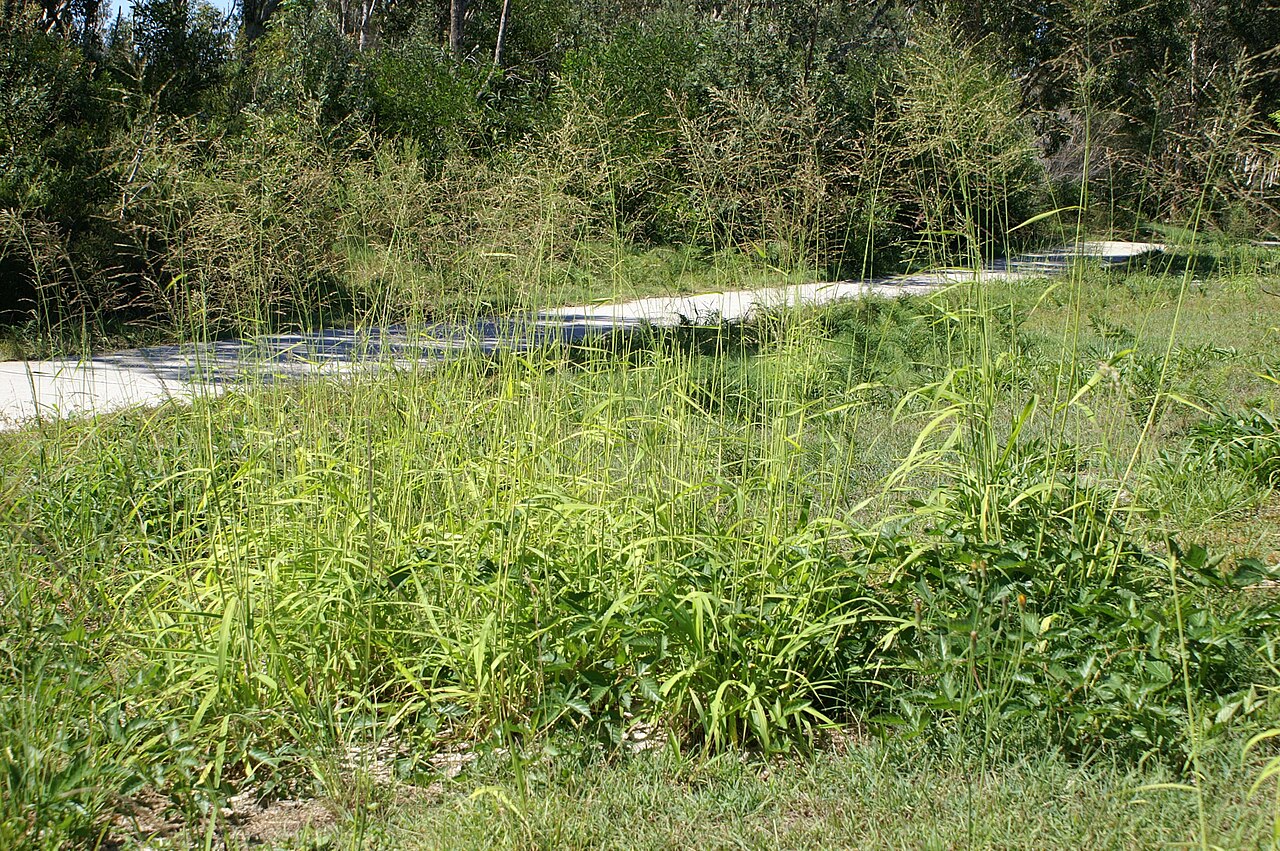
Mombaça grass
Megathyrsus maximus
Placenta II Low Mulch biomassHighly productive forage grass producing large amounts of cover biomass. Central in large-scale syntropic experiments (Rebello & Sakamoto 2019) — c...
-
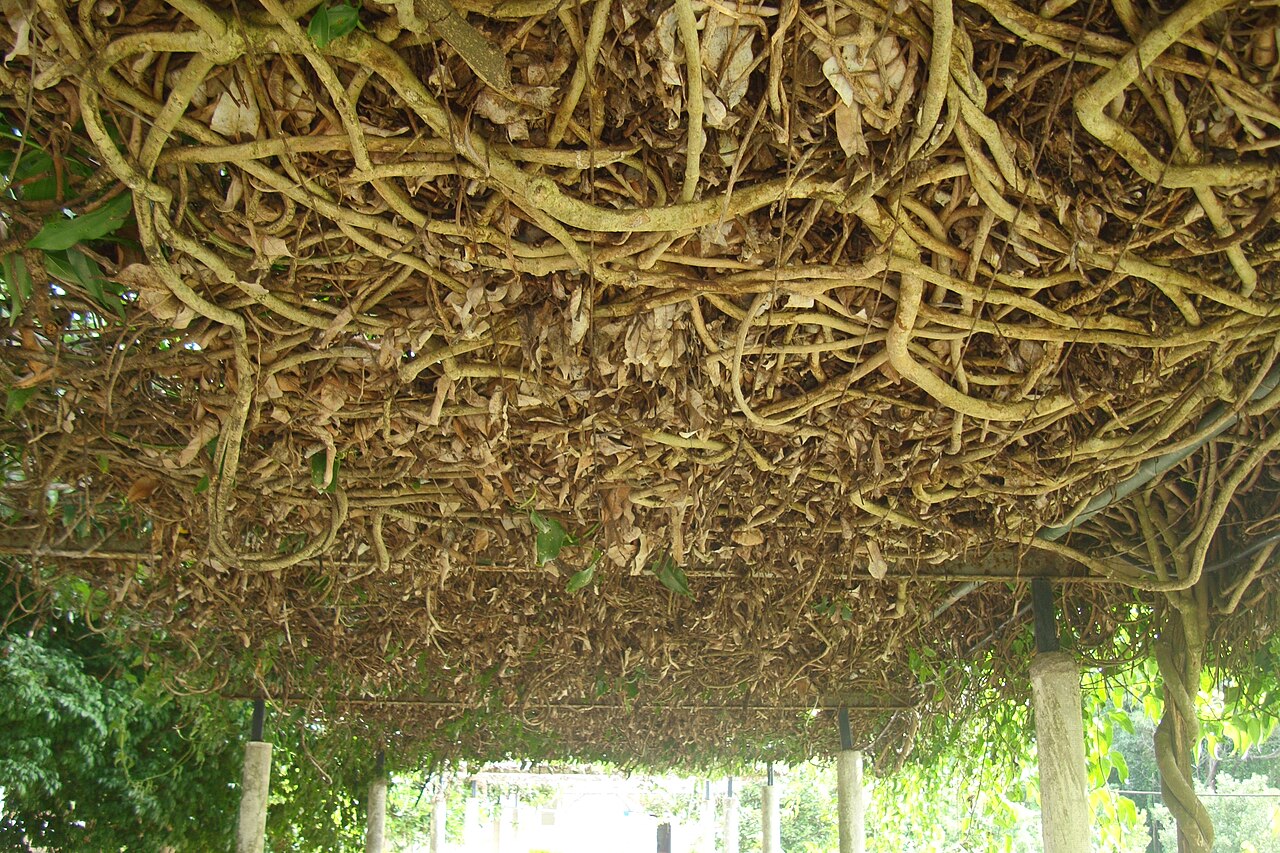
guaco
Mikania glomerata
Secondary I Medium Mulch biomassA perennial woody climber (liana) of the Asteraceae family, native to the Atlantic Forest of southeastern and southern Brazil, occurring along rive...
-
sucrier banana
Musa acuminata
Placenta II High Mulch biomassAA diploid cultivar, small sweet fruits (8–12 kg per bunch), medium plant (3–4 m). Niche production, premium price. More common in coastal São Paul...
-
dwarf cavendish banana
Musa acuminata
Placenta II Medium Mulch biomassCavendish AAA dwarf cultivar (1.8–2.5 m). Dessert-banana market staple. Resistant to Panama disease race 1 but susceptible to Yellow Sigatoka. In s...
-
giant cavendish banana
Musa acuminata
Placenta II High Mulch biomassCavendish AAA tall cultivar (3–4 m); the dominant Brazilian export variety. Heavier bunch than Nanica (30–40 kg).
-
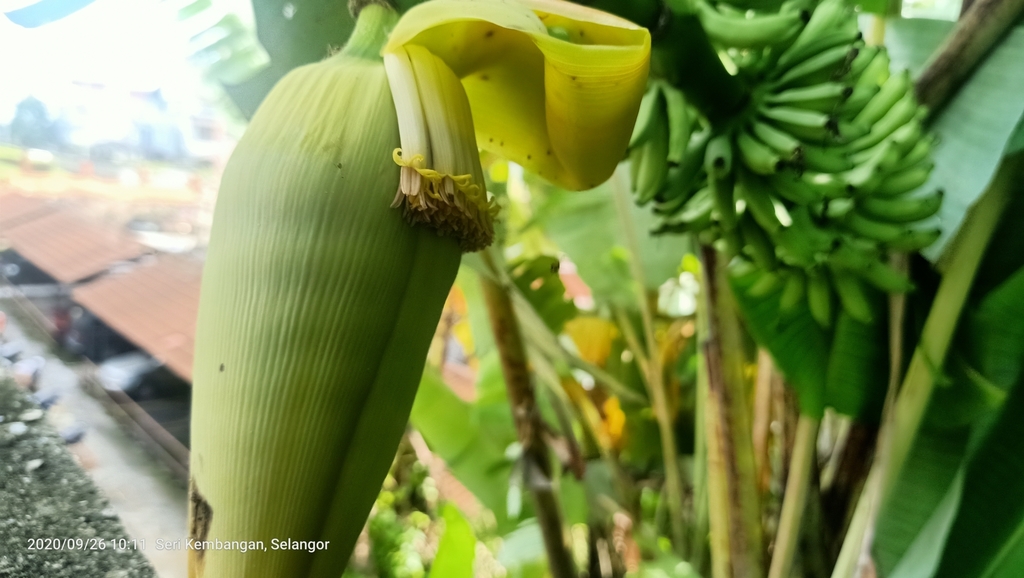
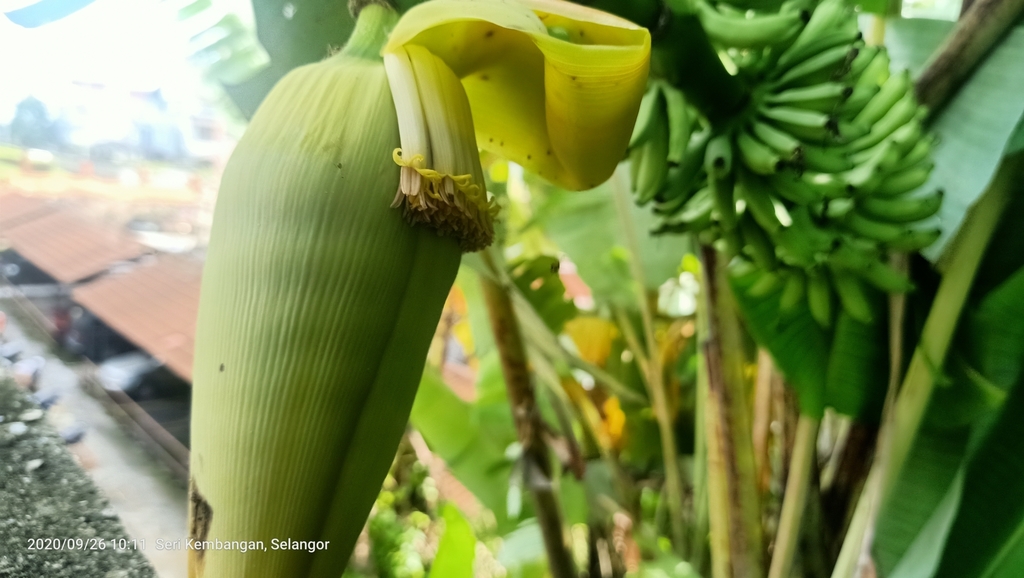
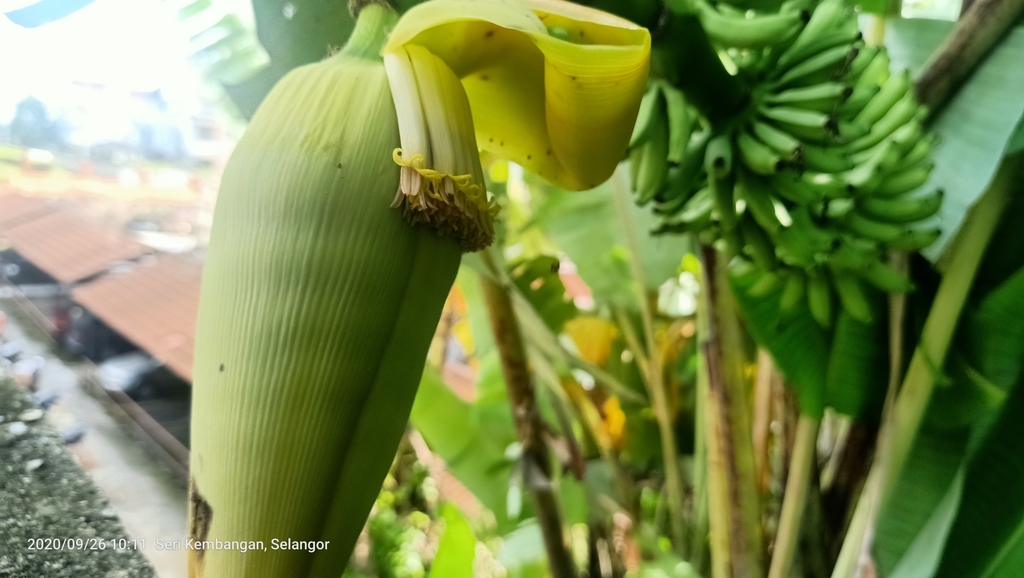
banana
Musa × paradisiaca
Placenta II High Mulch biomassBanana is a fast-growing pioneer species valued for cover biomass, edible fruit, and a structuring role in syntropic rows. Grows in any moist, well...
-
dwarf pome banana
Musa × paradisiaca
Placenta II High Mulch biomassDwarf mutation of Prata (AAB), 2.5–3.5 m. Together with Prata and Pacovan accounts for ~60% of Brazilian banana area. Per Embrapa, a 'watershed' cu...
-
pacovan banana
Musa × paradisiaca
Placenta II High Mulch biomassAAB tall cultivar (5–6 m), large bunch (20–30 kg). Major Northeastern variety with better Yellow Sigatoka tolerance than Prata. Together with Prata...
-
silk banana
Musa × paradisiaca
Placenta II High Mulch biomassAAB Silk subgroup, medium-tall (3–4 m). Sweet flavor with distinctive aroma, premium market price. Highly susceptible to Panama disease (Fusarium o...
-
pome banana
Musa × paradisiaca
Placenta II High Mulch biomassAAB Pome subgroup, tall (5–7 m), bunch 12–18 kg. Slightly tart flavor prized in the Brazilian domestic market. Before Prata-Anã it dominated the so...
-
plantain
Musa × paradisiaca
Placenta II High Mulch biomassAAB Plantain subgroup — cooking banana, tall to emergent (5–7 m), bunch 15–25 kg with few large starchy fingers. Staple food across Northern and No...
-
thap maeo banana
Musa × paradisiaca
Placenta II High Mulch biomassAAB cultivar of Thai origin recommended by Embrapa for regions with high Black/Yellow Sigatoka pressure. Tall (4–5 m), bunch 18–25 kg. Good fit for...
-
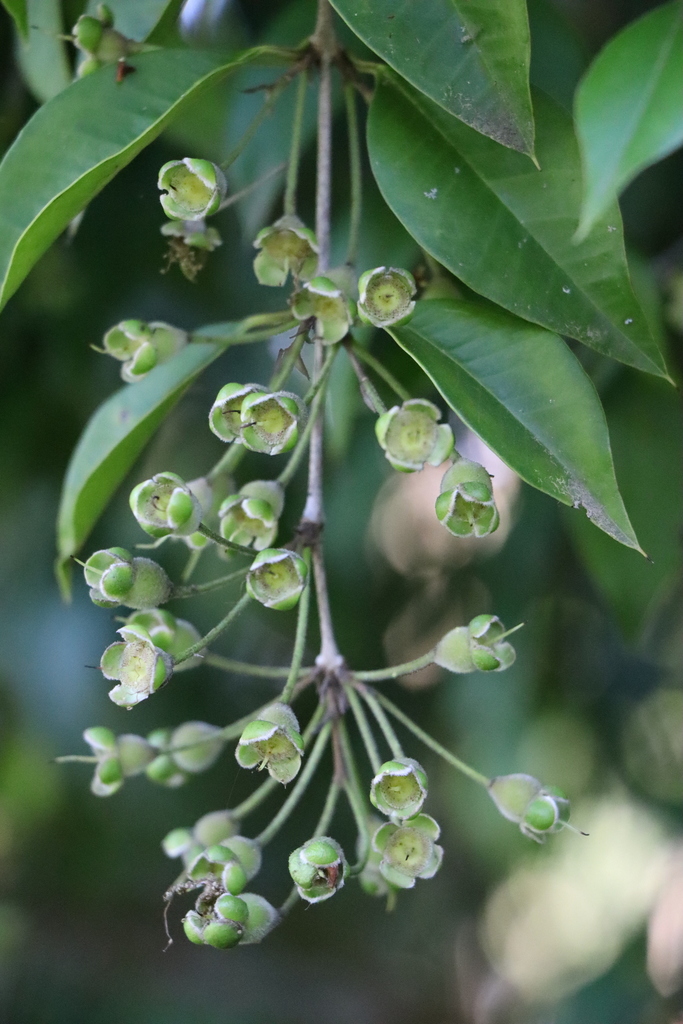
guabiju
Myrcianthes pungens
Secondary II High Mulch biomassNative tree of the Pampa, southern Atlantic Forest, and southern Minas Gerais. 8–15 m, dense canopy. Dark-red to purple fruit, sweet delicately fla...
-
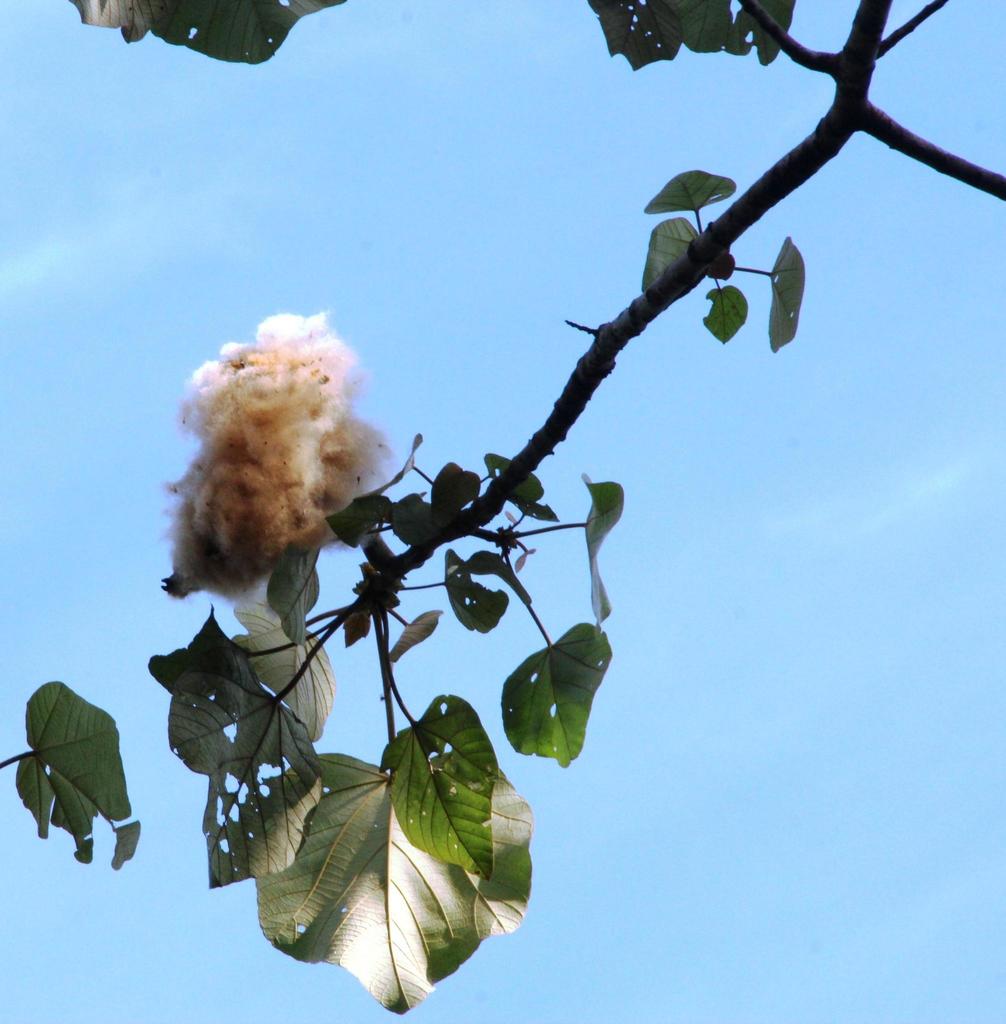
balsa
Ochroma pyramidale
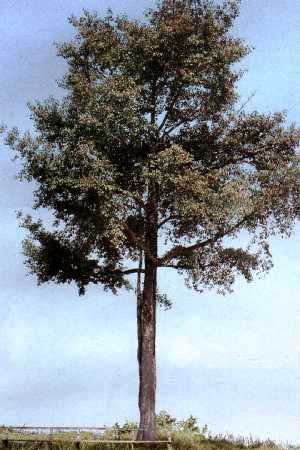
Secondary I High Mulch biomassFast-growing pioneer neotropical tree — reaches 20 m in 5 years. IPOEMA cites pau-de-balsa among fast-growing prune-tolerant species, alongside euc...
-
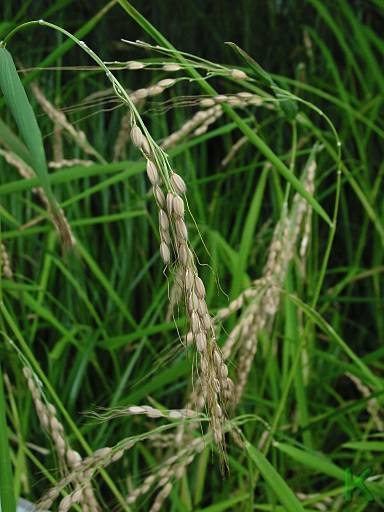
rice
Oryza sativa
Placenta I High Mulch biomassWorld's most-cultivated annual cereal. The Bosque de Niebla Guidebook (Consortium Design 2019) places rice as a typical Placenta I species in the h...
-
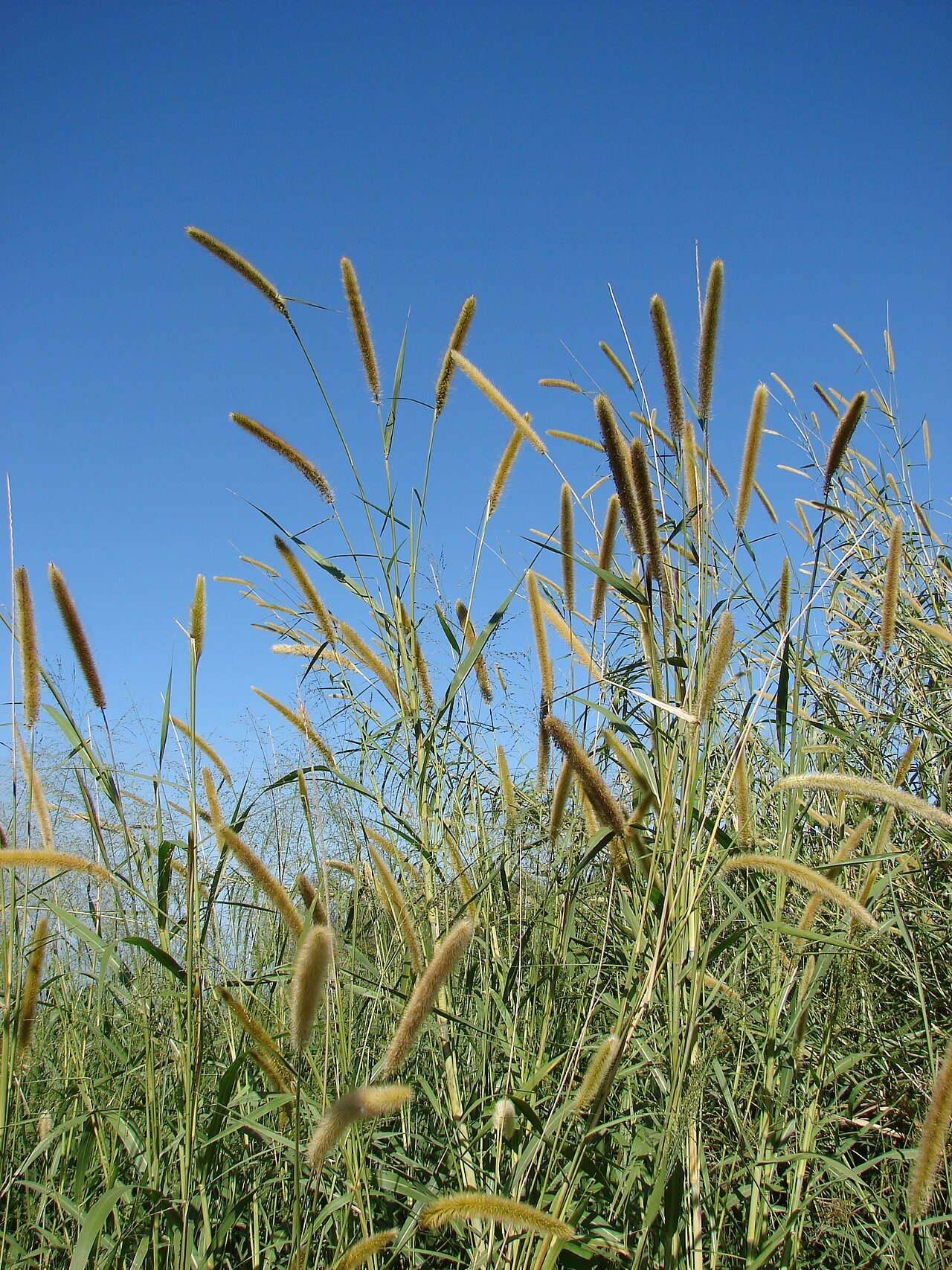
Napier grass
Pennisetum purpureum
Placenta II Medium Mulch biomassPerennial African grass introduced to Brazil in 1920. Forms vigorous clumps reaching 3–5 m and is one of the main biomass-producing species in synt...
-
moso bamboo
Phyllostachys edulis
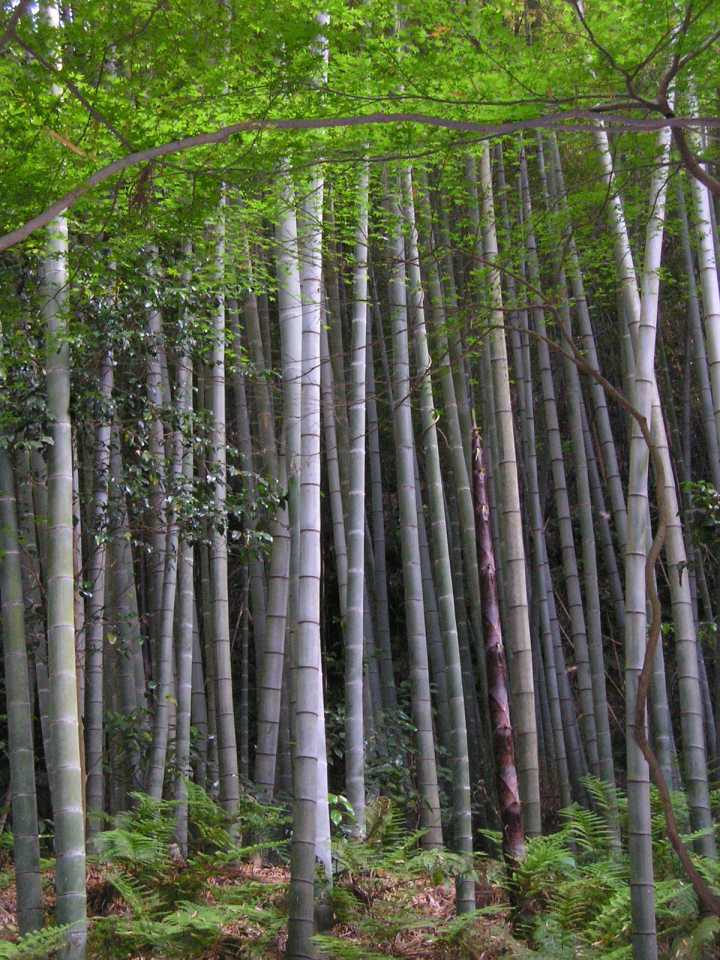
Secondary I Emergent Mulch biomassA running (spreading) bamboo native to China and Taiwan, the most cultivated species for timber and fiber in East Asia. It reaches up to 28 m tall ...
-
bacuri
Platonia insignis
Climax Emergent Mulch biomassAmazonian climax fruit tree, distant cousin of mangosteen. Embrapa Cultivo de Fruteiras Quadro 5 lists fruiting in May–September in the Amazon. Hig...
-
common purslane
Portulaca oleracea
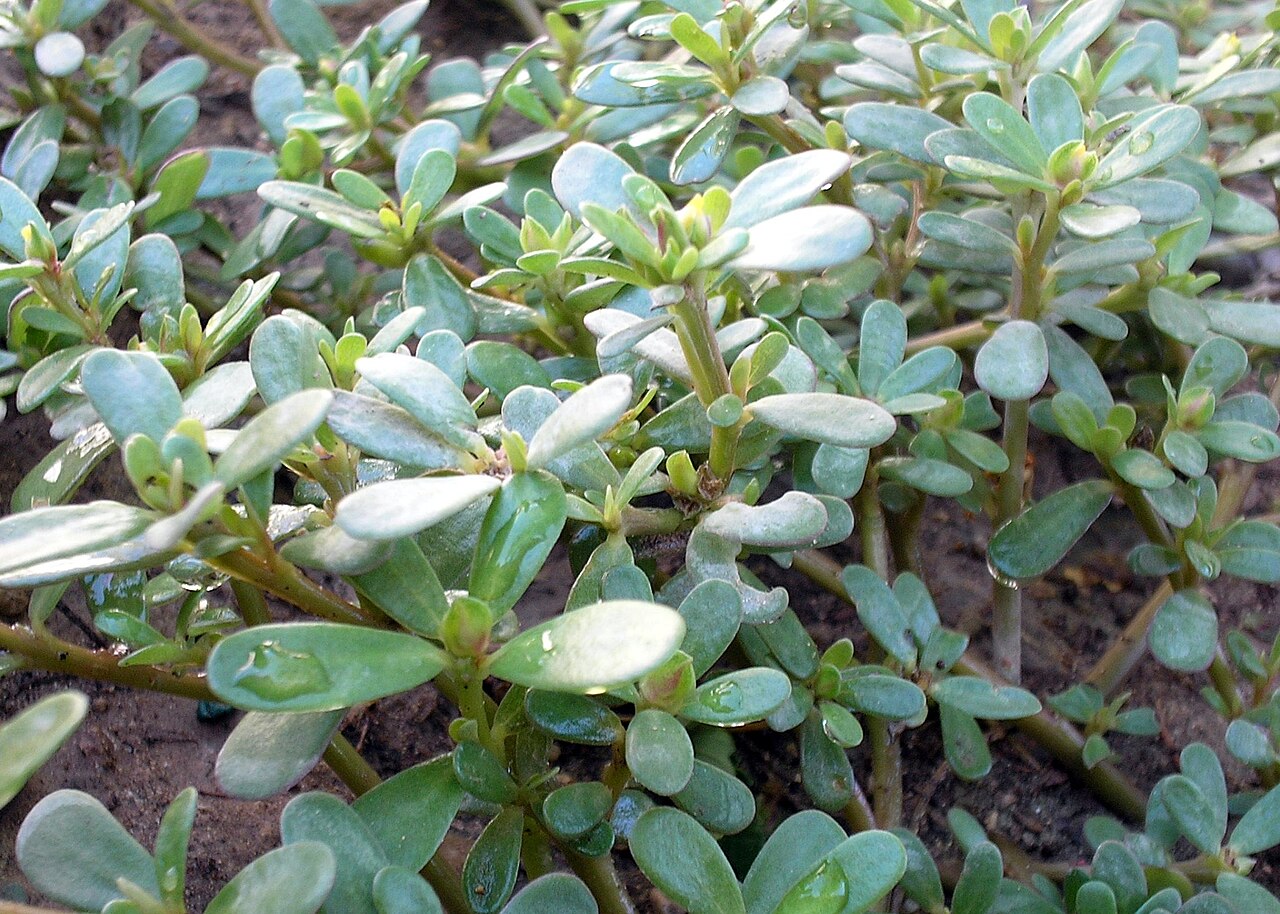
Placenta I Ground cover Mulch biomassA prostrate annual succulent herb in the Portulacaceae, with a cosmopolitan distribution and very common as a volunteer in gardens and pavements. I...
-
guapeva
Pouteria torta
Secondary II High Mulch biomassMedium-sized Cerrado and Atlantic Forest tree (8–15 m). Large yellow-orange fruit with sweet starchy flesh and shiny seeds — edible raw or in jams....
-
embiruçu
Pseudobombax grandiflorum
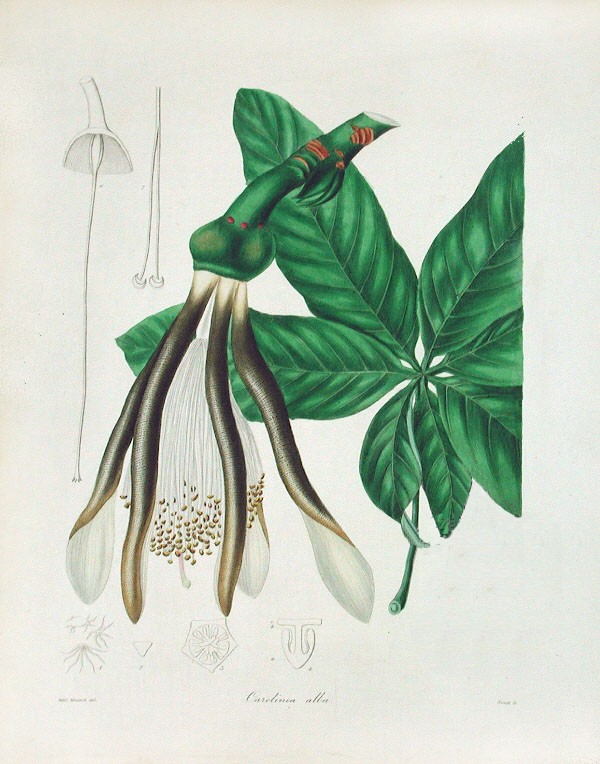
Secondary II High Mulch biomassNative tree of the Atlantic Forest and Cerrado, with spectacular brush-like white flowers. EcoAgri lists it in the high stratum of the 'up to 50 ye...
-
castor bean
Ricinus communis
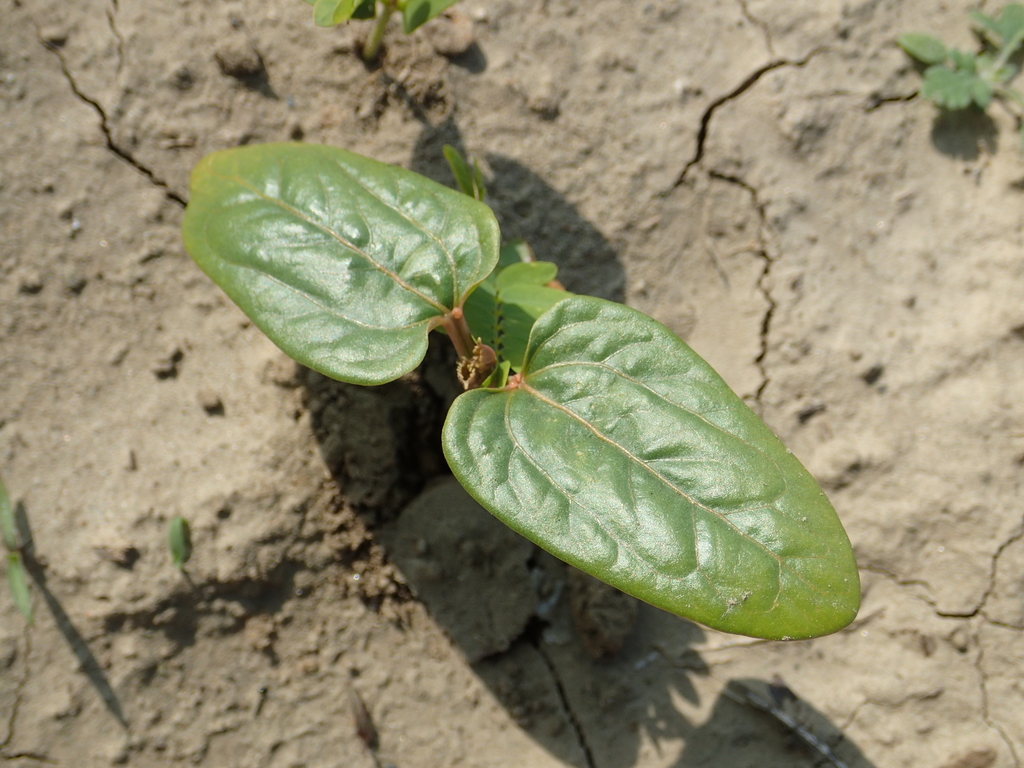
Placenta II Emergent Mulch biomassAnnual or short-lived perennial shrub/small tree, a high-yielding oilseed crop. EcoAgri lists it in the emergent stratum of the 'up to 3 years' bin...
-
sugar cane
Saccharum officinarum
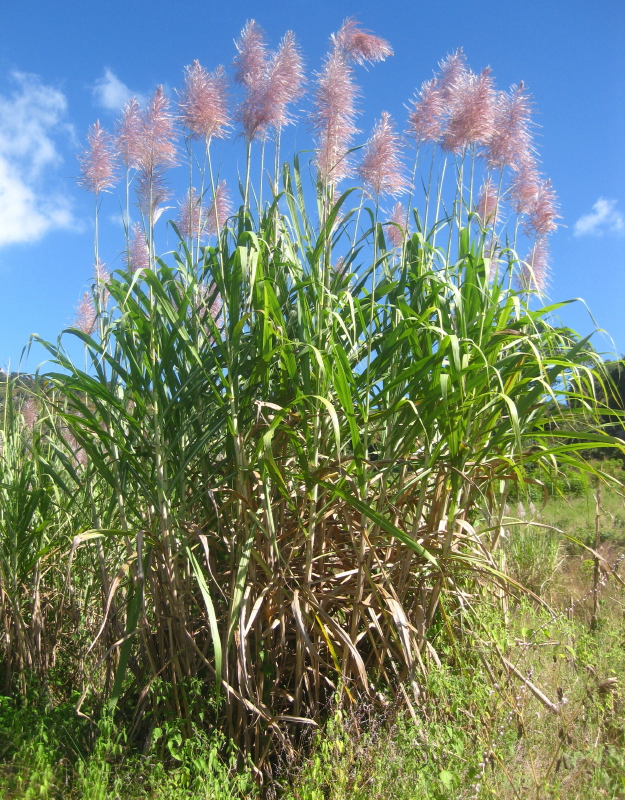
Placenta II Emergent Mulch biomassPerennial grass with very high production of cover biomass. Pasini lists it in the emergent stratum (Tabela 3). Cut periodically in syntropic agrof...
-
morototó
Schefflera morototoni
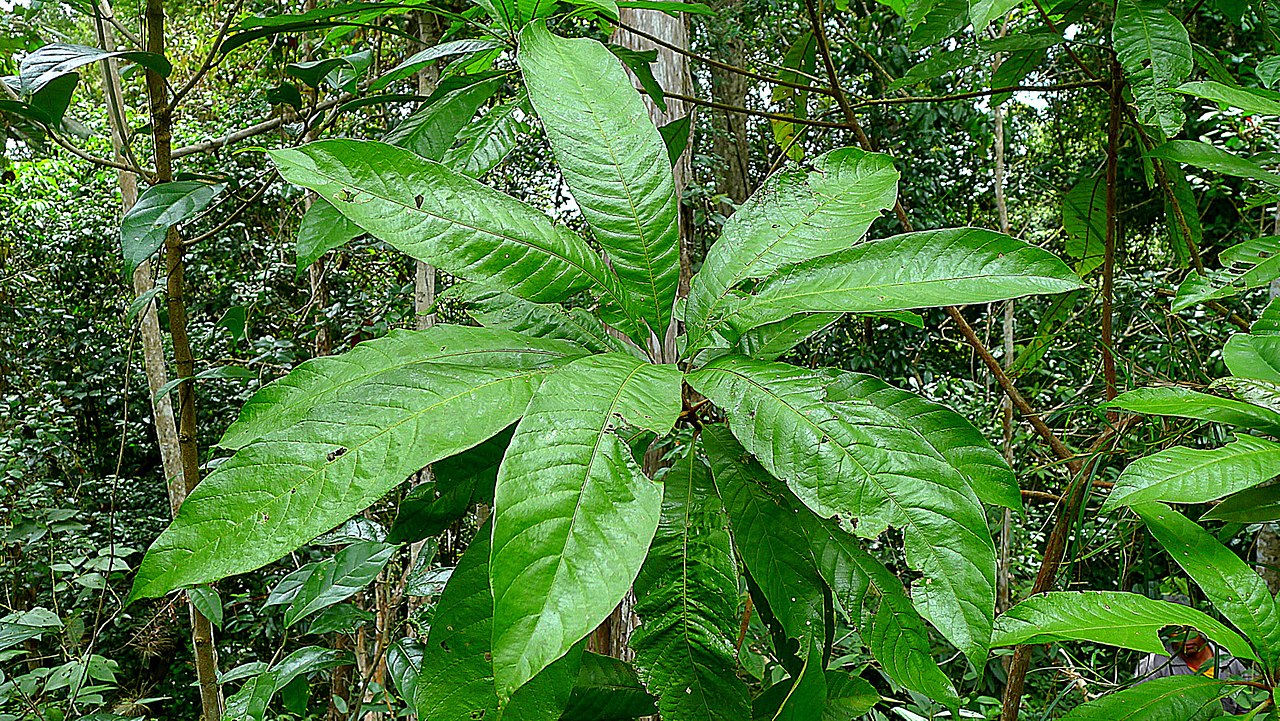
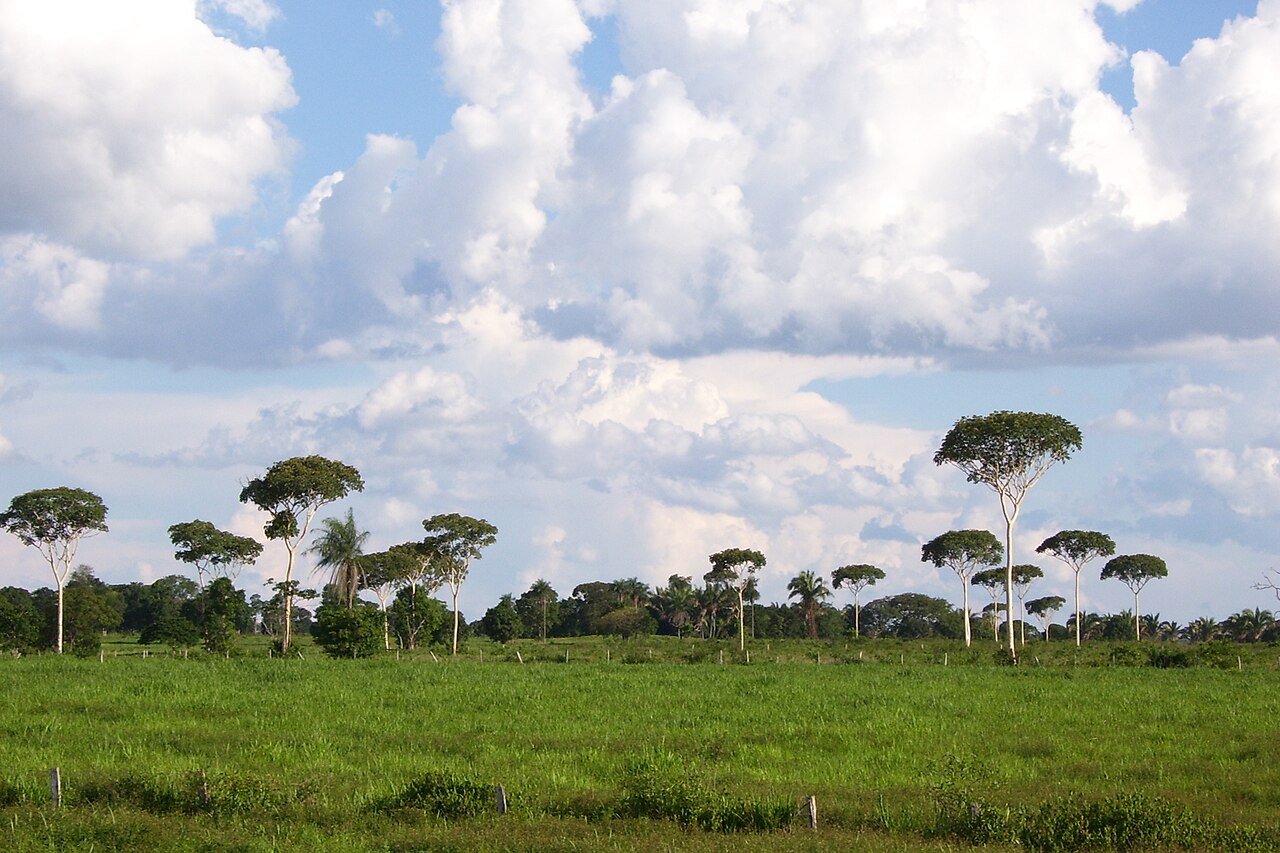
Secondary I Emergent Mulch biomassFast-growing pioneer tree common in Atlantic Forest and Amazon clearings. EcoAgri lists it in the emergent stratum of the 'up to 50 years' extras. ...