Plants
Plant Catalog
92 plants found
-
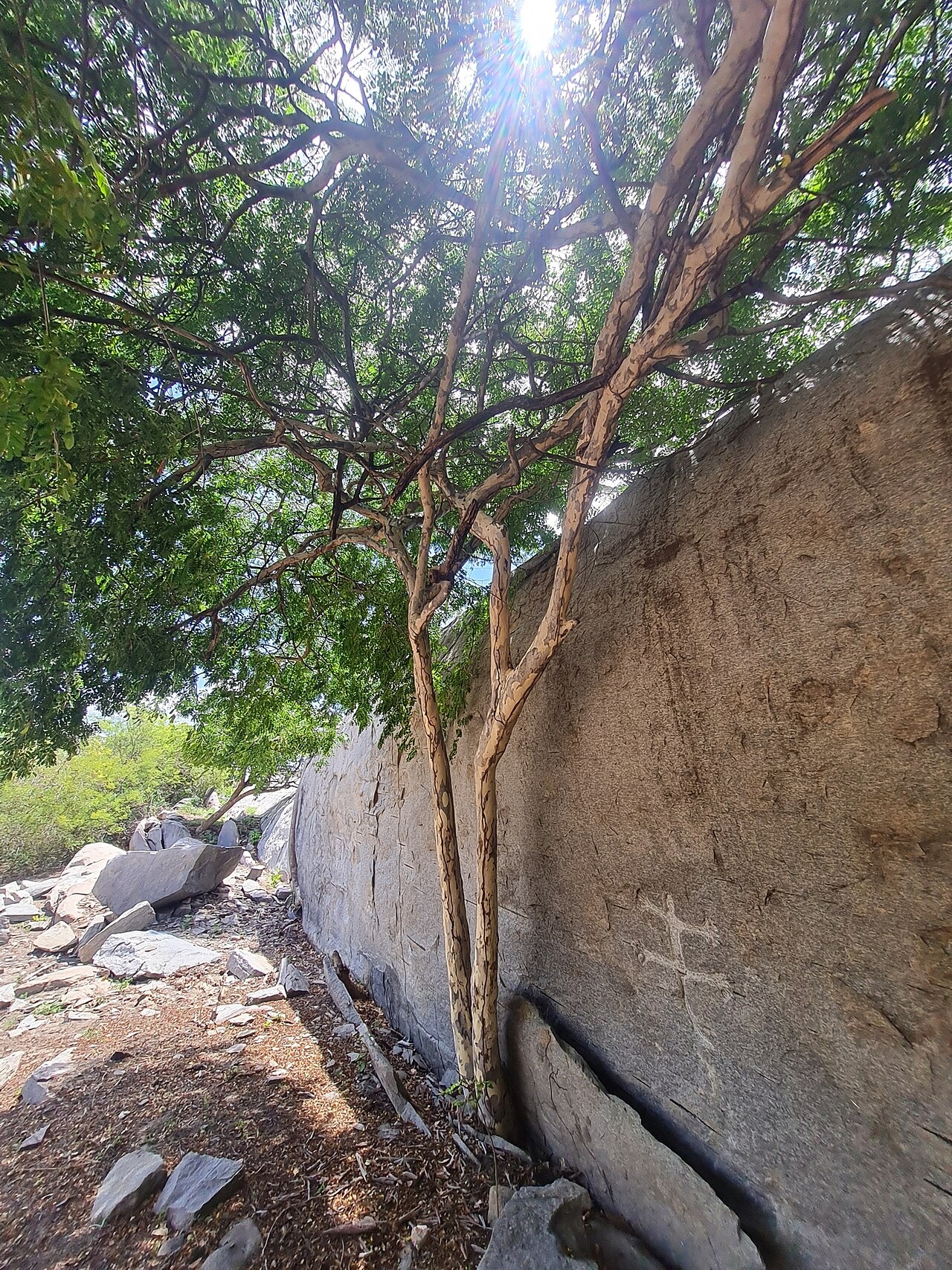
Brazilian ironwood
Libidibia ferrea
Secondary II High Fertilizer & mulchLeguminous tree occurring in Caatinga, Cerrado and Atlantic Forest. Sun-tolerant and melliferous.
-
açoita-cavalo
Luehea divaricata
Secondary II High Mulch biomassSemi-deciduous native tree of southern Brazil, typical of riparian forests and secondary growth. A forestry species of the Embrapa Vitrine SAF, pla...
-
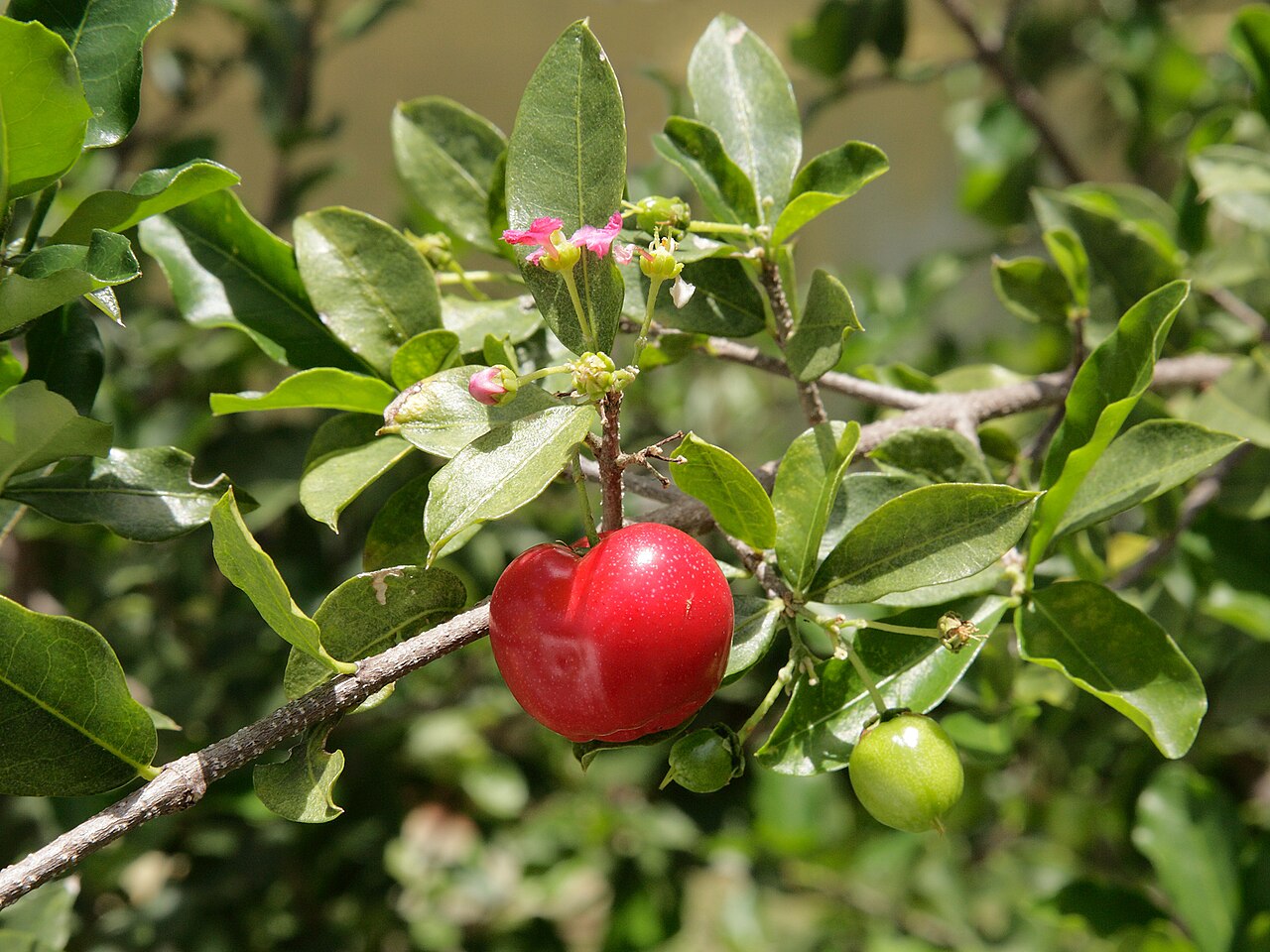
acerola
Malpighia emarginata
Secondary I High No biomass productionSmall fruit shrub; fruits exceptionally rich in vitamin C. Pasini lists it in the high stratum of Tabela 3 and cites it among Abundance-system spec...
-
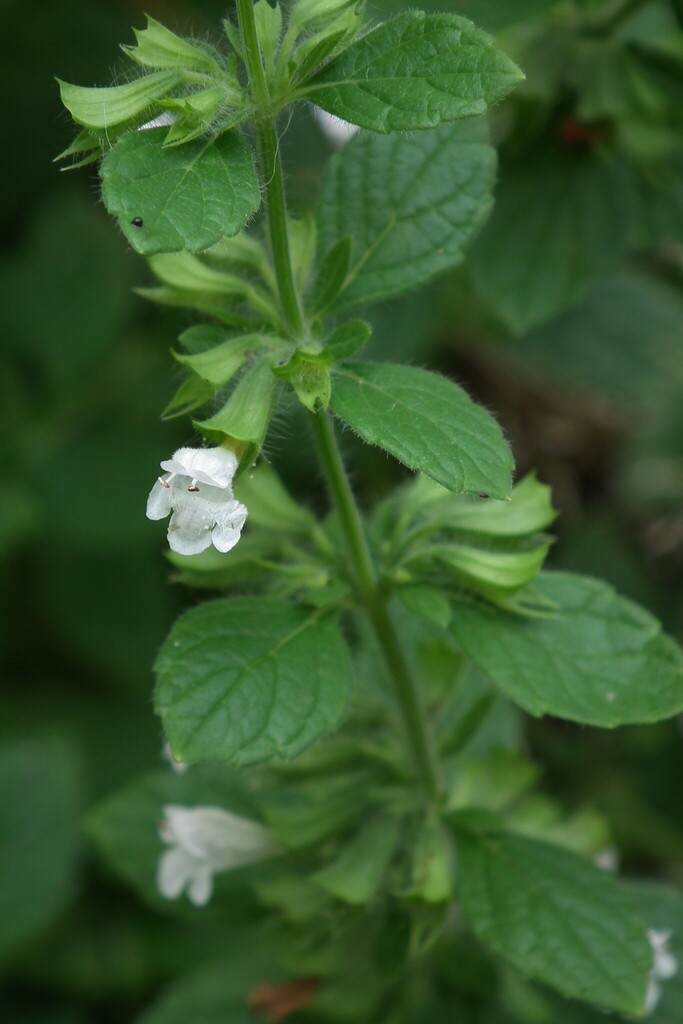
lemon balm
Melissa officinalis
Placenta I Low No biomass productionPerennial herb (40–80 cm), light-green strongly lemon-scented leaves. Tolerates partial shade — fills shaded niches where rosemary and thyme don't ...
-
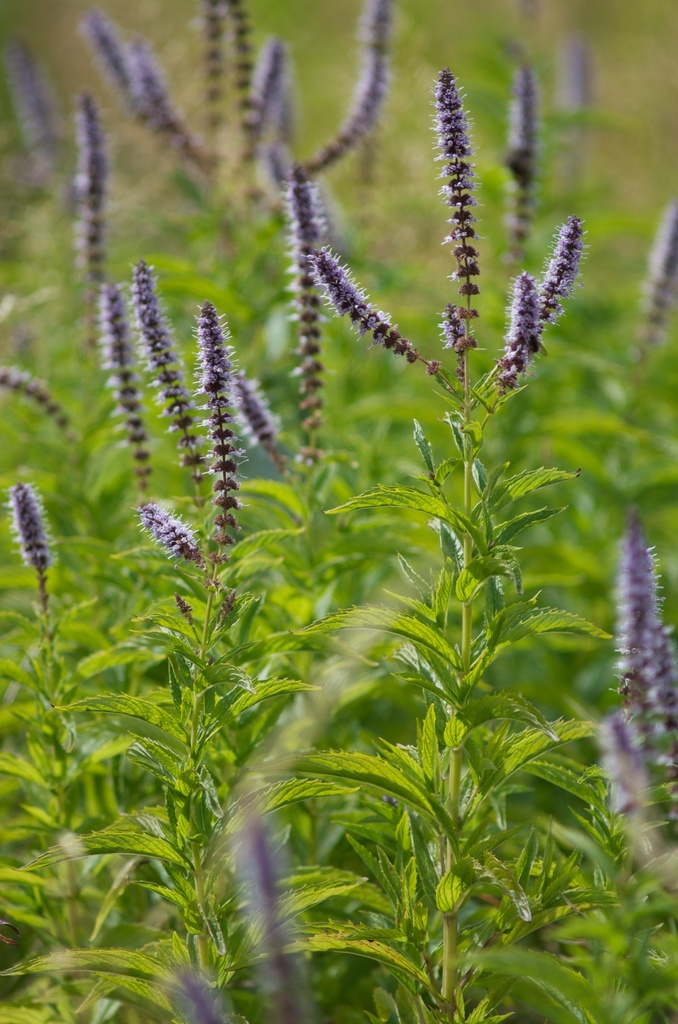
spearmint
Mentha spicata
Placenta I Ground cover No biomass productionStrongly aromatic perennial Lamiaceae that spreads vigorously by stolons. Pasini lists it in the low stratum of Tabela 3. Tolerates partial shade; ...
-
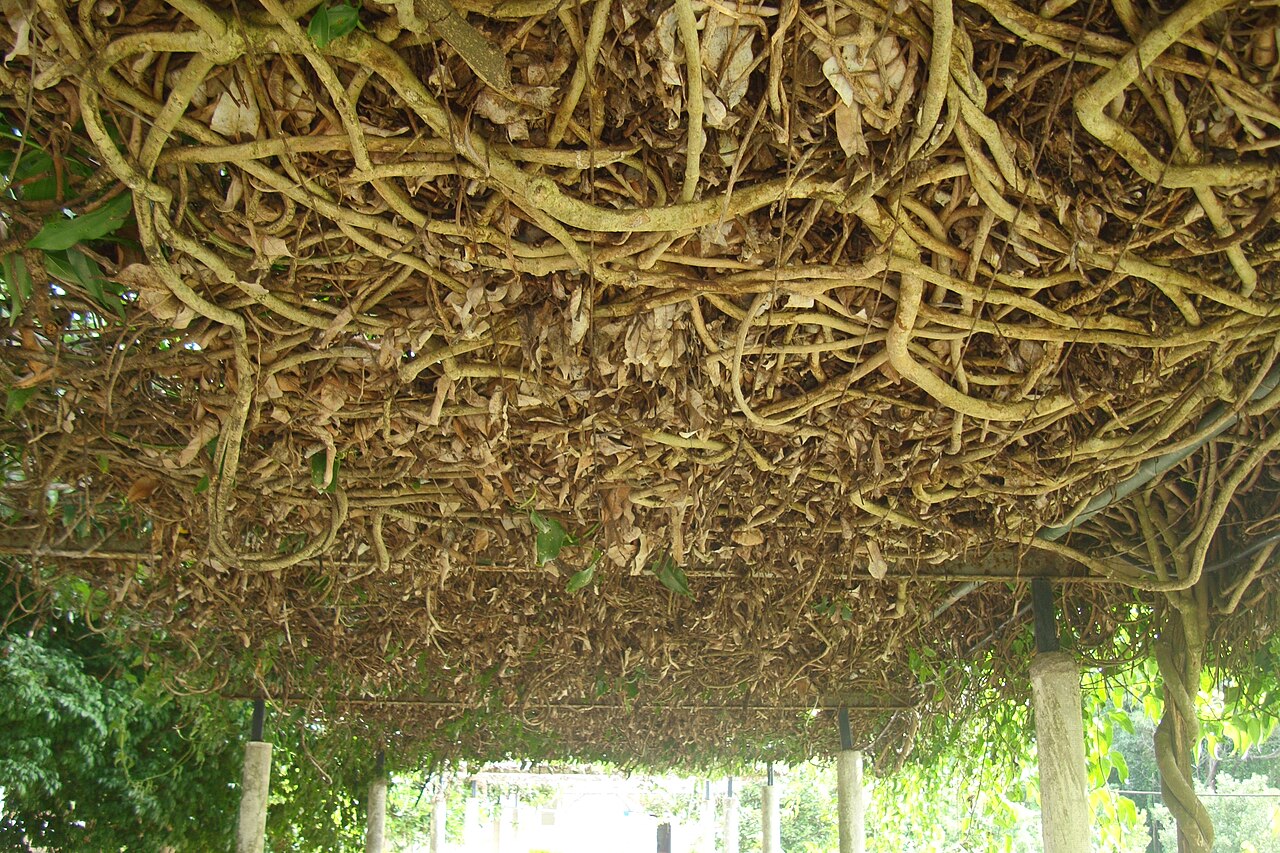
guaco
Mikania glomerata
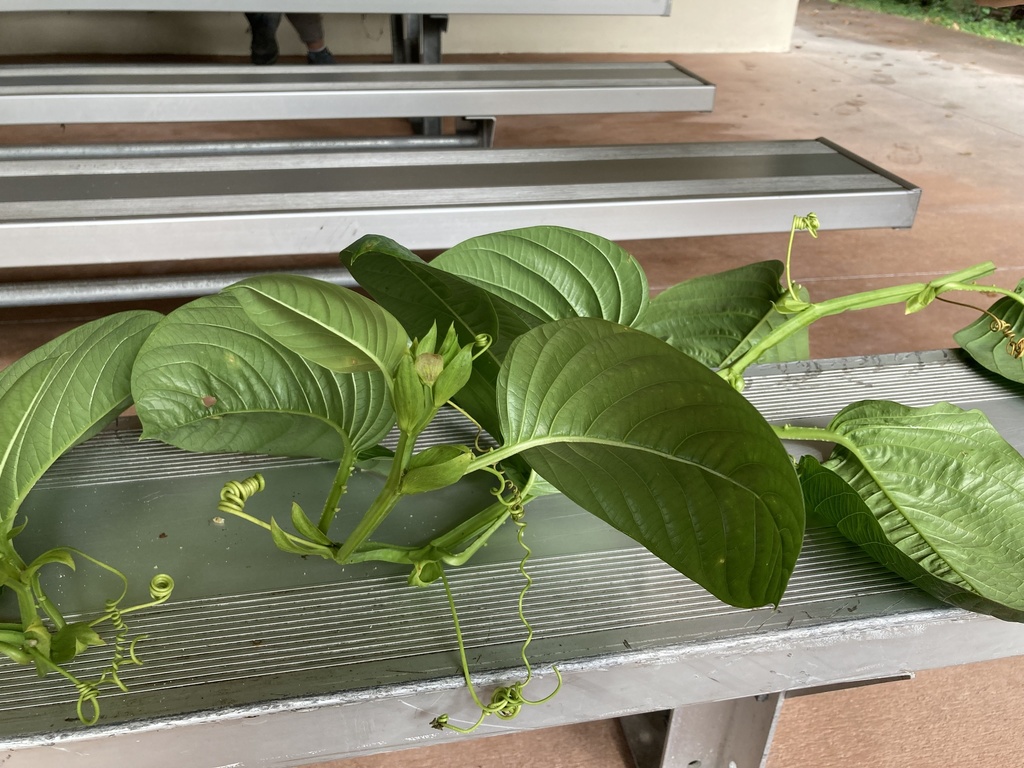
Secondary I Medium Mulch biomassA perennial woody climber (liana) of the Asteraceae family, native to the Atlantic Forest of southeastern and southern Brazil, occurring along rive...
-
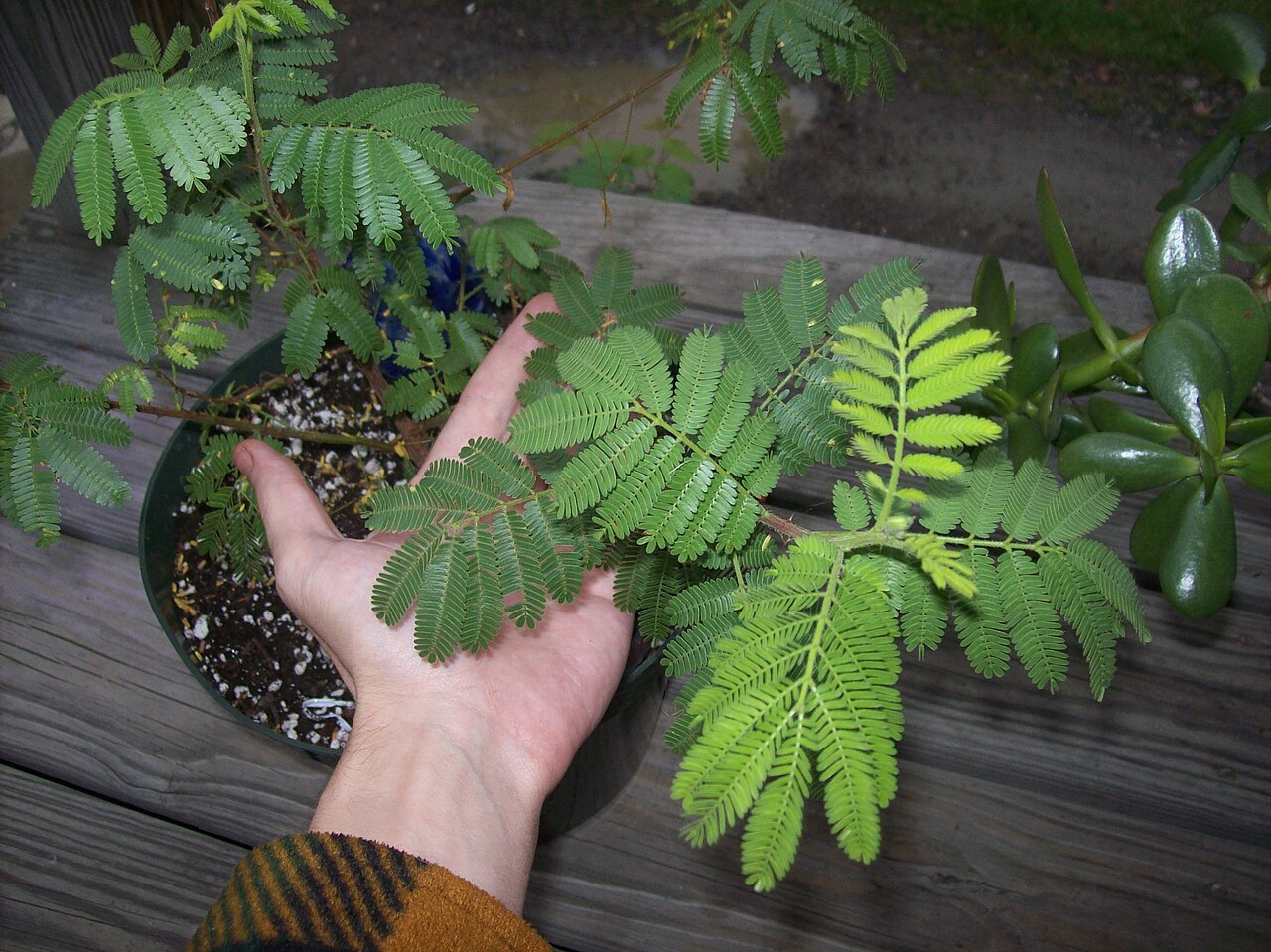
jurema preta
Mimosa tenuiflora
Secondary I Medium Fertilizer biomass 🌱 Nitrogen fixerNative legume of the Caatinga and Atlantic Forest. Small-to-medium tree (4–8 m), fine leaves, fissured grey bark. Nitrogen-fixer, rapid recolonizer...
-
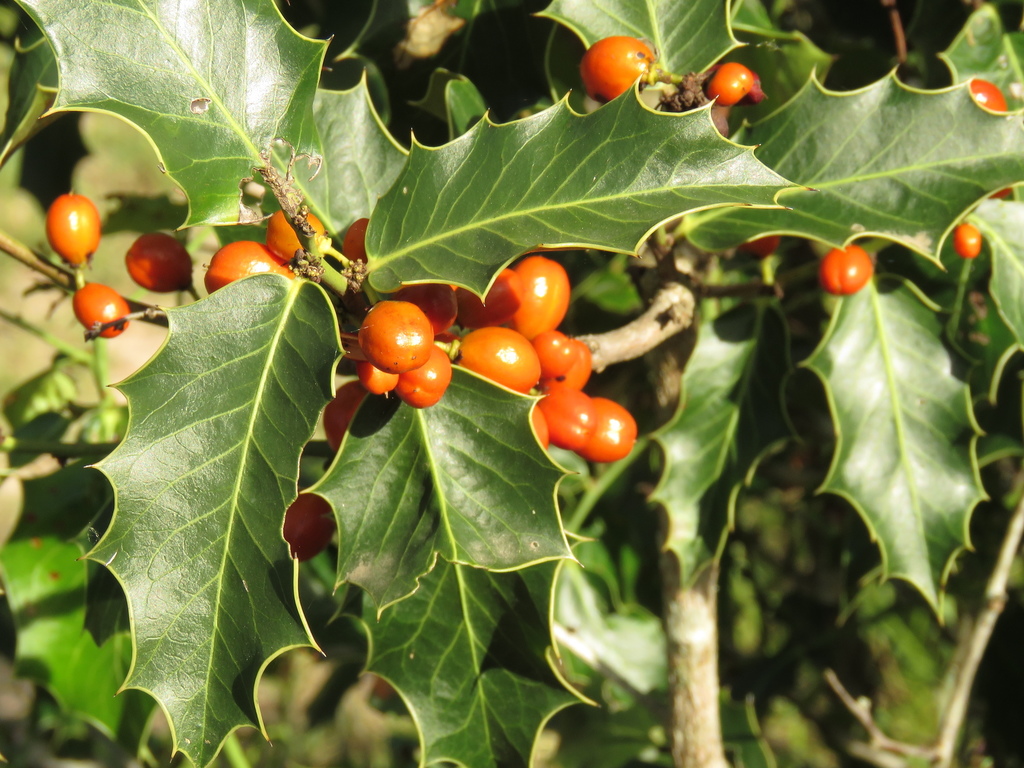
holythorn
Monteverdia ilicifolia
Secondary I Medium No biomass productionAn evergreen shrub or small tree of the Celastraceae family, native to southern and southeastern Brazil, with leathery, spiny-margined holly-like l...
-
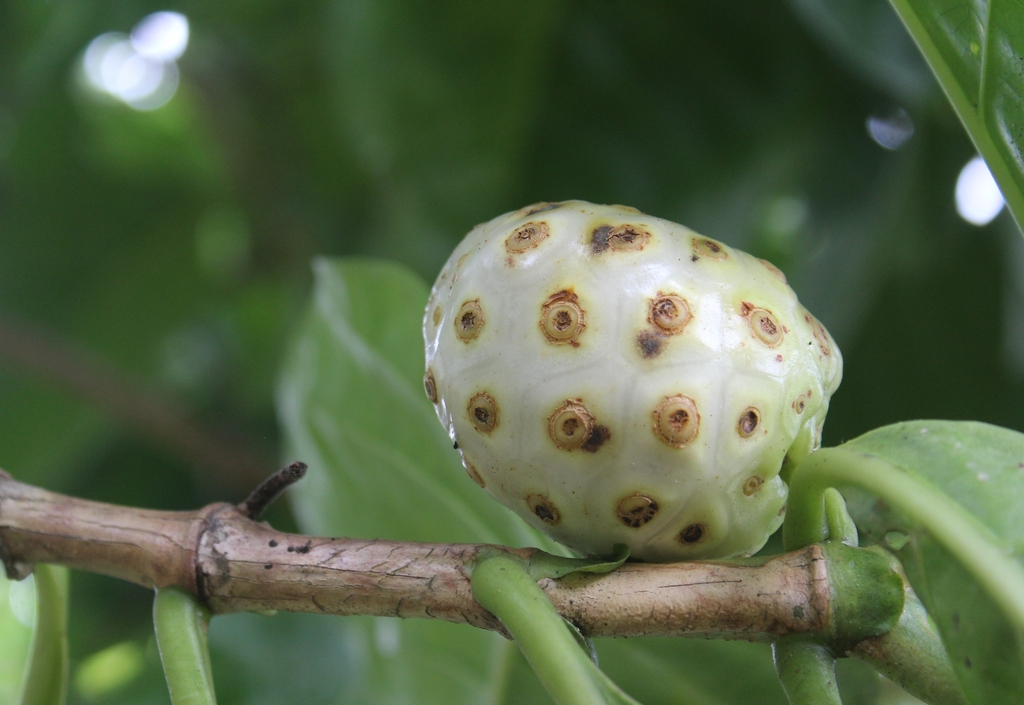
noni
Morinda citrifolia
Secondary I Medium No biomass productionTropical small tree (3–6 m) introduced in Brazil. Large dark-green leaves, ovoid yellowish-white strong-smelling ripe fruits. Medicinal pulp — supp...
-
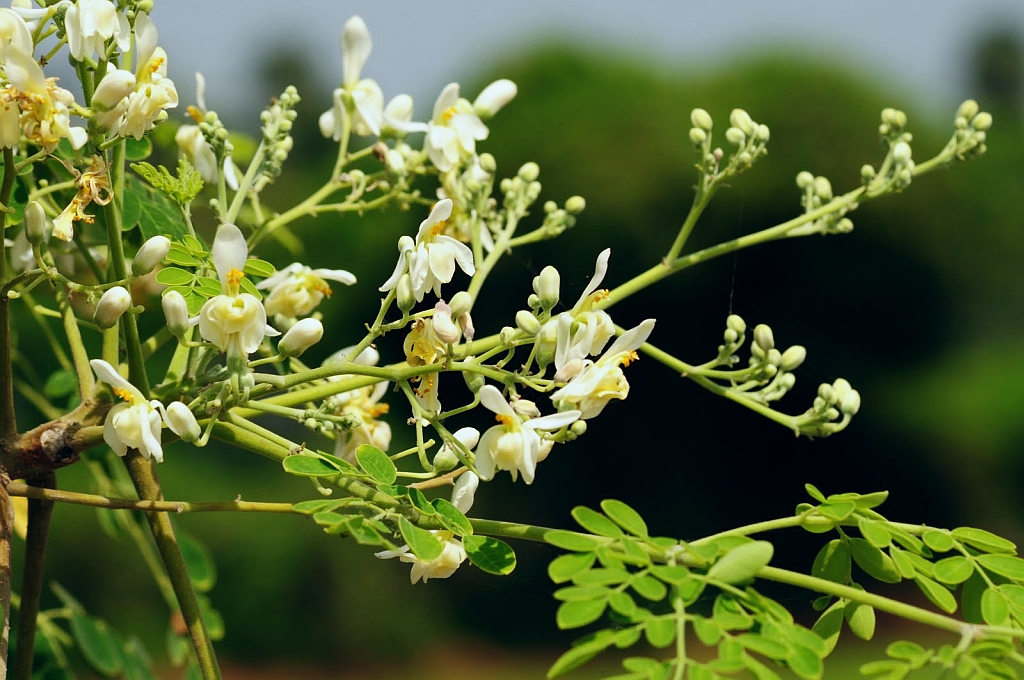
moringa
Moringa oleifera
Secondary I High Fertilizer biomassMulti-purpose, extremely fast-growing Indo-African tree. The Bosque de Niebla Guidebook lists moringa among anchor species of the high stratum / Se...
-
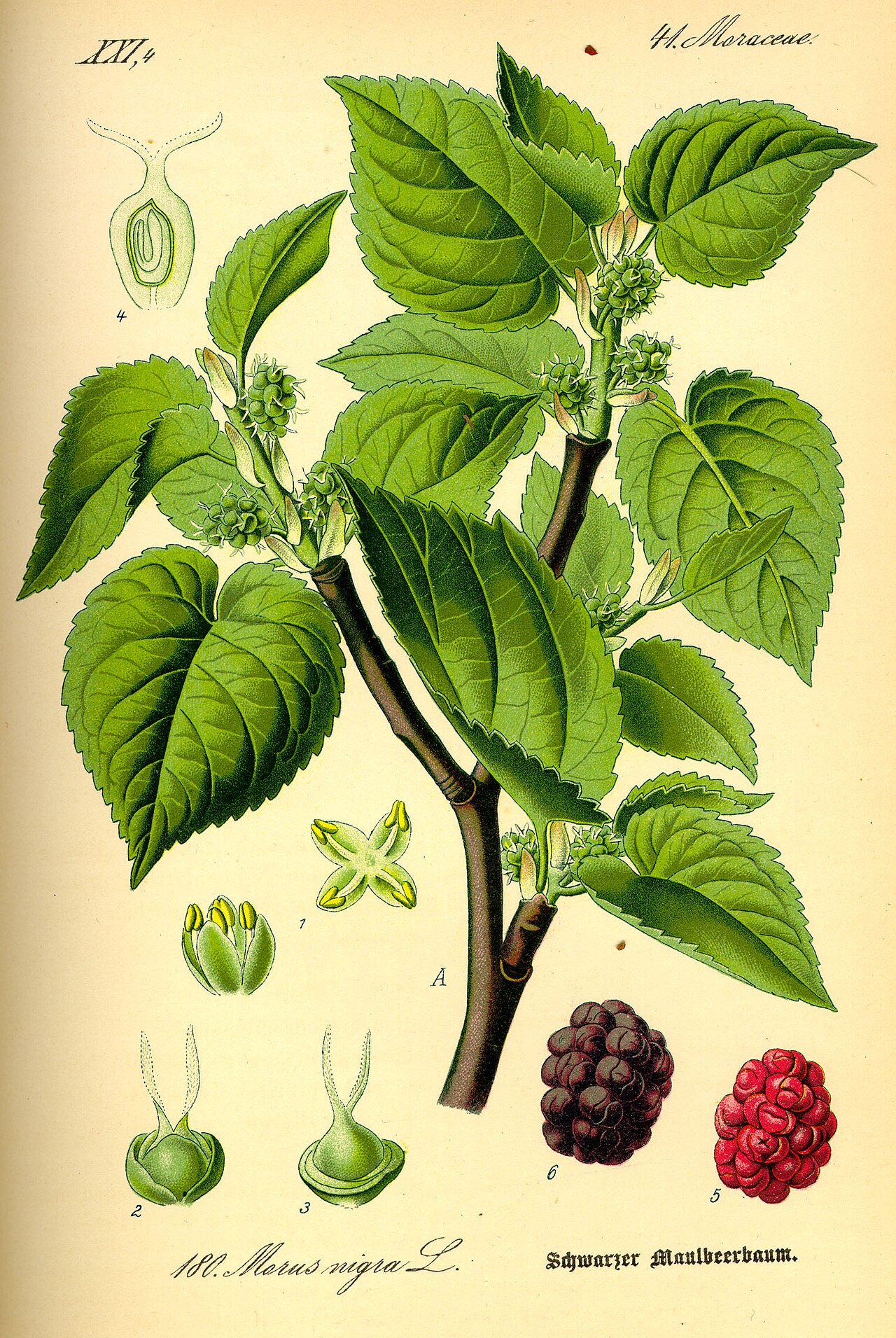
black mulberry
Morus nigra
Secondary I High Fertilizer biomassFast-growing fruit tree, tolerates drastic pruning well and coppices readily — ideal as a nurse plant in syntropic systems. Pasini lists it in the ...
-
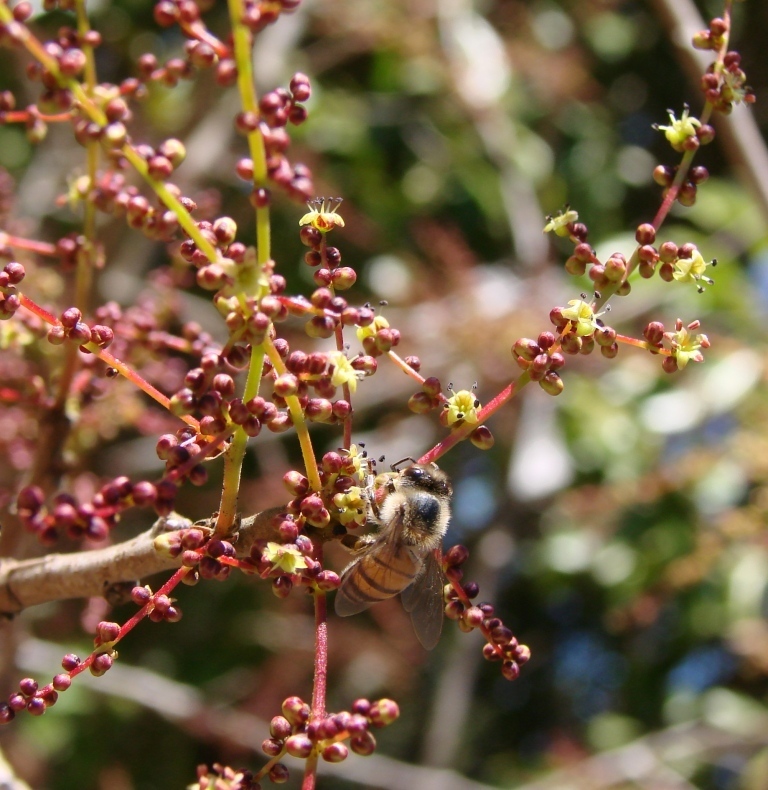
urundeuva
Myracrodruon urundeuva
Climax HighTree with extremely dense, durable hardwood; once dominant in the Caatinga but now threatened by overexploitation. Occurs in Caatinga, Cerrado and ...
-
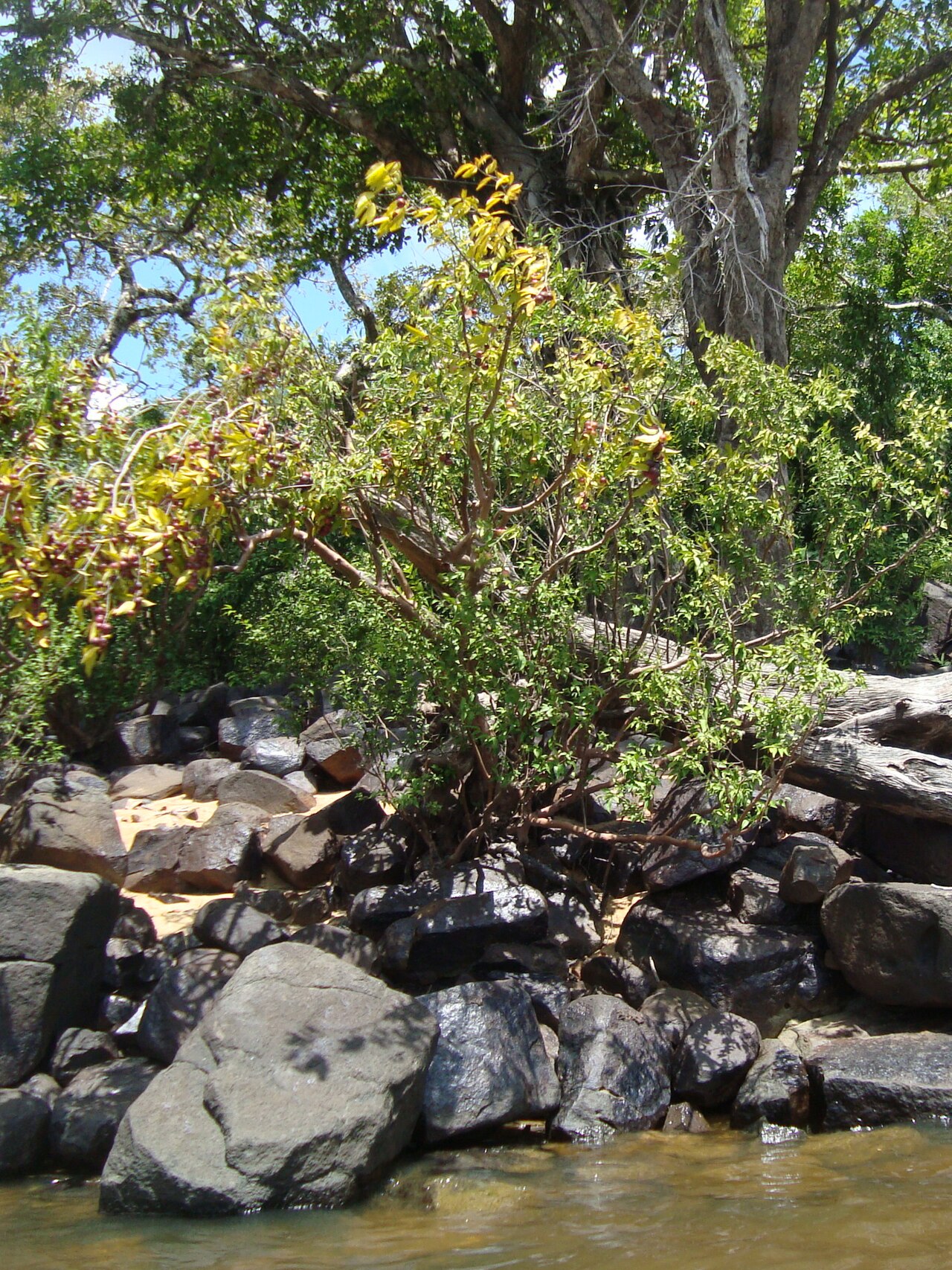
camu camu
Myrciaria dubia
Placenta II Low No biomass productionAmazonian small tree (2–6 m) of floodable areas — in native habitat survives 4–5 months submerged. Small dark-red fruits with the highest known nat...
-
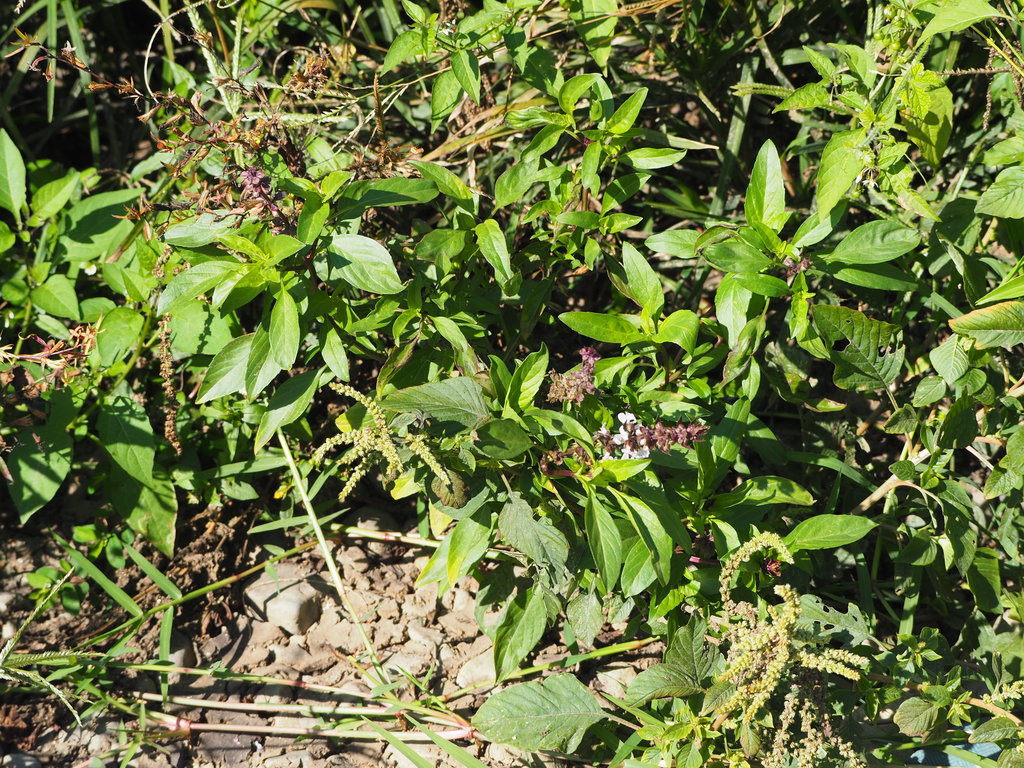
basil
Ocimum basilicum
Placenta I Low No biomass productionAromatic annual or short-lived perennial Lamiaceae. Pasini lists it in the high stratum of Tabela 3 (grown as a low-stratum species in beds). Attra...
-
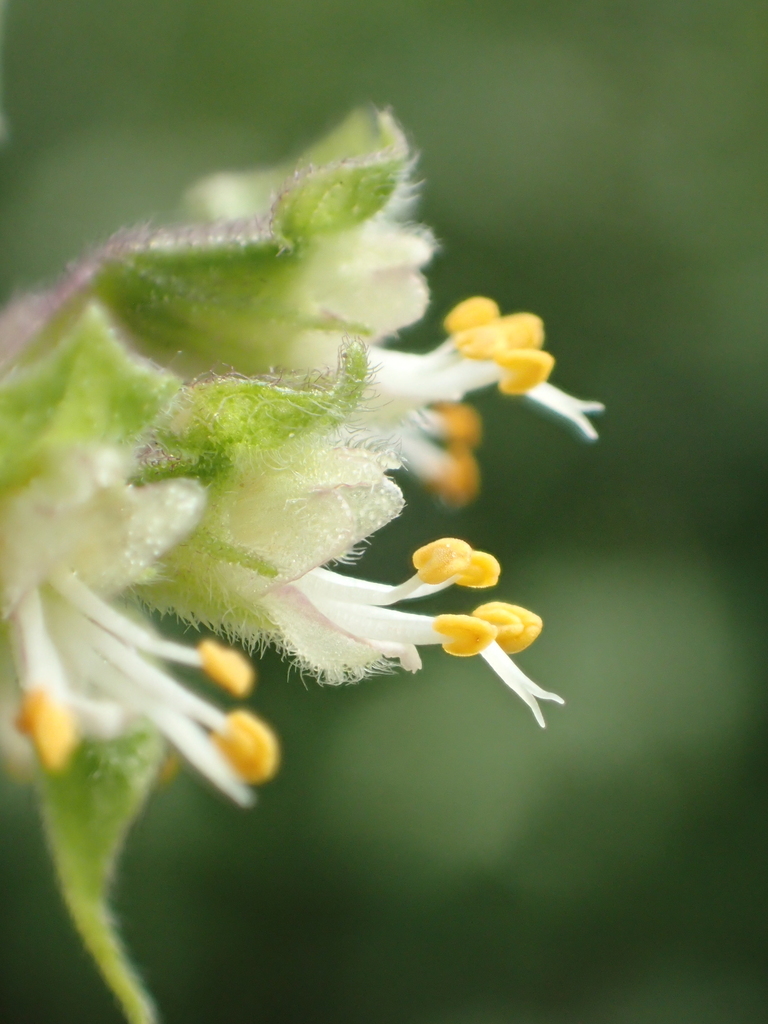
African basil
Ocimum gratissimum
Placenta II Medium No biomass productionShort-lived perennial Lamiaceae, cousin of common basil (distinct species). EcoAgri lists it in the medium stratum of the 'up to 3 years' bin. Arom...
-
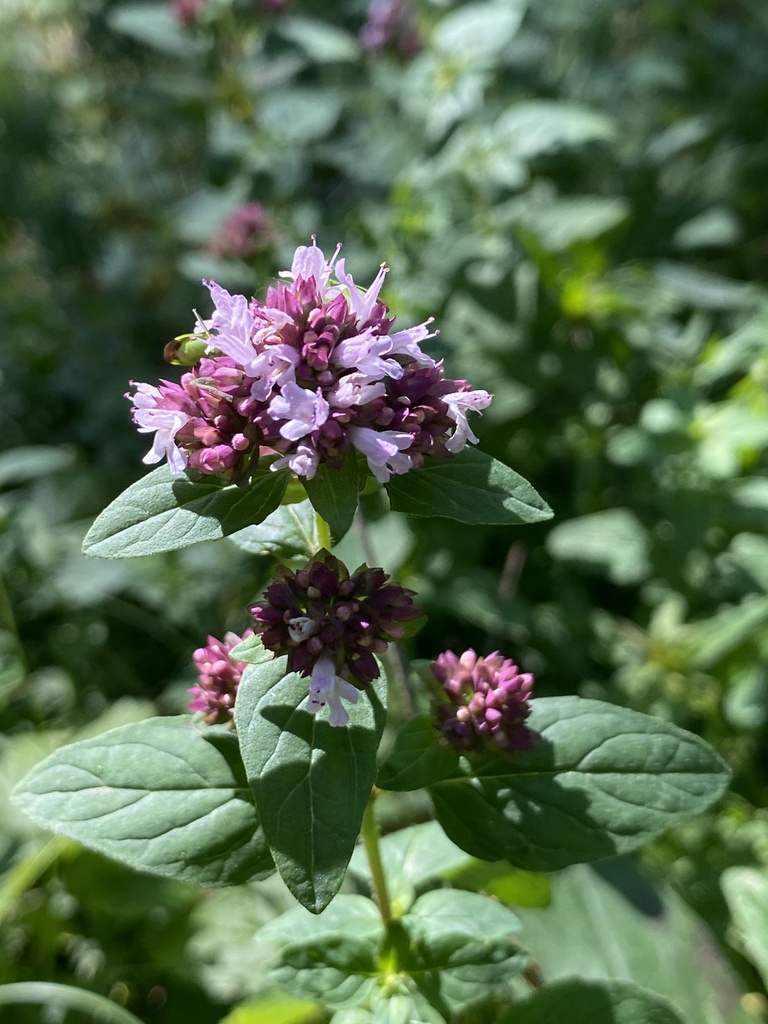
oregano
Origanum vulgare
Placenta I Ground cover No biomass productionPerennial Mediterranean herb (20–60 cm), small aromatic leaves. In southeastern and southern Brazilian syntropic systems used as permanent cover be...
-
passion fruit
Passiflora edulis
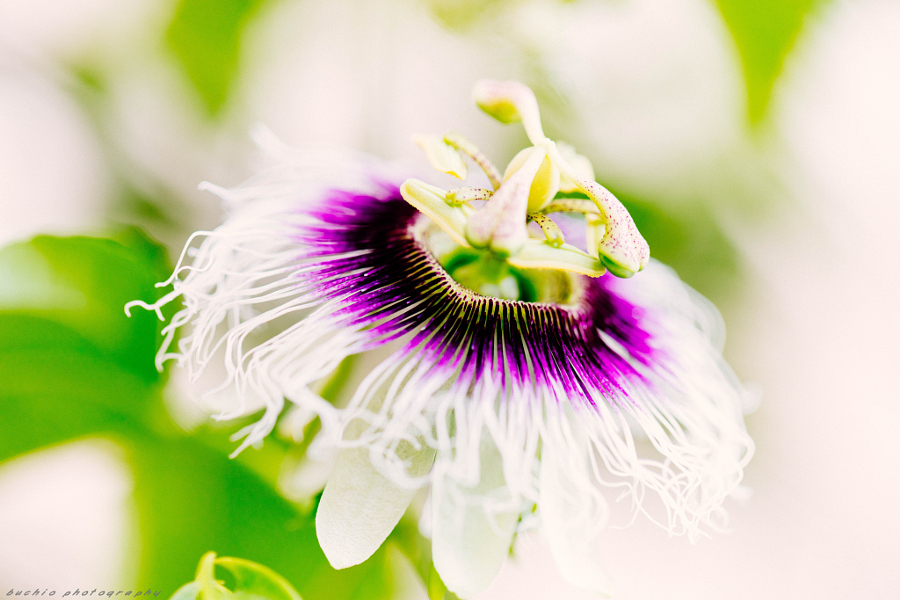
Placenta II High No biomass productionBrazilian-native woody fruiting climber. Pasini lists it in the high stratum of Tabela 3 (grows over high-stratum structures). Fruits in ~9–12 mont...
-
giant granadilla
Passiflora quadrangularis
Placenta II Medium No biomass productionOne of the most vigorous Passiflora vines, with squared stem cross-section (origin of the scientific name). Huge fruit — 15–30 cm, up to 4 kg — wit...
-
guaraná
Paullinia cupana
Secondary I Low No biomass productionAmazonian shrubby climber, today managed as a shrub in monoculture. Embrapa lists guaraná among perennial crops in SAFs with mean yield of 100 kg/h...
-
Barbados gooseberry
Pereskia aculeata
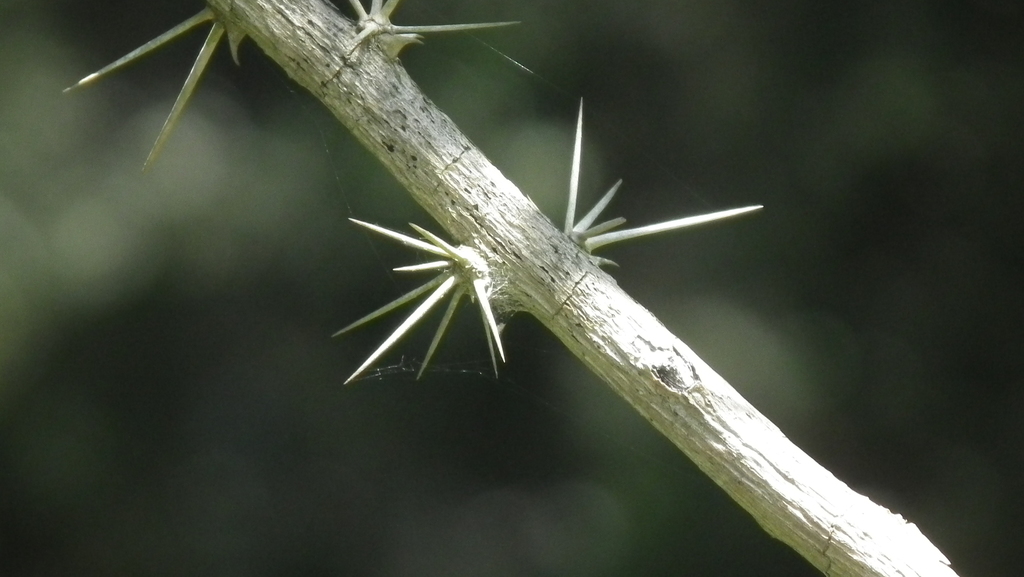
Placenta II Medium No biomass productionAn atypical cactus with broad, non-succulent leaves and a spiny scrambling, shrubby habit, native to the Americas and common in southeastern and no...
-
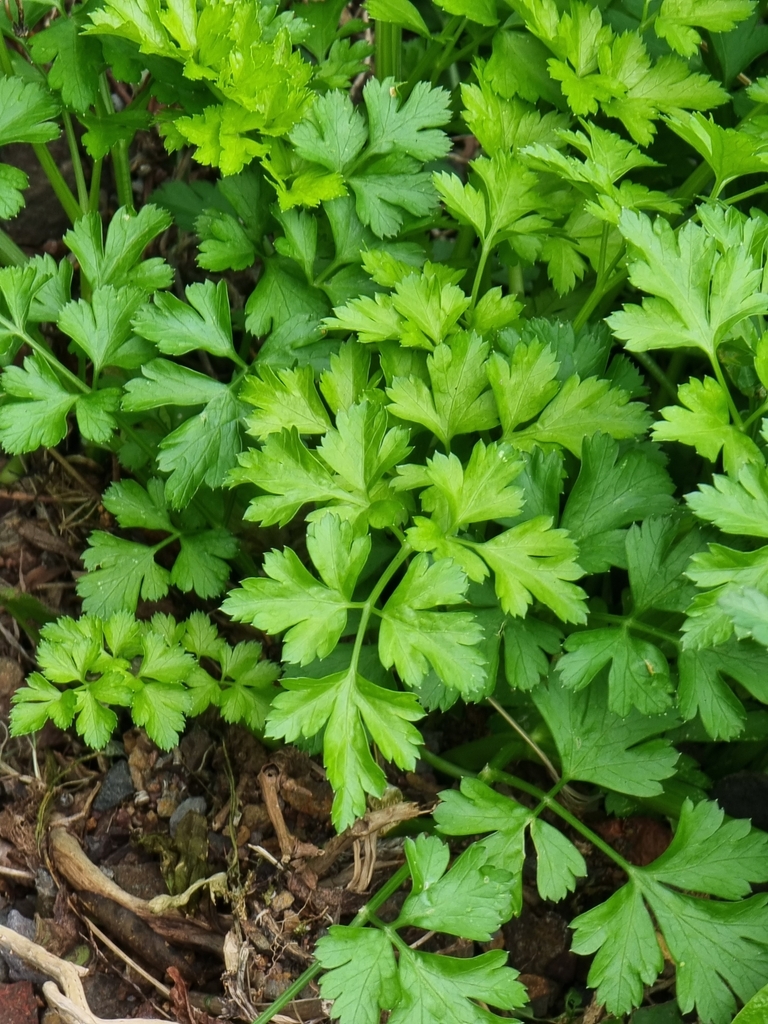
parsley
Petroselinum crispum
Placenta I Ground cover No biomass productionBiennial Apiaceae grown as an annual for its aromatic leaves. Pasini lists it in the low stratum of Tabela 3. Tolerates partial shade; consorts wel...
-
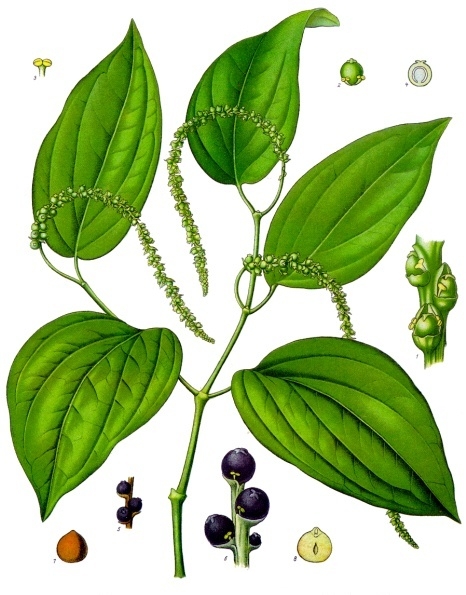
black pepper
Piper nigrum
Secondary I Low No biomass productionWoody climber native to SW India, naturalized in the Brazilian Amazon. Embrapa records it among perennial crops in Amazonian SAFs: trained on live ...
-
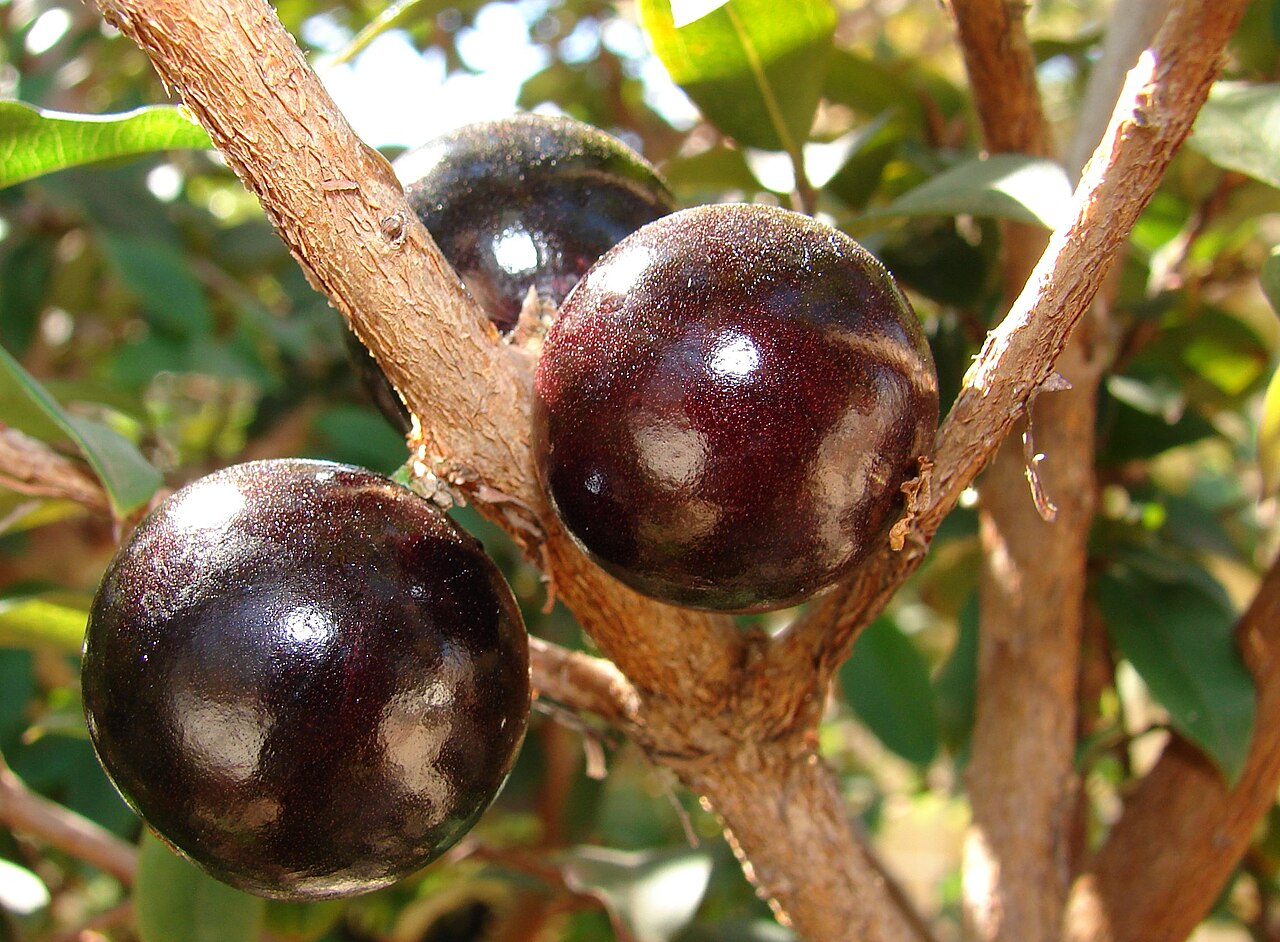
jabuticaba
Plinia cauliflora
Secondary II Low No biomass productionAtlantic Forest native characterized by cauliflory (fruits on the trunk). Pasini lists it in the high stratum of Tabela 3 and in the 20–50 year / +...
-
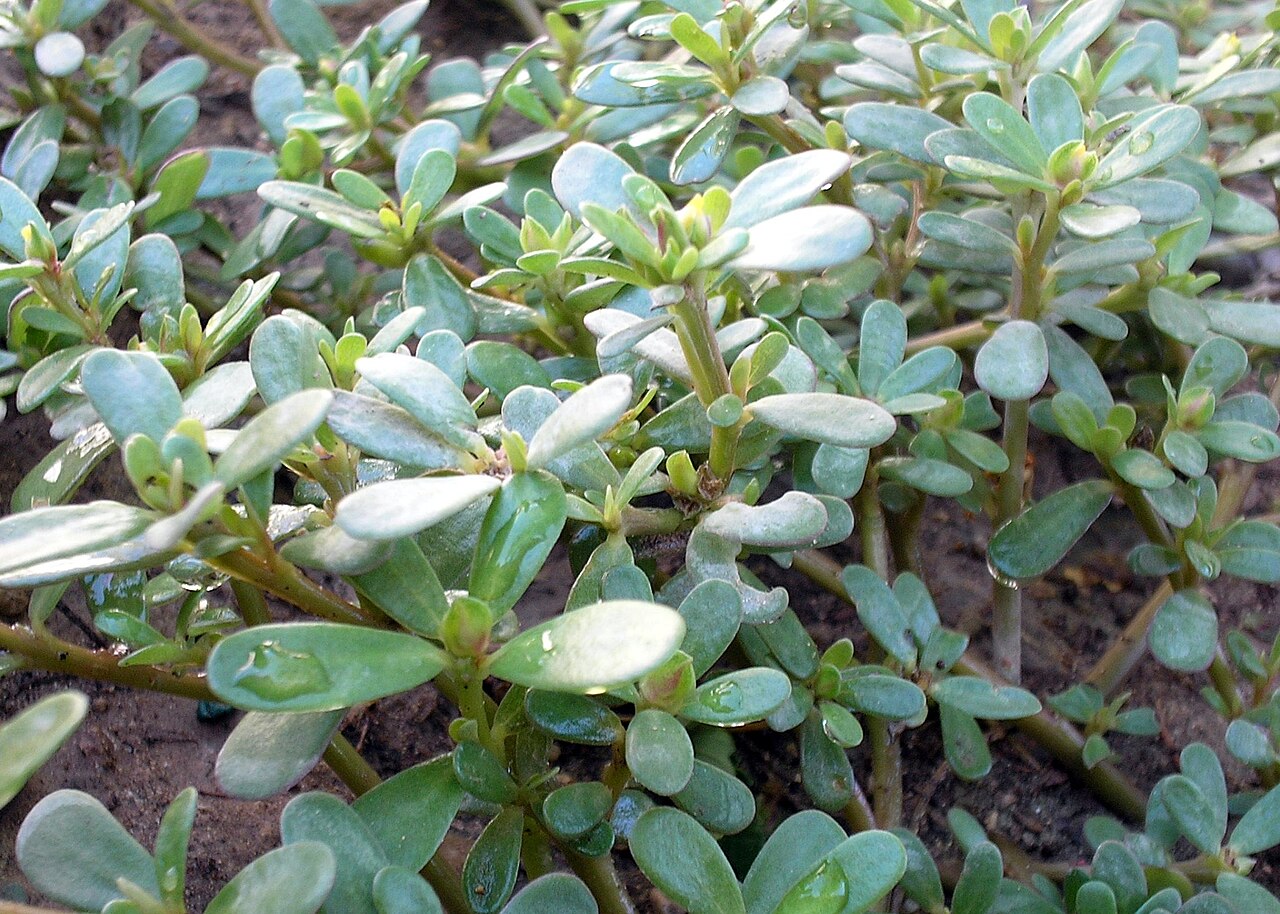
common purslane
Portulaca oleracea
Placenta I Ground cover Mulch biomassA prostrate annual succulent herb in the Portulacaceae, with a cosmopolitan distribution and very common as a volunteer in gardens and pavements. I...