
Biome
Plants of the Pampa biome
Open grasslands, cold winters, and frequent frost: in the Pampa, selection hinges on cold hardiness and well-placed windbreaks. Hardiness zones and tolerances are on each profile.
47 species in the catalog · Refine this list in the catalog
-
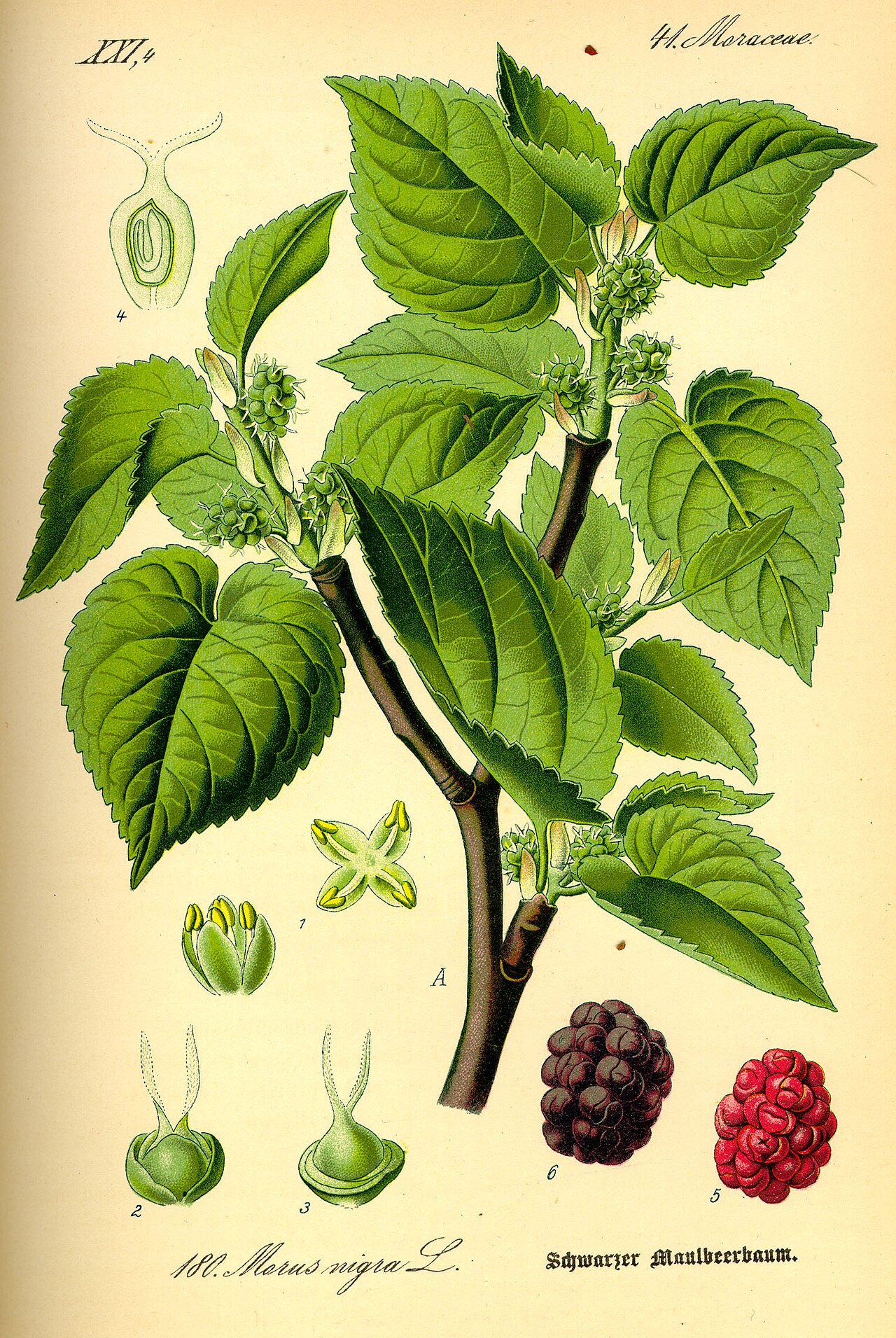
black mulberry
Morus nigra
Secondary I High Fertilizer biomassFast-growing fruit tree, tolerates drastic pruning well and coppices readily — ideal as a nurse plant in syntropic systems. Pasini lists it in the ...
-
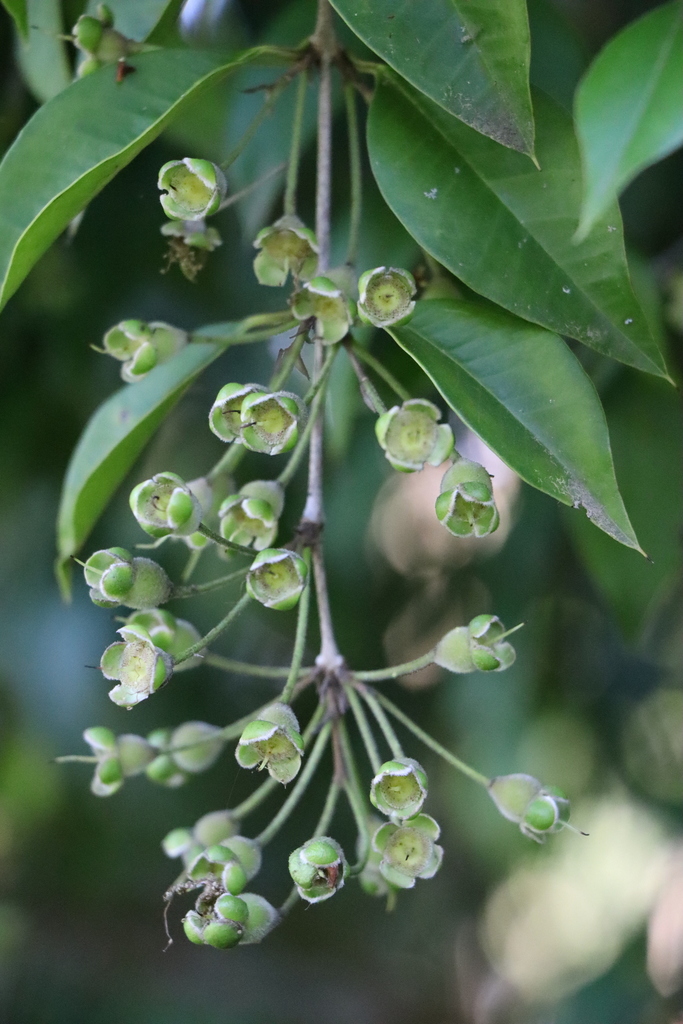
guabiju
Myrcianthes pungens
Secondary II High Mulch biomassNative tree of the Pampa, southern Atlantic Forest, and southern Minas Gerais. 8–15 m, dense canopy. Dark-red to purple fruit, sweet delicately fla...
-
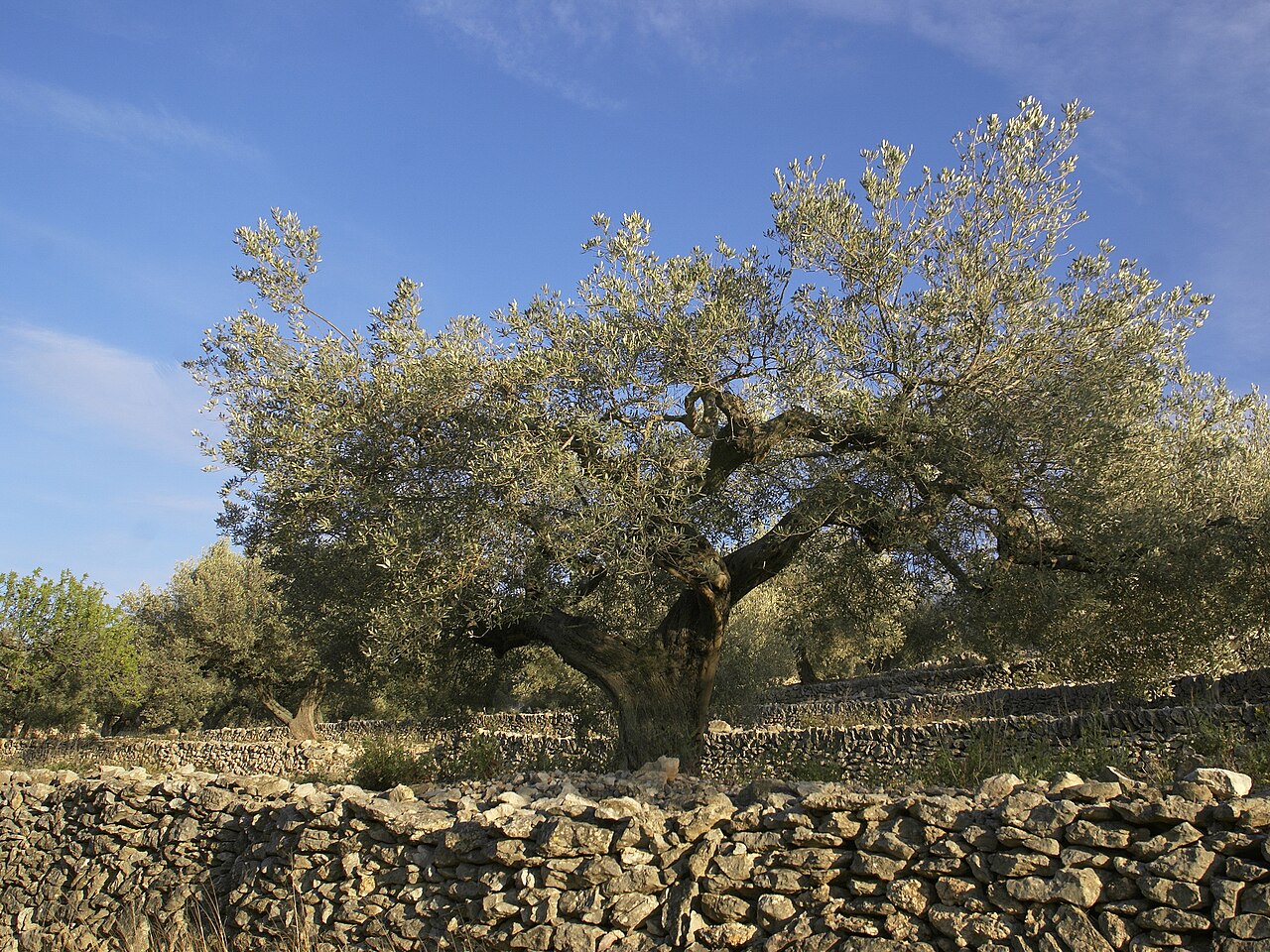
olive
Olea europaea
Secondary II Medium No biomass productionOlive, a long-lived evergreen tree of the Oleaceae family, exotic to Brazil and grown in temperate and subtropical regions, notably the Mantiqueira...
-
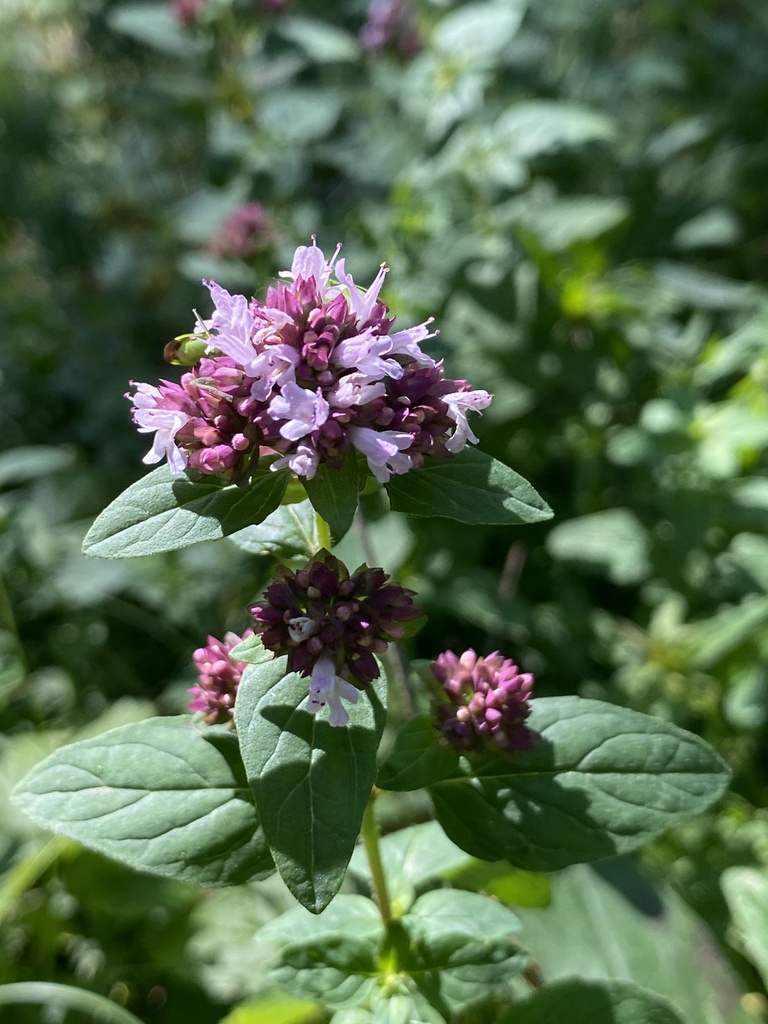
oregano
Origanum vulgare
Placenta I Ground cover No biomass productionPerennial Mediterranean herb (20–60 cm), small aromatic leaves. In southeastern and southern Brazilian syntropic systems used as permanent cover be...
-
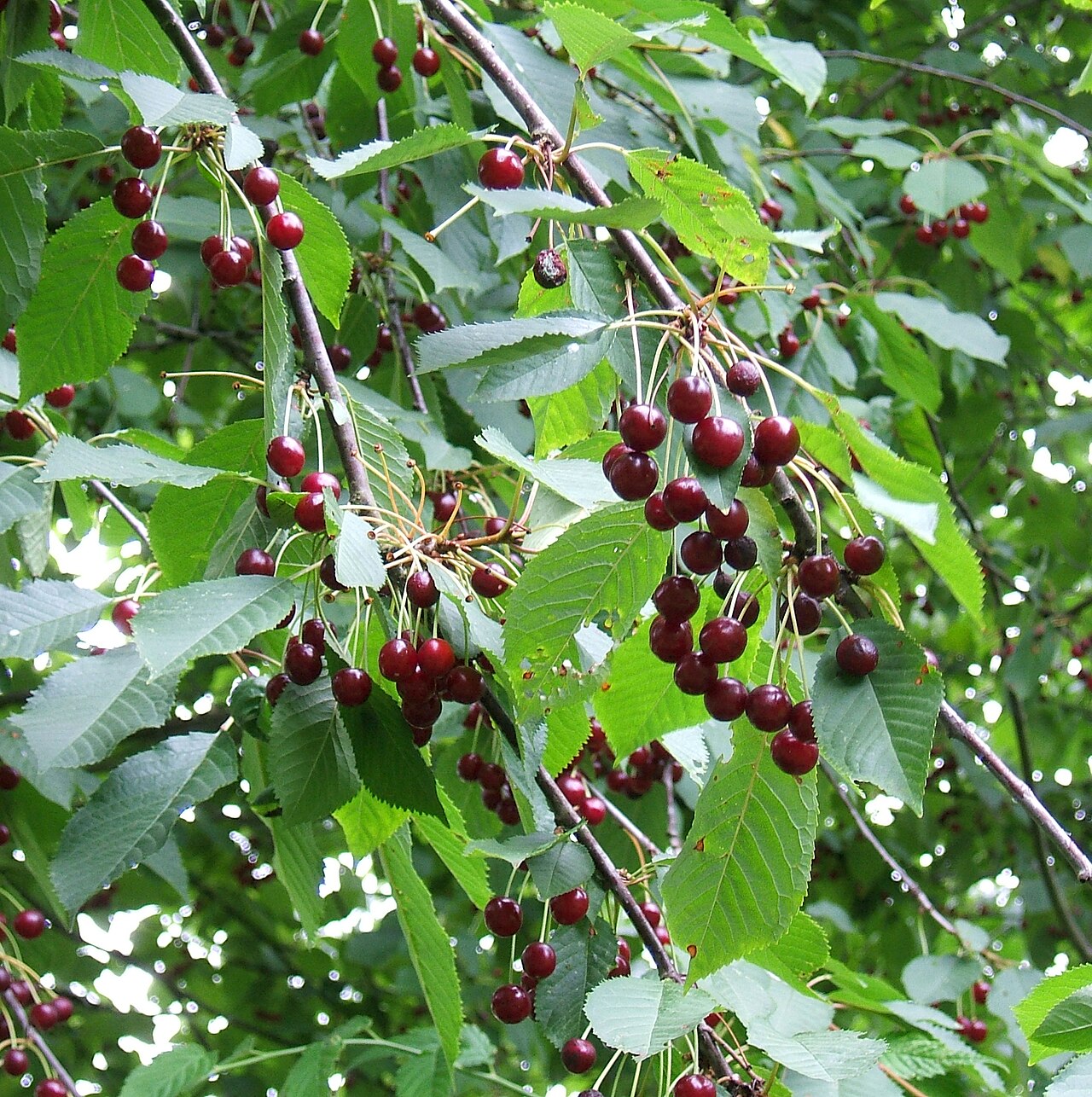
sweet cherry
Prunus avium
Secondary II High No biomass productionSweet cherry, a deciduous tree of the Rosaceae family, exotic to Brazil and highly chill-demanding — most cultivars need more than 800 hours below ...
-
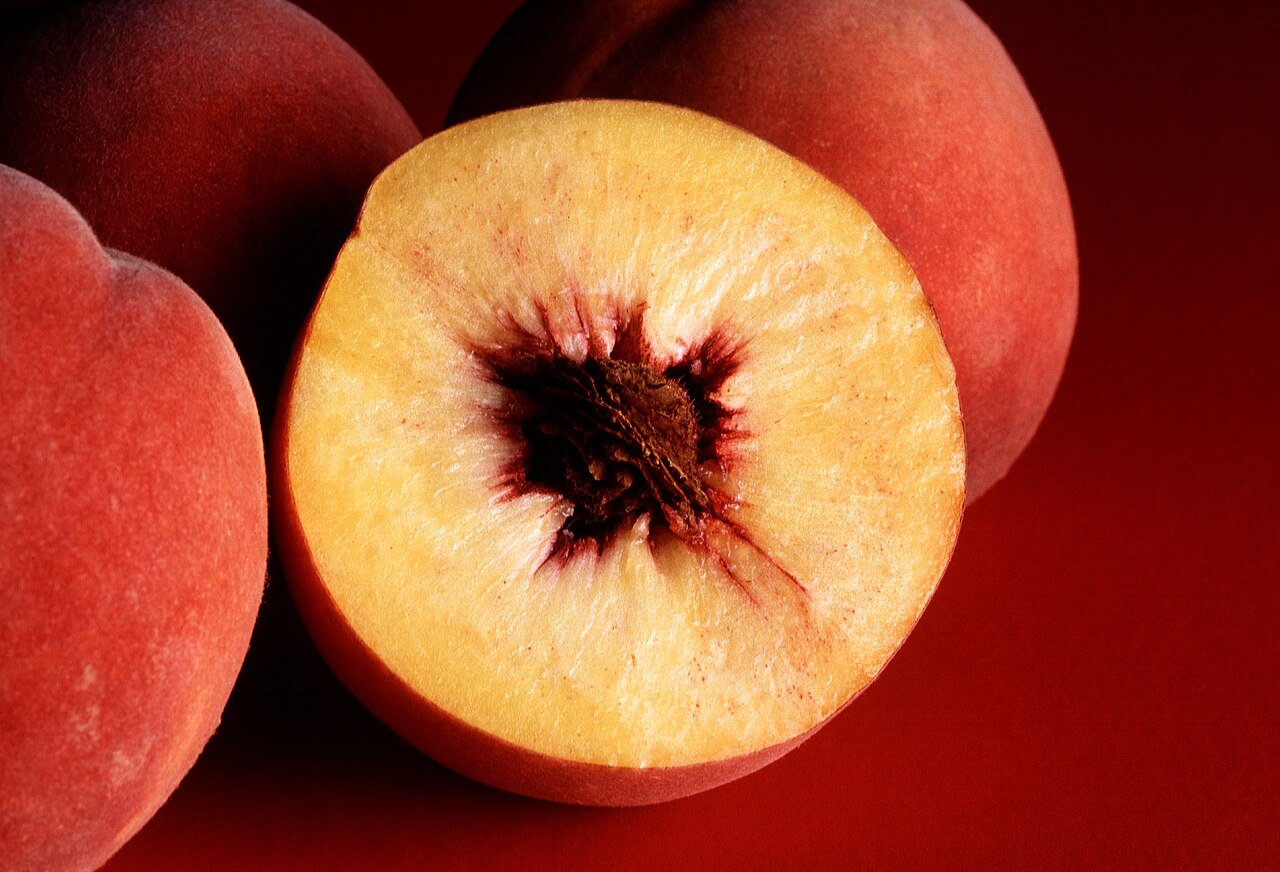
peach
Prunus persica
Secondary I Medium No biomass productionA deciduous fruit tree of the Rosaceae family, exotic to Brazil but well adapted to the temperate-climate regions of the south. It requires winter ...
-
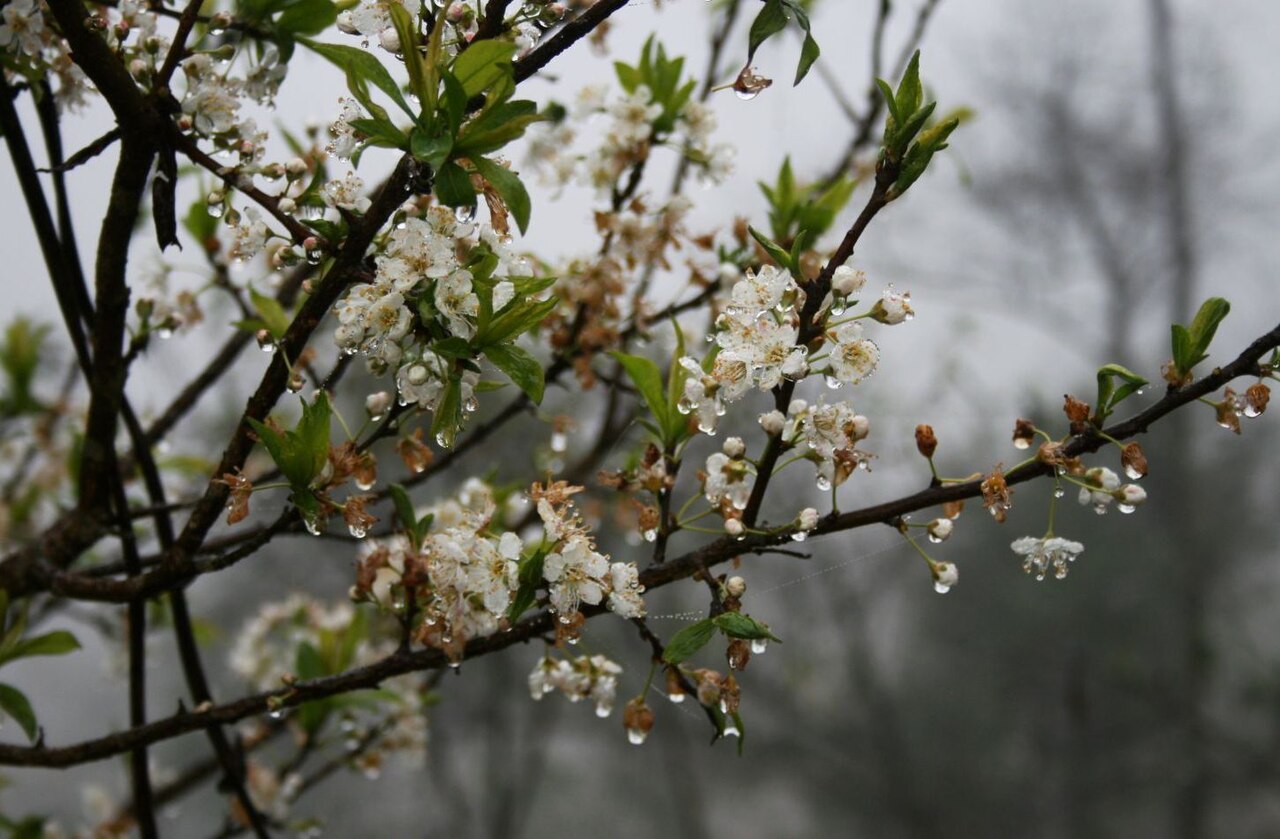
Japanese plum
Prunus salicina
Secondary I Medium No biomass productionA deciduous plum tree originating in China, widely grown in southern Brazil as a temperate fruit crop. It has a moderate chill requirement (cultiva...
-
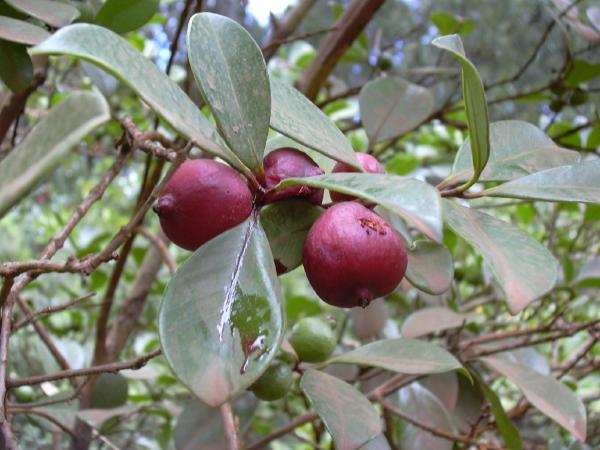
strawberry guava
Psidium cattleyanum
Secondary I High No biomass productionSmall native Atlantic Forest fruit tree, listed by Pasini in the high stratum of Tabela 3. Small red or yellow fruit similar to a guava with intens...
-
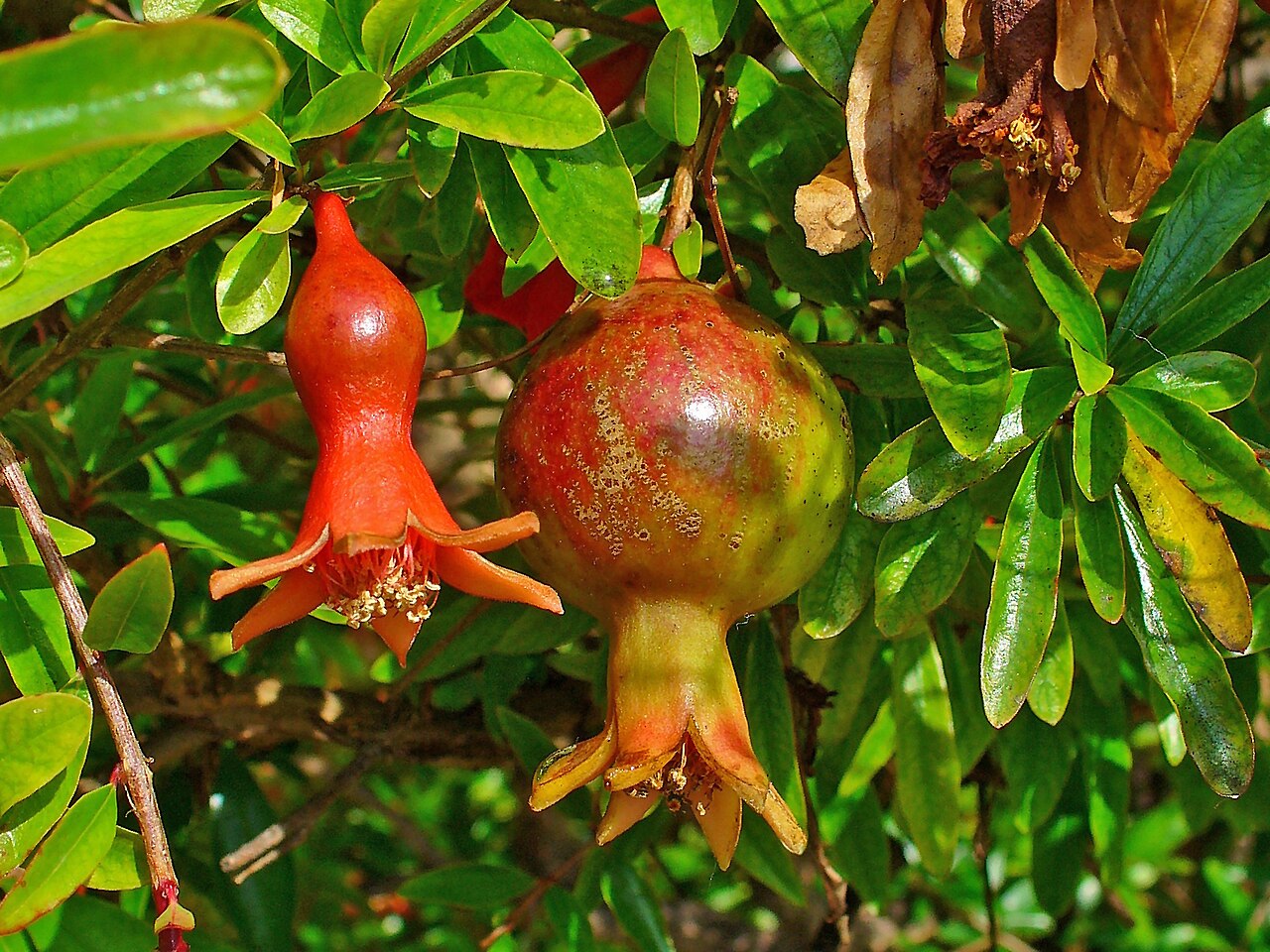
pomegranate
Punica granatum
Secondary I Low No biomass productionPomegranate, a deciduous shrub or small tree of the Lythraceae family, exotic to Brazil and cultivated across a wide range of the country. Drought-...
-
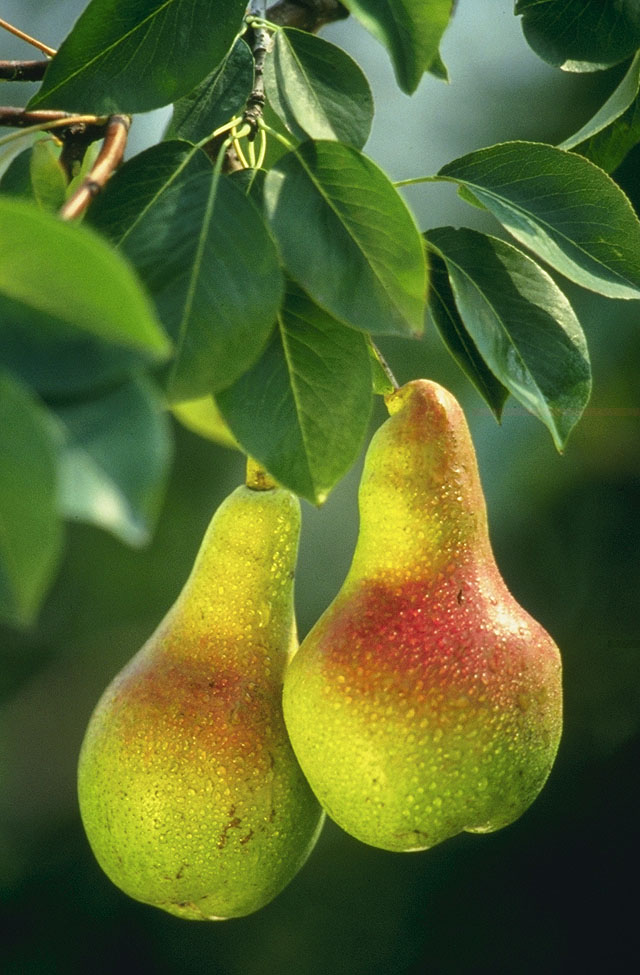
European pear
Pyrus communis
Secondary II Medium No biomass productionThe European pear, a deciduous fruit tree of the Rosaceae family, exotic to Brazil and demanding in chill (usually more than 600 hours below 7 °C)....
-
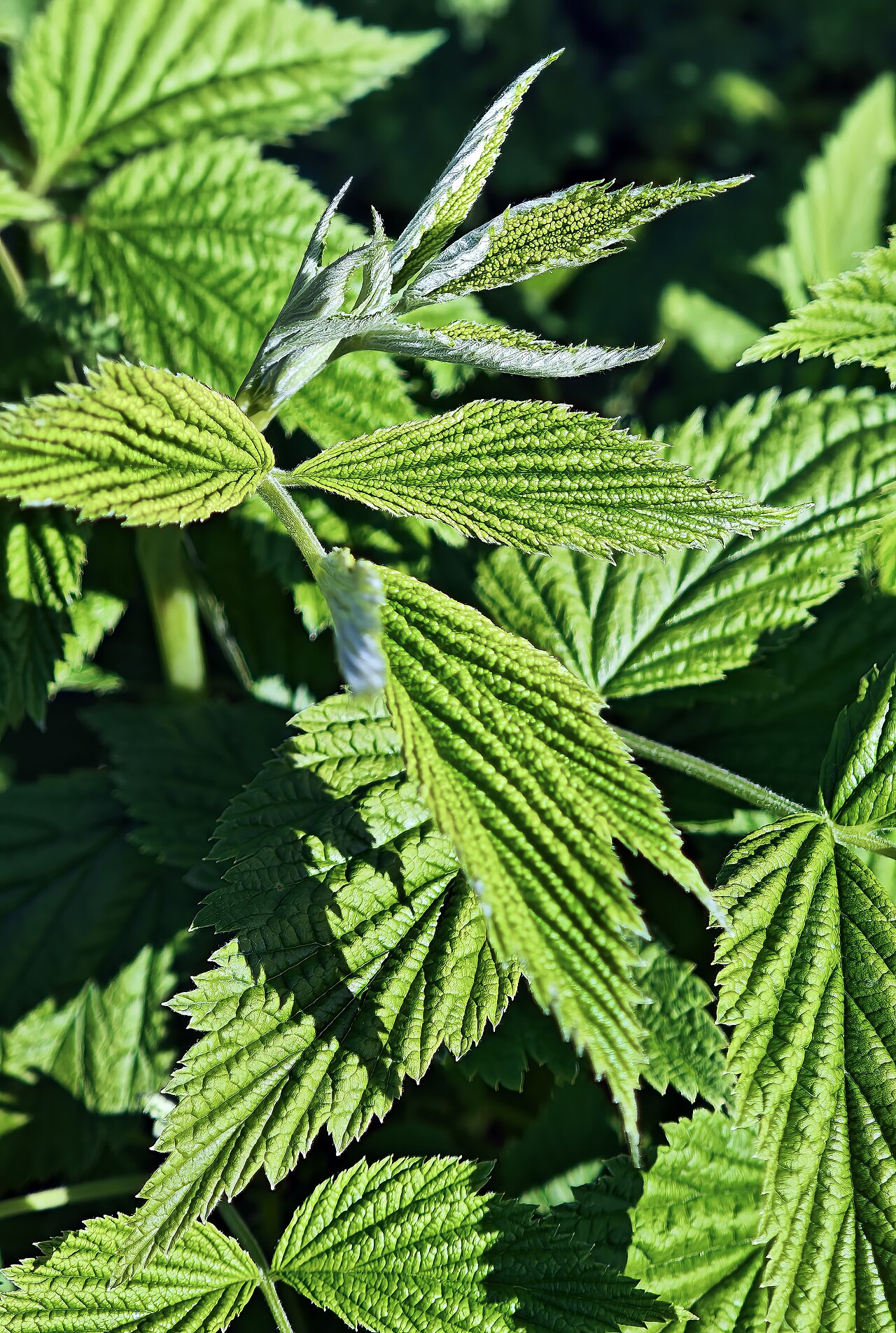
raspberry
Rubus idaeus
Secondary I Low No biomass productionRaspberry, a perennial shrub with biennial canes of the Rosaceae family, exotic to Brazil and grown in cold regions of the south and in highland mi...
-
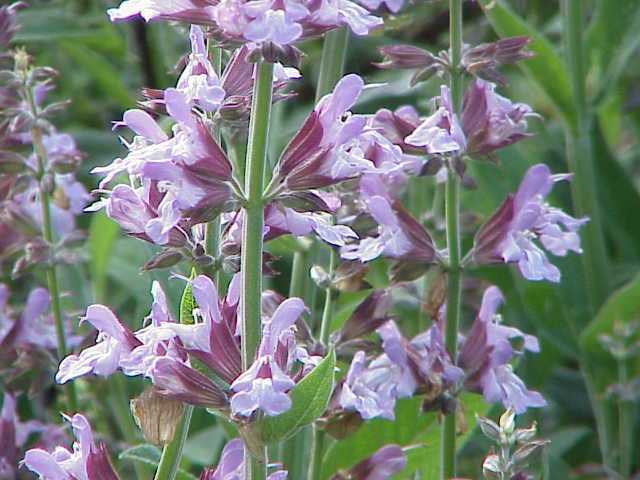
sage
Salvia officinalis
Placenta II Low No biomass productionPerennial Mediterranean subshrub (40–80 cm), grey-green aromatic leaves. Cold-hardy. In subtropical syntropic systems pairs well with rosemary and ...
-
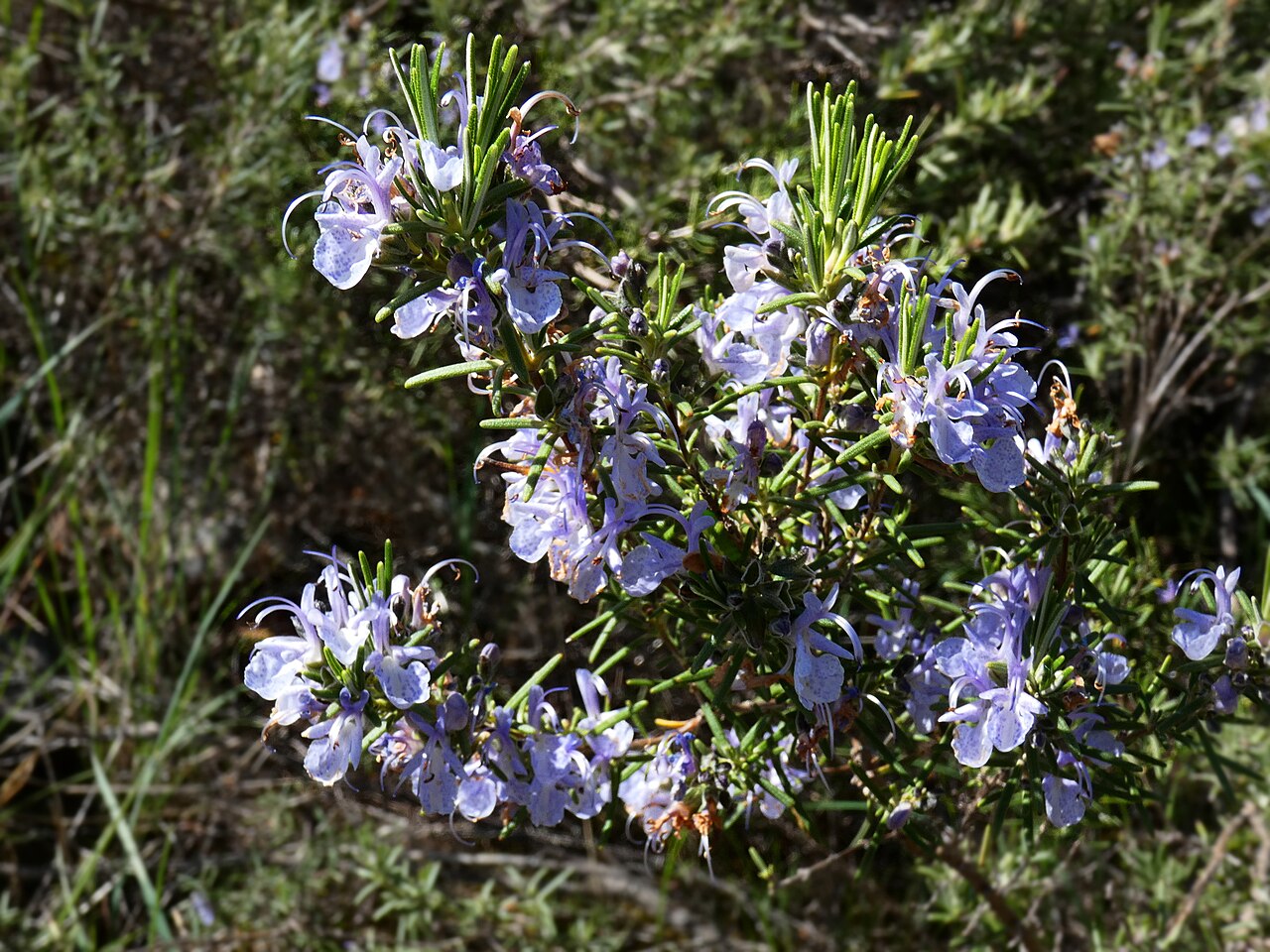
rosemary
Salvia rosmarinus
Placenta II Low No biomass productionPerennial Mediterranean shrub (0.8–1.5 m), aromatic, narrow resinous leaves. Extreme drought tolerance; prefers well-drained slightly alkaline soil...
-
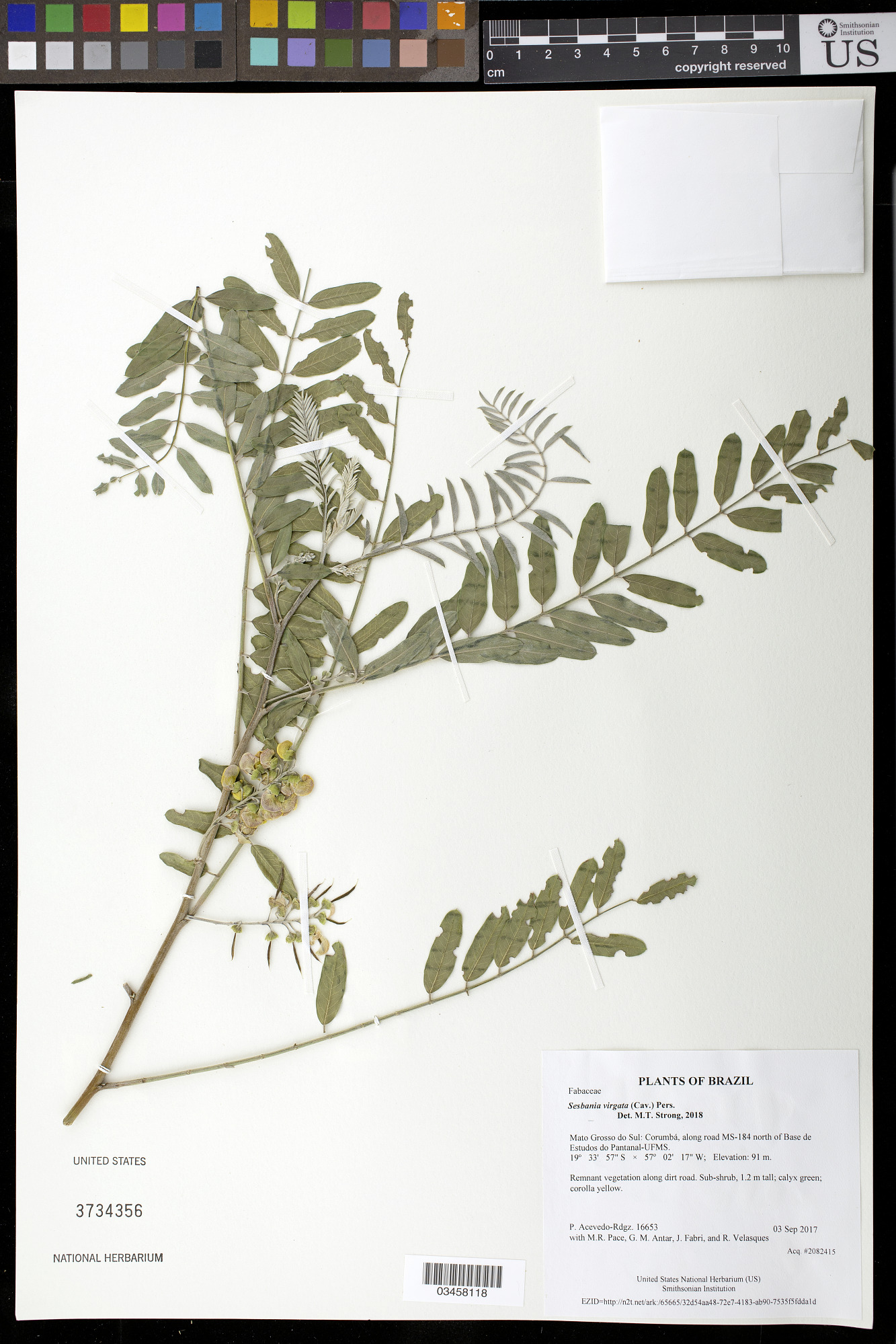
wand riverhemp
Sesbania virgata
Placenta I Low Fertilizer biomass 🌱 Nitrogen fixerA pioneer leguminous shrub native to riparian environments of southern Brazil, Uruguay and northeastern Argentina. It fixes nitrogen by nodulating ...
-
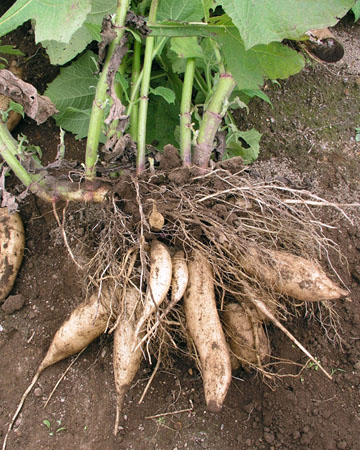
yacon
Smallanthus sonchifolius
Placenta II Medium Fertilizer biomassAndean tuber crop, herbaceous 2–3 m. Sweet tubers rich in fructooligosaccharides — a non-glycemic sugar suitable for diabetics. Cycle 6–10 months t...
-
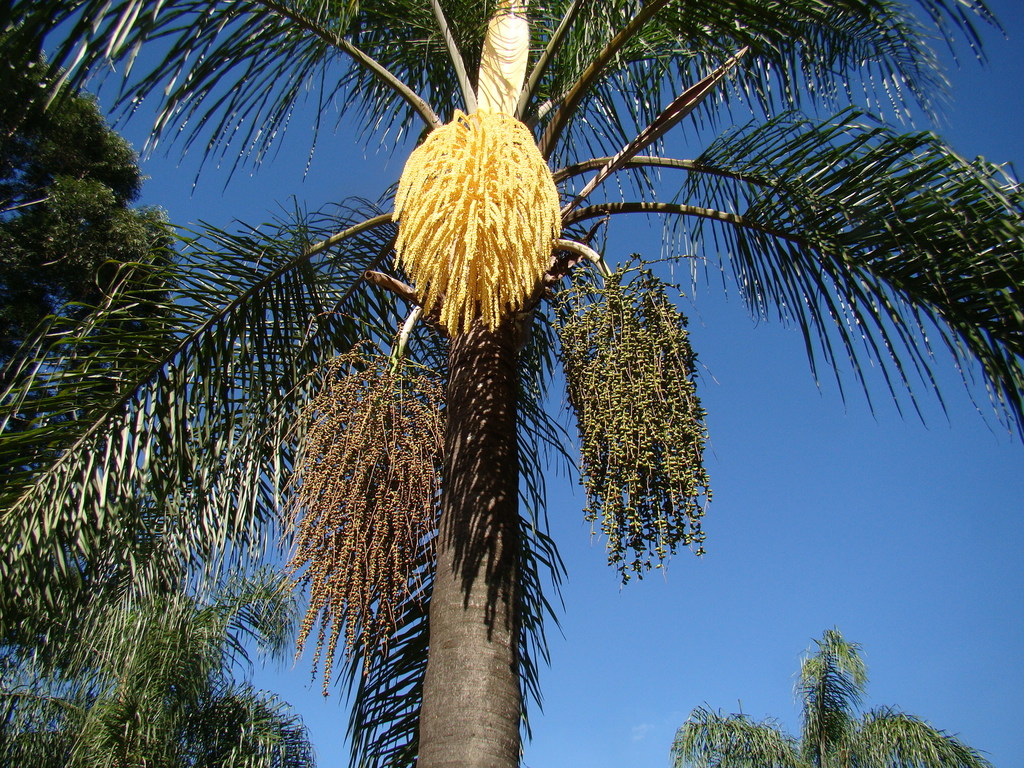
queen palm
Syagrus romanzoffiana
Secondary II High No biomass productionAtlantic Forest native palm, listed by Pasini in the high stratum of Tabela 3. Edible orange-yellow fruit consumed by local fauna; a central specie...
-
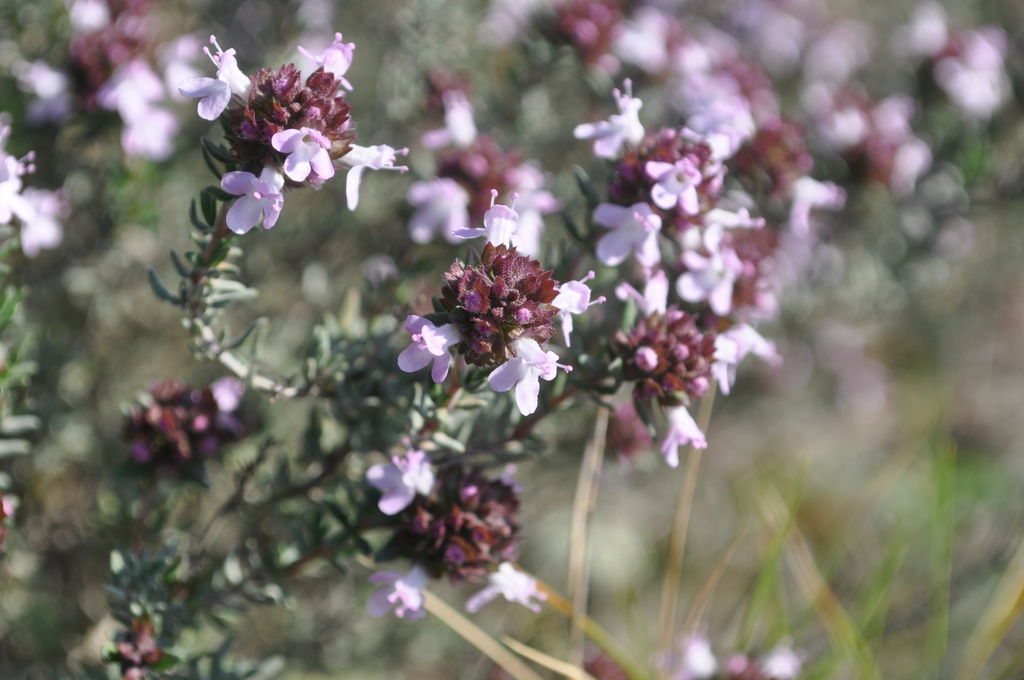
thyme
Thymus vulgaris
Placenta I Ground cover No biomass productionCreeping Mediterranean subshrub (15–30 cm), tiny leaves. Permanent ground cover in full sun on dry well-drained soil. Bee-attracting. Tolerates lig...
-
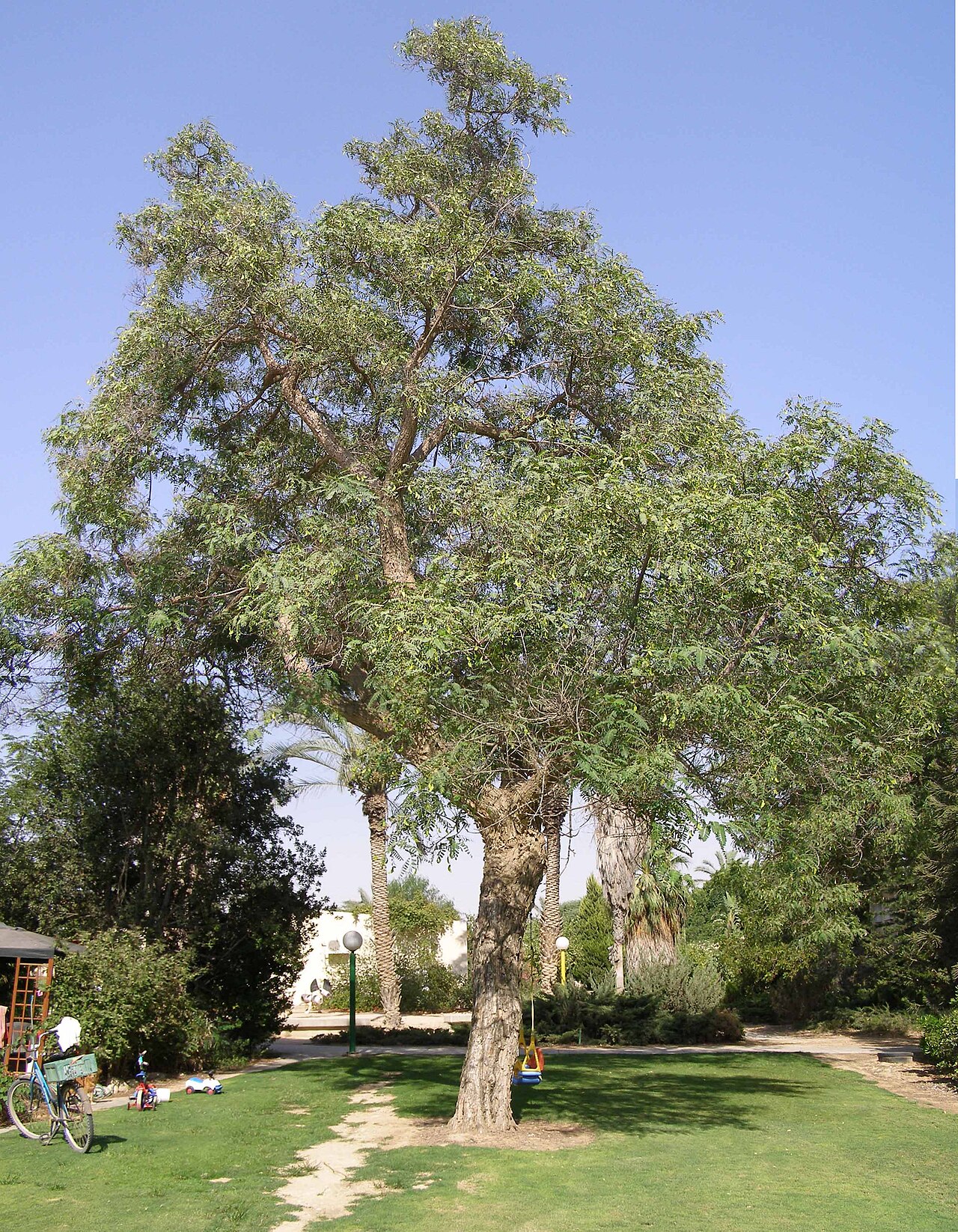
tipu tree
Tipuana tipu
Secondary II Emergent Fertilizer biomass 🌱 Nitrogen fixerA very fast-growing leguminous tree of 10-30 m, with a broad spreading crown, native to southern Bolivia, northern Argentina, Paraguay, Uruguay and...
-
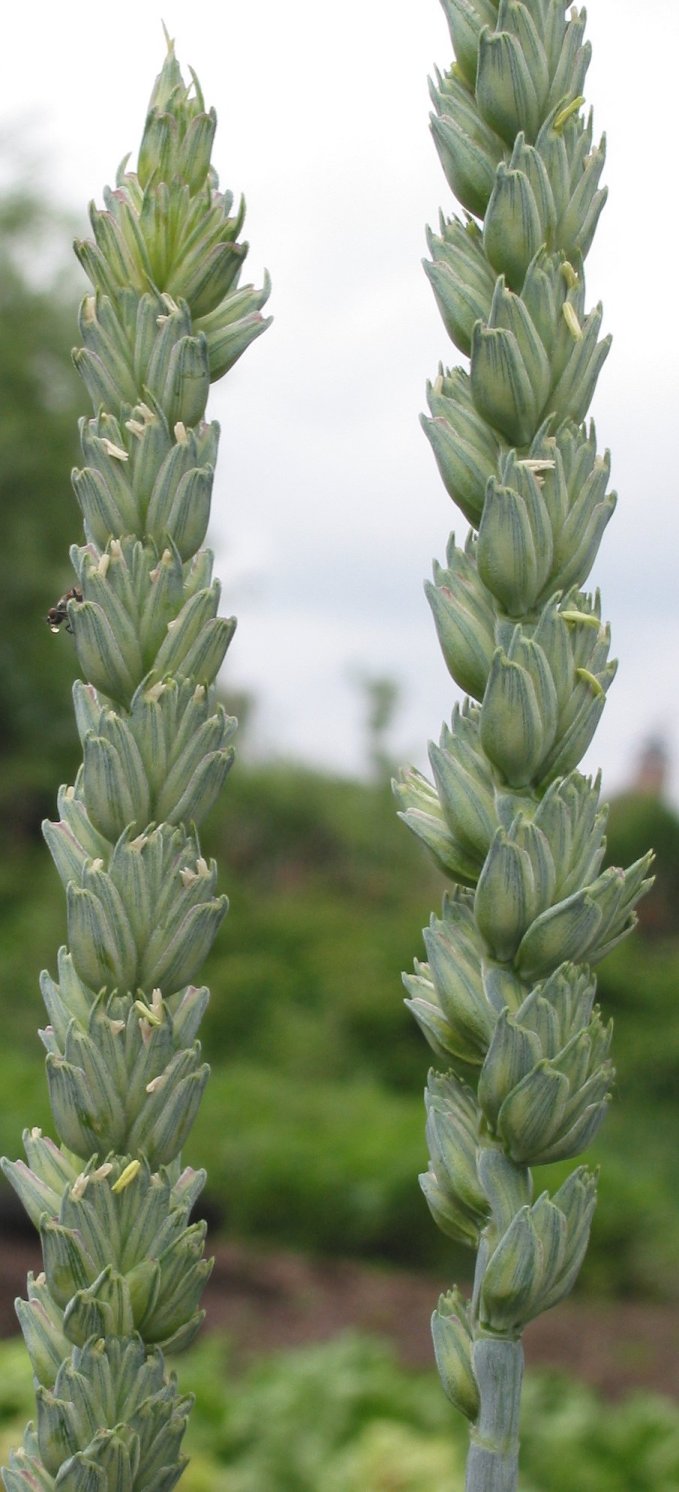
wheat
Triticum aestivum
Placenta I High Mulch biomassAnnual cereal originating in the Fertile Crescent. Rebello & Sakamoto (2019) tested wheat in a syntropic system in the Cerrado (Chapada dos Veadeir...
-
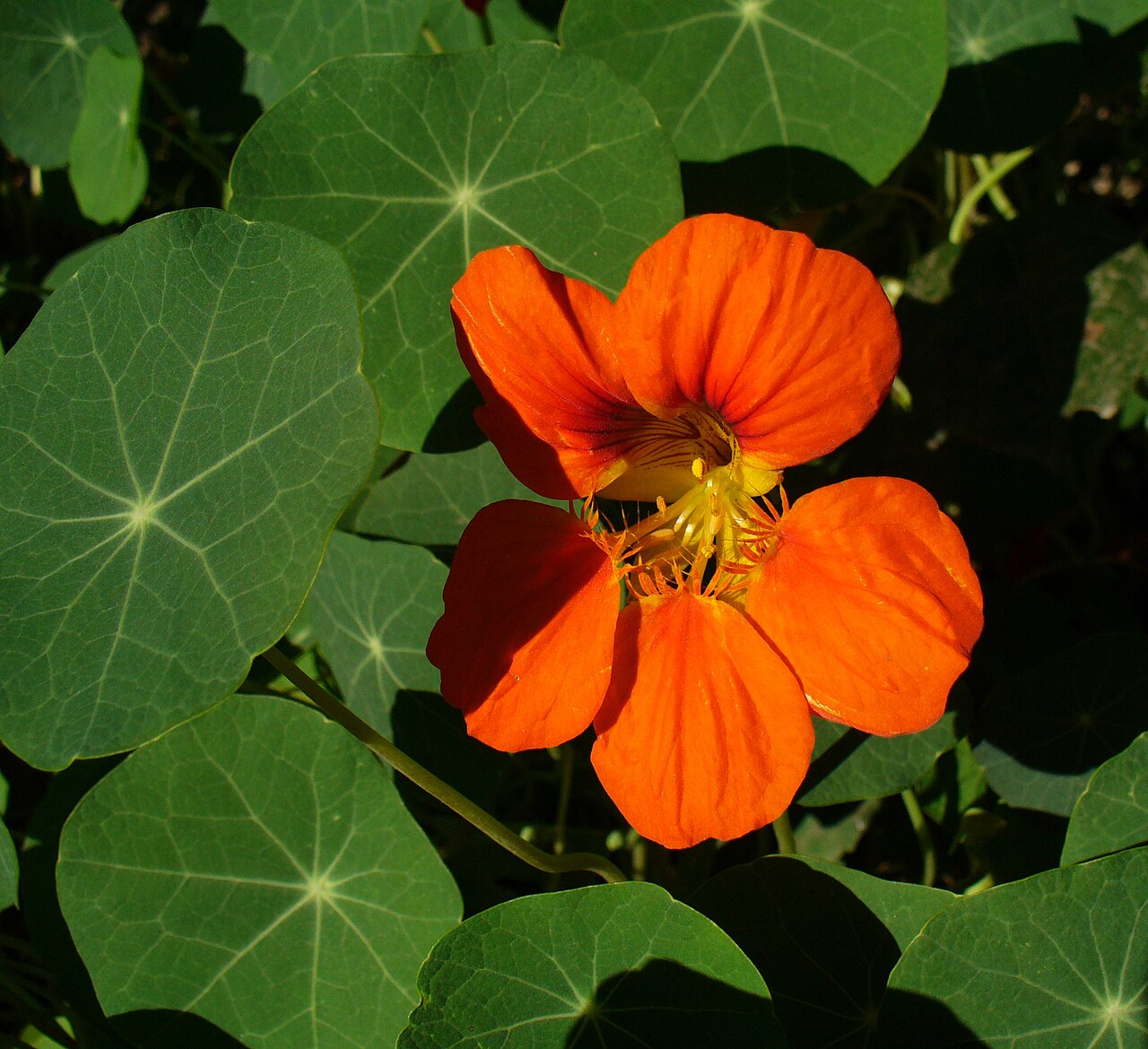
garden nasturtium
Tropaeolum majus
Placenta I Ground cover No biomass productionA fast-growing trailing or climbing herb, annual or short-lived perennial, native to the South American Andes and widely grown as an ornamental. Al...
-
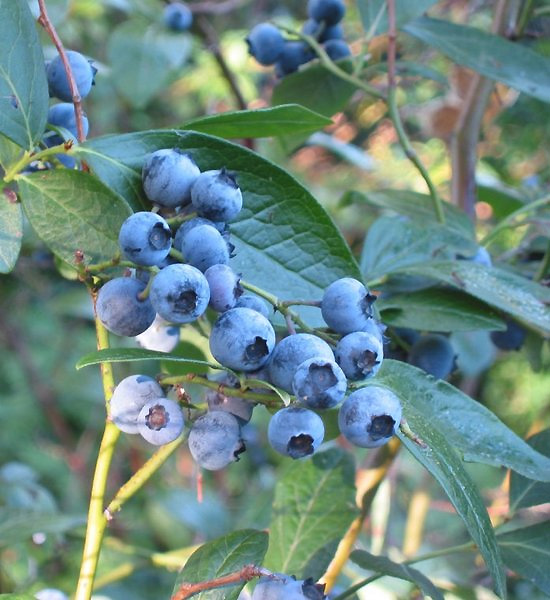
blueberry
Vaccinium corymbosum
Secondary I Low No biomass productionNorthern highbush blueberry, a deciduous shrub of the Ericaceae family, exotic to Brazil and grown in cold regions of the south, notably Rio Grande...
-
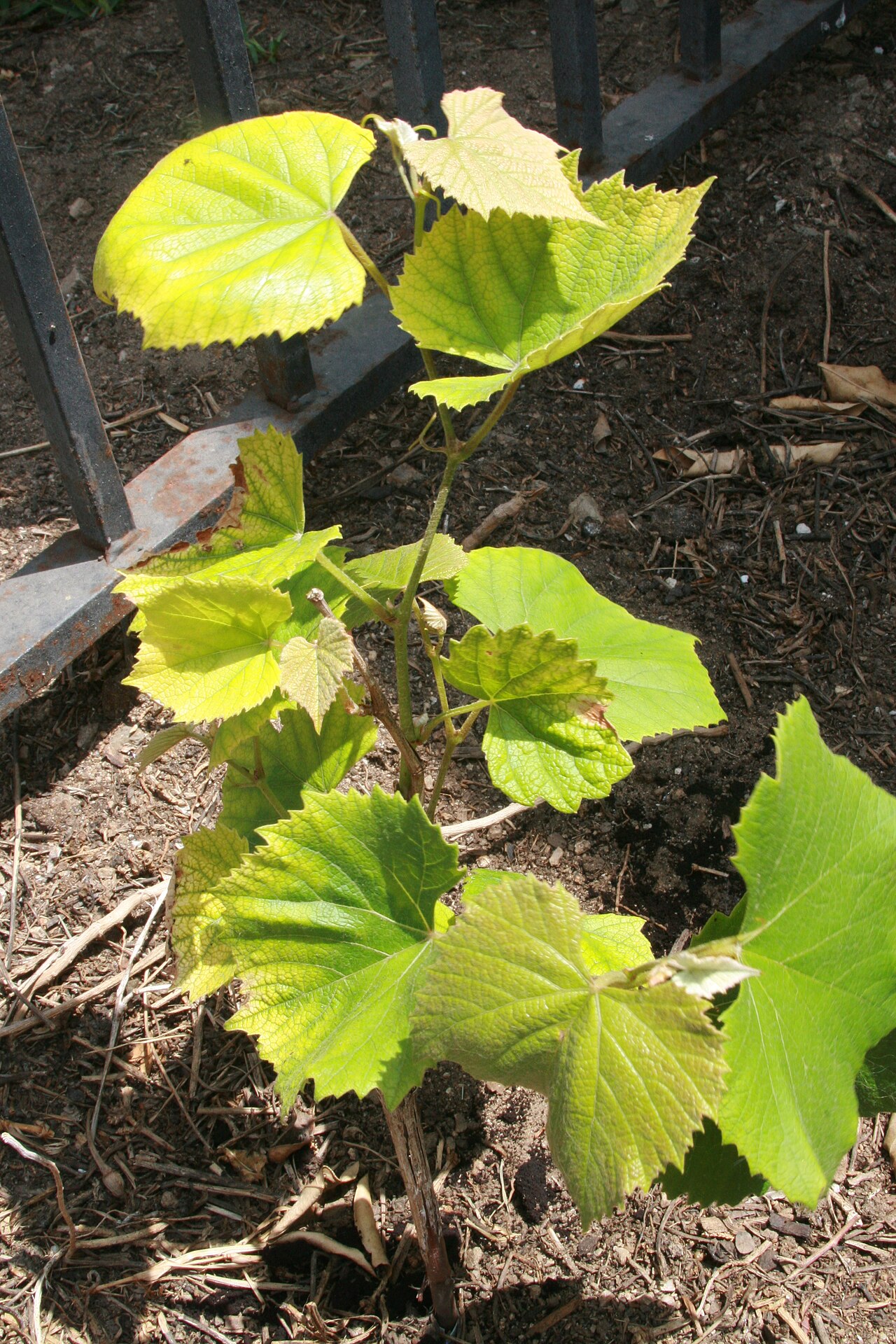
concord grape
Vitis labrusca
Secondary II Medium No biomass productionAmerican grapevine — rustic and tolerant of diseases that afflict V. vinifera in the tropics. Source of >90% of Brazilian grape production (Niagara...
-
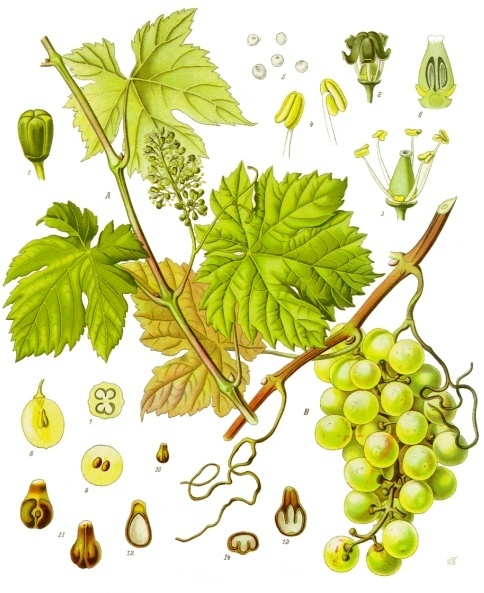
grape
Vitis vinifera
Secondary II Medium No biomass productionWoody perennial vine. Cultivated throughout Brazil — European grapevines (Vitis vinifera) in the South (table and wine grapes); American (V. labrus...
❓ Frequently asked questions
What characterizes the Pampa biome?
Grasslands of the southern cone, shared with Argentina and Uruguay. Subtropical climate, dominated by grasses and herbaceous legumes, with riparian woodlands along watercourses. Syntropic systems in the Pampa start from open grassland and build forest — a different trajectory from the tropics.
Which plants does the catalog suggest for the Pampa biome?
The catalog holds 47 species, among them black mulberry, guabiju, olive. Each profile shows stratum, succession stage, and the management data, with sources cited.