
Climate
Plants for the Humid subtropical (Cfa) climate
Humid subtropical: well-distributed rain, hot summers, occasional winter frost. Short-cycle tropicals do well in summer; for the permanent canopy, check hardiness zones on each profile.
161 species in the catalog · Refine this list in the catalog
-
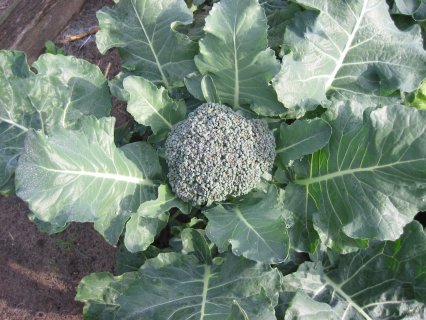
broccoli
Brassica oleracea var. italica
Placenta I Medium No biomass productionAnnual brassica grown for its green inflorescence. Pasini gives it as an example occupying the medium stratum in consortium with collards (low), to...
-
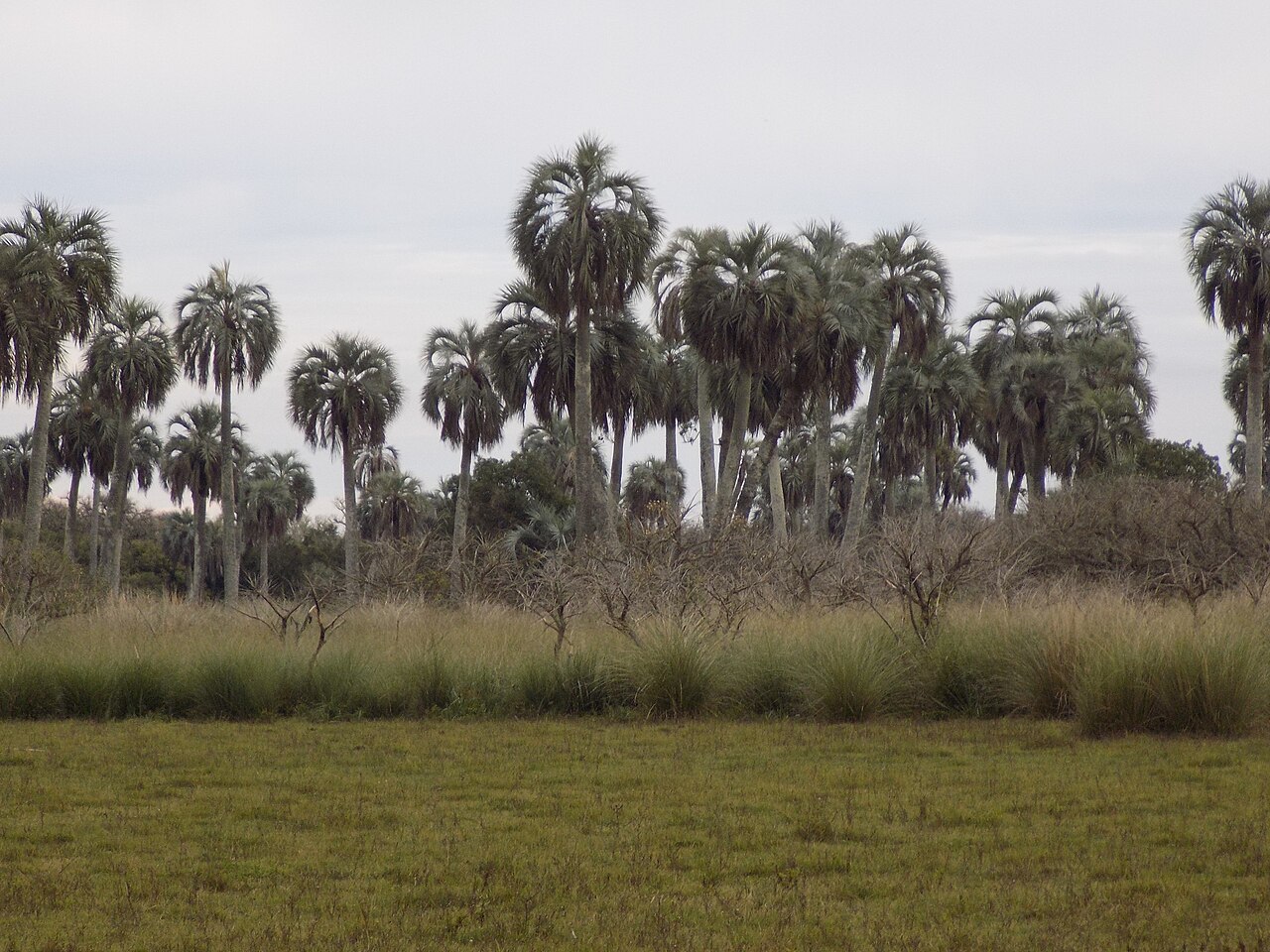
jelly palm
Butia odorata
Climax Medium No biomass productionNative palm of the Pampa and southern grasslands. 4–8 m, leaf-base covered trunk. Orange-yellow fruits with fibrous sweet-tart flesh — basis of jel...
-
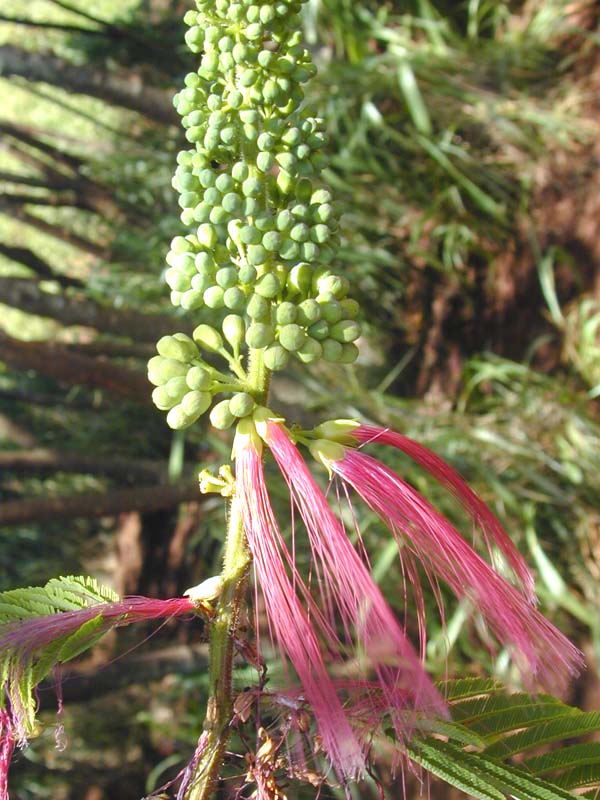
calliandra
Calliandra calothyrsus
Placenta II Medium Fertilizer biomass 🌱 Nitrogen fixerA very fast-growing leguminous shrub or small tree, usually 4-6 m tall, native to Central America. A nitrogen fixer that coppices vigorously after ...
-
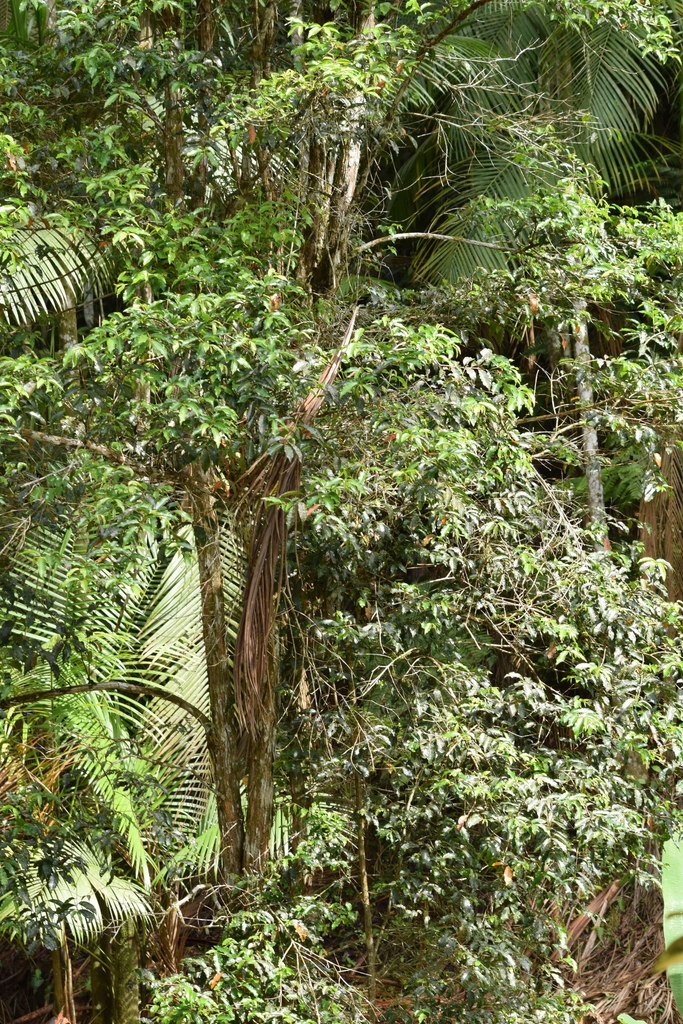
cambuci
Campomanesia phaea
Secondary II Medium No biomass productionNative fruit endemic to the São Paulo Atlantic Forest, threatened with extinction. Pasini lists it in the medium stratum of Tabela 3. Aromatic gree...
-
dedo-de-moça pepper
Capsicum baccatum
Placenta II Low No biomass productionBrazil's most-consumed fresh chili (5,000–30,000 SHU). Elongated red fruits (~6 cm). 1–1.5 m plant, open canopy. Backbone of the sauce and pickle i...
-
cumari pepper
Capsicum baccatum
Placenta II Low No biomass productionNative Brazilian forest pepper, small (~1 cm) very pungent fruits (30,000–100,000 SHU). Tolerates partial shade — riparian forest understory and ho...
-
biquinho pepper
Capsicum chinense
Placenta II Low No biomass productionBrazilian C. chinense cultivar with low pungency (0–200 SHU) and intense aroma, teardrop shape. Origin in southern Minas Gerais. 60–90 cm plant, de...
-
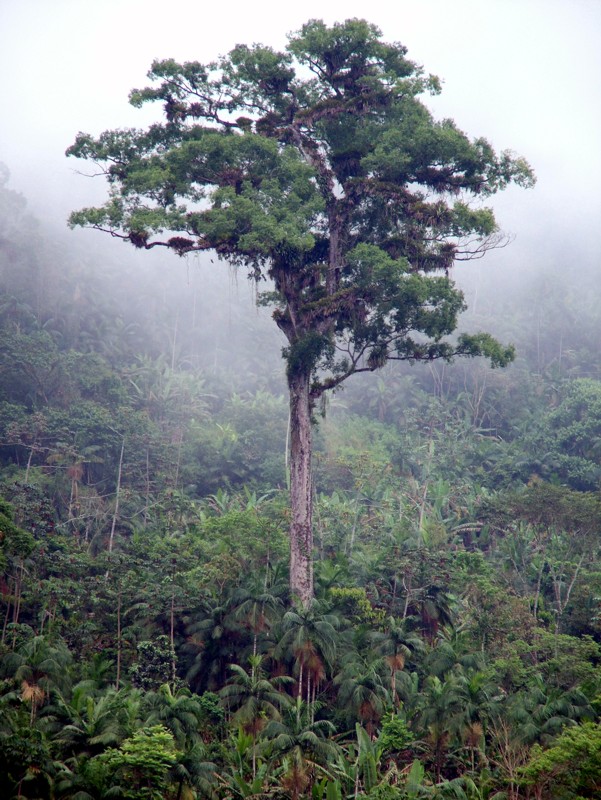
jequitibá
Cariniana legalis
Climax EmergentEmergent giant of the Atlantic Forest; climax species forming the uppermost canopy stratum of dense ombrophilous forest. Can exceed 60 m at maturit...
-
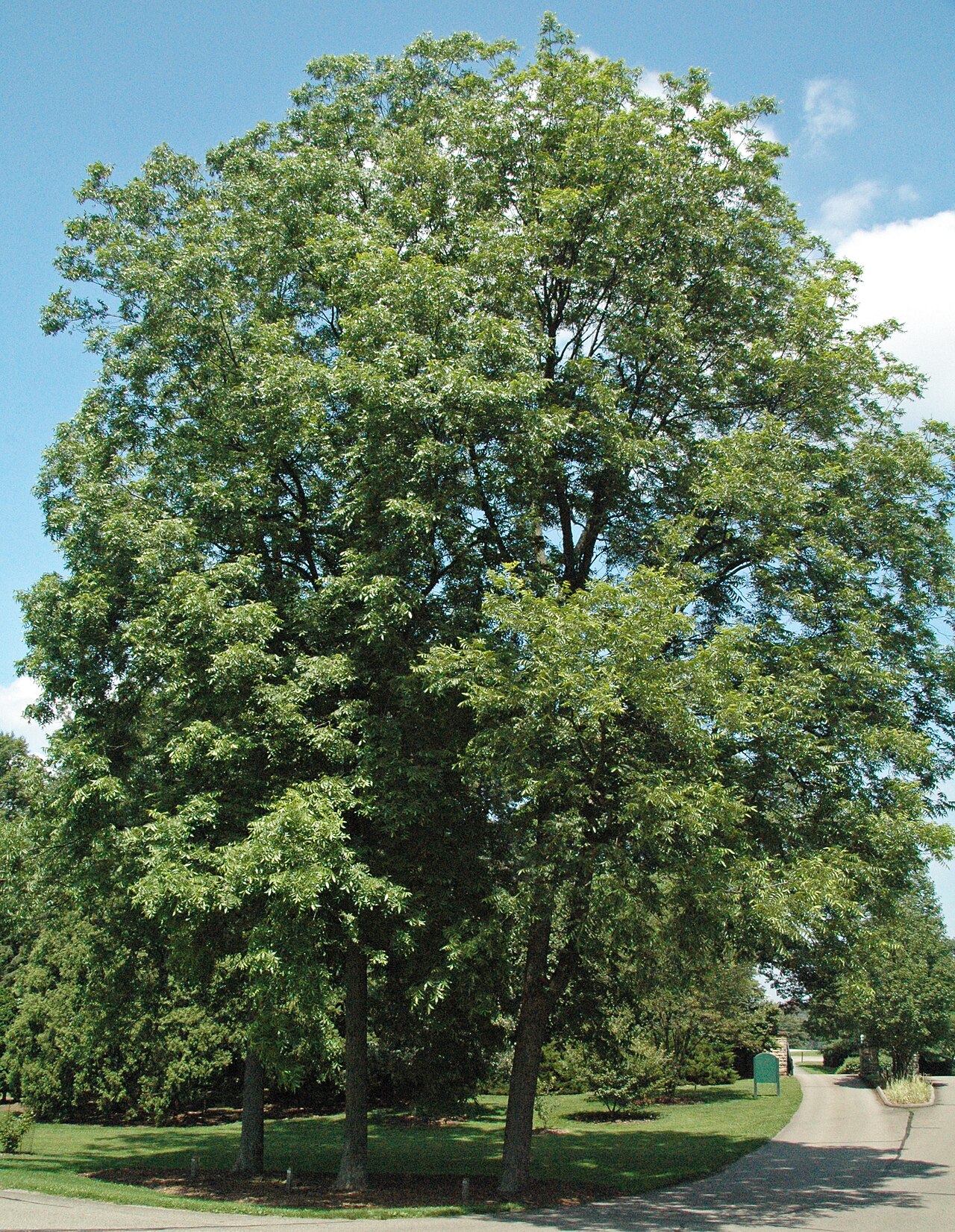
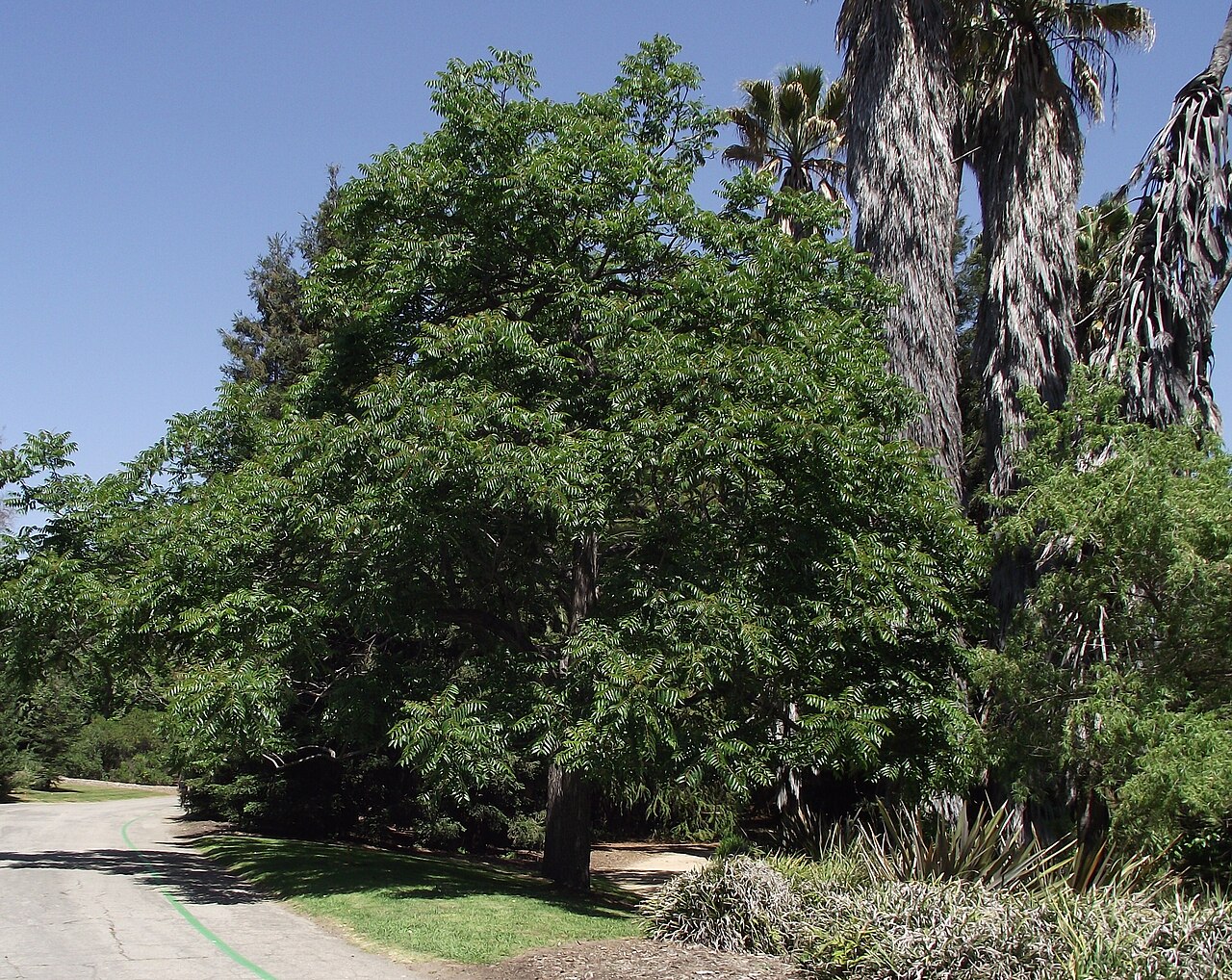
pecan
Carya illinoinensis
Secondary II High No biomass productionPecan, a large deciduous tree of the Juglandaceae family, native to North America and successfully grown in southern Brazil, especially Rio Grande ...
-
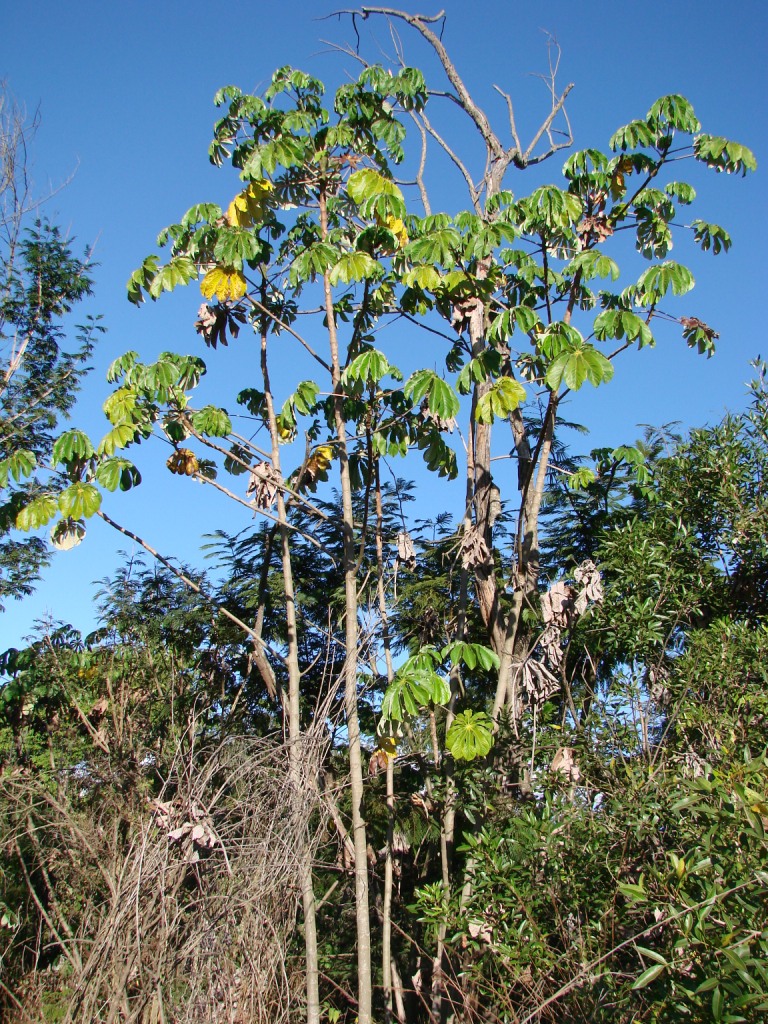
trumpet tree
Cecropia pachystachya
Placenta II Medium Mulch biomassFast-growing, short-lived (~20 years) pioneer tree that colonizes edges and gaps in all Brazilian biomes. Fruits eaten by birds and primates; symbi...
-
Spanish cedar
Cedrela fissilis
Secondary II High Mulch biomassPremium native timber of the Atlantic Forest, Cerrado, and Amazonia. Pasini lists it in the high stratum of Tabela 3 and cites it as a premium timb...
-
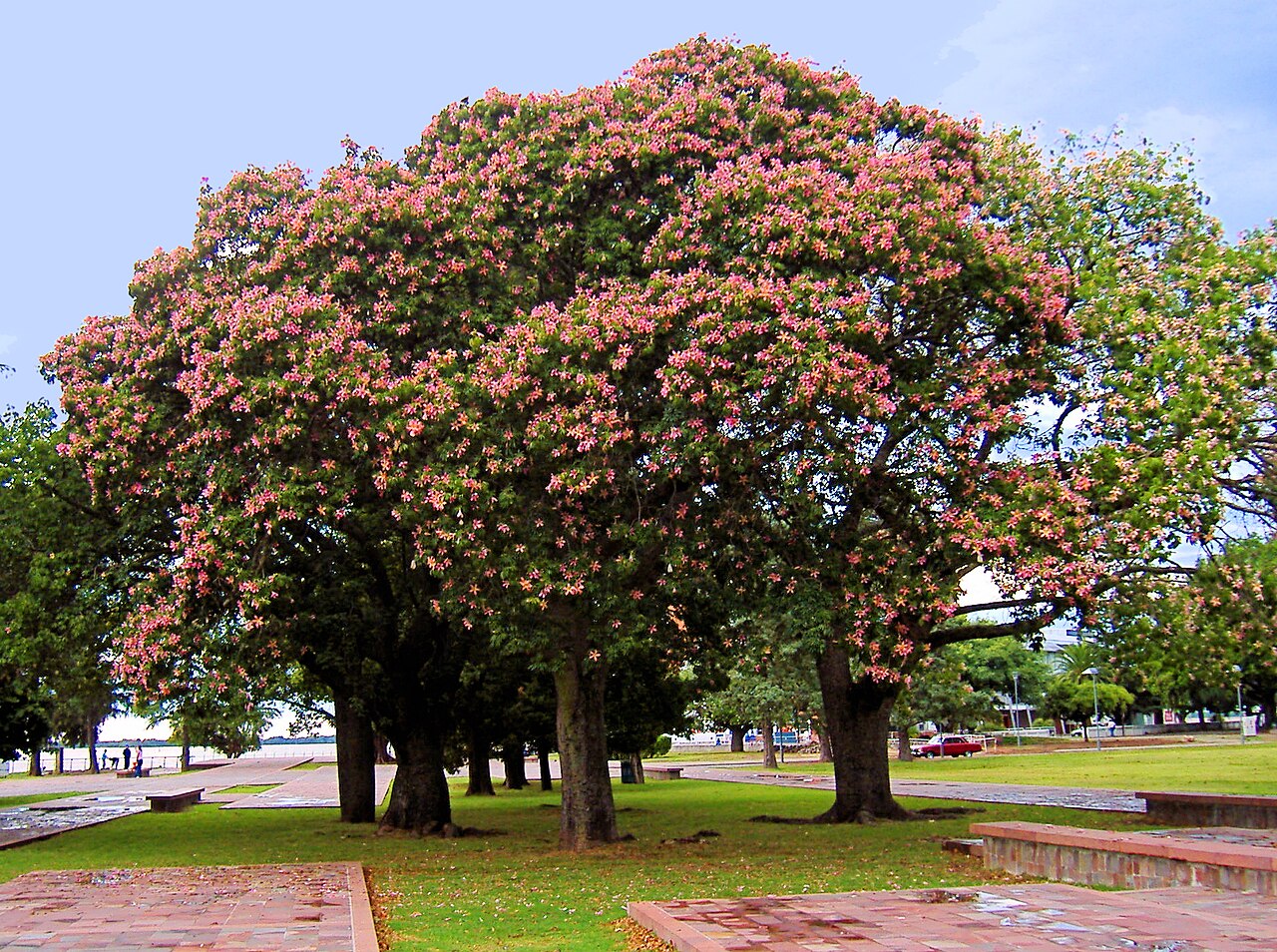
silk floss tree
Ceiba speciosa
Secondary I EmergentDeciduous Atlantic Forest tree reaching 15–30 m with a crown up to 20 m wide. Fast growth (~6 m in 2–3 years). Trunk often armed with conical spines.
-
vetiver
Chrysopogon zizanioides
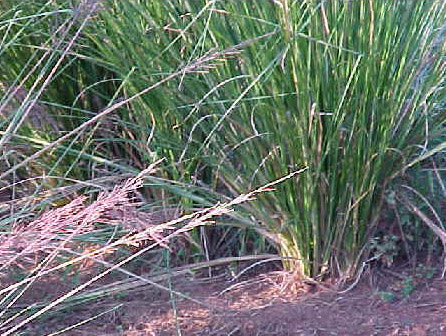
Placenta II Low Mulch biomassPerennial grass with deep vertical roots (up to 4 m), originally from India. The Bosque de Niebla Guidebook recommends vetiver as a hedgerow specie...
-
common chicory
Cichorium intybus
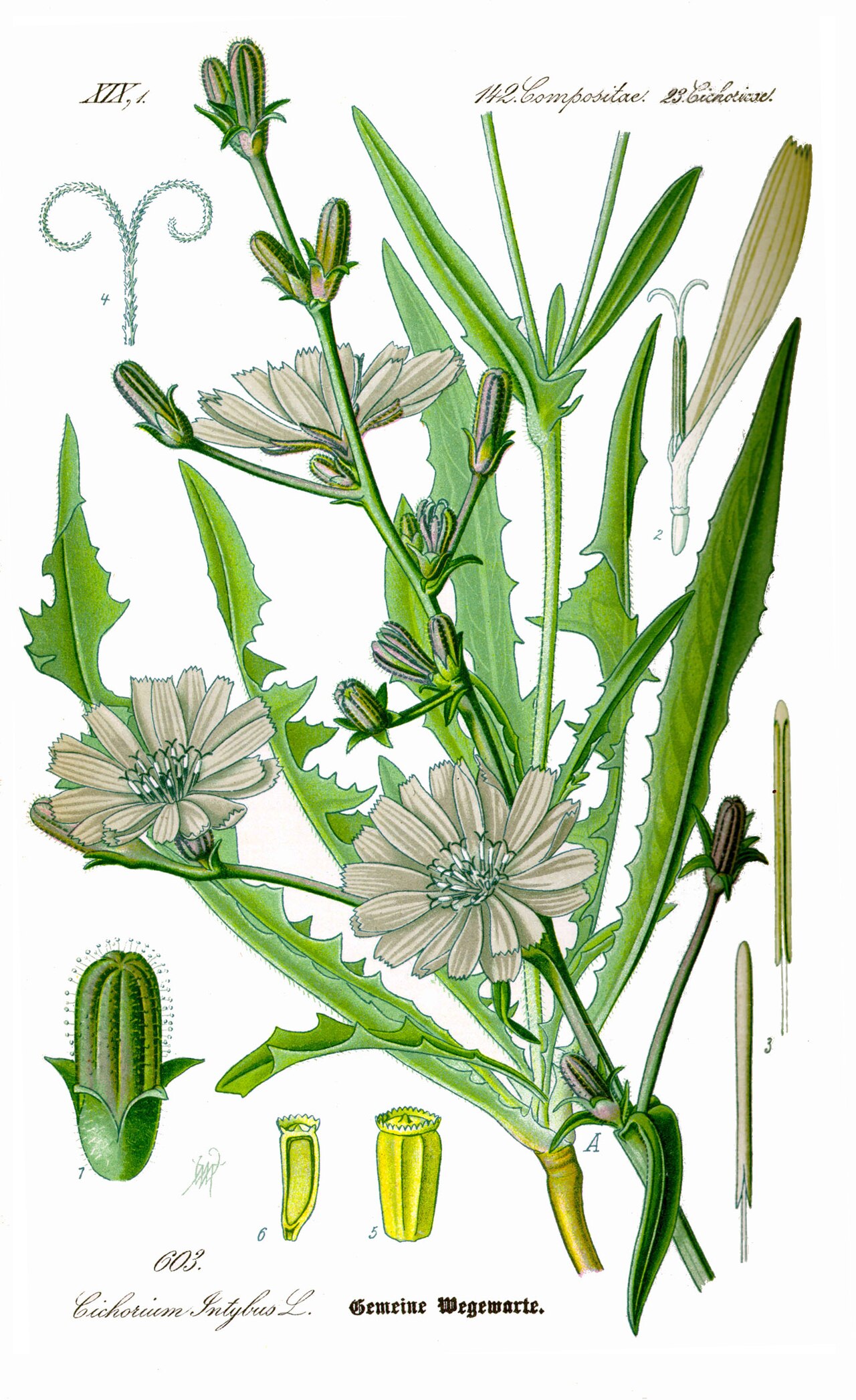
Placenta I Medium No biomass productionBitter perennial leafy green with deep taproots — an excellent soil decompactor. Pasini lists it in the medium stratum of Tabela 3. Leaves used in ...
-
watermelon
Citrullus lanatus
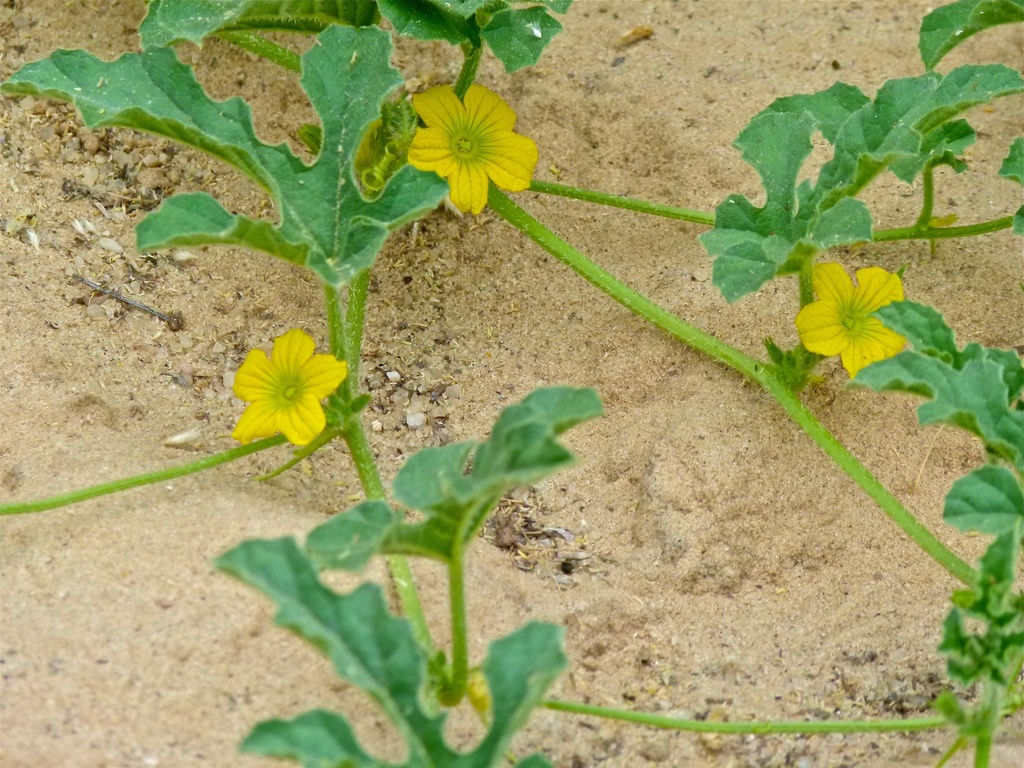
Placenta I Ground cover No biomass productionAnnual creeping cucurbit with large fruit. Embrapa CT-16 plants it in the planting holes of forest and fruit species during the initial agroforestr...
-
Persian lime
Citrus × latifolia
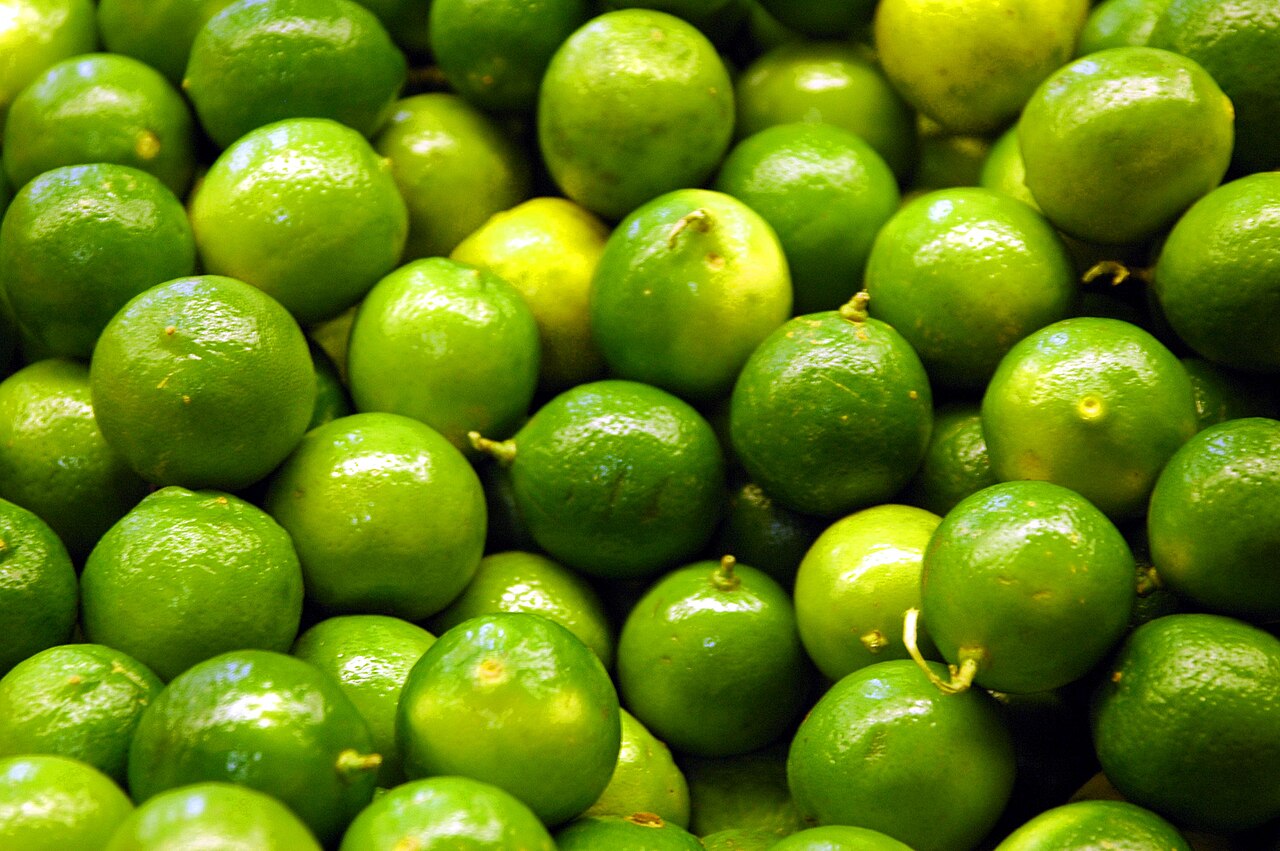
Secondary I Medium No biomass productionMedium-stratum citrus in syntropic systems. Pasini cites 'lemon' as a stratification example next to coffee (low), avocado (high), and eucalyptus (...
-
grapefruit
Citrus × paradisi
Secondary I Medium No biomass productionMedium-stratum citrus in syntropic systems. The Bosque de Niebla Guidebook lists grapefruit in the Secondary phase of the medium stratum, alongside...
-
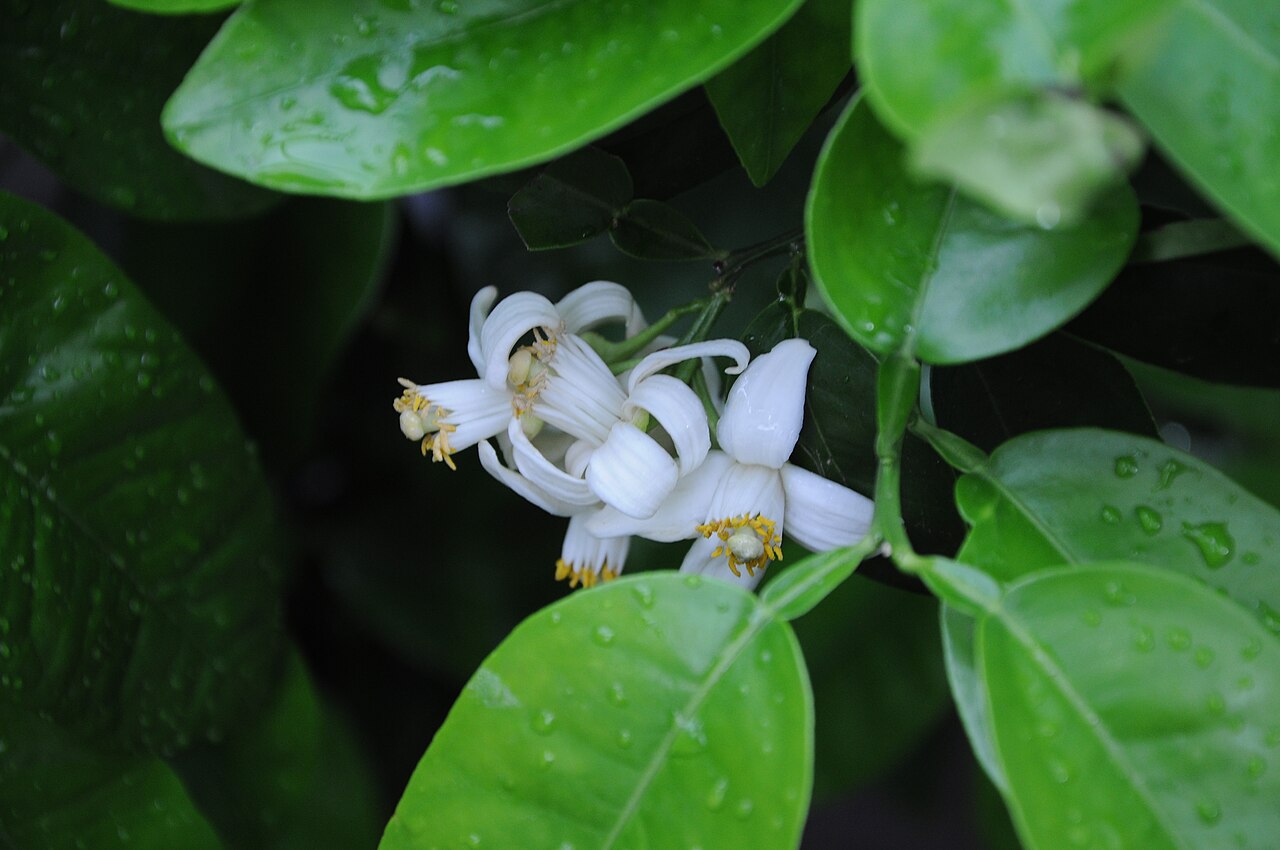
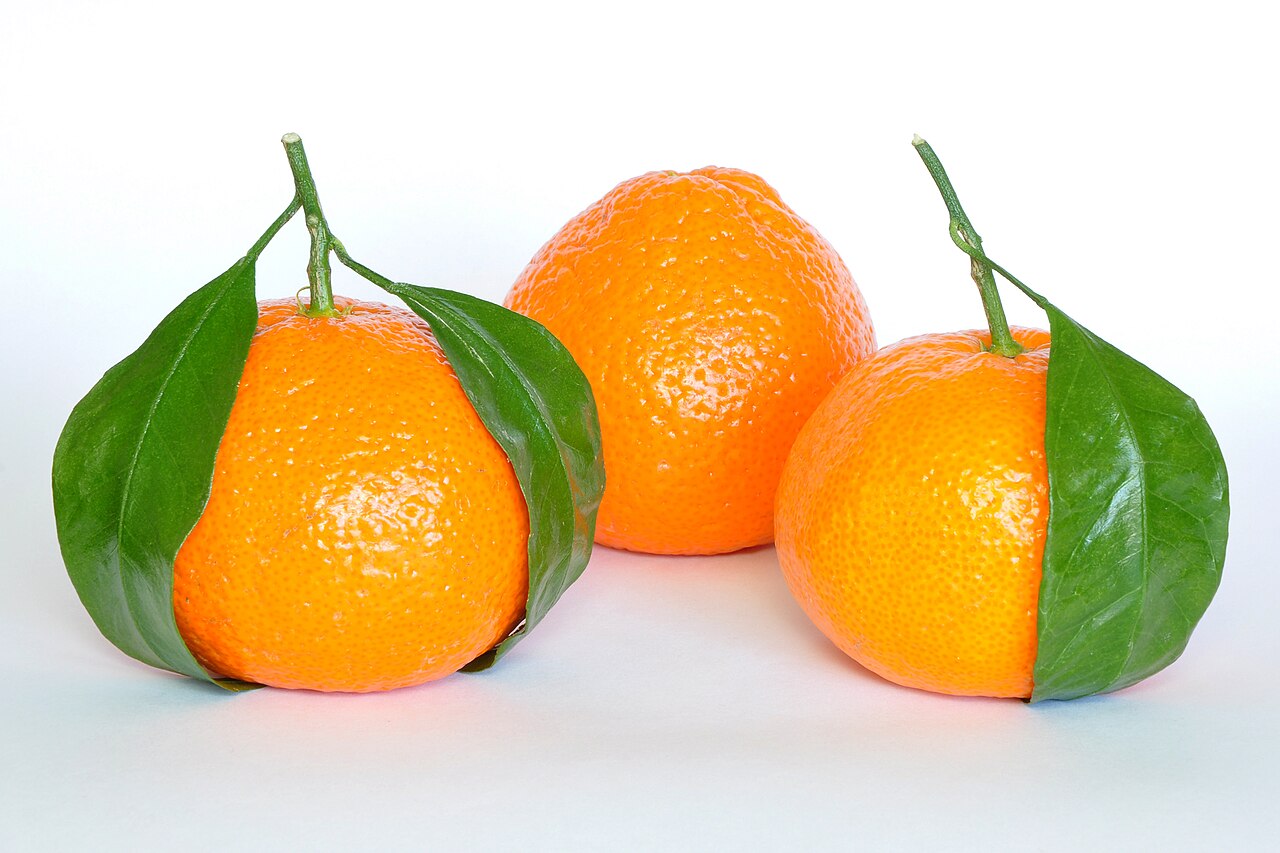
mandarin
Citrus reticulata
Secondary II Medium No biomass productionMedium-stratum citrus in syntropic systems. Pasini lists ponkan in the high stratum of Tabela 3; the Bosque de Niebla Guidebook places the mandarin...
-
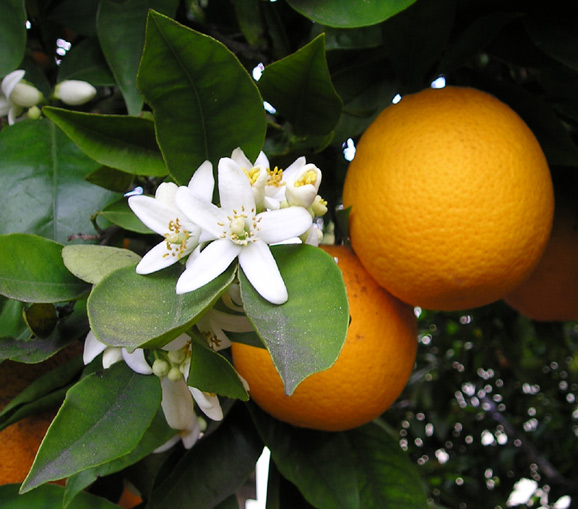
orange
Citrus × sinensis
Secondary I High No biomass productionCitrus fruit tree widely used in Brazilian agroforestry systems. Pasini lists it in the high stratum of Tabela 3 and cites it among Abundance-syste...
-
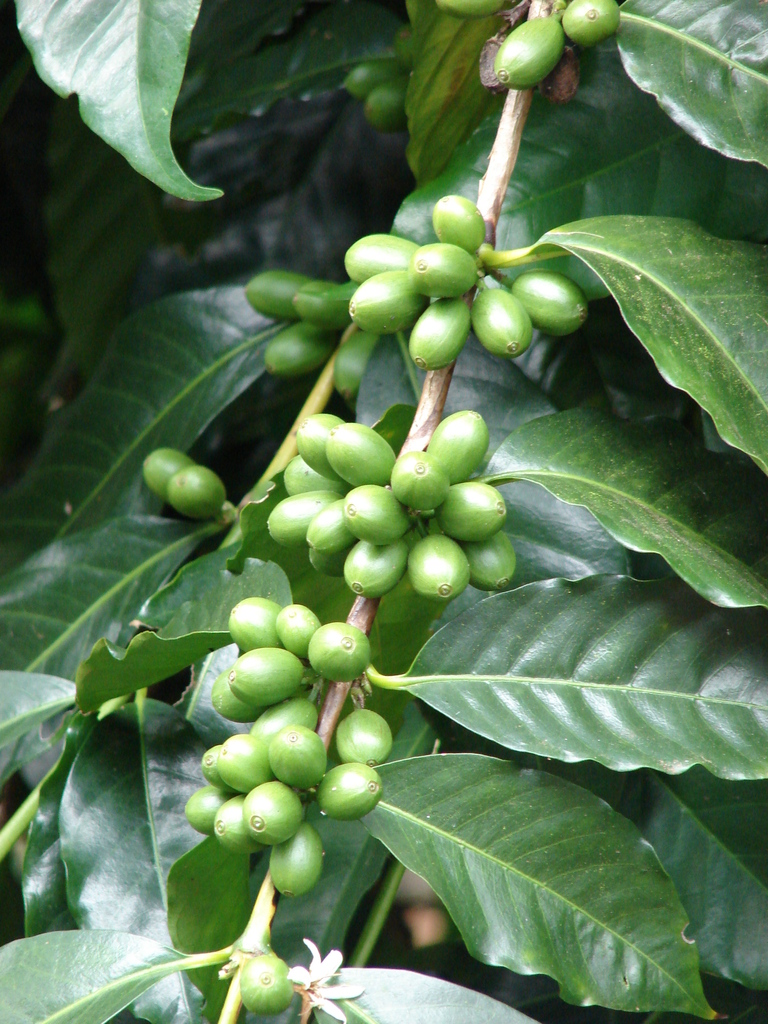
bourbon coffee
Coffea arabica
Secondary I Medium No biomass productionHeirloom arabica cultivar — originated on Bourbon Island (modern Réunion) in the 18th century. Tall (3–4 m), open canopy. Susceptible to coffee lea...
-
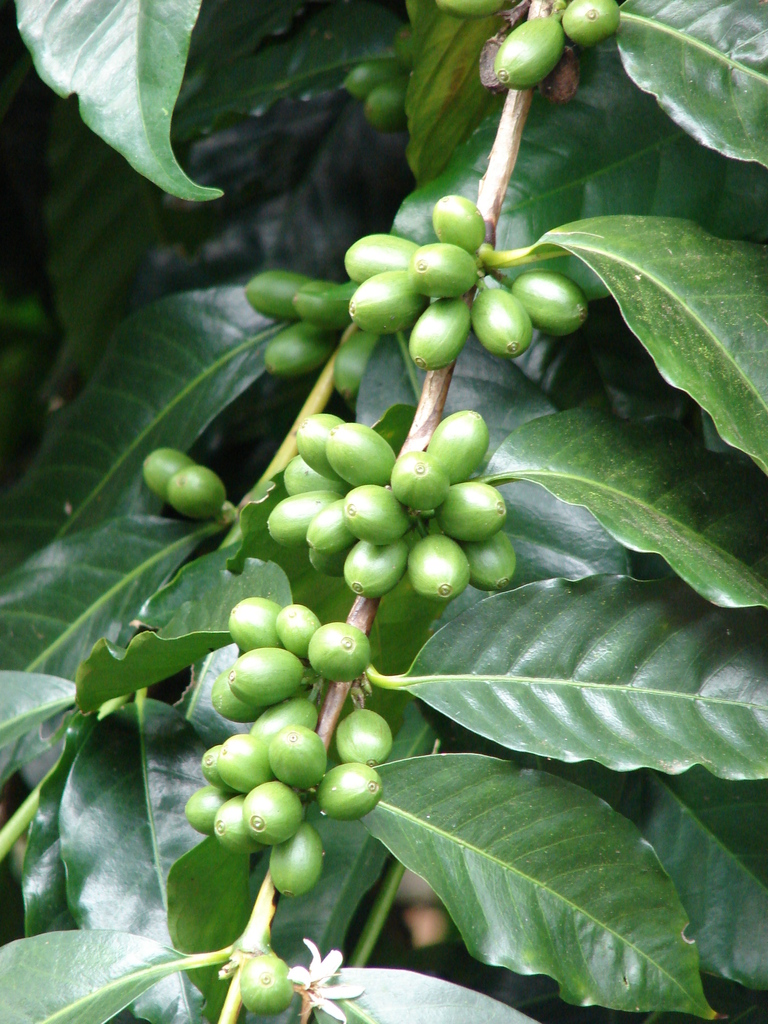
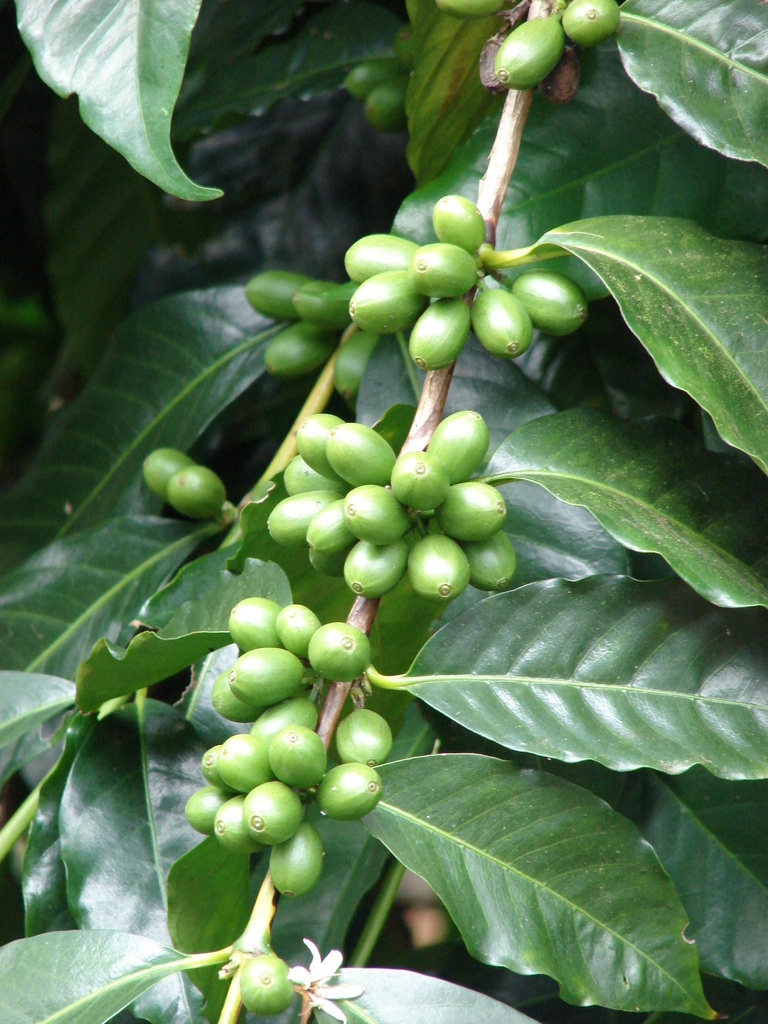
coffee
Coffea arabica
Secondary I Low No biomass productionShade-grown crop valuable in syntropic Atlantic Forest systems. Occupies the low stratum between bananas and ingás.
-
catuaí coffee
Coffea arabica
Secondary I Low No biomass productionCaturra × Mundo Novo hybrid developed by IAC. Compact dwarf architecture (1.8–2.5 m) — eases harvest and dense planting. Dominant cultivar in Brazi...
-
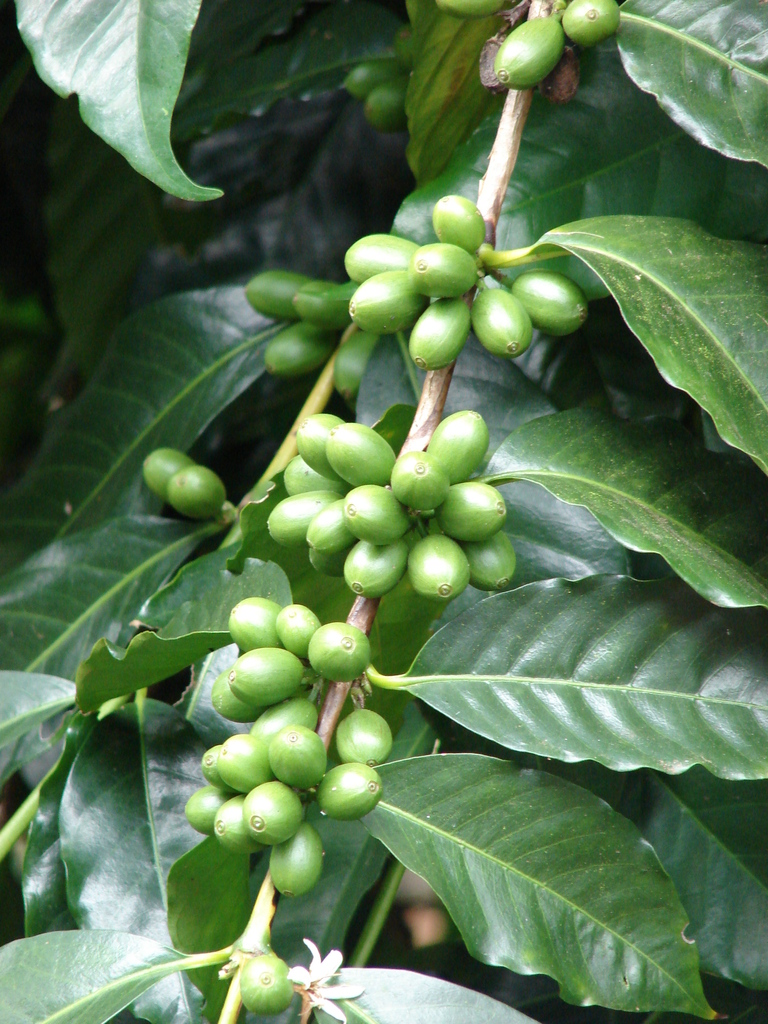
mundo novo coffee
Coffea arabica
Secondary I Medium No biomass productionNatural Sumatra × Red Bourbon hybrid selected by IAC. Tall (2.5–4 m), thin trunk that arches and requires sucker thinning. Excellent vigor, rustici...
-
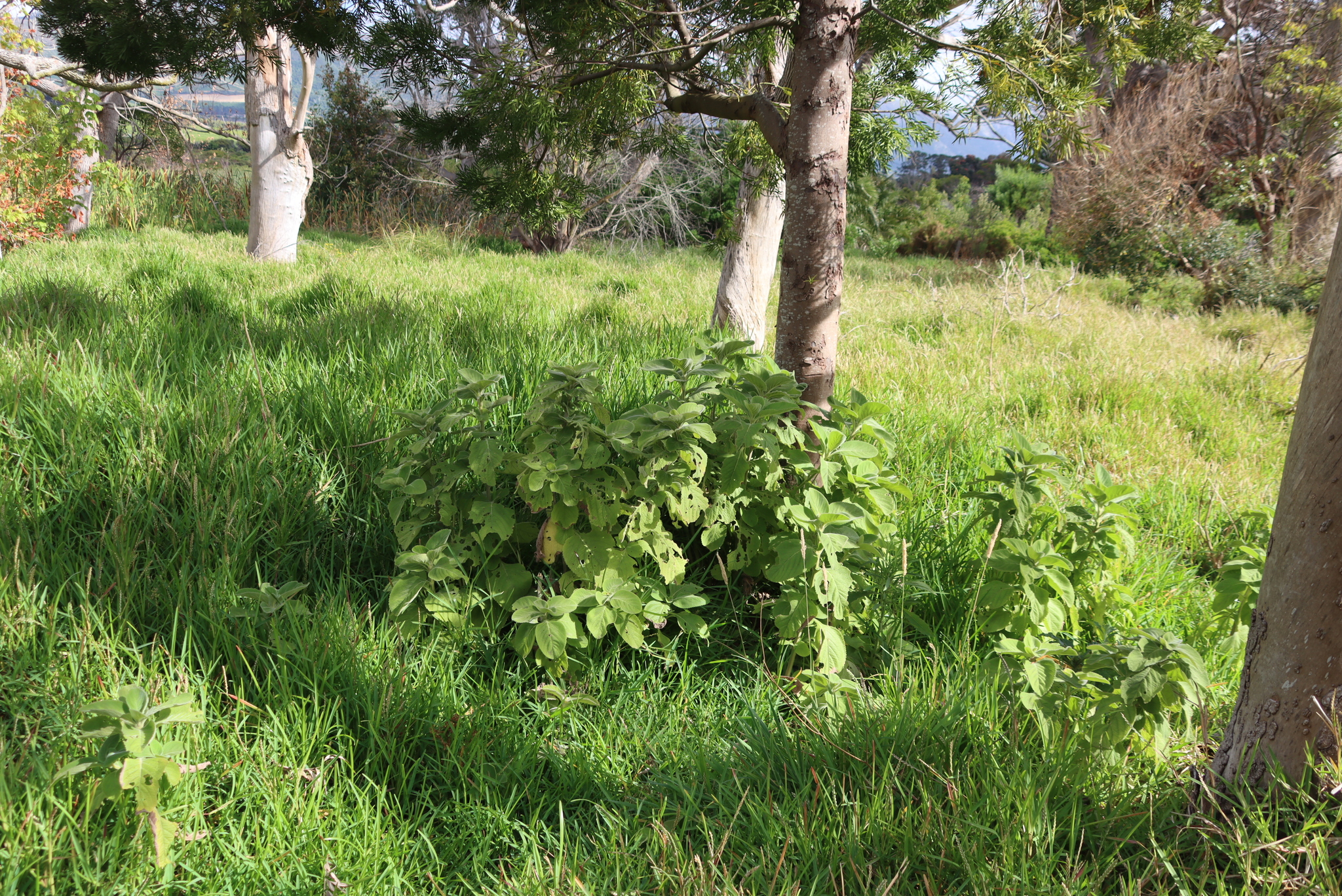
woolly plectranthus
Coleus barbatus
Secondary I Medium No biomass productionA perennial semi-succulent subshrub of the Lamiaceae family, native to tropical Africa, the Arabian Peninsula and Asia, widely grown in Brazil as b...
❓ Frequently asked questions
What is the Humid subtropical (Cfa) climate?
Hot summers and mild winters, with rainfall distributed year-round. The climate of southern São Paulo, Paraná, Santa Catarina, and northern Rio Grande do Sul. Supports a wide range of tropical and subtropical fruit species.
Which plants does the catalog suggest for the Humid subtropical (Cfa) climate?
The catalog holds 161 species, among them broccoli, jelly palm, calliandra. Each profile shows stratum, succession stage, and the management data, with sources cited.