
Climate
Plants for the Humid subtropical (Cfa) climate
Humid subtropical: well-distributed rain, hot summers, occasional winter frost. Short-cycle tropicals do well in summer; for the permanent canopy, check hardiness zones on each profile.
161 species in the catalog · Refine this list in the catalog
-
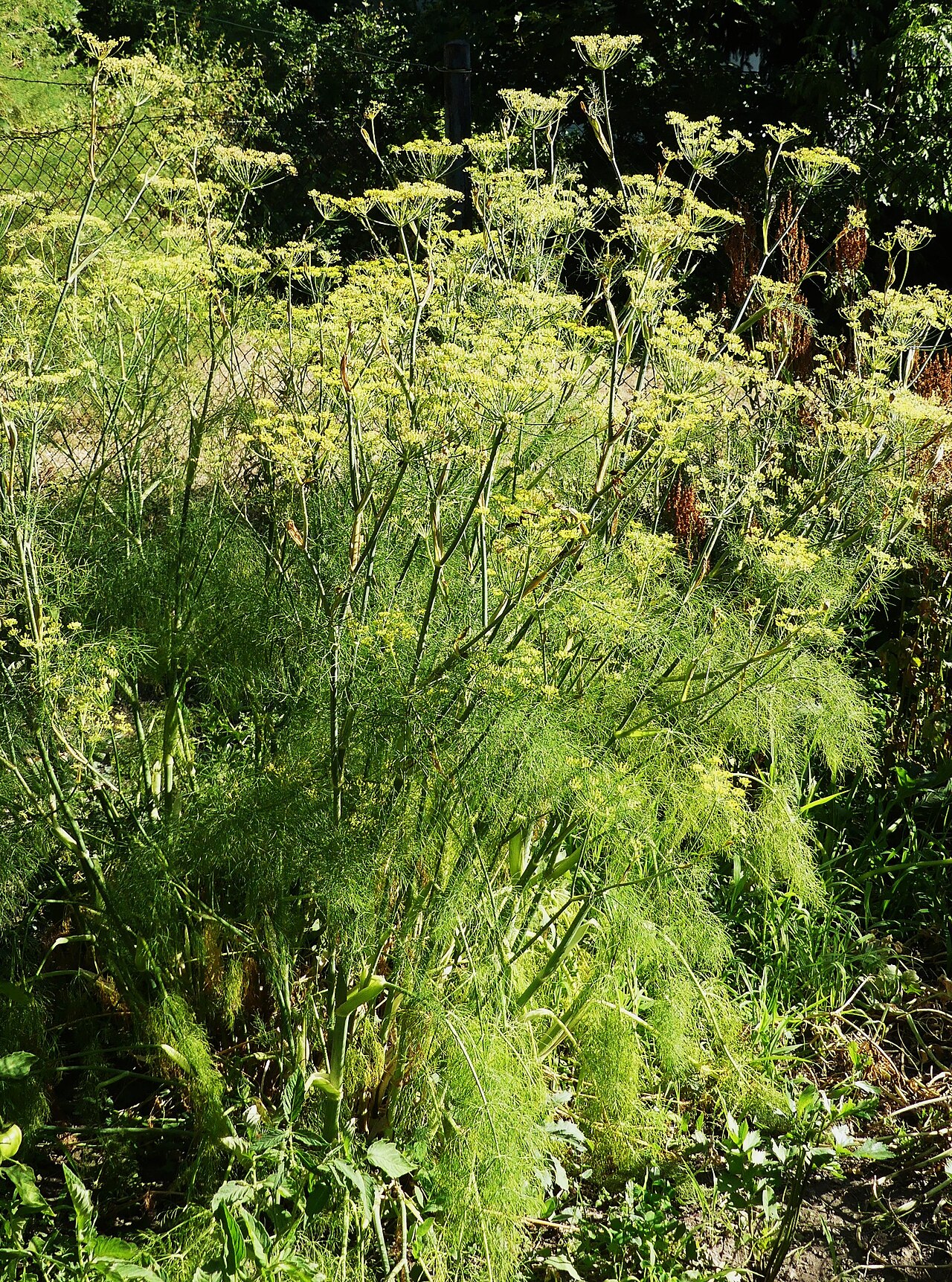
fennel
Foeniculum vulgare
Placenta I Low No biomass productionPerennial Mediterranean herb (1–2 m), feathery anise-scented leaves. Seeds used as seasoning and medicinal. Bulb of the sweet variety is a vegetabl...
-
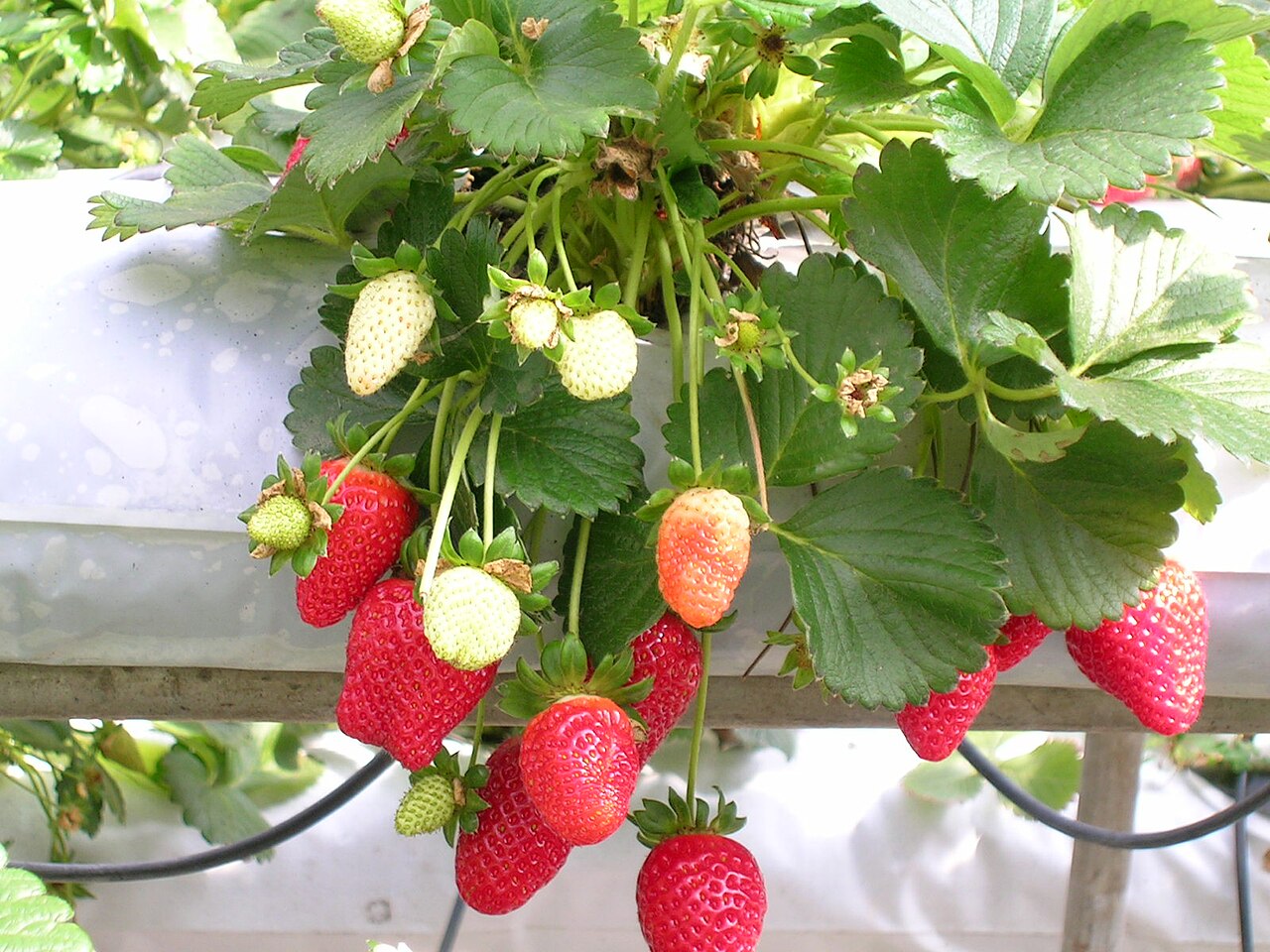
strawberry
Fragaria × ananassa
Placenta I Ground cover No biomass productionPerennial herbaceous ground-runner cultivated as annual or biennial. Productive ground cover in vegetable gardens and syntropic systems. Mild cold ...
-
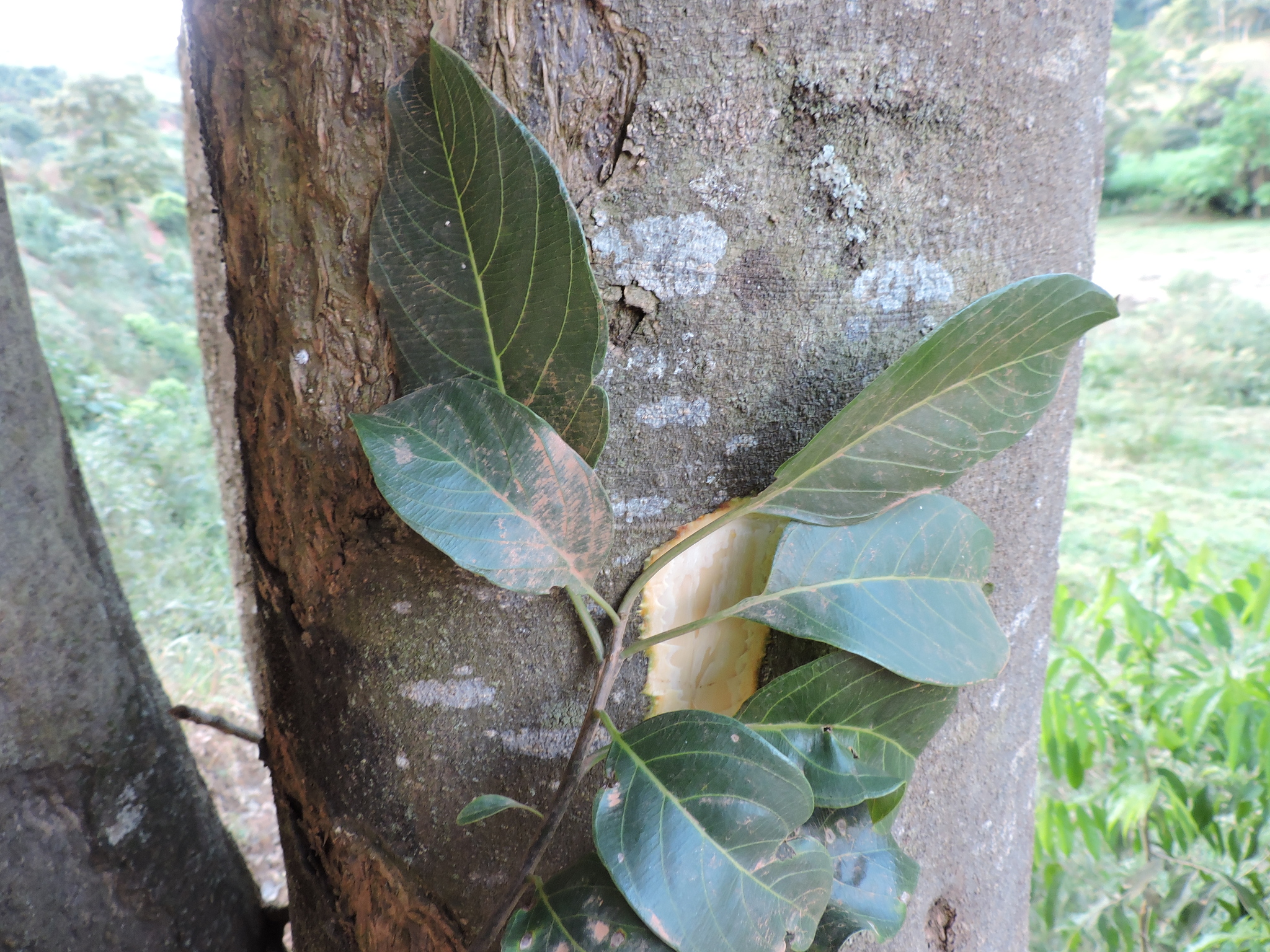
garlic tree
Gallesia integrifolia
Climax Emergent Mulch biomassEmergent tree of the Atlantic Forest and Cerrado with a strong garlic smell when wounded. EcoAgri lists it in the emergent stratum of the '> 50 yea...
-
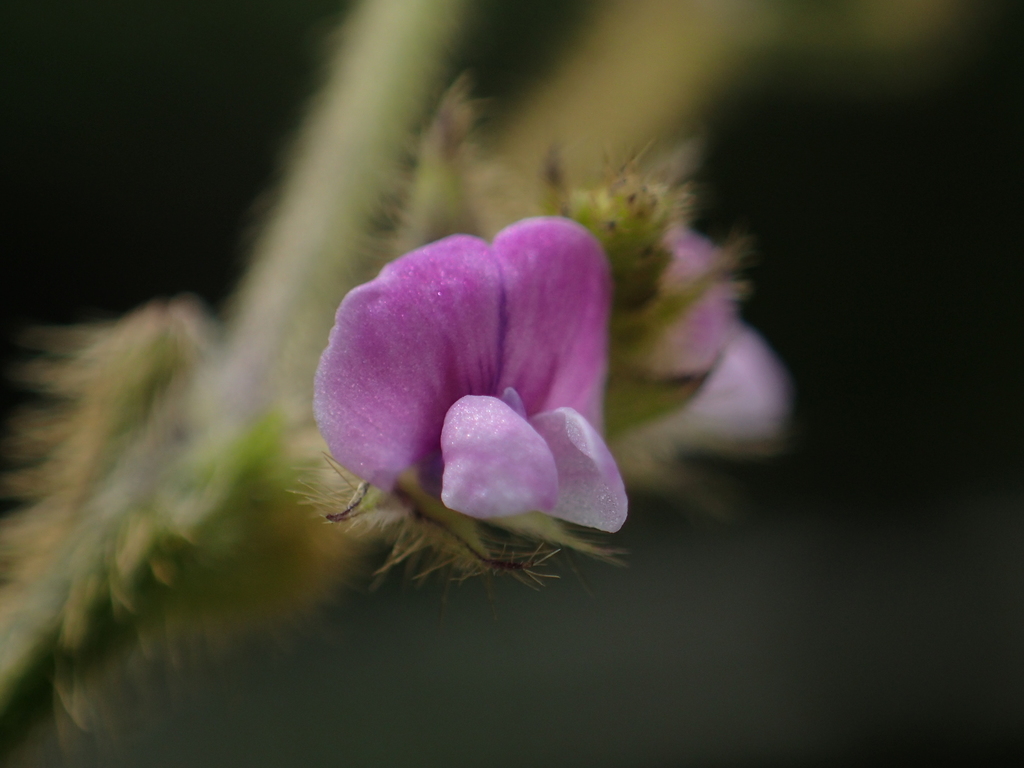
soybean
Glycine max
Placenta I Low Fertilizer biomass 🌱 Nitrogen fixerAnnual nitrogen-fixing legume (associates with Bradyrhizobium japonicum) — tall varieties Sambaíba and Tracajá were tested by Rebello & Sakamoto (2...
-
guadua
Guadua angustifolia
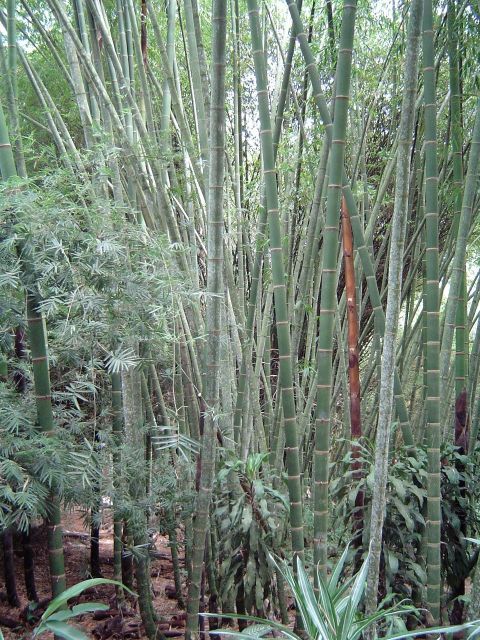
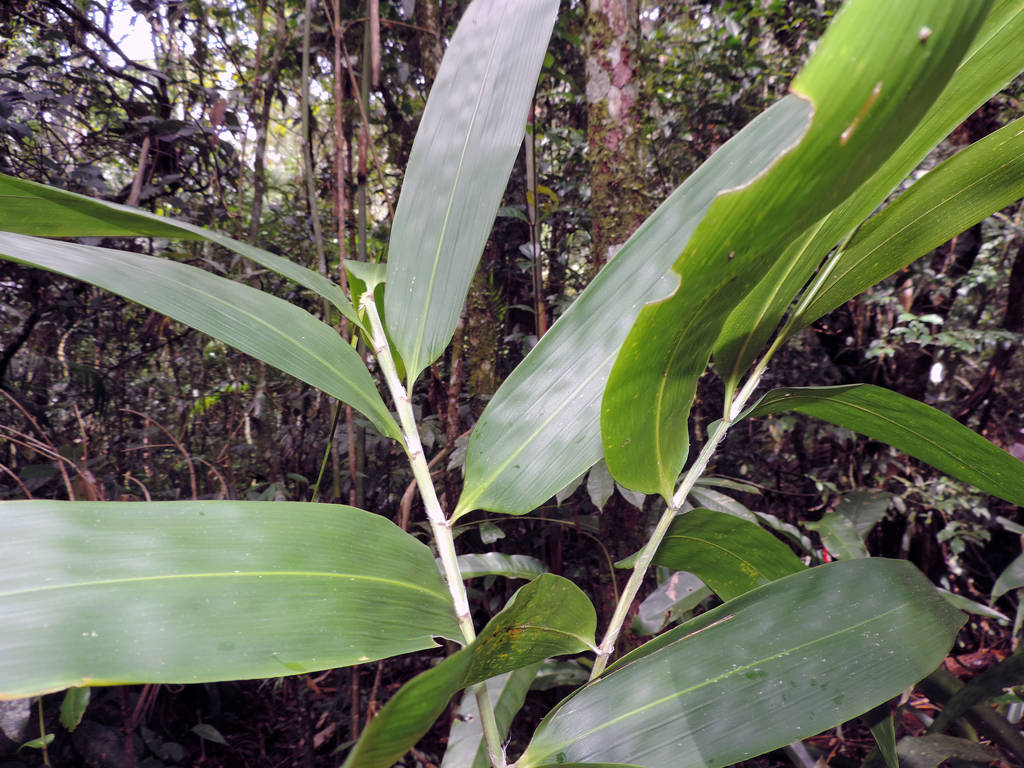
Secondary I Emergent Mulch biomassA woody clumping bamboo native to Central and South America, regarded as the finest structural bamboo of the Americas. It forms straight, strong cu...
-
taquarucu bamboo
Guadua tagoara
Secondary I High Mulch biomassA bamboo native to the Atlantic Forest, distributed from Santa Catarina to Bahia, where it forms the characteristic bamboo thickets. It can reach a...
-
yellow lapacho
Handroanthus chrysotrichus
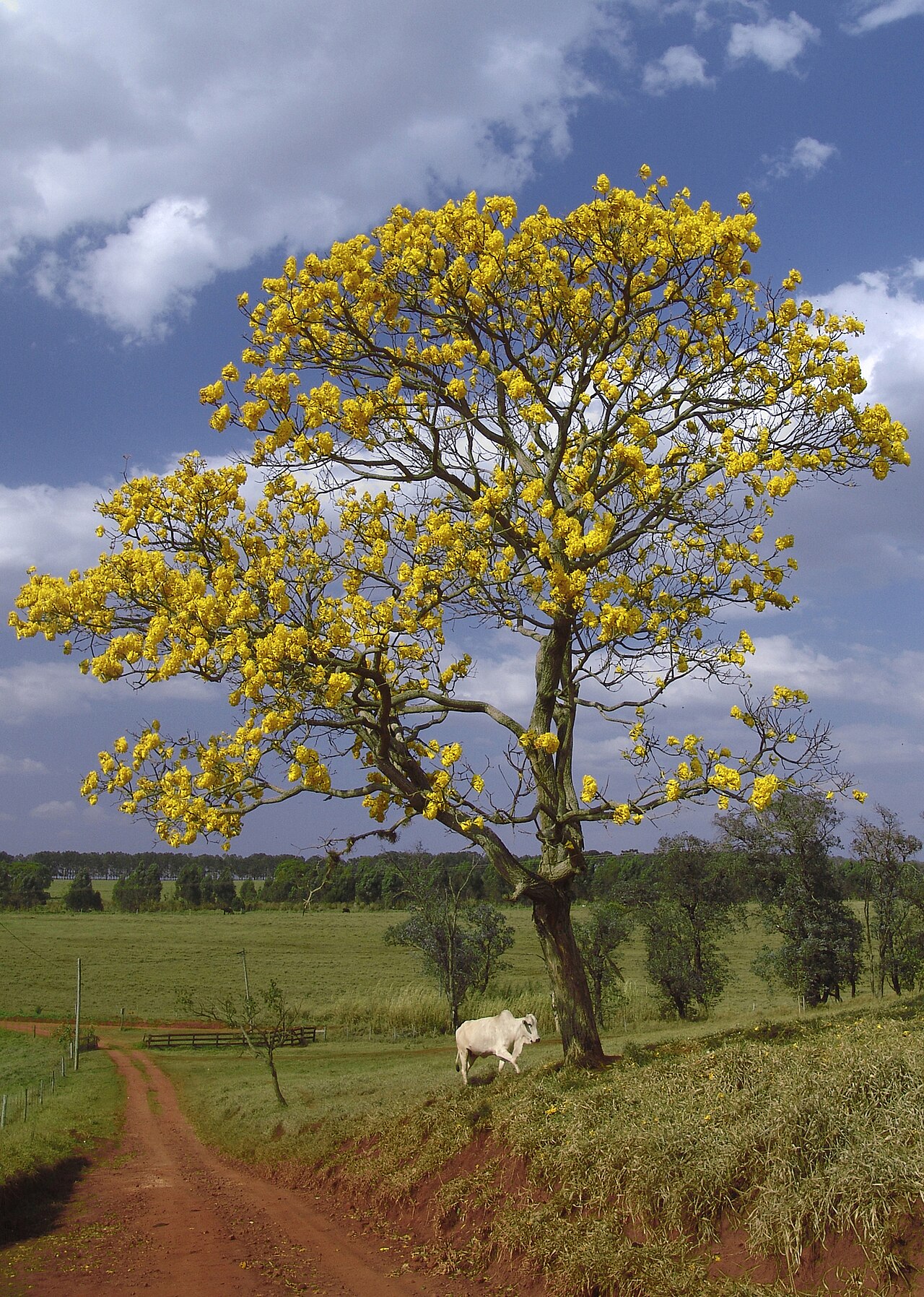
Climax High No biomass productionMedium-tall tree of the southern and southeastern Atlantic Forest (8–15 m). Vivid golden-yellow flowering in August–September, denser than the cerr...
-
pink lapacho
Handroanthus impetiginosus
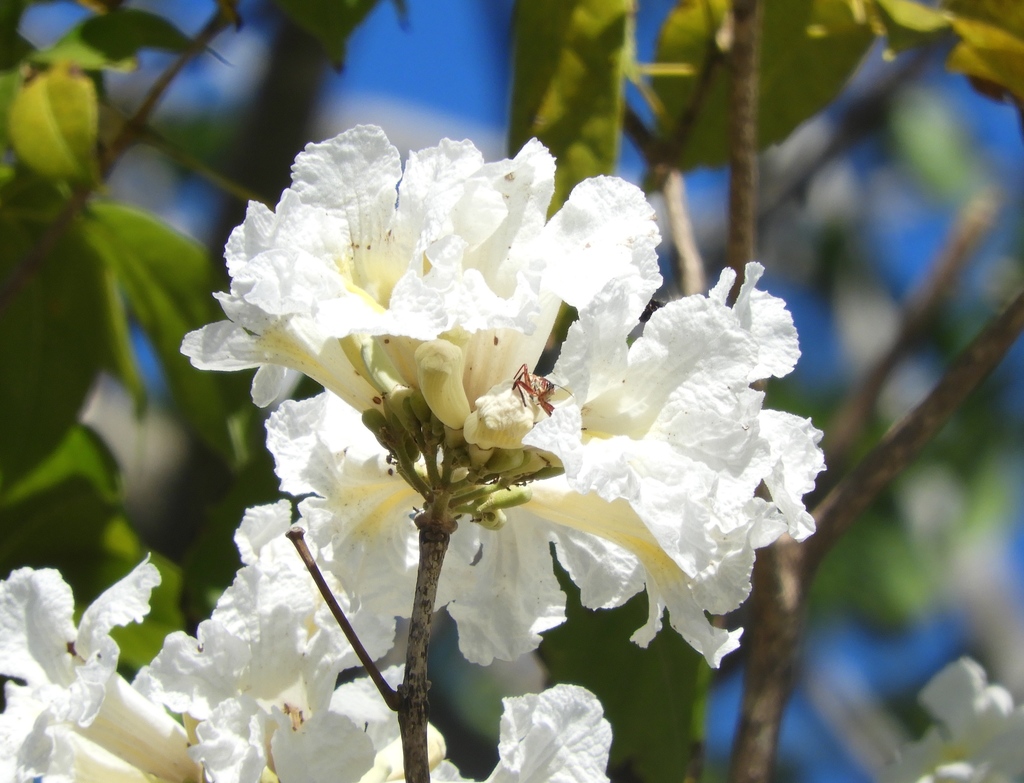
Climax Emergent Mulch biomassEmergent tree native to Cerrado, Atlantic Forest, Caatinga, Amazon, and Pantanal. Reaches 20–35 m in the wild, 8–12 m in cultivation. Vivid magenta...
-
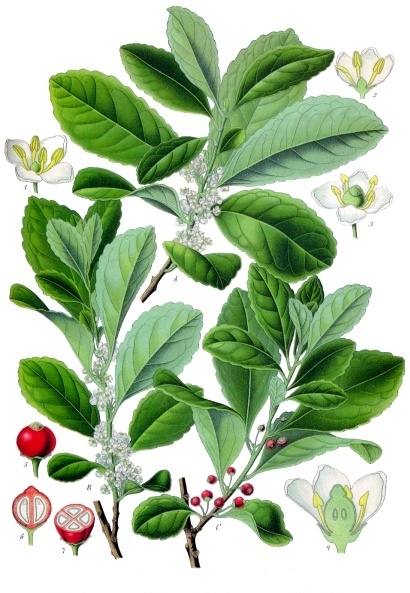
yerba mate
Ilex paraguariensis
Secondary II Medium No biomass productionTree native to highland Atlantic Forest and southern Brazilian grasslands, listed by IPOEMA among major Brazilian perennial crops in agroforestry c...
-
river inga
Inga vera
Secondary I Medium Fertilizer biomass 🌱 Nitrogen fixerA pioneer leguminous tree native to the Neotropics, 5-10 m tall, with a broad low crown, frequent in secondary formations of humid or swampy soil, ...
-
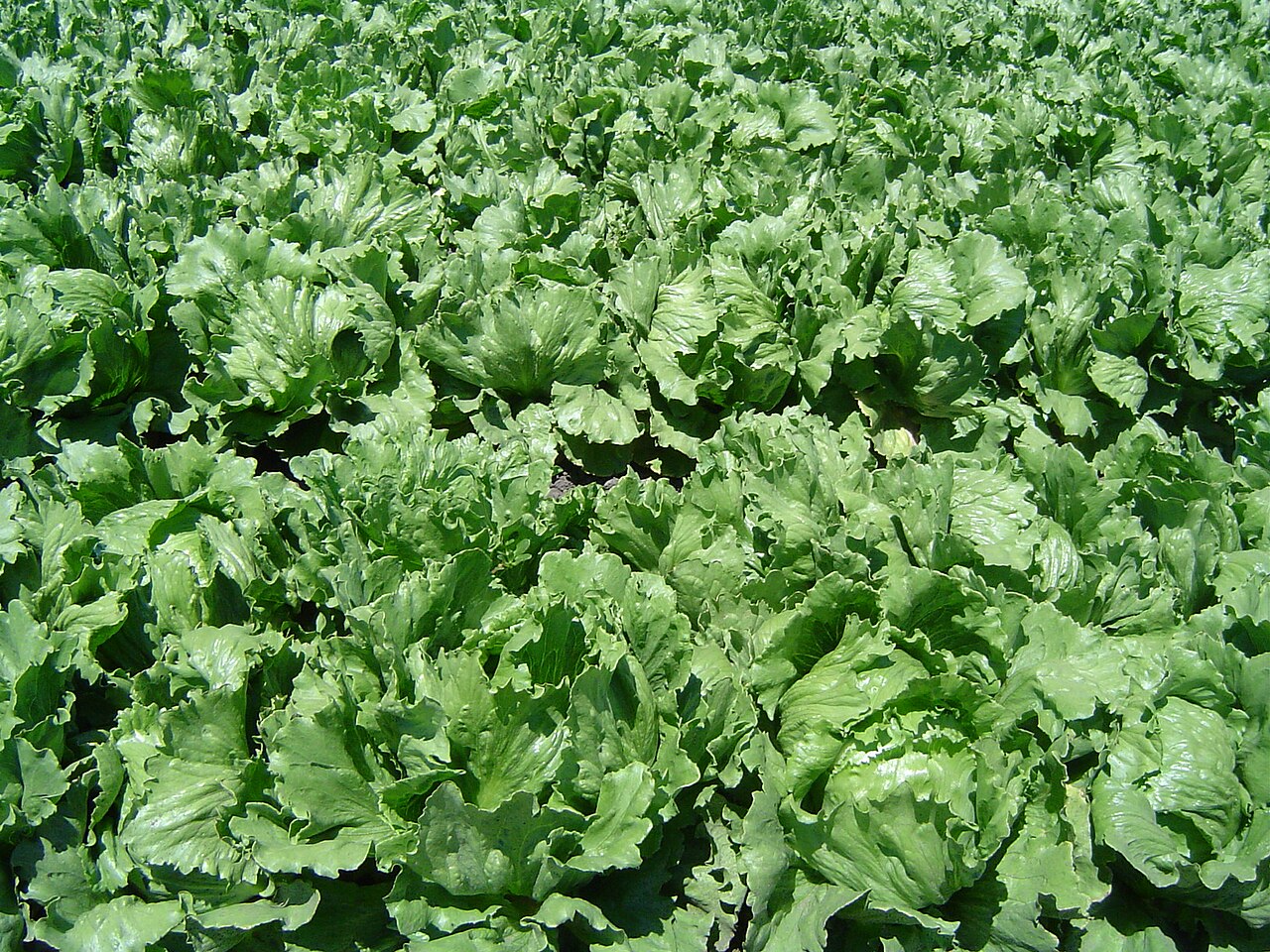
lettuce
Lactuca sativa
Placenta I Low No biomass productionAnnual leafy vegetable cultivated in syntropic systems in the low stratum of the Placenta I phase. Pasini lists it in the medium stratum of Tabela ...
-
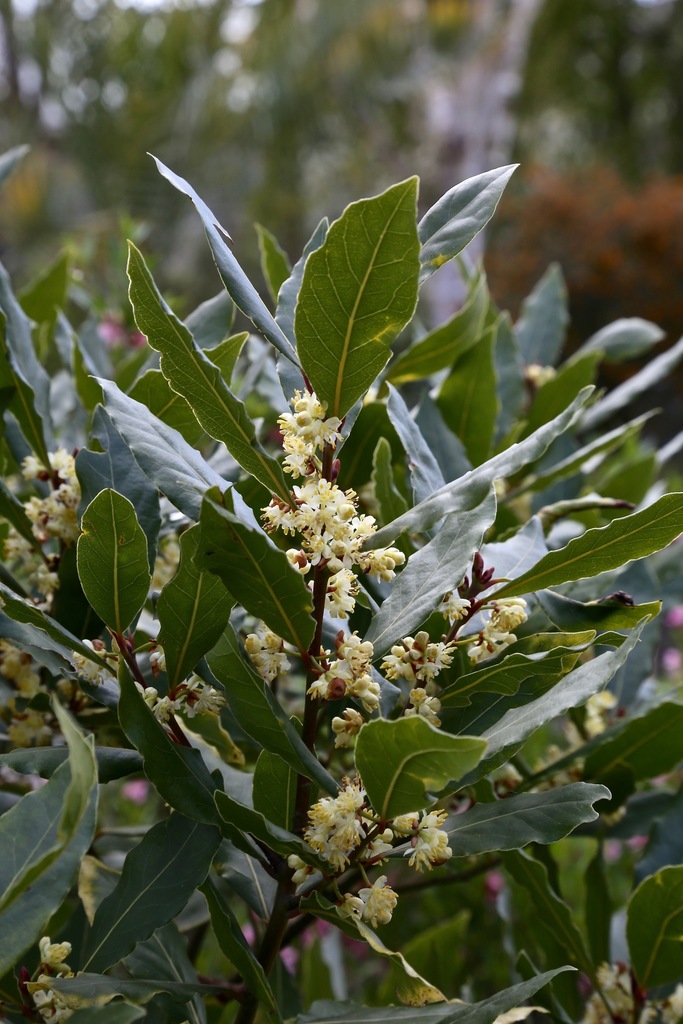
bay laurel
Laurus nobilis
Secondary II Medium No biomass productionMediterranean medium tree (4–10 m), evergreen leathery leaves — basis of tea, seasoning, and ornamental use. Occupies low/medium stratum in souther...
-
lychee
Litchi chinensis
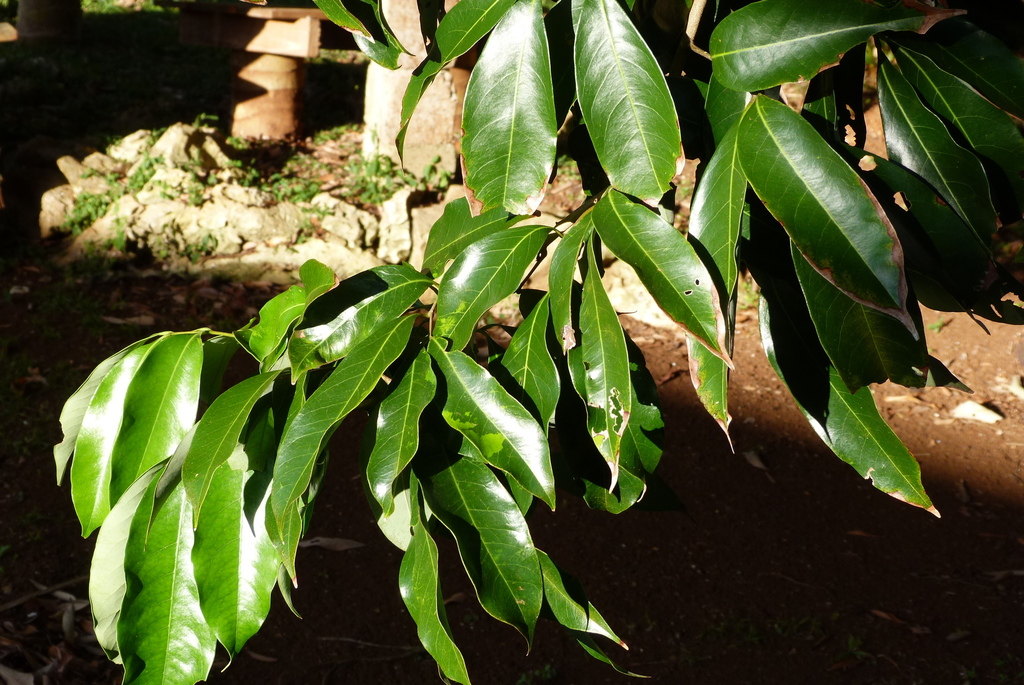
Climax High No biomass productionAsian subtropical fruit tree naturalized in southern and southeastern Brazil. EcoAgri lists it in the high stratum of the '> 50 years' bin. Fruits ...
-
açoita-cavalo
Luehea divaricata
Secondary II High Mulch biomassSemi-deciduous native tree of southern Brazil, typical of riparian forests and secondary growth. A forestry species of the Embrapa Vitrine SAF, pla...
-
macadamia nut
Macadamia integrifolia
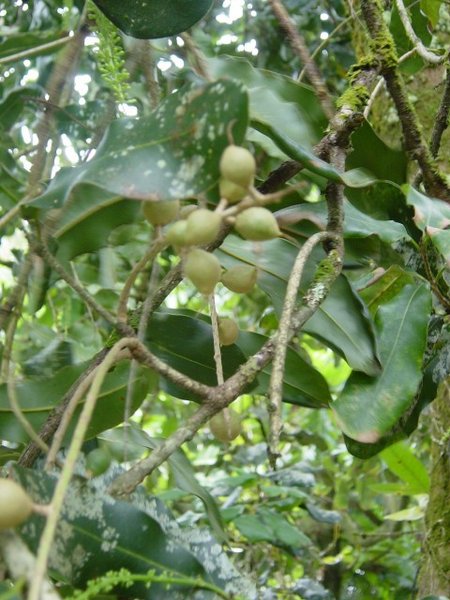
Climax High No biomass productionAustralian tree grown for its high-value oily nut. EcoAgri lists it in the high stratum of the '> 50 years' bin. Adapts well to southern and southe...
-
lemon balm
Melissa officinalis
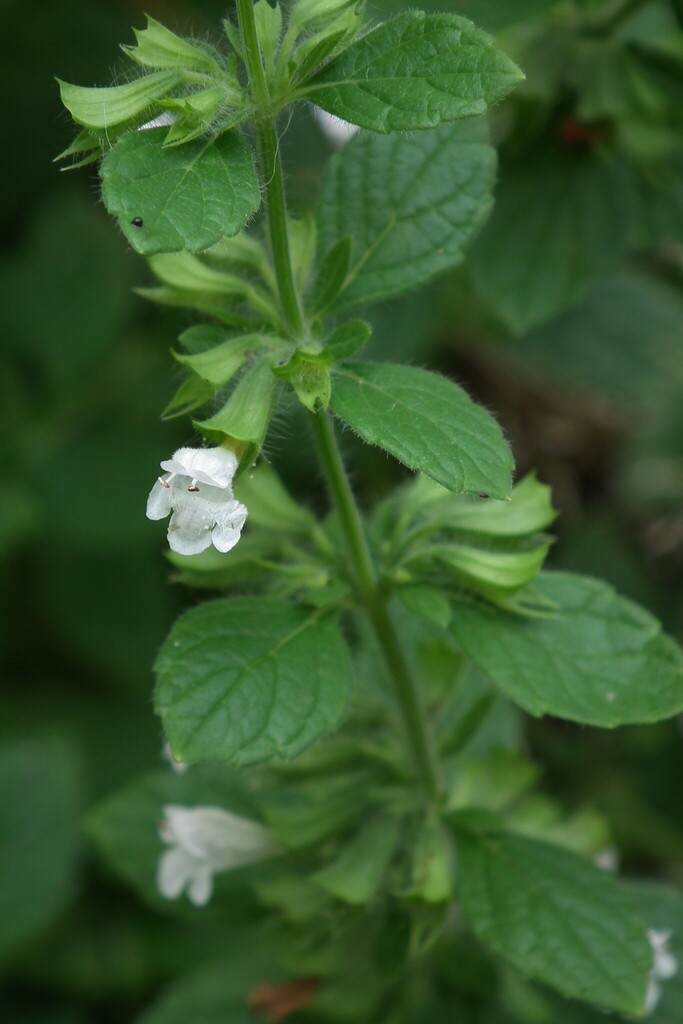
Placenta I Low No biomass productionPerennial herb (40–80 cm), light-green strongly lemon-scented leaves. Tolerates partial shade — fills shaded niches where rosemary and thyme don't ...
-
spearmint
Mentha spicata
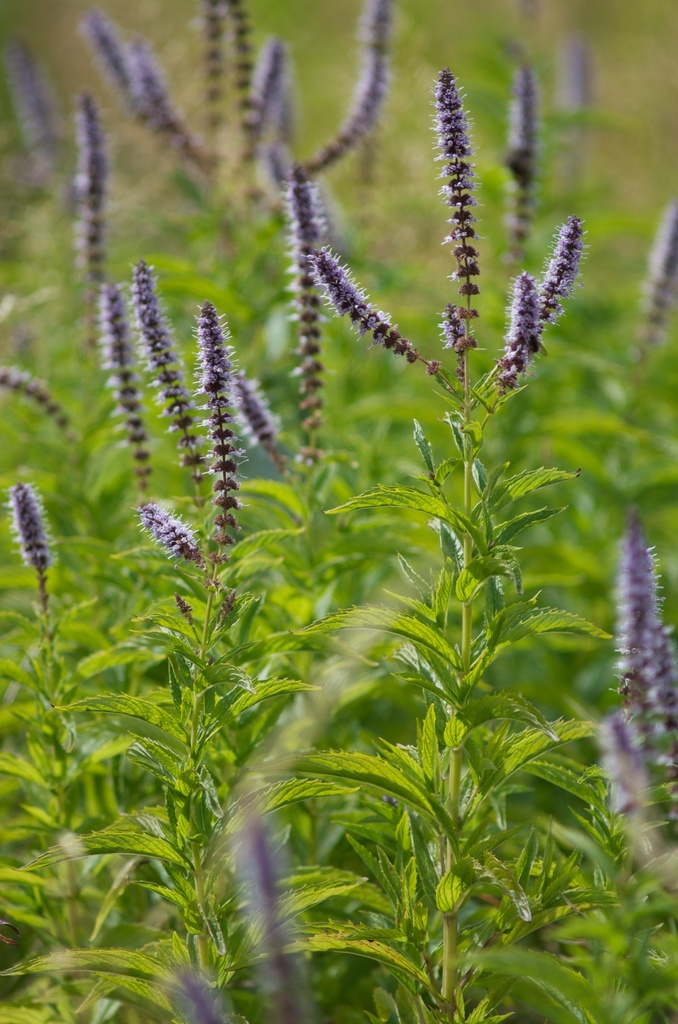
Placenta I Ground cover No biomass productionStrongly aromatic perennial Lamiaceae that spreads vigorously by stolons. Pasini lists it in the low stratum of Tabela 3. Tolerates partial shade; ...
-
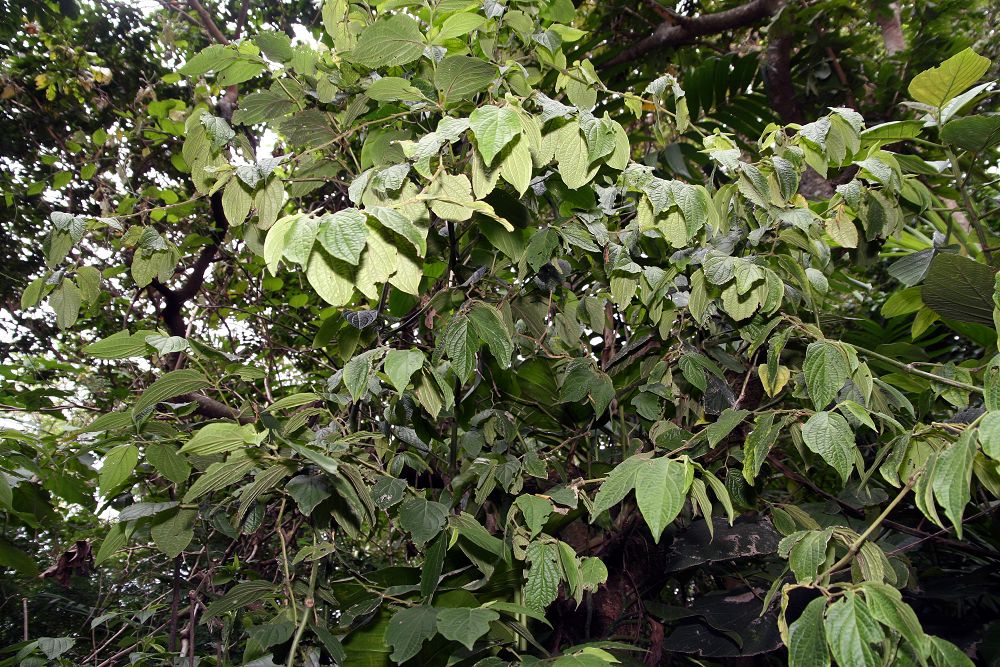
guaco
Mikania glomerata
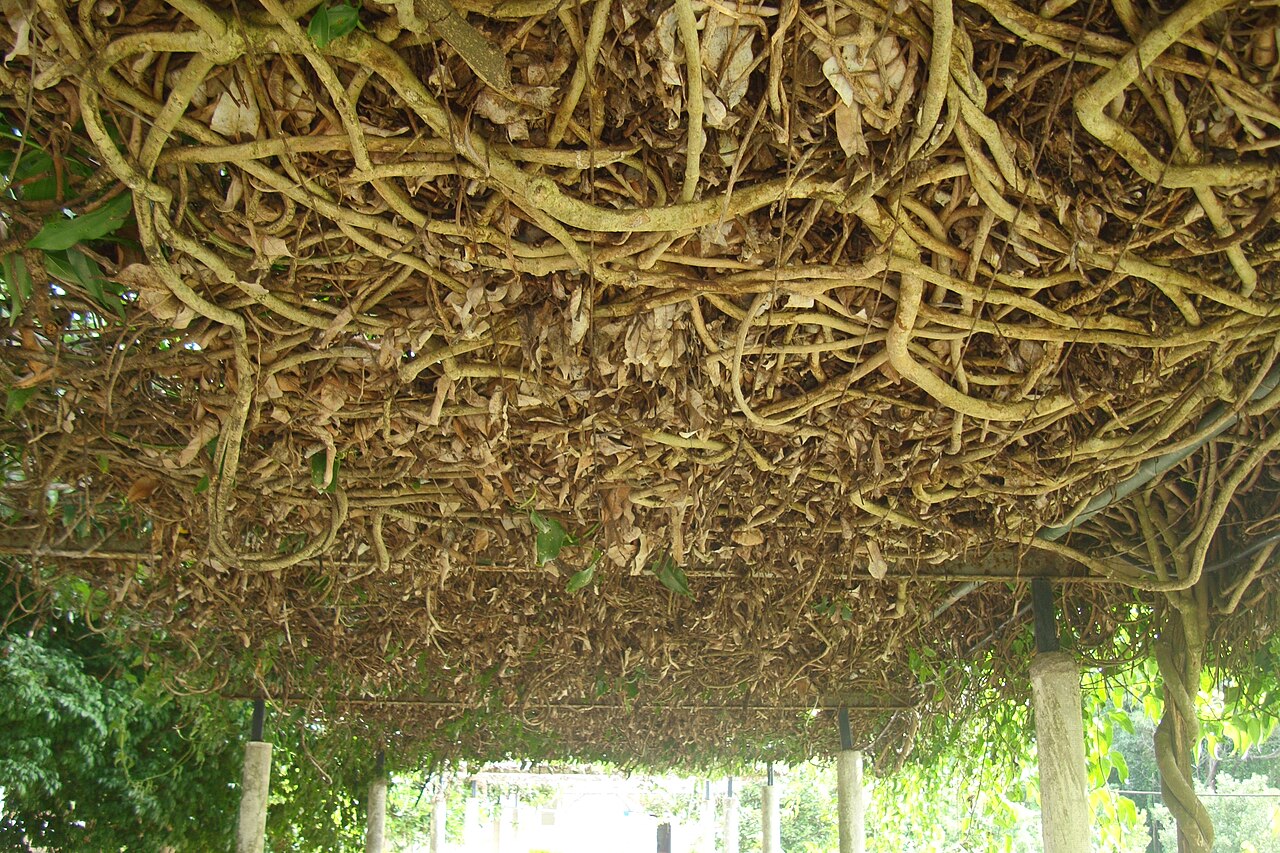
Secondary I Medium Mulch biomassA perennial woody climber (liana) of the Asteraceae family, native to the Atlantic Forest of southeastern and southern Brazil, occurring along rive...
-
maricá
Mimosa bimucronata
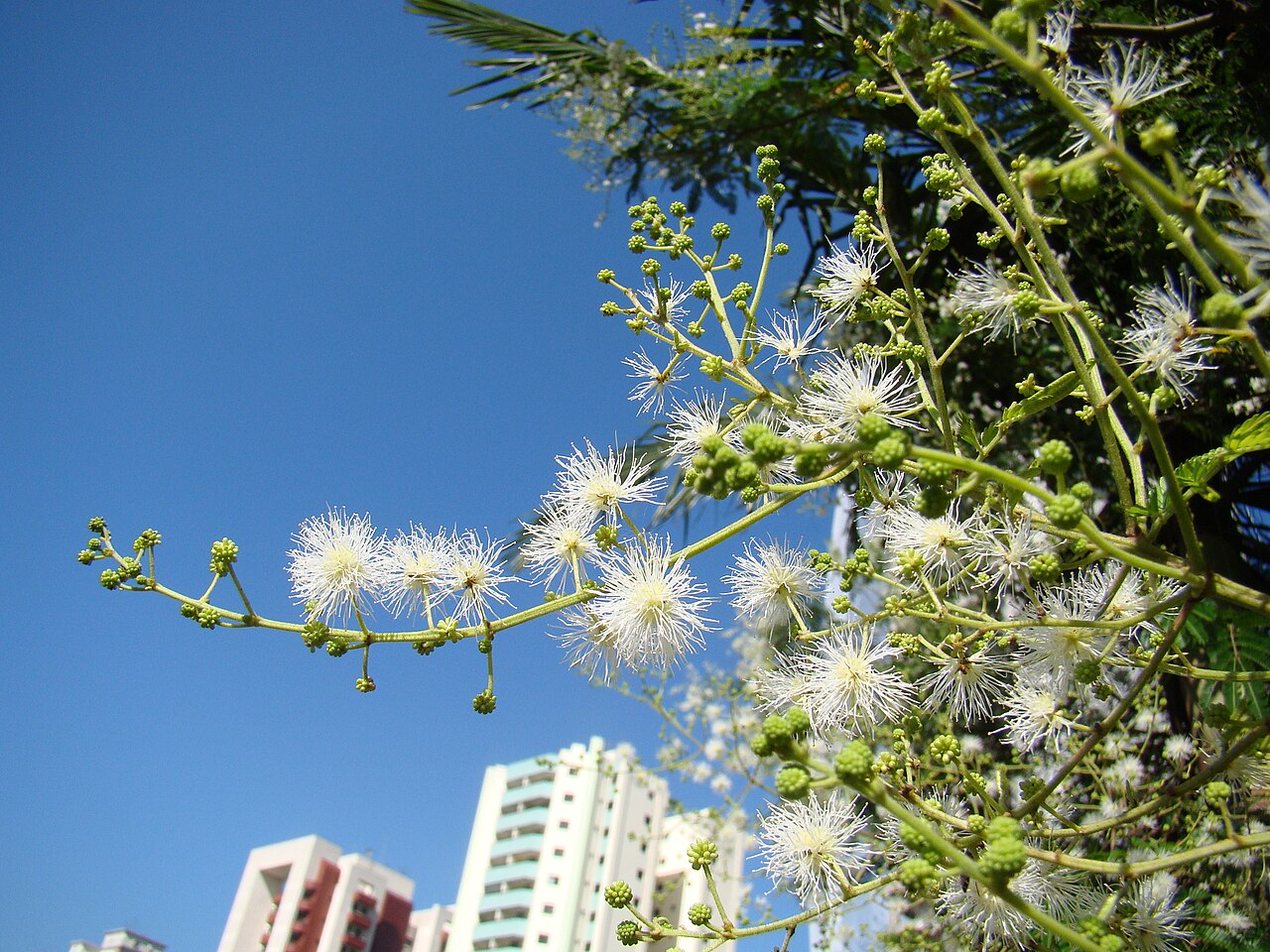
Placenta II Medium Fertilizer biomass 🌱 Nitrogen fixerA pioneer leguminous tree or small tree, spiny and much-branched, 4-8 m tall (occasionally to 15 m), native to eastern and southern Brazil. It fixe...
-
bracatinga
Mimosa scabrella
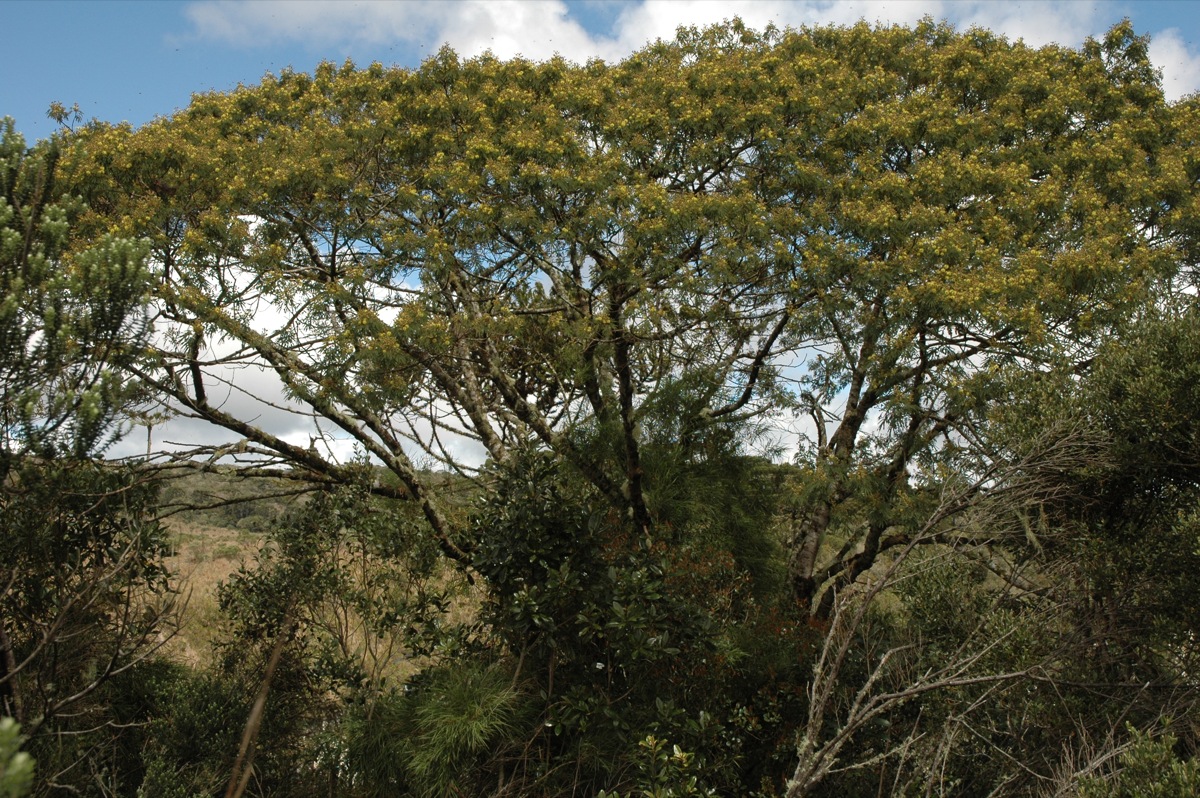
Secondary I High Fertilizer biomass 🌱 Nitrogen fixerPioneer legume native to southern Brazil and highland Atlantic Forest, listed by IPOEMA among anchor Brazilian species for SAFs (alongside cacao, y...
-
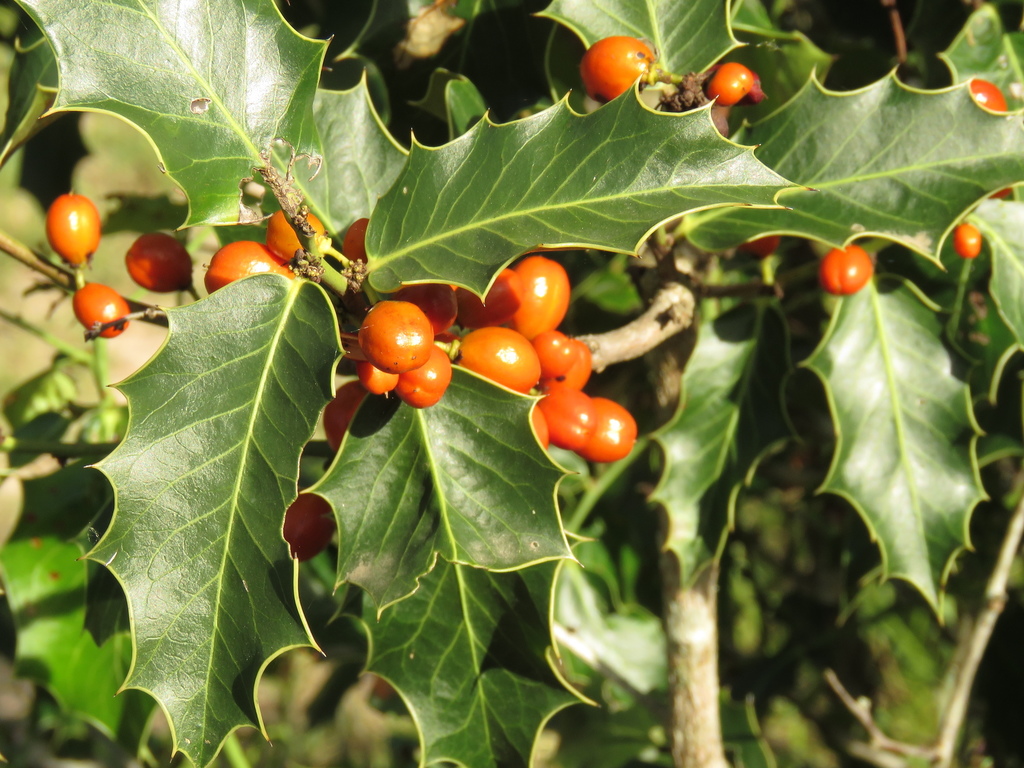
holythorn
Monteverdia ilicifolia
Secondary I Medium No biomass productionAn evergreen shrub or small tree of the Celastraceae family, native to southern and southeastern Brazil, with leathery, spiny-margined holly-like l...
-
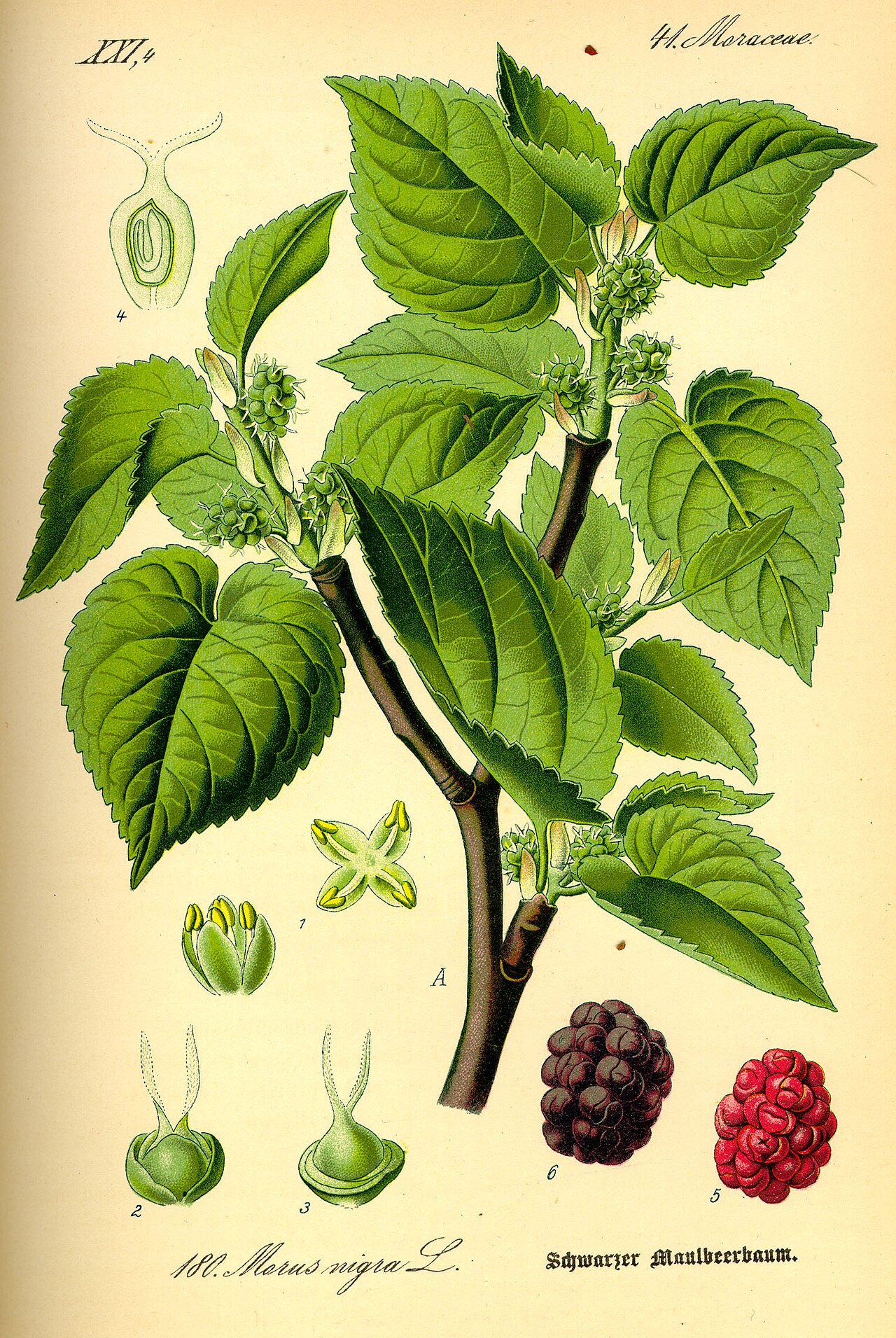
black mulberry
Morus nigra
Secondary I High Fertilizer biomassFast-growing fruit tree, tolerates drastic pruning well and coppices readily — ideal as a nurse plant in syntropic systems. Pasini lists it in the ...
-
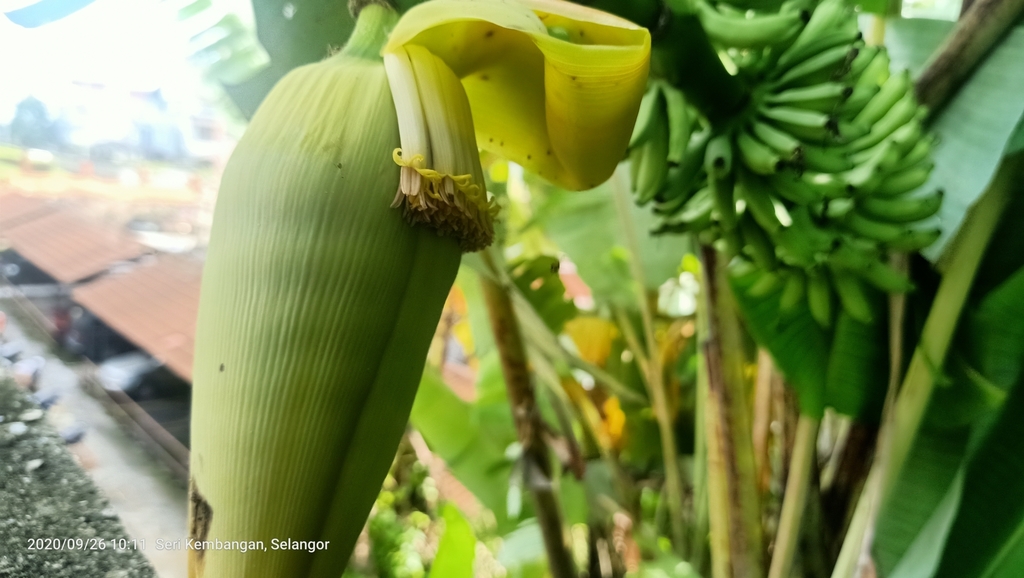
sucrier banana
Musa acuminata
Placenta II High Mulch biomassAA diploid cultivar, small sweet fruits (8–12 kg per bunch), medium plant (3–4 m). Niche production, premium price. More common in coastal São Paul...
-
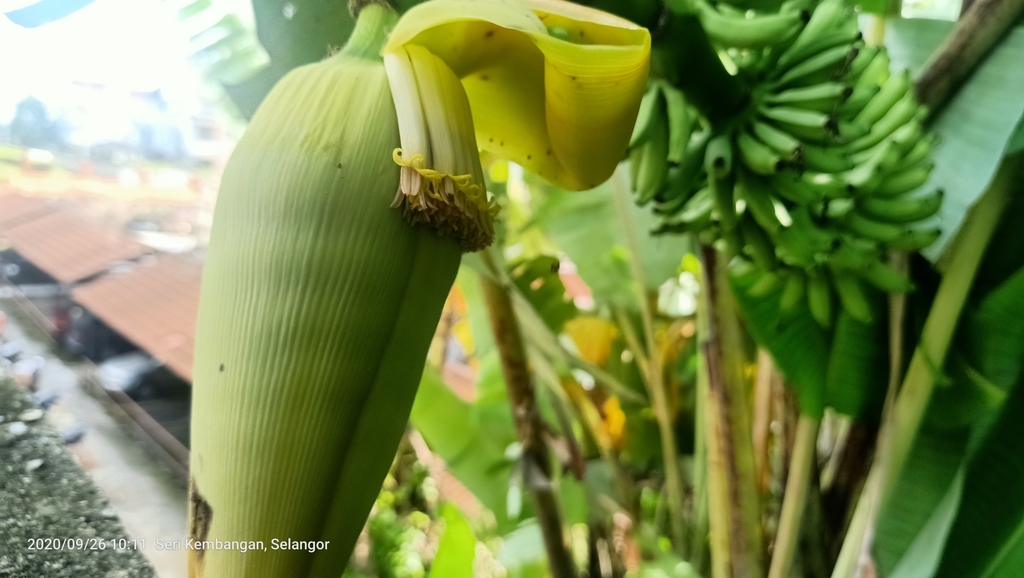
giant cavendish banana
Musa acuminata
Placenta II High Mulch biomassCavendish AAA tall cultivar (3–4 m); the dominant Brazilian export variety. Heavier bunch than Nanica (30–40 kg).
❓ Frequently asked questions
What is the Humid subtropical (Cfa) climate?
Hot summers and mild winters, with rainfall distributed year-round. The climate of southern São Paulo, Paraná, Santa Catarina, and northern Rio Grande do Sul. Supports a wide range of tropical and subtropical fruit species.
Which plants does the catalog suggest for the Humid subtropical (Cfa) climate?
The catalog holds 161 species, among them fennel, strawberry, garlic tree. Each profile shows stratum, succession stage, and the management data, with sources cited.