
Climate
Plants for the Humid subtropical (Cfa) climate
Humid subtropical: well-distributed rain, hot summers, occasional winter frost. Short-cycle tropicals do well in summer; for the permanent canopy, check hardiness zones on each profile.
161 species in the catalog · Refine this list in the catalog
-
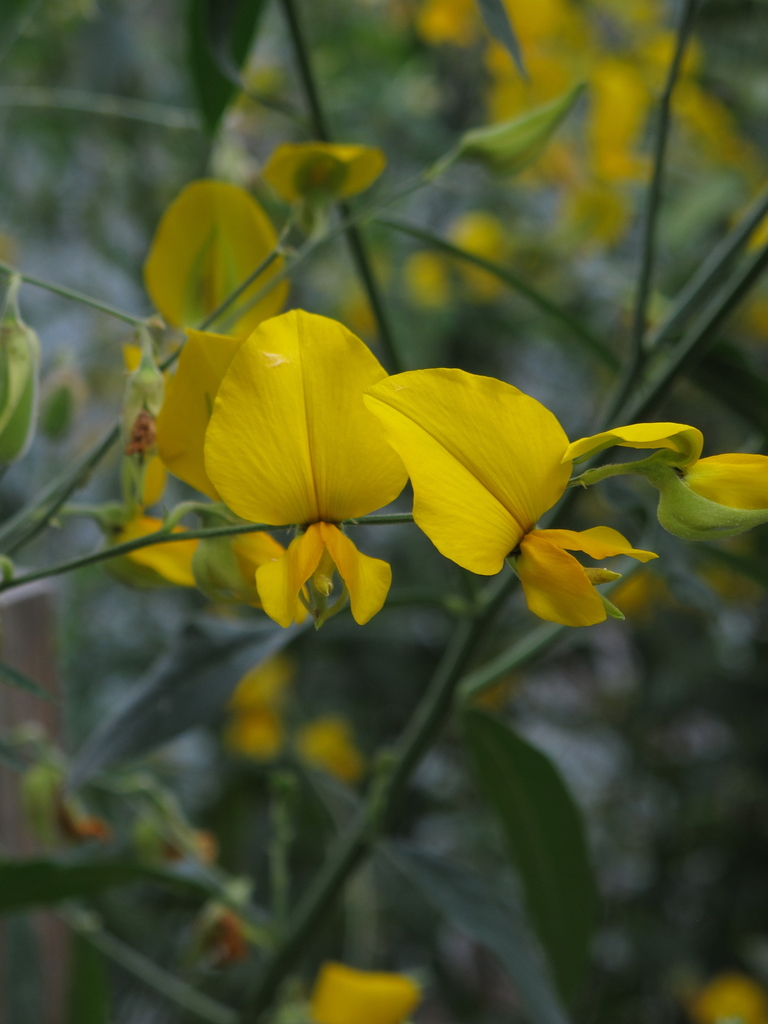
sunn hemp
Crotalaria juncea
Placenta I High Fertilizer biomass 🌱 Nitrogen fixerAnnual green-manure legume, fixes up to ~450 kg N/ha, ideal for the Placenta I phase. Breaks nematode cycles and contributes large amounts of ferti...
-
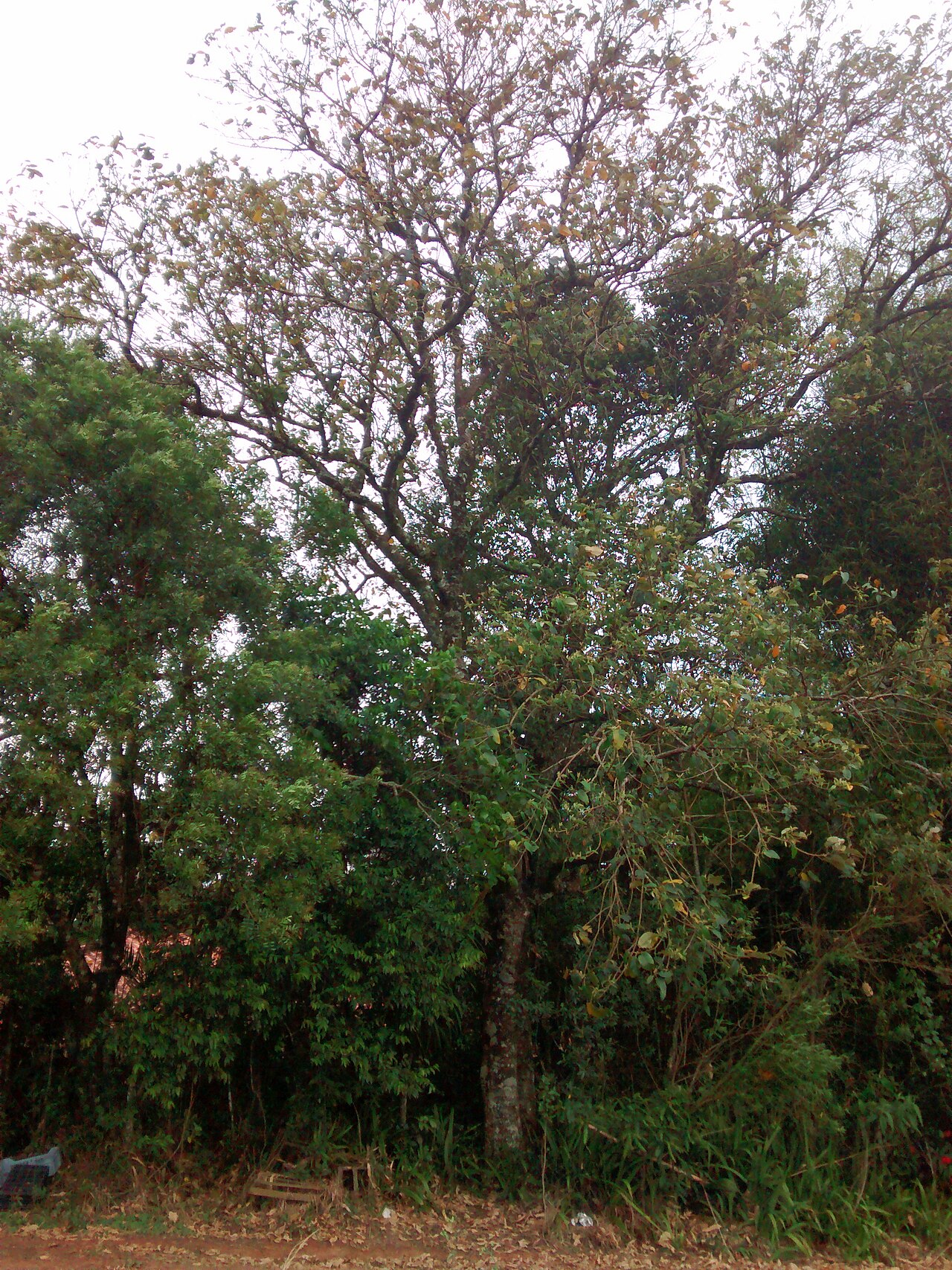
capixingui
Croton floribundus
Secondary I High Mulch biomassNative pioneer tree of the Atlantic Forest and Cerrado, common in edges and clearings of semi-deciduous forests. Reaches 8–15 m on a roughly 30-yea...
-
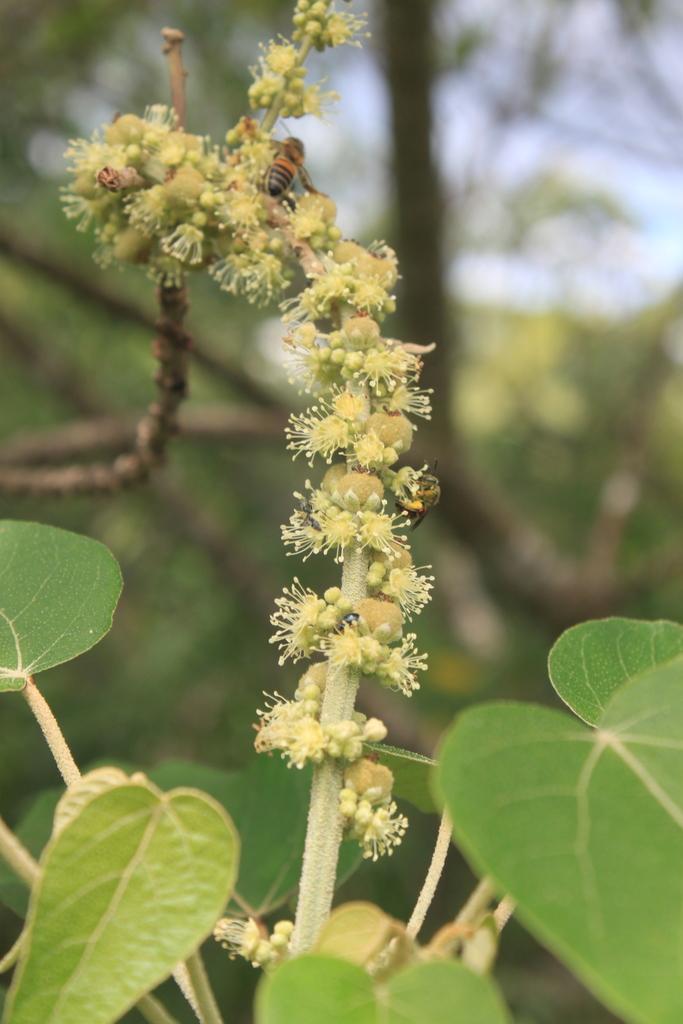
dragon's blood tree
Croton urucurana
Secondary I Medium Mulch biomassHeliophyte pioneer tree typical of riparian forests and humid terrain across the Amazon, Cerrado, and Atlantic Forest. Reaches 7–14 m and produces ...
-
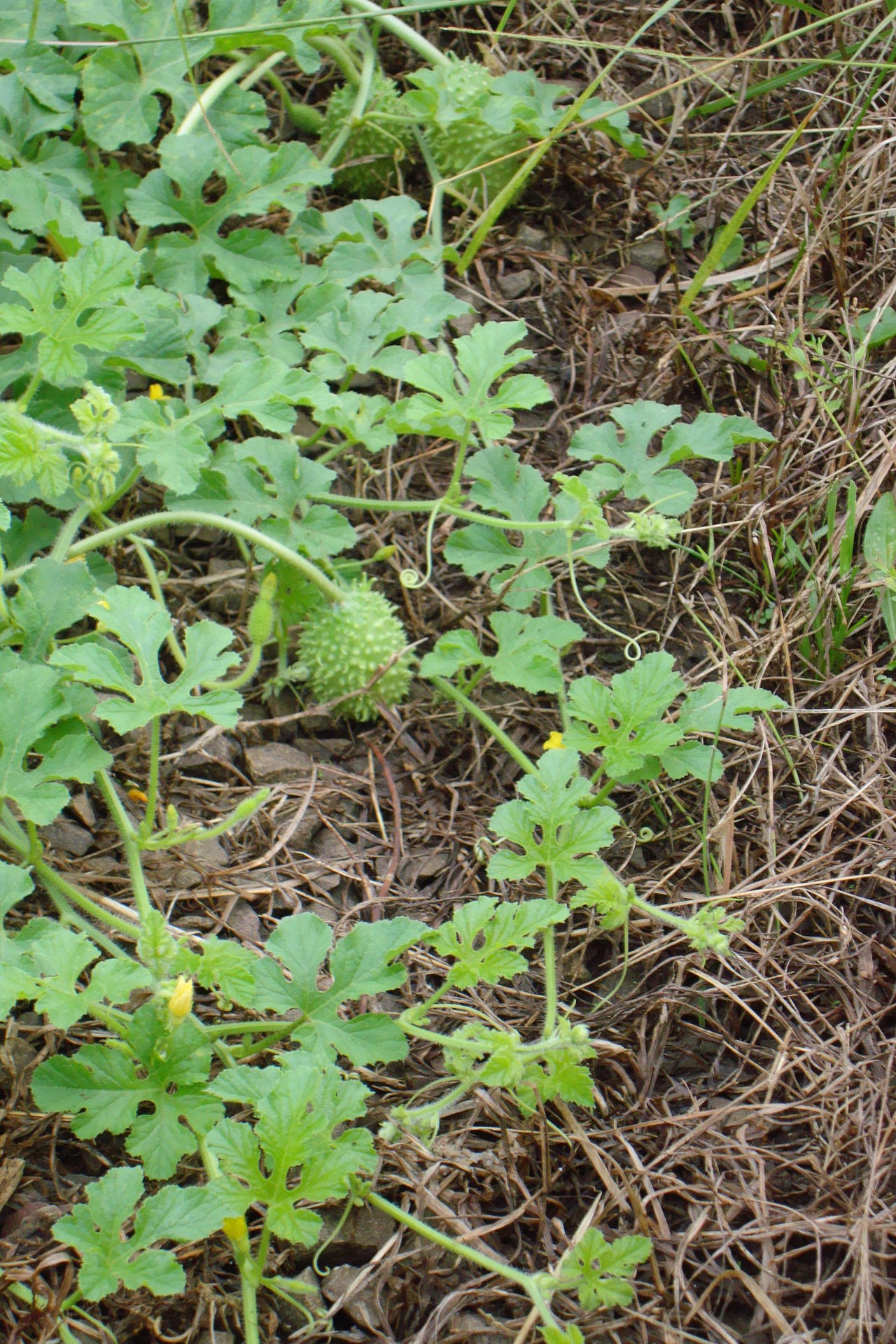
West Indian gherkin
Cucumis anguria
Placenta I Ground cover No biomass productionAnnual climbing cucurbit of African origin, popular in northern and northeastern Brazil. Listed in the Embrapa CT-16 Vitrine SAF. Fruit with soft s...
-
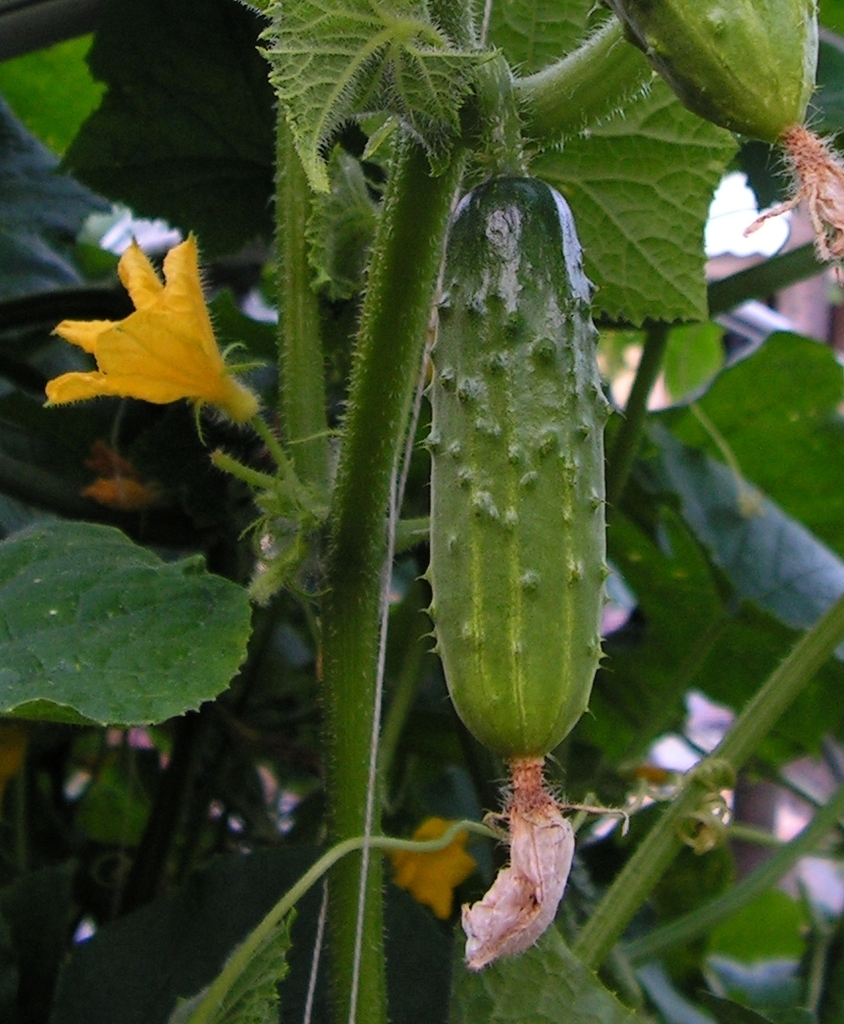
cucumber
Cucumis sativus
Placenta I Ground cover No biomass productionAnnual climbing cucurbit. Pasini lists it in the medium stratum of Tabela 3 (grows on the ground or on a trellis). Embrapa CT-16 cultivates it in t...
-
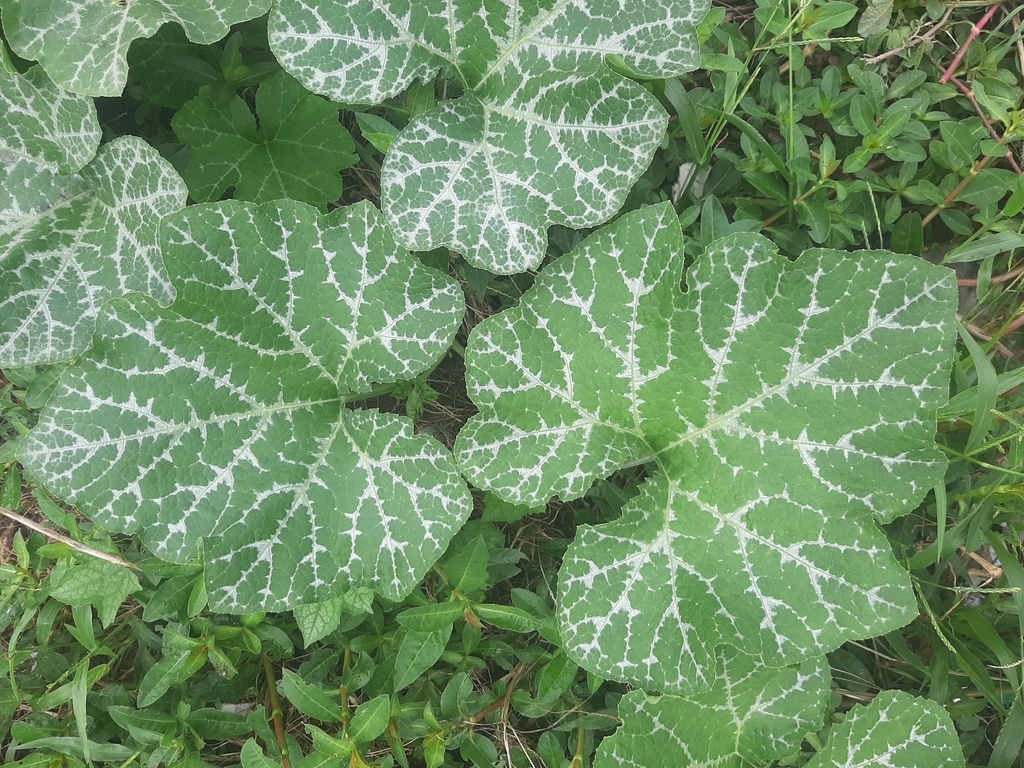
pumpkin
Cucurbita moschata
Placenta I Ground cover No biomass productionAnnual creeping cucurbit. Pasini lists it in the medium stratum of Tabela 3 and in the 'up to 6 months' phase of Tabela 4 (low stratum). The Bosque...
-
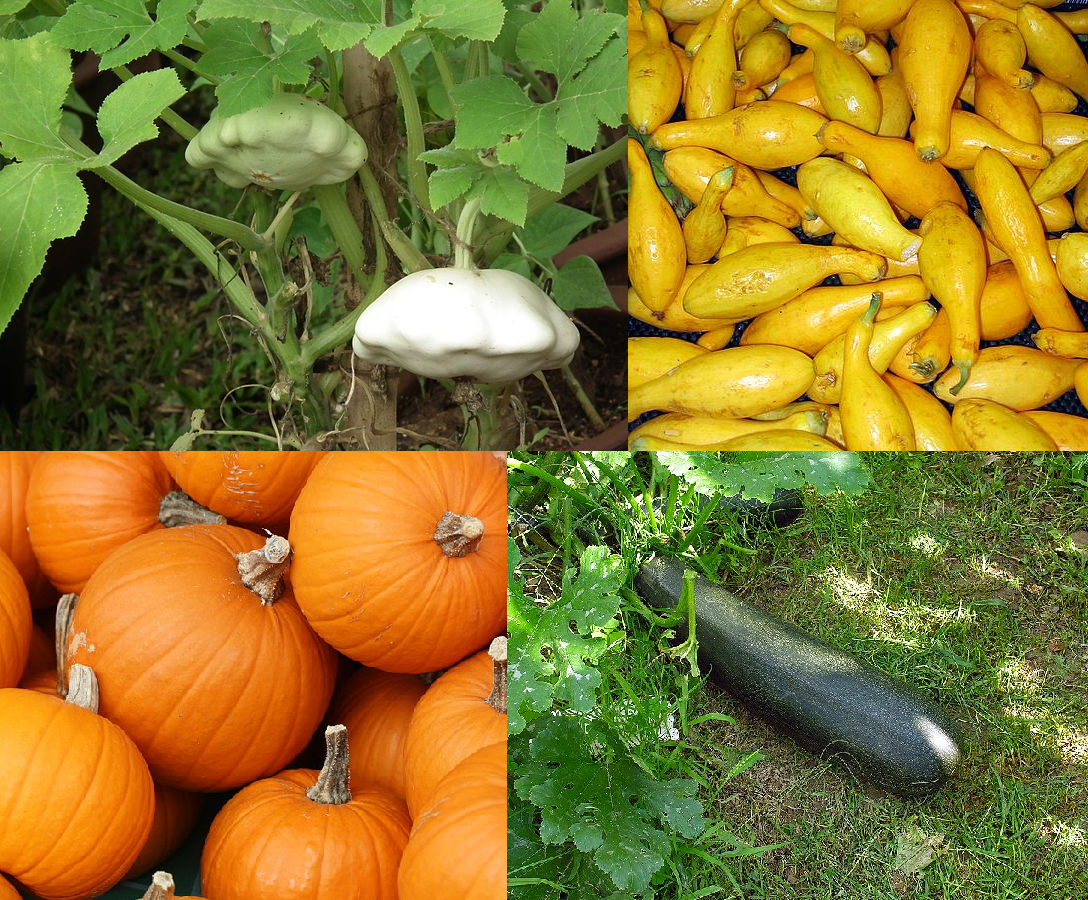
zucchini
Cucurbita pepo
Placenta I Ground cover No biomass productionAnnual cucurbit grown for its immature green fruit. Pasini lists it in the medium stratum of Tabela 3 (occupies the low stratum during growth). 60–...
-
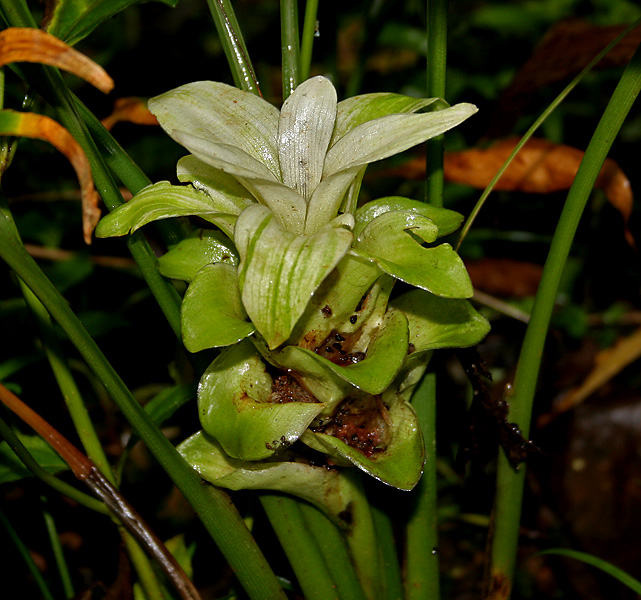
turmeric
Curcuma longa
Placenta I Low No biomass productionAromatic tropical orange-yellow rhizome. Pasini lists it in the low stratum of Tabela 3 and in the '3 to 10 years' phase of Tabela 4 (low stratum)....
-
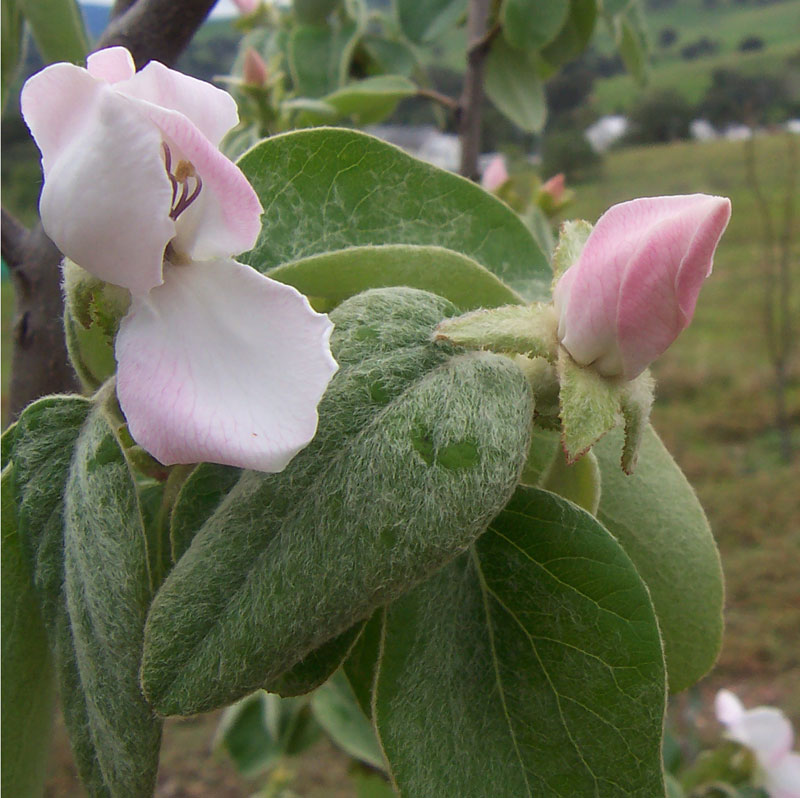
quince
Cydonia oblonga
Secondary I Medium No biomass productionQuince, a small deciduous fruit tree of the Rosaceae family, exotic to Brazil and suited to temperate-climate regions. It needs a cool period (temp...
-
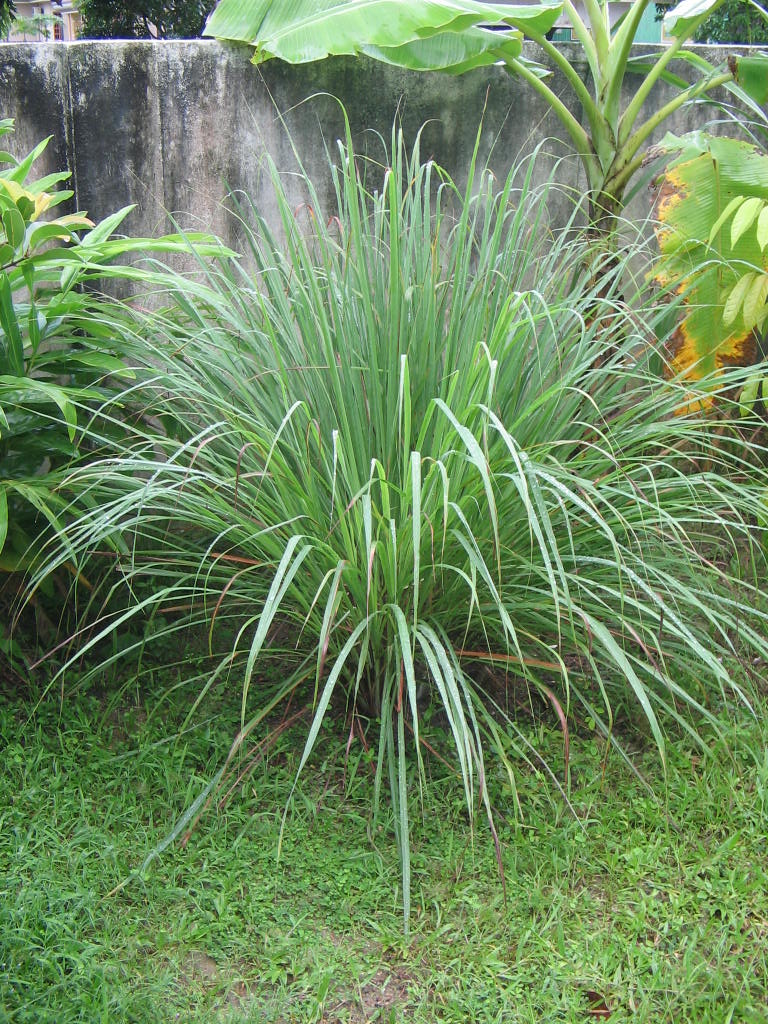
lemongrass
Cymbopogon citratus
Placenta I Low Mulch biomassPerennial aromatic grass (1–1.5 m) forming dense clumps. Lemon-scented leaves (citral). Permanent cover between tree rows in syntropic systems, mos...
-
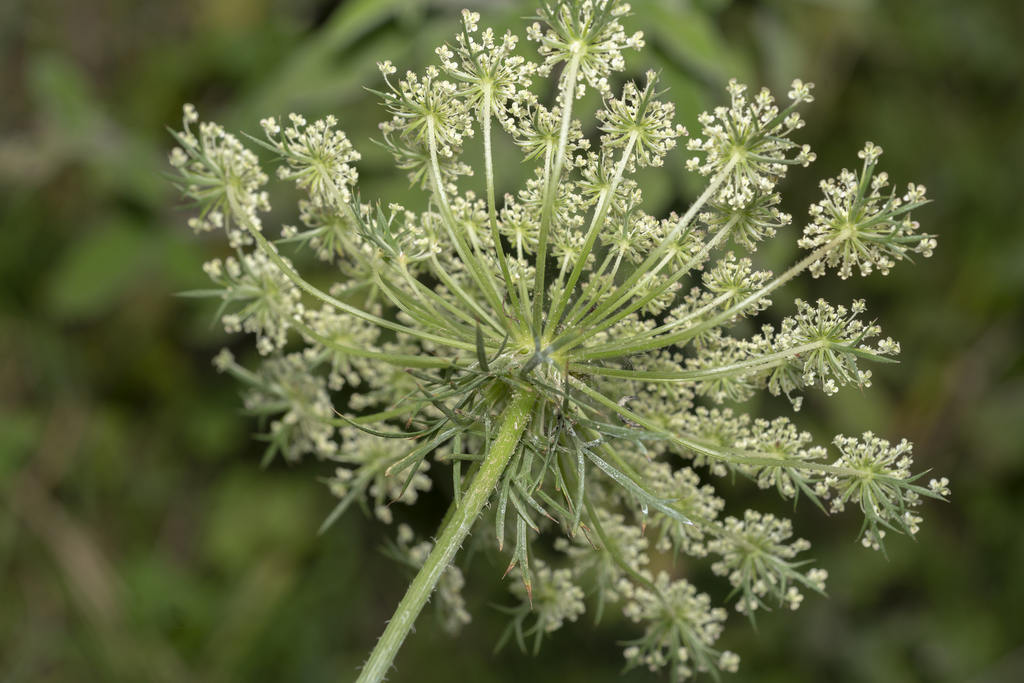
carrot
Daucus carota
Placenta I Low No biomass productionAnnual apiaceous plant with an orange tuberous root. Pasini lists it in the medium stratum of Tabela 3 (low stratum for most of the cycle). 80–110 ...
-
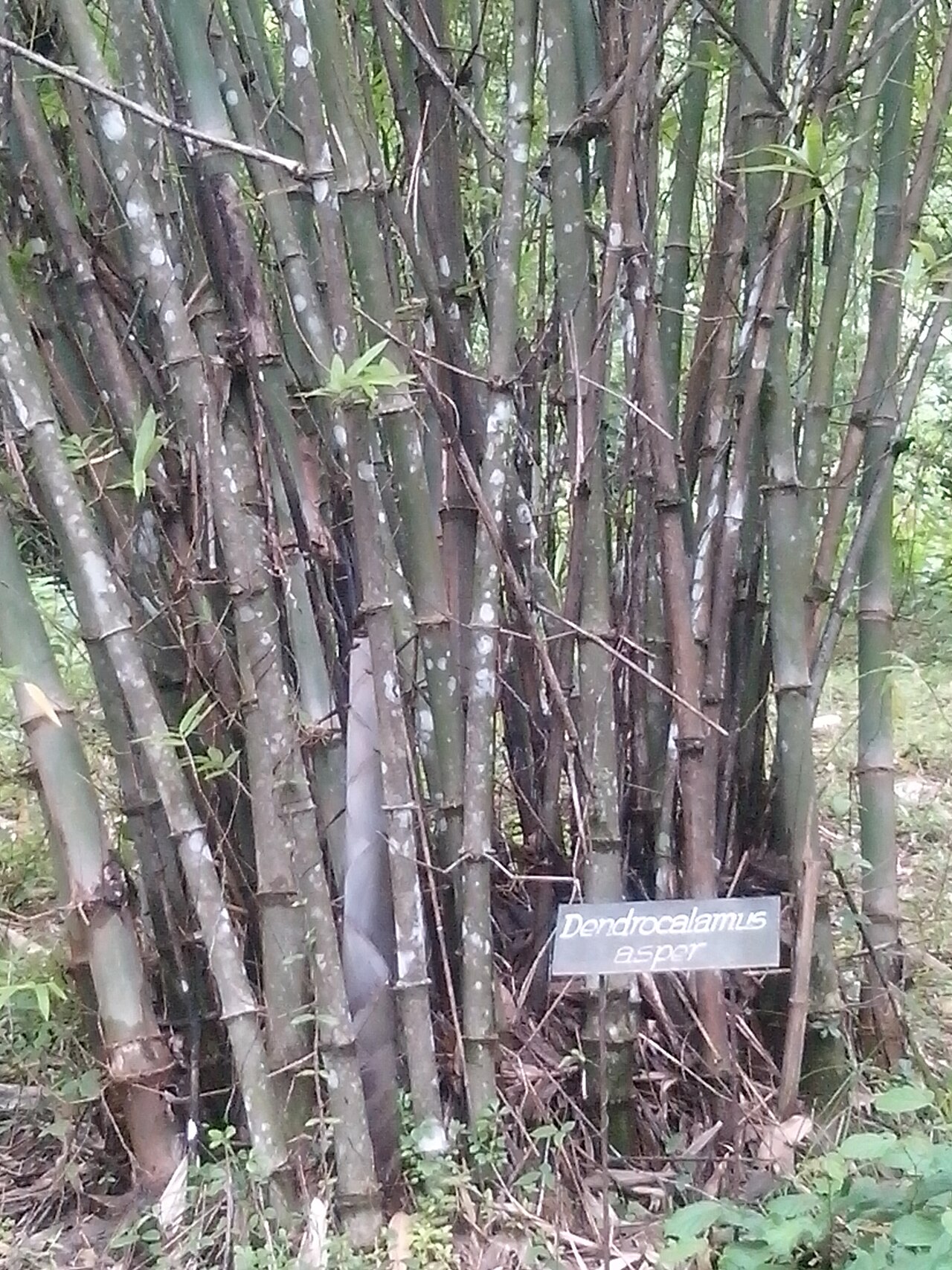
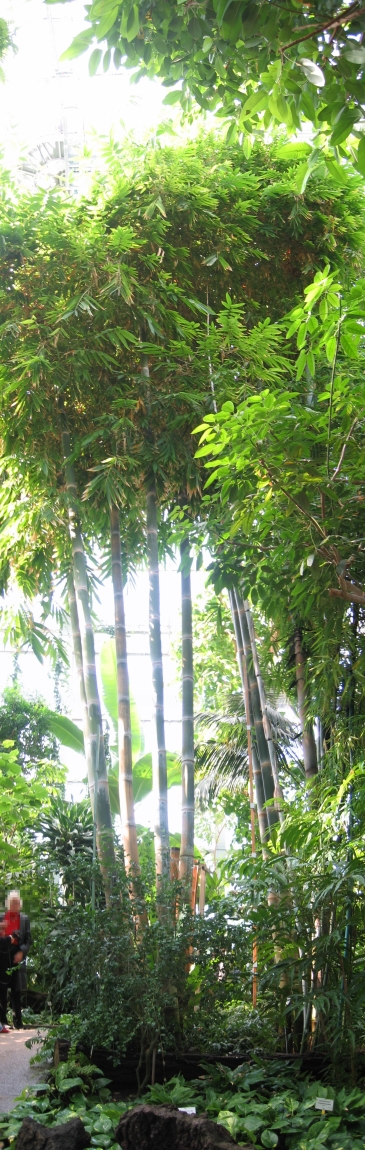
giant bamboo
Dendrocalamus asper
Secondary I Emergent Mulch biomassOne of the most economically important giant bamboos, a clumping species native to Southeast Asia, with culms 15–20 m tall and up to 20 cm in diame...
-
giant bamboo
Dendrocalamus giganteus
Secondary I Emergent Mulch biomassOne of the largest bamboos in the world, a clumping species native to India, Myanmar, Thailand and southern China, with culms commonly reaching 30 ...
-
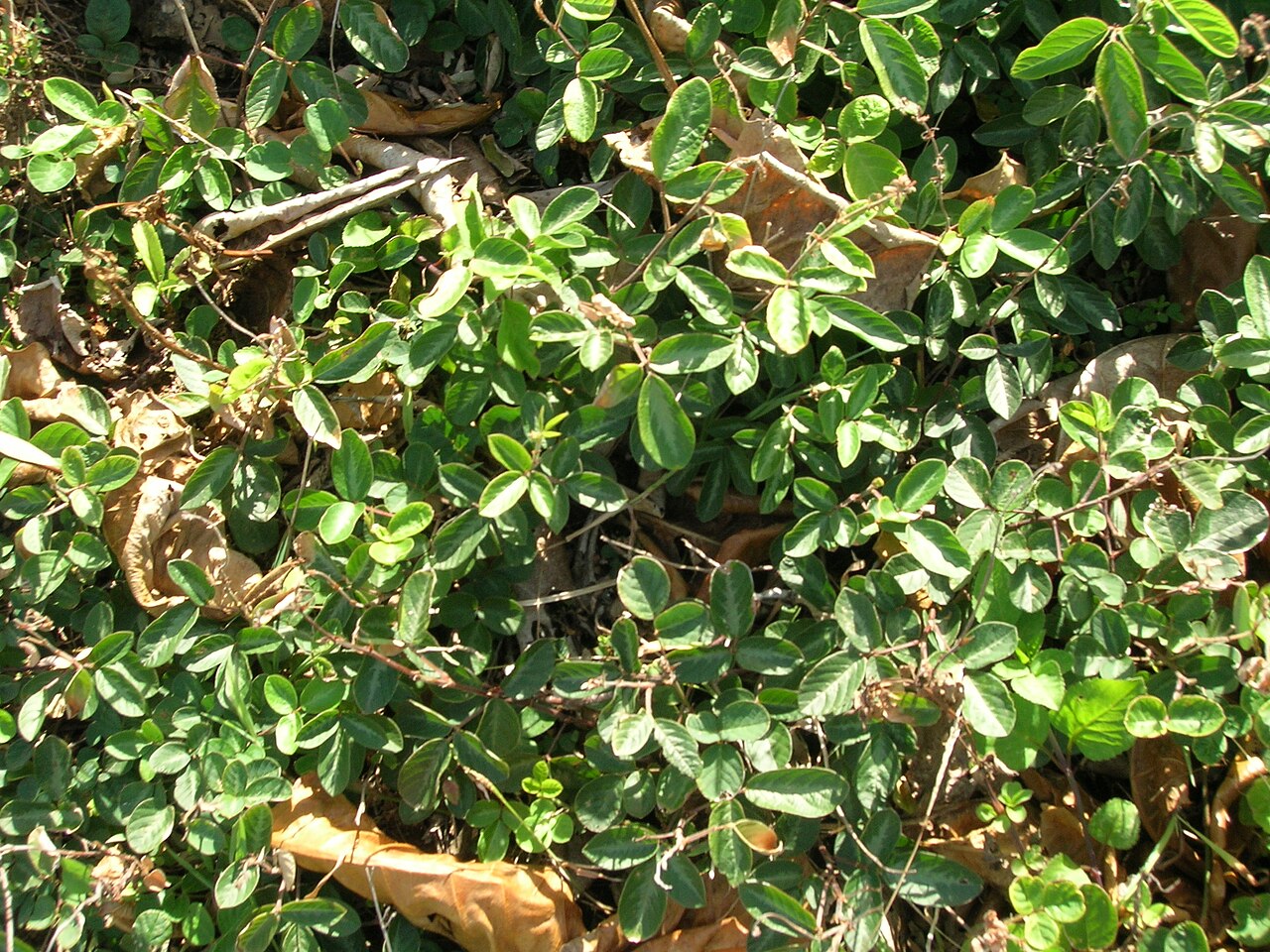
creeping beggarweed
Desmodium incanum
Placenta I Ground cover Fertilizer biomass 🌱 Nitrogen fixerA perennial creeping herbaceous legume native to tropical and subtropical America (including the grasslands of southern Brazil), with an aggressive...
-
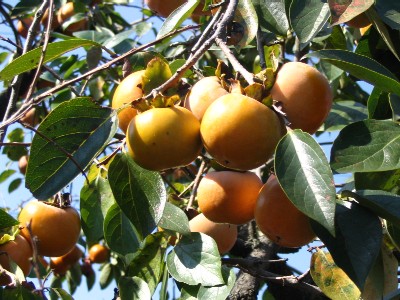
persimmon
Diospyros kaki
Secondary II High No biomass productionAsian subtropical fruit tree, popular in southern and southeastern Brazil. EcoAgri lists it in the high stratum of the 'up to 50 years' bin. Tolera...
-
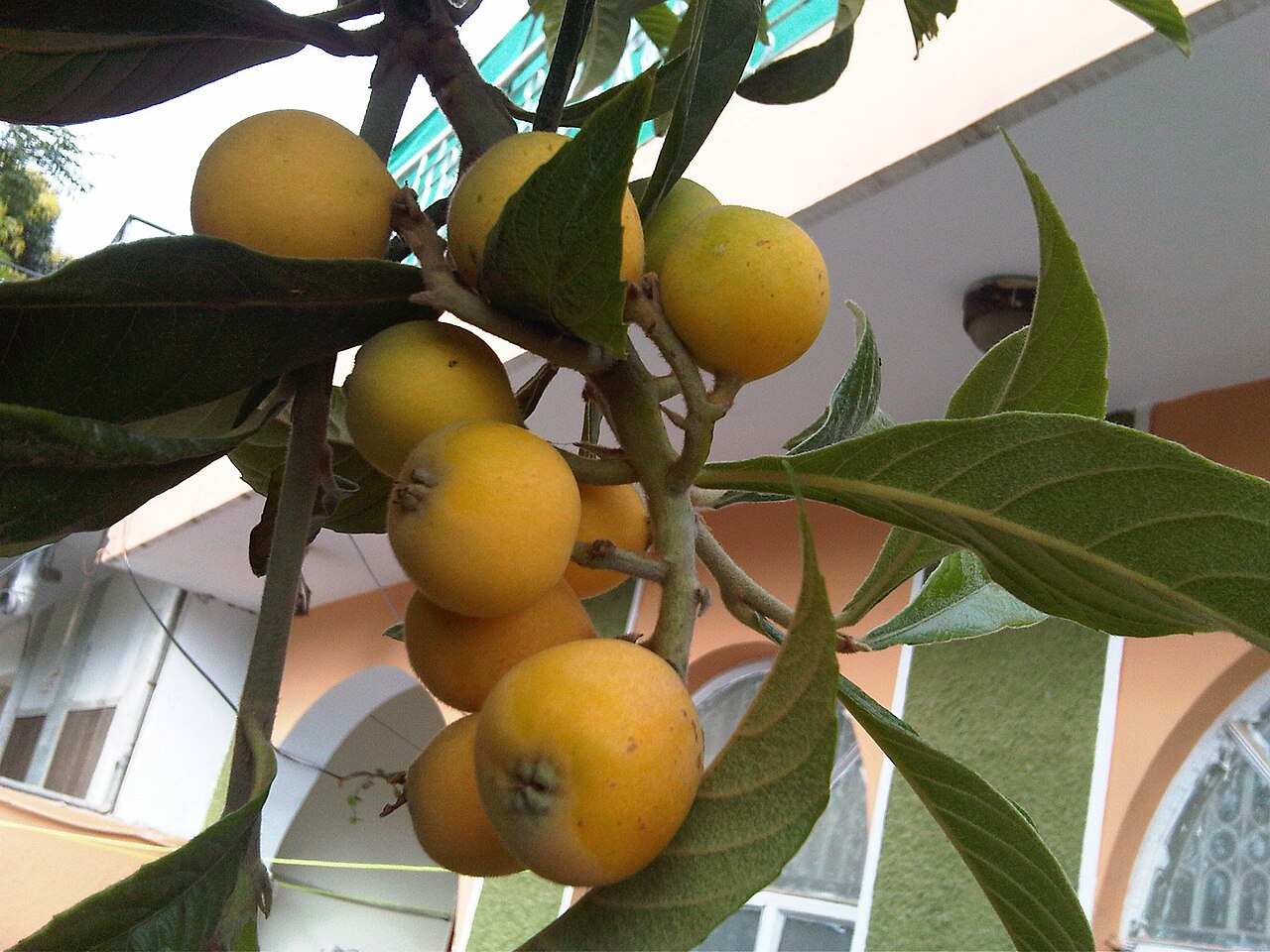
loquat
Eriobotrya japonica
Secondary II High No biomass productionAsian fruit tree naturalized in highland regions of Brazil. EcoAgri lists it in the high stratum of the 'up to 50 years' bin. Flowers in winter, fr...
-
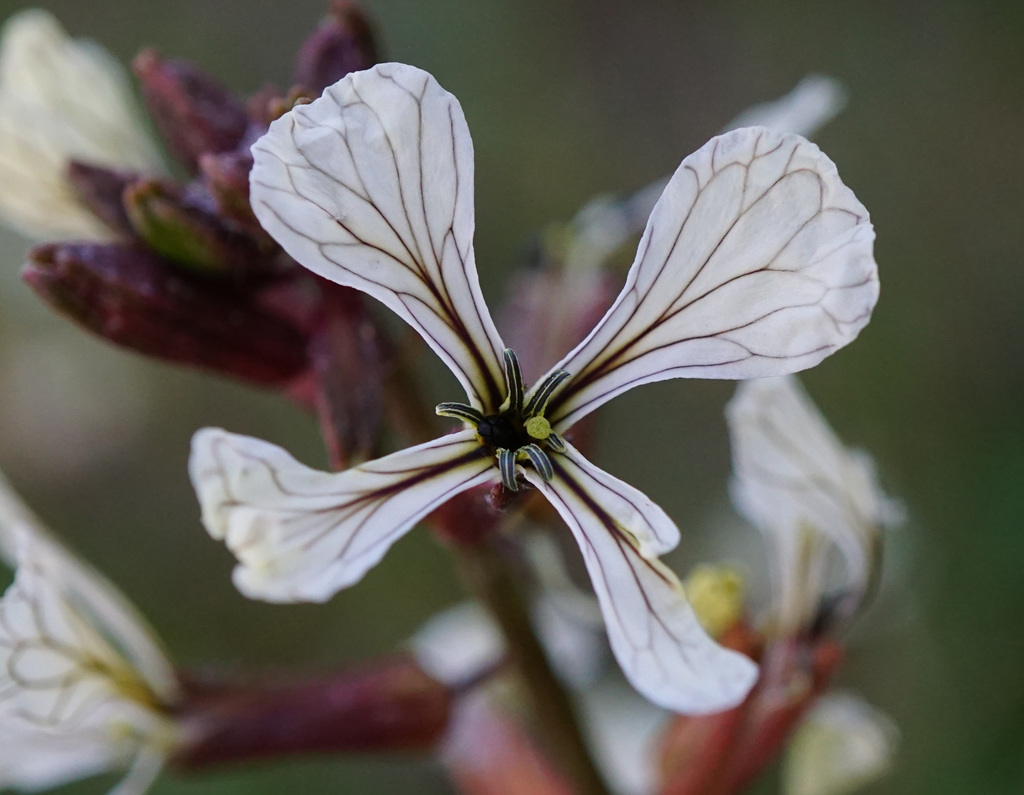
arugula
Eruca vesicaria
Placenta I Low No biomass productionSpicy short-cycle leafy green. Pasini lists it in the medium stratum of Tabela 3. Ideal in consortium with brassicas and lettuce in the early bed; ...
-
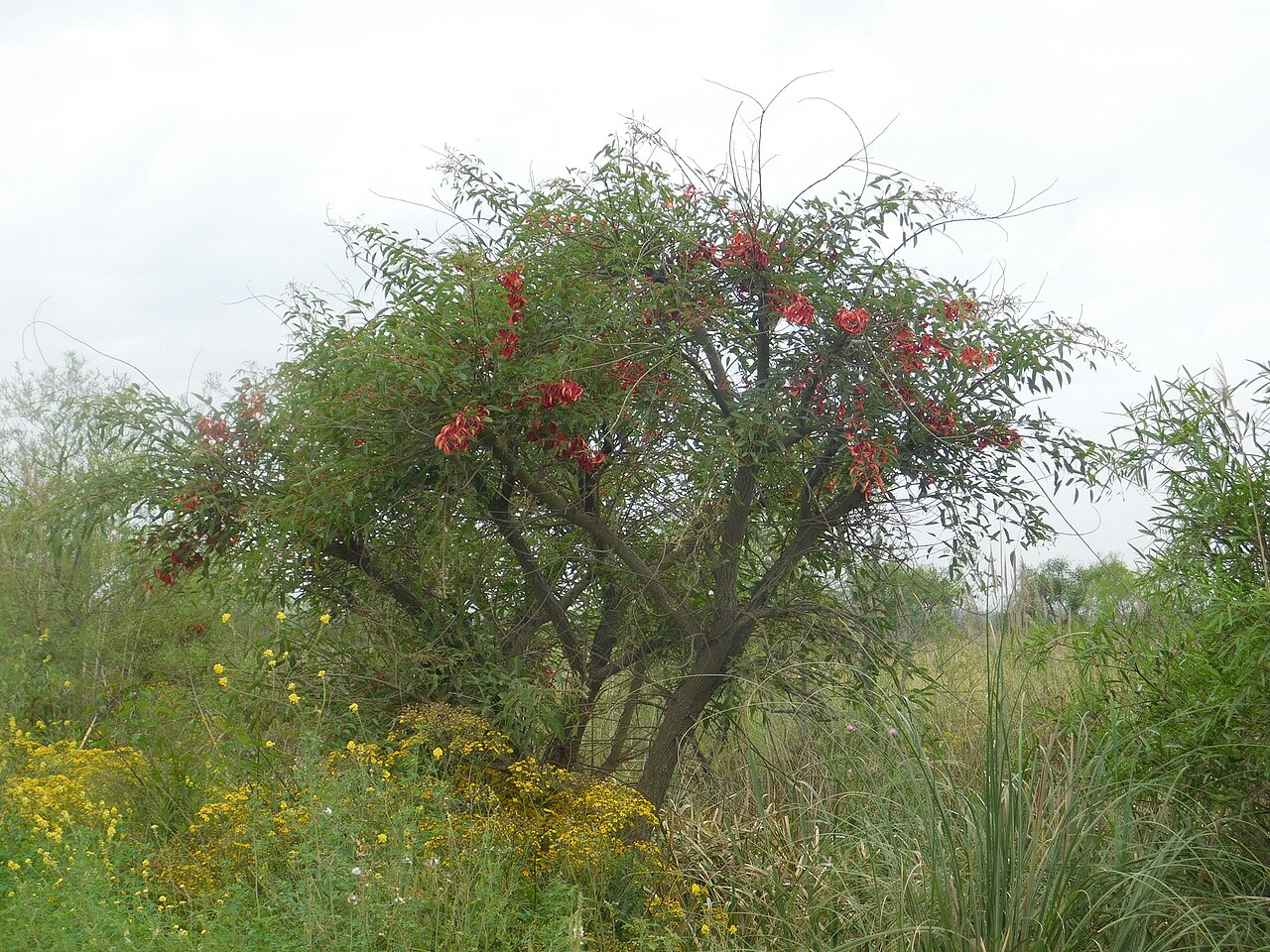
cockspur coral tree
Erythrina crista-galli
Secondary I Medium Fertilizer biomass 🌱 Nitrogen fixerA deciduous, sun-loving leguminous small tree or tree up to 10-15 m, native to southern Brazil and the rest of southern South America. It inhabits ...
-
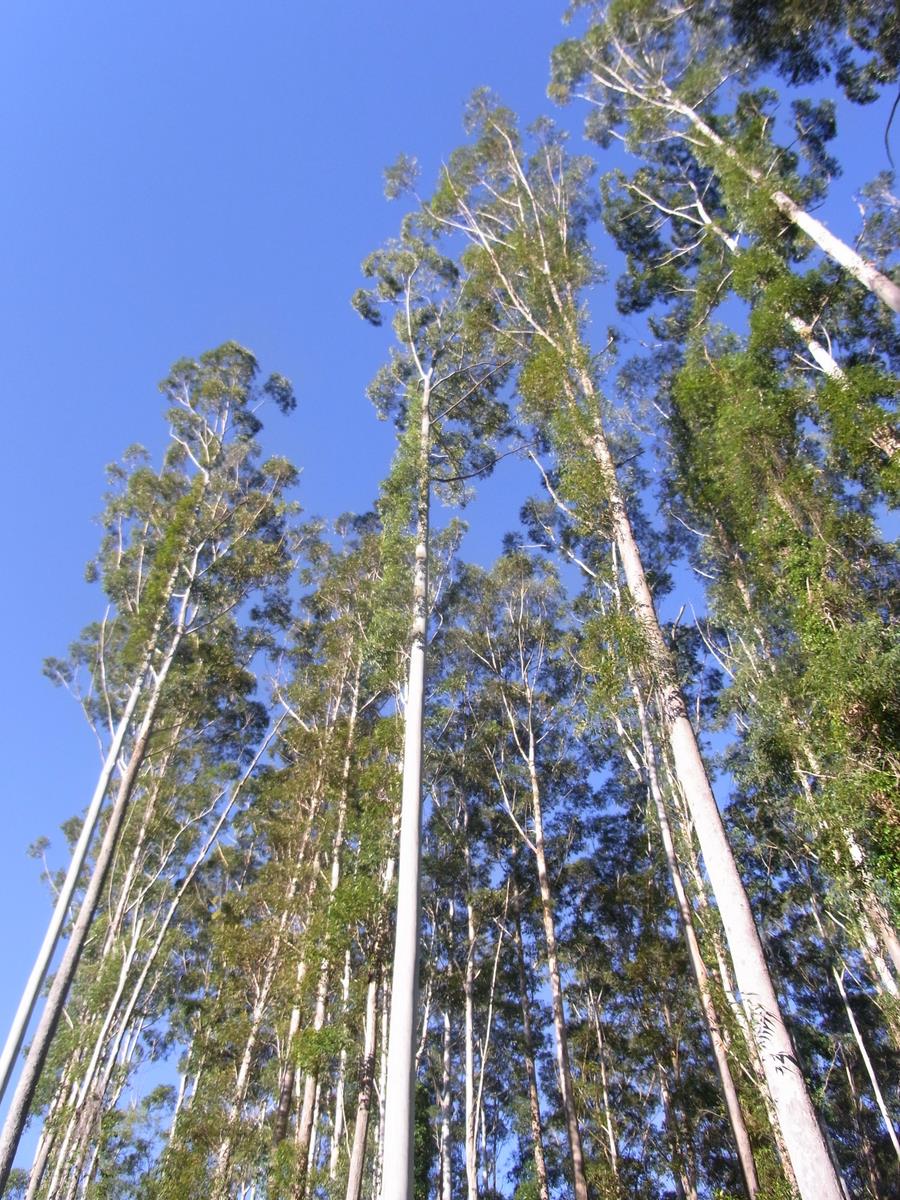
rose gum
Eucalyptus grandis
Secondary I Emergent Mulch biomassTypical accumulation species in syntropic systems: cover biomass, timber in 15 years. Non-native but widely used in Brazilian SAFs.
-
grumichama
Eugenia brasiliensis
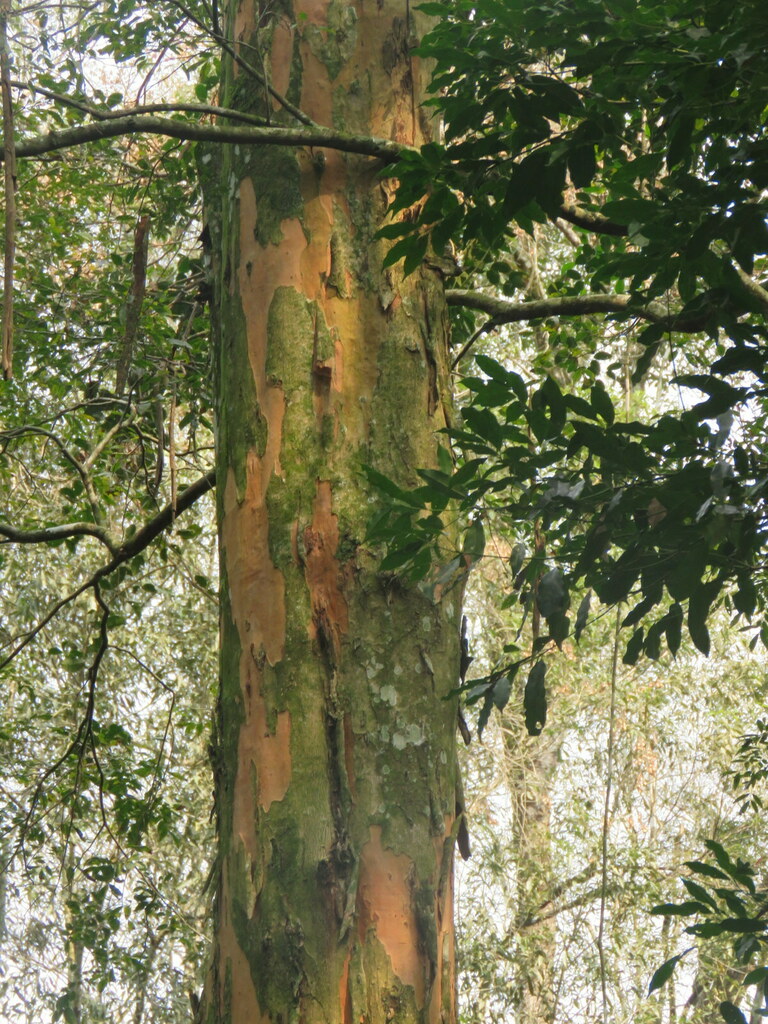
Climax Medium No biomass productionAtlantic Forest native fruit tree, with small purple fruits resembling cherries. EcoAgri lists it in the medium stratum of the '> 50 years' bin. Mo...
-
uvaia
Eugenia pyriformis
Secondary I Medium No biomass productionAtlantic Forest native, listed by Pasini in the medium stratum of Tabela 3. Aromatic yellow fruit similar to a small guava. Tolerant of subtropical...
-
Surinam cherry
Eugenia uniflora
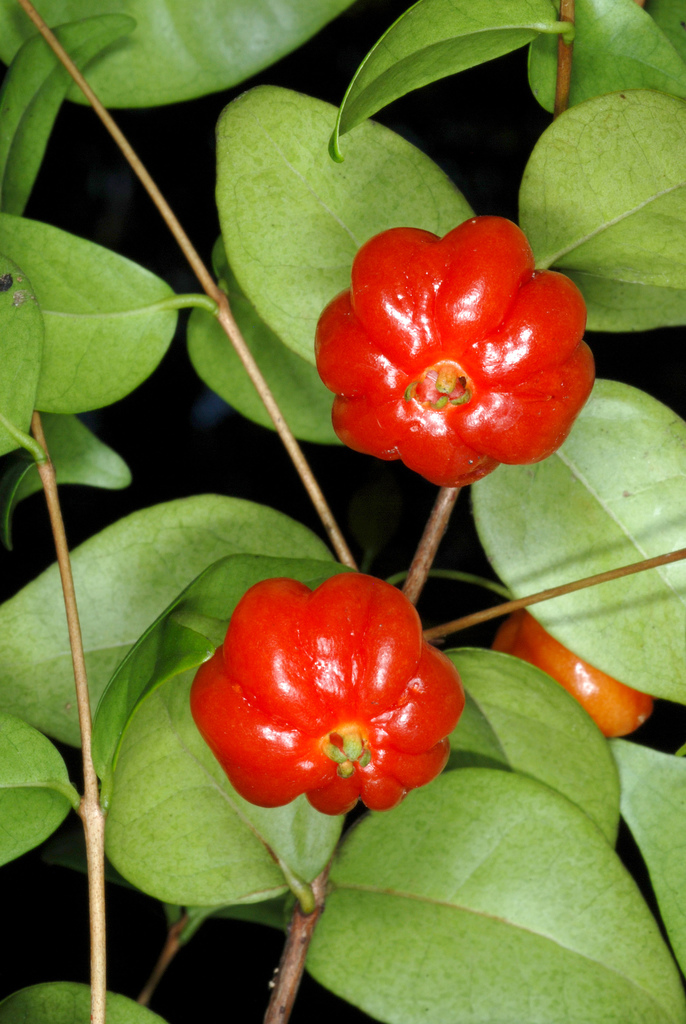
Secondary I Medium No biomass productionSmall native fruit tree of the Atlantic Forest. Pasini lists it in the medium stratum of Tabela 4 (3–10 year phase). Cherry-red bittersweet fruit, ...
-
juçara palm
Euterpe edulis
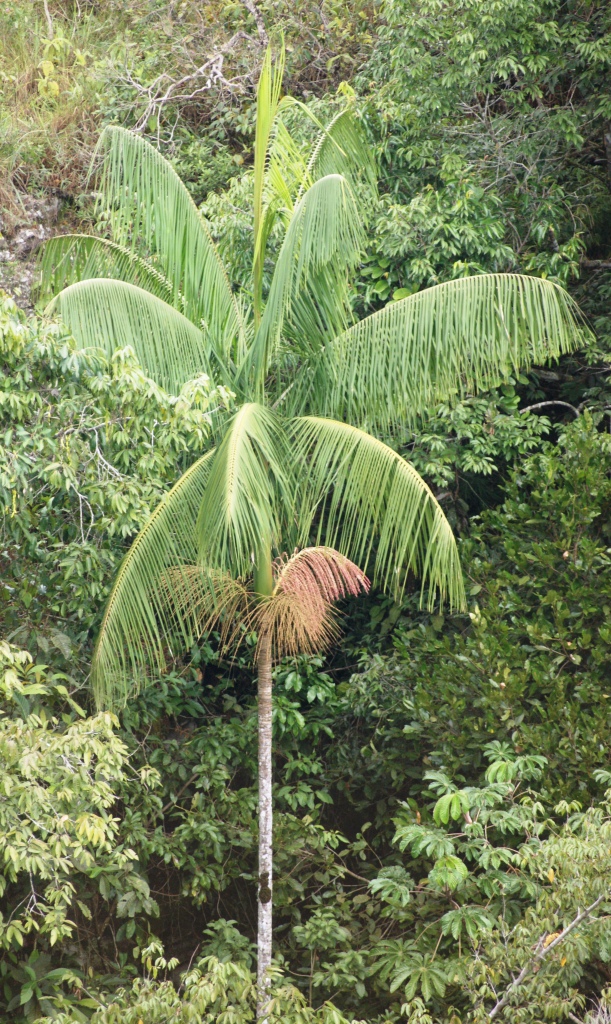
Climax High No biomass productionAtlantic Forest native palm with long-cycle climax behavior; high-quality palm heart. Endangered under extractivism, abundant in well-managed syntr...
-
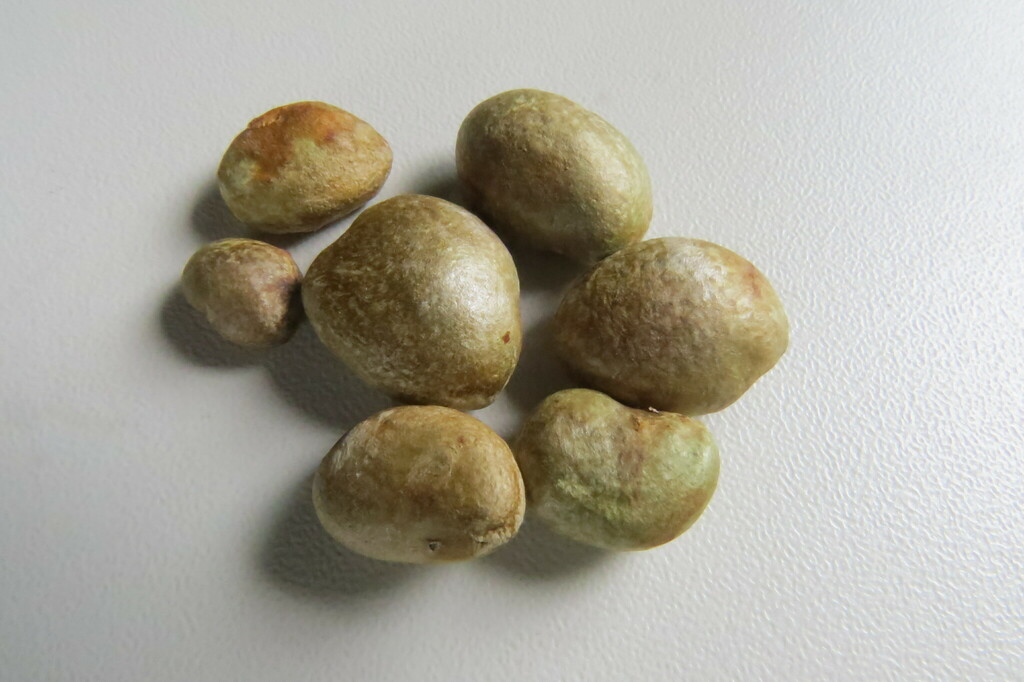
fig
Ficus carica
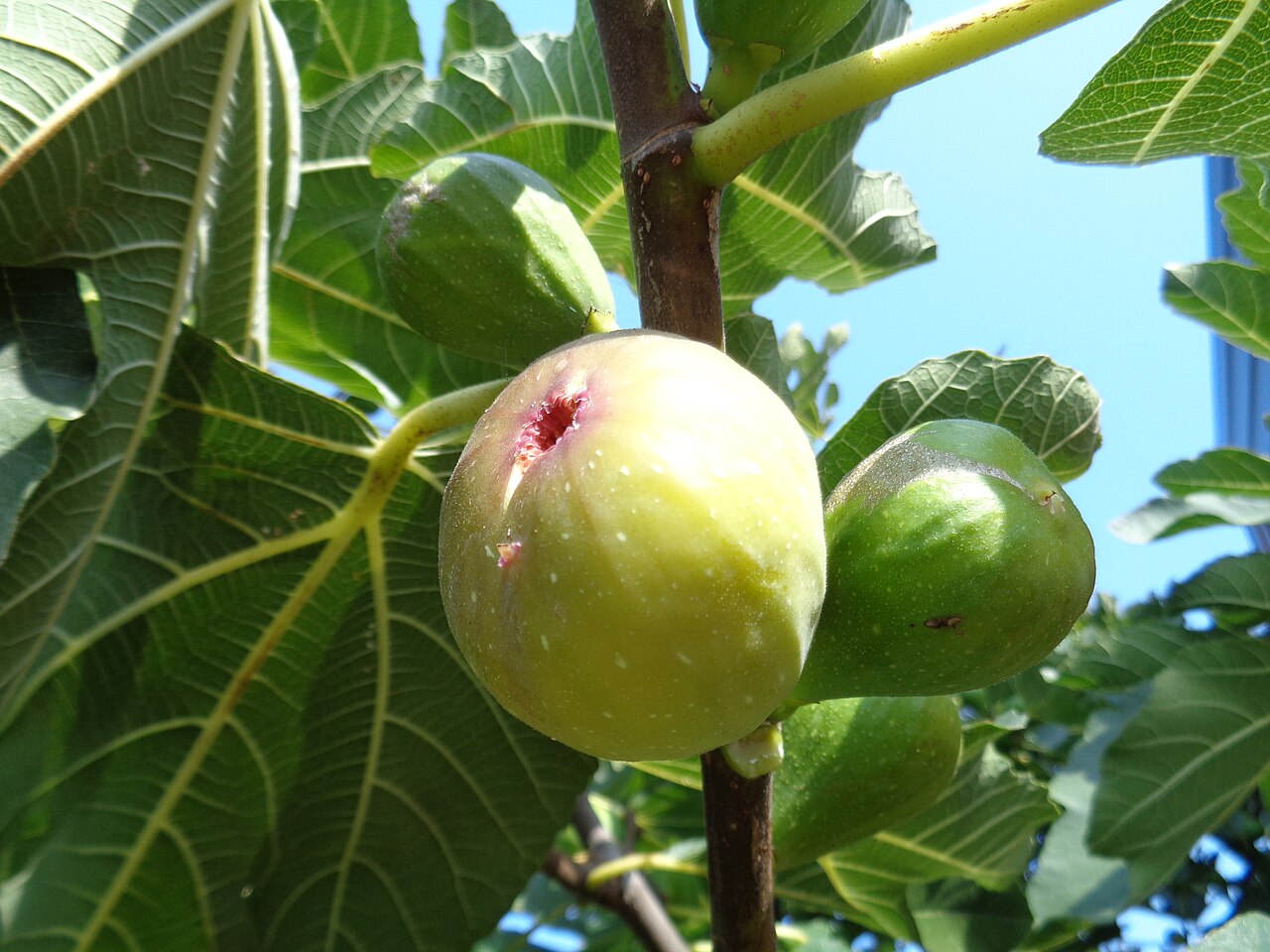
Secondary II High No biomass productionMediterranean fruit tree naturalized in Brazil. EcoAgri marks it as an edge species in the '> 50 years' bin (small habit, needs full sun). High str...
❓ Frequently asked questions
What is the Humid subtropical (Cfa) climate?
Hot summers and mild winters, with rainfall distributed year-round. The climate of southern São Paulo, Paraná, Santa Catarina, and northern Rio Grande do Sul. Supports a wide range of tropical and subtropical fruit species.
Which plants does the catalog suggest for the Humid subtropical (Cfa) climate?
The catalog holds 161 species, among them sunn hemp, capixingui, dragon's blood tree. Each profile shows stratum, succession stage, and the management data, with sources cited.