
Climate
Plants for the Humid subtropical (Cfa) climate
Humid subtropical: well-distributed rain, hot summers, occasional winter frost. Short-cycle tropicals do well in summer; for the permanent canopy, check hardiness zones on each profile.
161 species in the catalog · Refine this list in the catalog
-
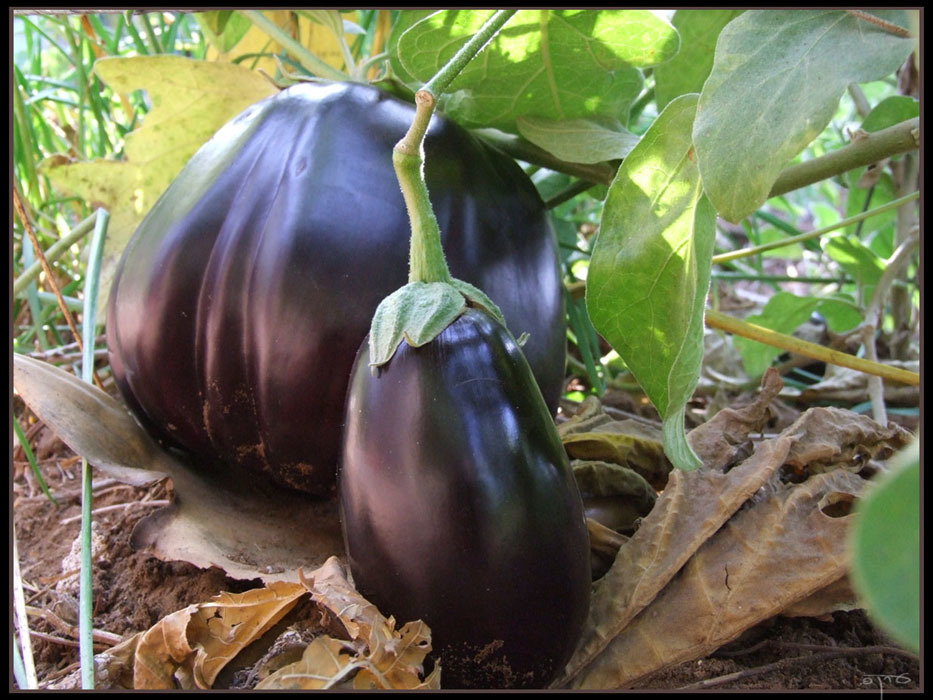
eggplant
Solanum melongena
Placenta I Medium No biomass productionAnnual or short-lived perennial Solanaceae grown for the fruit. The Bosque de Niebla Guidebook lists eggplant as Placenta I in the medium stratum. ...
-
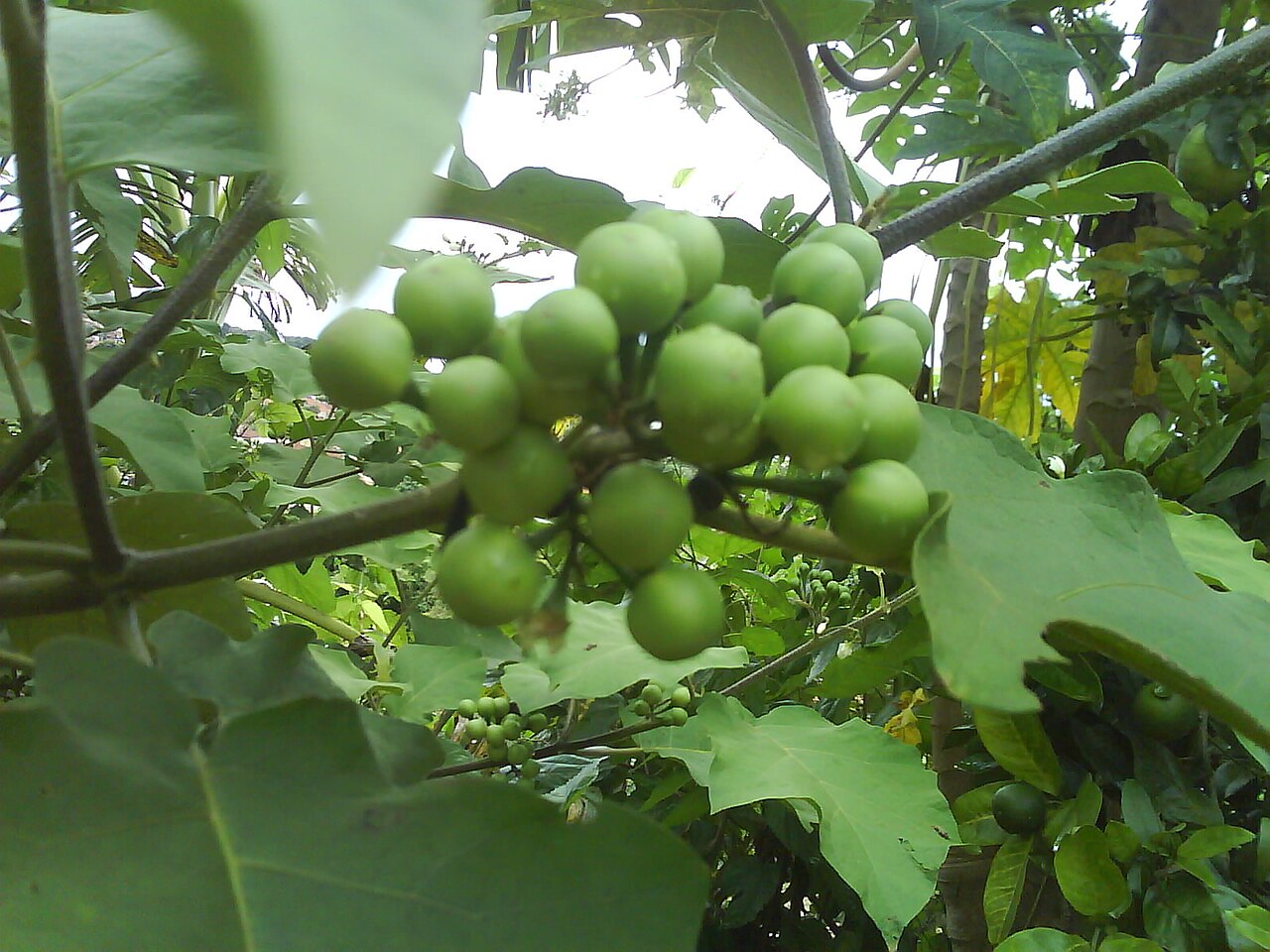
jurubeba
Solanum paniculatum
Placenta II Medium No biomass productionA pioneer shrub native to Brazil, in the Solanaceae, common in disturbed areas, roadsides and pastures across most of the country. It reaches about...
-
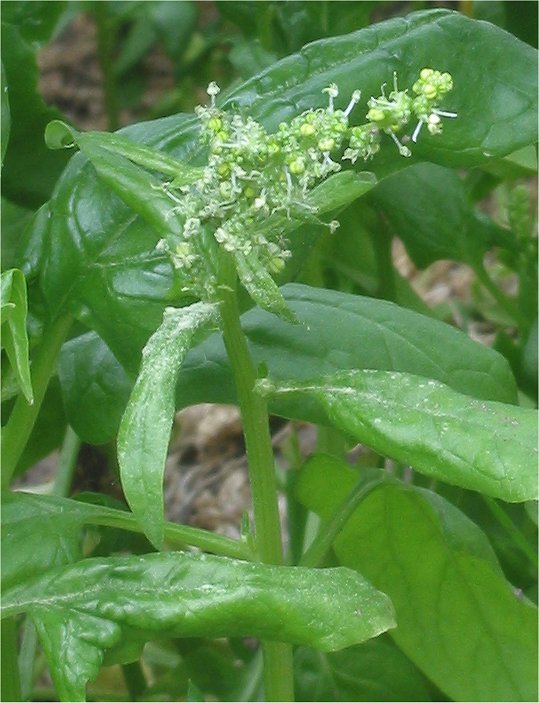
spinach
Spinacia oleracea
Placenta I Low No biomass productionAnnual leafy vegetable for mild climates. Pasini lists it in the medium stratum of Tabela 3. In Brazilian tropical climates, best cultivated in coo...
-
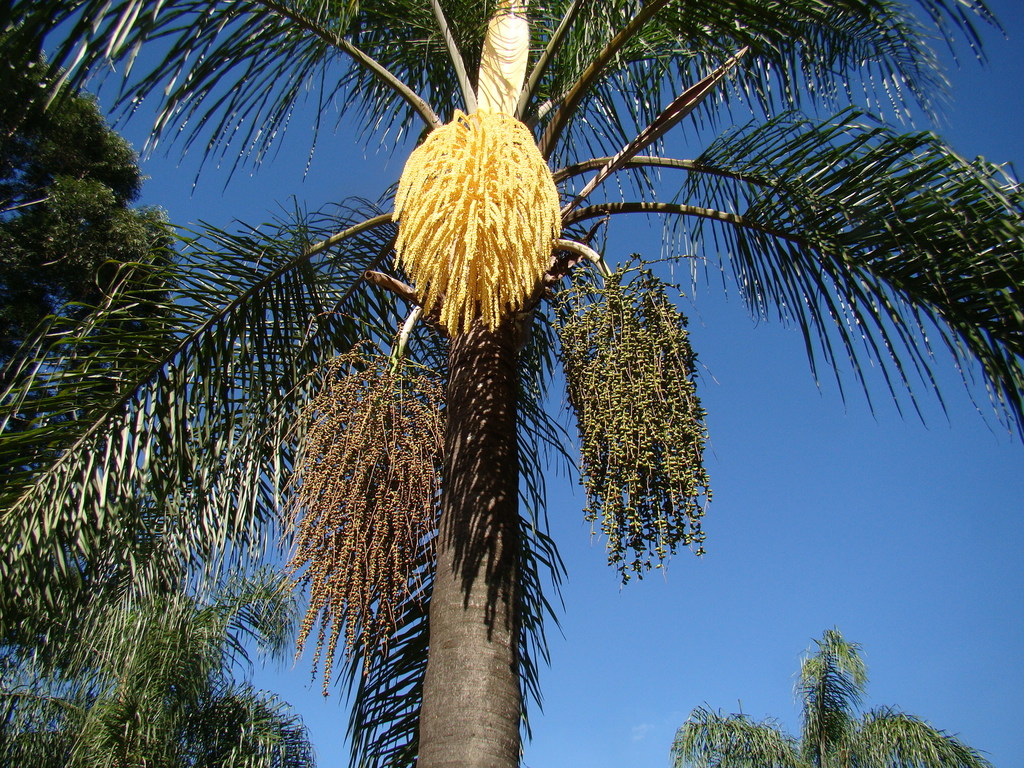
queen palm
Syagrus romanzoffiana
Secondary II High No biomass productionAtlantic Forest native palm, listed by Pasini in the high stratum of Tabela 3. Edible orange-yellow fruit consumed by local fauna; a central specie...
-
java plum
Syzygium cumini
Secondary II High No biomass productionAsian fruit tree naturalized in Brazil, listed by Pasini in the high stratum of Tabela 3. Edible purple fruit (jam, wine); leaves and bark are medi...
-
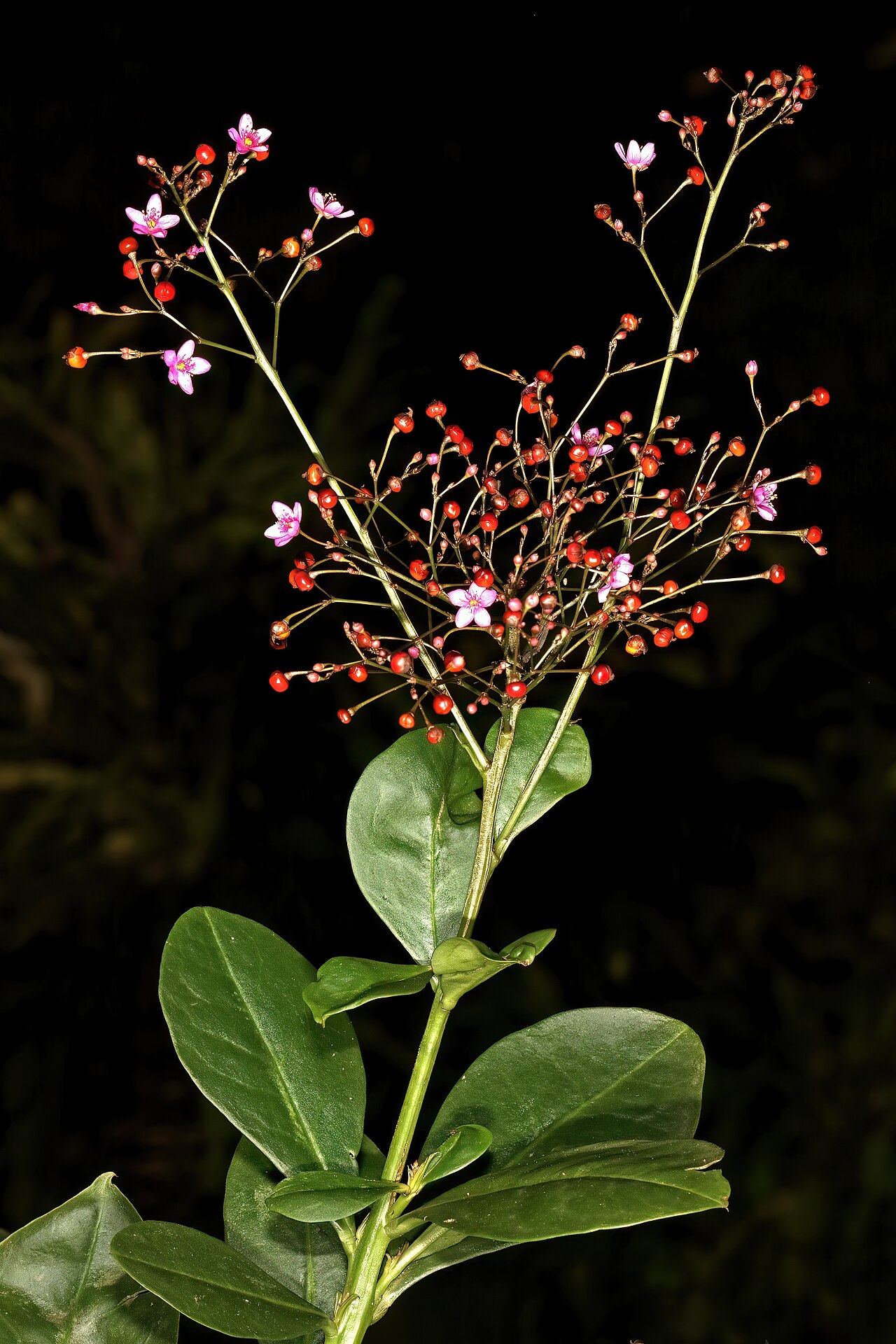
fameflower
Talinum paniculatum
Placenta I Low No biomass productionA perennial succulent herb in the Talinaceae, native to the Americas and common as an unconventional food plant (PANC) and a volunteer in gardens. ...
-
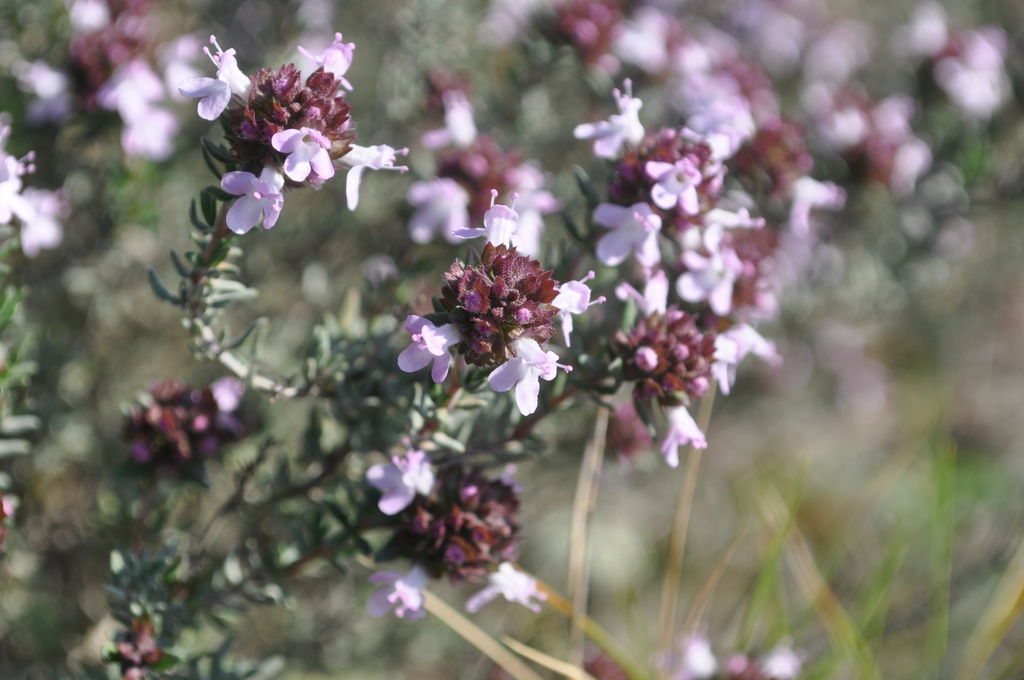
thyme
Thymus vulgaris
Placenta I Ground cover No biomass productionCreeping Mediterranean subshrub (15–30 cm), tiny leaves. Permanent ground cover in full sun on dry well-drained soil. Bee-attracting. Tolerates lig...
-
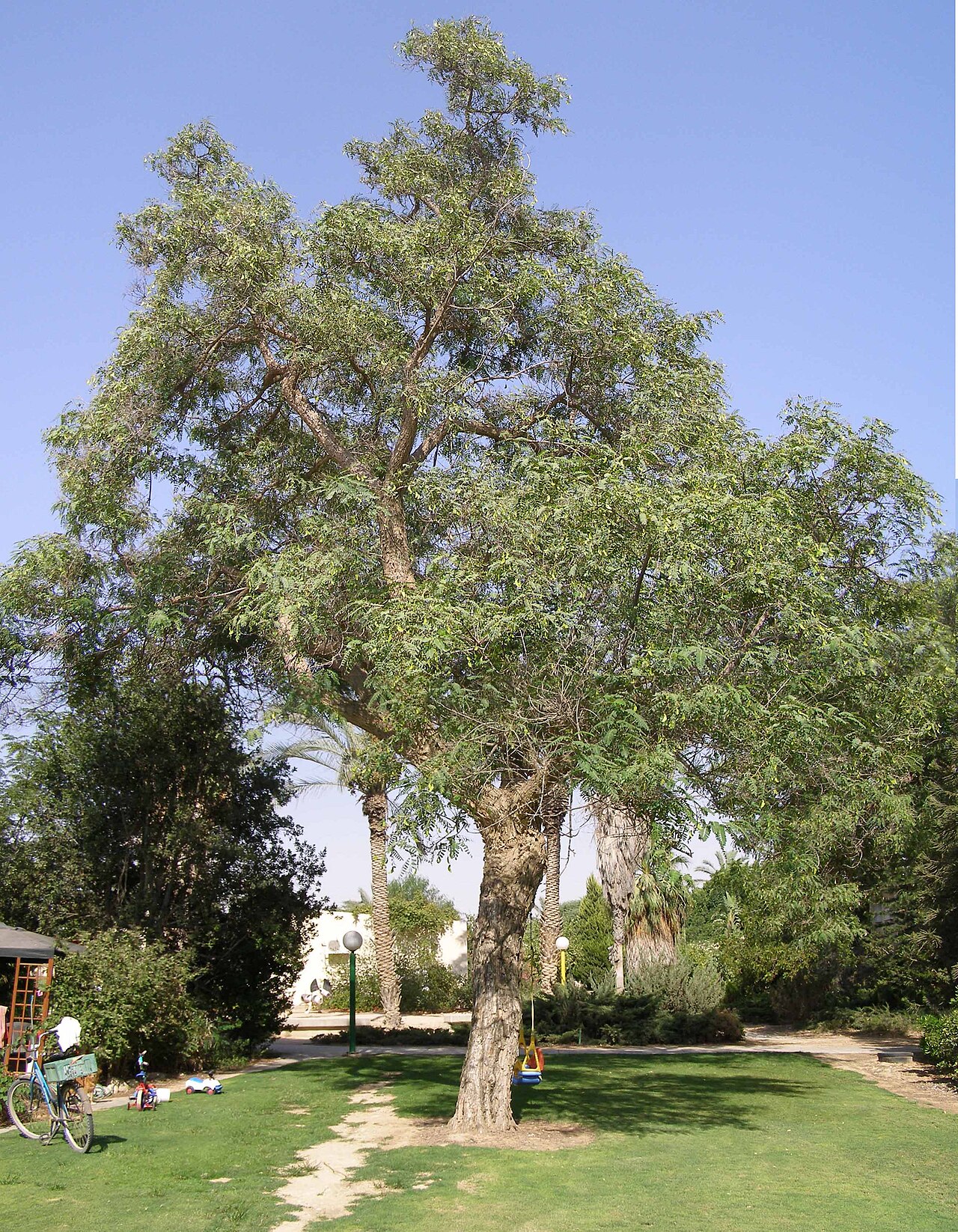
tipu tree
Tipuana tipu
Secondary II Emergent Fertilizer biomass 🌱 Nitrogen fixerA very fast-growing leguminous tree of 10-30 m, with a broad spreading crown, native to southern Bolivia, northern Argentina, Paraguay, Uruguay and...
-
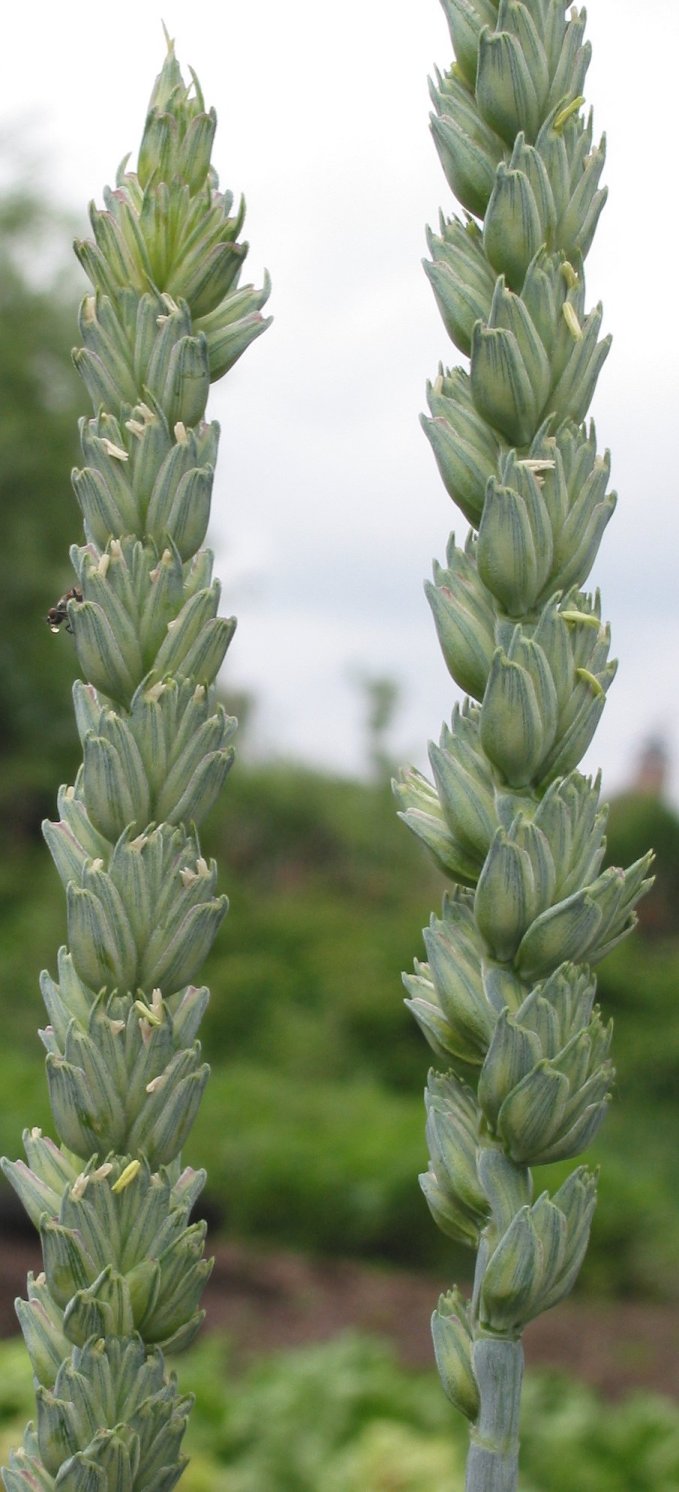
wheat
Triticum aestivum
Placenta I High Mulch biomassAnnual cereal originating in the Fertile Crescent. Rebello & Sakamoto (2019) tested wheat in a syntropic system in the Cerrado (Chapada dos Veadeir...
-
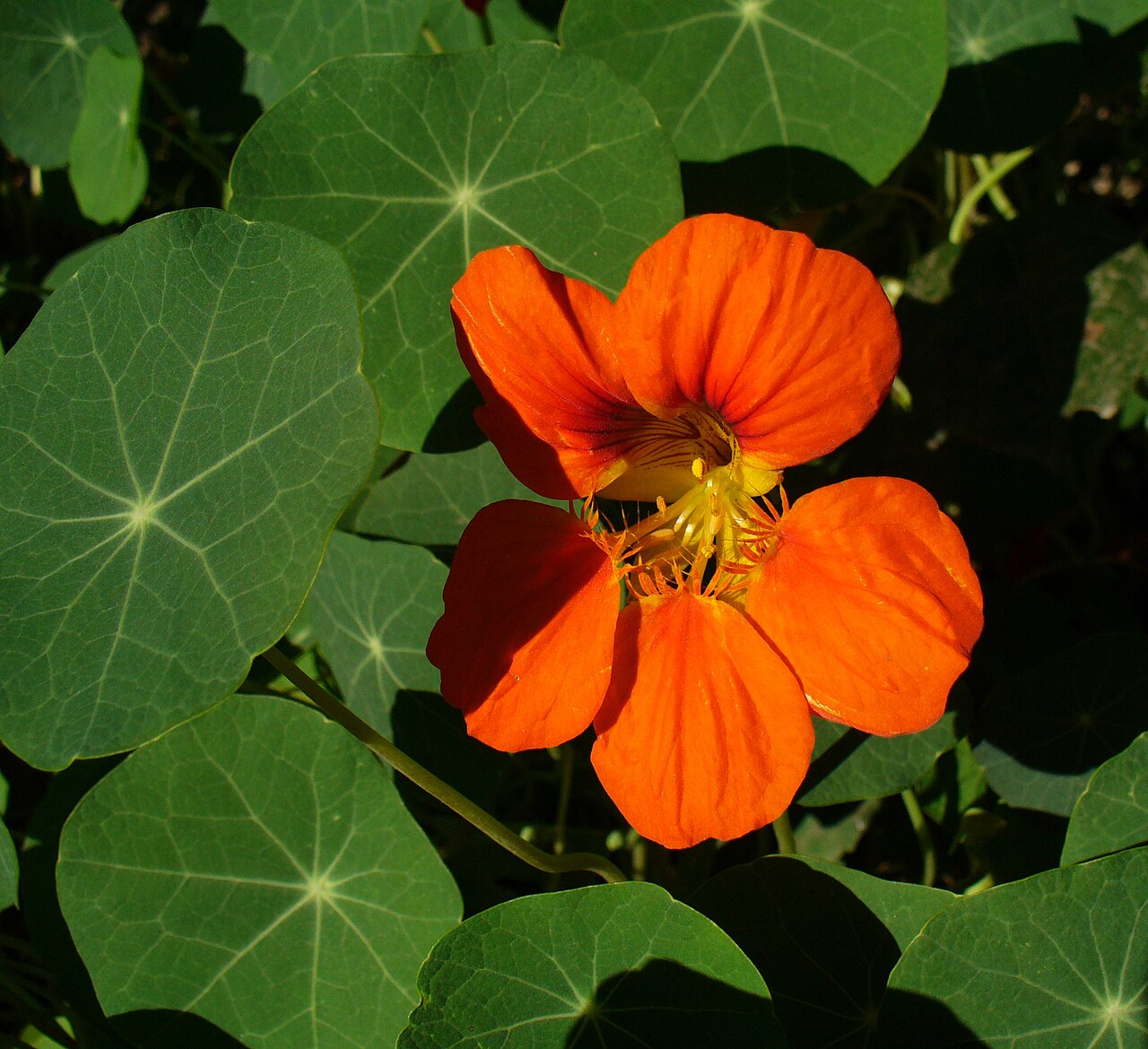
garden nasturtium
Tropaeolum majus
Placenta I Ground cover No biomass productionA fast-growing trailing or climbing herb, annual or short-lived perennial, native to the South American Andes and widely grown as an ornamental. Al...
-
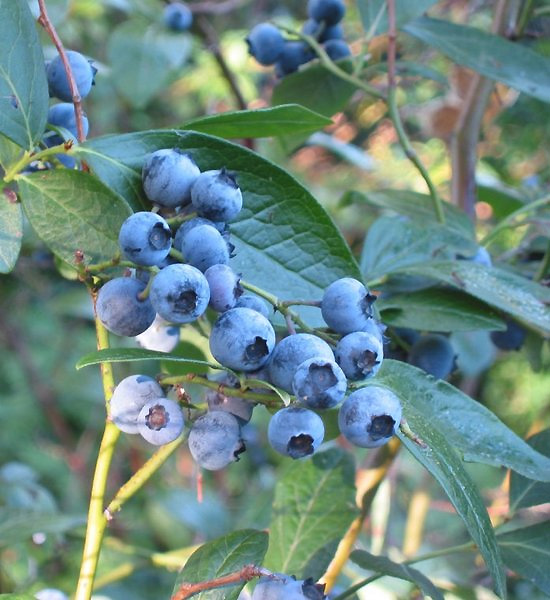
blueberry
Vaccinium corymbosum
Secondary I Low No biomass productionNorthern highbush blueberry, a deciduous shrub of the Ericaceae family, exotic to Brazil and grown in cold regions of the south, notably Rio Grande...
-
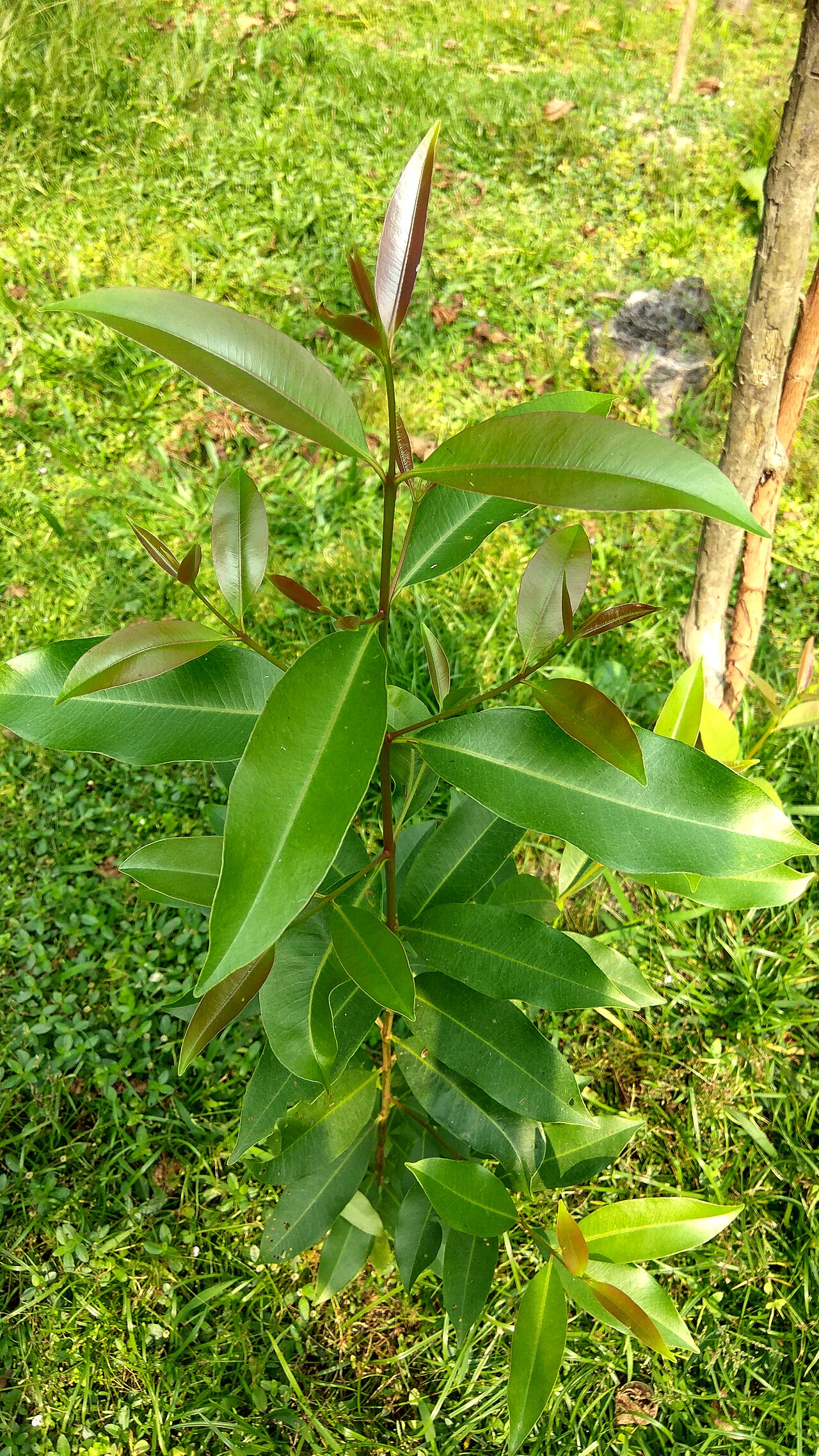
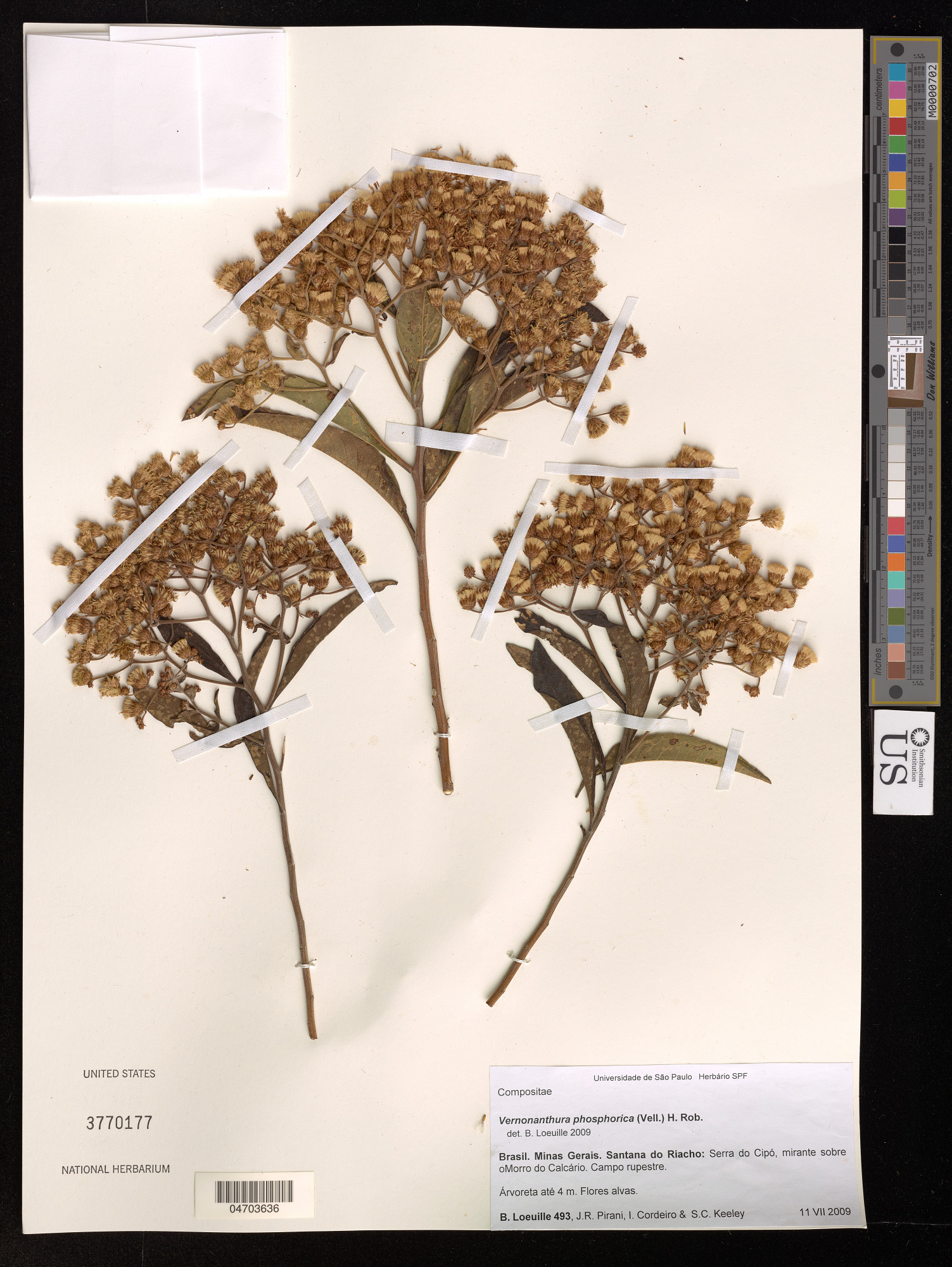
assa-peixe
Vernonanthura phosphorica
Placenta II Low Mulch biomassPioneer shrub-tree of Cerrado and Atlantic Forest, listed by Rebello among anchor species of the accumulation system. Indicator of shallow, dry soi...
-
concord grape
Vitis labrusca
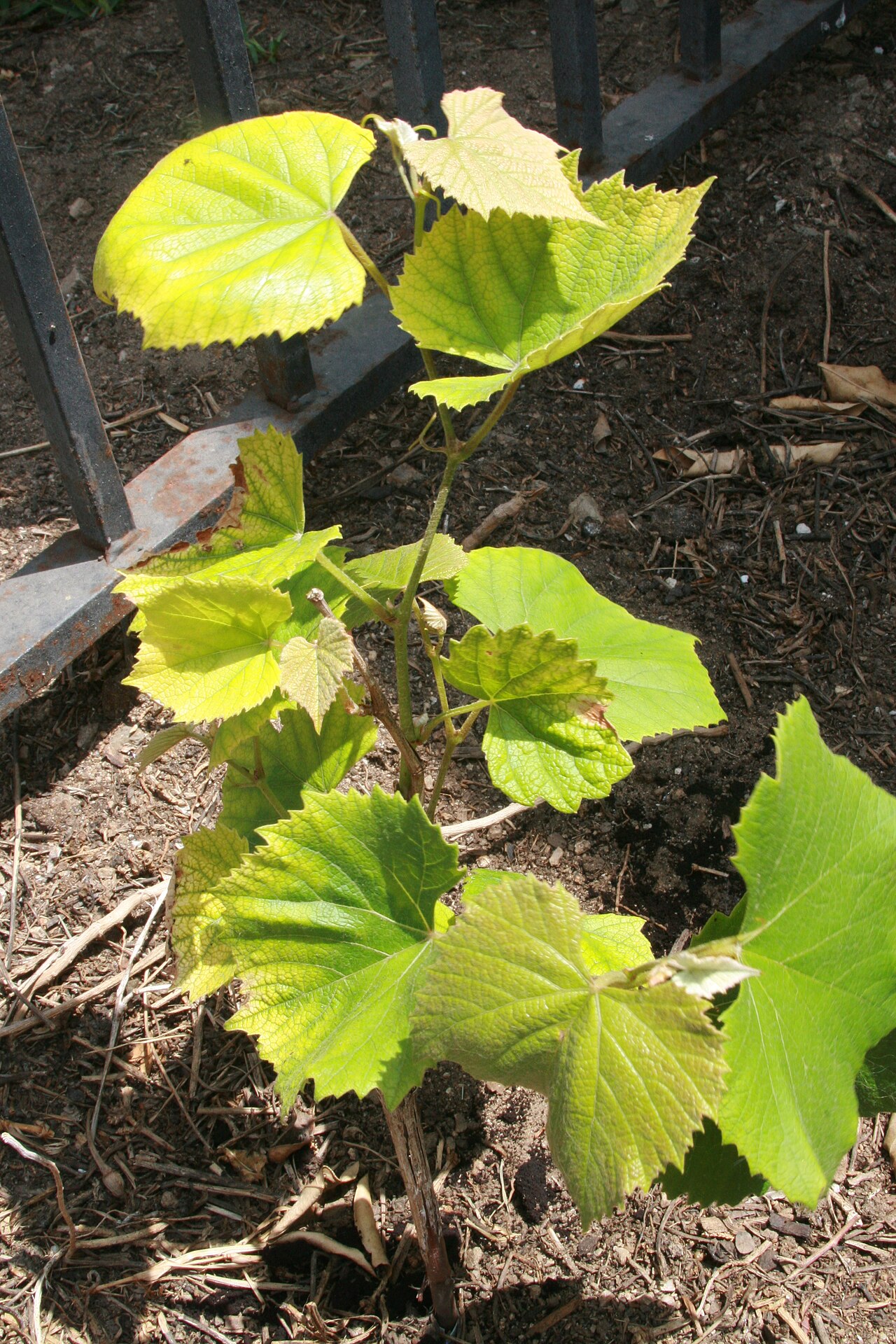
Secondary II Medium No biomass productionAmerican grapevine — rustic and tolerant of diseases that afflict V. vinifera in the tropics. Source of >90% of Brazilian grape production (Niagara...
-
grape
Vitis vinifera
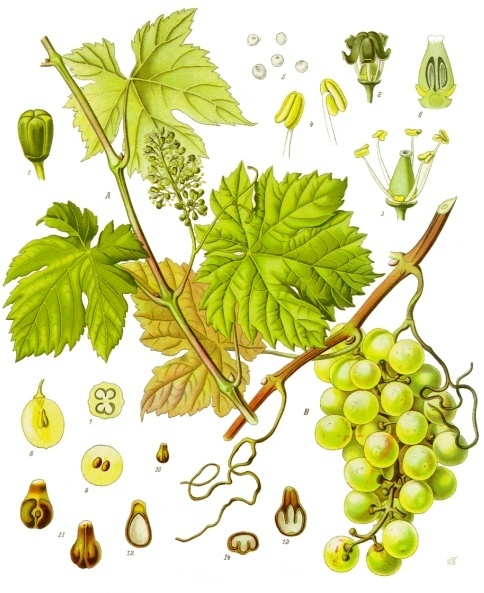
Secondary II Medium No biomass productionWoody perennial vine. Cultivated throughout Brazil — European grapevines (Vitis vinifera) in the South (table and wine grapes); American (V. labrus...
-
tannia
Xanthosoma sagittifolium
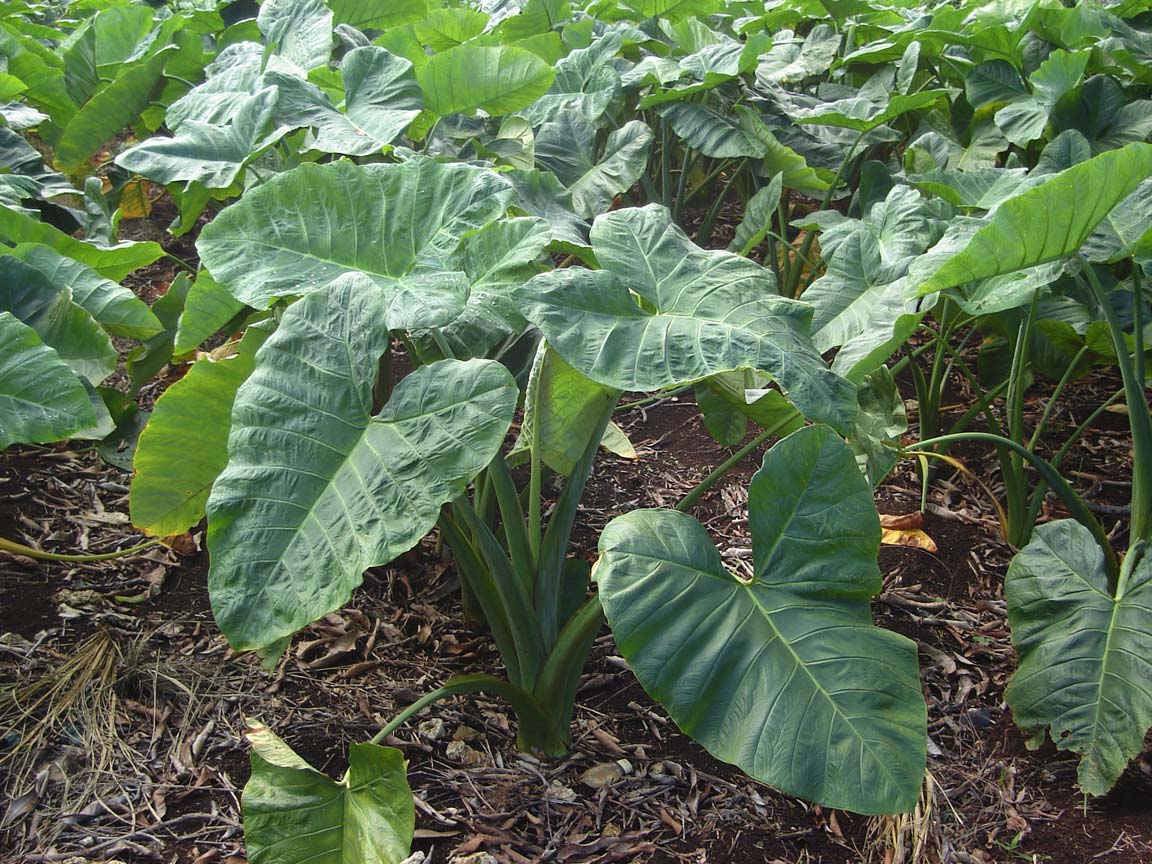
Secondary I Low No biomass productionPANC perennial leafy vegetable widely used in Brazilian syntropic systems. Pasini lists it in the low stratum of Tabela 3 and in the '3 to 10 years...
-
maize
Zea mays
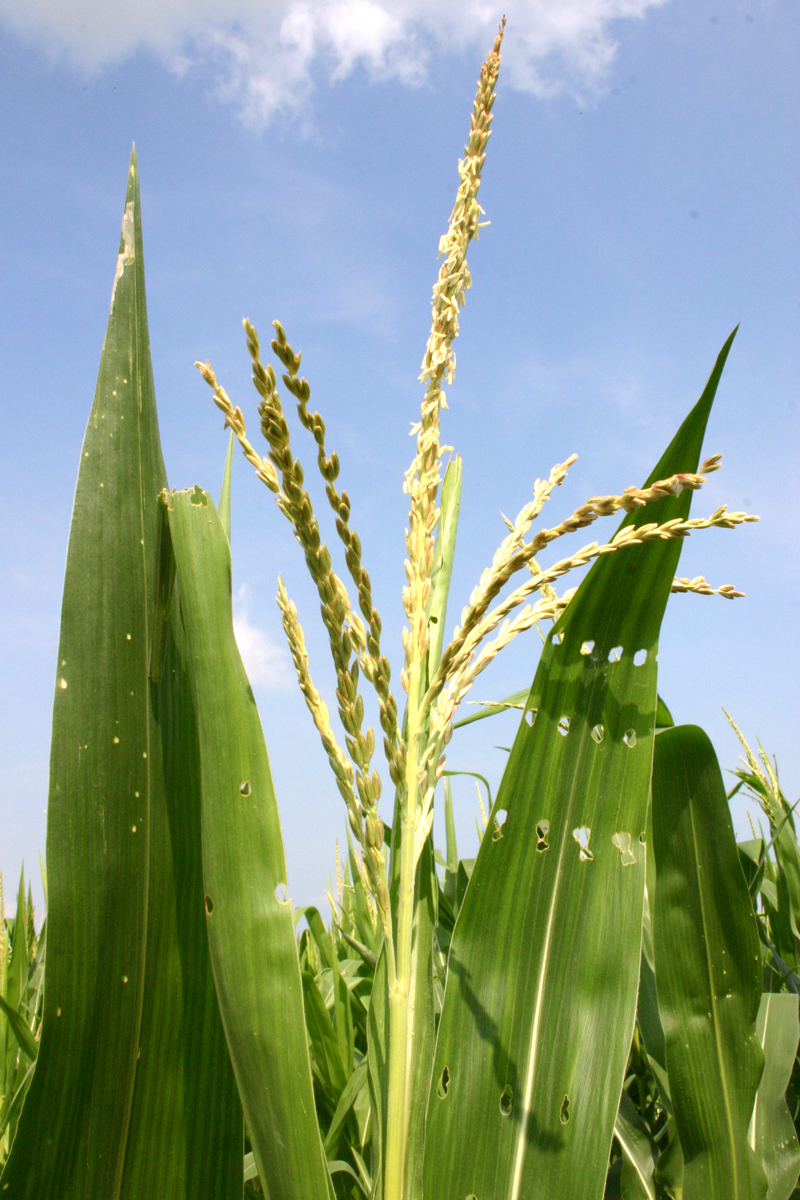
Placenta I Emergent Mulch biomassAnnual C4 cereal — placed by Pasini in the emergent stratum of Tabela 3 and recommended for the 'up to 6 months' phase of Tabela 4. Short-cycle cov...
-
ginger
Zingiber officinale
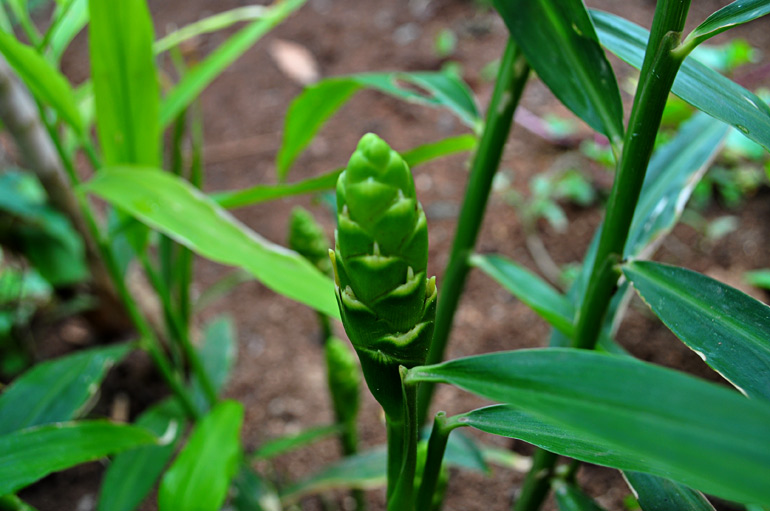
Placenta I Low No biomass productionPerennial tropical aromatic rhizome. Pasini lists it in the low stratum of Tabela 3 and in the '1 to 3 years' phase of Tabela 4. Adapts well to the...
❓ Frequently asked questions
What is the Humid subtropical (Cfa) climate?
Hot summers and mild winters, with rainfall distributed year-round. The climate of southern São Paulo, Paraná, Santa Catarina, and northern Rio Grande do Sul. Supports a wide range of tropical and subtropical fruit species.
Which plants does the catalog suggest for the Humid subtropical (Cfa) climate?
The catalog holds 161 species, among them eggplant, jurubeba, spinach. Each profile shows stratum, succession stage, and the management data, with sources cited.