
Climate
Plants for the Humid subtropical (Cfa) climate
Humid subtropical: well-distributed rain, hot summers, occasional winter frost. Short-cycle tropicals do well in summer; for the permanent canopy, check hardiness zones on each profile.
161 species in the catalog · Refine this list in the catalog
-
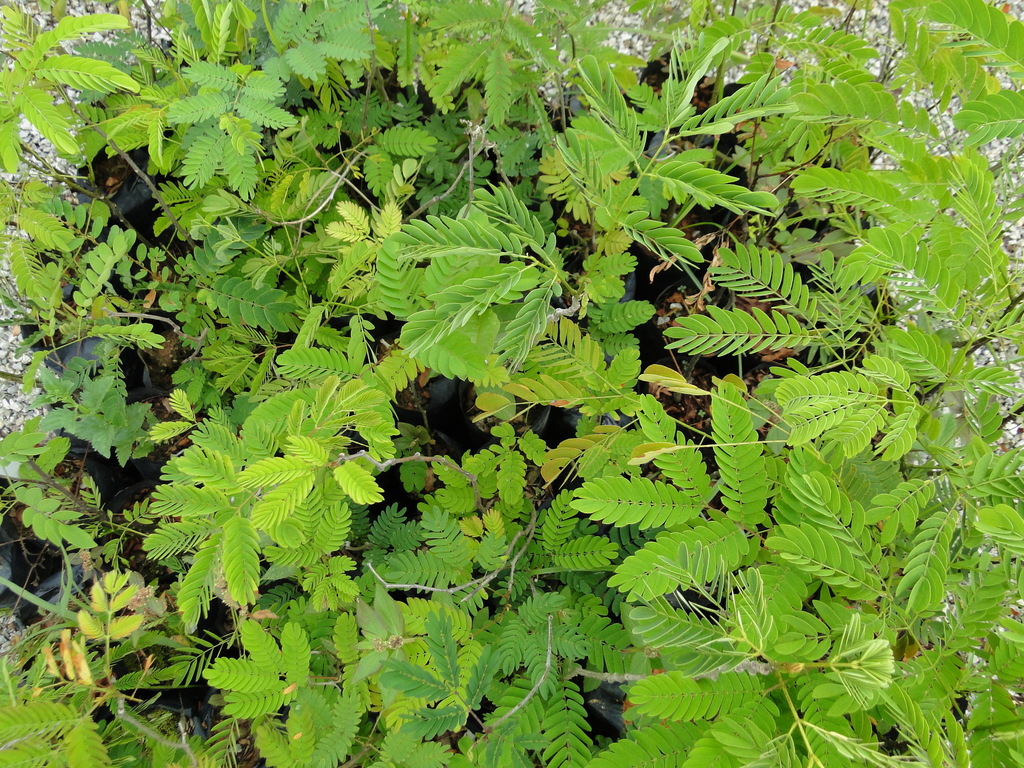
monjoleiro
Acacia polyphylla
Secondary I High Fertilizer biomass 🌱 Nitrogen fixerPioneer legume native to the Atlantic Forest and Cerrado. Medium-to-tall tree (10–20 m), fine compound leaves. Very rapid growth — structural speci...
-
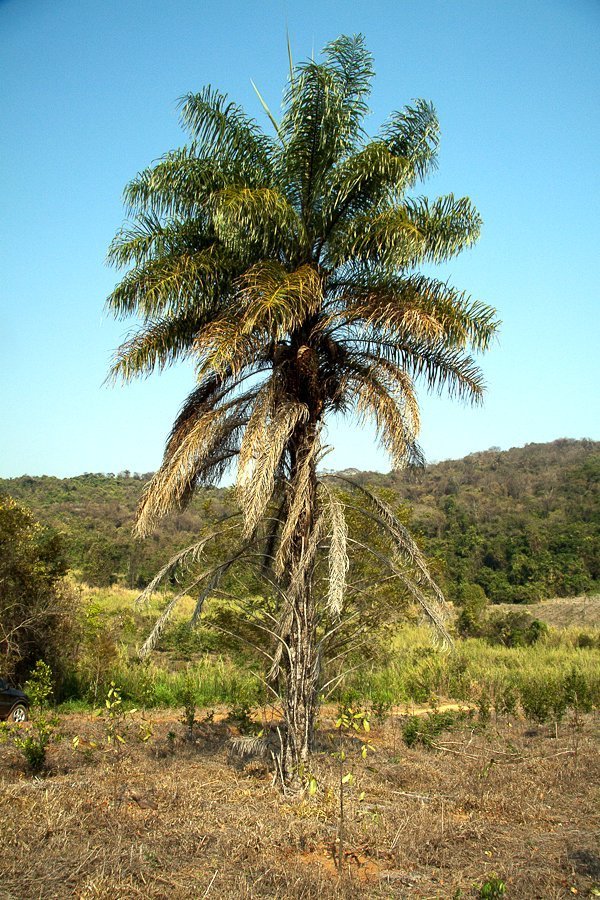
macauba palm
Acrocomia aculeata
Secondary II Emergent Mulch biomassNative palm of the Cerrado and Atlantic Forest, distributed from Bahia to Paraná. Spiny stipe 10–20 m. Orange-yellow fruits with yellow pulp and an...
-
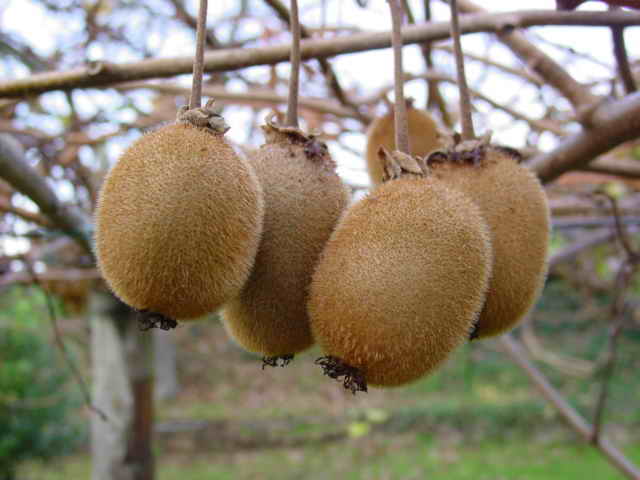
kiwifruit
Actinidia deliciosa
Secondary II Medium No biomass productionWoody vine native to southern China. Cultivated above 600 m altitude in southern and southeastern Brazil (RS, SC, PR, MG, SP). Requires chill hours...
-
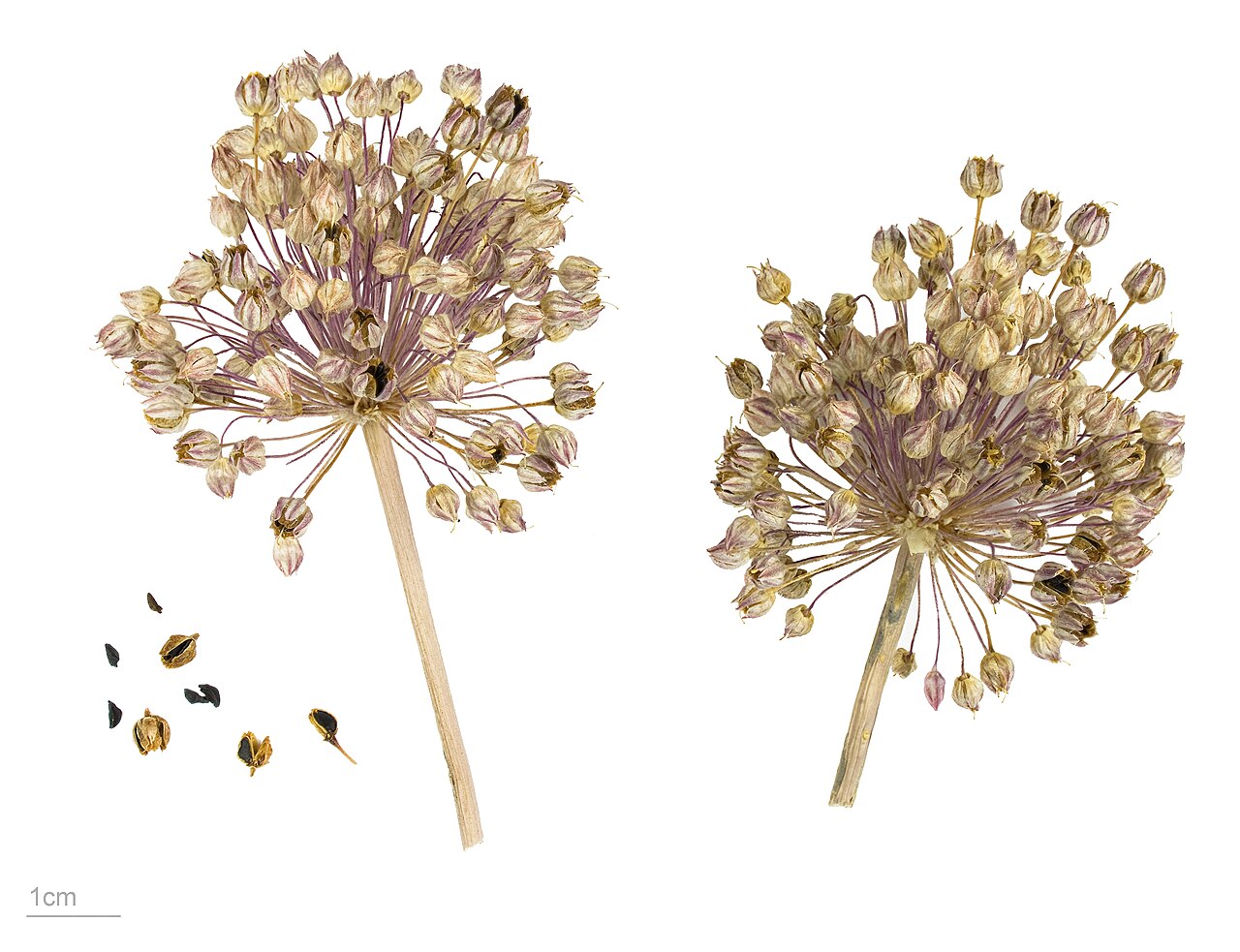
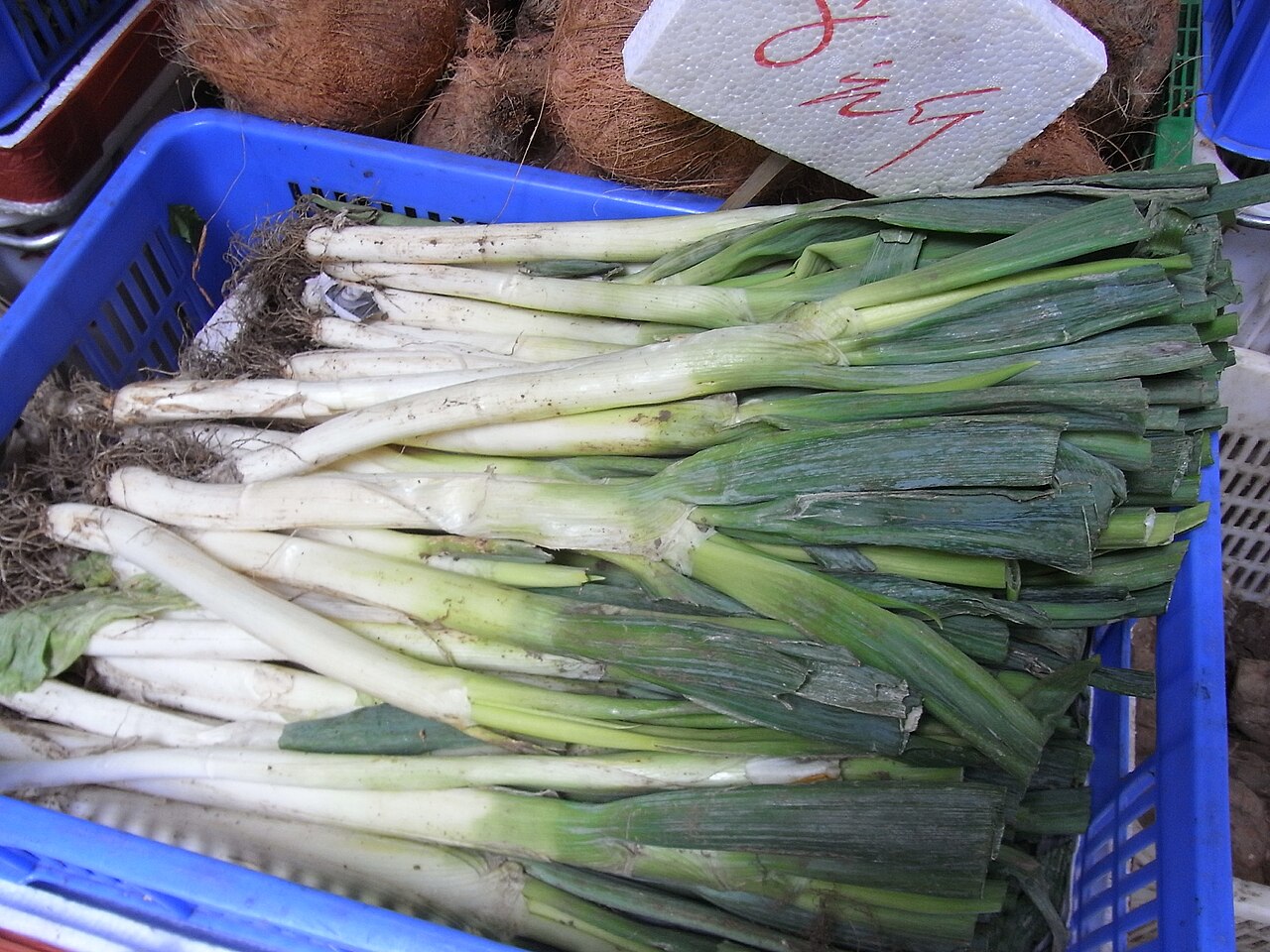
leek
Allium ampeloprasum
Placenta I Medium No biomass productionBiennial Allium grown for its white pseudostem. Pasini lists it in the medium stratum of Tabela 3. Tolerates moist soils and partial shade well.
-
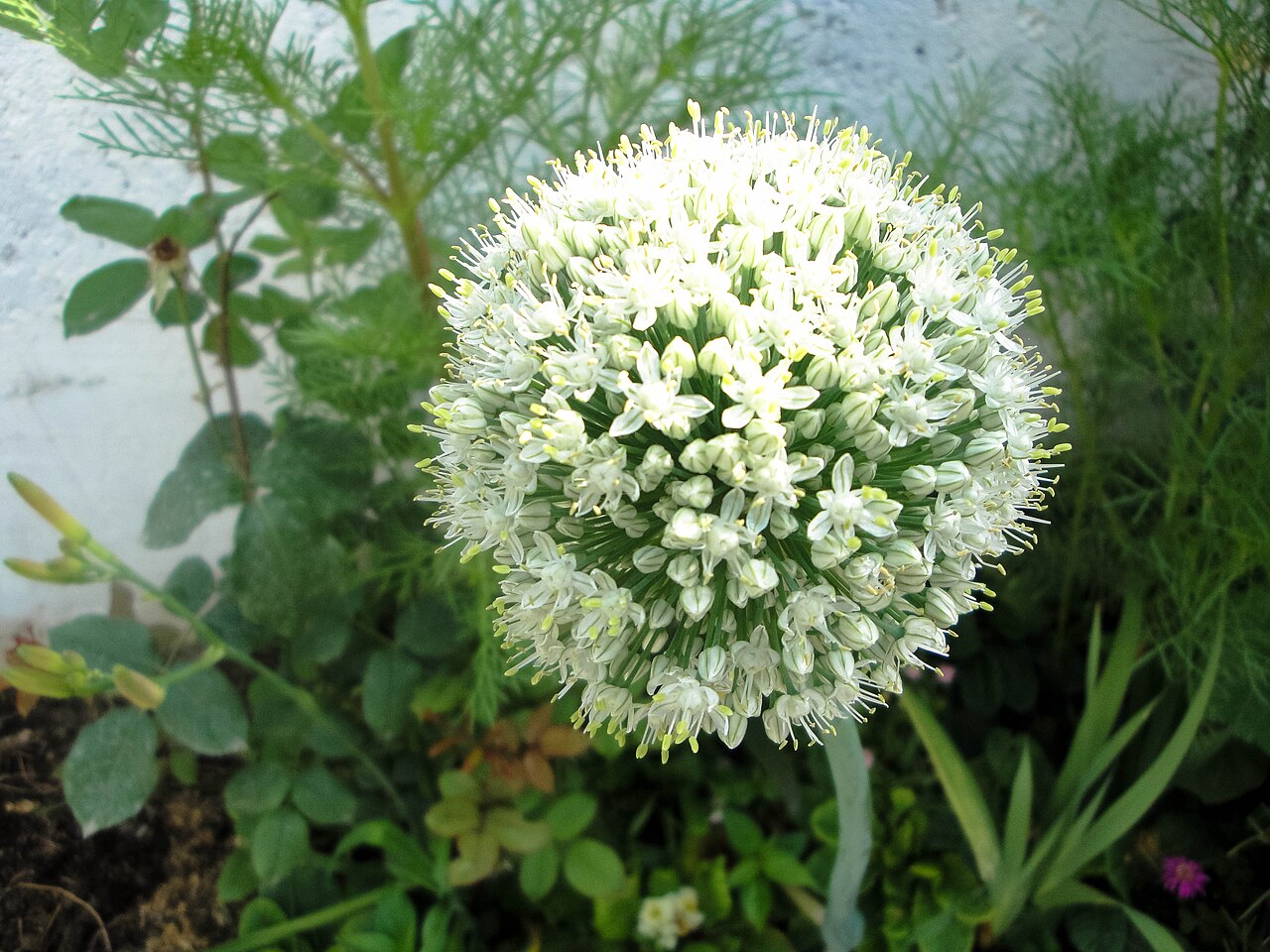
onion
Allium cepa
Placenta I Low No biomass productionCultivated Allium bulb. Pasini lists it in the medium stratum of Tabela 3. Flowering attracts pollinators; leaves and bulbs can be harvested separa...
-
Welsh onion
Allium fistulosum
Placenta I Ground cover No biomass productionPerennial clumping Allium widely used as a culinary herb. Pasini lists it in the high stratum of Tabela 3 (Brazilian use is in the low stratum). Pr...
-
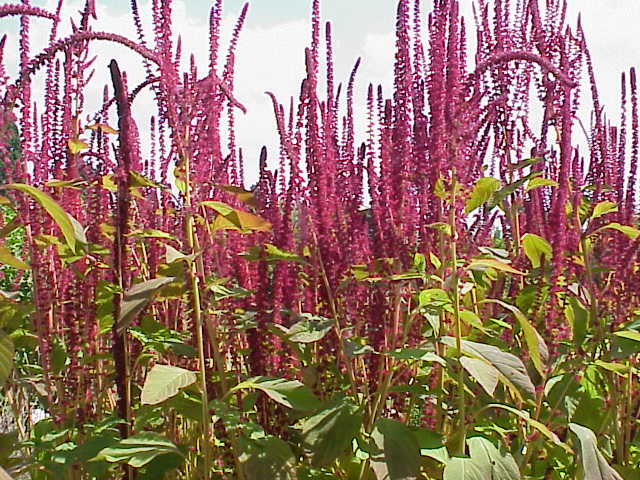
purple amaranth
Amaranthus cruentus
Placenta I High Fertilizer biomassHighly nutritious annual pseudocereal. Embrapa CT-16 lists it as a fodder species alongside gliricídia. Planted as a second-season crop after summe...
-
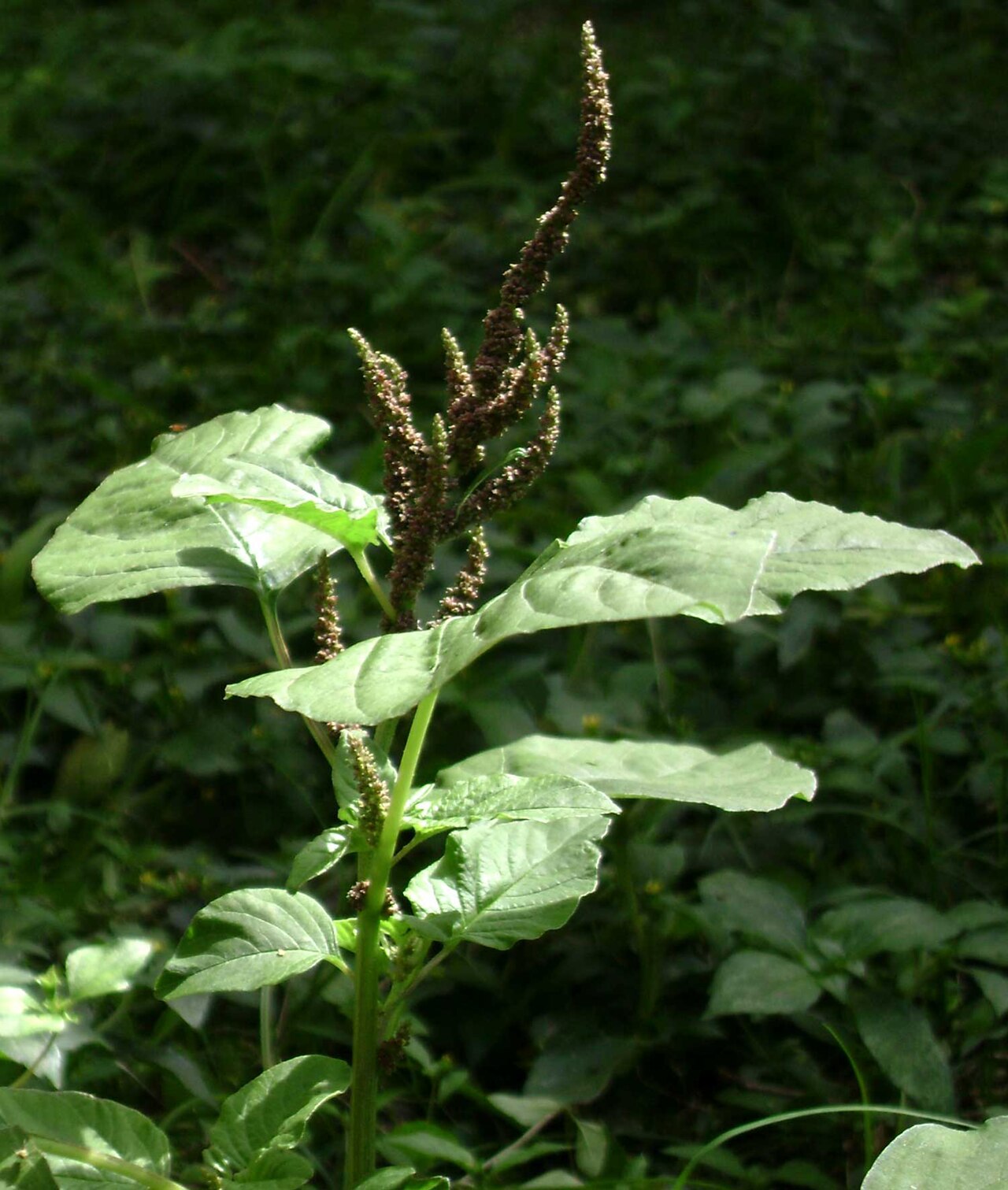
slender amaranth
Amaranthus viridis
Placenta I Low Mulch biomassAn erect annual herb in the Amaranthaceae, widely distributed in the American tropics and cosmopolitan as a volunteer. It grows about 0.3–0.8 m tal...
-
atemoya
Annona × atemoya
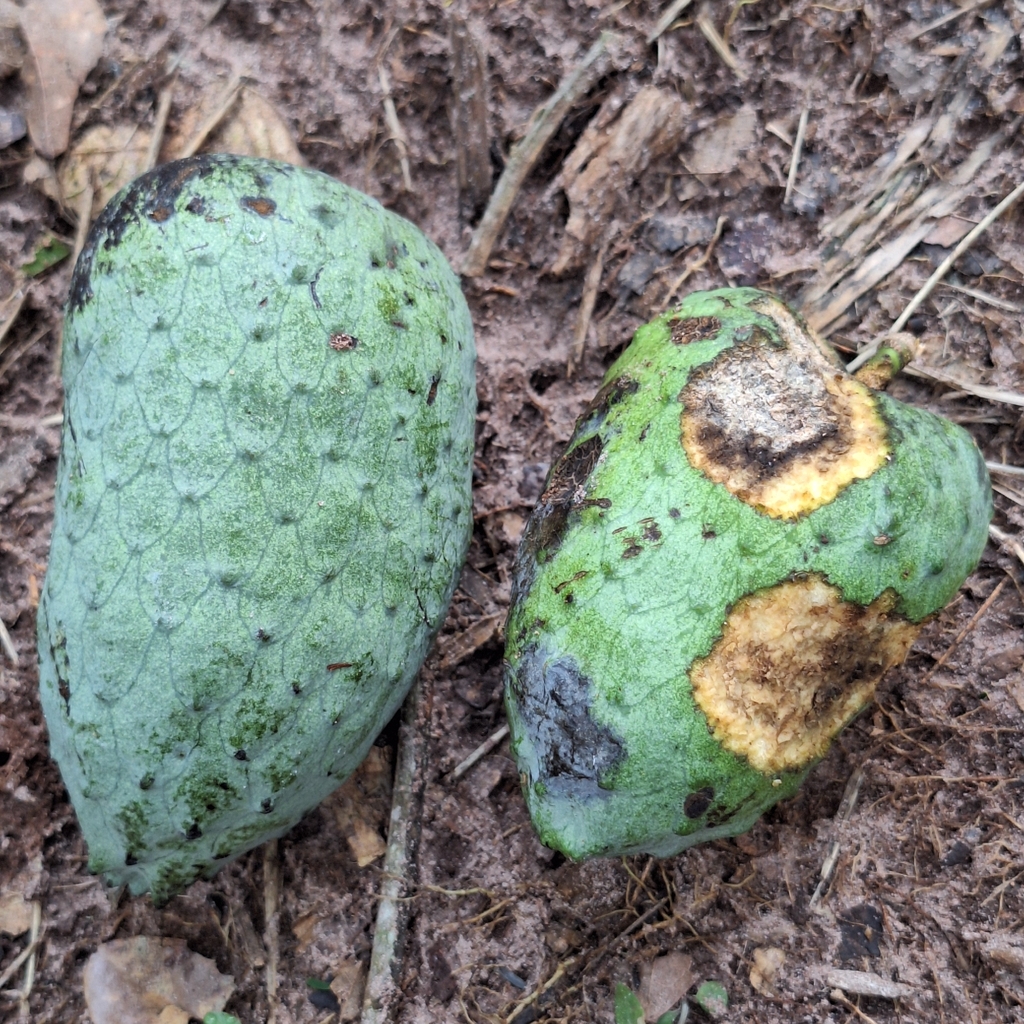
Secondary I Medium No biomass productionHybrid of sugar apple (A. squamosa) and cherimoya (A. cherimola), created in the US in the early 1900s and introduced to Brazil in the 1960s. Combi...
-
wild sweetsop
Annona cacans
Secondary II High Mulch biomassNative Atlantic Forest and Cerrado species, medium tree (8–15 m). Large fruits (up to 1.5 kg) with sweetish yellow flesh but a laxative effect (ori...
-
cherimoya
Annona cherimola
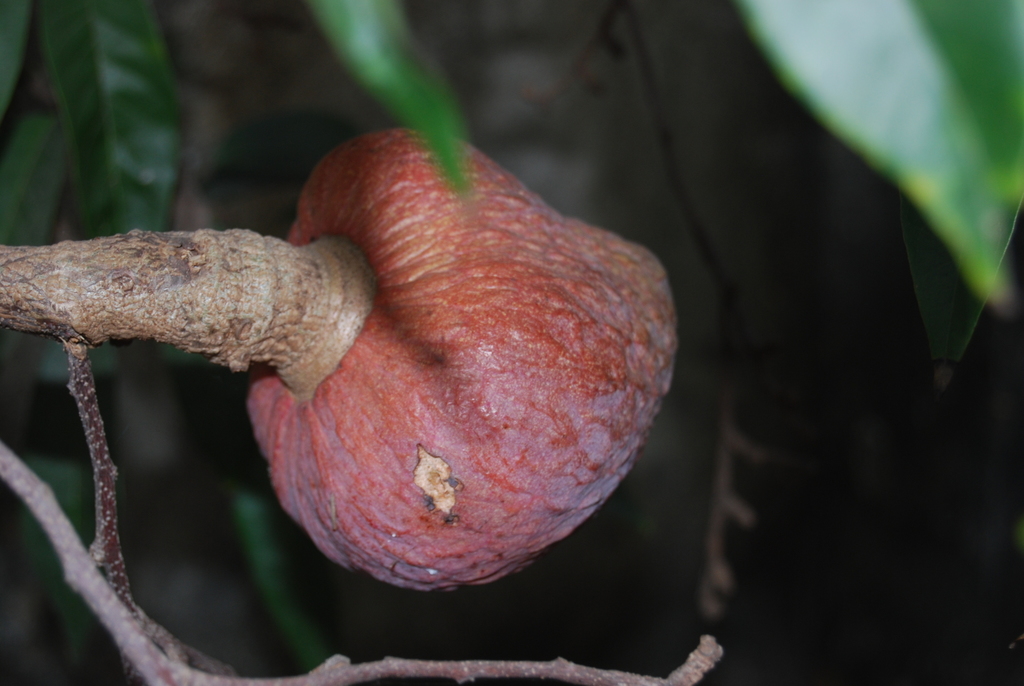
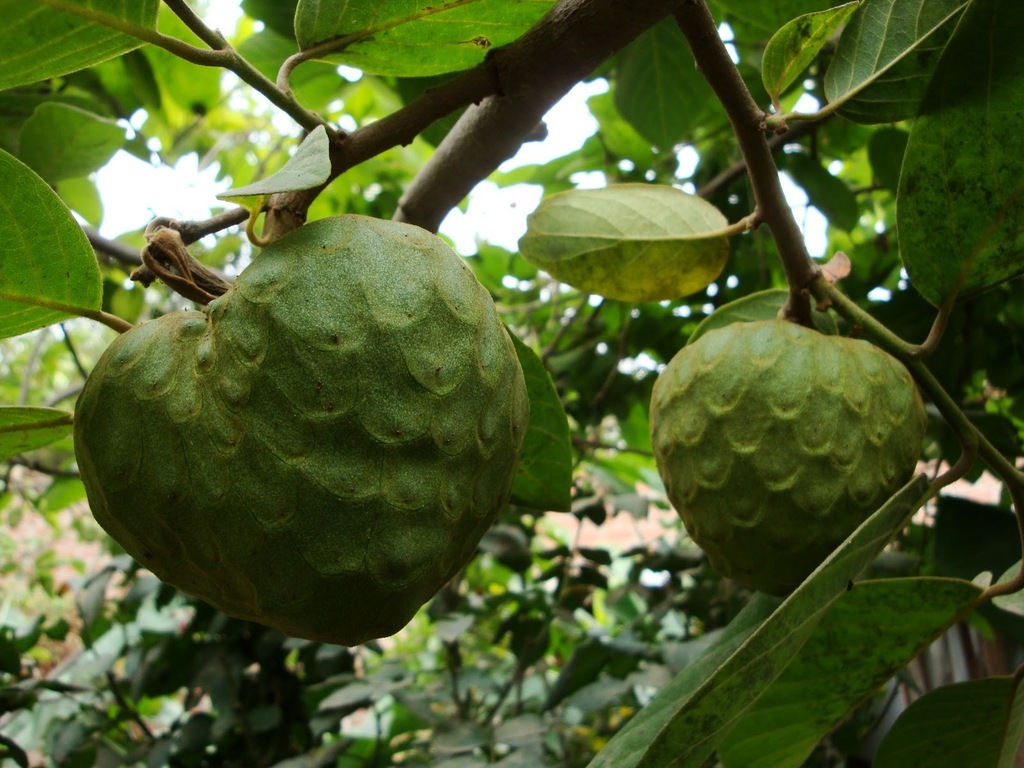
Secondary I Medium No biomass productionAndean native (Ecuador, Peru, Bolivia). Small tree (5–8 m), deciduous leaves. Light-green reticulated fruit with creamy white flesh of delicate fla...
-
peanut
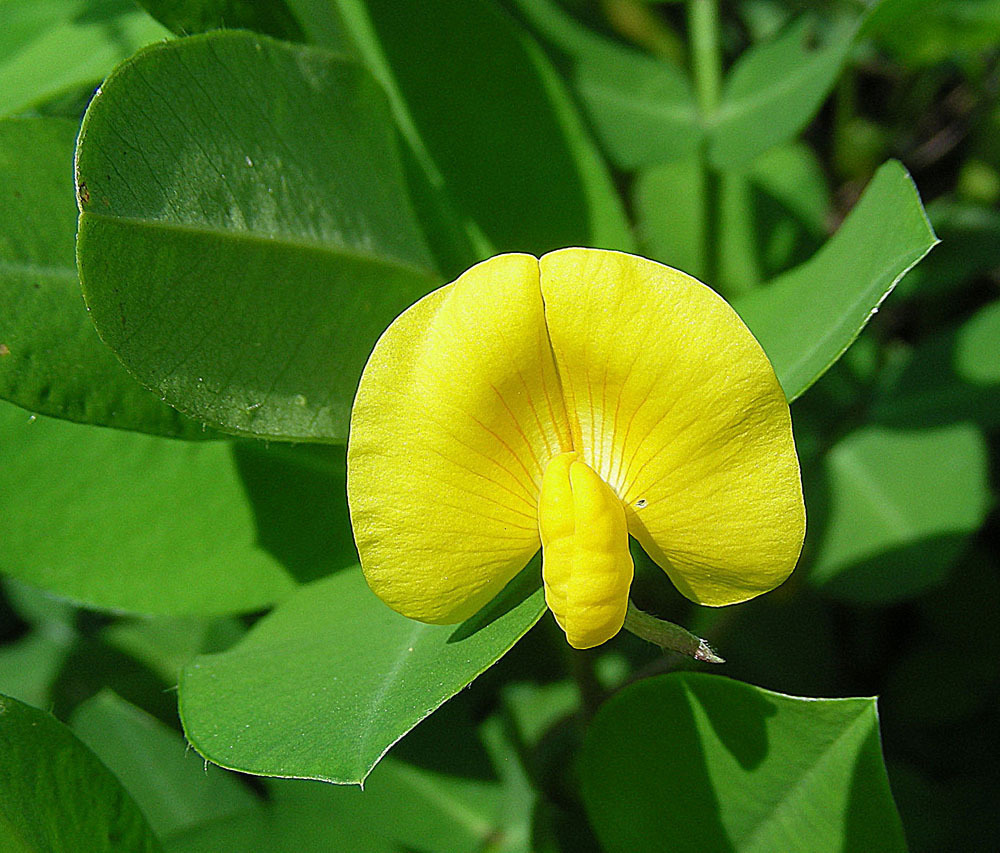
Arachis hypogaea
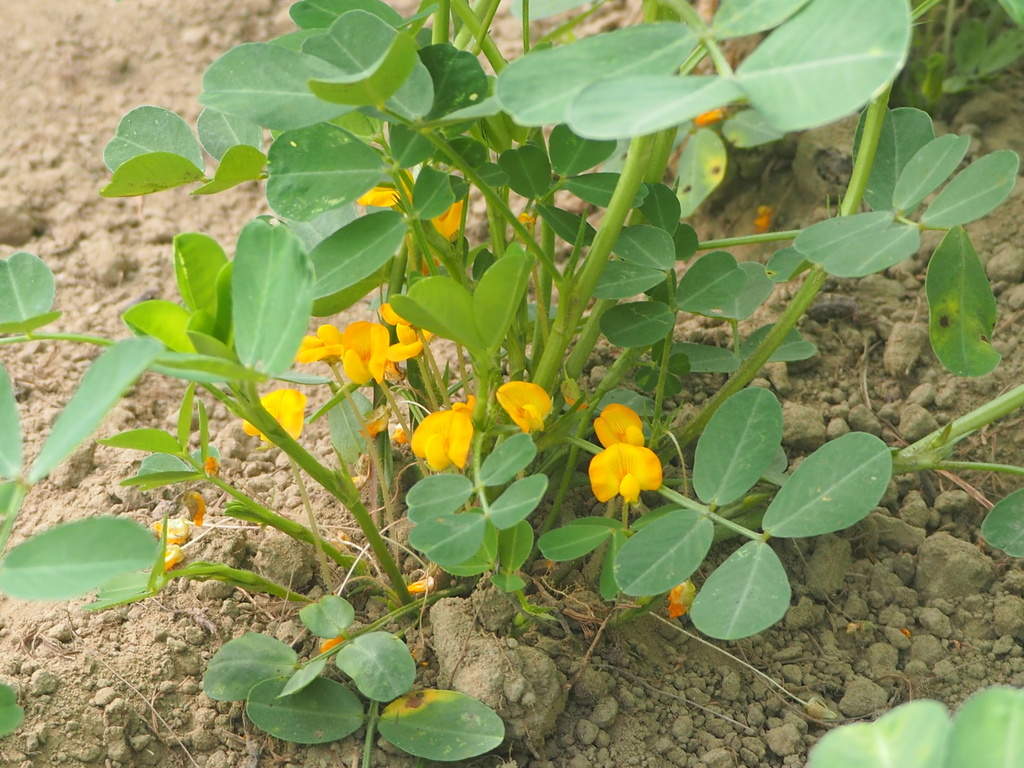
Placenta I Ground cover Fertilizer biomass 🌱 Nitrogen fixerAnnual nitrogen-fixing legume that produces its pod underground (geocarpic). Pasini lists it in the low stratum of Tabela 3. Excellent ground cover...
-
pinto peanut
Arachis pintoi
Placenta I Ground cover Fertilizer biomass 🌱 Nitrogen fixerPerennial creeping legume with stolons, 20–40 cm tall. Permanent living mulch, persists under 70% shade. Fixes nitrogen, produces 5–13 t/ha/year of...
-
paraná pine
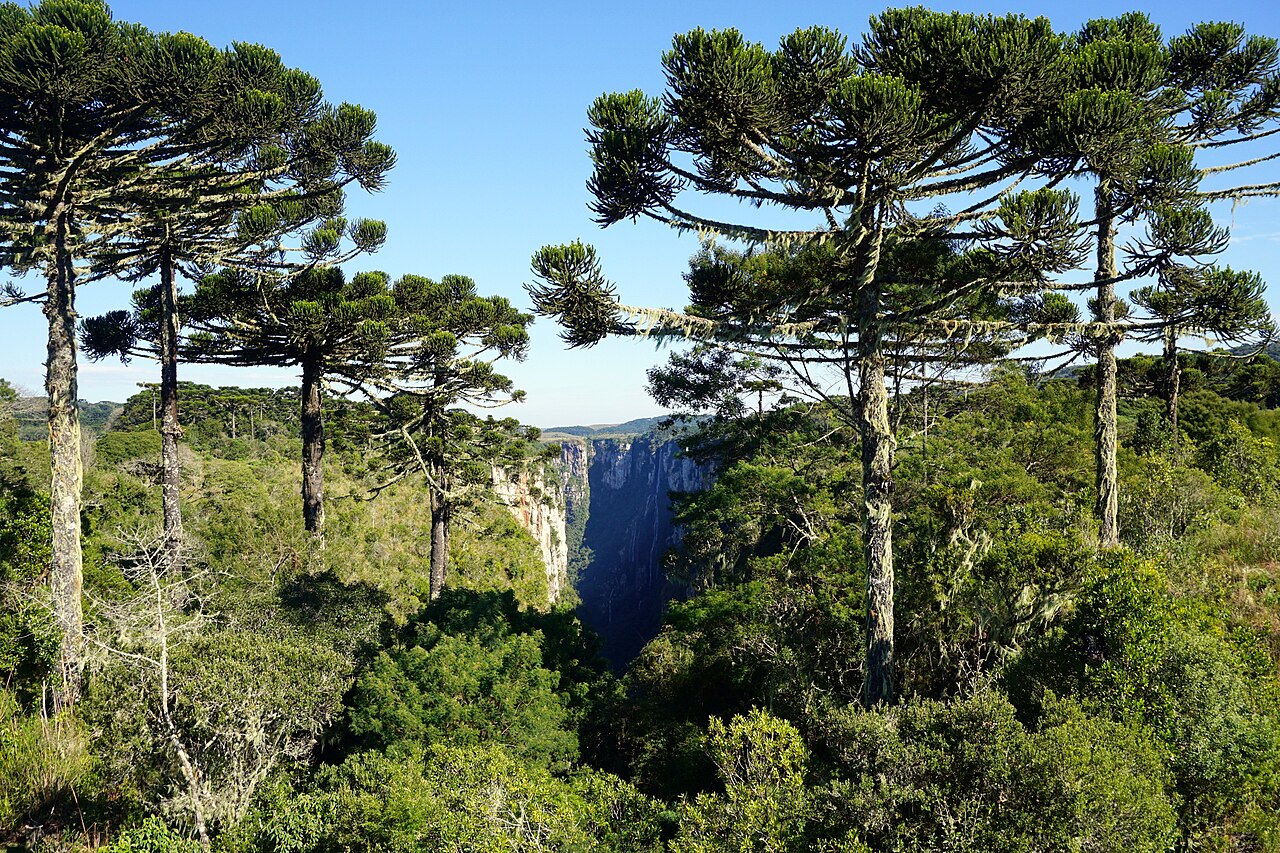
Araucaria angustifolia
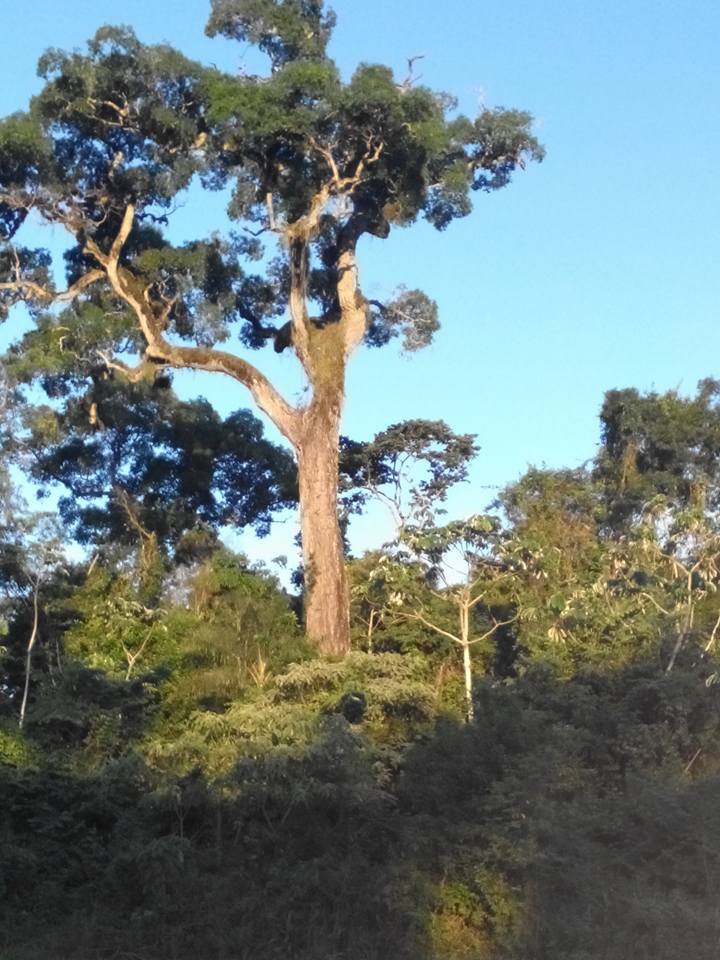
Climax Emergent Mulch biomassConifer native to southern Brazil, an iconic emergent of highland Atlantic Forest. Rebello cites it among emergent-stratum representatives in clima...
-
arracacha
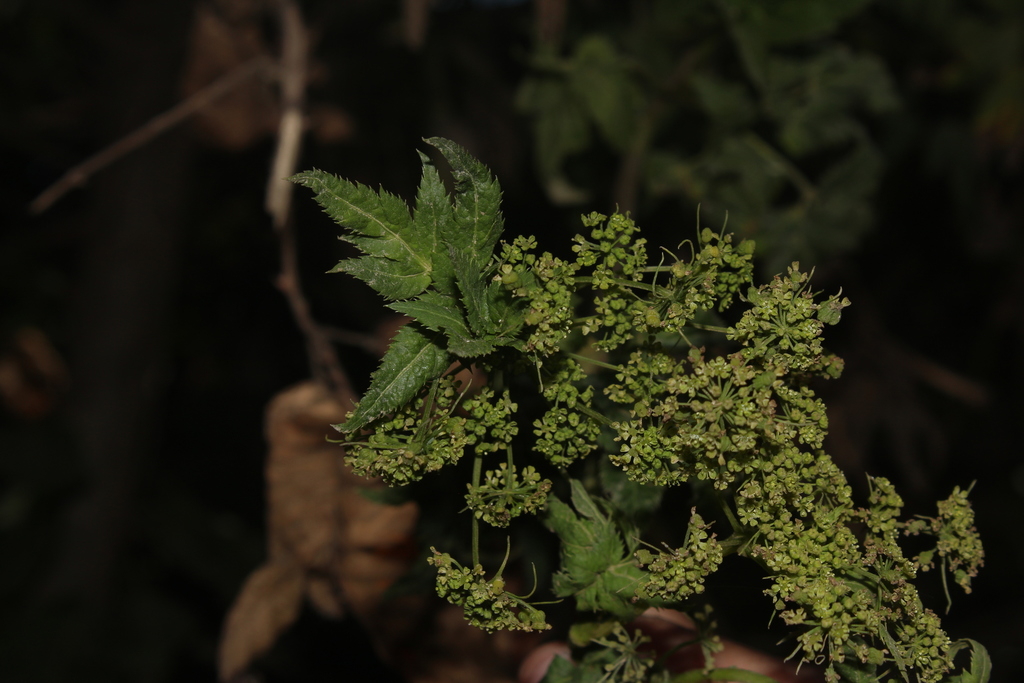
Arracacia xanthorrhiza
Placenta I Low No biomass productionAndean apiaceous tuber crop, cultivated mainly in southern Minas Gerais and Paraná. Pasini lists it in the medium stratum of Tabela 3. 8–10 month c...
-
peroba-poca
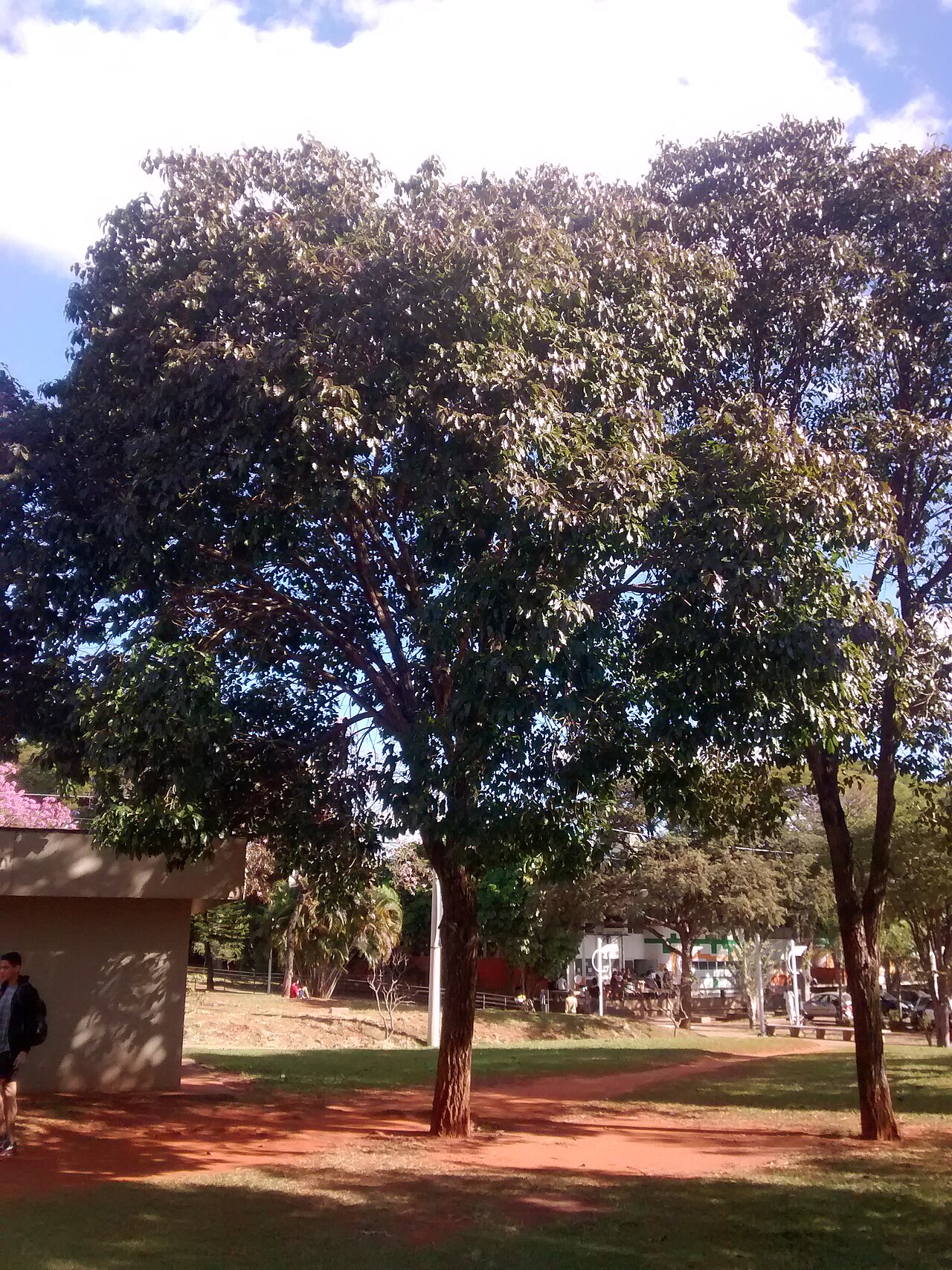
Aspidosperma cylindrocarpon
Climax High Mulch biomassPremium-timber tree native to the Atlantic Forest and Cerrado, distinct from peroba-rosa (Aspidosperma polyneuron). Rebello & Sakamoto (2019) plant...
-
peroba rosa
Aspidosperma polyneuron
Climax HighAtlantic Forest climax tree with very slow growth and dense, prized timber. Reaches 20–30 m. IUCN-listed as threatened due to logging.
-
carqueja
Baccharis trimera
Placenta II Low No biomass productionA perennial subshrub of the Asteraceae family, native to southern, southeastern and central-western Brazil and neighboring parts of South America, ...
-
punting pole bamboo
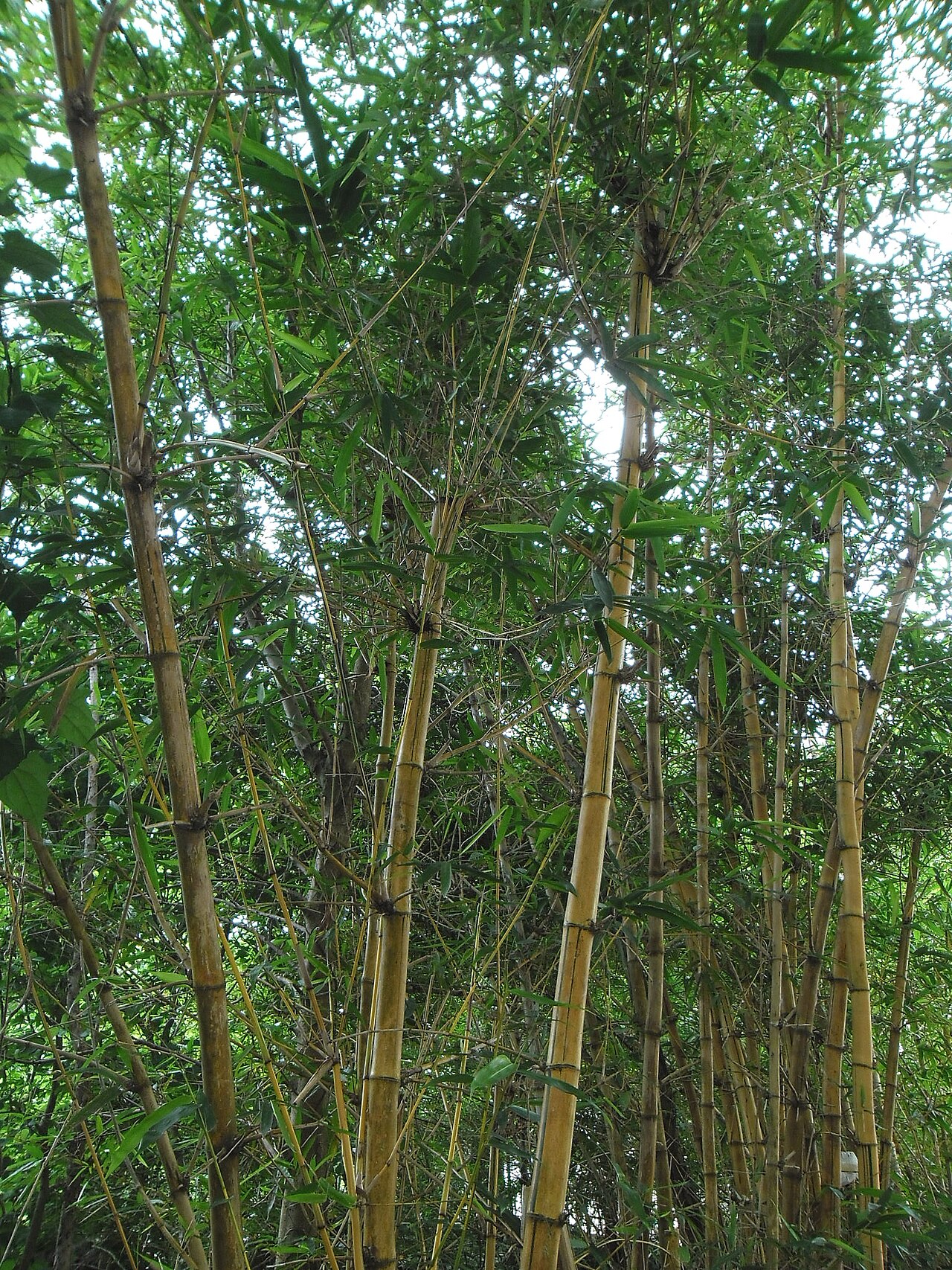
Bambusa tuldoides
Secondary I High Mulch biomassA clumping bamboo native to southern China, with straight, relatively slender culms 6–12 m tall, widely used as poles, in light construction and cr...
-
common bamboo
Bambusa vulgaris
Secondary I High Mulch biomassA clumping (non-running) bamboo native to Southeast Asia and one of the most widely cultivated bamboos in the tropics. It forms dense clumps with c...
-
Malabar spinach
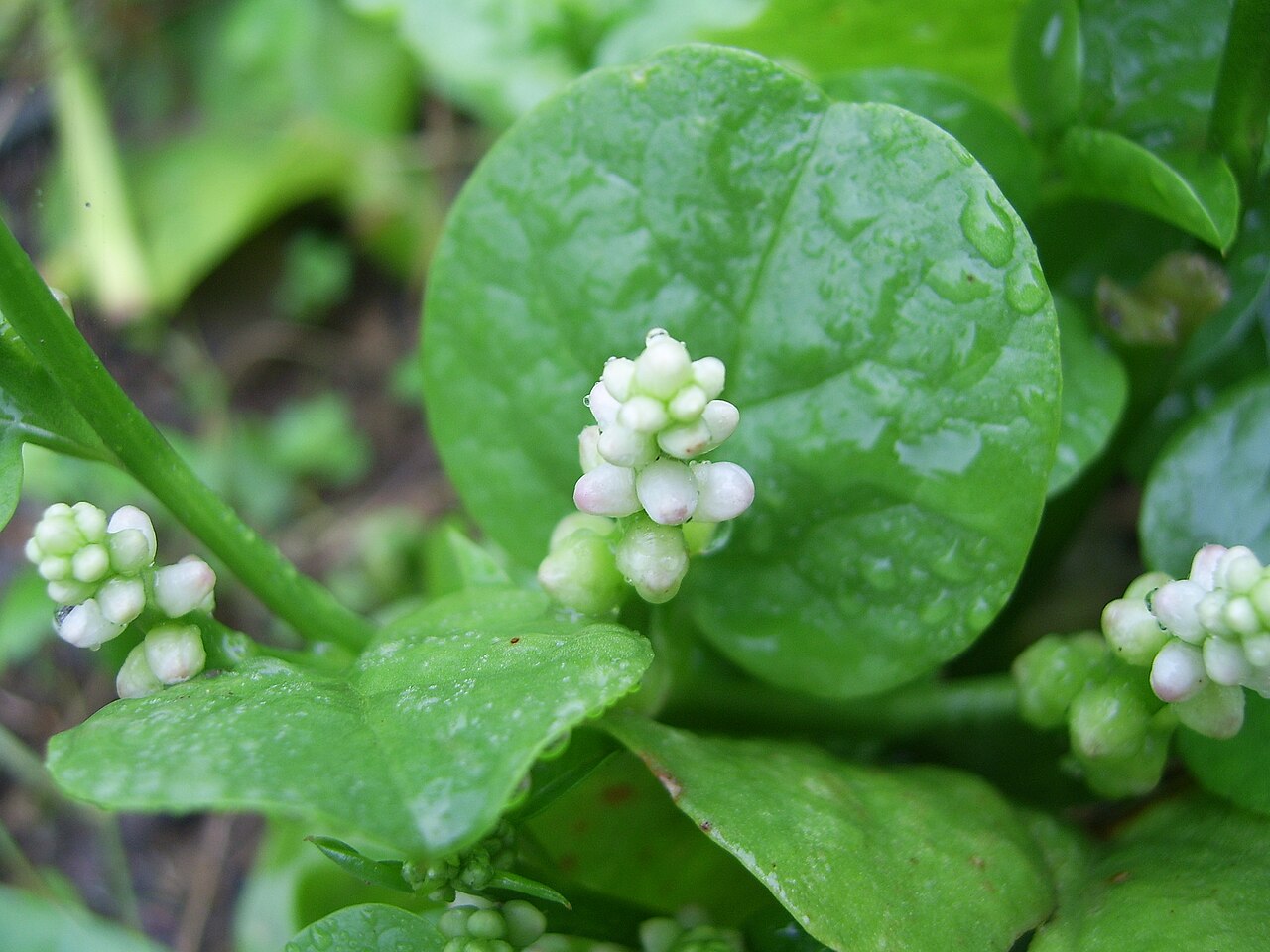
Basella alba
Placenta I Low No biomass productionA vigorous perennial soft-stemmed climbing vine grown as an annual, native to tropical Asia and widely naturalized in Brazil. Its thick, mucilagino...
-
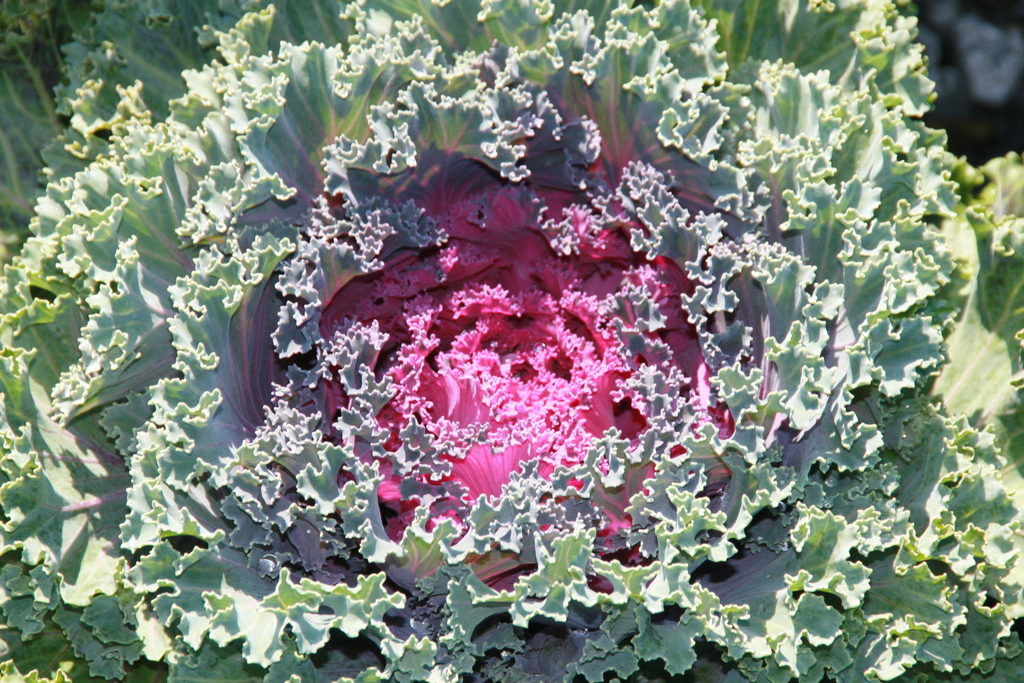
collard greens
Brassica oleracea var. acephala
Placenta I Low No biomass productionPerennial brassica widely grown in Brazilian backyards. Pasini gives it as an example occupying the low stratum in consortium with broccoli (medium...
-
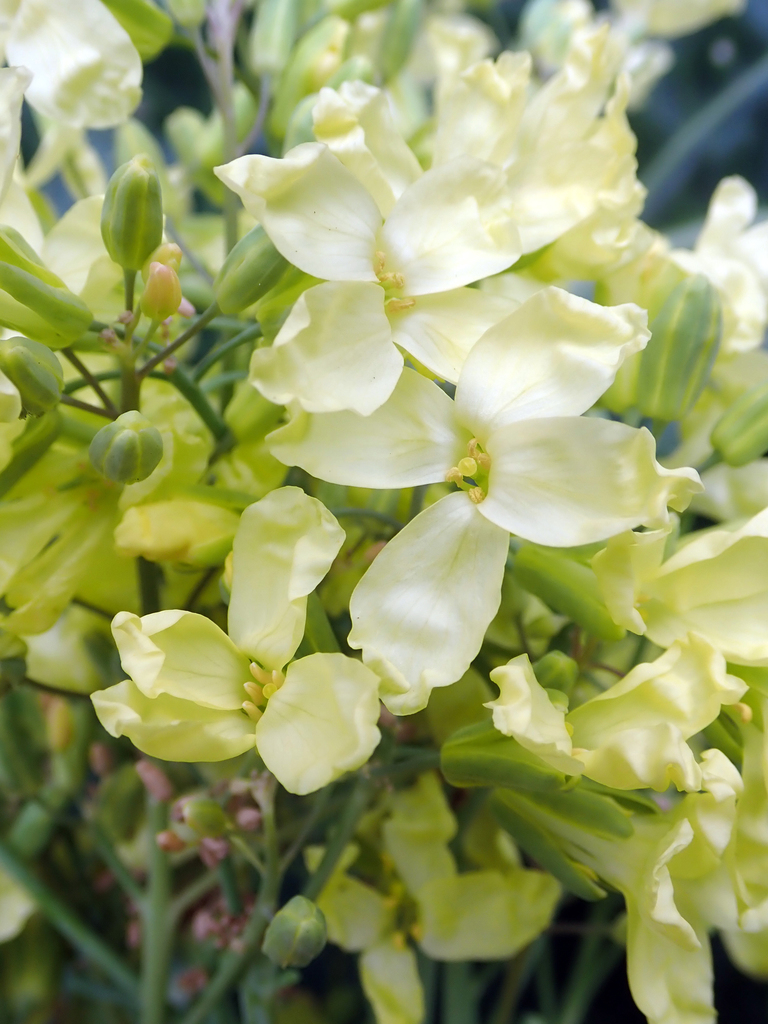
cauliflower
Brassica oleracea var. botrytis
Placenta I Medium No biomass productionAnnual brassica grown for its white inflorescence. Pasini lists it in the high stratum of Tabela 3 (alongside broccoli and cabbage). 90–120 day cyc...
-
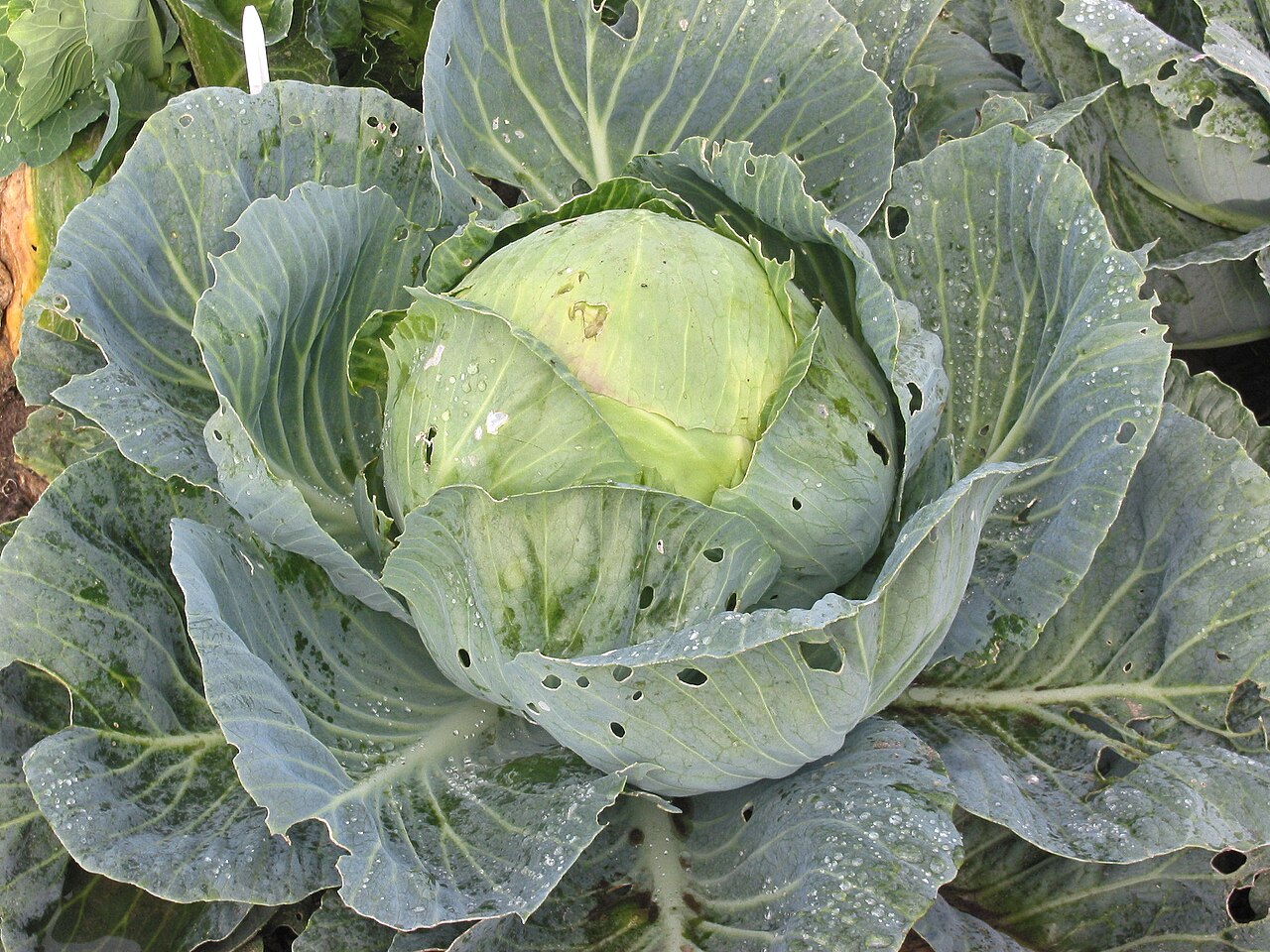
cabbage
Brassica oleracea var. capitata
Placenta I Medium No biomass productionAnnual brassica grown for its compact head of leaves. Pasini lists it in the high stratum of Tabela 3. Tolerates heat better than broccoli or cauli...
❓ Frequently asked questions
What is the Humid subtropical (Cfa) climate?
Hot summers and mild winters, with rainfall distributed year-round. The climate of southern São Paulo, Paraná, Santa Catarina, and northern Rio Grande do Sul. Supports a wide range of tropical and subtropical fruit species.
Which plants does the catalog suggest for the Humid subtropical (Cfa) climate?
The catalog holds 161 species, among them monjoleiro, macauba palm, kiwifruit. Each profile shows stratum, succession stage, and the management data, with sources cited.