
Function
Attracts pollinators — species for syntropic systems
Pollinator attractors secure the service that multiplies fruit set across the whole guild. Staggering blooms through the year keeps the visits constant.
51 species in the catalog · Refine this list in the catalog
-
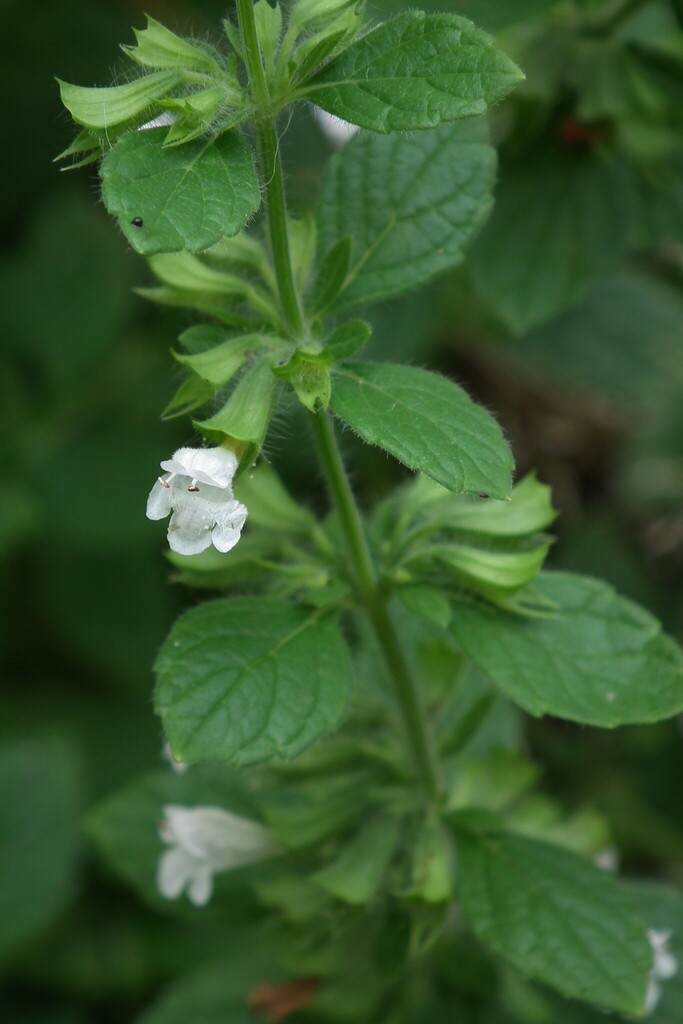
lemon balm
Melissa officinalis
Placenta I Low No biomass productionPerennial herb (40–80 cm), light-green strongly lemon-scented leaves. Tolerates partial shade — fills shaded niches where rosemary and thyme don't ...
-
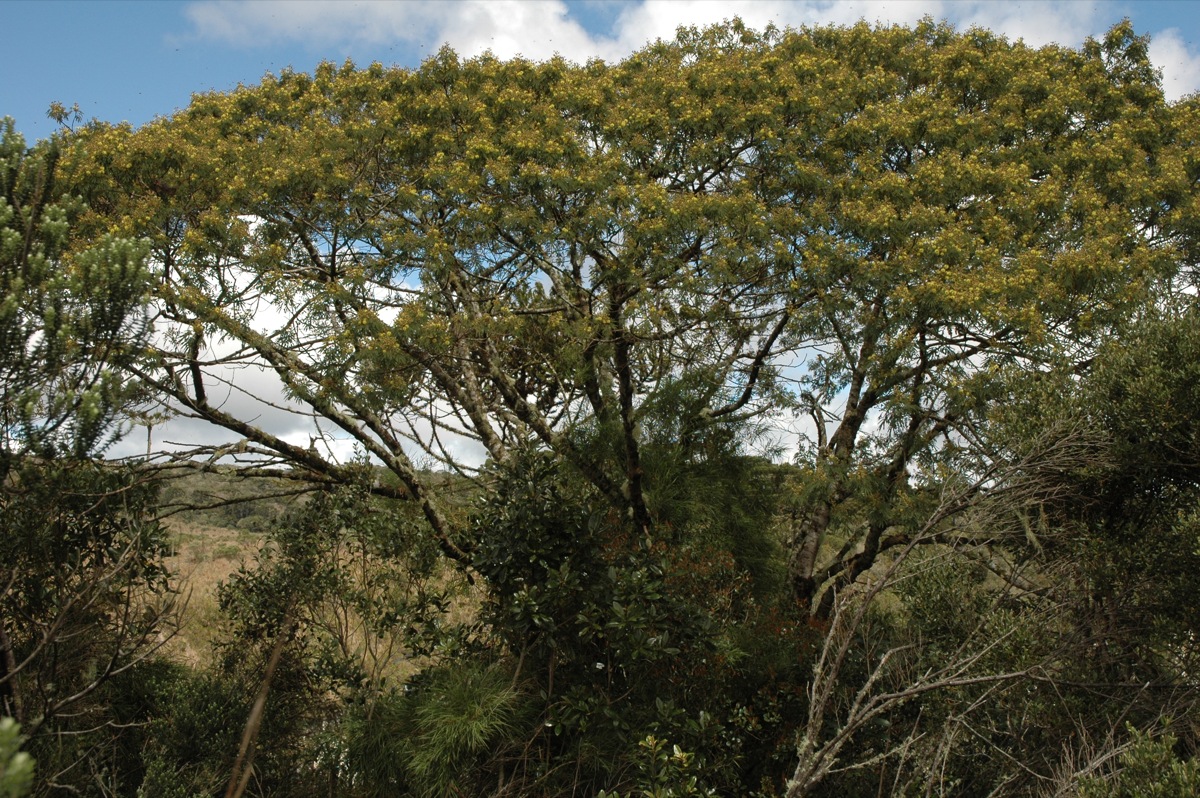
bracatinga
Mimosa scabrella
Secondary I High Fertilizer biomass 🌱 Nitrogen fixerPioneer legume native to southern Brazil and highland Atlantic Forest, listed by IPOEMA among anchor Brazilian species for SAFs (alongside cacao, y...
-
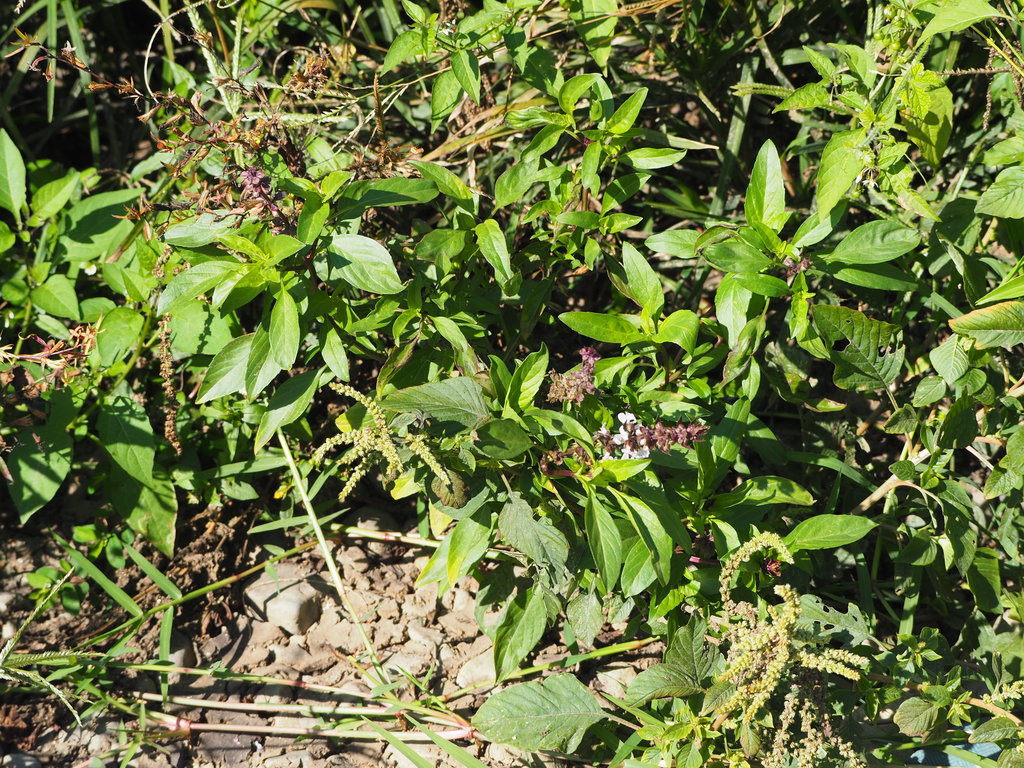
basil
Ocimum basilicum
Placenta I Low No biomass productionAromatic annual or short-lived perennial Lamiaceae. Pasini lists it in the high stratum of Tabela 3 (grown as a low-stratum species in beds). Attra...
-
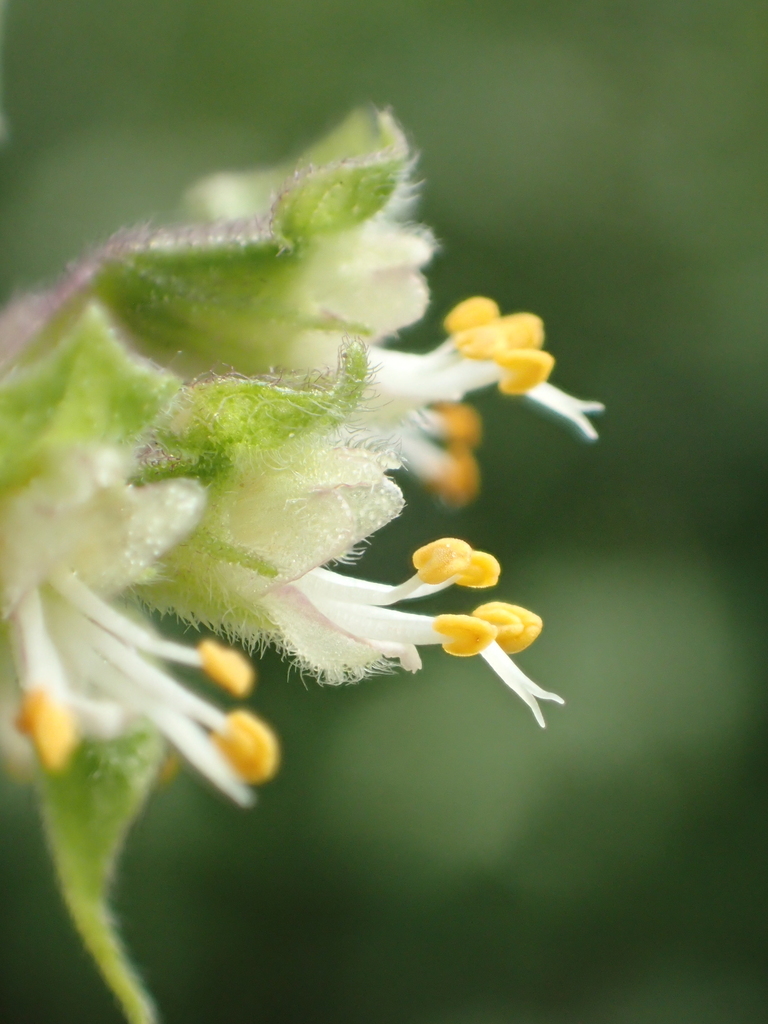
African basil
Ocimum gratissimum
Placenta II Medium No biomass productionShort-lived perennial Lamiaceae, cousin of common basil (distinct species). EcoAgri lists it in the medium stratum of the 'up to 3 years' bin. Arom...
-
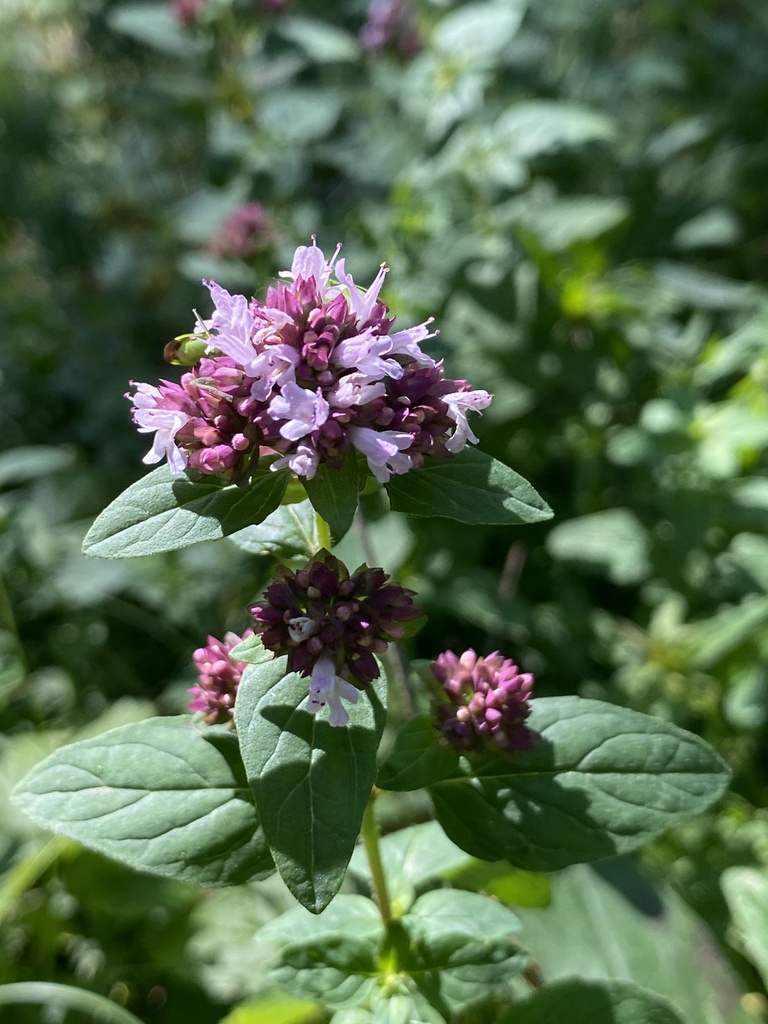
oregano
Origanum vulgare
Placenta I Ground cover No biomass productionPerennial Mediterranean herb (20–60 cm), small aromatic leaves. In southeastern and southern Brazilian syntropic systems used as permanent cover be...
-
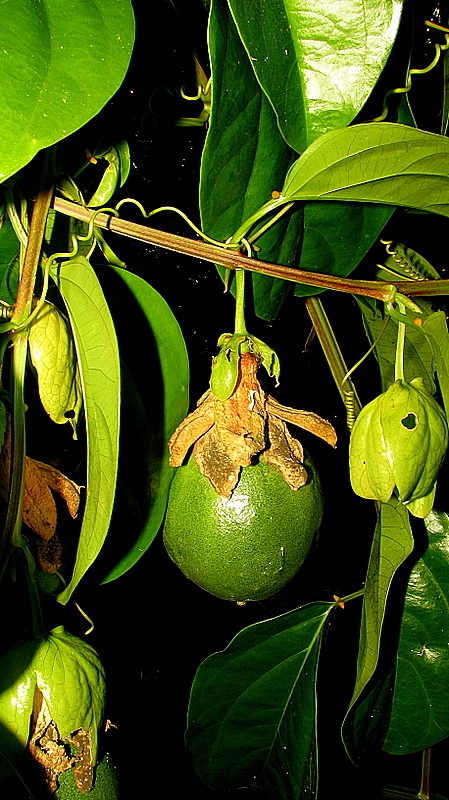
sweet passion fruit
Passiflora alata
Placenta II Medium No biomass productionBrazilian native vine distinct from sour passionfruit (P. edulis). Pyriform orange-yellow fruit with sweet, fragrant flesh eaten fresh — fruitier, ...
-
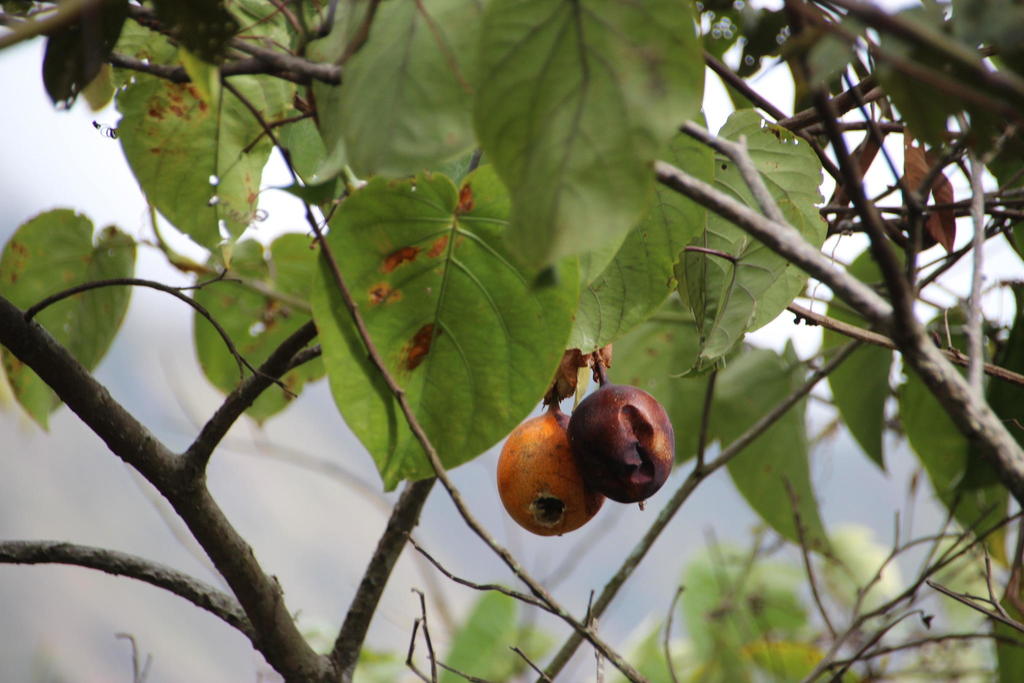
sweet granadilla
Passiflora ligularis
Placenta II Medium No biomass productionAndean species (Colombia, Peru, Ecuador). Altitude vine (1,000–2,500 m); orange-yellow fruit with translucent pulp, black seeds, sweet aromatic fla...
-
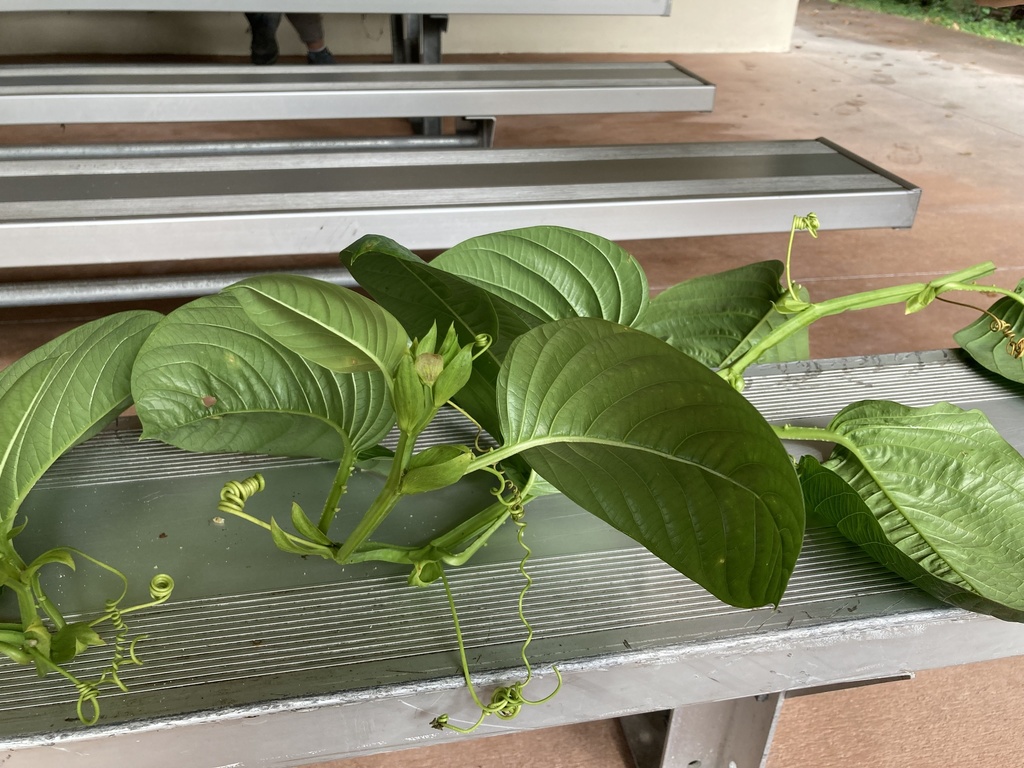
giant granadilla
Passiflora quadrangularis
Placenta II Medium No biomass productionOne of the most vigorous Passiflora vines, with squared stem cross-section (origin of the scientific name). Huge fruit — 15–30 cm, up to 4 kg — wit...
-
Barbados gooseberry
Pereskia aculeata
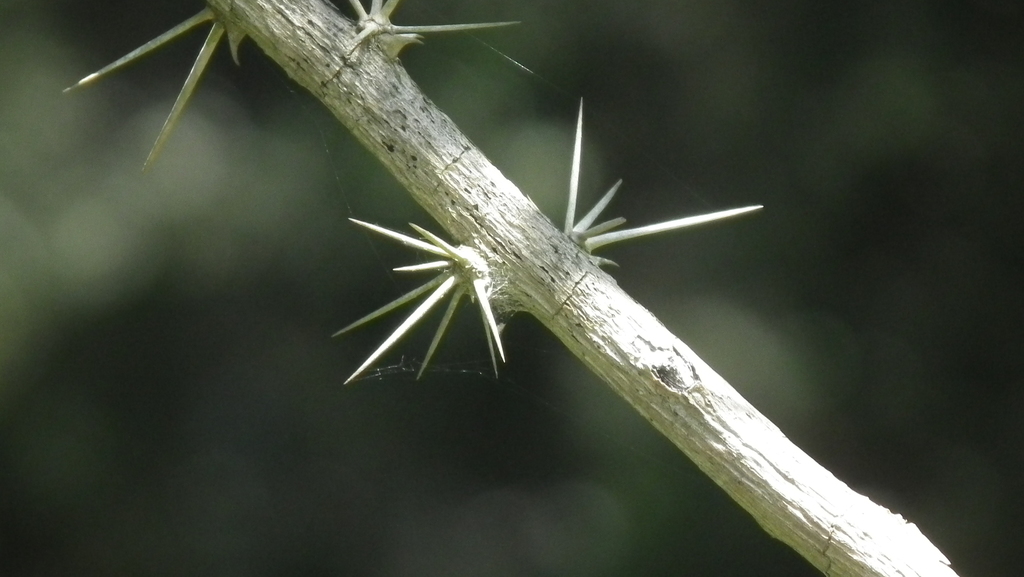
Placenta II Medium No biomass productionAn atypical cactus with broad, non-succulent leaves and a spiny scrambling, shrubby habit, native to the Americas and common in southeastern and no...
-
sweet cherry
Prunus avium
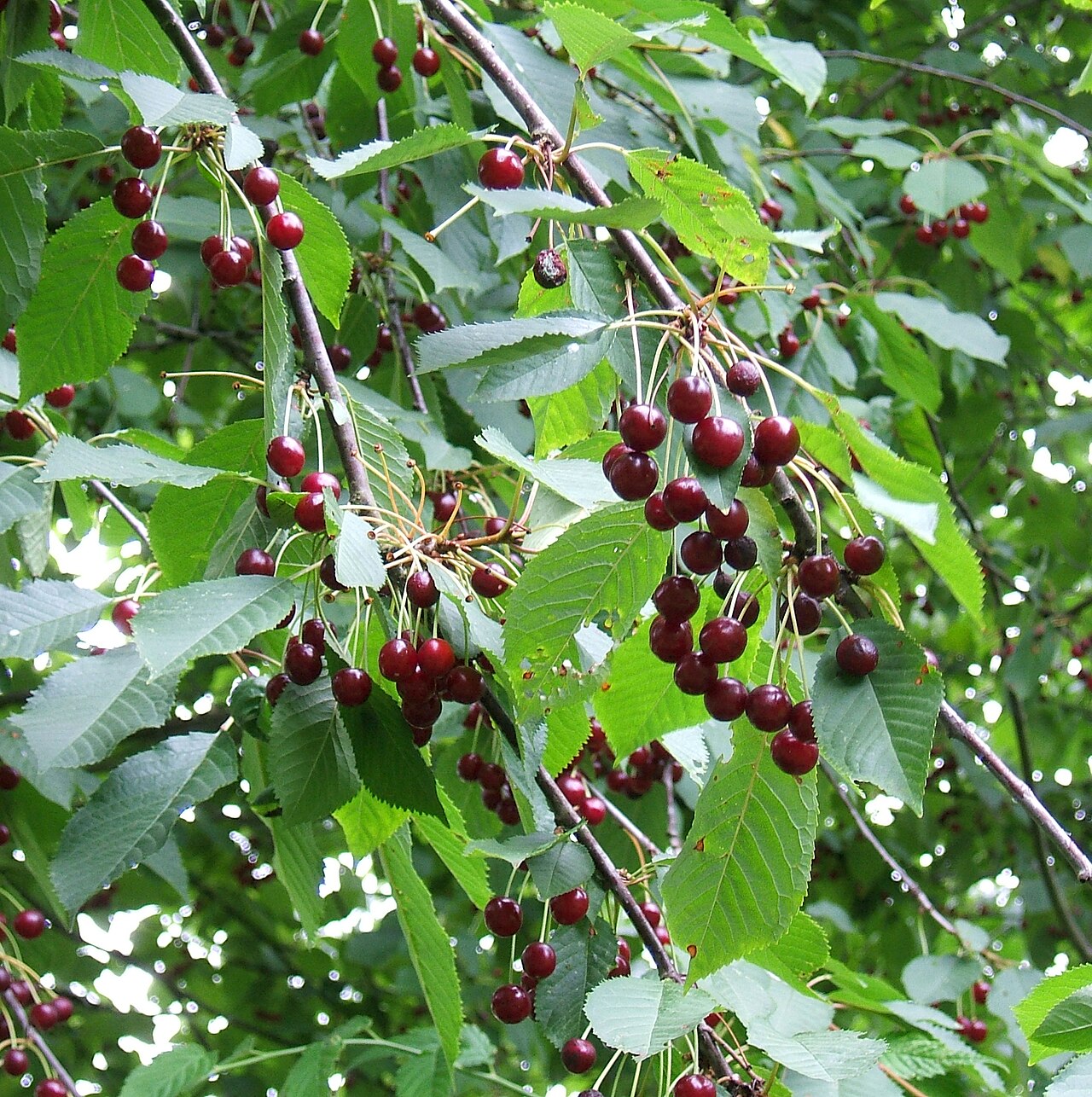
Secondary II High No biomass productionSweet cherry, a deciduous tree of the Rosaceae family, exotic to Brazil and highly chill-demanding — most cultivars need more than 800 hours below ...
-
peach
Prunus persica
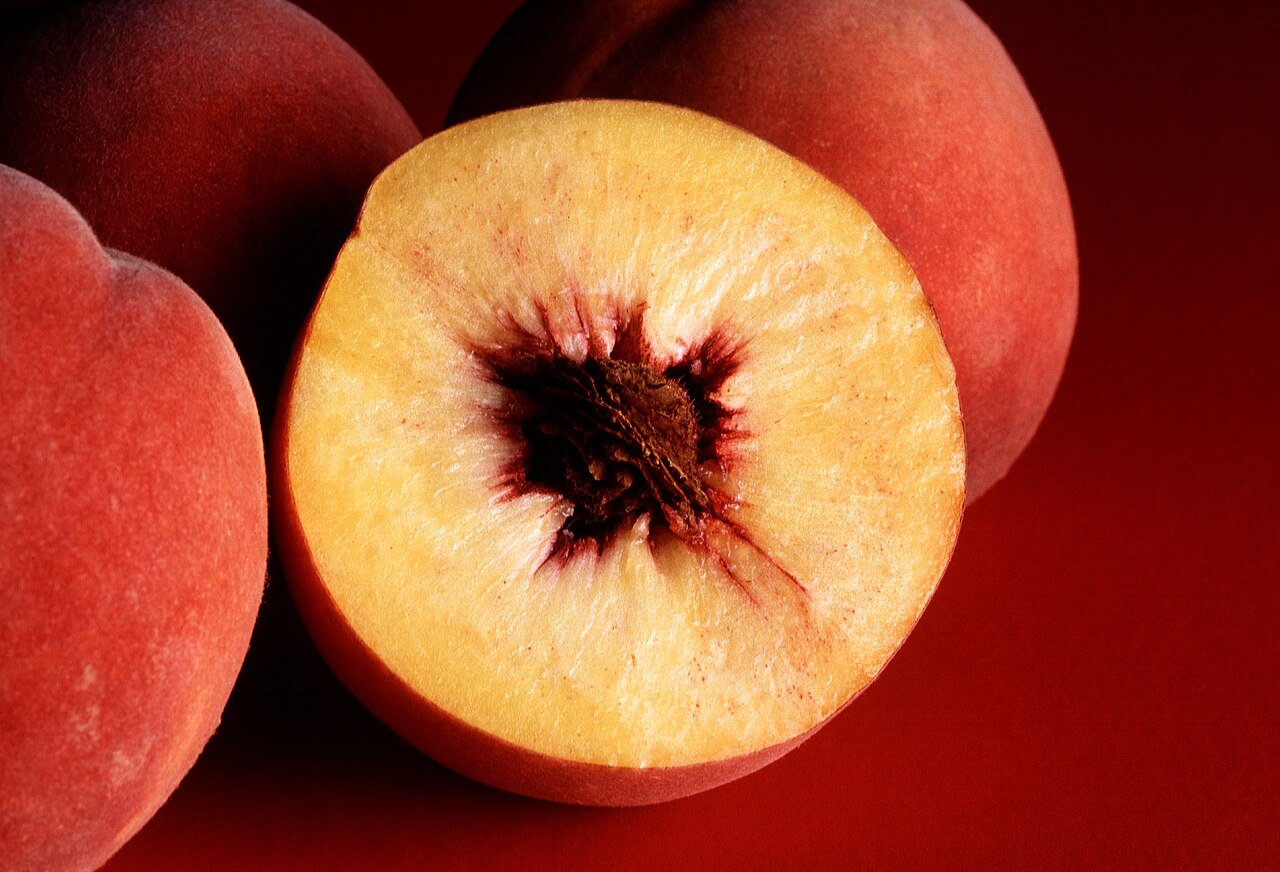
Secondary I Medium No biomass productionA deciduous fruit tree of the Rosaceae family, exotic to Brazil but well adapted to the temperate-climate regions of the south. It requires winter ...
-
Japanese plum
Prunus salicina
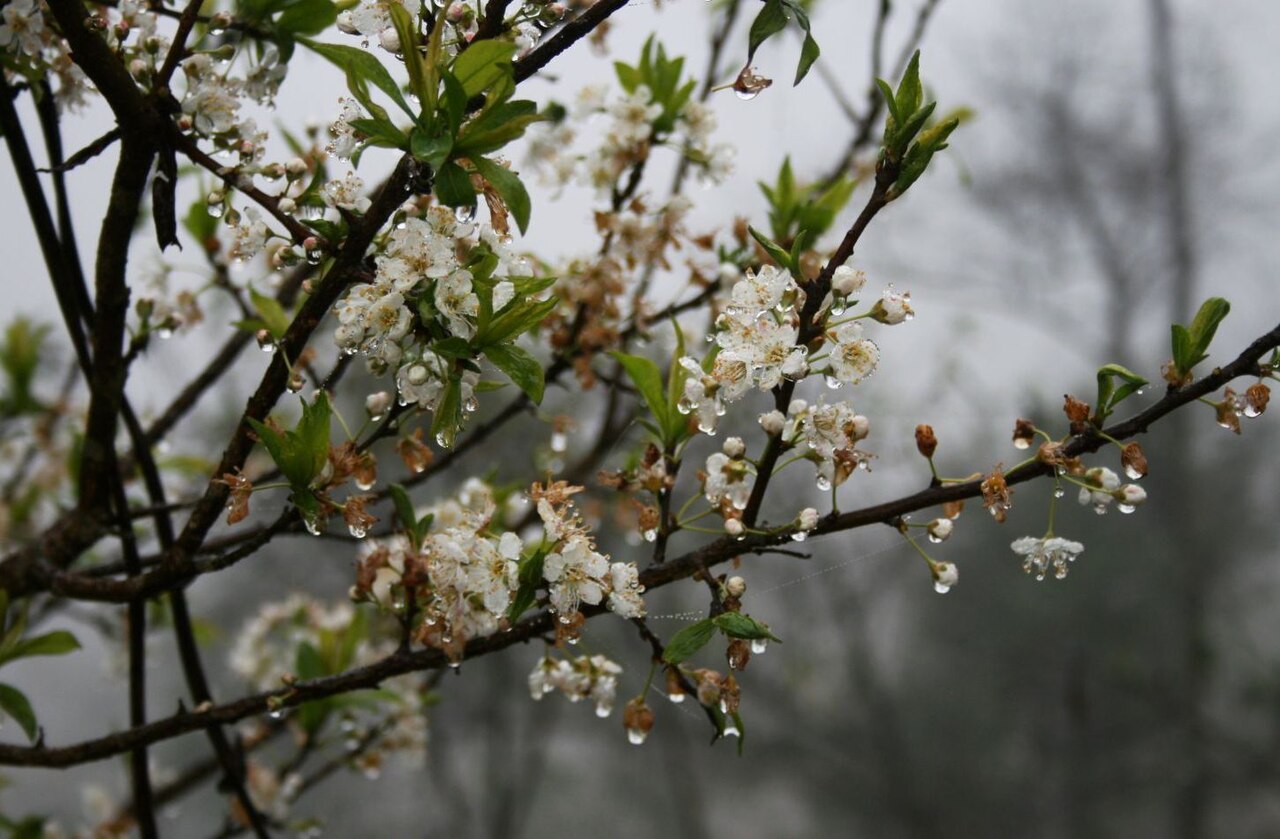
Secondary I Medium No biomass productionA deciduous plum tree originating in China, widely grown in southern Brazil as a temperate fruit crop. It has a moderate chill requirement (cultiva...
-
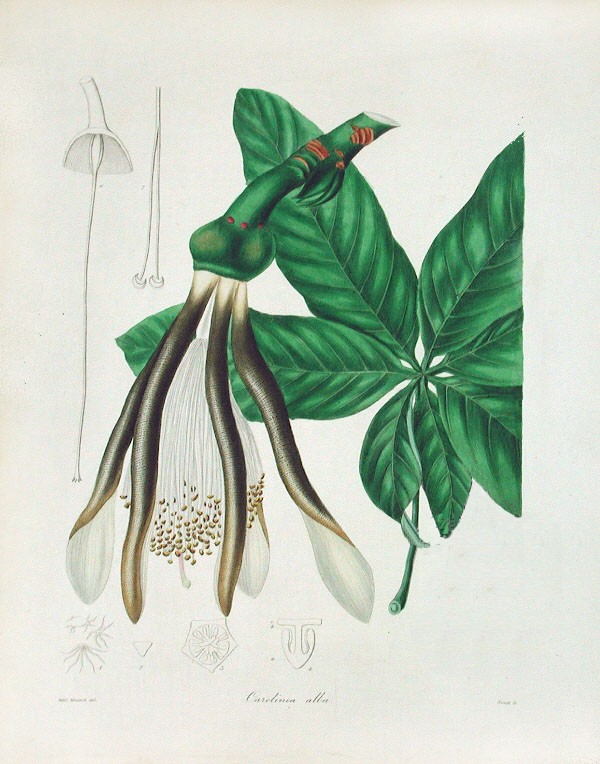
embiruçu
Pseudobombax grandiflorum
Secondary II High Mulch biomassNative tree of the Atlantic Forest and Cerrado, with spectacular brush-like white flowers. EcoAgri lists it in the high stratum of the 'up to 50 ye...
-
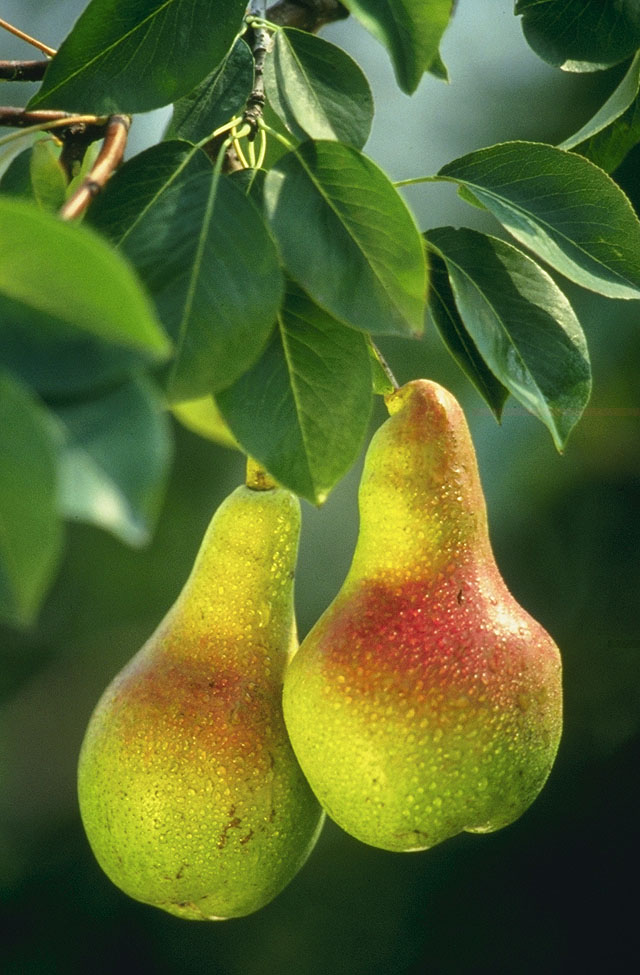
European pear
Pyrus communis
Secondary II Medium No biomass productionThe European pear, a deciduous fruit tree of the Rosaceae family, exotic to Brazil and demanding in chill (usually more than 600 hours below 7 °C)....
-
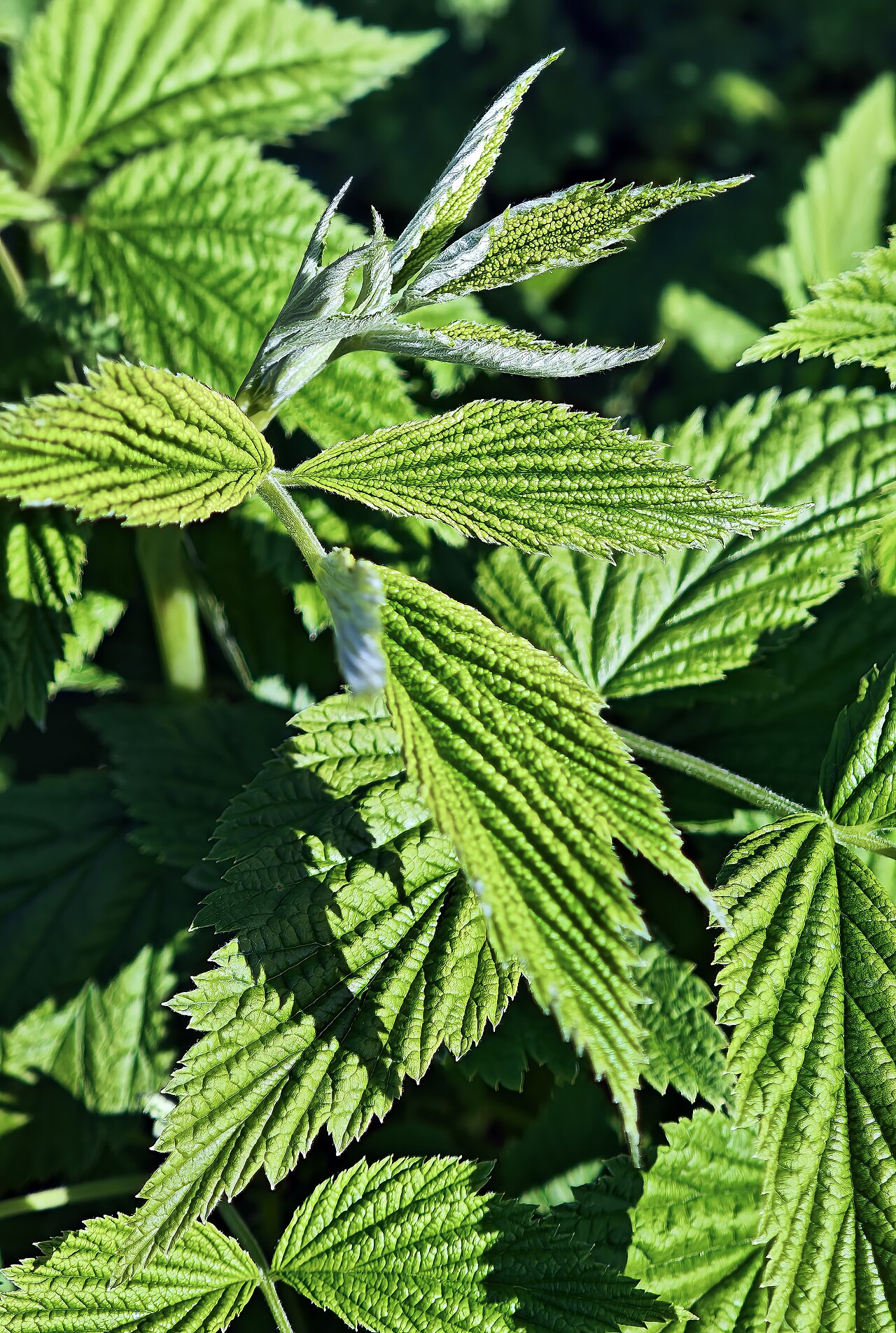
raspberry
Rubus idaeus
Secondary I Low No biomass productionRaspberry, a perennial shrub with biennial canes of the Rosaceae family, exotic to Brazil and grown in cold regions of the south and in highland mi...
-
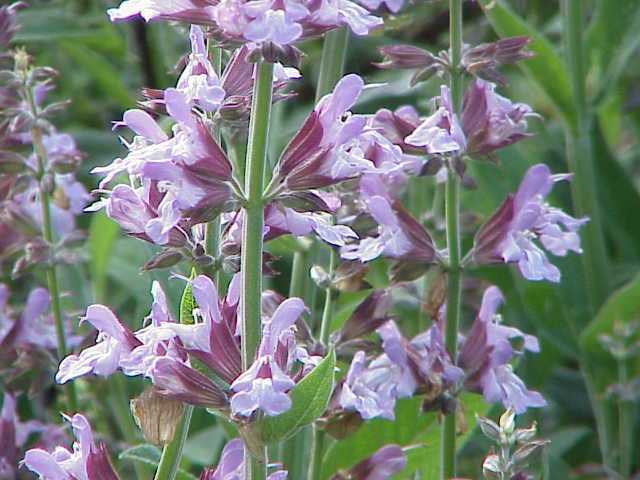
sage
Salvia officinalis
Placenta II Low No biomass productionPerennial Mediterranean subshrub (40–80 cm), grey-green aromatic leaves. Cold-hardy. In subtropical syntropic systems pairs well with rosemary and ...
-
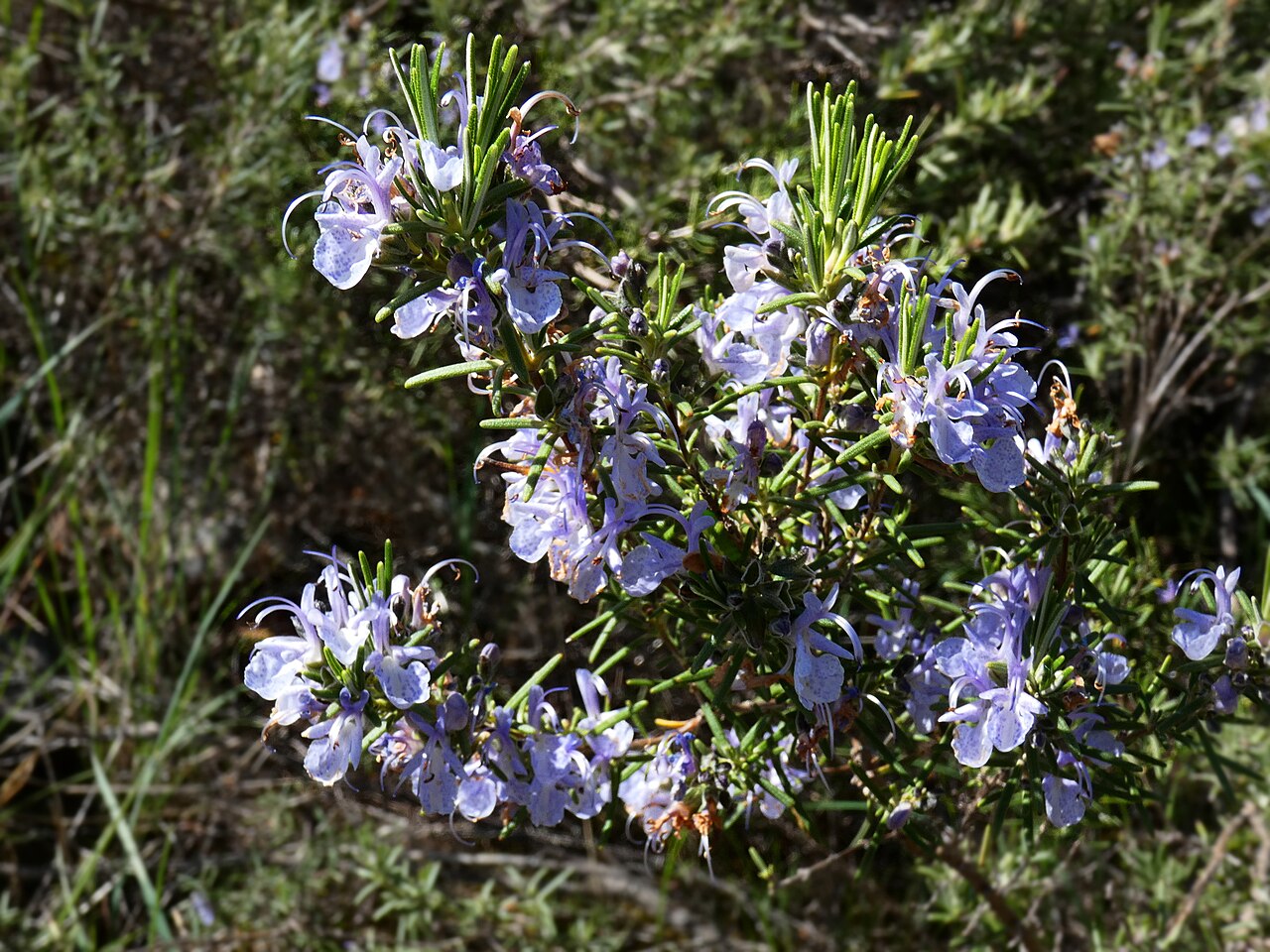
rosemary
Salvia rosmarinus
Placenta II Low No biomass productionPerennial Mediterranean shrub (0.8–1.5 m), aromatic, narrow resinous leaves. Extreme drought tolerance; prefers well-drained slightly alkaline soil...
-
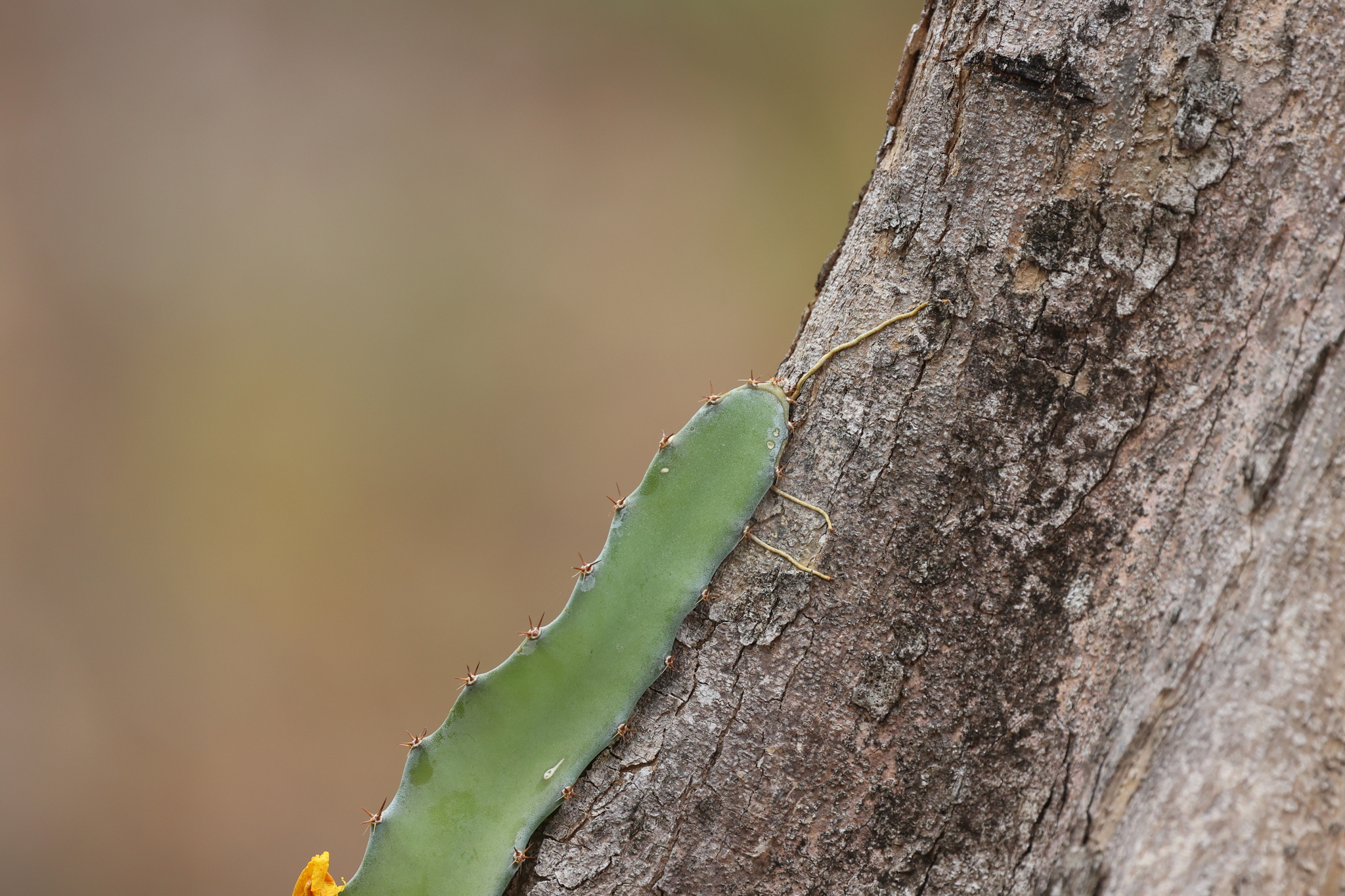
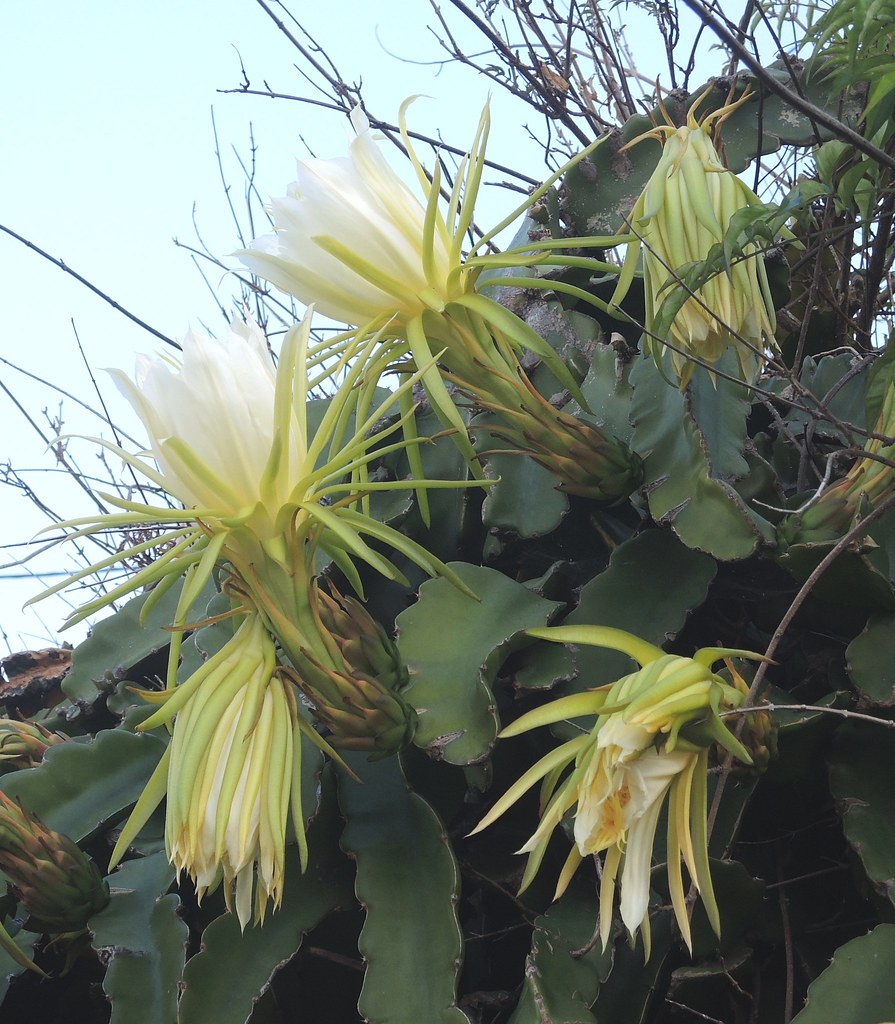
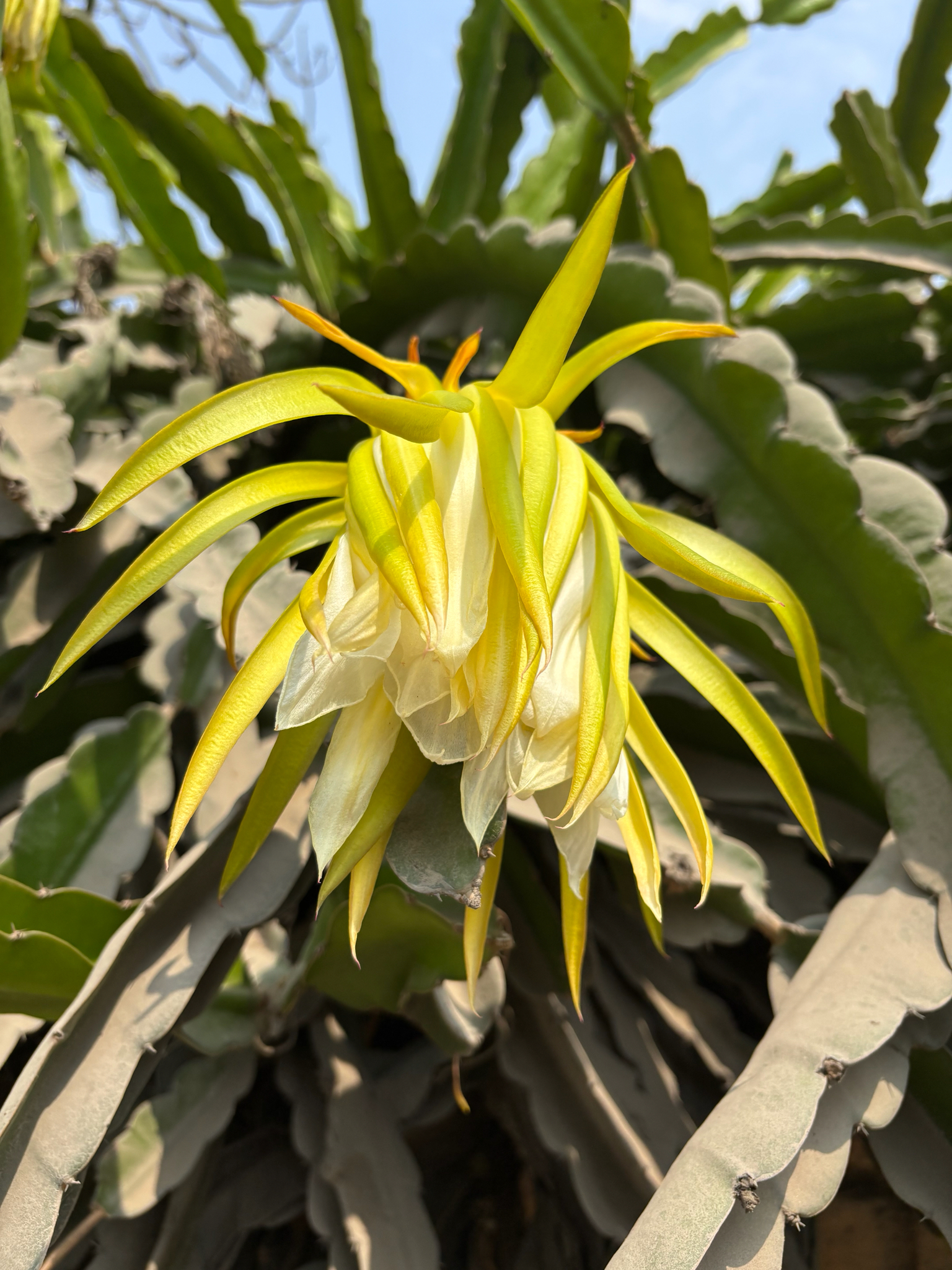
red-fleshed dragon fruit
Selenicereus costaricensis
Placenta II Low No biomass productionAn epiphytic, climbing cactus native to Central America and northwestern South America (from Nicaragua to northern Peru), grown for its deep red-fl...
-
yellow dragon fruit
Selenicereus megalanthus
Placenta II Low No biomass productionAn epiphytic, climbing cactus native to northern South America (Colombia, Ecuador, Peru and Bolivia), grown for its yellow-skinned, white-fleshed a...
-
white-fleshed dragon fruit
Selenicereus undatus
Placenta II Low No biomass productionAn epiphytic, climbing cactus (originating between Mexico and Honduras) grown for its white-fleshed, pink-skinned dragon fruit. It grows on support...
-
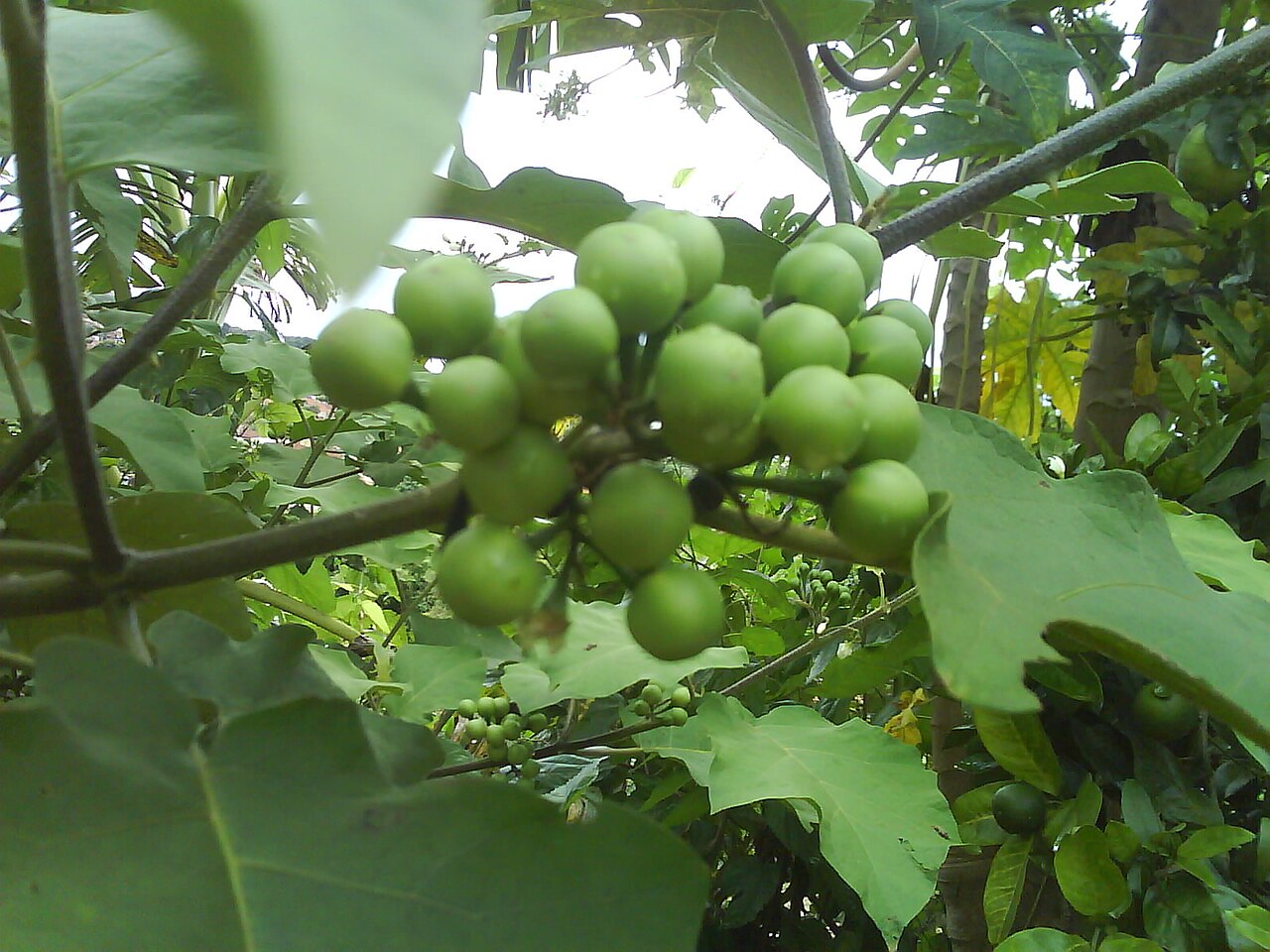
jurubeba
Solanum paniculatum
Placenta II Medium No biomass productionA pioneer shrub native to Brazil, in the Solanaceae, common in disturbed areas, roadsides and pastures across most of the country. It reaches about...
-
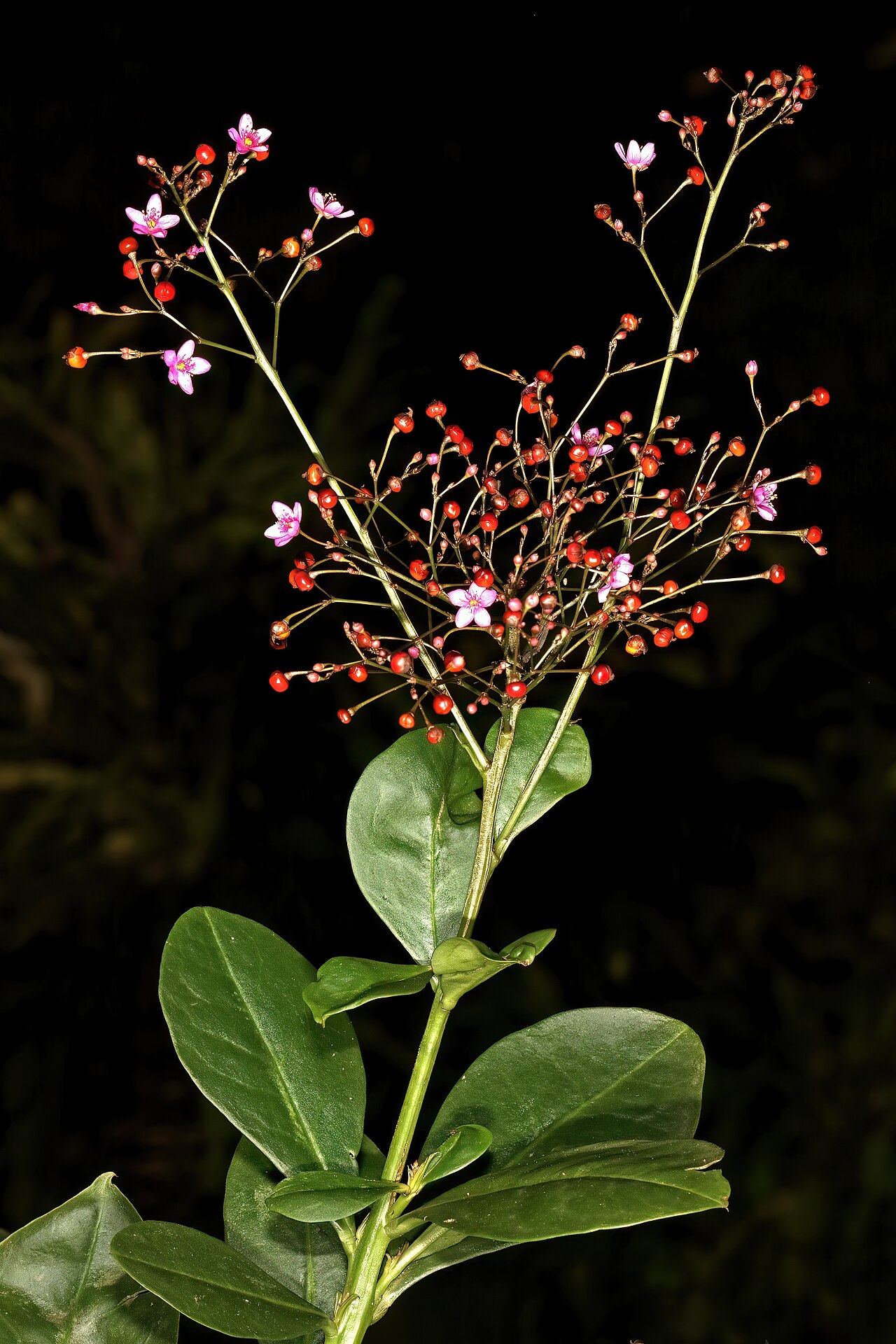
fameflower
Talinum paniculatum
Placenta I Low No biomass productionA perennial succulent herb in the Talinaceae, native to the Americas and common as an unconventional food plant (PANC) and a volunteer in gardens. ...
-
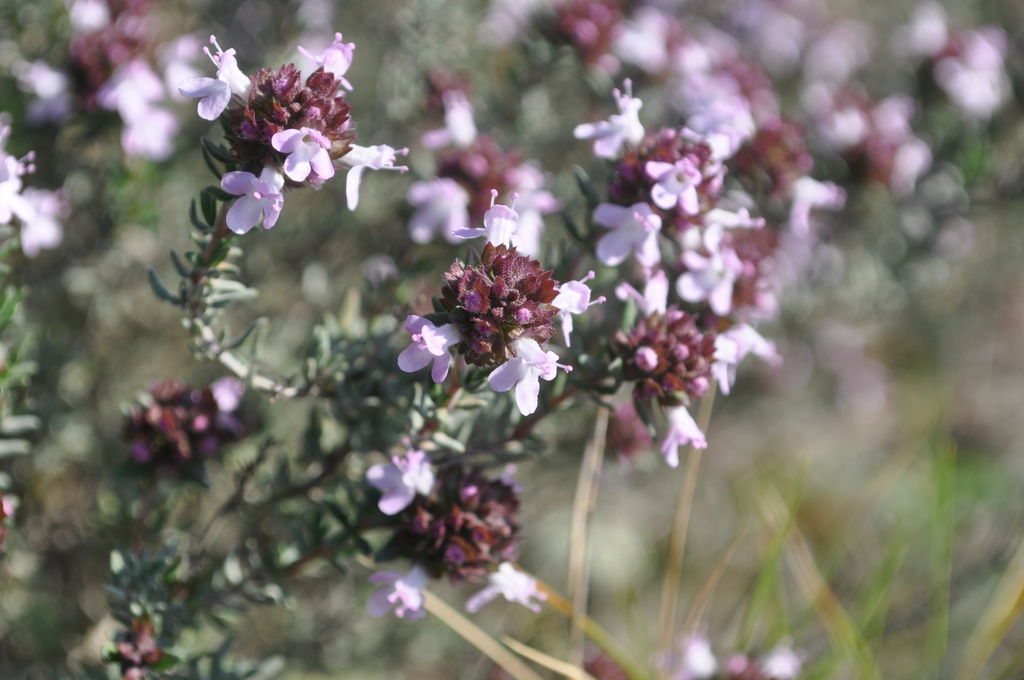
thyme
Thymus vulgaris
Placenta I Ground cover No biomass productionCreeping Mediterranean subshrub (15–30 cm), tiny leaves. Permanent ground cover in full sun on dry well-drained soil. Bee-attracting. Tolerates lig...
-
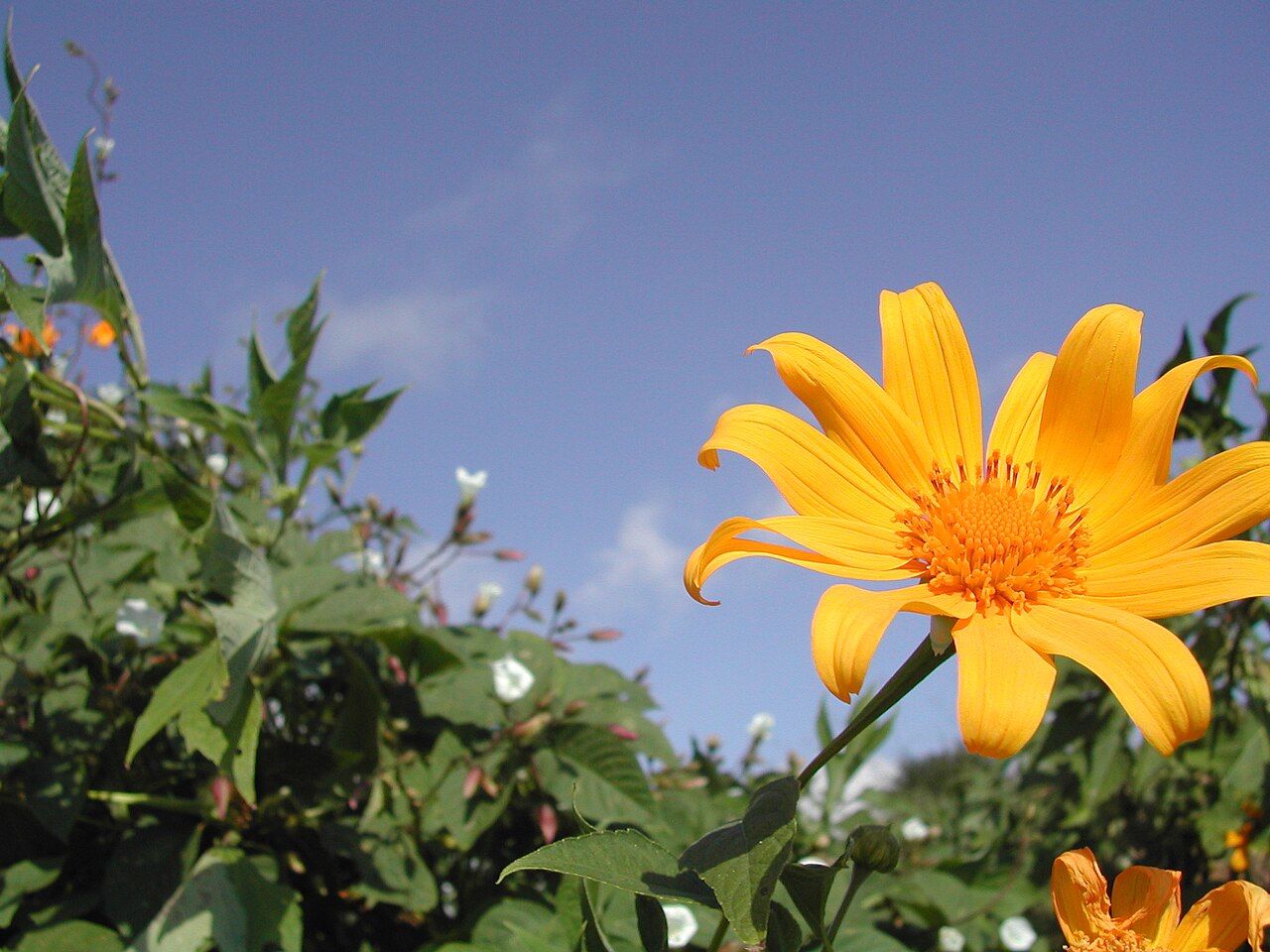
Mexican sunflower
Tithonia diversifolia
Placenta II High Fertilizer biomassFast-growing perennial shrub; propagated by stem cuttings; high biomass production rich in nitrogen, phosphorus, and potassium. Explicitly cited by...
❓ Frequently asked questions
What does "Attracts pollinators" mean in syntropic agriculture?
Species whose flowers attract bees, wasps, hummingbirds, and other pollinators. They boost yields of fruiting species and sustain fauna populations around the system.
Which catalog species are tagged Attracts pollinators?
The catalog holds 51 species, among them lemon balm, bracatinga, basil. Each profile shows stratum, succession stage, and the management data, with sources cited.