
Function
Fruit — species for syntropic systems
Fruit species are the guild's continuous-production flagship. Combining different strata and harvest seasons, the same ground yields fruit all year.
207 species in the catalog · Refine this list in the catalog
-
tamarind
Tamarindus indica
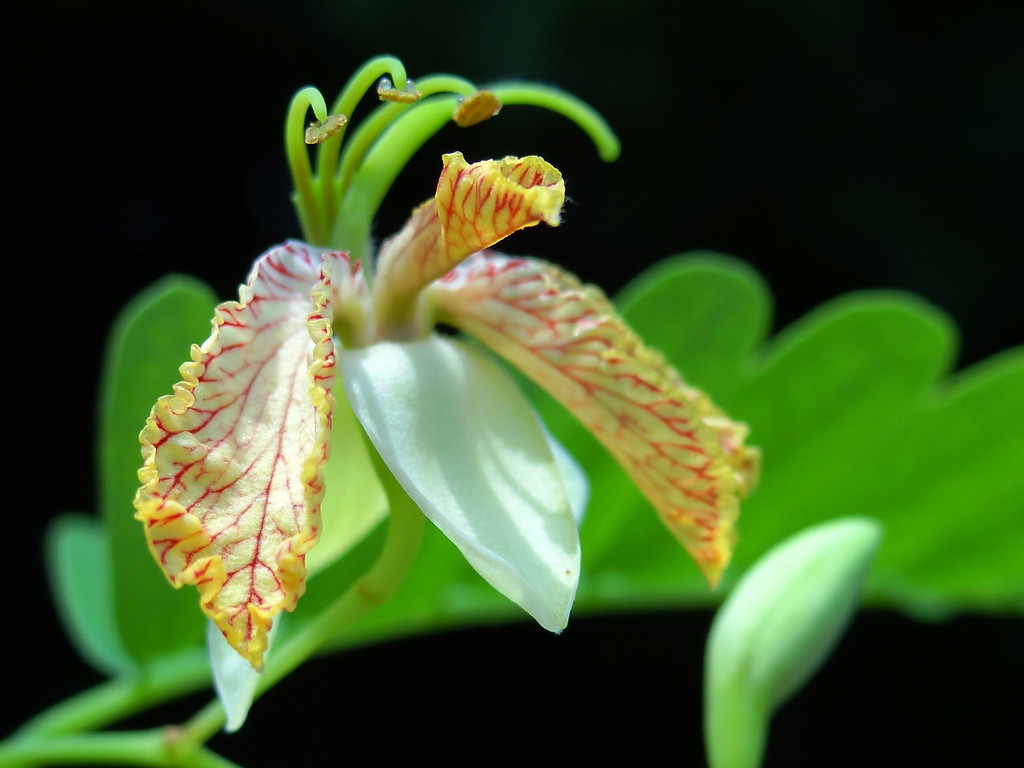
Climax High No biomass production 🌱 Nitrogen fixerAfrican leguminous fruit tree naturalized in the Brazilian semi-arid. EcoAgri lists it in the high stratum of the '> 50 years' bin. Tolerates sandy...
-
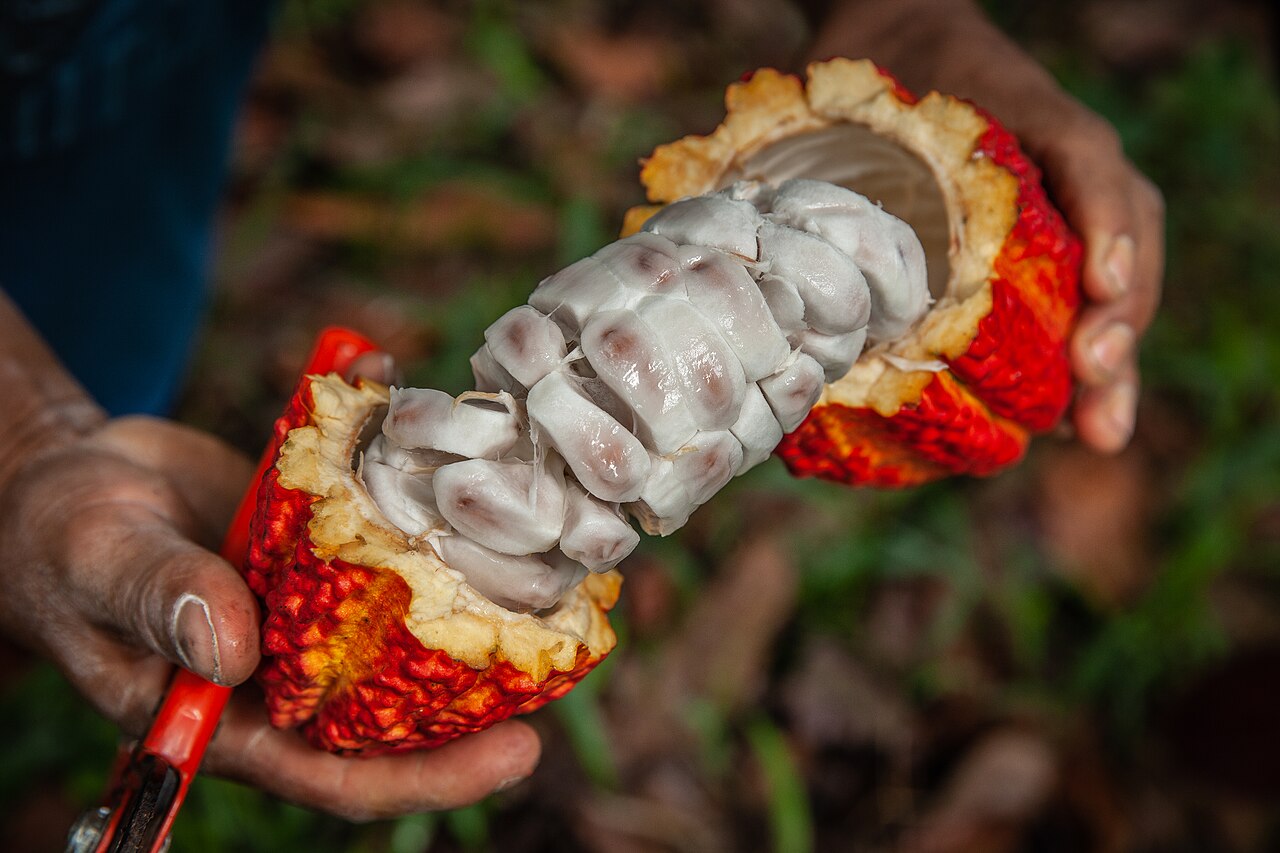
forastero cacao
Theobroma cacao
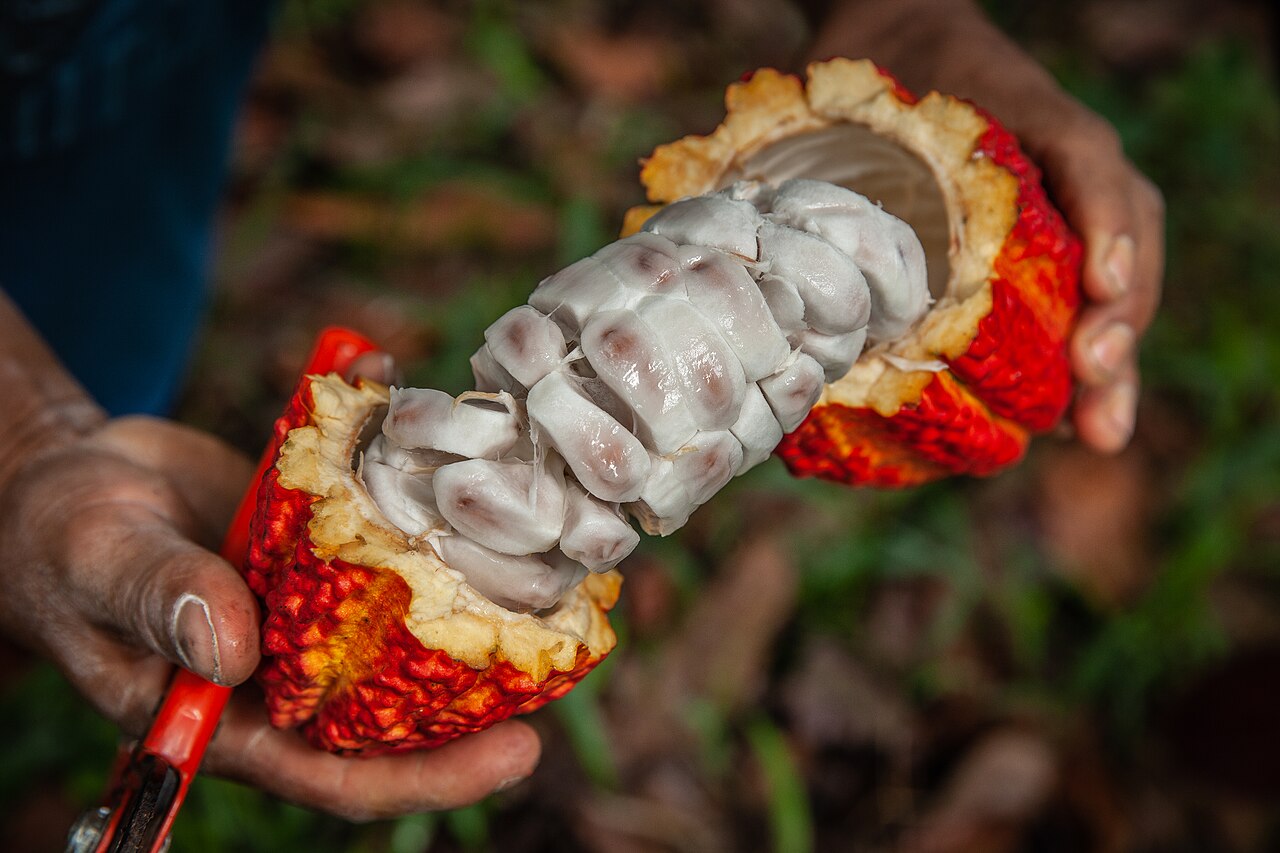
Secondary II Medium No biomass productionBrazil's dominant cacao varietal group — yellow-green pods, purple-cotyledon seeds, robust but less aromatic flavor. Tall (6–12 m unpruned), vigoro...
-
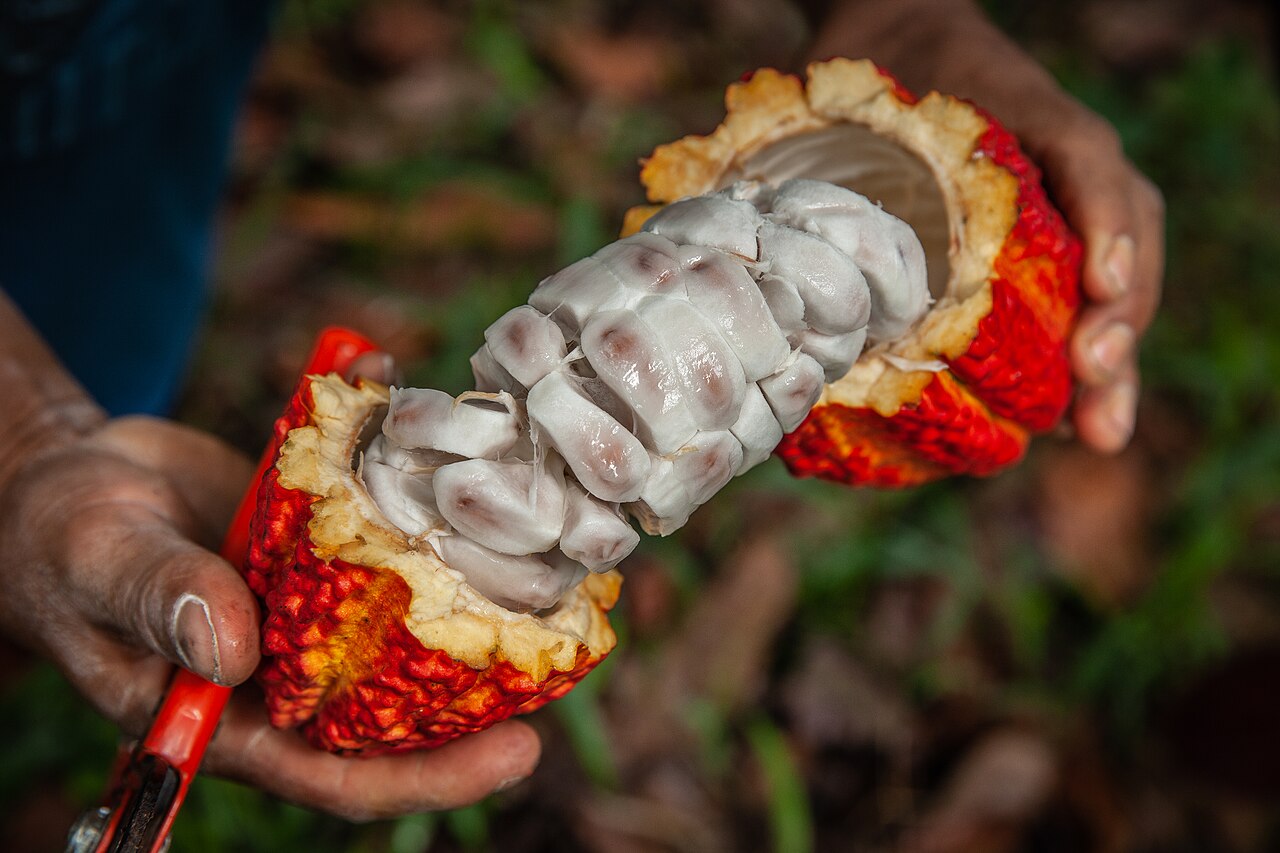
cocoa
Theobroma cacao
Secondary I Low No biomass productionLow-stratum fruit tree shaded by bananas, ingás and palms in the Bahia syntropic systems pioneered by Götsch.
-
criollo cacao
Theobroma cacao
Secondary II Medium No biomass productionHeirloom varietal group — Mesoamerican origin, red or yellow pods with white-to-pale-purple seeds. Delicate, low-bitterness flavor — the basis of t...
-
trinitario cacao
Theobroma cacao
Secondary II Medium No biomass productionHybrid group (Forastero × Criollo) originating in Trinidad. Combines Forastero's vigor with Criollo's cup quality. Medium height (5–8 m), intermedi...
-
ccn-51 cacao
Theobroma cacao
Secondary II Medium No biomass productionEcuadorian hybrid clone (IMC-67 × ICS-95) selected by Homero Castro in the 1960s. Compact (4–5 m), self-compatible, high yield (up to 4 t/ha), and ...
-
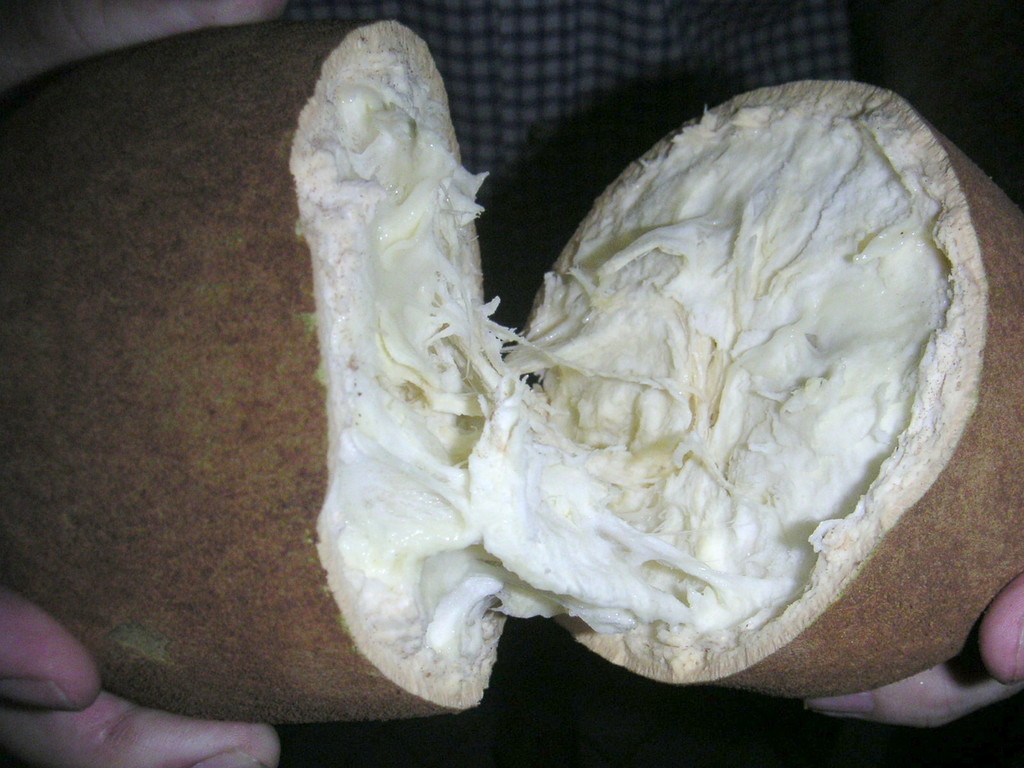
cupuaçu
Theobroma grandiflorum
Secondary I Medium No biomass productionAmazonian high-stratum fruit tree, cousin of cocoa. Pasini lists it in the high stratum of Tabela 3 and among Abundance-system species — middle pha...
-
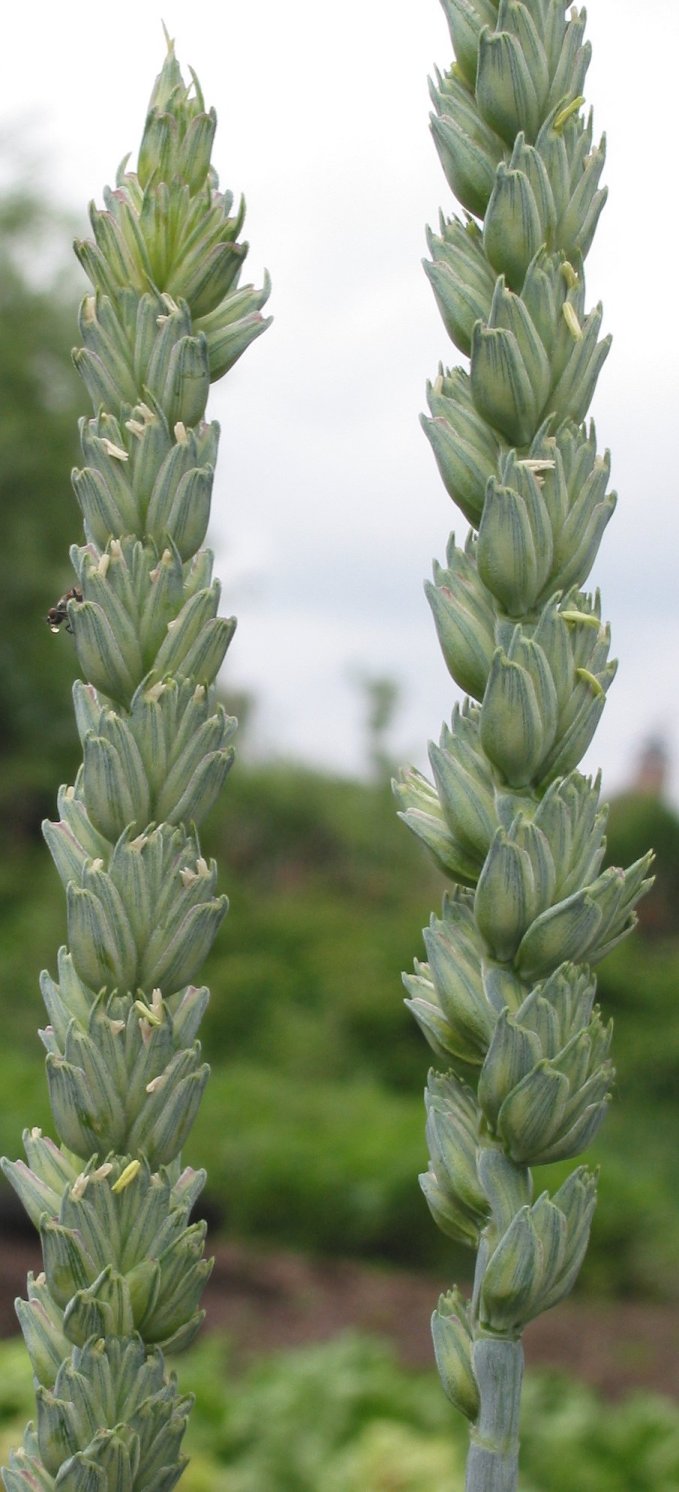
wheat
Triticum aestivum
Placenta I High Mulch biomassAnnual cereal originating in the Fertile Crescent. Rebello & Sakamoto (2019) tested wheat in a syntropic system in the Cerrado (Chapada dos Veadeir...
-
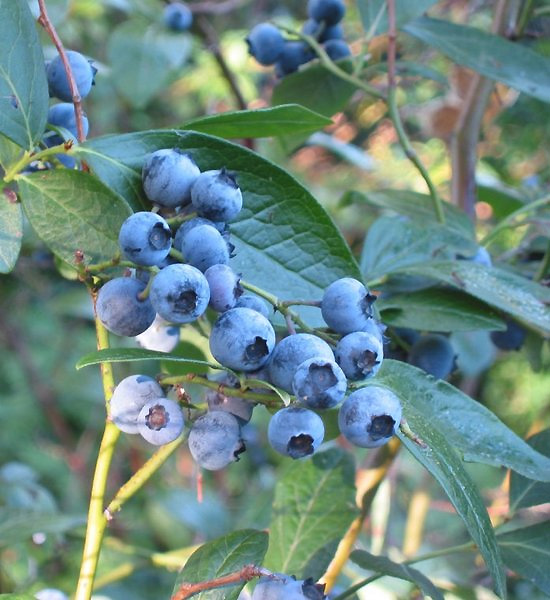
blueberry
Vaccinium corymbosum
Secondary I Low No biomass productionNorthern highbush blueberry, a deciduous shrub of the Ericaceae family, exotic to Brazil and grown in cold regions of the south, notably Rio Grande...
-
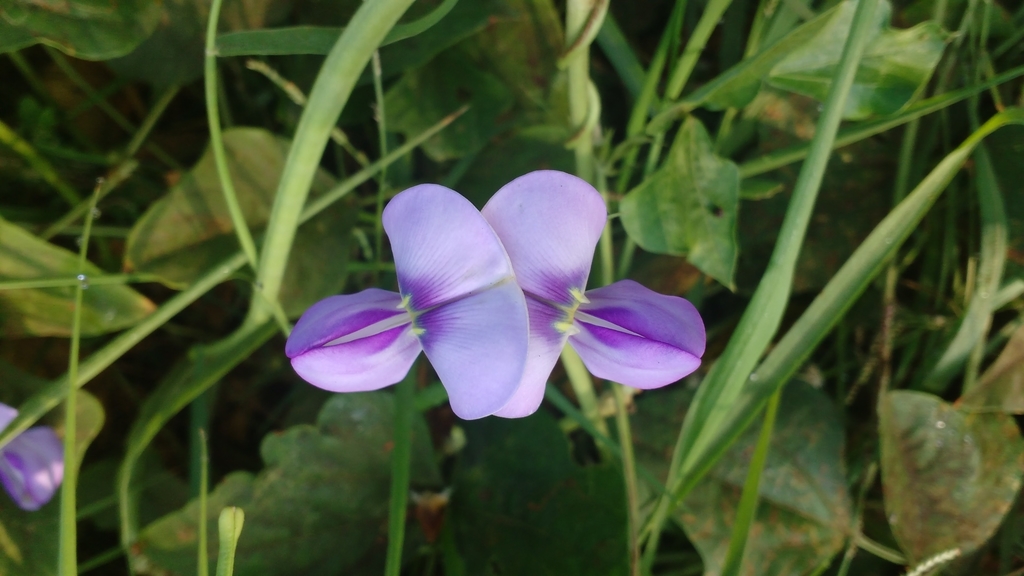
cowpea
Vigna unguiculata
Placenta I Ground cover Fertilizer biomass 🌱 Nitrogen fixerAnnual nitrogen-fixing legume, prostrate or semi-climbing. Adapted to NE Brazil — protein staple of regional cuisine. Short cycle (60–90 days). Mor...
-
concord grape
Vitis labrusca
Secondary II Medium No biomass productionAmerican grapevine — rustic and tolerant of diseases that afflict V. vinifera in the tropics. Source of >90% of Brazilian grape production (Niagara...
-
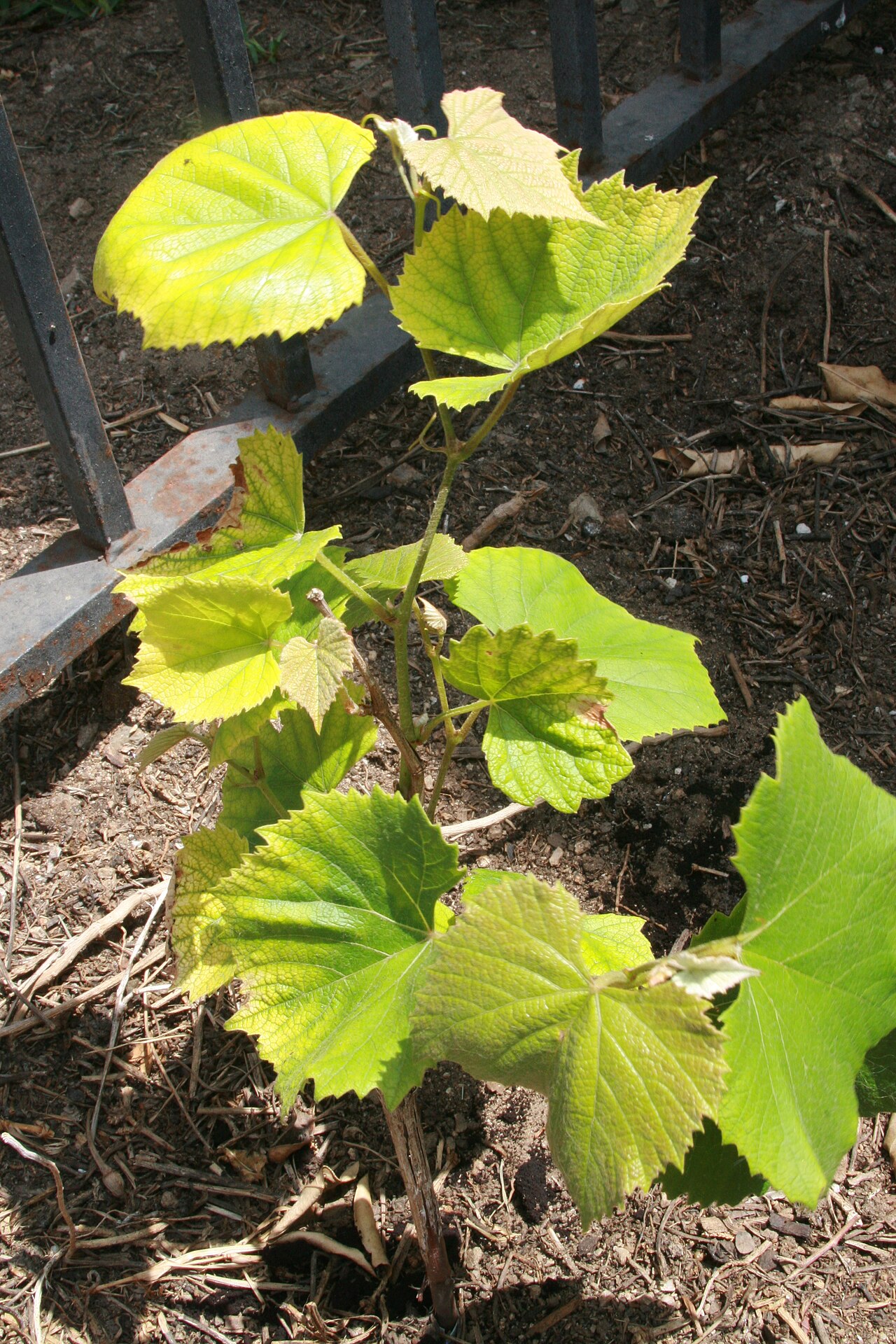
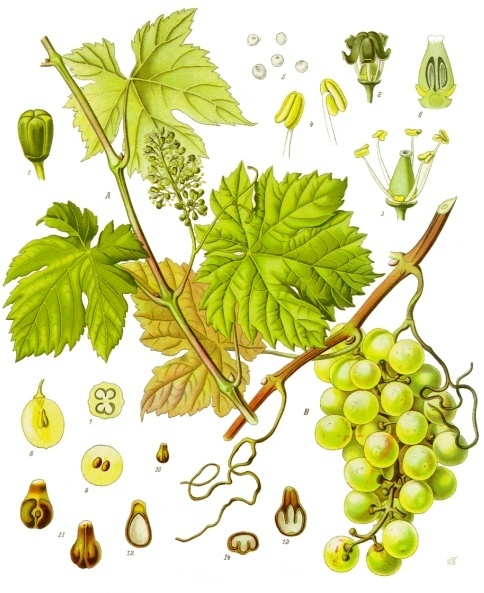
grape
Vitis vinifera
Secondary II Medium No biomass productionWoody perennial vine. Cultivated throughout Brazil — European grapevines (Vitis vinifera) in the South (table and wine grapes); American (V. labrus...
-
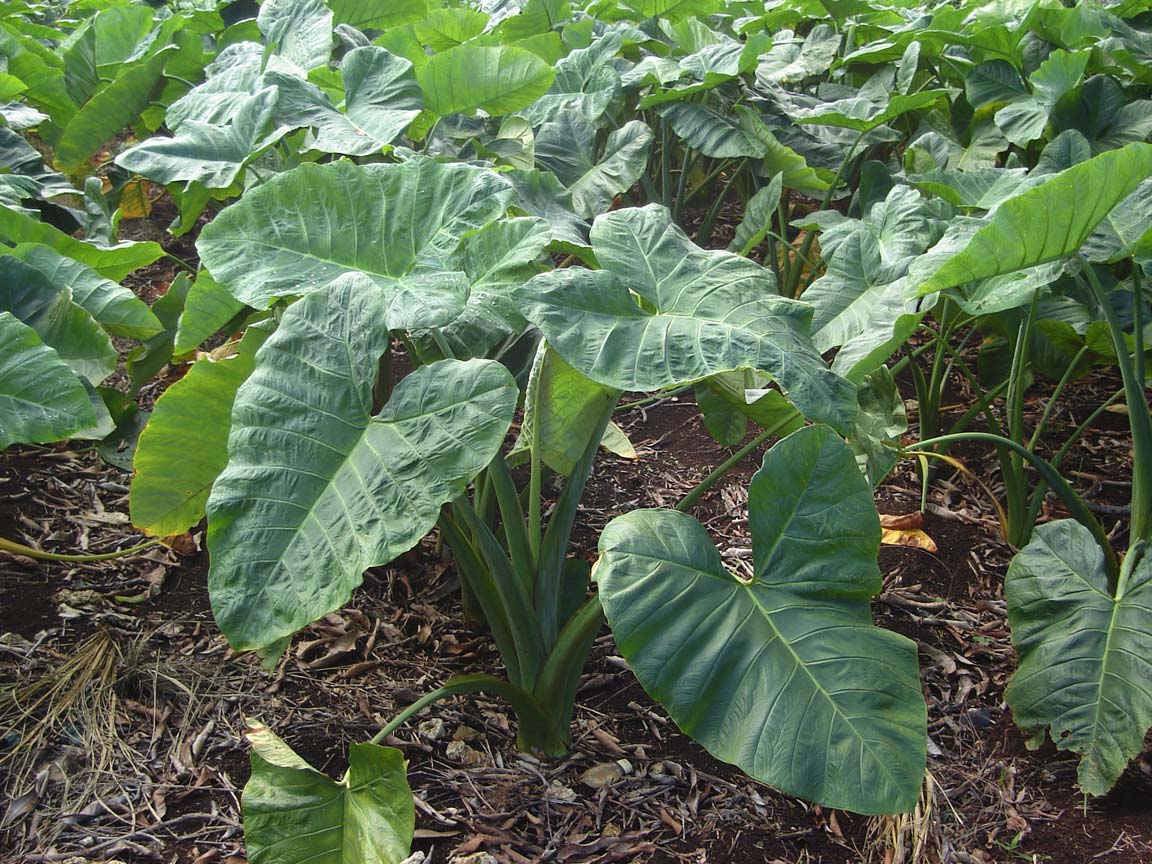
tannia
Xanthosoma sagittifolium
Secondary I Low No biomass productionPANC perennial leafy vegetable widely used in Brazilian syntropic systems. Pasini lists it in the low stratum of Tabela 3 and in the '3 to 10 years...
-
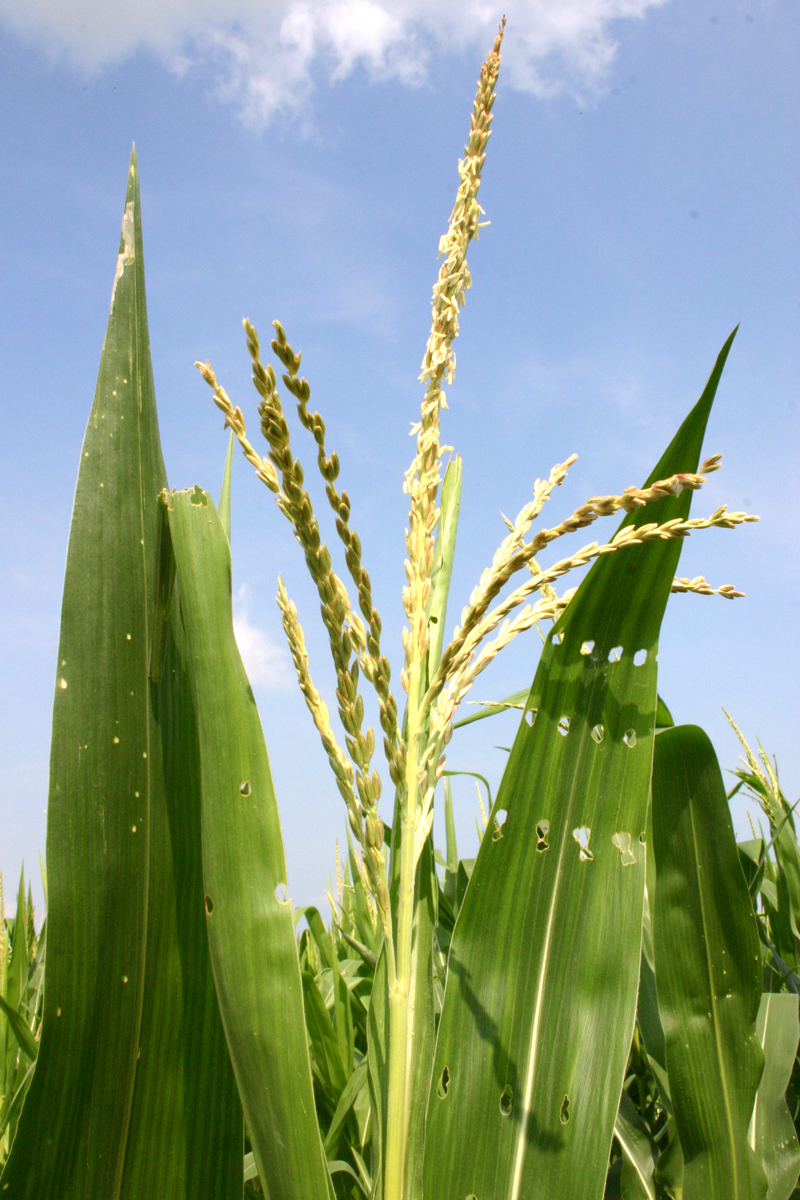
maize
Zea mays
Placenta I Emergent Mulch biomassAnnual C4 cereal — placed by Pasini in the emergent stratum of Tabela 3 and recommended for the 'up to 6 months' phase of Tabela 4. Short-cycle cov...
-
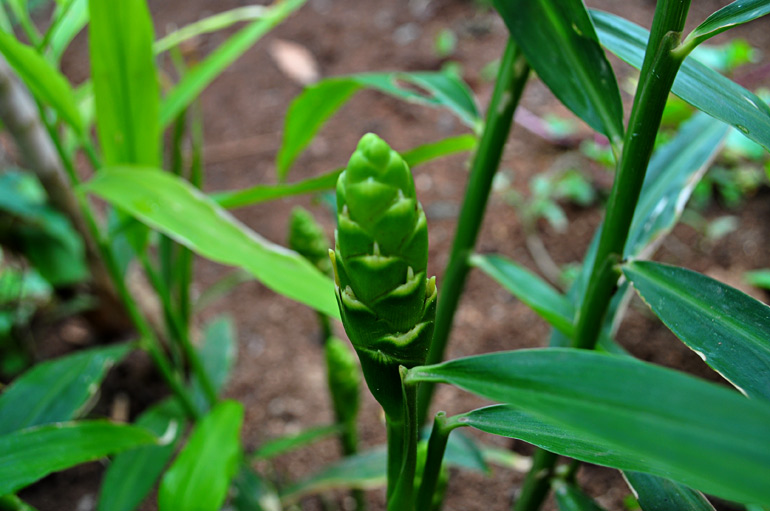
ginger
Zingiber officinale
Placenta I Low No biomass productionPerennial tropical aromatic rhizome. Pasini lists it in the low stratum of Tabela 3 and in the '1 to 3 years' phase of Tabela 4. Adapts well to the...
❓ Frequently asked questions
What does "Fruit" mean in syntropic agriculture?
Species whose main yield is a fleshy fruit for human or animal consumption. Includes tropical, subtropical, and temperate fruit species.
Which catalog species are tagged Fruit?
The catalog holds 207 species, among them tamarind, forastero cacao, cocoa. Each profile shows stratum, succession stage, and the management data, with sources cited.