
Function
Fruit — species for syntropic systems
Fruit species are the guild's continuous-production flagship. Combining different strata and harvest seasons, the same ground yields fruit all year.
207 species in the catalog · Refine this list in the catalog
-
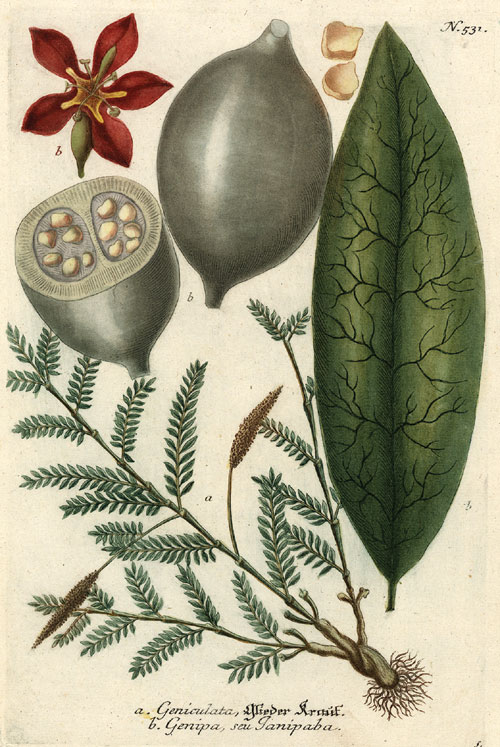
genipa
Genipa americana
Climax High No biomass productionPan-Brazilian native fruit (Cerrado, MA, Amazonia, Pantanal). EcoAgri lists it in the high stratum of the '> 50 years' bin. Edible fruit and source...
-
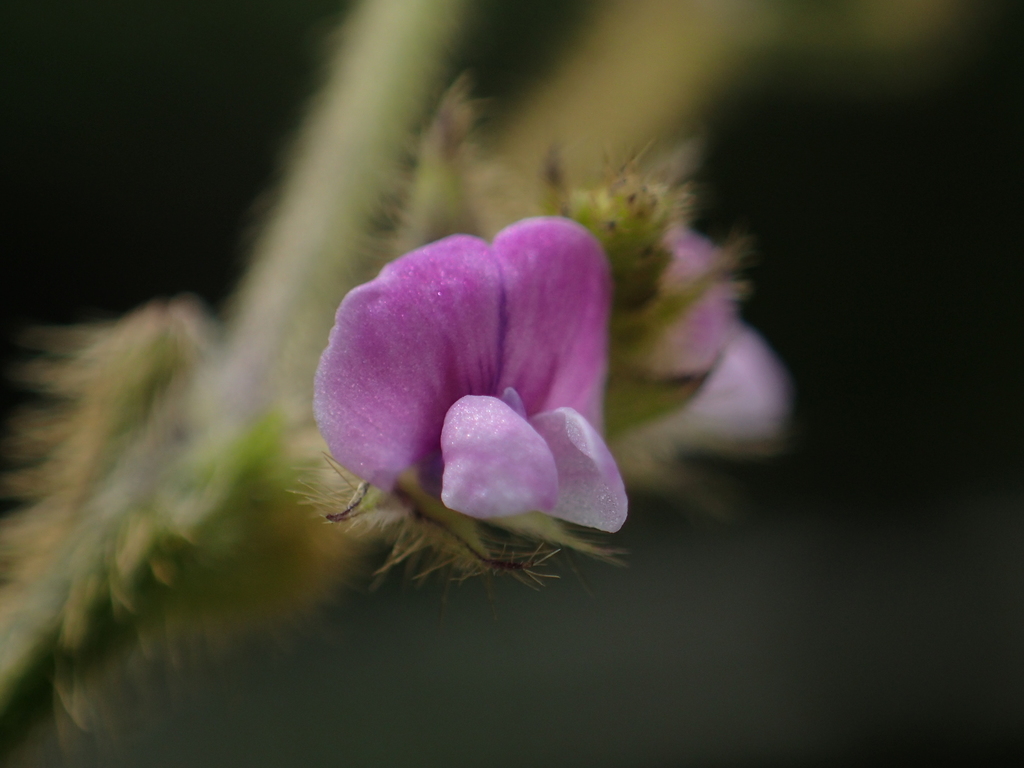
soybean
Glycine max
Placenta I Low Fertilizer biomass 🌱 Nitrogen fixerAnnual nitrogen-fixing legume (associates with Bradyrhizobium japonicum) — tall varieties Sambaíba and Tracajá were tested by Rebello & Sakamoto (2...
-
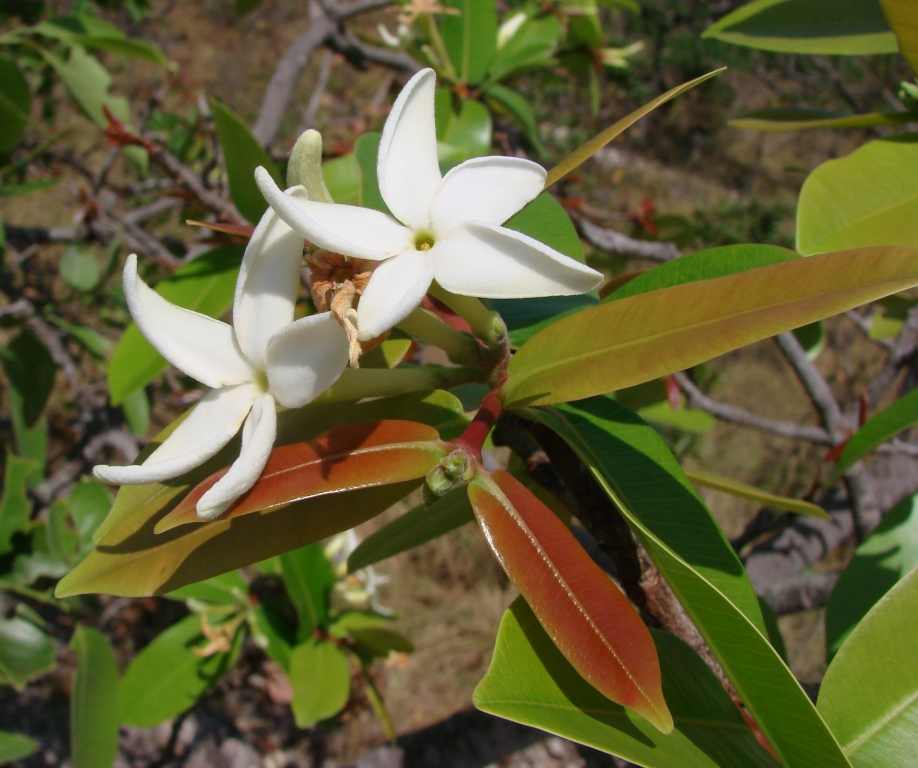
mangaba
Hancornia speciosa
Secondary II MediumEvergreen to semi-deciduous tree 2–10 m tall, characteristic of Brazilian Cerrado and coastal tablelands. Considered one of Brazil's priority 'Plan...
-
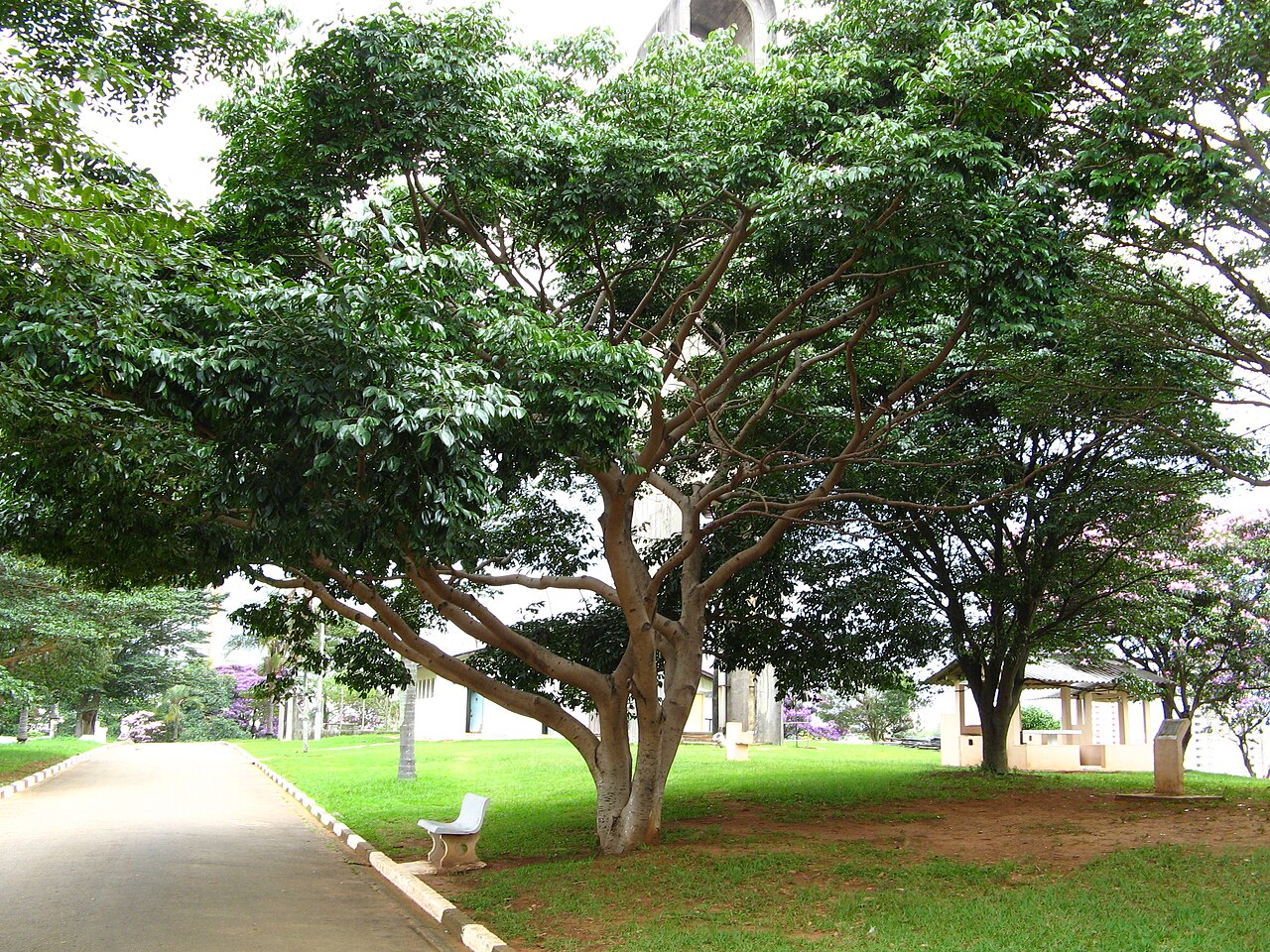
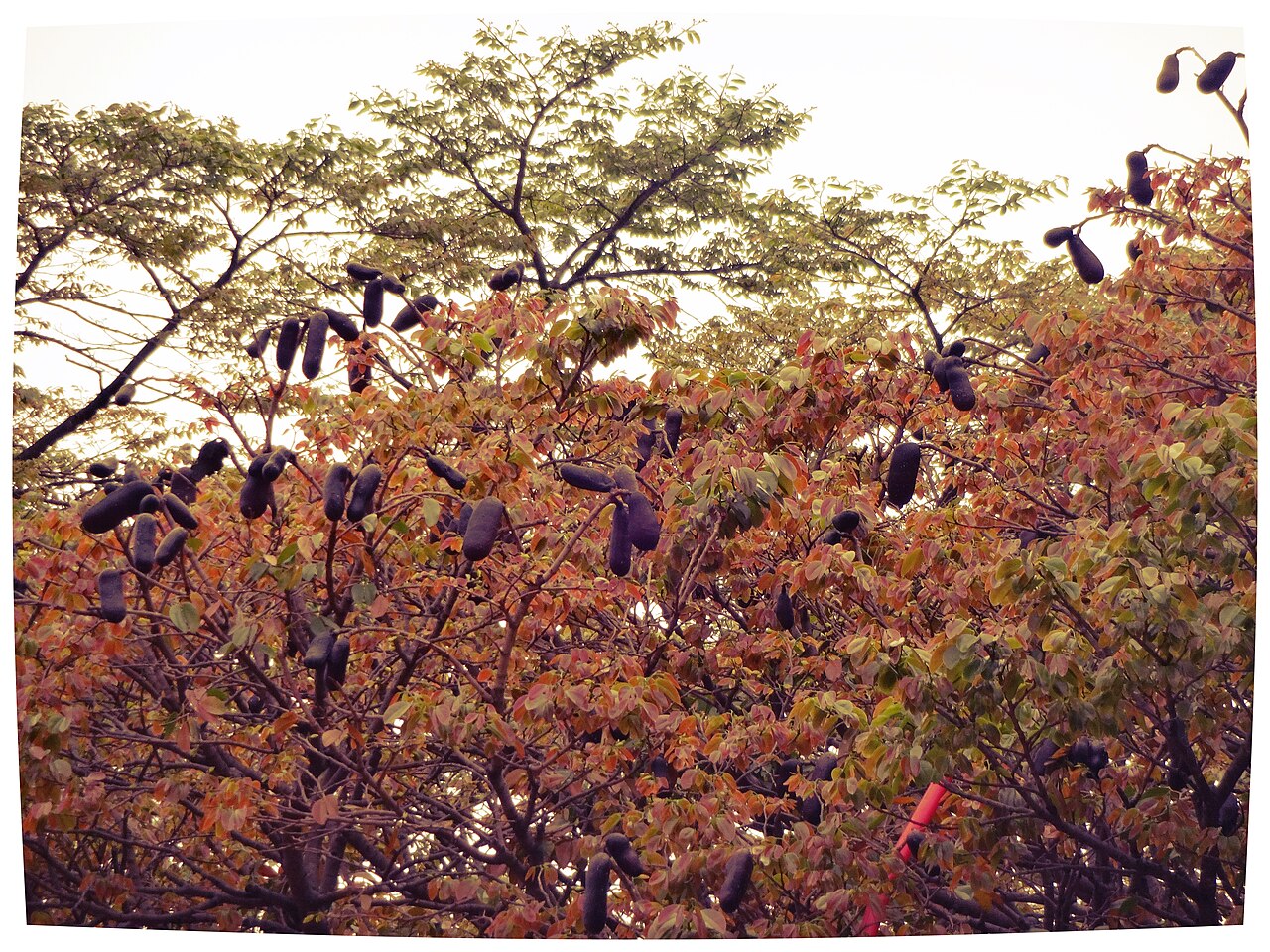
jatoba
Hymenaea courbaril
Climax Emergent Mulch biomassTropical climax with extremely dense timber; fruit pulp is edible. Common in syntropic abundance systems.
-
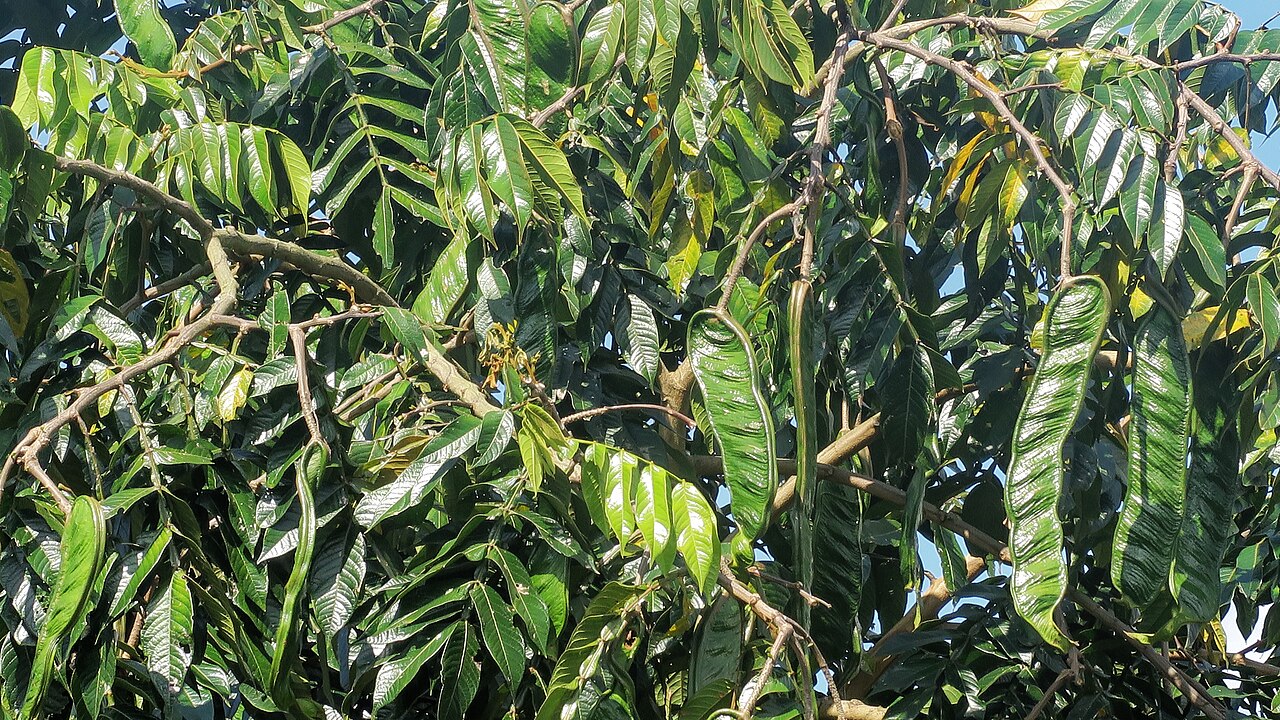
Cerrado jatobá
Hymenaea stigonocarpa
Climax HighDeciduous leguminous tree 5–20 m tall, typical of open cerrado and campo-cerrado on well-drained soils. Unlike most Fabaceae, it does not form N-fi...
-
ice cream bean
Inga edulis
Secondary I High Fertilizer biomass 🌱 Nitrogen fixerEssential nitrogen fixer in syntropic systems. Coppices readily after drastic pruning and produces large volumes of fertilizer biomass.
-
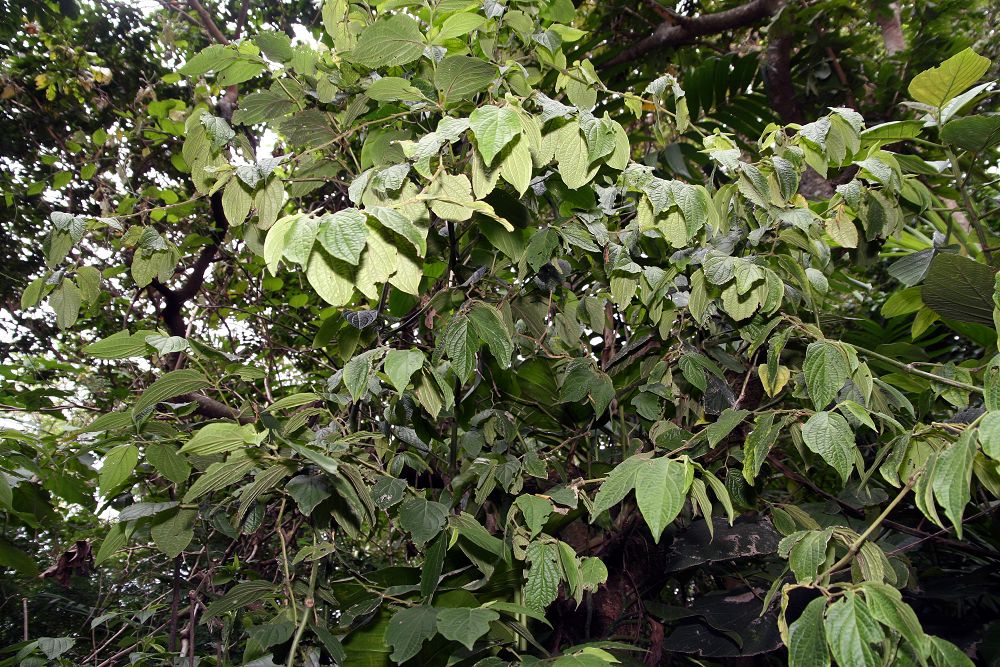
river inga
Inga vera
Secondary I Medium Fertilizer biomass 🌱 Nitrogen fixerA pioneer leguminous tree native to the Neotropics, 5-10 m tall, with a broad low crown, frequent in secondary formations of humid or swampy soil, ...
-
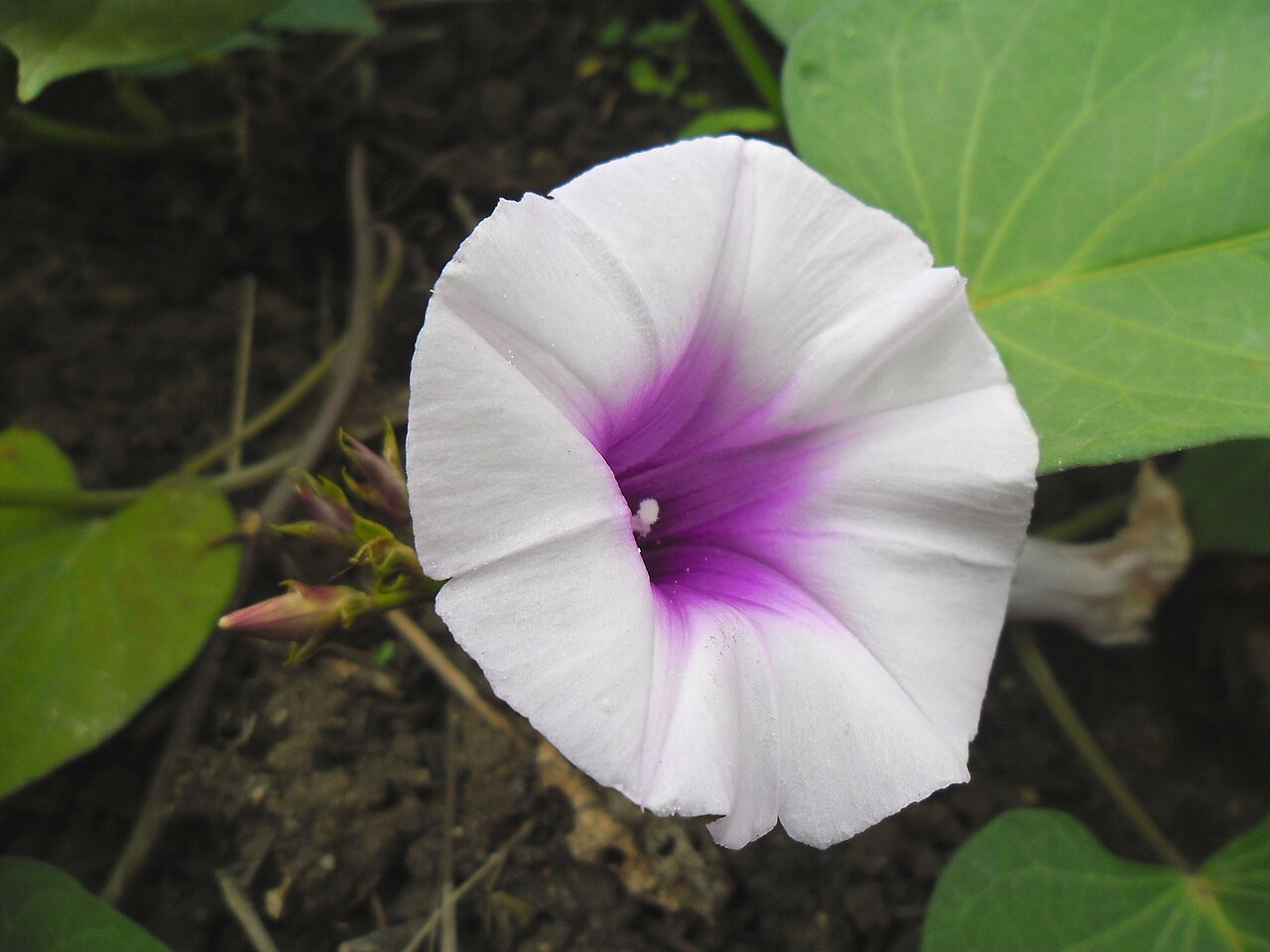
sweet potato
Ipomoea batatas
Placenta I Ground cover No biomass productionShort-cycle creeping tuber crop. Pasini lists it in the low stratum of Tabela 3. Excellent living ground cover early in the agroforestry cycle, edi...
-
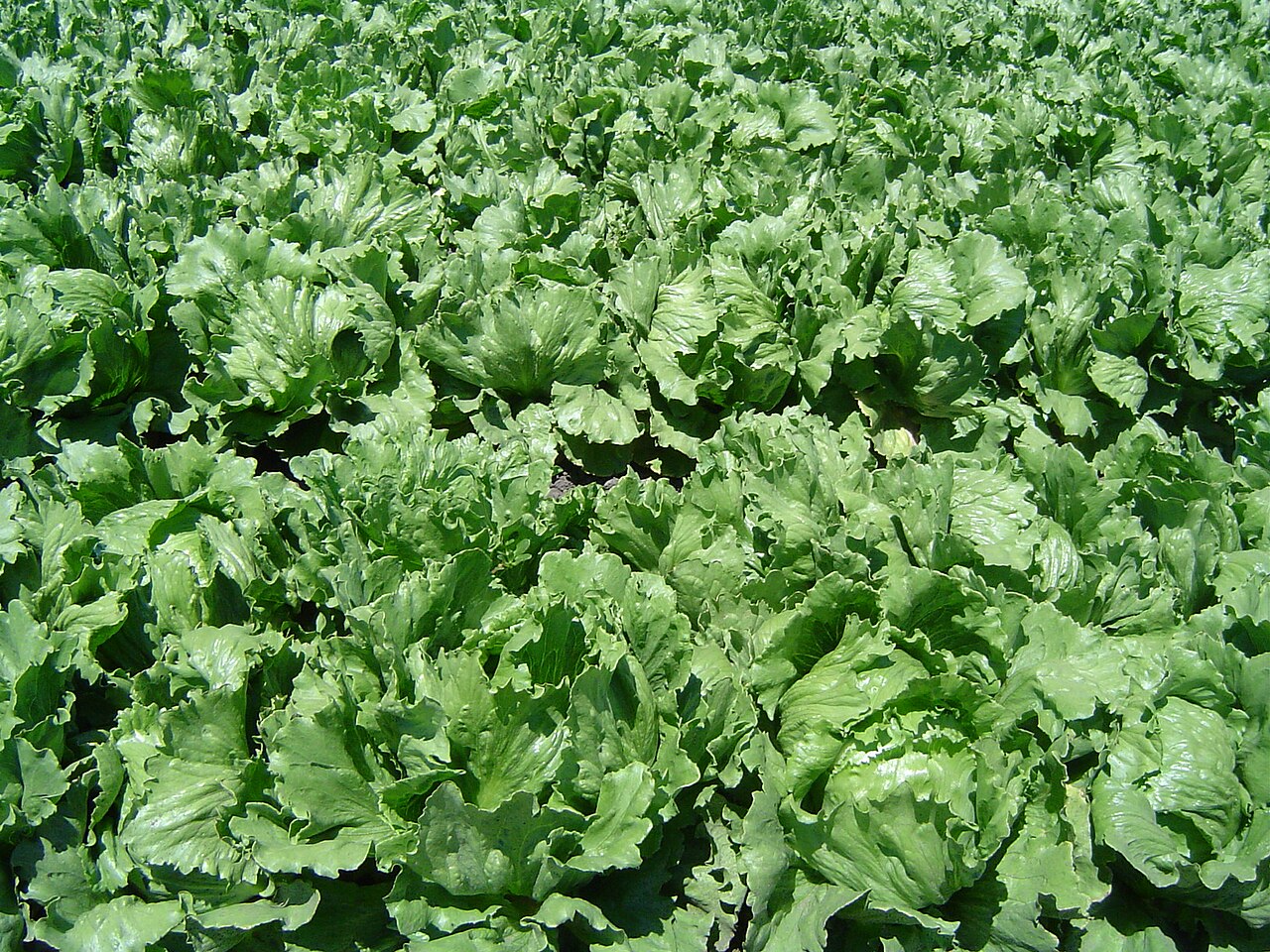
lettuce
Lactuca sativa
Placenta I Low No biomass productionAnnual leafy vegetable cultivated in syntropic systems in the low stratum of the Placenta I phase. Pasini lists it in the medium stratum of Tabela ...
-
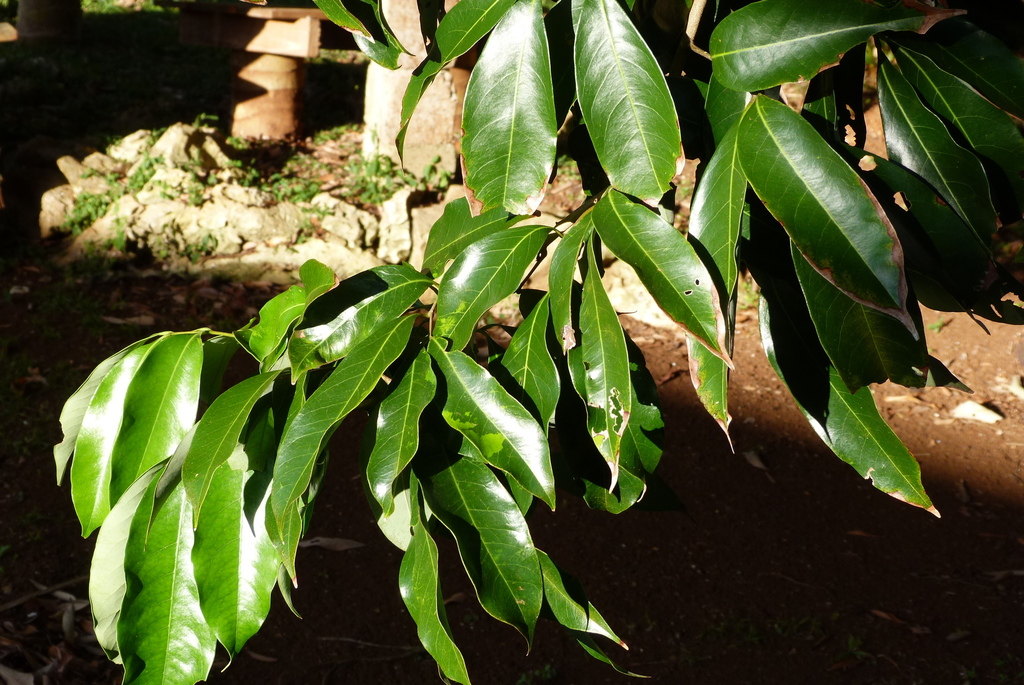
lychee
Litchi chinensis
Climax High No biomass productionAsian subtropical fruit tree naturalized in southern and southeastern Brazil. EcoAgri lists it in the high stratum of the '> 50 years' bin. Fruits ...
-
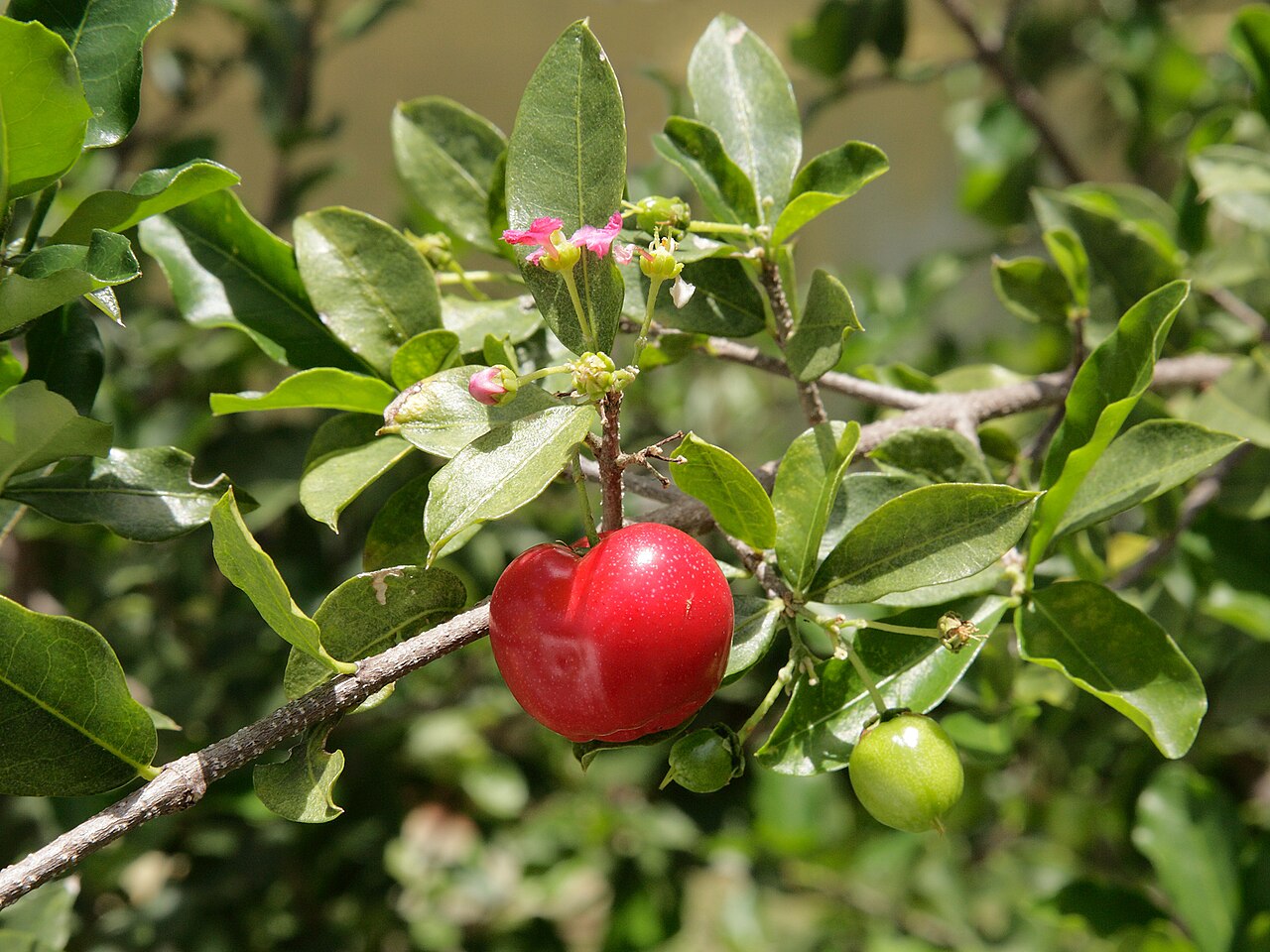
acerola
Malpighia emarginata
Secondary I High No biomass productionSmall fruit shrub; fruits exceptionally rich in vitamin C. Pasini lists it in the high stratum of Tabela 3 and cites it among Abundance-system spec...
-
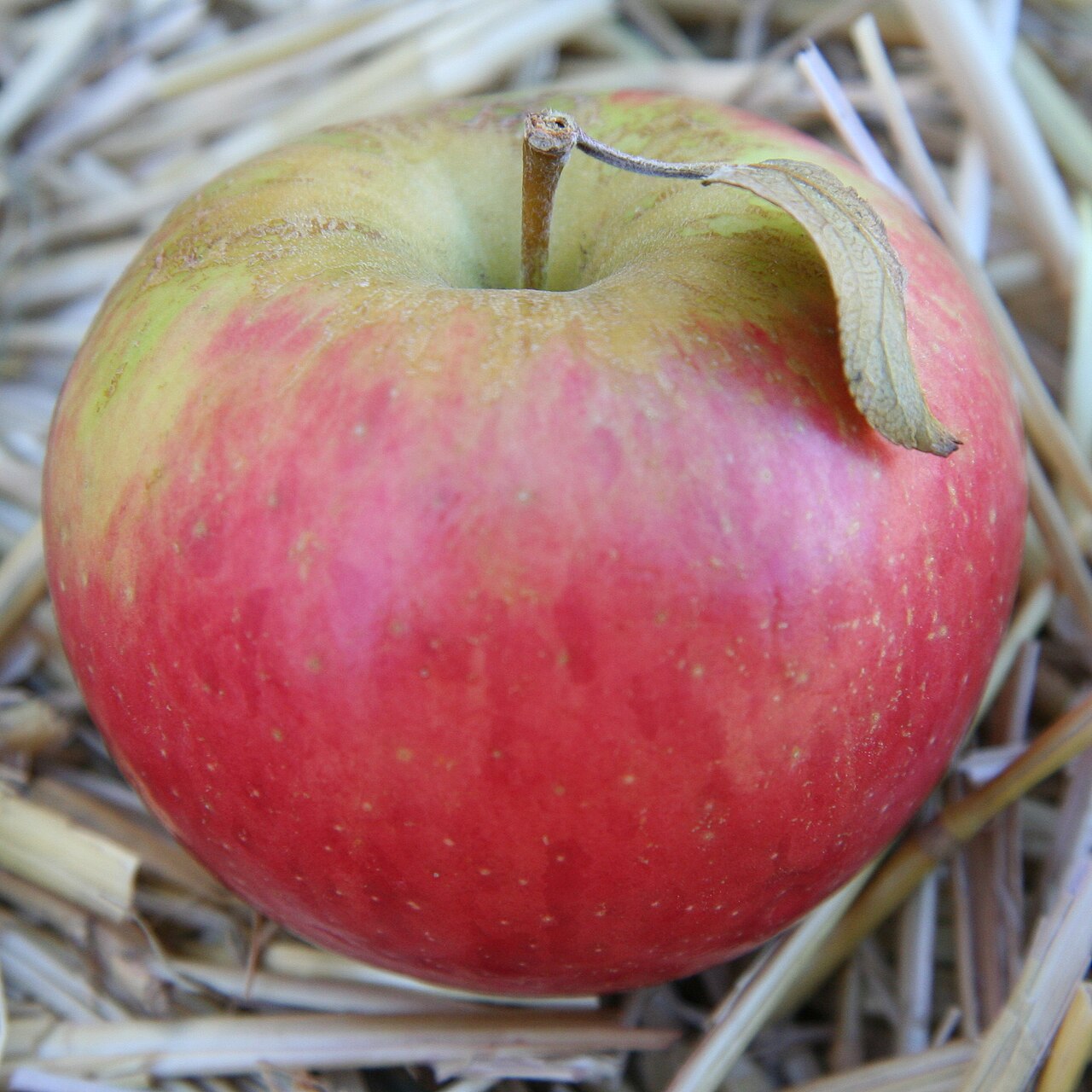
apple
Malus domestica
Secondary II Medium No biomass productionThe apple, a deciduous temperate fruit tree and the leading commercial orchard fruit of southern Brazil, concentrated around São Joaquim (SC) and V...
-
coquinho mango
Mangifera indica
Secondary II High No biomass productionMedium-sized cultivar (6–9 m), branched canopy. Small round fruit (120–150 g), light yellow-green skin, fibrous flesh with good flavor. Highly prod...
-
haden mango
Mangifera indica
Secondary II High No biomass productionFlorida heirloom (1910), pioneer of the modern mango era. Large tree (10–12 m), predominantly yellow oval fruit with pink blush, 350–680 g, low fib...
-
espada mango
Mangifera indica
Secondary II Emergent Mulch biomassBrazil's oldest mango cultivar. Vigorous tall tree (12–15 m), green-to-yellow fruit with fibrous flesh (300 g, 18° Brix). Today used more as rootst...
-
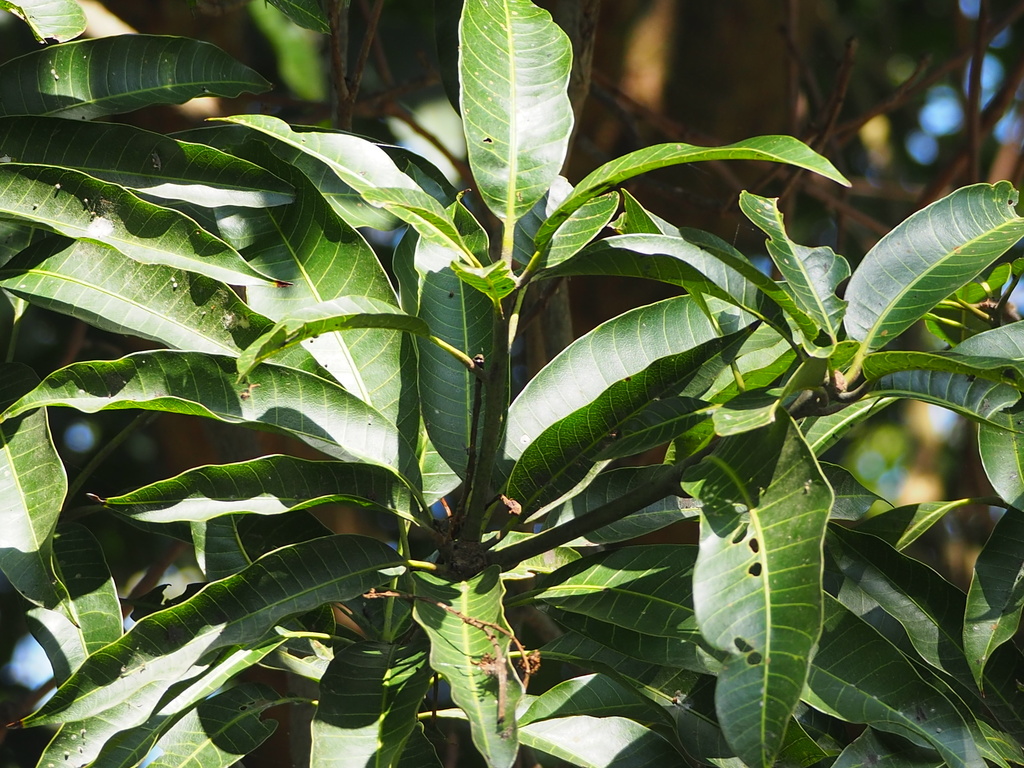
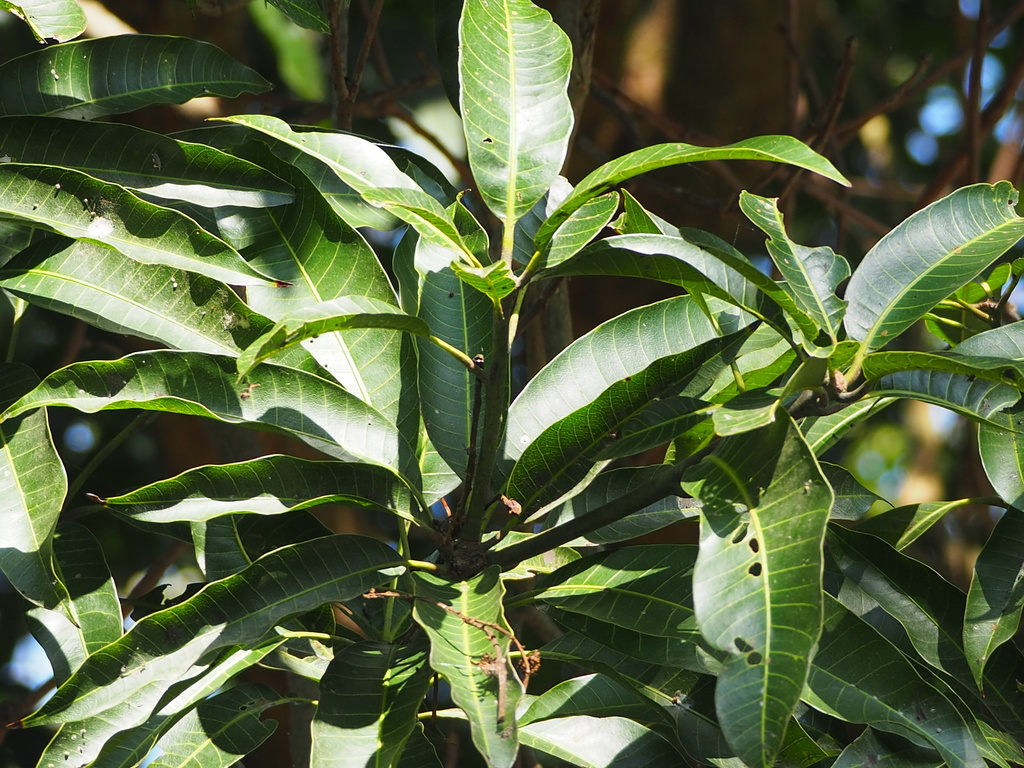
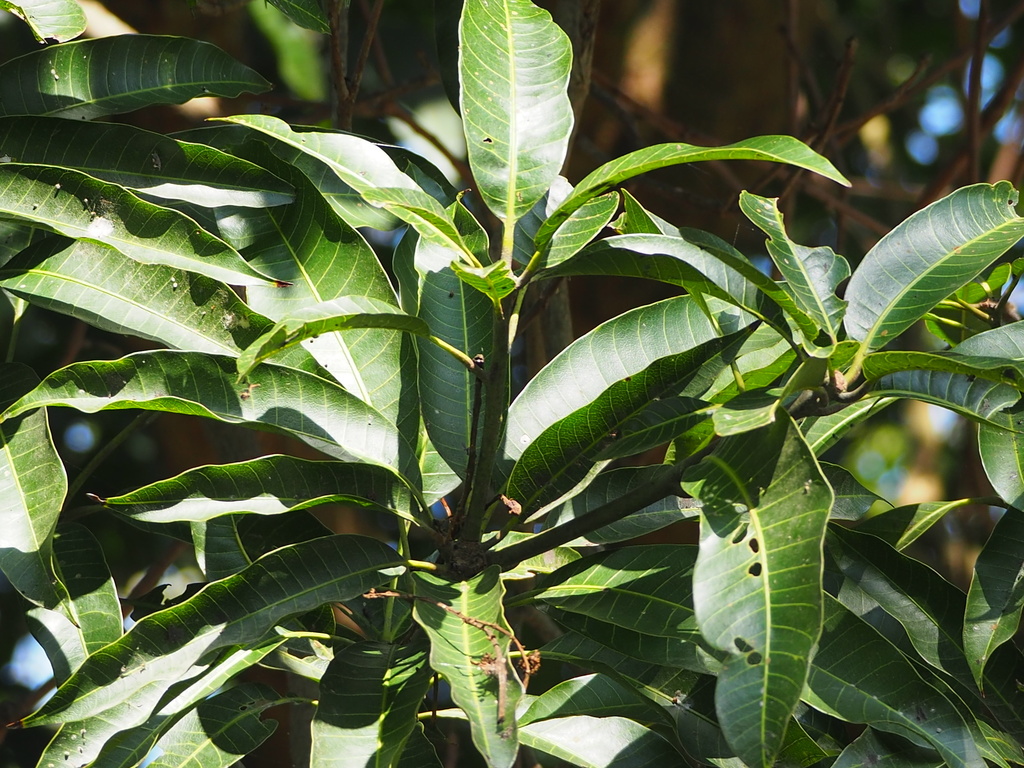
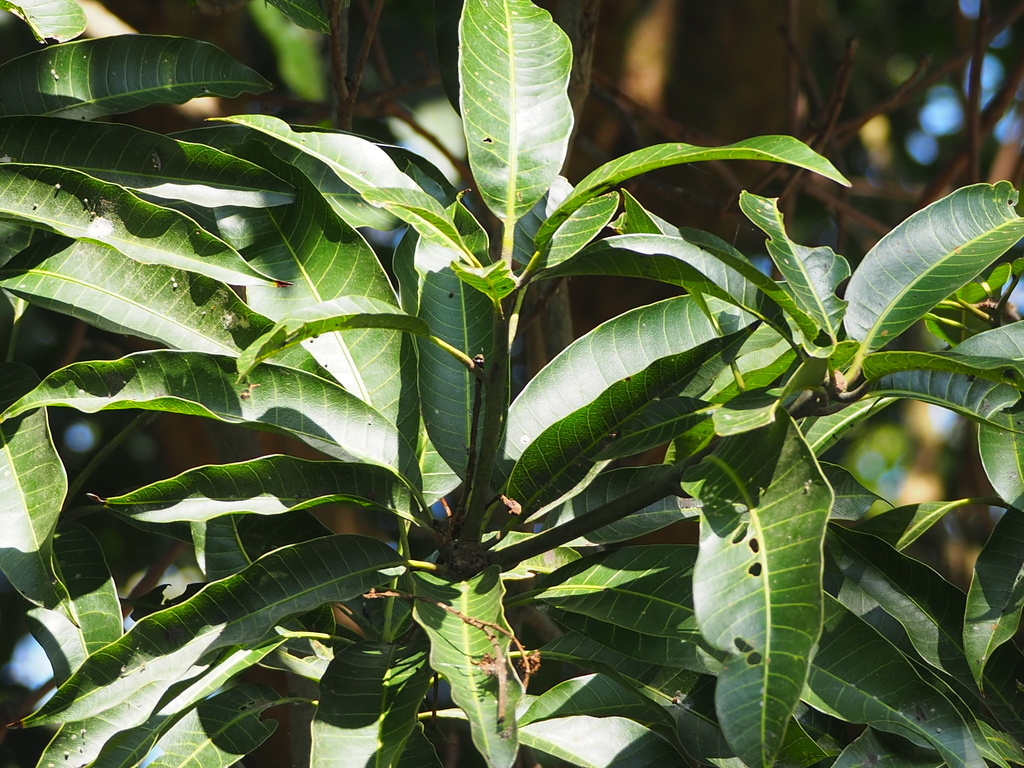
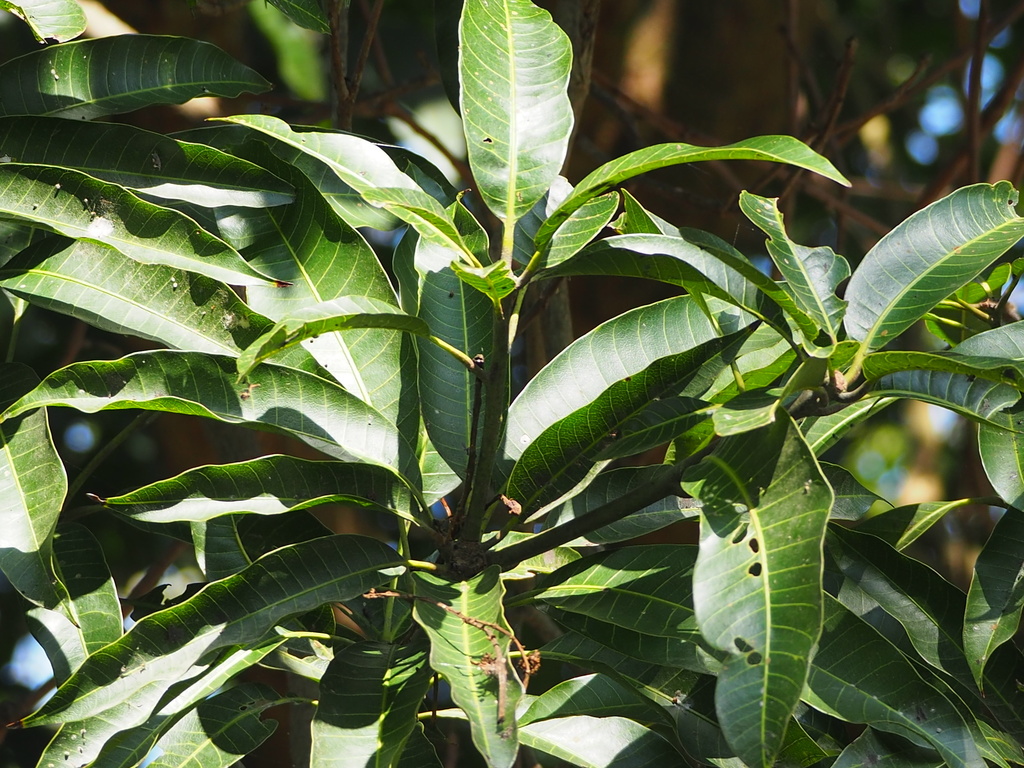
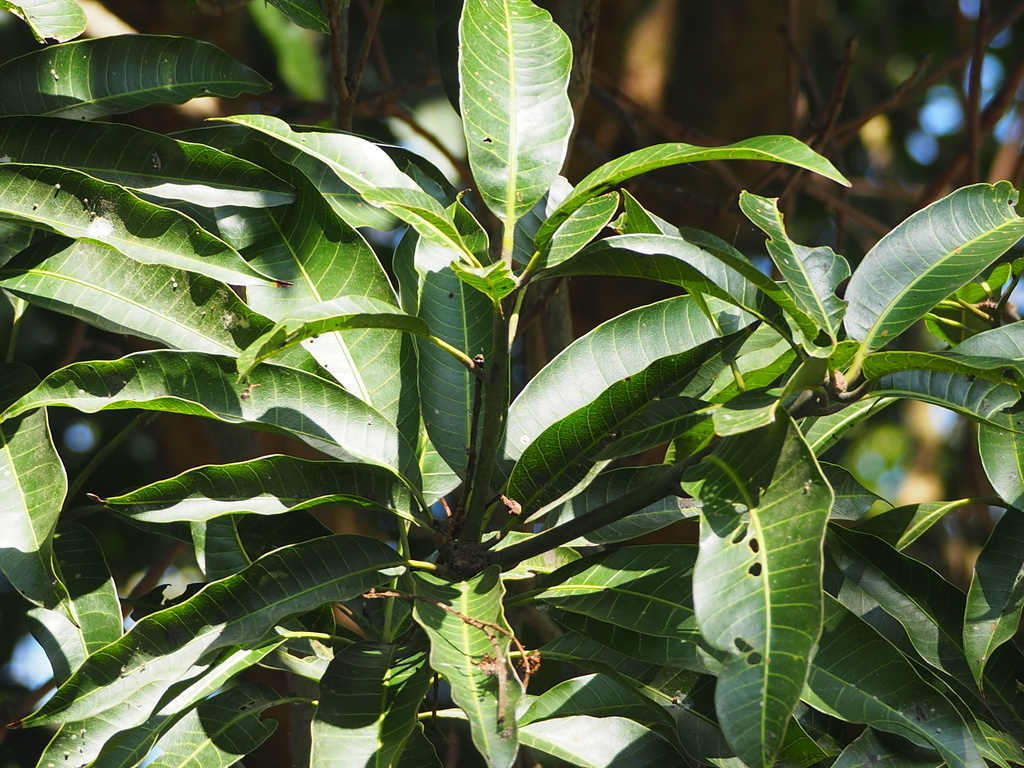
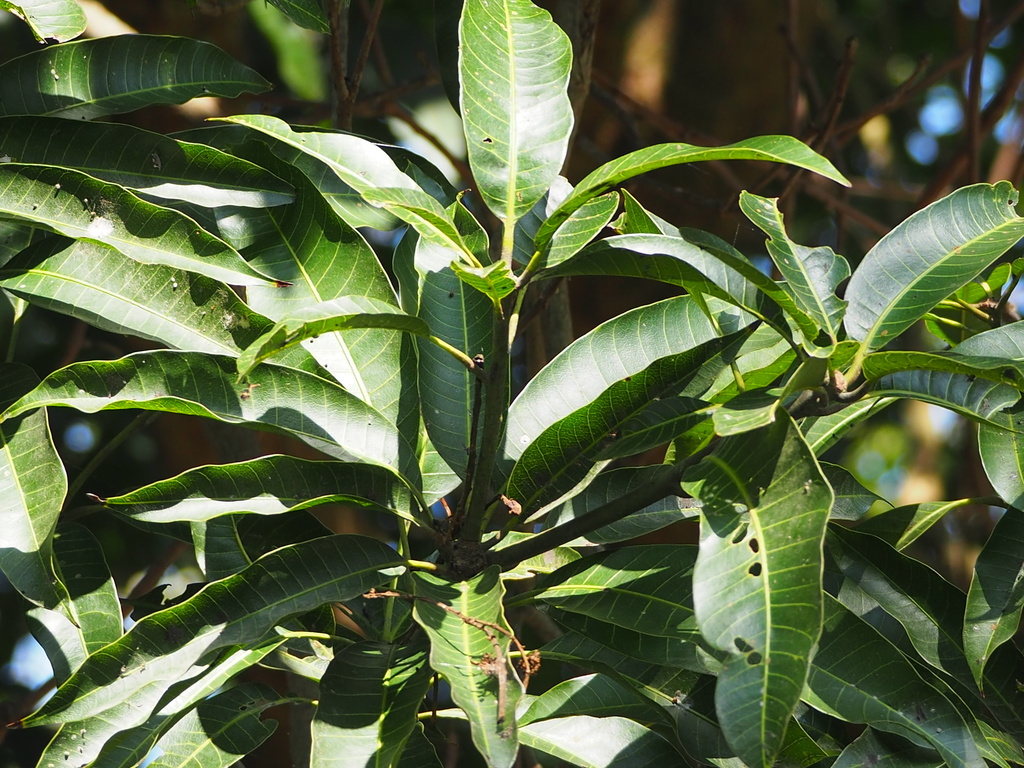
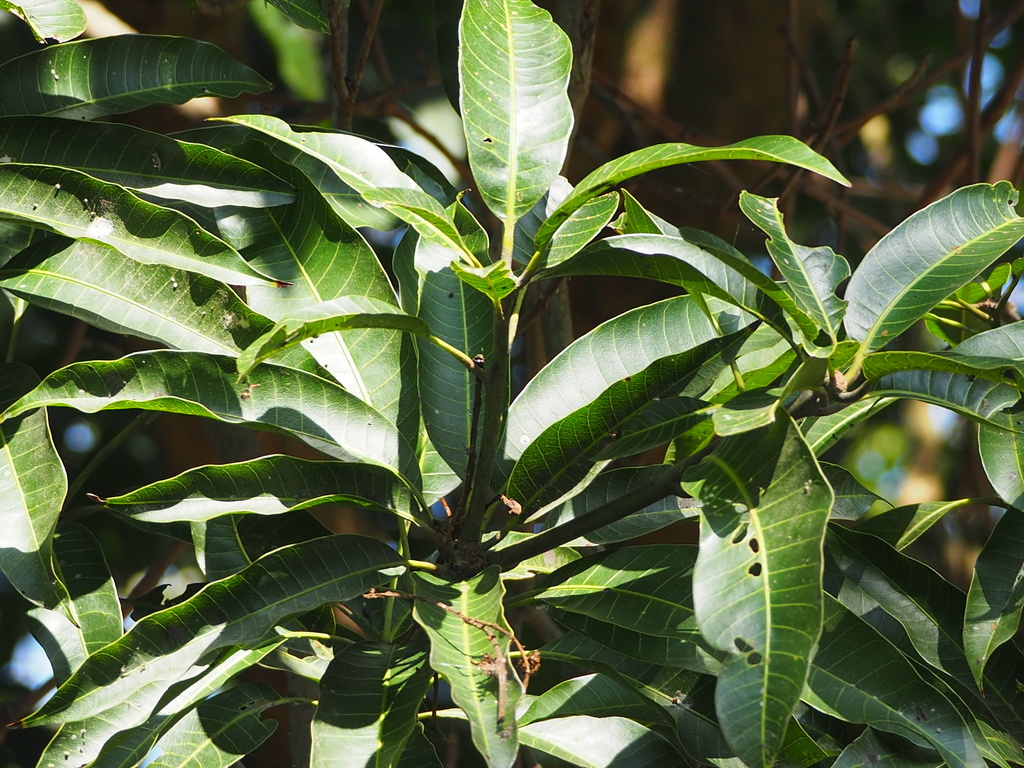
mango
Mangifera indica
Secondary II High No biomass productionLong-lived tropical fruit tree. Pasini lists it in the high stratum of Tabela 3 and in the '20 to 50 years' phase of Tabela 4 (high stratum). A key...
-
palmer mango
Mangifera indica
Secondary II High No biomass productionSemi-dwarf cultivar from Florida (1945). Open canopy, 6–8 m. Elongated fruit, 600–800 g, firm yellow flesh, 21.6° Brix, almost fiber-free. Late rip...
-
uba mango
Mangifera indica
Secondary II High Mulch biomassBrazilian cultivar originating in Ubá (Minas Gerais). Vigorous tree with dense rounded canopy (10–14 m). Small fruit (50–80 g), late ripening, inte...
-
tommy atkins mango
Mangifera indica
Secondary II High No biomass productionDominant cultivar in Brazil's mango export trade (~90% of volume). Origin: Florida (1922). Vigorous tree (10–14 m unpruned), dense rounded canopy. ...
-
rosa mango
Mangifera indica
Secondary II High No biomass productionTraditional Brazilian cultivar with medium tree (8–10 m). Yellow-to-pink fruit (350 g), golden-yellow flesh of excellent flavor (21.8° Brix), low f...
-
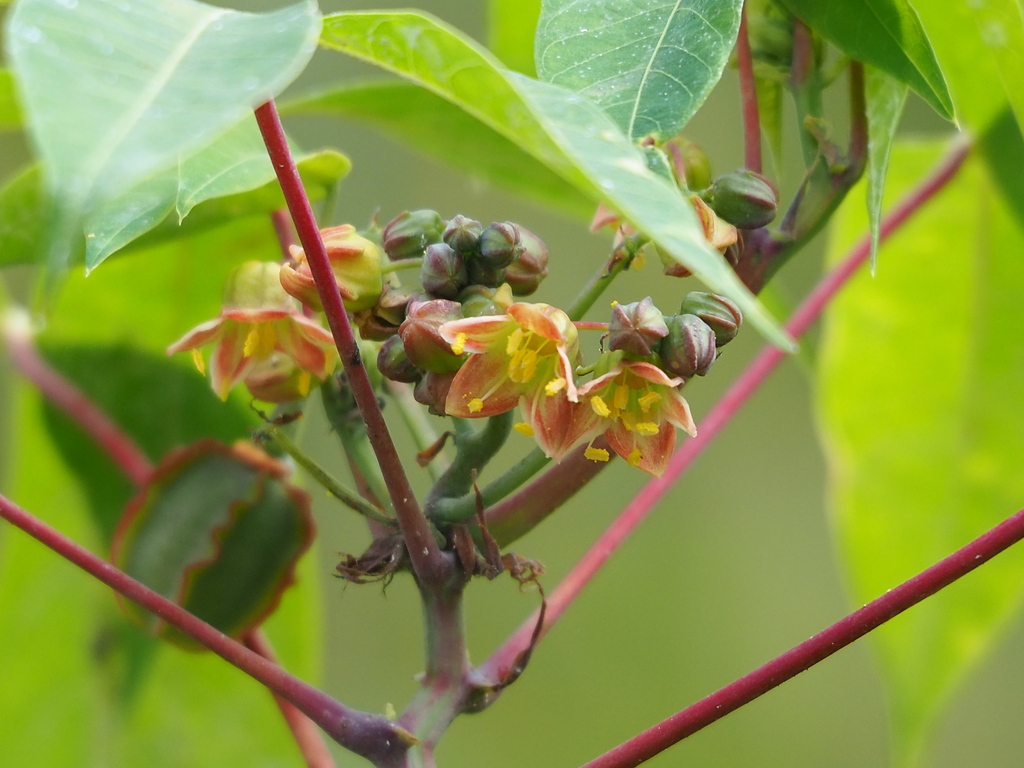
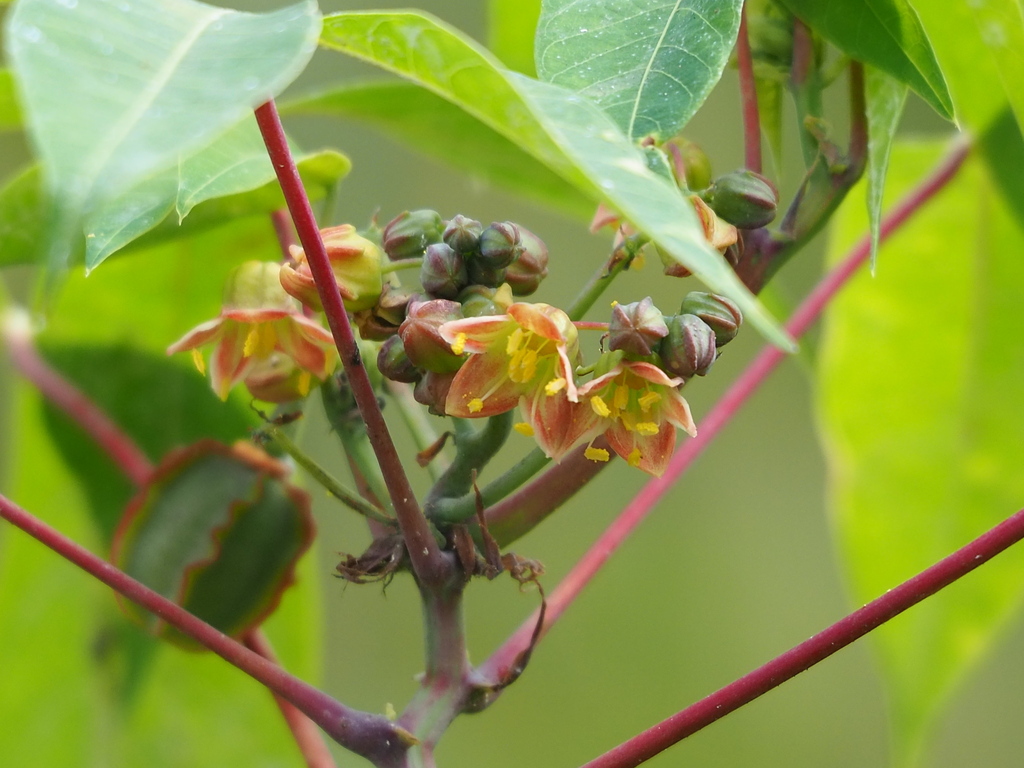
cassava
Manihot esculenta
Placenta II High Mulch biomassPlacenta II tuber crop widely cultivated across Amazonia and Brazil. Pasini lists it in the high stratum of Tabela 3 and as a species of the '1 to ...
-
bitter cassava
Manihot esculenta
Placenta II Low Fertilizer biomassCultivar group of Manihot esculenta with high cyanogenic glycoside content (>100 mg HCN/kg fresh root). Unsafe for direct consumption — requires ro...
-
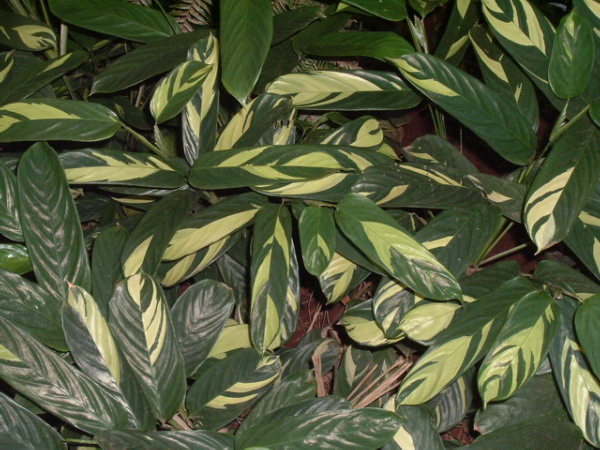
arrowroot
Maranta arundinacea
Placenta II Low No biomass productionPerennial tropical tuber crop whose starch is traditionally used in porridges and biscuits. EcoAgri lists it in the low stratum of the 'up to 3 yea...
-
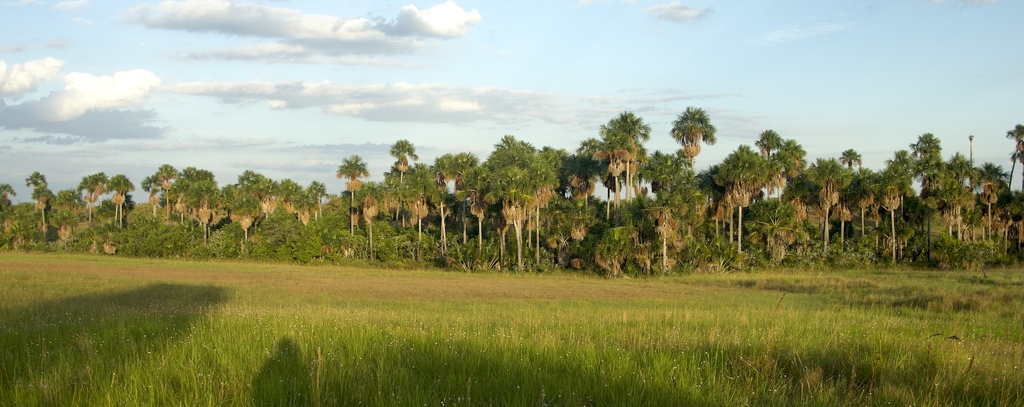
moriche palm
Mauritia flexuosa
Climax Emergent No biomass productionGiant palm of Cerrado wetlands (veredas) and Amazonian floodplains. Pasini lists it in the emergent stratum of Tabela 3. A water indicator: forms p...
❓ Frequently asked questions
What does "Fruit" mean in syntropic agriculture?
Species whose main yield is a fleshy fruit for human or animal consumption. Includes tropical, subtropical, and temperate fruit species.
Which catalog species are tagged Fruit?
The catalog holds 207 species, among them genipa, soybean, mangaba. Each profile shows stratum, succession stage, and the management data, with sources cited.