
Function
Fruit — species for syntropic systems
Fruit species are the guild's continuous-production flagship. Combining different strata and harvest seasons, the same ground yields fruit all year.
207 species in the catalog · Refine this list in the catalog
-
guaraná
Paullinia cupana
Secondary I Low No biomass productionAmazonian shrubby climber, today managed as a shrub in monoculture. Embrapa lists guaraná among perennial crops in SAFs with mean yield of 100 kg/h...
-
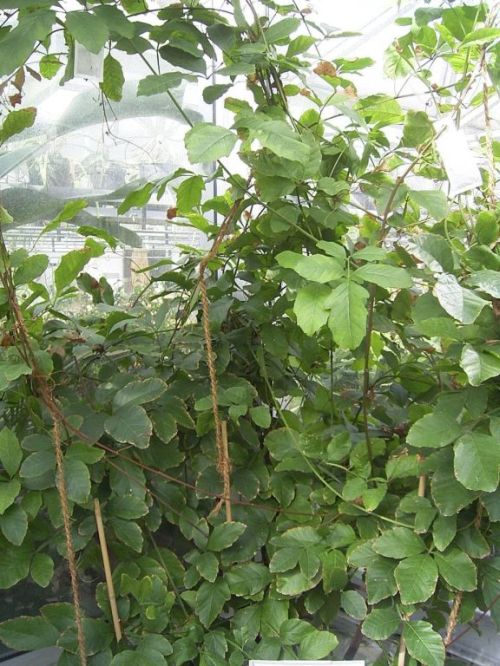
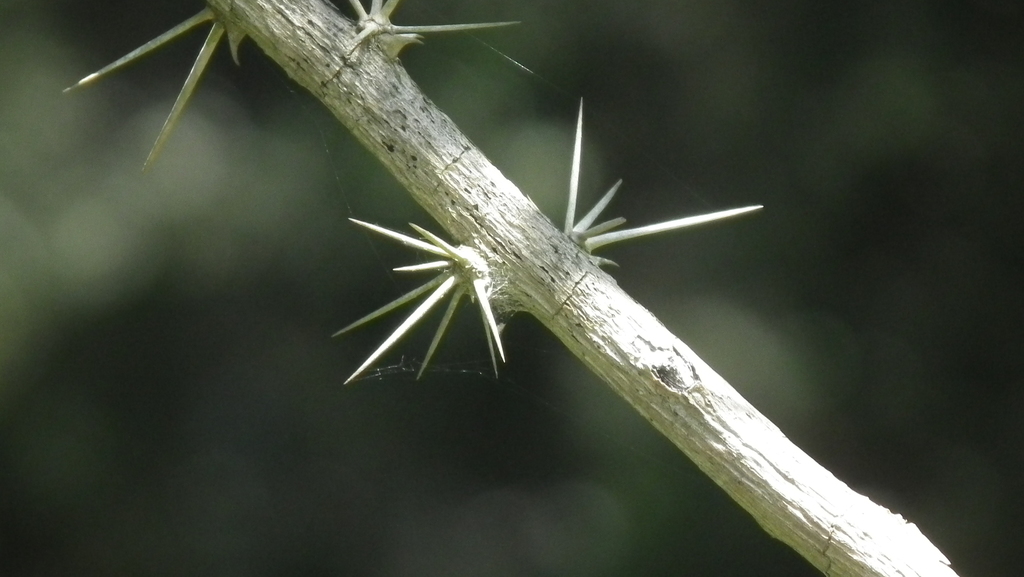
Barbados gooseberry
Pereskia aculeata
Placenta II Medium No biomass productionAn atypical cactus with broad, non-succulent leaves and a spiny scrambling, shrubby habit, native to the Americas and common in southeastern and no...
-
margarida avocado
Persea americana
Secondary II Emergent No biomass productionLate-ripening cultivar with very large fruit (700–1,500 g, up to 2 kg), pyriform, light yellow flesh of good quality. Tall tree (12–15 m). West-Ind...
-
geada avocado
Persea americana
Secondary II High No biomass productionEarly-ripening West Indian cultivar (Jan–Feb). Elongated pyriform fruit, light green, ~710 g, yellowish flesh with adherent seed. Floral type B — a...
-
avocado
Persea americana
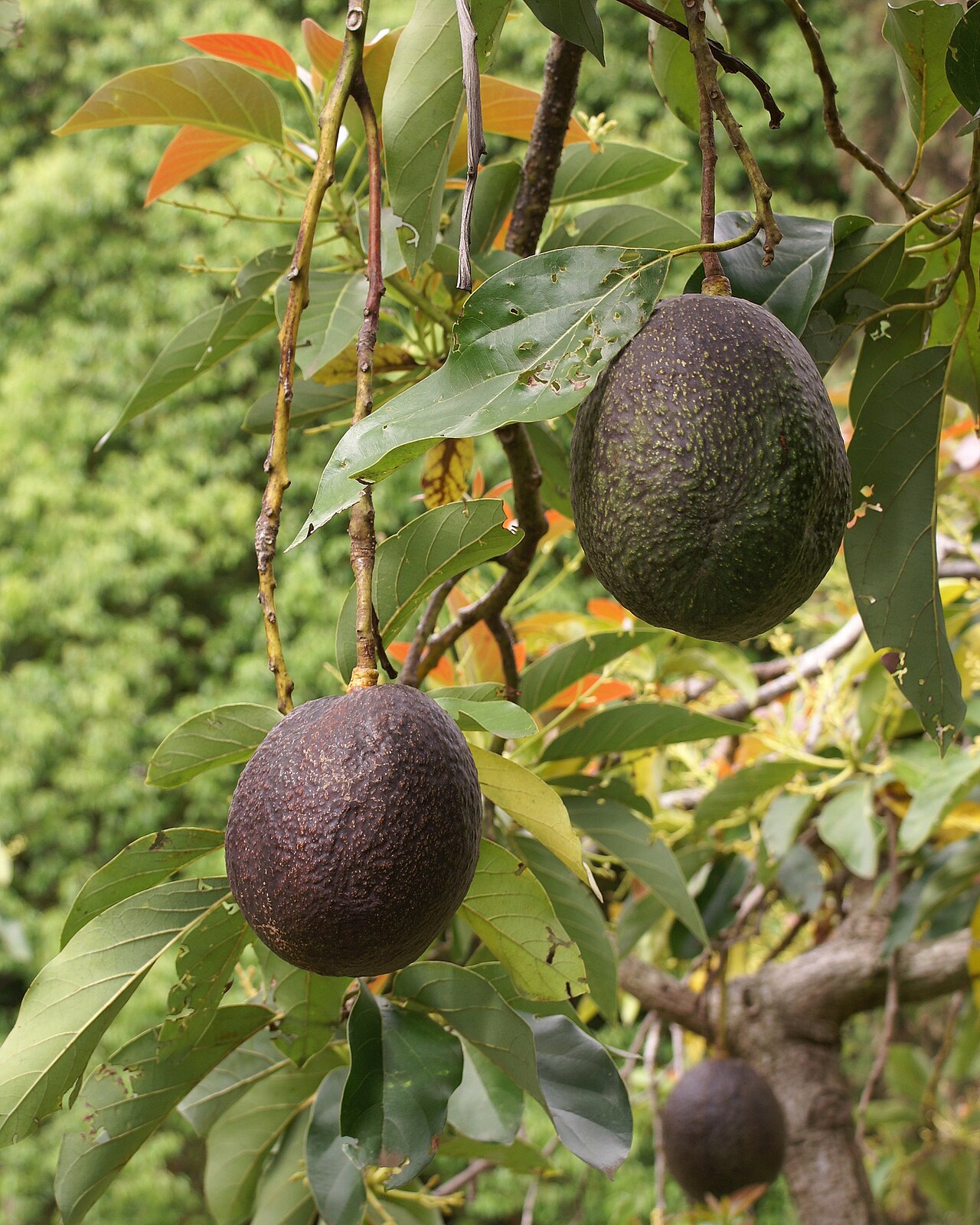
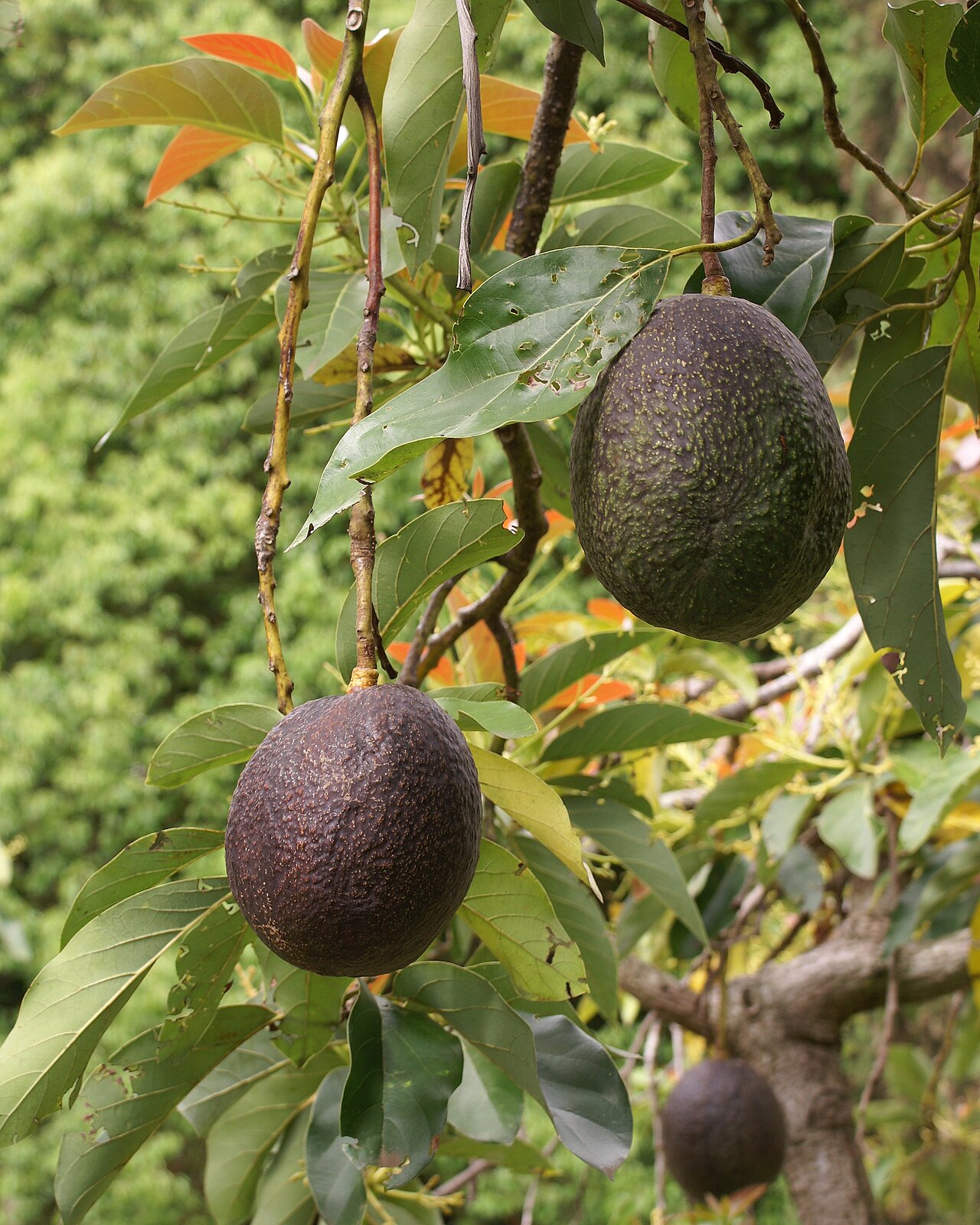
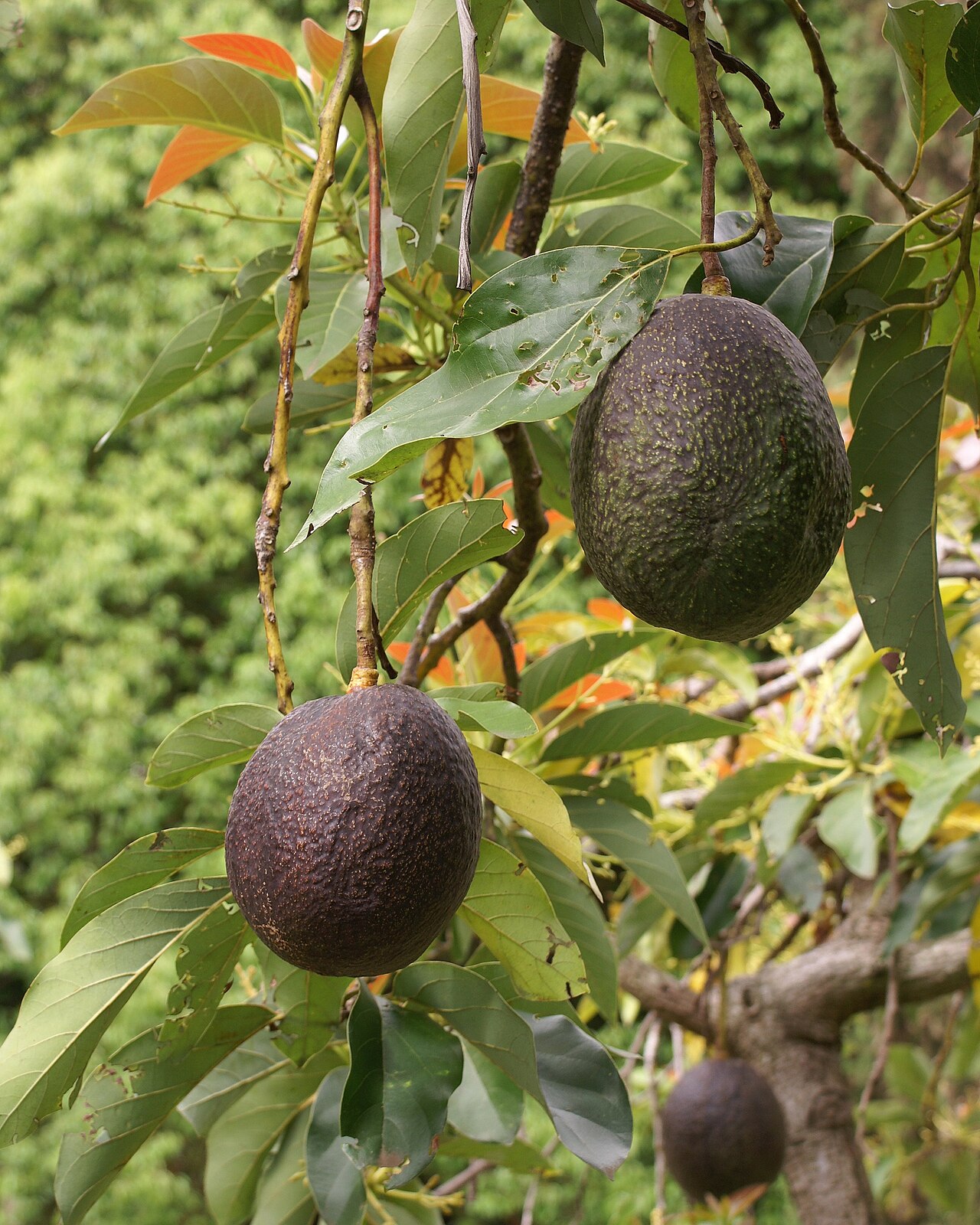
Secondary II High No biomass productionLong-lived perennial fruit tree. Pasini classifies it in the high stratum of Tabela 3 and explicitly cites it among Abundance-system species (high ...
-
quintal avocado
Persea americana
Secondary II Emergent No biomass productionWest Indian Brazilian cultivar, mid-season ripening. Large fruit (>600 g, up to 1.2 kg), pyriform, with prized 'butter' flesh in the domestic marke...
-
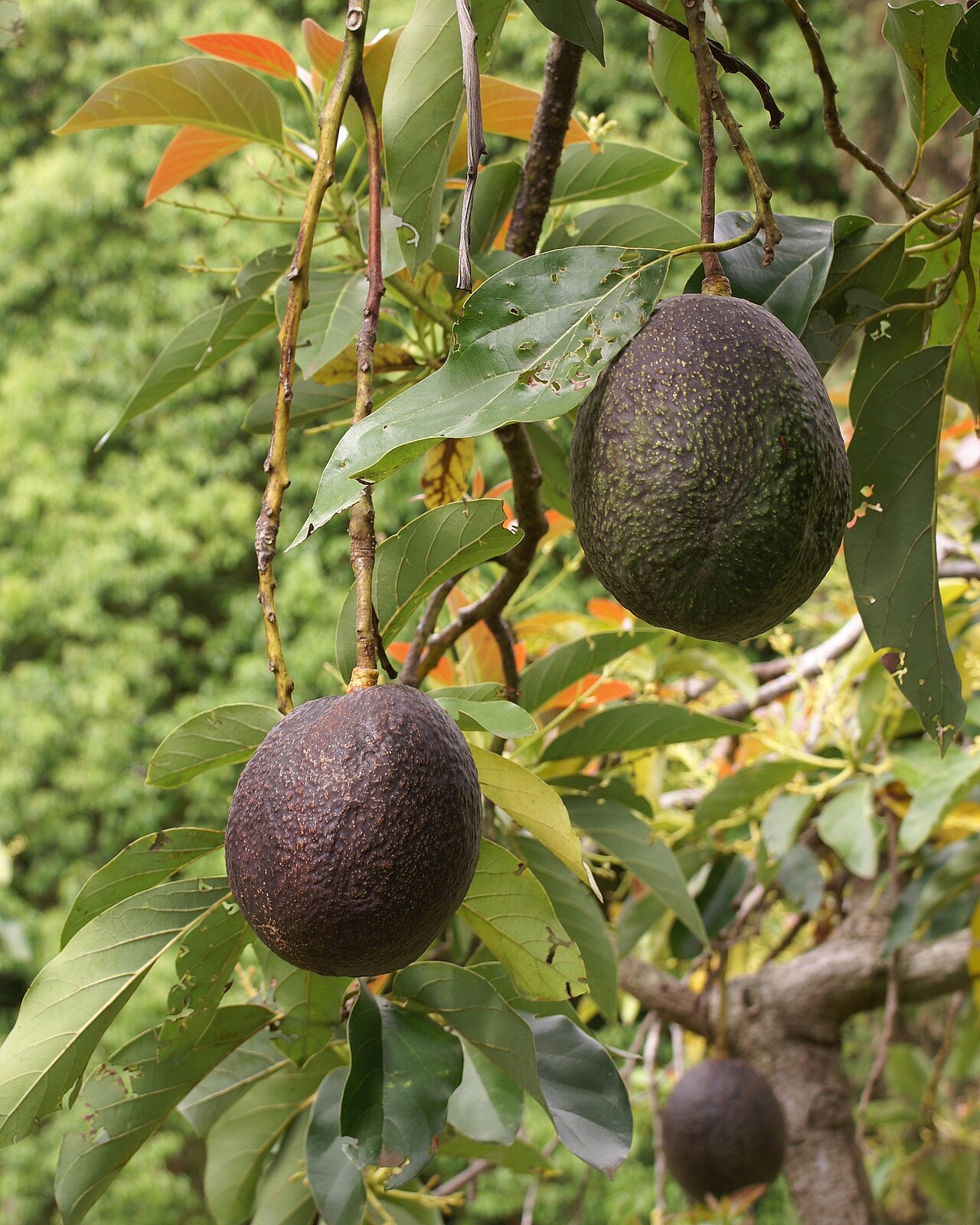
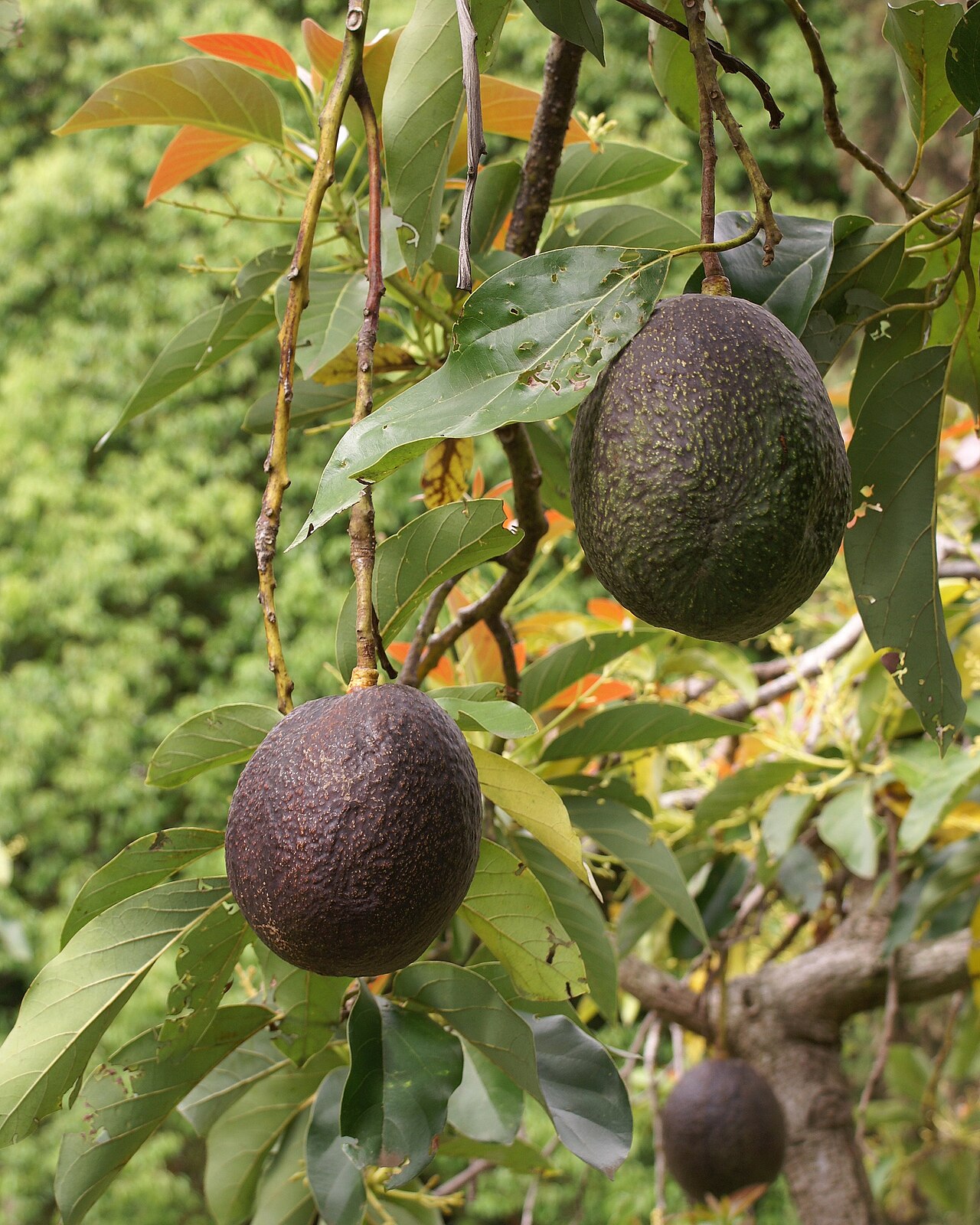
hass avocado
Persea americana
Secondary II High No biomass productionMexican-Guatemalan cultivar (~80% Mexican), floral type A. Small-to-medium fruit (180–300 g), pebbly skin that darkens at ripeness, creamy flesh wi...
-
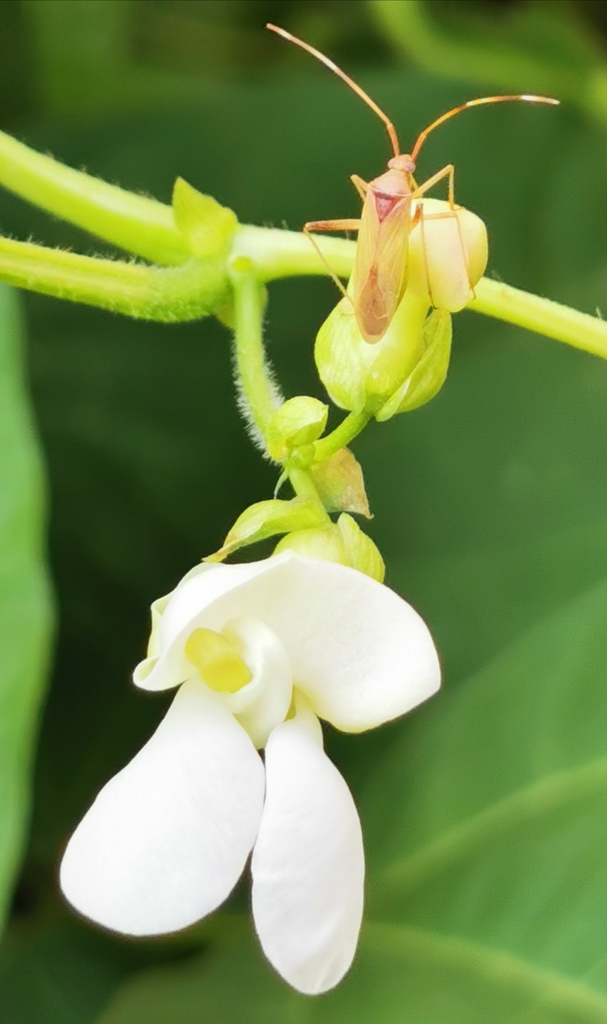
lima bean
Phaseolus lunatus
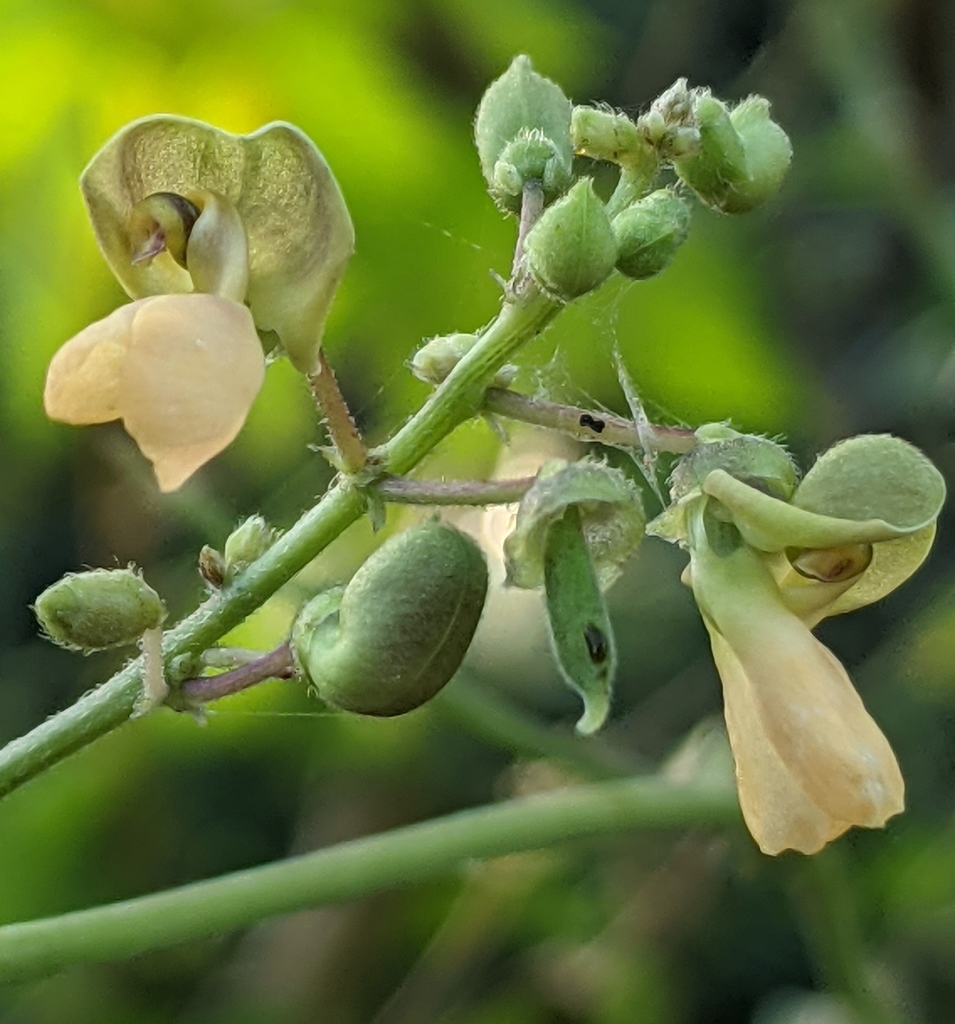
Placenta I High Fertilizer biomass 🌱 Nitrogen fixerAnnual or short-lived perennial nitrogen-fixing legume, native to the Americas. EcoAgri lists it in the high stratum of the 'up to 6 months' bin. C...
-
common bean
Phaseolus vulgaris
Placenta I Low Fertilizer biomass 🌱 Nitrogen fixerAnnual nitrogen-fixing legume, dietary staple in Brazil. Pasini lists it in the medium stratum of Tabela 3. Planted in consortium with corn in the ...
-
bacuri
Platonia insignis
Climax Emergent Mulch biomassAmazonian climax fruit tree, distant cousin of mangosteen. Embrapa Cultivo de Fruteiras Quadro 5 lists fruiting in May–September in the Amazon. Hig...
-
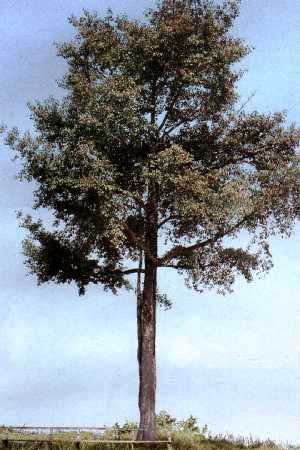
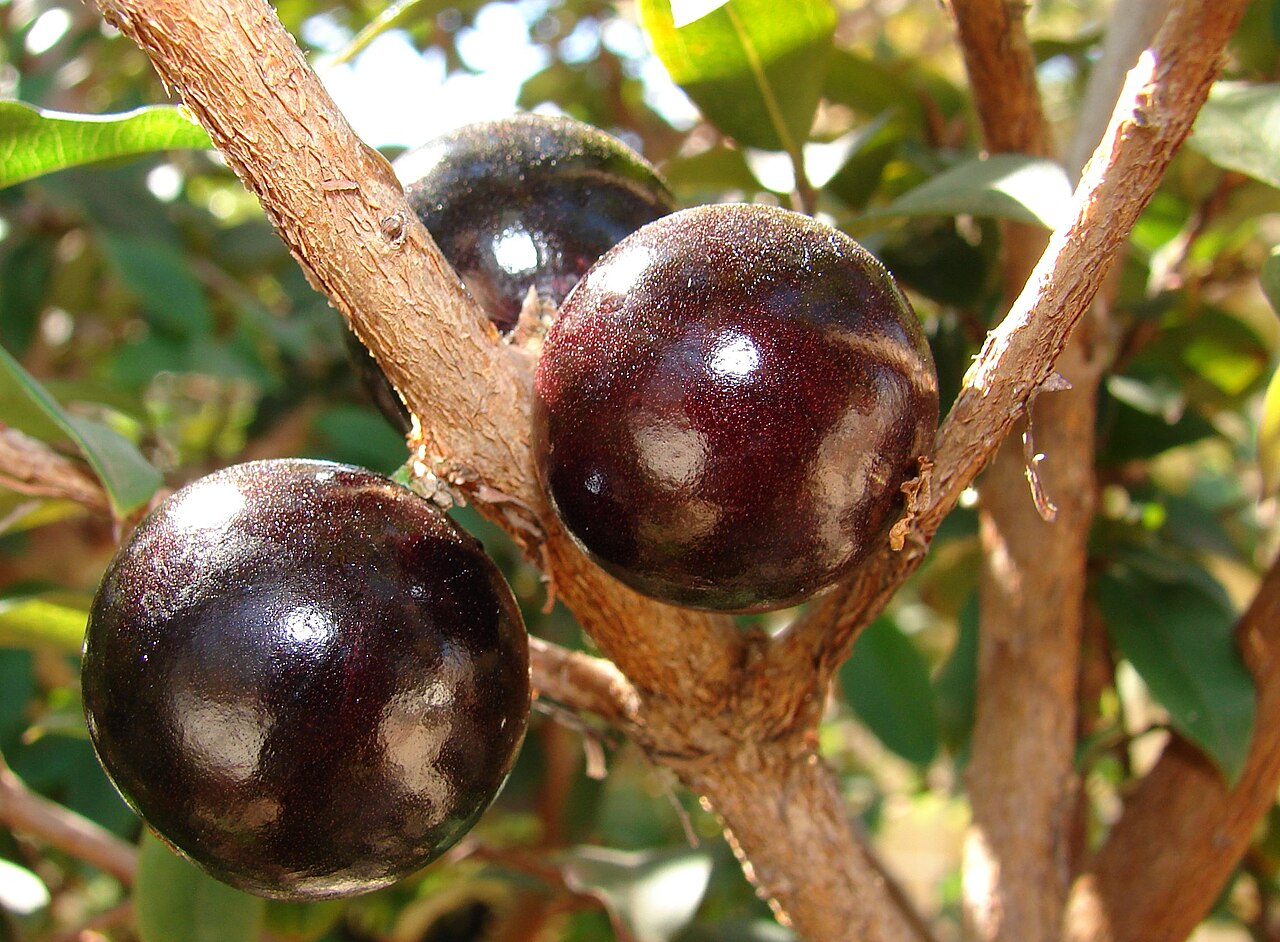
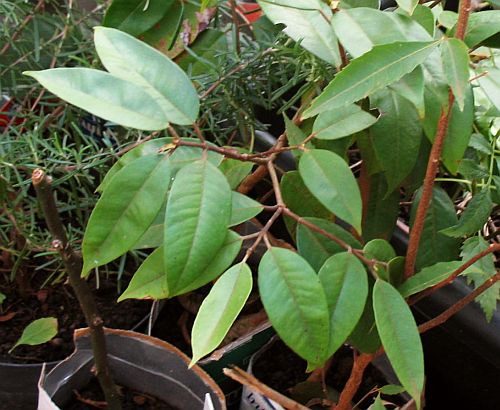
jabuticaba
Plinia cauliflora
Secondary II Low No biomass productionAtlantic Forest native characterized by cauliflory (fruits on the trunk). Pasini lists it in the high stratum of Tabela 3 and in the 20–50 year / +...
-
cambucá
Plinia edulis
Secondary II Medium No biomass productionAtlantic-Forest-endemic myrtle of the medium stratum. Rebello cites cambucá as an example of syntropic coexistence with cupuaçu in Casimiro de Abre...
-
yellow jaboticaba
Plinia glomerata
Secondary II Medium No biomass productionAtlantic Forest native, rarely seen outside collections. Pasini lists it in the medium stratum of Tabela 3. Yellow fruit covered in fine edible hai...
-
abiu
Pouteria caimito
Secondary II High No biomass productionAmazonian fruit tree with sweet, milky yellow pulp. Pasini lists it in the high stratum of Tabela 3. Tolerates partial shade well in early years; o...
-
guapeva
Pouteria torta
Secondary II High Mulch biomassMedium-sized Cerrado and Atlantic Forest tree (8–15 m). Large yellow-orange fruit with sweet starchy flesh and shiny seeds — edible raw or in jams....
-
sweet cherry
Prunus avium
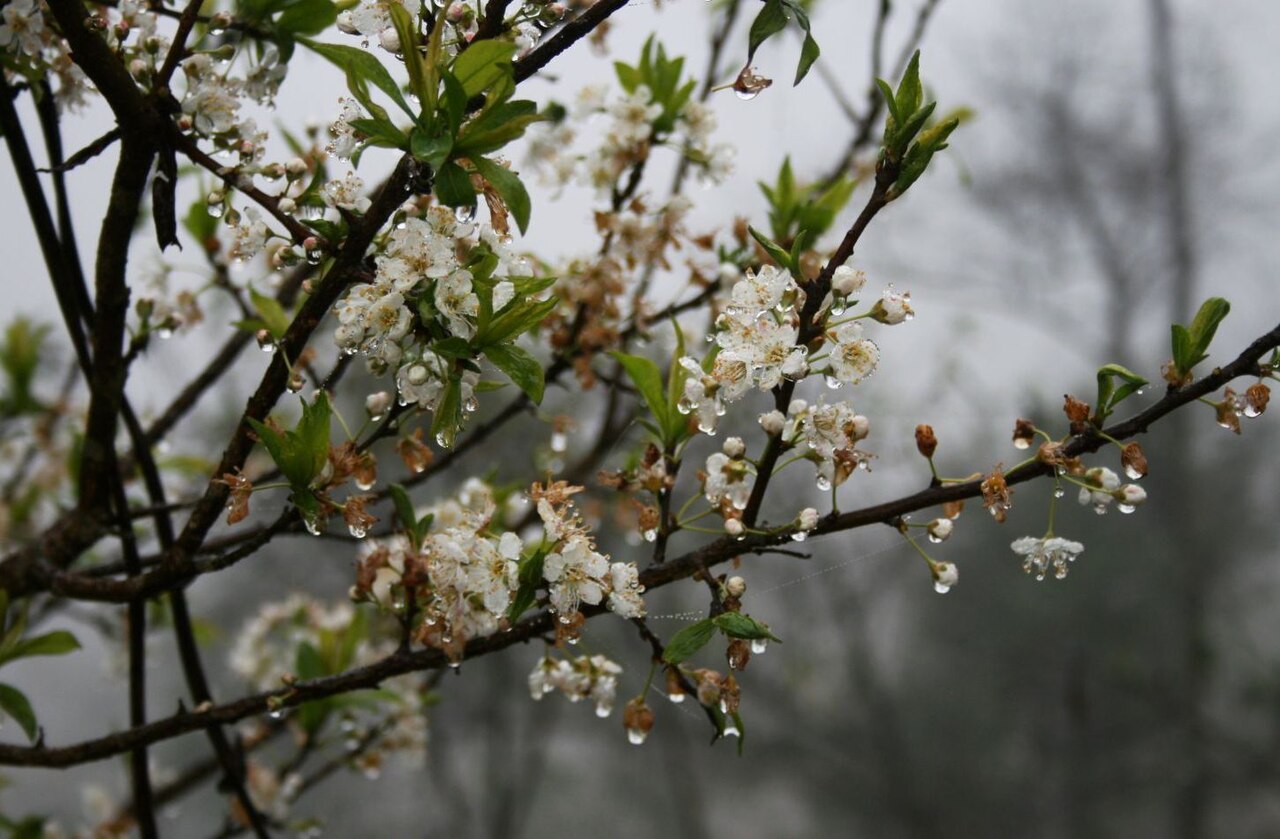
Secondary II High No biomass productionSweet cherry, a deciduous tree of the Rosaceae family, exotic to Brazil and highly chill-demanding — most cultivars need more than 800 hours below ...
-
peach
Prunus persica
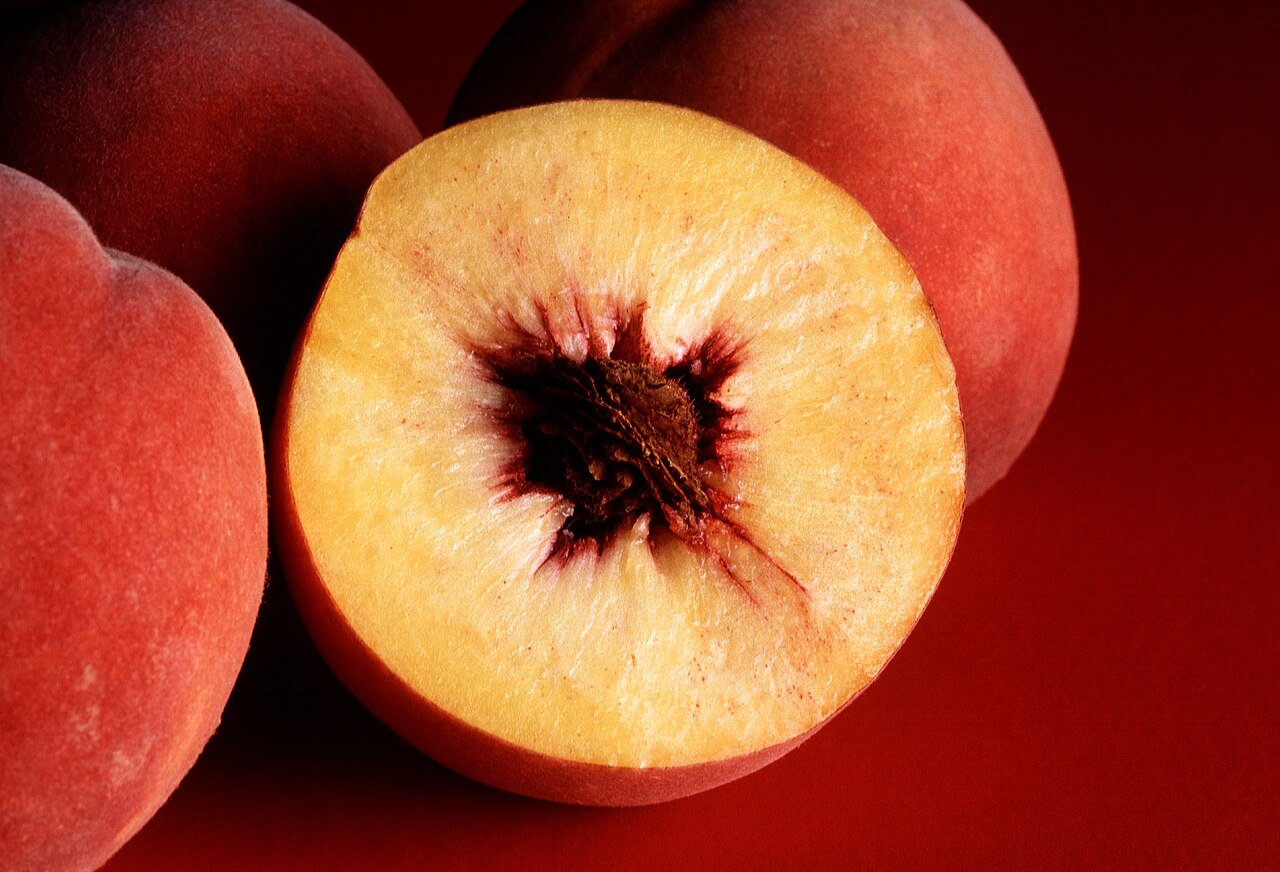
Secondary I Medium No biomass productionA deciduous fruit tree of the Rosaceae family, exotic to Brazil but well adapted to the temperate-climate regions of the south. It requires winter ...
-
Japanese plum
Prunus salicina
Secondary I Medium No biomass productionA deciduous plum tree originating in China, widely grown in southern Brazil as a temperate fruit crop. It has a moderate chill requirement (cultiva...
-
strawberry guava
Psidium cattleyanum
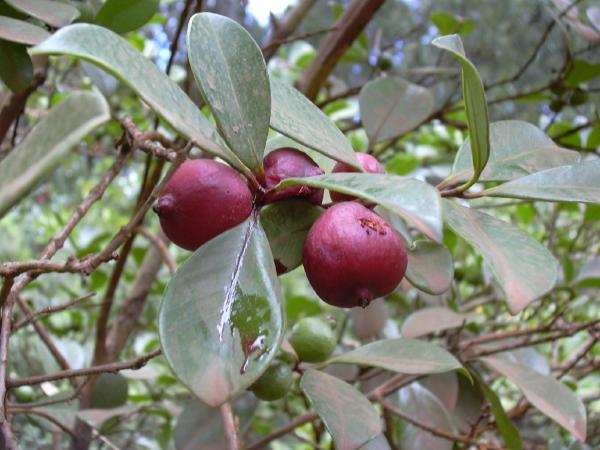
Secondary I High No biomass productionSmall native Atlantic Forest fruit tree, listed by Pasini in the high stratum of Tabela 3. Small red or yellow fruit similar to a guava with intens...
-
guava
Psidium guajava
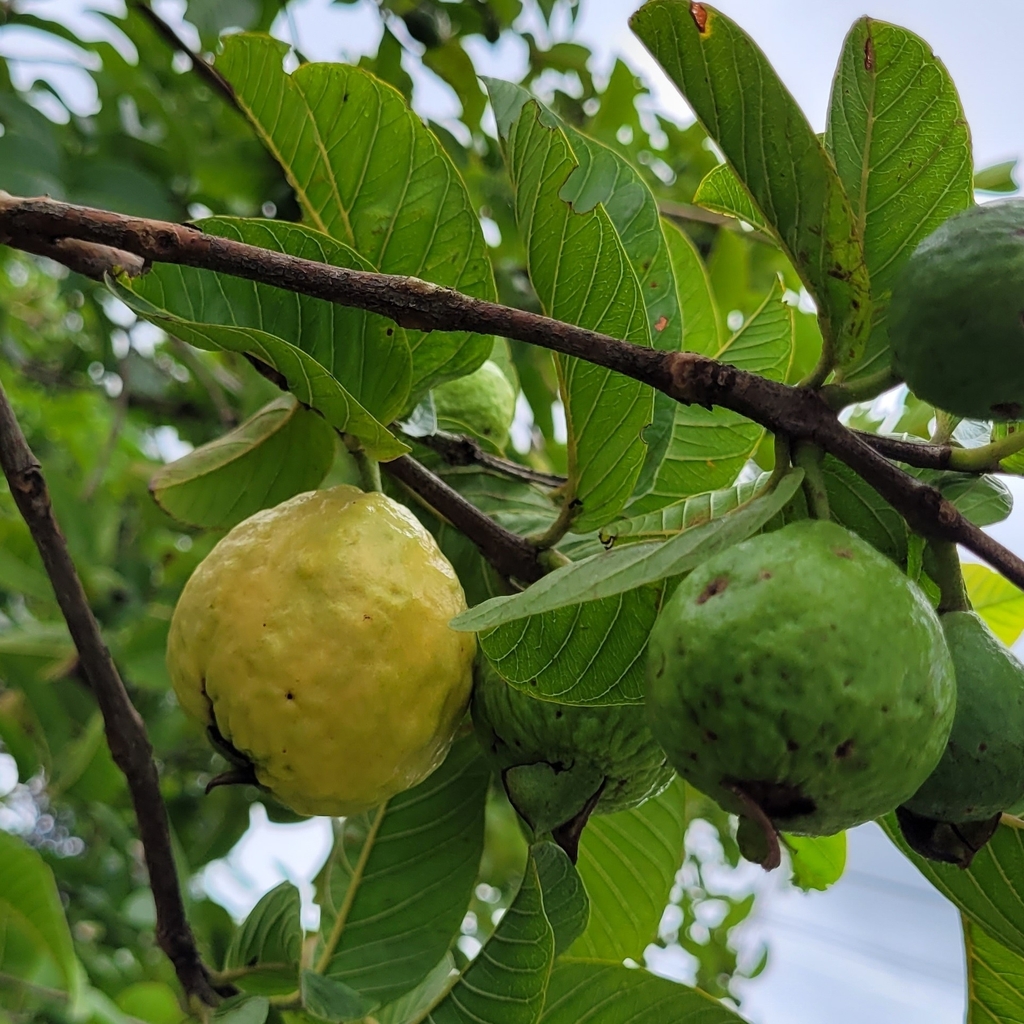
Secondary I High No biomass productionNative tropical American fruit tree, common in Brazilian syntropic agroforestry systems. Pasini lists it in the high stratum of Tabela 3. Tolerates...
-
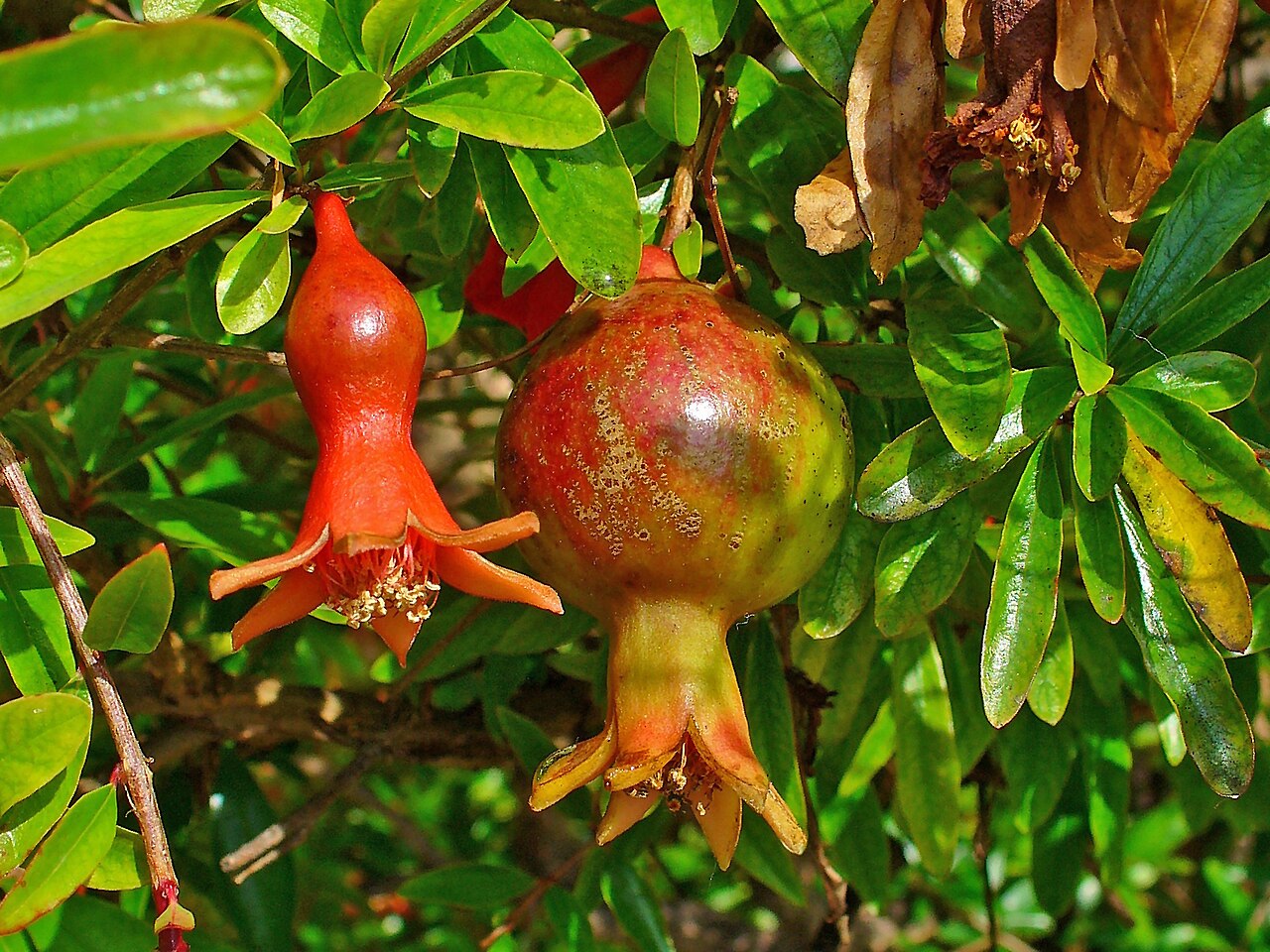
pomegranate
Punica granatum
Secondary I Low No biomass productionPomegranate, a deciduous shrub or small tree of the Lythraceae family, exotic to Brazil and cultivated across a wide range of the country. Drought-...
-
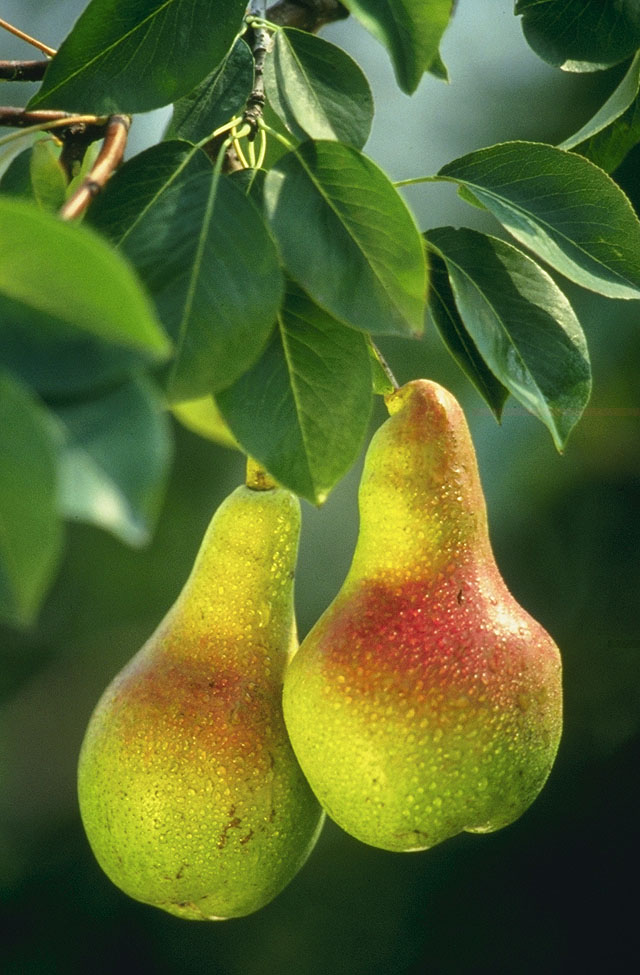
European pear
Pyrus communis
Secondary II Medium No biomass productionThe European pear, a deciduous fruit tree of the Rosaceae family, exotic to Brazil and demanding in chill (usually more than 600 hours below 7 °C)....
-
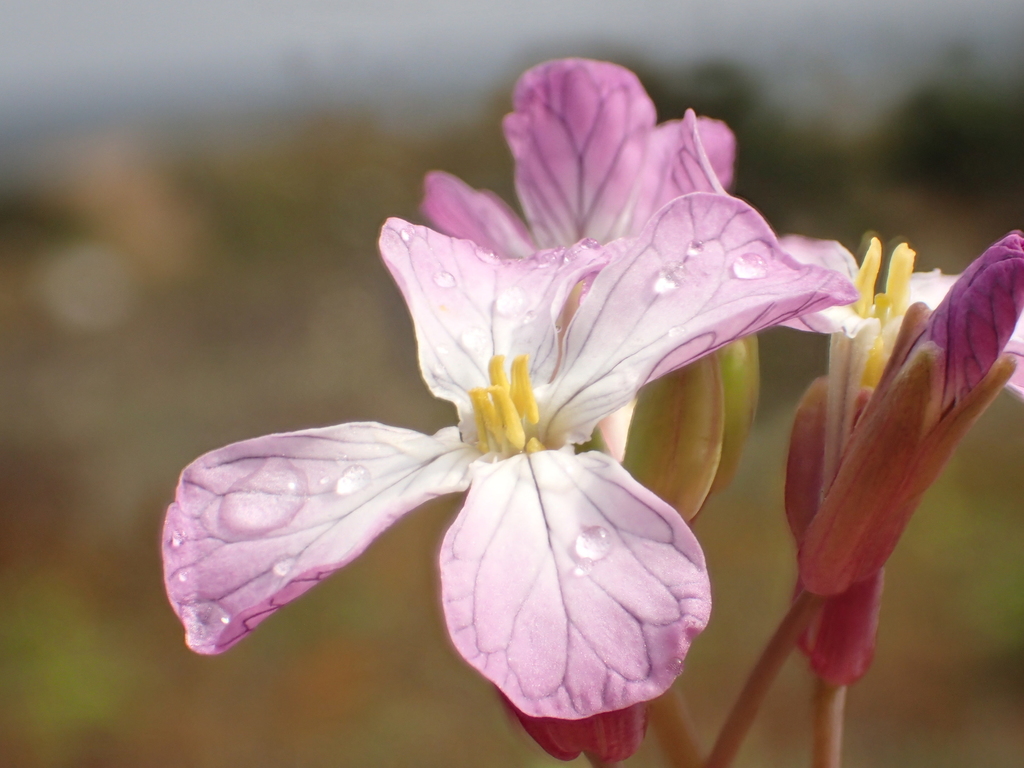
radish
Raphanus sativus
Placenta I Ground cover No biomass productionUltra-short-cycle brassica (25–35 days). Pasini lists it in the medium stratum of Tabela 3 (grown as a low-stratum species). Excellent for rotating...
-
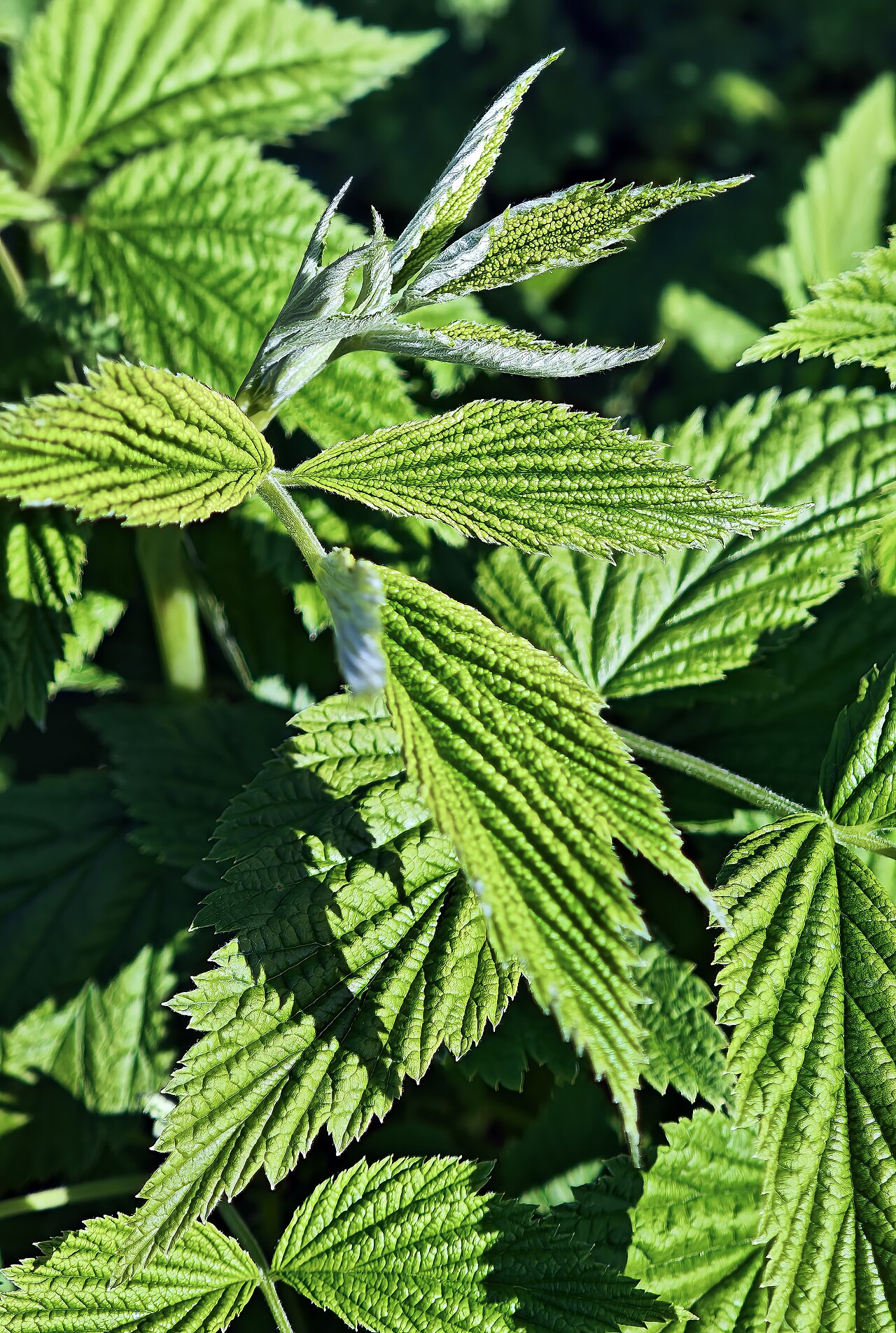
raspberry
Rubus idaeus
Secondary I Low No biomass productionRaspberry, a perennial shrub with biennial canes of the Rosaceae family, exotic to Brazil and grown in cold regions of the south and in highland mi...
❓ Frequently asked questions
What does "Fruit" mean in syntropic agriculture?
Species whose main yield is a fleshy fruit for human or animal consumption. Includes tropical, subtropical, and temperate fruit species.
Which catalog species are tagged Fruit?
The catalog holds 207 species, among them guaraná, Barbados gooseberry, margarida avocado. Each profile shows stratum, succession stage, and the management data, with sources cited.