
Function
Fruit — species for syntropic systems
Fruit species are the guild's continuous-production flagship. Combining different strata and harvest seasons, the same ground yields fruit all year.
207 species in the catalog · Refine this list in the catalog
-
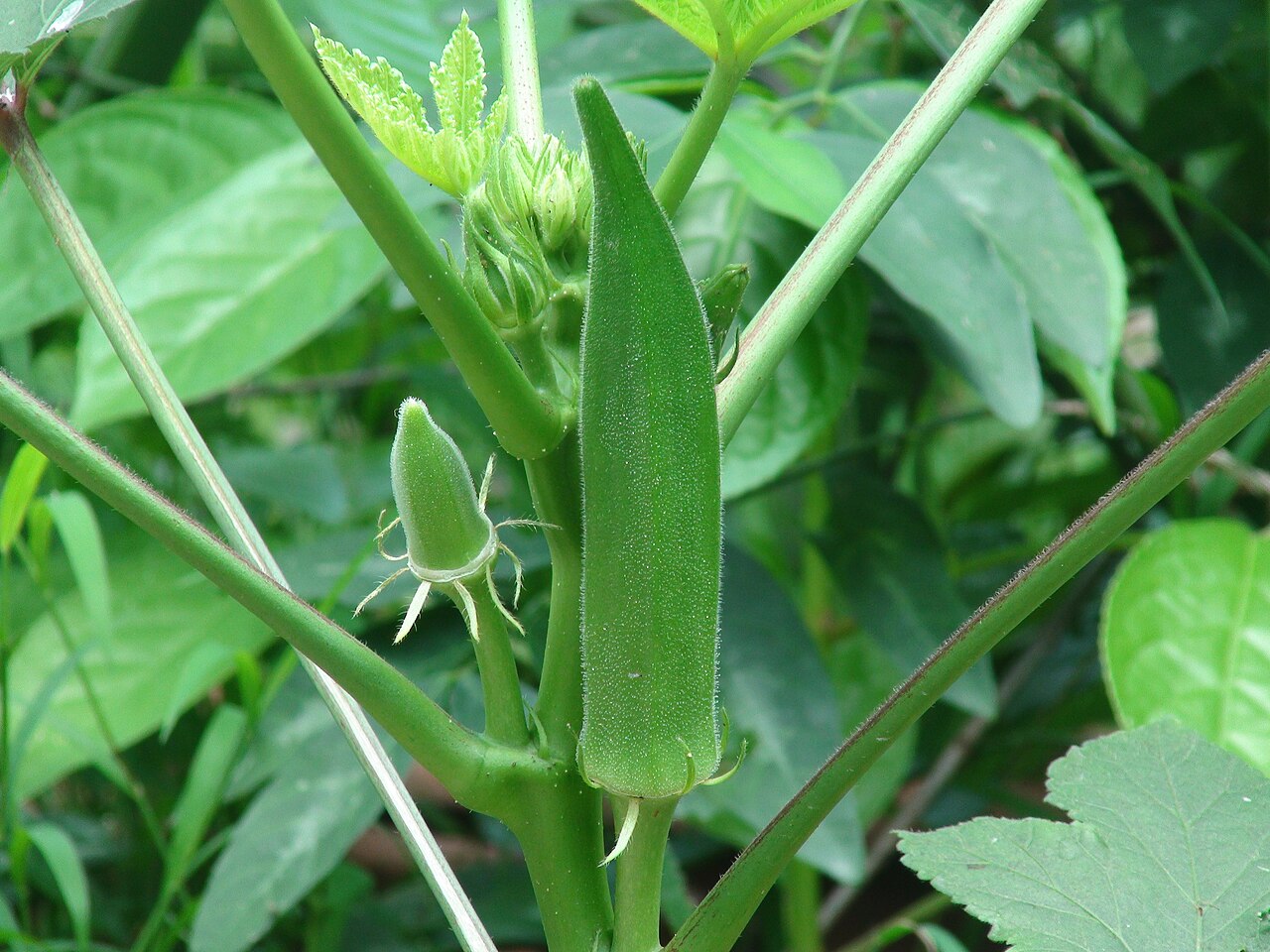
okra
Abelmoschus esculentus
Placenta I High No biomass productionAfrican annual fruit-vegetable widely cultivated in Brazilian SAFs. EcoAgri lists it in the high stratum of the 'up to 6 months' bin (placenta_1). ...
-
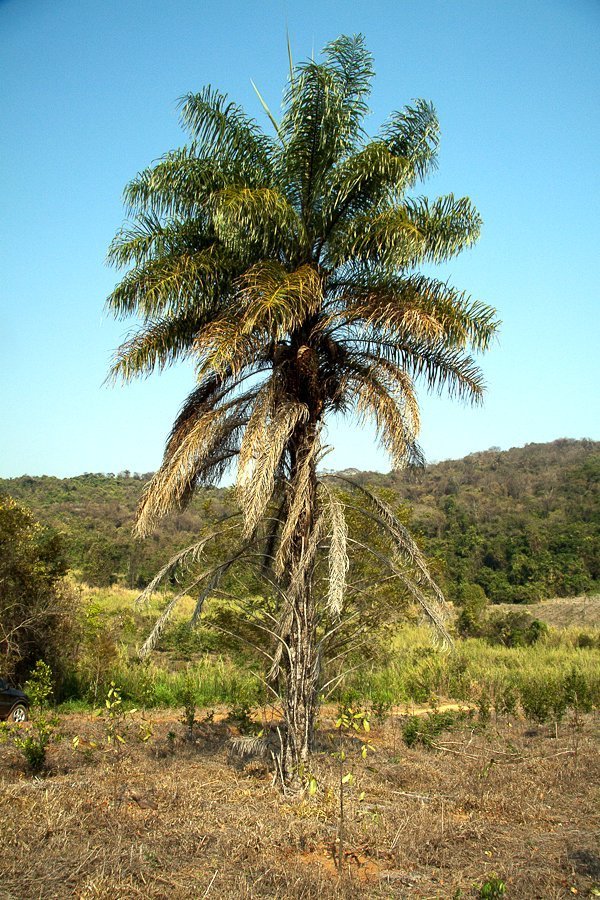
macauba palm
Acrocomia aculeata
Secondary II Emergent Mulch biomassNative palm of the Cerrado and Atlantic Forest, distributed from Bahia to Paraná. Spiny stipe 10–20 m. Orange-yellow fruits with yellow pulp and an...
-
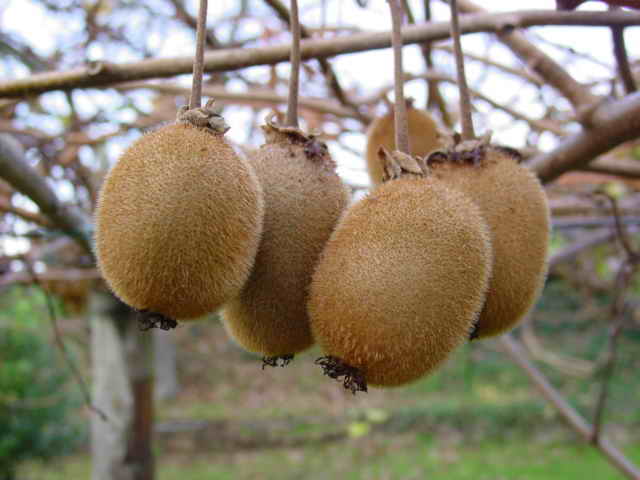
kiwifruit
Actinidia deliciosa
Secondary II Medium No biomass productionWoody vine native to southern China. Cultivated above 600 m altitude in southern and southeastern Brazil (RS, SC, PR, MG, SP). Requires chill hours...
-
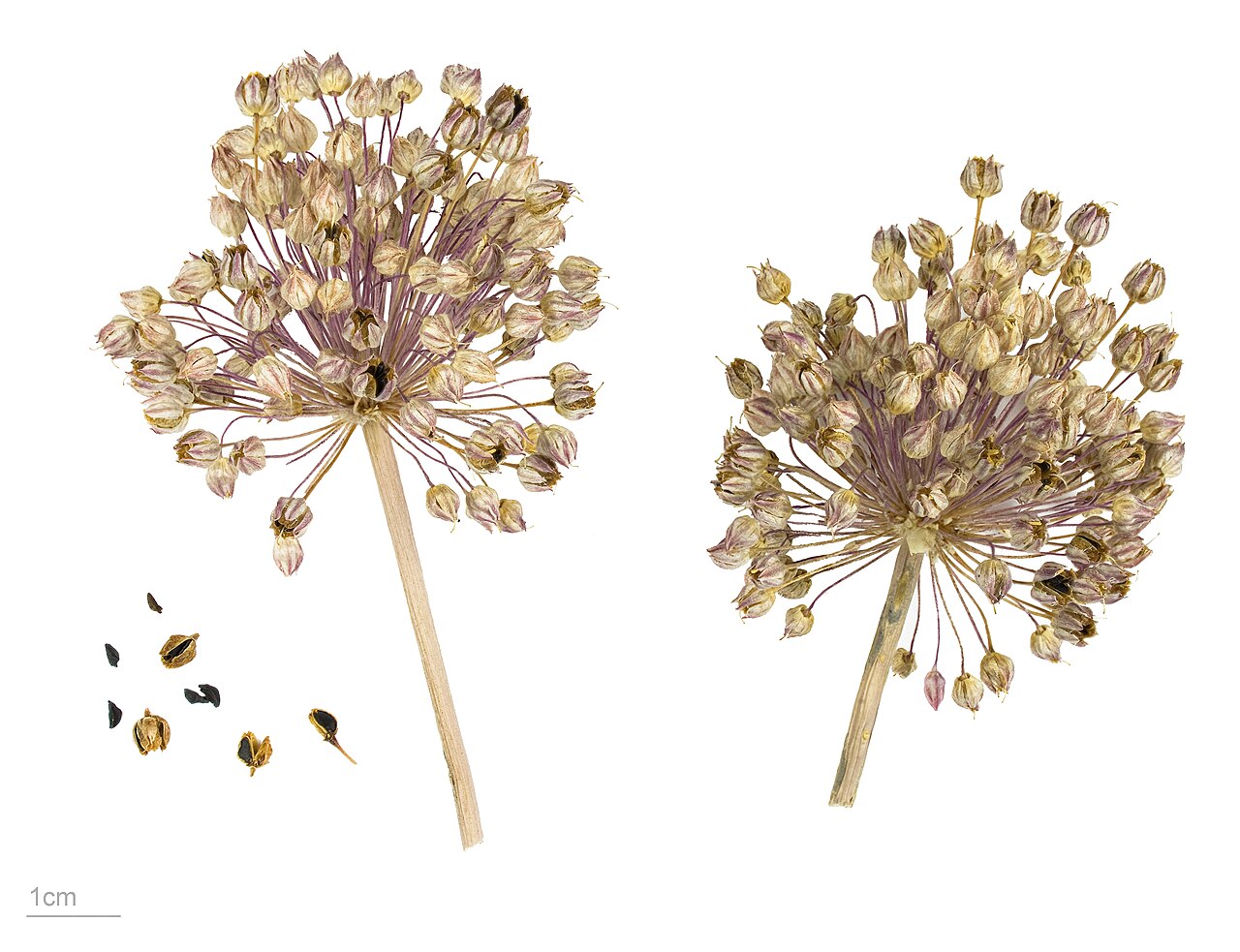
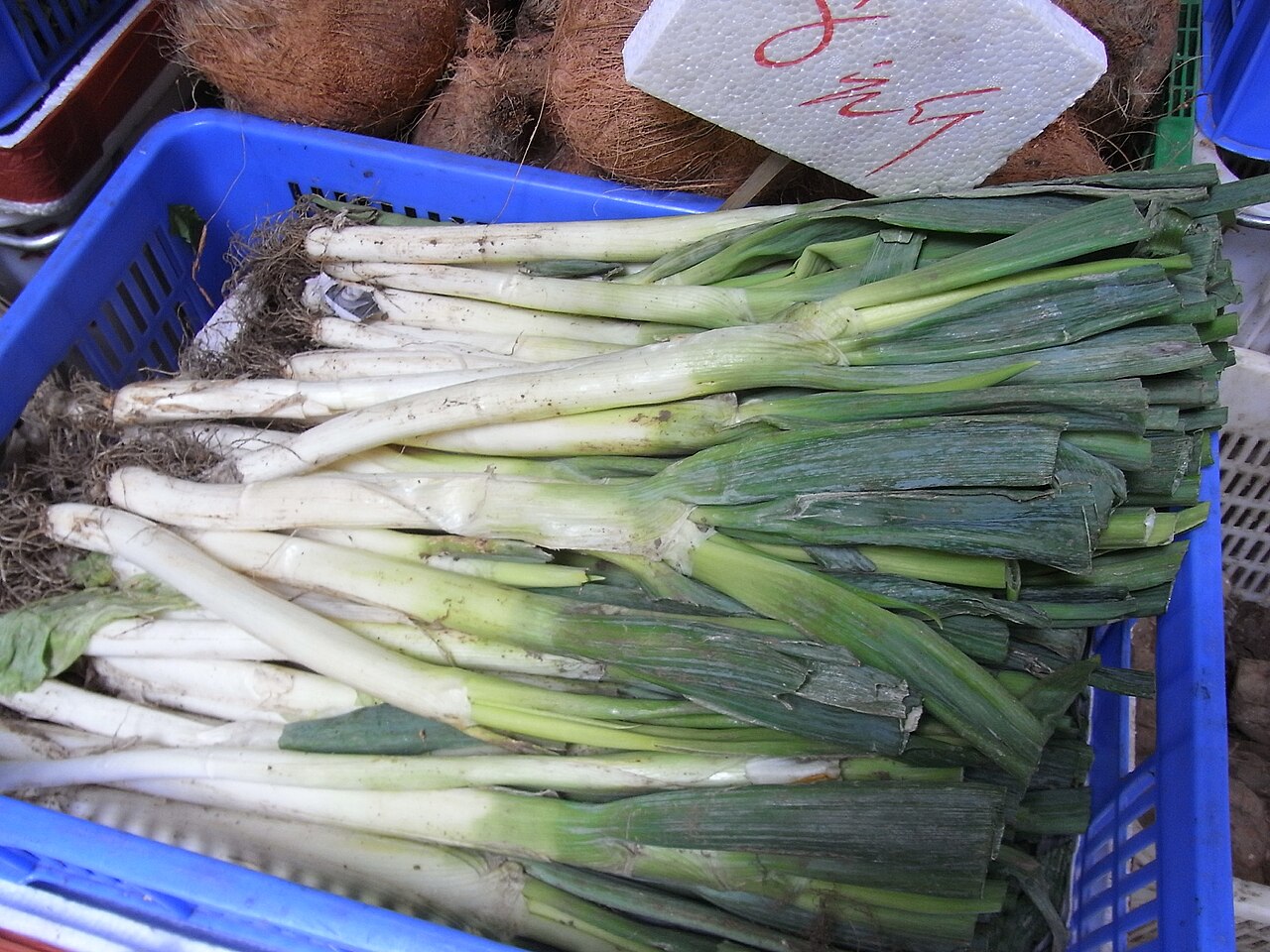
leek
Allium ampeloprasum
Placenta I Medium No biomass productionBiennial Allium grown for its white pseudostem. Pasini lists it in the medium stratum of Tabela 3. Tolerates moist soils and partial shade well.
-
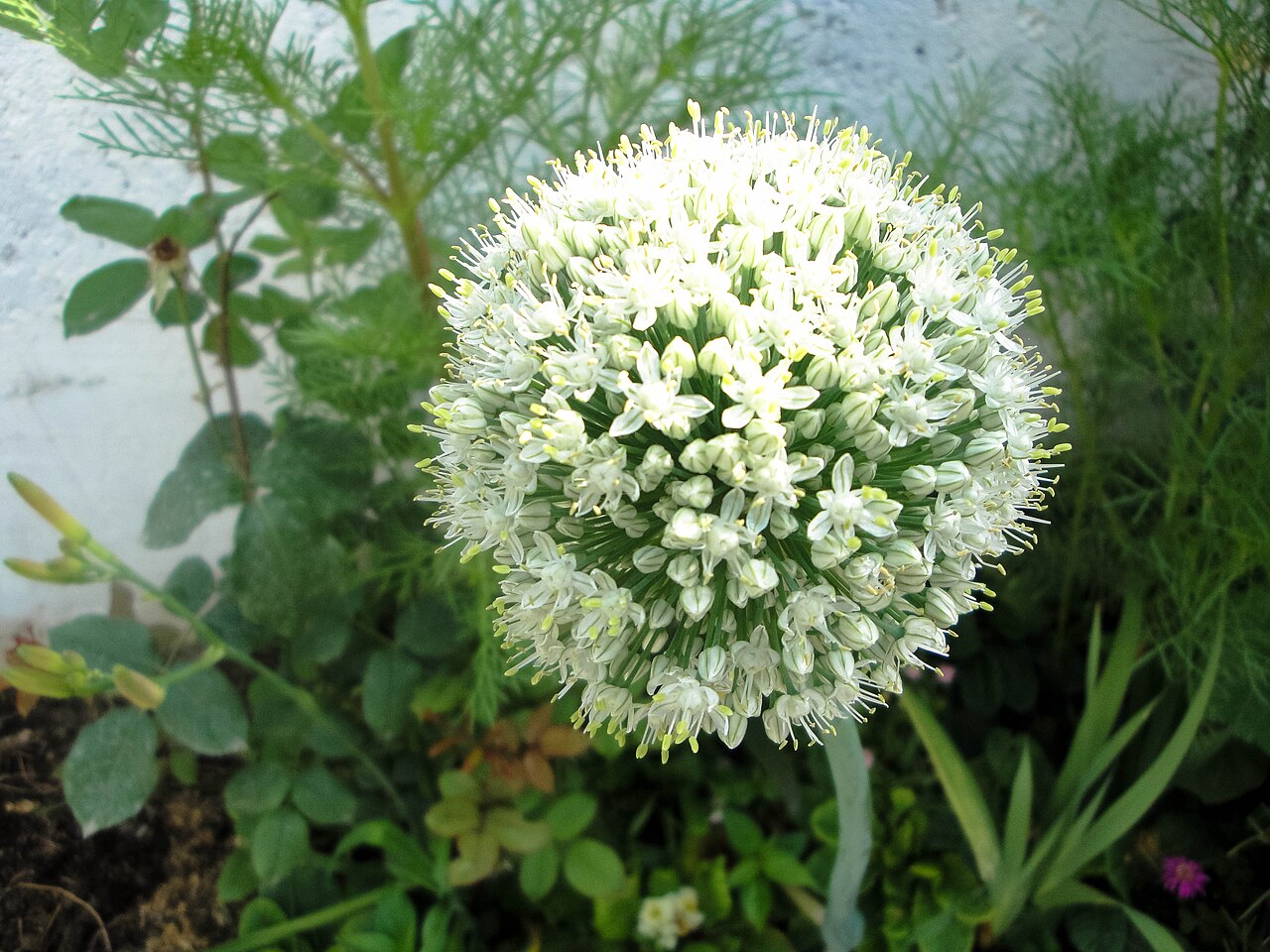
onion
Allium cepa
Placenta I Low No biomass productionCultivated Allium bulb. Pasini lists it in the medium stratum of Tabela 3. Flowering attracts pollinators; leaves and bulbs can be harvested separa...
-
Welsh onion
Allium fistulosum
Placenta I Ground cover No biomass productionPerennial clumping Allium widely used as a culinary herb. Pasini lists it in the high stratum of Tabela 3 (Brazilian use is in the low stratum). Pr...
-
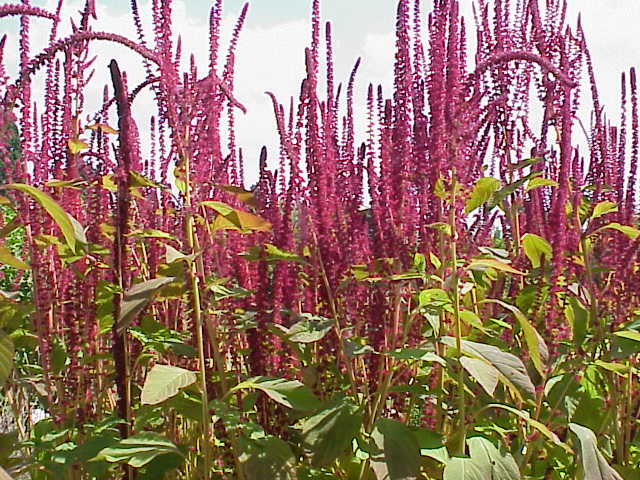
purple amaranth
Amaranthus cruentus
Placenta I High Fertilizer biomassHighly nutritious annual pseudocereal. Embrapa CT-16 lists it as a fodder species alongside gliricídia. Planted as a second-season crop after summe...
-
dwarf early-bearing cashew
Anacardium occidentale
Secondary II High No biomass productionEmbrapa dwarf early-bearing cashew clones — 4–6 m height vs. 8–15 m of common cashew. First fruits at 18–24 months (vs. 4 years for the common cash...
-
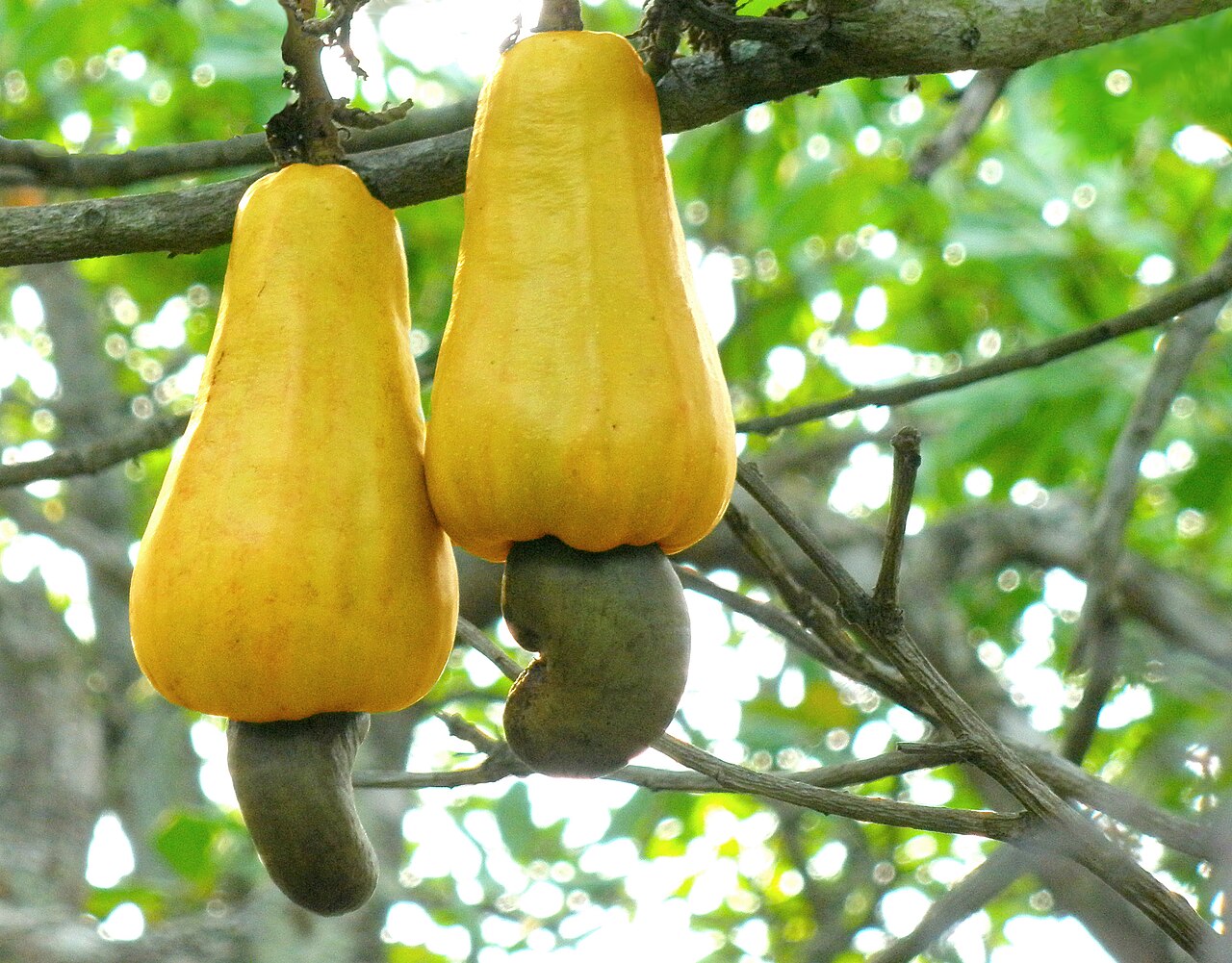
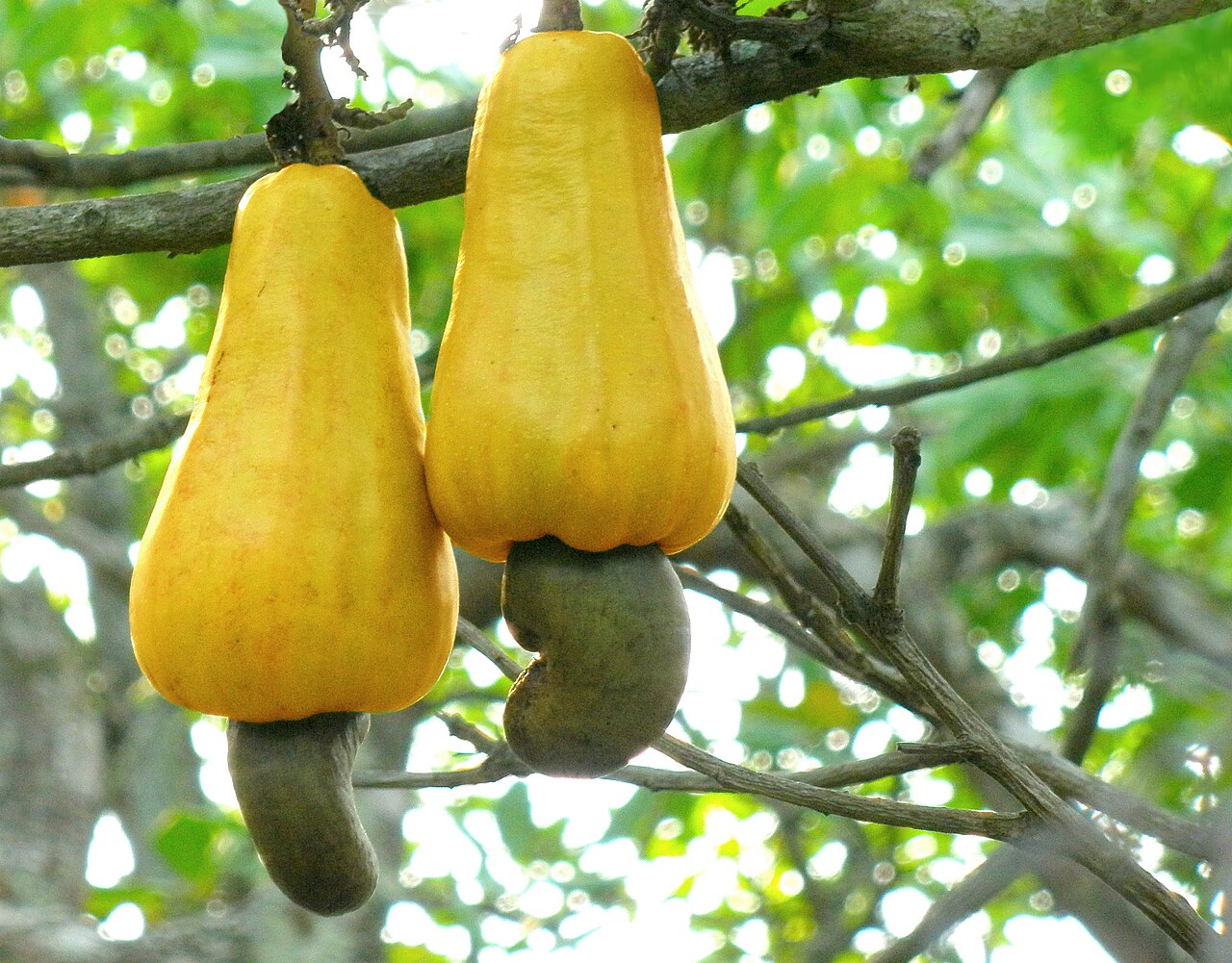
cashew
Anacardium occidentale
Secondary II High No biomass productionNative fruit tree of the Cerrado and Caatinga; produces a pseudofruit (the cashew apple) and the true cashew nut. Pasini lists it in the emergent s...
-
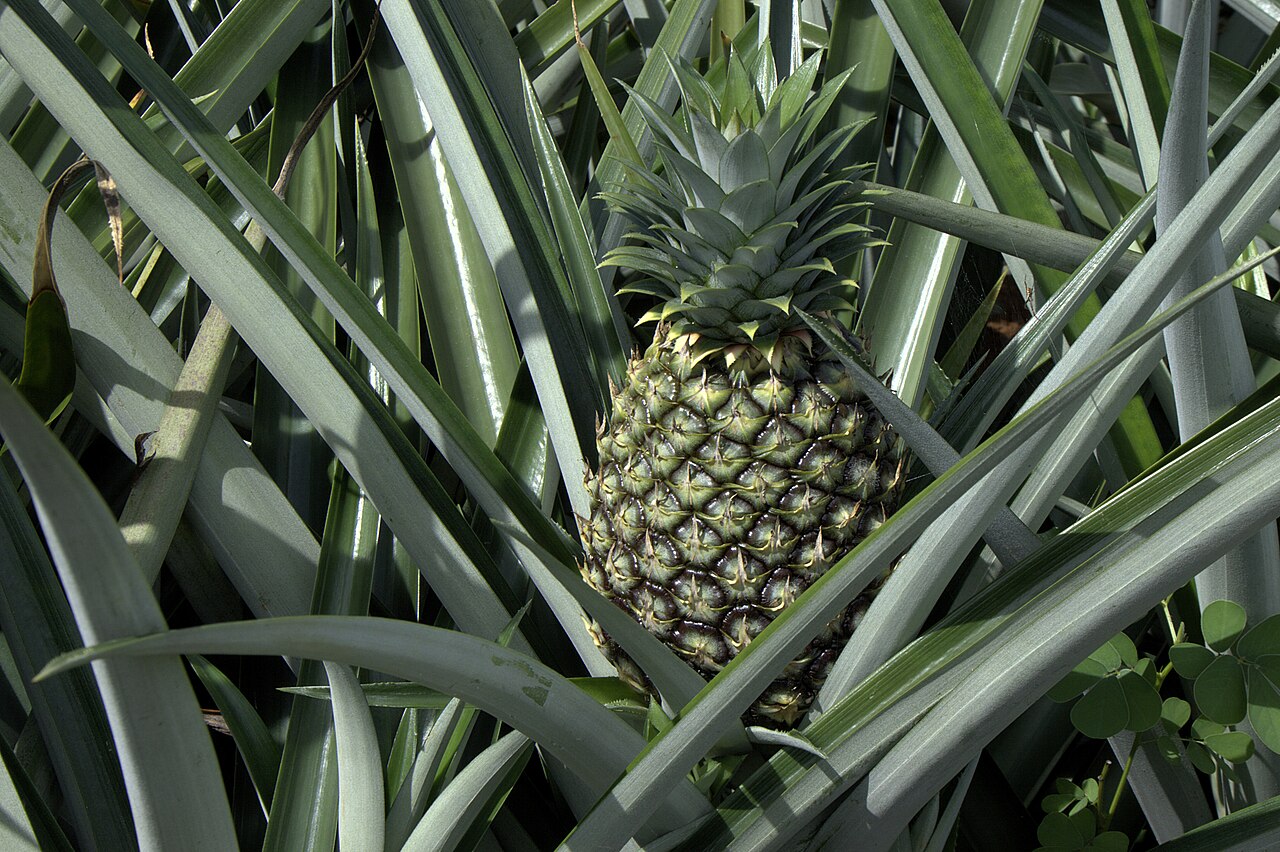
pineapple
Ananas comosus
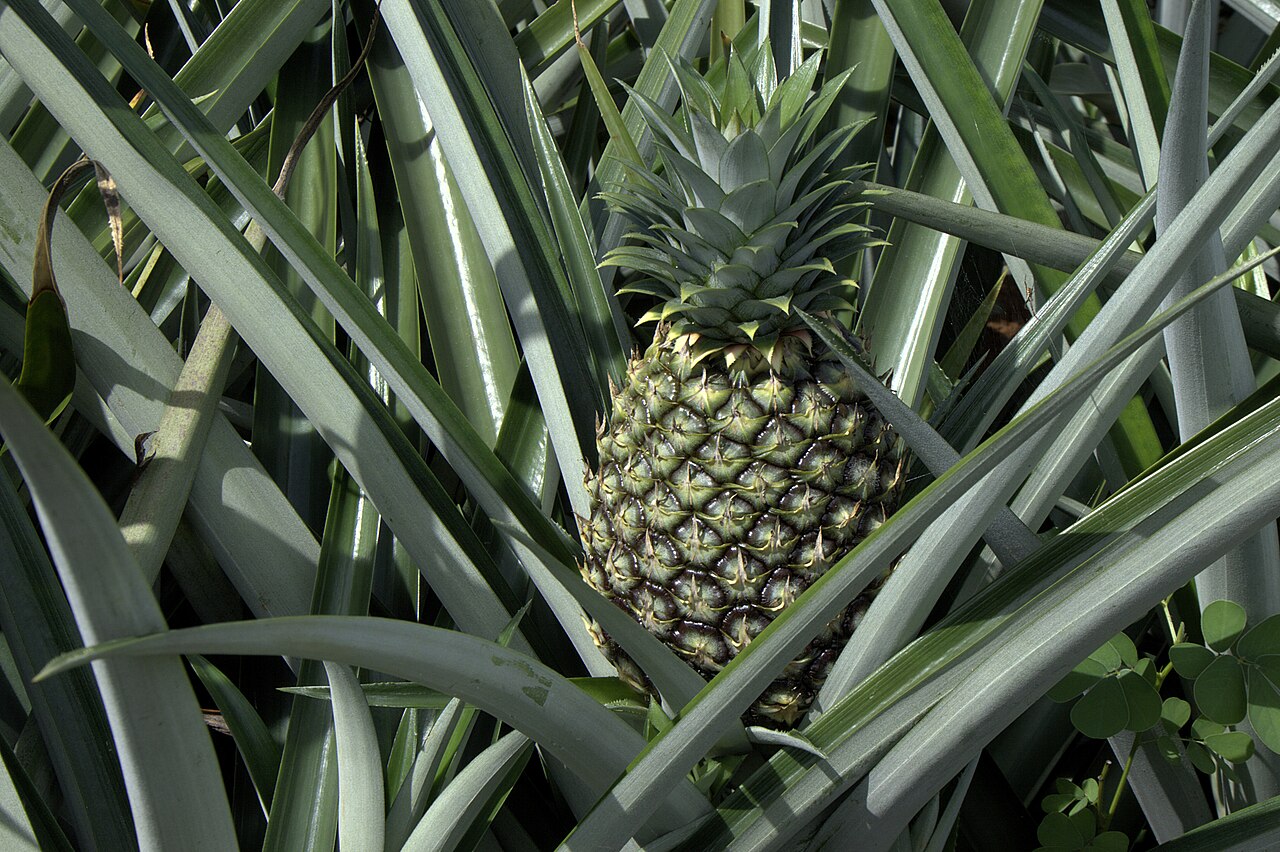
Placenta II Low No biomass productionPerennial bromeliad cultivated in the low stratum of syntropic systems. Pasini lists it in the low stratum of Tabela 3. Fruits in ~22–24 months; re...
-
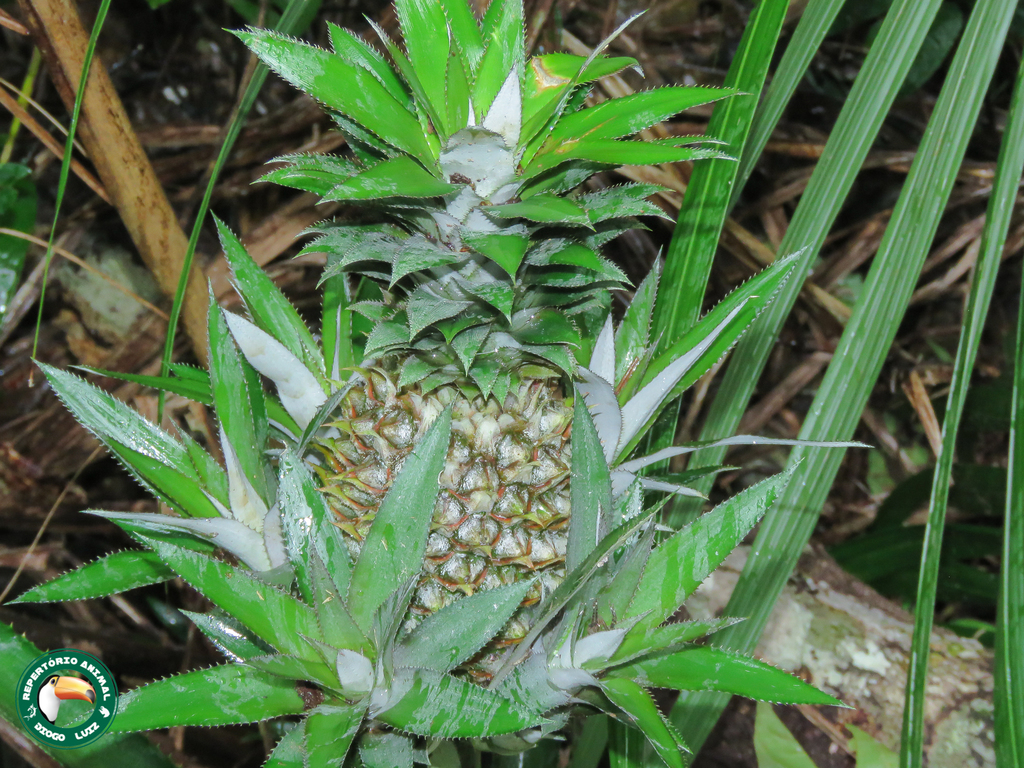
pérola pineapple
Ananas comosus
Placenta II Ground cover No biomass productionDominant cultivar in Brazil's domestic market. Erect plants with long spiny leaves, long peduncle, conical fruits weighing 1.0–1.5 kg, aromatic whi...
-
brs imperial pineapple
Ananas comosus
Placenta II Ground cover No biomass productionEmbrapa hybrid cultivar ('Perolera' × 'Smooth Cayenne'). Spineless dark-green leaves. Crowned fruit ~1.2 kg (up to 1.5 kg). Resistant to fusariosis...
-
smooth cayenne pineapple
Ananas comosus
Placenta II Ground cover No biomass productionWorld's export leader until MD-2 arrived. Leaves nearly spineless. Cylindrical fruits 1.5–2.0 kg, yellow-orange skin, firm yellow flesh rich in sug...
-
atemoya
Annona × atemoya
Secondary I Medium No biomass productionHybrid of sugar apple (A. squamosa) and cherimoya (A. cherimola), created in the US in the early 1900s and introduced to Brazil in the 1960s. Combi...
-
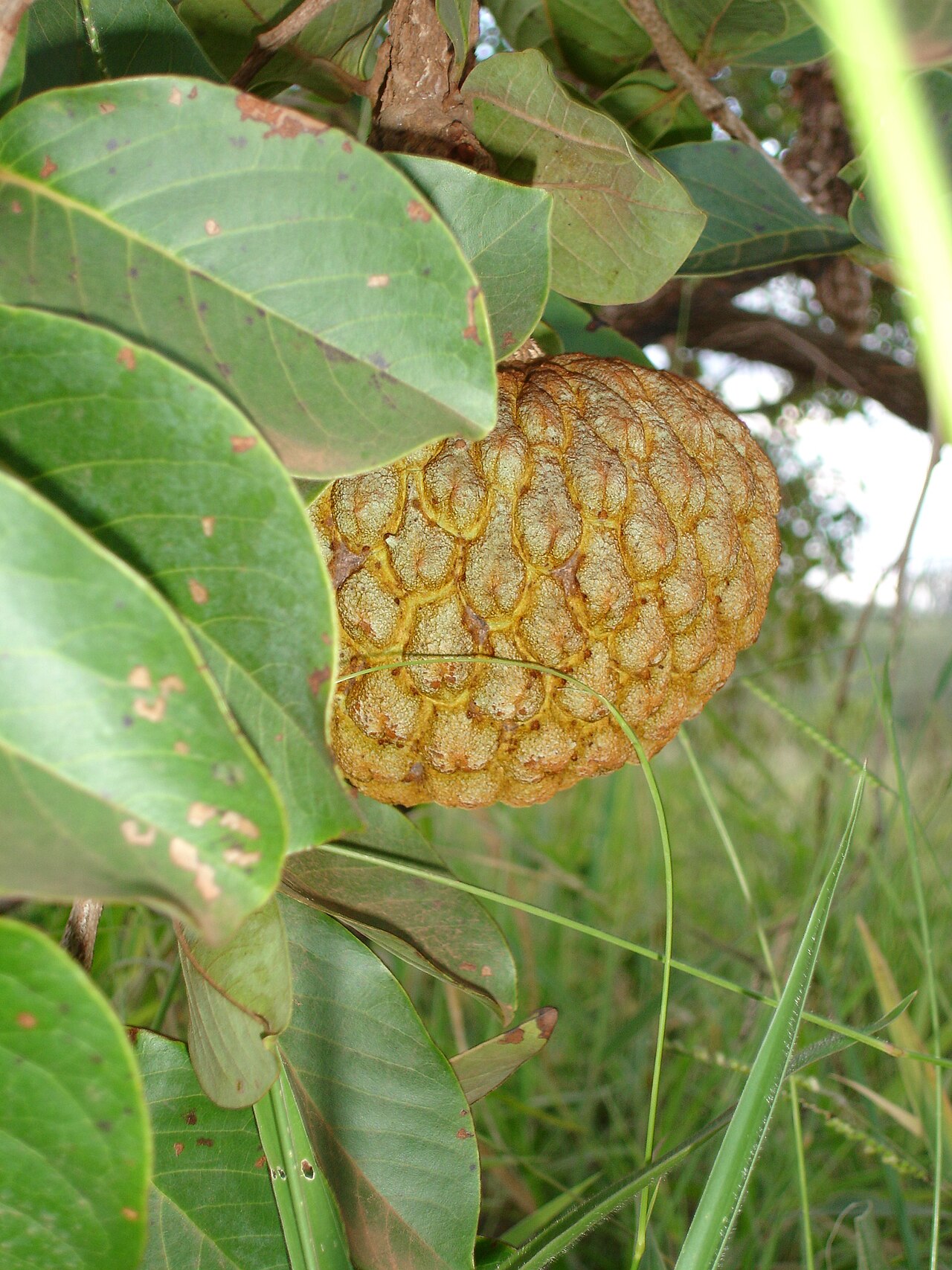
wild sweetsop
Annona cacans
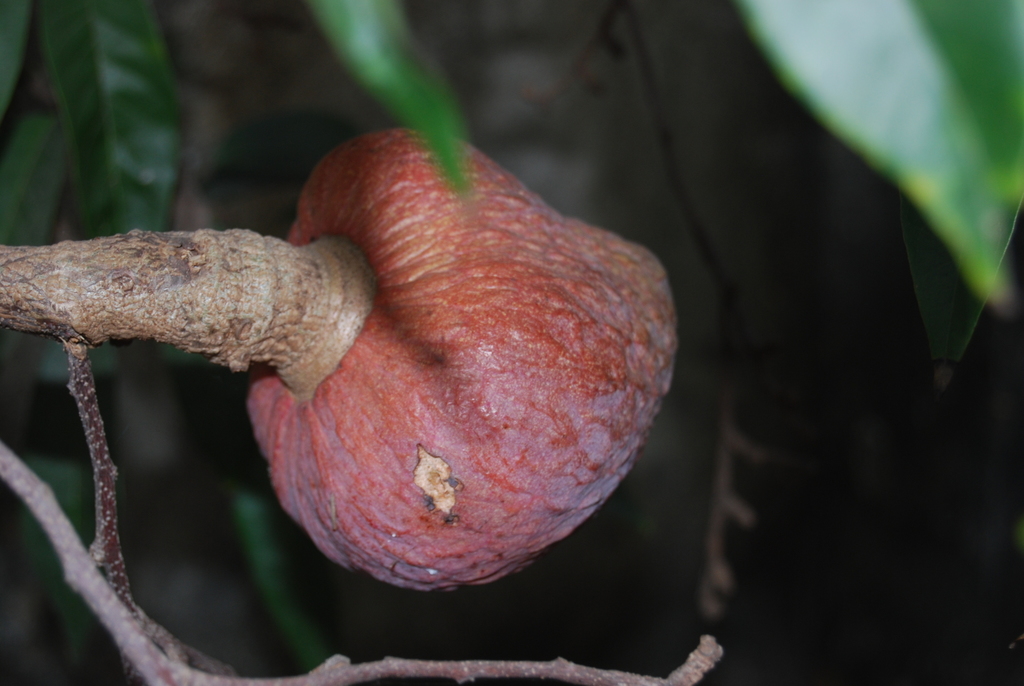
Secondary II High Mulch biomassNative Atlantic Forest and Cerrado species, medium tree (8–15 m). Large fruits (up to 1.5 kg) with sweetish yellow flesh but a laxative effect (ori...
-
cherimoya
Annona cherimola
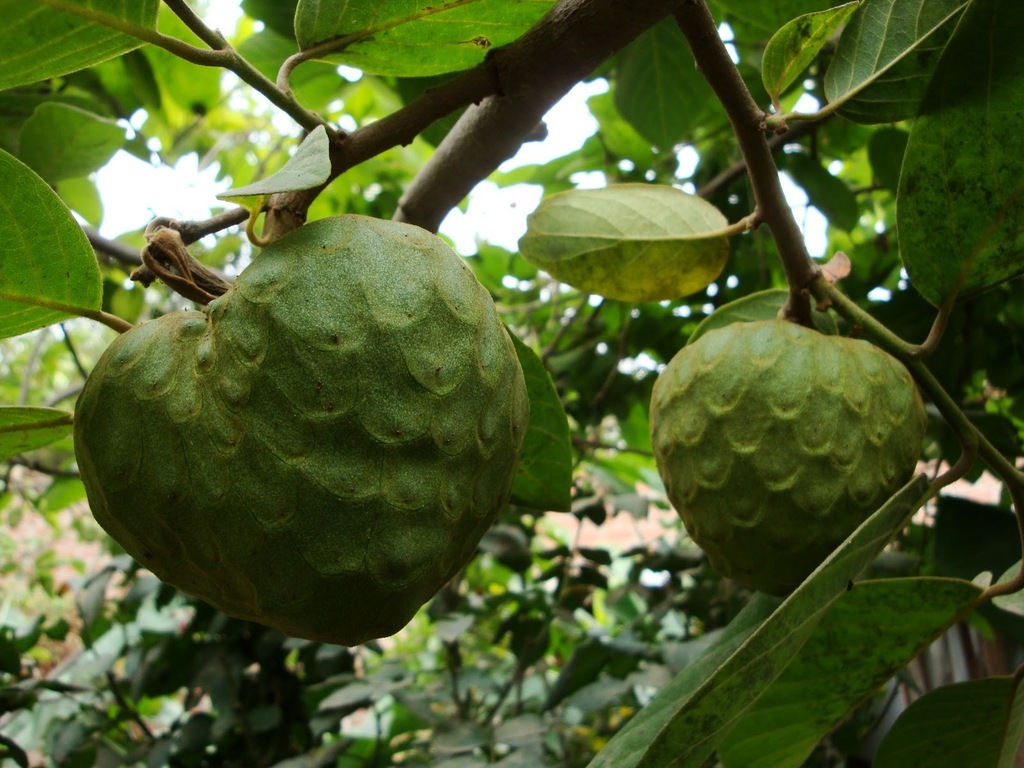
Secondary I Medium No biomass productionAndean native (Ecuador, Peru, Bolivia). Small tree (5–8 m), deciduous leaves. Light-green reticulated fruit with creamy white flesh of delicate fla...
-
marolo
Annona crassiflora
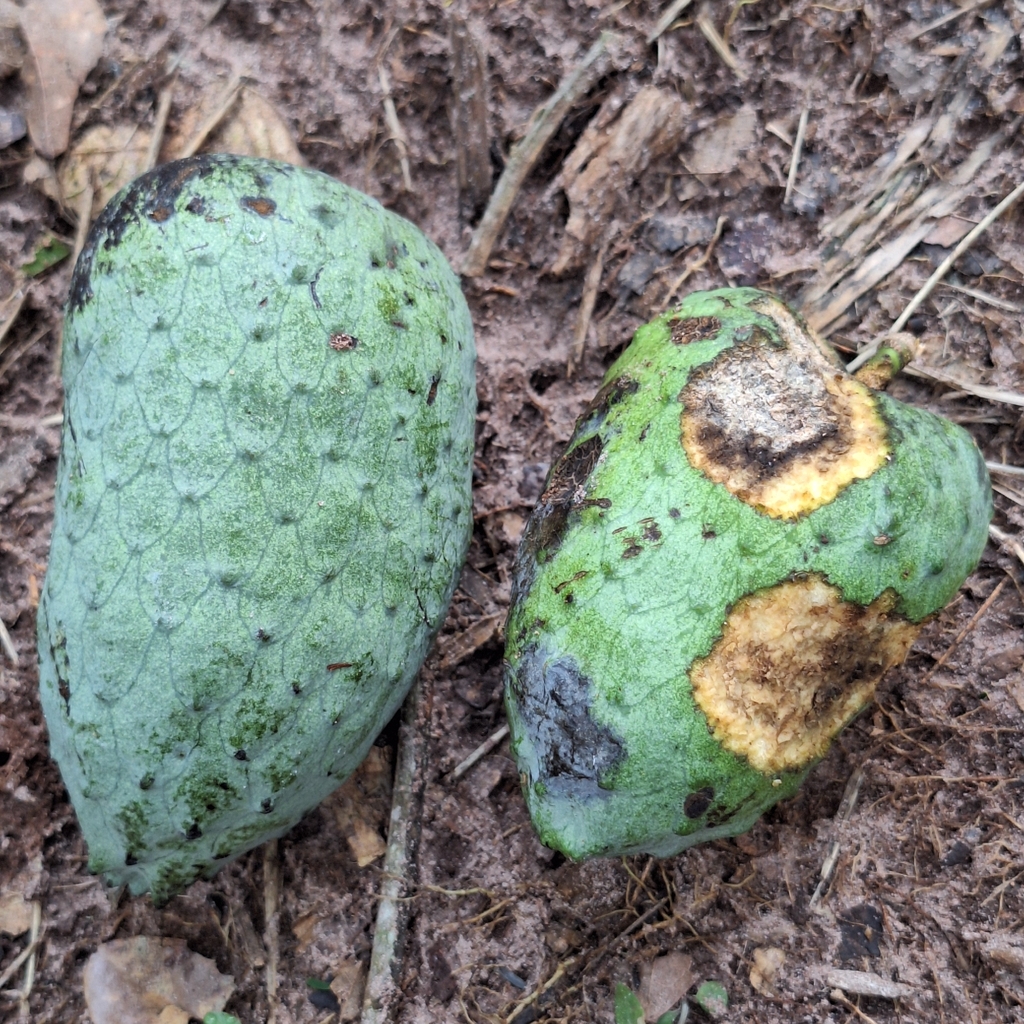
Secondary I MediumNative, endemic tree of the Brazilian Cerrado, reaching 6–8 m with a 2–4 m crown diameter. Fruits have high nutritional and bioactive value.
-
biriba
Annona mucosa
Secondary I High No biomass productionAmazonian fruit of the Annonaceae (cousin of pinha and graviola). Pasini lists it in the high stratum of Tabela 3. Creamy white pulp highly prized;...
-
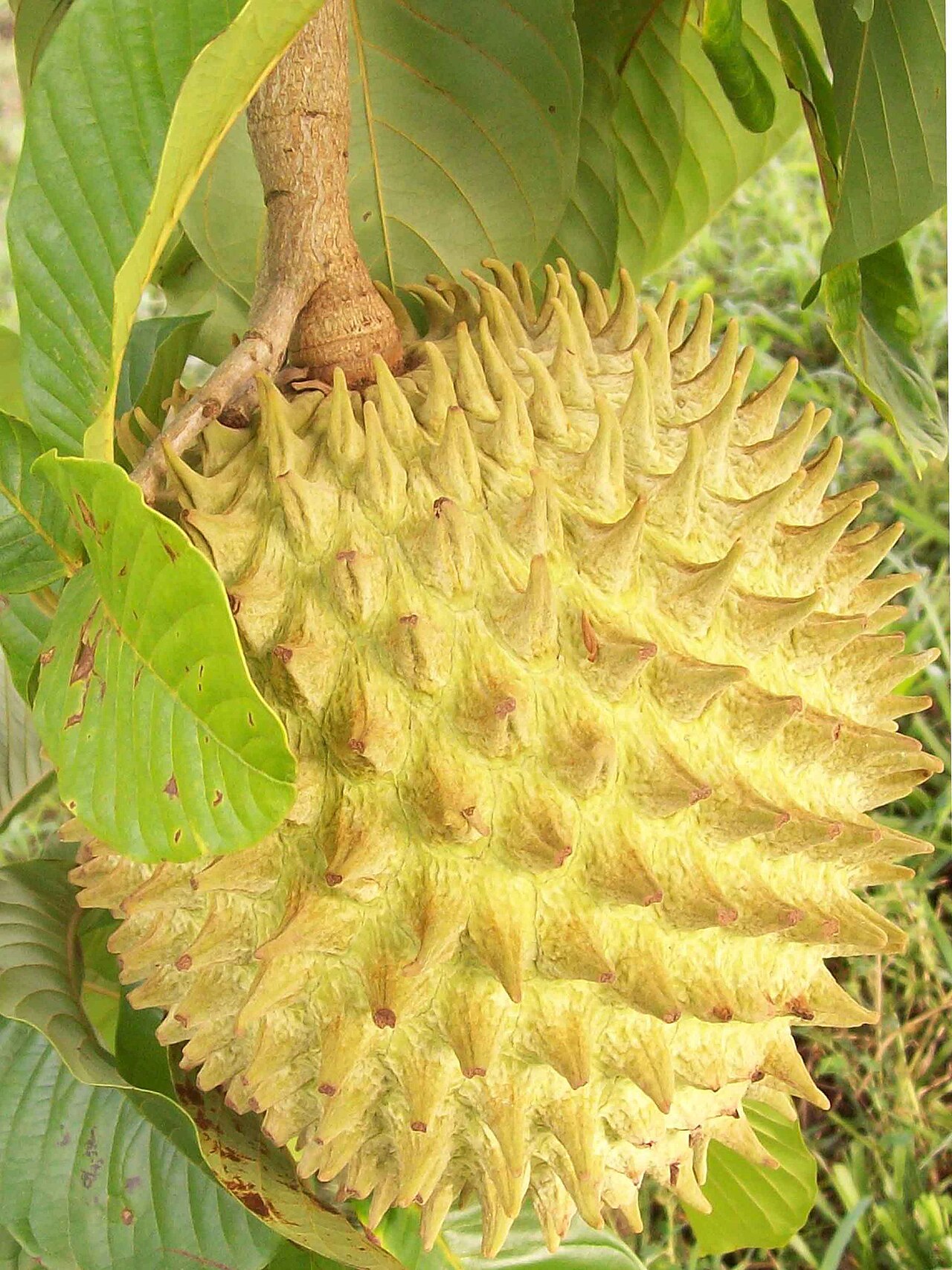
soursop
Annona muricata
Secondary I High No biomass productionTropical fruit with sweet-tart white pulp and well-documented medicinal properties. Pasini lists it in the high stratum of Tabela 3. Native to Amaz...
-
sugar apple
Annona squamosa
Secondary I High No biomass productionSmall tropical fruit tree, same family as graviola. Pasini lists it in the high stratum of Tabela 3. Tolerates poor soils and drought; traditional ...
-
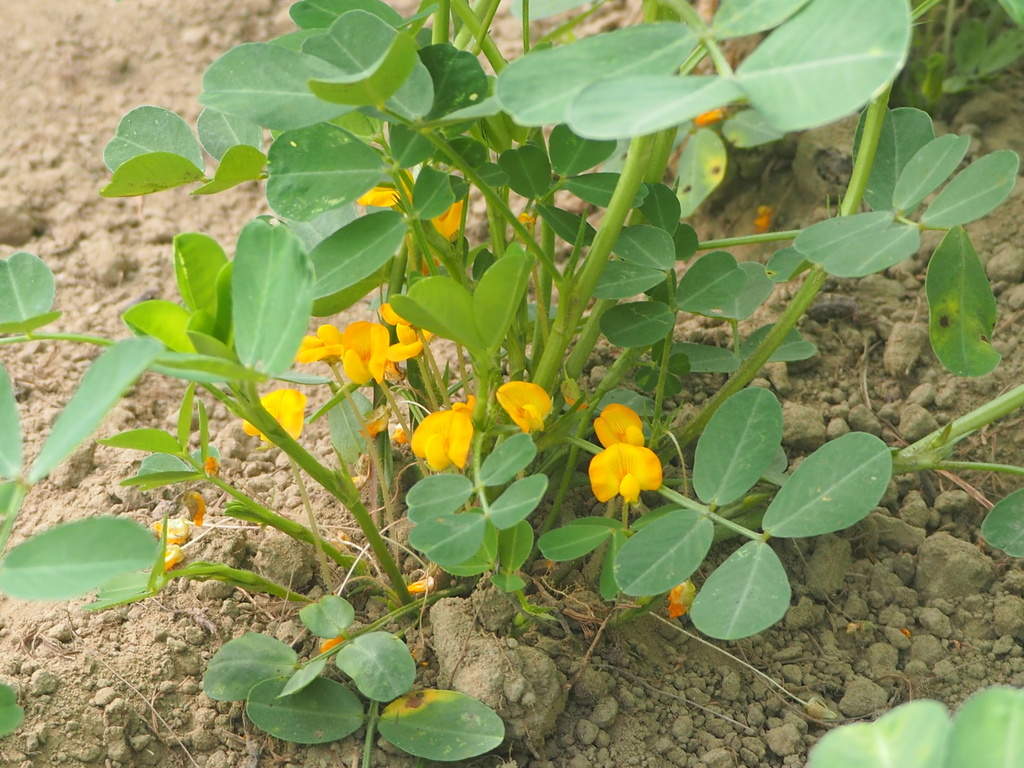
peanut
Arachis hypogaea
Placenta I Ground cover Fertilizer biomass 🌱 Nitrogen fixerAnnual nitrogen-fixing legume that produces its pod underground (geocarpic). Pasini lists it in the low stratum of Tabela 3. Excellent ground cover...
-
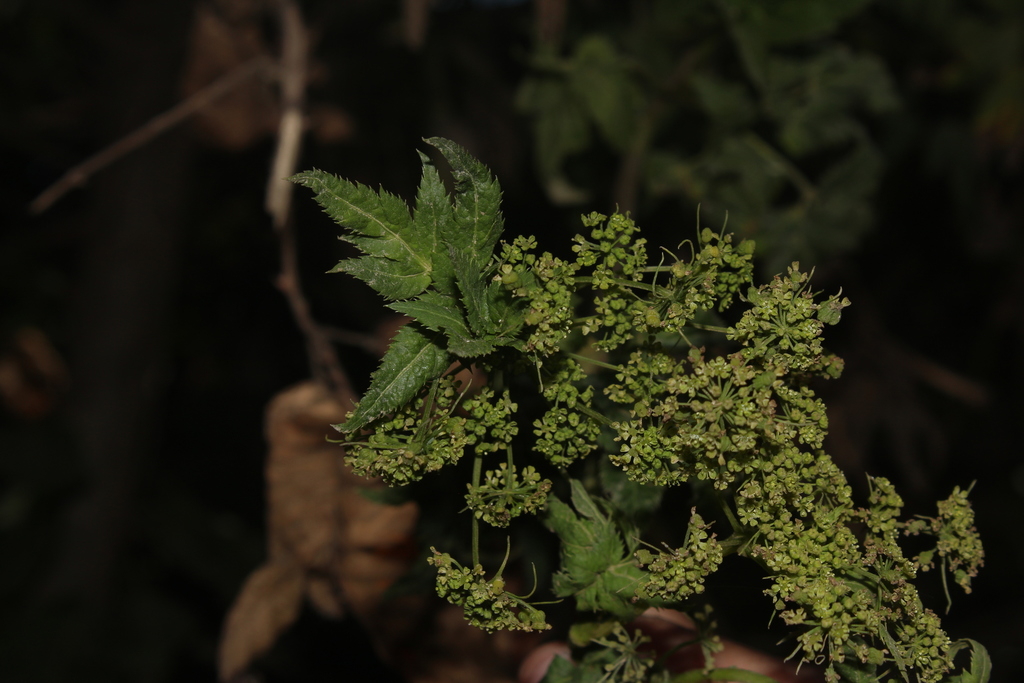
arracacha
Arracacia xanthorrhiza
Placenta I Low No biomass productionAndean apiaceous tuber crop, cultivated mainly in southern Minas Gerais and Paraná. Pasini lists it in the medium stratum of Tabela 3. 8–10 month c...
-
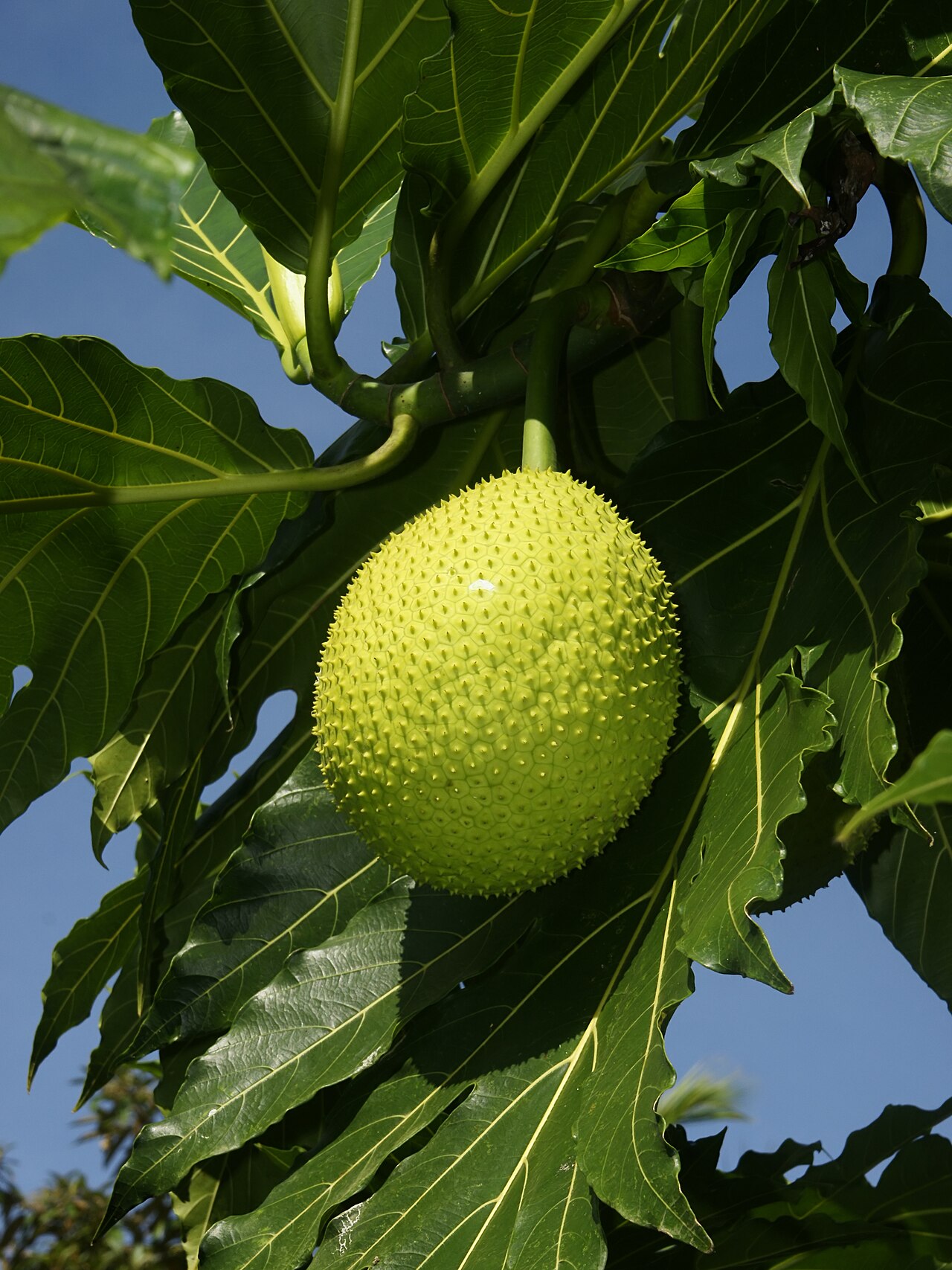
breadfruit
Artocarpus altilis
Climax High No biomass productionPacific fruit tree naturalized in Brazilian coastal and Amazonian regions. EcoAgri lists it in the high stratum of the '> 50 years' bin. Starchy fr...
-
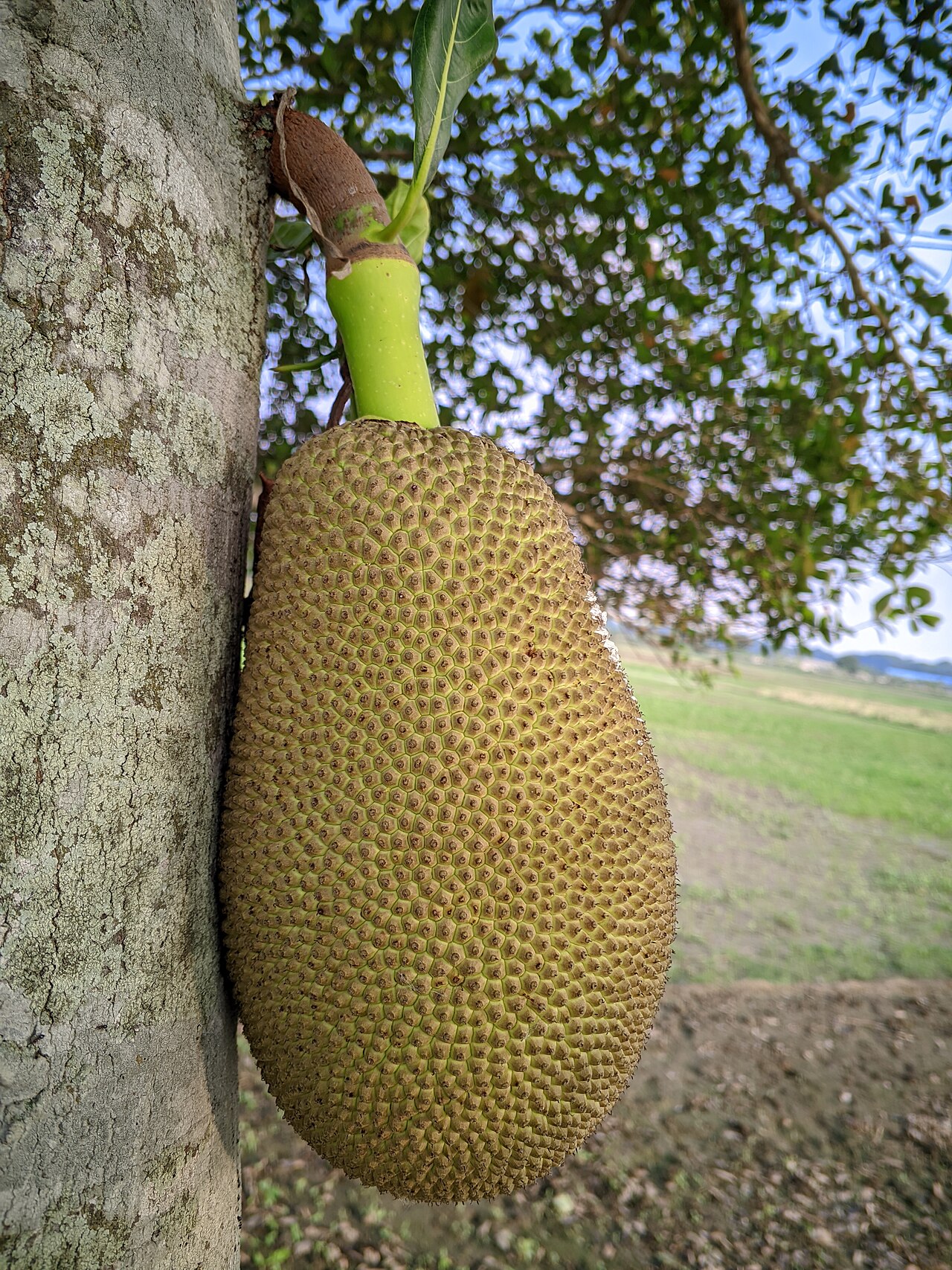
jackfruit
Artocarpus heterophyllus
Secondary II High No biomass productionAsian fruit tree naturalized in the Brazilian Atlantic Forest. Pasini lists it in the high stratum of Tabela 3 and in the 5–18 year phase of the co...
❓ Frequently asked questions
What does "Fruit" mean in syntropic agriculture?
Species whose main yield is a fleshy fruit for human or animal consumption. Includes tropical, subtropical, and temperate fruit species.
Which catalog species are tagged Fruit?
The catalog holds 207 species, among them okra, macauba palm, kiwifruit. Each profile shows stratum, succession stage, and the management data, with sources cited.