
Function
Oil seed — species for syntropic systems
Oilseeds yield edible or industrial oil — from high-stratum palms to short-cycle herbs. The perennials among them give long, stable production.
31 species in the catalog · Refine this list in the catalog
-
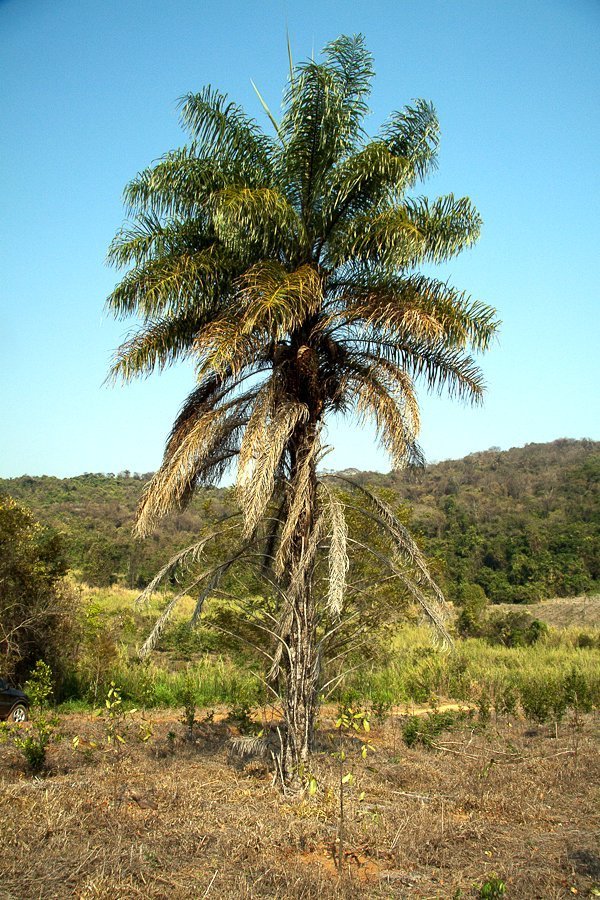
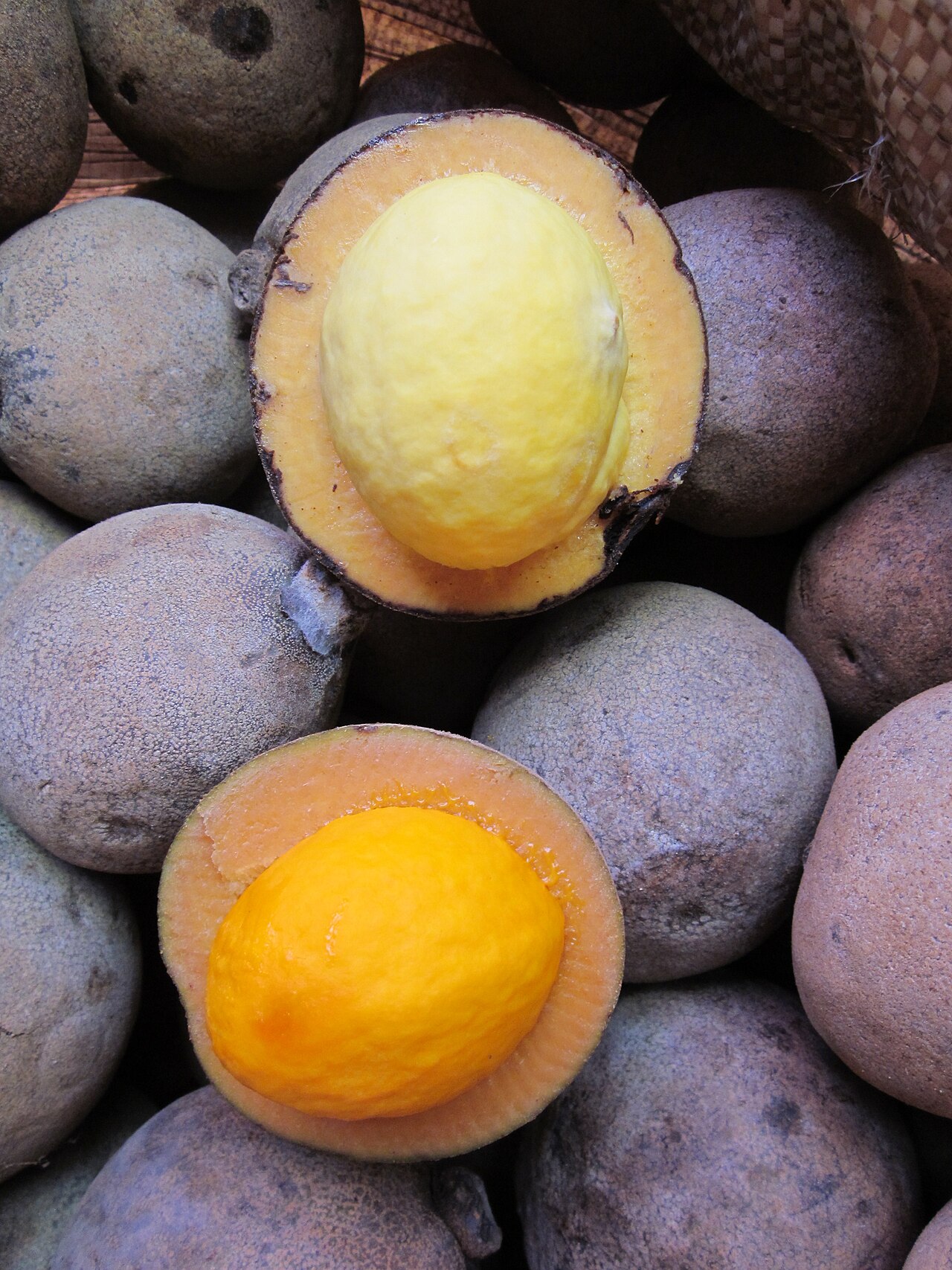
macauba palm
Acrocomia aculeata
Secondary II Emergent Mulch biomassNative palm of the Cerrado and Atlantic Forest, distributed from Bahia to Paraná. Spiny stipe 10–20 m. Orange-yellow fruits with yellow pulp and an...
-
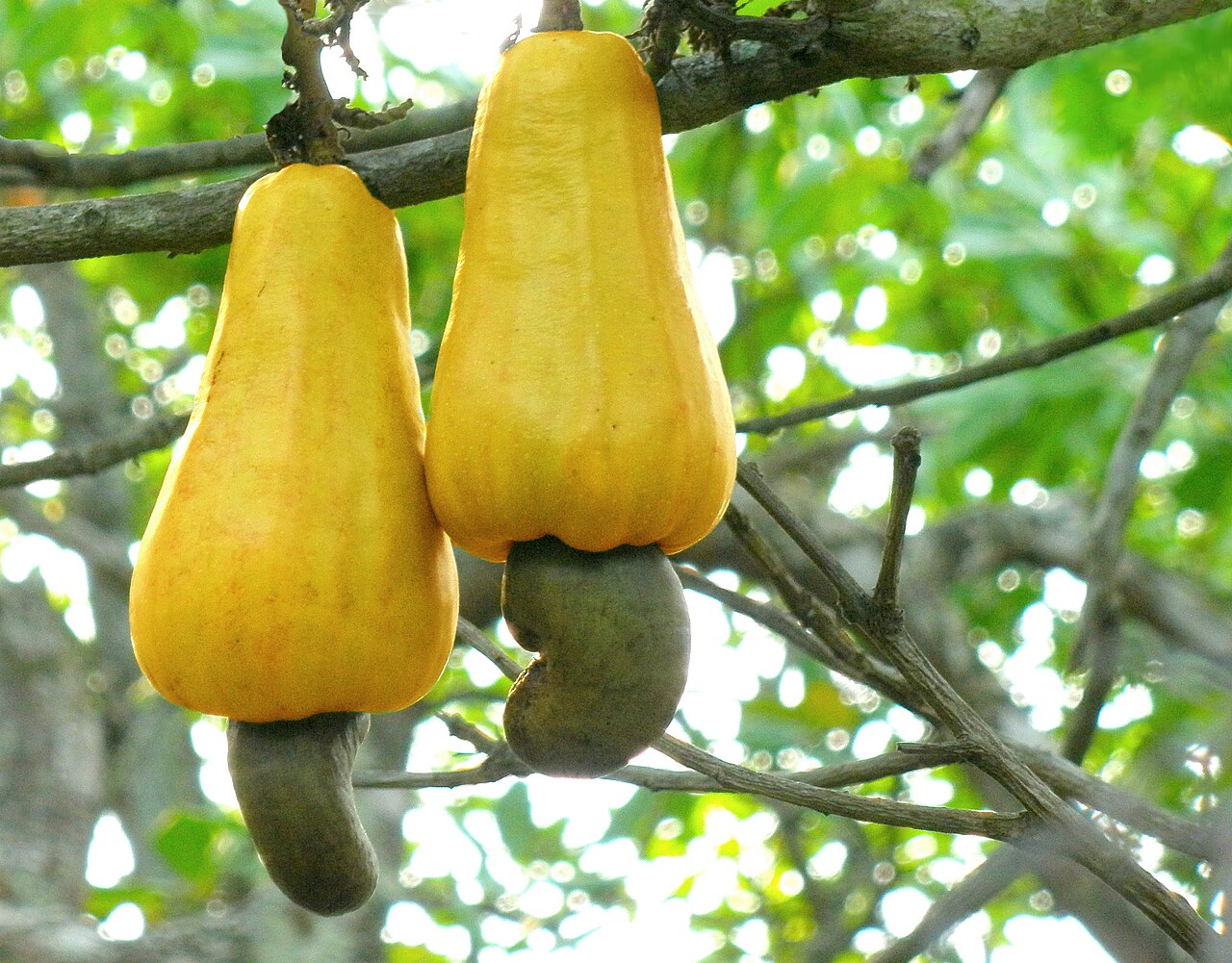
cashew
Anacardium occidentale
Secondary II High No biomass productionNative fruit tree of the Cerrado and Caatinga; produces a pseudofruit (the cashew apple) and the true cashew nut. Pasini lists it in the emergent s...
-
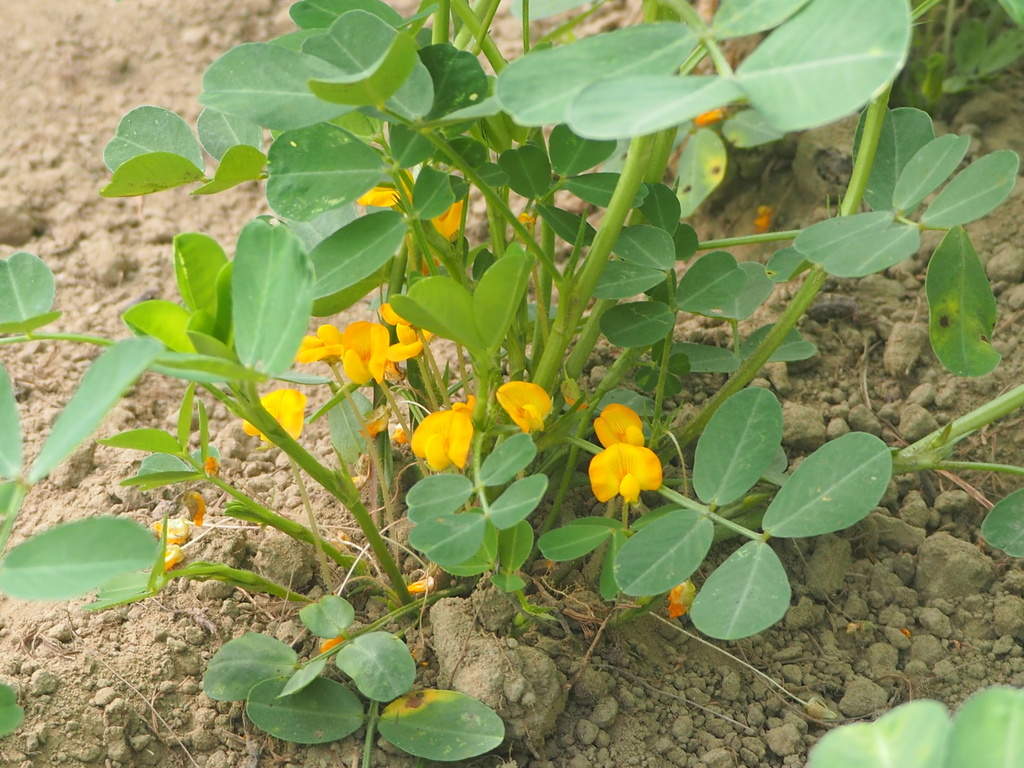
peanut
Arachis hypogaea
Placenta I Ground cover Fertilizer biomass 🌱 Nitrogen fixerAnnual nitrogen-fixing legume that produces its pod underground (geocarpic). Pasini lists it in the low stratum of Tabela 3. Excellent ground cover...
-
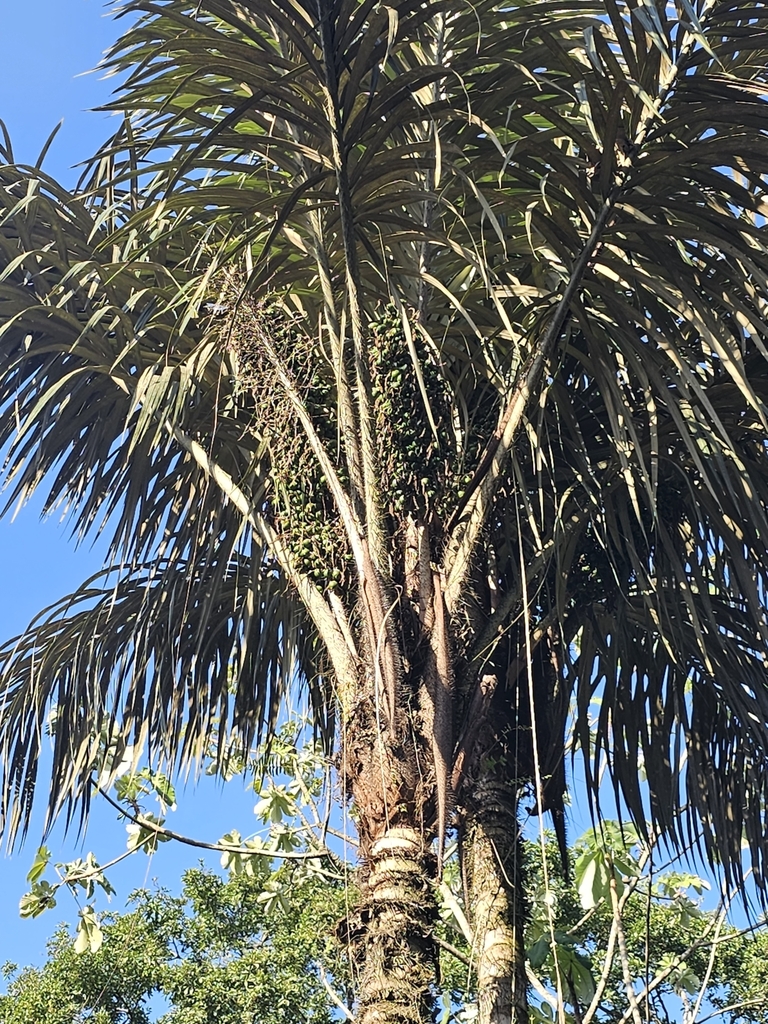
tucumã palm
Astrocaryum vulgare
Secondary II High No biomass productionAmazonian high-stratum spiny palm, listed by Embrapa among native fruit species for Amazonian SAFs. Orange fruits very rich in beta-carotene and oi...
-
babassu palm
Attalea speciosa
Climax Emergent Mulch biomassNative palm of the transition zones between the Amazon, Cerrado, and Caatinga — strongly present in Maranhão, Piauí, Tocantins, and northern Goiás....
-
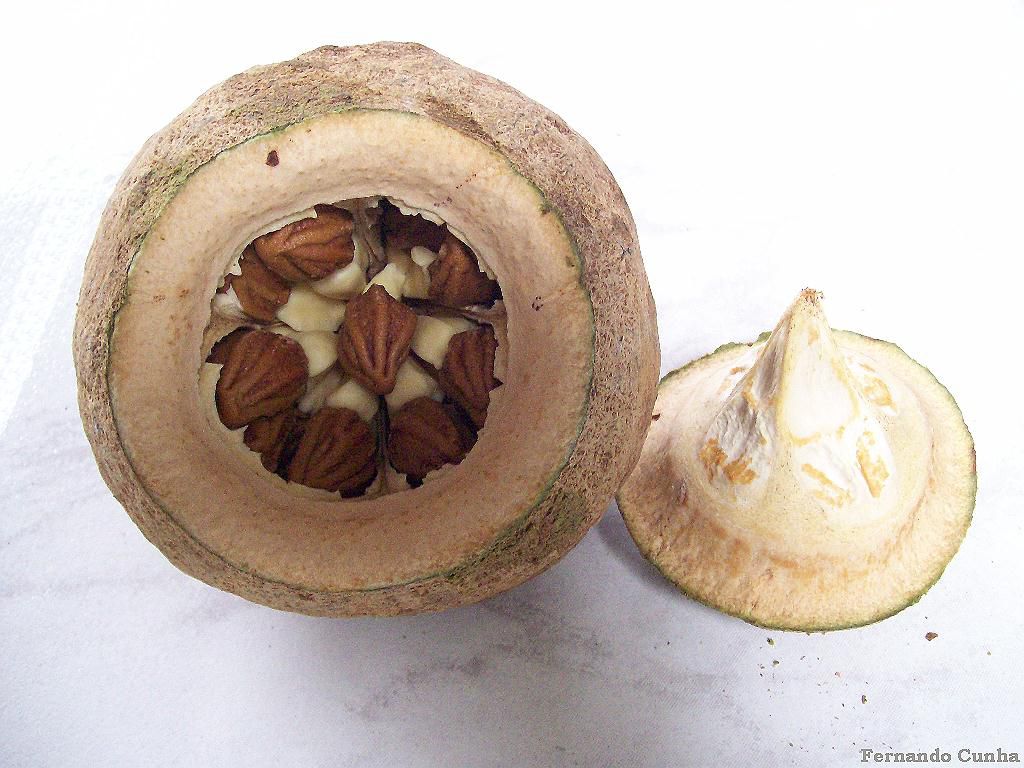
Brazil nut
Bertholletia excelsa
Climax Emergent Mulch biomassAmazonian emergent giant reaching 50 m. Pasini lists it in the emergent stratum of Tabela 3 and cites 'castanheiras' among Abundance-system species...
-
andiroba
Carapa guianensis
Climax Emergent Mulch biomassAmazonian premium-timber tree (luxury furniture) producing medicinal seed oil that repels insects. Pasini lists it in the emergent stratum of Tabel...
-
souari nut
Caryocar brasiliense
Climax HighIconic fruit tree of the Brazilian Cerrado, up to ~10 m tall with a broad crown. Very slow growth; first fruits not until ~30 years in smaller indi...
-
pequiá
Caryocar villosum
Climax Emergent Mulch biomassGiant Amazonian emergent tree, cited by Rebello (EcoAgri) alongside Brazil-nut, kapok, dandá, jequitibá, sea-coconut and araucária as representativ...
-
hybrid coconut
Cocos nucifera
Secondary II High No biomass productionDwarf × Tall hybrids registered by Embrapa (BRS 001, 002, 003). Intermediate height (15–20 m), early bearing (4 years), medium fruits. Combine Tall...
-
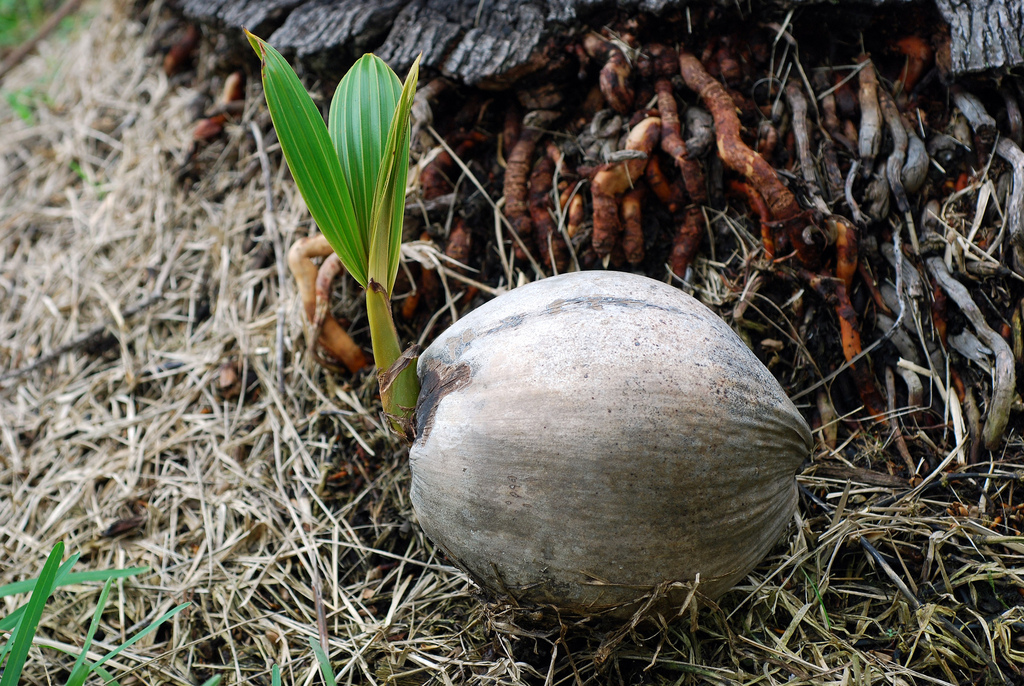
coconut palm
Cocos nucifera
Secondary II Emergent No biomass productionHigh-value palm naturalized along Brazilian coastlines. Pasini lists it in the emergent stratum of Tabela 3. Tolerates salinity and coastal winds; ...
-
tall coconut
Cocos nucifera
Secondary II Emergent No biomass productionTall variety — emergent (20–30 m), 60–70 year lifespan, first flowering at 5–7 years. 60–80 large fruits per plant per year for copra, oil, and fib...
-
African oil palm
Elaeis guineensis
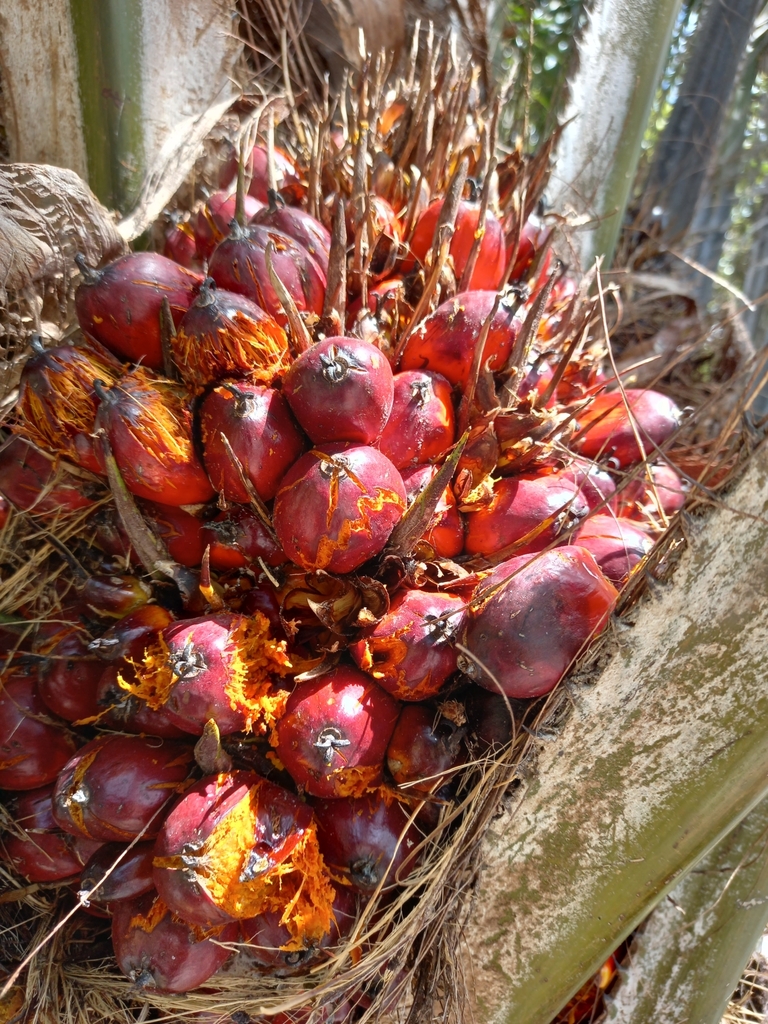
Secondary II Emergent No biomass productionAfrican palm cultivated mainly for oil (palm oil). Rebello & Sakamoto (2019) report Götsch testing oil palm in multi-strata silvopastoral systems a...
-
soybean
Glycine max
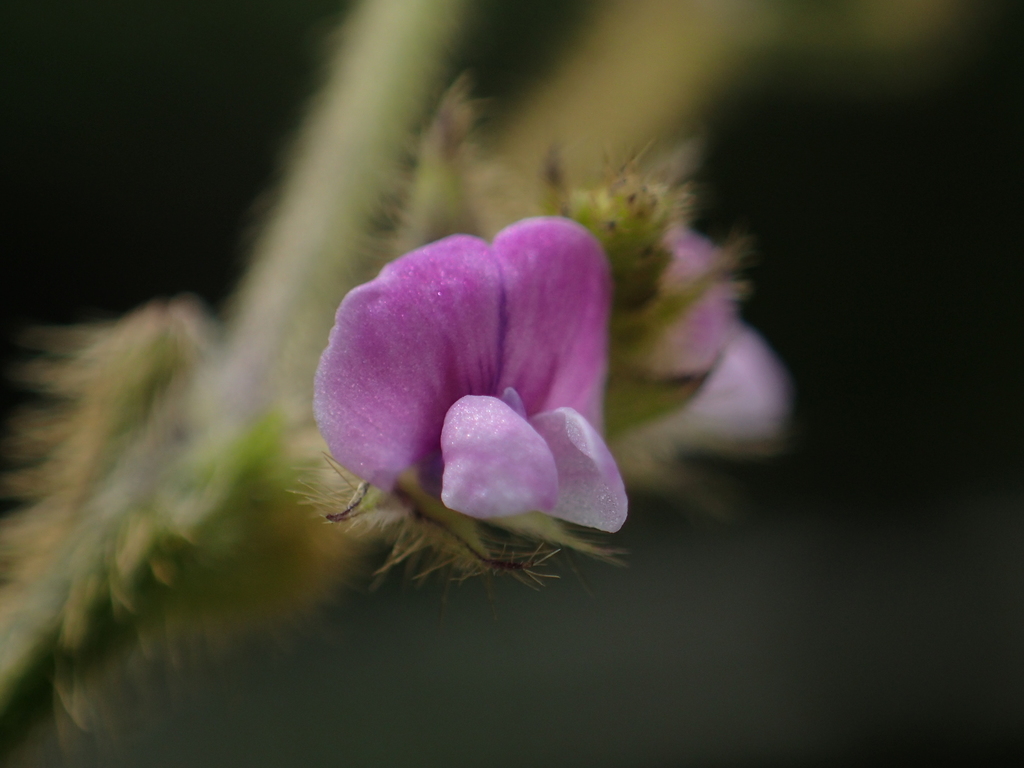
Placenta I Low Fertilizer biomass 🌱 Nitrogen fixerAnnual nitrogen-fixing legume (associates with Bradyrhizobium japonicum) — tall varieties Sambaíba and Tracajá were tested by Rebello & Sakamoto (2...
-
bellyache bush
Jatropha gossypiifolia
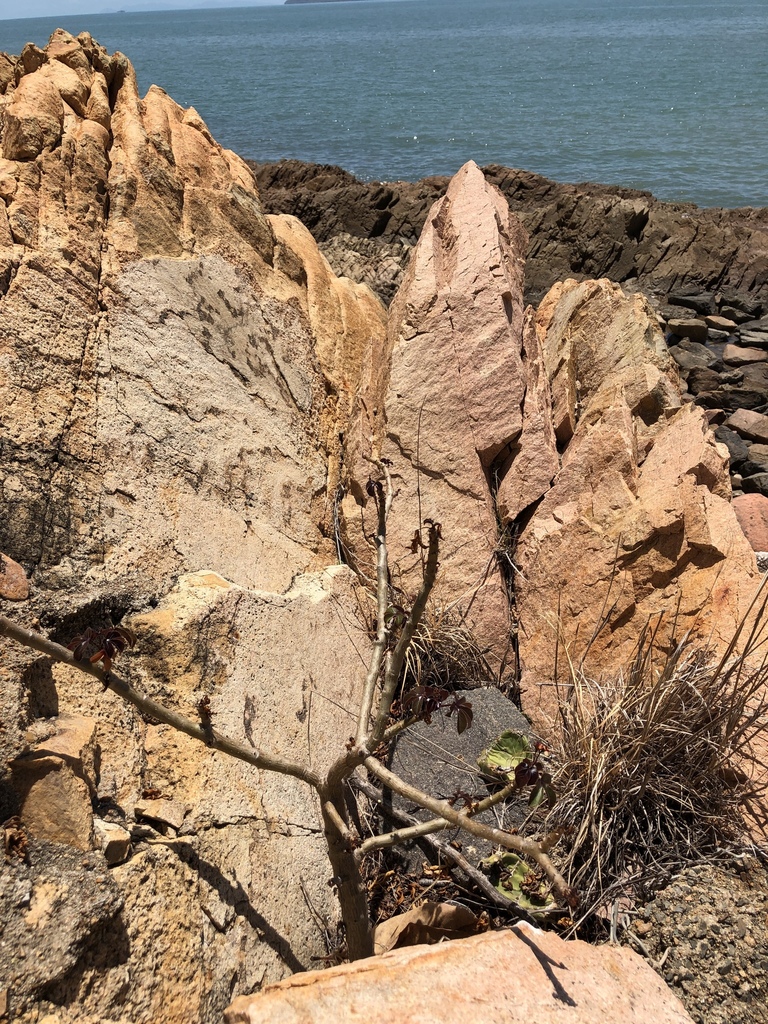
Placenta II Low Mulch biomassXerophytic shrub native to the Caatinga, cited by Rebello among plants that thrive in low-rainfall environments, alongside forage cactus and sisal....
-
arara nut tree
Joannesia princeps
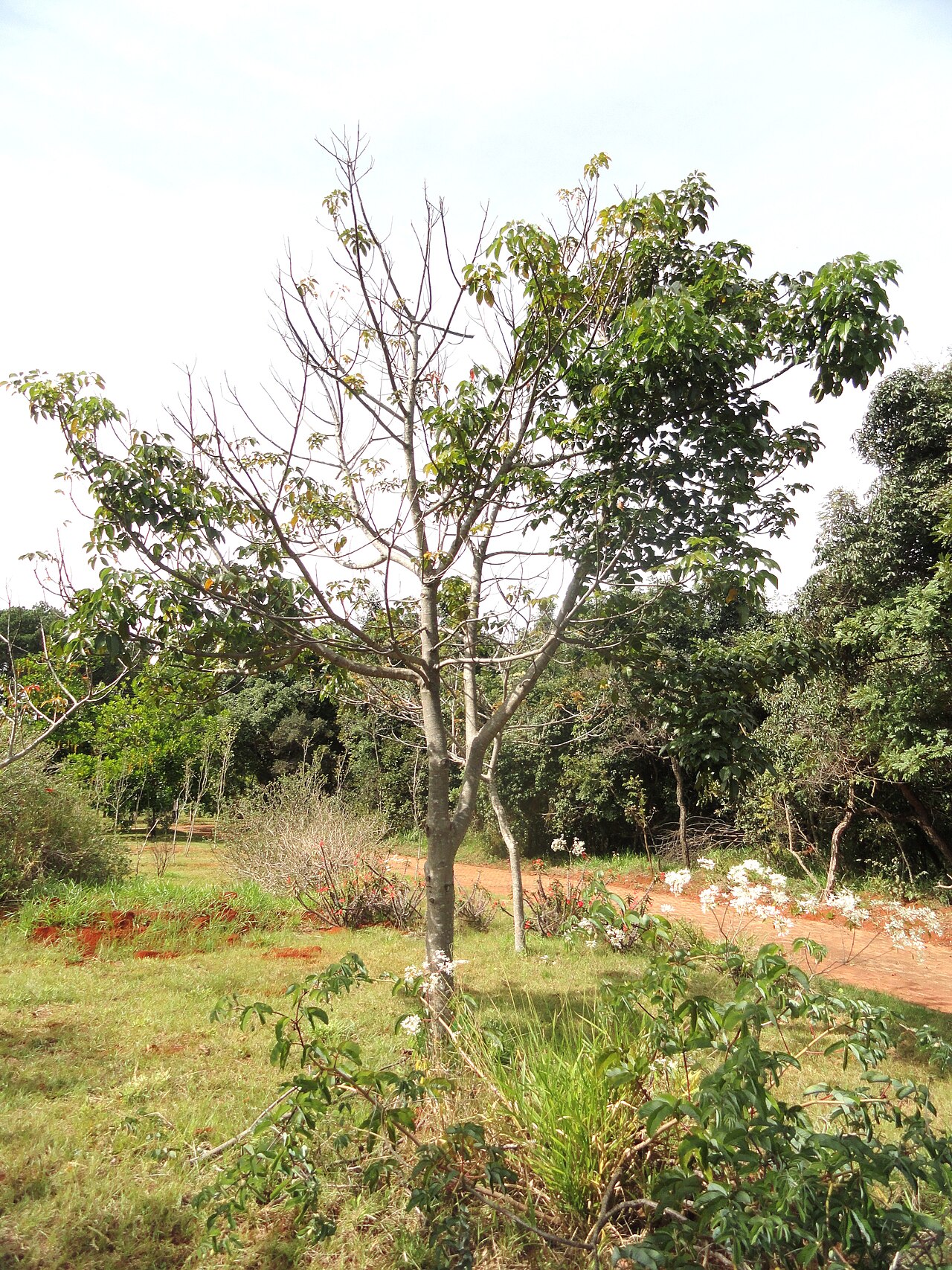
Climax Emergent Mulch biomassAtlantic Forest emergent surviving 80+ years. Rebello highlights its key successional role: planted with embaúba (secondary I, 10–20 yr) and guapur...
-
sapucaia nut
Lecythis pisonis
Climax Emergent Mulch biomassAmazonian and coastal Atlantic Forest tree, cousin of Brazil nut. EcoAgri lists it in the high stratum of the '> 50 years' bin. Huge woody fruits (...
-
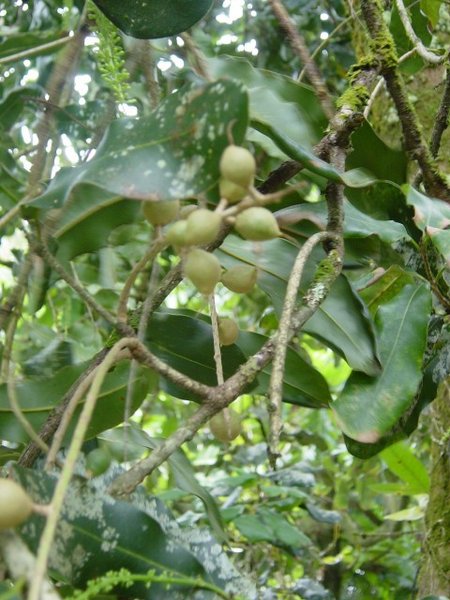
macadamia nut
Macadamia integrifolia
Climax High No biomass productionAustralian tree grown for its high-value oily nut. EcoAgri lists it in the high stratum of the '> 50 years' bin. Adapts well to southern and southe...
-
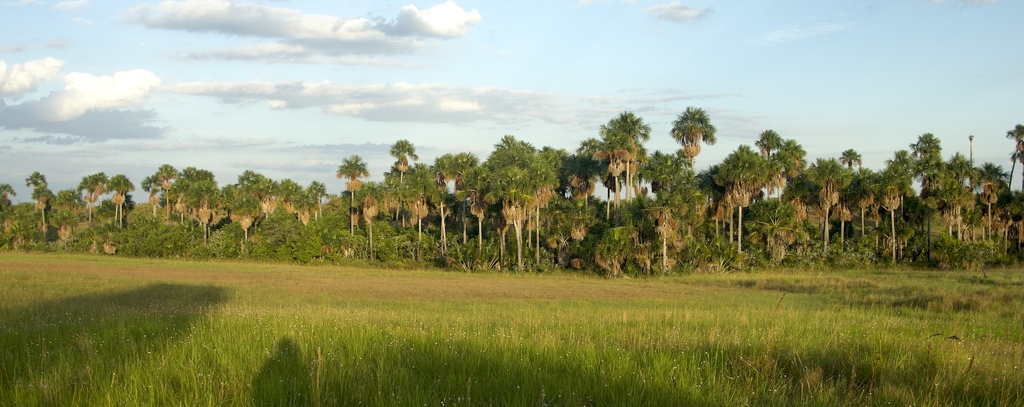
moriche palm
Mauritia flexuosa
Climax Emergent No biomass productionGiant palm of Cerrado wetlands (veredas) and Amazonian floodplains. Pasini lists it in the emergent stratum of Tabela 3. A water indicator: forms p...
-
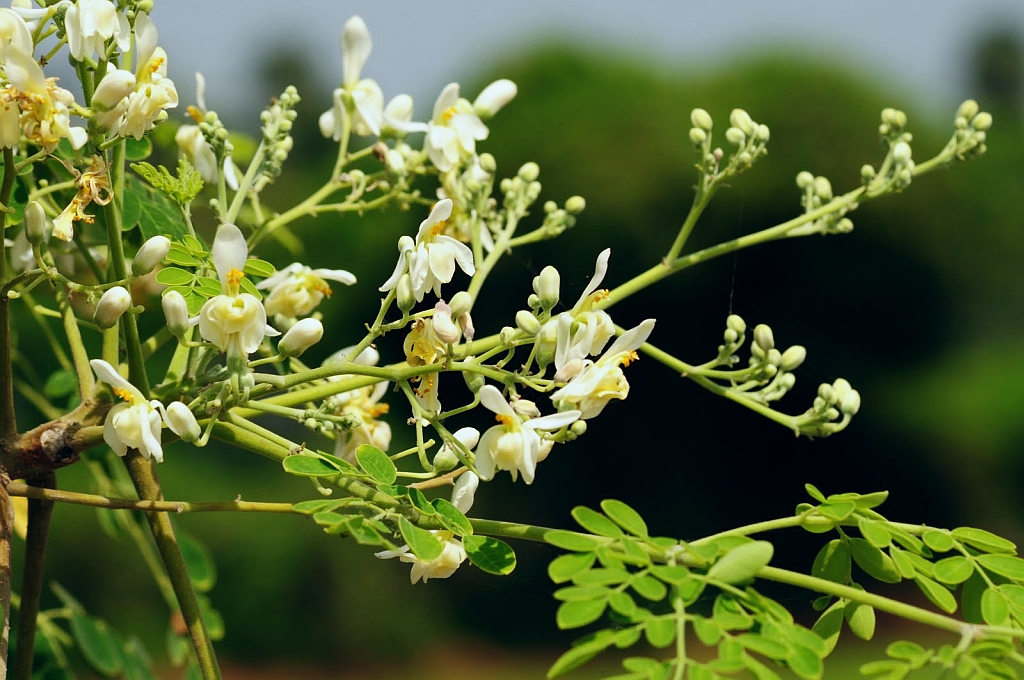
moringa
Moringa oleifera
Secondary I High Fertilizer biomassMulti-purpose, extremely fast-growing Indo-African tree. The Bosque de Niebla Guidebook lists moringa among anchor species of the high stratum / Se...
-
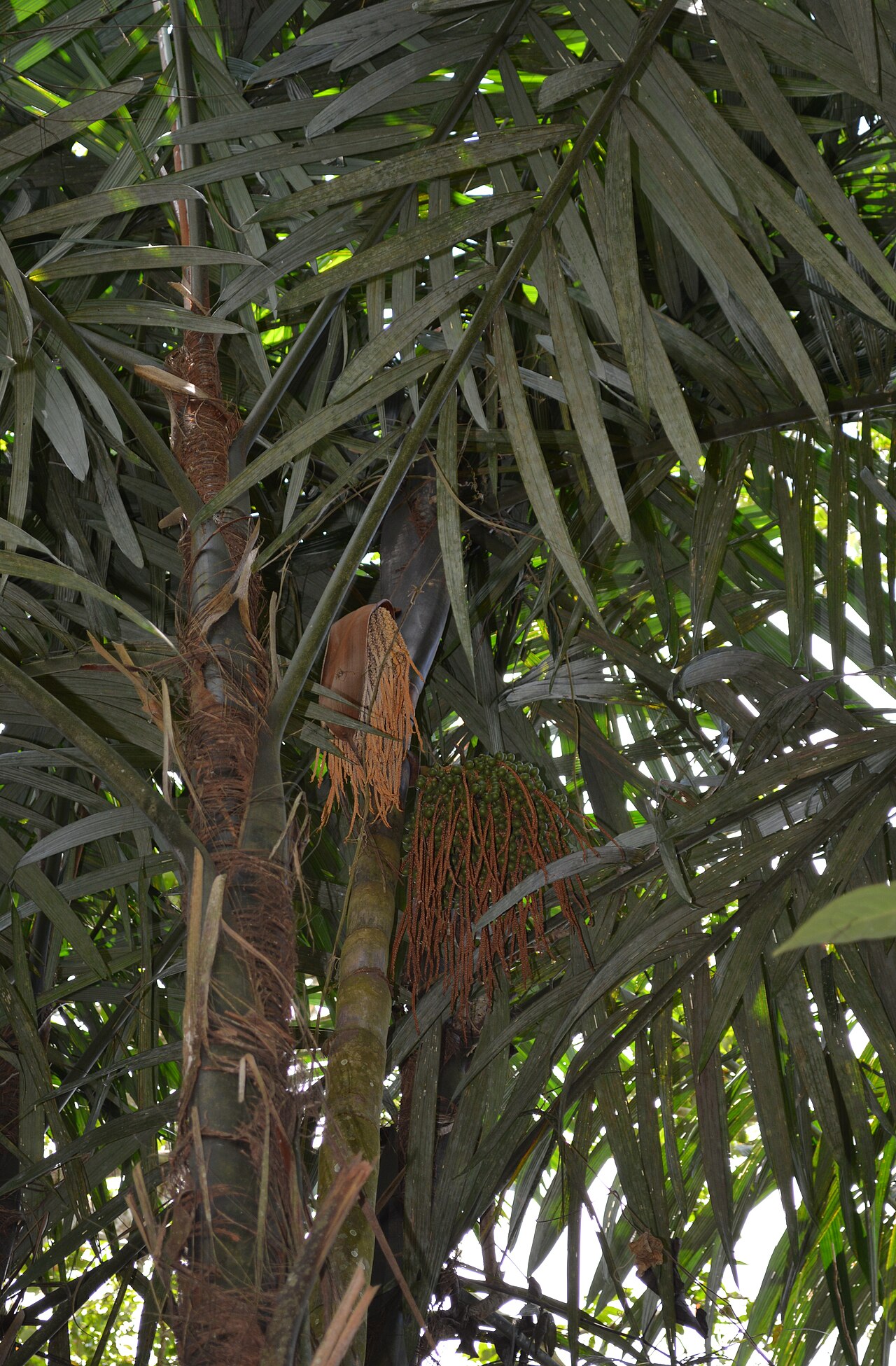
bacaba palm
Oenocarpus bacaba
Climax High No biomass productionAmazonian fruit palm, cousin of açaí. The Bosque de Niebla Guidebook (Farm Evolving timeline) includes it at the 40-year stage alongside Brazil nut...
-
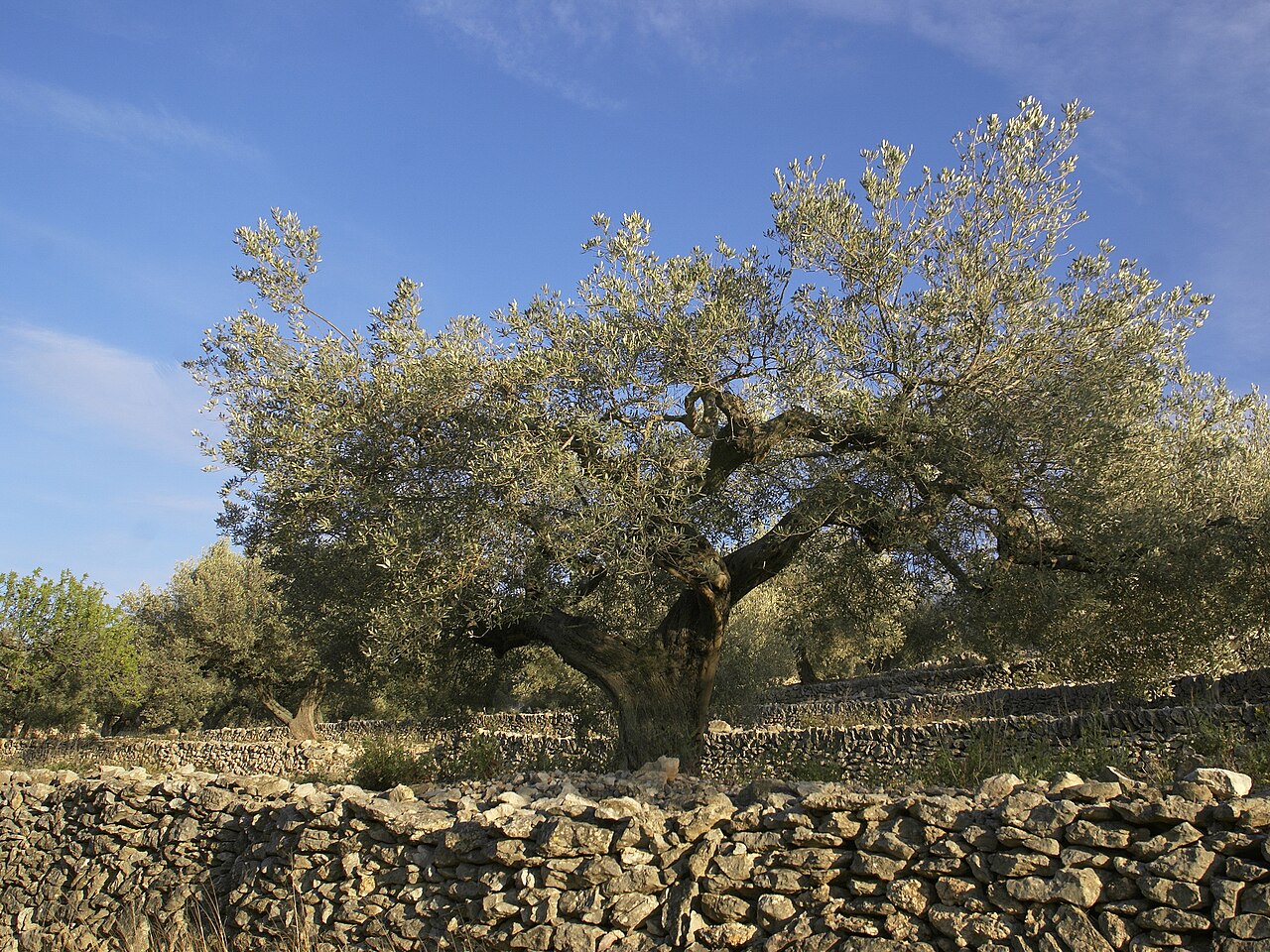
olive
Olea europaea
Secondary II Medium No biomass productionOlive, a long-lived evergreen tree of the Oleaceae family, exotic to Brazil and grown in temperate and subtropical regions, notably the Mantiqueira...
-
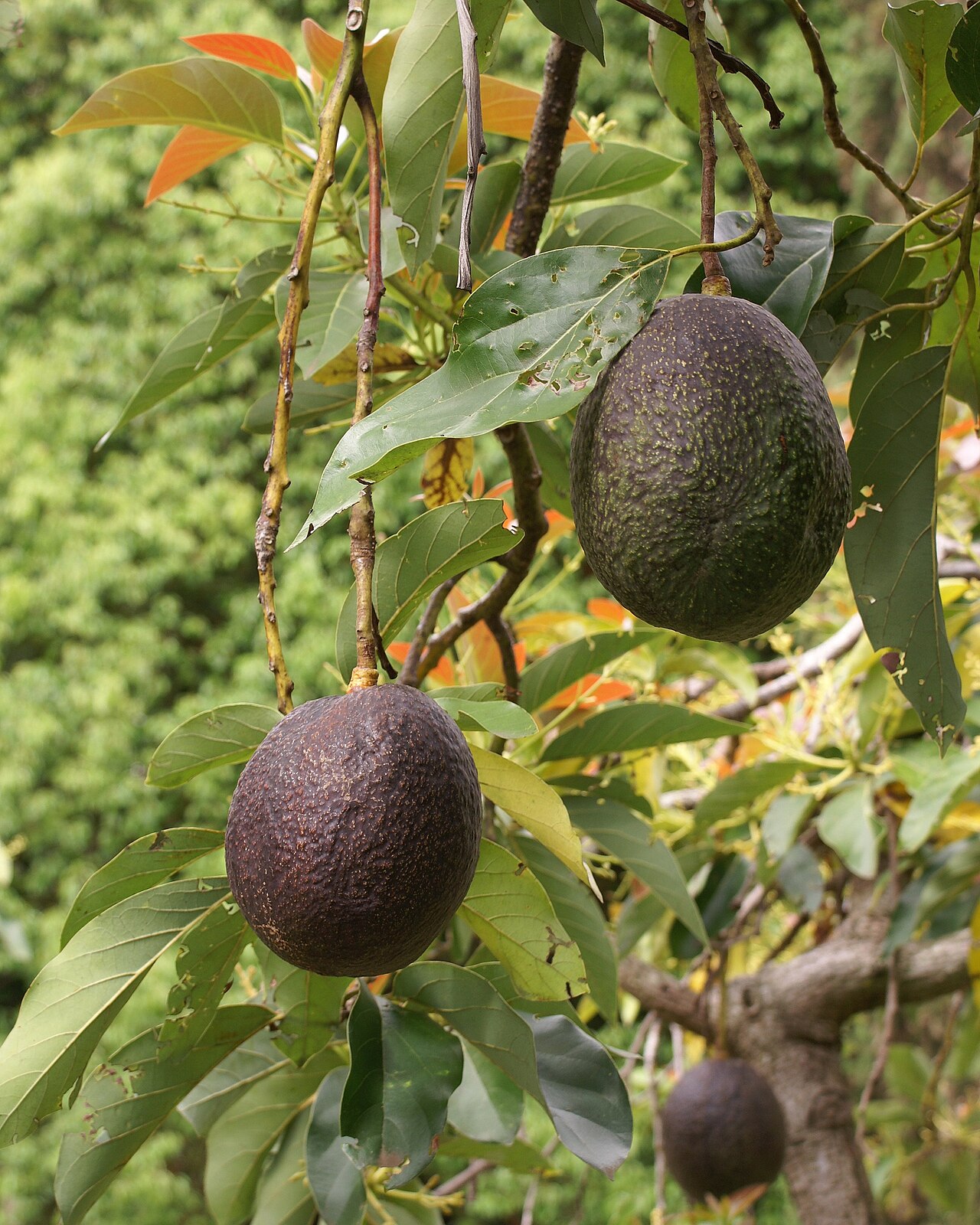
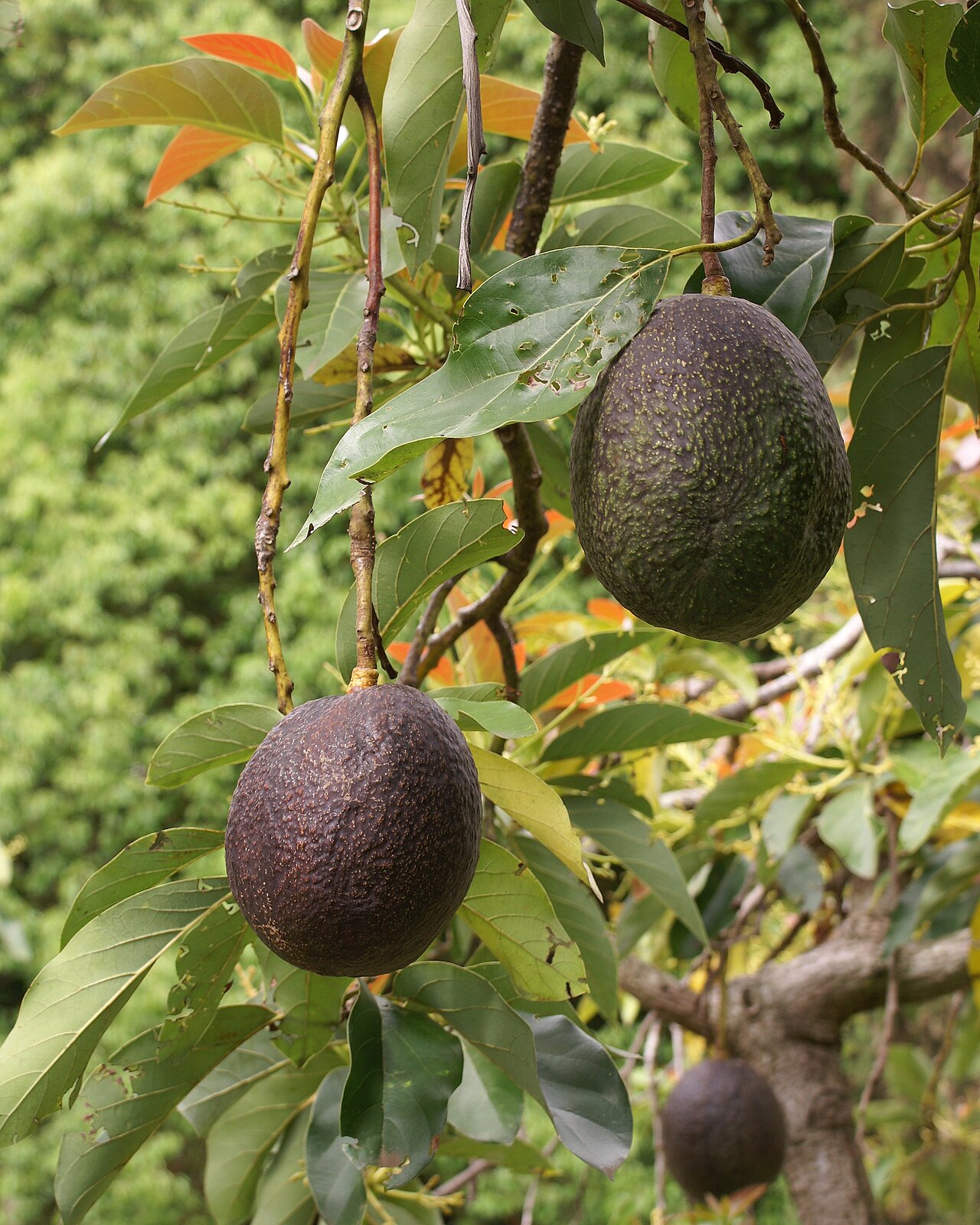
hass avocado
Persea americana
Secondary II High No biomass productionMexican-Guatemalan cultivar (~80% Mexican), floral type A. Small-to-medium fruit (180–300 g), pebbly skin that darkens at ripeness, creamy flesh wi...
-
quintal avocado
Persea americana
Secondary II Emergent No biomass productionWest Indian Brazilian cultivar, mid-season ripening. Large fruit (>600 g, up to 1.2 kg), pyriform, with prized 'butter' flesh in the domestic marke...
❓ Frequently asked questions
What does "Oil seed" mean in syntropic agriculture?
Species whose seeds are pressed for edible or industrial oils (macaúba, babaçu, oil palm, avocado).
Which catalog species are tagged Oil seed?
The catalog holds 31 species, among them macauba palm, cashew, peanut. Each profile shows stratum, succession stage, and the management data, with sources cited.