
Function
Timber — species for syntropic systems
Timber is the system's savings account: it grows while the short cycles pay the bills. In the guild's dense planting, competition for light pulls the trunks straight and fast.
74 species in the catalog · Refine this list in the catalog
-
mangium
Acacia mangium
Secondary I Emergent Fertilizer & mulch 🌱 Nitrogen fixerExtremely fast-growing nitrogen-fixing legume, central in syntropic systems as a producer of both cover and fertilizer biomass. Pasini classifies i...
-
monjoleiro
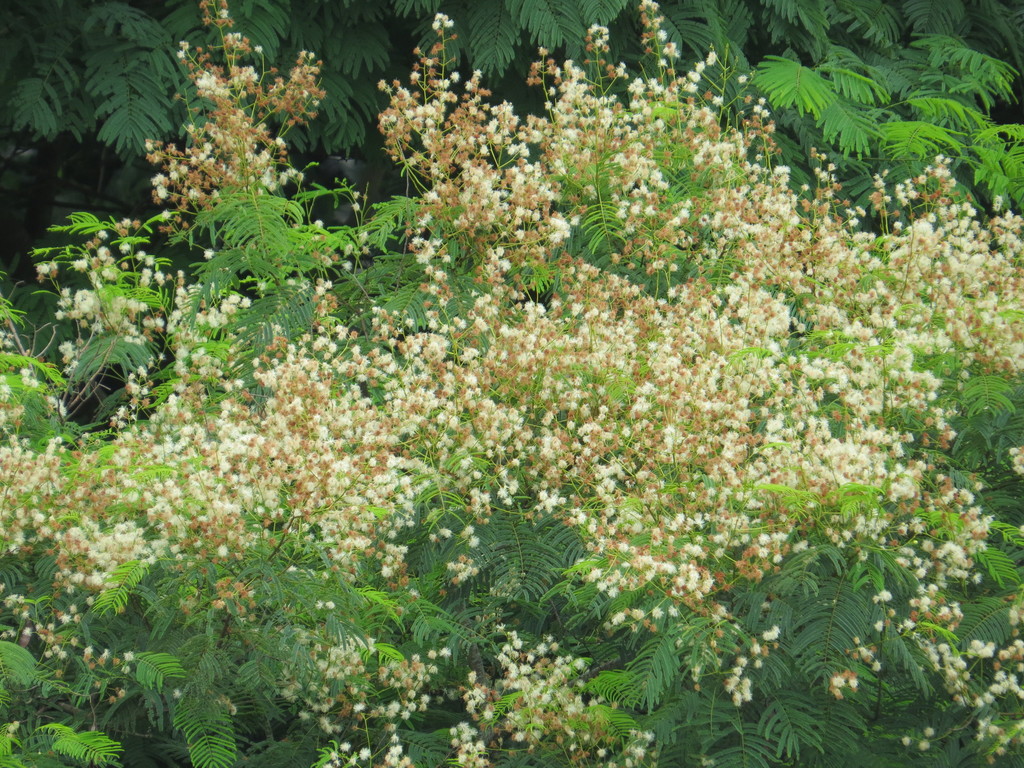
Acacia polyphylla
Secondary I High Fertilizer biomass 🌱 Nitrogen fixerPioneer legume native to the Atlantic Forest and Cerrado. Medium-to-tall tree (10–20 m), fine compound leaves. Very rapid growth — structural speci...
-
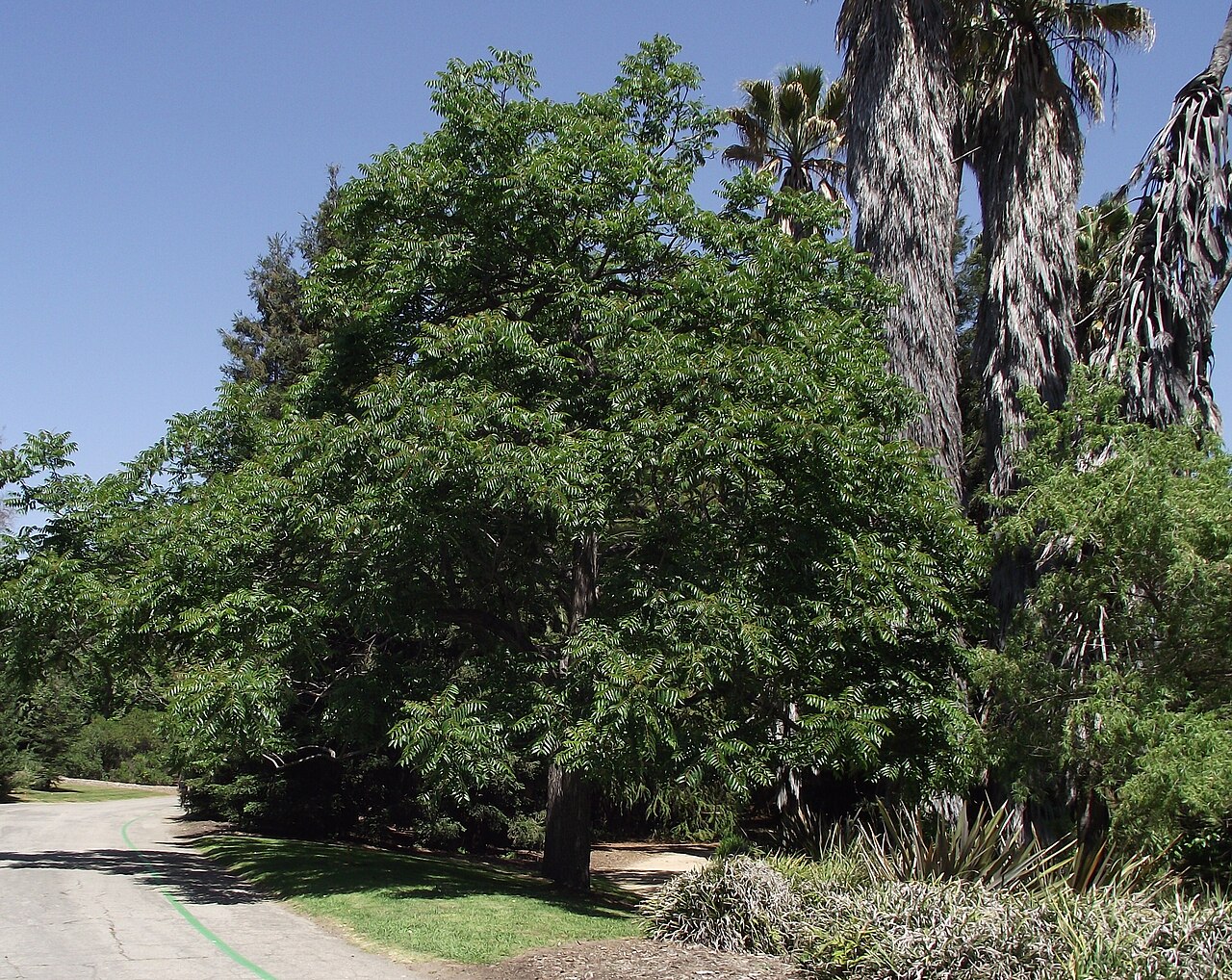
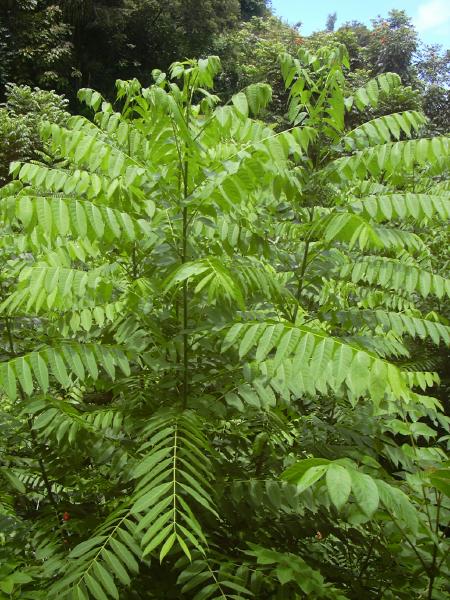
siris tree
Albizia lebbeck
Secondary II High Fertilizer biomass 🌱 Nitrogen fixerA fast-growing, drought-tolerant leguminous tree of 18-30 m, native to tropical Asia and now pantropical. It fixes nitrogen readily and coppices ex...
-
amburana
Amburana cearensis
Climax High Mulch biomassPremium-timber leguminous tree native to Caatinga, Cerrado, and dry Atlantic Forest. EcoAgri lists it in the high stratum of the '> 50 years' bin. ...
-
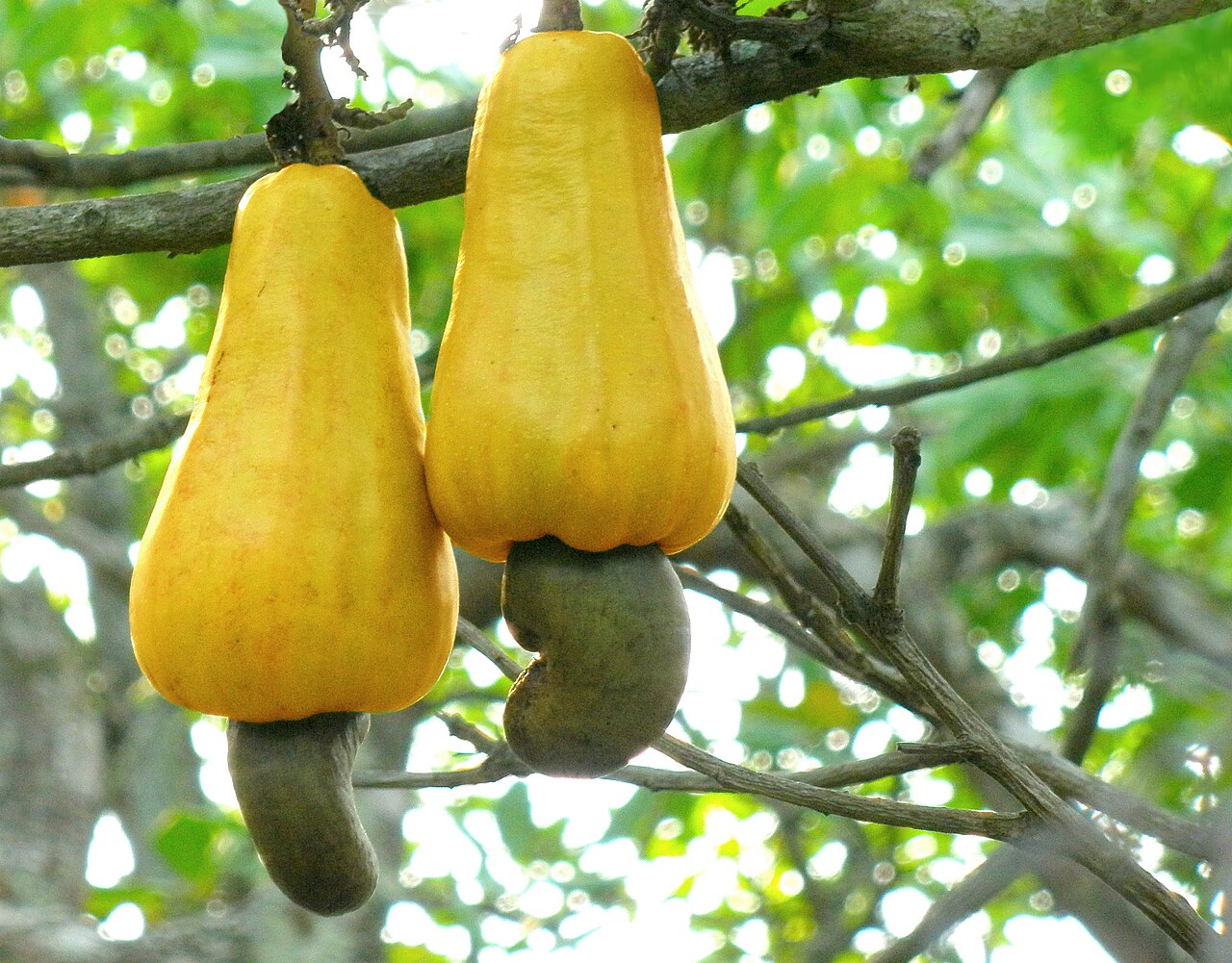
cashew
Anacardium occidentale
Secondary II High No biomass productionNative fruit tree of the Cerrado and Caatinga; produces a pseudofruit (the cashew apple) and the true cashew nut. Pasini lists it in the emergent s...
-
cebil
Anadenanthera colubrina
Secondary I High Fertilizer biomass 🌱 Nitrogen fixerFast-growing pioneer legume, nitrogen fixer. Adapted to poor and degraded soils; widely used in restoration of degraded areas across Caatinga, Cerr...
-
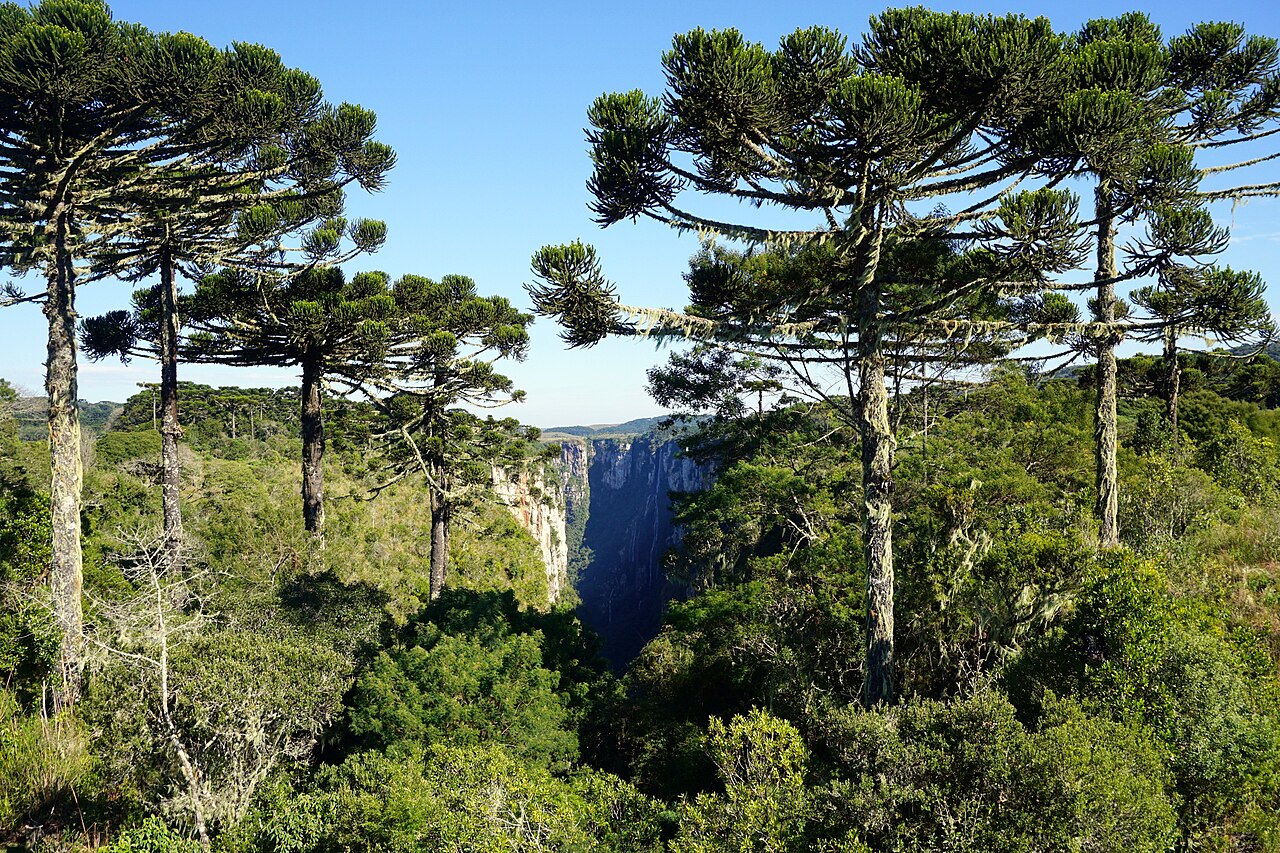
paraná pine
Araucaria angustifolia
Climax Emergent Mulch biomassConifer native to southern Brazil, an iconic emergent of highland Atlantic Forest. Rebello cites it among emergent-stratum representatives in clima...
-
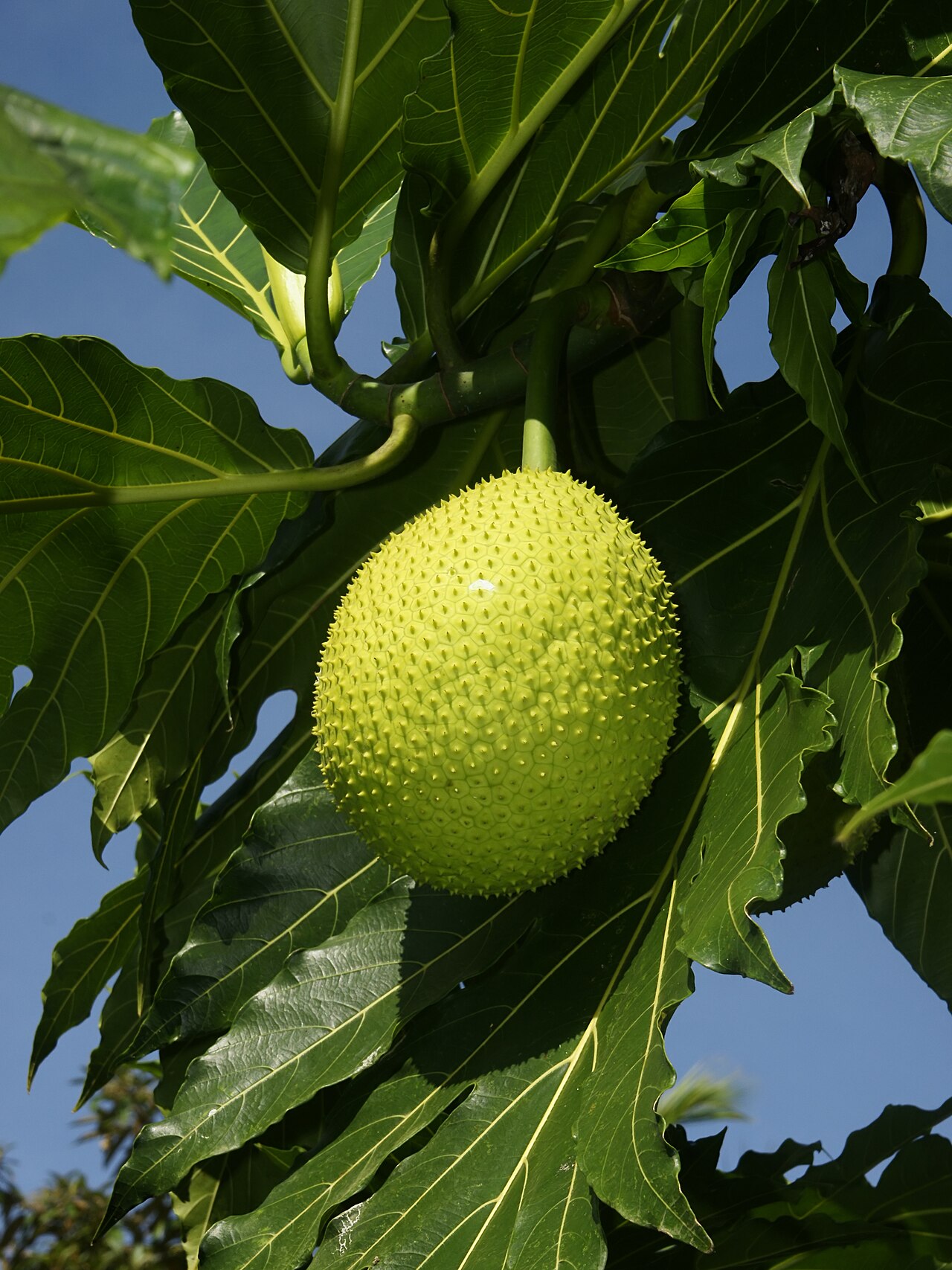
breadfruit
Artocarpus altilis
Climax High No biomass productionPacific fruit tree naturalized in Brazilian coastal and Amazonian regions. EcoAgri lists it in the high stratum of the '> 50 years' bin. Starchy fr...
-
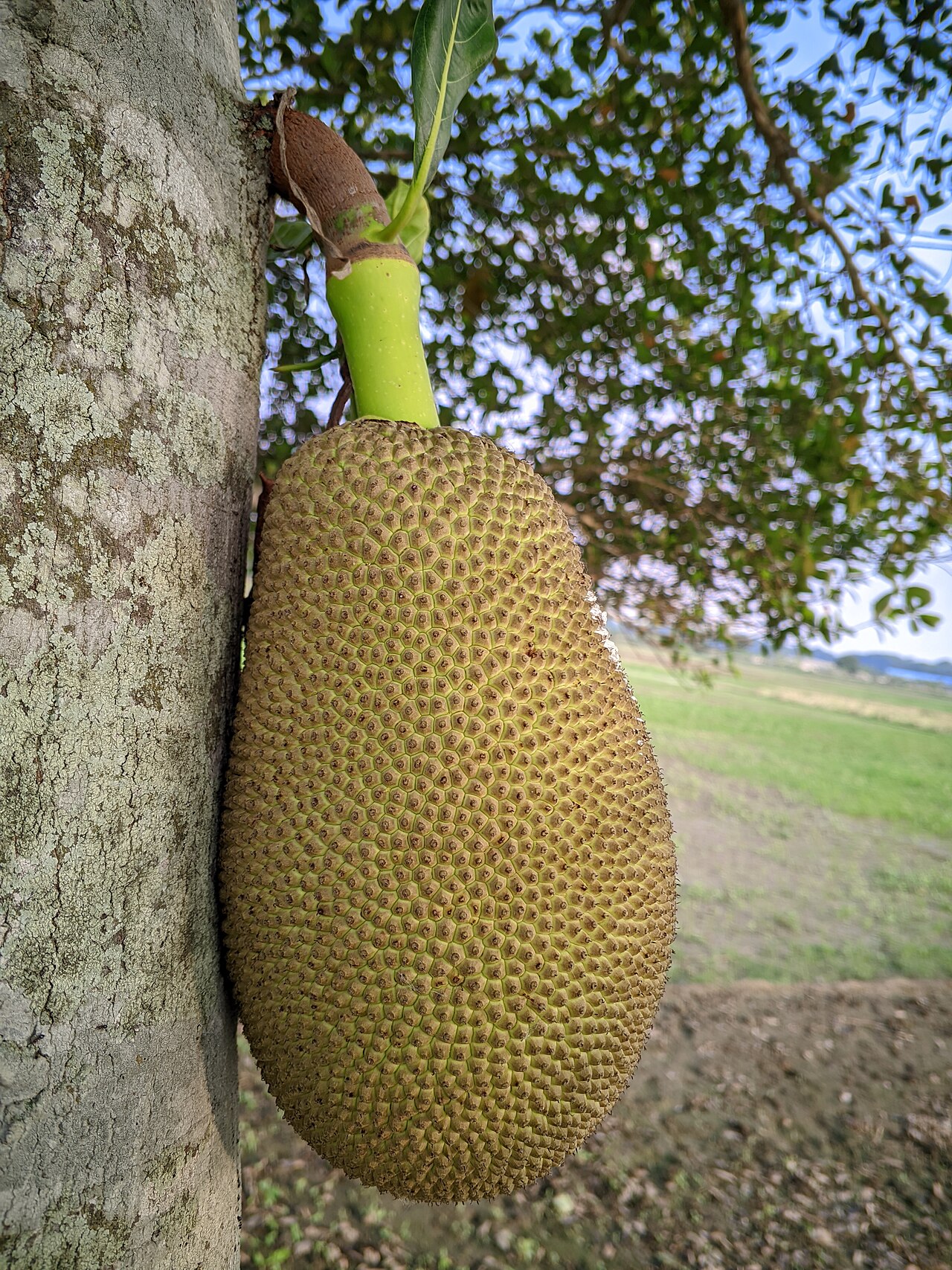
jackfruit
Artocarpus heterophyllus
Secondary II High No biomass productionAsian fruit tree naturalized in the Brazilian Atlantic Forest. Pasini lists it in the high stratum of Tabela 3 and in the 5–18 year phase of the co...
-
peroba-poca
Aspidosperma cylindrocarpon
Climax High Mulch biomassPremium-timber tree native to the Atlantic Forest and Cerrado, distinct from peroba-rosa (Aspidosperma polyneuron). Rebello & Sakamoto (2019) plant...
-
peroba rosa
Aspidosperma polyneuron
Climax HighAtlantic Forest climax tree with very slow growth and dense, prized timber. Reaches 20–30 m. IUCN-listed as threatened due to logging.
-
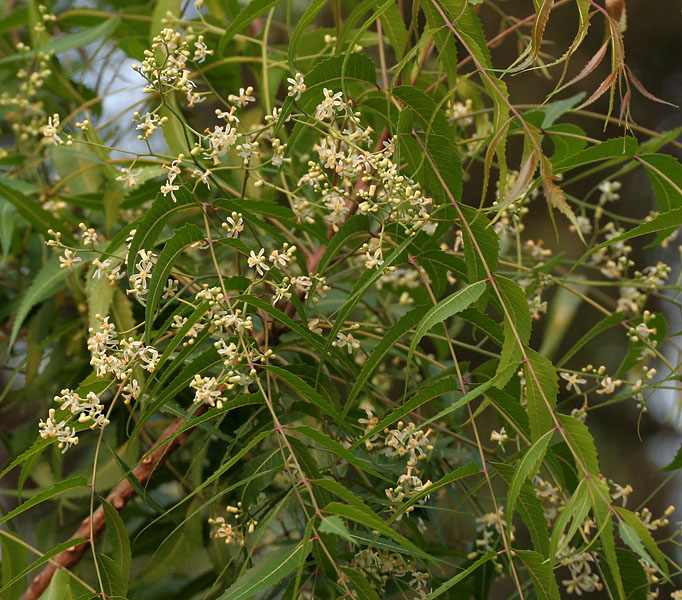
neem
Azadirachta indica
Secondary I High Mulch biomassIndian-origin tree adapted to Brazil, the biopesticide species of the Embrapa Vitrine SAF. Leaves and seed oil (azadirachtin) repel more than 200 i...
-
balcooa bamboo
Bambusa balcooa
Secondary I Emergent Mulch biomassA large clumping bamboo native to the Indian subcontinent and Indochina, with thick culms up to 25 m and thick walls. It is highly valued for const...
-
punting pole bamboo
Bambusa tuldoides
Secondary I High Mulch biomassA clumping bamboo native to southern China, with straight, relatively slender culms 6–12 m tall, widely used as poles, in light construction and cr...
-
common bamboo
Bambusa vulgaris
Secondary I High Mulch biomassA clumping (non-running) bamboo native to Southeast Asia and one of the most widely cultivated bamboos in the tropics. It forms dense clumps with c...
-
Brazil nut
Bertholletia excelsa
Climax Emergent Mulch biomassAmazonian emergent giant reaching 50 m. Pasini lists it in the emergent stratum of Tabela 3 and cites 'castanheiras' among Abundance-system species...
-
andiroba
Carapa guianensis
Climax Emergent Mulch biomassAmazonian premium-timber tree (luxury furniture) producing medicinal seed oil that repels insects. Pasini lists it in the emergent stratum of Tabel...
-
jequitibá
Cariniana legalis
Climax EmergentEmergent giant of the Atlantic Forest; climax species forming the uppermost canopy stratum of dense ombrophilous forest. Can exceed 60 m at maturit...
-
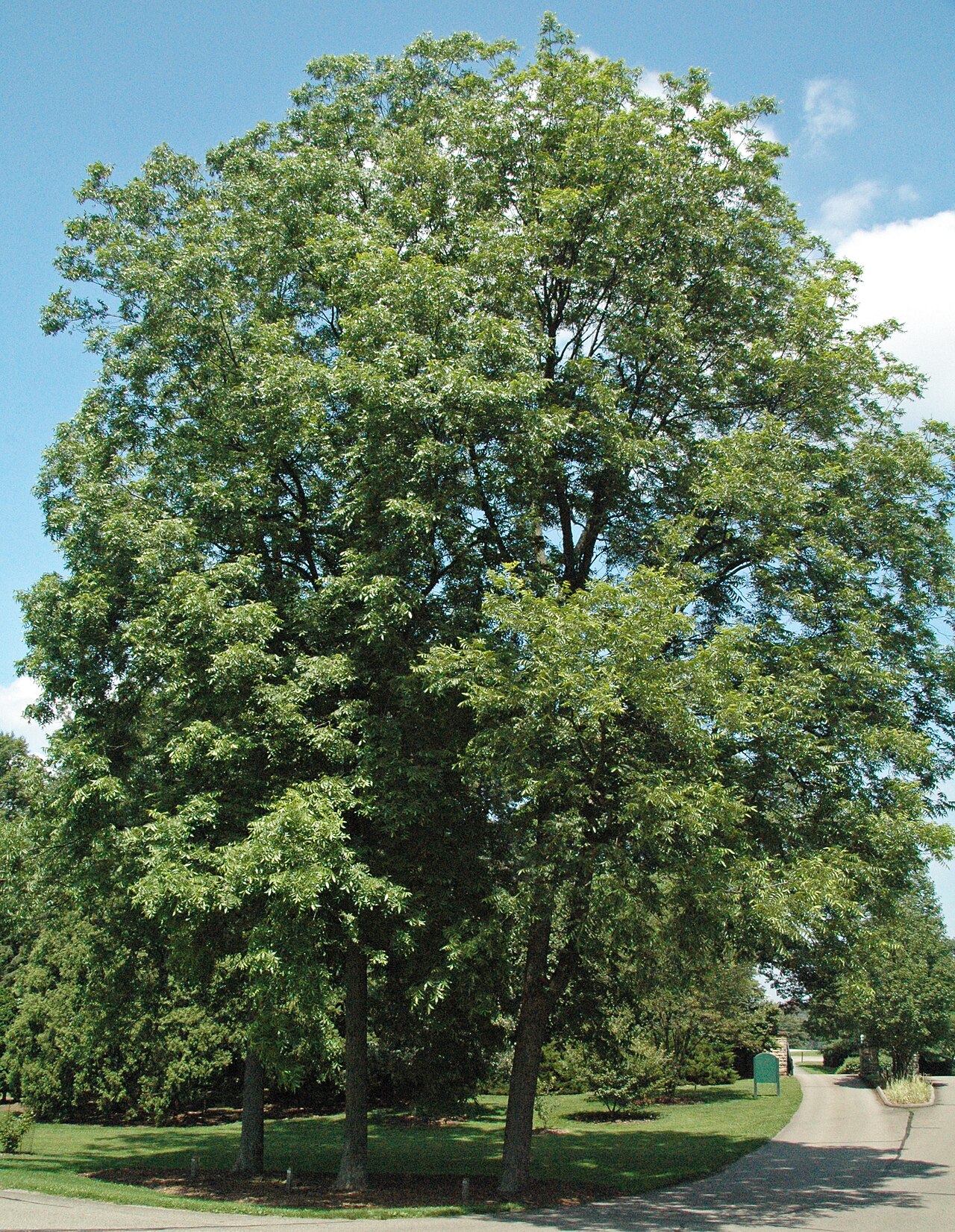
pecan
Carya illinoinensis
Secondary II High No biomass productionPecan, a large deciduous tree of the Juglandaceae family, native to North America and successfully grown in southern Brazil, especially Rio Grande ...
-
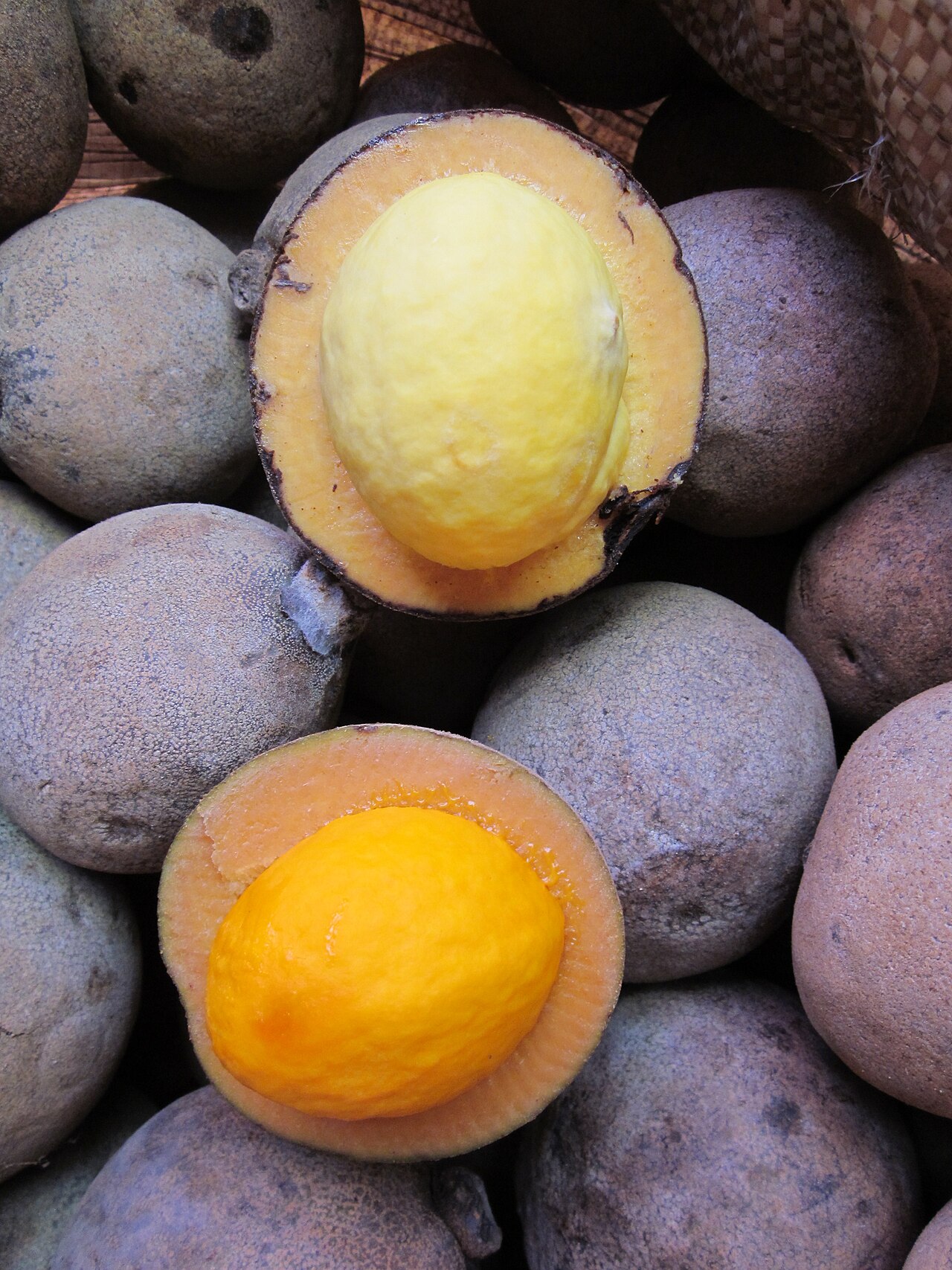
pequiá
Caryocar villosum
Climax Emergent Mulch biomassGiant Amazonian emergent tree, cited by Rebello (EcoAgri) alongside Brazil-nut, kapok, dandá, jequitibá, sea-coconut and araucária as representativ...
-
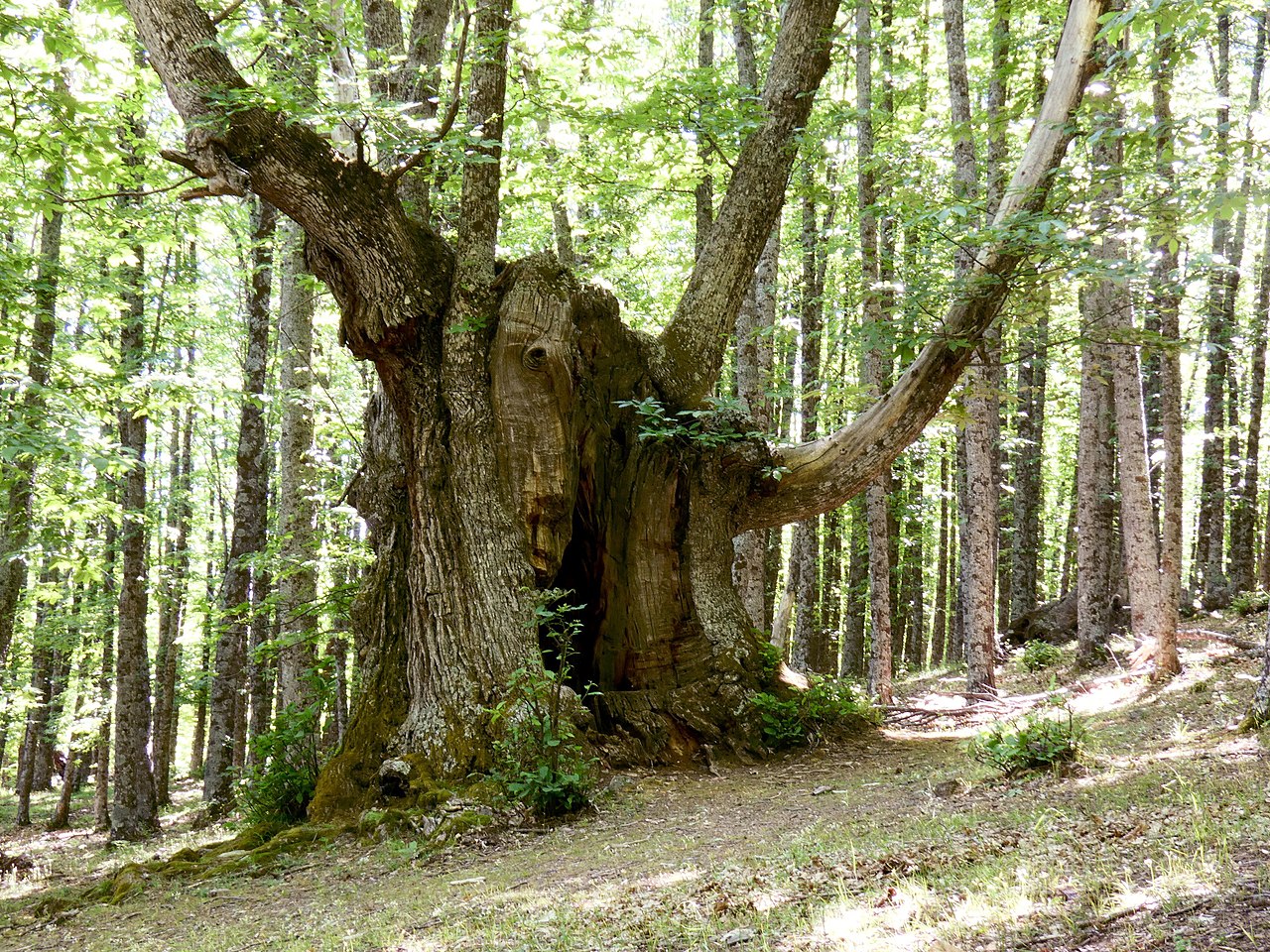
sweet chestnut
Castanea sativa
Secondary II High No biomass productionEuropean sweet chestnut, a large deciduous tree of the Fagaceae family, exotic to Brazil and suited to cold temperate regions of the south. It tole...
-
Spanish cedar
Cedrela fissilis
Secondary II High Mulch biomassPremium native timber of the Atlantic Forest, Cerrado, and Amazonia. Pasini lists it in the high stratum of Tabela 3 and cites it as a premium timb...
-
Spanish cedar
Cedrela odorata
Climax Emergent Mulch biomassPremium tropical timber of Mesoamerica and northern South America, distinct from Brazilian cedro-rosa (Cedrela fissilis). The Bosque de Niebla Guid...
-
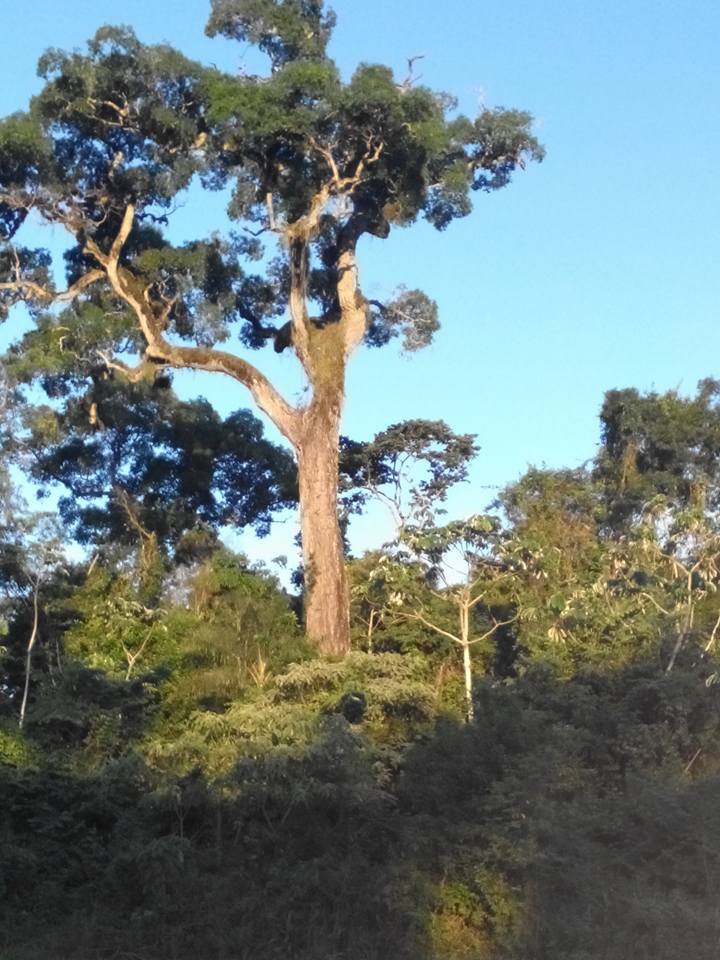
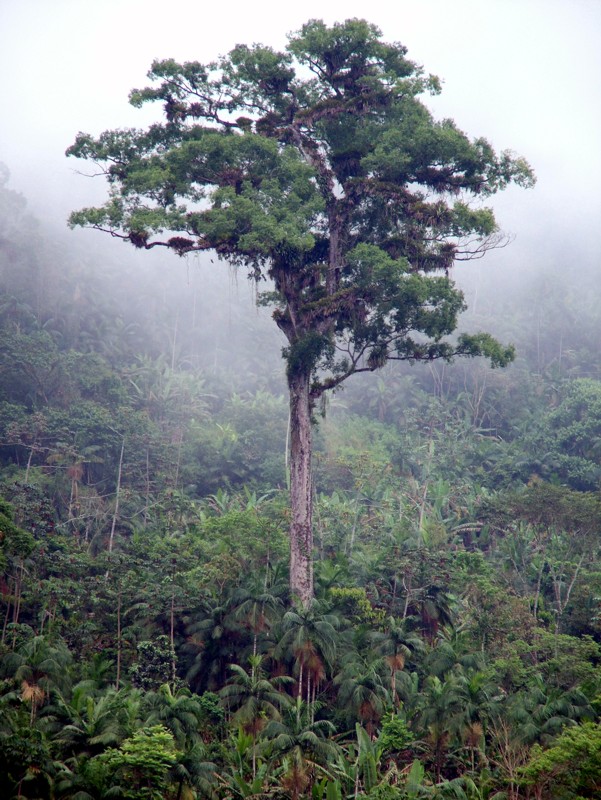
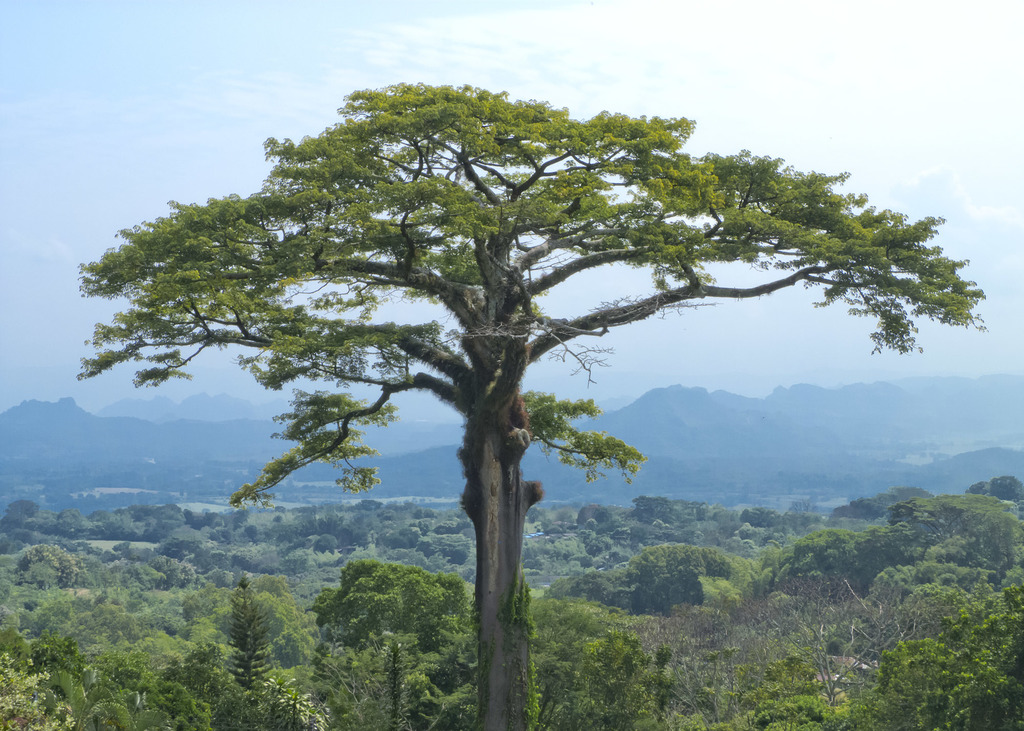
kapok tree
Ceiba pentandra
Climax Emergent Mulch biomassAmazonian emergent giant reaching 70 m — one of the tallest trees of the American tropics. Pasini lists it in the emergent stratum of Tabela 3. Sac...
❓ Frequently asked questions
What does "Timber" mean in syntropic agriculture?
Species whose trunks yield construction or fine-furniture timber. In syntropic systems the long cycle (decades to centuries) makes timber a long-term store of value.
Which catalog species are tagged Timber?
The catalog holds 74 species, among them mangium, monjoleiro, siris tree. Each profile shows stratum, succession stage, and the management data, with sources cited.