Plants
Plant Catalog
91 plants found
-
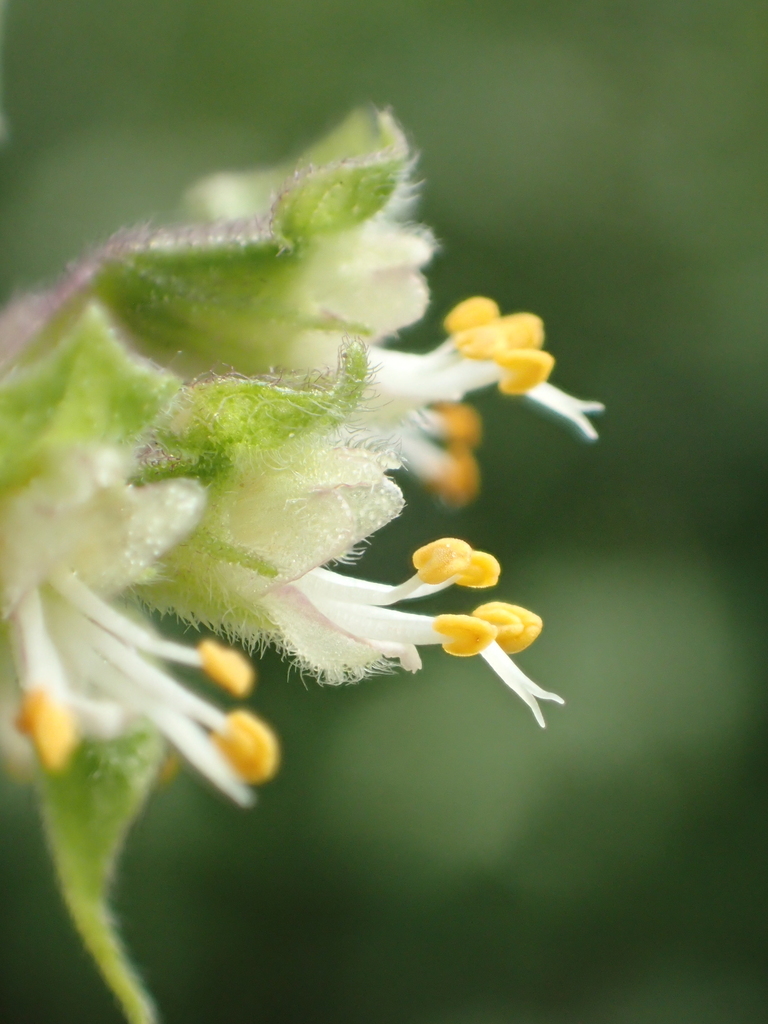
African basil
Ocimum gratissimum
Placenta II Medium No biomass productionShort-lived perennial Lamiaceae, cousin of common basil (distinct species). EcoAgri lists it in the medium stratum of the 'up to 3 years' bin. Arom...
-
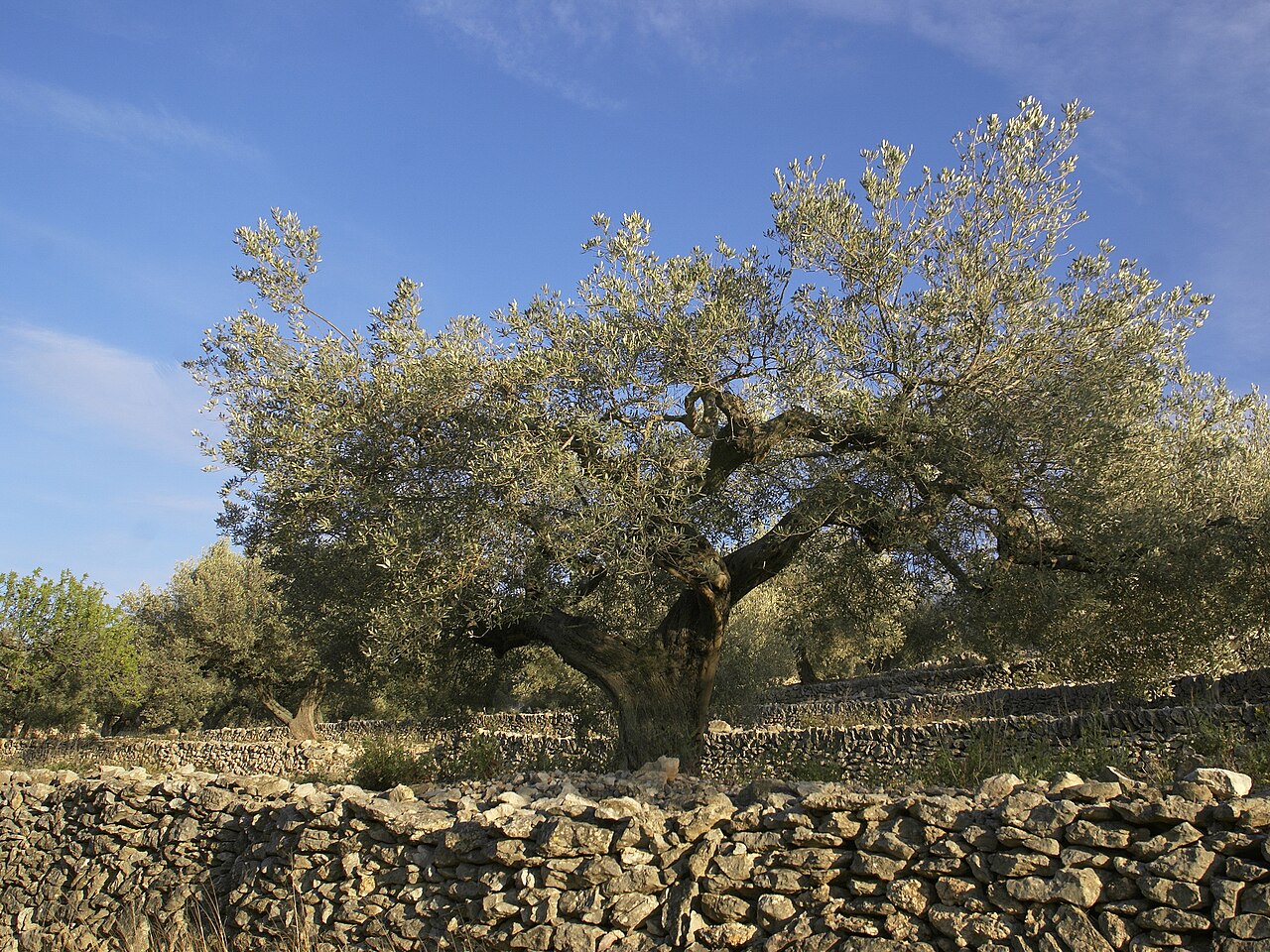
olive
Olea europaea
Secondary II Medium No biomass productionOlive, a long-lived evergreen tree of the Oleaceae family, exotic to Brazil and grown in temperate and subtropical regions, notably the Mantiqueira...
-
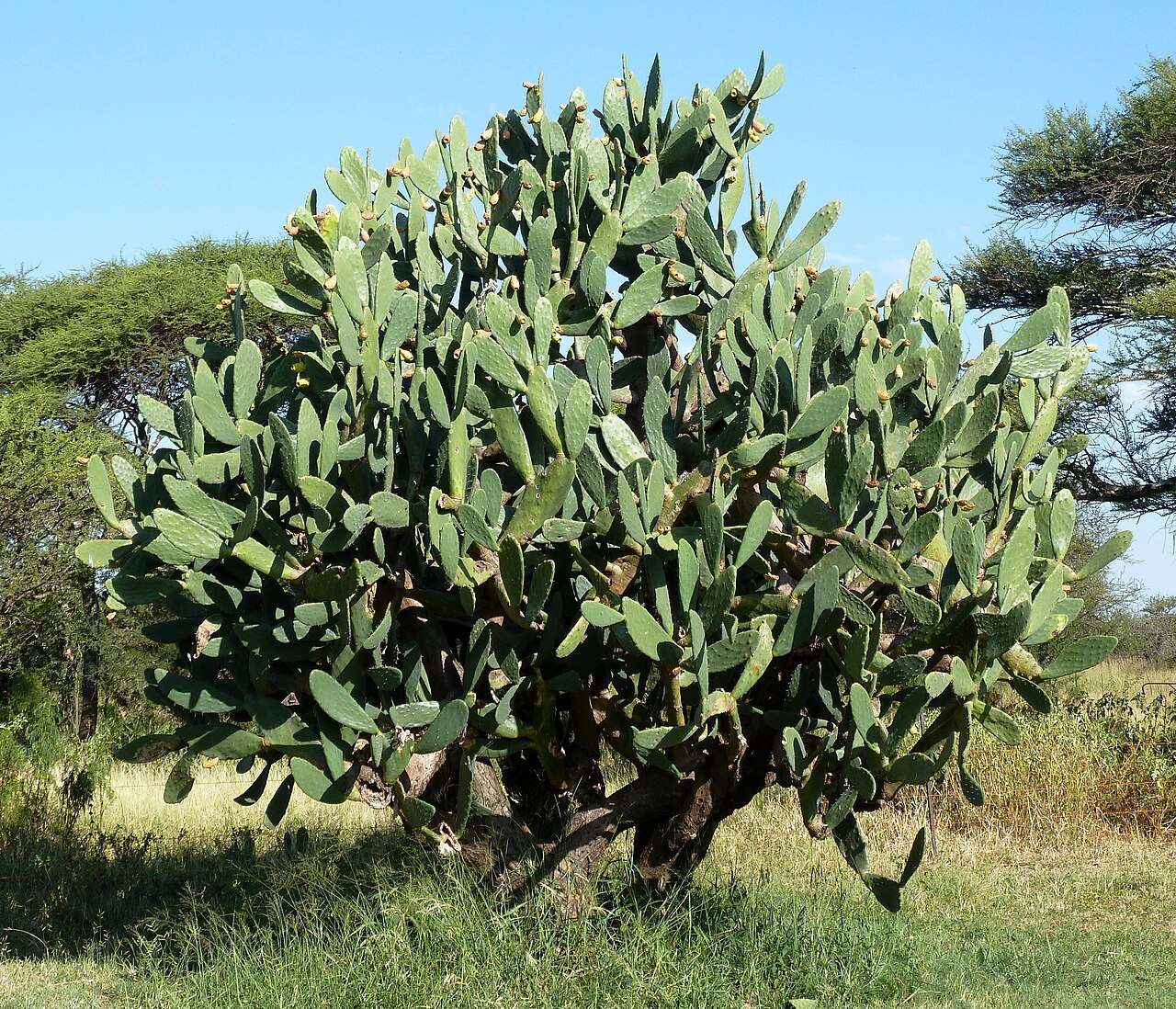
spineless cactus
Opuntia ficus-indica
Placenta II LowIntroduced cactus widely cultivated in the Brazilian semiarid as strategic fodder reserve. CAM metabolism gives extremely high water-use efficiency...
-
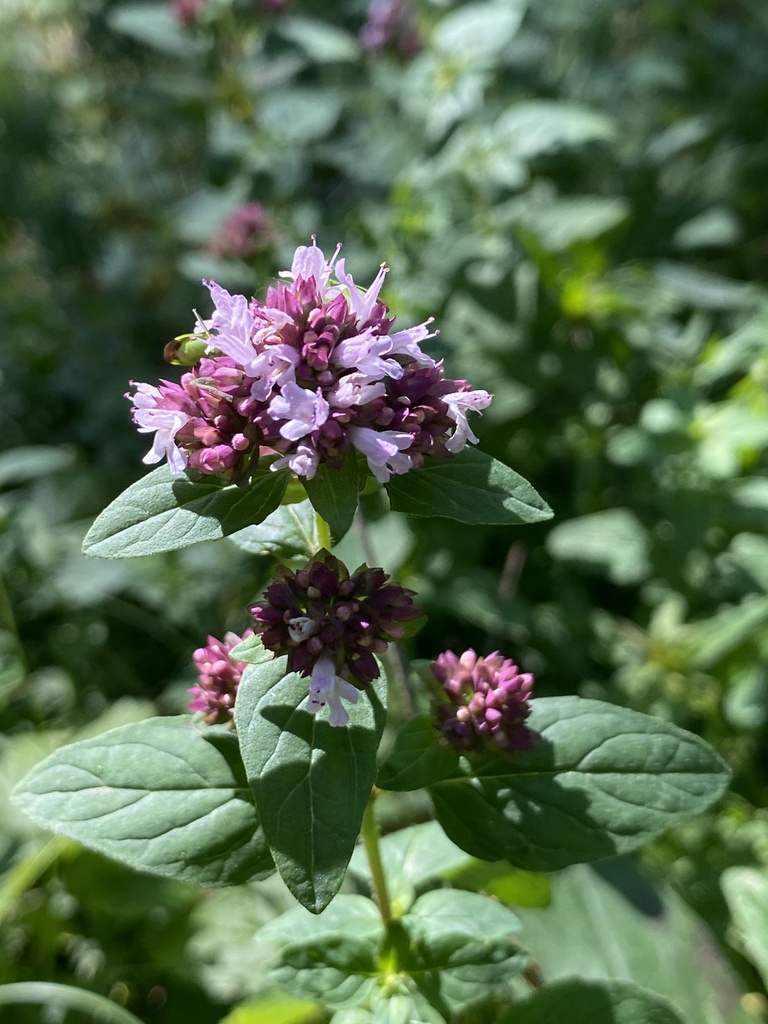
oregano
Origanum vulgare
Placenta I Ground cover No biomass productionPerennial Mediterranean herb (20–60 cm), small aromatic leaves. In southeastern and southern Brazilian syntropic systems used as permanent cover be...
-
sweet passion fruit
Passiflora alata
Placenta II Medium No biomass productionBrazilian native vine distinct from sour passionfruit (P. edulis). Pyriform orange-yellow fruit with sweet, fragrant flesh eaten fresh — fruitier, ...
-
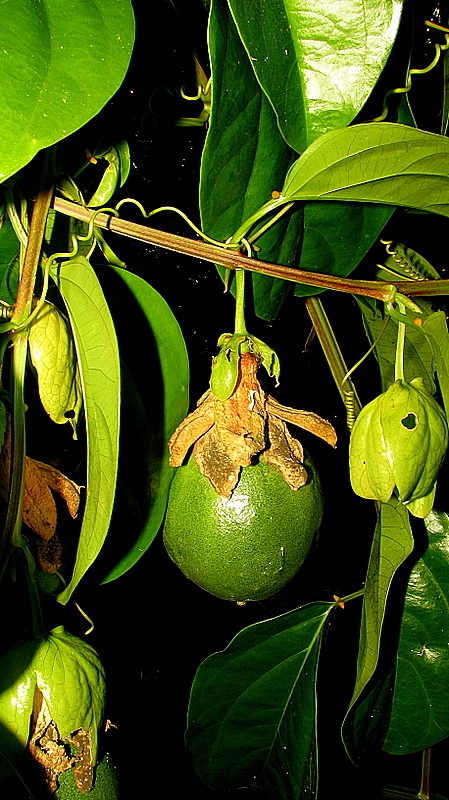
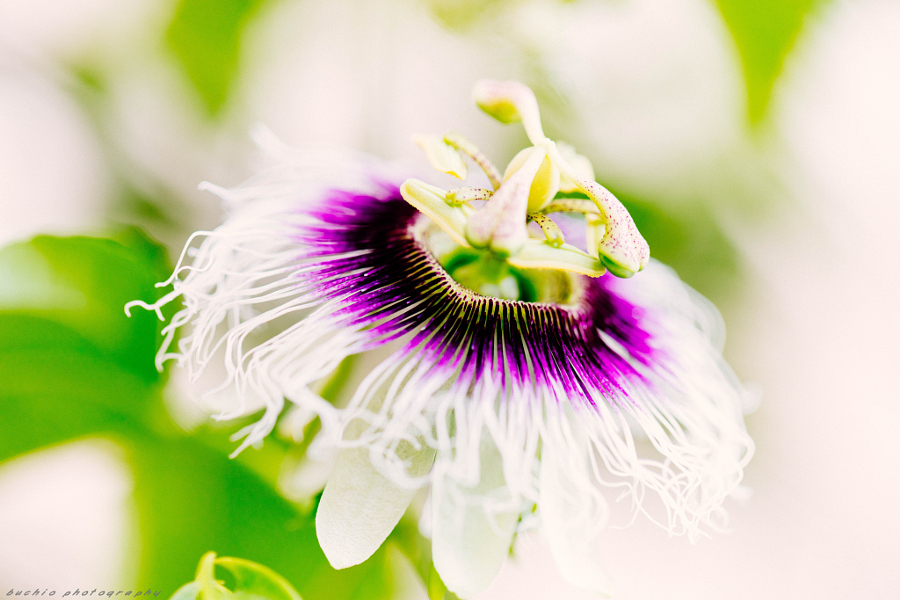
passion fruit
Passiflora edulis
Placenta II High No biomass productionBrazilian-native woody fruiting climber. Pasini lists it in the high stratum of Tabela 3 (grows over high-stratum structures). Fruits in ~9–12 mont...
-
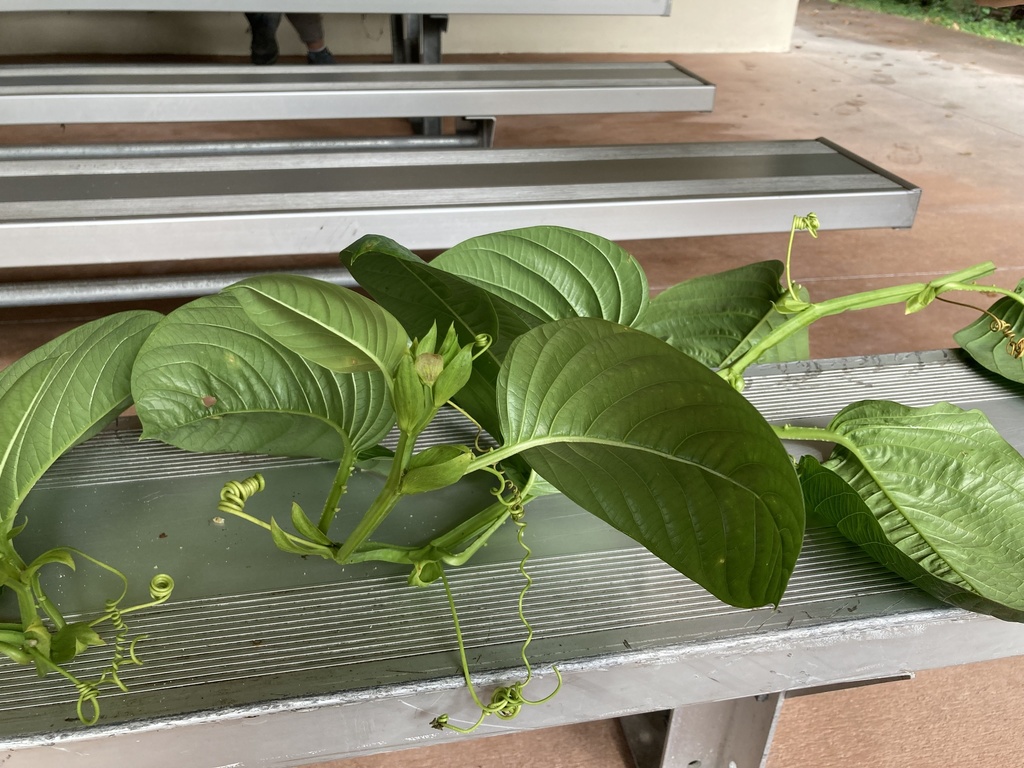
giant granadilla
Passiflora quadrangularis
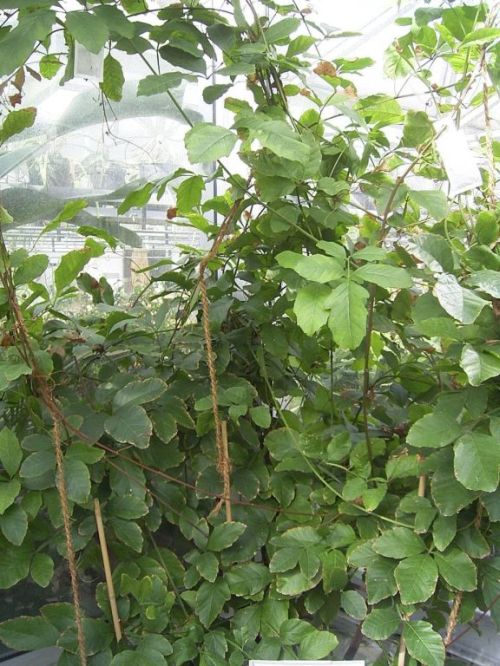
Placenta II Medium No biomass productionOne of the most vigorous Passiflora vines, with squared stem cross-section (origin of the scientific name). Huge fruit — 15–30 cm, up to 4 kg — wit...
-
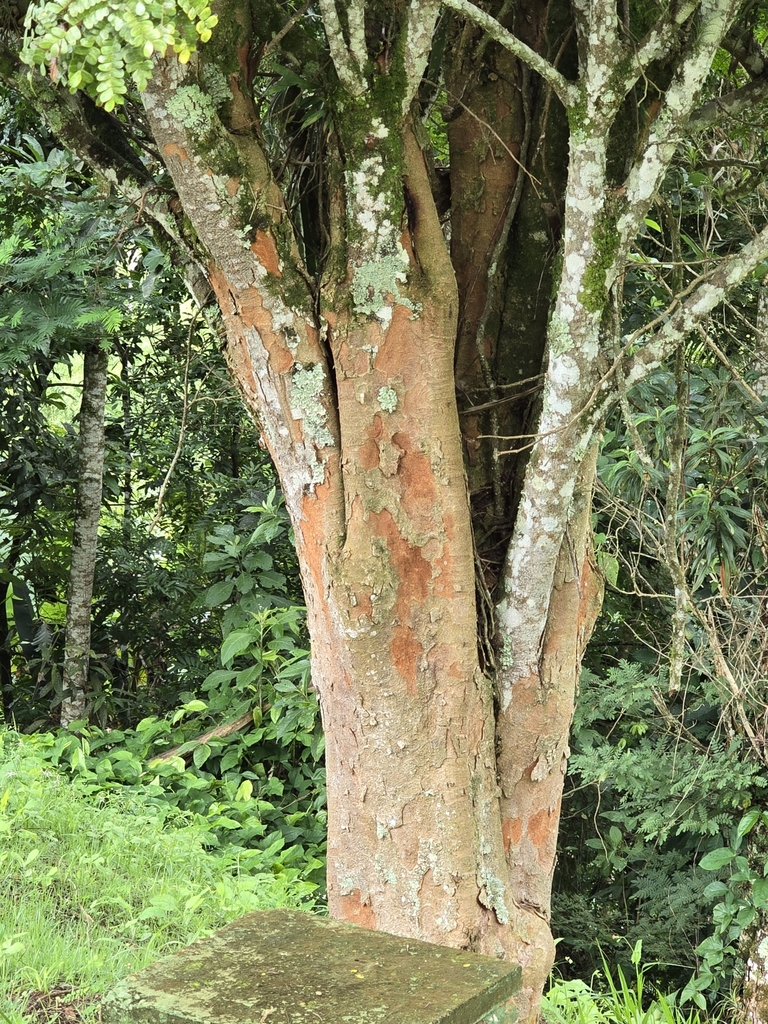
brazilwood
Paubrasilia echinata
Climax MediumNational tree of Brazil, endemic to the coastal Atlantic Forest. Slow-growing; climax-community species that develops best when planted under secon...
-
guaraná
Paullinia cupana
Secondary I Low No biomass productionAmazonian shrubby climber, today managed as a shrub in monoculture. Embrapa lists guaraná among perennial crops in SAFs with mean yield of 100 kg/h...
-
yellow poinciana
Peltophorum dubium
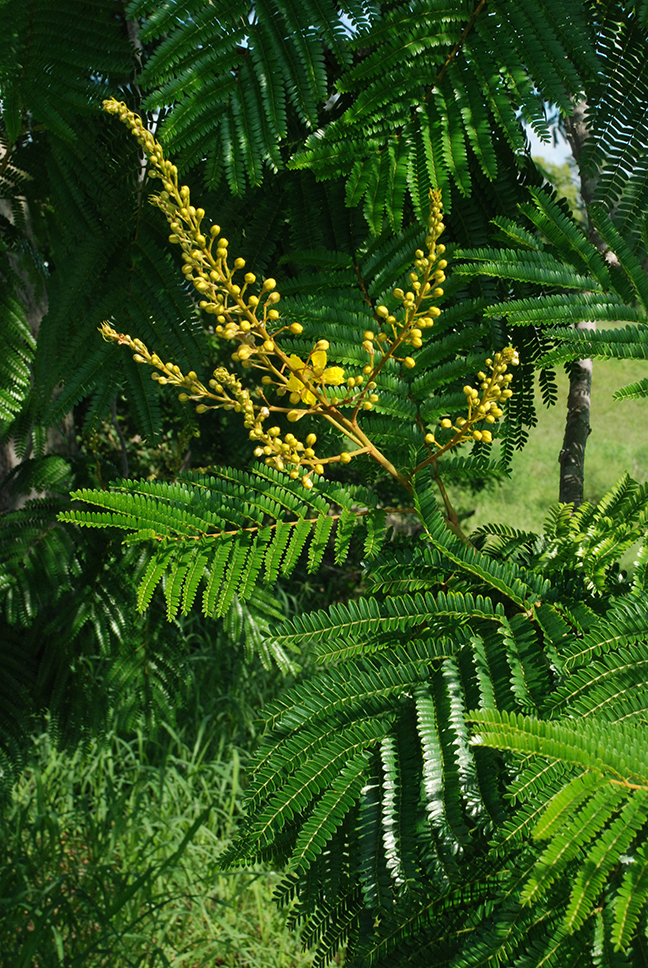
Secondary I High Fertilizer biomassPioneer heliophyte legume with fast growth. 10–20 m, occasionally 40 m at maturity. Occurs in Cerrado and Atlantic Forest, transition zones and rip...
-
Napier grass
Pennisetum purpureum
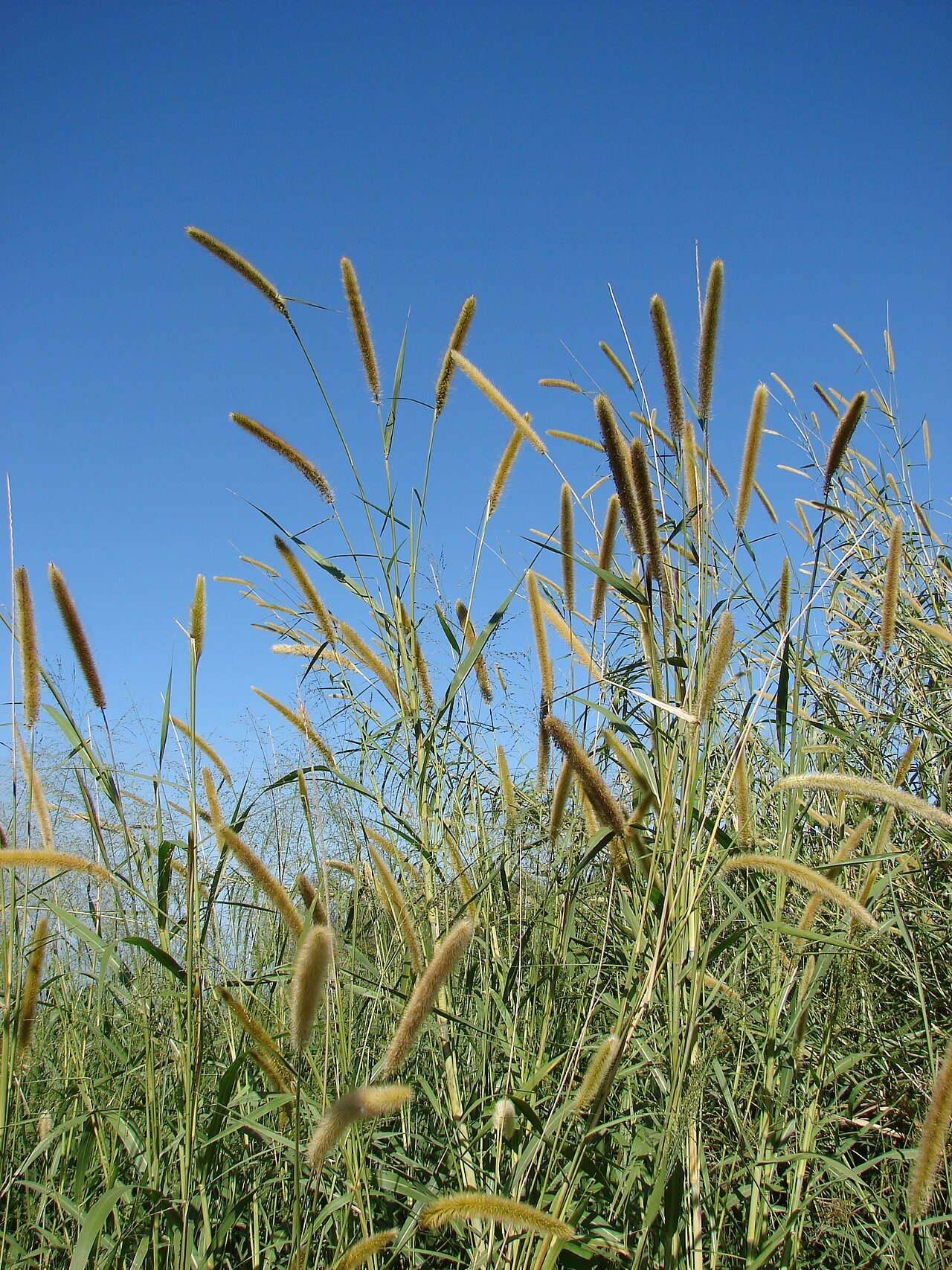
Placenta II Medium Mulch biomassPerennial African grass introduced to Brazil in 1920. Forms vigorous clumps reaching 3–5 m and is one of the main biomass-producing species in synt...
-
Barbados gooseberry
Pereskia aculeata
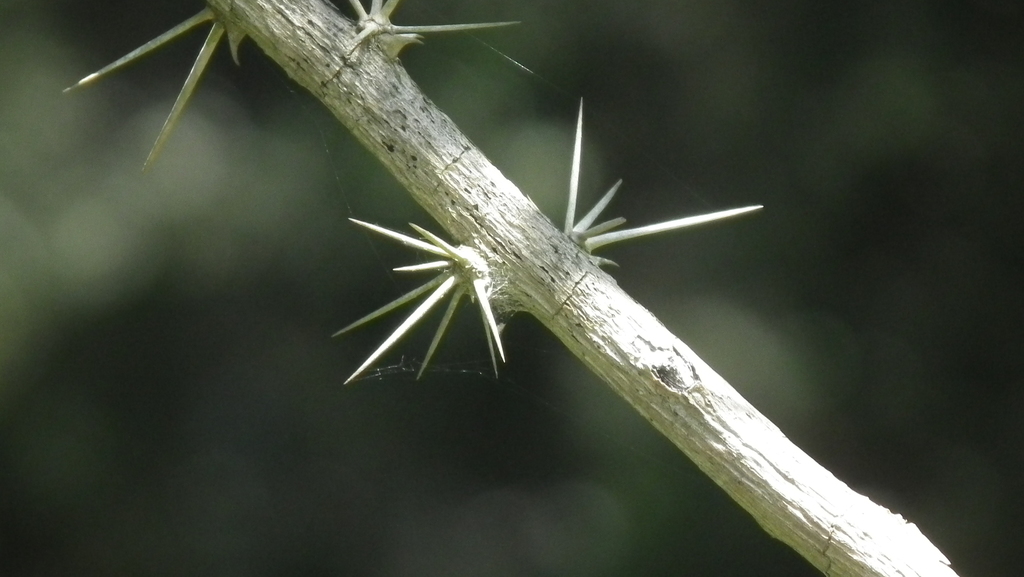
Placenta II Medium No biomass productionAn atypical cactus with broad, non-succulent leaves and a spiny scrambling, shrubby habit, native to the Americas and common in southeastern and no...
-
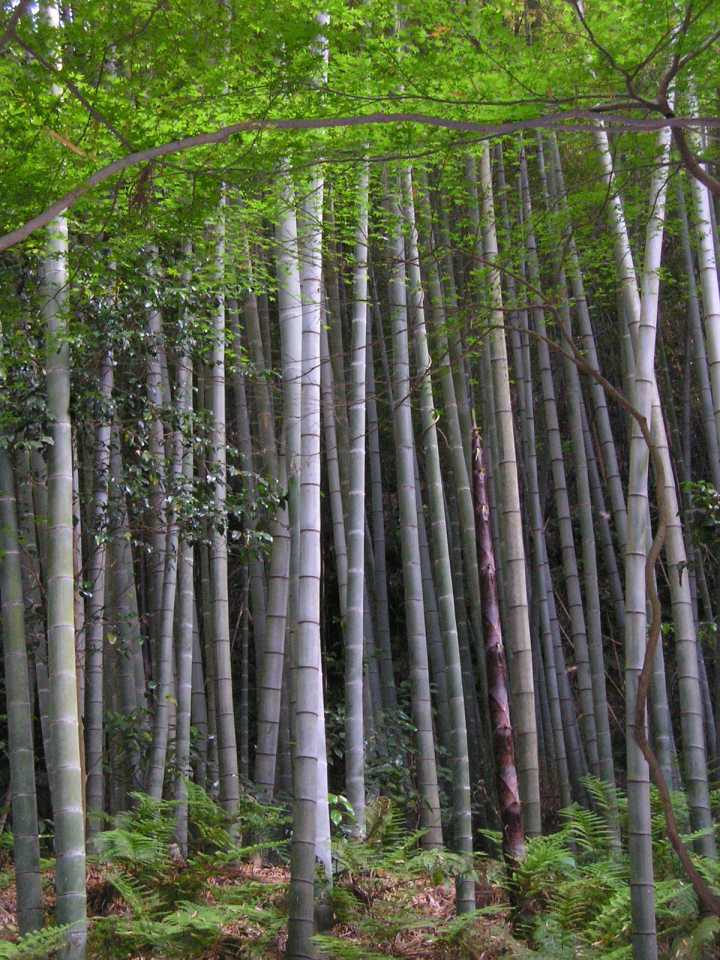
moso bamboo
Phyllostachys edulis
Secondary I Emergent Mulch biomassA running (spreading) bamboo native to China and Taiwan, the most cultivated species for timber and fiber in East Asia. It reaches up to 28 m tall ...
-
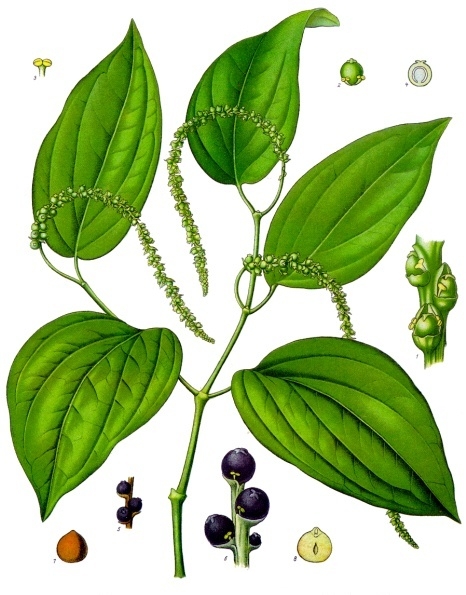
black pepper
Piper nigrum
Secondary I Low No biomass productionWoody climber native to SW India, naturalized in the Brazilian Amazon. Embrapa records it among perennial crops in Amazonian SAFs: trained on live ...
-
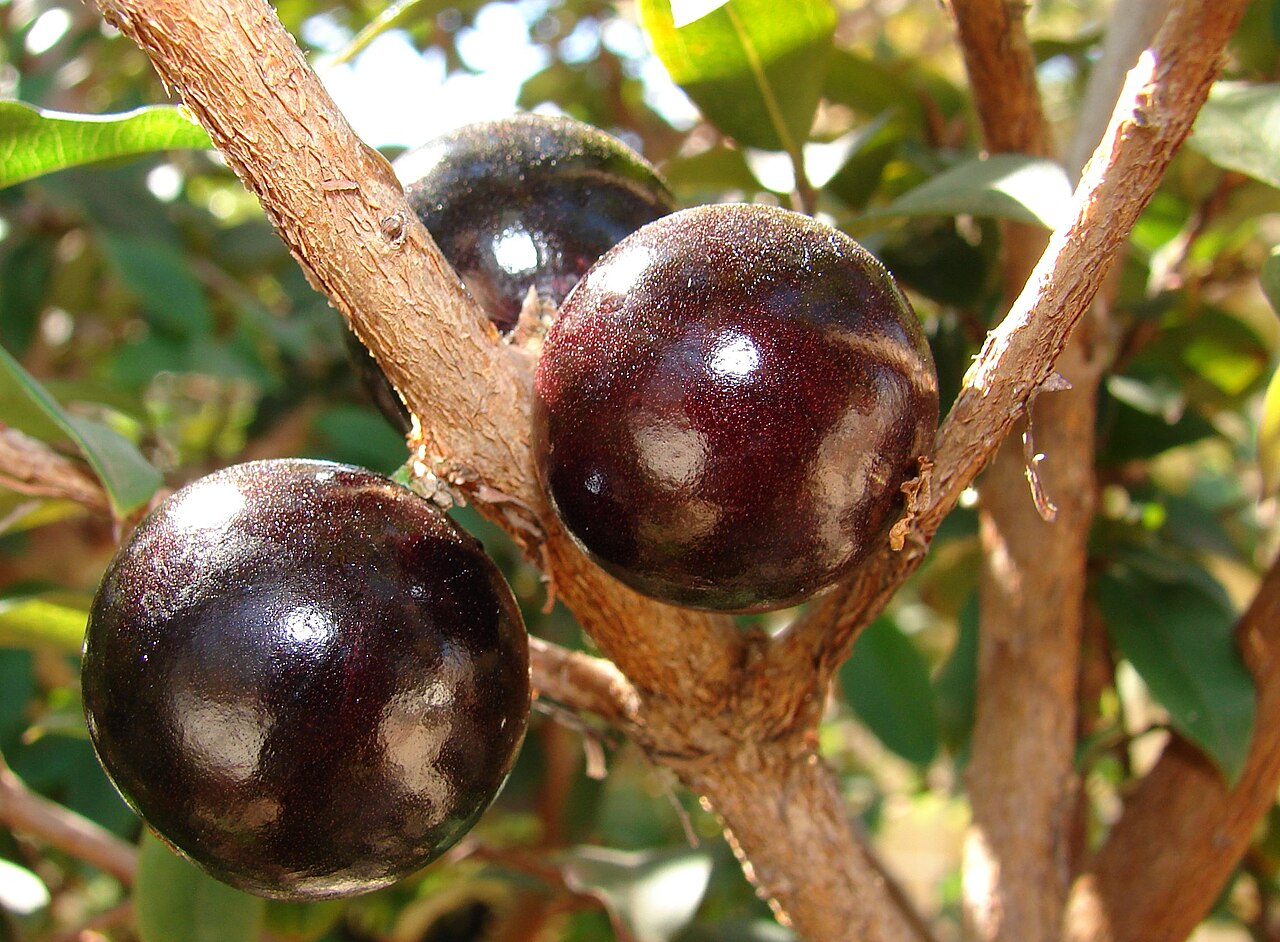
jabuticaba
Plinia cauliflora
Secondary II Low No biomass productionAtlantic Forest native characterized by cauliflory (fruits on the trunk). Pasini lists it in the high stratum of Tabela 3 and in the 20–50 year / +...
-
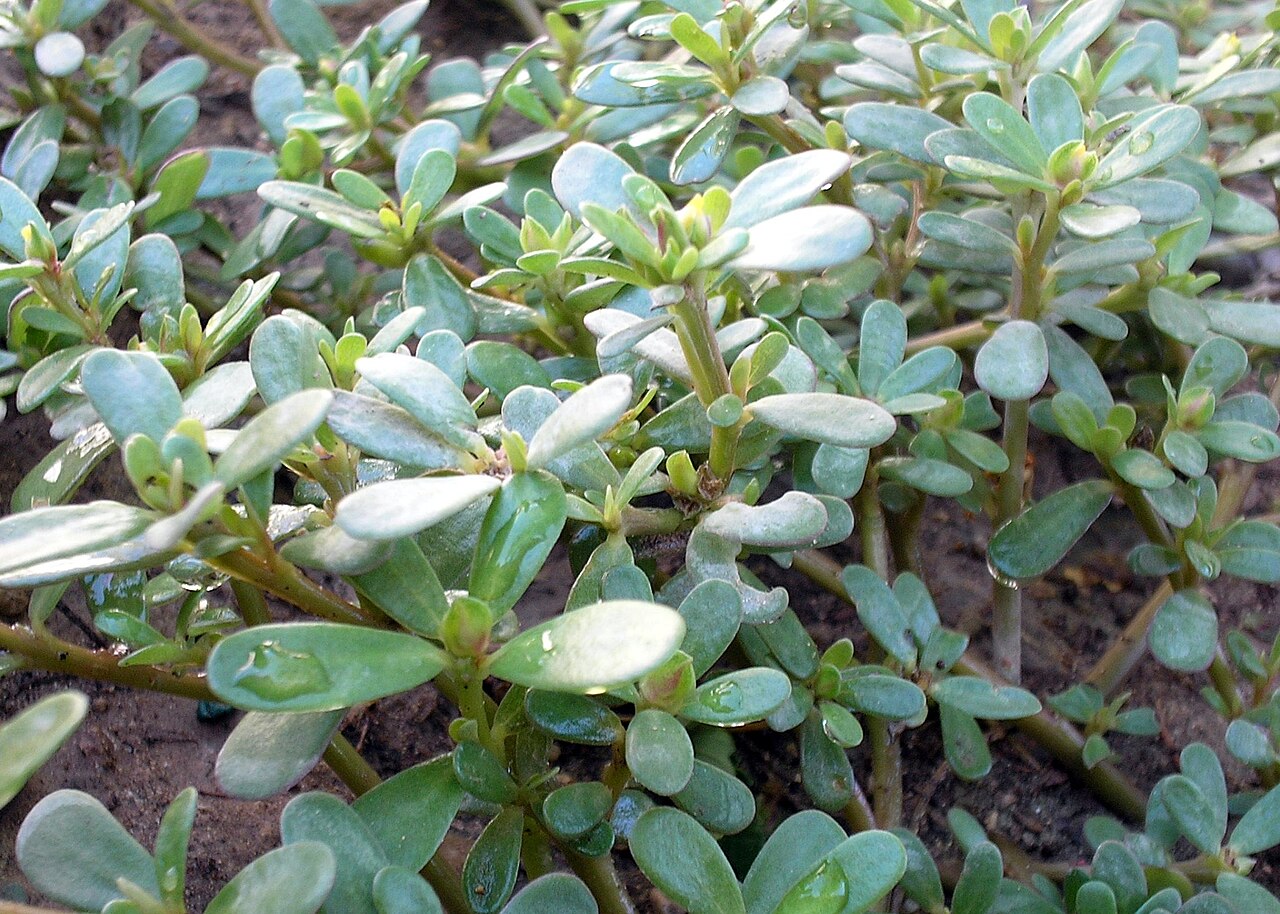
common purslane
Portulaca oleracea
Placenta I Ground cover Mulch biomassA prostrate annual succulent herb in the Portulacaceae, with a cosmopolitan distribution and very common as a volunteer in gardens and pavements. I...
-
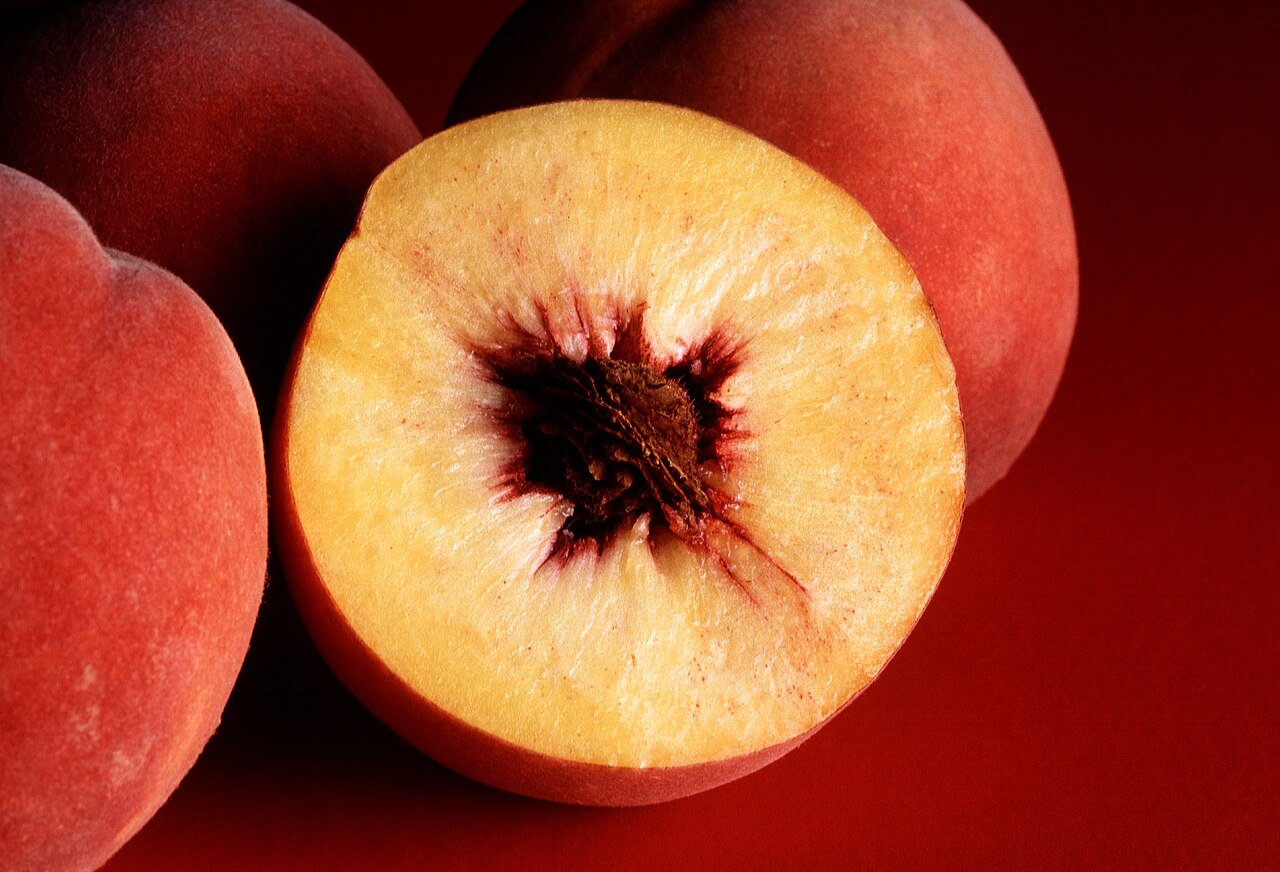
peach
Prunus persica
Secondary I Medium No biomass productionA deciduous fruit tree of the Rosaceae family, exotic to Brazil but well adapted to the temperate-climate regions of the south. It requires winter ...
-
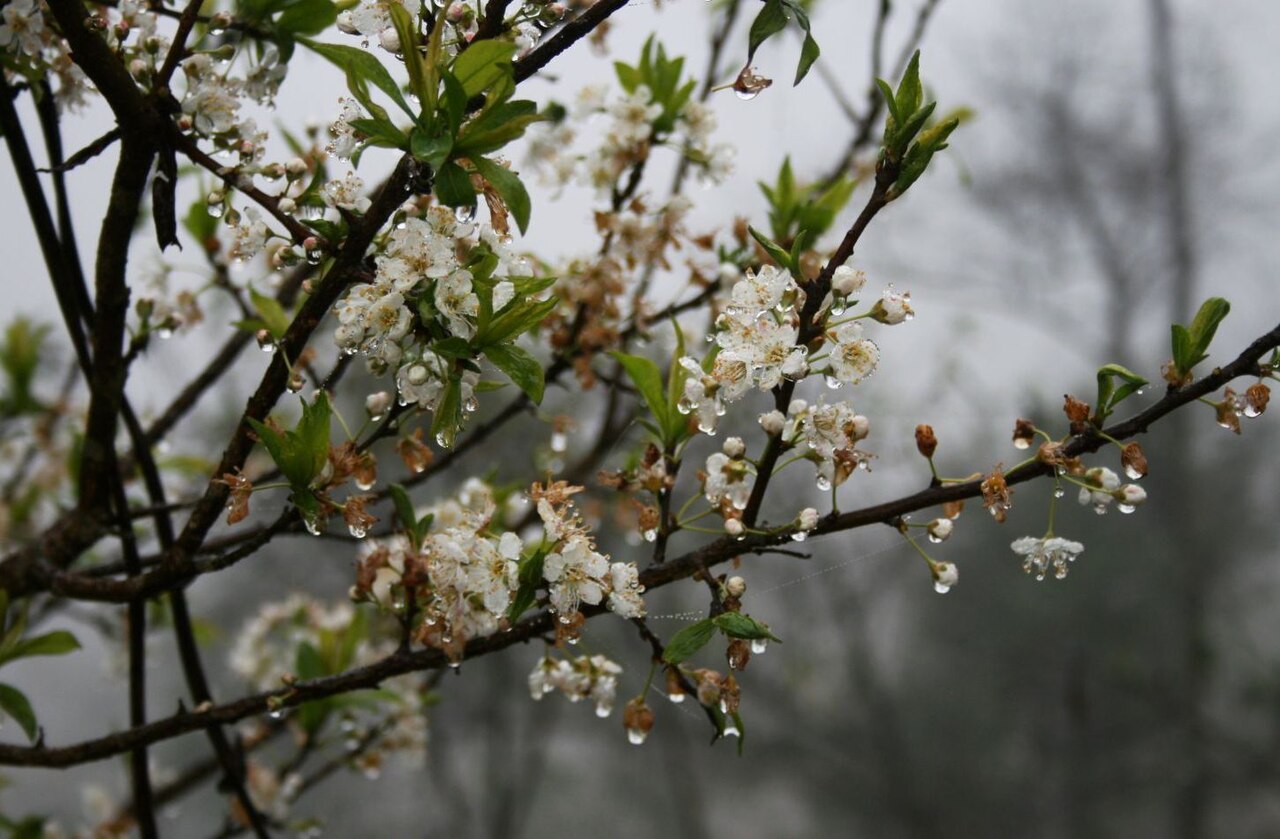
Japanese plum
Prunus salicina
Secondary I Medium No biomass productionA deciduous plum tree originating in China, widely grown in southern Brazil as a temperate fruit crop. It has a moderate chill requirement (cultiva...
-
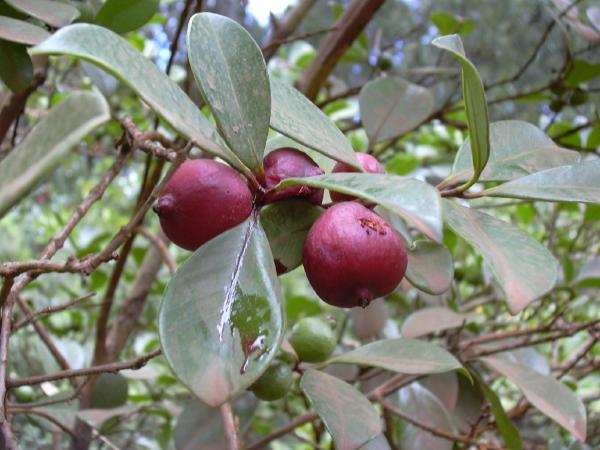
strawberry guava
Psidium cattleyanum
Secondary I High No biomass productionSmall native Atlantic Forest fruit tree, listed by Pasini in the high stratum of Tabela 3. Small red or yellow fruit similar to a guava with intens...
-
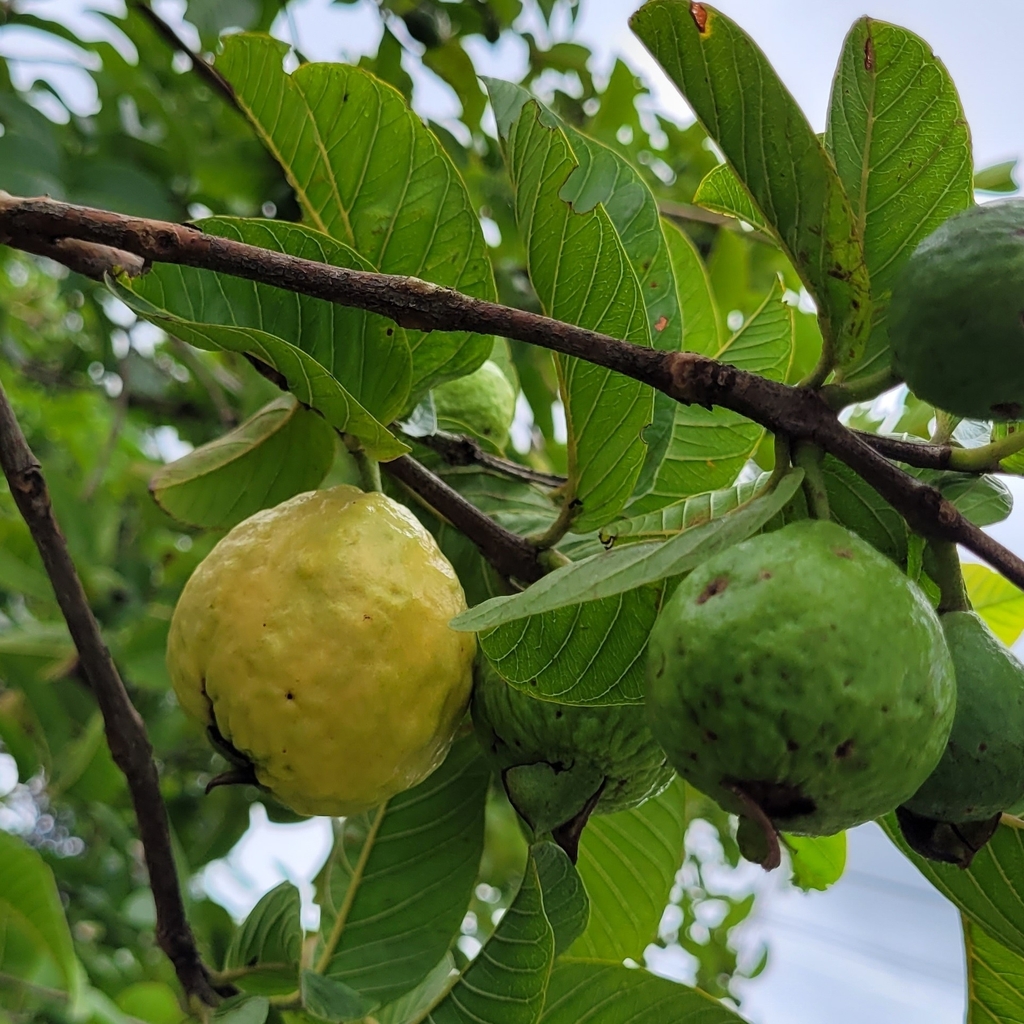
guava
Psidium guajava
Secondary I High No biomass productionNative tropical American fruit tree, common in Brazilian syntropic agroforestry systems. Pasini lists it in the high stratum of Tabela 3. Tolerates...
-
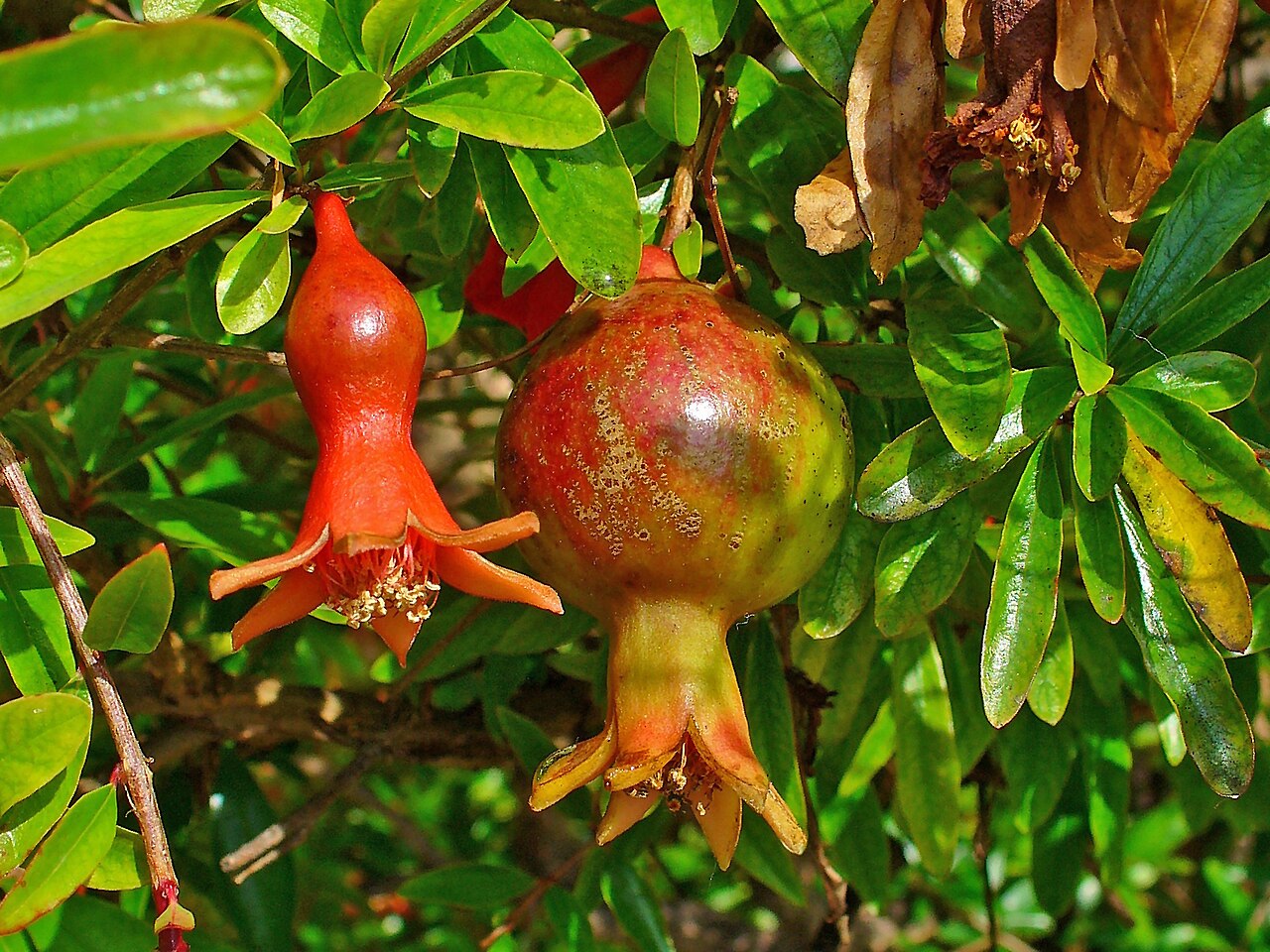
pomegranate
Punica granatum
Secondary I Low No biomass productionPomegranate, a deciduous shrub or small tree of the Lythraceae family, exotic to Brazil and cultivated across a wide range of the country. Drought-...
-
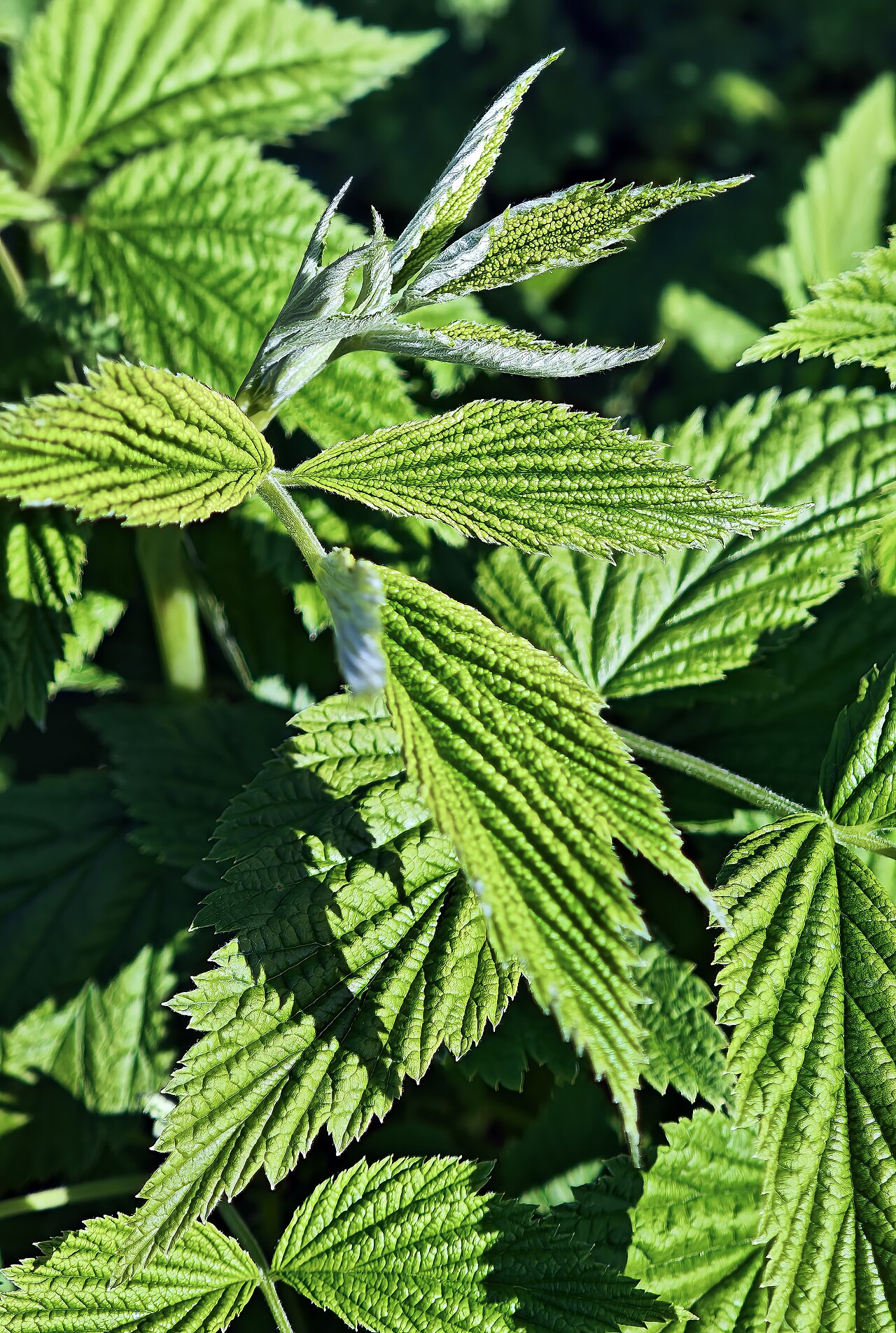
raspberry
Rubus idaeus
Secondary I Low No biomass productionRaspberry, a perennial shrub with biennial canes of the Rosaceae family, exotic to Brazil and grown in cold regions of the south and in highland mi...
-
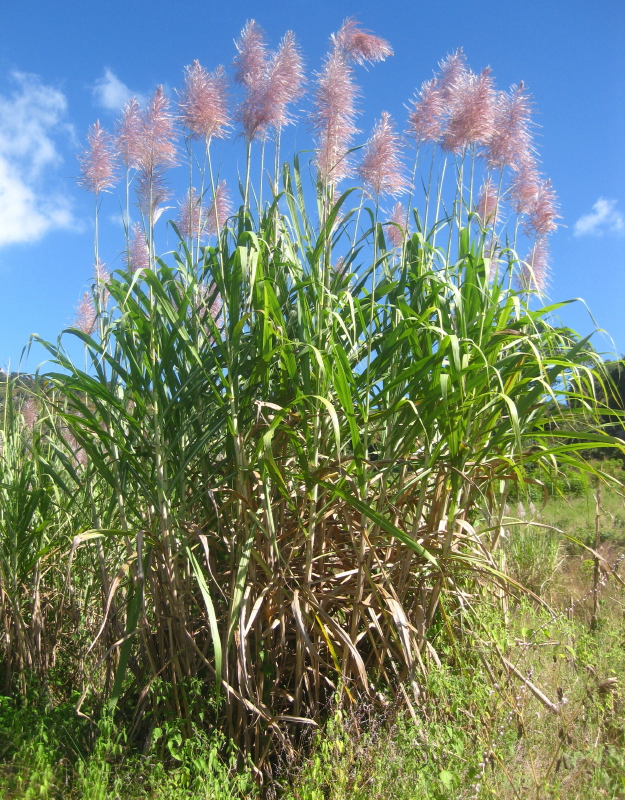
sugar cane
Saccharum officinarum
Placenta II Emergent Mulch biomassPerennial grass with very high production of cover biomass. Pasini lists it in the emergent stratum (Tabela 3). Cut periodically in syntropic agrof...
-
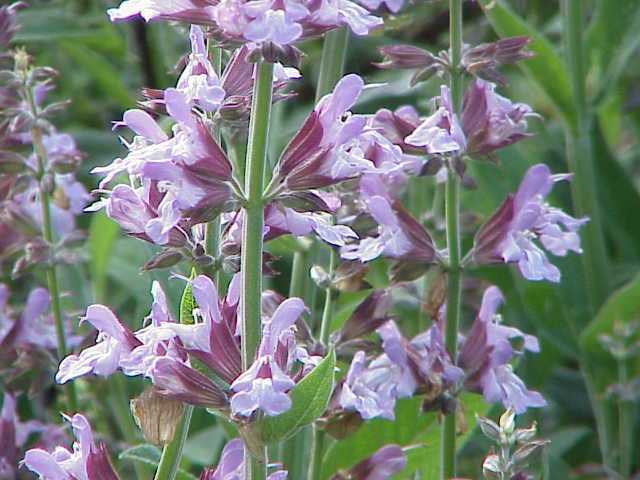
sage
Salvia officinalis
Placenta II Low No biomass productionPerennial Mediterranean subshrub (40–80 cm), grey-green aromatic leaves. Cold-hardy. In subtropical syntropic systems pairs well with rosemary and ...